
More Guests or a More Memorable Wedding? How to Choose What's Right for You

It's one of the most common budget dilemmas engaged couples face: do you stretch your guest list to include every cousin, coworker, and childhood friend — or do you keep it intimate and pour your budget into an experience that truly blows your guests away? There's no single right answer, but there is a smarter way to think it through. Here's how to figure out which approach fits your vision, your budget, and your relationship.
Why Guest Count Is the Single Biggest Budget Driver
Every guest you add doesn't just cost a plate of food — it multiplies across your entire wedding. Venue capacity, catering, cake servings, seating, florals, favors, and yes, invitations all scale with headcount. On average, each additional guest adds $150–$300 to a wedding budget depending on your market and venue type.
That math adds up fast. Inviting 30 extra people to feel polite could mean cutting your photographer's hours, downgrading your catering package, or skipping the live band you've always dreamed about. Before you finalize your list, run the numbers: what would trimming 20 guests actually free up for the rest of your day?
What 'A Better Wedding' Actually Means in Practice
A better wedding isn't just about luxury — it's about the details guests actually remember. Research on wedding memories consistently shows that people recall the feeling of a wedding far more than the food or décor specifics. That feeling comes from atmosphere, personal touches, and how present and relaxed the couple seemed.
Practically, a smaller guest list might let you:
- Upgrade to a more unique or scenic venue
- Book a better photographer or videographer
- Offer a plated dinner instead of a buffet
- Add a live band, photo booth, or late-night snack station
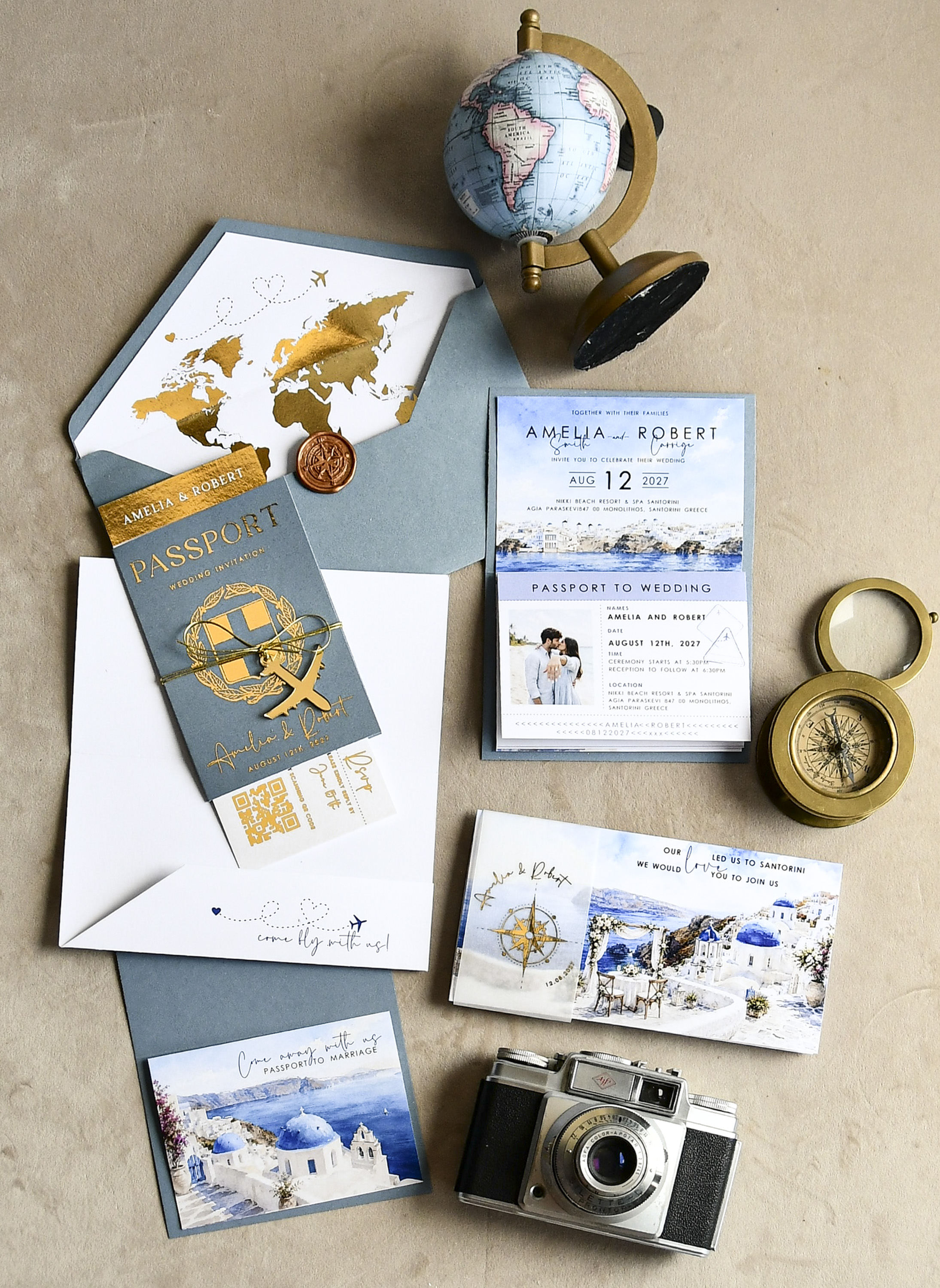
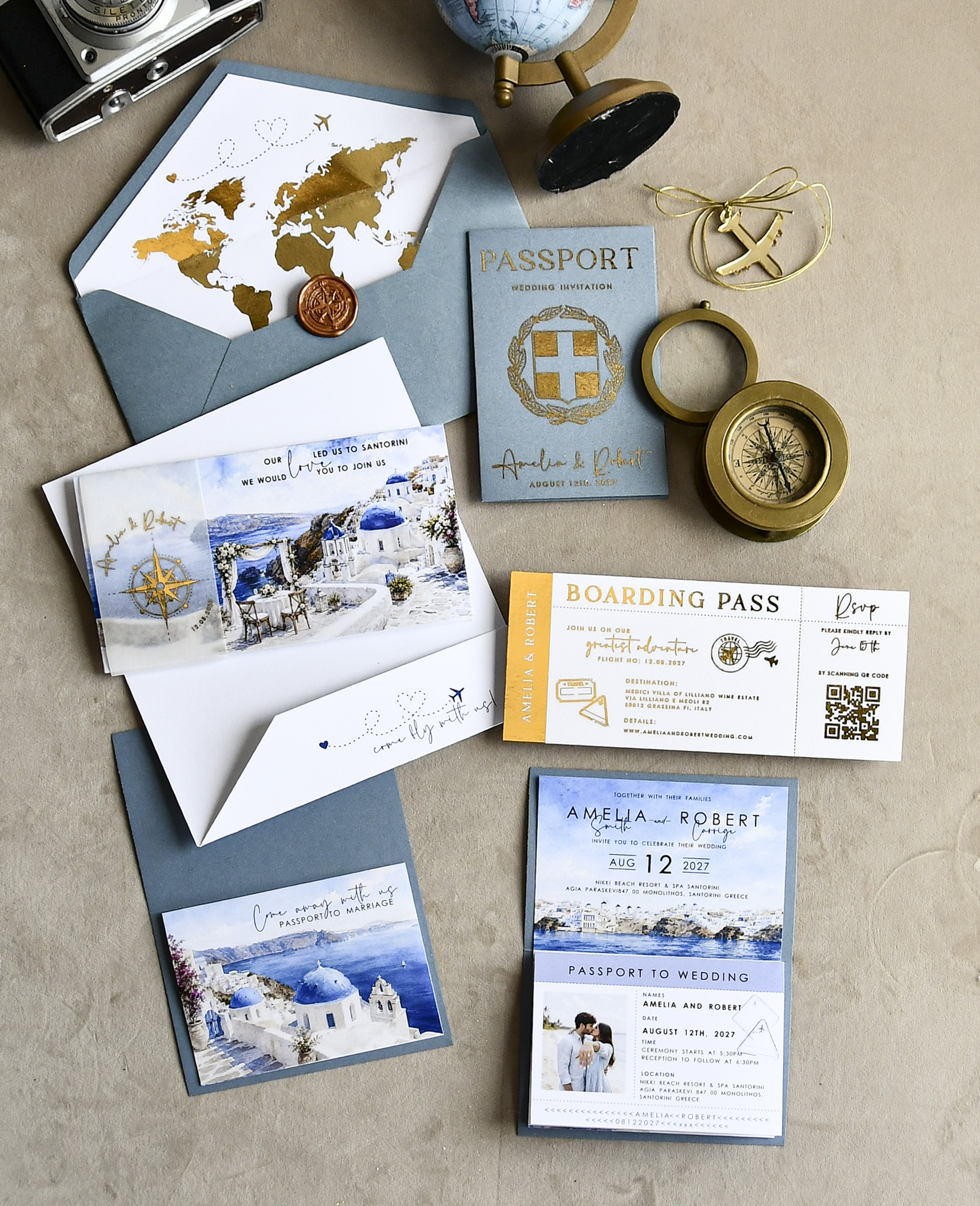
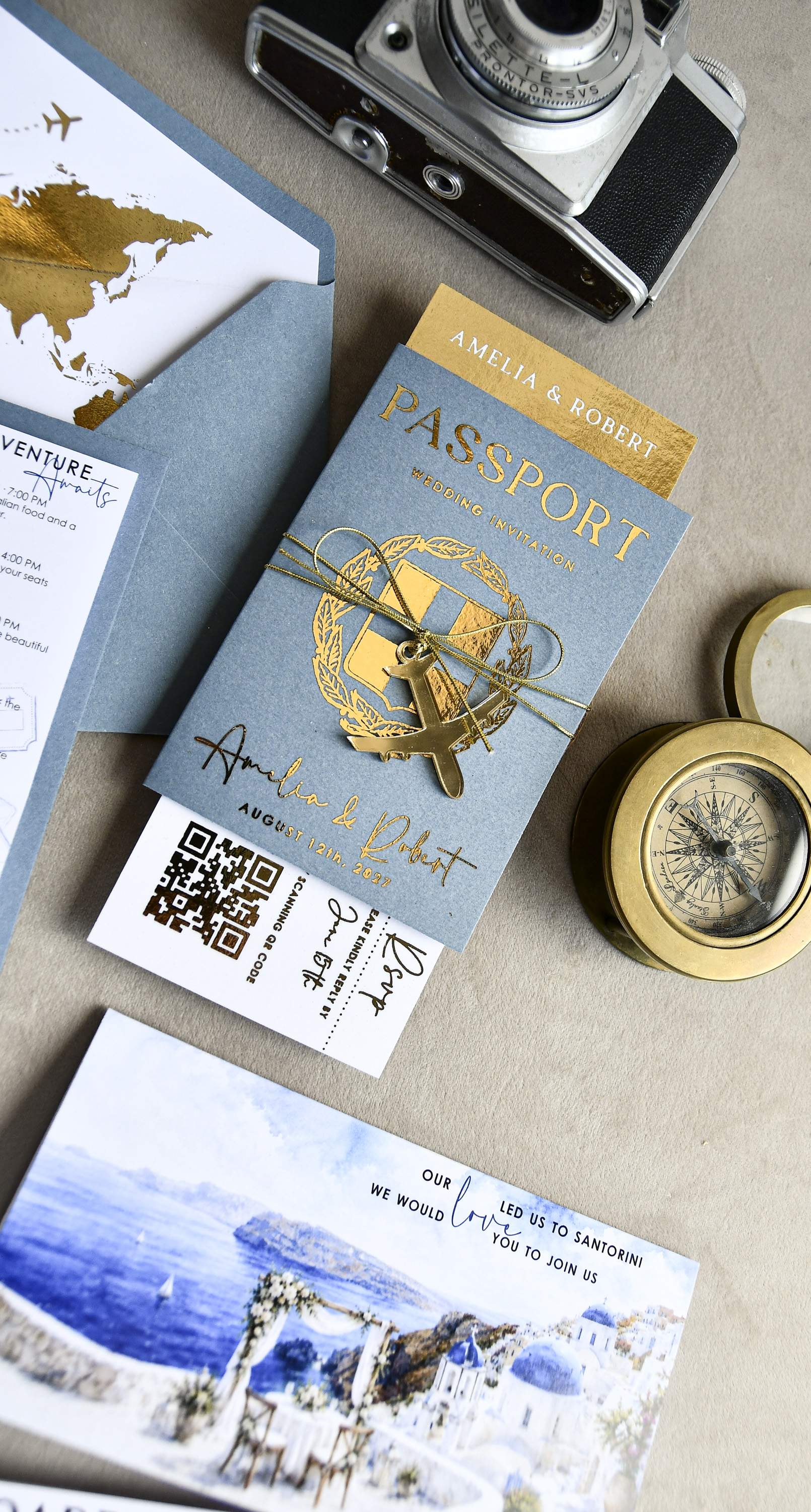
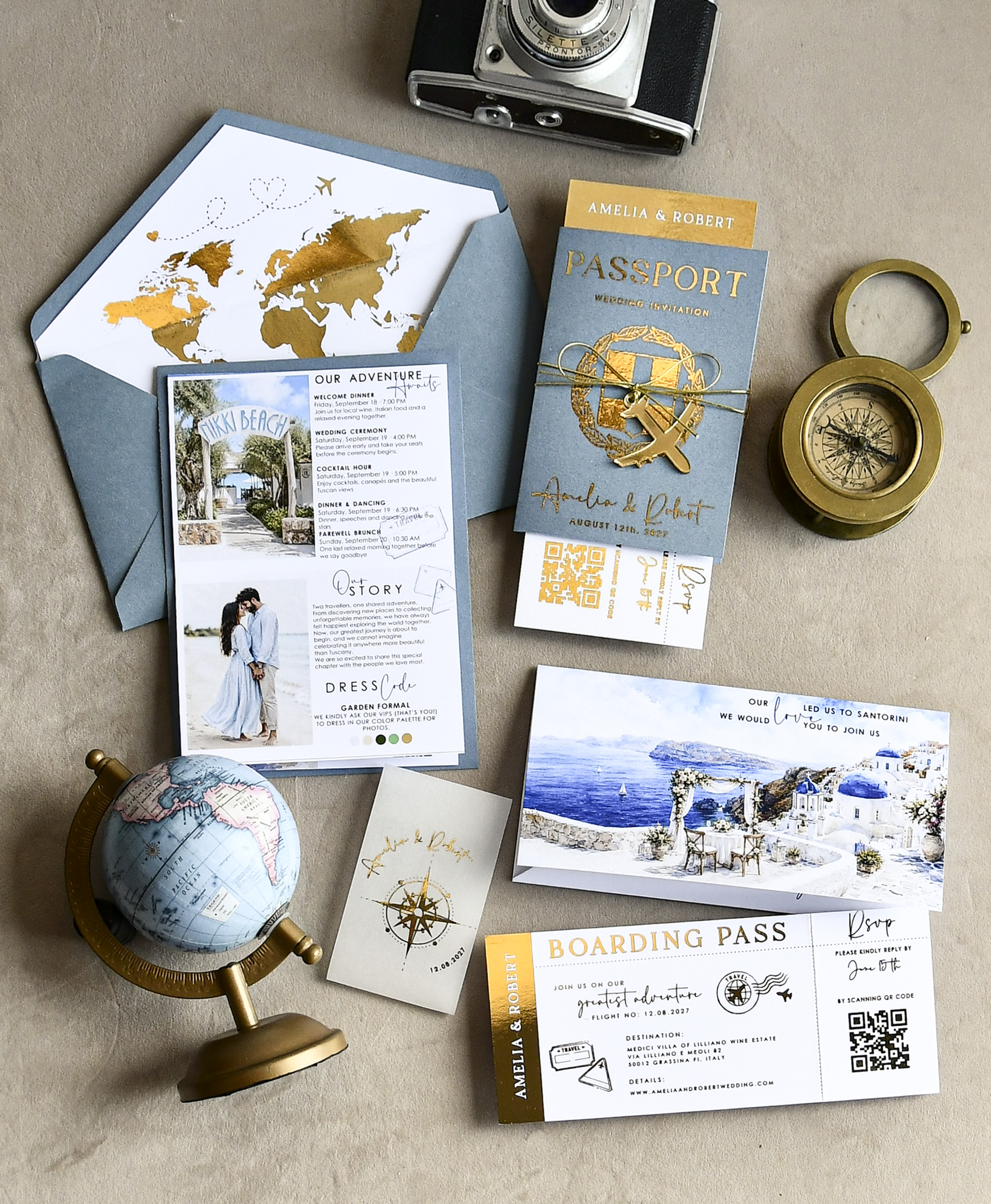
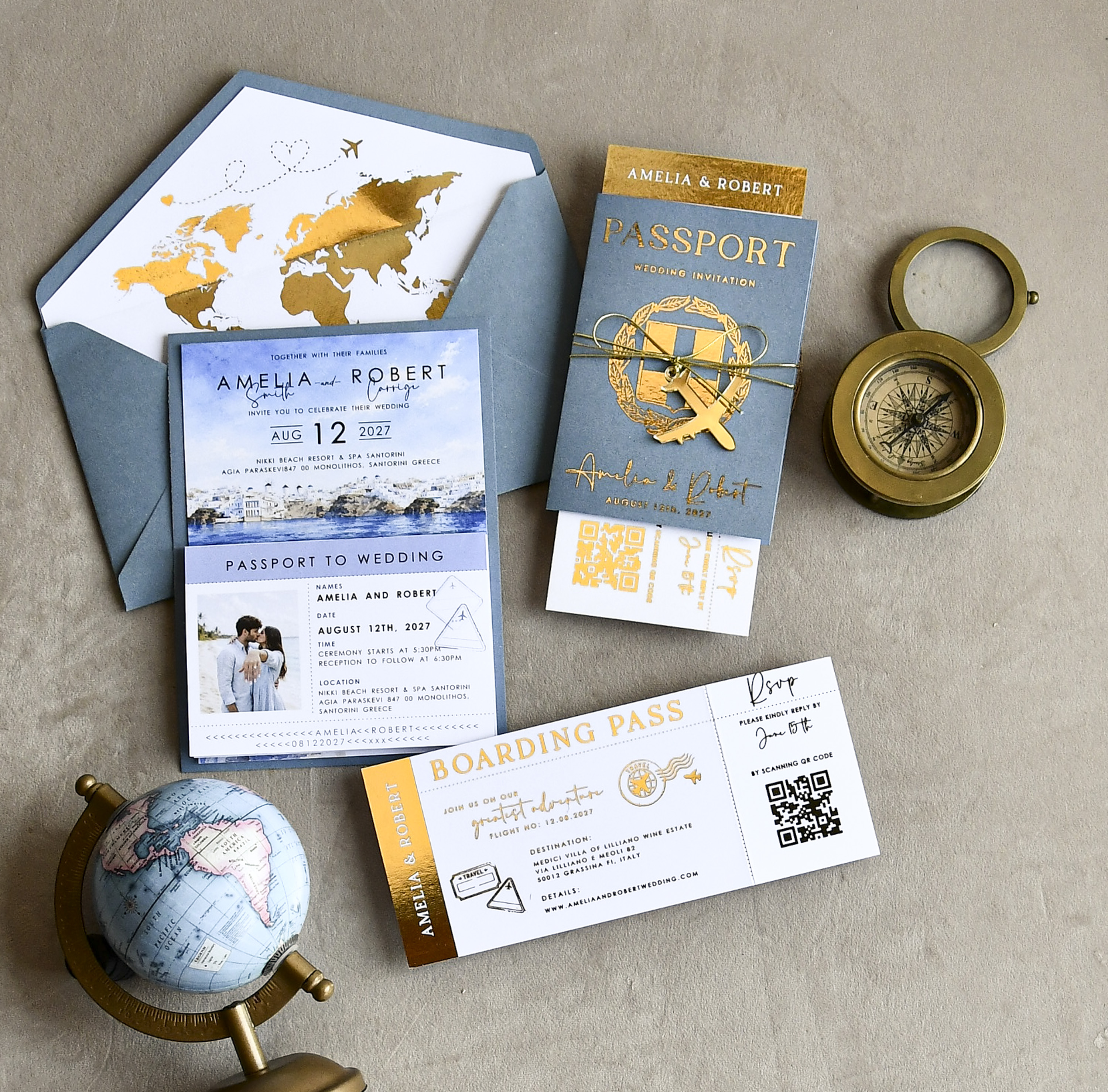
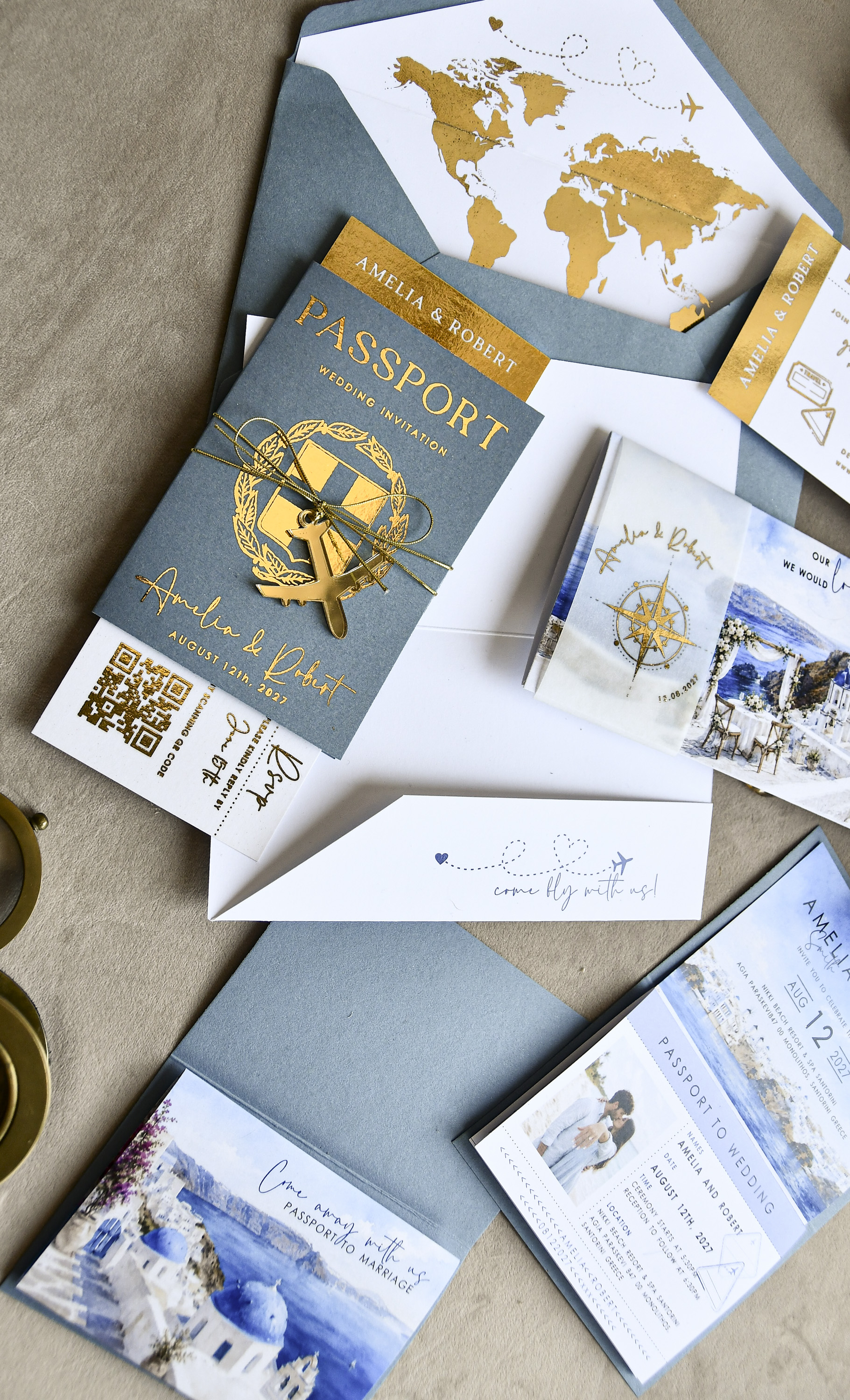
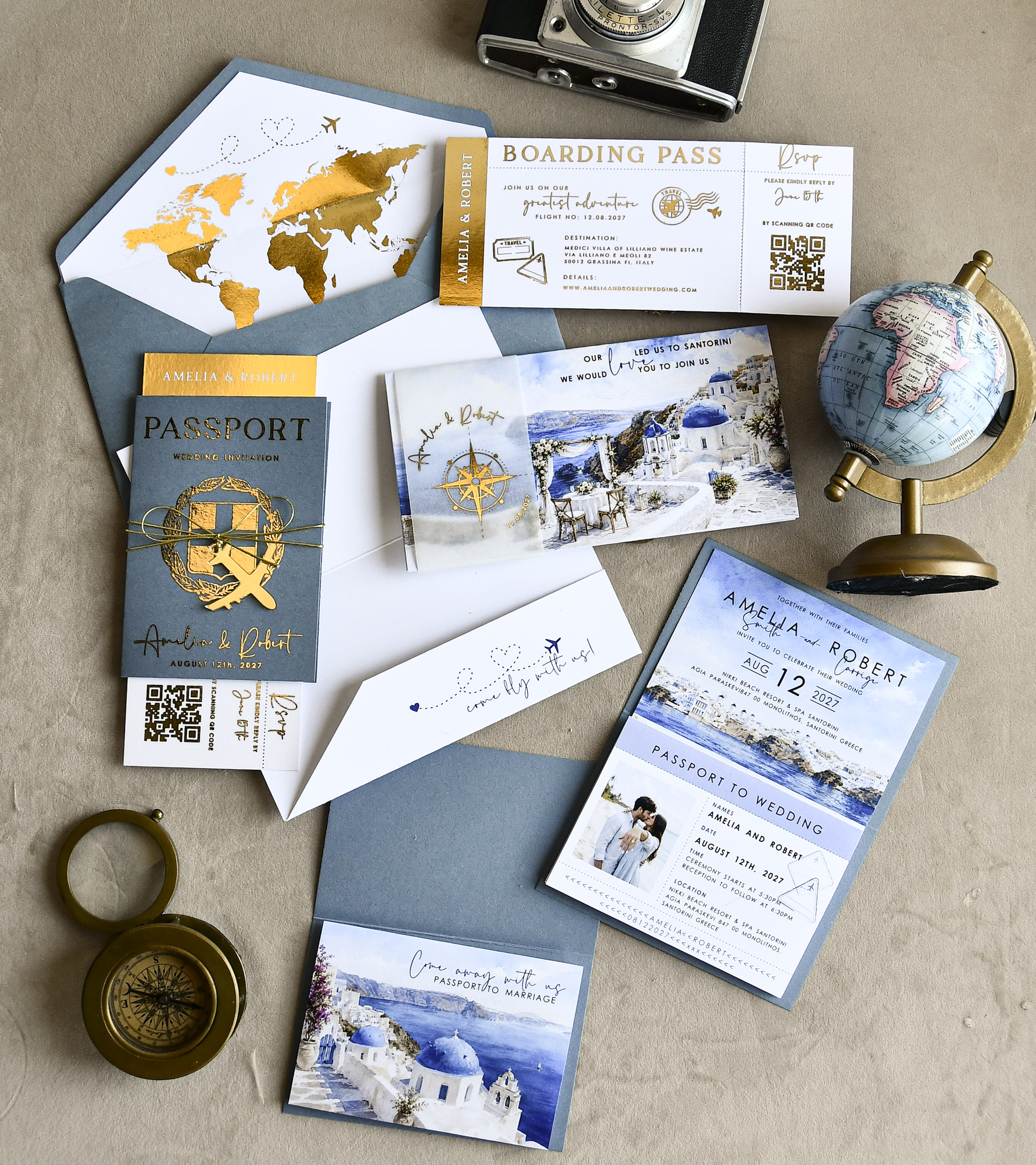
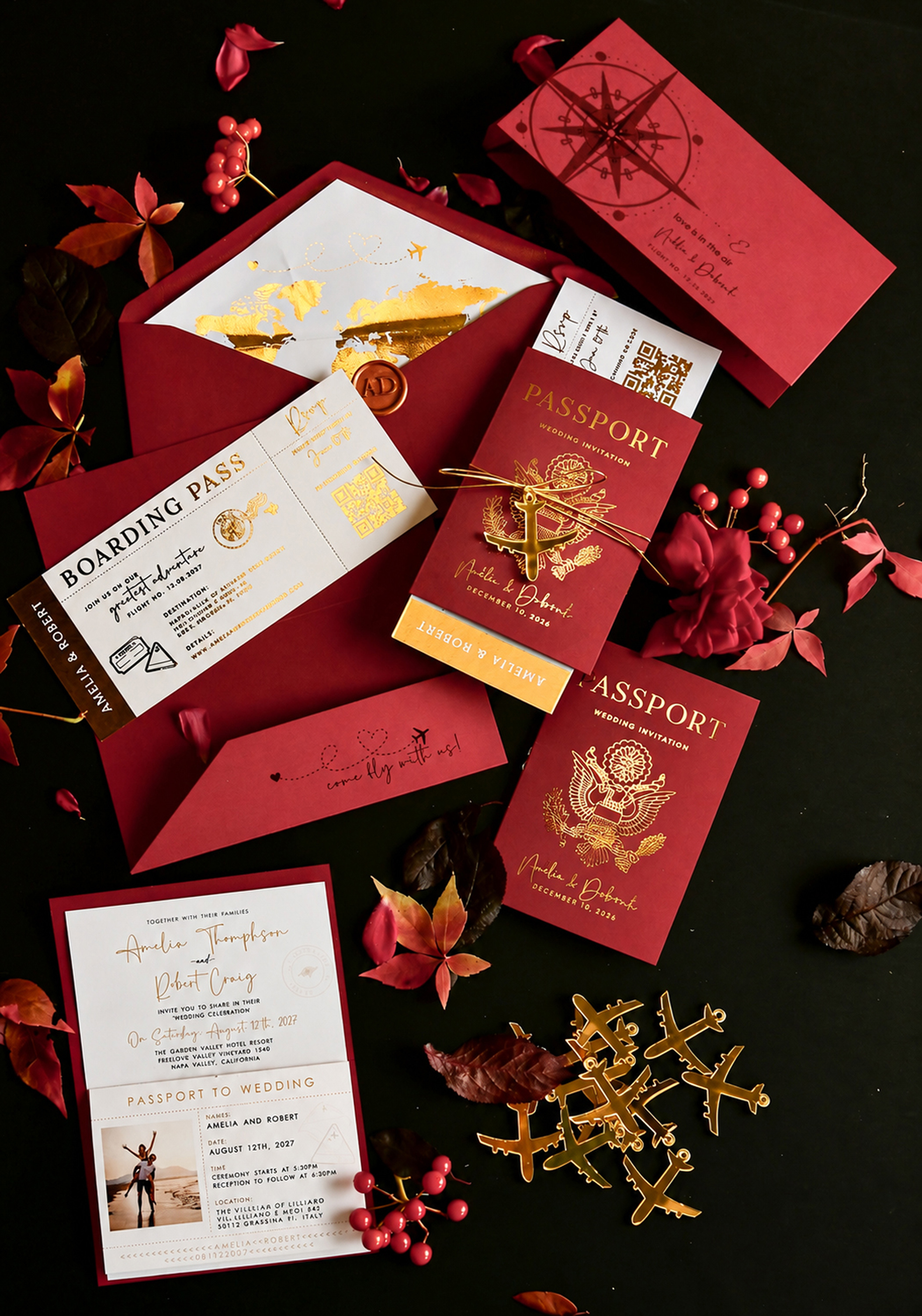
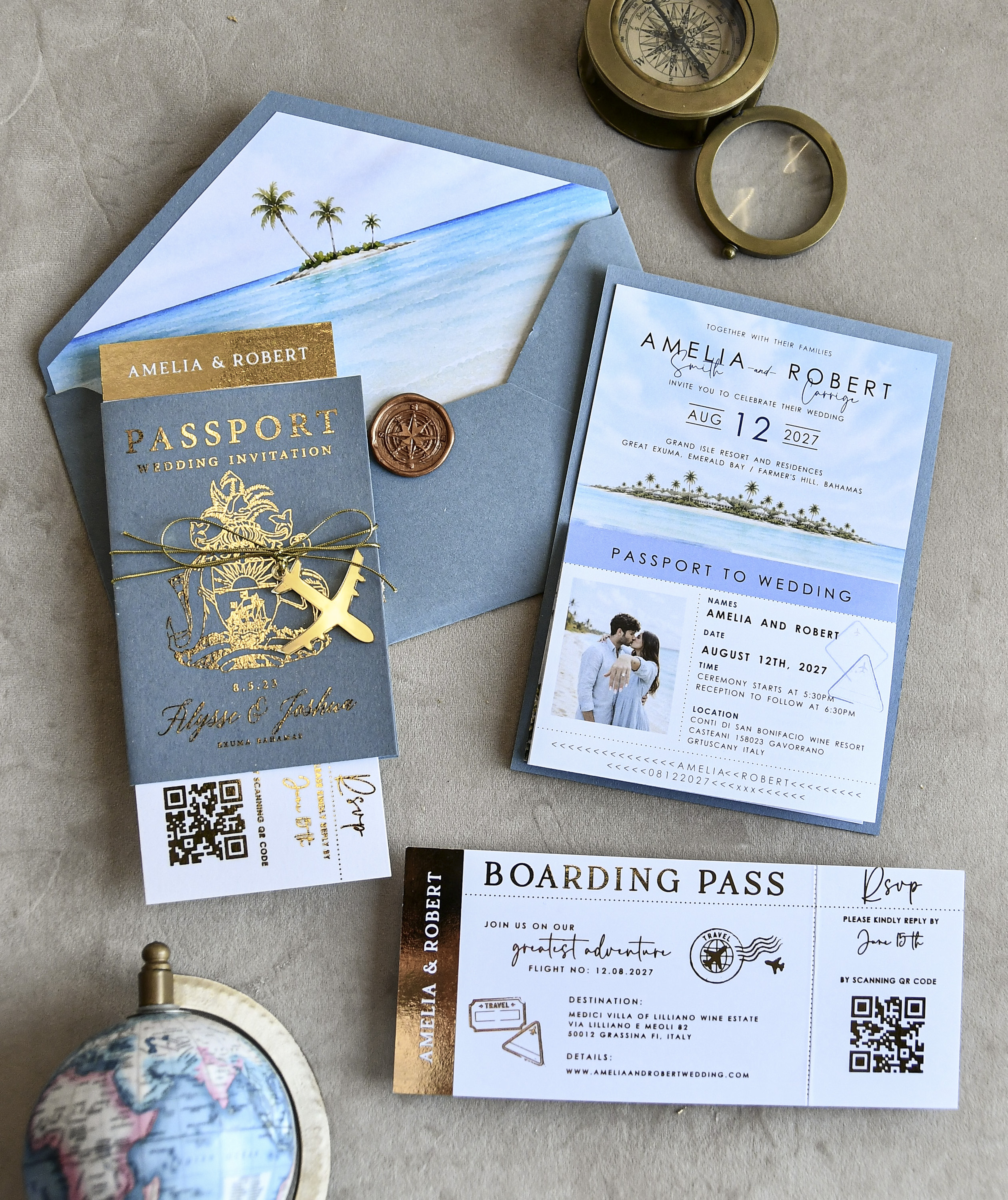
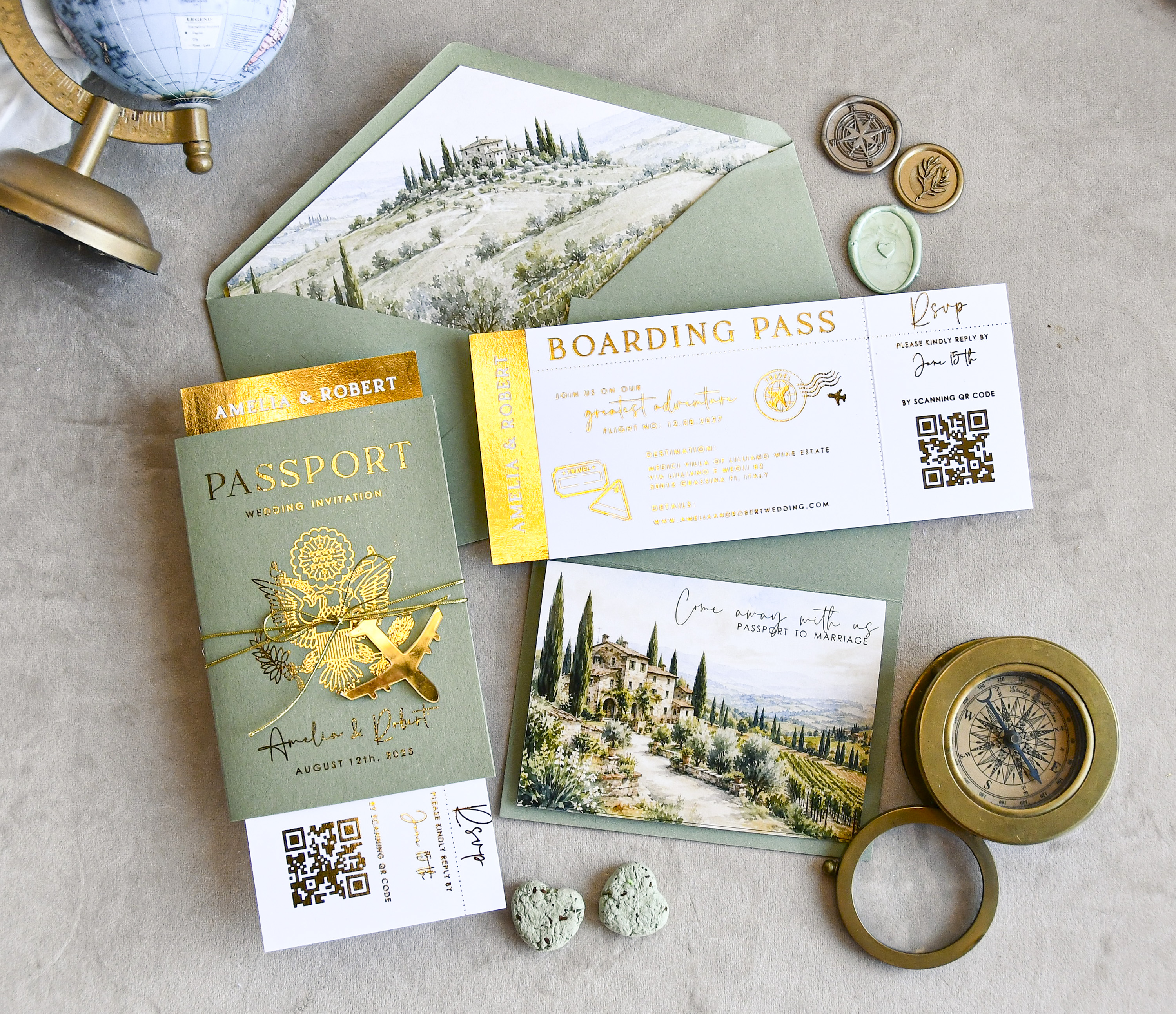
- Send elevated, beautifully designed invitations — like a destination-style suite — that set the tone before guests even arrive
Even small upgrades feel significant when they're experienced by 60 people instead of 160.
How to Decide: A Practical Framework
Start by asking yourselves two honest questions: Who would we genuinely miss if they weren't there? and What moments do we most want to remember? The answers usually point in a clear direction.
Try this tiered approach to your guest list:
- Tier 1 — Must-haves: Immediate family and your closest friends. Non-negotiable.
- Tier 2 — Really want: Extended family and close friends you see regularly. Add if budget allows.
- Tier 3 — Obligation or habit: Coworkers, distant relatives, plus-ones you've never met. Cut here first.
Once you've built Tier 1, price out your dream wedding experience. If there's room to add Tier 2 guests without sacrificing quality, do it. If not, a smaller, more intentional celebration is almost always the more meaningful choice.
The Case for Going Smaller — and Making It Feel Special
Micro-weddings (under 50 guests) and intimate weddings (50–75 guests) have grown dramatically in popularity — and for good reason. Couples who go smaller often report feeling more present, less stressed, and more connected to every person in the room. When you're not managing a crowd of 200, you actually get to enjoy your wedding day.
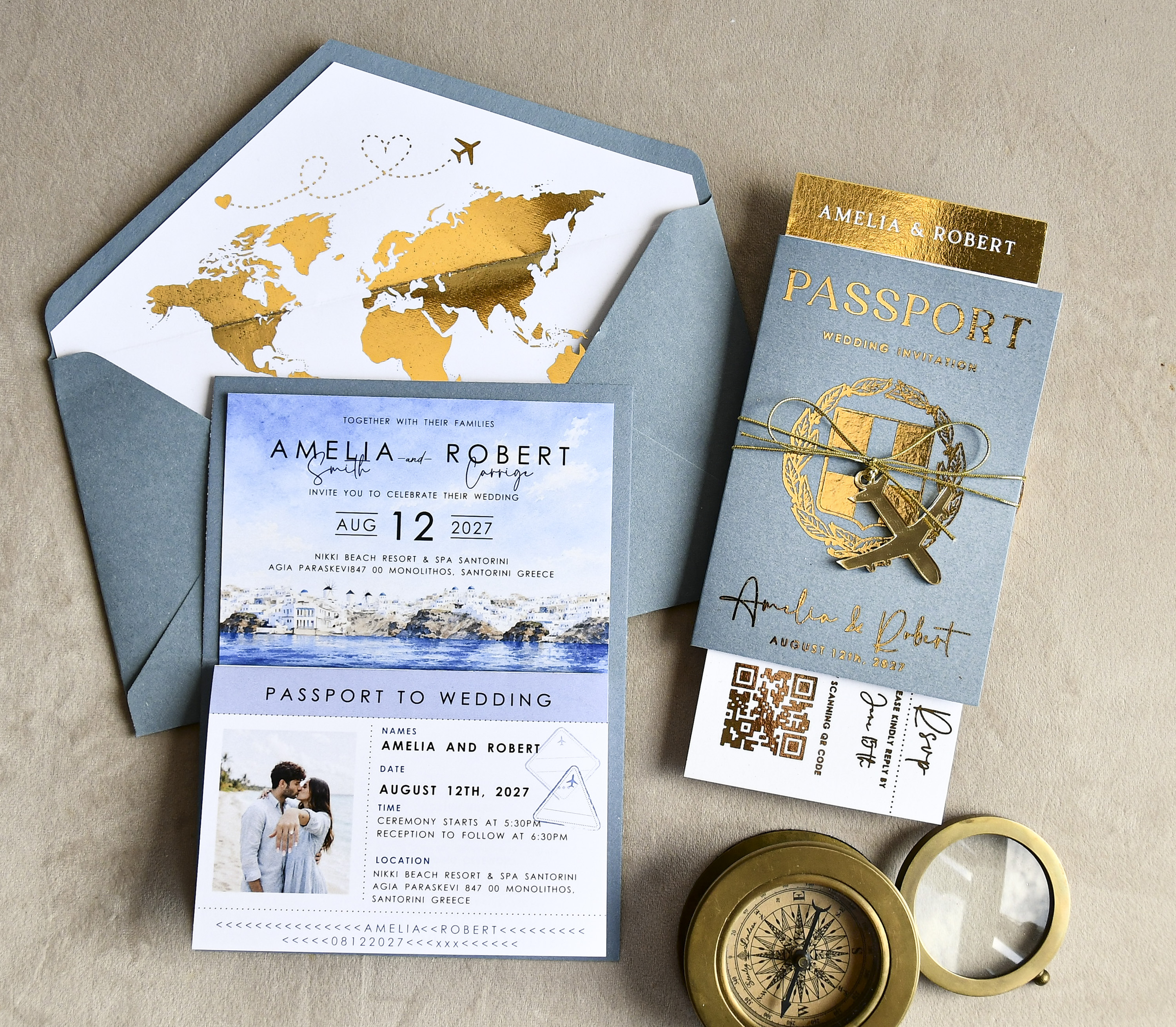
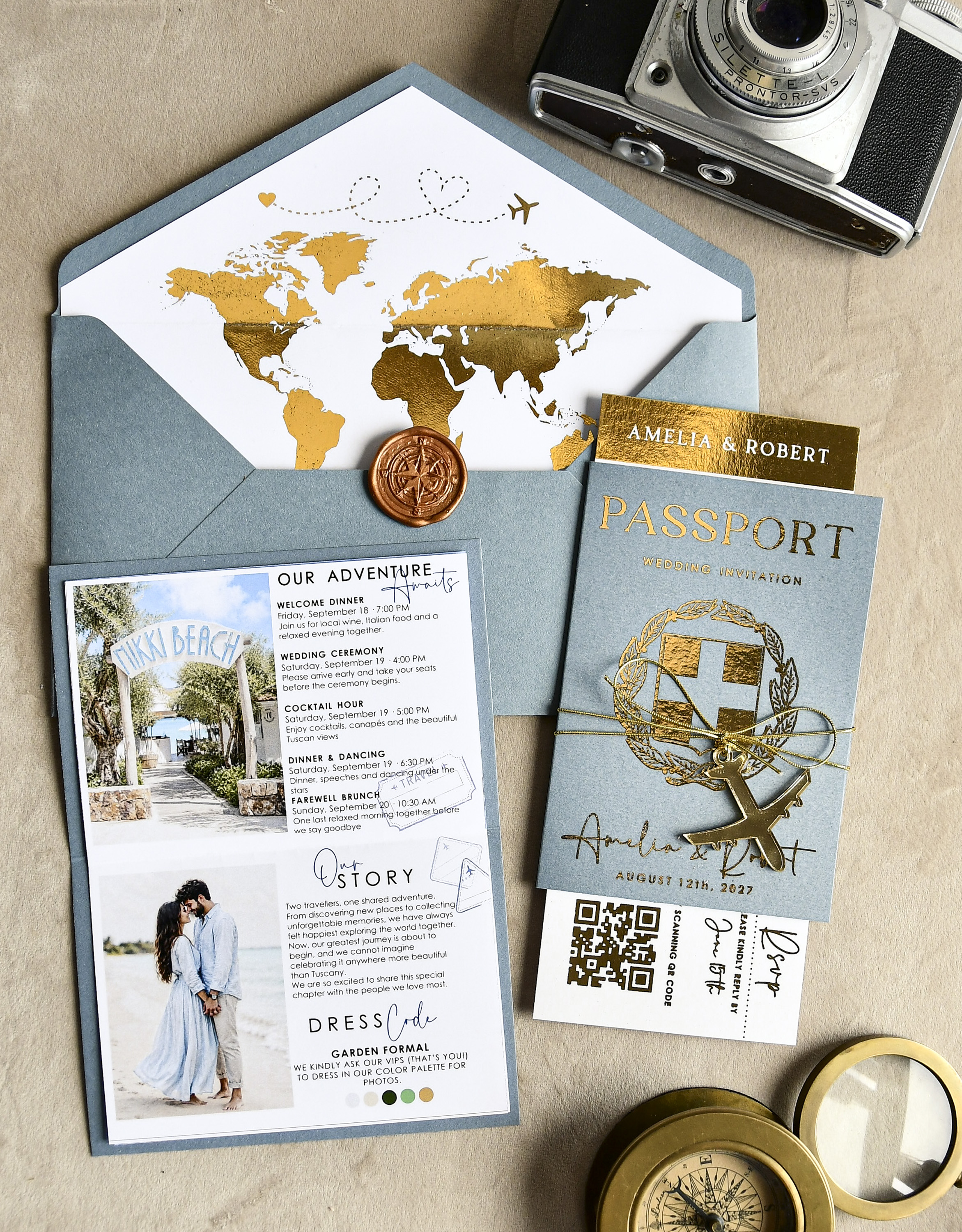
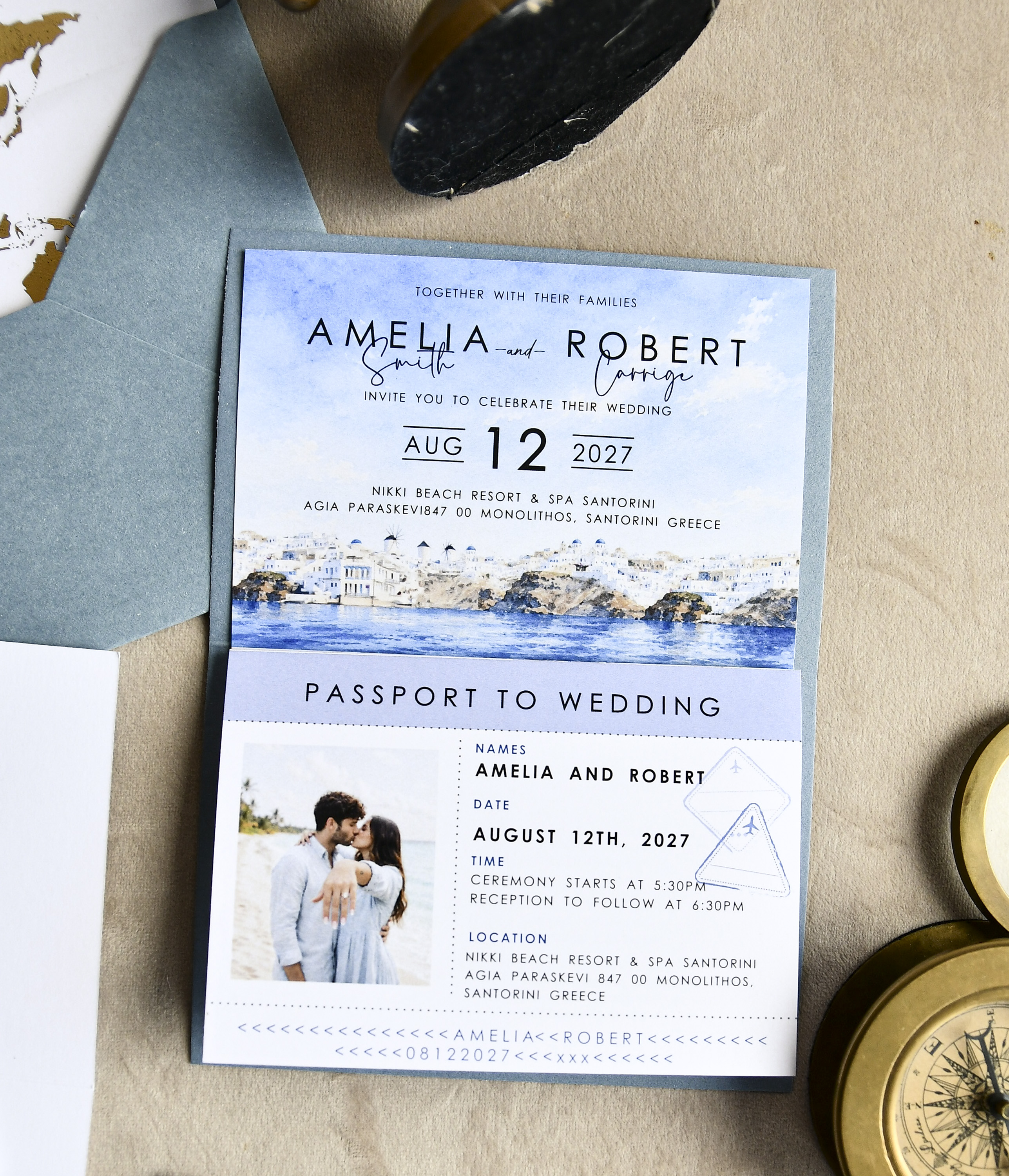
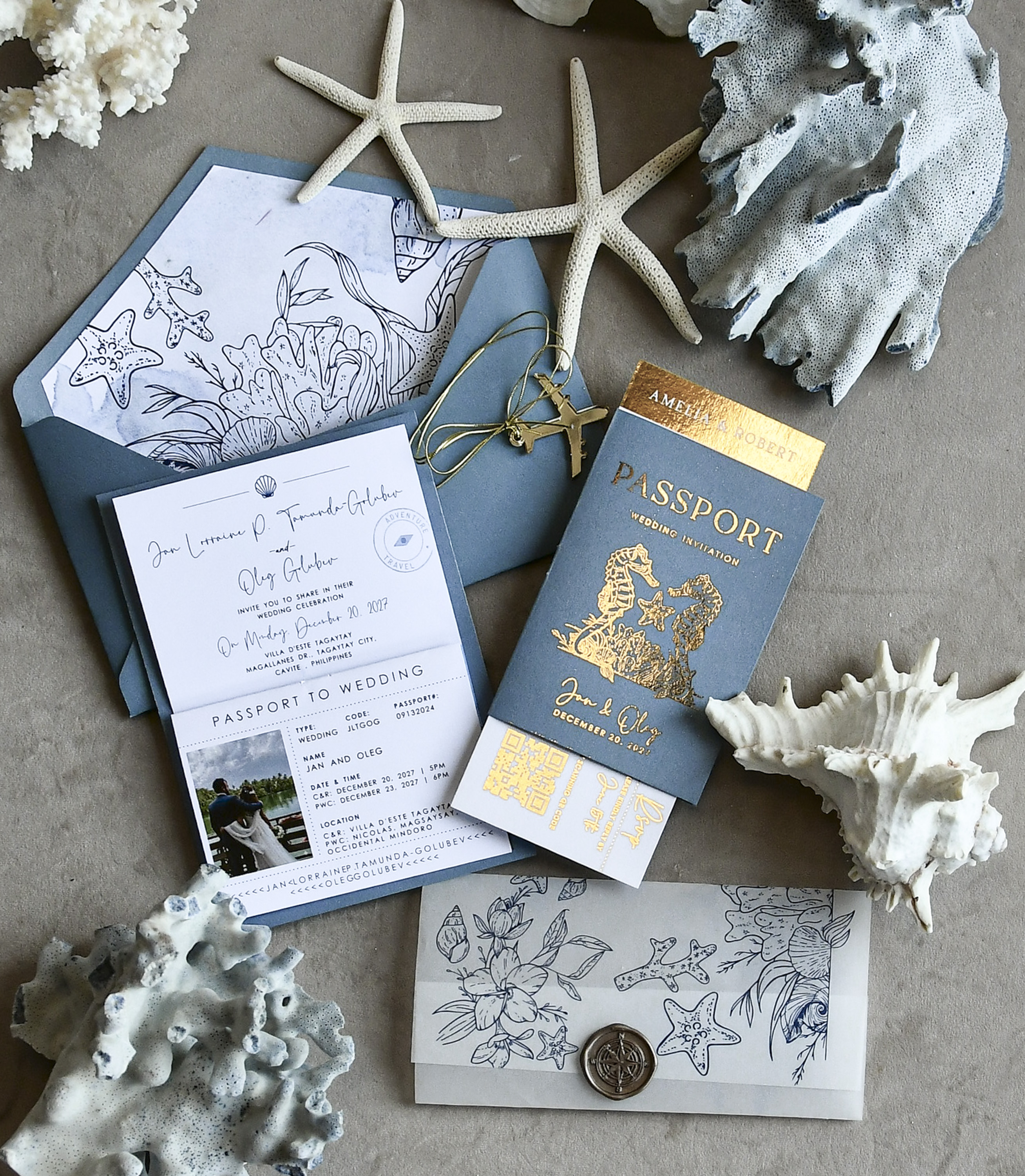
Going smaller also lets you invest in the invitation experience, which is your guests' very first impression of your wedding. A beautifully crafted invite — like the passport-style beach wedding invitations from Margo&Bees — signals that something special is coming and builds genuine excitement before the big day. That kind of thoughtful detail is only possible when you're not stretching every dollar across a massive headcount.
When a Larger Guest List Is the Right Call
Bigger isn't always the wrong choice. For some couples — especially those with large, close-knit families or cultural traditions that center on community celebration — a large wedding is the meaningful experience. If cutting your guest list would cause real family conflict or leave out people who are genuinely central to your lives, the emotional cost may outweigh the financial savings.
If you're going big, be strategic: choose a venue that includes catering in the per-head cost, opt for stations or family-style dining over plated meals, and prioritize the vendors that matter most to you (usually photography and music). You can still create a memorable wedding with 150 guests — it just requires sharper trade-offs.
Frequently Asked Questions
Most couples spend between $150 and $300 per guest when you factor in catering, venue space, cake, favors, and stationery. In major cities like New York or Los Angeles, that number can climb to $400 or more per person.
Be clear early that your guest list is driven by your budget and venue capacity — not preference. Offering a post-wedding celebration or brunch for extended family can help soften the conversation while keeping your wedding day intimate.
If you're planning without a full-service coordinator, 75 guests or fewer is much more manageable. Smaller weddings have fewer logistics to juggle and allow you to be more present on the day itself.
There's no etiquette rule requiring you to invite coworkers. The general guideline is: if you wouldn't meet up with them outside of work, they don't need to be on the list. Just be consistent within your workplace to avoid awkwardness.
Send invitations 8–10 weeks before your wedding date, or 12 weeks for a destination wedding. This gives guests enough time to arrange travel and accommodations without the invite getting lost in the mail pile months out.
Absolutely — and it's one of the best reasons to keep your list tight. With fewer invitations to order, your per-unit cost stays low while you can afford a more elevated design. A beautifully designed suite, like a passport-style invite, makes a lasting impression that sets the tone for the whole celebration.
See This Design Up Close











You May Also Like
More Wedding Planning Guides
- → The Complete Guide to What Goes on a Wedding Invitation
- → Plus One Etiquette: Exactly Who Makes the Cut at Your Wedding
- → How to Navigate a Wedding When Your Divorced Parents Are at War
- → Inviting Guests to the Ceremony But Not the Reception: What You Need to Know
- → The Case for a Small Wedding: Everything You Need to Know
- → When to Send Wedding Invitations: A Complete Timeline Guide
- → Who Gets Cut First When Your Guest List Is Too Long?
- → Wedding Invitation Addressing: Etiquette Rules Every Couple Should Know
- → Do You Have to Invite Your Future In-Laws' Friends to Your Wedding?
- → Coworkers and the Wedding Guest List: How to Decide Who Gets an Invite
- → Yes, Guests Can RSVP Online — Here's How to Make It Work Beautifully
- → Inviting Your Ex to Your Wedding: A Practical Guide to Making the Right Call
- → Do You Have to Invite Your Cousins to Your Wedding?
- → How to Figure Out the Right Number of Wedding Invitations to Order
- → Should You Invite an Estranged Sibling to Your Wedding?
- → Going Digital: Everything You Need to Know About Sending Online Wedding Invitations
- → No-Shows After a Yes RSVP: How to Handle It Gracefully
- → Navigating the 'Them or Me' Wedding Guest Ultimatum
- → When Parents Want to Add Friends to the Guest List: A Practical Guide
- → No Kids at Your Wedding: Navigating the Etiquette With Confidence
- → How to Defuse Family Arguments Without Losing Your Mind Before the Wedding
- → Uninvited Plus-Ones and Tag-Alongs: How to Keep Your Guest List Intact
- → When Family Feuds Threaten Your Wedding Plans: A Practical Peacekeeper's Guide
- → Inviting an Estranged Brother or Sister: Finding Clarity Before You Seal the Envelope
- → Cousins, Invites, and Hard Choices: A Practical Guest List Guide