
When Parents Want to Add Friends to the Guest List: A Practical Guide
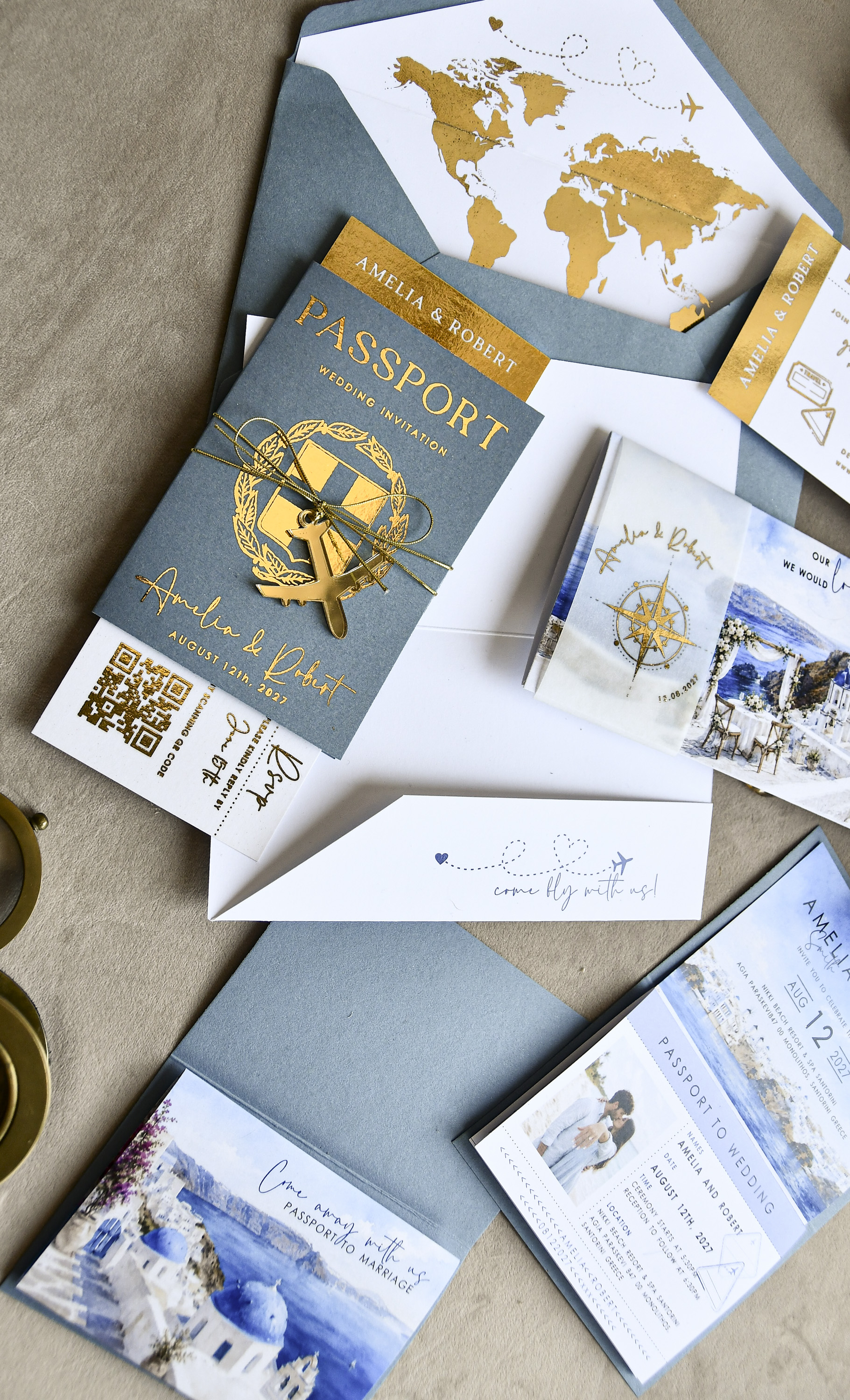
You've been dreaming about your wedding guest list for years — and then your mom hands you a list of 30 people you've never met. Sound familiar? The question of whether parents get to invite their own friends is one of the most common (and most tension-filled) planning conversations couples have. The good news: there's a fair, practical way to handle it that keeps everyone feeling respected without blowing up your budget or your vision.
Start With the Money Conversation
The single biggest factor in how much say parents get over the guest list is whether they're contributing financially. If your parents — or your partner's parents — are helping pay for the wedding, it's reasonable to give them some input on who attends. A common rule of thumb is to divide guest list spots proportionally based on who is covering what portion of the costs.
For example, if you and your partner are paying for 70% of the wedding, you control 70% of the guest list. Each set of parents gets a slice that reflects their financial contribution. This isn't cold or transactional — it's actually one of the clearest ways to avoid hurt feelings later. Agree on the numbers early, before anyone starts writing names down.
Set a Firm (But Kind) Limit From the Start
If you're willing to give parents a guest list allowance, decide on a specific number and communicate it clearly before they get attached to a longer list. Something like, "We'd love for you to invite up to 10 people each — here's the deadline for submitting names and addresses" sets a concrete boundary without making anyone feel dismissed.
Be consistent. If you give your parents 10 spots, give your partner's parents 10 spots too. Unequal allowances create resentment fast. And once you've set the number, hold the line — adding "just five more" has a way of snowballing into a completely different wedding than you planned.
How to Handle the Guilt and the Pushback
Even with the most thoughtful approach, some parents will push back. Common pressure points include: "These are people who watched you grow up," "We'd be embarrassed not to invite them," or "They'll be offended." These feelings are real, but they don't automatically mean the guest list has to grow.
A few responses that help:
- Acknowledge their feelings first. "I understand this is important to you" goes a long way before you explain your limits.
- Redirect to the number, not the names. Instead of debating whether Aunt Carol's book club should be invited, keep the conversation on the agreed-upon total count.
- Offer an alternative. If parents are grieving the loss of a big celebration, consider a post-wedding brunch or dinner where they can host their own circle in a more relaxed setting.
Remember: you are not obligated to fill seats with people you've never had a conversation with just to manage someone else's social relationships.
Make the Invitation Experience Feel Special for Parent-Invited Guests
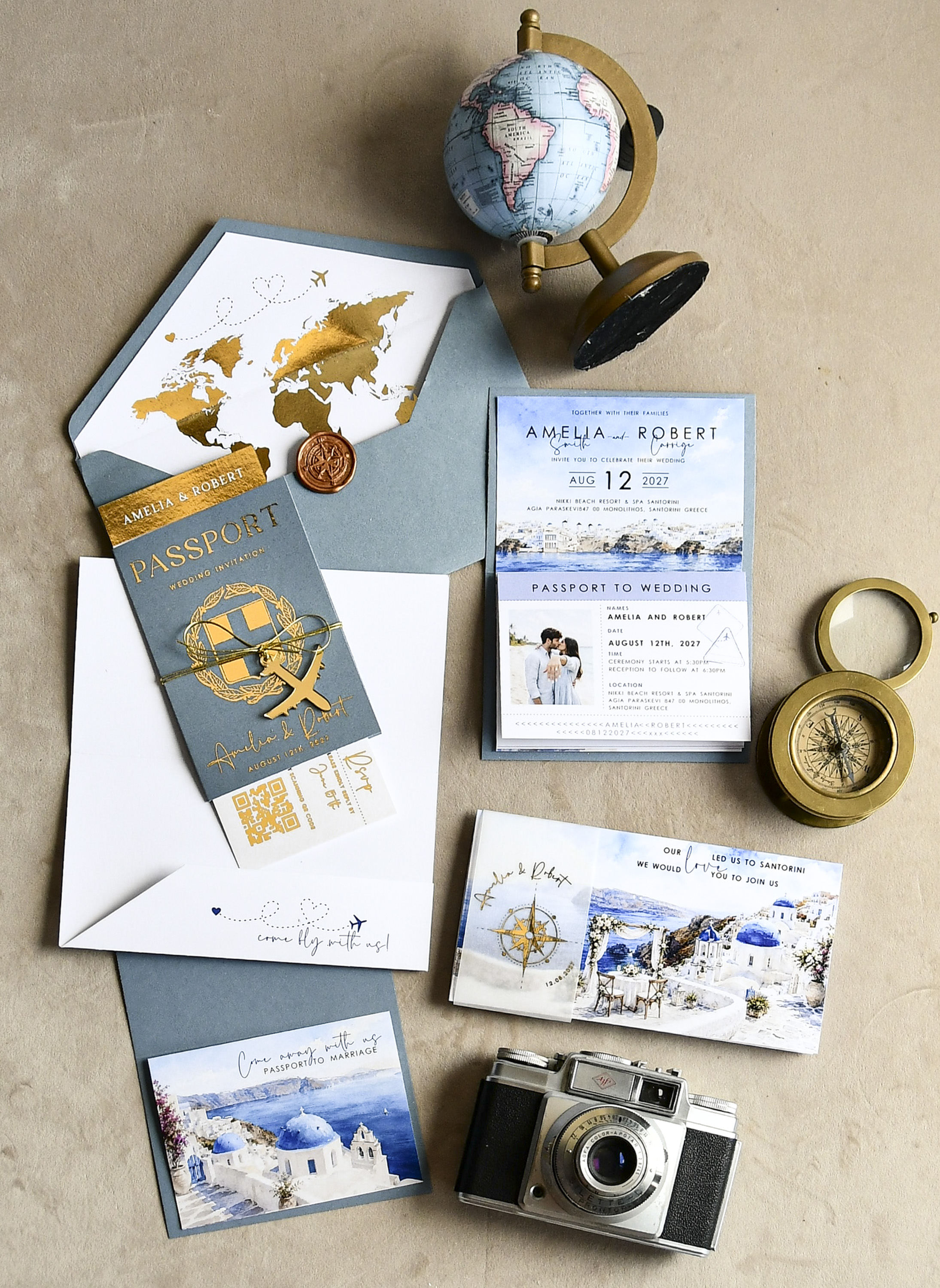
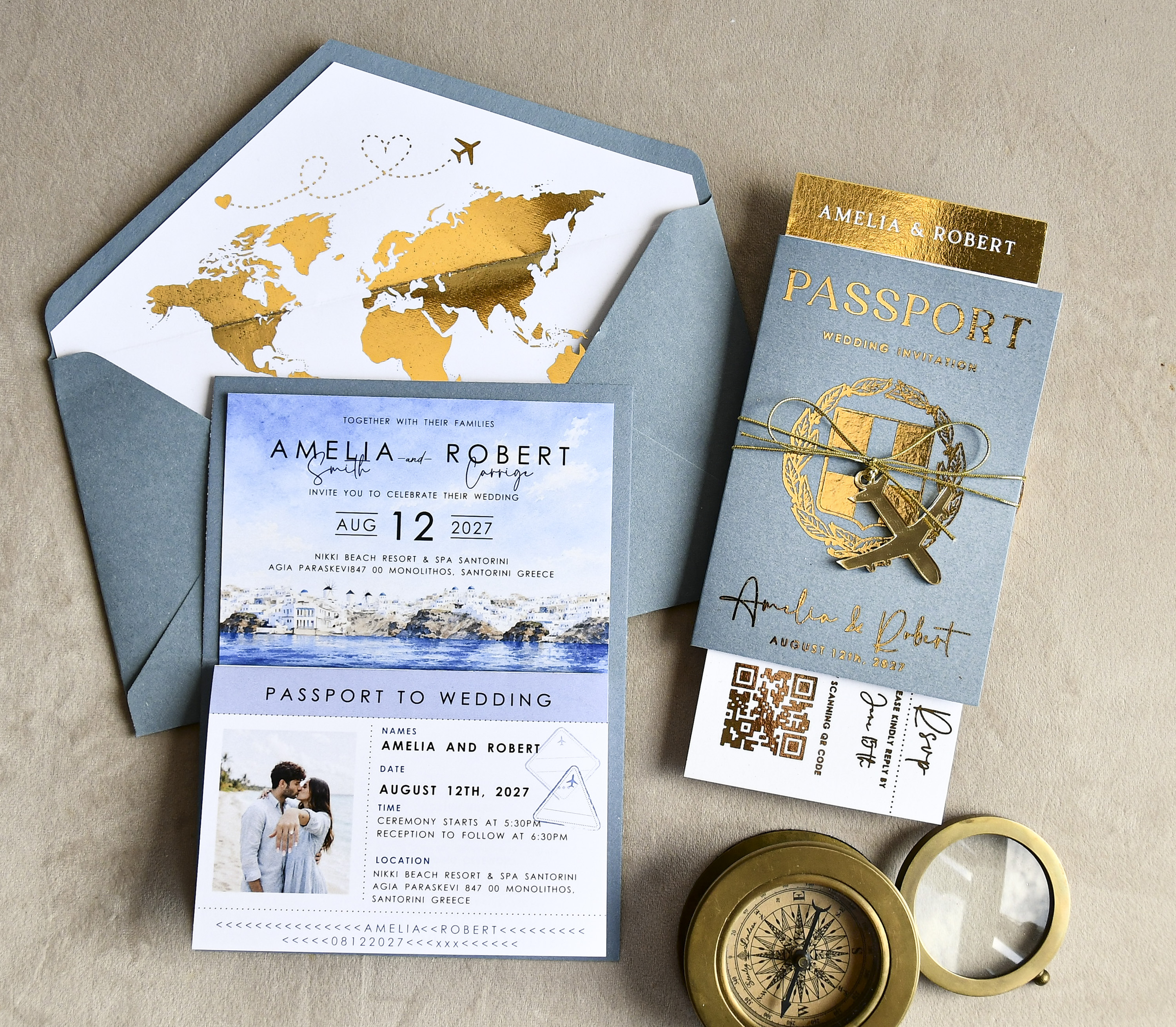
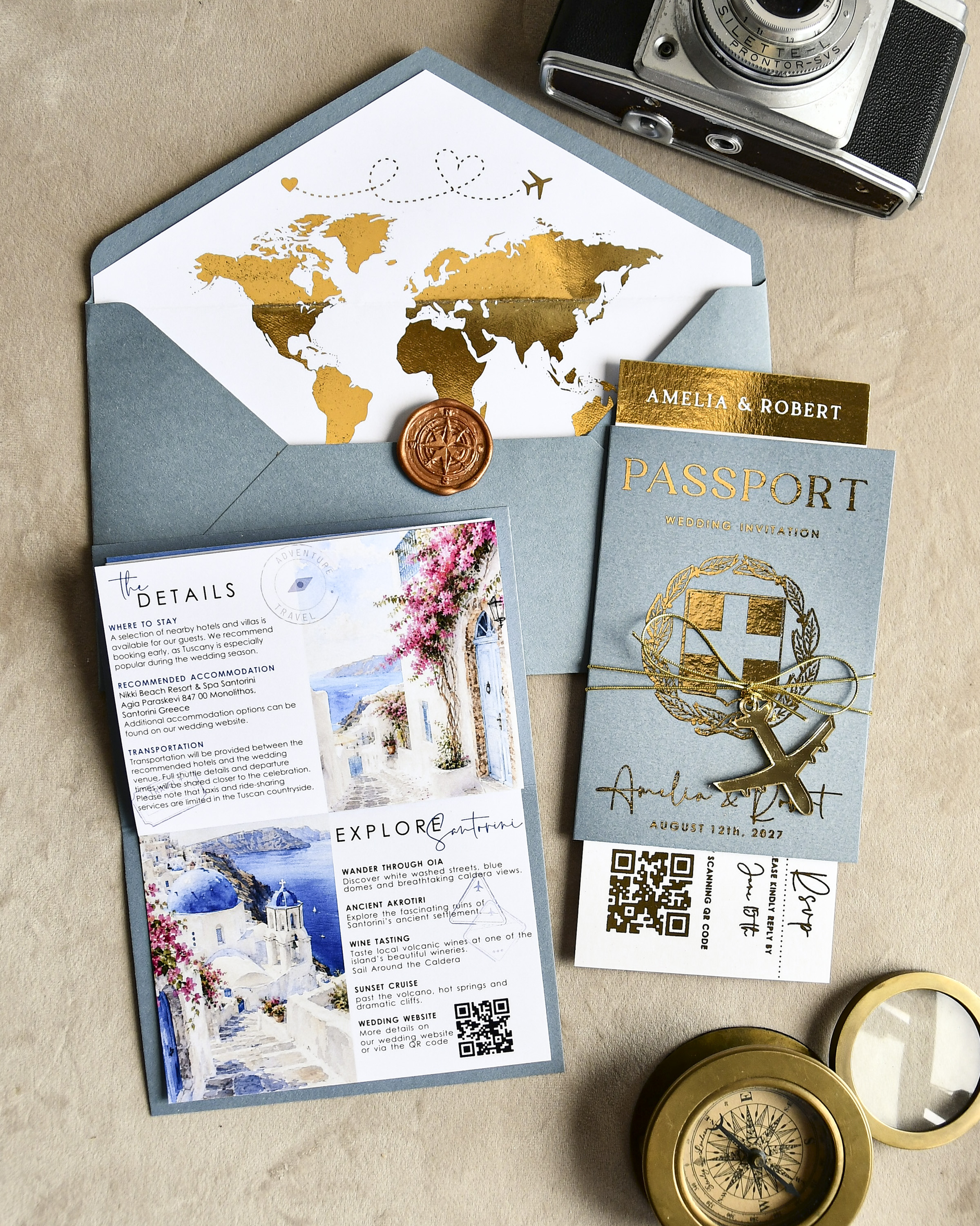
Here's something couples often overlook: if your parents are inviting their own friends, those guests may not know you well — and a beautiful, thoughtful invitation is often the first real impression they get of you as a couple. This is especially true for destination or beach weddings, where guests need extra context and excitement to commit to traveling.
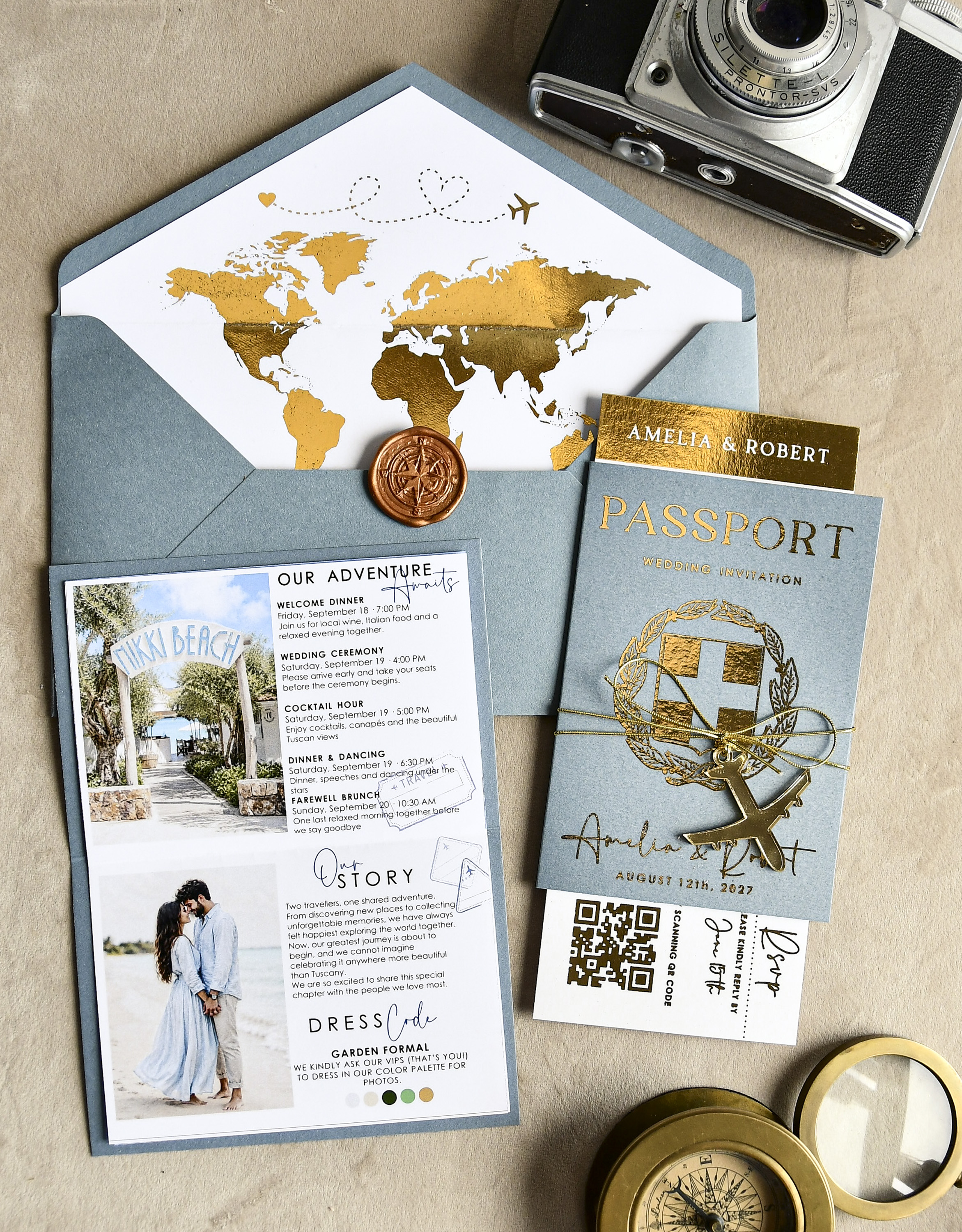
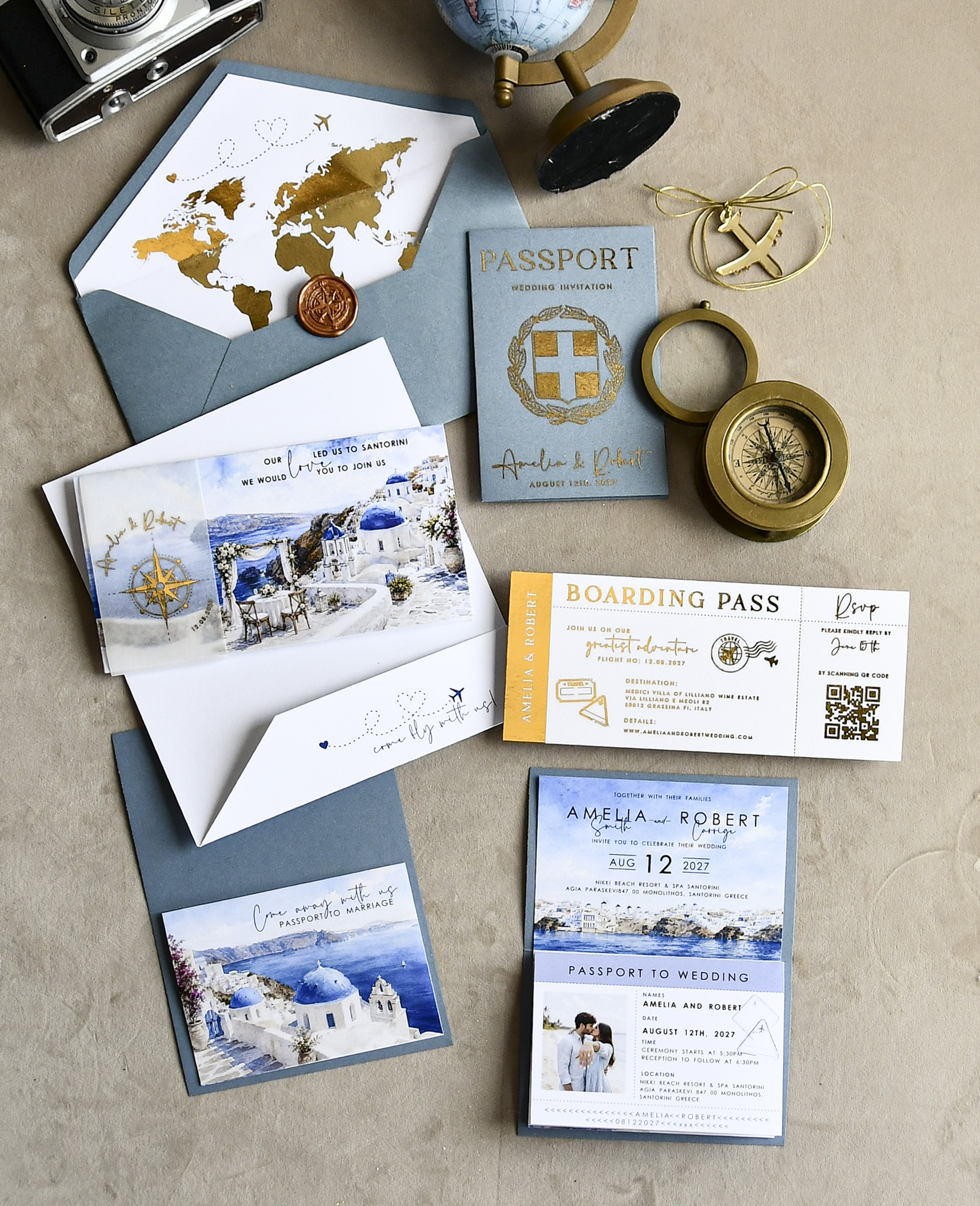
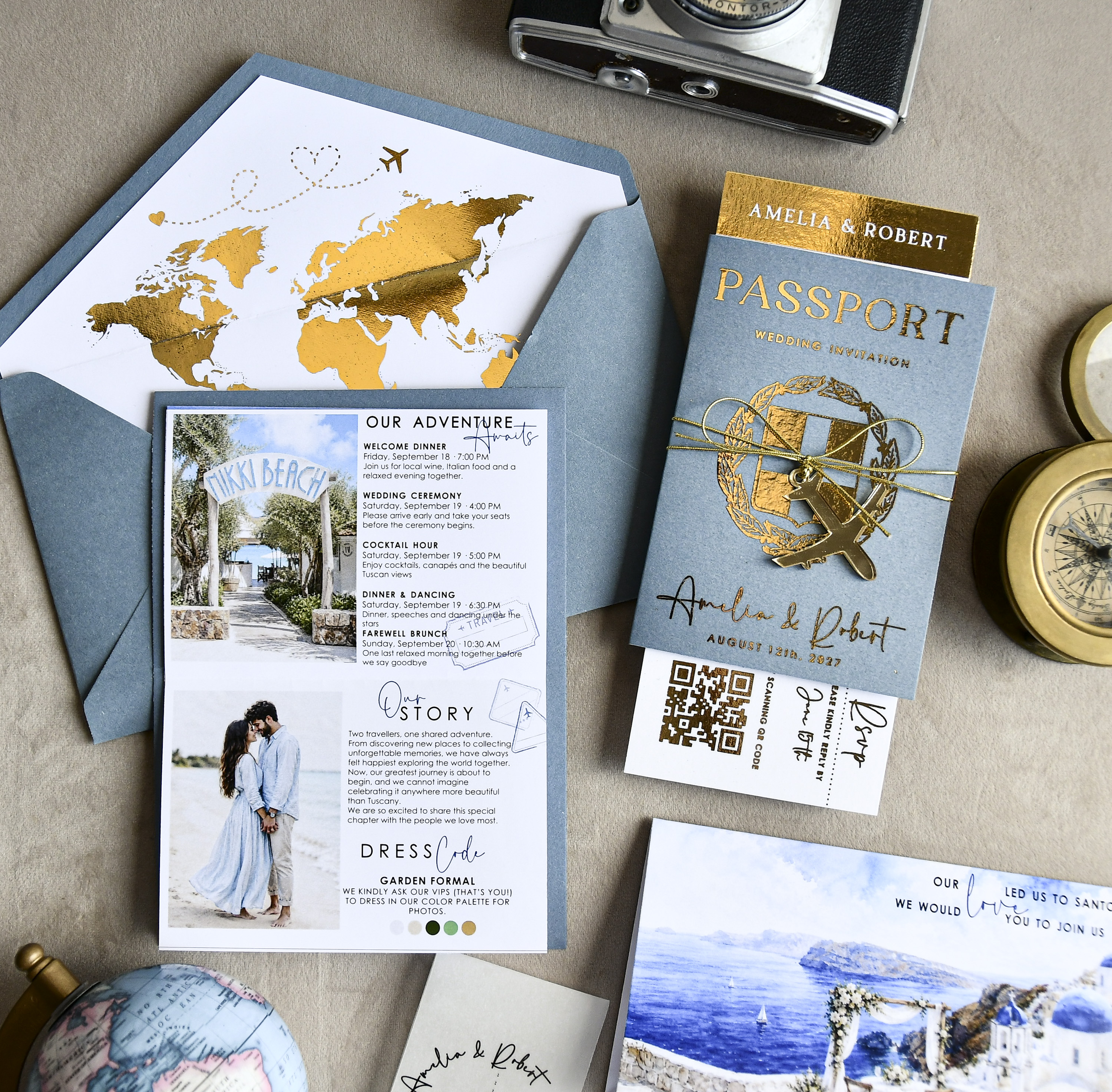
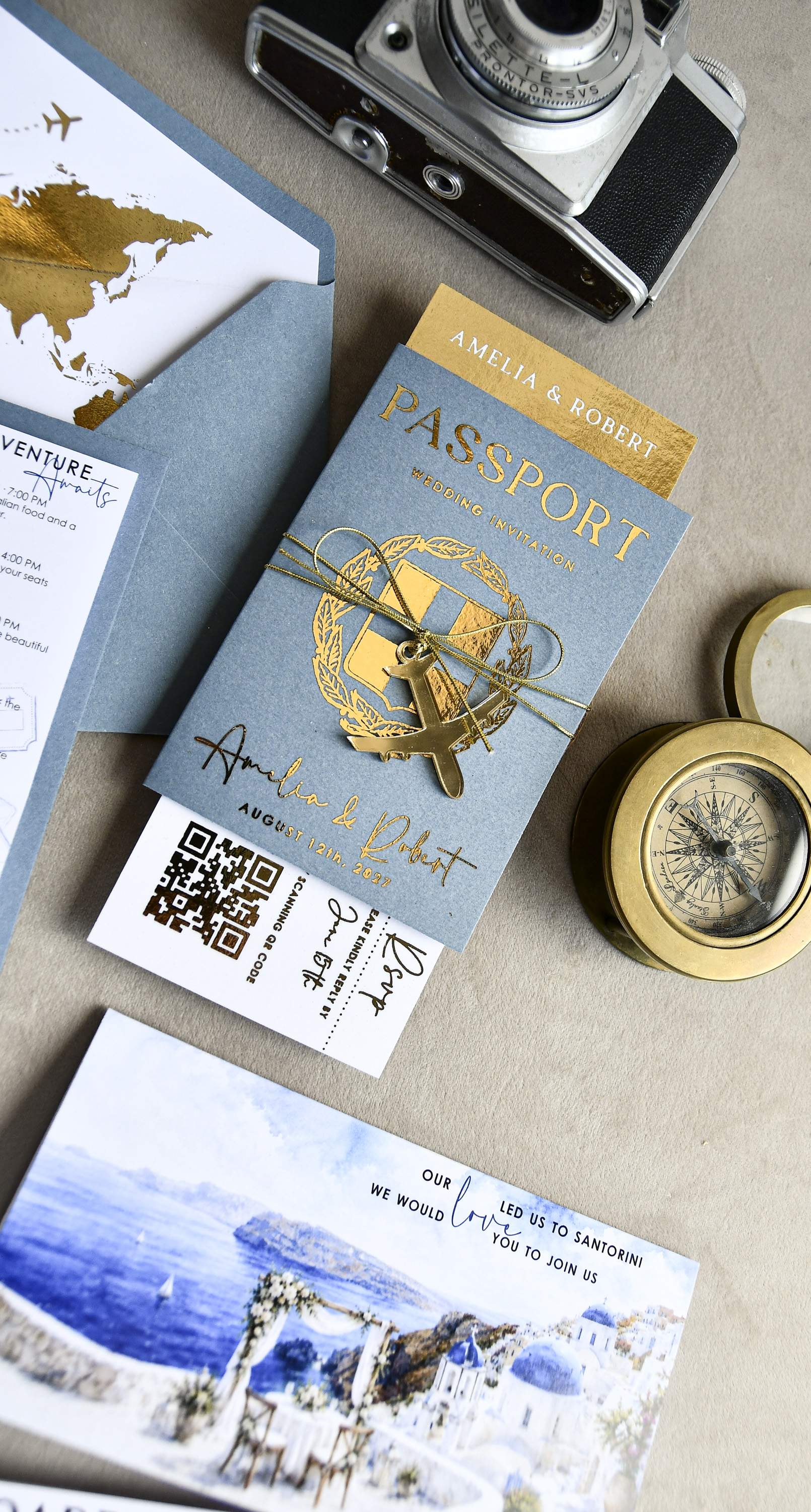
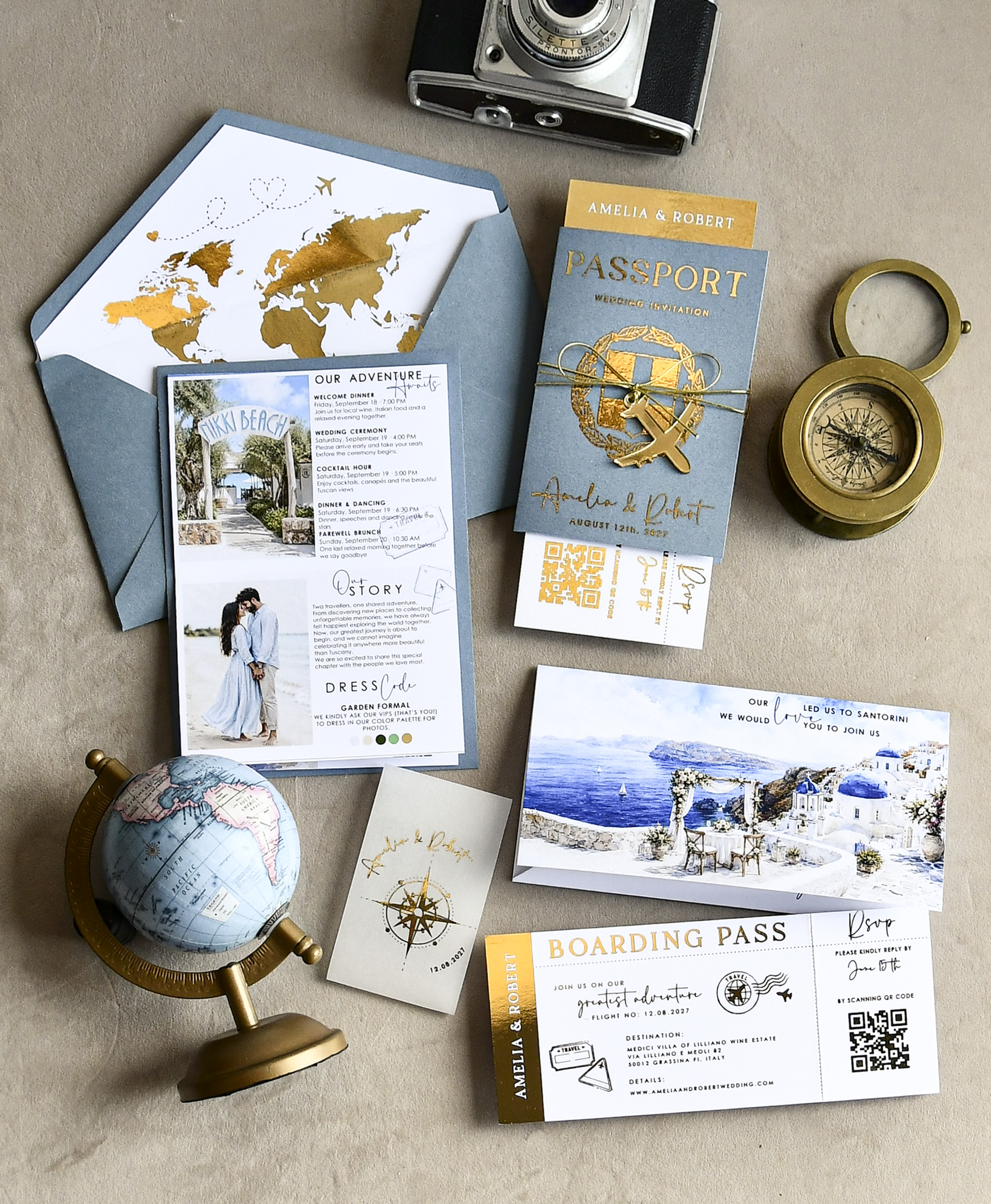
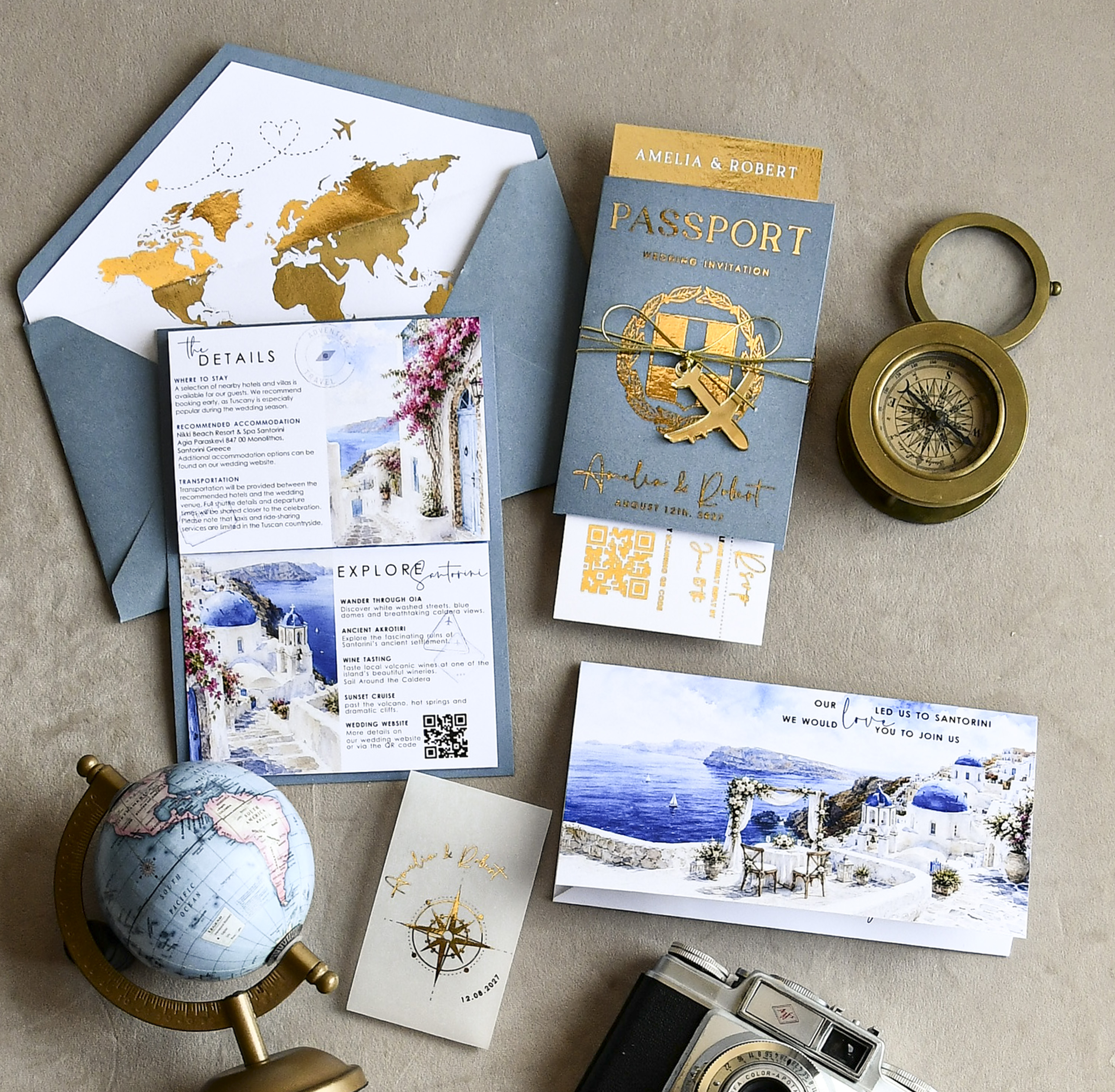
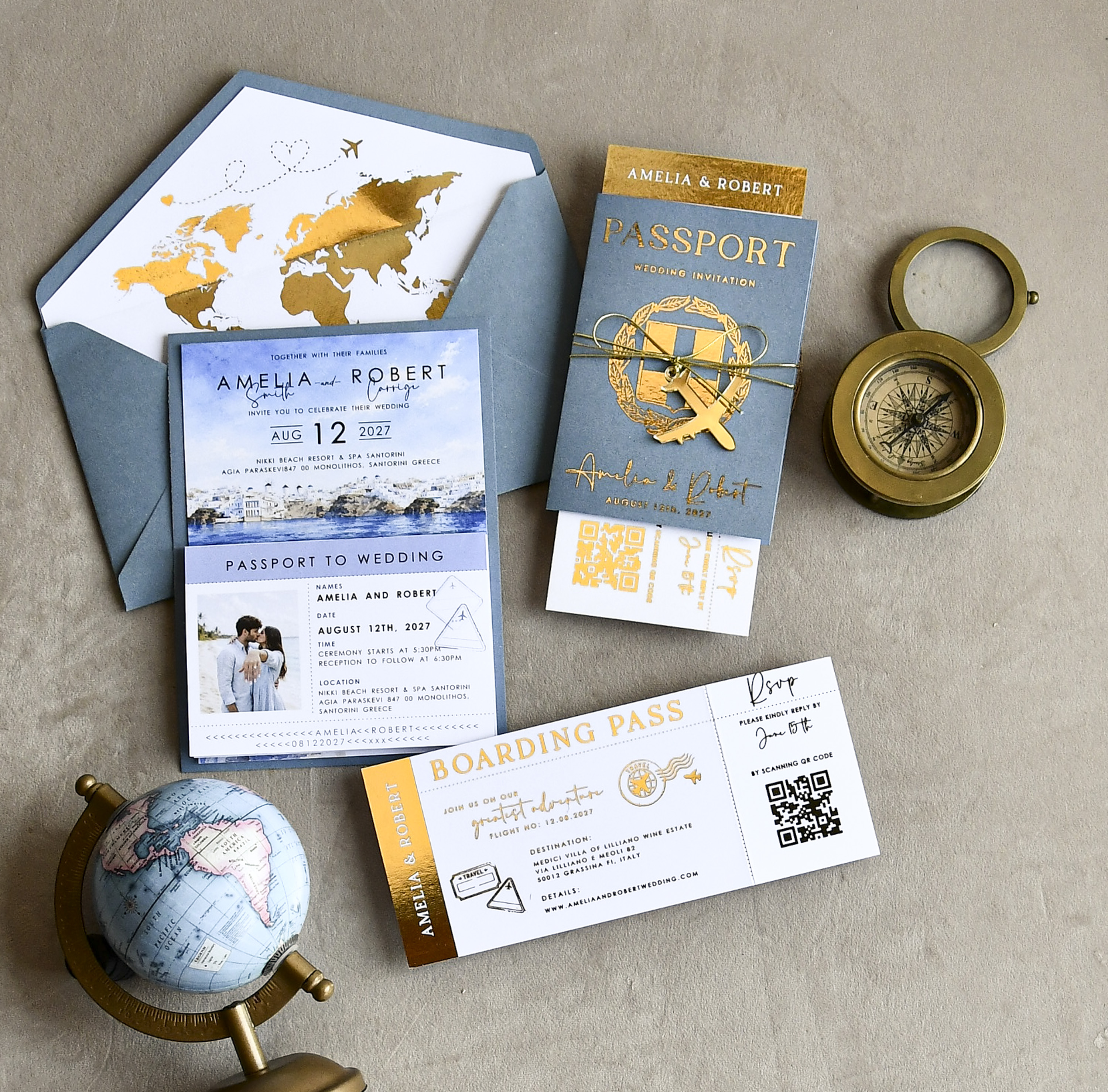
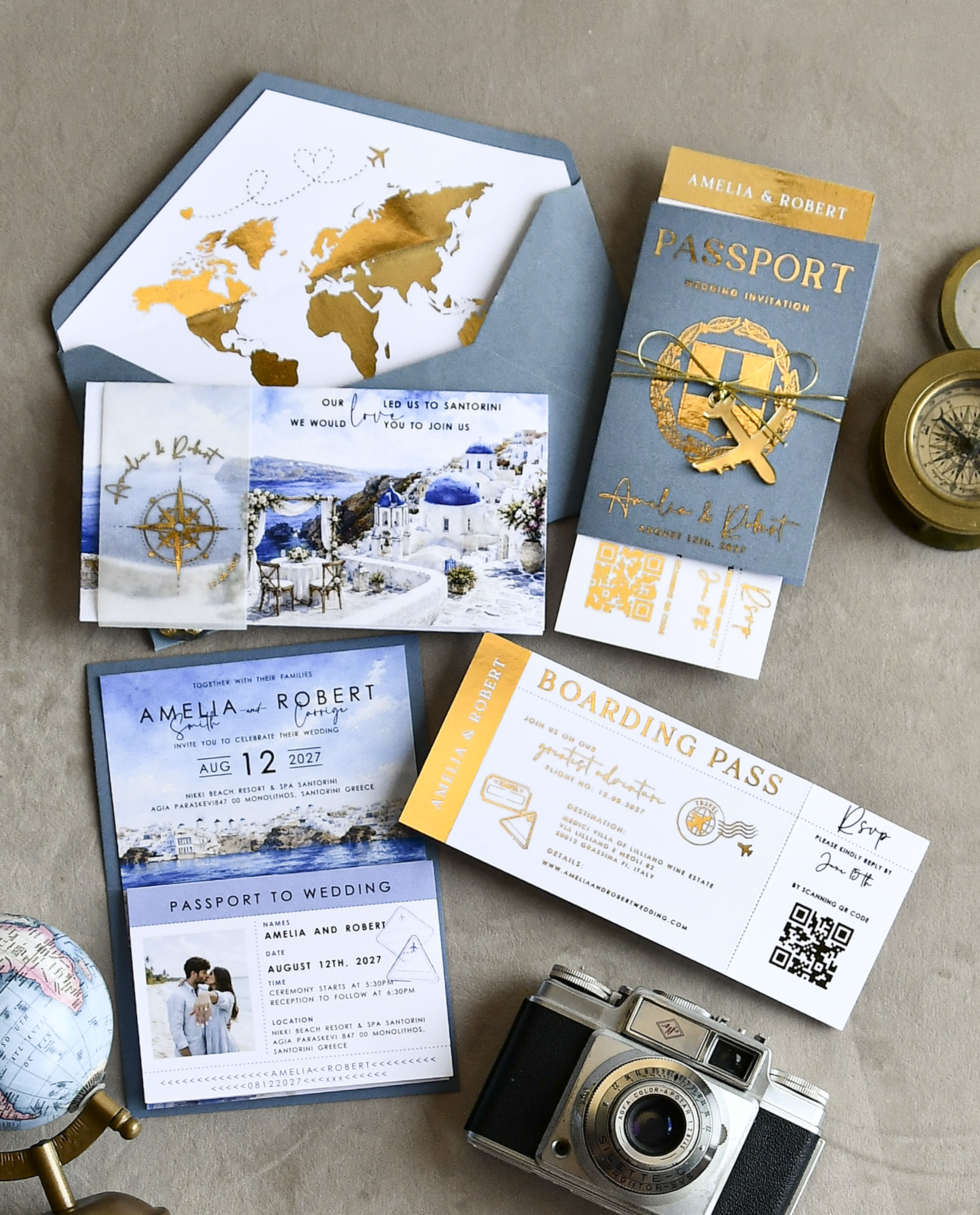
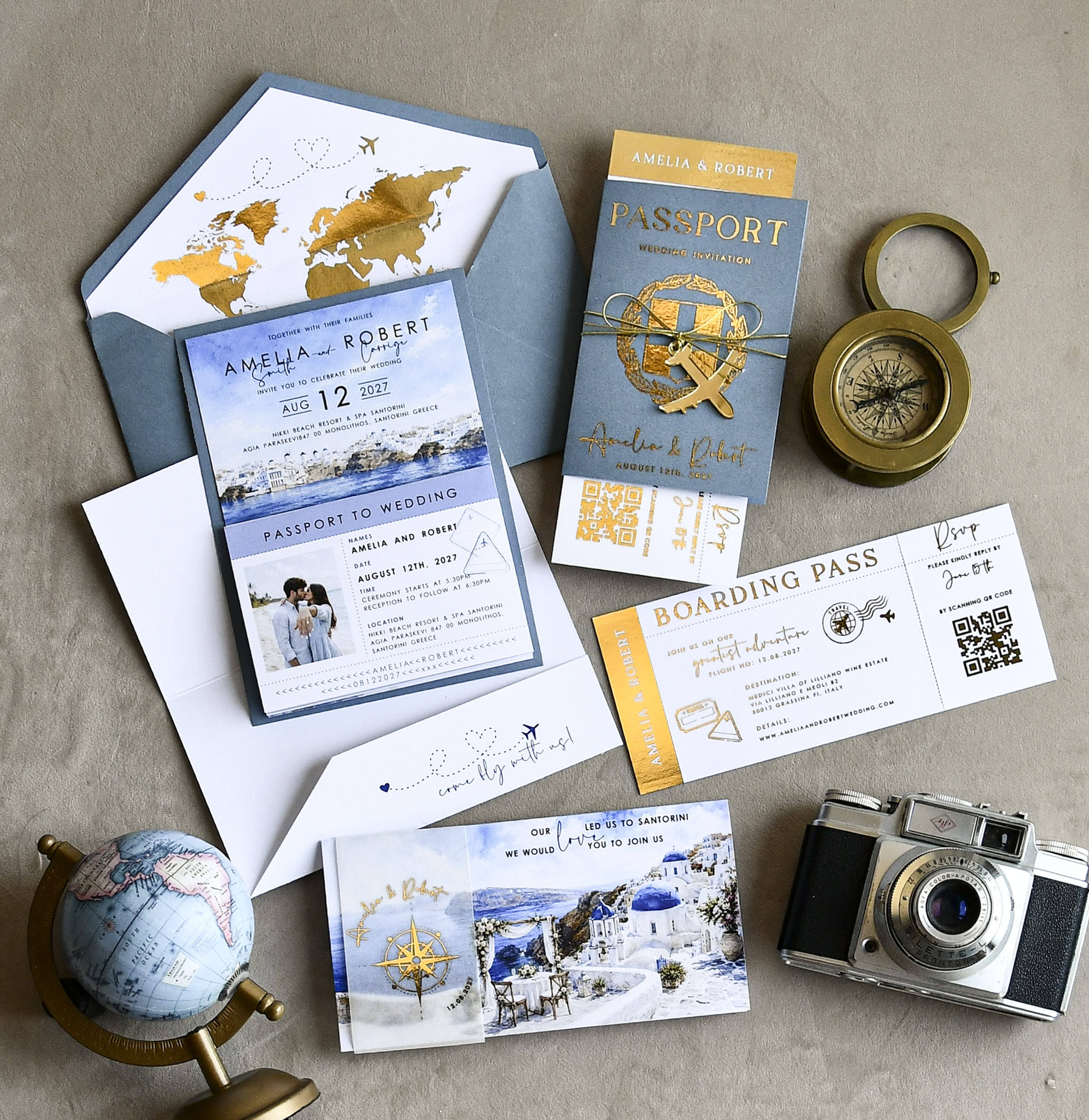
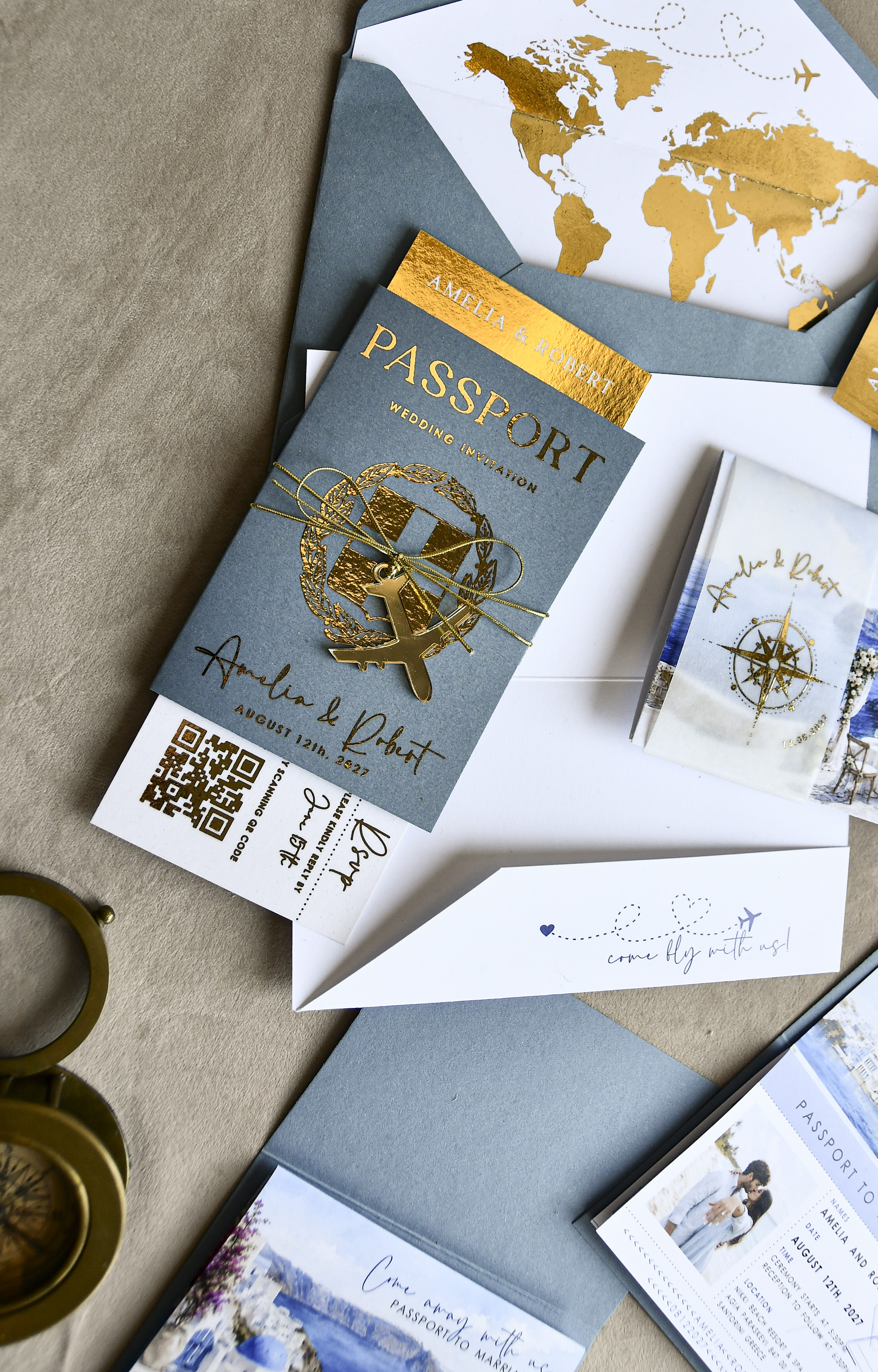
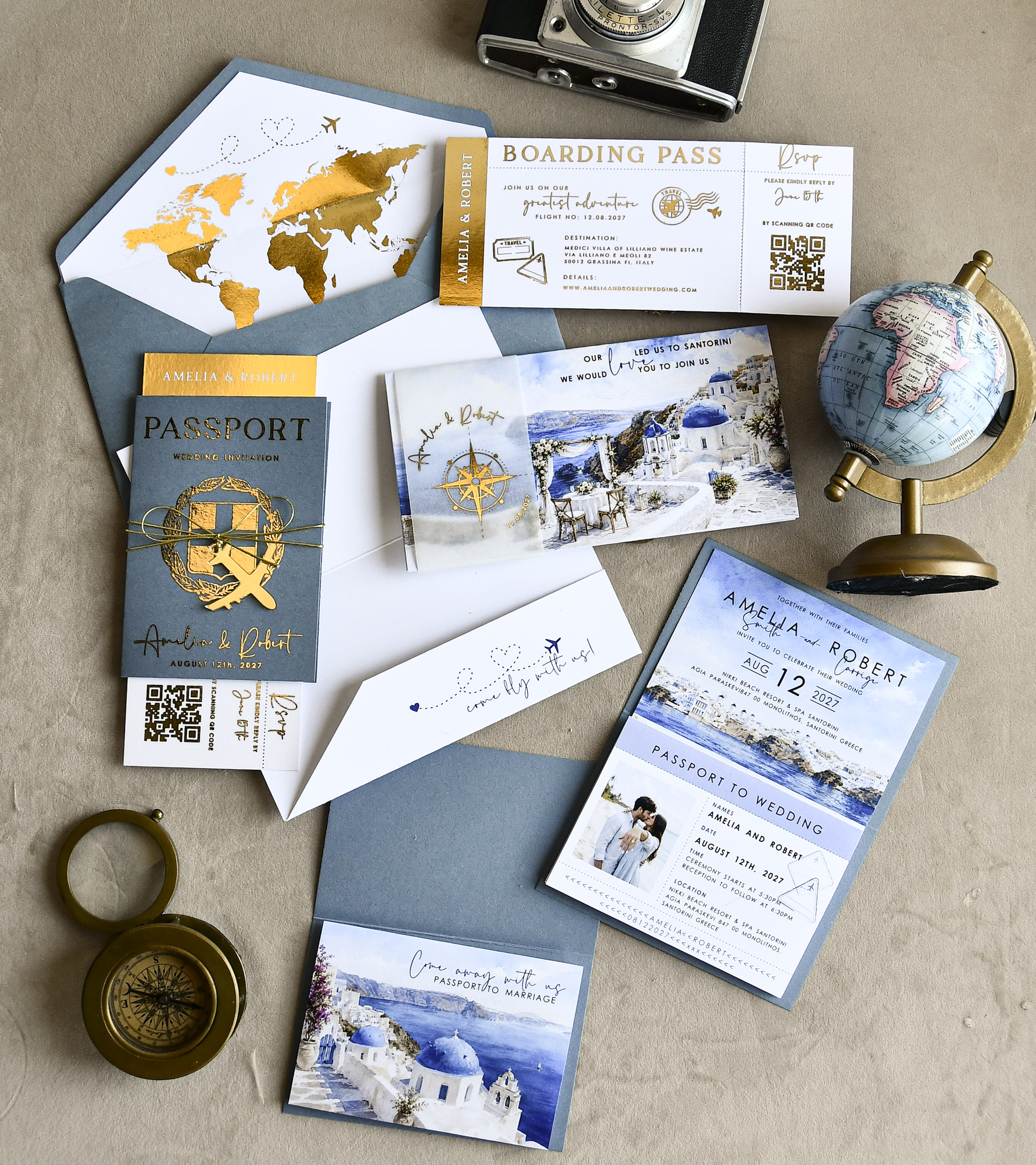
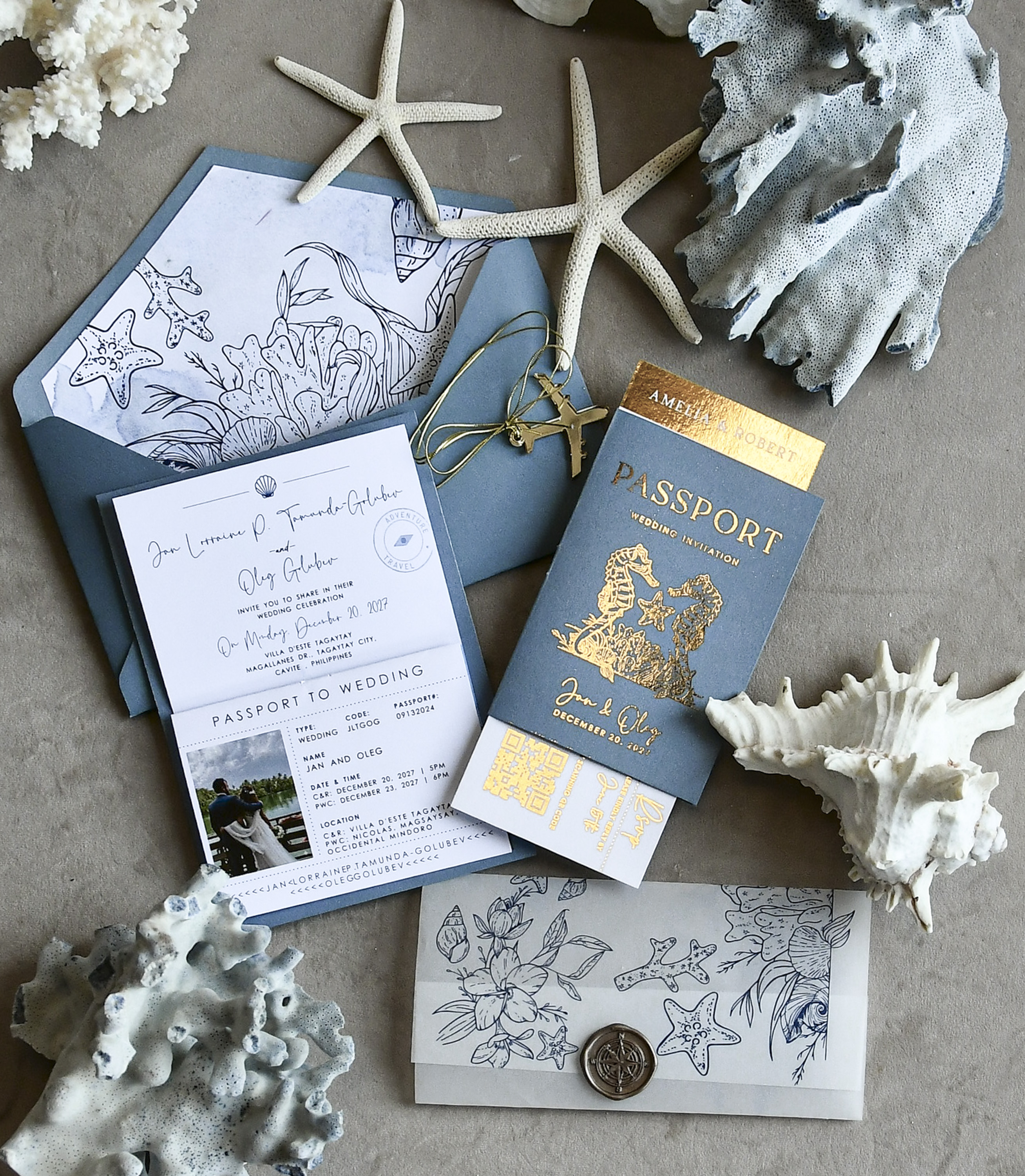
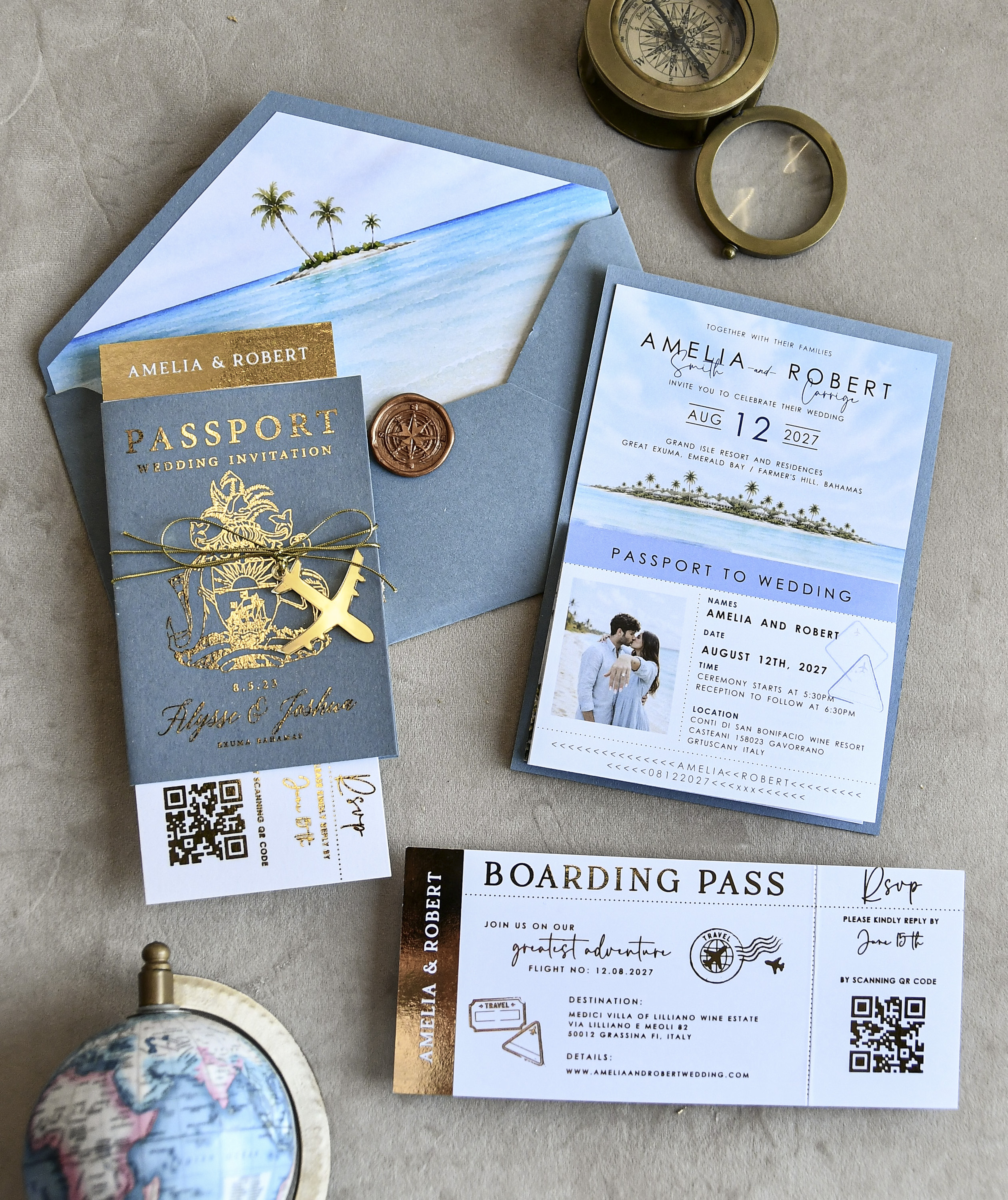
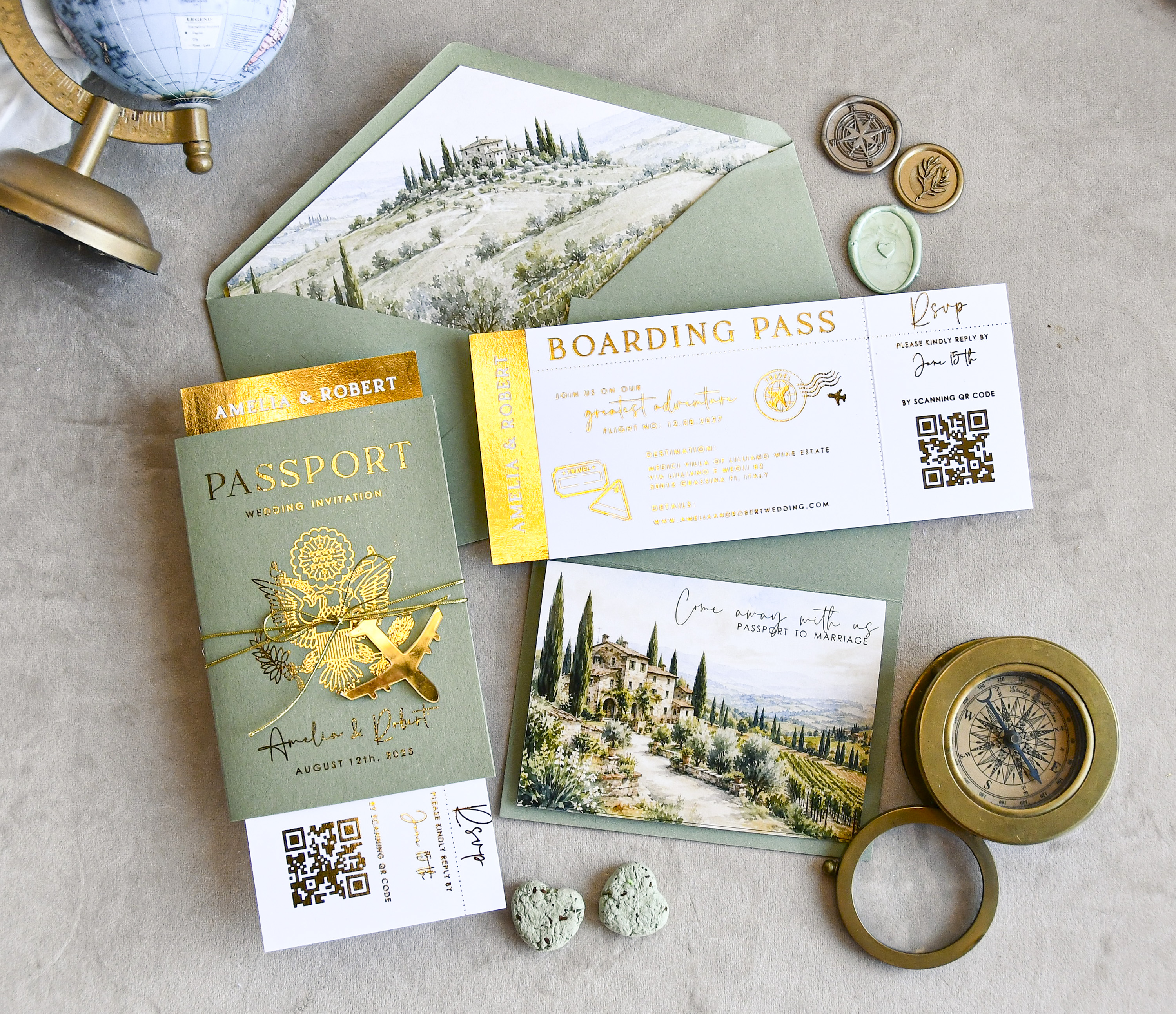
A well-designed invitation like the 03/passDest/z passport-style beach wedding invite does double duty: it conveys all the practical details clearly and gets guests genuinely excited to attend, even if they're coming as a favor to your parents. Starting from $8.00, it's an affordable way to make every single guest — whether they're your college roommate or your mom's tennis partner — feel like they were personally welcomed.
Collect Addresses Early and Communicate Deadlines
One logistical headache that comes with parent-invited guests: getting their contact information. Parents often agree to a list in concept but then struggle to produce full mailing addresses on time. Set a firm deadline — ideally six to eight weeks before your invitation send date — and let them know that anyone whose address isn't submitted by then won't be able to be included.
A simple shared spreadsheet works well here. Ask for: full name, mailing address, email address (for digital RSVPs or updates), and any dietary restrictions if you're collecting those early. The more organized this process is upfront, the fewer last-minute scrambles you'll deal with later.
Frequently Asked Questions
No — if you and your partner are fully funding the wedding, you have every right to control the entire guest list. You can choose to offer parents a small allowance of spots as a gesture of goodwill, but it's not an obligation. Be clear and consistent about this from the beginning of planning.
Most couples offer anywhere from 5 to 15 spots per set of parents, depending on total venue capacity and budget. A good starting point is to calculate your per-head cost and multiply it by the number of spots you're offering — that makes the real-world impact of each addition very concrete.
Keep the allocation equal between both sides to avoid tension between families. If one side has more people they want to include, they can prioritize within their allotted number. Unequal guest list splits are a common source of in-law friction that's worth avoiding early.
Not at all — in fact, it often makes sense to seat parents' friends near the parents themselves, since that's the relationship they share. Just make sure those guests still feel warmly included in the reception rather than tucked away in a corner.
Hold firm on your finalized count, especially once invitations have been ordered or sent. Explain that adding guests at that stage affects catering, seating, and stationery costs in real, concrete ways. Offering a post-wedding celebration can be a kind way to acknowledge the relationship without disrupting your plans.
It's a thoughtful touch, though not required. Your invitation suite itself does a lot of the work — a well-designed invitation communicates the tone and warmth of your event before guests ever arrive. For destination or travel-heavy weddings, including clear logistics and a welcoming design goes a long way with guests who are attending more for your parents than for you.
See This Design Up Close







You May Also Like
More Wedding Planning Guides
- → The Complete Guide to What Goes on a Wedding Invitation
- → Plus One Etiquette: Exactly Who Makes the Cut at Your Wedding
- → How to Navigate a Wedding When Your Divorced Parents Are at War
- → Inviting Guests to the Ceremony But Not the Reception: What You Need to Know
- → The Case for a Small Wedding: Everything You Need to Know
- → When to Send Wedding Invitations: A Complete Timeline Guide
- → Who Gets Cut First When Your Guest List Is Too Long?
- → Wedding Invitation Addressing: Etiquette Rules Every Couple Should Know
- → Do You Have to Invite Your Future In-Laws' Friends to Your Wedding?
- → Coworkers and the Wedding Guest List: How to Decide Who Gets an Invite
- → Yes, Guests Can RSVP Online — Here's How to Make It Work Beautifully
- → More Guests or a More Memorable Wedding? How to Choose What's Right for You
- → Inviting Your Ex to Your Wedding: A Practical Guide to Making the Right Call
- → Do You Have to Invite Your Cousins to Your Wedding?
- → How to Figure Out the Right Number of Wedding Invitations to Order
- → Should You Invite an Estranged Sibling to Your Wedding?
- → Going Digital: Everything You Need to Know About Sending Online Wedding Invitations
- → No-Shows After a Yes RSVP: How to Handle It Gracefully
- → Navigating the 'Them or Me' Wedding Guest Ultimatum
- → No Kids at Your Wedding: Navigating the Etiquette With Confidence
- → How to Defuse Family Arguments Without Losing Your Mind Before the Wedding
- → Uninvited Plus-Ones and Tag-Alongs: How to Keep Your Guest List Intact
- → When Family Feuds Threaten Your Wedding Plans: A Practical Peacekeeper's Guide
- → Inviting an Estranged Brother or Sister: Finding Clarity Before You Seal the Envelope
- → Cousins, Invites, and Hard Choices: A Practical Guest List Guide