
How to Defuse Family Arguments Without Losing Your Mind Before the Wedding
You're engaged, you're excited, and somehow your family has turned the happiest season of your life into a group argument. Sound familiar? Pre-wedding family conflict is one of the most common—and least talked about—stressors couples face. Whether it's a disagreement over the guest list, clashing opinions about the venue, or decades-old family dynamics suddenly bubbling to the surface, arguments before the wedding are normal. What matters is how you handle them. Here's a practical, honest guide to doing exactly that.
Identify the Real Issue Early
Most pre-wedding arguments aren't actually about the thing being argued about. When your mom insists on inviting 30 extra cousins, it's often less about the cousins and more about feeling left out of the planning process. When your future in-laws push back on the venue, they may be expressing anxiety about losing their child or feeling like their traditions aren't being honored.
Before you react, pause and ask yourself: What is this person actually afraid of? Feeling dismissed, irrelevant, or disrespected are the most common underlying fears. Naming the real issue—calmly and privately—can dissolve an argument that would otherwise drag on for weeks. Try saying, "It sounds like you want to feel included in this. Can we talk about how to make that happen?" That one sentence can change everything.
Set Boundaries Without Issuing Ultimatums
Boundaries are not punishments—they're guardrails that protect everyone, including the people you're setting them with. The key is to communicate them clearly and early, rather than waiting until tensions are already high.
Here's how to frame a boundary without sparking a bigger fight:
- Be specific: "We're keeping the ceremony to 80 guests" is clearer than "We don't want a big wedding."
- Use "we" language: Decisions made as a couple feel less like personal rejection to family members.
- Acknowledge feelings without caving: "I understand you're disappointed, and we still need to keep the list at 80."
- Give a reason once: You don't owe a lengthy justification, but offering one brief explanation shows respect.
Avoid ultimatums like "If you keep pushing this, we won't invite you." They escalate rather than resolve, and you'll likely regret them later.
Decide What's Worth Compromising On—and What Isn't
Not every battle is worth fighting, and knowing the difference will save your sanity. A useful exercise: sit down with your partner and make two lists. One list covers the non-negotiables—the things that define your wedding vision and that you both feel strongly about. The other list covers the "nice to haves" where you have genuine flexibility.
When family members push back, you can offer real concessions on the flexible items (seating arrangements, menu additions, the rehearsal dinner format) while holding firm on what truly matters to you. This approach makes family members feel heard and respected without sacrificing your vision. It also prevents you from resenting the day itself.
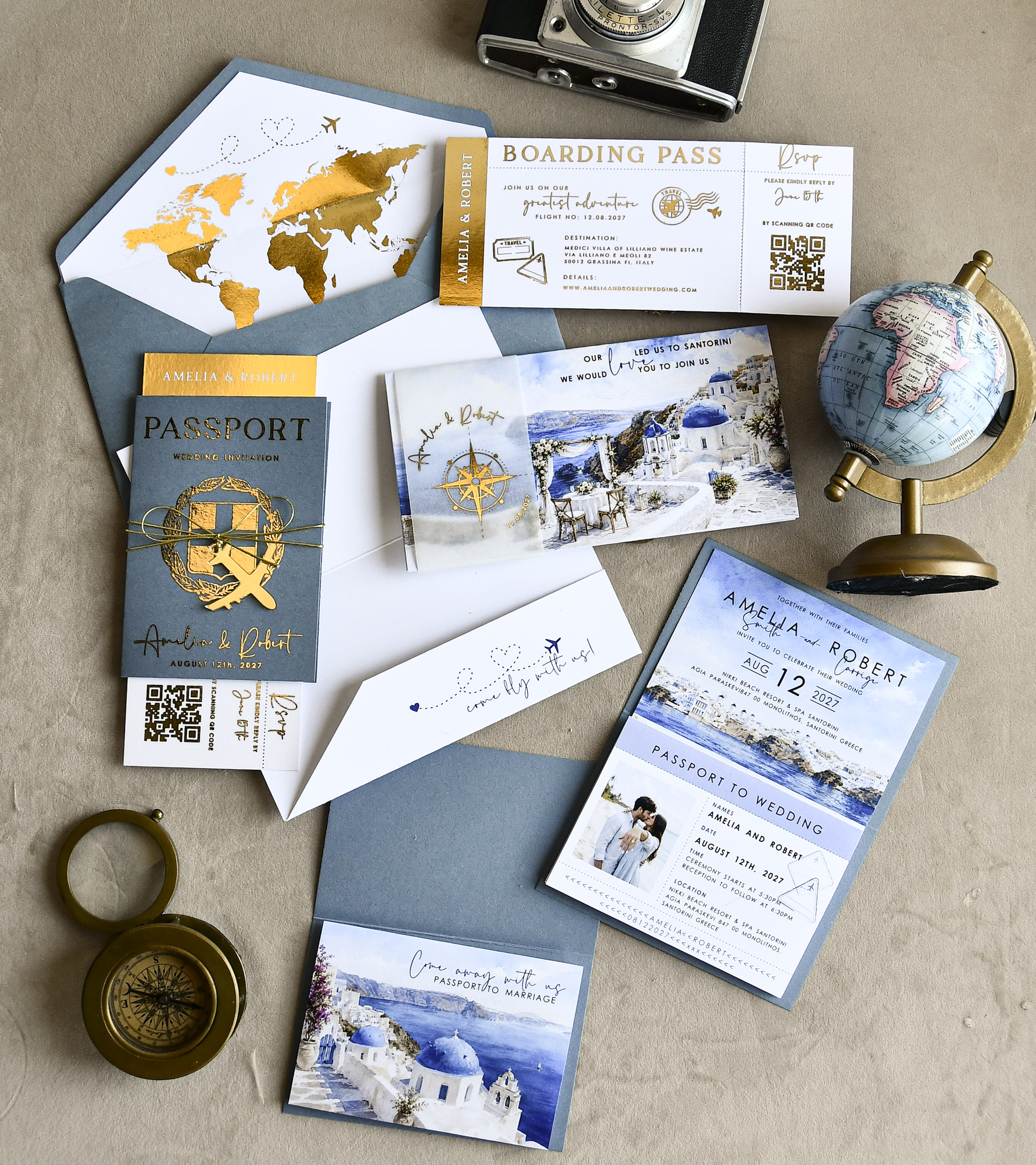
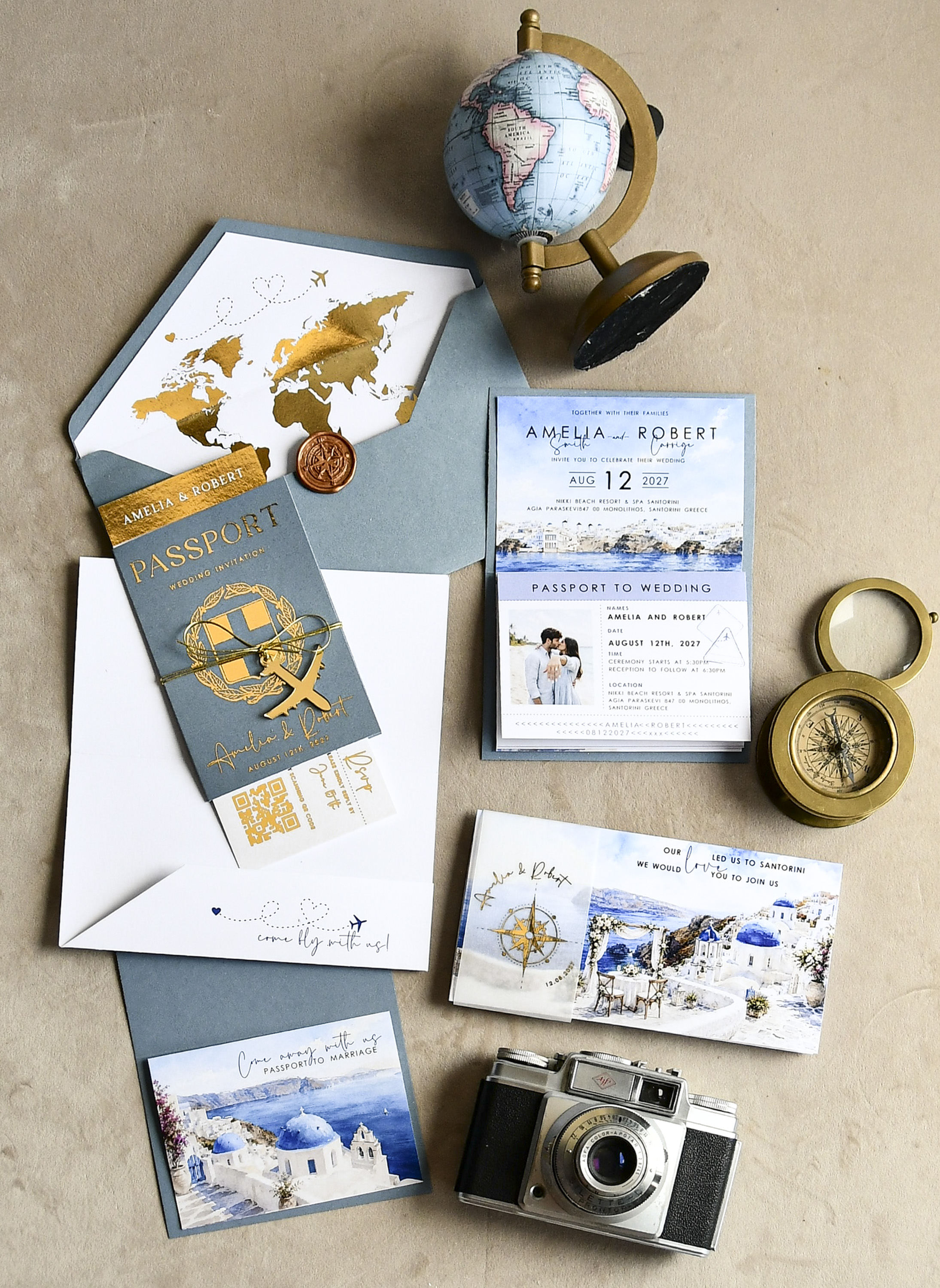
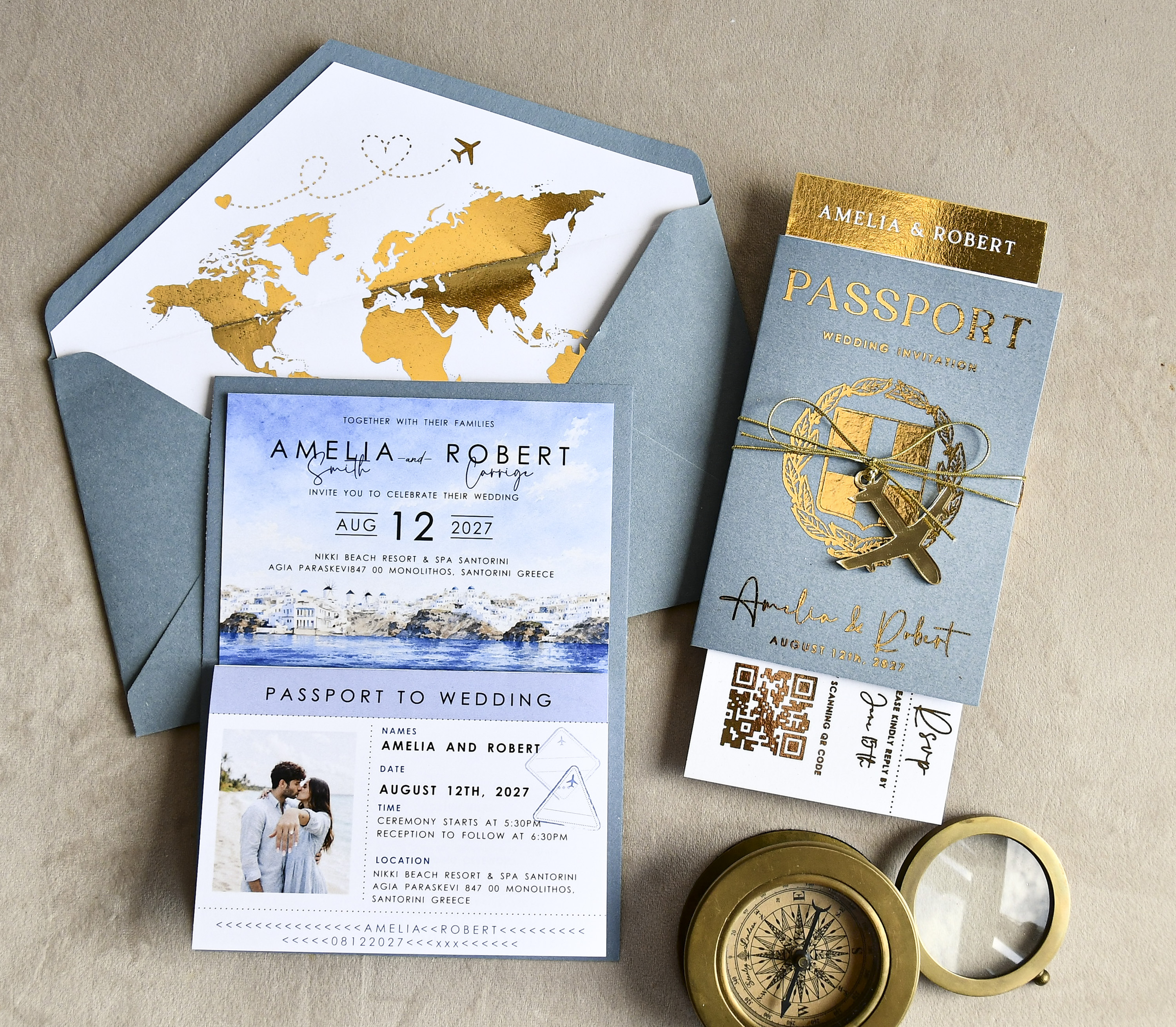
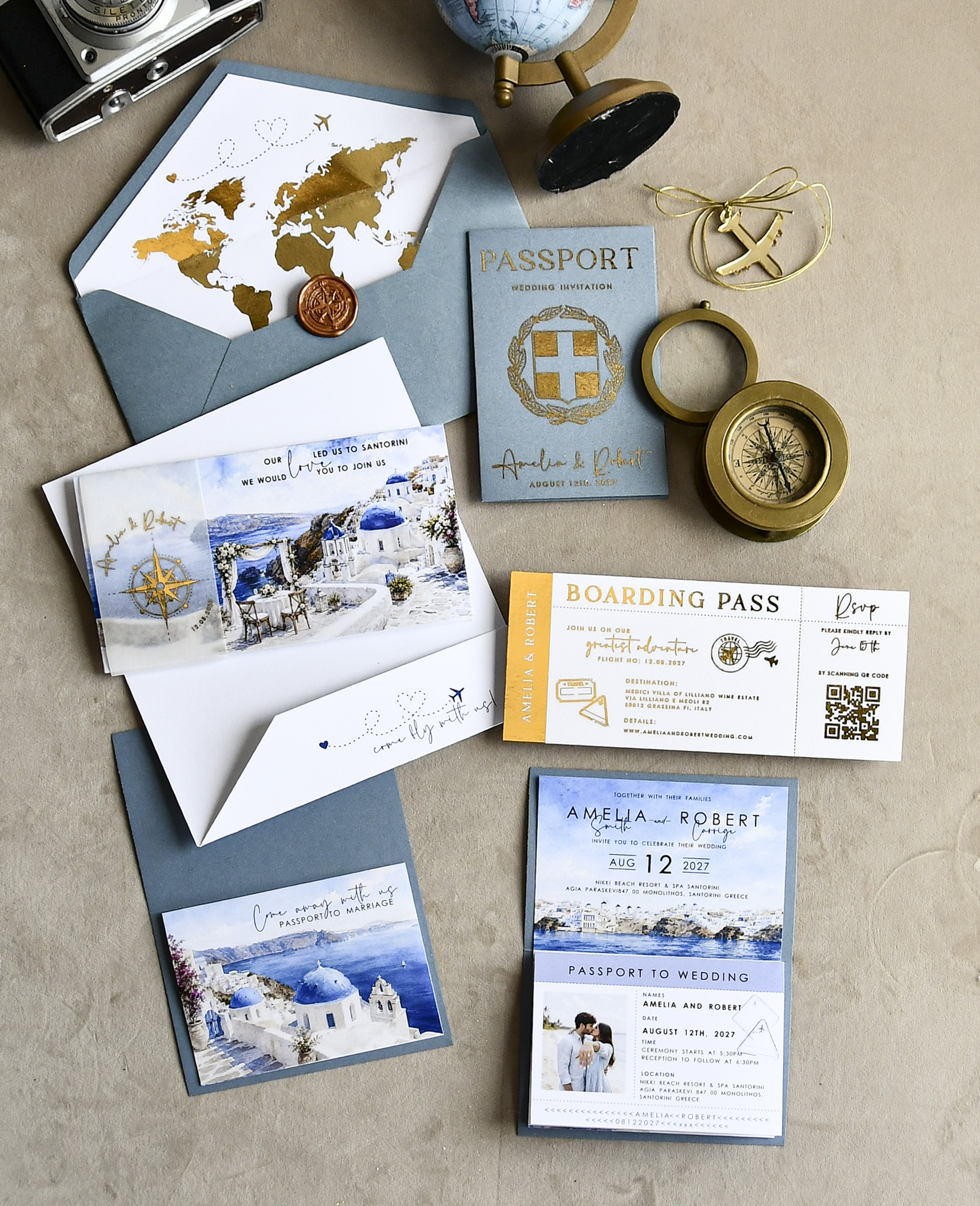
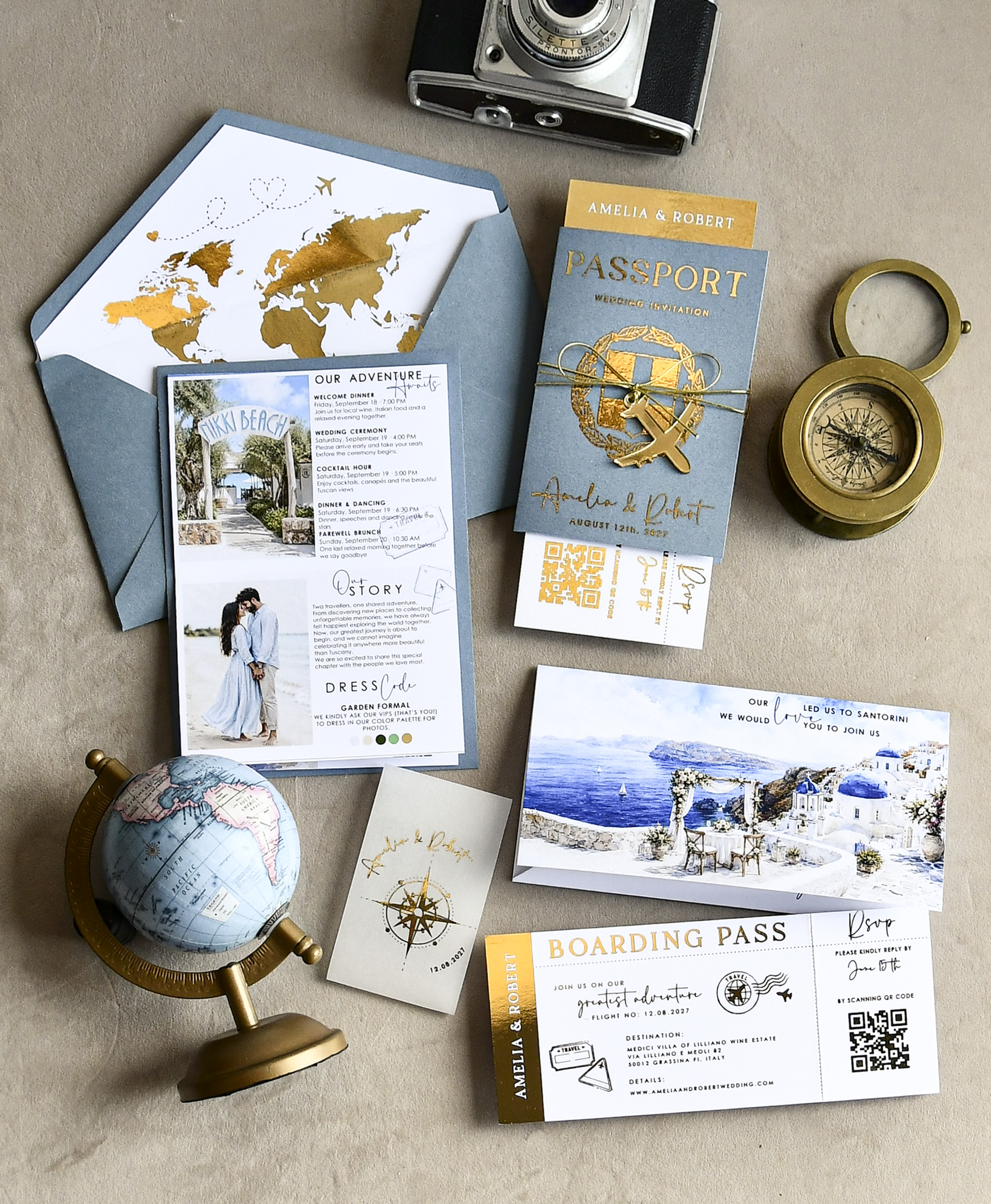
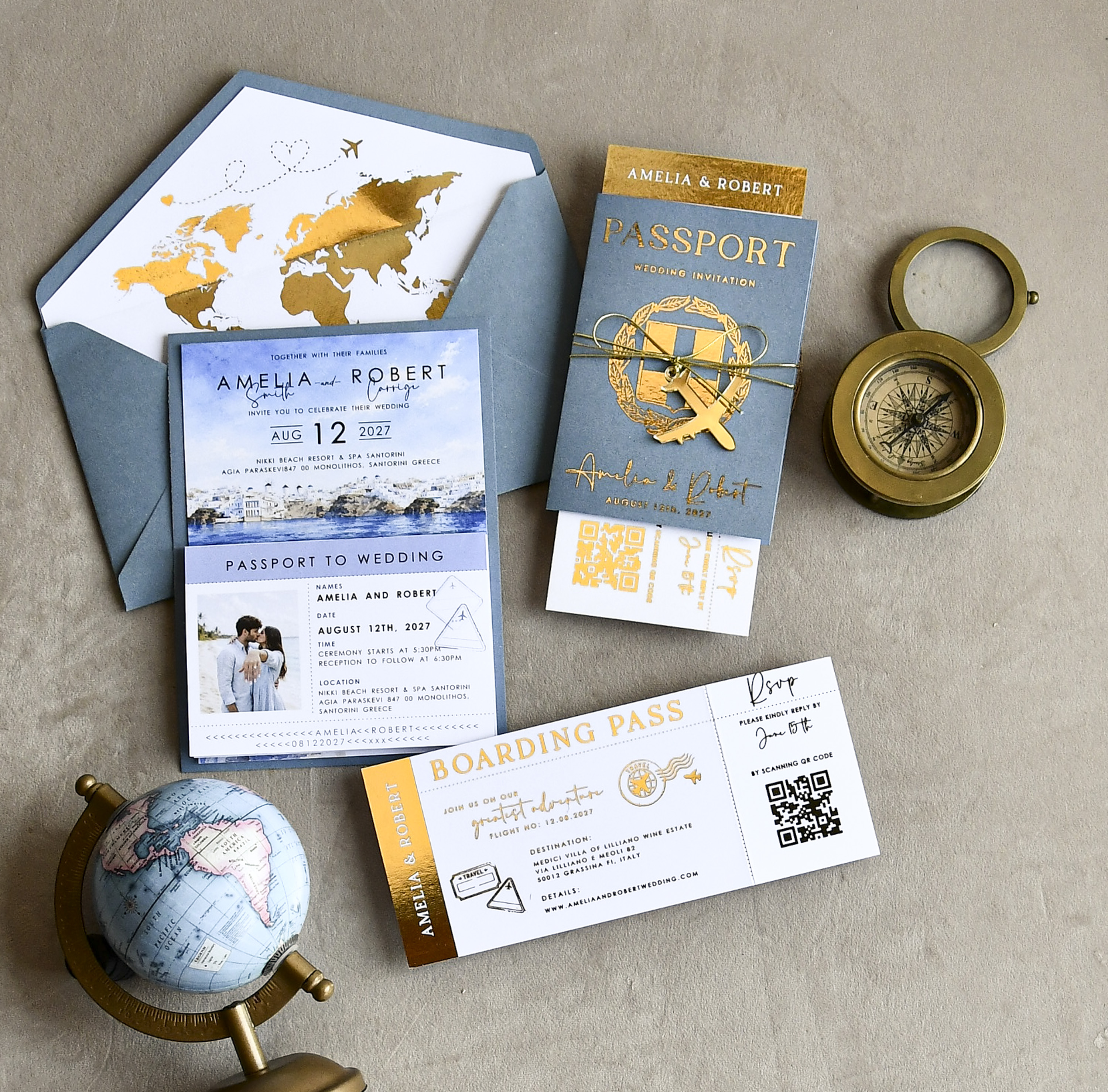
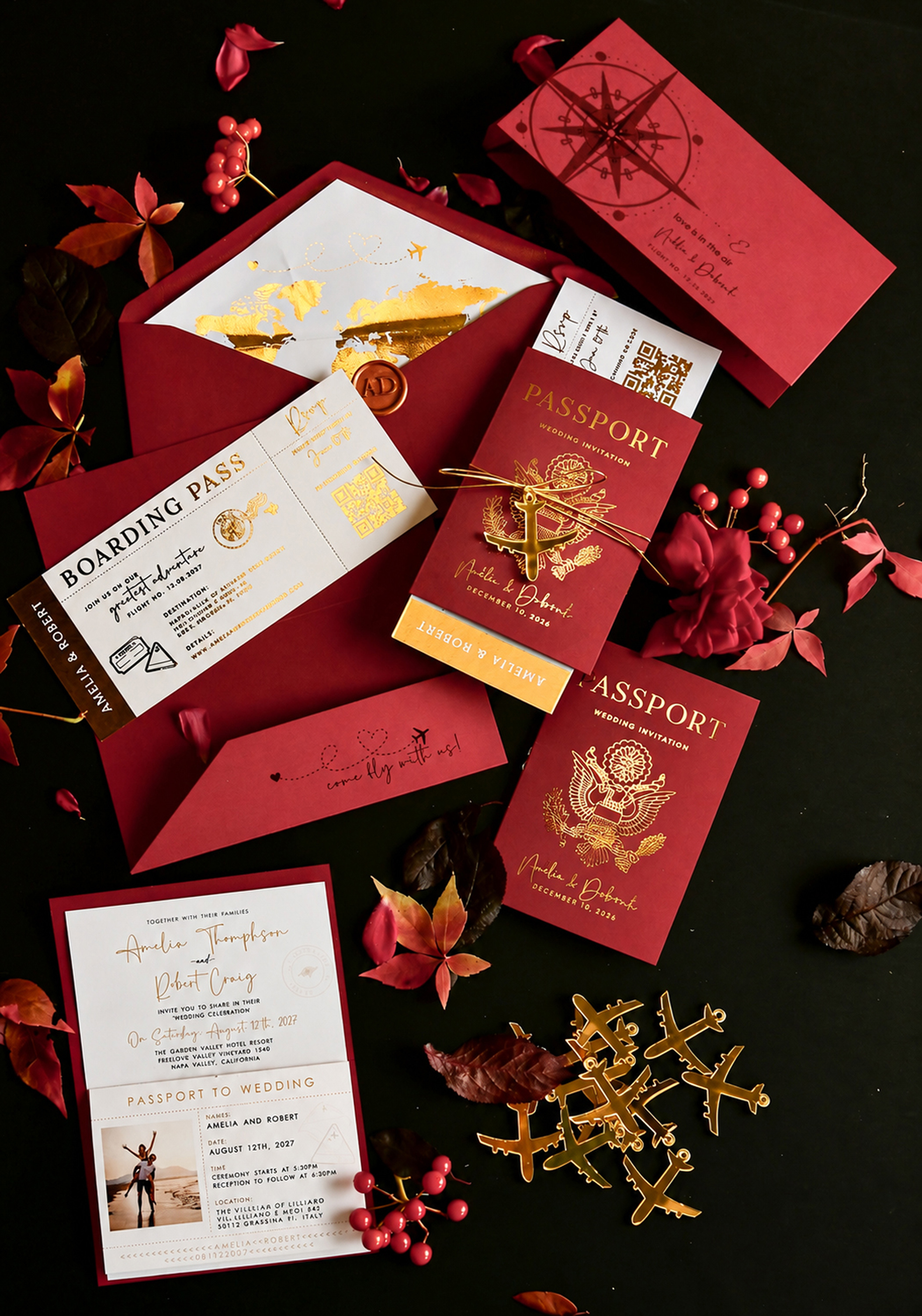
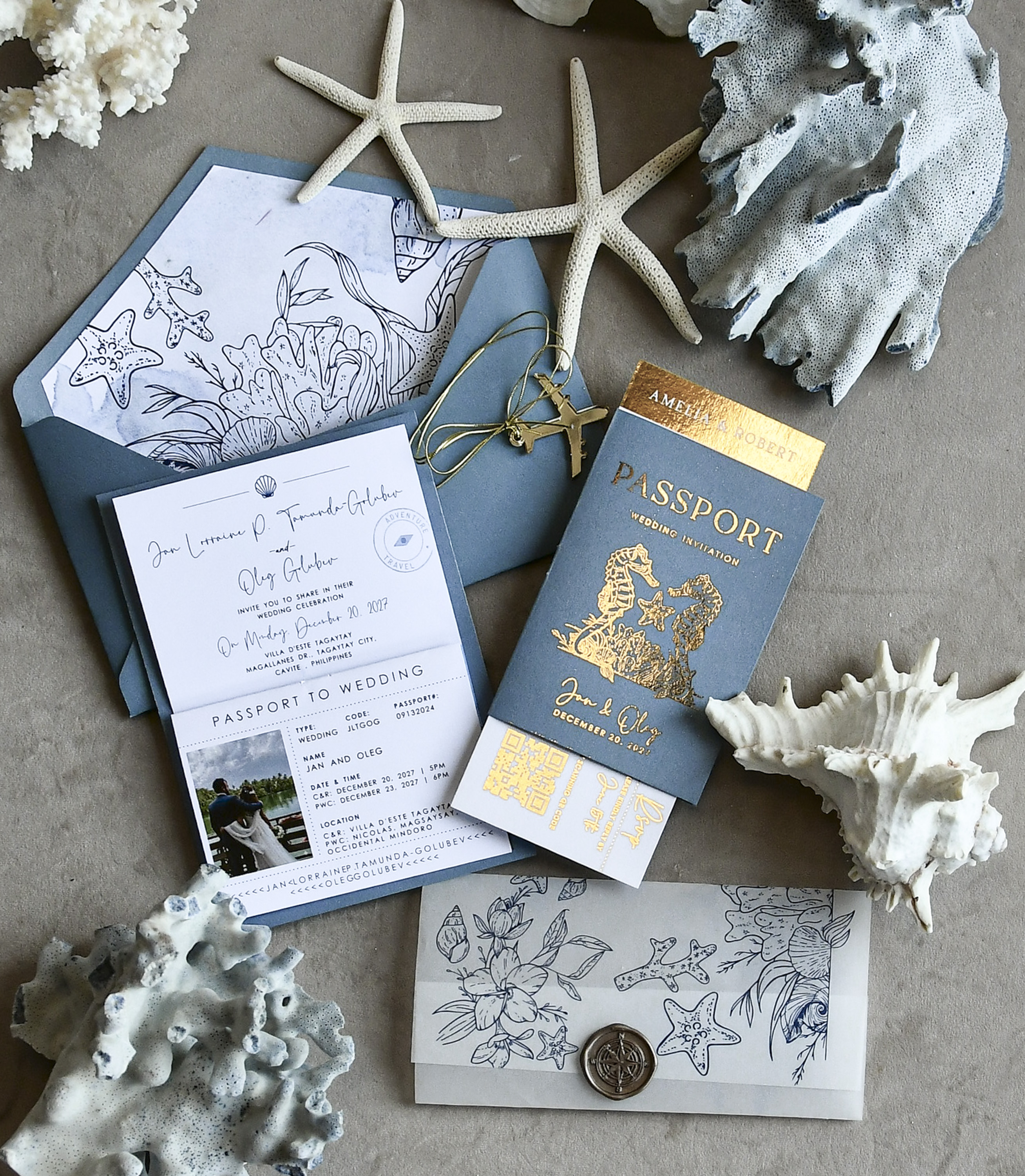
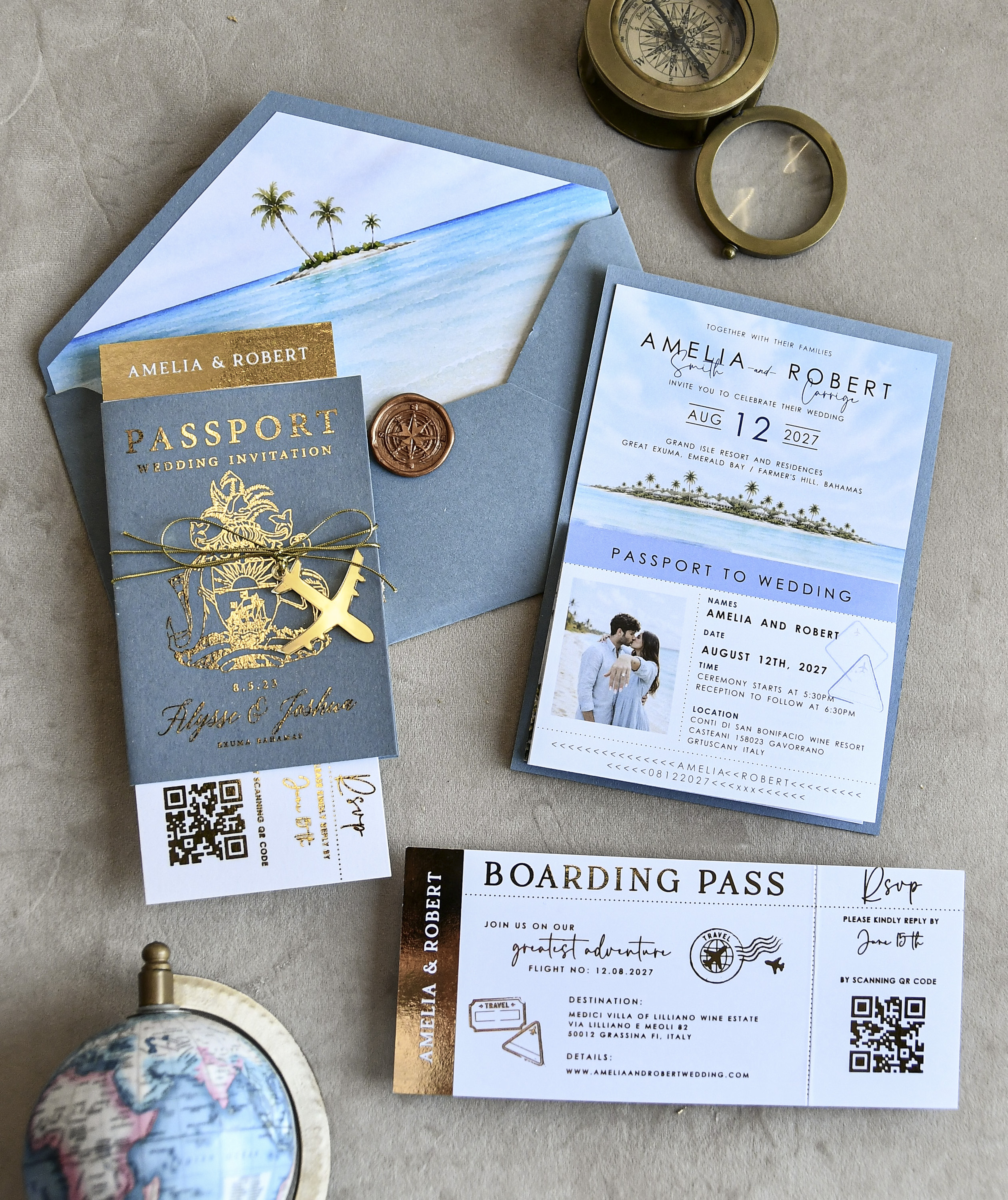
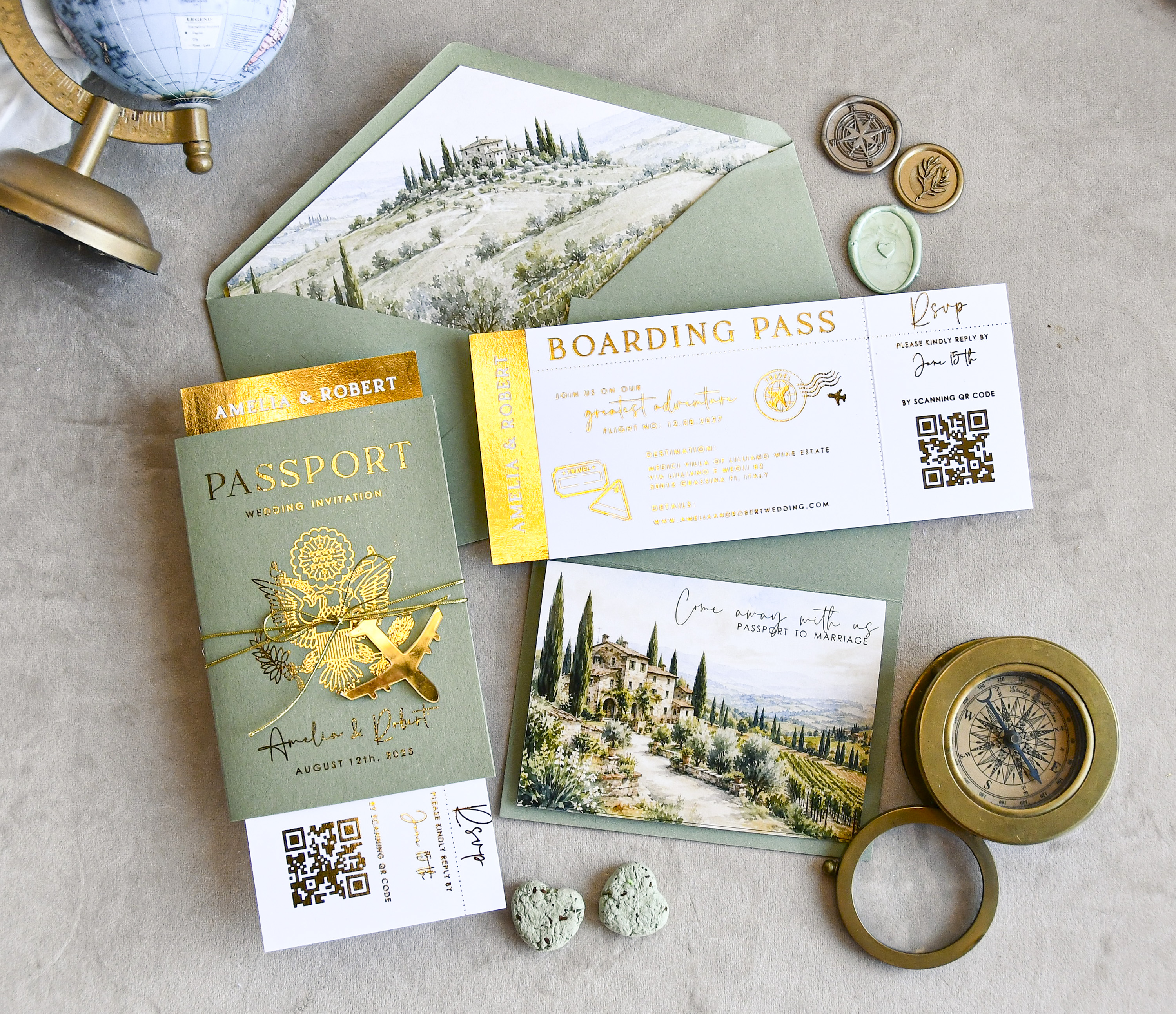
For destination or beach weddings especially, decisions like travel logistics and who receives a formal invitation can become flashpoints. If you're sending out beach wedding invites—like a passport-style invitation—consider including a thoughtful personal note to family members who weren't included in the inner circle of planning. A little extra warmth goes a long way.
Use a Neutral Mediator When Things Escalate
Sometimes a conflict grows beyond what a couple can resolve on their own. If the same argument keeps circling, or if one family member is genuinely threatening to derail the event, it may be time to bring in a neutral third party.
This could be a trusted family friend, a wedding planner, a therapist, or a premarital counselor. The goal isn't to "win" the argument—it's to get everyone back to the same page before the wedding day. Many couples find that just one session with a counselor helps them communicate more clearly with difficult family members.
If you're working with a wedding planner, don't be afraid to ask them to run point on logistical conversations that keep turning into emotional ones. That's part of what they're there for.
Protect the Week Before the Wedding
The final week before your wedding should be as low-conflict as possible. This is the time to implement a communication strategy, not start a new one. A few practical rules:
- Designate a point person: One trusted person (MOH, sibling, planner) fields family questions so you don't have to.
- Limit group chats: Group texts are argument factories. Consider pausing or muting them in the final days.
- Don't relitigate old arguments: If a disagreement was "resolved" weeks ago, don't reopen it now—even if you didn't fully get your way.
- Build in recovery time: Schedule quiet time for just the two of you every day that week.
Your wedding stationery—including your invitations—sets the tone for the whole event. Choosing something that reflects your personality, like the passport-to-love beach wedding invites from Margo&Bees, is one of the first decisions that's entirely yours. Protect that energy all the way to the altar.
Frequently Asked Questions
Take the threat seriously but don't panic or make immediate concessions under pressure. Give them a few days to cool down, then have a calm one-on-one conversation to understand what's really driving the threat. In most cases, people who make this kind of statement are expressing hurt rather than a genuine intention to skip the wedding.
Plan logistics carefully so they don't need to interact directly—assign separate seating areas, stagger arrival times if needed, and designate a family member to accompany each parent during key moments. Have an honest conversation with both parents well in advance, making clear that the day is about you as a couple and that you need their cooperation. Most parents will rise to the occasion when asked respectfully and directly.
Absolutely—it's one of the most practical investments you can make. Even a few sessions of premarital counseling can give you tools to navigate not just family conflict but the transition into marriage itself. Many couples report that it strengthened their communication and helped them feel like a united front going into the wedding.
Present every decision as a joint couple's choice rather than attributing it to one family's influence. Avoid sharing what one family said with the other, as this almost always escalates tension. If the conflict is ongoing, it may help to keep the two families' pre-wedding events (like showers or rehearsal dinners) separate.
Yes—protecting your mental health and your relationship during this period is completely reasonable. You can do this kindly by reducing the frequency of calls or redirecting conversations through another family member. Just be prepared to reengage thoughtfully closer to the wedding so the day itself feels warm and connected.
A simple, confident response like "Thanks for sharing that—we've already decided, but we appreciate you" closes the loop without inviting debate. You don't need to justify or defend your choices repeatedly. The more consistent and calm you are in your responses, the faster the opinions tend to stop.
See This Design Up Close
















You May Also Like
More Wedding Planning Guides
- → The Complete Guide to What Goes on a Wedding Invitation
- → Plus One Etiquette: Exactly Who Makes the Cut at Your Wedding
- → How to Navigate a Wedding When Your Divorced Parents Are at War
- → Inviting Guests to the Ceremony But Not the Reception: What You Need to Know
- → The Case for a Small Wedding: Everything You Need to Know
- → When to Send Wedding Invitations: A Complete Timeline Guide
- → Who Gets Cut First When Your Guest List Is Too Long?
- → Wedding Invitation Addressing: Etiquette Rules Every Couple Should Know
- → Do You Have to Invite Your Future In-Laws' Friends to Your Wedding?
- → Coworkers and the Wedding Guest List: How to Decide Who Gets an Invite
- → Yes, Guests Can RSVP Online — Here's How to Make It Work Beautifully
- → More Guests or a More Memorable Wedding? How to Choose What's Right for You
- → Inviting Your Ex to Your Wedding: A Practical Guide to Making the Right Call
- → Do You Have to Invite Your Cousins to Your Wedding?
- → How to Figure Out the Right Number of Wedding Invitations to Order
- → Should You Invite an Estranged Sibling to Your Wedding?
- → Going Digital: Everything You Need to Know About Sending Online Wedding Invitations
- → No-Shows After a Yes RSVP: How to Handle It Gracefully
- → Navigating the 'Them or Me' Wedding Guest Ultimatum
- → When Parents Want to Add Friends to the Guest List: A Practical Guide
- → No Kids at Your Wedding: Navigating the Etiquette With Confidence
- → Uninvited Plus-Ones and Tag-Alongs: How to Keep Your Guest List Intact
- → When Family Feuds Threaten Your Wedding Plans: A Practical Peacekeeper's Guide
- → Inviting an Estranged Brother or Sister: Finding Clarity Before You Seal the Envelope
- → Cousins, Invites, and Hard Choices: A Practical Guest List Guide