
The Case for a Small Wedding: Everything You Need to Know
If you've been quietly dreaming of a small wedding but worrying what everyone will think, here's your permission slip: an intimate celebration is not only completely okay — for many couples, it's the best choice they ever made. Whether you're envisioning a backyard dinner for 20 or a destination ceremony with your closest 40 guests, a small wedding can be deeply personal, financially smart, and genuinely joyful. Let's talk through what it really means to go small and how to do it well.
What Counts as a 'Small' Wedding?
There's no official rulebook, but most wedding planners consider anything under 50 guests to be a small or intimate wedding. Micro-weddings typically have 20 or fewer guests, while elopements are usually just the two of you plus an officiant and a witness or two. Each version has its own vibe, logistics, and etiquette considerations — but all three are completely valid ways to get married.
The key is deciding what feels right for you, not what matches a template. A small wedding doesn't mean a lesser wedding. It means a more intentional one.
The Real Benefits of Keeping the Guest List Tight
Going small comes with some genuinely compelling advantages:
- More meaningful moments. When you're not managing 150 guests, you actually get to spend real time with every person in the room. Couples consistently say this is the thing they treasure most.
- Lower overall costs. Food, drink, and venue fees are almost always priced per head. A guest list of 30 instead of 150 can save you tens of thousands of dollars — money you can redirect toward a better honeymoon, a home, or simply starting married life without debt.
- Less logistical stress. Seating charts, shuttle coordination, and catering minimums all shrink dramatically when your guest list does.
- More venue flexibility. A small group opens up spaces that would never work for a large wedding — a restaurant private room, a state park, a rooftop, a beloved family property, or even a destination abroad.
How to Handle the Guest List Without Hurting Feelings
The hardest part of a small wedding isn't the planning — it's the conversations. Here's how to navigate it gracefully:
- Decide on your number first, then build your list. Having a firm cap (say, 30 people) makes it easier to explain your choices without it feeling personal.
- Be consistent. If you're not inviting extended family, don't invite coworkers. Consistency is your best defense against hurt feelings.
- Keep the news low-key until invitations go out. Avoid announcing your wedding on social media before guests have received their invitations — it prevents people from feeling publicly excluded.
- Consider a post-wedding celebration. A casual cocktail party or backyard gathering after your honeymoon lets you celebrate with a wider circle without inflating your actual wedding guest count.
The people who truly love you will understand. And if they don't, that's important information too.
Stationery for a Small or Destination Wedding
Even the most intimate wedding deserves a beautiful invitation — arguably, it matters more when every single guest is someone you deeply care about. Your invitation sets the tone for what guests can expect: a thoughtful, curated experience rather than a big production.
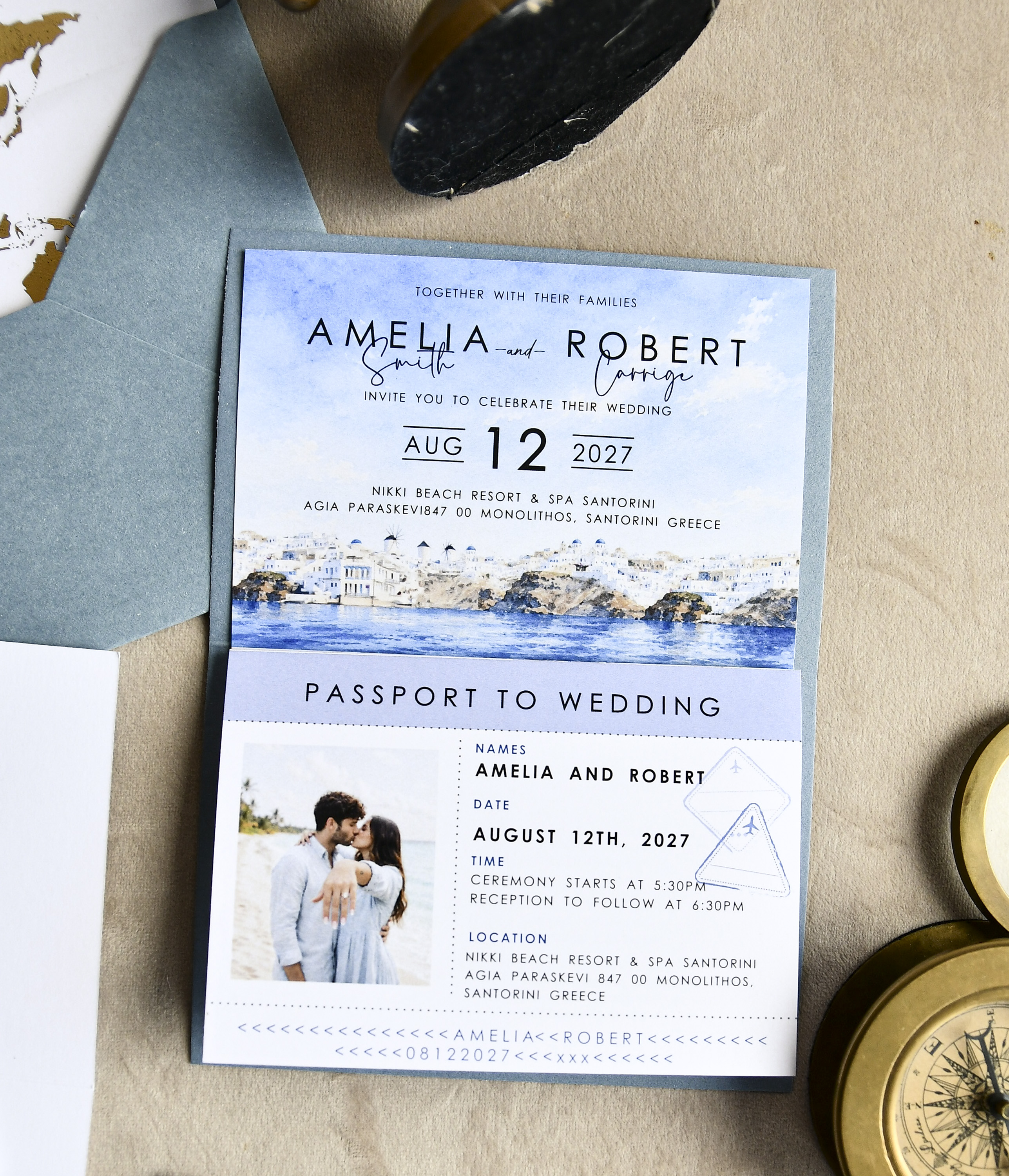
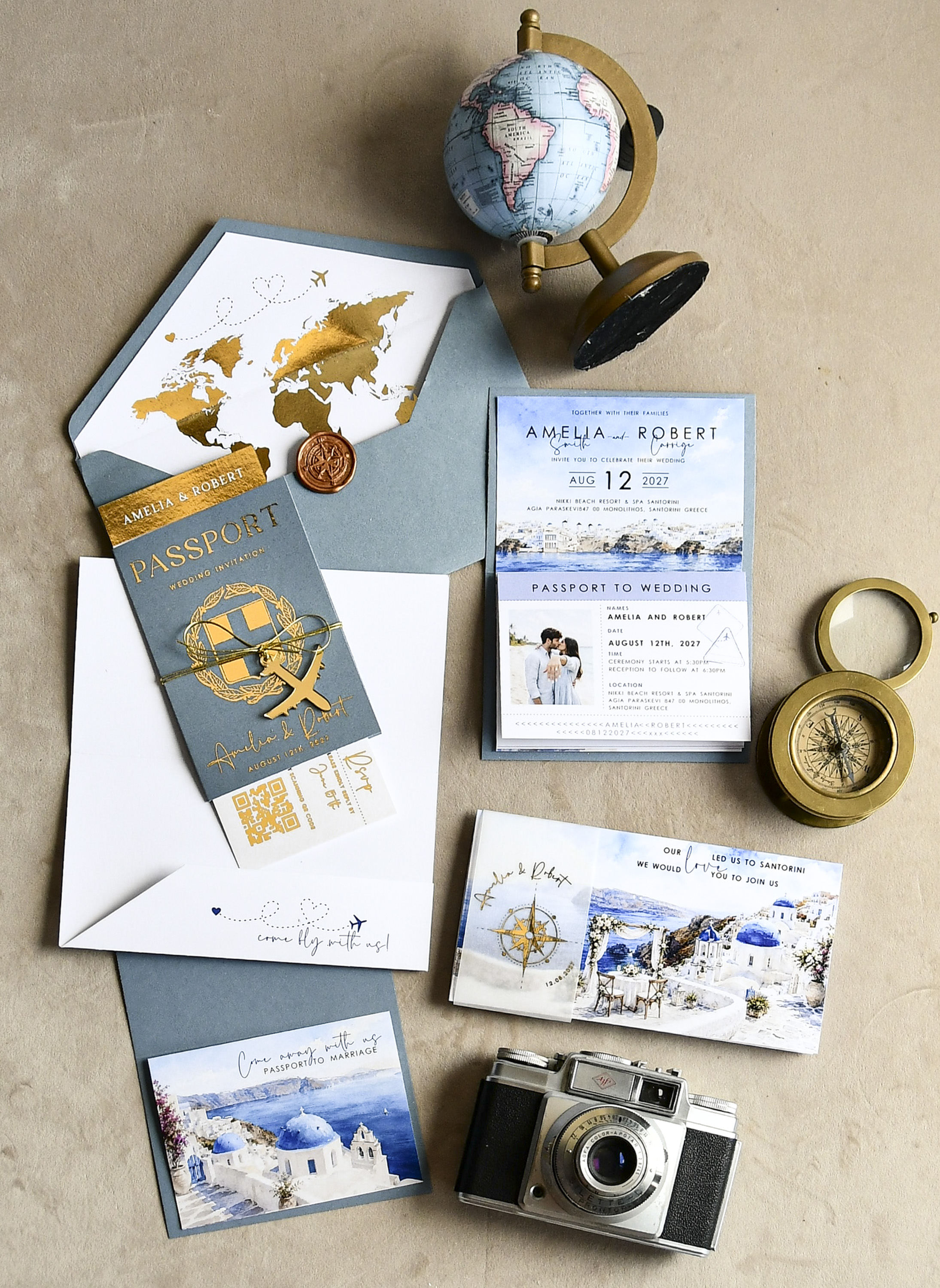
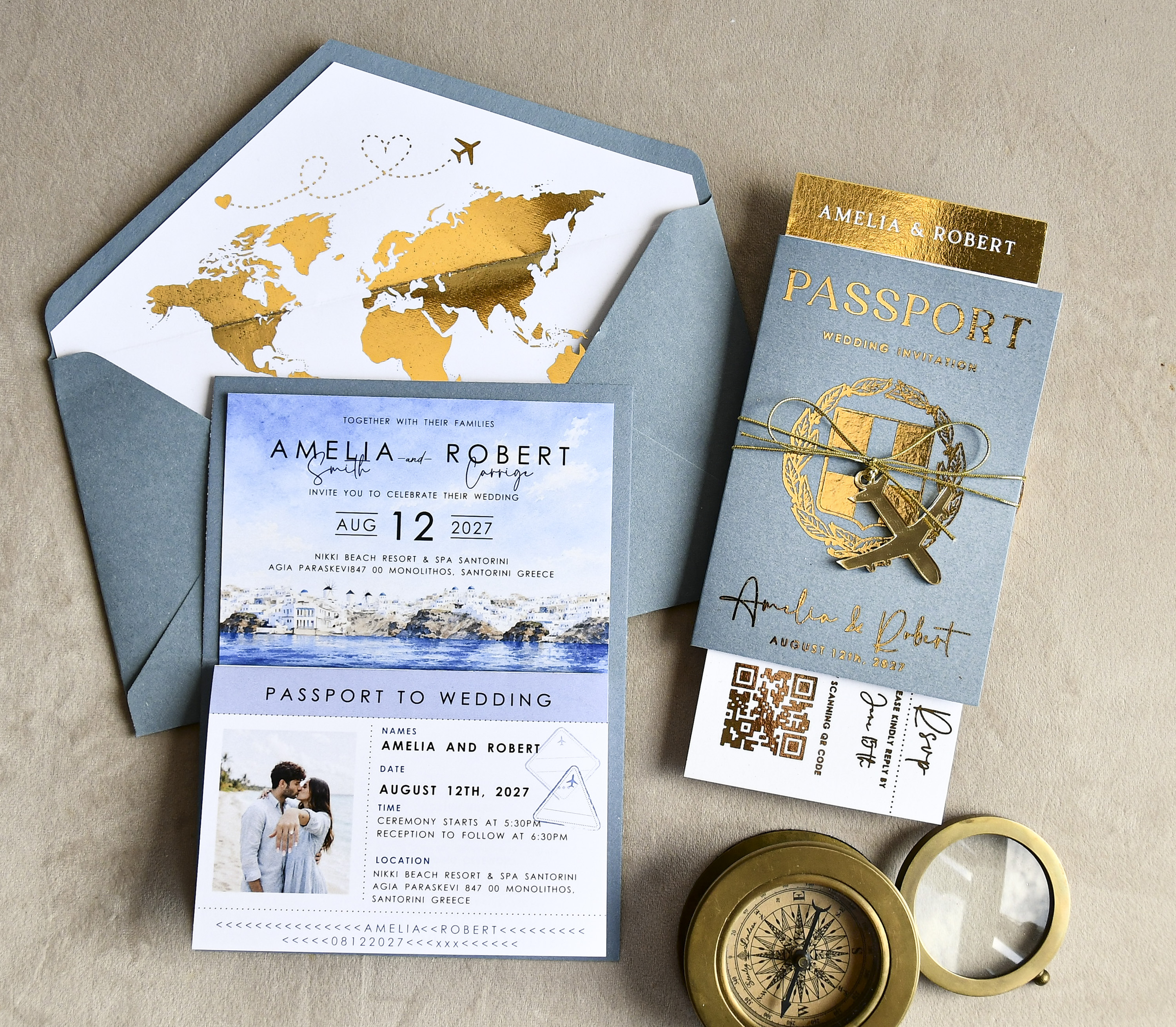
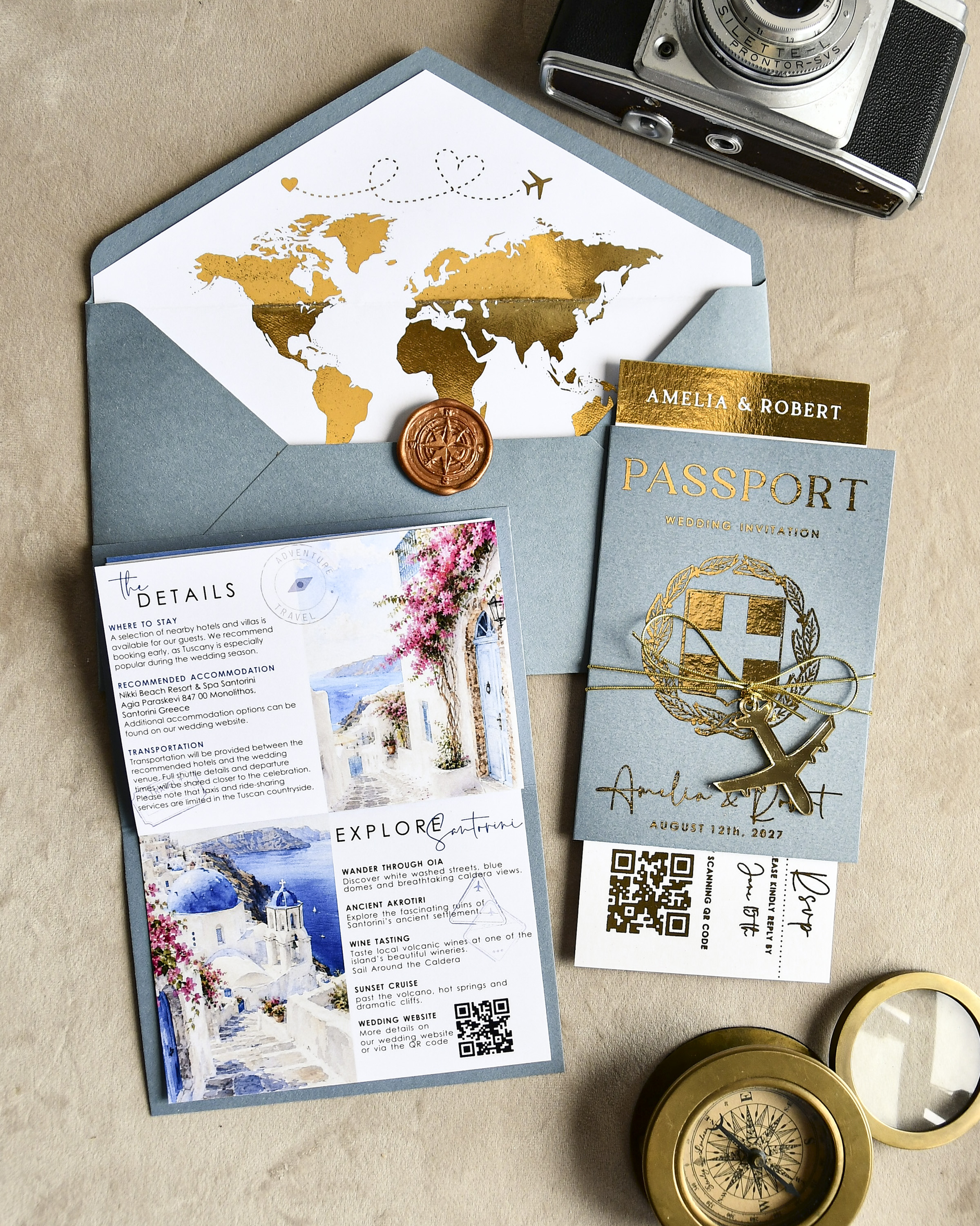
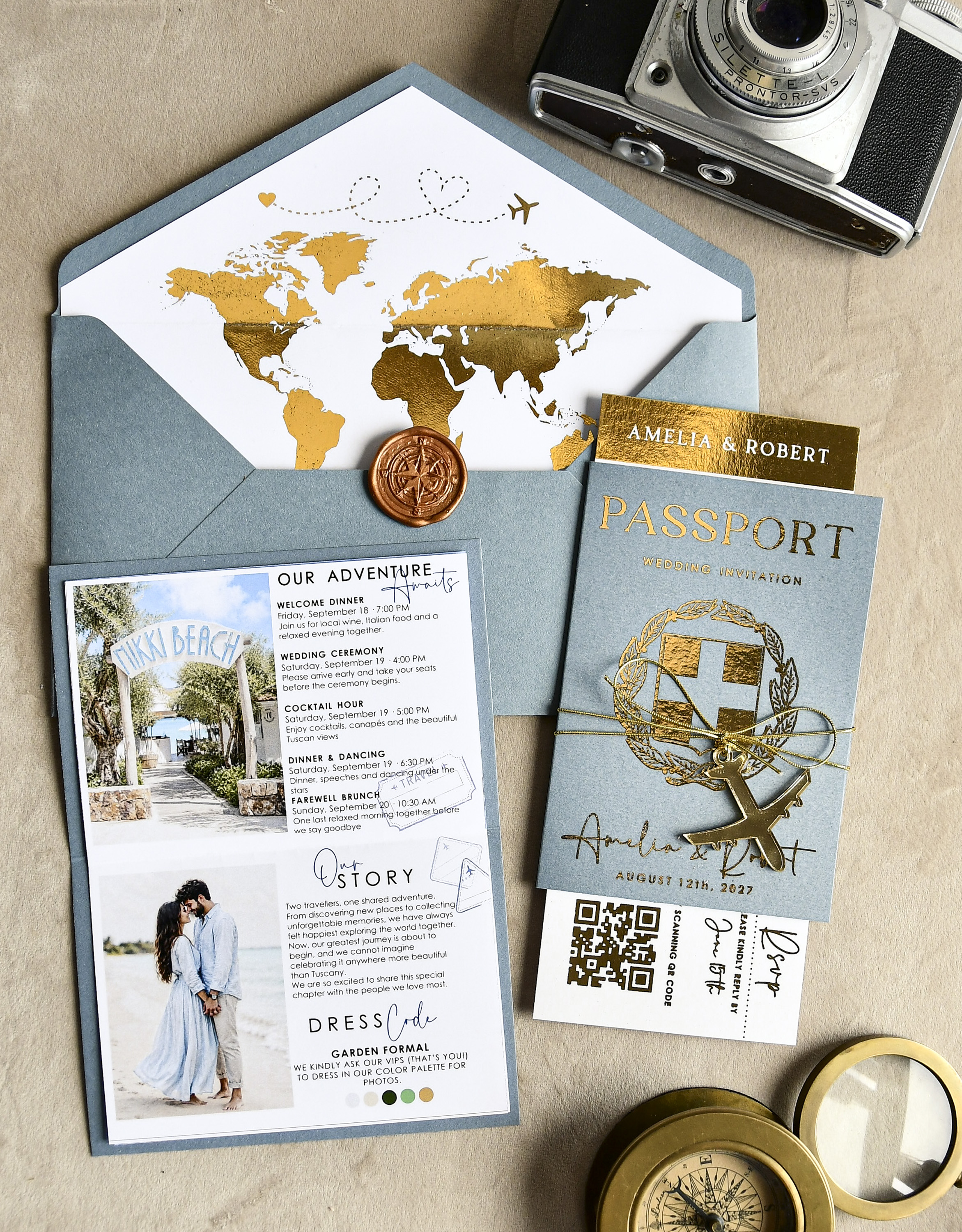
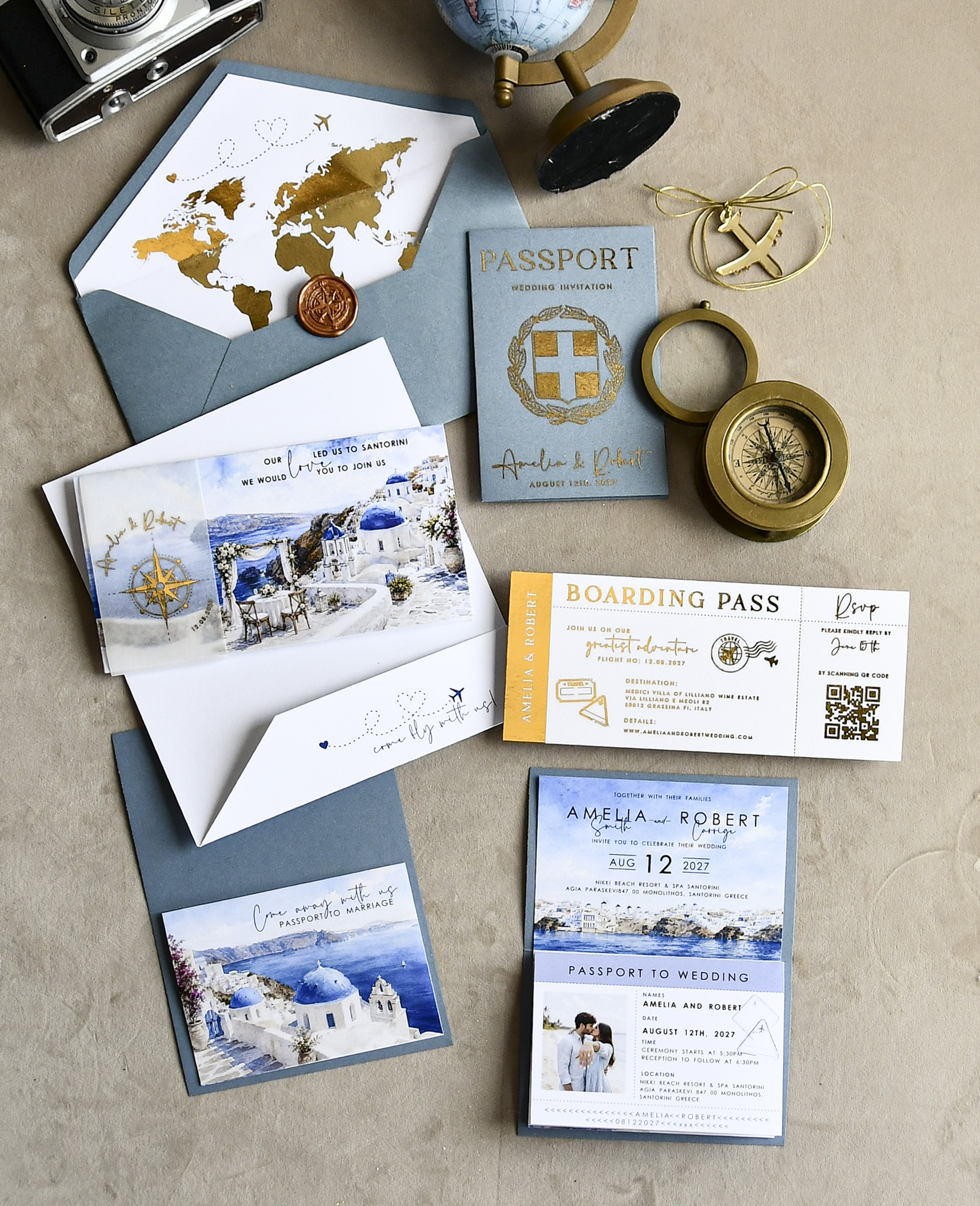
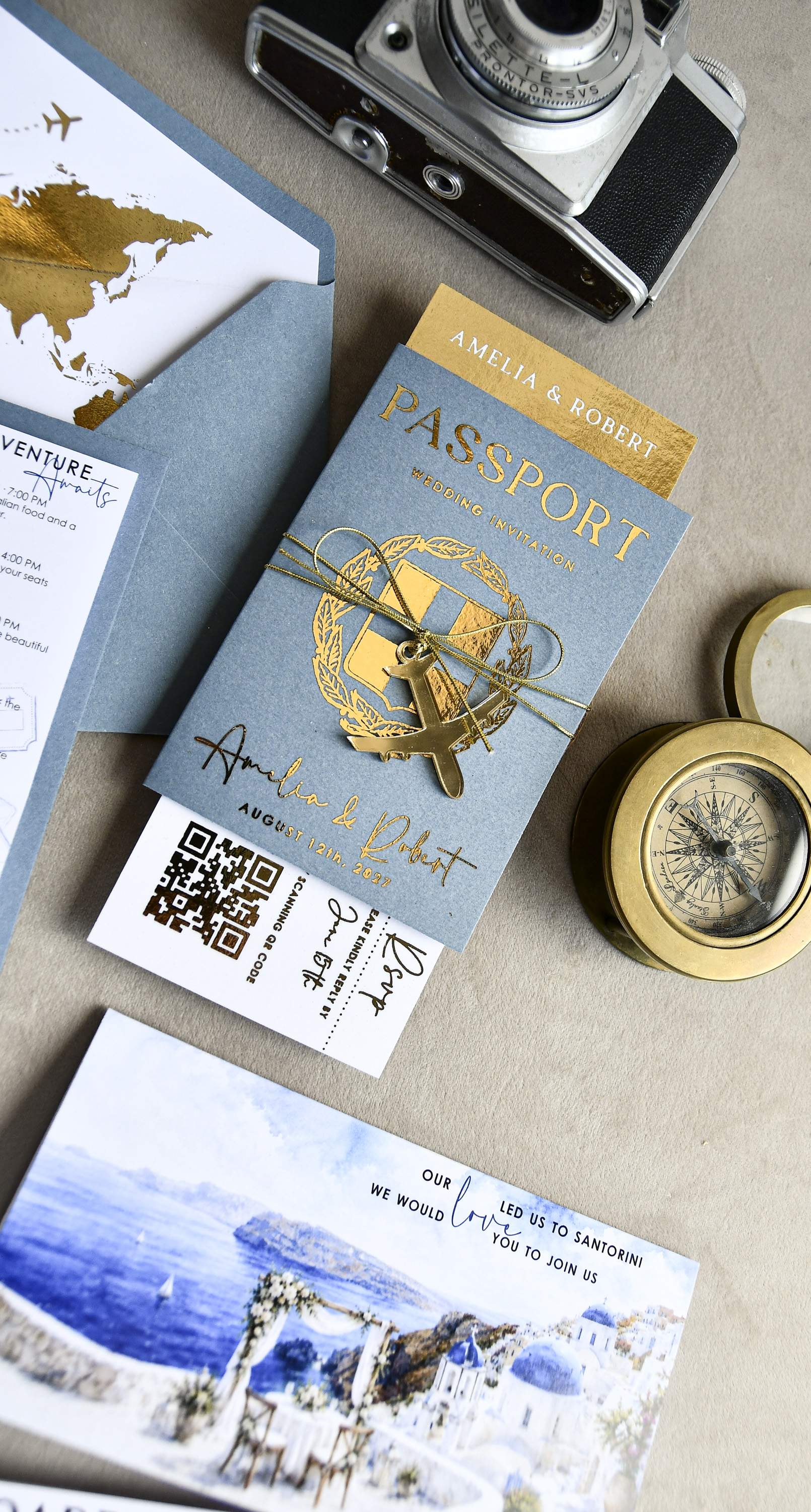
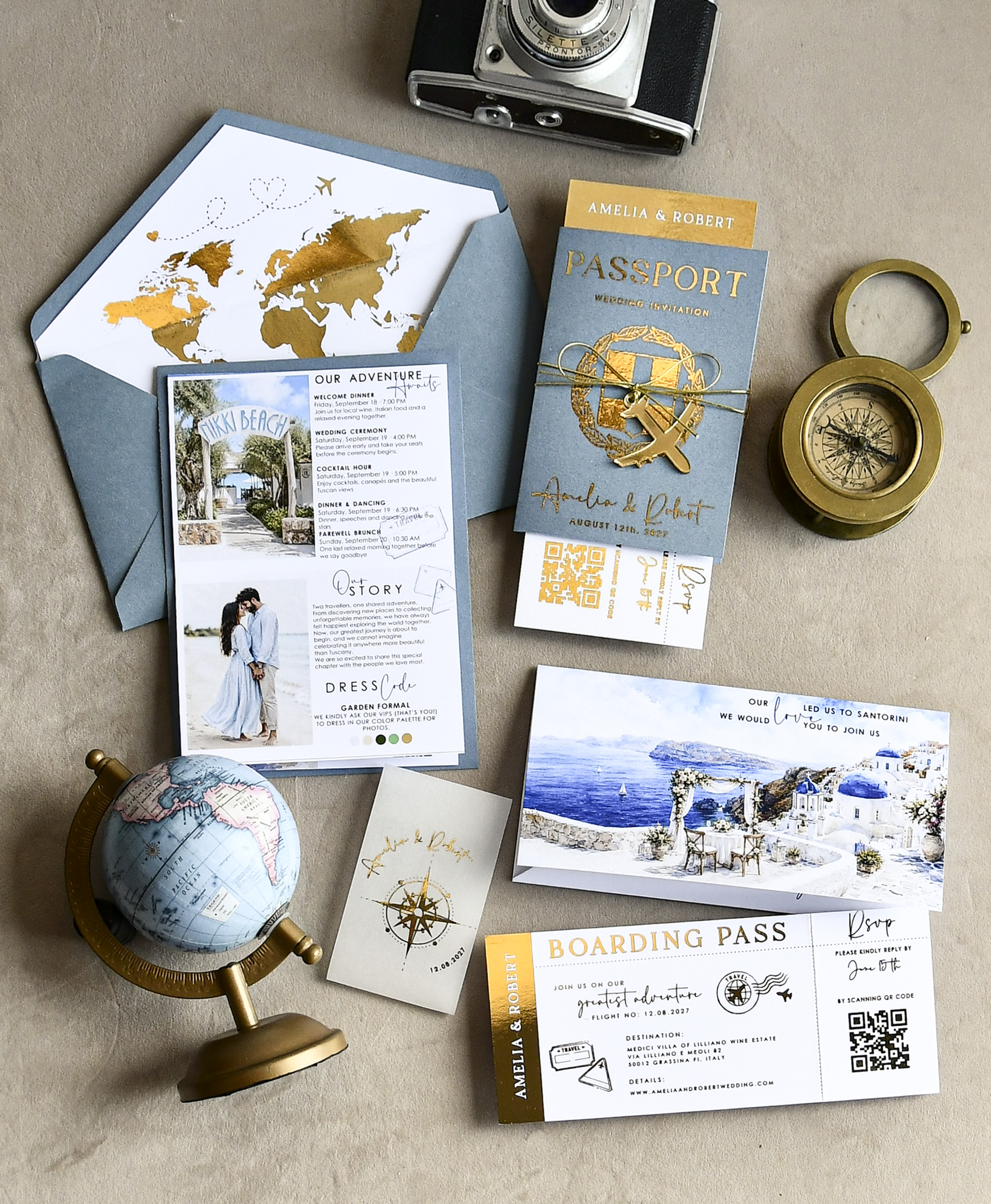
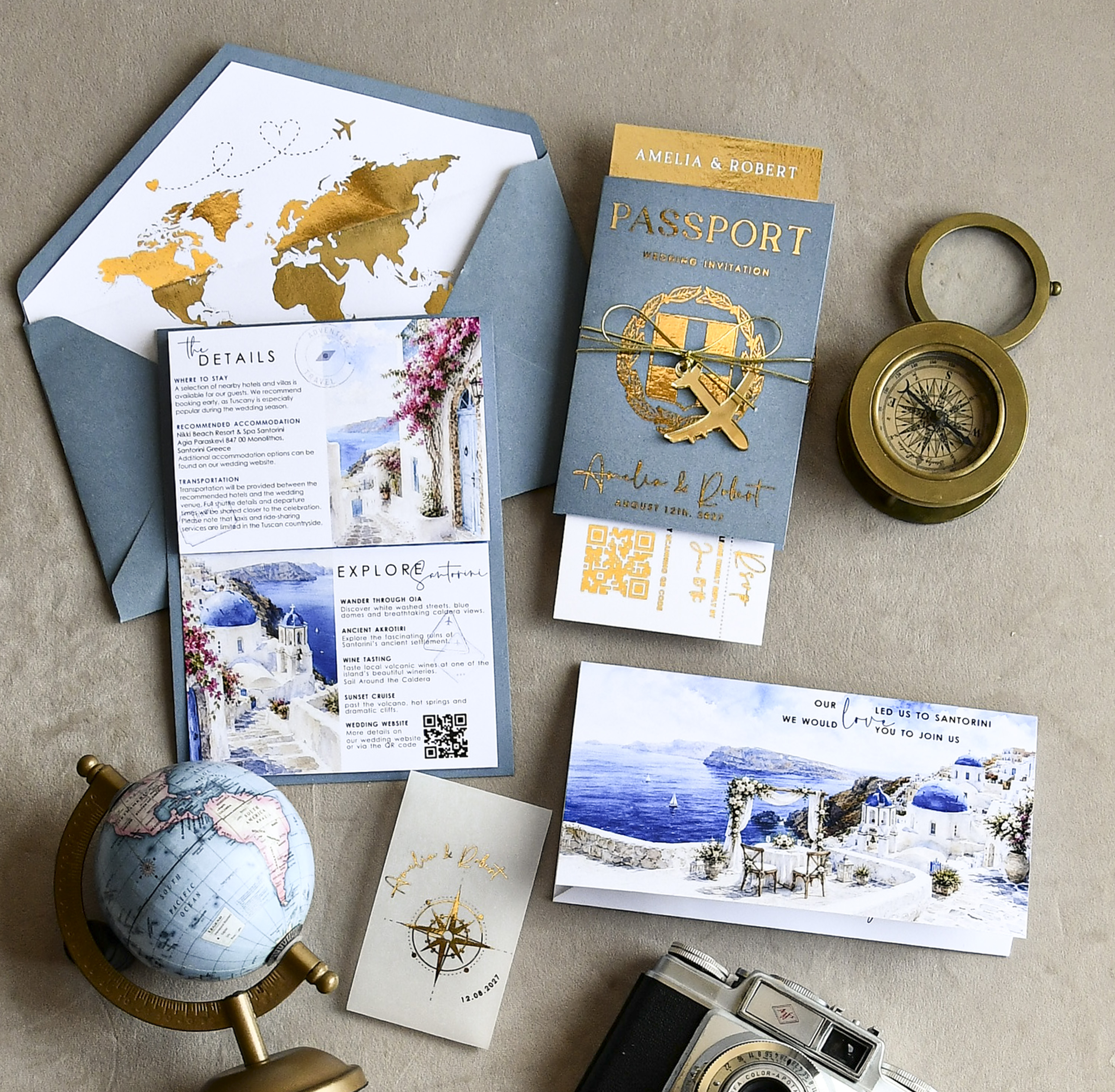
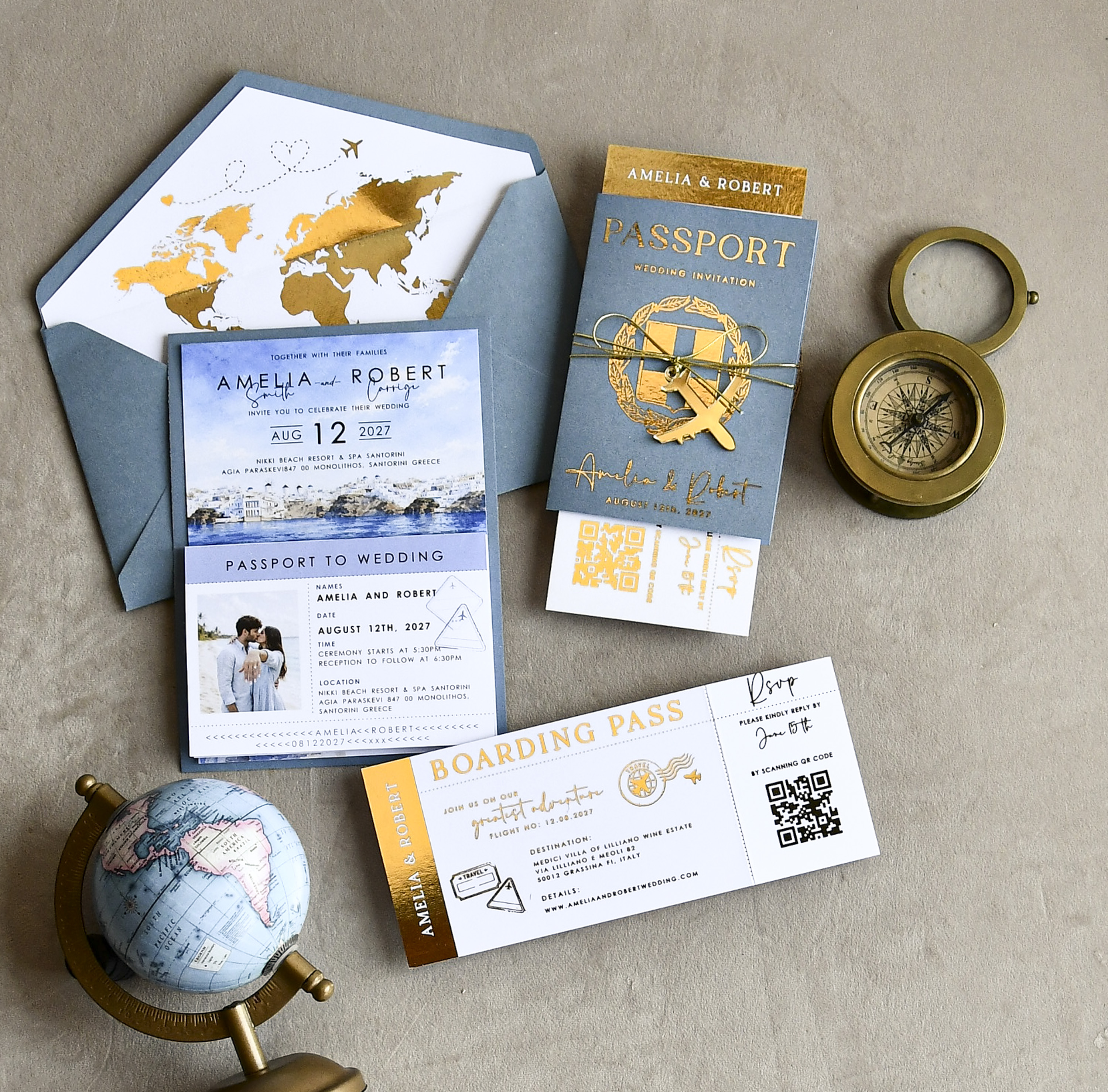
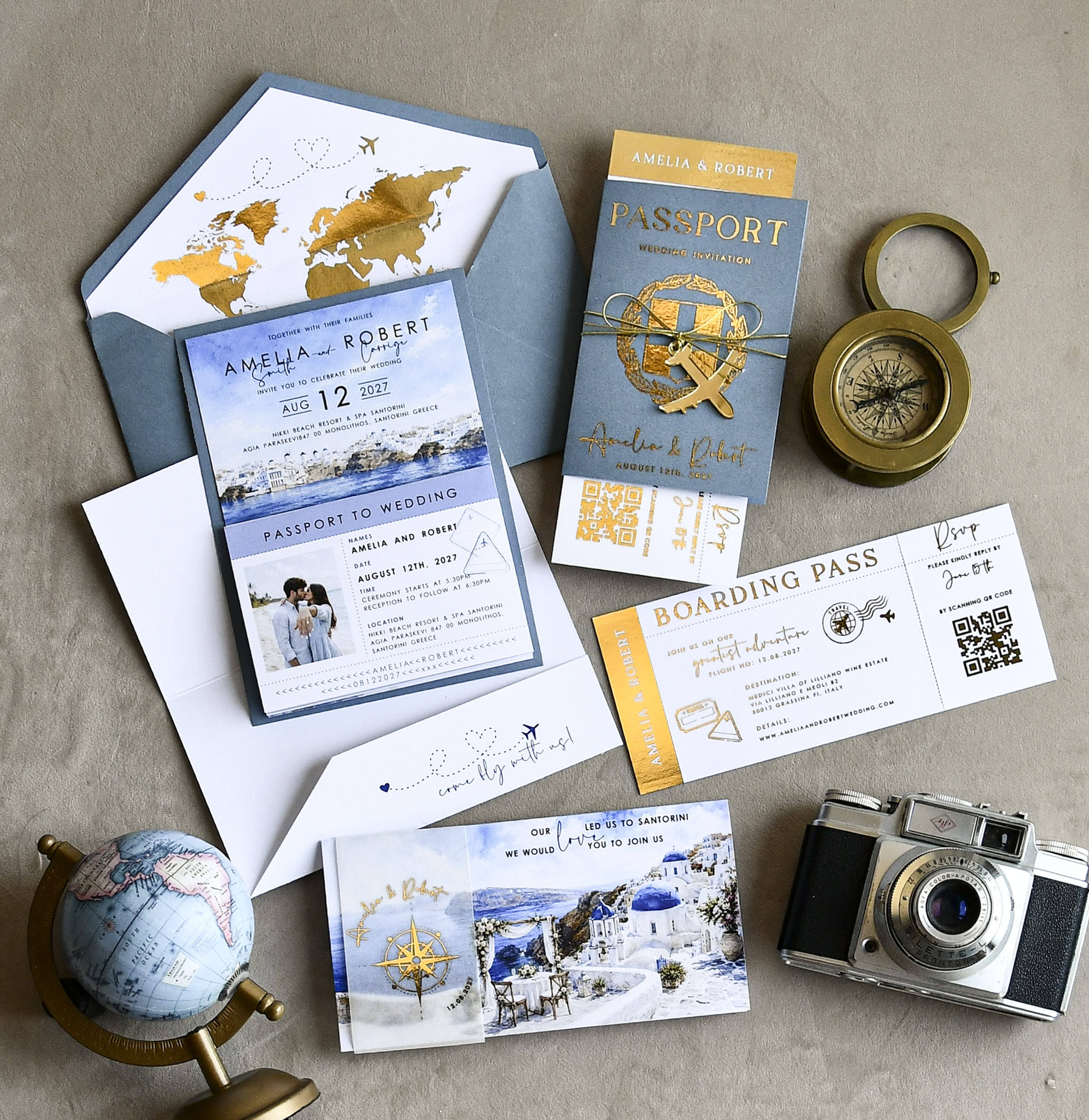
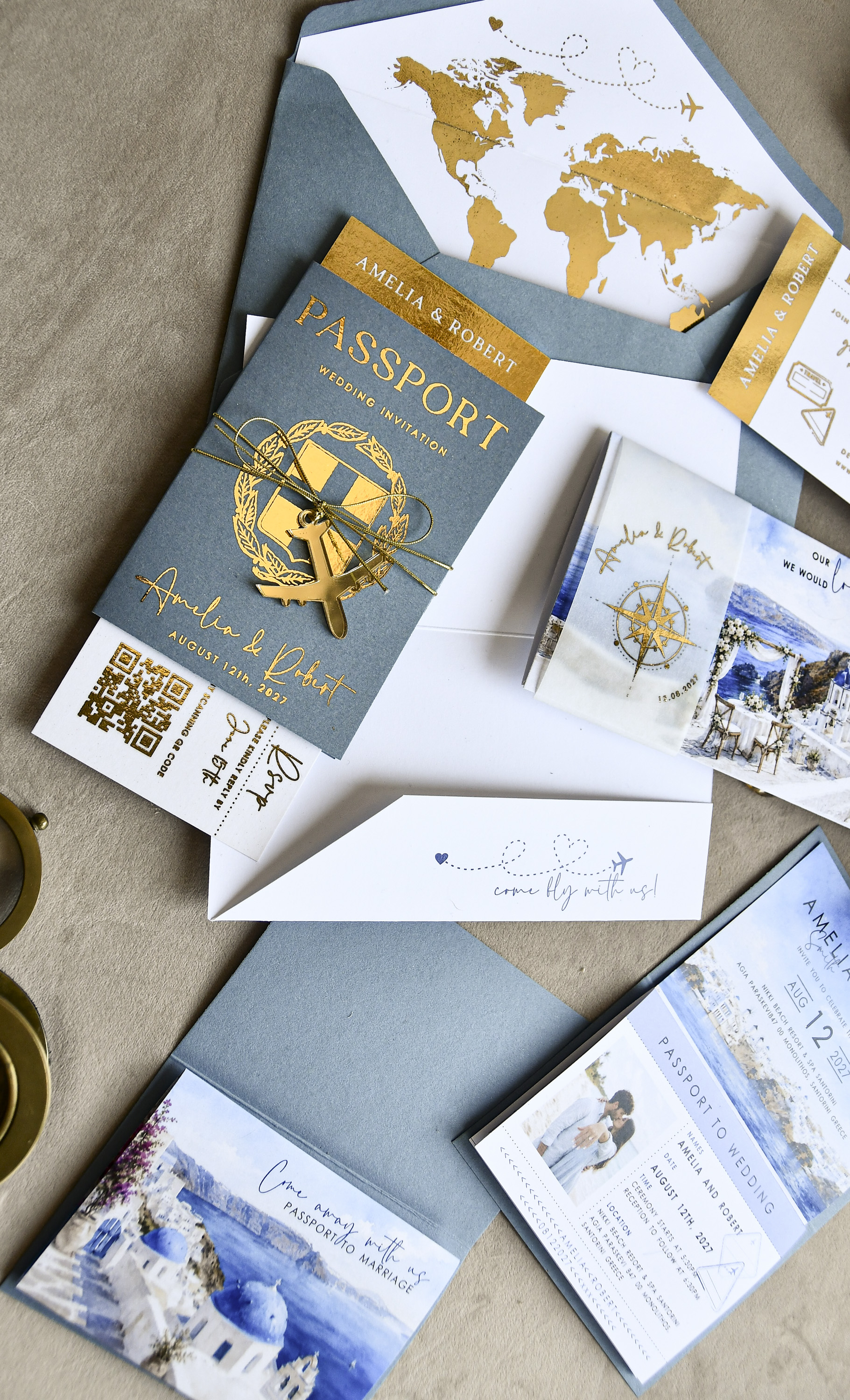
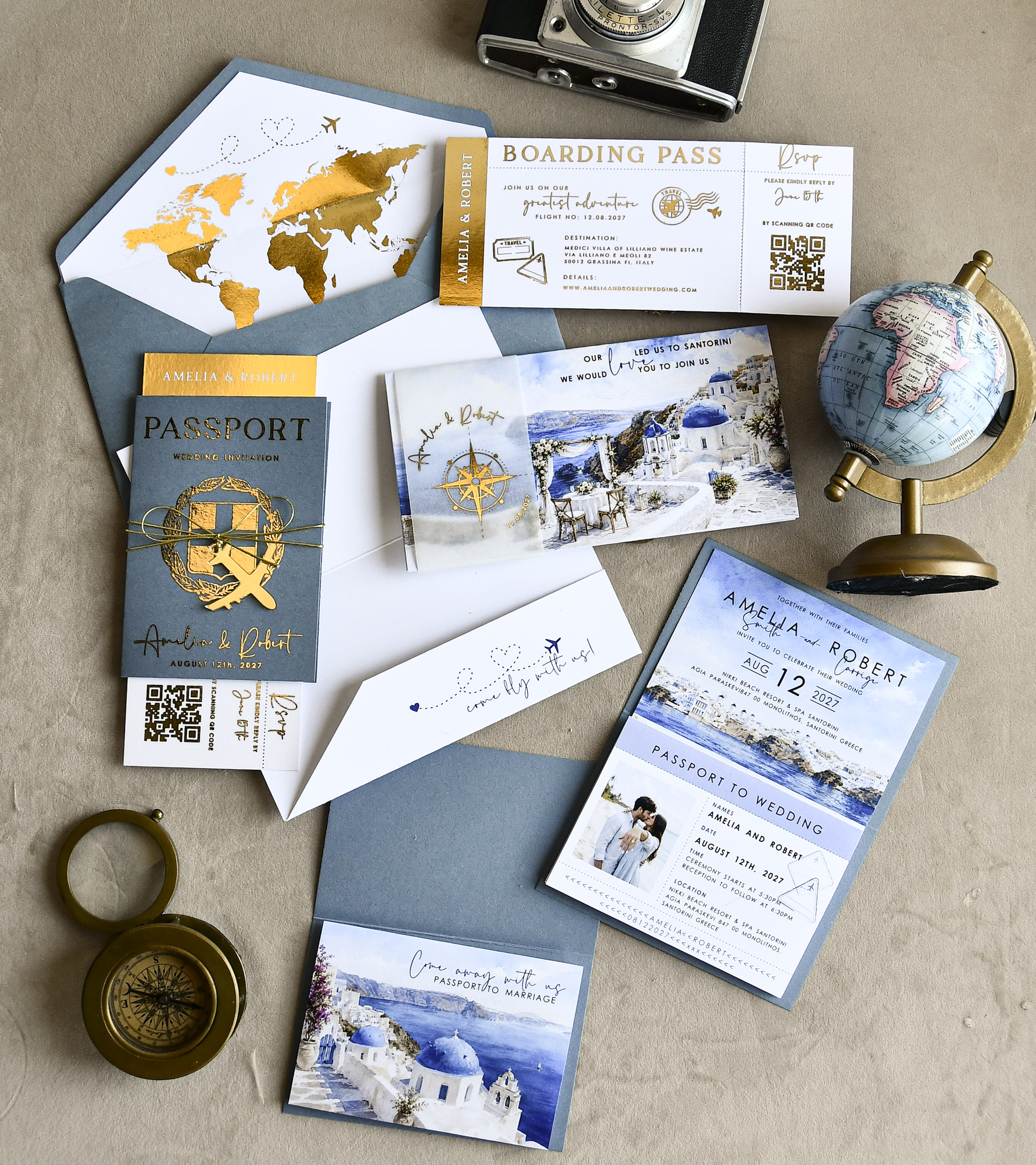
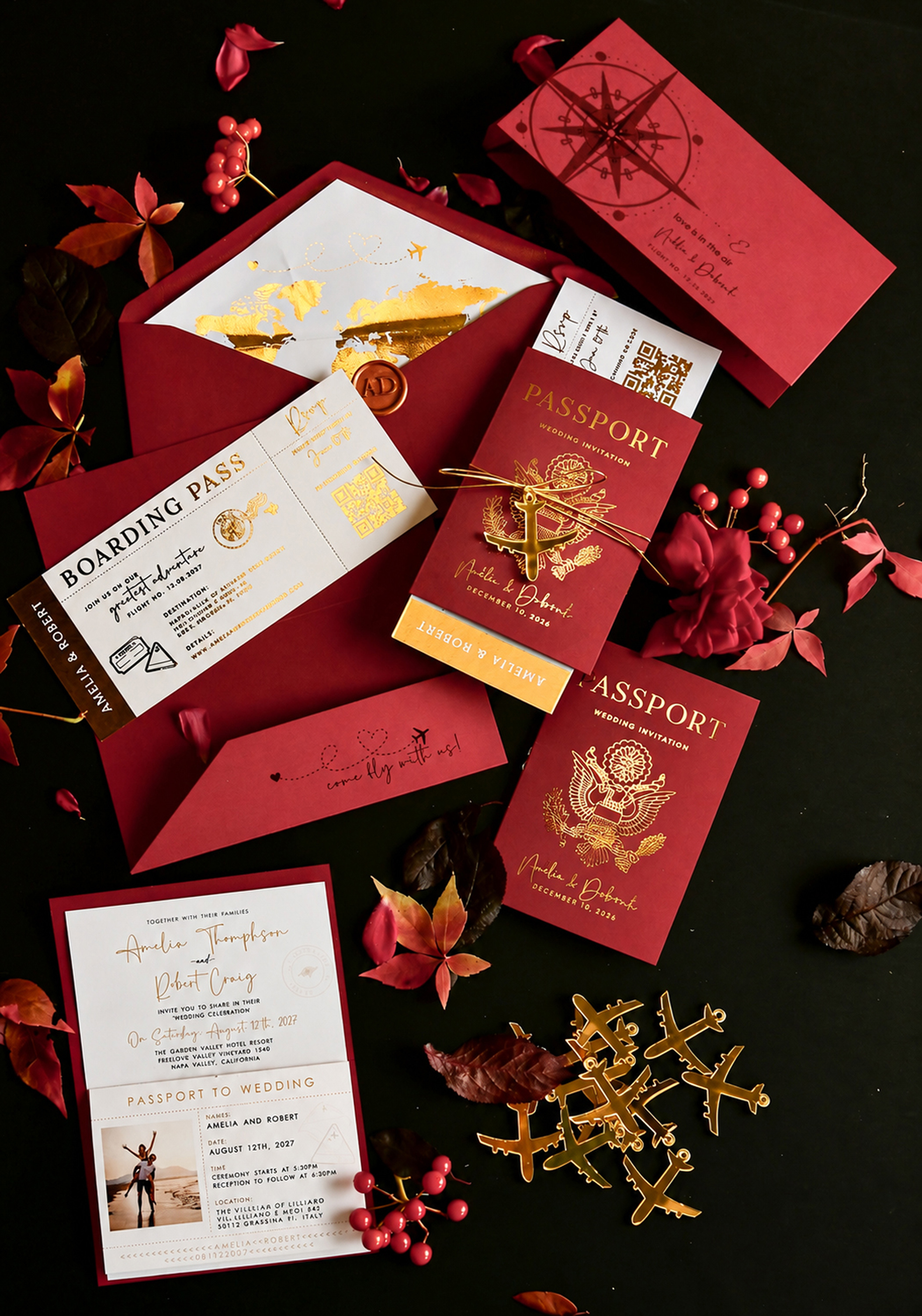
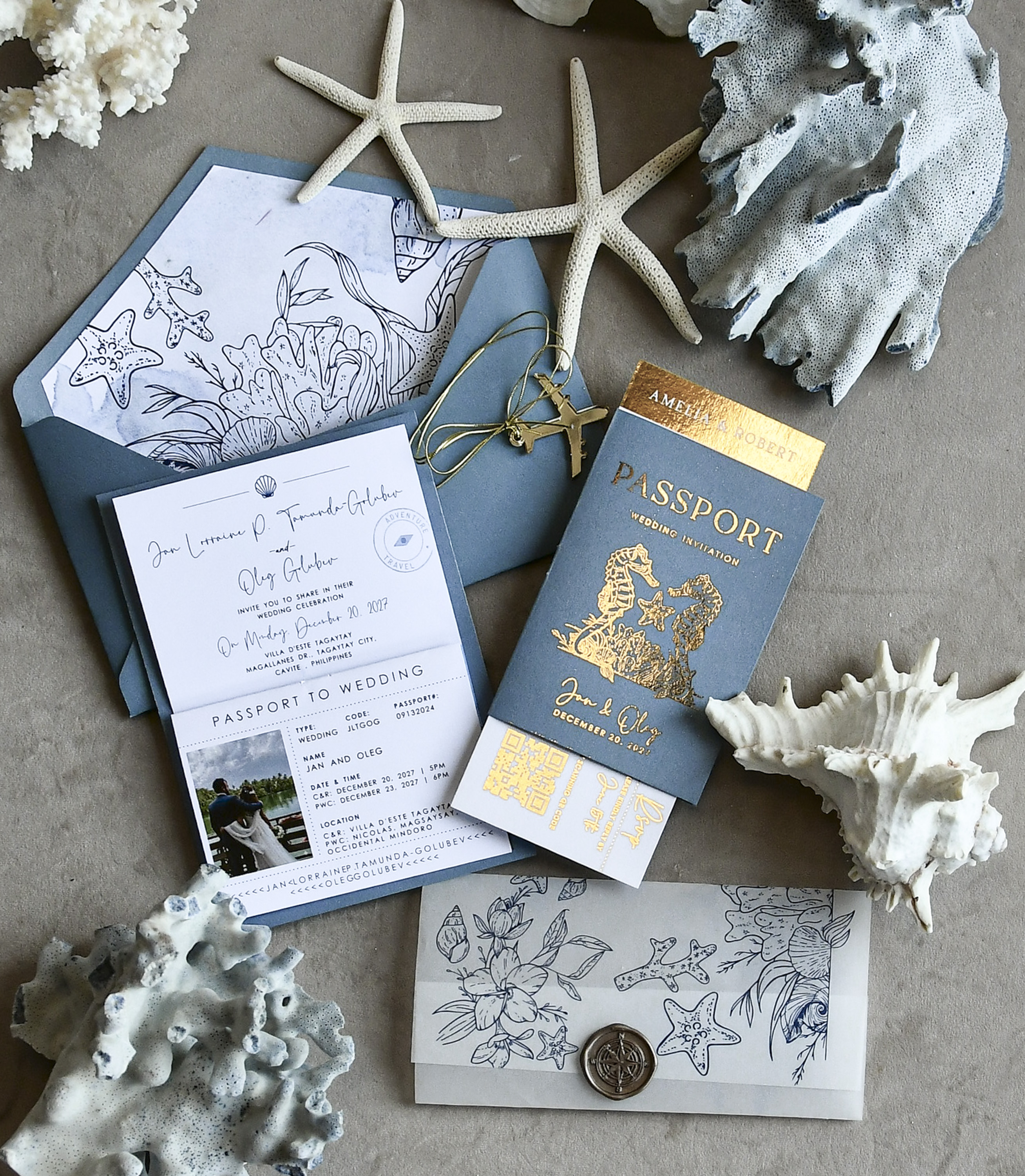
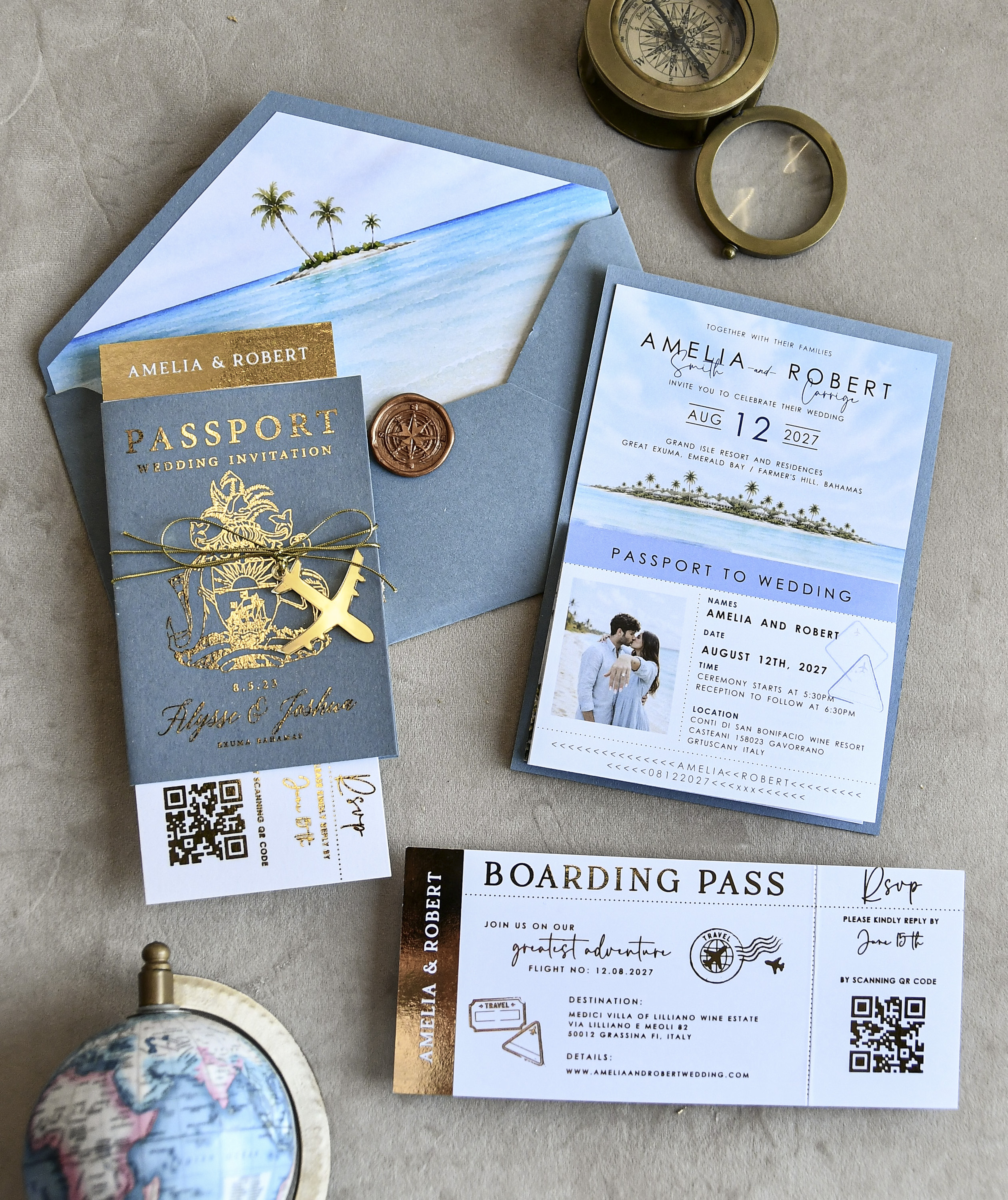
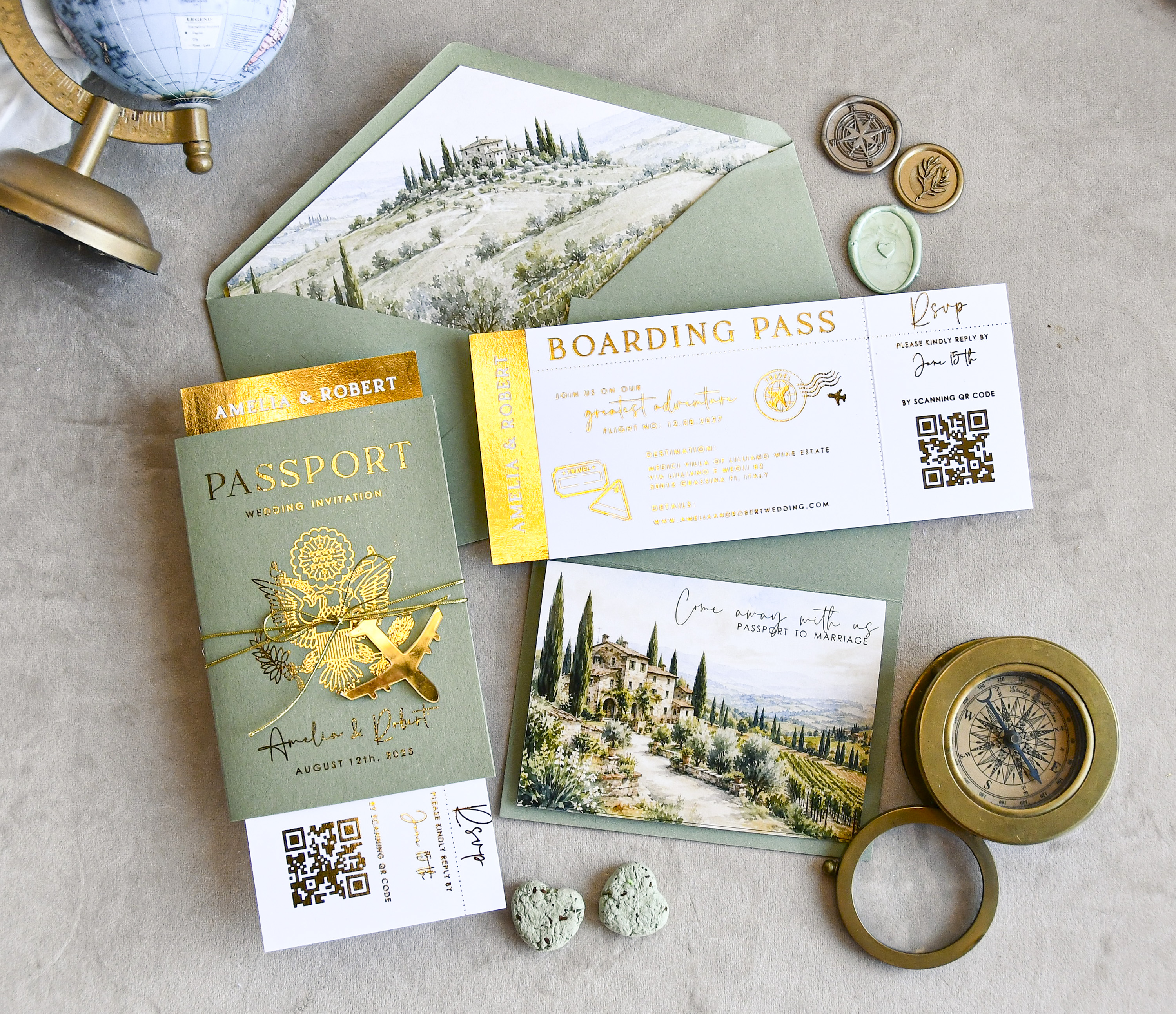
If your small wedding has a destination or beach element, a passport-style invitation is a particularly charming choice. The Passport to Love beach wedding invite from Margo&Bees (starting from $8.00) captures that adventurous, intimate spirit perfectly — it signals to guests that they're in for something special and a little out of the ordinary. Because your guest list is small, you can invest a little more per piece and really make the stationery feel luxurious.
For timing, send save-the-dates 6–8 months out for a destination wedding, or 3–4 months out for a local intimate celebration. Follow up with formal invitations 6–8 weeks before the date.
A Few Things to Keep in Mind Before You Finalize
Before you commit to your guest count, talk through these questions with your partner:
- Are there family members who would be genuinely hurt to be excluded — and is that a conversation you're prepared to have?
- Do both families have roughly equal representation, or will one side feel sidelined?
- If you're having a wedding party, will attendants' partners be included? (They generally should be.)
- Are there vendor minimums at your chosen venue that affect your budget math?
A small wedding works best when both partners are fully aligned on the vision. Once you're on the same page, everything else falls into place remarkably smoothly.
Frequently Asked Questions
It's not rude as long as you're consistent — if you're keeping it to immediate family and close friends only, that's a clear, defensible boundary. The key is communicating your decision kindly and not making exceptions that will seem arbitrary to those left out.
You don't necessarily need a full-service planner, but a day-of coordinator is still worth considering — even for 20 guests, someone needs to manage the timeline so you can be present. Many planners offer hourly or partial-planning packages that work well for intimate weddings.
Keep the wording warm and personal — this is your chance to set an intimate tone. You can simply use traditional invitation language; there's no need to explain or justify your guest count on the invitation itself.
Yes — guests will want to give you something regardless of the wedding size, and a registry makes it easy for them to choose something you'll actually use. A small registry focused on experiences or a honeymoon fund can feel especially fitting for an intimate celebration.
Absolutely — in fact, many couples say their intimate wedding felt more meaningful precisely because every detail and every person in the room was intentional. Investing in great food, beautiful stationery, and a stunning venue goes a long way when you're working with a smaller headcount.
For a local small wedding, aim to send invitations 6–8 weeks before the date, with save-the-dates going out 3–4 months ahead. For a destination small wedding, give guests more runway — save-the-dates 6–8 months out and invitations 3 months before the event.
See This Design Up Close









You May Also Like
More Wedding Planning Guides
- → The Complete Guide to What Goes on a Wedding Invitation
- → Plus One Etiquette: Exactly Who Makes the Cut at Your Wedding
- → How to Navigate a Wedding When Your Divorced Parents Are at War
- → Inviting Guests to the Ceremony But Not the Reception: What You Need to Know
- → When to Send Wedding Invitations: A Complete Timeline Guide
- → Who Gets Cut First When Your Guest List Is Too Long?
- → Wedding Invitation Addressing: Etiquette Rules Every Couple Should Know
- → Do You Have to Invite Your Future In-Laws' Friends to Your Wedding?
- → Coworkers and the Wedding Guest List: How to Decide Who Gets an Invite
- → Yes, Guests Can RSVP Online — Here's How to Make It Work Beautifully
- → More Guests or a More Memorable Wedding? How to Choose What's Right for You
- → Inviting Your Ex to Your Wedding: A Practical Guide to Making the Right Call
- → Do You Have to Invite Your Cousins to Your Wedding?
- → How to Figure Out the Right Number of Wedding Invitations to Order
- → Should You Invite an Estranged Sibling to Your Wedding?
- → Going Digital: Everything You Need to Know About Sending Online Wedding Invitations
- → No-Shows After a Yes RSVP: How to Handle It Gracefully
- → Navigating the 'Them or Me' Wedding Guest Ultimatum
- → When Parents Want to Add Friends to the Guest List: A Practical Guide
- → No Kids at Your Wedding: Navigating the Etiquette With Confidence
- → How to Defuse Family Arguments Without Losing Your Mind Before the Wedding
- → Uninvited Plus-Ones and Tag-Alongs: How to Keep Your Guest List Intact
- → When Family Feuds Threaten Your Wedding Plans: A Practical Peacekeeper's Guide
- → Inviting an Estranged Brother or Sister: Finding Clarity Before You Seal the Envelope
- → Cousins, Invites, and Hard Choices: A Practical Guest List Guide