
Coworkers and the Wedding Guest List: How to Decide Who Gets an Invite

Your guest list is one of the trickiest parts of wedding planning, and the workplace category might be the trickiest of all. Do you invite your whole department? Just your closest work friend? What about your boss? The good news is there are clear, practical guidelines to help you make decisions you'll feel good about — both on your wedding day and back at the office on Monday morning.
Start With One Honest Question: Is This a Real Friendship?
The simplest filter for any coworker is this: Would you hang out with this person if you no longer worked together? If the answer is yes, they belong in the same category as any other close friend. If the answer is honestly no — if your relationship is warm but entirely workplace-based — it's completely acceptable to leave them off the list.
Work friendships exist on a spectrum. A colleague you've grabbed lunch with every week for three years is very different from a friendly acquaintance you chat with at the coffee machine. Be honest with yourself about which category each person falls into, and let that guide your choices rather than obligation or habit.
Navigating the Boss Situation
Inviting your direct manager or boss is one of the most nuanced calls you'll make. Here's the key principle: never invite your boss out of obligation or to score professional points. Weddings are personal celebrations, not networking events, and most managers genuinely understand that.
That said, if you have a close, genuine relationship with your boss — if they've mentored you, if you socialize outside of work, if not inviting them would feel like a real personal slight — then by all means, include them. Just be aware that inviting a boss can sometimes create a subtle power dynamic at an event that should feel relaxed and joyful.
If you decide not to invite your manager, you don't owe an explanation. A simple, warm mention that you're keeping the wedding small is more than enough.
The All-or-Nothing Rule for Teams and Departments
Here's a rule that will save you a lot of workplace awkwardness: if you invite anyone from a team or department, invite everyone from that team or department. Selective invitations within a tight-knit work group almost always get discovered, and the fallout can make your office environment uncomfortable for months.
There are two clean exceptions to this rule:
- Seniority or tenure: Inviting only those you've worked with for several years, while newer colleagues are left off, is generally understood and rarely causes offense.
- Genuine close friendship: If one person from your team happens to be a genuine best friend who would be invited regardless of work, that's different from a coworker you like. Most people can sense the distinction.
When in doubt, err on the side of consistency. It protects your professional relationships and keeps the guest list drama-free.
Budget and Venue Size Are Your Best Allies
If you're feeling pressure to invite more coworkers than you'd like, lean on your constraints honestly. A smaller venue or a tighter budget gives you a natural, blameless reason to keep the guest list intimate. You can tell colleagues, "We're keeping it really small — just immediate family and our closest friends" without anyone feeling personally targeted.
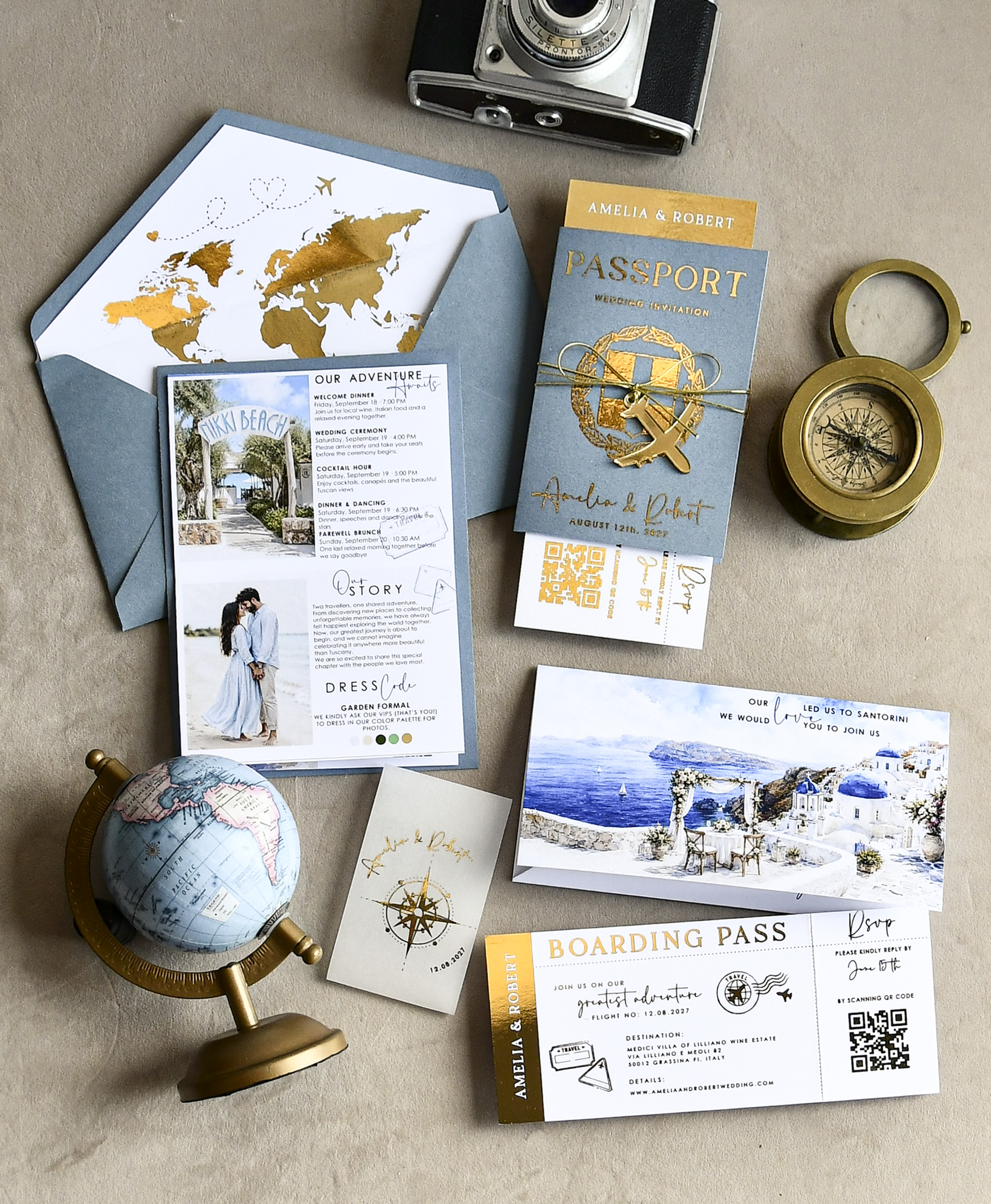
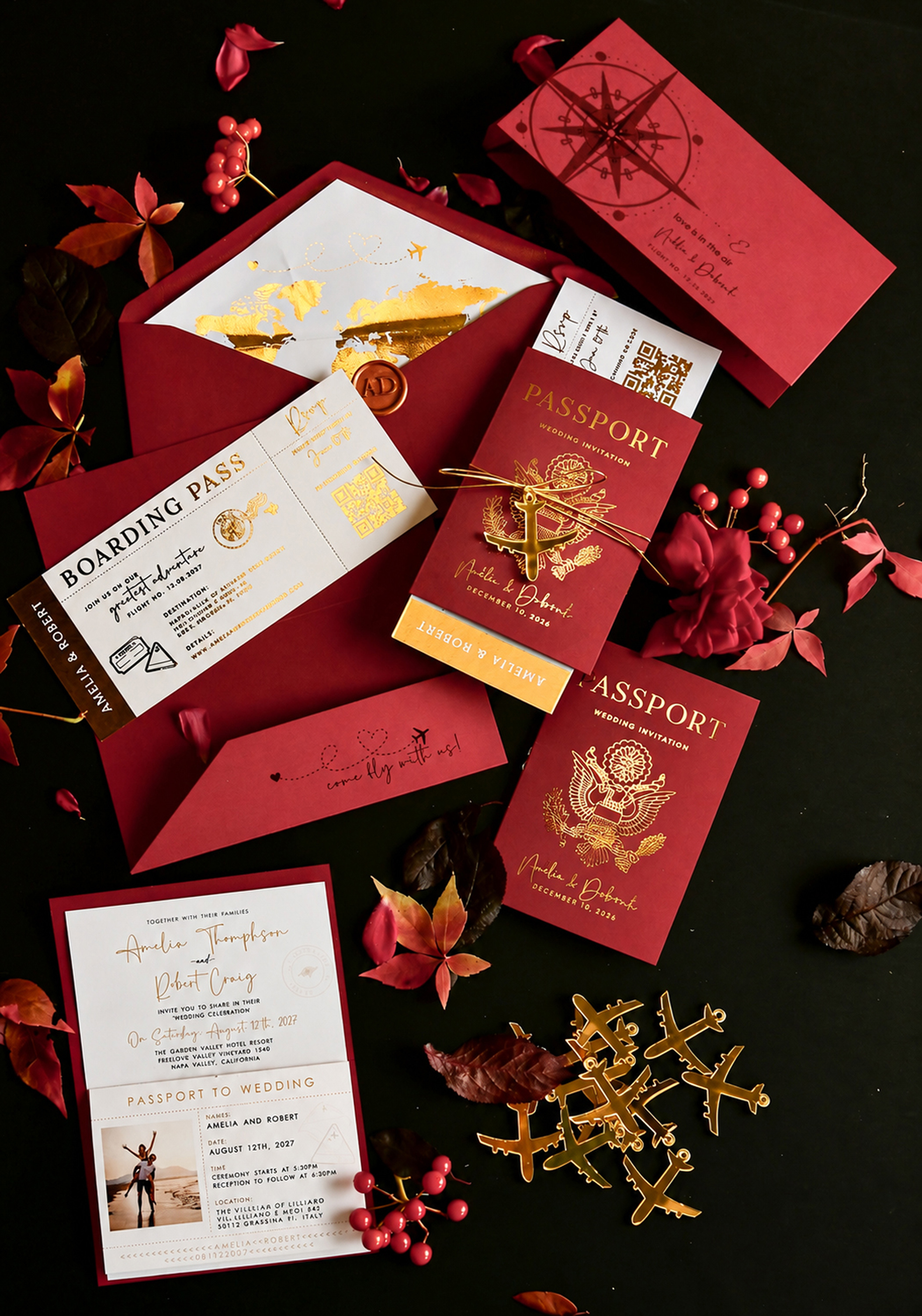
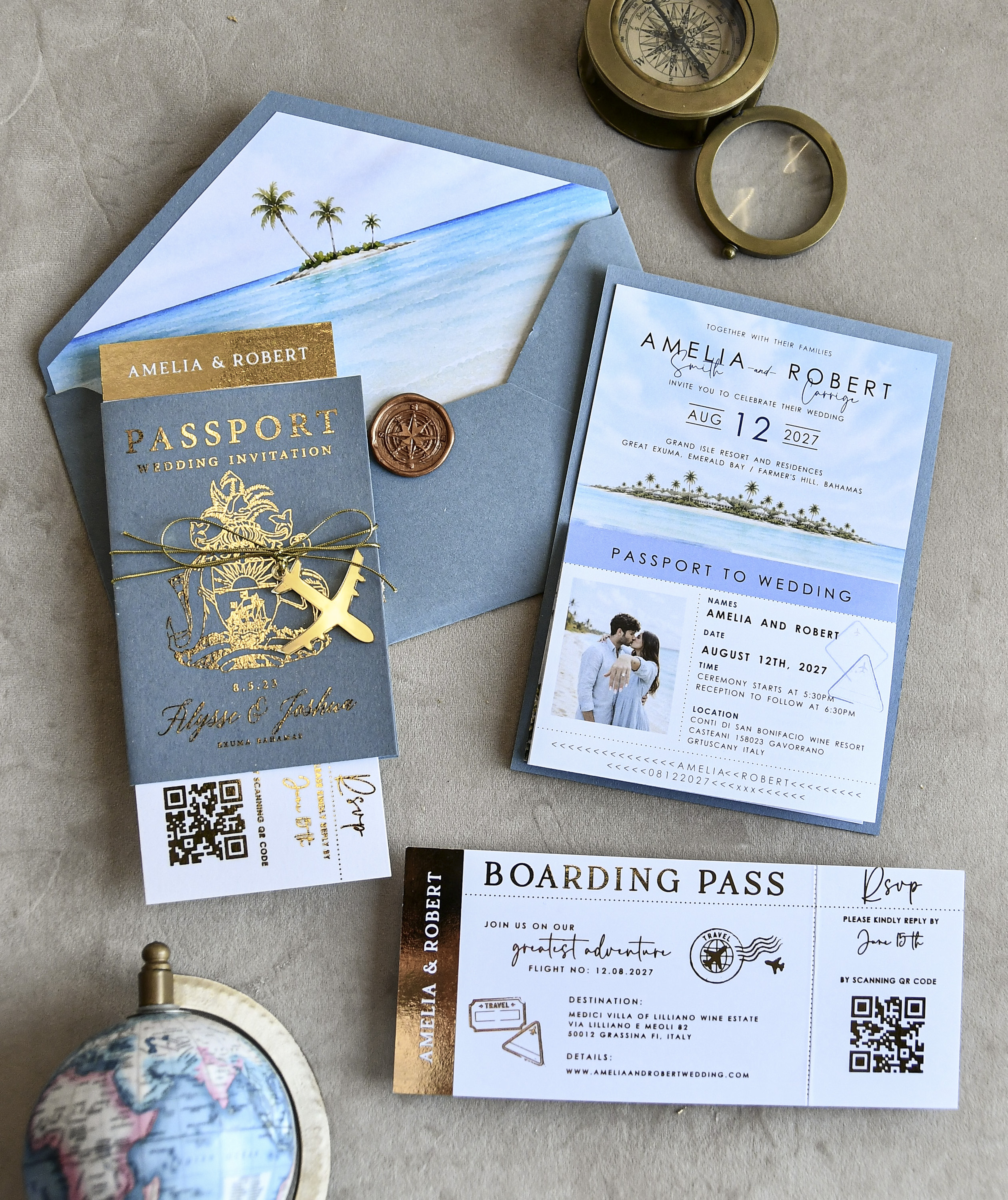
This is also the moment to think about your invitation design. If you're planning a destination or beach wedding and keeping the list tight, a beautifully designed invite sets the tone immediately. Our Passport to Love beach wedding invitations are a gorgeous way to signal the vibe of your celebration — and when guests receive something that beautiful, they understand this is a carefully curated event, not a casual open-door party.
A Few Final Etiquette Tips to Keep Things Smooth
Once you've made your decisions, a little thoughtfulness goes a long way in keeping the office atmosphere positive:
- Don't discuss wedding details extensively with coworkers who aren't invited. Keep wedding talk to a minimum at work to avoid making anyone feel excluded.
- Never bring invitations to the office to hand out — mail them directly to each guest's home address. Handing out invites at work in front of uninvited colleagues is one of the most common etiquette mistakes couples make.
- If a coworker asks directly whether they're invited, a gentle "We're keeping it very small" is honest and kind.
- Send invitations at the right time. Standard timing is 6–8 weeks before the wedding, or 10–12 weeks for a destination event, so guests have adequate notice without the event dominating office conversation for months.
The goal is to celebrate with the people who truly matter to you — and to return to work afterward with those relationships intact.

Frequently Asked Questions
Not at all — most colleagues understand that weddings are personal events with real budget and venue constraints. As long as you're consistent within teams and don't discuss wedding details extensively in front of uninvited coworkers, there's no etiquette violation in keeping the list to close friends and family.
Past invitations don't create a reciprocal obligation for your own wedding. Your guest list should reflect who you genuinely want there, not a system of social debts. A warm professional relationship is enough — you don't need to return the gesture if it doesn't feel right.
No — if you're not inviting someone, you definitely shouldn't invite their spouse or partner independently. This would almost certainly cause confusion and offense. Invitations to couples should always go together.
If the friendship clearly predates or extends well beyond the workplace — you met through work but socialize regularly outside of it — most people will recognize that as a genuine friendship rather than favoritism. That said, be discreet about wedding talk at the office to avoid making others feel excluded.
Inviting some guests to the reception only (sometimes called a B-list approach) is an accepted practice, but it can feel awkward in a workplace context where colleagues might compare notes. If you go this route, be consistent and make sure the reception-only invitation is worded warmly and clearly so there's no confusion.
Follow the same timeline as all other guests: 6–8 weeks before the wedding for a local event, or 10–12 weeks for a destination celebration. Always mail invitations directly to their home — never bring them to the office to distribute in person.
See This Design Up Close



















You May Also Like

More Wedding Planning Guides
- → The Complete Guide to What Goes on a Wedding Invitation
- → Plus One Etiquette: Exactly Who Makes the Cut at Your Wedding
- → How to Navigate a Wedding When Your Divorced Parents Are at War
- → Inviting Guests to the Ceremony But Not the Reception: What You Need to Know
- → The Case for a Small Wedding: Everything You Need to Know
- → When to Send Wedding Invitations: A Complete Timeline Guide
- → Who Gets Cut First When Your Guest List Is Too Long?
- → Wedding Invitation Addressing: Etiquette Rules Every Couple Should Know
- → Do You Have to Invite Your Future In-Laws' Friends to Your Wedding?
- → Yes, Guests Can RSVP Online — Here's How to Make It Work Beautifully
- → More Guests or a More Memorable Wedding? How to Choose What's Right for You
- → Inviting Your Ex to Your Wedding: A Practical Guide to Making the Right Call
- → Do You Have to Invite Your Cousins to Your Wedding?
- → How to Figure Out the Right Number of Wedding Invitations to Order
- → Should You Invite an Estranged Sibling to Your Wedding?
- → Going Digital: Everything You Need to Know About Sending Online Wedding Invitations
- → No-Shows After a Yes RSVP: How to Handle It Gracefully
- → Navigating the 'Them or Me' Wedding Guest Ultimatum
- → When Parents Want to Add Friends to the Guest List: A Practical Guide
- → No Kids at Your Wedding: Navigating the Etiquette With Confidence
- → How to Defuse Family Arguments Without Losing Your Mind Before the Wedding
- → Uninvited Plus-Ones and Tag-Alongs: How to Keep Your Guest List Intact
- → When Family Feuds Threaten Your Wedding Plans: A Practical Peacekeeper's Guide
- → Inviting an Estranged Brother or Sister: Finding Clarity Before You Seal the Envelope
- → Cousins, Invites, and Hard Choices: A Practical Guest List Guide