
The Complete Plus One Rulebook for Your Wedding Guest List
The plus one question trips up nearly every couple planning a wedding. Say yes to everyone and your venue overflows; say no across the board and feelings get hurt. The key is setting clear, consistent rules before you address a single envelope — and sticking to them. Here's how to make fair, defensible decisions that keep your guest list manageable and your relationships intact.
Start With a Non-Negotiable Baseline
Before you make any individual decisions, establish a policy that applies equally to every tier of your guest list. Consistency is your best protection against hurt feelings and awkward conversations. Most couples use one or more of these baseline rules:
- Married and engaged couples always get a plus one. This is universal etiquette. Inviting one half of a married or engaged pair is never acceptable.
- Cohabitating couples always get a plus one. If two people share a home, they are a unit. Separating them on a guest list reads as dismissive of their relationship.
- Long-term partners (typically 1+ year) get a plus one. Many couples draw the line here. If you've met the partner and the relationship is clearly serious, extend the invitation.
Write these rules down before you start building your list. When a family member pushes back on a decision later, you can point to the policy rather than making it feel personal.
When It's Okay to Skip the Plus One
Not every single guest automatically needs a guest of their own. These situations are generally accepted as plus-one-free:
- Casual daters. If a guest has been seeing someone for only a few weeks or months and you've never met the person, it's reasonable to invite the guest solo.
- Single guests who know plenty of people at the wedding. A college friend who will be surrounded by your mutual friend group will likely have a great time without a stranger in tow.
- Acquaintances and work colleagues. Outer-circle guests — a coworker you invited out of courtesy, a neighbor — typically don't expect a plus one.
The one exception: if someone will genuinely know no one else at the wedding and will be traveling from out of town, consider offering a plus one as a hospitality gesture. Leaving a guest completely isolated for an entire day isn't fun for anyone.
Navigating Family Pressure and Special Cases
Family members will almost certainly lobby for plus ones on behalf of their adult children, new partners, or themselves. Here's how to handle common scenarios:
- Adult children of guests: If they are over 18 and not living at home, they should receive their own invitation — not a plus one on a parent's invite. Whether they get their own plus one depends on your standard policy.
- A brand-new partner of a close family member: This is a judgment call. If your sibling just started dating someone three weeks ago, you're not obligated. If your parent has a serious new partner you've met, extend the courtesy.
- Bridal party members: Most couples give all members of their wedding party a plus one regardless of relationship status, as a thank-you for the time and money they've invested. This is a widely recognized norm.
When family pushes back, a calm, honest response works best: "We set a consistent rule for everyone, and we have to stick to it to keep things fair." You don't owe anyone a detailed explanation beyond that.
How to Communicate Plus One Decisions Clearly
How you address your invitations signals exactly who is — and isn't — invited. Be explicit so there's no room for misinterpretation.
- Address envelopes with full names. "Ms. Jordan Ellis and Mr. David Park" makes clear both are invited. "Ms. Jordan Ellis" signals a solo invitation.
- Use "and Guest" only when you genuinely don't know a partner's name. If you know the name, use it — it's more personal and leaves less ambiguity.
- Make sure your RSVP card has a line for guests to write in their plus one's name. This helps with seating and catering counts.
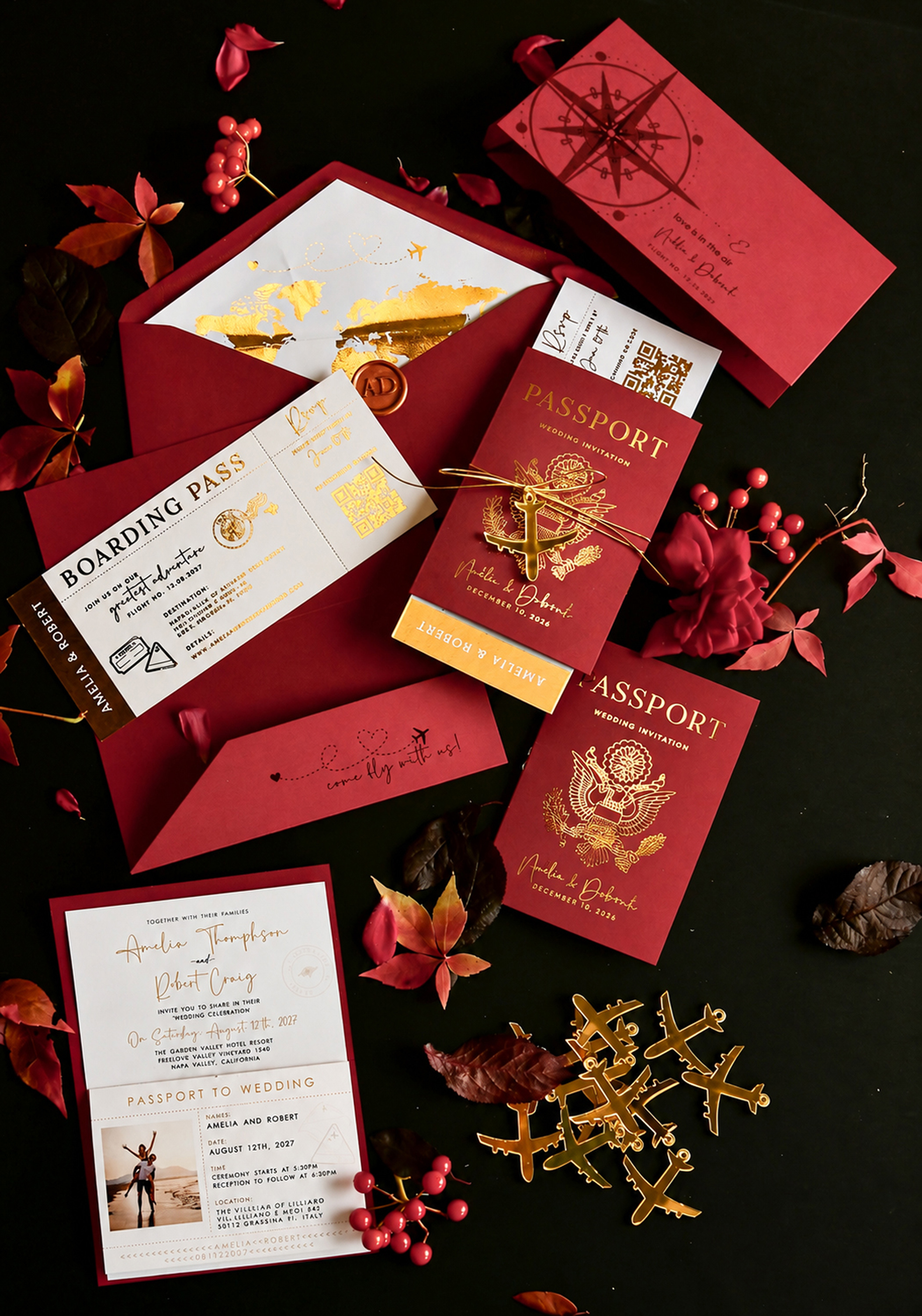
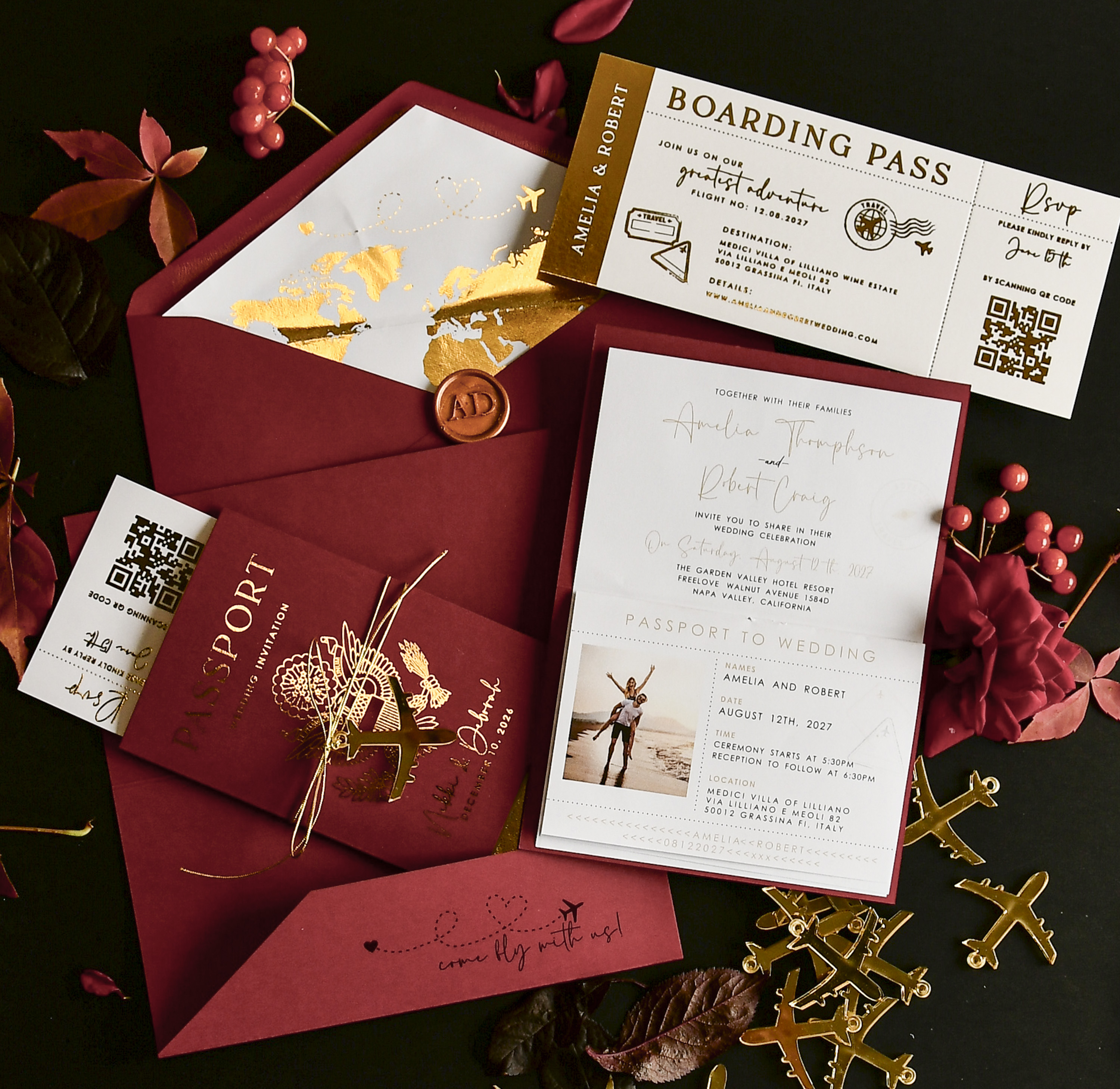
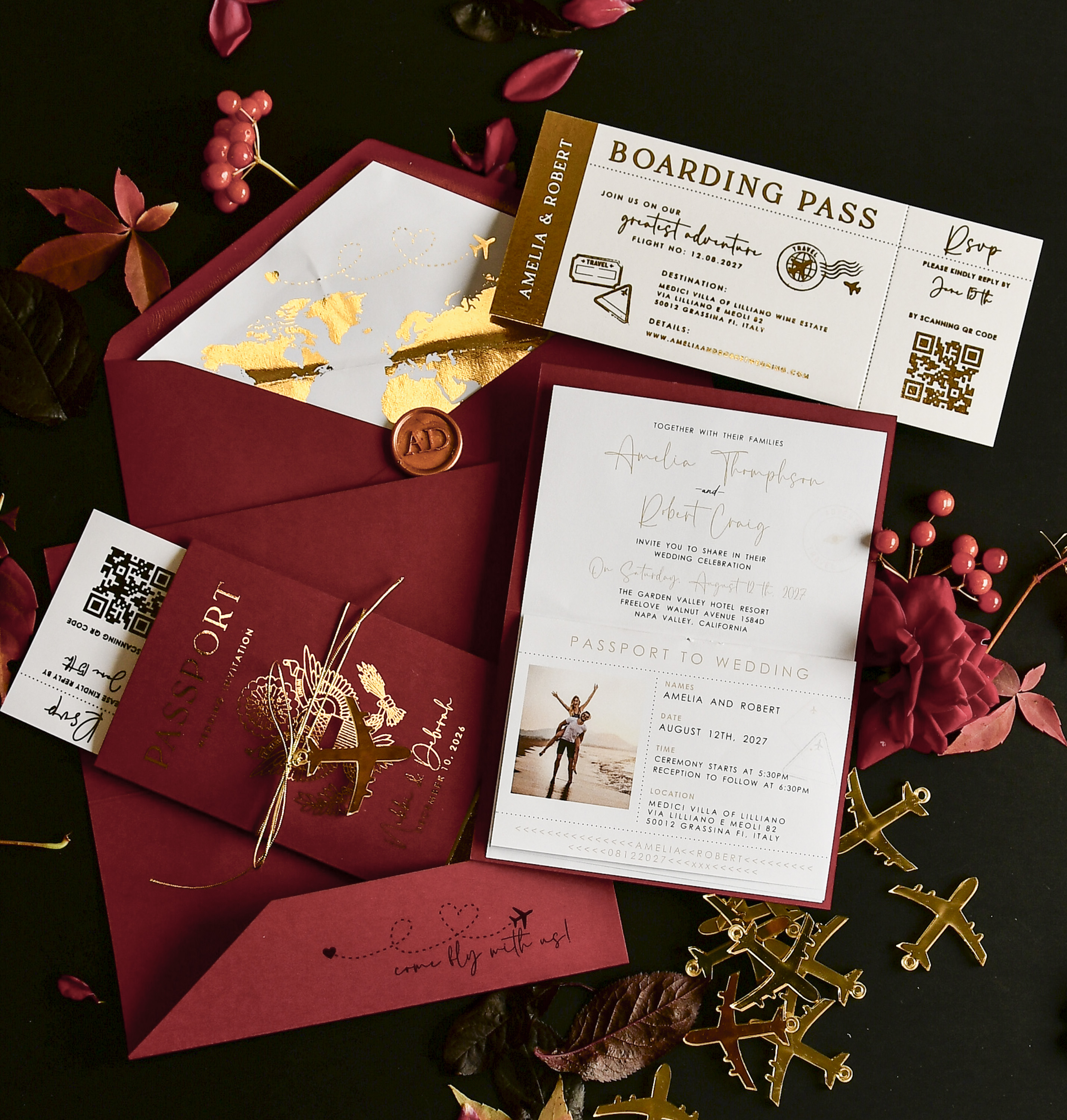
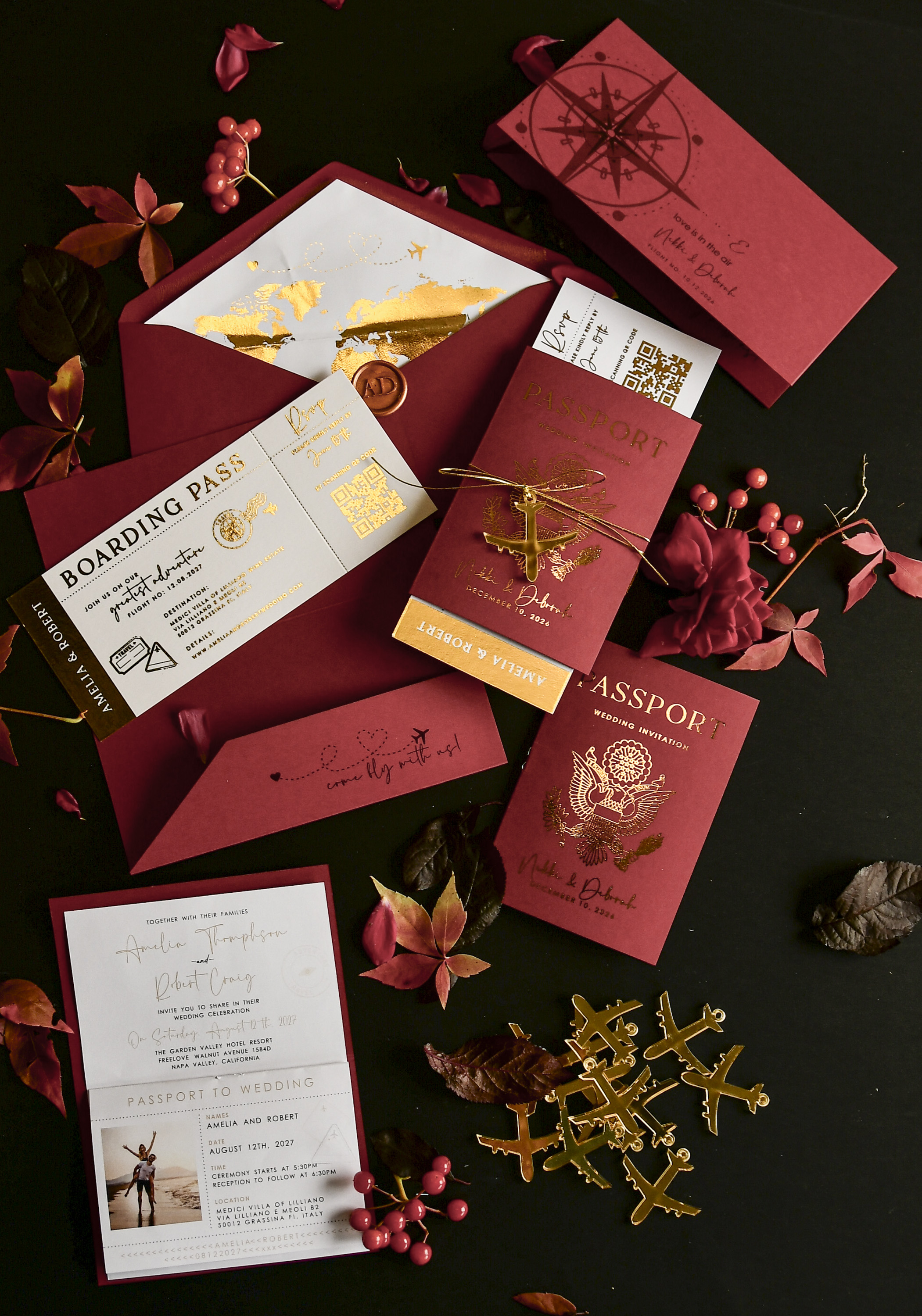
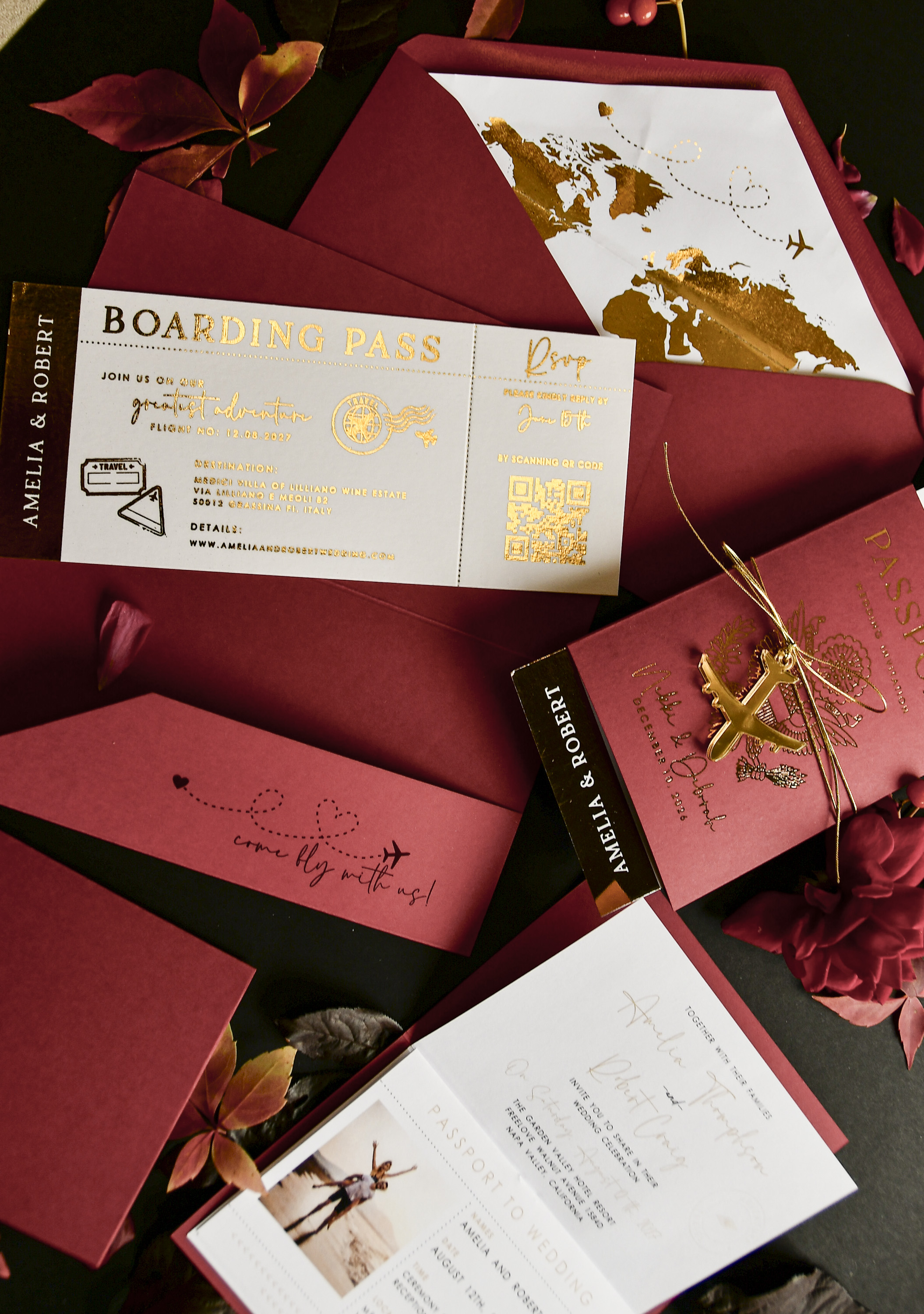
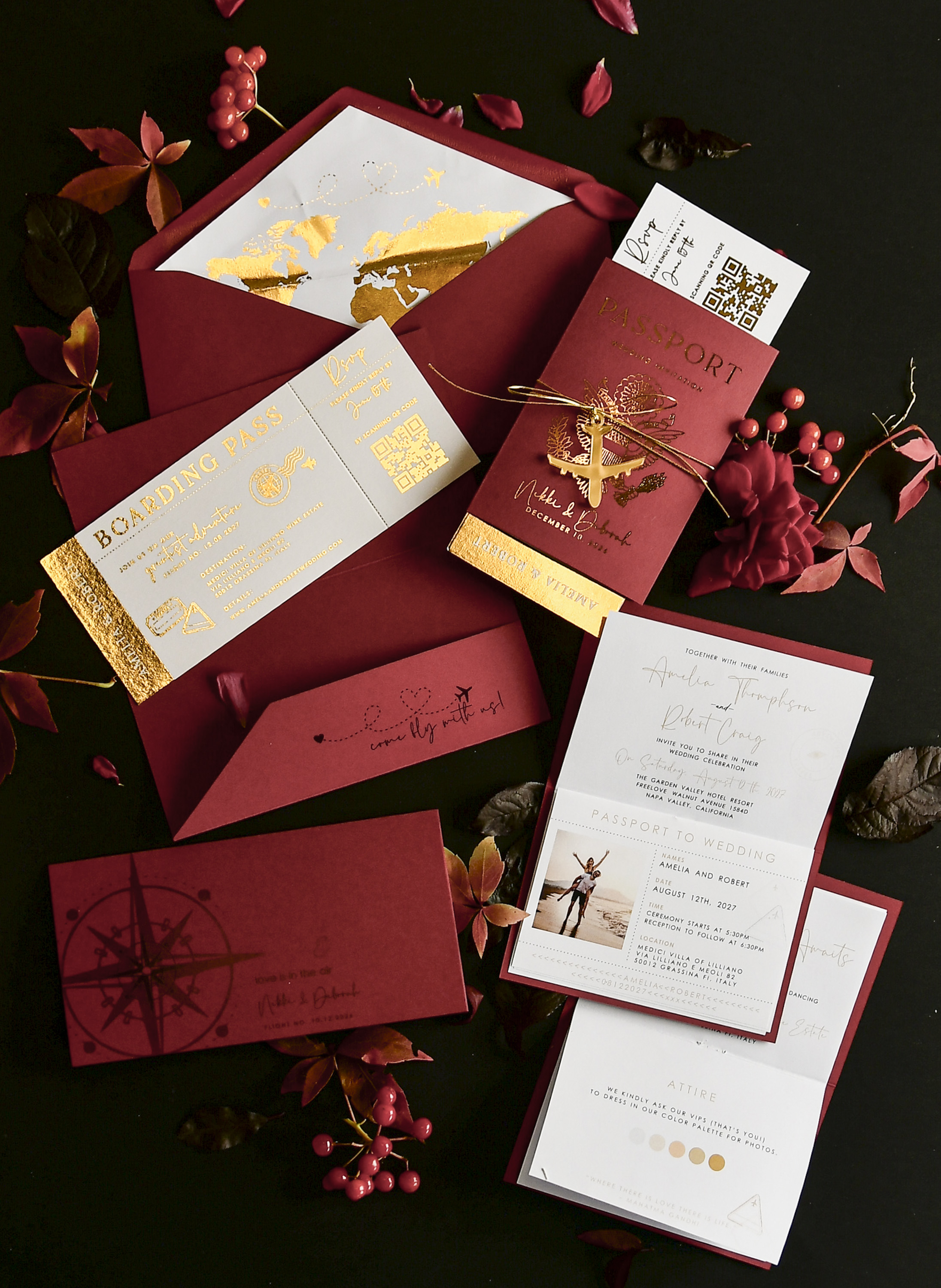
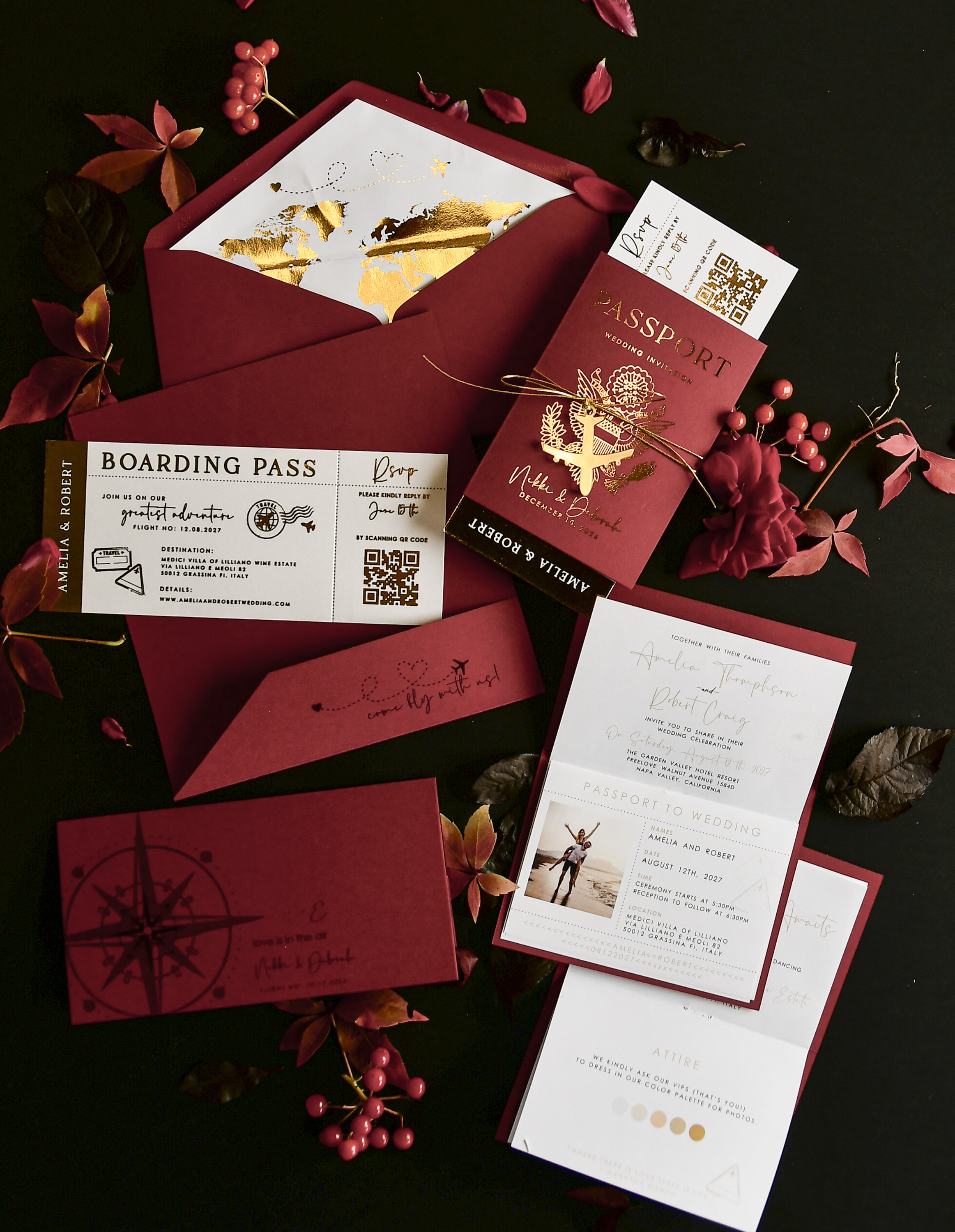
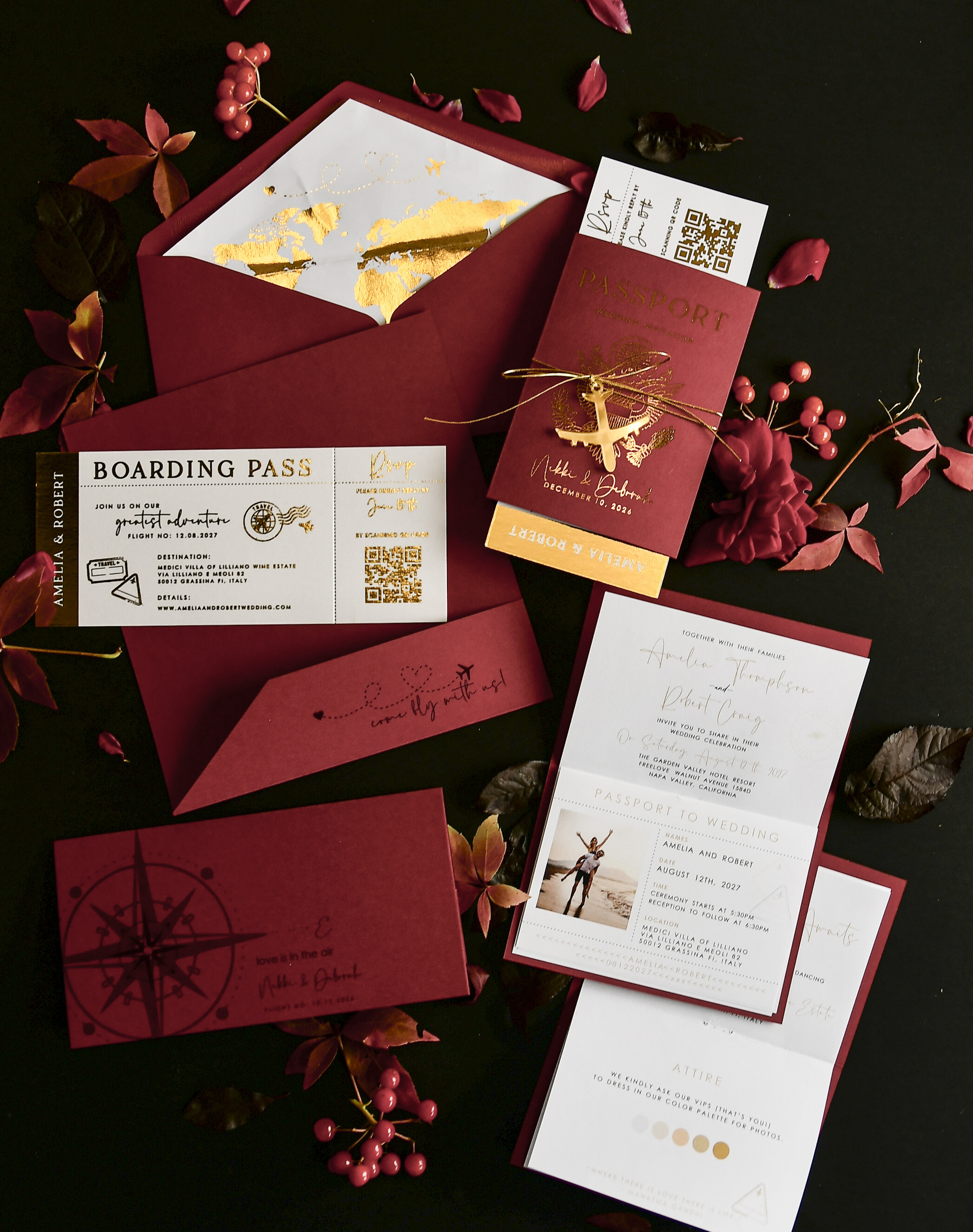
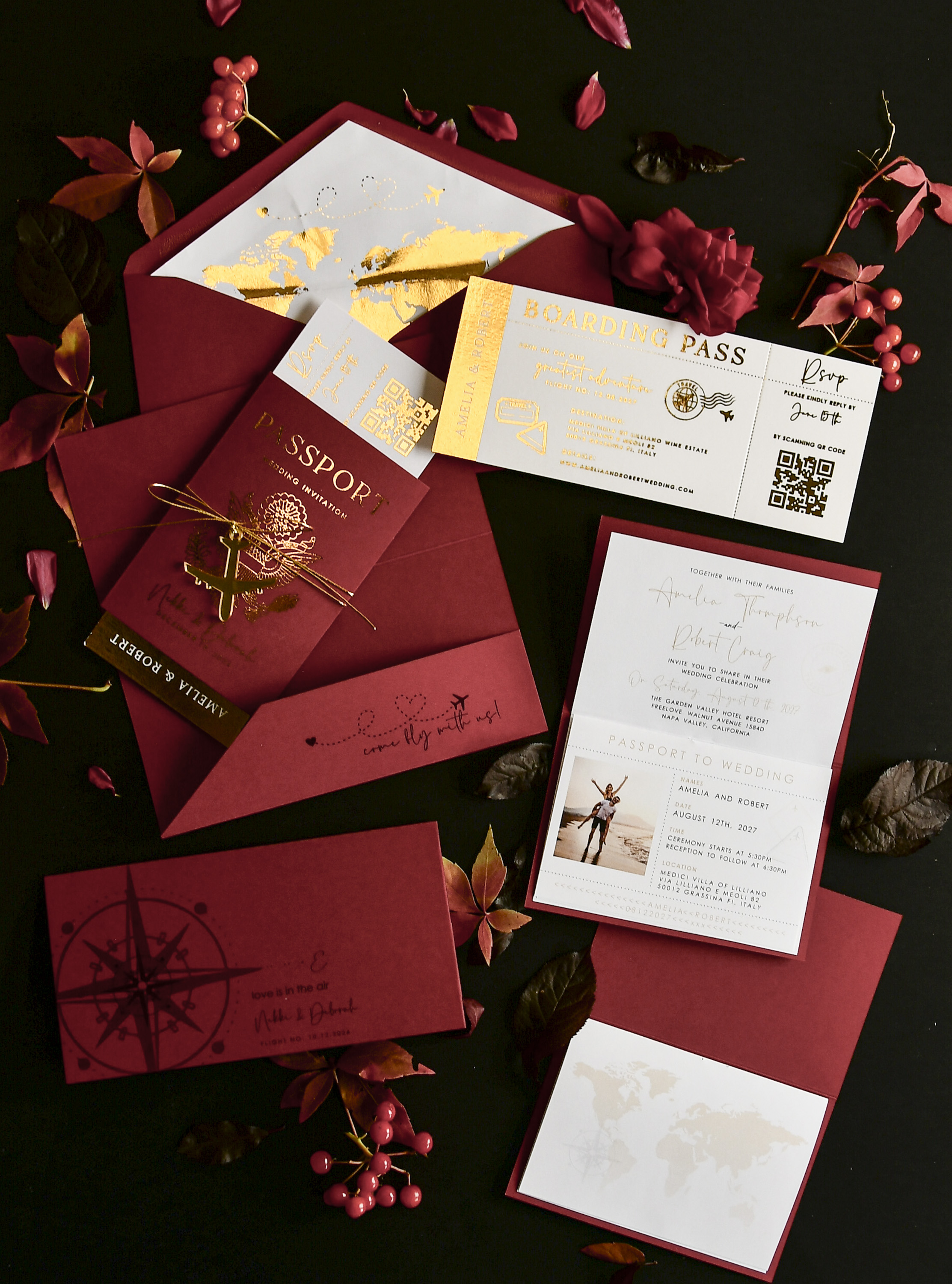
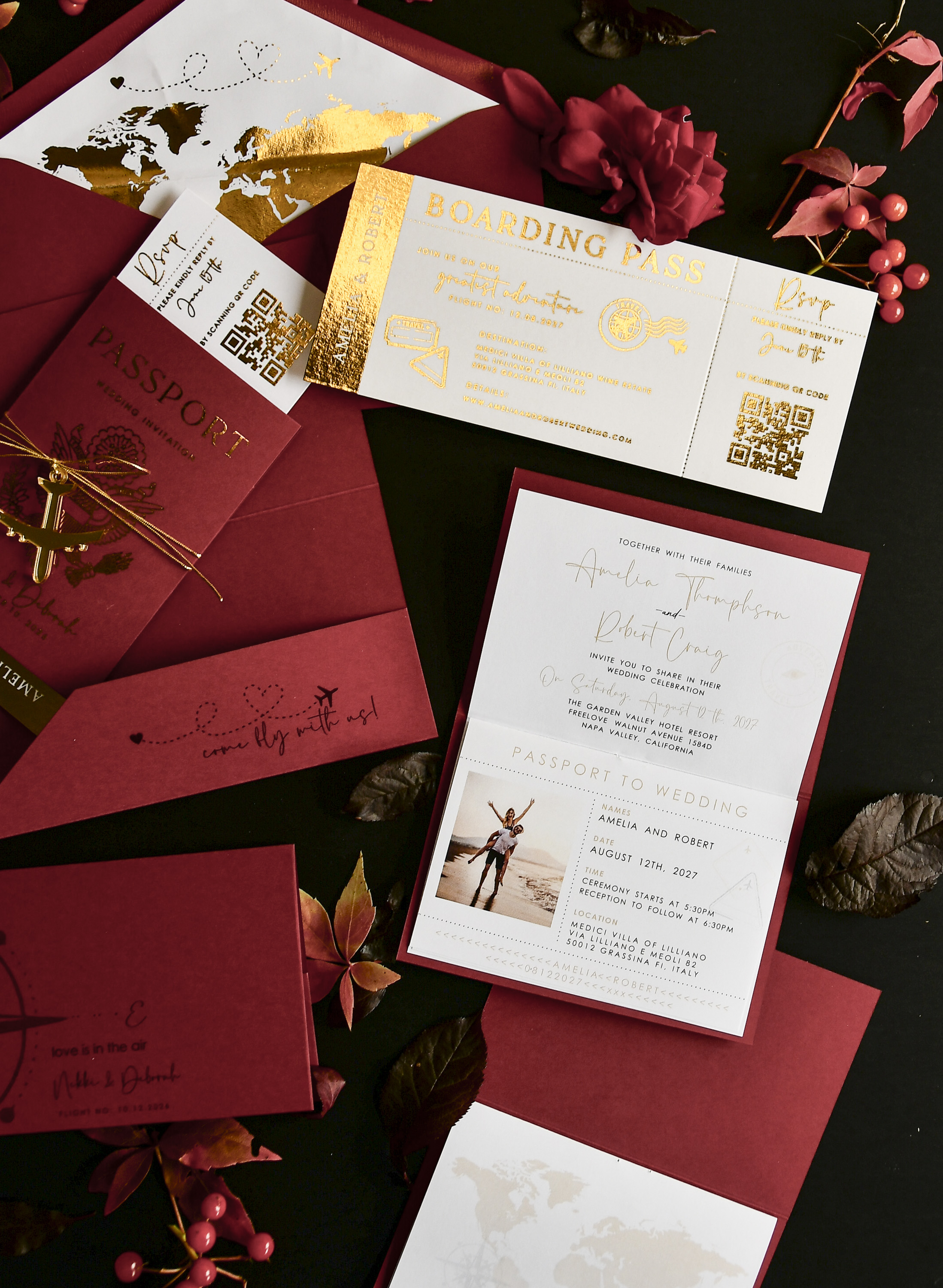
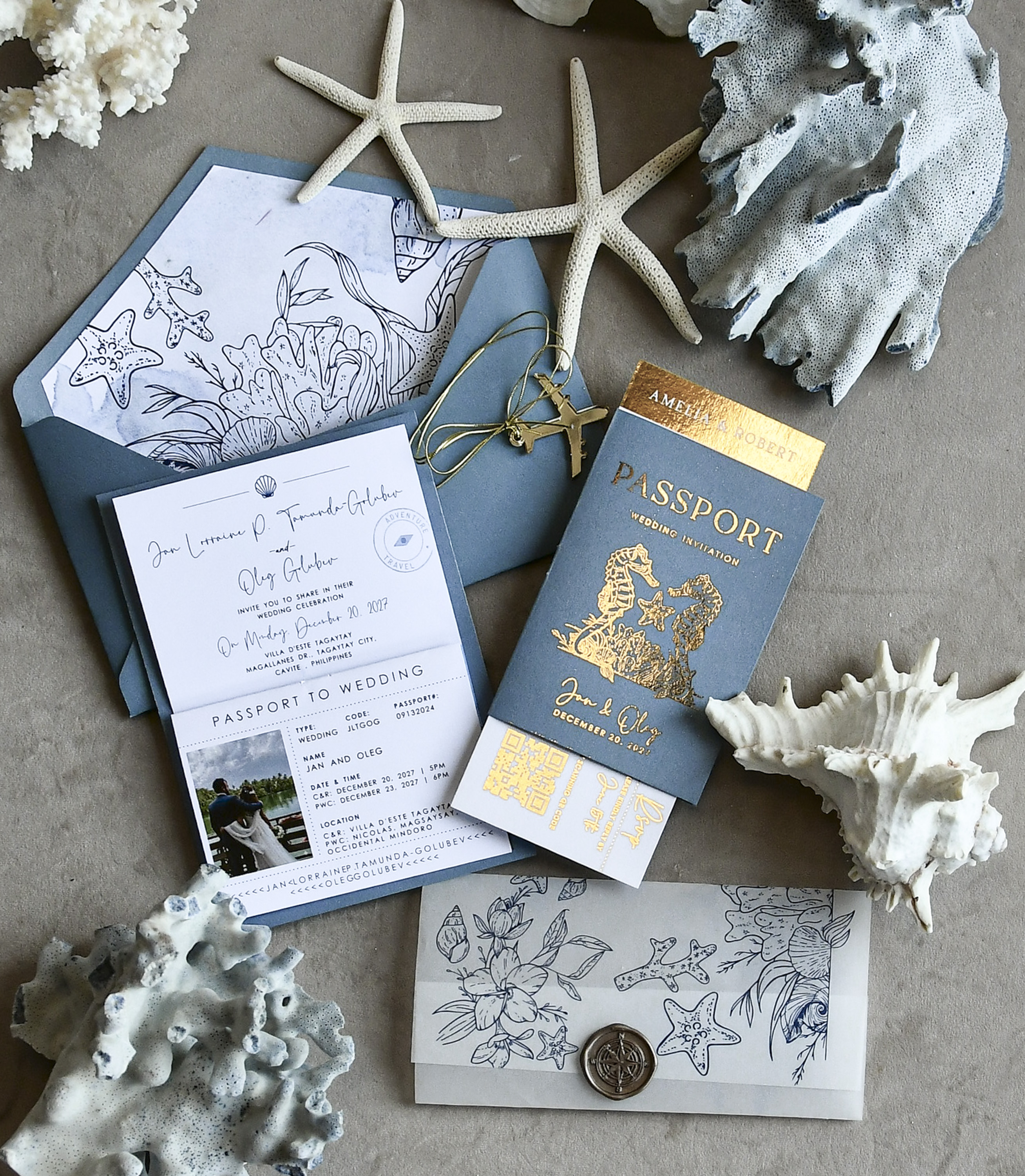
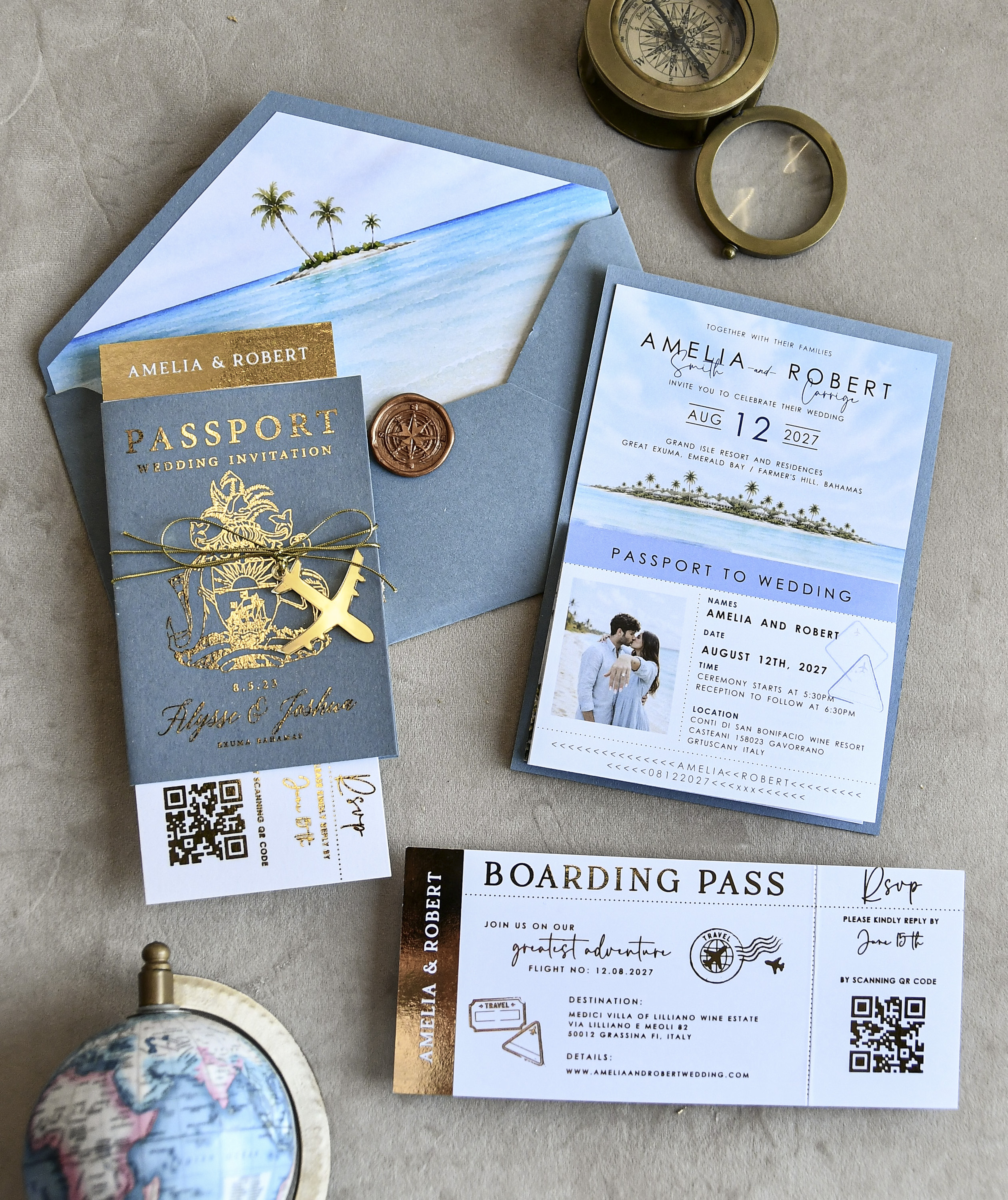
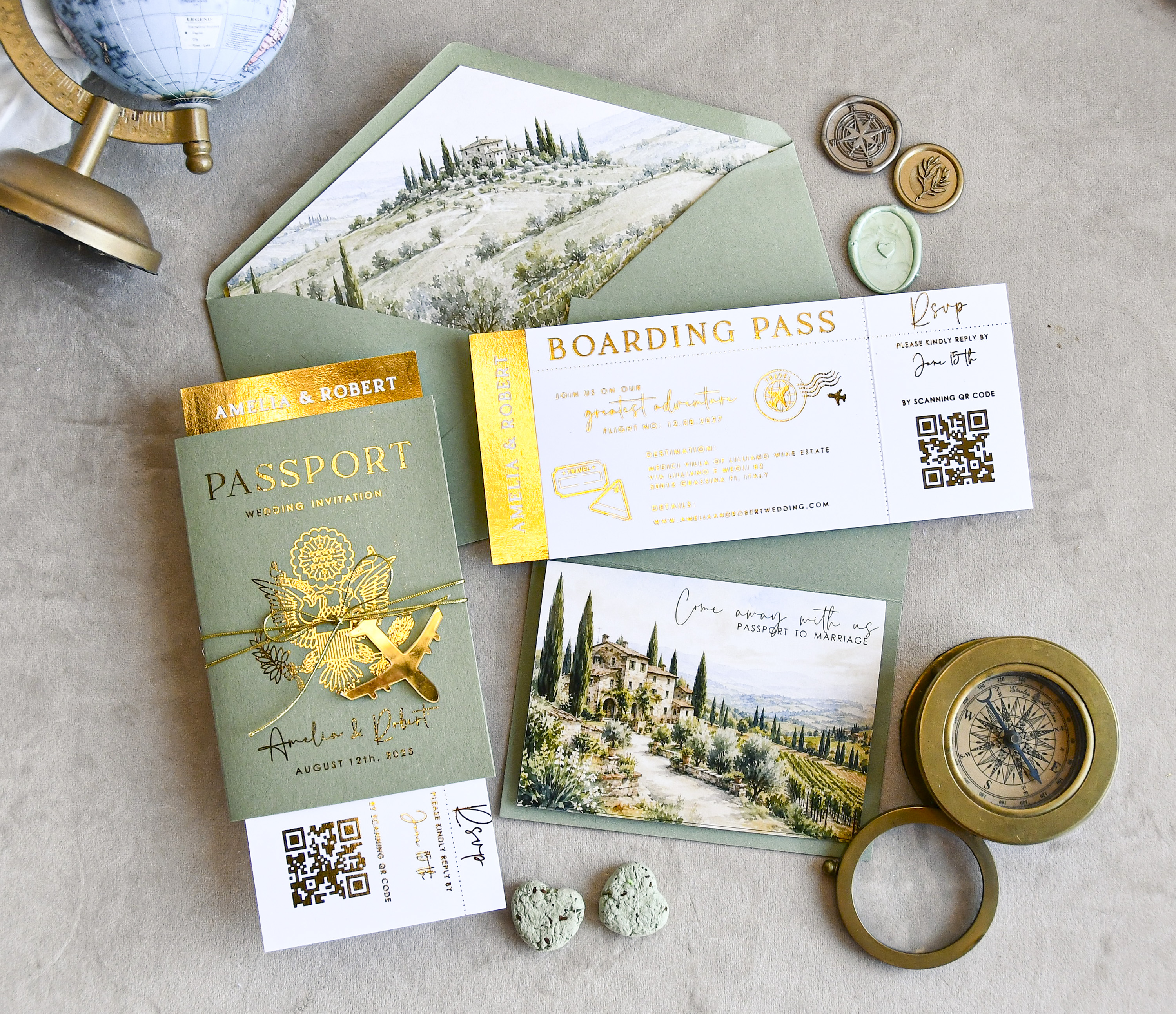
If you're sending destination or beach wedding invitations — like the passport-style 14/passFG/z from Margo&Bees — the inner envelope is especially helpful for listing exact names, so guests know precisely who is included in the invitation.
Frequently Asked Questions
No — plus ones are typically reserved for married, engaged, cohabitating, or long-term partners. Single guests who know other attendees or are outer-circle invites don't automatically require a plus one. Consistency across your list is what matters most.
It's considered standard courtesy to offer all bridal and groomsmen party members a plus one, regardless of their relationship status. They've invested significant time and money supporting your wedding, and the gesture is widely expected and appreciated.
Address the invitation clearly with only the invited guest's name, and let your RSVP card confirm the headcount. If they ask directly, be kind but firm: explain that you set a consistent policy for everyone and unfortunately couldn't extend plus ones beyond committed couples.
You can, but be careful — inconsistency is the fastest way to create hurt feelings. If you make exceptions, base them on a clear reason (such as the guest knowing no one else at the wedding) rather than personal preference between friends.
Reach out promptly and kindly — don't let it slide until seating charts are due. Explain that you weren't able to extend plus ones to everyone and that you'd love to have them attend solo. Most guests will understand once it's addressed directly.
Yes — each additional guest typically adds $75–$200 or more per person when you factor in catering, rentals, and favors. Even ten unexpected plus ones can add thousands of dollars to your budget, which is why setting clear rules early is so important.
See This Design Up Close





You May Also Like

More Wedding Planning Guides
- → When Family Feels Like Strangers: Navigating Distant Relatives on Your Guest List
- → Adults-Only Wedding: How to Let Guests Know Without the Drama
- → Ordering Wedding Invitations: The Smartest Way to Get Your Numbers Right
- → Adding More Guests to Your Wedding: Who Owes What?
- → Your Pre-Wedding Survival Guide to Family Conflict
- → What to Do When a Guest Shows Up With Someone You Didn't Invite
- → In-Laws Want to Invite Their Friends? Here's How to Handle It
- → Navigating Plus-Ones for Single Guests: A Couples' Guide to Getting It Right
- → Extra Names on Your RSVP Card: How to Respond Without the Stress
- → The Honest Guide to Including a Stepparent on Your Wedding Guest List
- → When Saying No to a Plus One Is Perfectly Okay
- → Should Kids Come to Your Wedding? How to Think It Through and Decide
- → Navigating Divorced Parent Seating at Your Wedding Reception
- → Inviting Your Boss and Coworkers to Your Wedding: What You Actually Need to Know
- → Uninvited Plus-Ones and Tag-Alongs: How to Keep Your Guest List Intact
- → When Family Feuds Threaten Your Wedding Plans: A Practical Peacekeeper's Guide
- → Inviting an Estranged Brother or Sister: Finding Clarity Before You Seal the Envelope
- → Cousins, Invites, and Hard Choices: A Practical Guest List Guide