
Adults-Only Wedding: How to Let Guests Know Without the Drama

Choosing to host an adults-only wedding is completely valid, whether you're keeping the guest count tight, protecting a formal atmosphere, or simply envisioning an evening where everyone can relax with a cocktail and dance freely. The tricky part isn't the decision—it's the communication. Done right, guests will understand and respect your choice. Done poorly, it can create hurt feelings before the big day even arrives. Here's exactly how to handle it with grace and clarity.
Start With the Invitation Wording
Your wedding invitation is the most authoritative source of information guests receive, so it's the right place to set expectations from the start. The golden rule: address the envelope to the specific adults who are invited. If a couple has children, address the envelope to "Mr. and Mrs. James Carter"—not "The Carter Family." This alone signals who is and isn't included.
Beyond addressing, you can add a short, polite line inside the invitation suite. Common phrasing options include:
- "We have reserved ___ seats in your honor." (Fill in the exact number of adult guests.)
- "Due to venue limitations, we are hosting an adults-only celebration."
- "We kindly request that this be an adults-only evening."
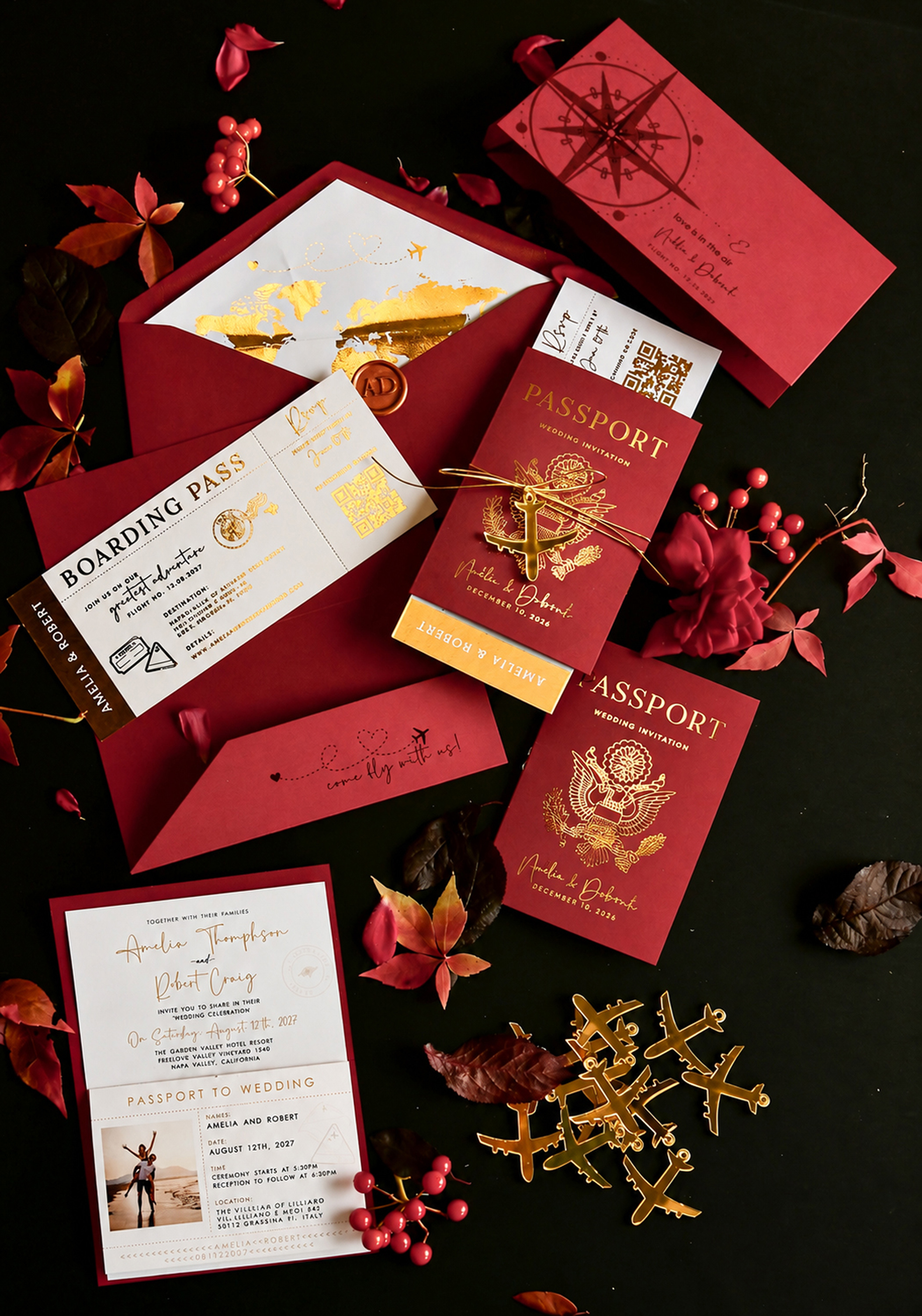
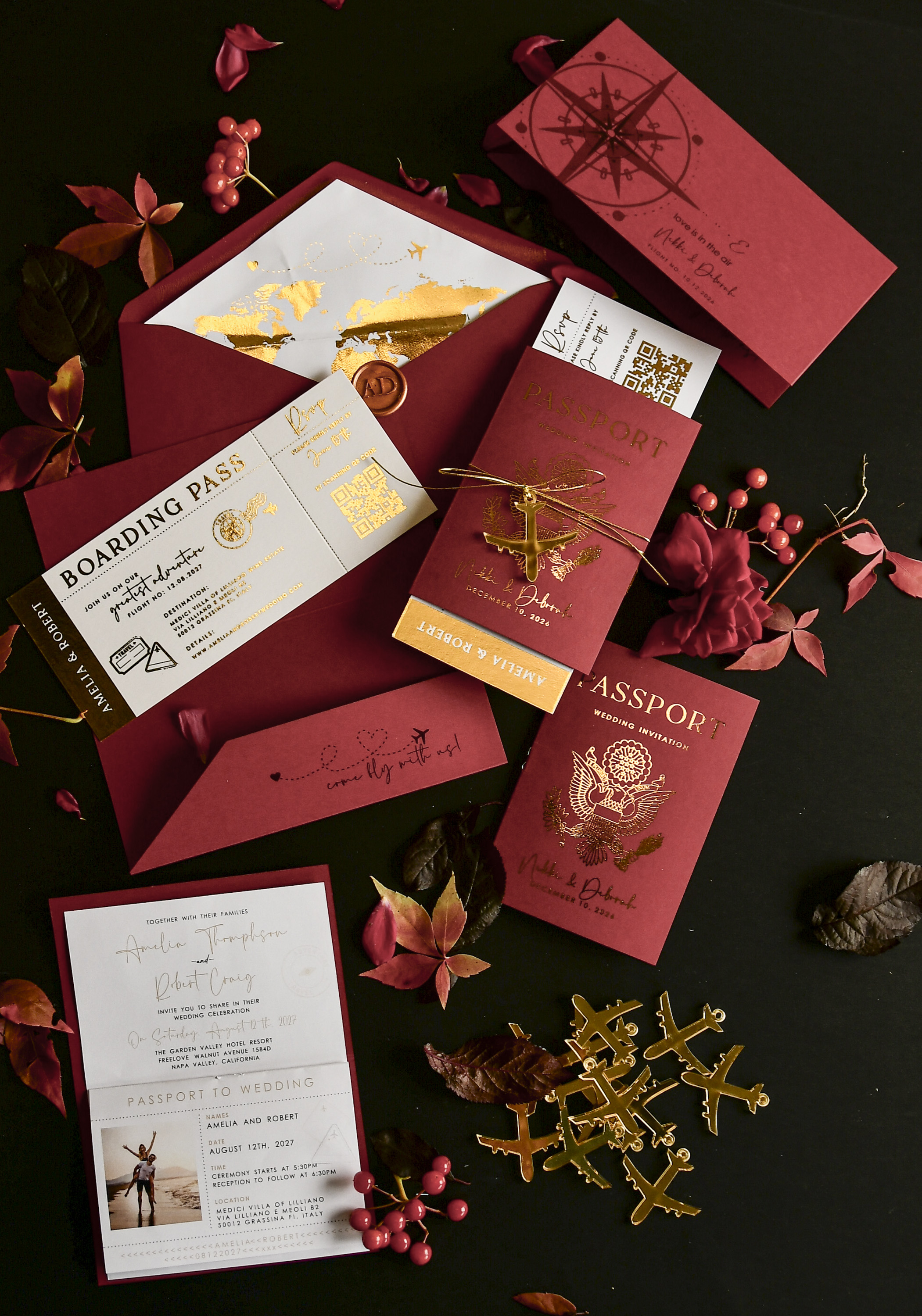
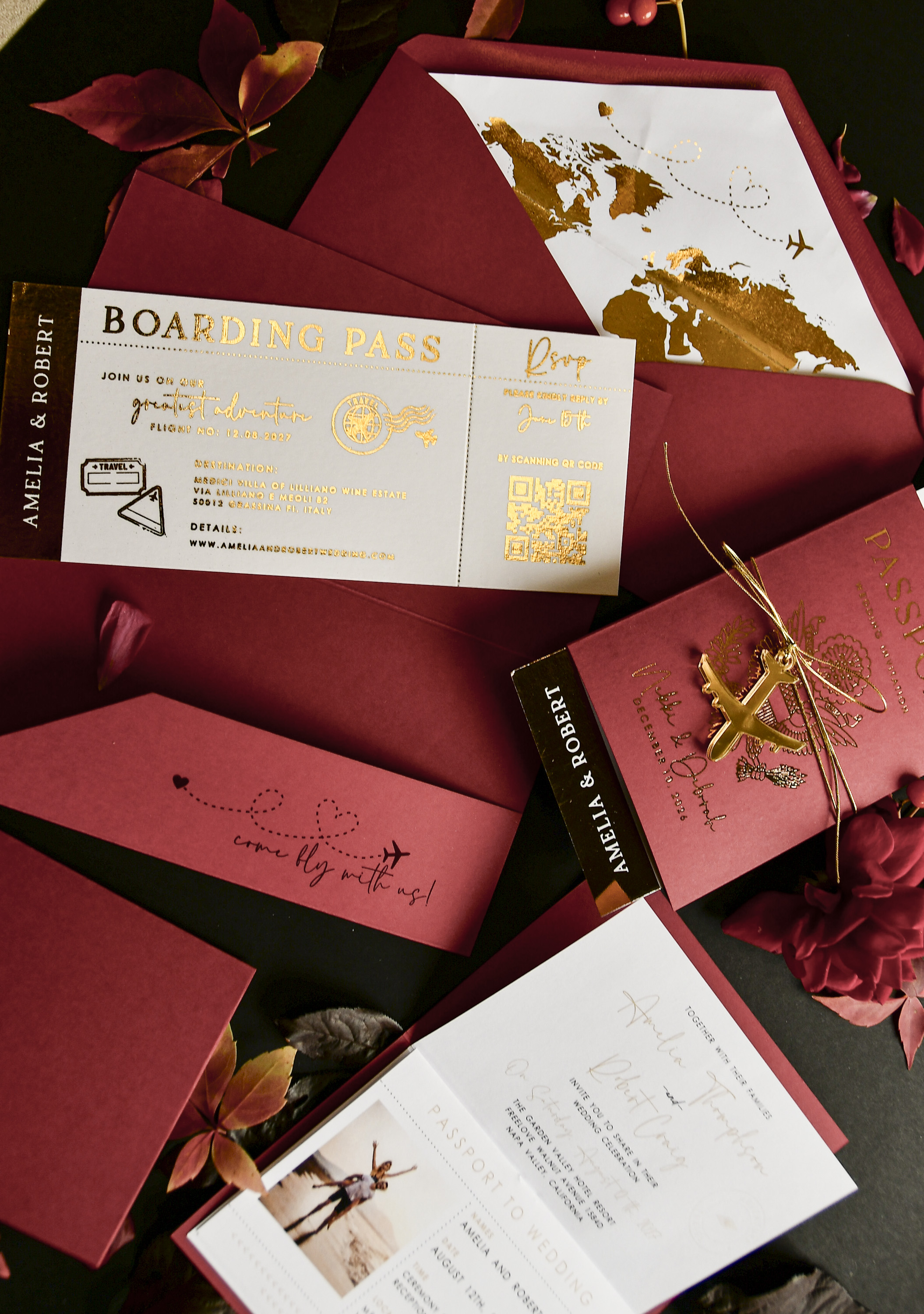
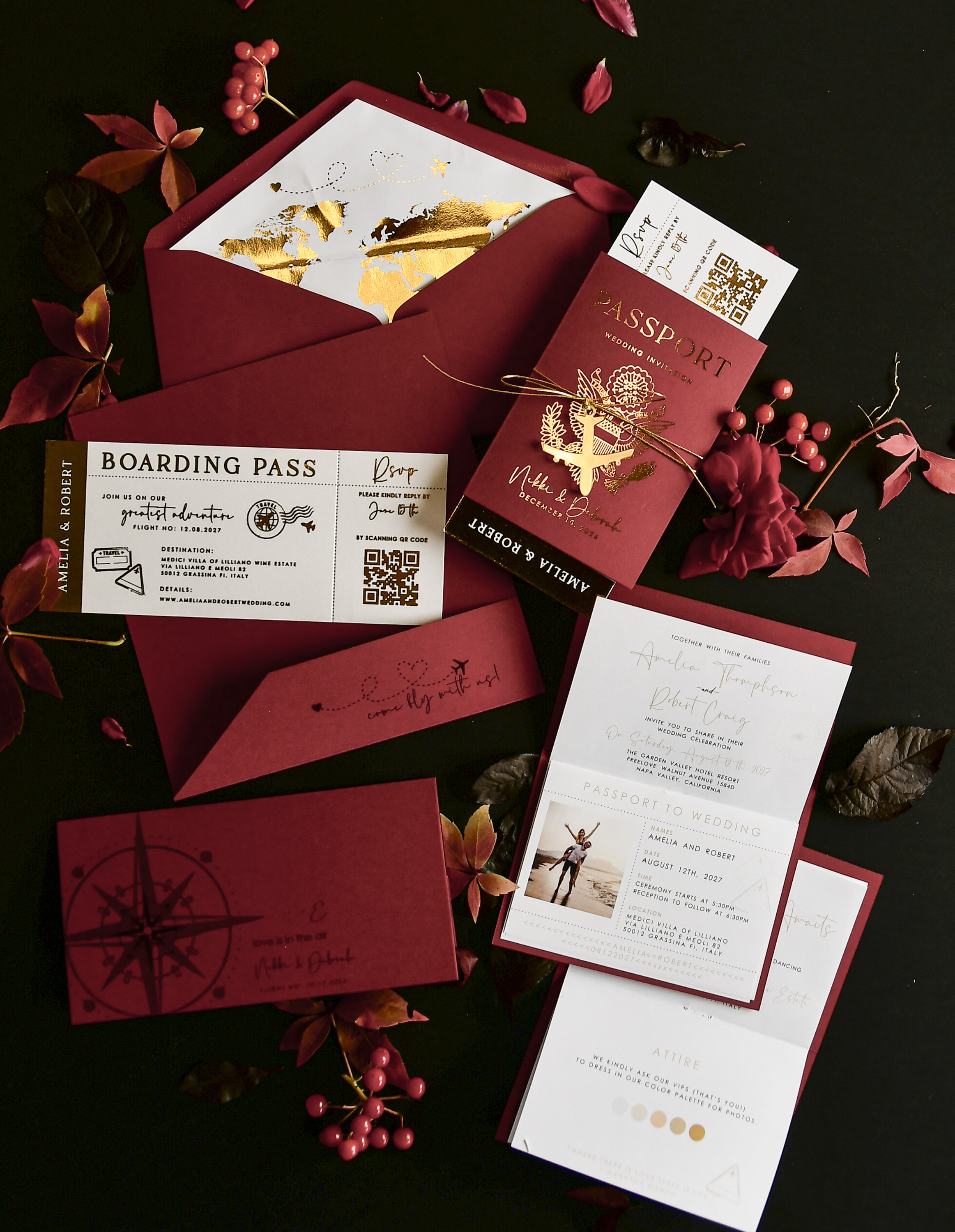
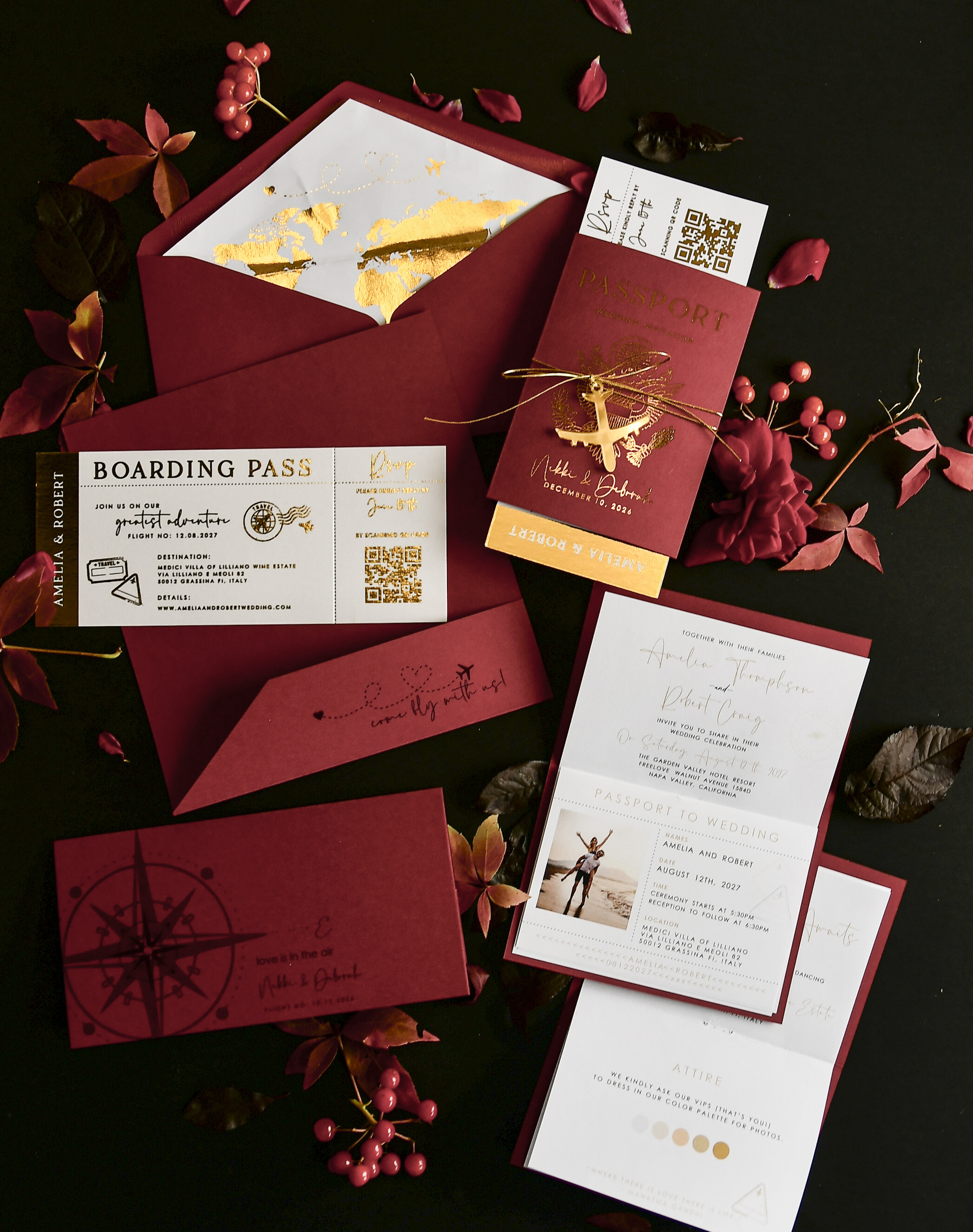
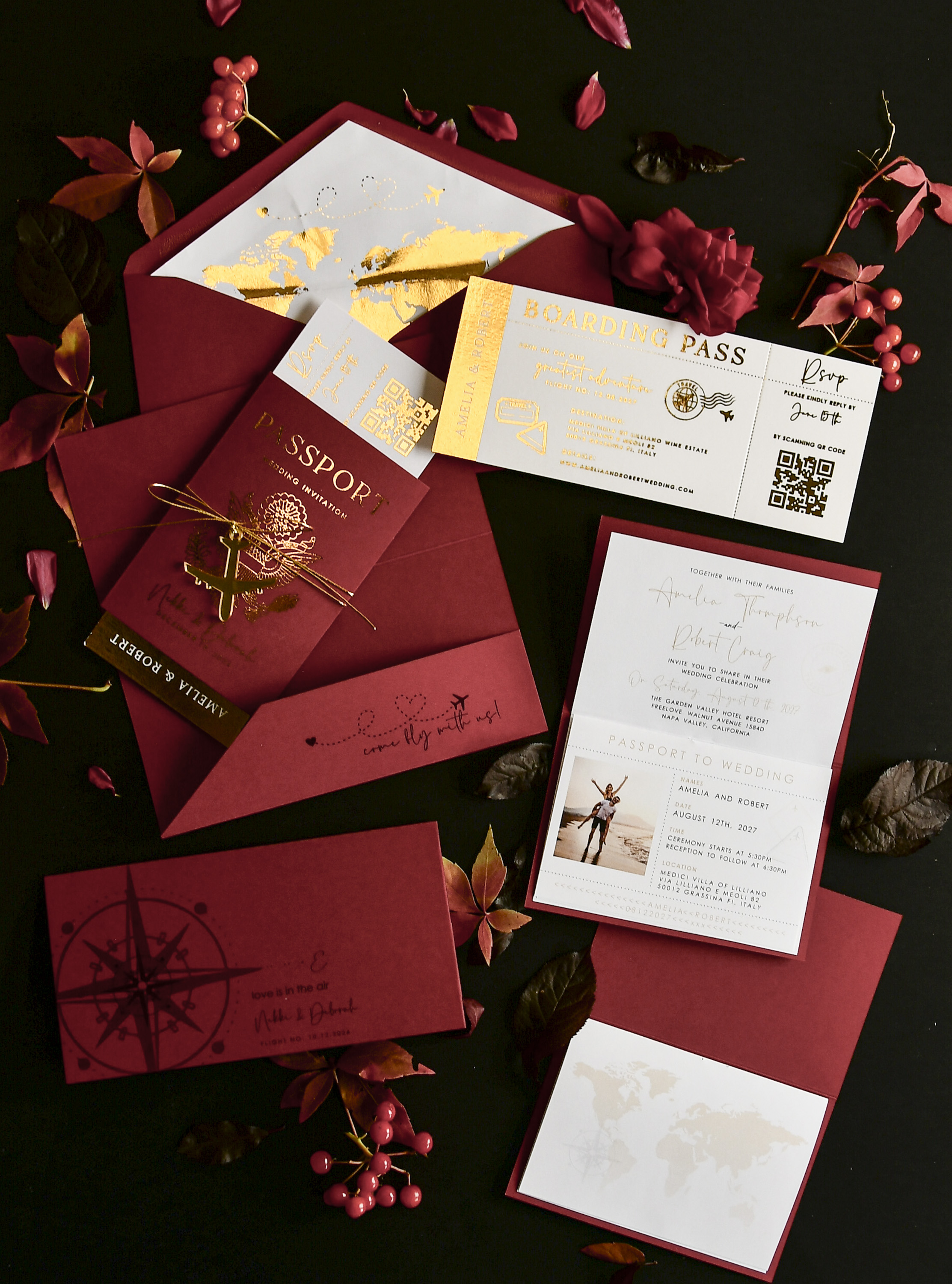
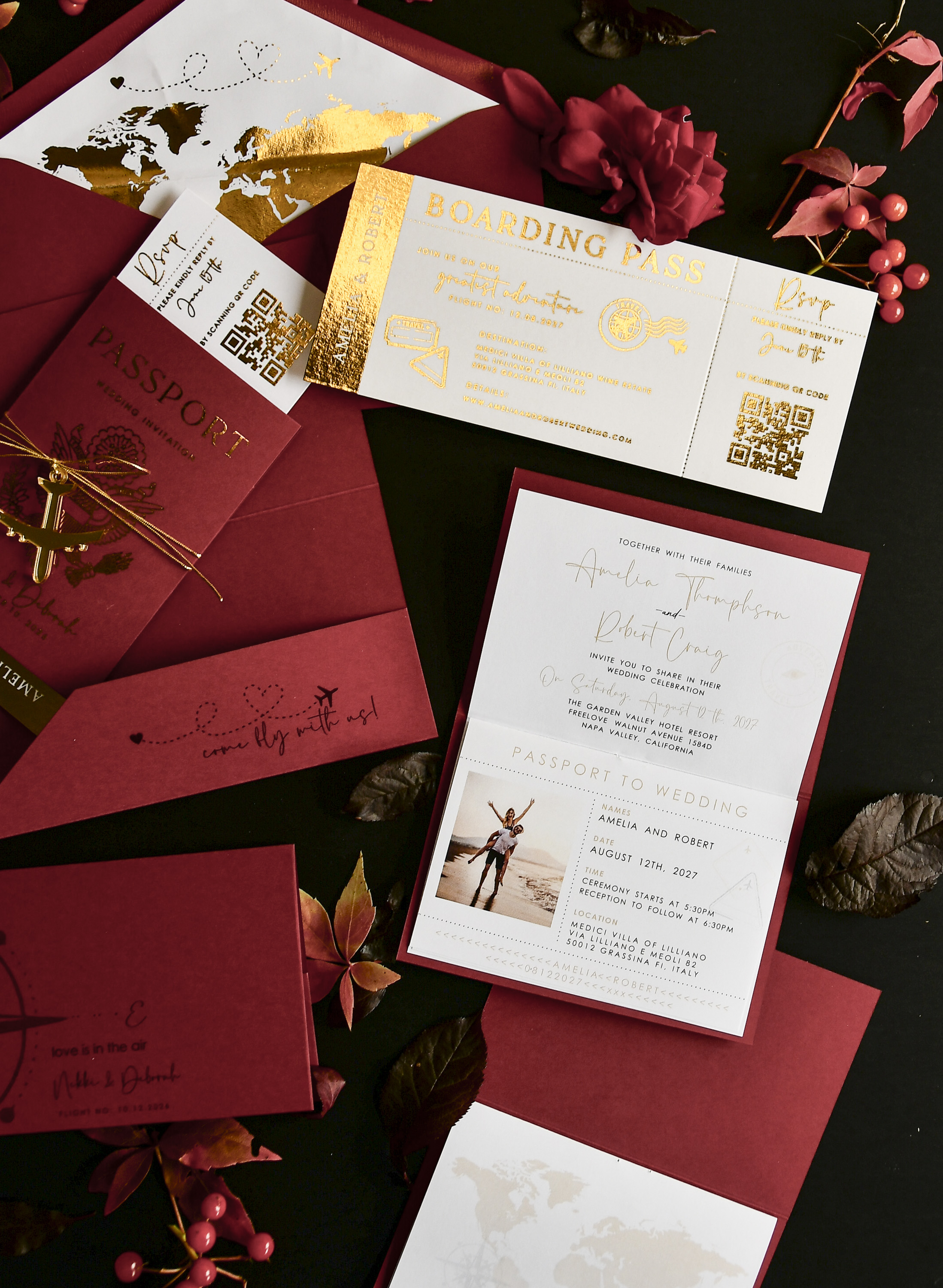
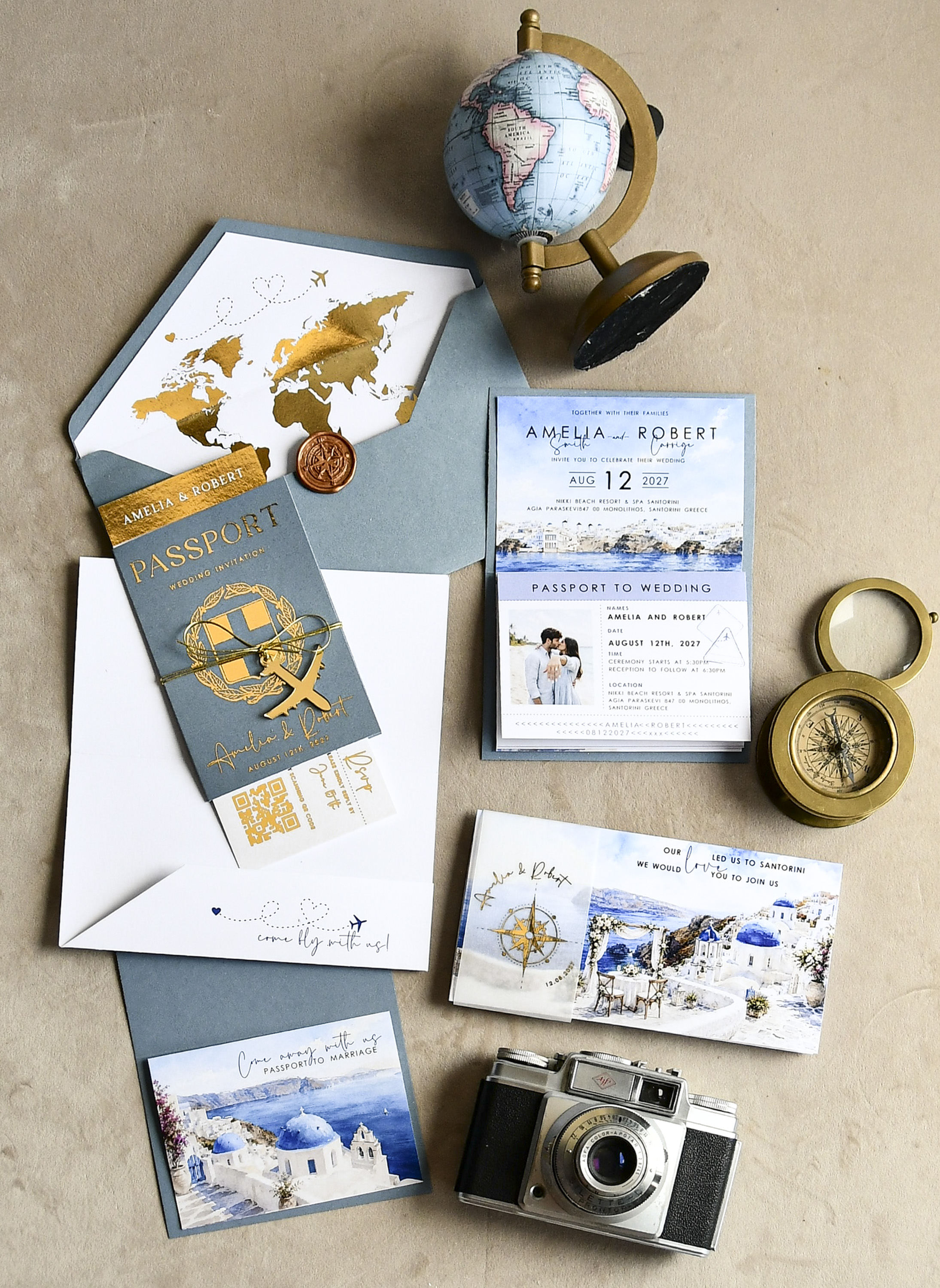
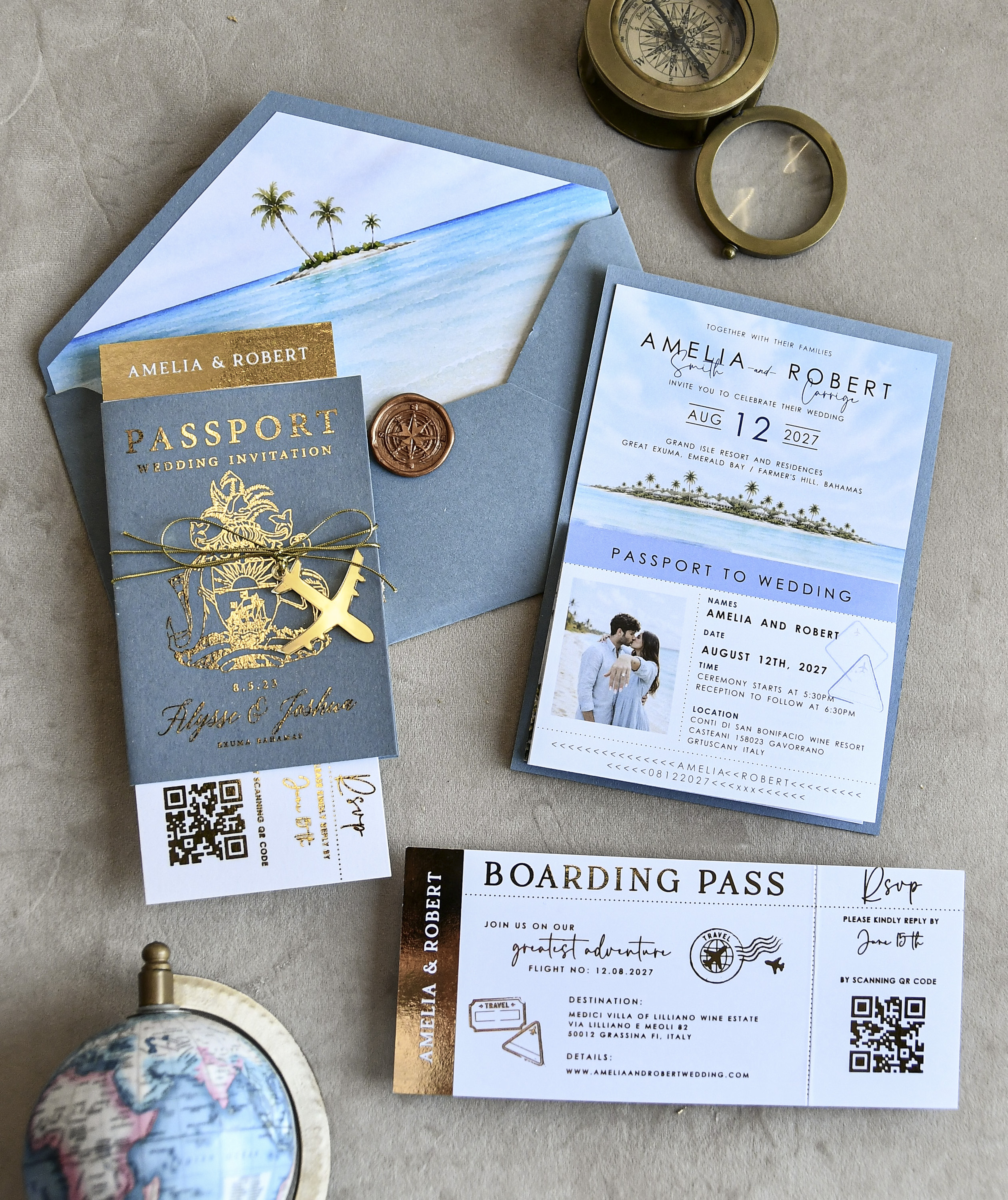
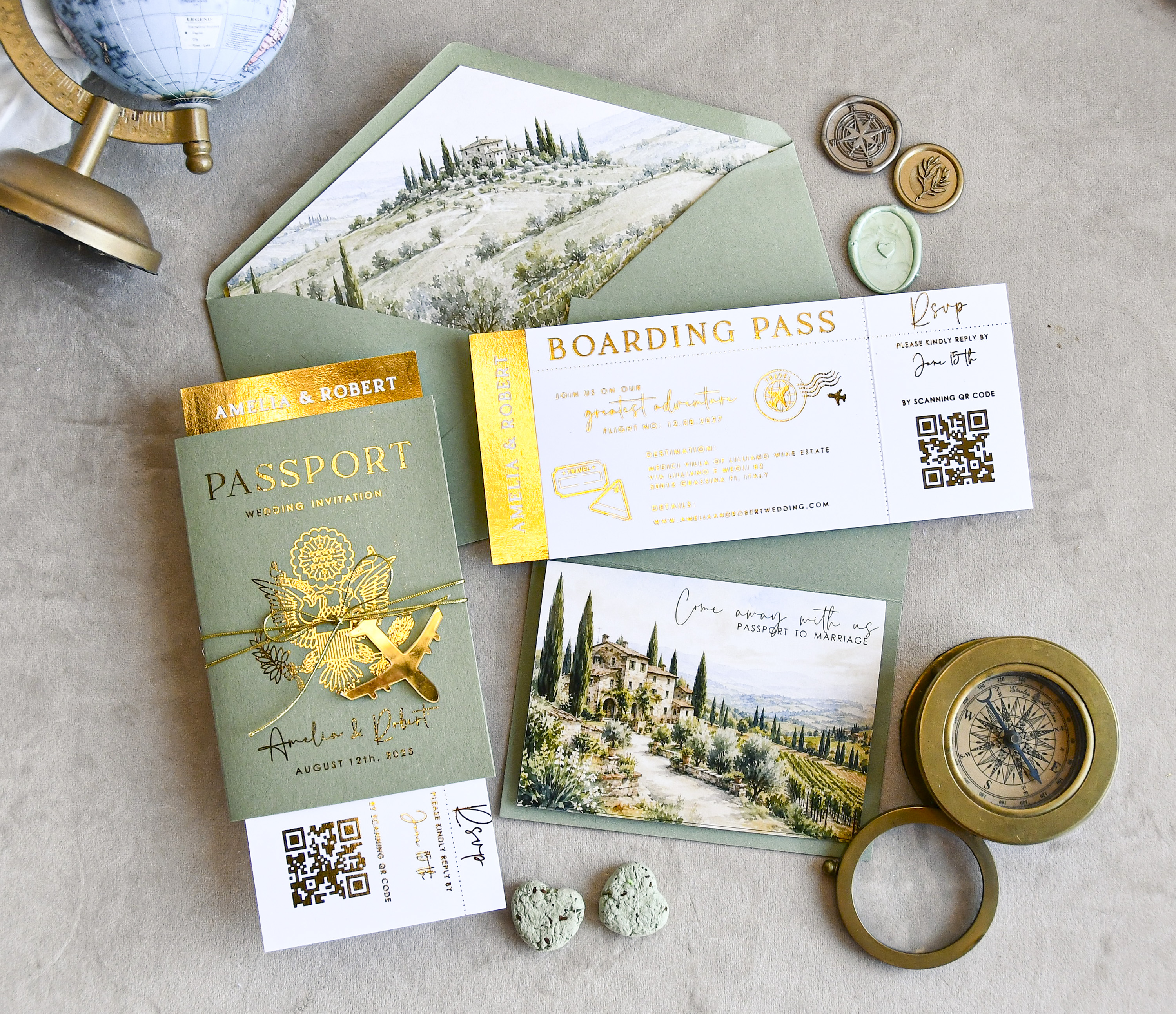
Keep the tone warm and matter-of-fact. You don't need to over-explain or apologize—a single sentence is enough. If you're sending a destination or beach wedding invitation, like the passport-style 14/passFG/z from Margo&Bees, the formal, travel-themed design naturally sets an elegant, grown-up mood that reinforces the adults-only vibe before guests even read a word.
Use Your Wedding Website to Reinforce the Message
Your wedding website is the perfect place to elaborate—without cluttering the invitation itself. Create a dedicated FAQ section and include a question like "Can I bring my children?" Answer it directly and kindly:
"We love your little ones, but we've chosen to host an adults-only celebration. We hope this gives everyone a chance to relax and enjoy the evening. We encourage you to arrange childcare so you can celebrate with us fully."
Pointing guests to your website in the invitation—"For travel, accommodation, and event details, visit [yourweddingwebsite.com]"—ensures everyone has access to this information before they RSVP. This reduces the number of awkward one-on-one conversations you'll need to have.
Handle Family Conversations Early and Directly
Close family members—especially siblings and cousins with young children—deserve a heads-up before invitations hit mailboxes. A quick phone call or personal message goes a long way. Keep it simple:
"Hey, I wanted to let you know before the invitations arrive that we're doing an adults-only wedding. We'd love for you and [partner] to be there—just wanted to give you plenty of time to arrange childcare."
Giving people advance notice shows respect for the logistics involved in finding a babysitter, especially for out-of-town guests who may need to plan overnight care. Aim to have these conversations at least 6–8 weeks before invitations go out, or as soon as you've finalized the guest list.
If grandparents or parents push back, stay firm but empathetic: "We completely understand it's an adjustment, and we so appreciate you making it work. It means the world to us that you'll be there."
What to Do When Guests Ask Anyway
Even with clear wording on the invitation and website, some guests will still ask. Don't panic—just respond consistently. A simple, warm reply works every time:
"We're keeping it adults-only, but we'd absolutely love for you to join us! Let us know if you need any help finding local childcare options."
Offering to help with childcare resources—a list of local babysitting agencies, a hotel babysitting service near the venue, or even organizing a group babysitter for multiple families—turns a potential frustration into a gesture of genuine thoughtfulness. Some couples even contribute financially to childcare costs for immediate family, which is a lovely touch if it's within your budget.
The key is to stay consistent. If you make an exception for one child, word travels fast and other parents will feel hurt. A firm, friendly, uniform policy is actually kinder in the long run.
Timing and Etiquette at a Glance
Here's a quick timeline to keep everything on track:
- 6–8 weeks before invitations mail: Call close family with young children to give them advance notice.
- When invitations go out (8–10 weeks before the wedding): Address envelopes to adults only; include adults-only language in the invitation suite.
- Ongoing: Keep your wedding website FAQ updated and respond to questions with consistent, kind language.
- 2–3 weeks before the wedding: If any confusion remains, your wedding coordinator or a trusted family member can help field last-minute questions so you're not stressed.
Remember: you're not doing anything wrong by hosting an adults-only wedding. Clear, early communication—delivered with warmth—is all it takes to make guests feel respected even when the answer is no.
Frequently Asked Questions
Yes, a brief line on the invitation is the clearest approach. You don't need to make it prominent—a single sentence near the RSVP details or on an enclosure card is enough to set the expectation without making it feel like a warning.
Not at all. Adults-only weddings are common and widely accepted, especially for formal, evening, or destination celebrations. The key is communicating the policy early and kindly so guests have time to make arrangements.
Ask your venue coordinator or a trusted point of contact to gently handle the situation on your behalf so you're not dealing with it on your wedding day. Having a plan in place ahead of time prevents you from being caught off guard.
No explanation is required. Citing 'venue limitations' or 'an intimate celebration' is perfectly acceptable if you want to offer context, but you are not obligated to justify your decision to guests.
This is a personal choice, but many couples do make exceptions for babies who are still nursing or exclusively breastfed. If you decide to allow exceptions, communicate this privately to the parents involved rather than announcing it broadly.
Send invitations 8–10 weeks before the wedding, or up to 12 weeks for a destination event. The extra lead time gives guests with children more opportunity to arrange childcare, especially if travel is involved.
See This Design Up Close







You May Also Like
More Wedding Planning Guides
- → The Complete Plus One Rulebook for Your Wedding Guest List
- → When Family Feels Like Strangers: Navigating Distant Relatives on Your Guest List
- → Ordering Wedding Invitations: The Smartest Way to Get Your Numbers Right
- → Adding More Guests to Your Wedding: Who Owes What?
- → Your Pre-Wedding Survival Guide to Family Conflict
- → What to Do When a Guest Shows Up With Someone You Didn't Invite
- → In-Laws Want to Invite Their Friends? Here's How to Handle It
- → Navigating Plus-Ones for Single Guests: A Couples' Guide to Getting It Right
- → Extra Names on Your RSVP Card: How to Respond Without the Stress
- → The Honest Guide to Including a Stepparent on Your Wedding Guest List
- → When Saying No to a Plus One Is Perfectly Okay
- → Should Kids Come to Your Wedding? How to Think It Through and Decide
- → Navigating Divorced Parent Seating at Your Wedding Reception
- → Inviting Your Boss and Coworkers to Your Wedding: What You Actually Need to Know
- → Uninvited Plus-Ones and Tag-Alongs: How to Keep Your Guest List Intact
- → When Family Feuds Threaten Your Wedding Plans: A Practical Peacekeeper's Guide
- → Inviting an Estranged Brother or Sister: Finding Clarity Before You Seal the Envelope
- → Cousins, Invites, and Hard Choices: A Practical Guest List Guide