
When Family Feels Like Strangers: Navigating Distant Relatives on Your Guest List
One of the trickiest parts of building your wedding guest list isn't choosing between coworkers or college friends — it's figuring out what to do about family members you genuinely never speak to. An aunt you haven't seen in fifteen years. A cousin you only know from Facebook. A grandparent's sibling whose name you had to Google. Should they get an invitation? The honest answer: it depends — and this guide will help you work through it thoughtfully.
Start With Your "Why" Before You Write Any Names
Before you default to inviting every blood relative out of obligation, pause and ask yourself a few honest questions:
- Why haven't you spoken? Is it simply distance and busy lives, or is there genuine conflict, estrangement, or a history of harm?
- Would their presence add joy to your day? A wedding is a celebration, not a family reunion you're obligated to host.
- Would not inviting them cause lasting damage to a relationship that matters to someone you love — like a parent or grandparent?
There's a real difference between a distant relative (someone you've drifted from naturally) and an estranged one (someone you've deliberately created space from). That distinction should drive your decision.
The Case for Inviting Distant — But Not Estranged — Family
If the only reason you don't speak to someone is geography, busy schedules, or the passage of time, inviting them is usually a low-risk, high-reward move. Weddings are one of the few occasions that genuinely bring extended family together, and many couples find that reconnecting with distant relatives at their wedding turns into something unexpectedly meaningful.
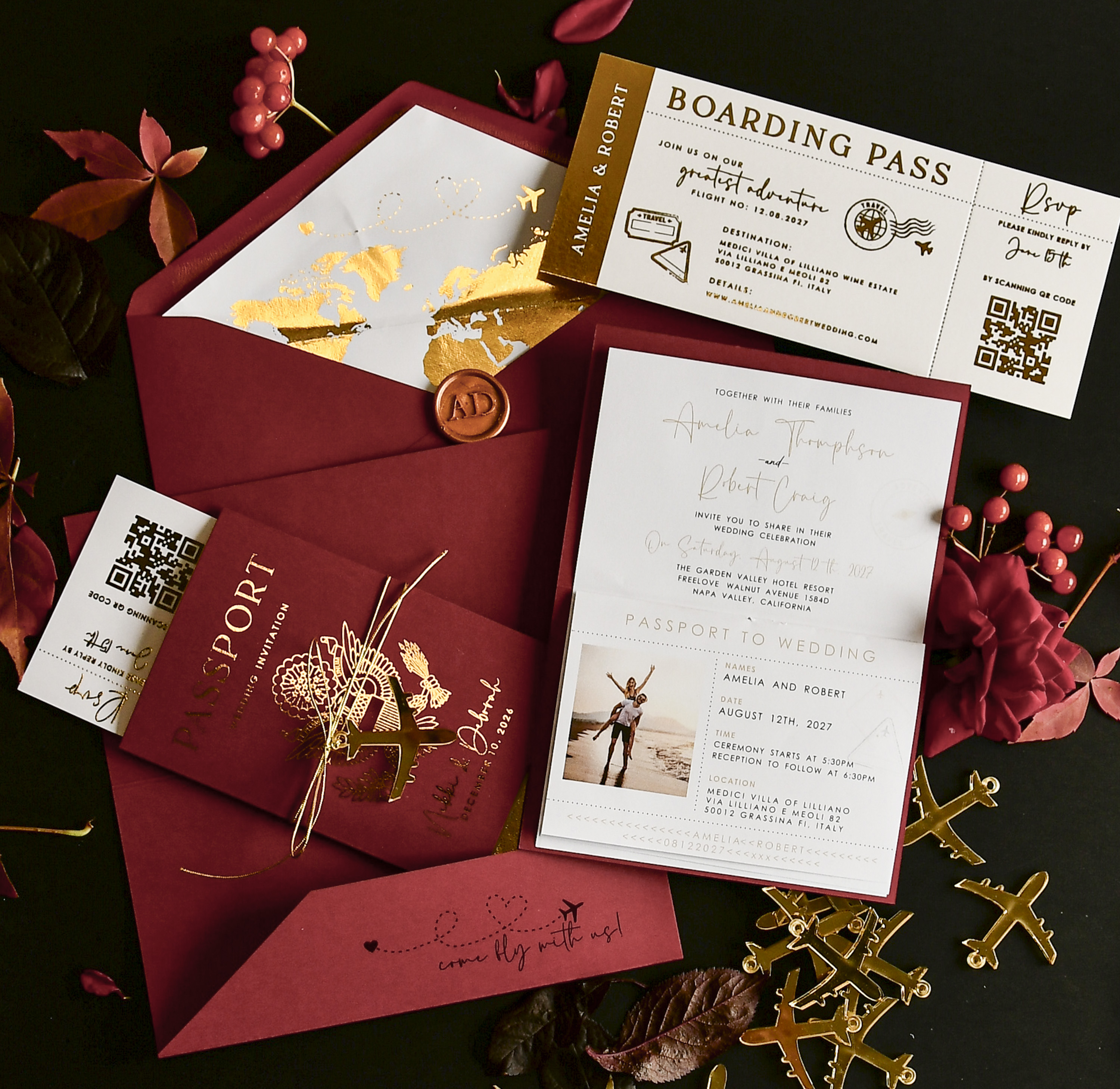
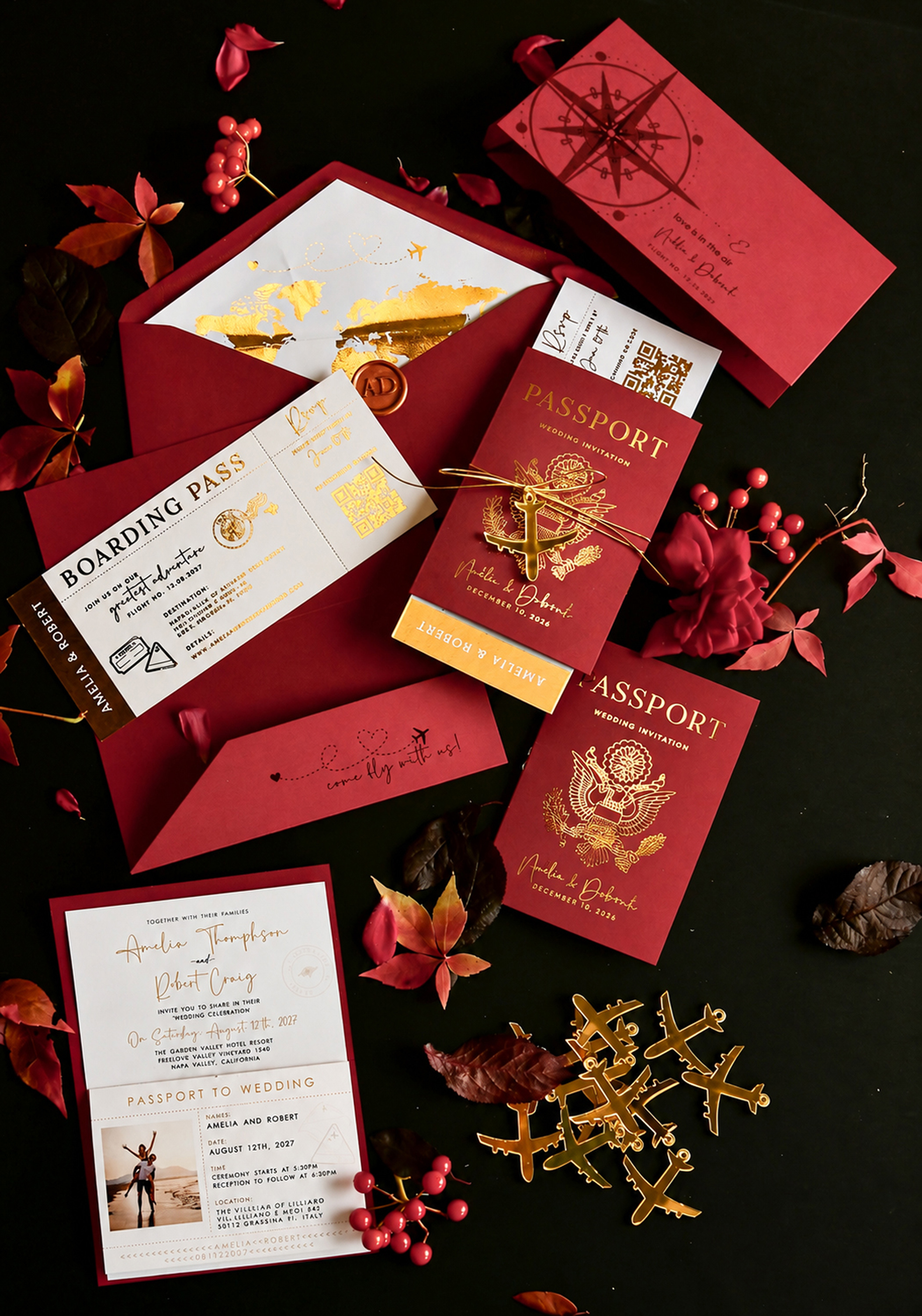
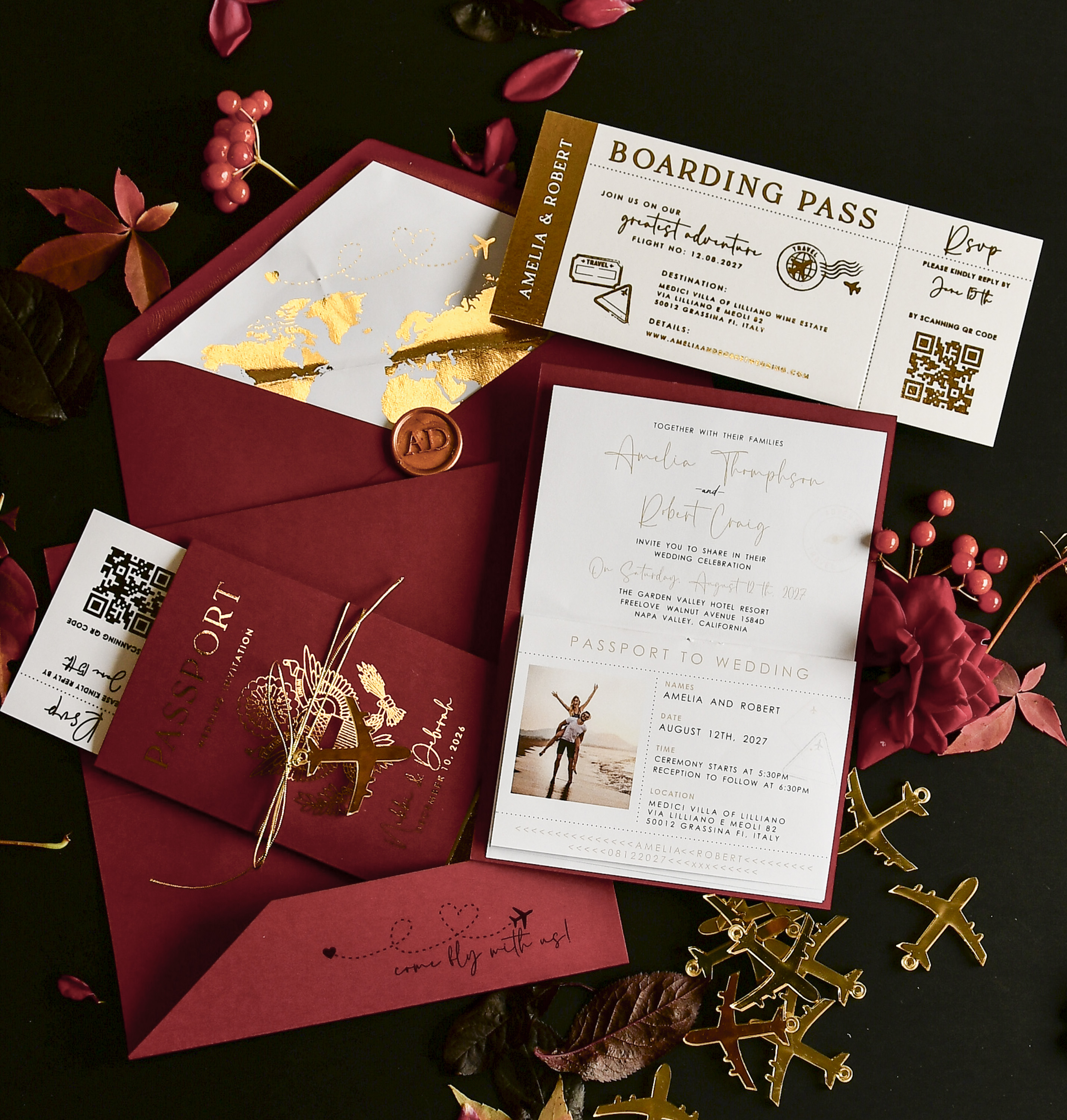
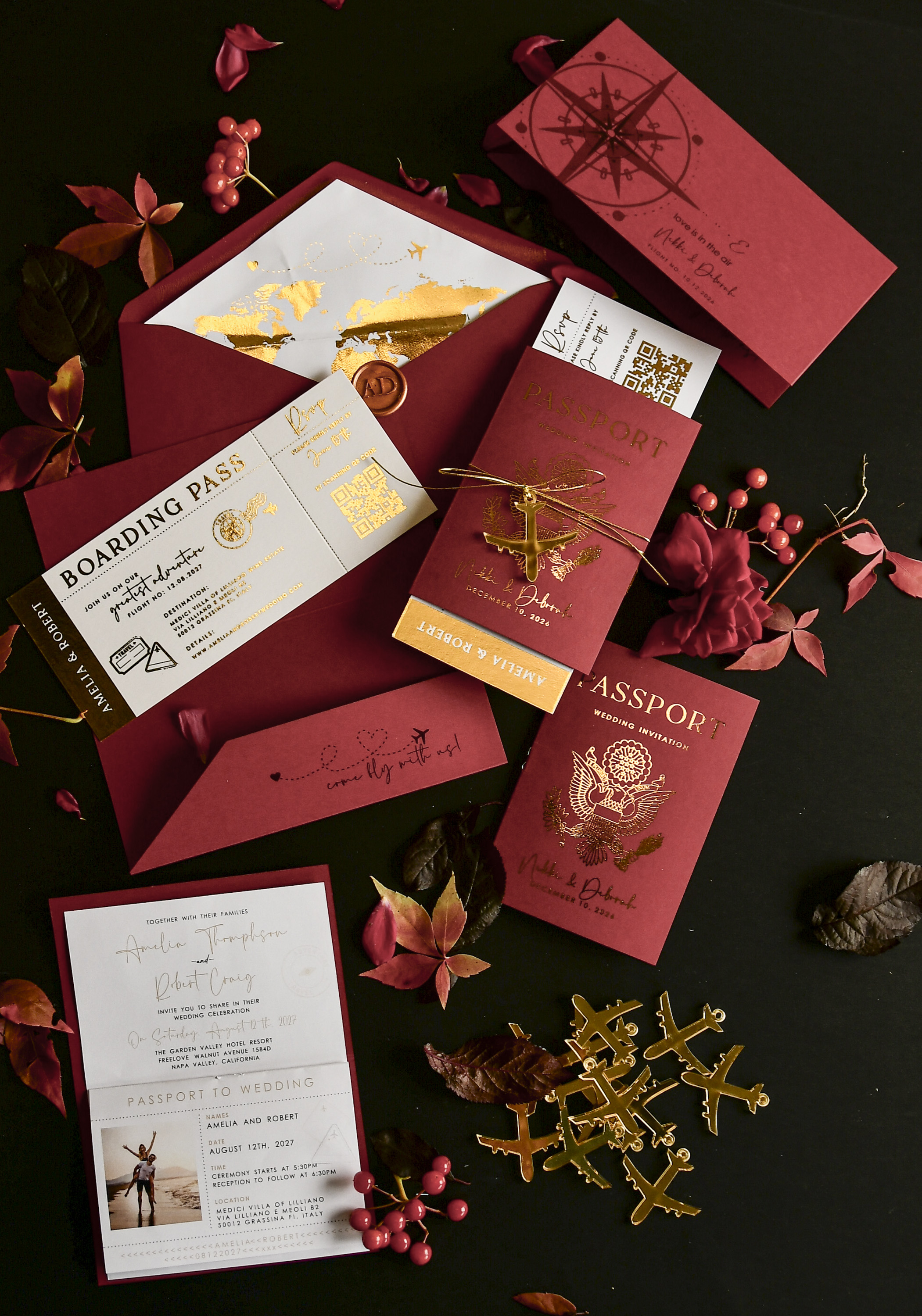
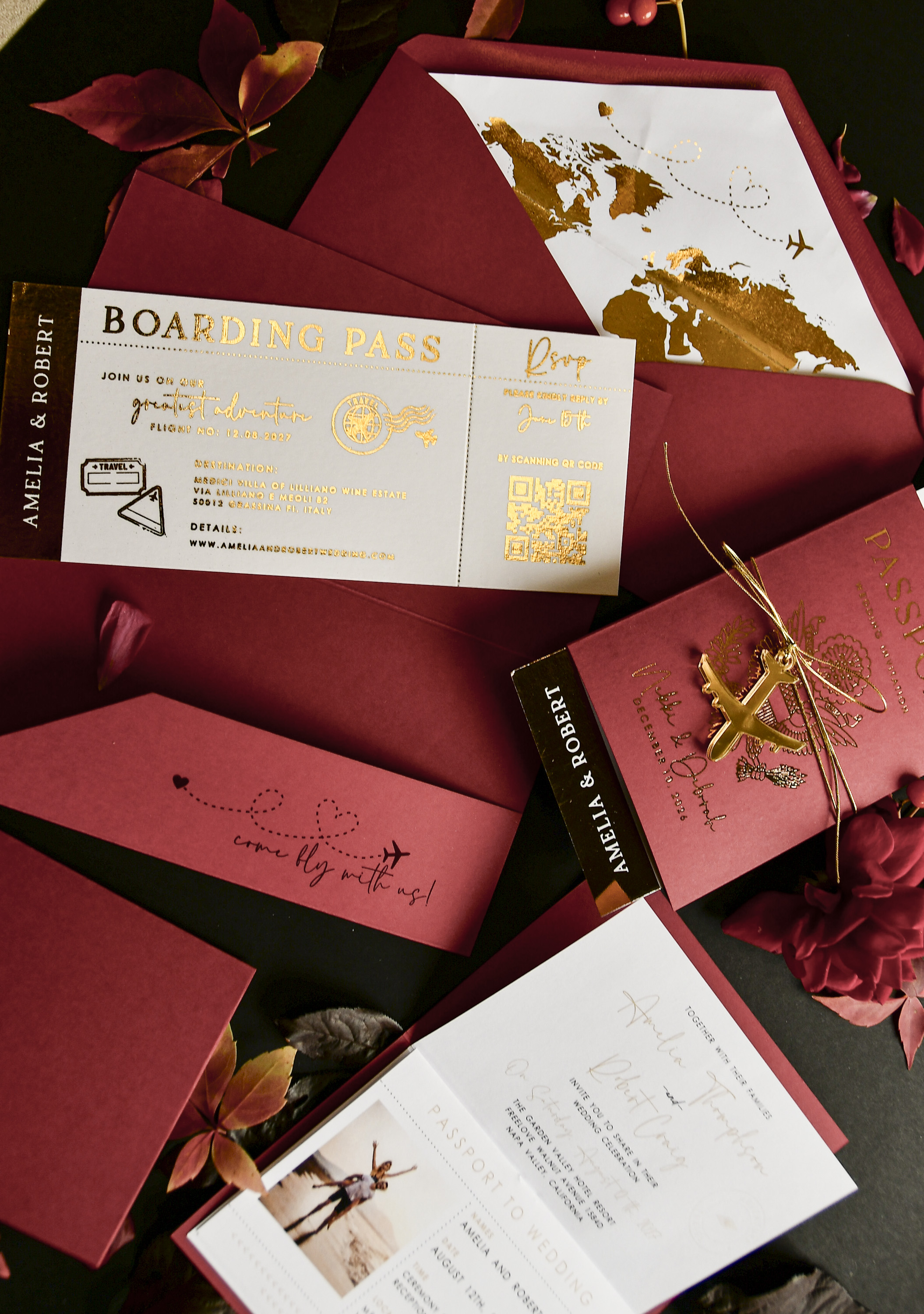
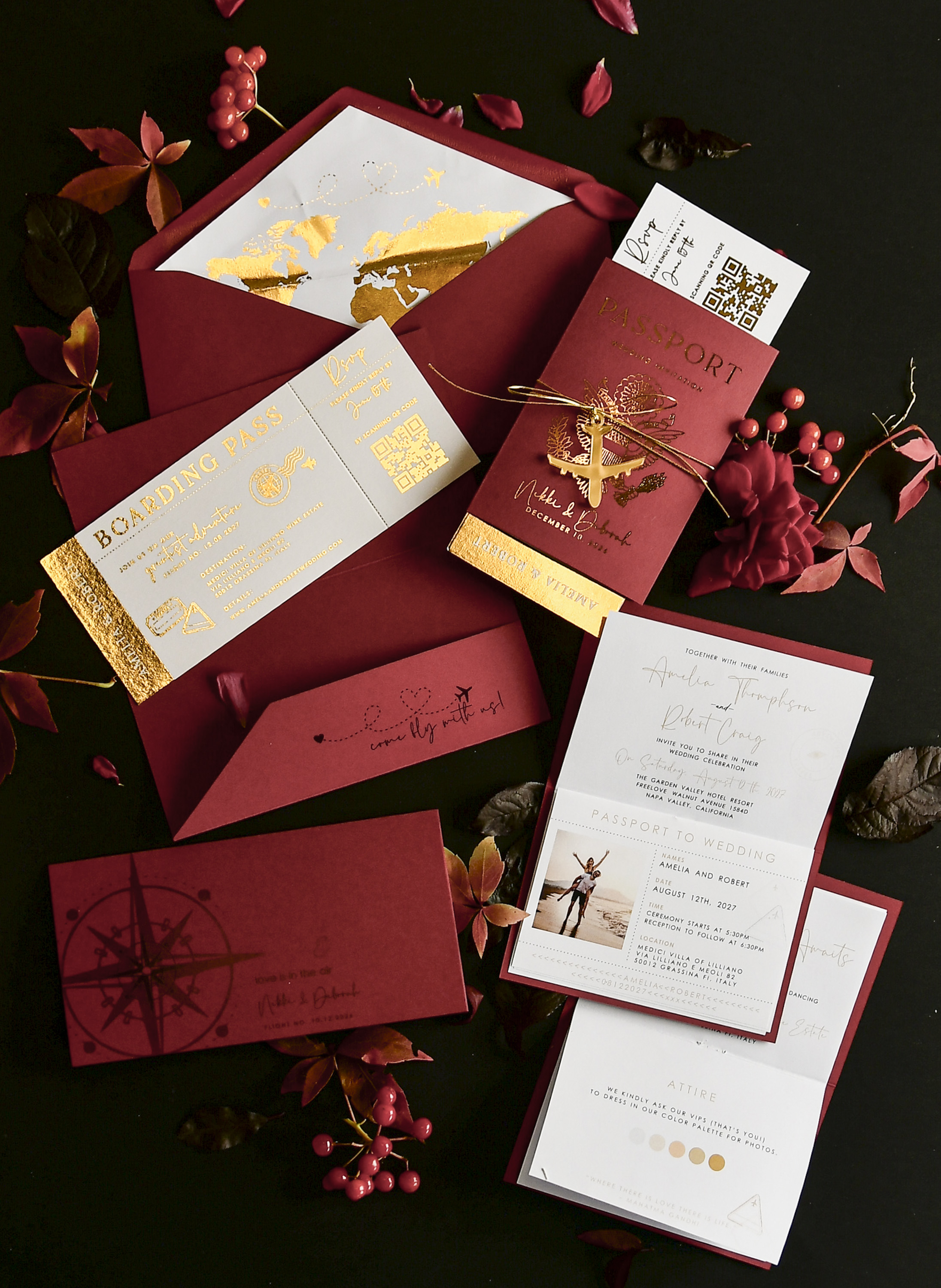
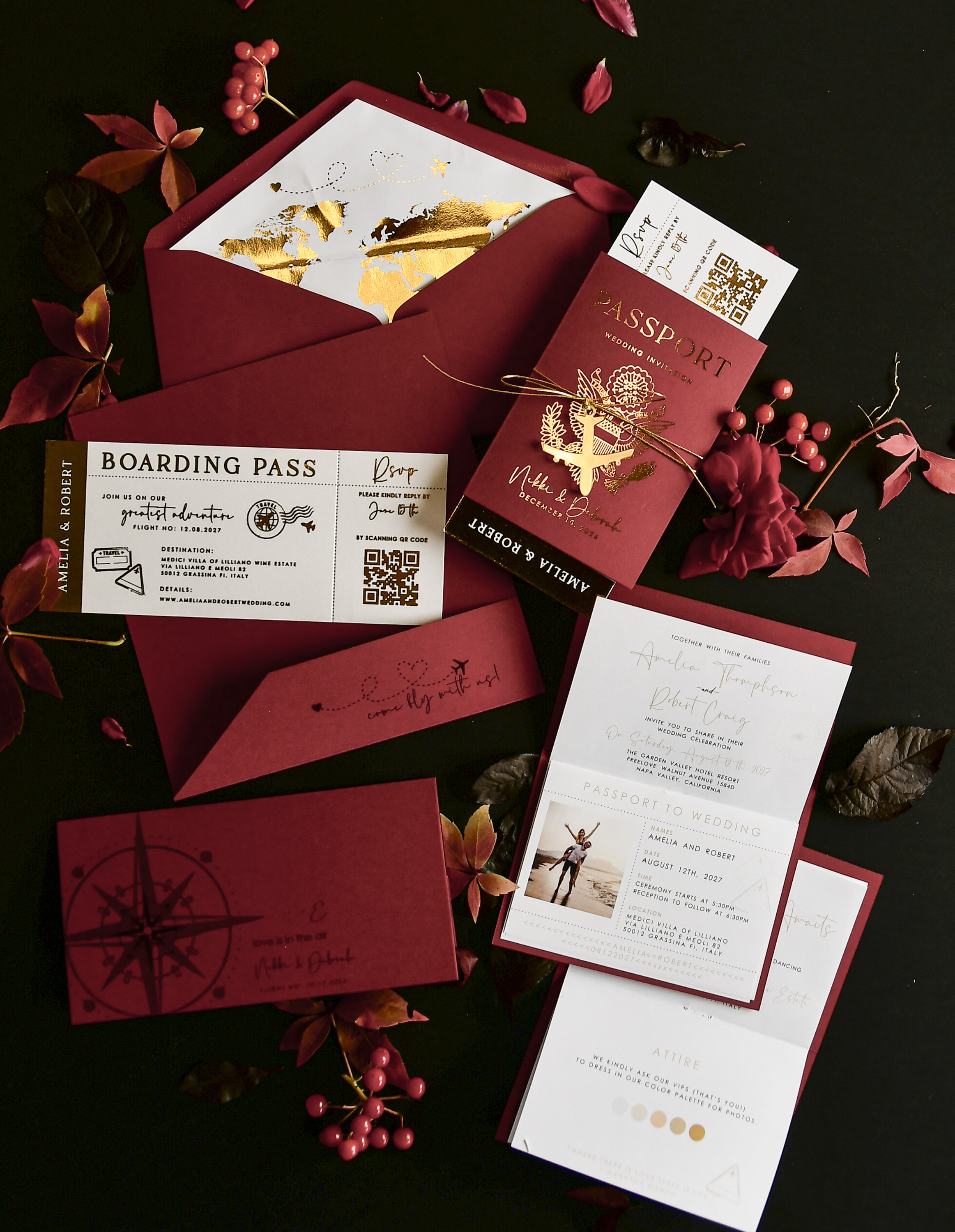
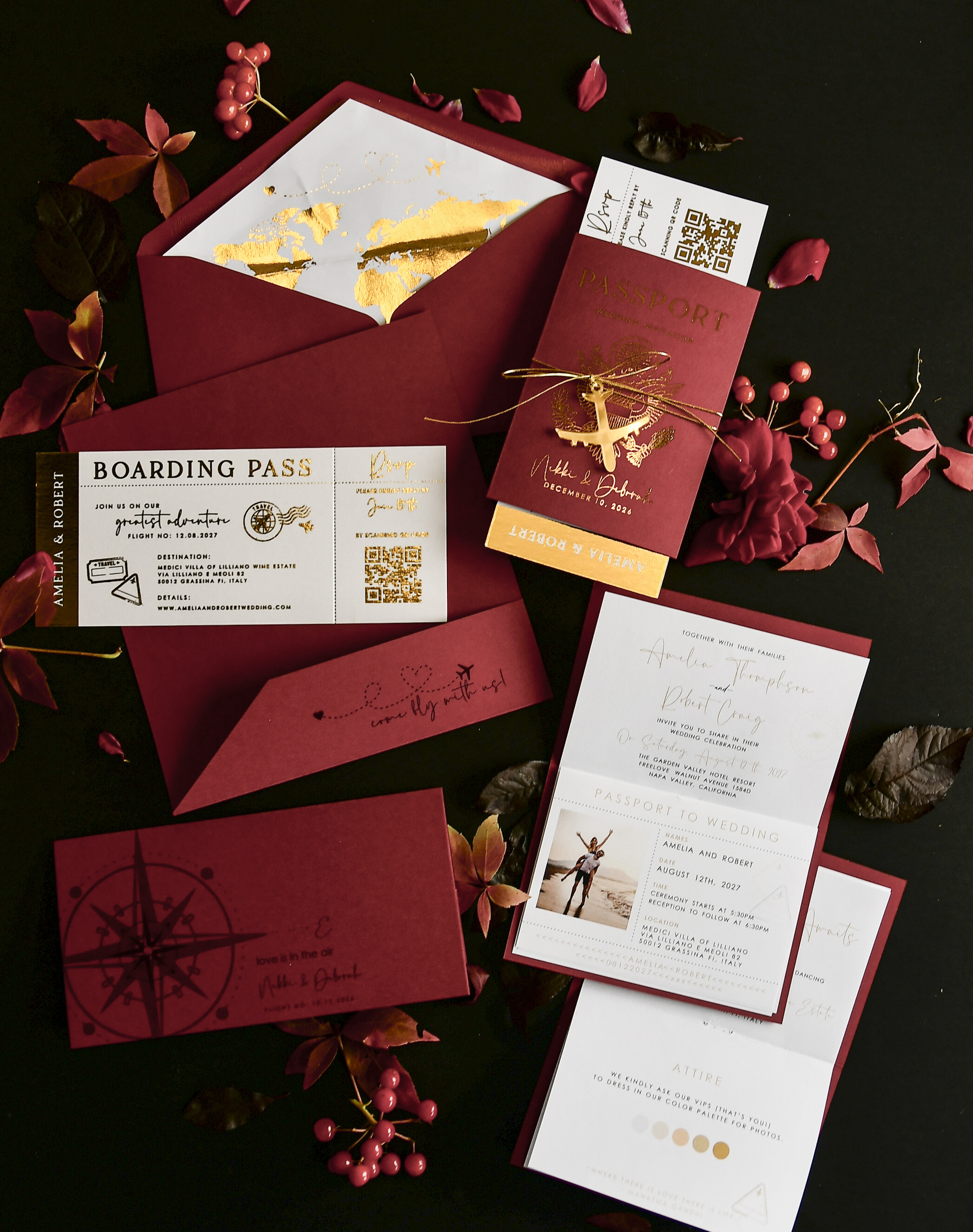
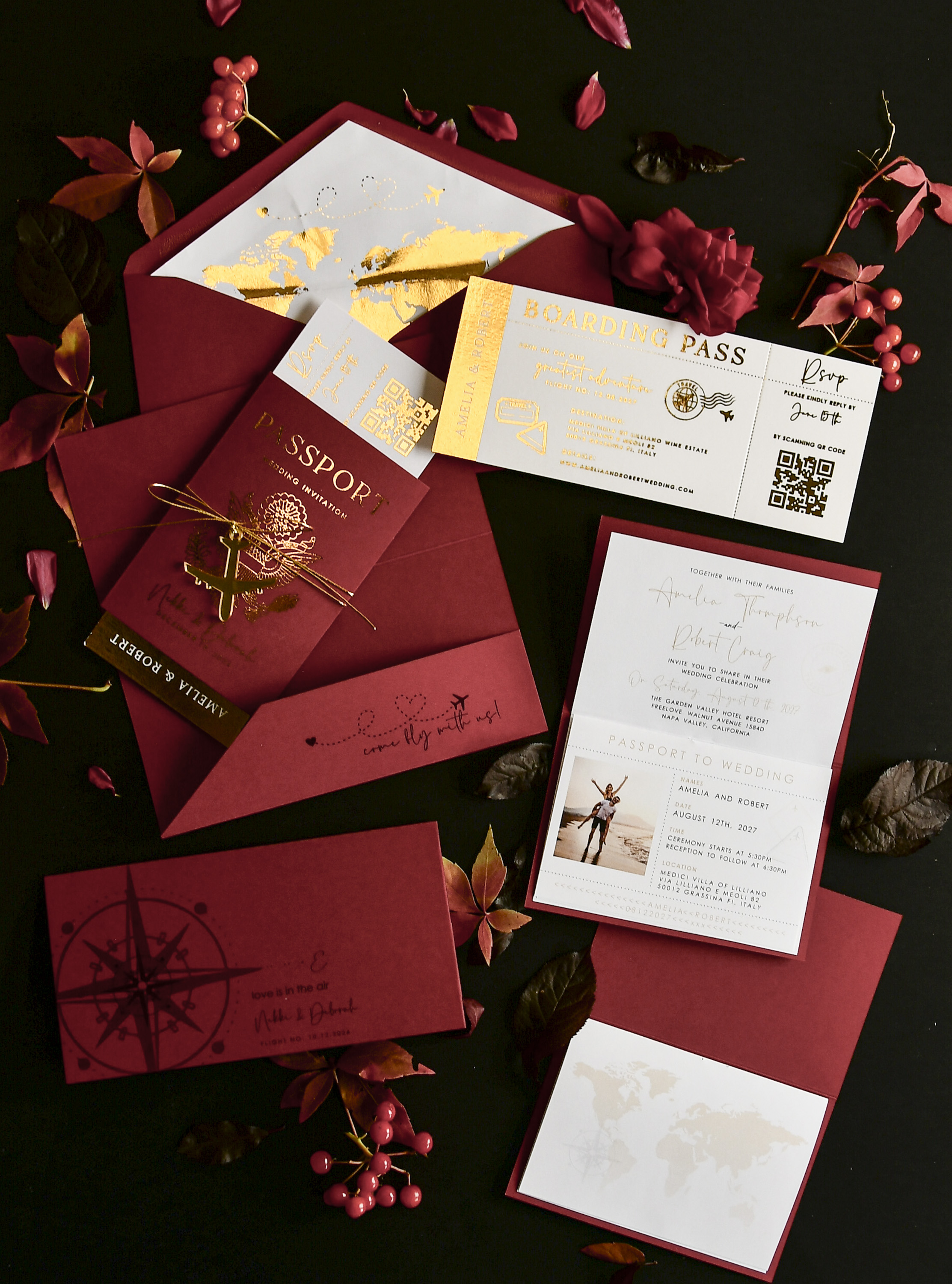
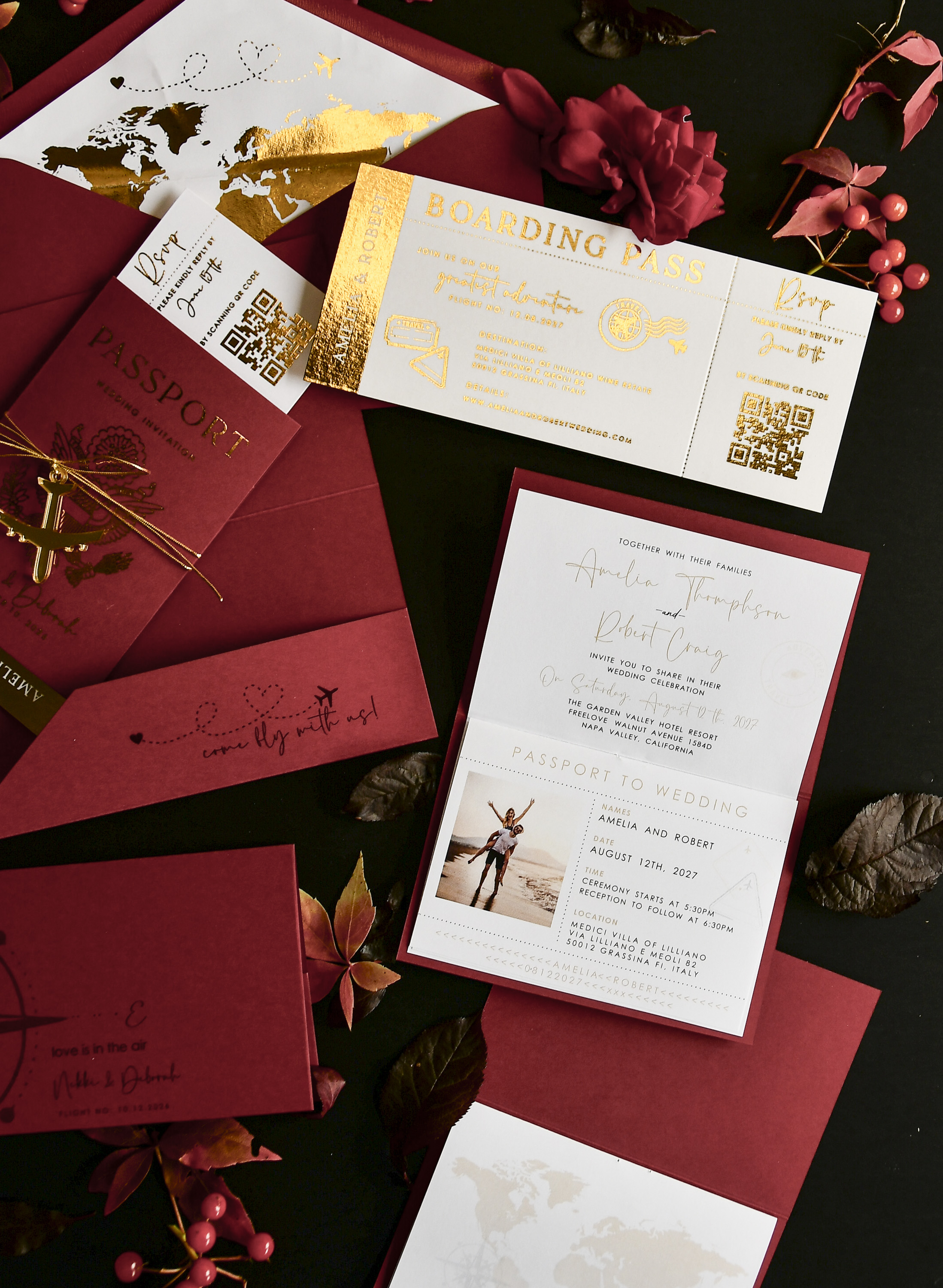
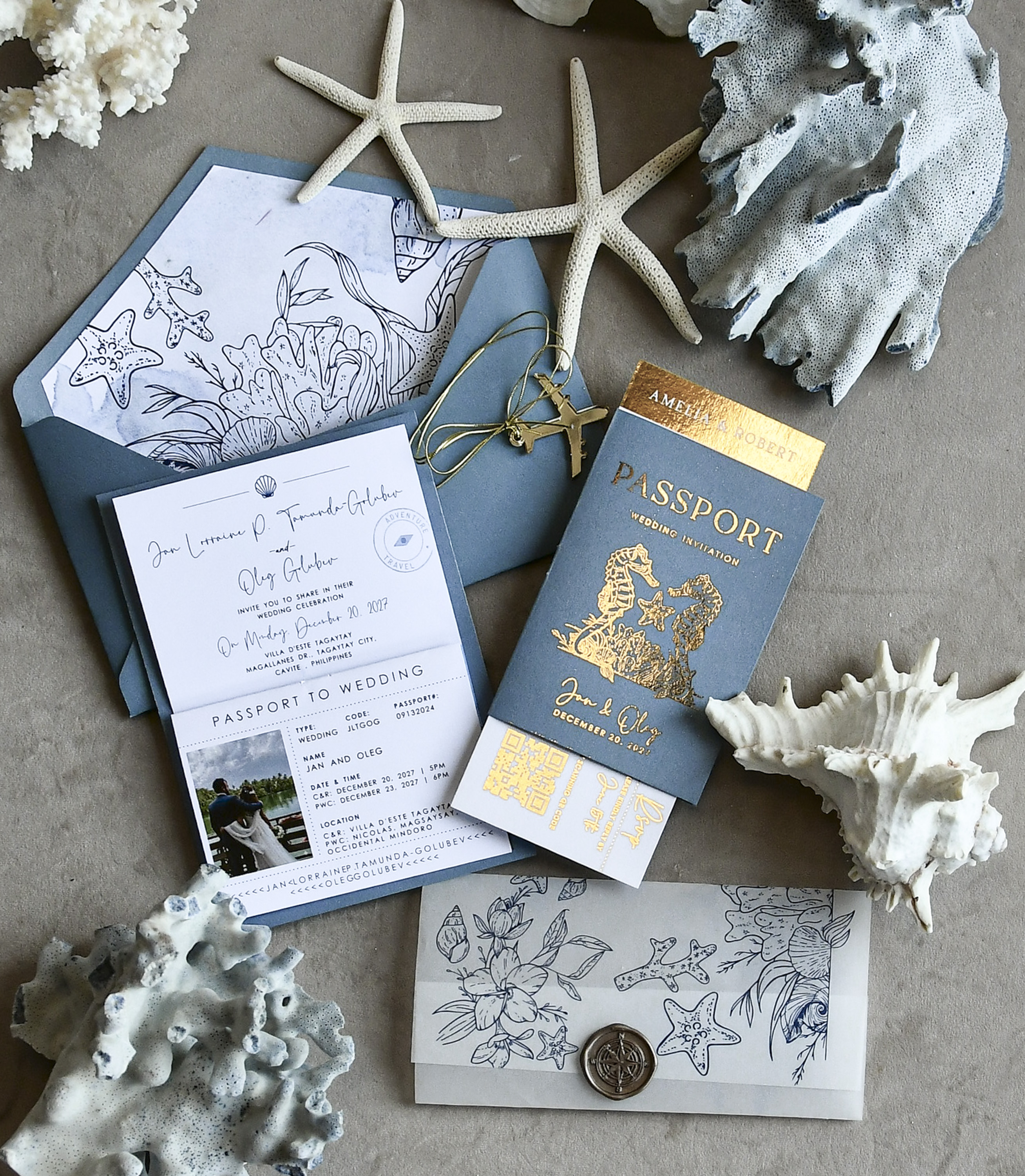
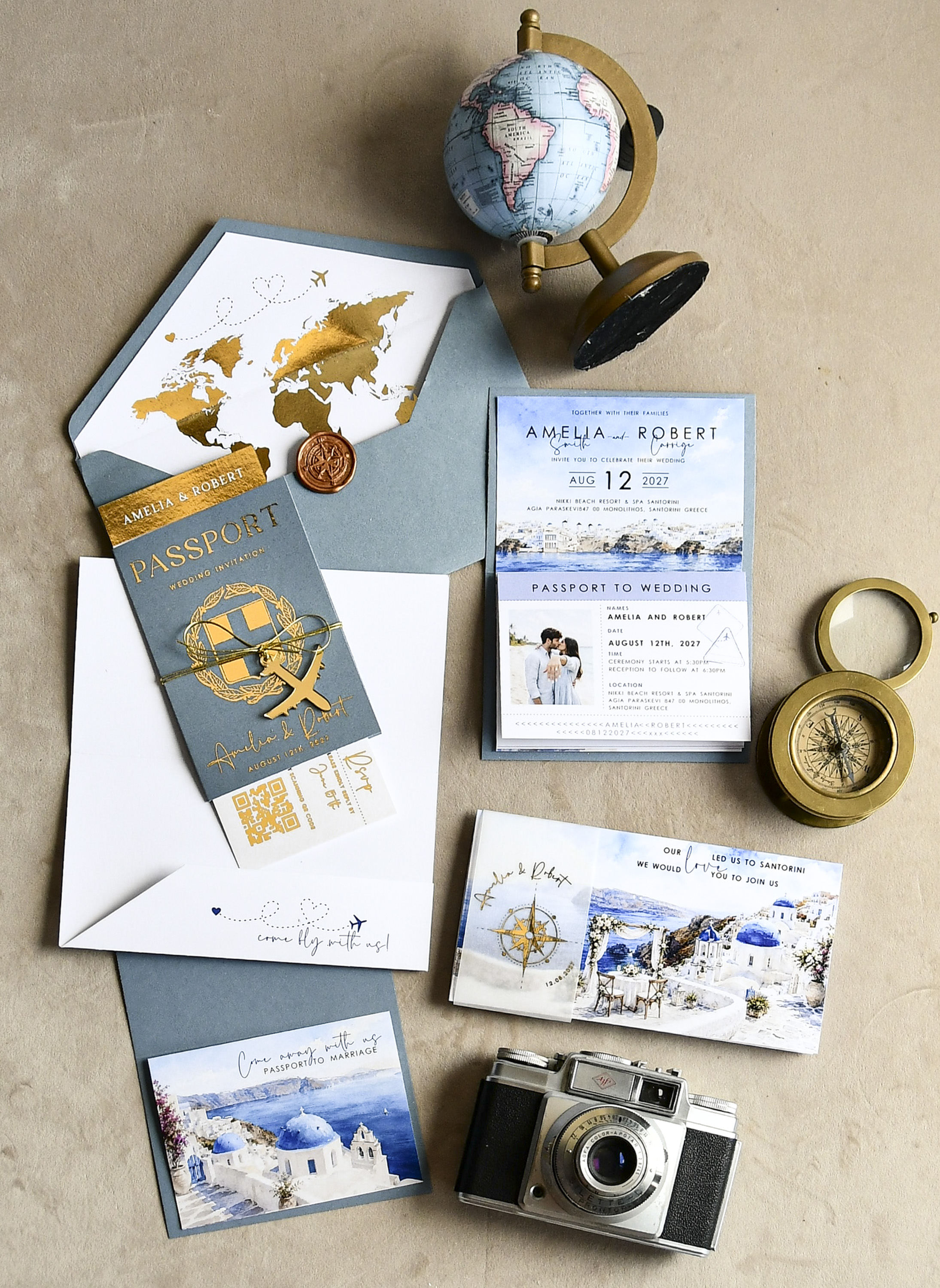
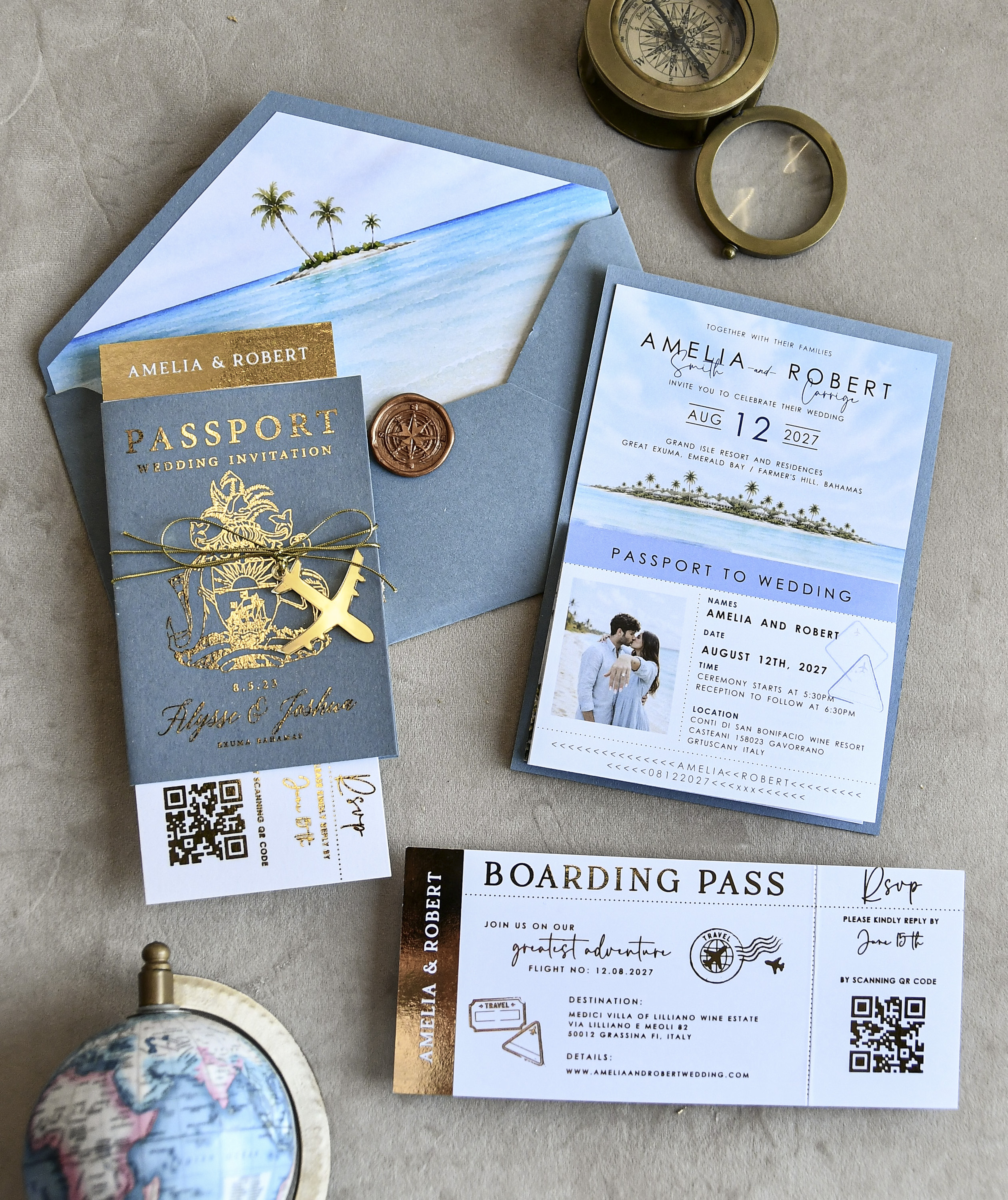
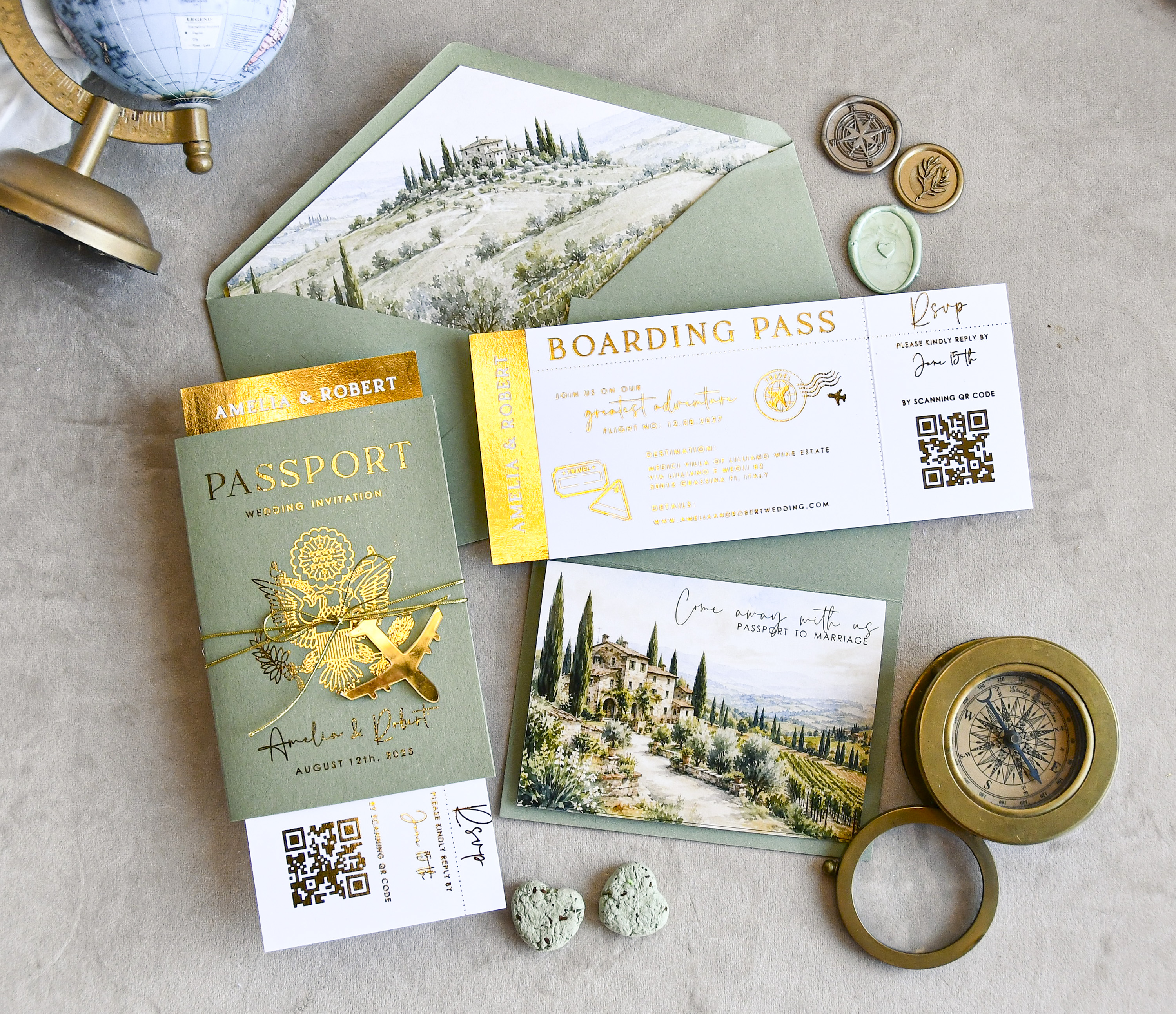
Practical tip: if your venue allows it and you have a larger headcount, include distant relatives in your initial list. Most won't be able to travel — especially for a destination or beach wedding — so your actual attendance numbers often stay manageable. Sending a beautiful invitation, like the 14/passFG/z passport-style beach wedding invite from Margo&Bees, makes the gesture feel intentional and warm even if they can't make it.
The invitation itself communicates: you matter to us. That message can quietly repair years of distance without a single difficult conversation.
When It's Okay to Leave Someone Off the List
You are never obligated to invite someone who has been harmful, abusive, or toxic — regardless of the family connection. Full stop. Your wedding day should feel safe and joyful, and no title (uncle, cousin, godparent) overrides that.
You're also allowed to set a consistent rule that makes decisions easier and gives you cover with family members who might push back. Common guest list rules include:
- Immediate family only (parents, siblings, and their partners)
- Anyone we've seen in the last two years
- Anyone whose phone number we actually have
Rules like these aren't cold — they're practical. And they help you say "we kept the list very small" instead of "we didn't invite you specifically."
How to Handle Pressure From Parents
This is where things get complicated. If your mom wants to invite her entire side of the family — including people you've never met — you have a few options:
- Set a firm number. Give each set of parents a guest allocation and let them decide how to use it. If they want to use their spots on distant relatives, that's their call.
- Have an honest conversation. Explain that you want your wedding to feel intimate and personal, and that you'd rather have fewer people you truly know than a large room full of near-strangers.
- Find a compromise. Some couples invite extended family to the ceremony only, or host a casual post-wedding brunch that's open to a wider circle.
Whatever you decide, get aligned with your partner first so you're presenting a united front. It's much harder for family pressure to work when both of you are saying the same thing.
A Simple Framework to Make the Final Call
Still on the fence about a specific person? Run them through this quick gut-check:
- Would I recognize them if they walked into the room? No → probably skip the invite.
- Would their absence upset someone I deeply care about? Yes → consider including them.
- Would their presence cause stress, conflict, or discomfort on my wedding day? Yes → leave them off, without guilt.
- Have I genuinely lost touch but wish we were closer? Yes → a beautiful invitation, like the passport-style 14/passFG/z from Margo&Bees, might be the perfect way to reopen that door.
Your guest list is one of the first big decisions you'll make as a couple. Trust your instincts, communicate openly, and remember: there's no universally right answer — only the one that's right for your relationship and your day.
Frequently Asked Questions
It can, especially if cousins are close to each other and compare notes. If you're worried about it, try to invite an entire family unit together or none at all. Setting a consistent rule (like "first cousins only") makes the decision easier to explain and harder to argue with.
Not at all — an invitation is an act of inclusion, not an obligation. Most people understand that weddings are a special occasion and won't read a surprise invitation as strange or inappropriate. The gesture is almost always received warmly.
You don't have to, but it's worth weighing the long-term relationship cost. A helpful middle ground is giving each set of parents a set number of guest spots to allocate however they choose, so the final decision stays with them for their side.
Only if their presence genuinely won't affect your comfort or safety on the day. Inviting someone purely to avoid conflict often backfires — it can create tension leading up to the wedding or on the day itself. Protecting your peace is a legitimate priority.
A calm, kind explanation goes a long way: "We kept our guest list very small and focused on immediate family and close friends." You don't owe anyone a detailed justification, and most people will accept a gracious response without prolonged conflict.
Yes, and this is actually a common solution. A ceremony-only or reception-only invite allows you to include a wider circle without inflating your seated dinner count. Just make the logistics clear on the invitation so guests know exactly what they're being invited to.
See This Design Up Close





You May Also Like
More Wedding Planning Guides
- → The Complete Plus One Rulebook for Your Wedding Guest List
- → Adults-Only Wedding: How to Let Guests Know Without the Drama
- → Ordering Wedding Invitations: The Smartest Way to Get Your Numbers Right
- → Adding More Guests to Your Wedding: Who Owes What?
- → Your Pre-Wedding Survival Guide to Family Conflict
- → What to Do When a Guest Shows Up With Someone You Didn't Invite
- → In-Laws Want to Invite Their Friends? Here's How to Handle It
- → Navigating Plus-Ones for Single Guests: A Couples' Guide to Getting It Right
- → Extra Names on Your RSVP Card: How to Respond Without the Stress
- → The Honest Guide to Including a Stepparent on Your Wedding Guest List
- → When Saying No to a Plus One Is Perfectly Okay
- → Should Kids Come to Your Wedding? How to Think It Through and Decide
- → Navigating Divorced Parent Seating at Your Wedding Reception
- → Inviting Your Boss and Coworkers to Your Wedding: What You Actually Need to Know
- → Uninvited Plus-Ones and Tag-Alongs: How to Keep Your Guest List Intact
- → When Family Feuds Threaten Your Wedding Plans: A Practical Peacekeeper's Guide
- → Inviting an Estranged Brother or Sister: Finding Clarity Before You Seal the Envelope
- → Cousins, Invites, and Hard Choices: A Practical Guest List Guide