
Your Pre-Wedding Survival Guide to Family Conflict
You've got a venue booked, your invitations ordered, and a vision for the most meaningful day of your life — and then a family argument threatens to unravel everything. Sound familiar? Pre-wedding family conflict is one of the most common stressors engaged couples face, and it almost always catches people off guard. The good news: with the right approach, you can navigate even the most heated family dynamics without sacrificing your sanity or your relationships.
Understand Why Family Arguments Happen Before Weddings
Weddings are emotionally charged events. They signal major life transitions, stir up old family dynamics, and often involve real disagreements about money, guest lists, traditions, and expectations. Parents may feel sidelined. Siblings may feel overlooked. Divorced parents may dread sharing space. Understanding why conflict flares up helps you respond with empathy rather than defensiveness.
Common triggers include:
- Guest list disputes — who gets invited and who doesn't
- Financial contributions — money almost always comes with opinions attached
- Cultural or religious differences between families
- Seating arrangements and perceived status
- Feeling excluded from planning decisions
When you can name the root cause, you're already halfway to resolving it.
Set Boundaries Early and Communicate Them Clearly
The most effective way to prevent arguments from escalating is to set expectations before tensions peak. Have direct, calm conversations with key family members as early as possible — ideally before major decisions are finalized. Be specific about what input you welcome and what decisions are already made.
For example: "We'd love your thoughts on the rehearsal dinner venue, but we've already settled on the ceremony location." This gives family members a sense of involvement without reopening closed doors.
A few practical tips:
- Use "we" language to present a united front as a couple
- Avoid email for sensitive conversations — phone or in-person is far less likely to be misread
- Follow up emotional conversations with a kind, summarizing message so everyone is on the same page
Decide Which Battles Are Worth Fighting
Not every disagreement deserves your energy. Before the wedding, you and your partner should sit down and honestly rank which issues genuinely matter to you and which ones you could let go. Flexibility on smaller details — a centerpiece color, a song choice, a seating tweak — can preserve goodwill for the things that truly count.
Ask yourself: Will this matter five years from now? If the answer is no, consider compromising. If the answer is yes, hold your ground respectfully but firmly. The key is making that call consciously, not reactively in the middle of an argument.
When you do need to stand firm, keep the conversation focused on facts and feelings rather than blame. "This is really important to us because..." lands very differently than "You're being unreasonable."
Use a Neutral Third Party When Things Escalate
Sometimes a conflict grows bigger than two people can resolve on their own. If a family argument is significantly disrupting your planning or your relationship, it's completely appropriate — and smart — to bring in a neutral third party. This could be a wedding planner, a trusted mutual family friend, or a licensed therapist or counselor.
Many couples find that even one or two sessions with a couples counselor before the wedding helps them build communication tools they'll use for years. If the conflict involves parents or in-laws, a family therapist can facilitate a structured conversation where everyone feels heard.
Your wedding planner (if you have one) can also serve as a buffer — fielding family concerns so they don't land directly on your plate every day. This is especially valuable in the final weeks of planning when your stress levels are already high.
Protect Your Joy in the Final Stretch
In the last two to four weeks before your wedding, limit the amount of time you spend engaging with unresolved conflict. You've done the hard work of communicating and compromising — now it's time to protect your energy. It's okay to tell a family member kindly but honestly: "I love you, and I want to revisit this after the wedding when we can give it the attention it deserves."
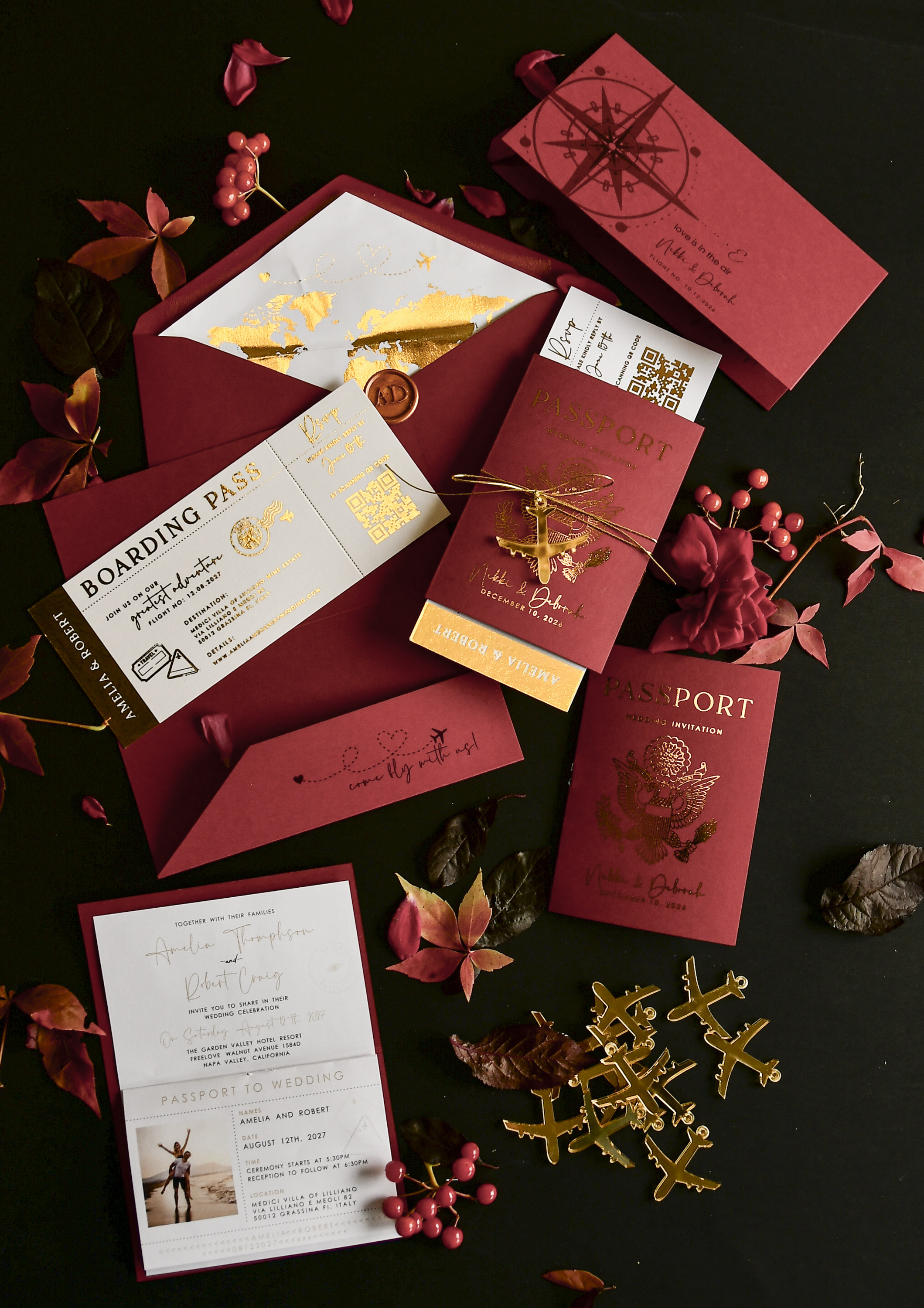
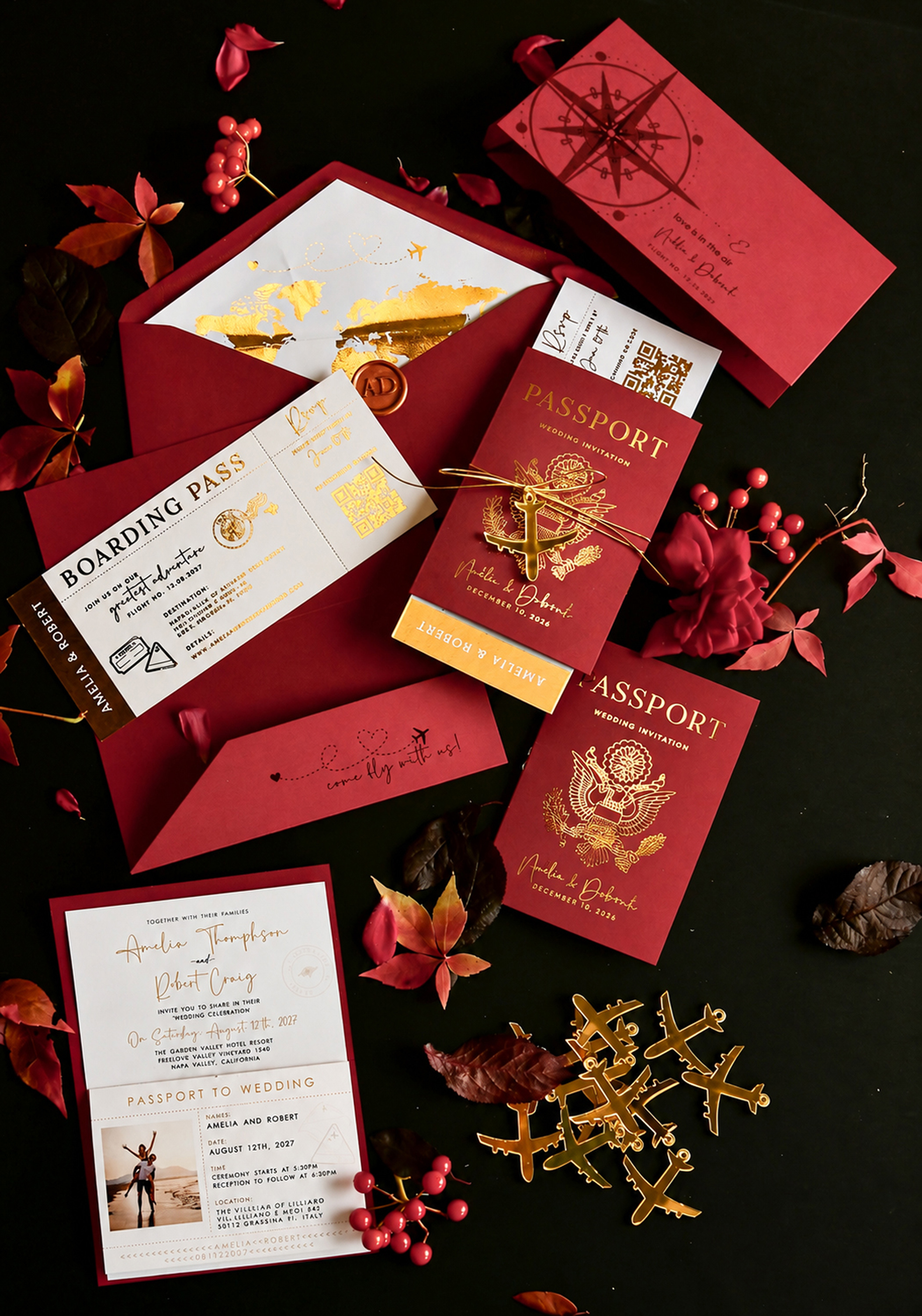
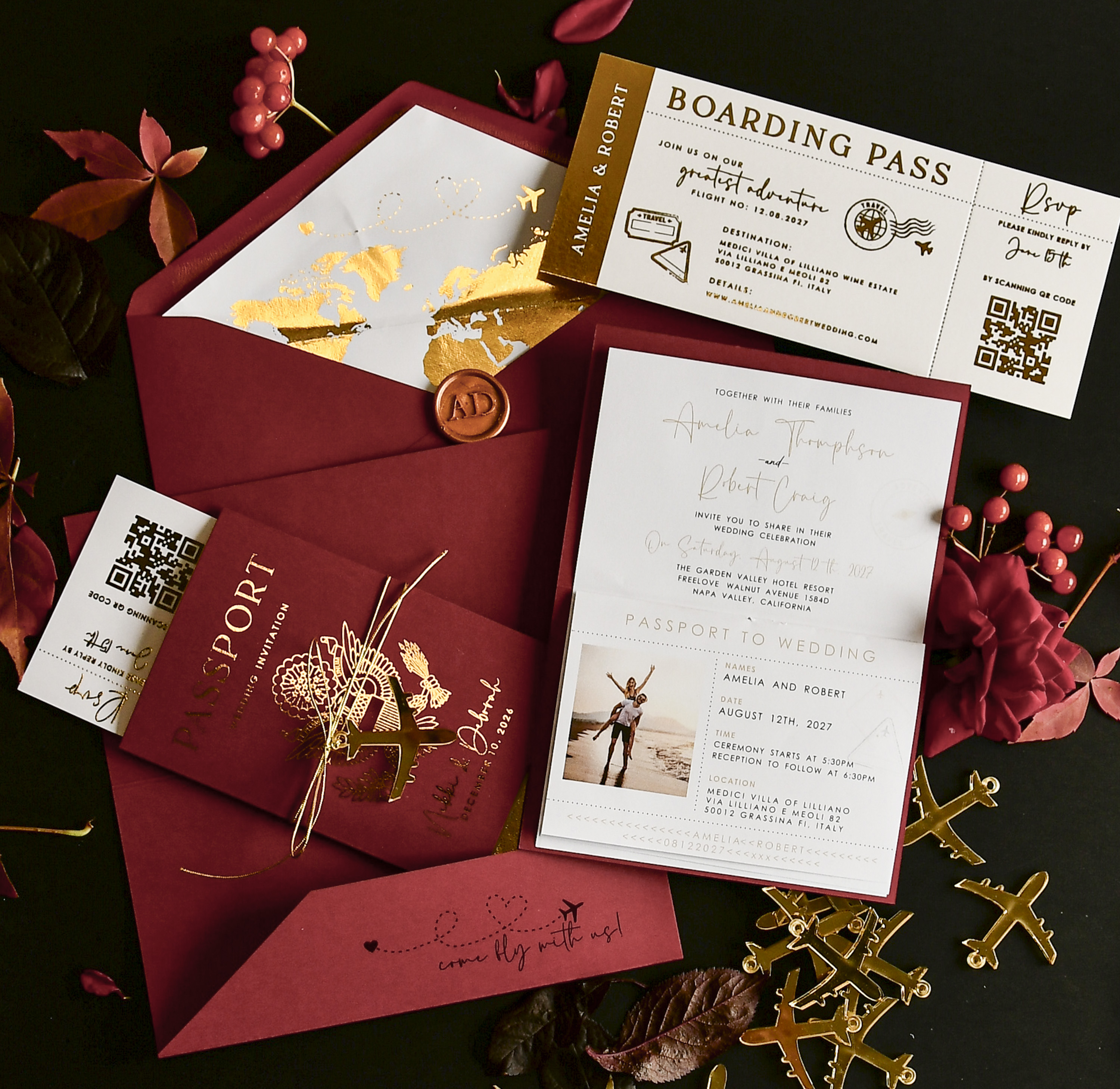
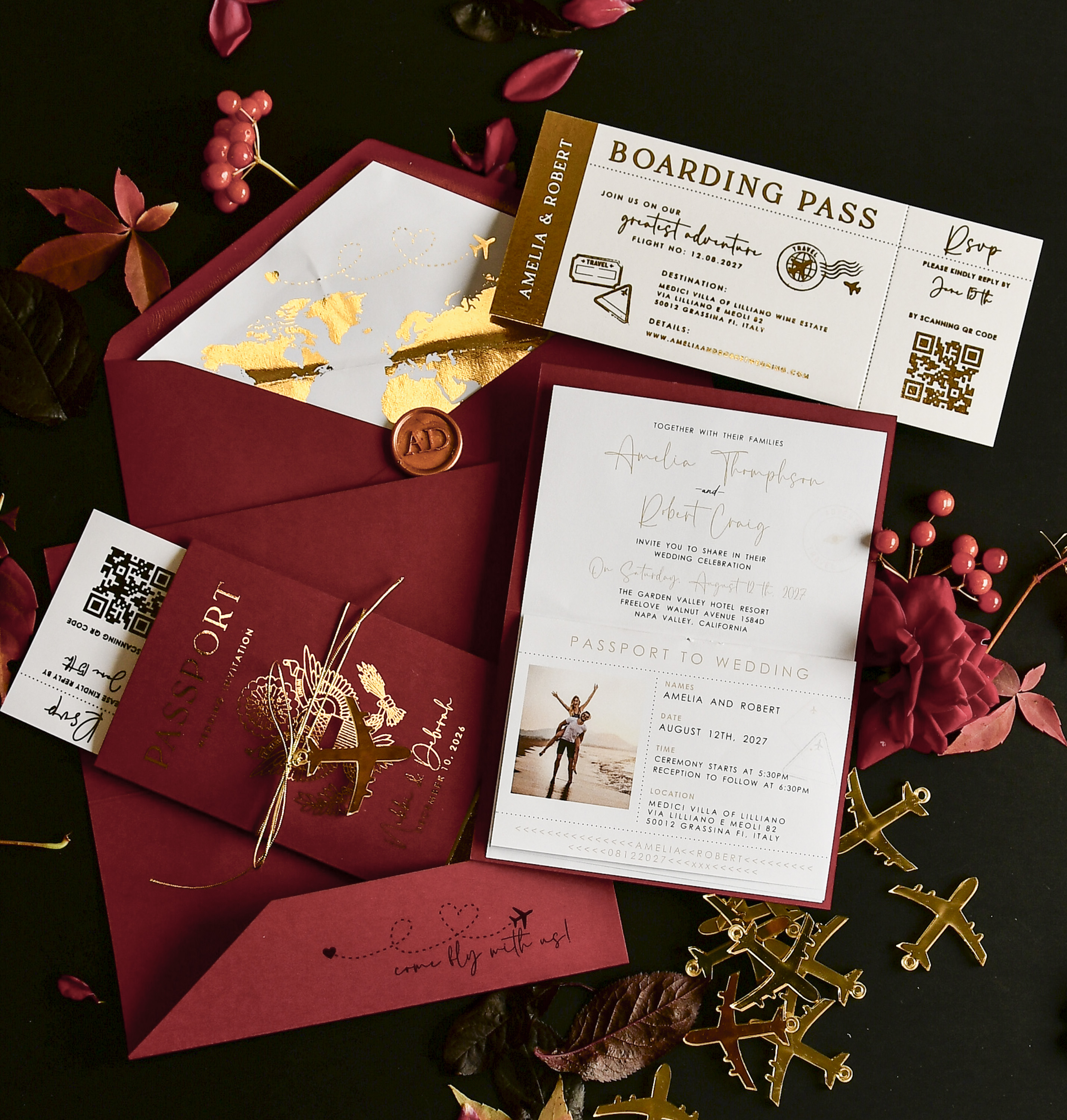
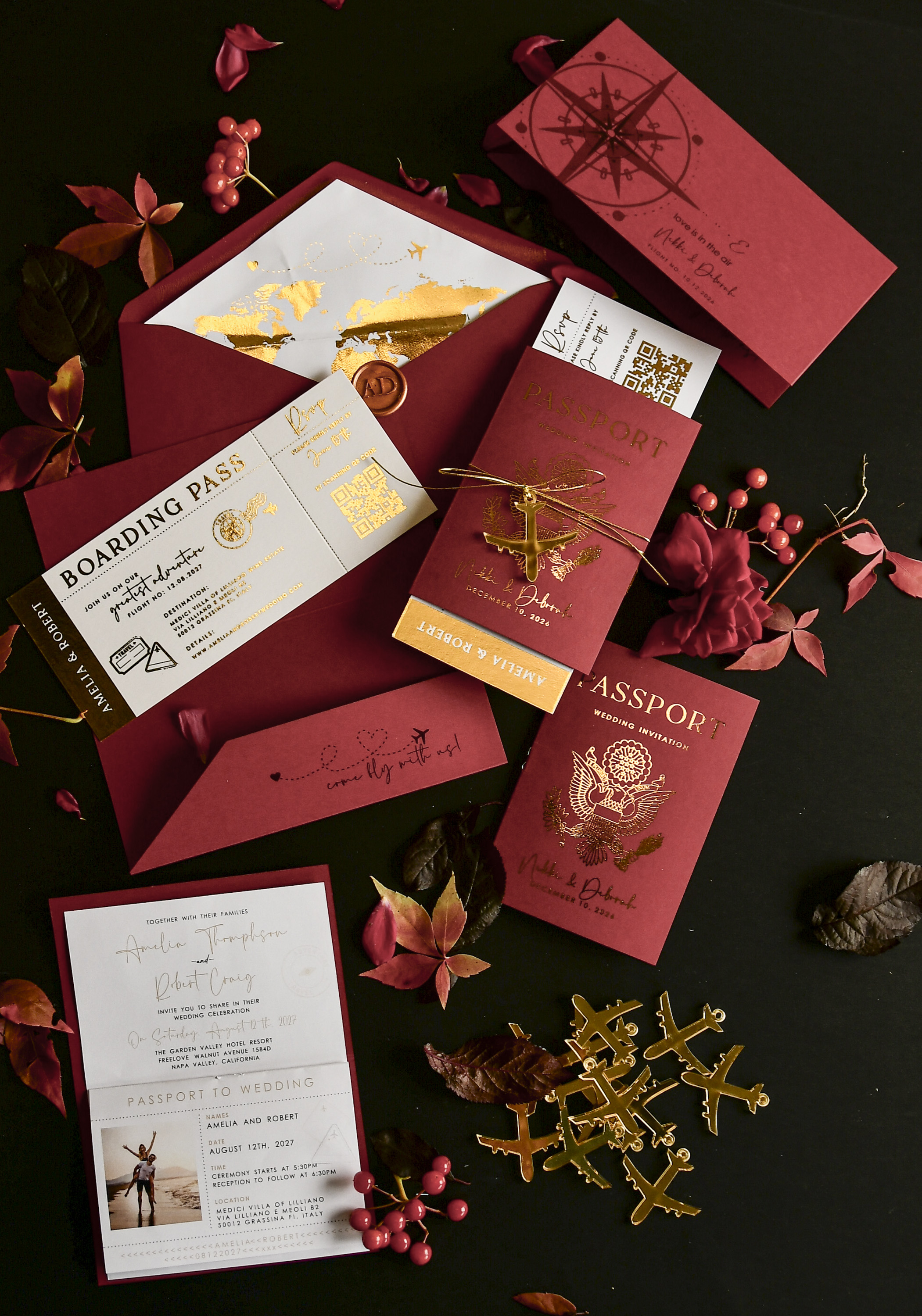
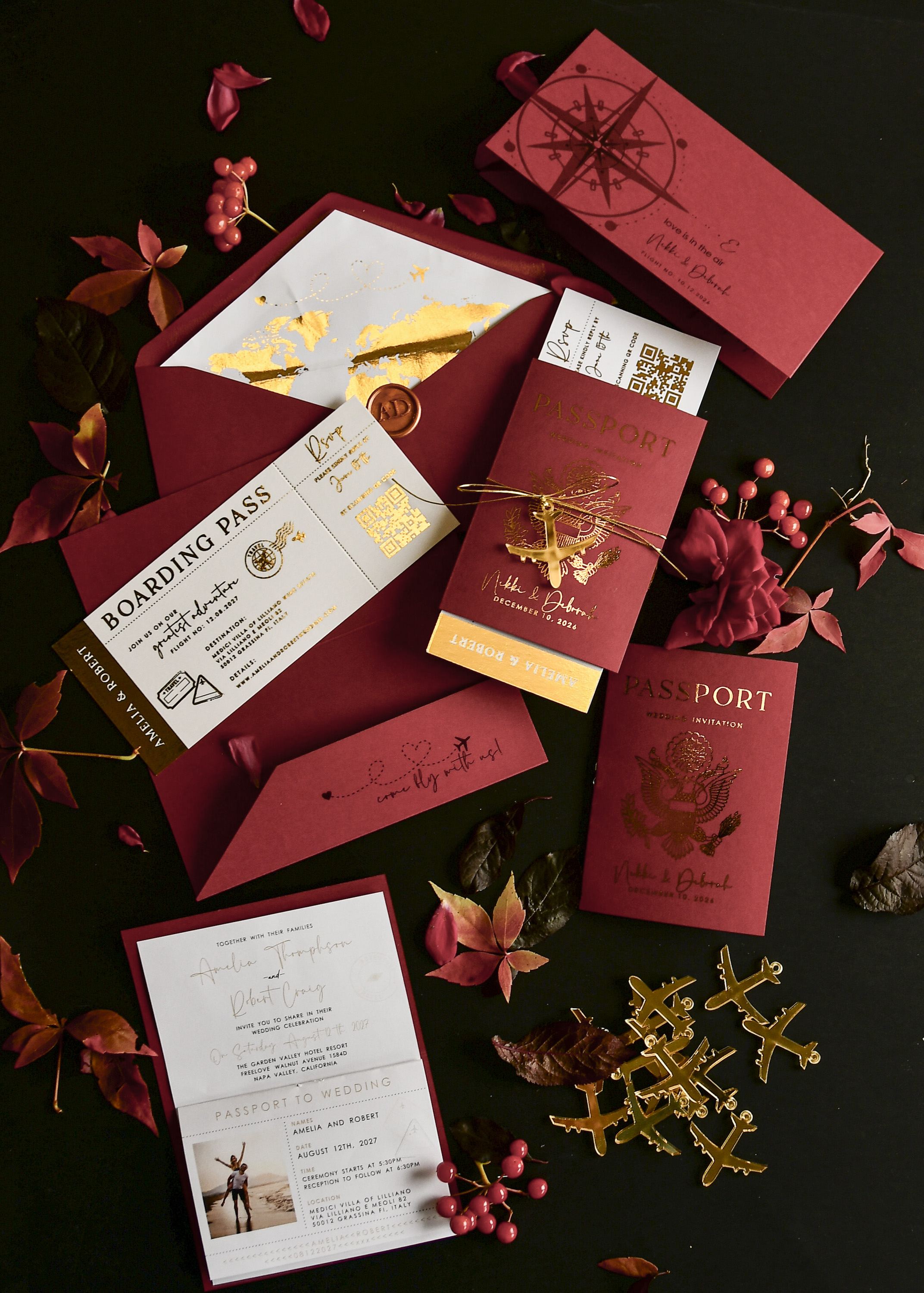
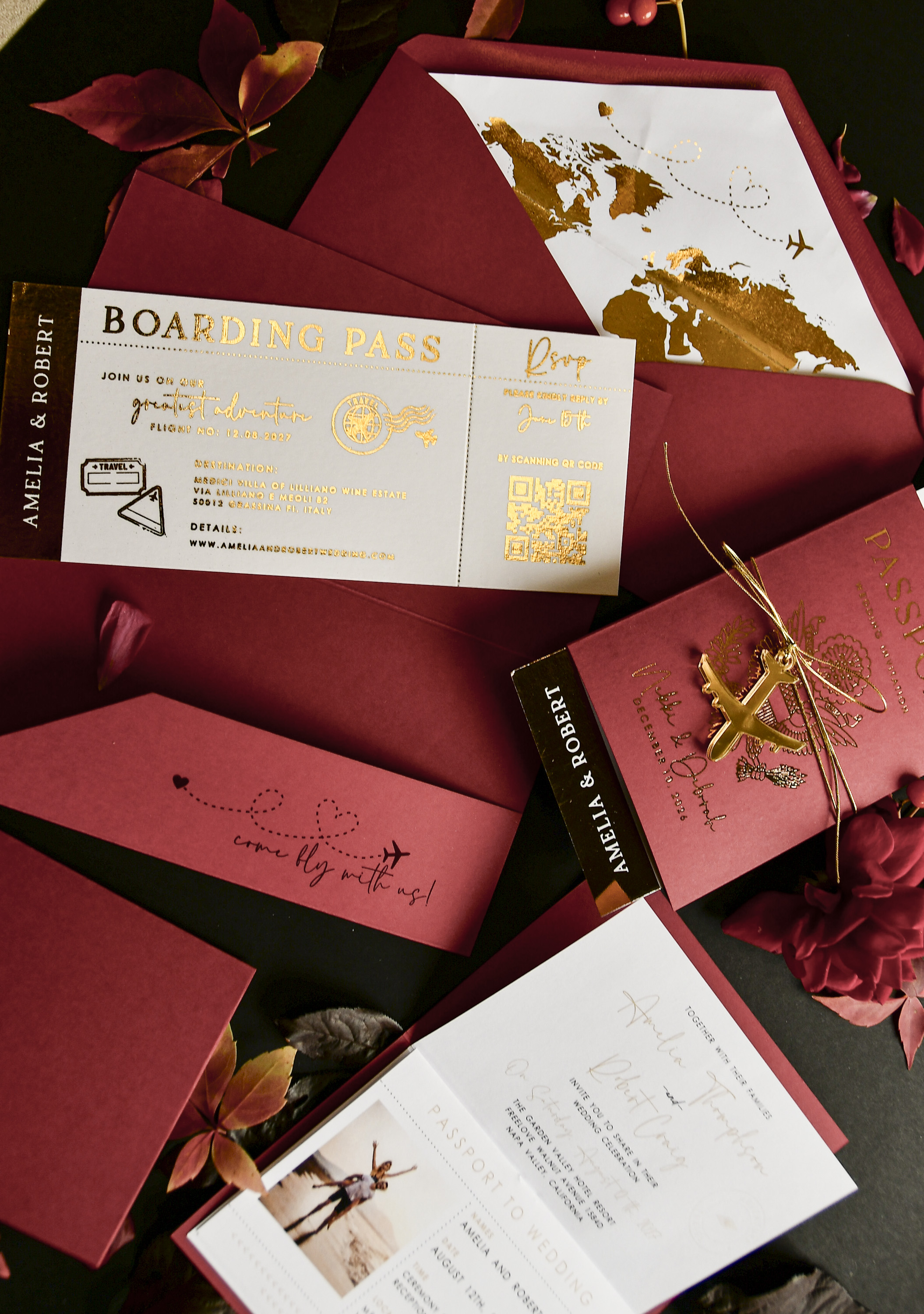
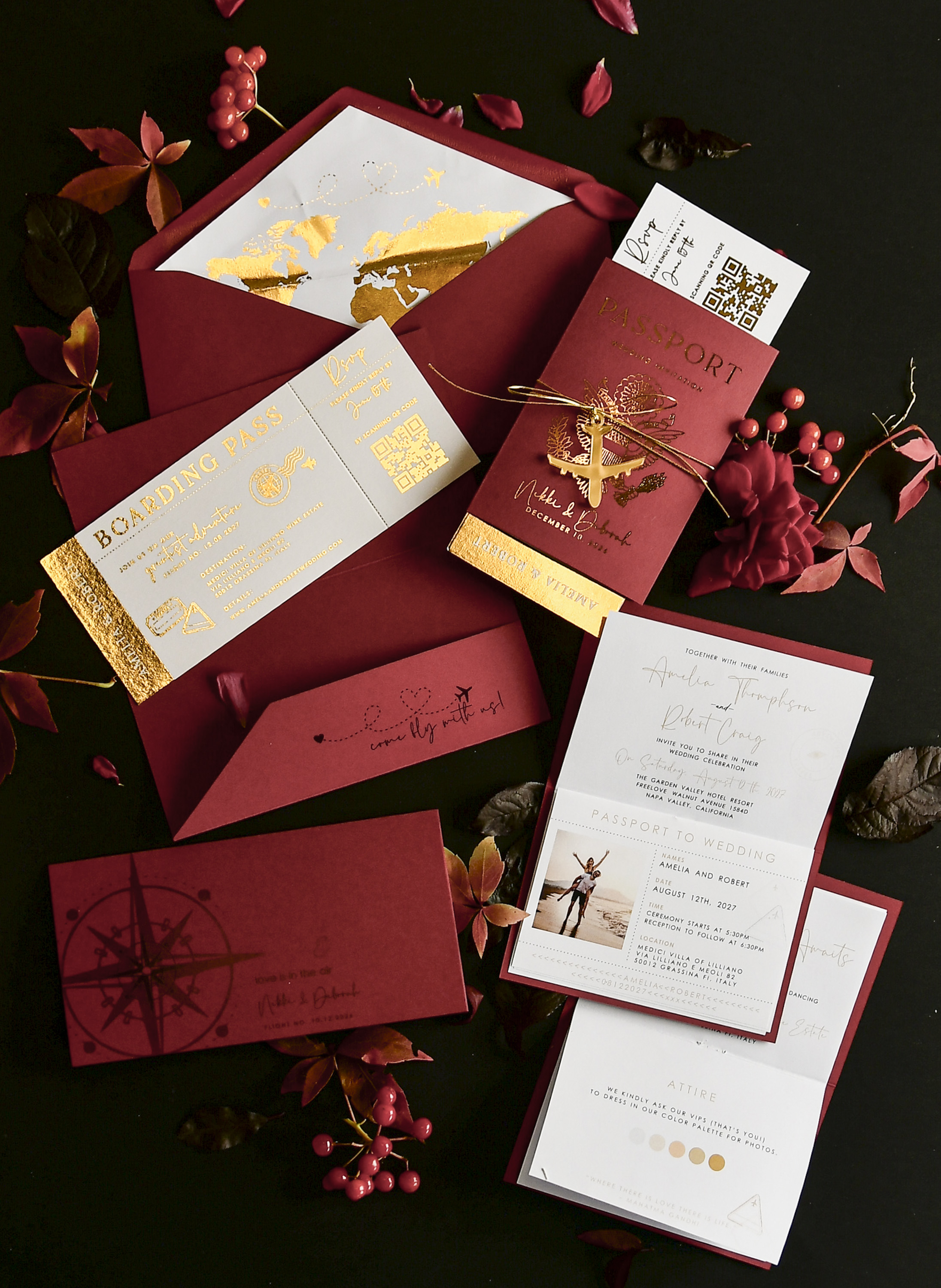
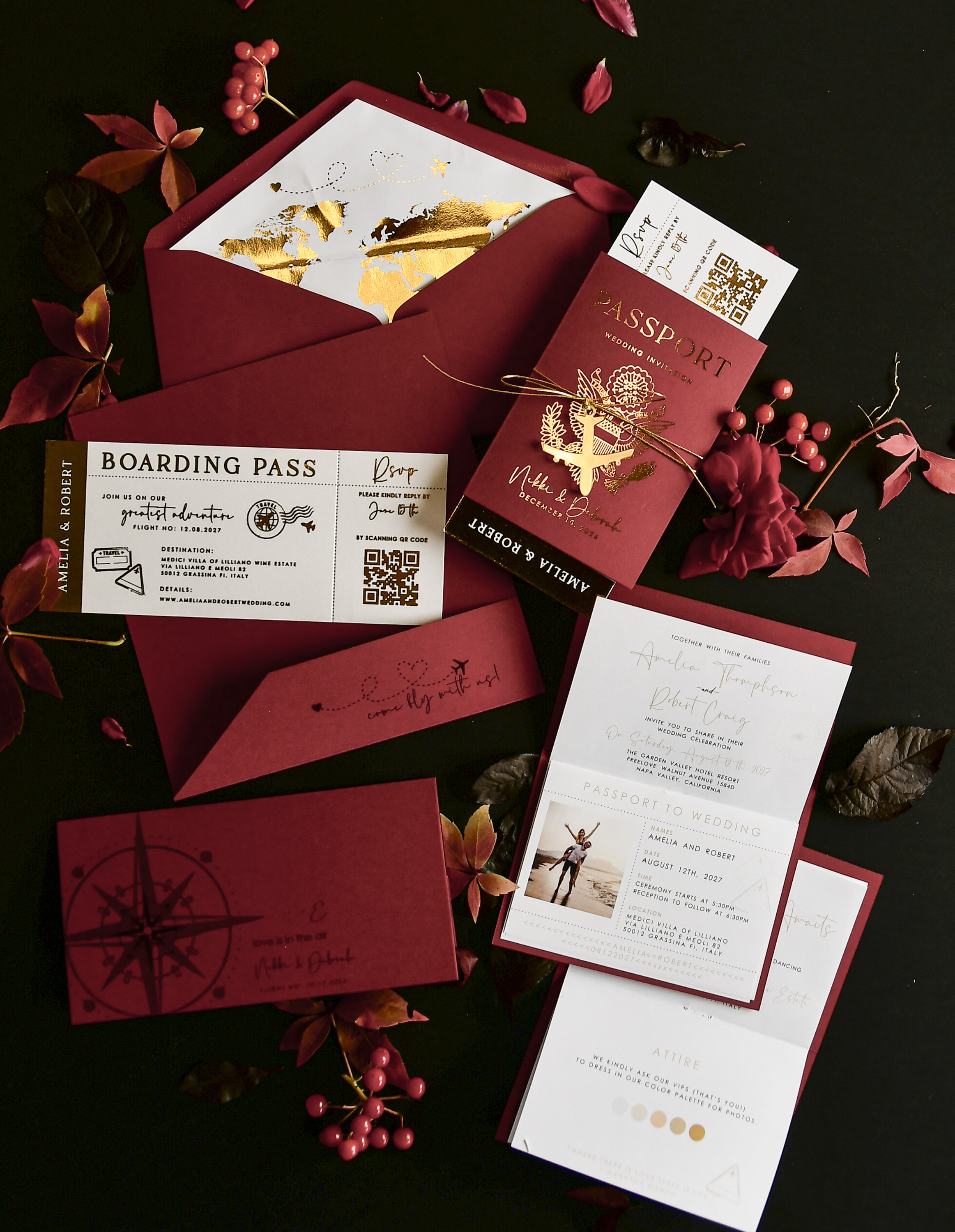
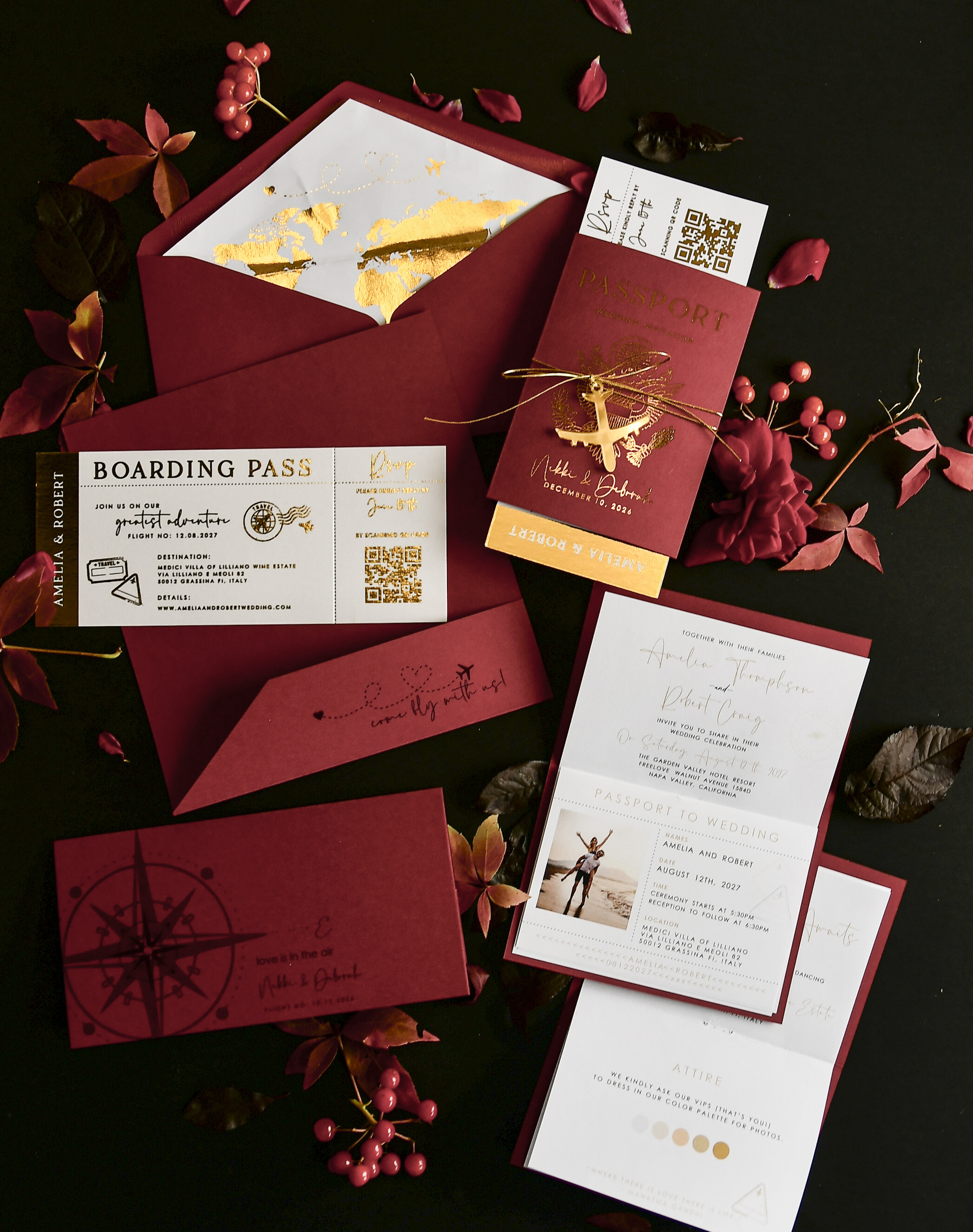
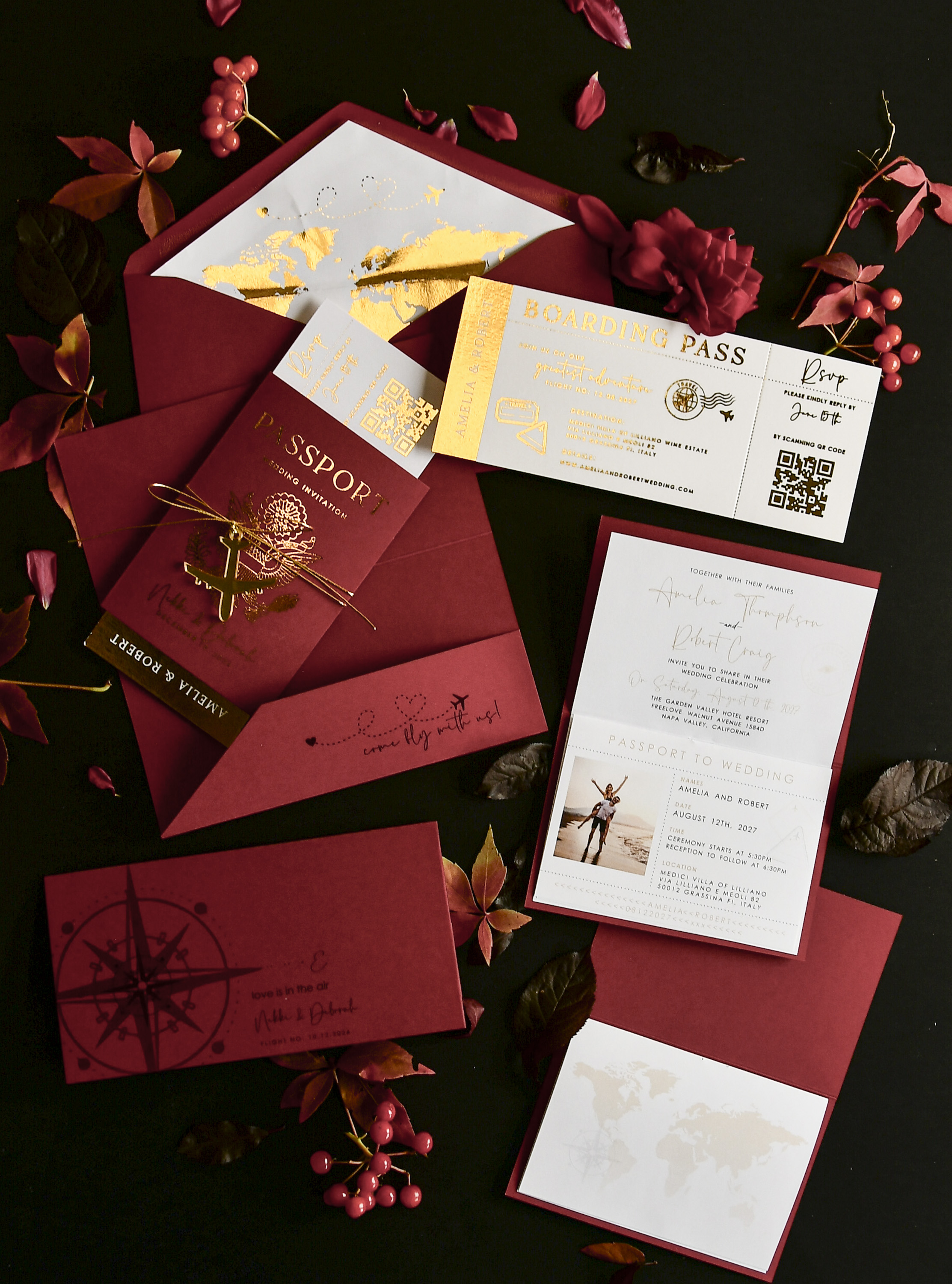
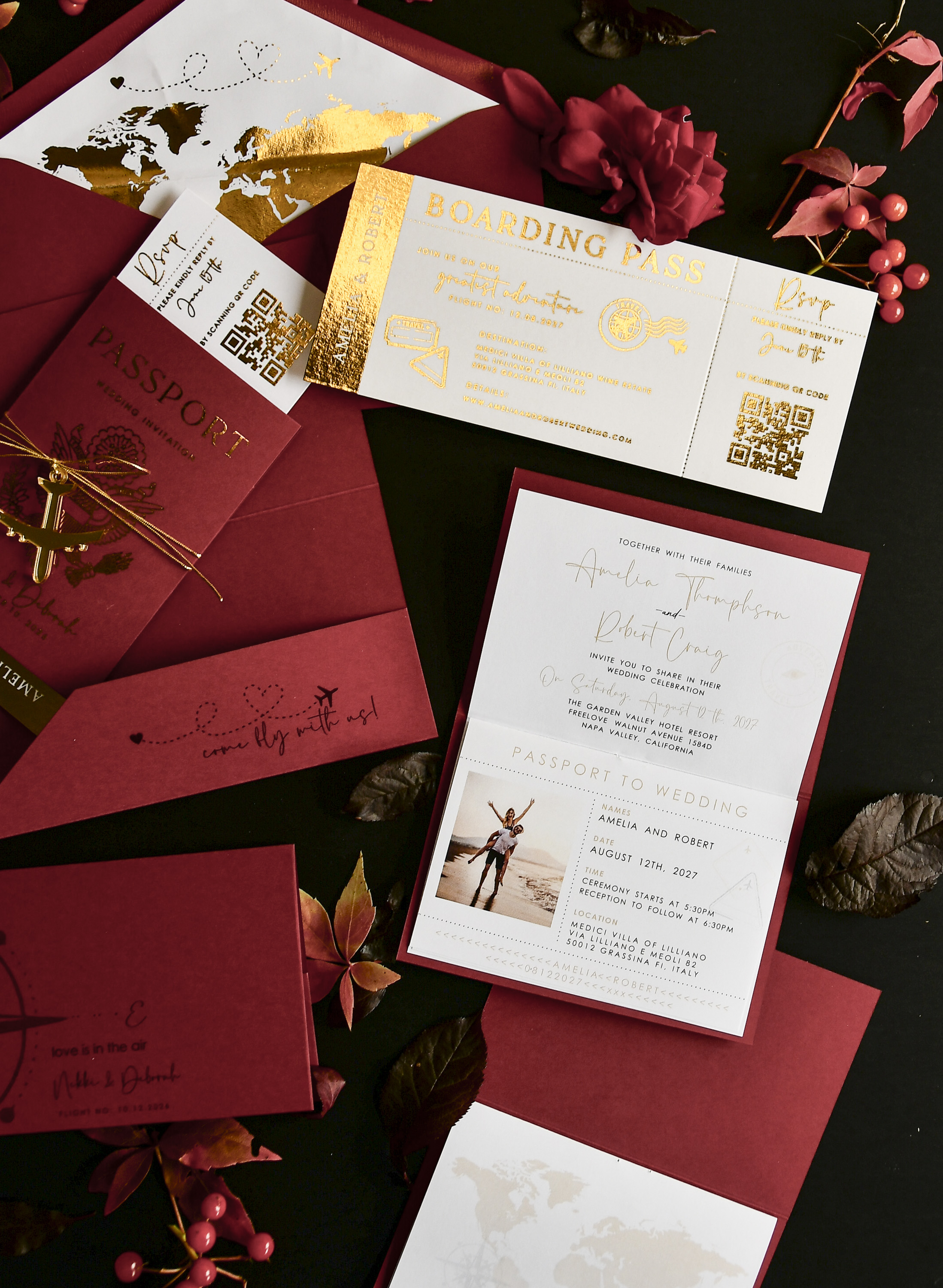
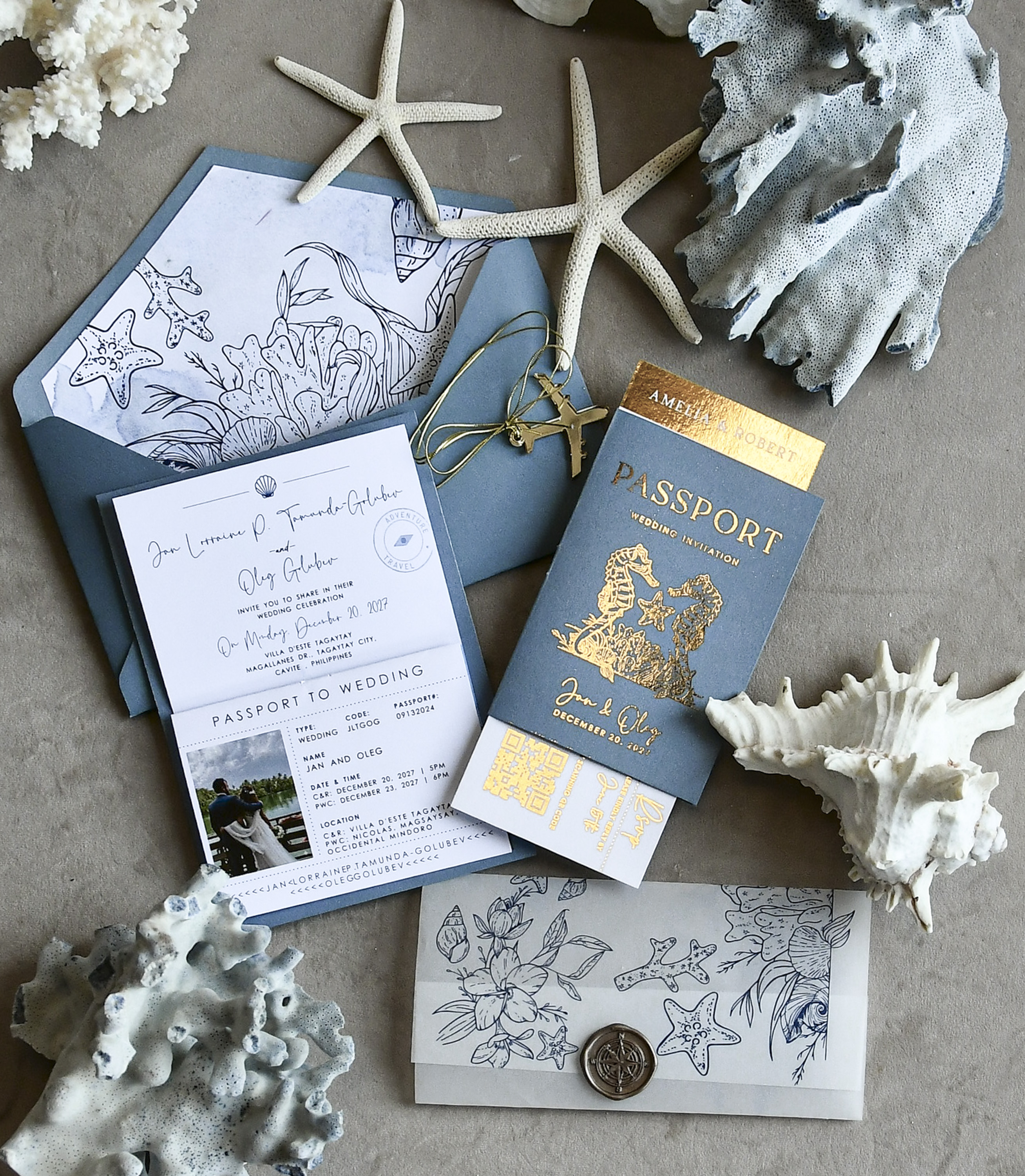
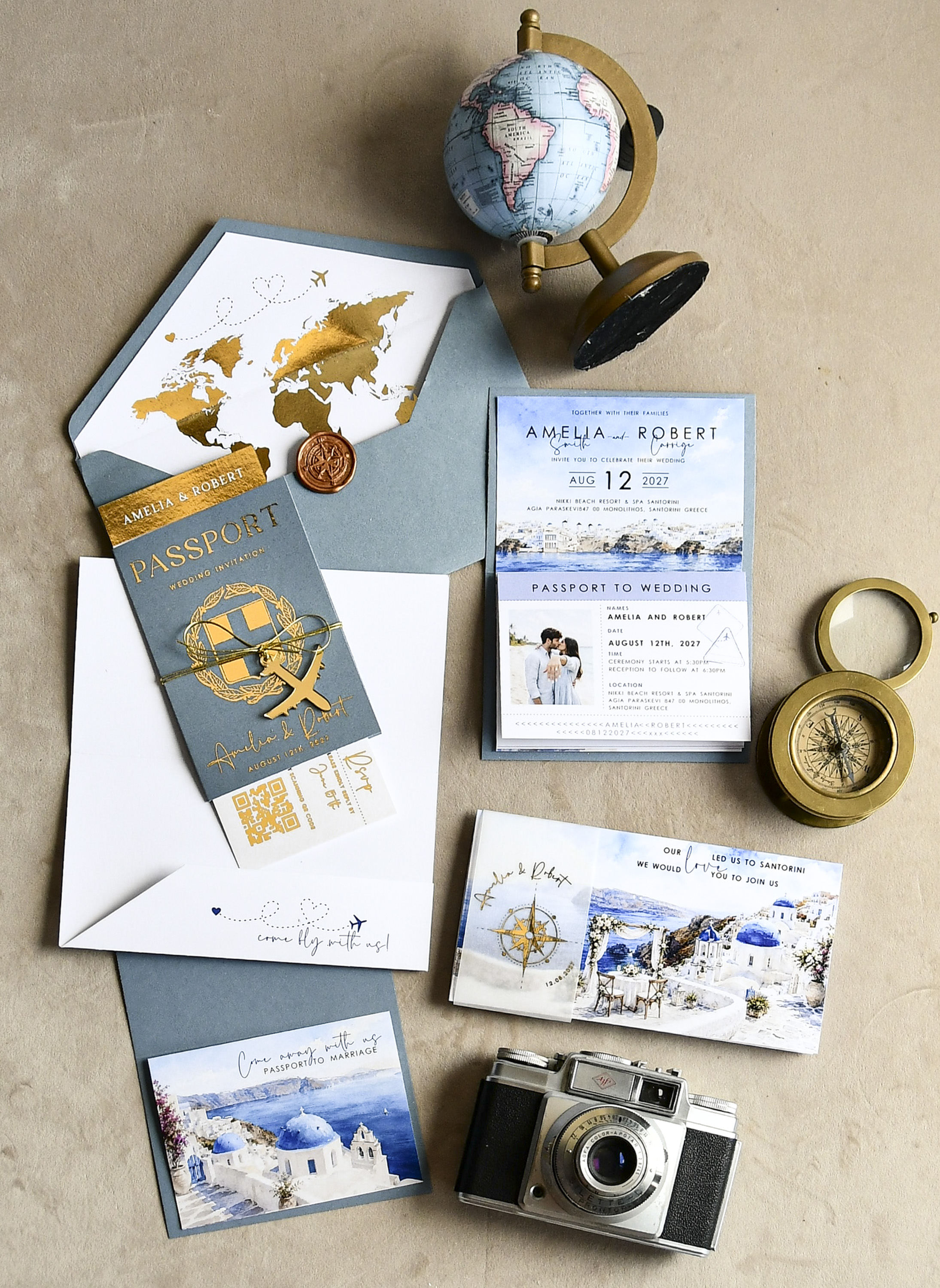
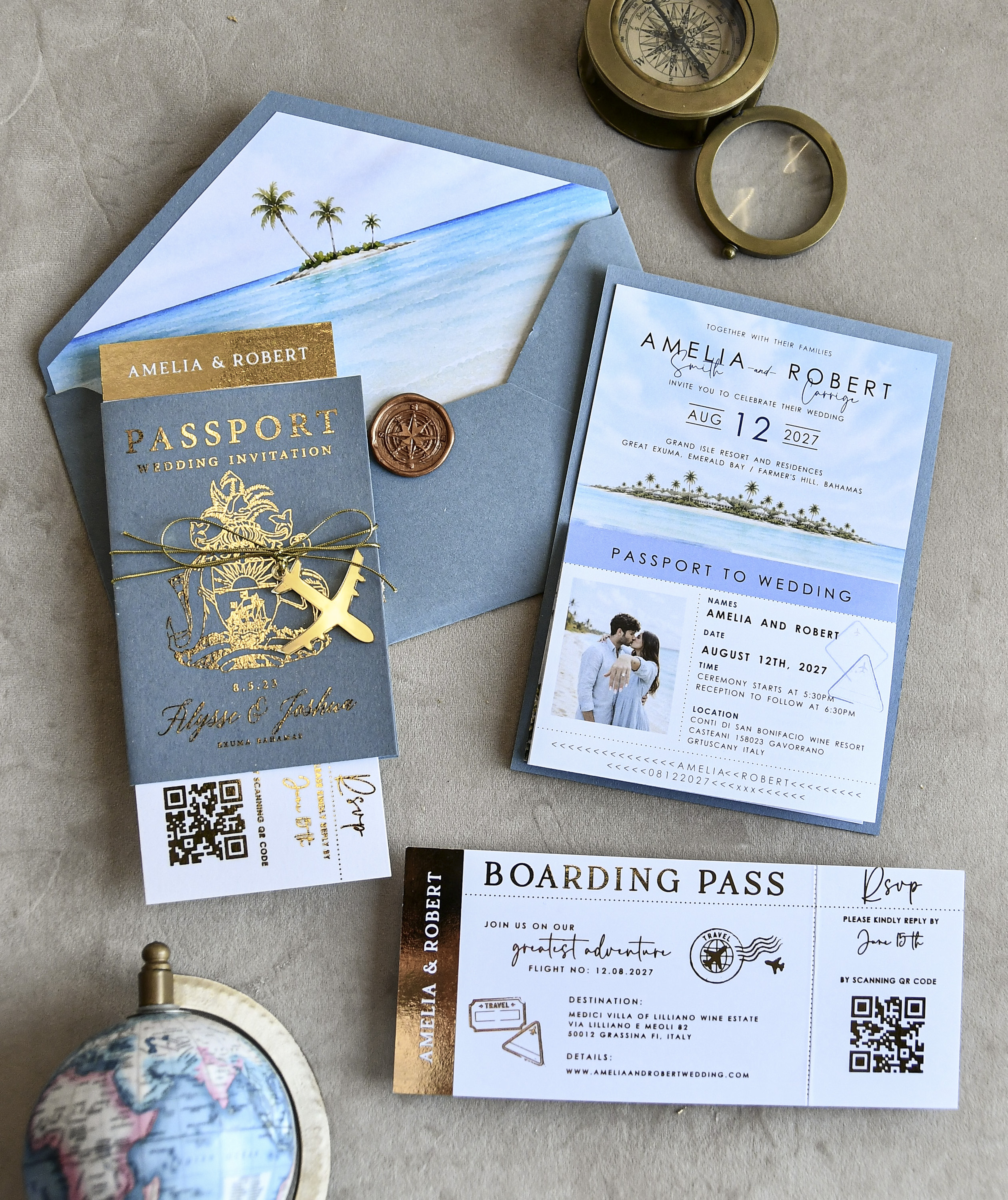
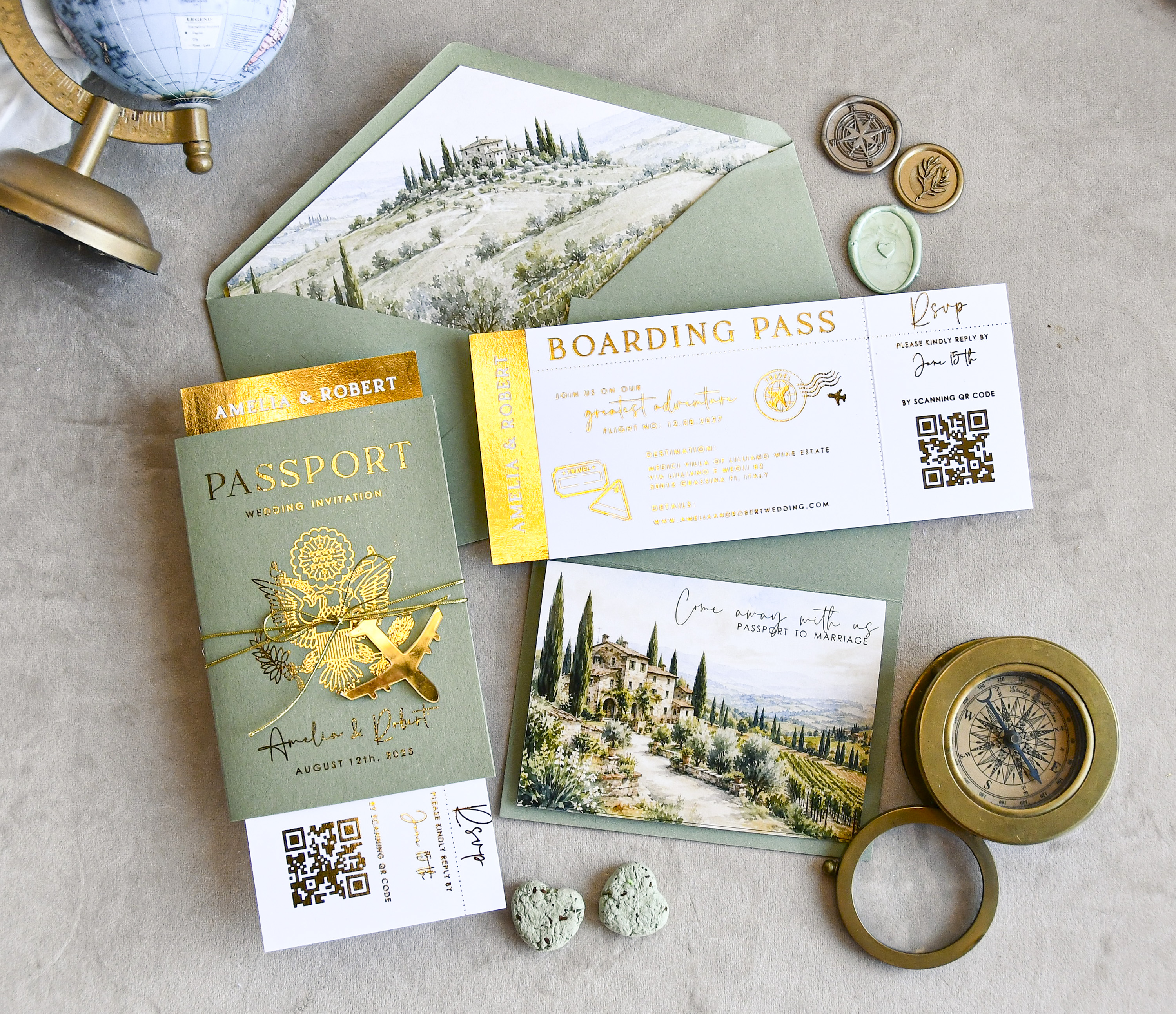
Keep your focus on the details that bring you joy — your vows, your first dance, the people you can't wait to celebrate with. If you're sending out destination or beach wedding invitations like the 14/passFG/z passport-to-love style invites, lean into the excitement of what's ahead. That anticipation is yours to protect.
Surround yourself with your most grounding people — your partner, a best friend, a sibling who brings calm rather than chaos. And remember: the wedding is one day, but the relationships are lifelong. Handle conflict now with as much grace as you can manage, and you'll start your marriage without unnecessary baggage.
Frequently Asked Questions
When two families clash directly, the couple needs to act as a united diplomatic team. Have separate conversations with each family, validate their feelings, and make clear that harmony on the wedding day is non-negotiable. If necessary, enlist a wedding planner or coordinator to manage day-of logistics so the families don't need to interact closely.
Take the threat seriously but don't let it hold your decisions hostage. Have one calm, private conversation where you express how much their presence means to you and listen to their concern fully. If they ultimately choose not to attend, that is their decision — you cannot control it, only your own response to it.
A wedding planner can be a valuable buffer for logistical complaints and seating concerns, but deep emotional conflicts are better handled by the couple or a therapist. Let your planner handle the practical fallout — like adjusting a seating chart — while you handle the relationship side directly.
Check in with each other frequently and make decisions together before communicating them to family. Agree in advance that neither of you will commit to a family request without consulting the other first. Presenting a consistent, united front is one of the most effective ways to reduce pressure from both sides.
Absolutely. Protecting your mental and emotional energy before the wedding is not selfish — it's necessary. You can be warm and loving while still reducing the frequency of conversations that drain you. A simple "I'm in full planning mode right now, but let's catch up after the wedding" is a perfectly reasonable boundary.
Old wounds often resurface around big life events. Acknowledge the history without letting it hijack your wedding planning. Gently redirect the conversation: "I hear you, and I think this deserves a real conversation — just not right now with everything on our plate." Post-wedding, consider whether family therapy could help address the deeper issue.
See This Design Up Close



You May Also Like
More Wedding Planning Guides
- → The Complete Plus One Rulebook for Your Wedding Guest List
- → When Family Feels Like Strangers: Navigating Distant Relatives on Your Guest List
- → Adults-Only Wedding: How to Let Guests Know Without the Drama
- → Ordering Wedding Invitations: The Smartest Way to Get Your Numbers Right
- → Adding More Guests to Your Wedding: Who Owes What?
- → What to Do When a Guest Shows Up With Someone You Didn't Invite
- → In-Laws Want to Invite Their Friends? Here's How to Handle It
- → Navigating Plus-Ones for Single Guests: A Couples' Guide to Getting It Right
- → Extra Names on Your RSVP Card: How to Respond Without the Stress
- → The Honest Guide to Including a Stepparent on Your Wedding Guest List
- → When Saying No to a Plus One Is Perfectly Okay
- → Should Kids Come to Your Wedding? How to Think It Through and Decide
- → Navigating Divorced Parent Seating at Your Wedding Reception
- → Inviting Your Boss and Coworkers to Your Wedding: What You Actually Need to Know
- → Uninvited Plus-Ones and Tag-Alongs: How to Keep Your Guest List Intact
- → When Family Feuds Threaten Your Wedding Plans: A Practical Peacekeeper's Guide
- → Inviting an Estranged Brother or Sister: Finding Clarity Before You Seal the Envelope
- → Cousins, Invites, and Hard Choices: A Practical Guest List Guide