
Navigating Plus-Ones for Single Guests: A Couples' Guide to Getting It Right
One of the trickiest guest list decisions you'll face is whether to give single guests a plus-one. Say yes to everyone, and your headcount — and budget — can spiral fast. Say no across the board, and you risk hurt feelings or awkward seating charts. The good news: there's no single right answer, and with a clear, consistent policy, you can make a decision you feel good about and communicate it with confidence.
Why the Plus-One Question Matters More Than You Think
Every plus-one is an additional seat, plate, and often a chair rental. At an average US wedding cost of $200–$300 per head, extending plus-ones to all single guests can add thousands of dollars to your budget before you've even finalized the menu. Beyond cost, venue capacity is often a hard ceiling — you simply may not be able to seat ten extra people you've never met.
At the same time, attending a wedding solo can feel isolating, especially if a guest doesn't know many other people on your list. Singles who travel from out of town are particularly in this camp. The plus-one question is really a question about hospitality: how can you make every guest feel genuinely welcomed?
A Framework for Making a Consistent Decision
The golden rule of plus-one etiquette is consistency within categories. Picking favorites or making exceptions case-by-case is where couples run into trouble. Here are three common approaches:
- Plus-ones for all single guests: The most generous option. Best if you have a large venue, a flexible budget, and a guest list where many people won't know each other.
- Plus-ones for serious partners only: Limit plus-ones to guests in long-term relationships (typically six months or more), engaged, or cohabiting. This is the most popular middle-ground approach.
- No plus-ones for anyone outside the immediate wedding party: Perfectly acceptable at intimate or micro-weddings. If no one gets a plus-one, no one can feel singled out.
Once you choose a framework, apply it uniformly. If your college roommate's boyfriend of three months gets a plus-one, your coworker's girlfriend of two years should too.
Special Cases Worth Thinking Through
Even the cleanest policy has edge cases. Here are a few worth discussing with your partner before you send invitations:
- Out-of-town guests: Many couples make an exception for guests traveling long distances, since arriving solo at a destination wedding can feel especially lonely.
- Guests who don't know anyone else: If you're inviting someone who has no social connection to any other guest, a plus-one can be a genuine kindness.
- Wedding party members: It's standard etiquette to give bridesmaids, groomspeople, and other attendants a plus-one regardless of relationship status — they've given significant time and money to support you.
- Family dynamics: If a family member is going through a divorce or recent breakup, a plus-one might mean the world. Use your judgment here, but document your reasoning so you can explain it if asked.
How to Communicate Your Decision Clearly
The invitation itself is your most powerful tool for setting expectations. When a guest receives an envelope addressed only to their name — not "and Guest" — that signals no plus-one. When addressing envelopes, be precise: "Ms. Jordan Lee" means solo; "Ms. Jordan Lee and Guest" means they may bring someone.
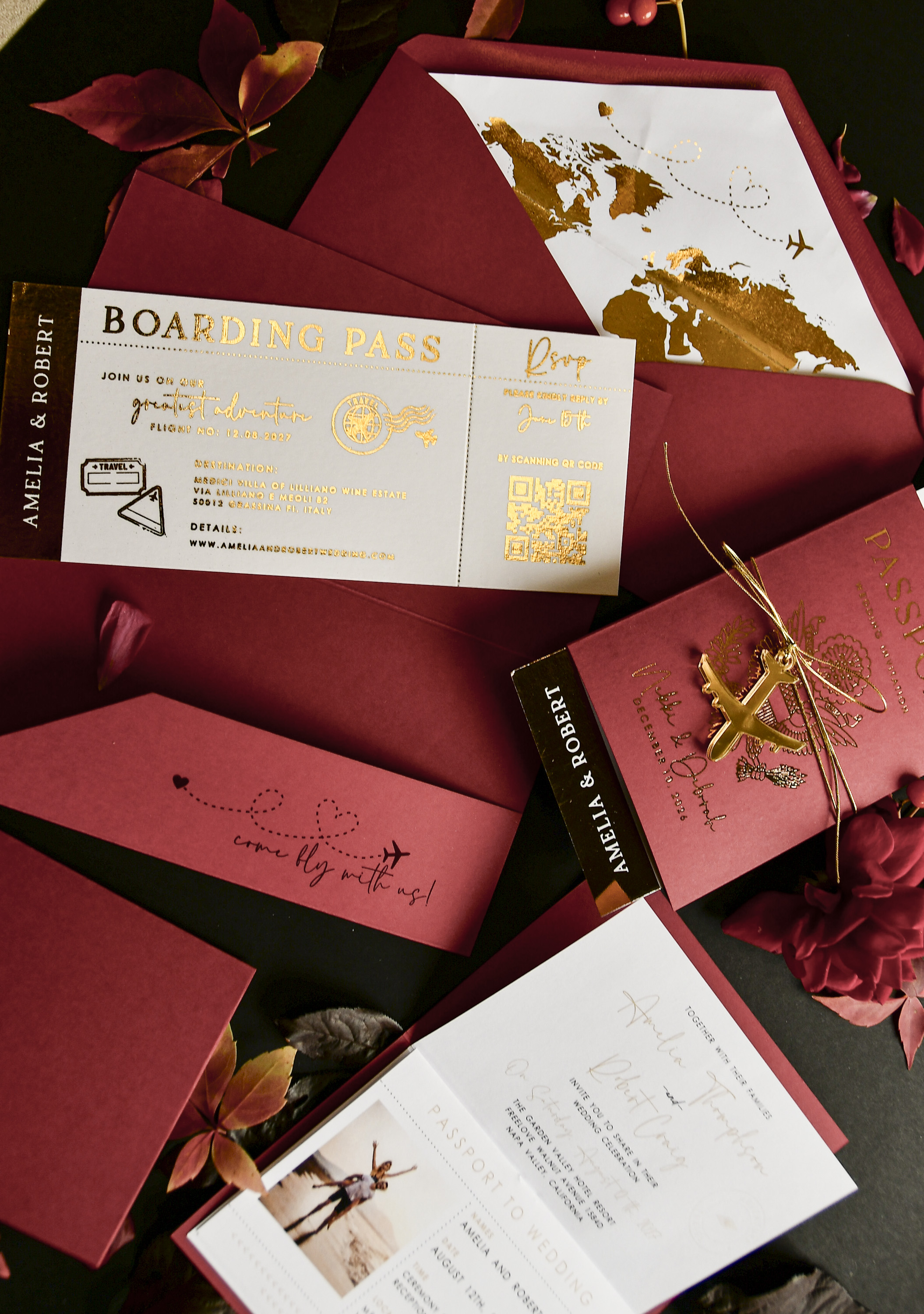
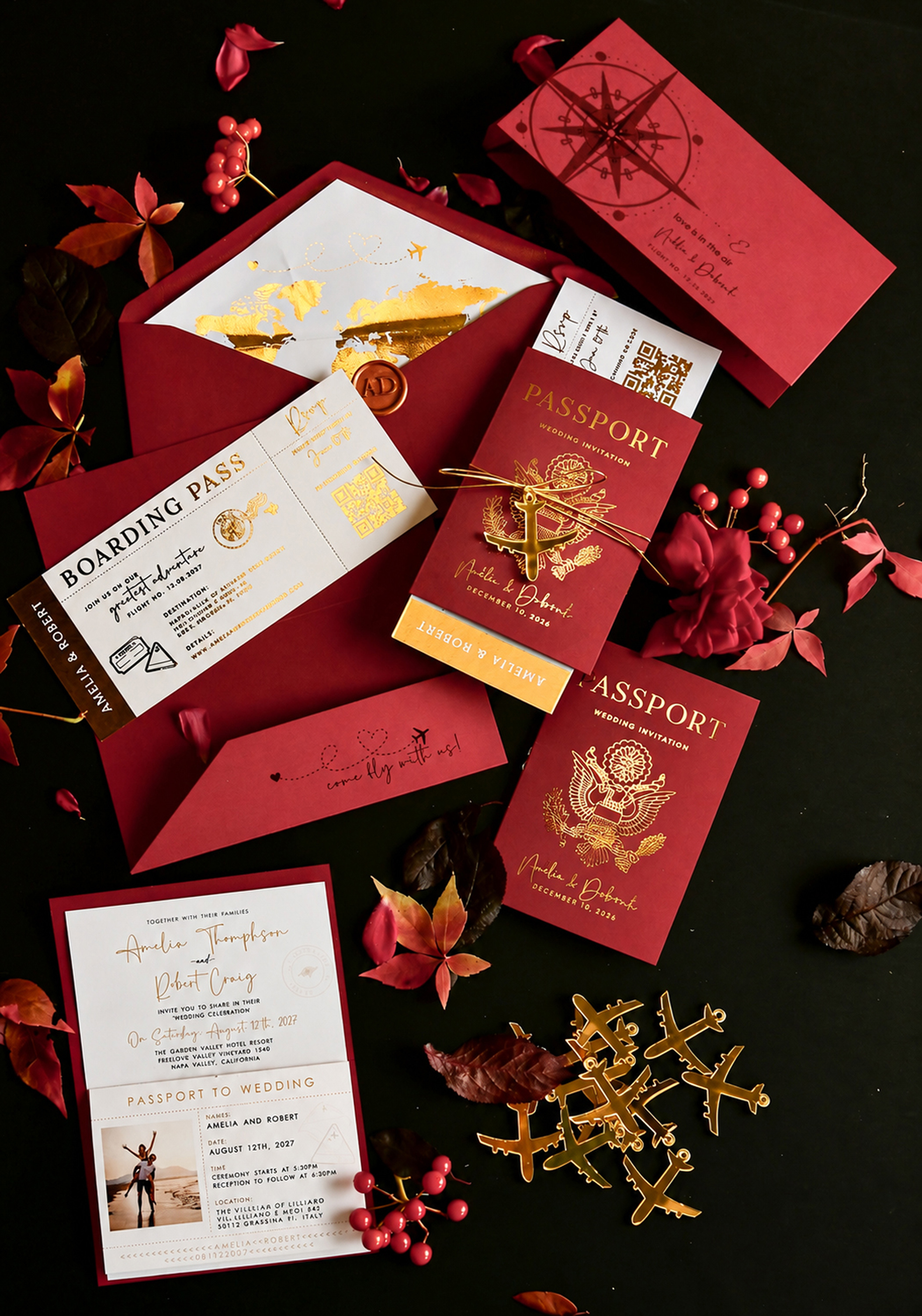
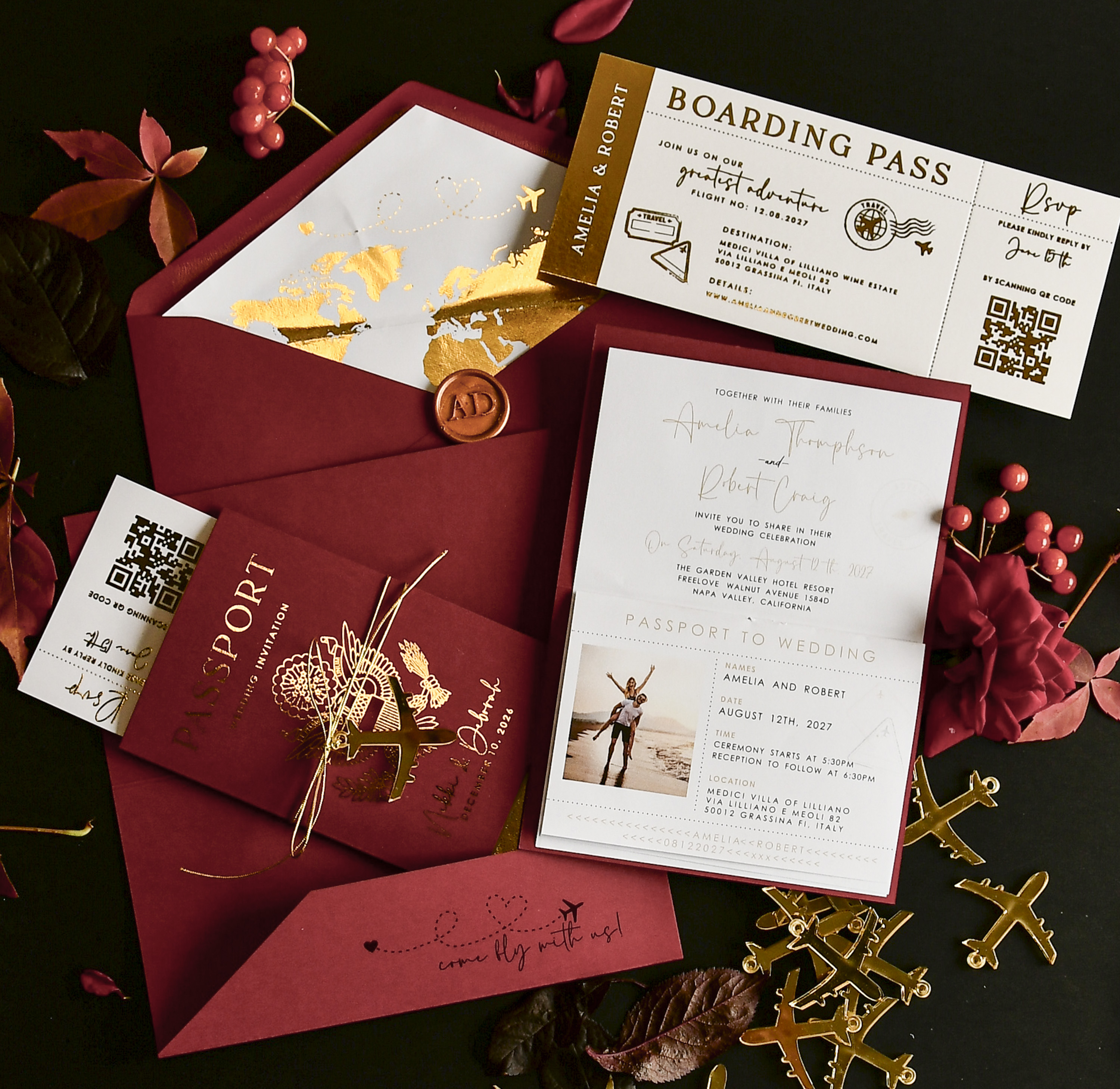
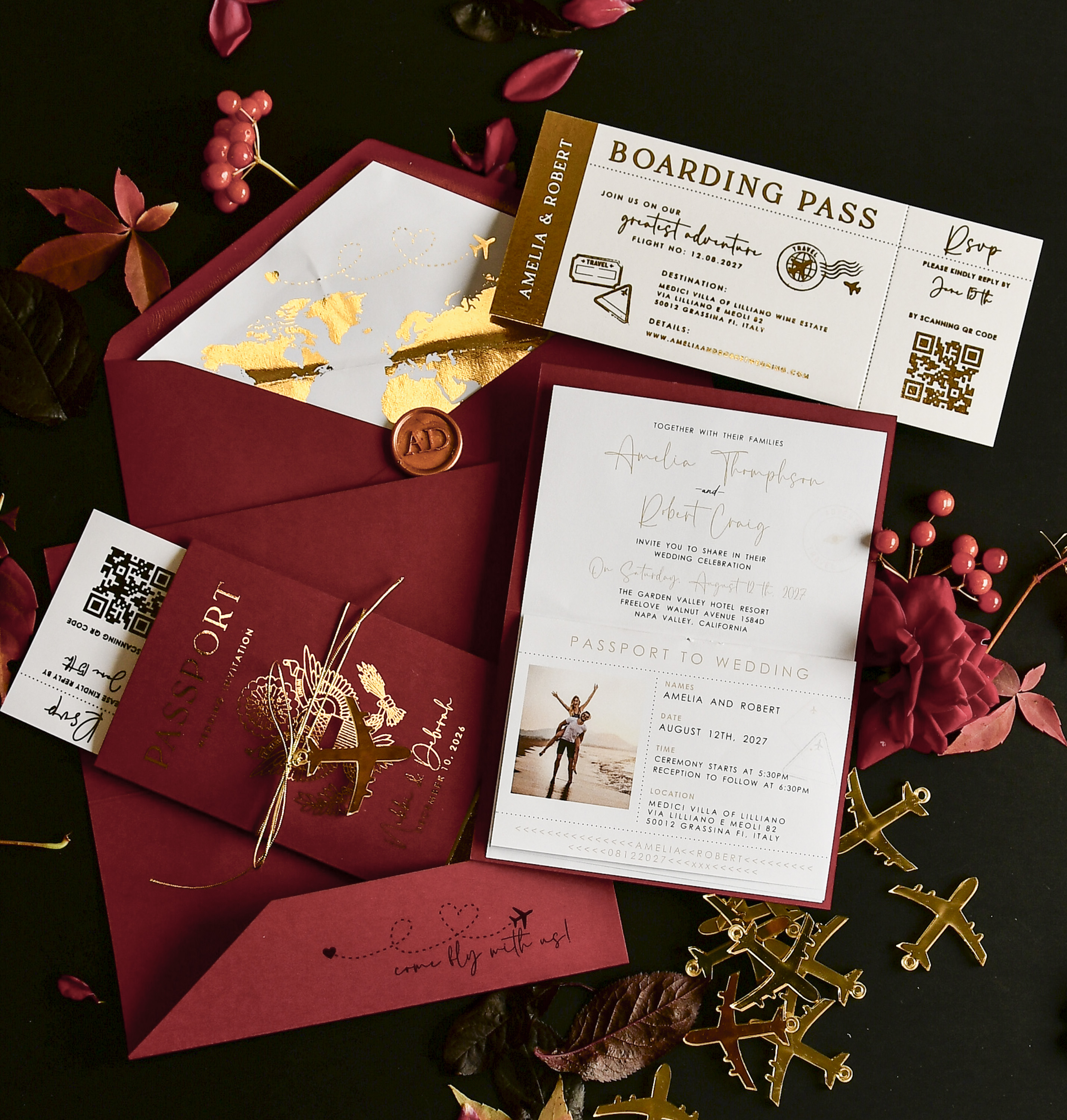
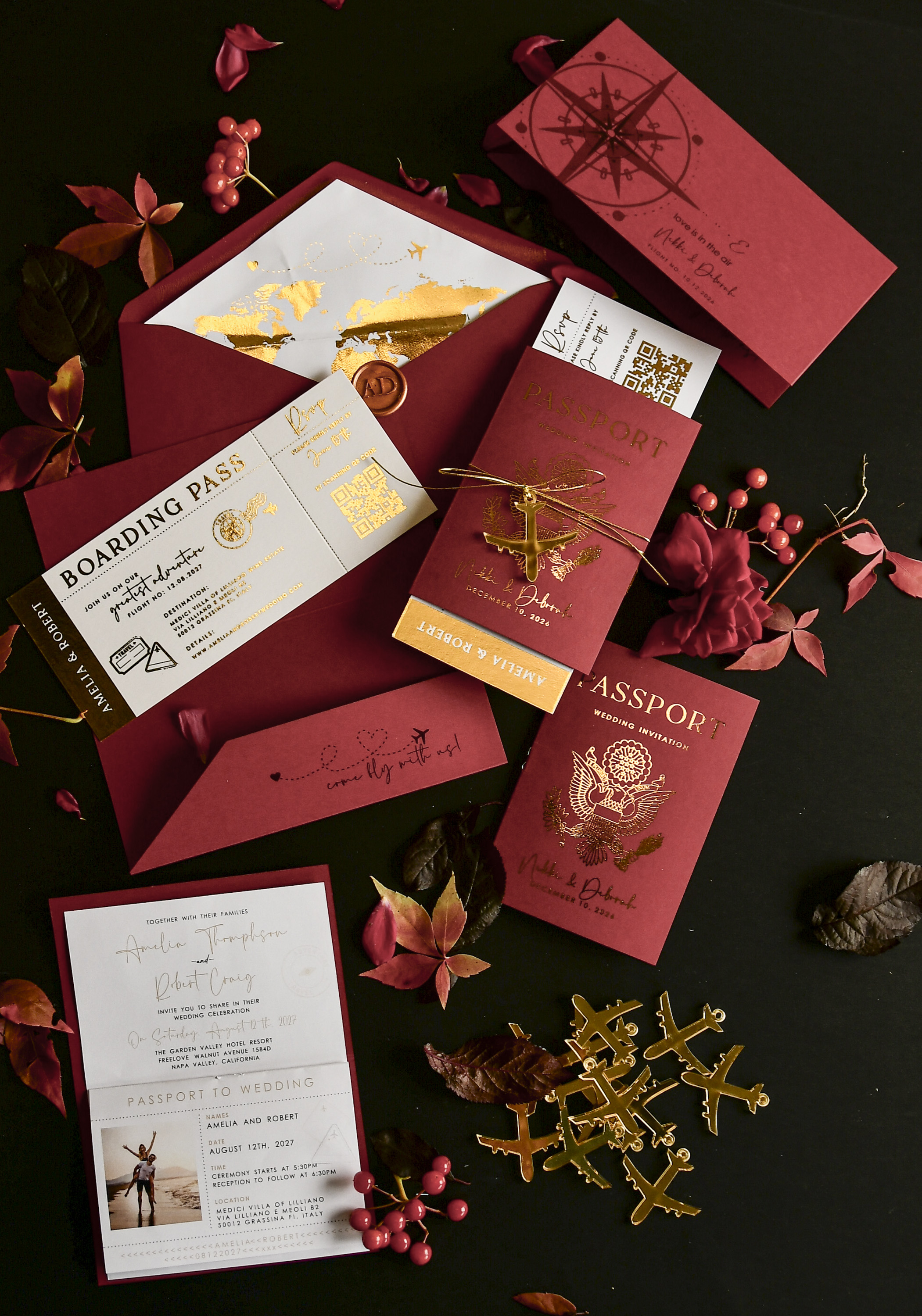
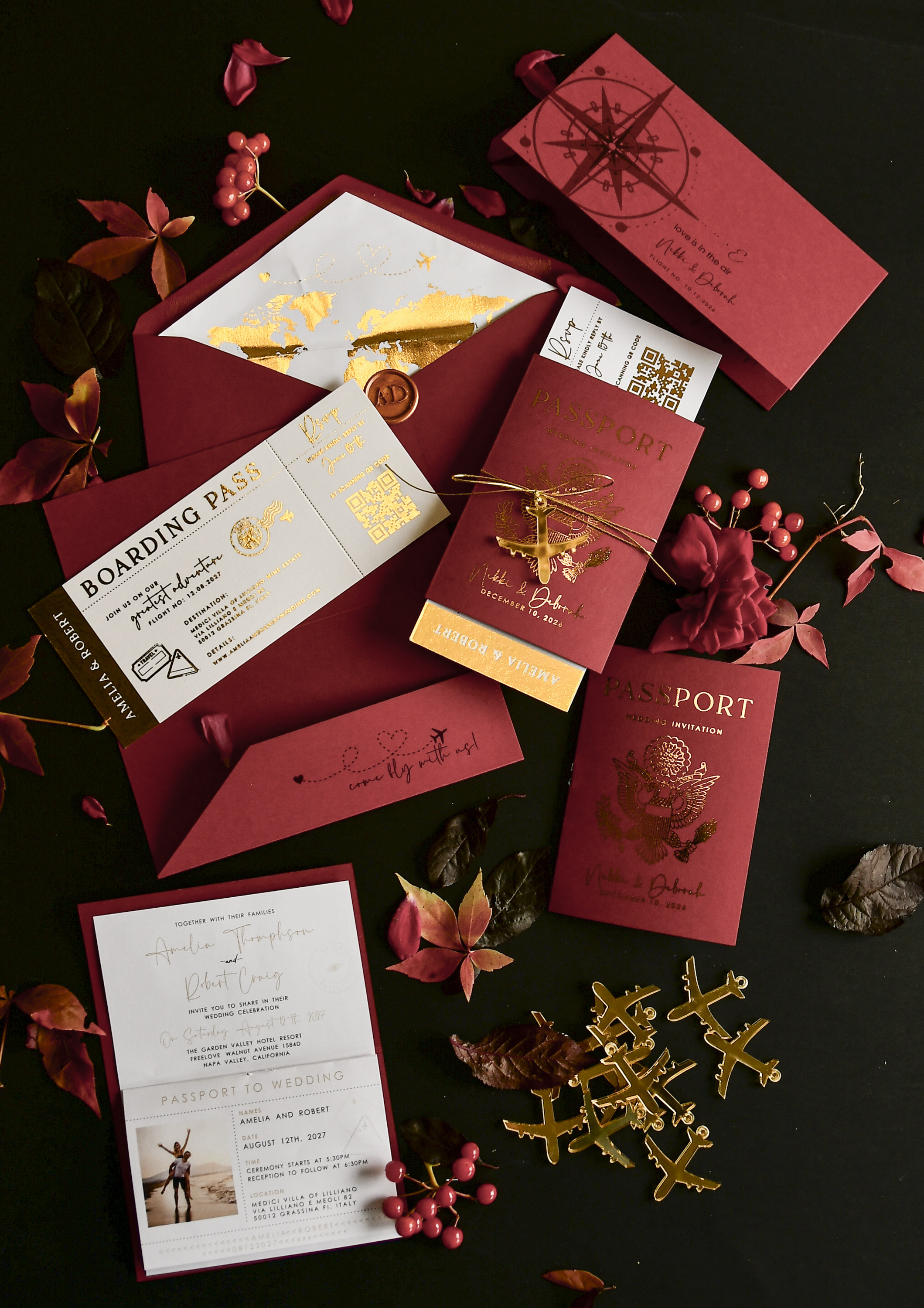
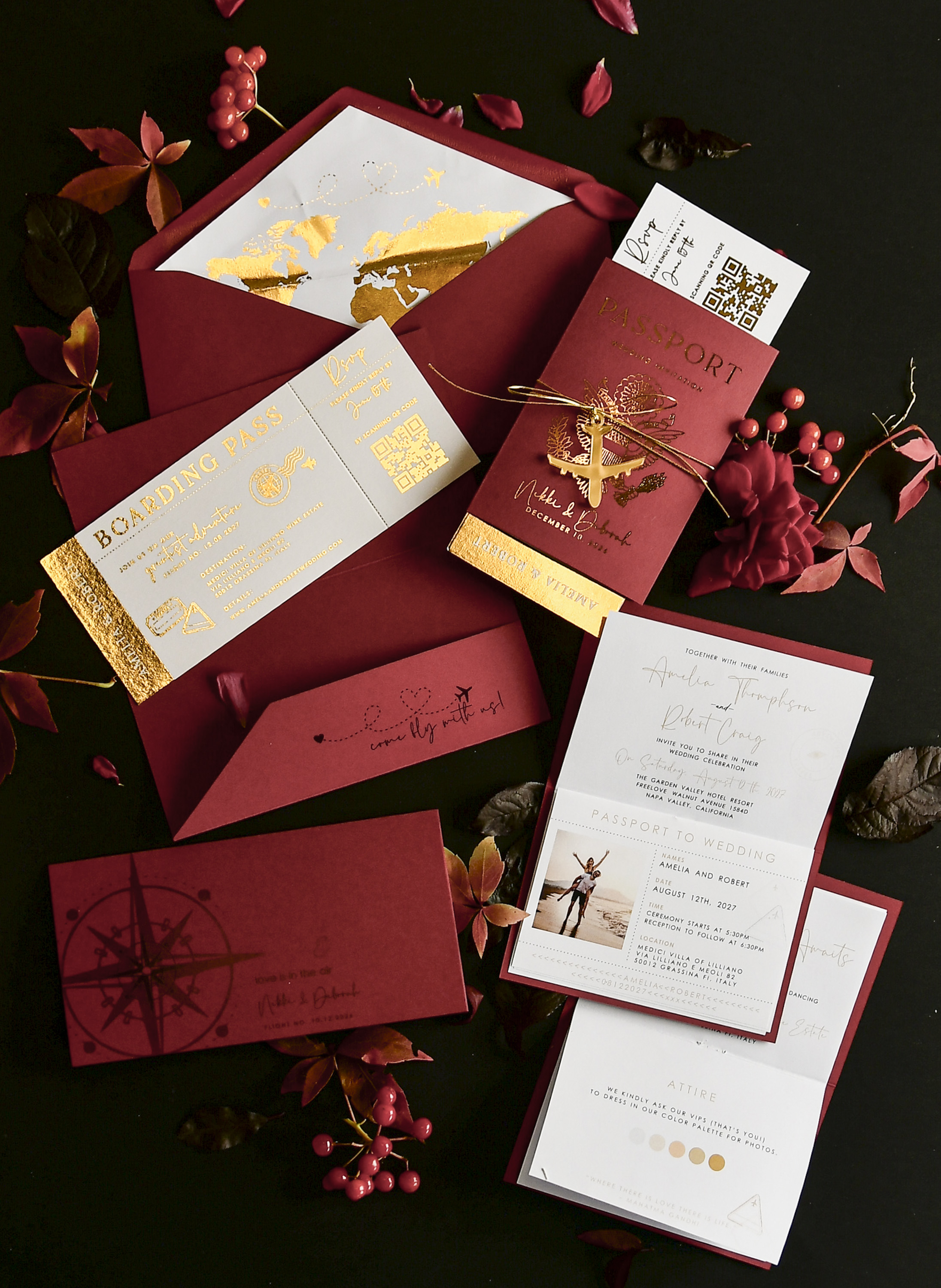
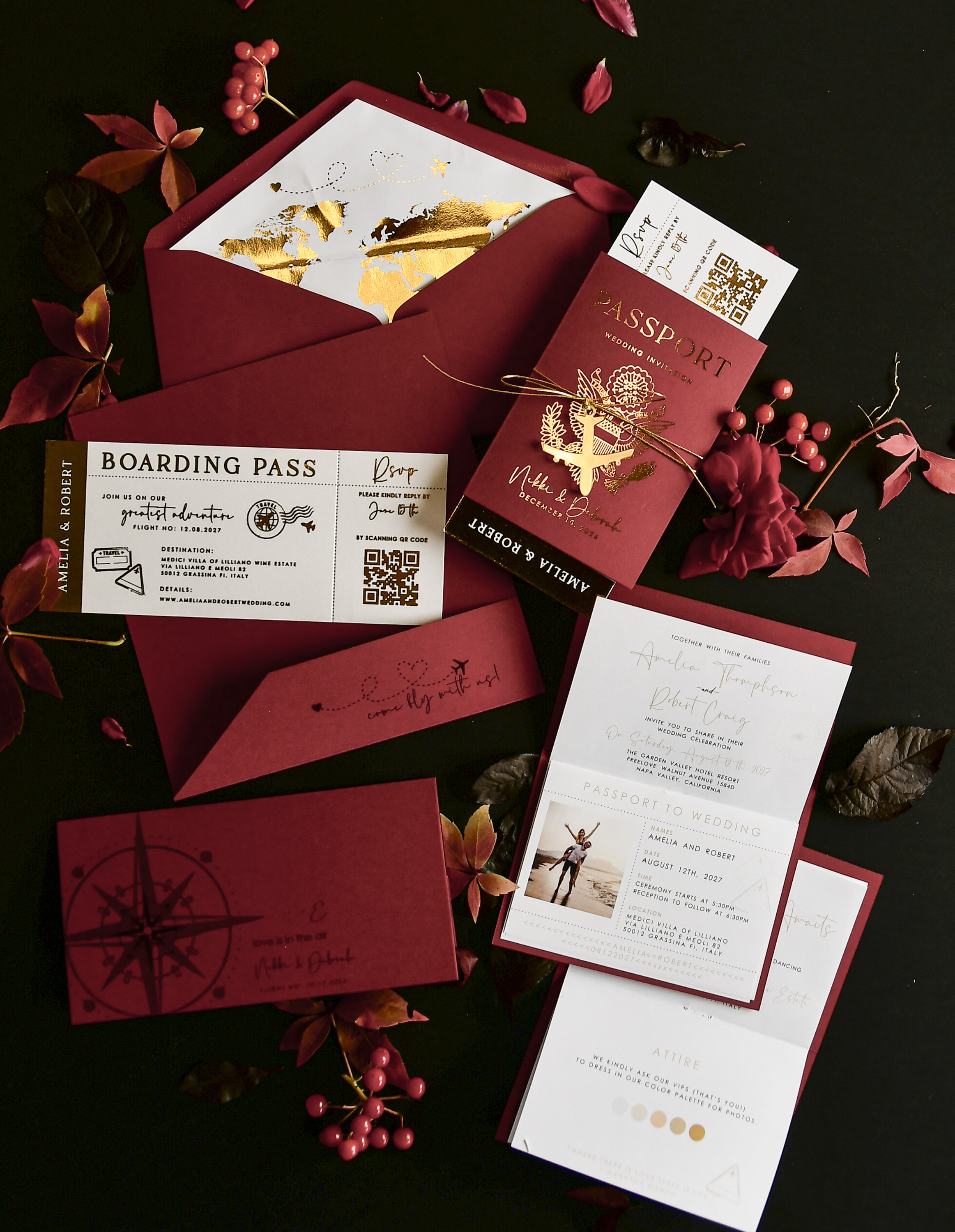
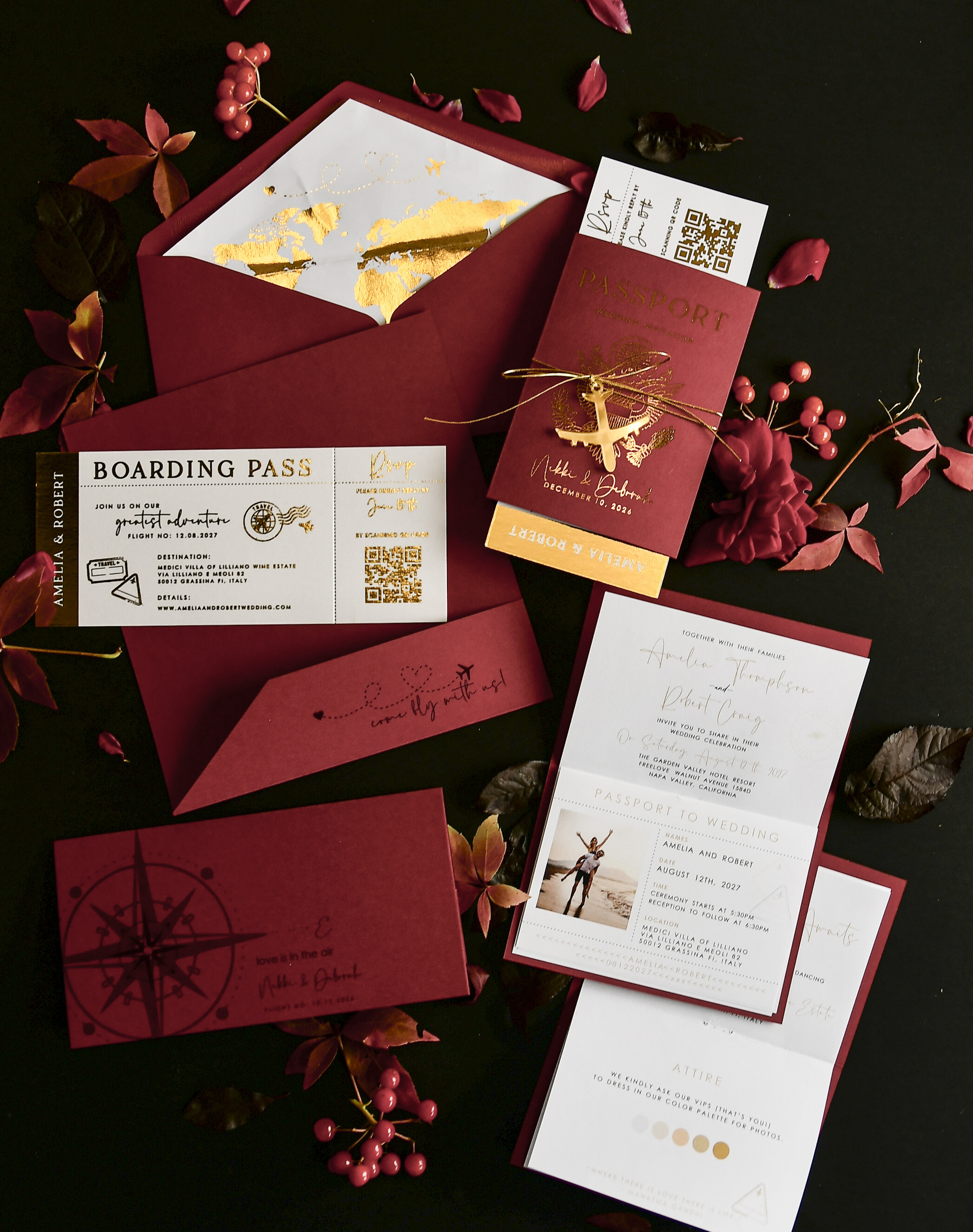
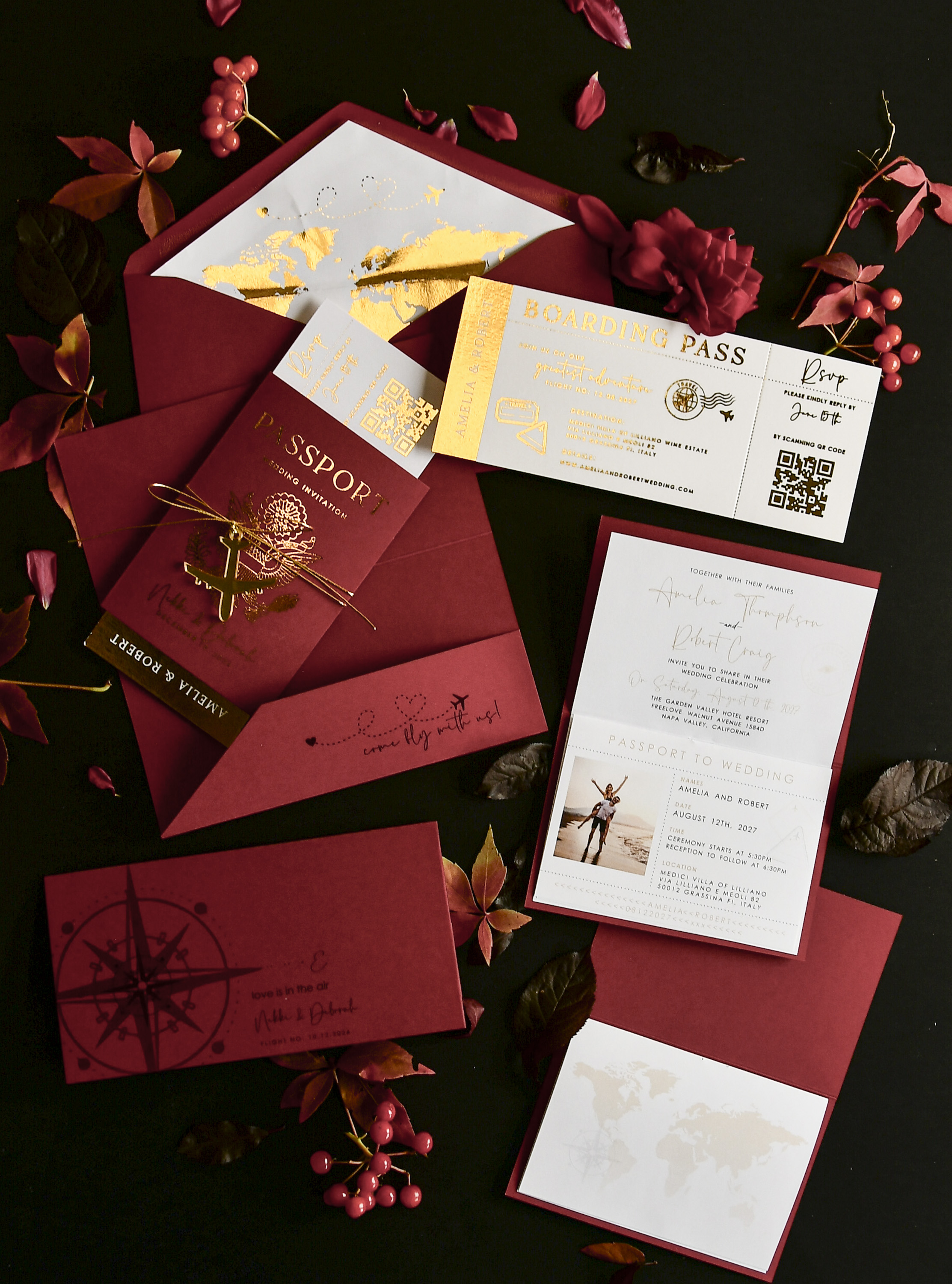
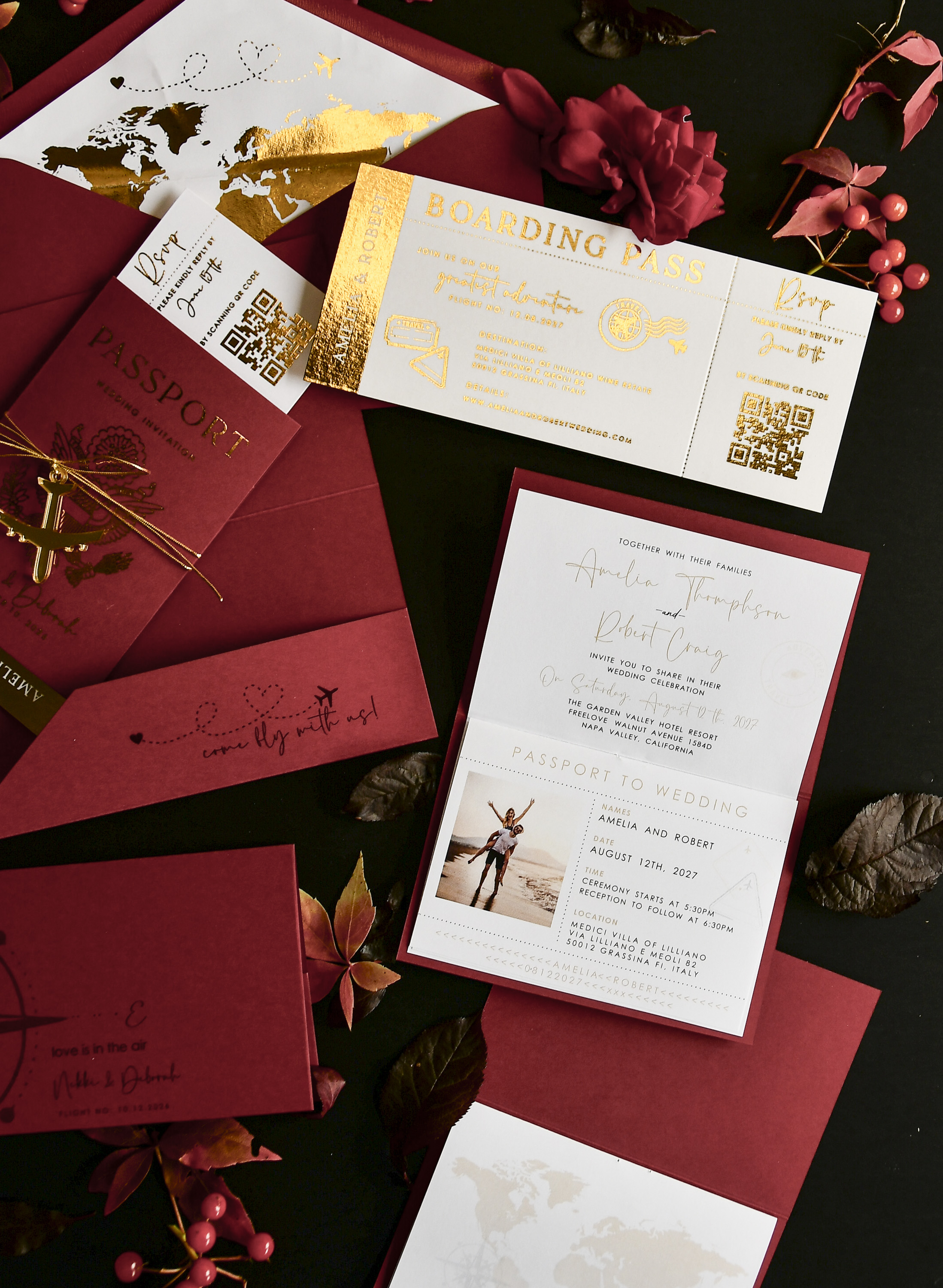
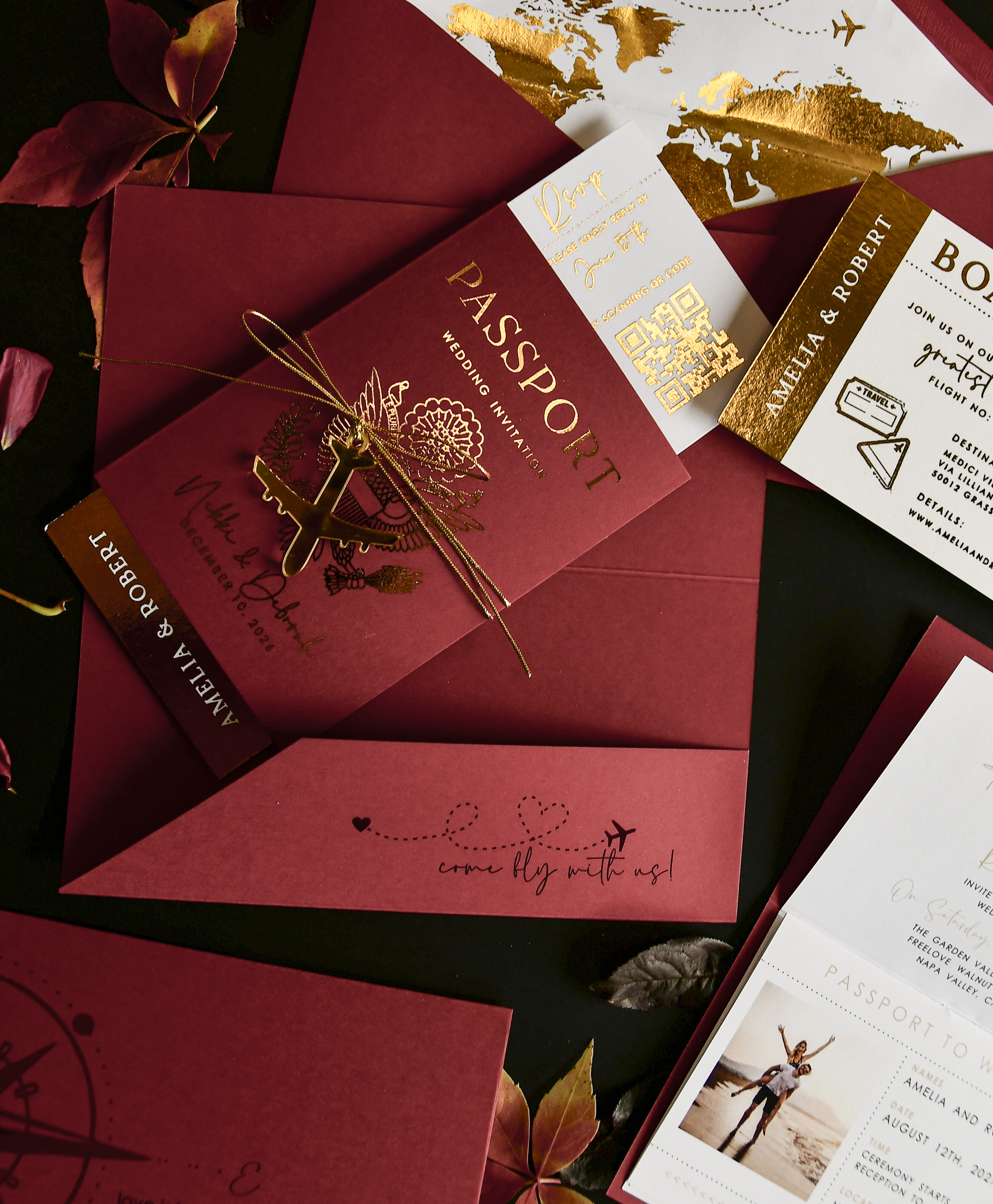
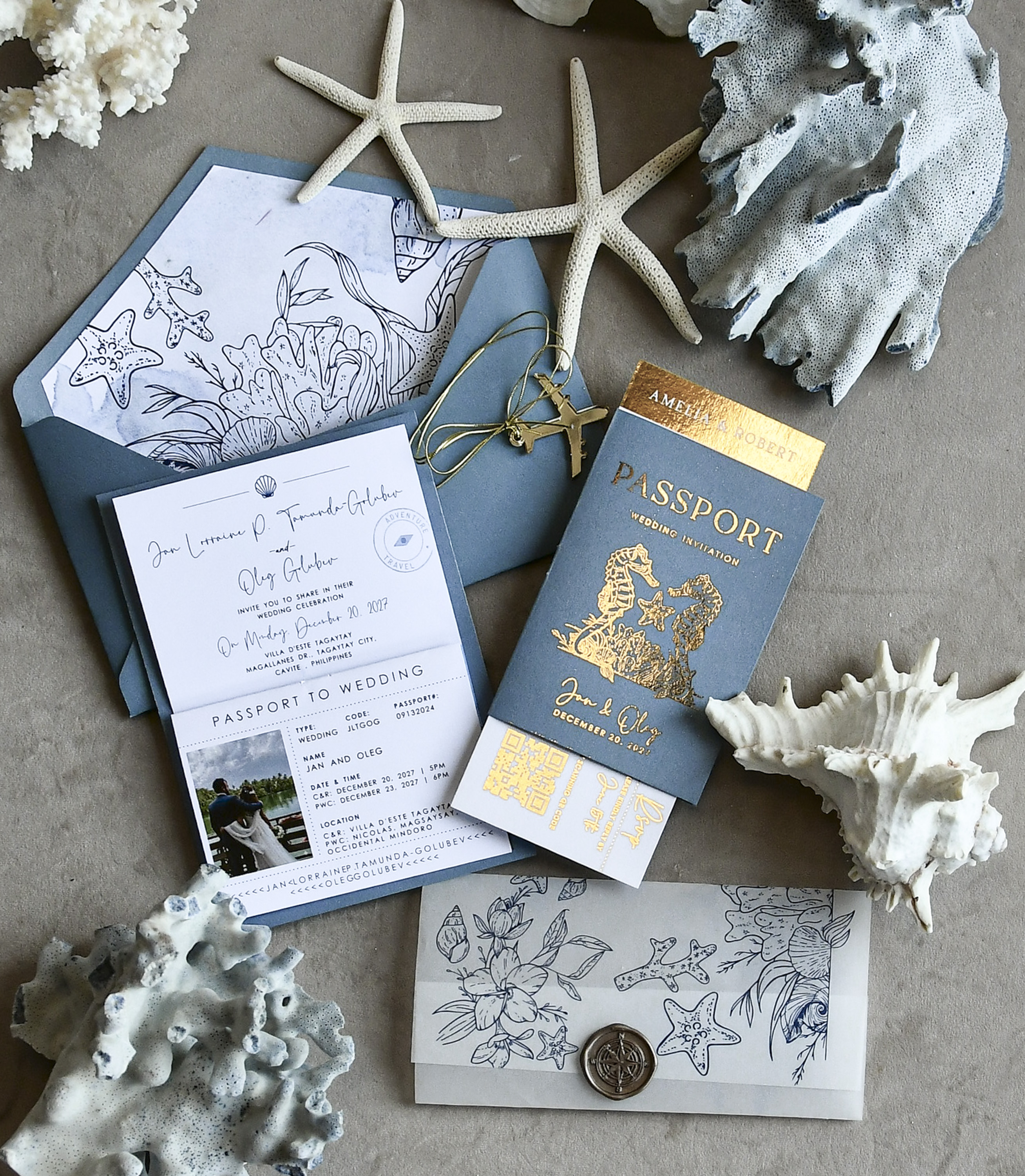
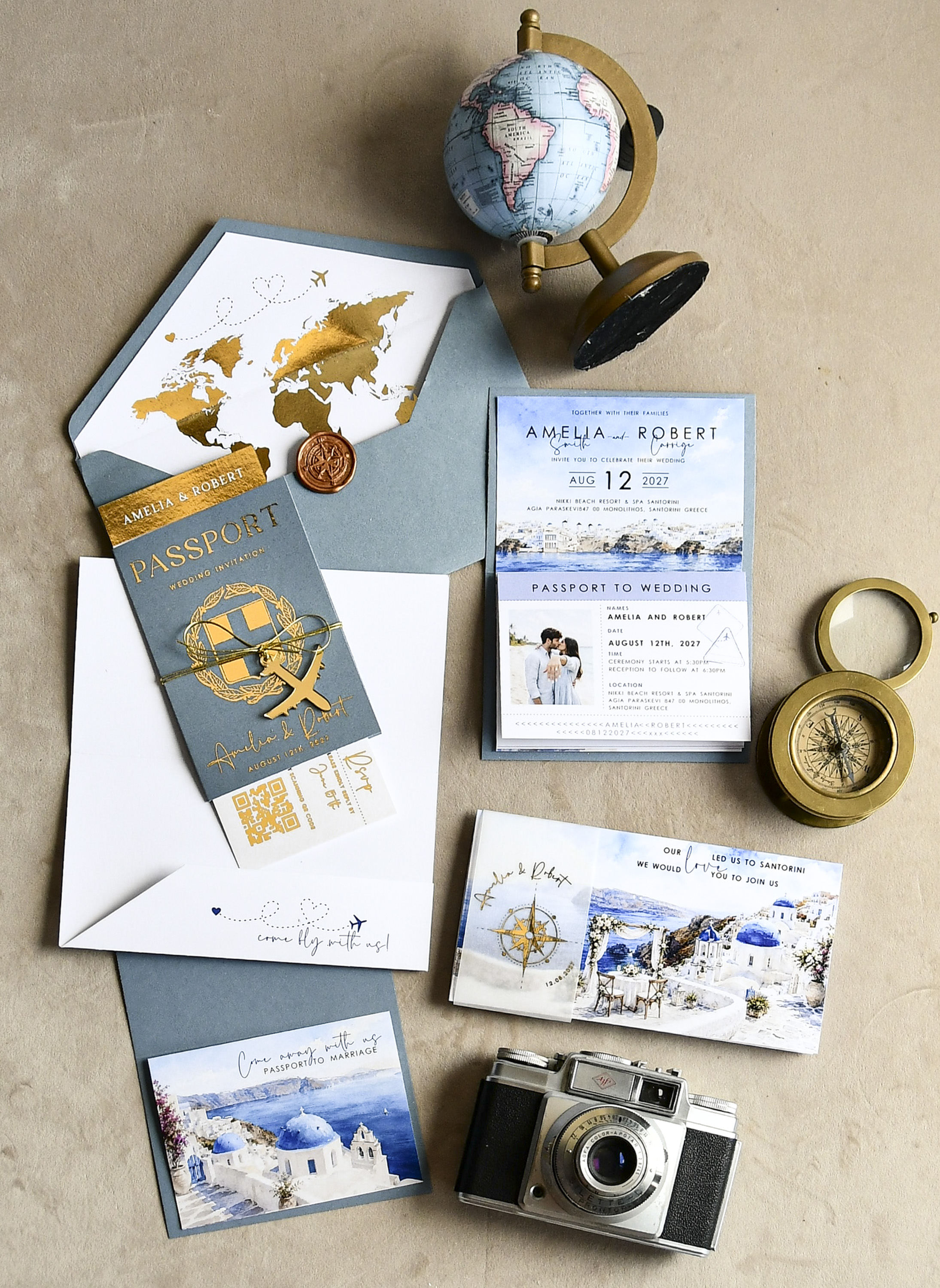
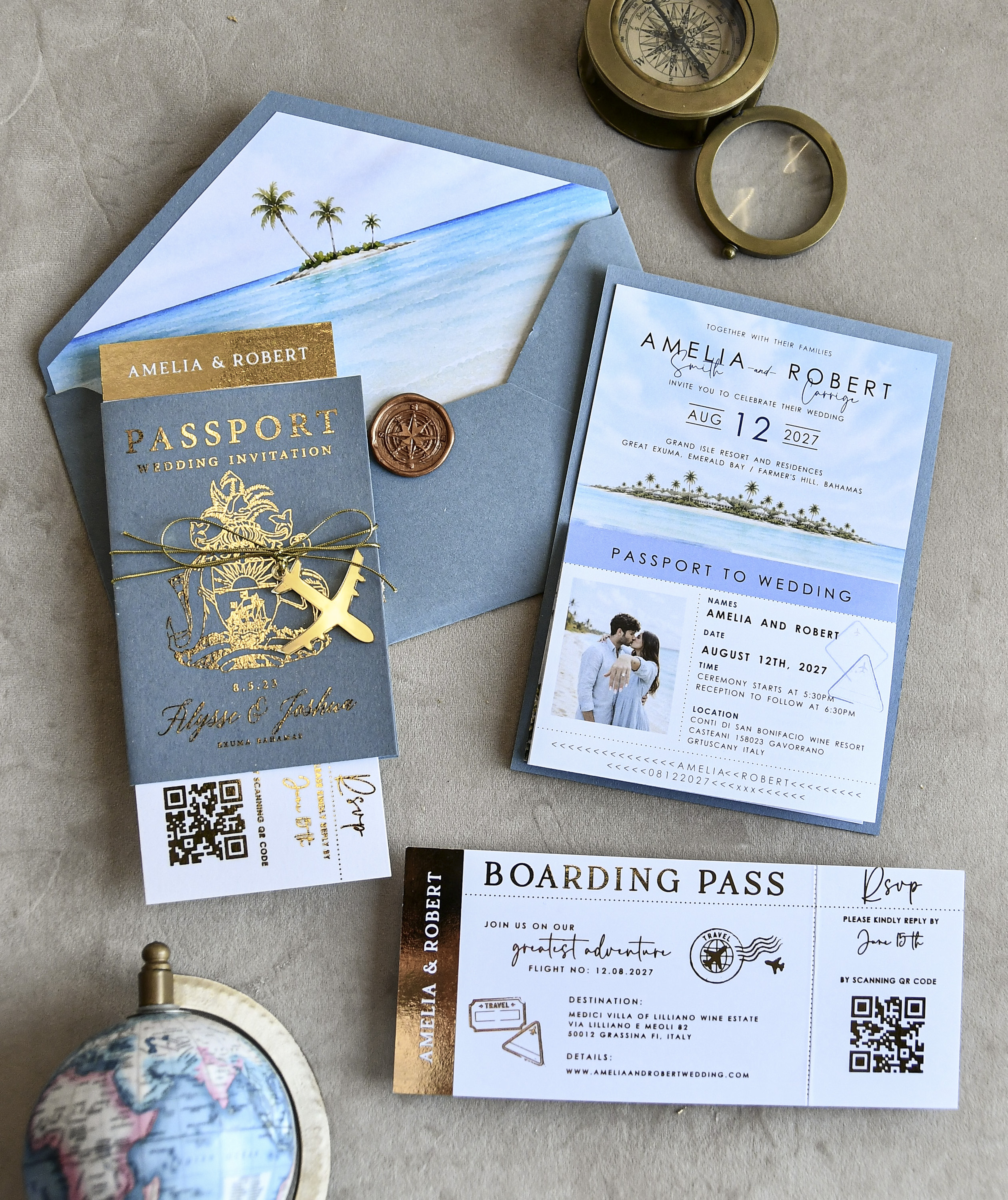
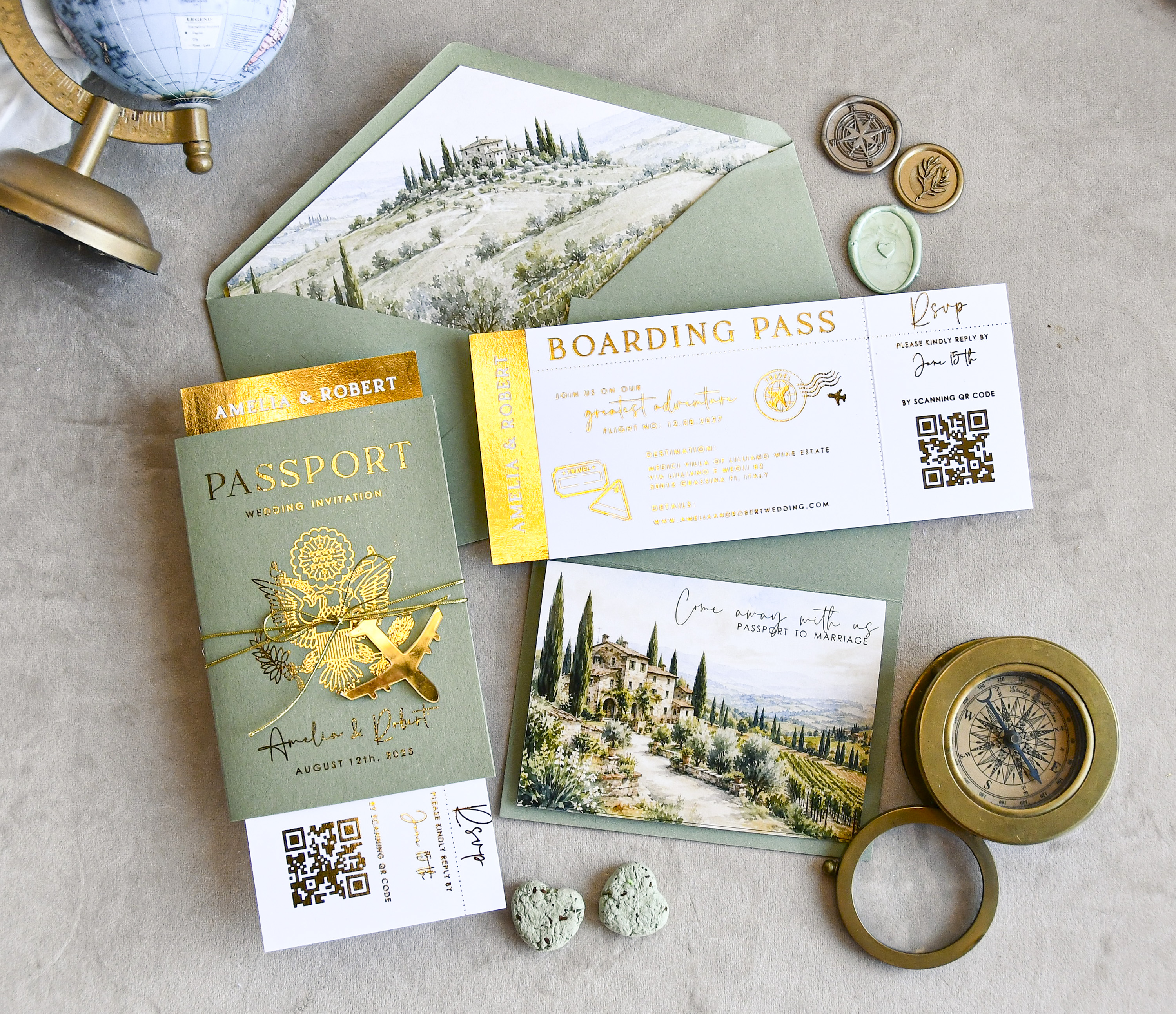
If you're using a beautiful destination-style design like the 14/passFG/z passport-to-love beach wedding invite, the envelope addressing still carries the same etiquette weight — the design doesn't change the rules. Make sure your inner and outer envelopes both reflect your decision clearly.
For guests who ask directly, keep your response warm but firm: "We're keeping our wedding intimate and unfortunately aren't able to extend plus-ones, but we truly can't wait to celebrate with you." You don't owe a lengthy explanation.
Updating Your RSVP Process to Avoid Confusion
Your RSVP card is the backup line of defense. Pre-fill the guest's name(s) rather than leaving a blank "Number Attending" line — this removes the temptation for guests to assume a plus-one is implied. If you're using a wedding website with online RSVPs, configure it to show only the names you've invited.
If someone RSVPs for two when they weren't offered a plus-one, address it quickly and kindly. A short phone call or personal note is far better than an awkward conversation at the reception. Most guests, when approached respectfully, will understand.
Frequently Asked Questions
No — it's a completely acceptable choice, especially for smaller or budget-conscious weddings. The key is applying your rule consistently so no guest feels personally singled out.
It's considered standard etiquette to offer attendants a plus-one regardless of relationship status, since they've invested significant time and money in your wedding. Most couples extend this courtesy as a thank-you.
Address the envelope to that person's name only — for example, "Ms. Taylor Brooks" with no "and Guest." This is the clearest, most accepted signal in wedding etiquette that the invitation is for one person.
Acknowledge their request warmly and hold your boundary: explain that due to venue or budget constraints you aren't able to accommodate additional guests. Most people will respect a kind but firm response.
Many couples choose to make this exception as a hospitality gesture, since traveling solo to a wedding can feel isolating. If you go this route, apply it to all out-of-town guests, not just a select few.
It's best to finalize your policy before invitations are sent, but if circumstances change — like a venue upgrade — you can reach out personally to affected guests. Just be prepared to extend the same offer to everyone in that category.
See This Design Up Close



You May Also Like
More Wedding Planning Guides
- → The Complete Plus One Rulebook for Your Wedding Guest List
- → When Family Feels Like Strangers: Navigating Distant Relatives on Your Guest List
- → Adults-Only Wedding: How to Let Guests Know Without the Drama
- → Ordering Wedding Invitations: The Smartest Way to Get Your Numbers Right
- → Adding More Guests to Your Wedding: Who Owes What?
- → Your Pre-Wedding Survival Guide to Family Conflict
- → What to Do When a Guest Shows Up With Someone You Didn't Invite
- → In-Laws Want to Invite Their Friends? Here's How to Handle It
- → Extra Names on Your RSVP Card: How to Respond Without the Stress
- → The Honest Guide to Including a Stepparent on Your Wedding Guest List
- → When Saying No to a Plus One Is Perfectly Okay
- → Should Kids Come to Your Wedding? How to Think It Through and Decide
- → Navigating Divorced Parent Seating at Your Wedding Reception
- → Inviting Your Boss and Coworkers to Your Wedding: What You Actually Need to Know
- → Uninvited Plus-Ones and Tag-Alongs: How to Keep Your Guest List Intact
- → When Family Feuds Threaten Your Wedding Plans: A Practical Peacekeeper's Guide
- → Inviting an Estranged Brother or Sister: Finding Clarity Before You Seal the Envelope
- → Cousins, Invites, and Hard Choices: A Practical Guest List Guide