
When Saying No to a Plus One Is Perfectly Okay
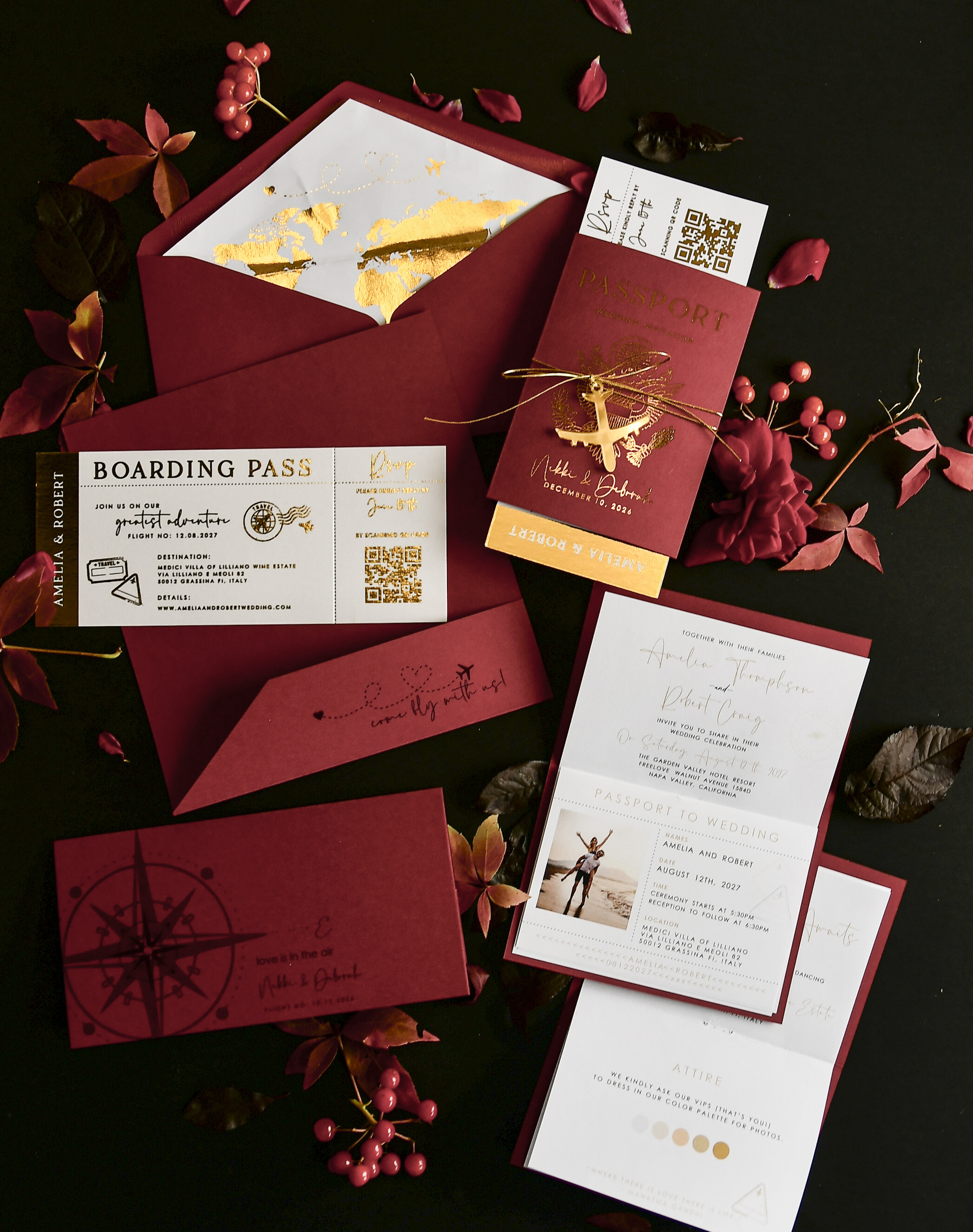
Here's the short answer: yes, you absolutely can say no to a guest's plus one. It's your wedding, your budget, and your guest list. But how you handle these requests — and how consistently you apply your rules — makes all the difference between a smooth RSVP season and a string of awkward conversations. This guide walks you through the etiquette, the exceptions, and exactly what to say when someone pushes back.
Why Plus-One Policies Exist in the First Place
Every seat at your reception costs money — catering, rentals, florals, cake. A single extra guest can easily run $75 to $200 or more depending on your venue and menu. Multiply that by five or ten unexpected plus ones and you're looking at a serious budget overrun. Beyond cost, there's capacity: many venues have a hard headcount limit, and exceeding it isn't just uncomfortable — it can be a fire code violation.
This is why having a clear, written plus-one policy before you send a single invitation is so important. Decide early who gets a plus one and stick to it. Common frameworks include:
- Couples only: Plus ones are extended exclusively to guests who are married, engaged, or in a long-term committed relationship.
- Tier-based: Immediate family and wedding party get plus ones; other guests do not.
- No plus ones across the board: Perfectly valid for intimate or destination weddings with tight guest limits.
The Etiquette of Saying No — and Saying It Consistently
The golden rule of plus-one etiquette is consistency. If your cousin doesn't get a plus one, your college roommate shouldn't either — unless there's a clear, explainable reason (like your roommate is engaged and your cousin is not). Inconsistency is what turns a polite no into a perceived slight.
When declining a plus-one request, be kind but firm. You don't owe anyone a detailed explanation, but a brief, honest one goes a long way:
- "We're working with a strict headcount at our venue, so we weren't able to extend plus ones to unattached guests — we hope you understand!"
- "Our guest list is limited to close family and friends we both know well. We'd still love to celebrate with you!"
Say it once, warmly, and hold the line. Most guests will respect the boundary when they understand it's applied fairly across the board.
When You Might Want to Make an Exception
There are a handful of situations where being flexible is worth considering. If a guest is traveling a long distance — especially for a destination celebration — coming alone to a room full of strangers can feel isolating. The same applies to guests who genuinely know no one else on your list. In these cases, a plus one can actually make your guest more comfortable and your party more fun.
You might also reconsider if a guest's relationship status has recently changed — a new fiancé, a serious partner you simply hadn't met yet, or a situation where saying no could cause real family tension. Use your judgment. The goal isn't to be rigid; it's to be fair and intentional.
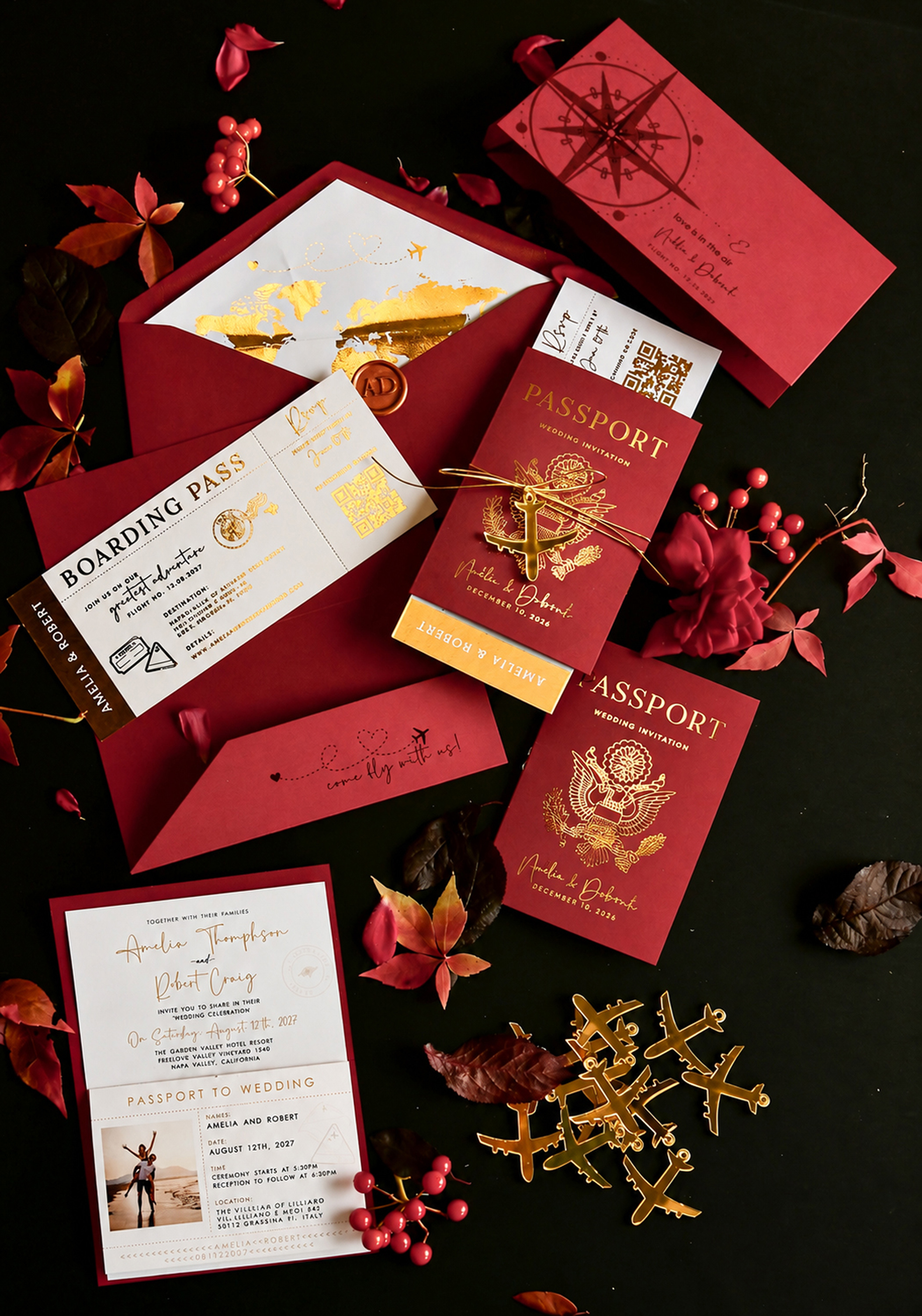
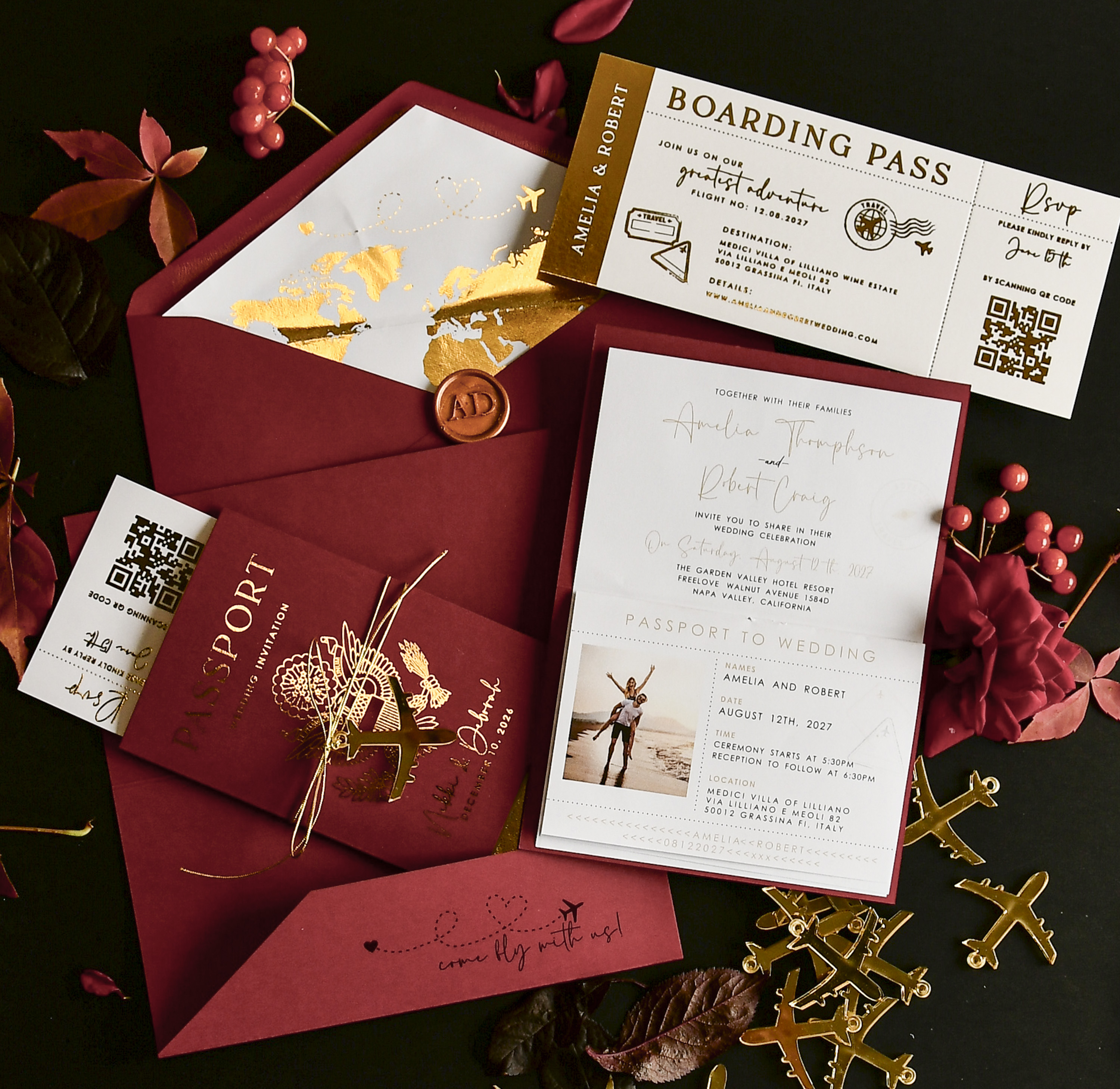
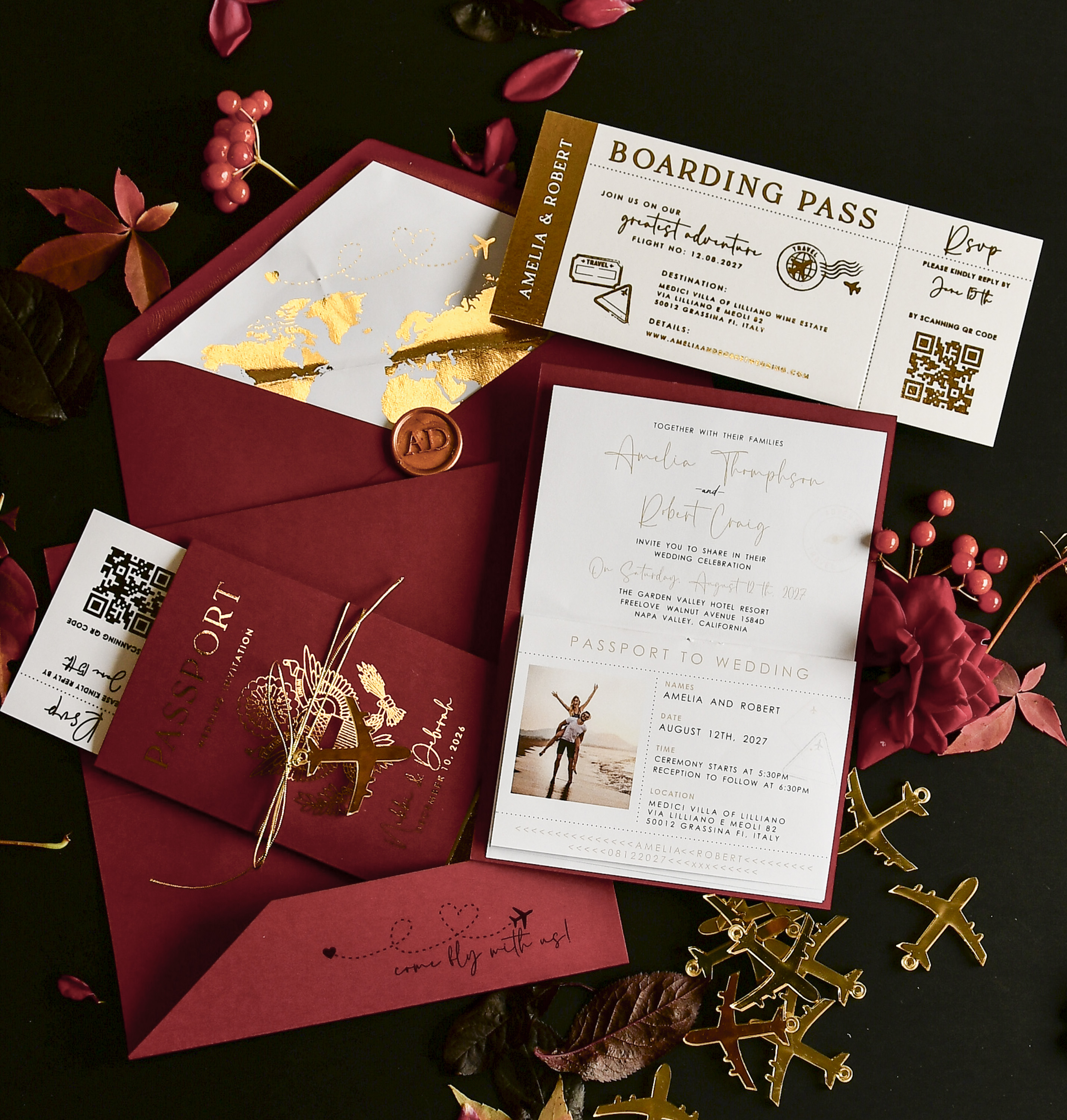
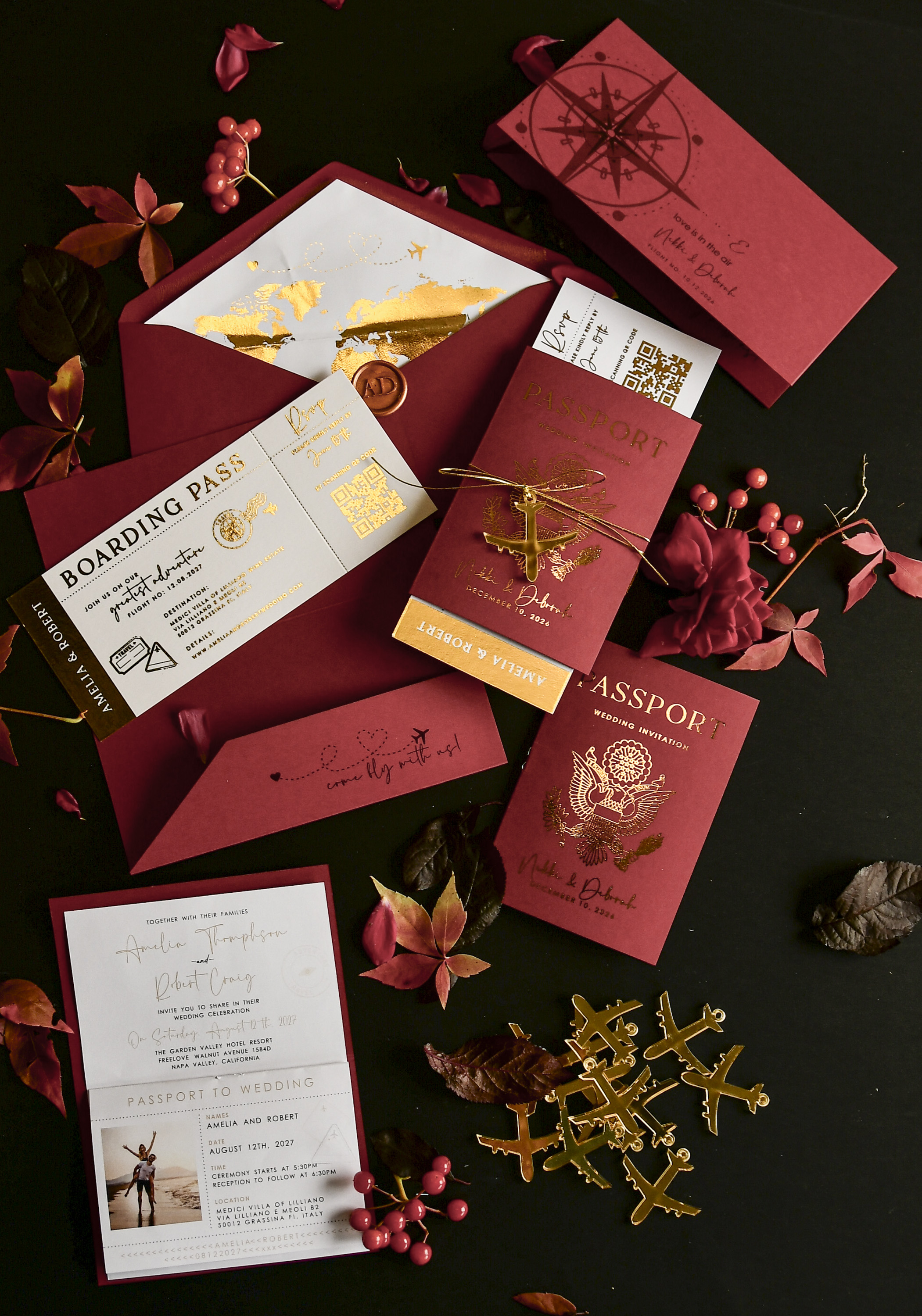
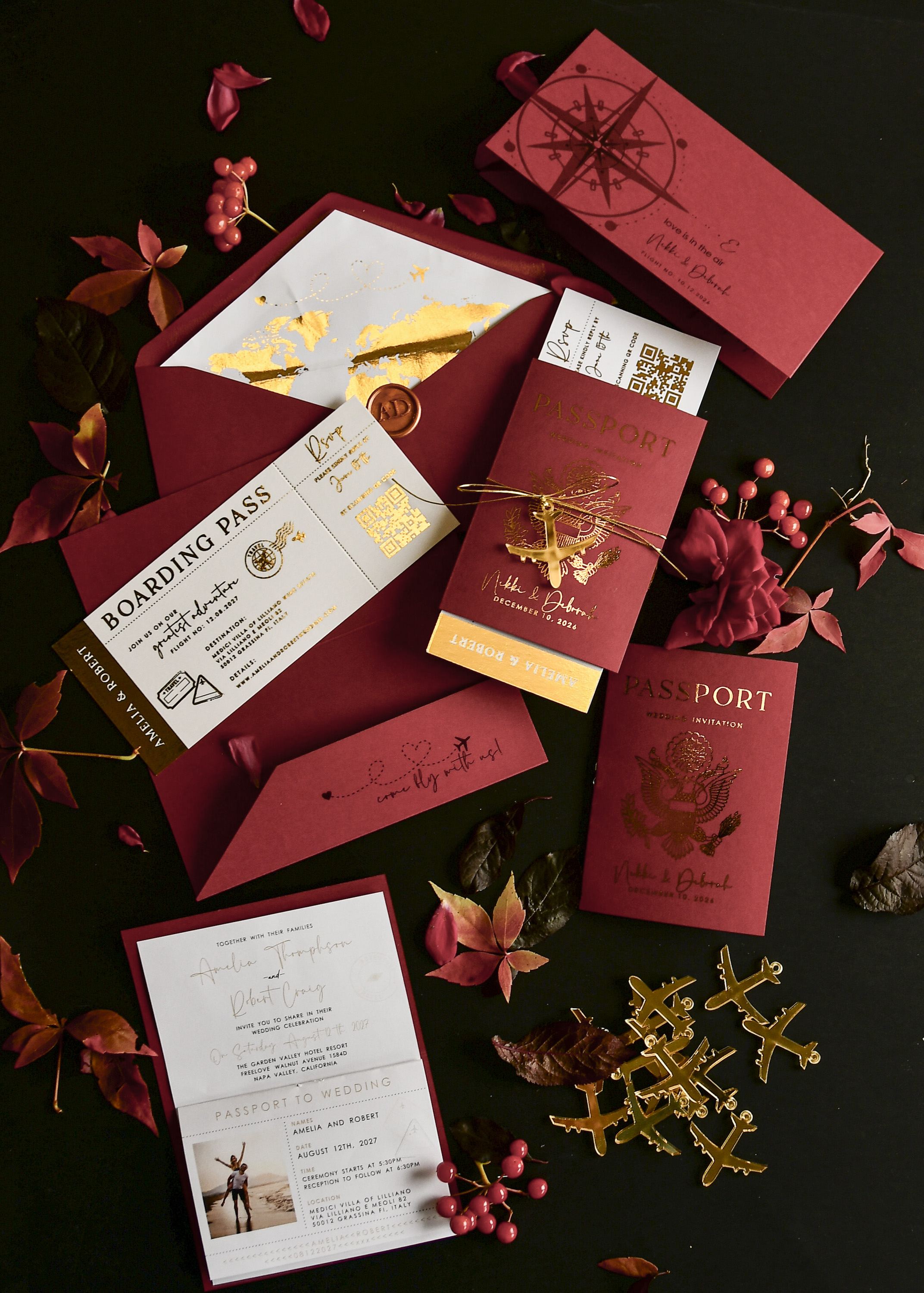
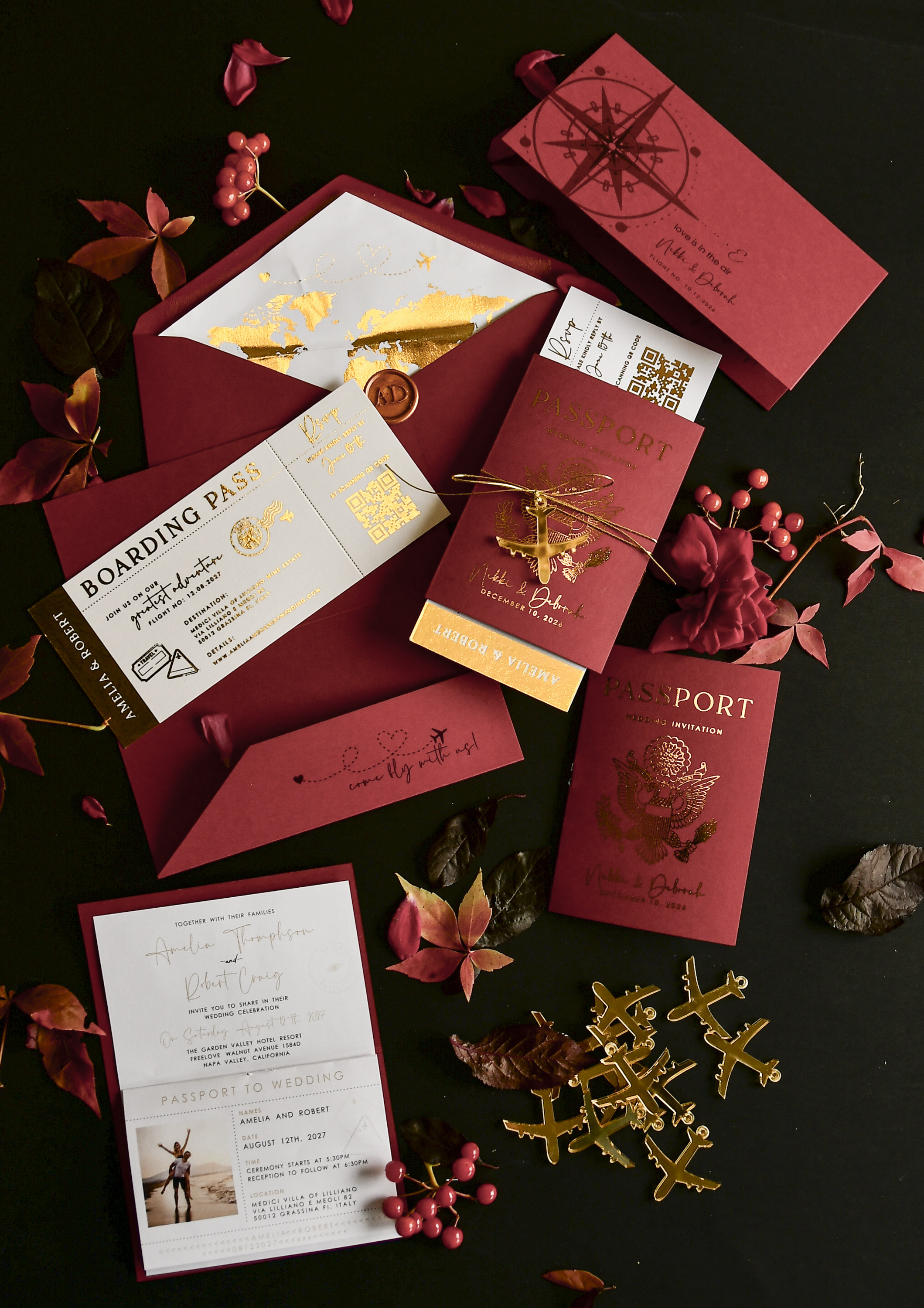
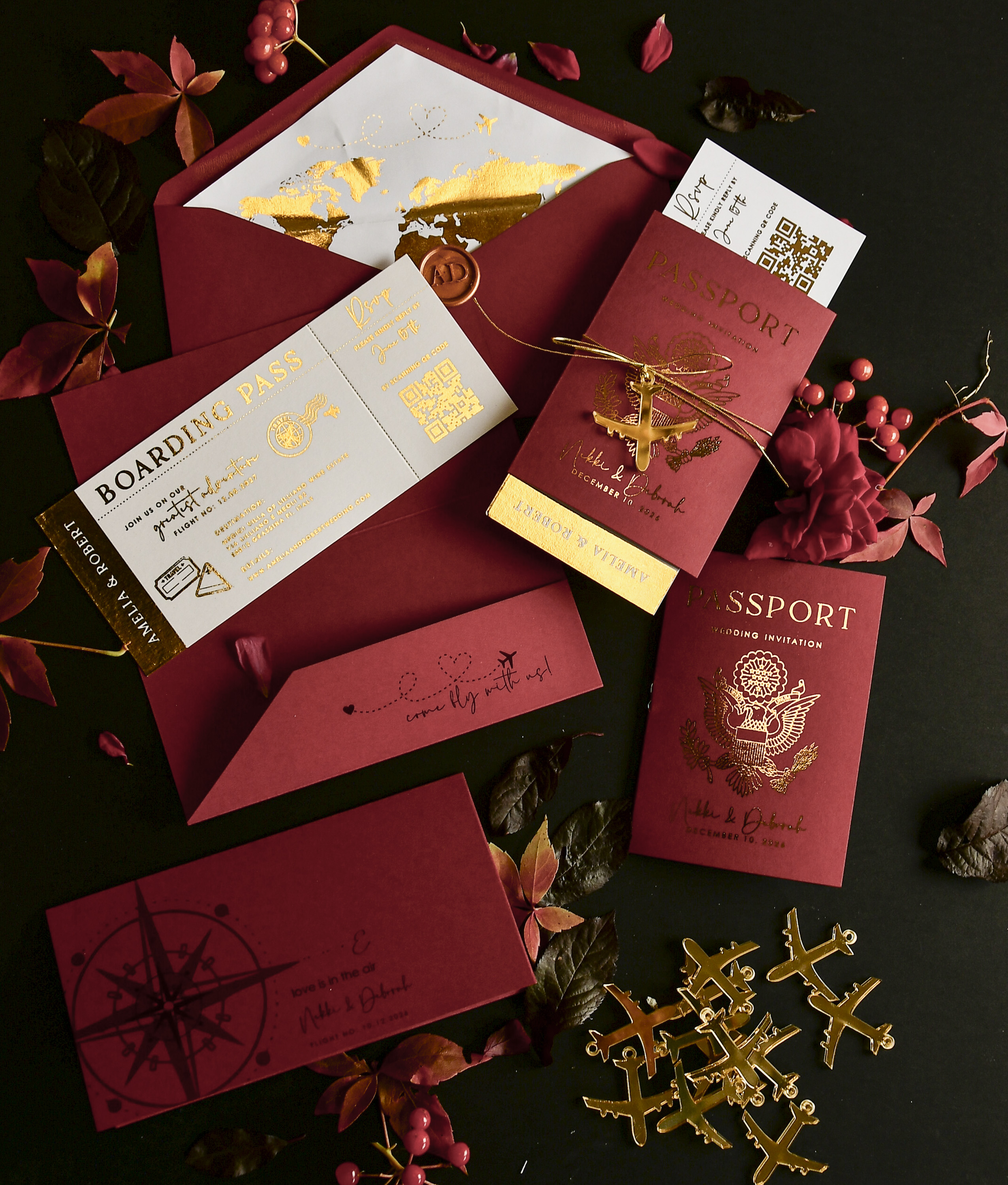
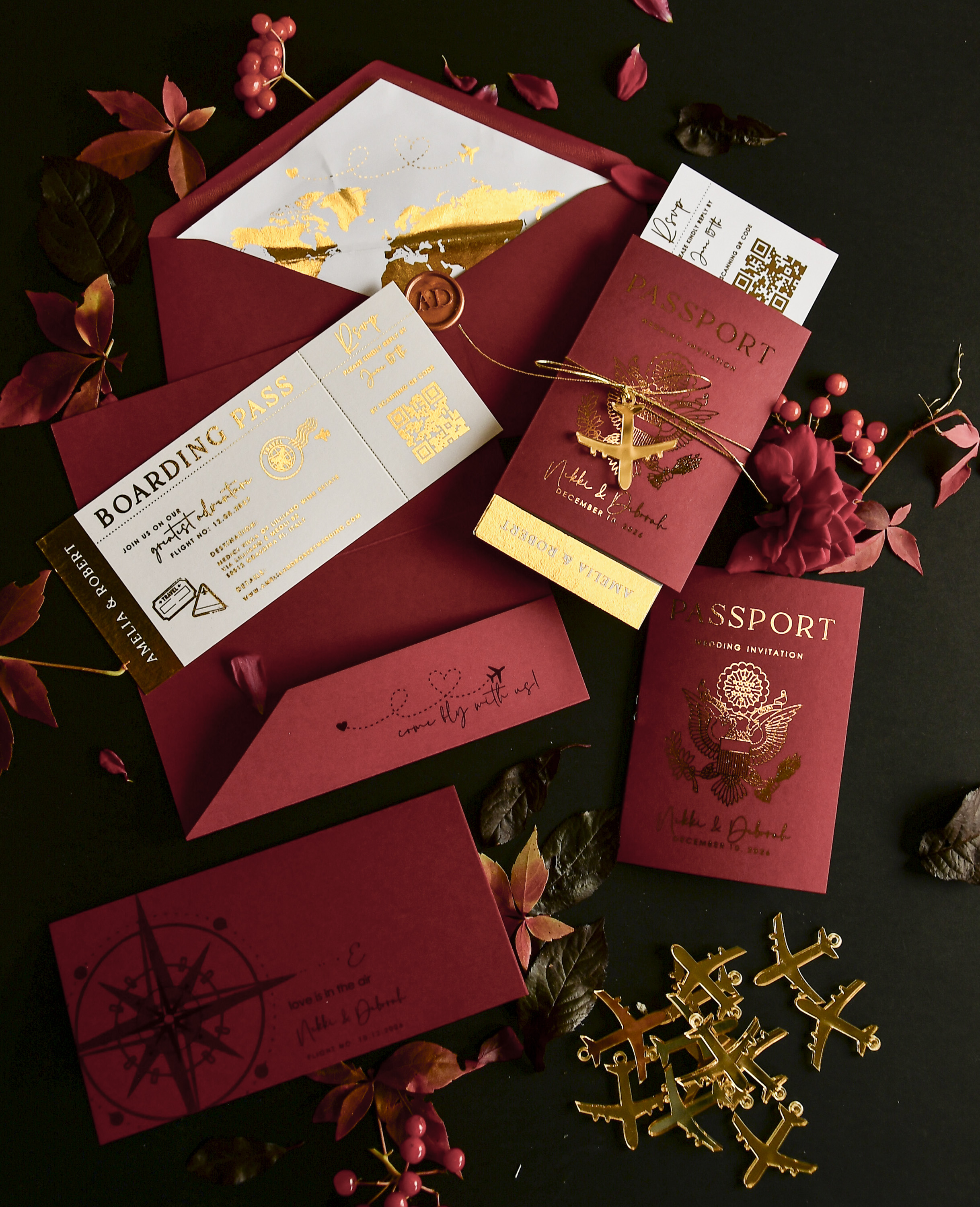
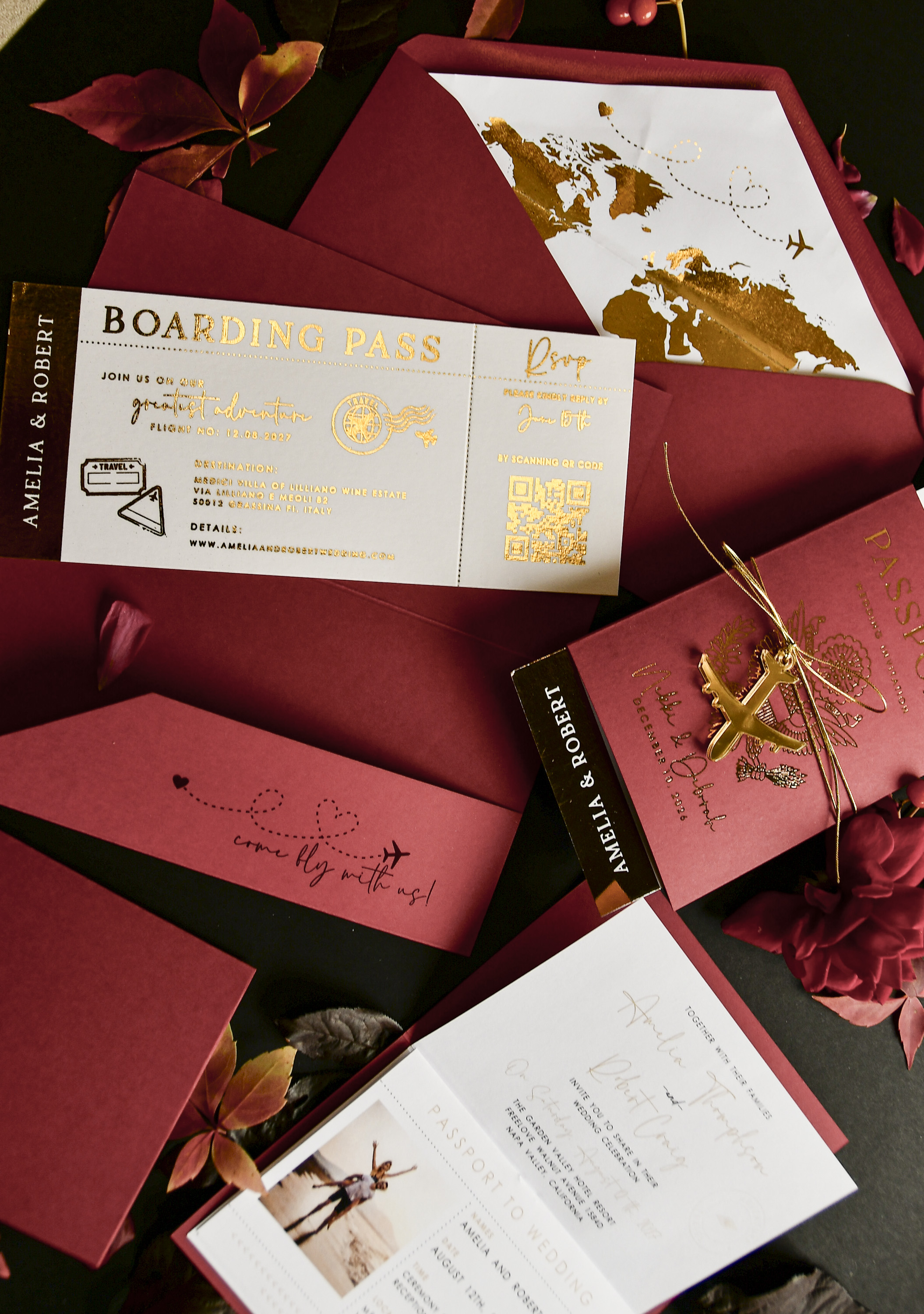
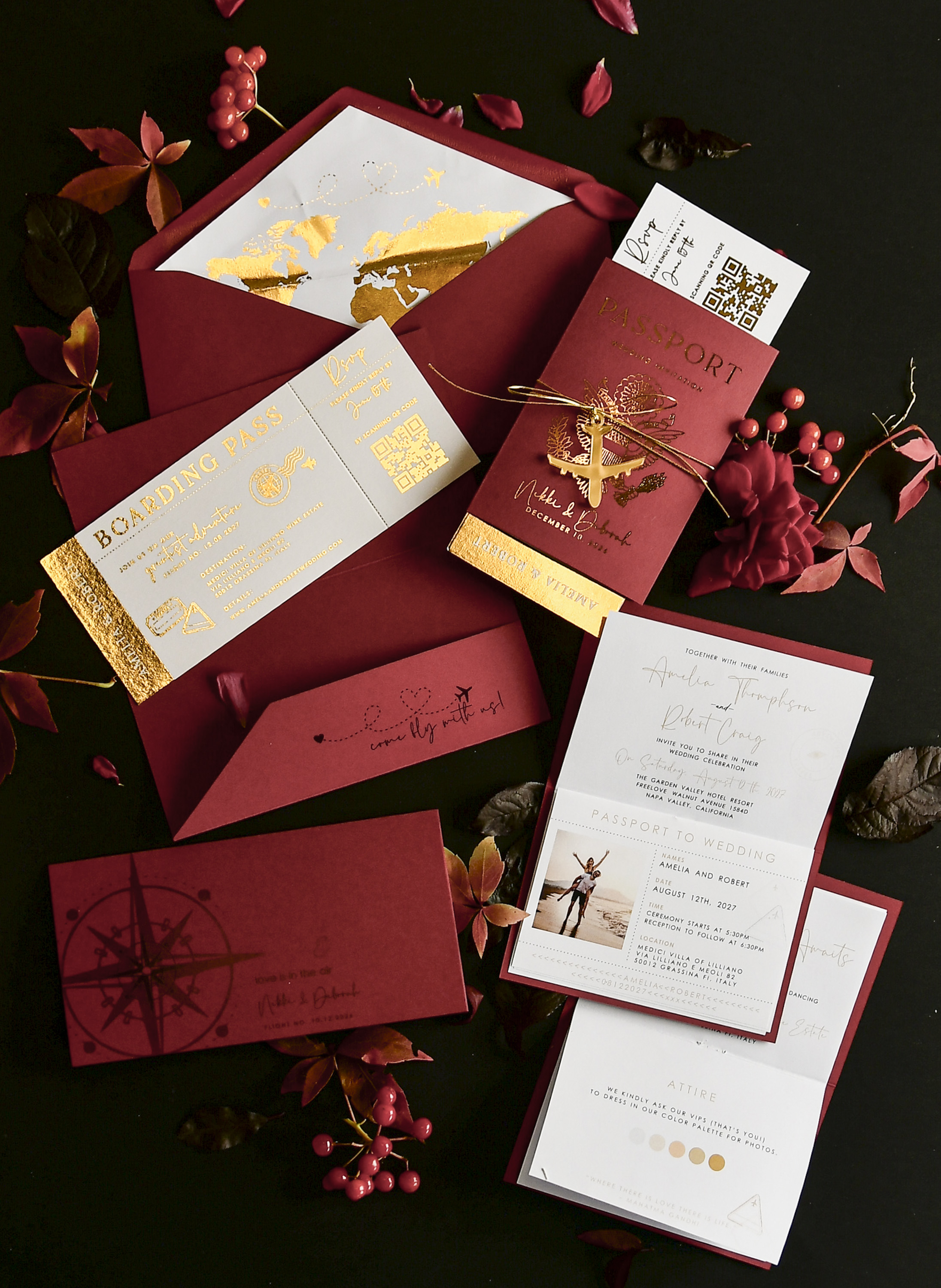
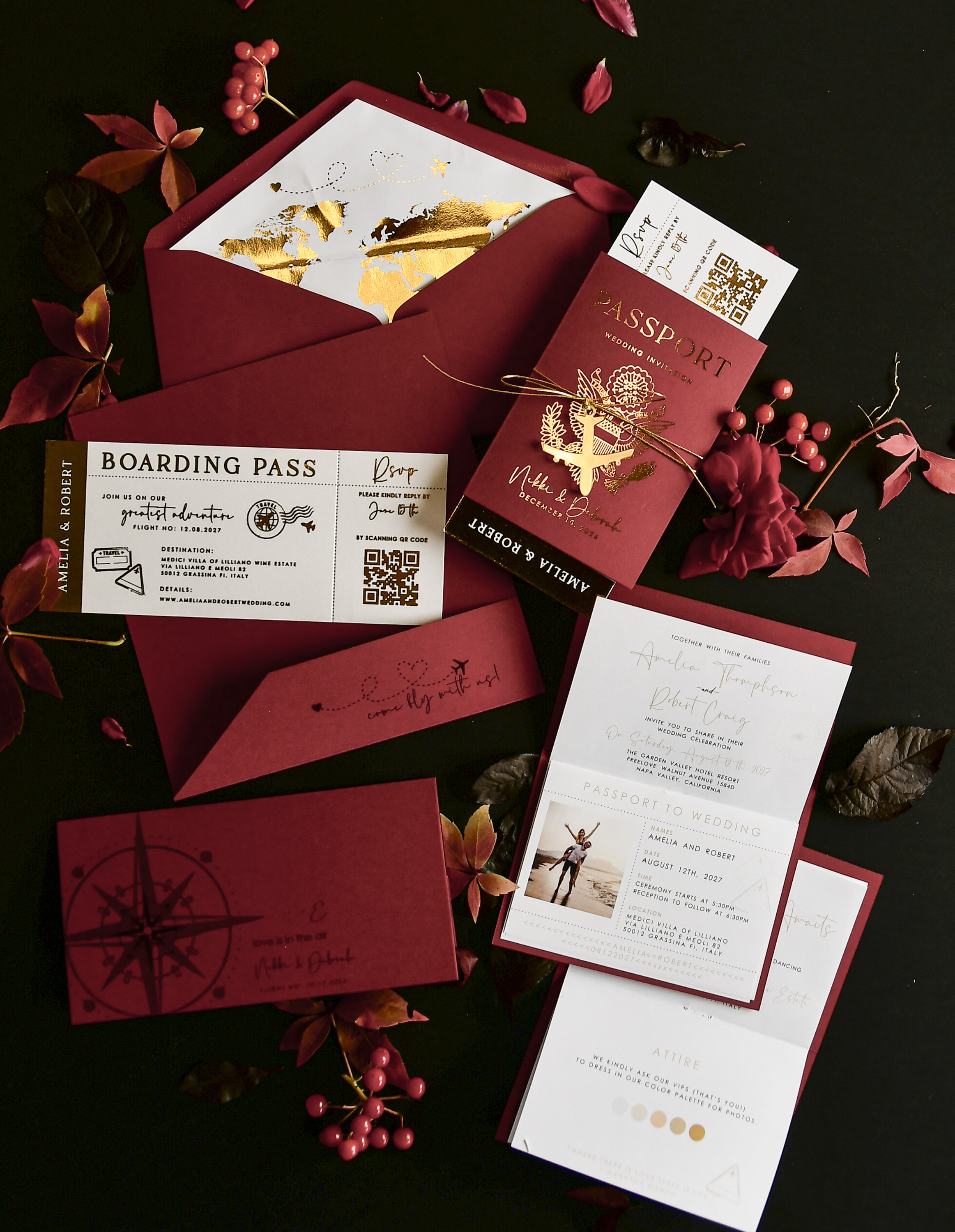
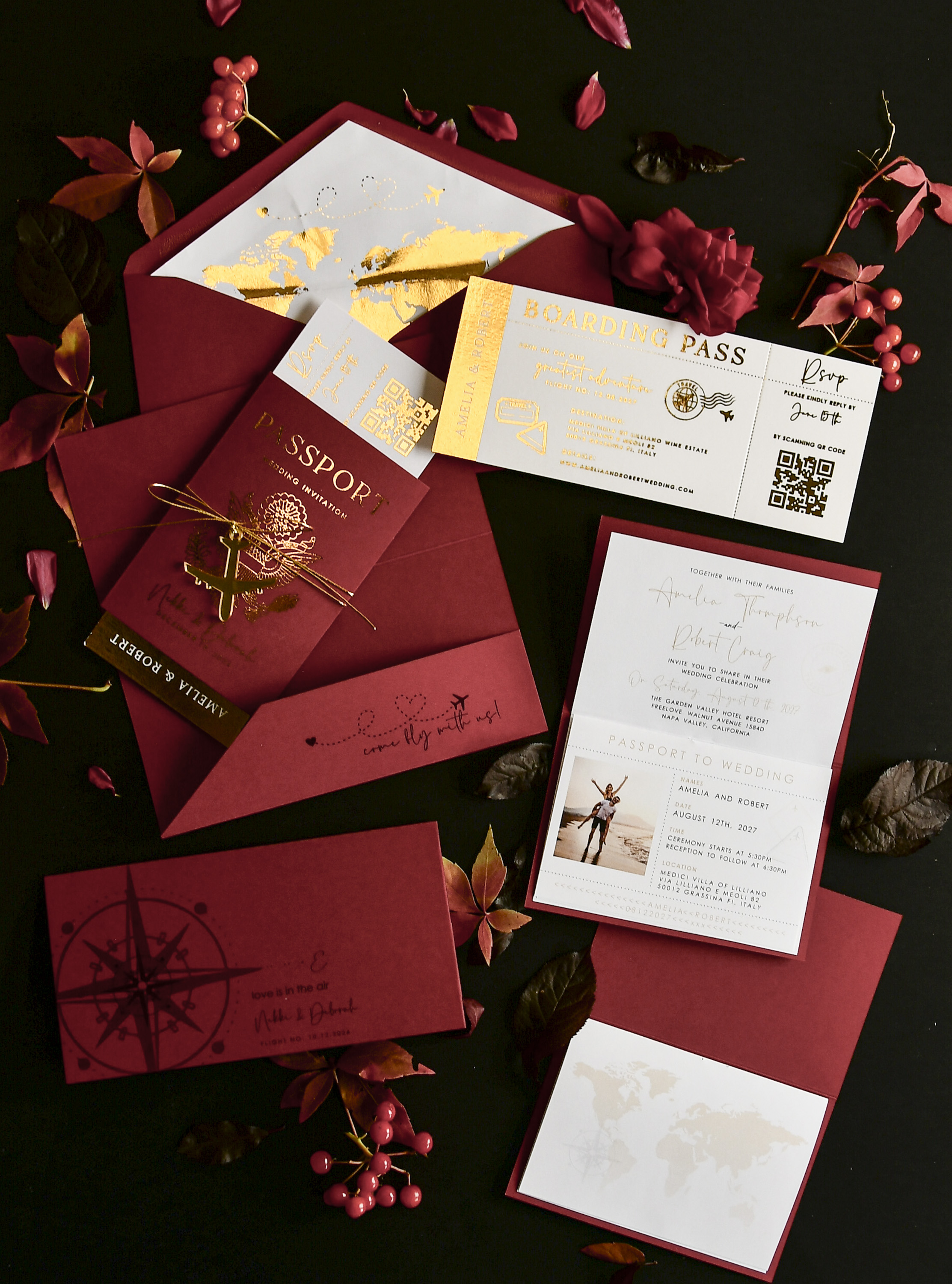
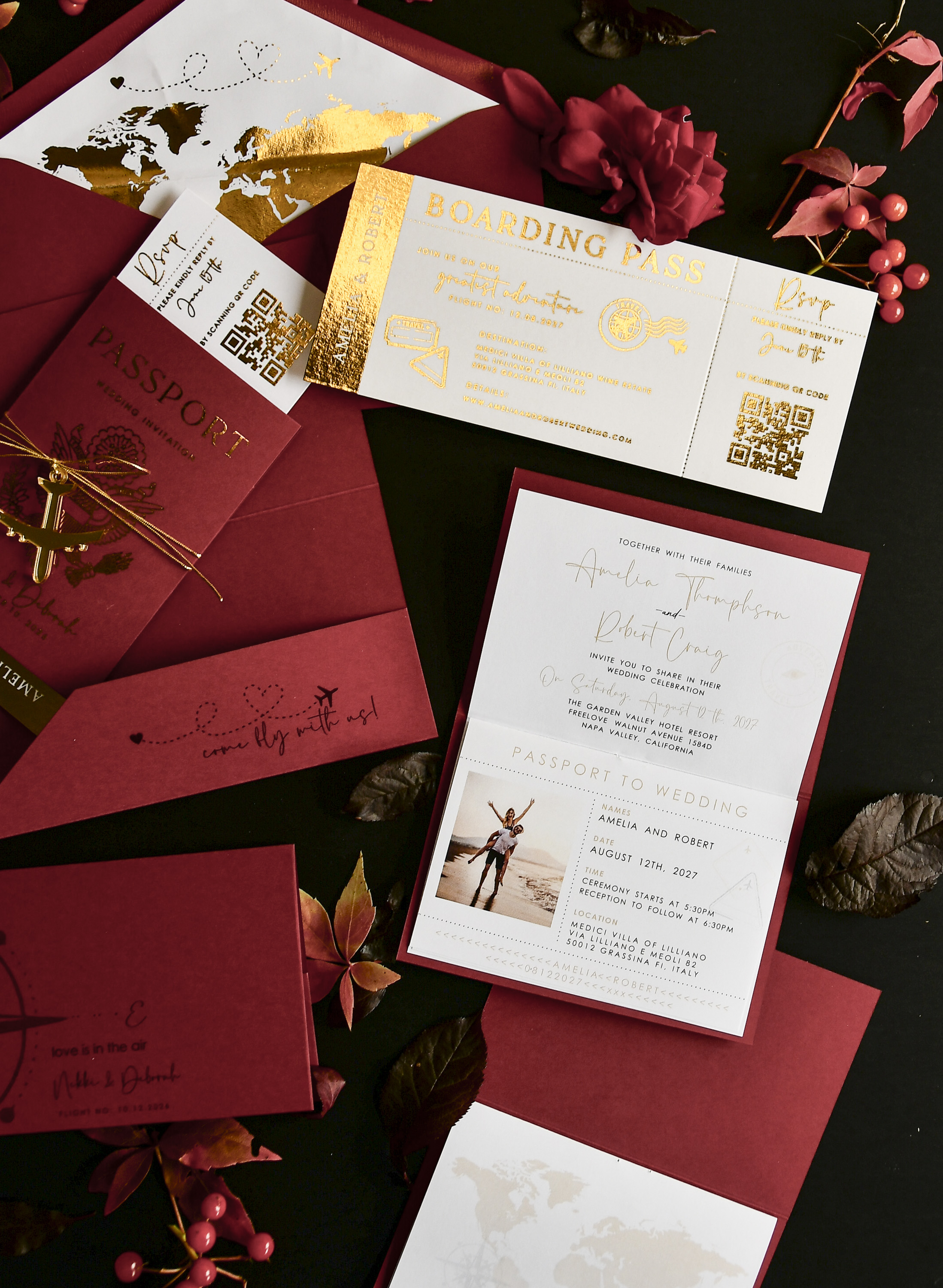
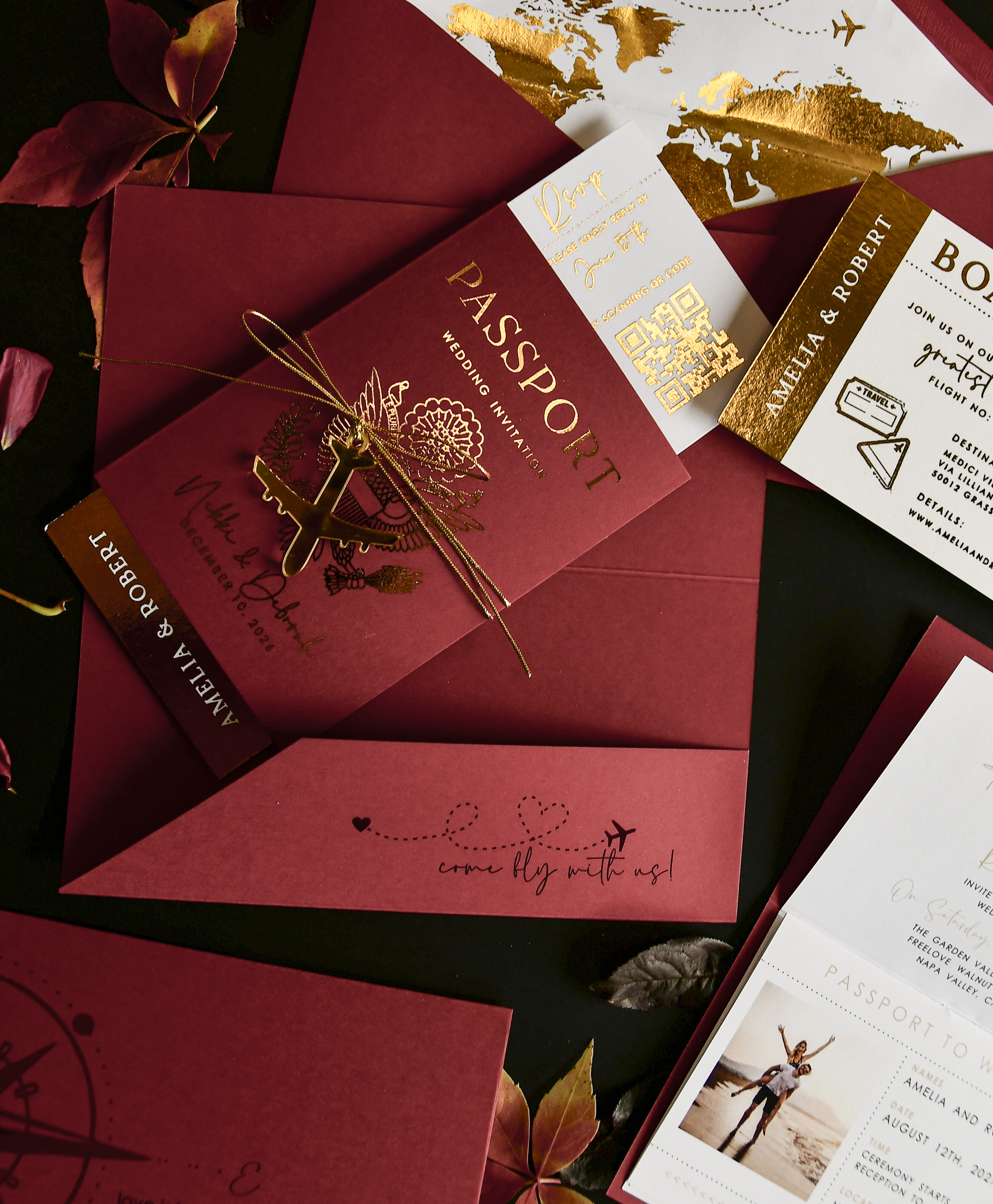
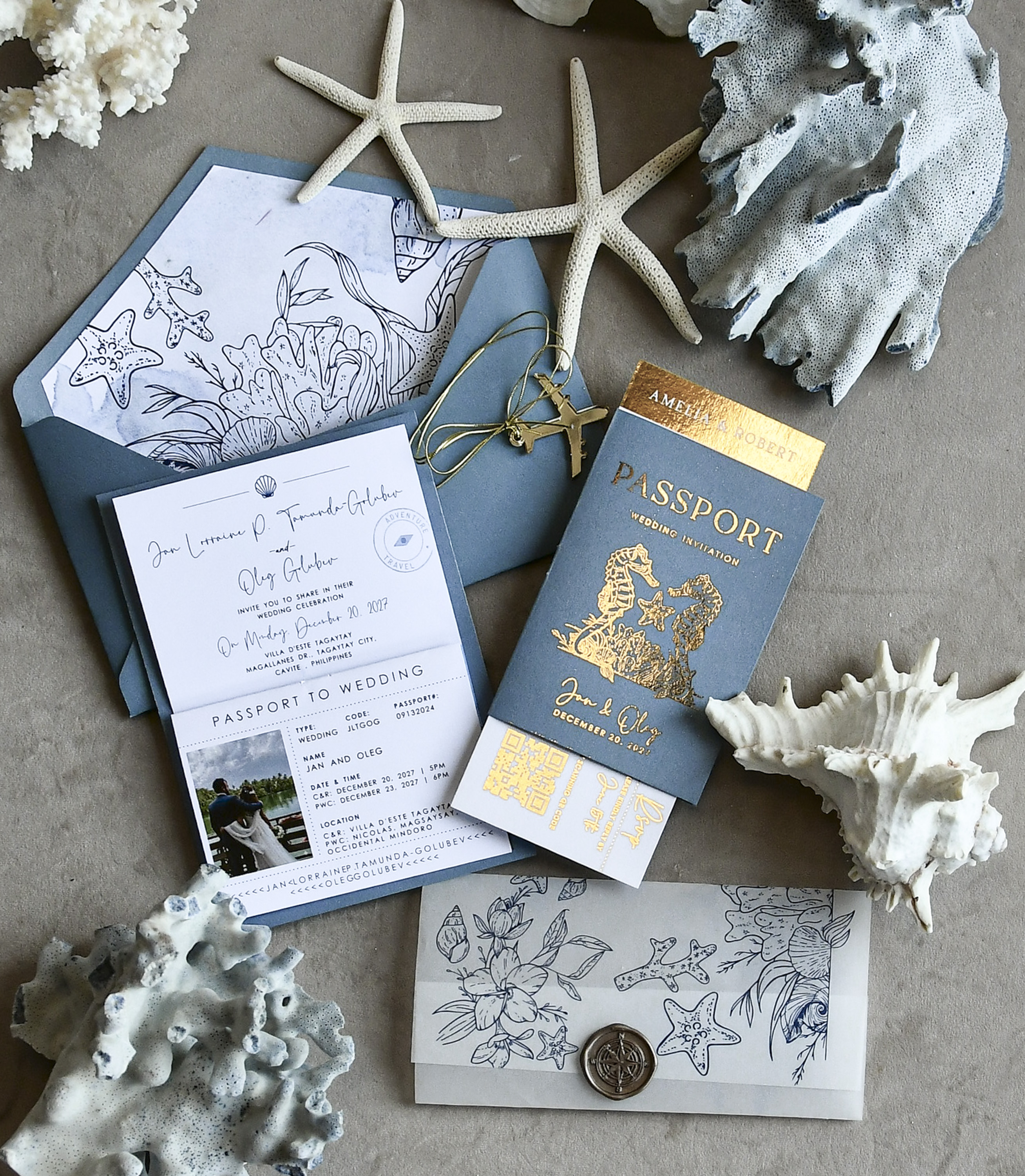
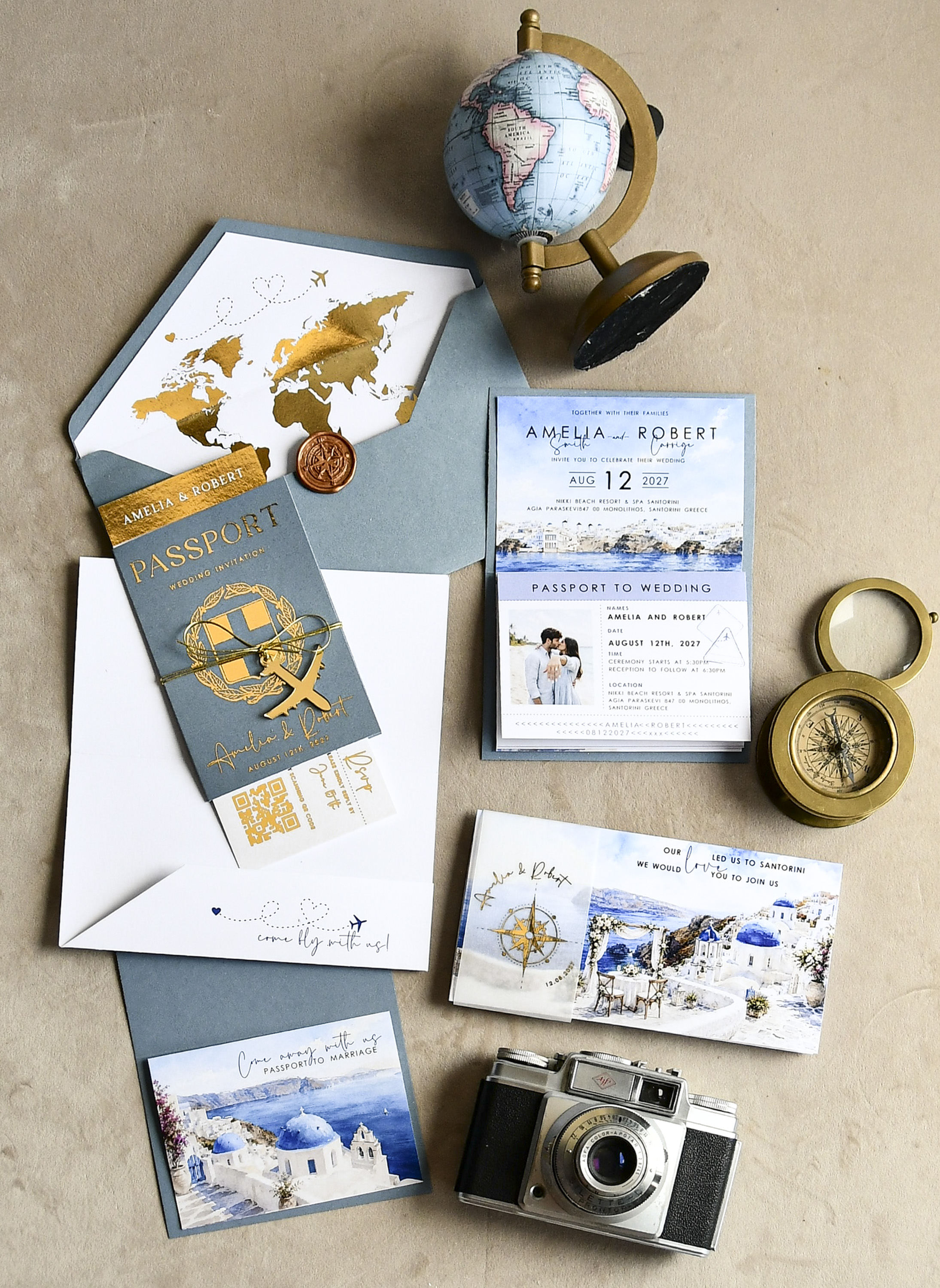
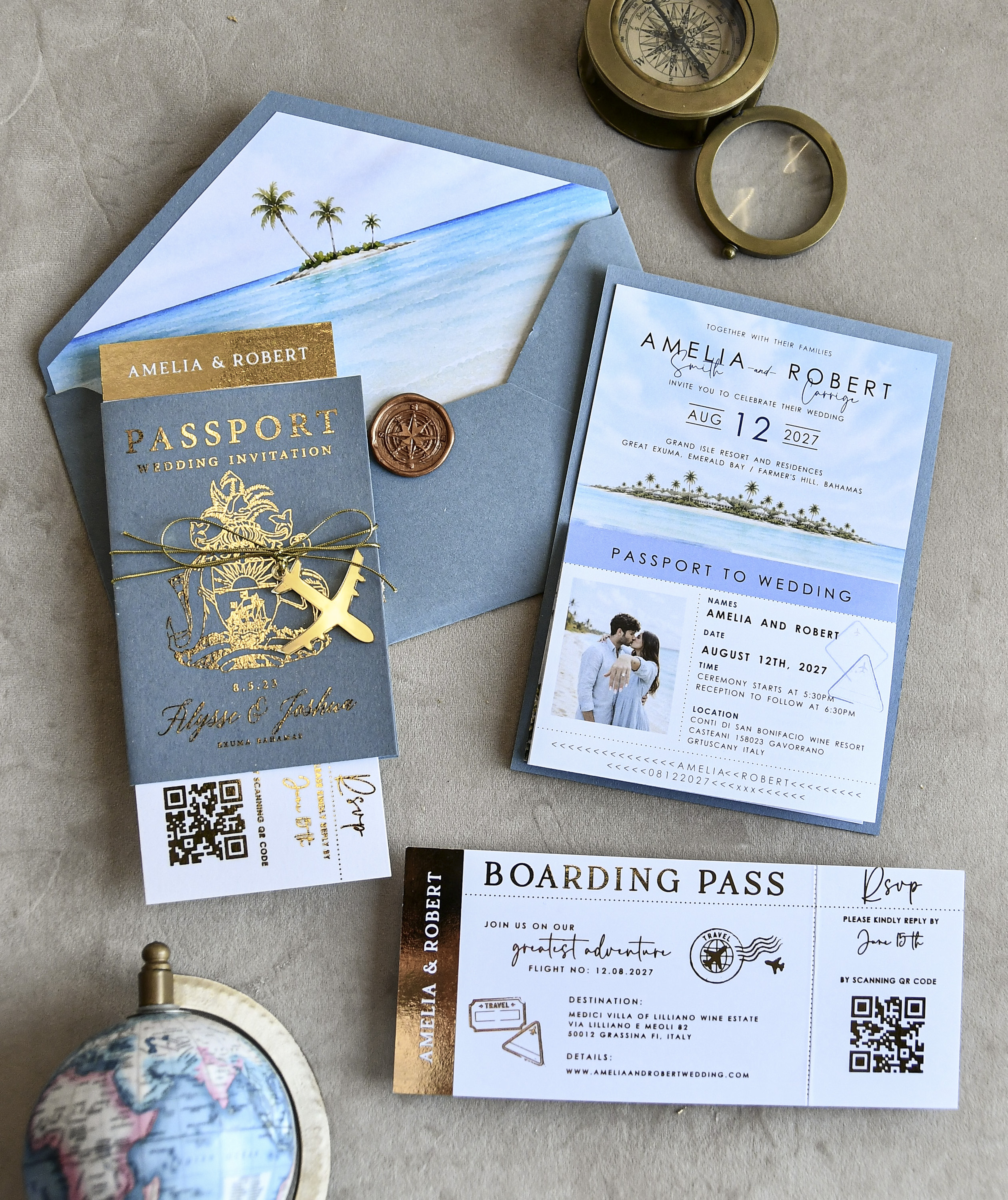
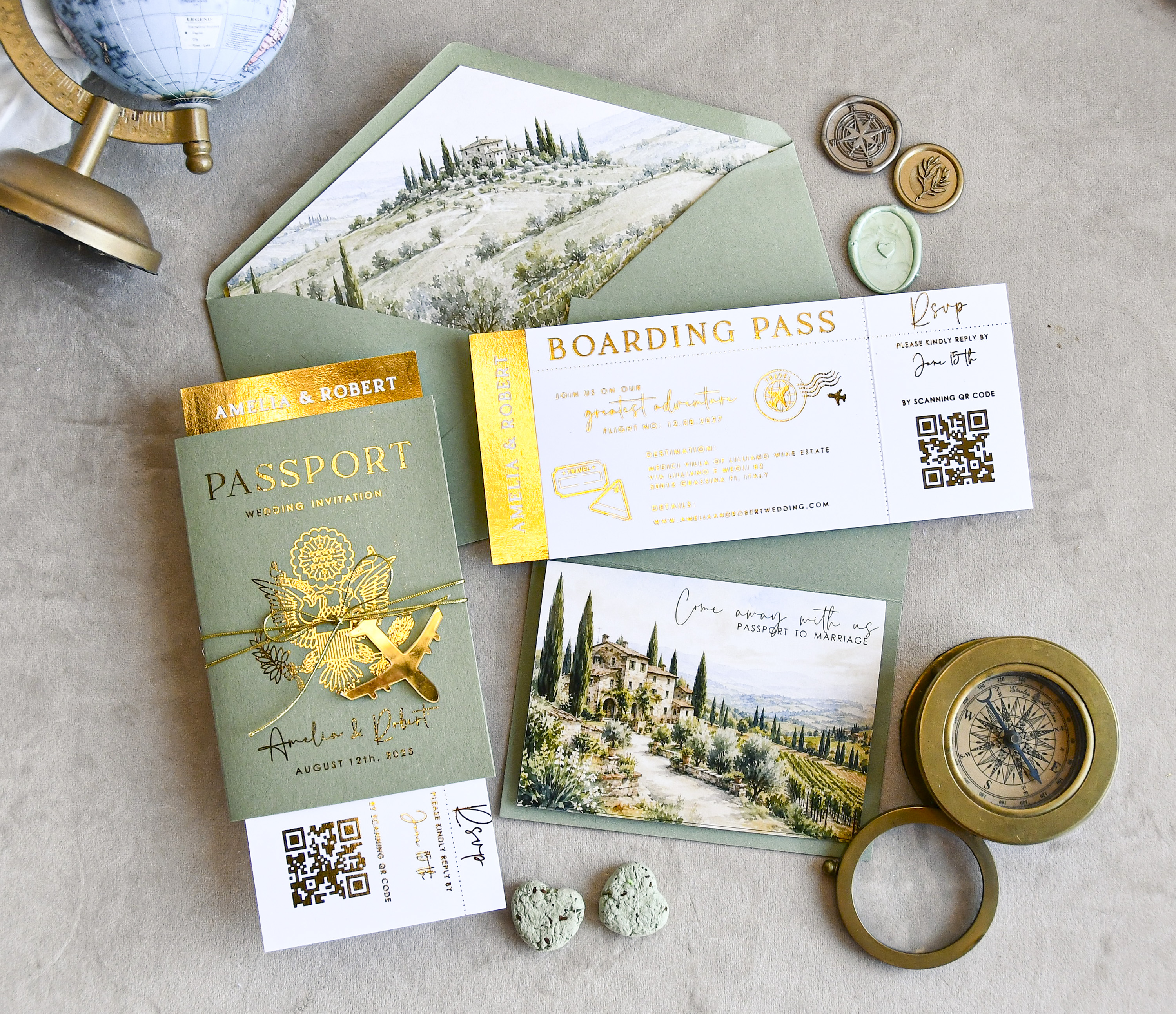
For destination weddings or beach celebrations where you're already curating a more intimate atmosphere, our 14/passFG/z passport-style beach wedding invitations make it easy to set a clear, elegant tone from the start — guests immediately understand this is a special, carefully planned event.
How to Prevent Plus-One Drama Before It Starts
The best way to avoid awkward conversations is to communicate your policy clearly and early. Here's a practical timeline:
- When save-the-dates go out: Address envelopes precisely. If a guest isn't getting a plus one, address the envelope to them alone. This signals your intention without a single word.
- On your wedding website: Add a short FAQ noting that due to venue capacity, you're unable to accommodate additional guests beyond those named on the invitation.
- On the invitation itself: Your 14/passFG/z wedding invitations can be addressed specifically to the invited party. The inner envelope (or the "Party of __" line on your RSVP card) is your clearest tool — fill in the number so there's no ambiguity.
- When someone asks anyway: Respond promptly and kindly. Letting the question linger only raises hope.
What to Do When a Guest Pushes Back
Some guests will push back — usually someone close to you who feels their relationship is serious enough to warrant a spot. Stay calm and repeat your policy without over-explaining or apologizing excessively. You can acknowledge their feelings without changing your answer:
"I completely understand, and I know it's disappointing. We made this decision across the board to keep our guest list manageable, and we're not able to make exceptions. We really hope you'll still join us — it wouldn't be the same without you."
If the guest decides not to attend because they can't bring a plus one, that's ultimately their choice to make. It stings, but a firm, fair, and loving boundary is always better than resentment built from saying yes when you meant no.
Frequently Asked Questions
No — there is no etiquette rule requiring you to offer a plus one to every guest. The key is applying whatever policy you choose consistently across similar groups of guests so no one feels singled out.
It can feel awkward, but it's not inherently rude if your policy applies equally to all unmarried guests. If you're concerned, consider whether their relationship status warrants an exception under your own guidelines — just be consistent if you make one.
Address the outer and inner envelopes to the named guest only, and use a line on the RSVP card that reads "___ of 1 seat reserved in your honor." This removes ambiguity without requiring a separate conversation.
Reach out promptly and kindly — something like, "We noticed your RSVP included a guest, but due to our venue's capacity we're only able to accommodate you. We'd love to update your reservation to one." Address it early so you're not scrambling close to the wedding.
Yes! If you know the partner well enough, you can invite them as their own independent guest rather than as a plus one. Just make sure both invitations are addressed individually and that your headcount allows for it.
Yes, and it's one of the most effective ways to reduce confusion. A simple note like "Due to venue capacity, we are only able to accommodate guests named on the invitation" sets expectations before anyone has to ask.
See This Design Up Close
You May Also Like
More Wedding Planning Guides
- → The Complete Plus One Rulebook for Your Wedding Guest List
- → When Family Feels Like Strangers: Navigating Distant Relatives on Your Guest List
- → Adults-Only Wedding: How to Let Guests Know Without the Drama
- → Ordering Wedding Invitations: The Smartest Way to Get Your Numbers Right
- → Adding More Guests to Your Wedding: Who Owes What?
- → Your Pre-Wedding Survival Guide to Family Conflict
- → What to Do When a Guest Shows Up With Someone You Didn't Invite
- → In-Laws Want to Invite Their Friends? Here's How to Handle It
- → Navigating Plus-Ones for Single Guests: A Couples' Guide to Getting It Right
- → Extra Names on Your RSVP Card: How to Respond Without the Stress
- → The Honest Guide to Including a Stepparent on Your Wedding Guest List
- → Should Kids Come to Your Wedding? How to Think It Through and Decide
- → Navigating Divorced Parent Seating at Your Wedding Reception
- → Inviting Your Boss and Coworkers to Your Wedding: What You Actually Need to Know
- → Uninvited Plus-Ones and Tag-Alongs: How to Keep Your Guest List Intact
- → When Family Feuds Threaten Your Wedding Plans: A Practical Peacekeeper's Guide
- → Inviting an Estranged Brother or Sister: Finding Clarity Before You Seal the Envelope
- → Cousins, Invites, and Hard Choices: A Practical Guest List Guide