
When to Address a Wedding Invitation Directly to a Child
Addressing wedding invitations sounds straightforward — until you start thinking about the children on your guest list. Should the six-year-old flower girl get her own envelope? What about a teenager who's practically an adult? The answer depends on a few factors: age, the child's role in your wedding, and a little bit of family diplomacy. Here's how to get it right without offending anyone.
The General Rule: 13 and Up Gets Their Own Invitation
The widely accepted etiquette standard is that children 13 years old and older should receive their own wedding invitation, addressed specifically to them. This age marks the transition into young adulthood, and receiving a personal invitation signals that you see them as an individual guest — not just an add-on to their parents' envelope.
For children under 13, the standard approach is to include their names on the inner envelope of their parents' invitation. For example:
- Outer envelope: Mr. and Mrs. David Chen
- Inner envelope: David, Sarah, Emma, and Jake
This keeps things tidy while still making it clear the little ones are welcome.
When Younger Children Should Get Their Own Invitation
There are a few situations where it makes sense to send a separate invitation to a child younger than 13:
- They have a special role in the wedding. A flower girl, ring bearer, or junior bridesmaid is a true participant in your day. Sending them their own invitation — even at age five or six — makes them feel honored and excited about their role.
- They live at a different address. If a child lives with a different parent or guardian than the one you're inviting, they'll need their own invitation regardless of age, simply for logistics.
- They're a teenager between 13 and 17. Even on the younger end of teen years, a separate invitation feels meaningful and grown-up to a 13- or 14-year-old.
When you do send an invitation to a younger child, keep the wording warm and simple. Addressing it to Miss Lily Patel is perfectly charming and age-appropriate.
How to Address Invitations for Teen and Young Adult Guests
For guests aged 13 to 17, address the envelope to them by name at their parents' home address. Use the appropriate honorific:
- Miss for girls and young women
- Master for younger boys (typically under 13, though it's optional)
- For teen boys 13 and up, you can simply use their first and last name with no honorific, or Mr. if you prefer a formal feel
For guests 18 and older — even if they still live at home — they are adults and should absolutely receive their own invitation, sent to the family address with their name on the outer envelope.
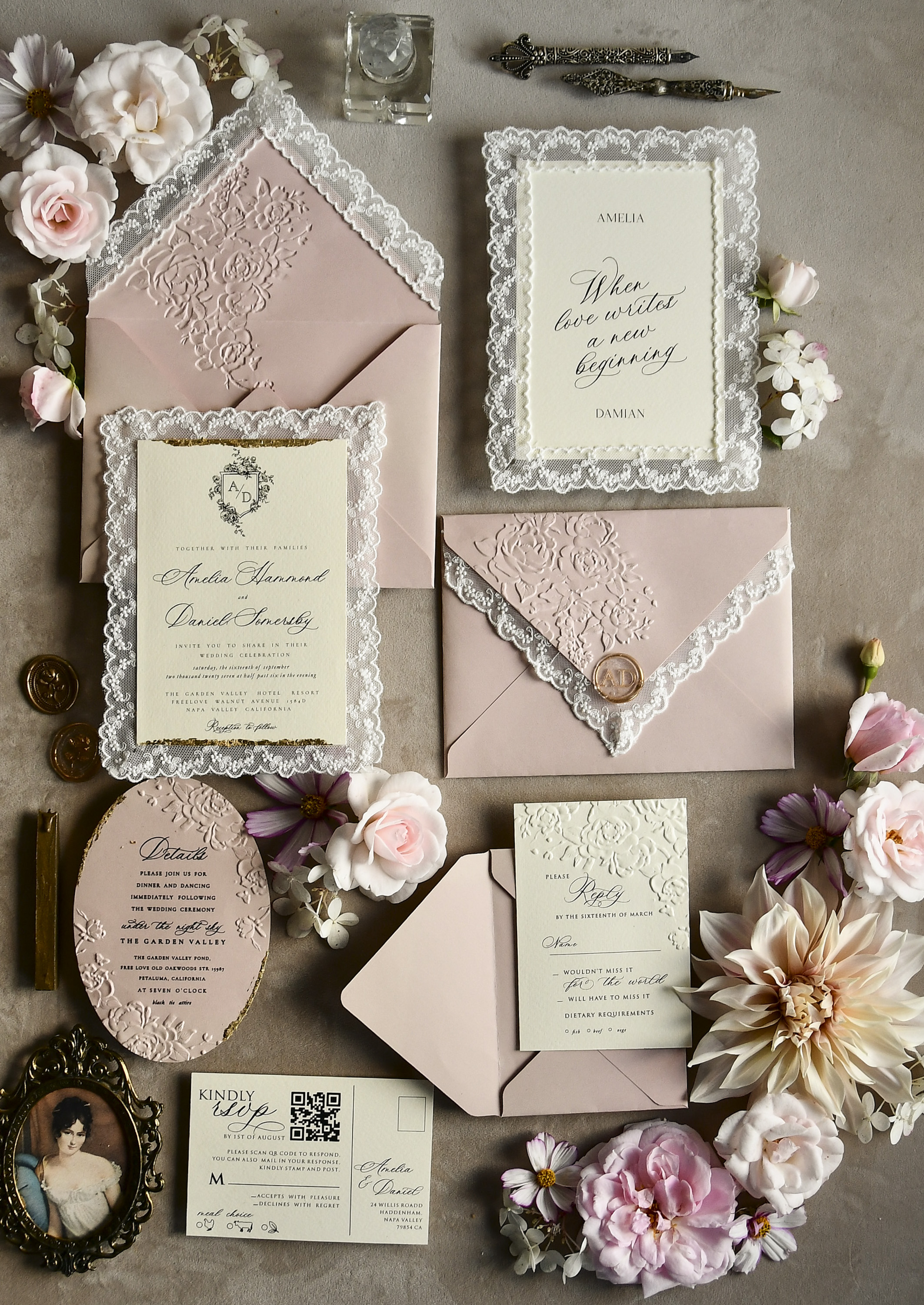
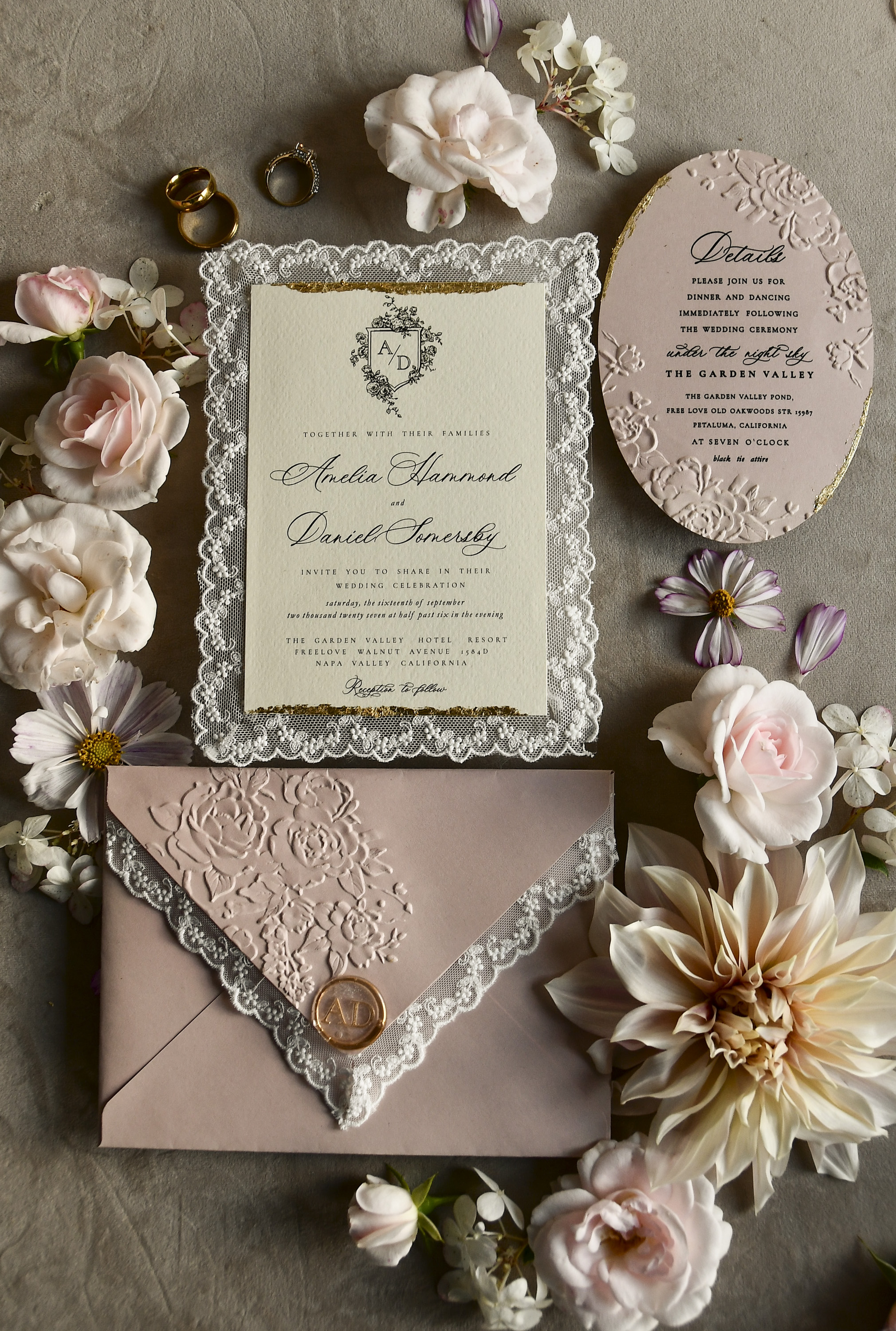
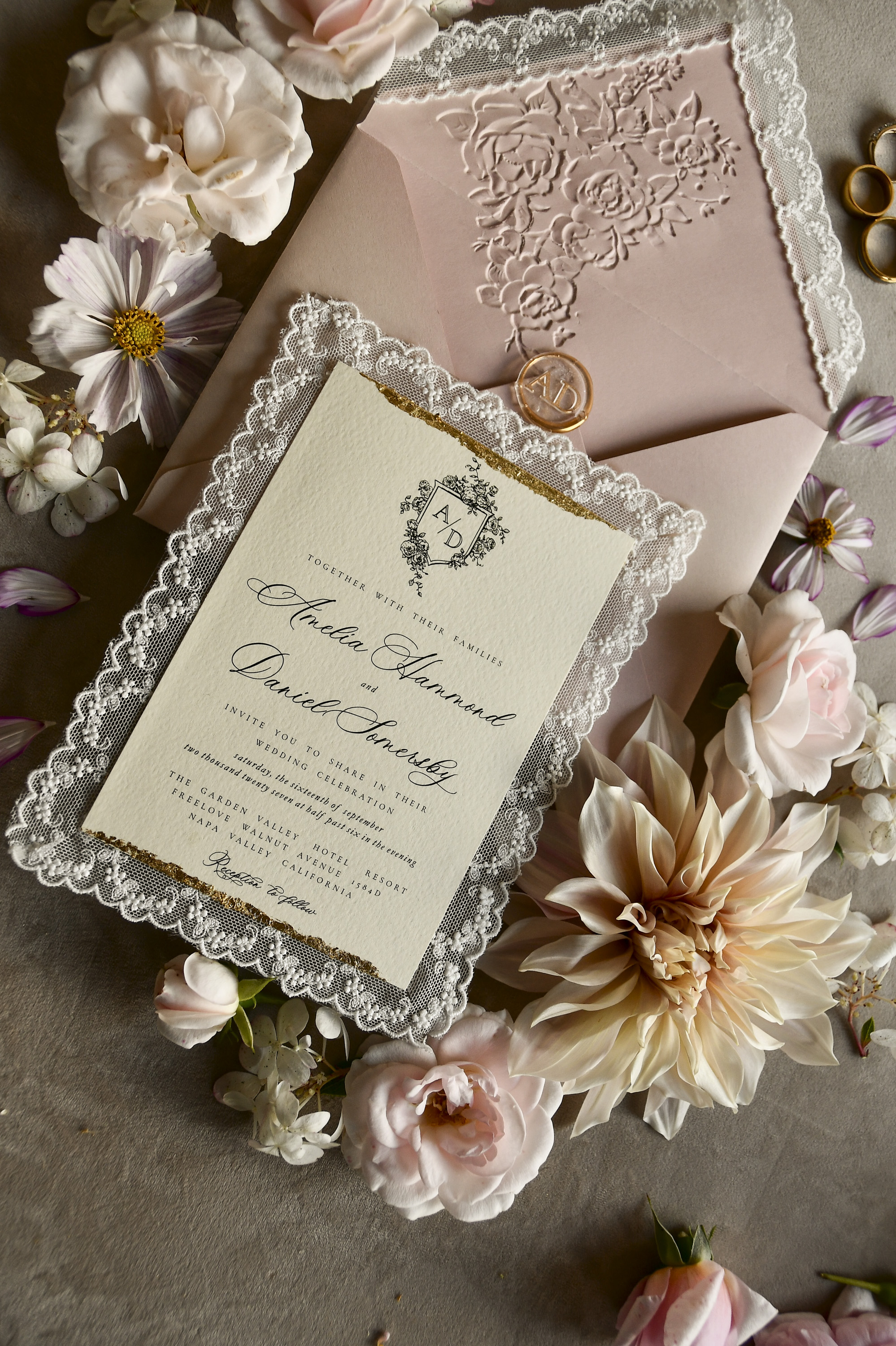
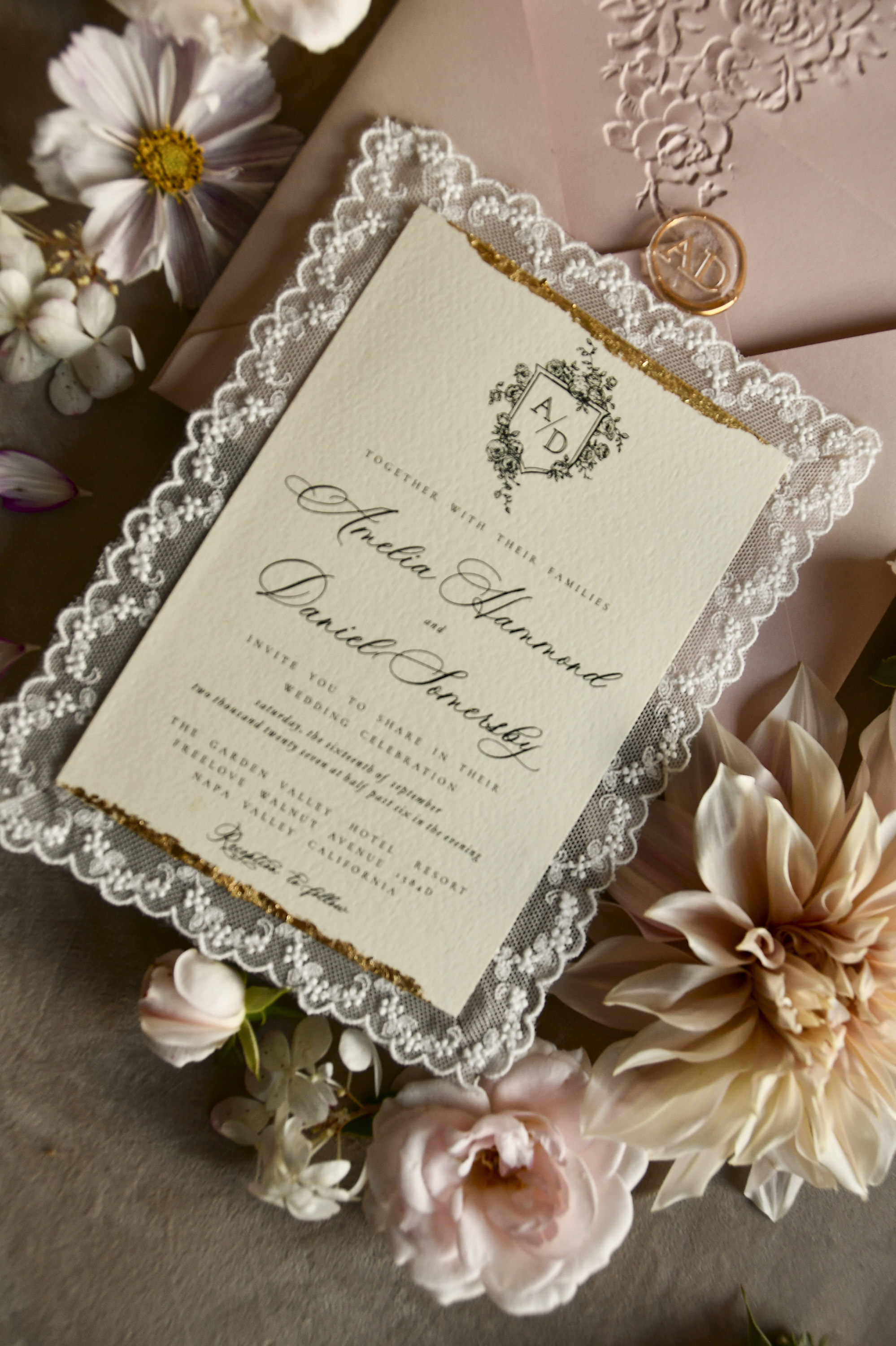
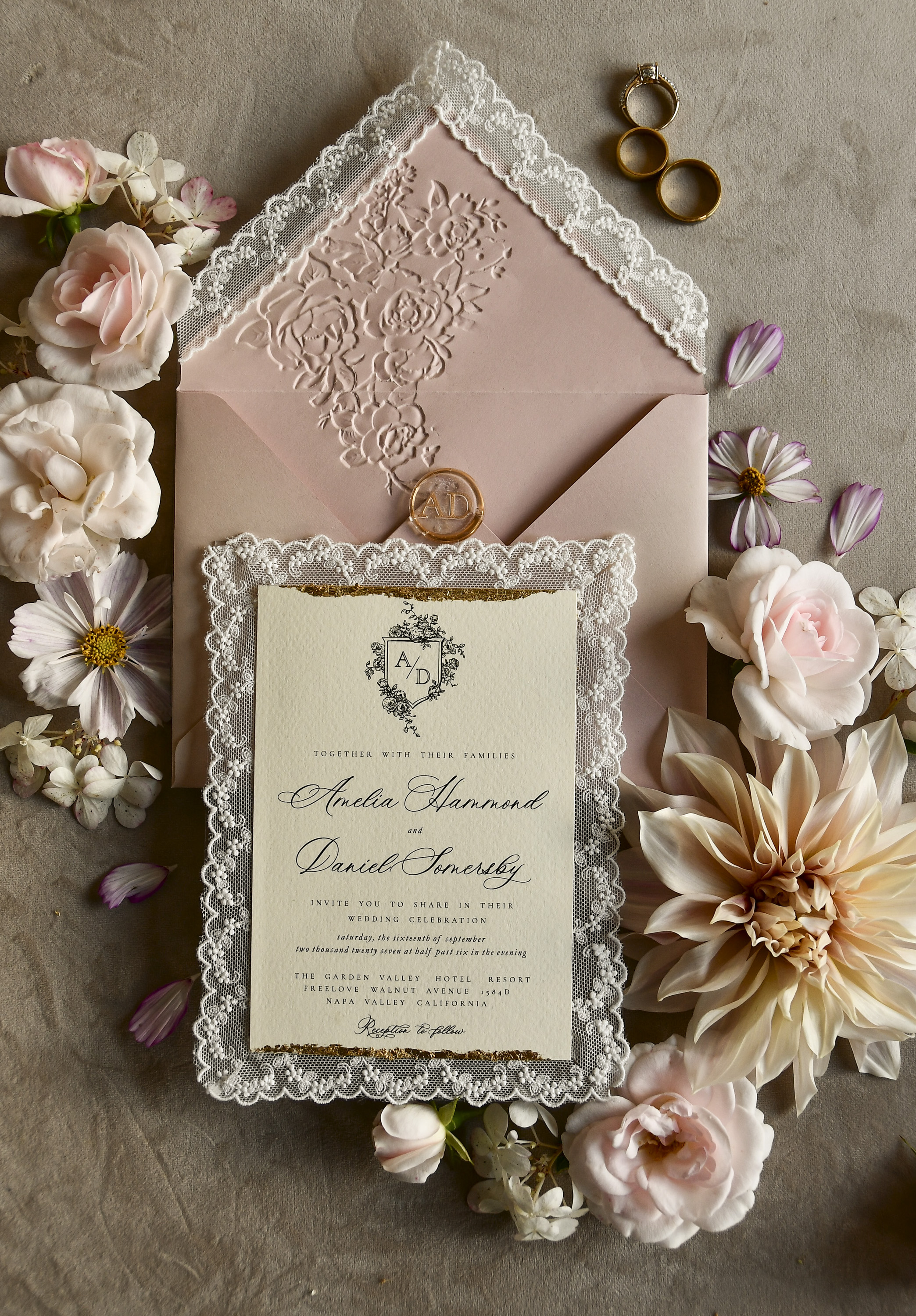
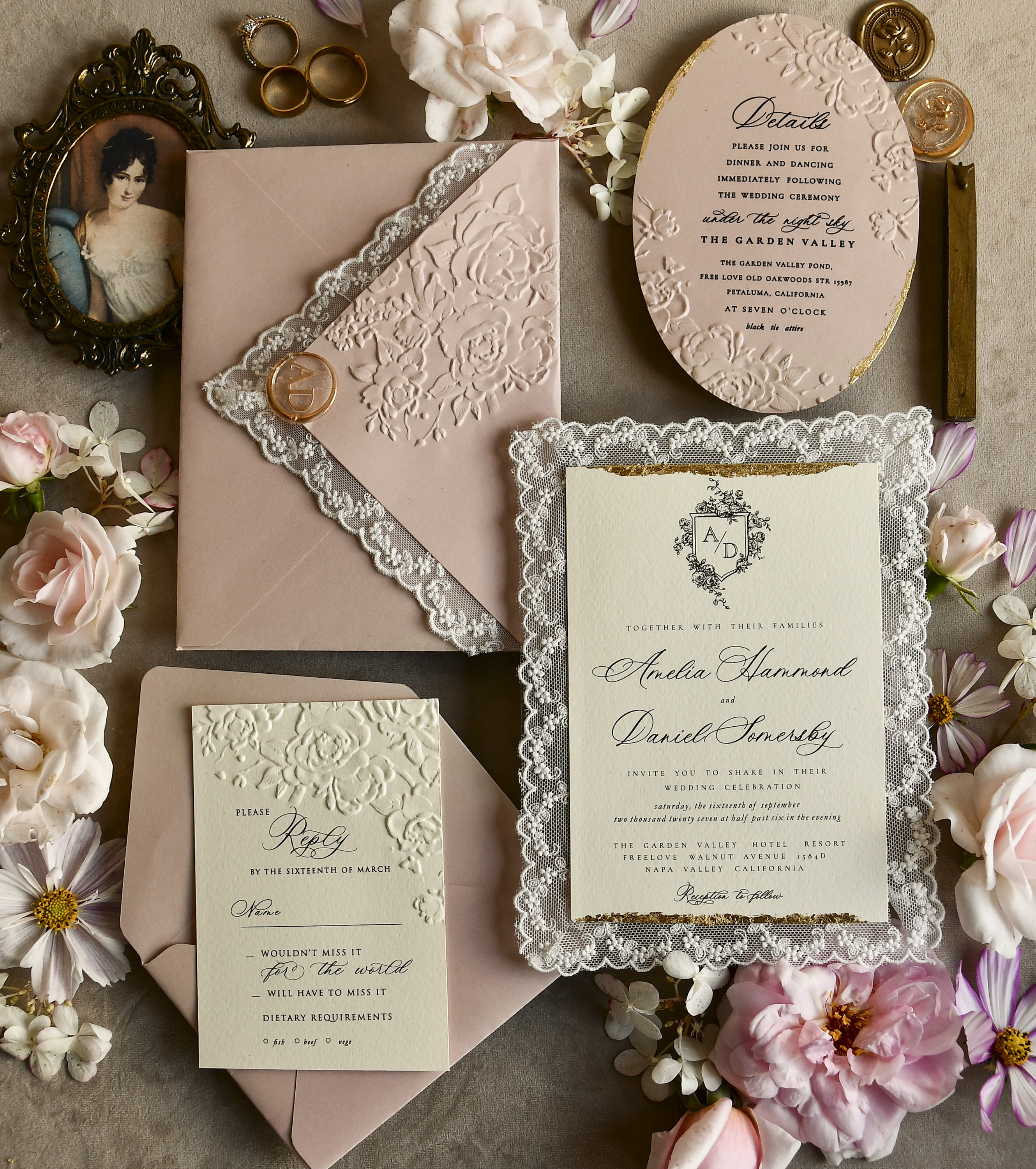
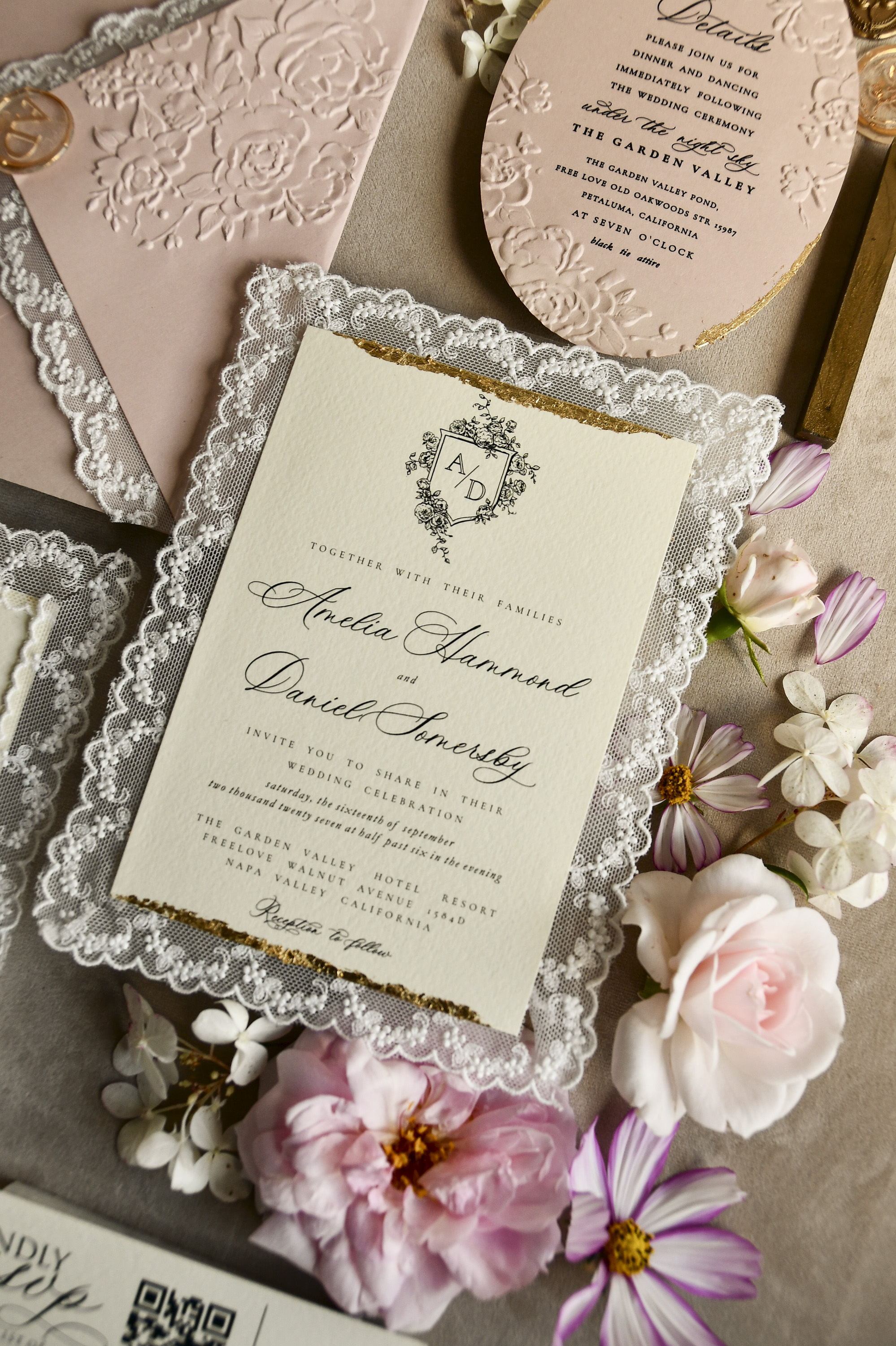
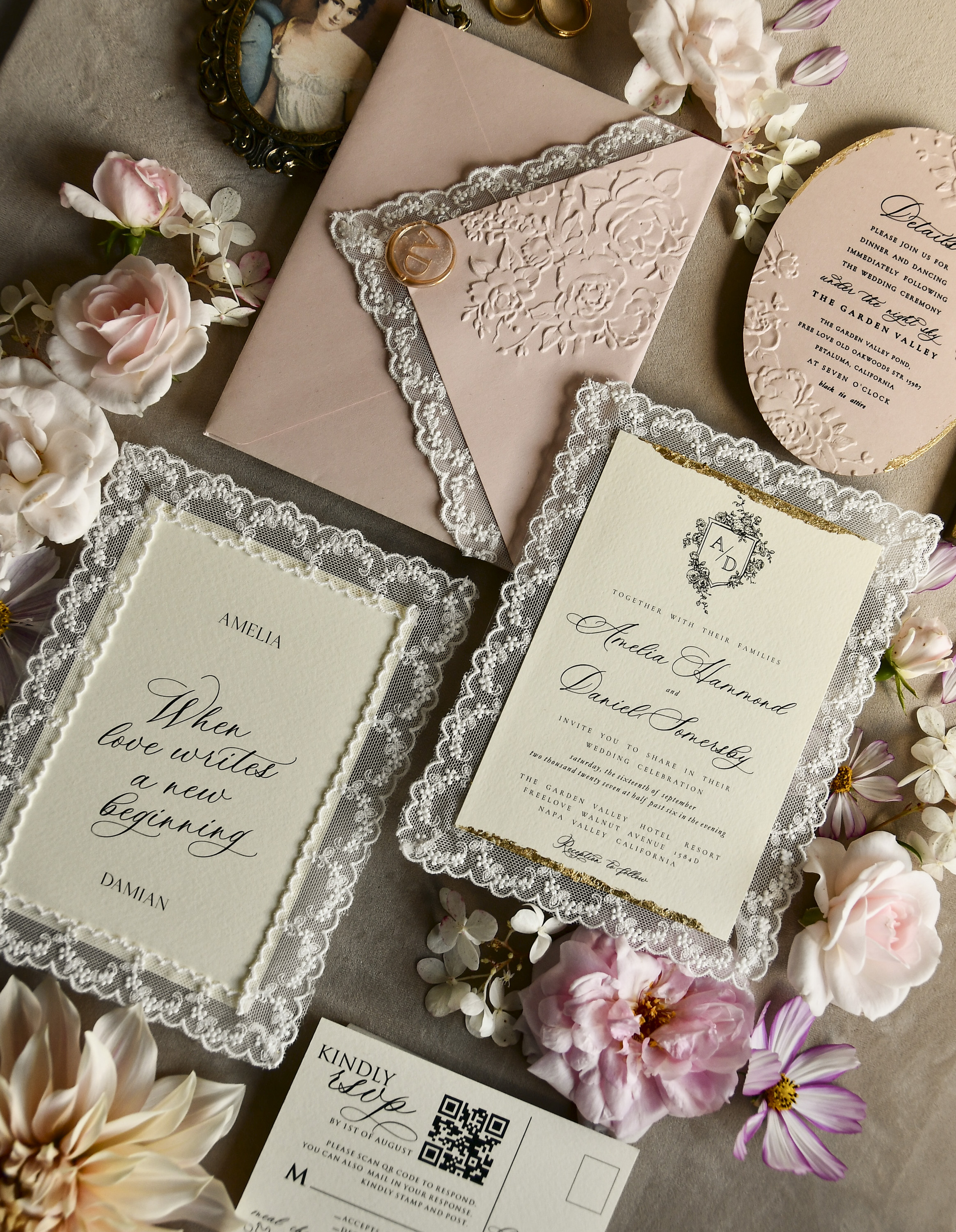
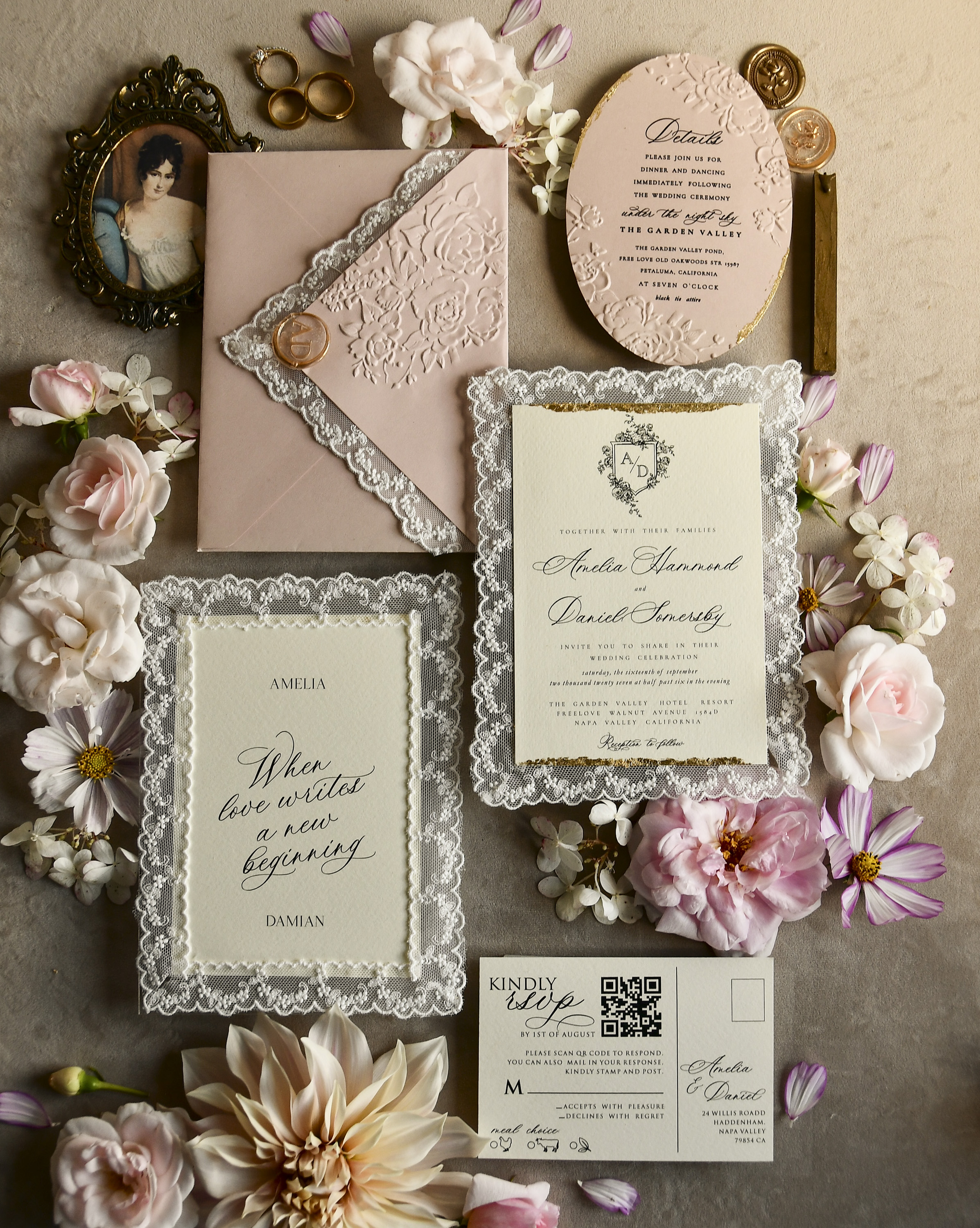
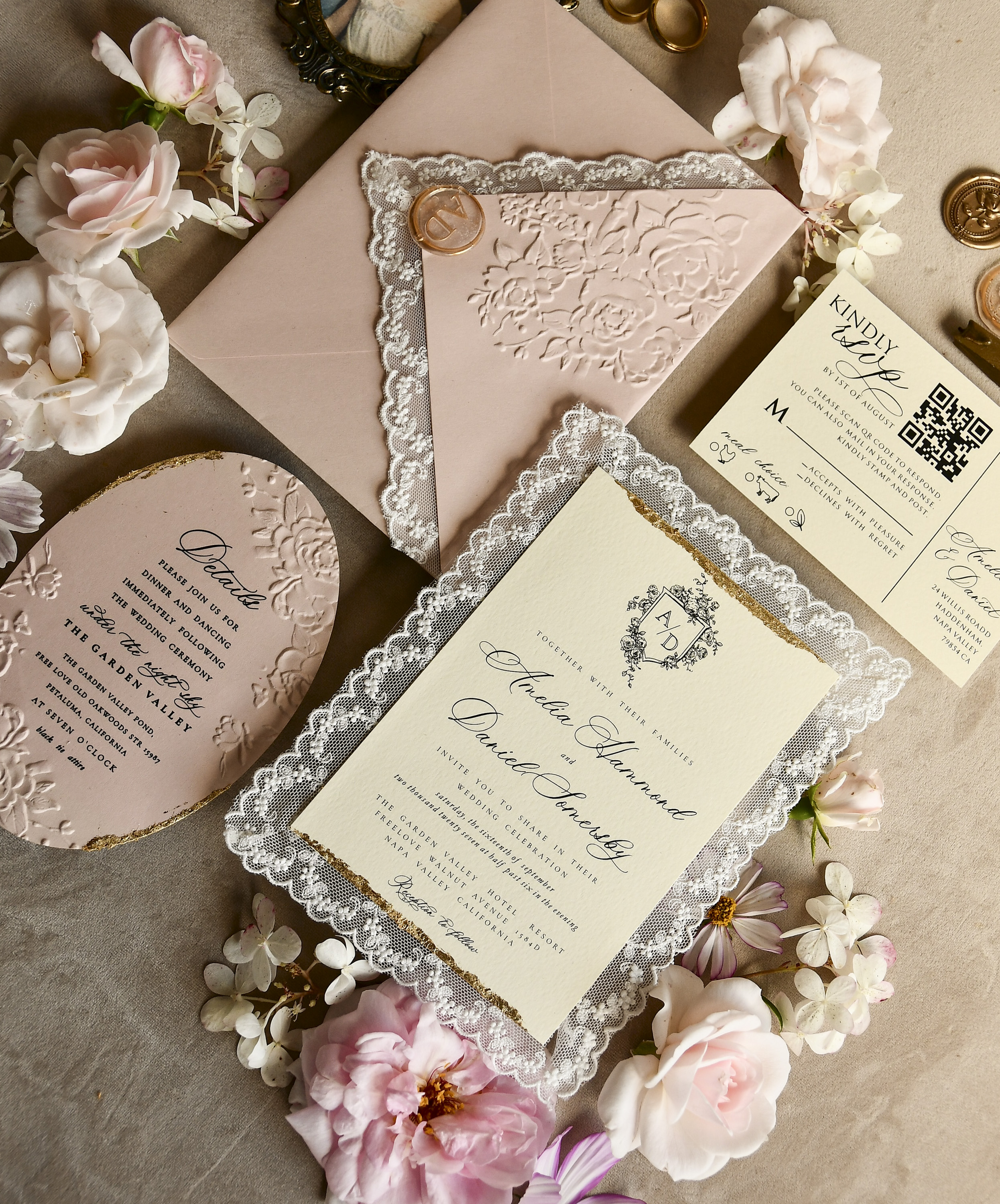
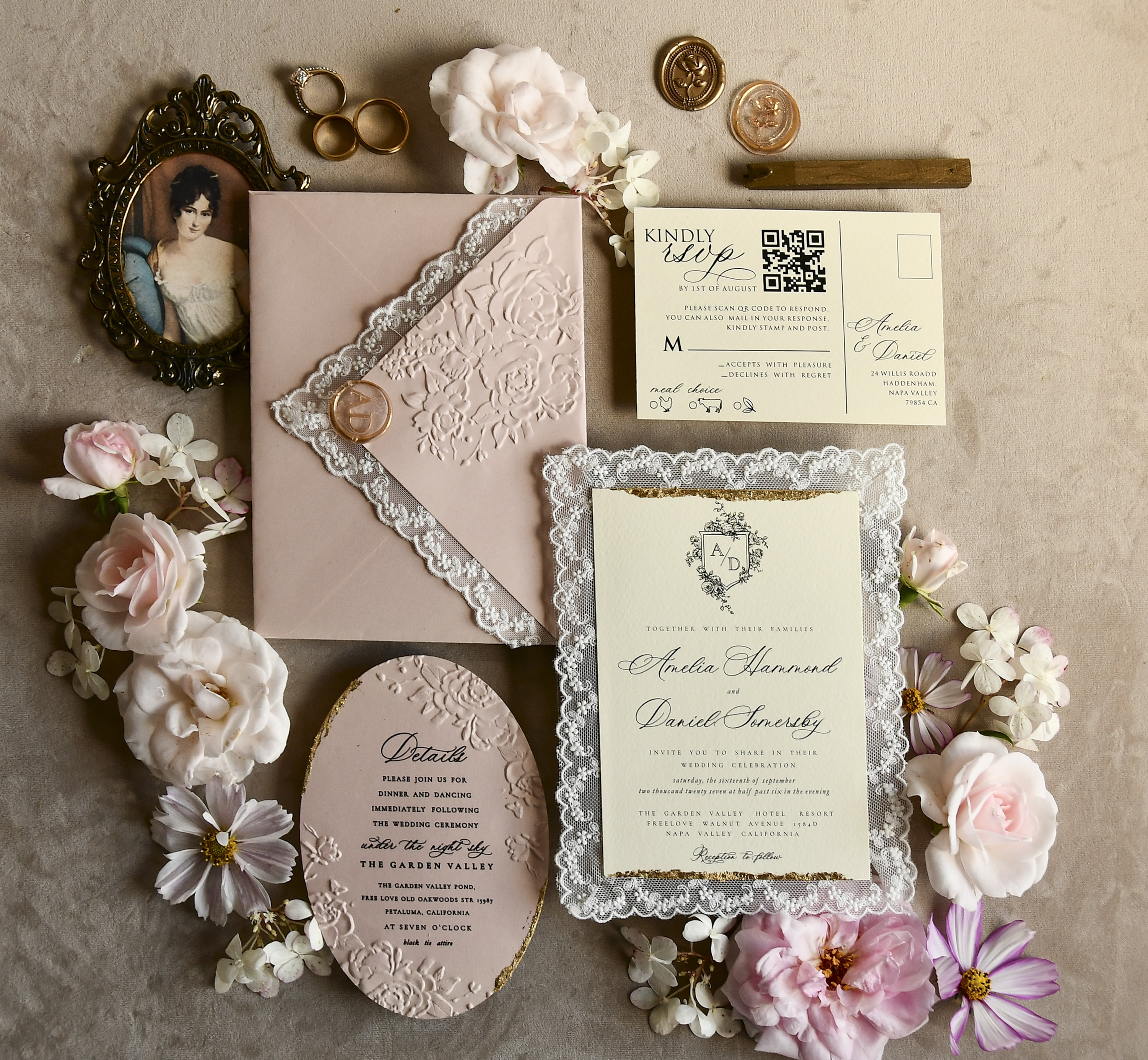
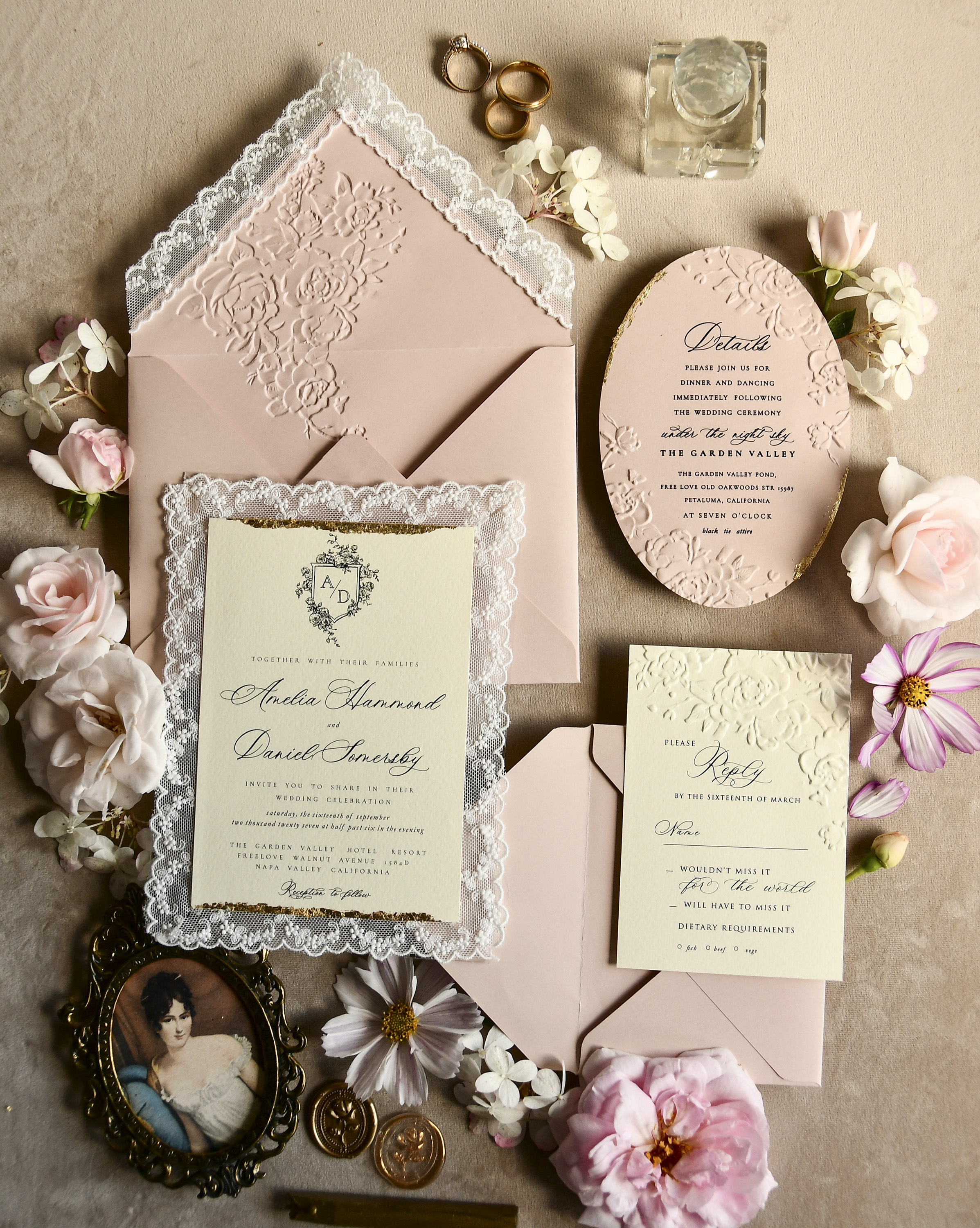
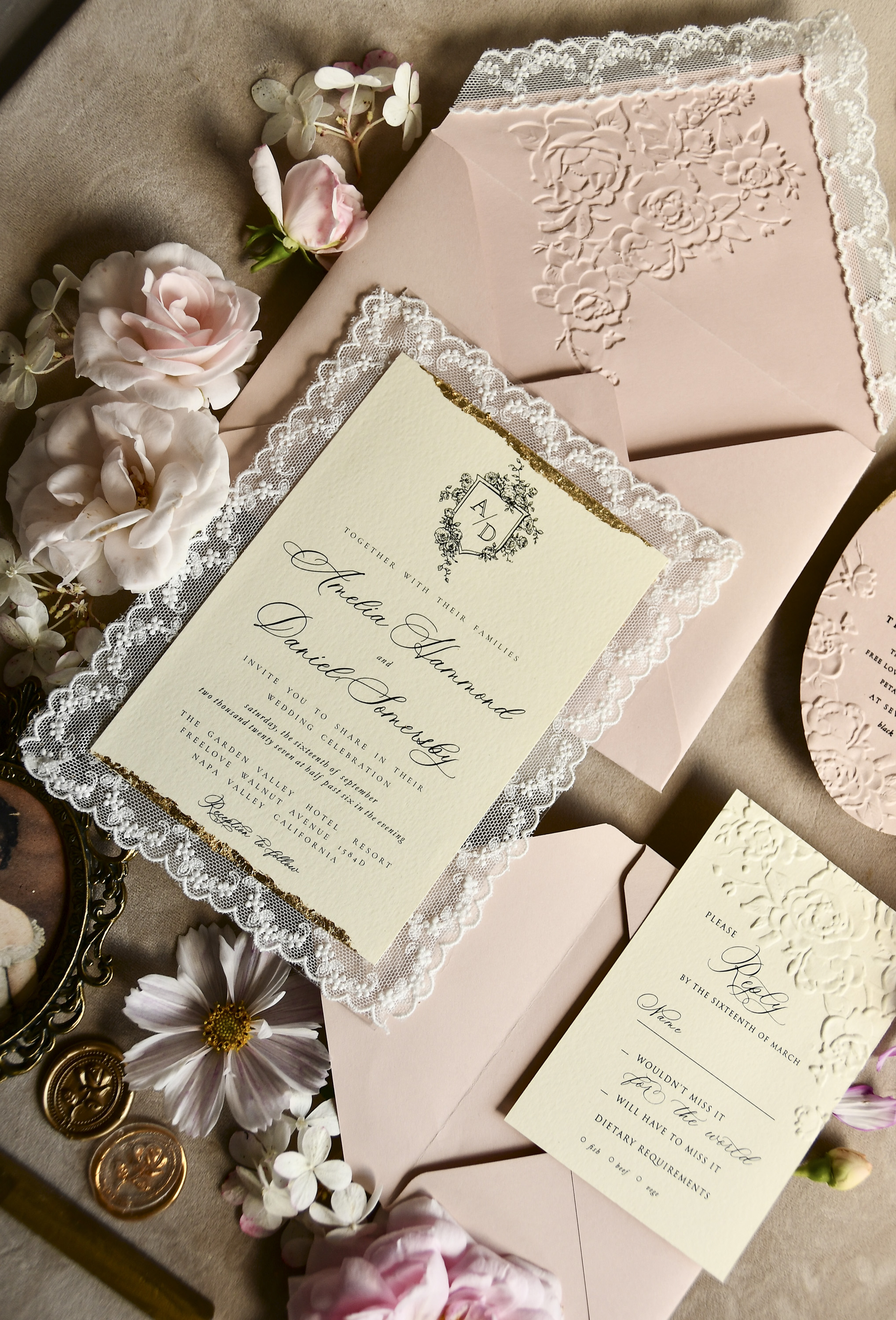
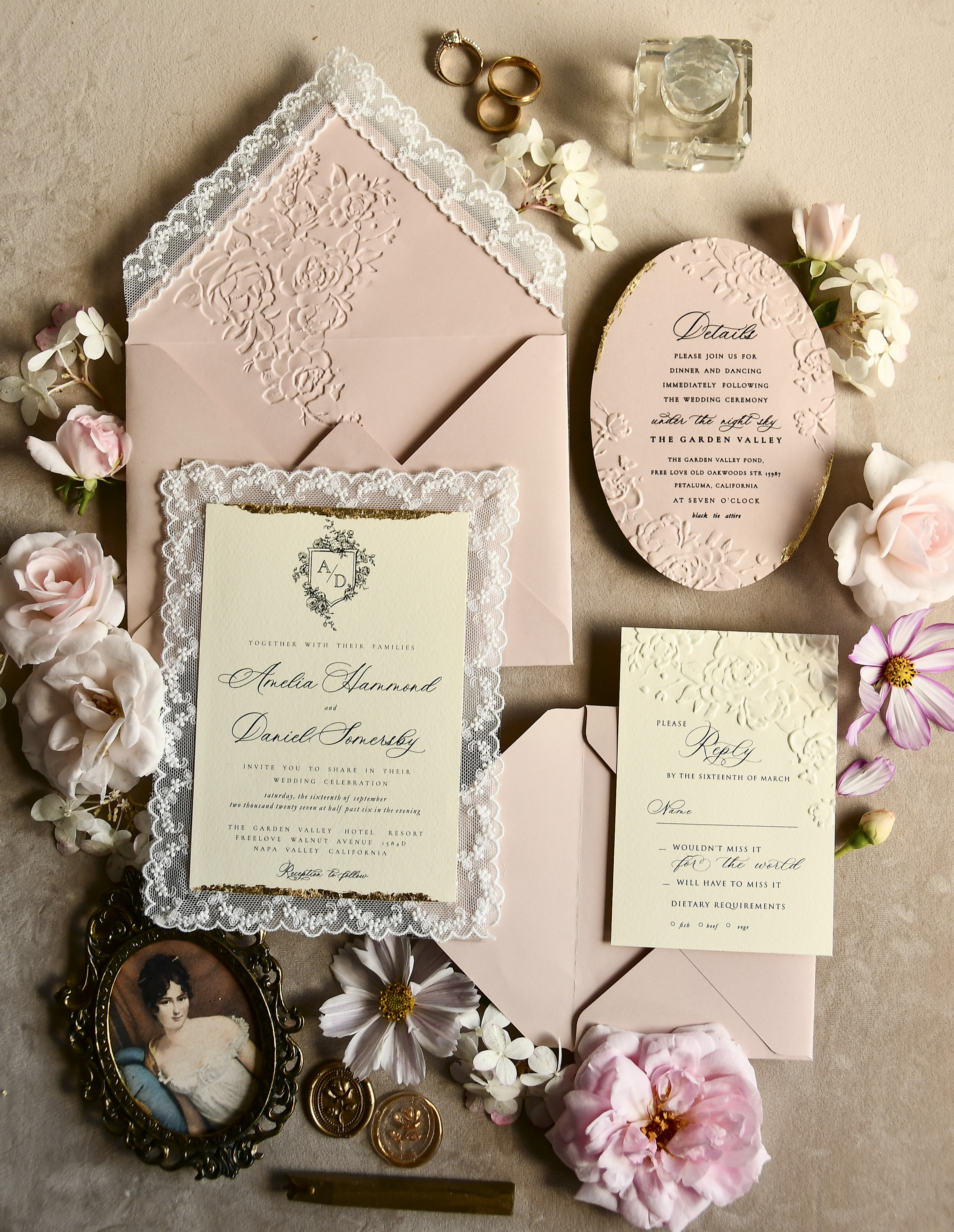
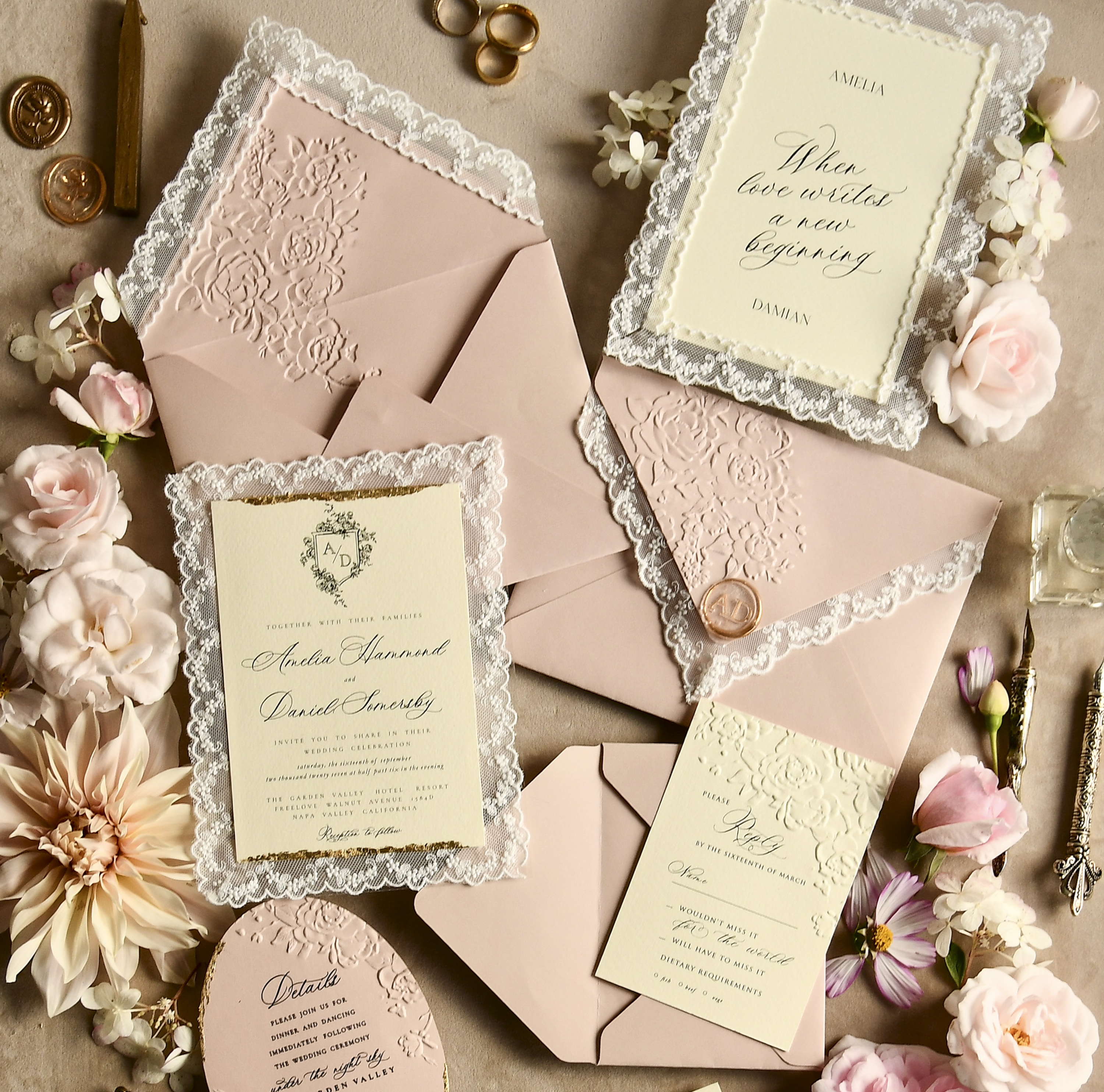
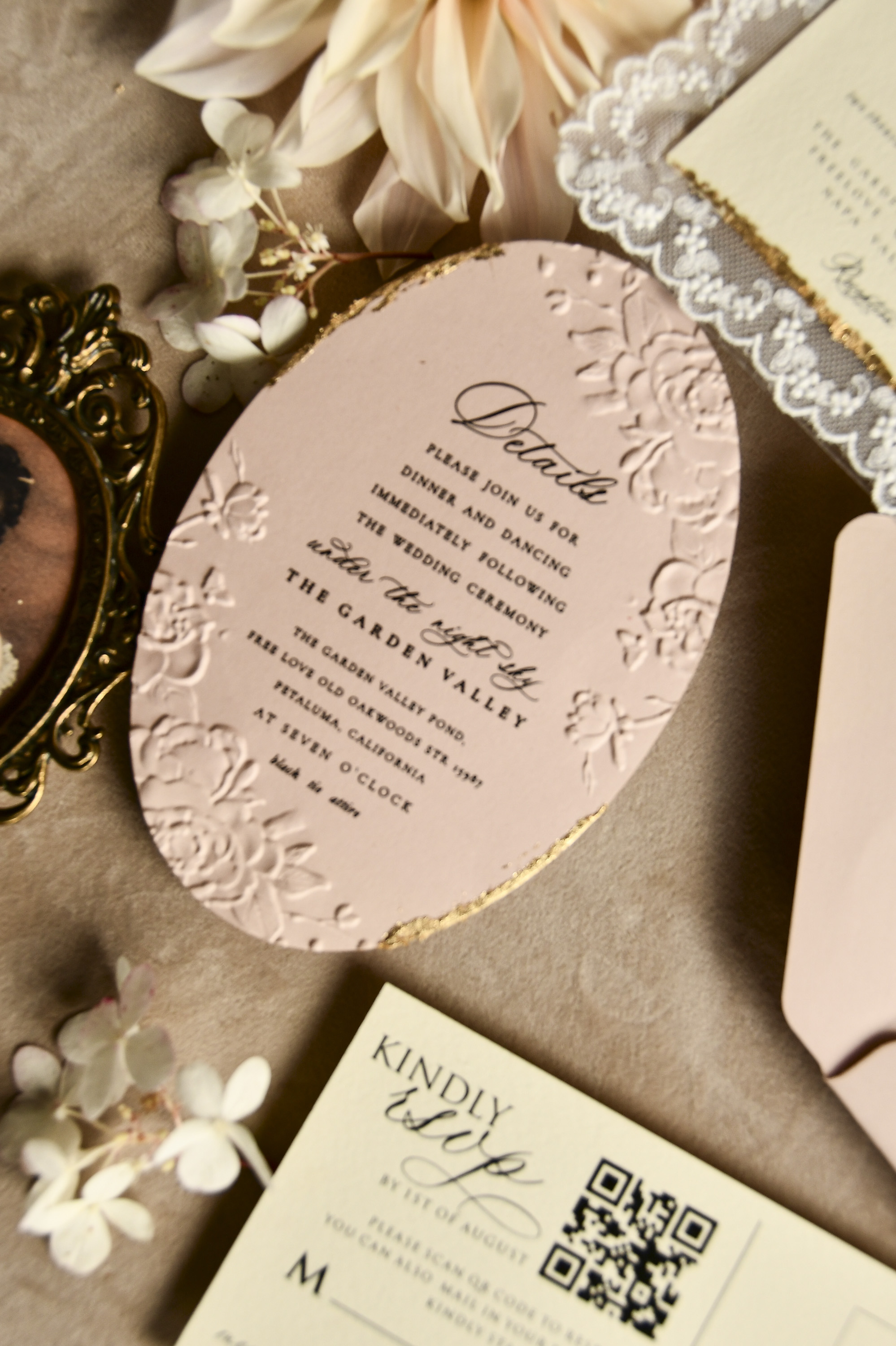
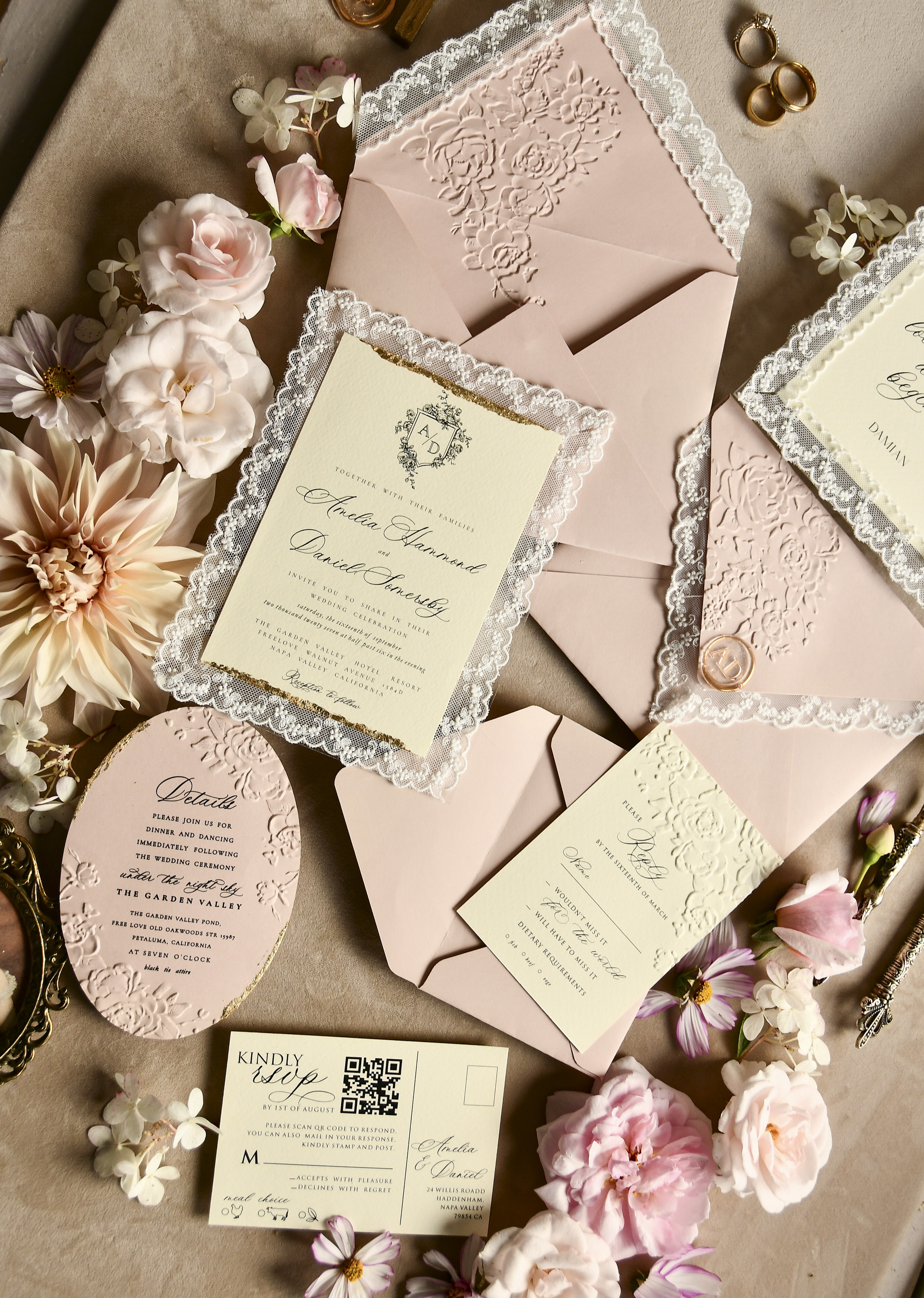
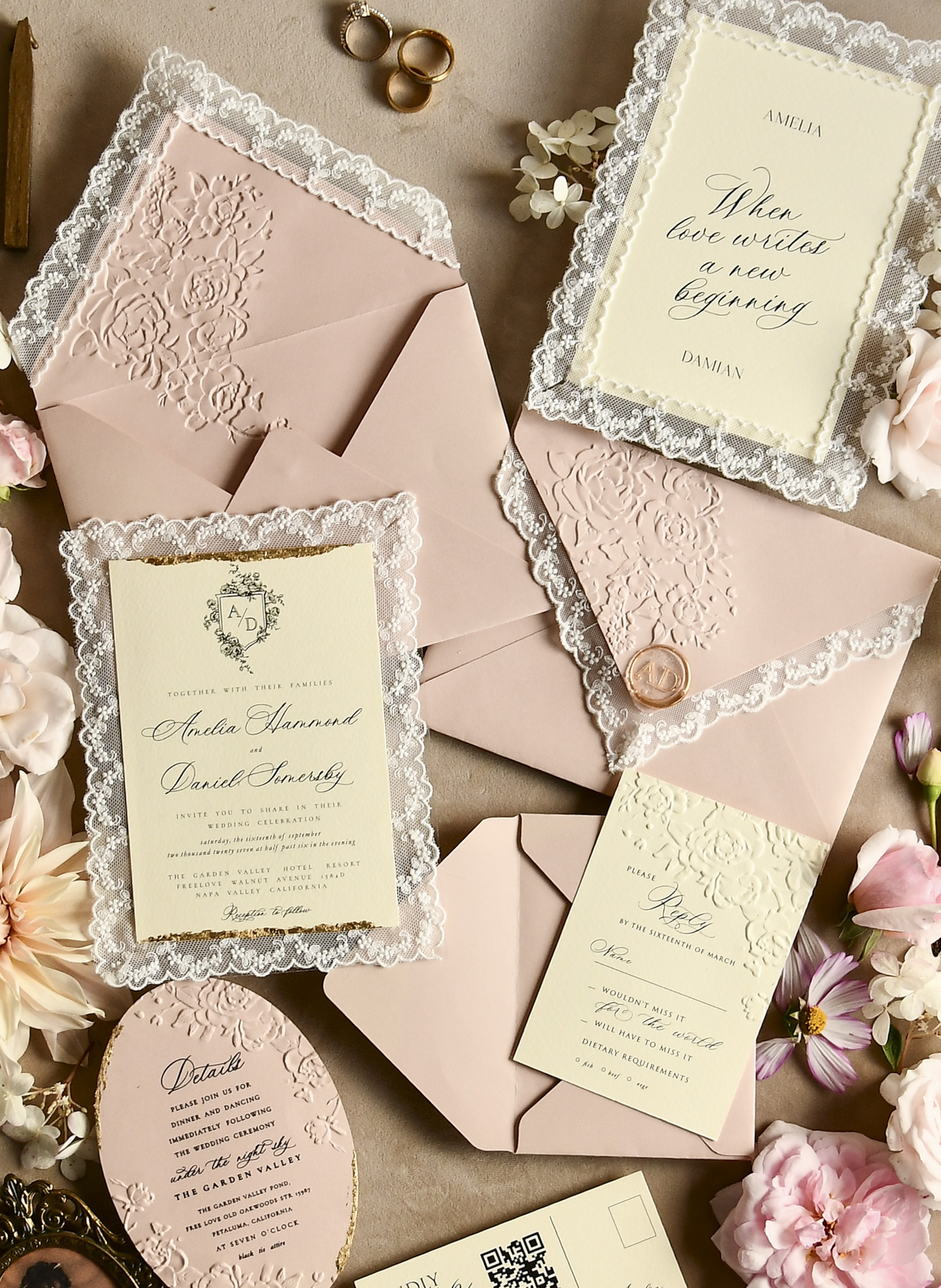
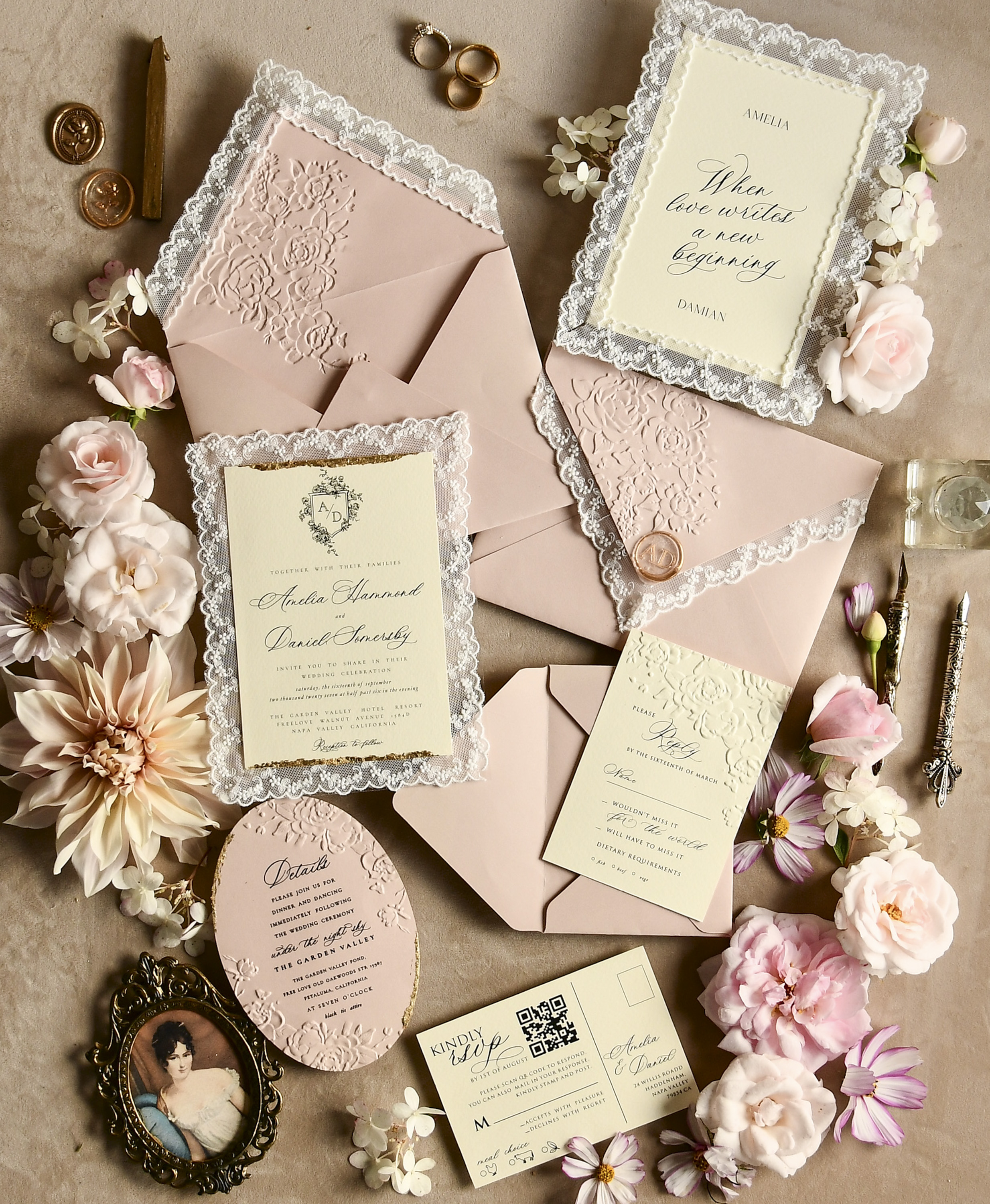
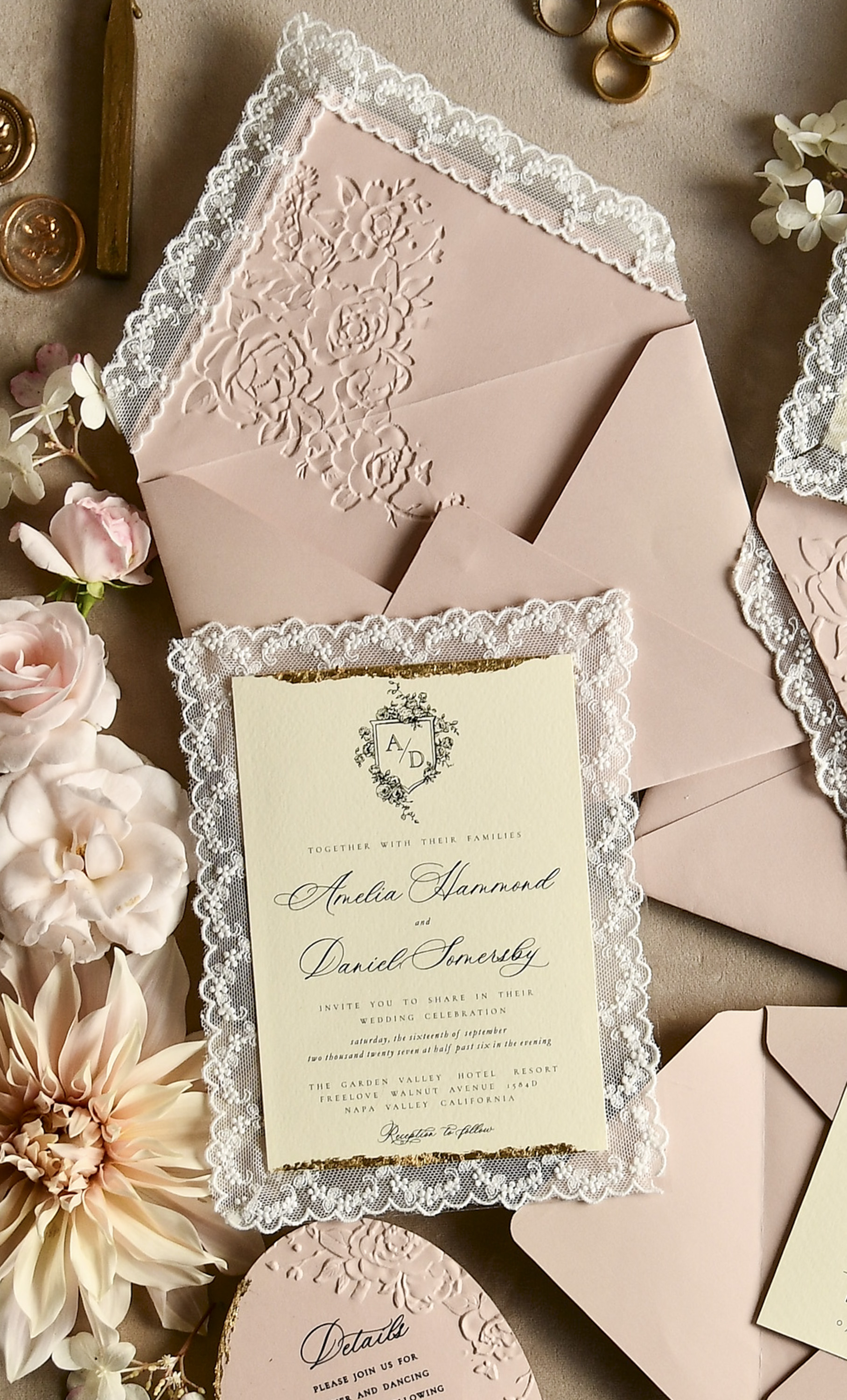
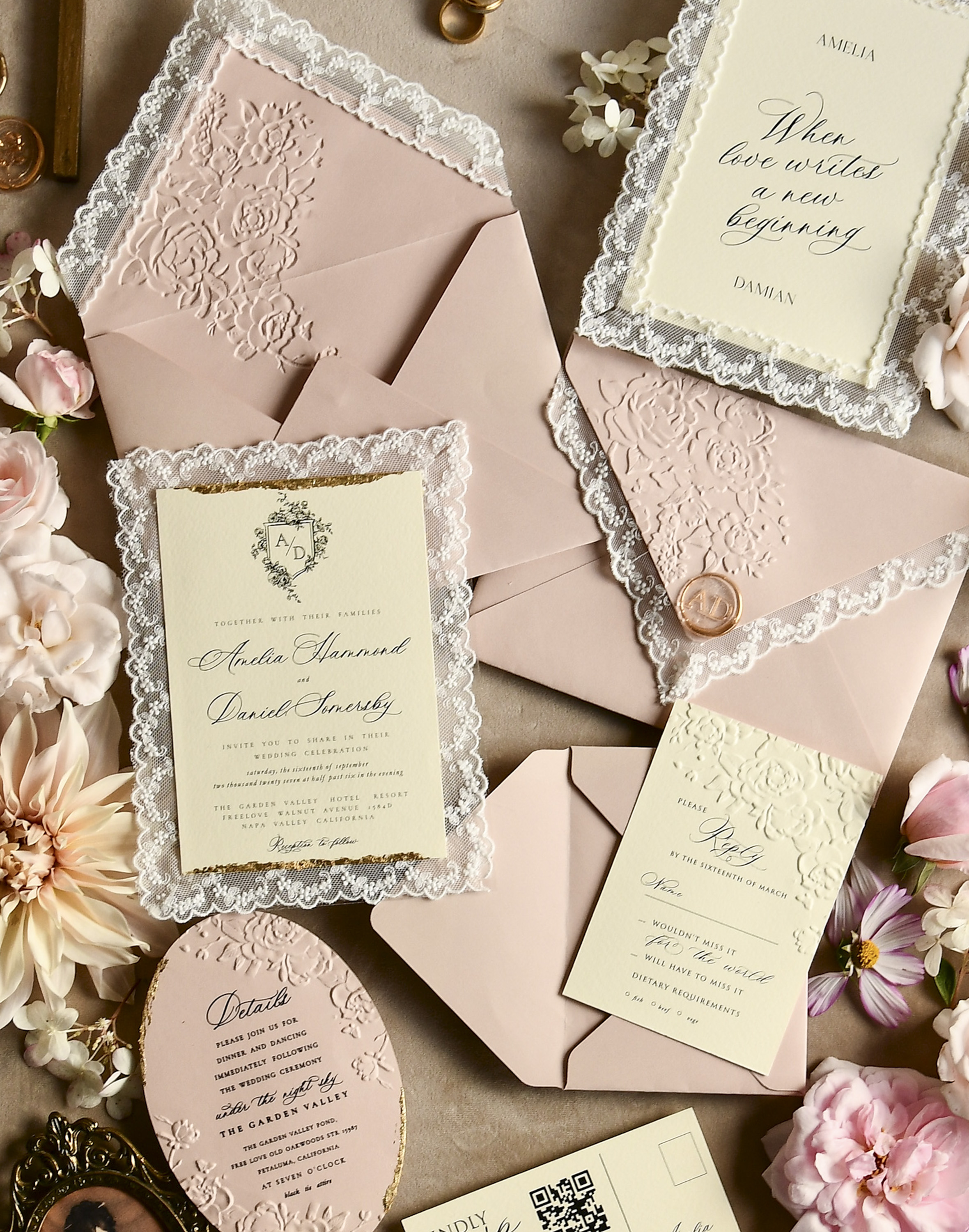
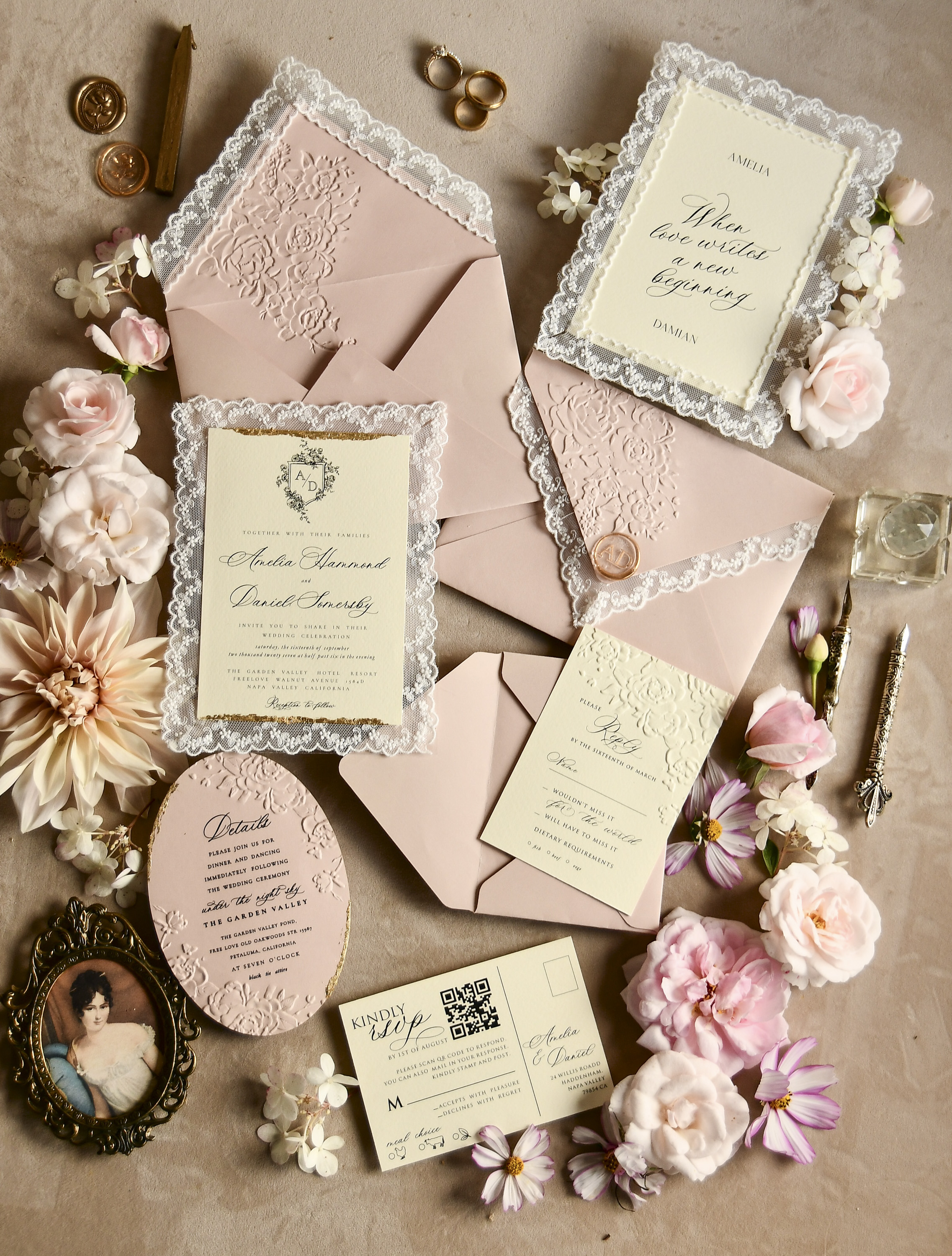
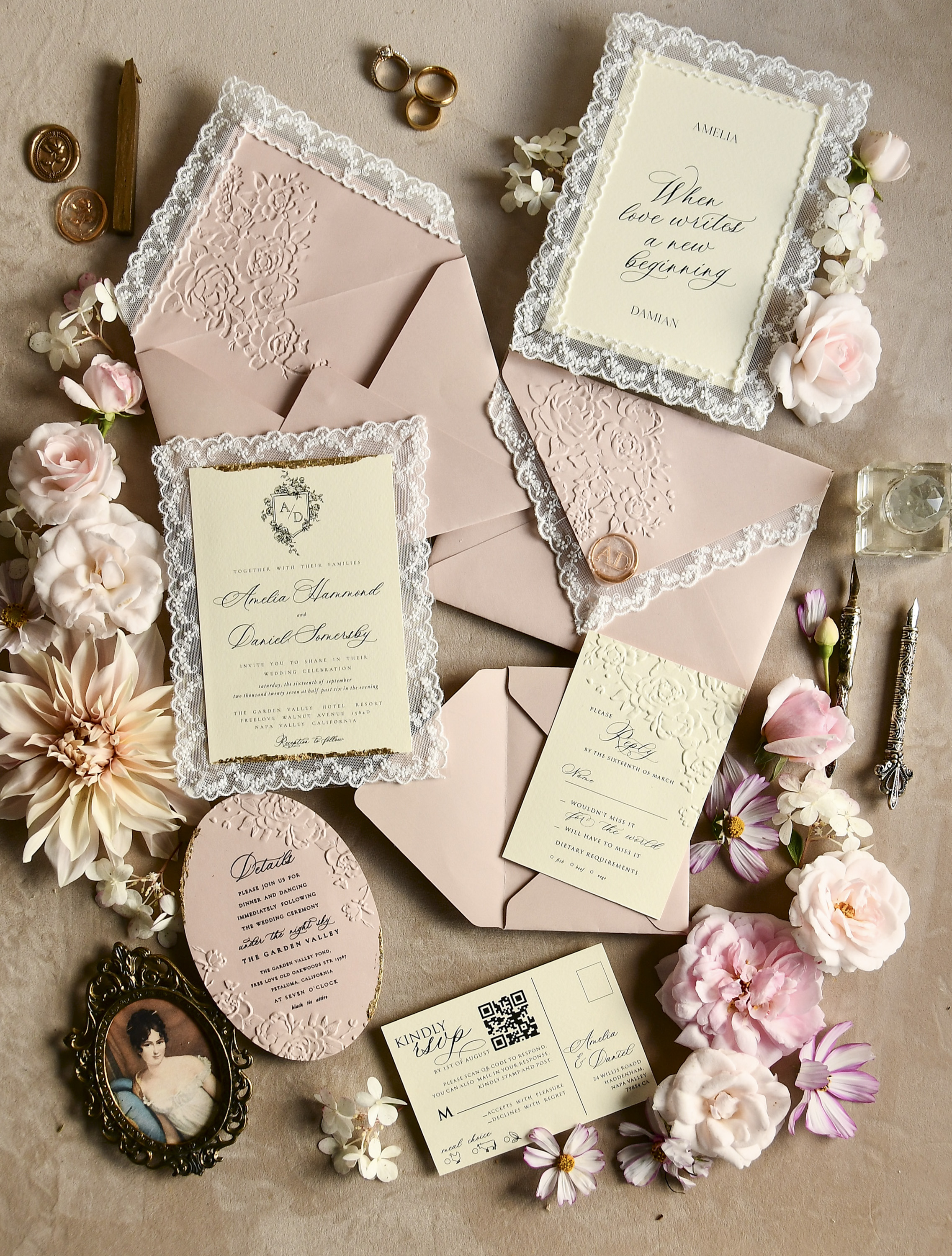
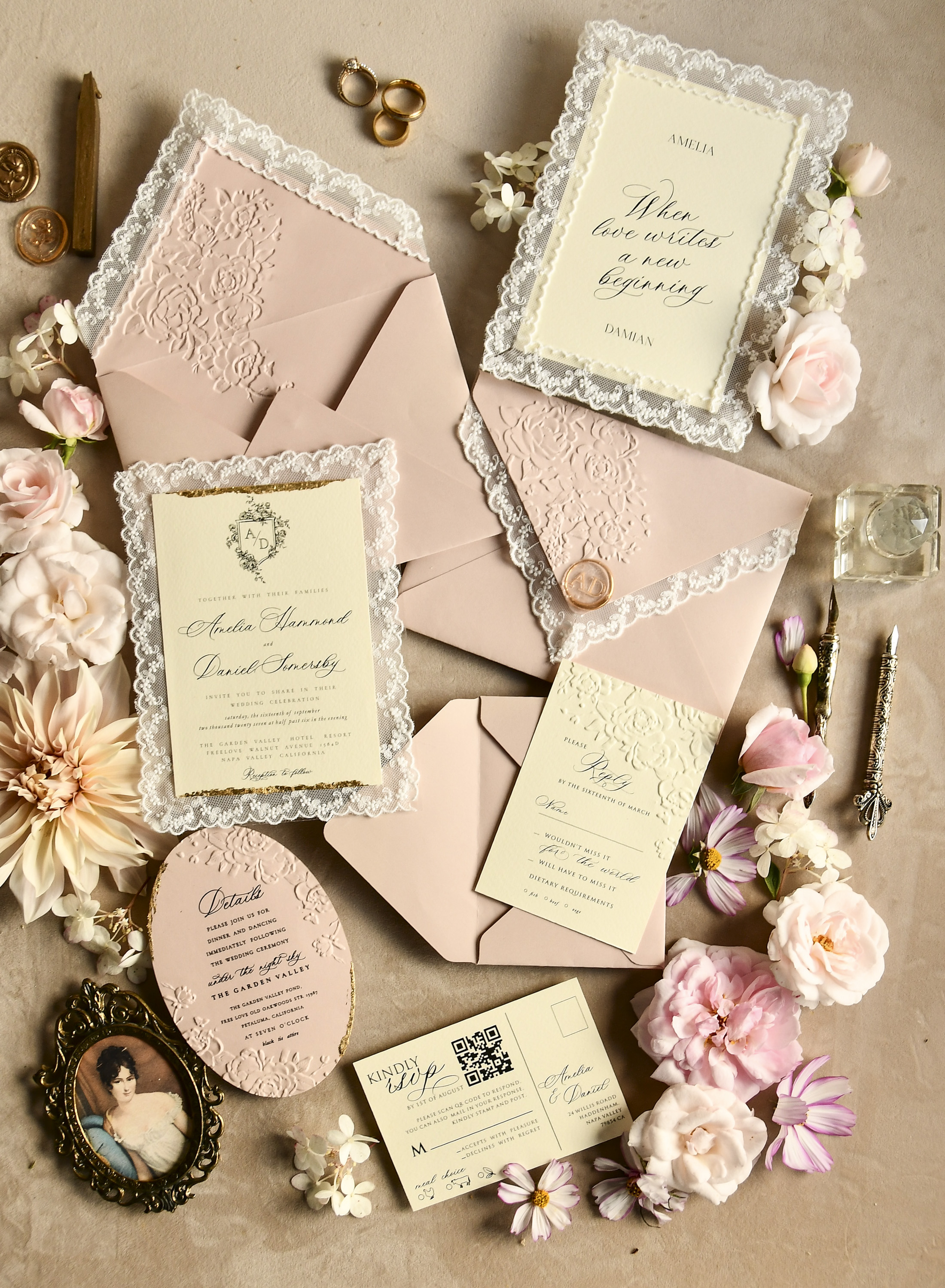
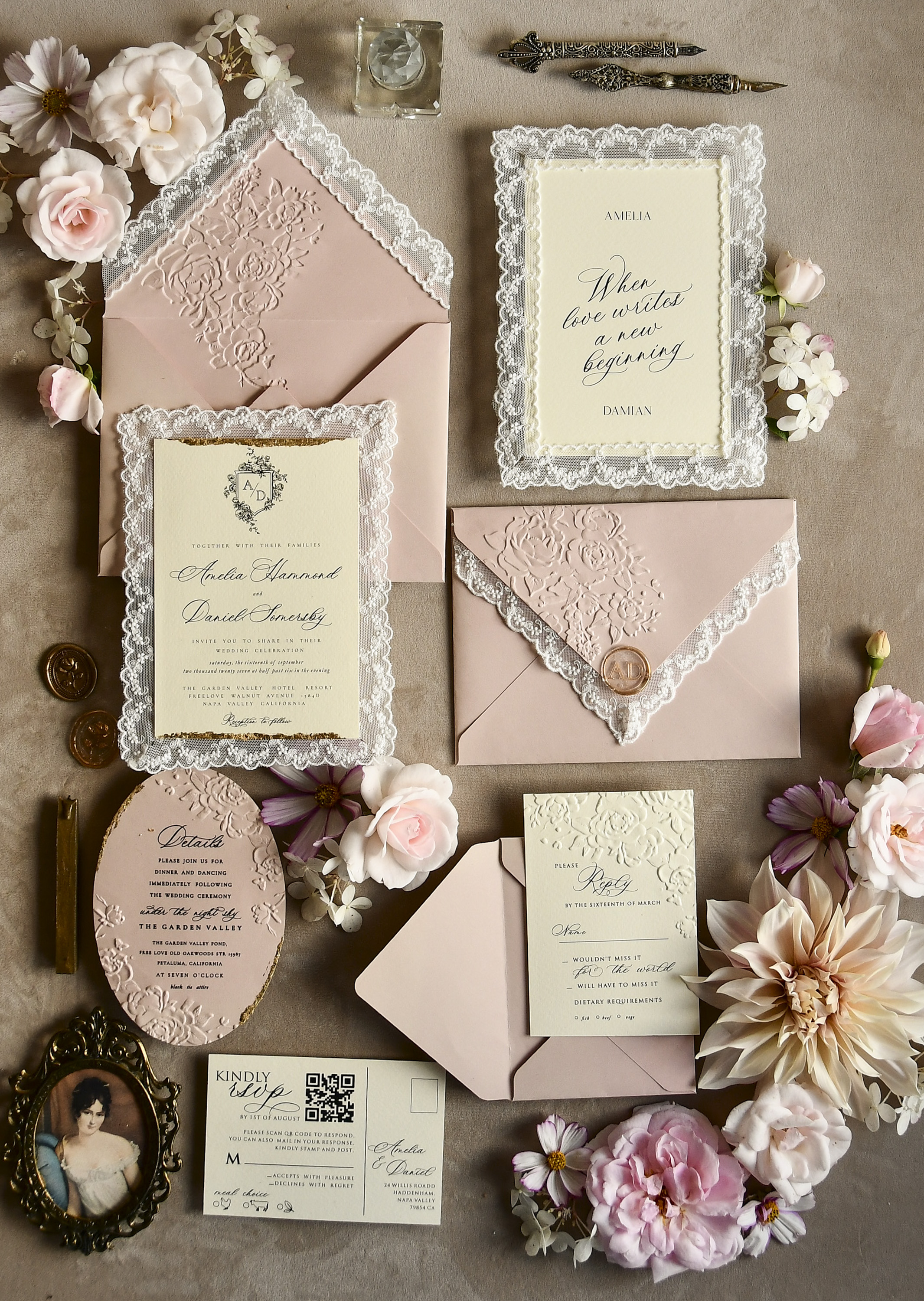
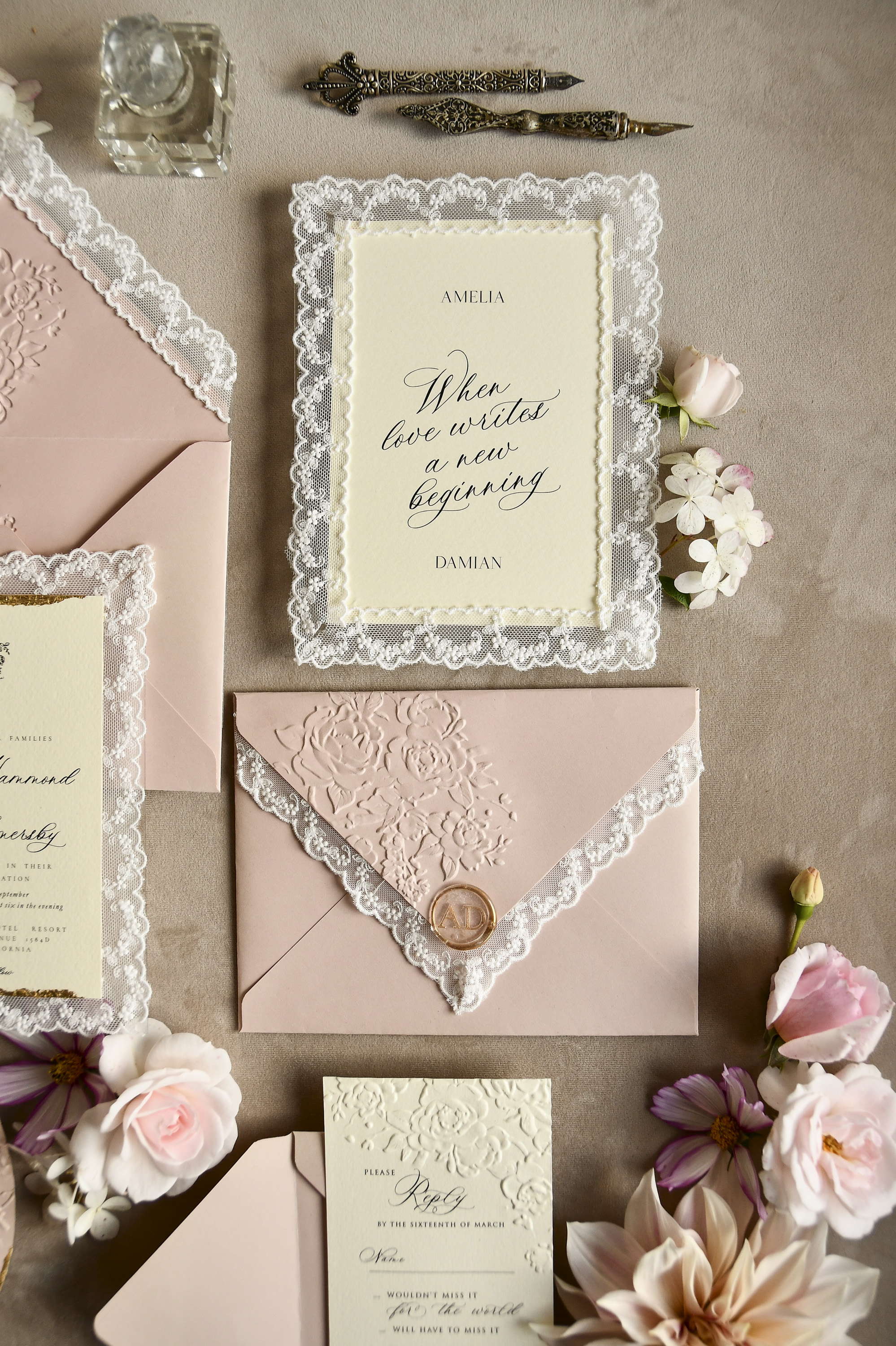
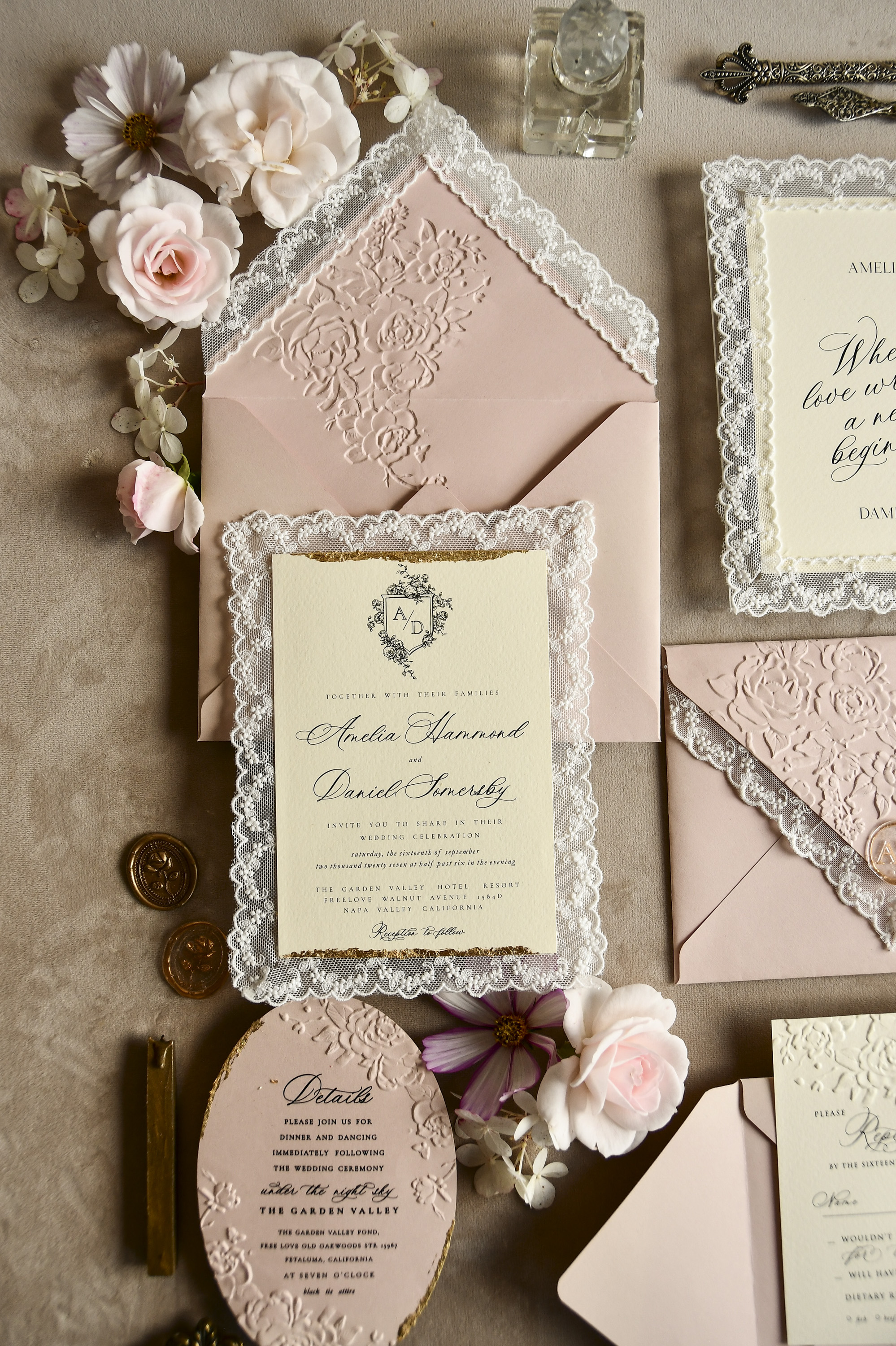
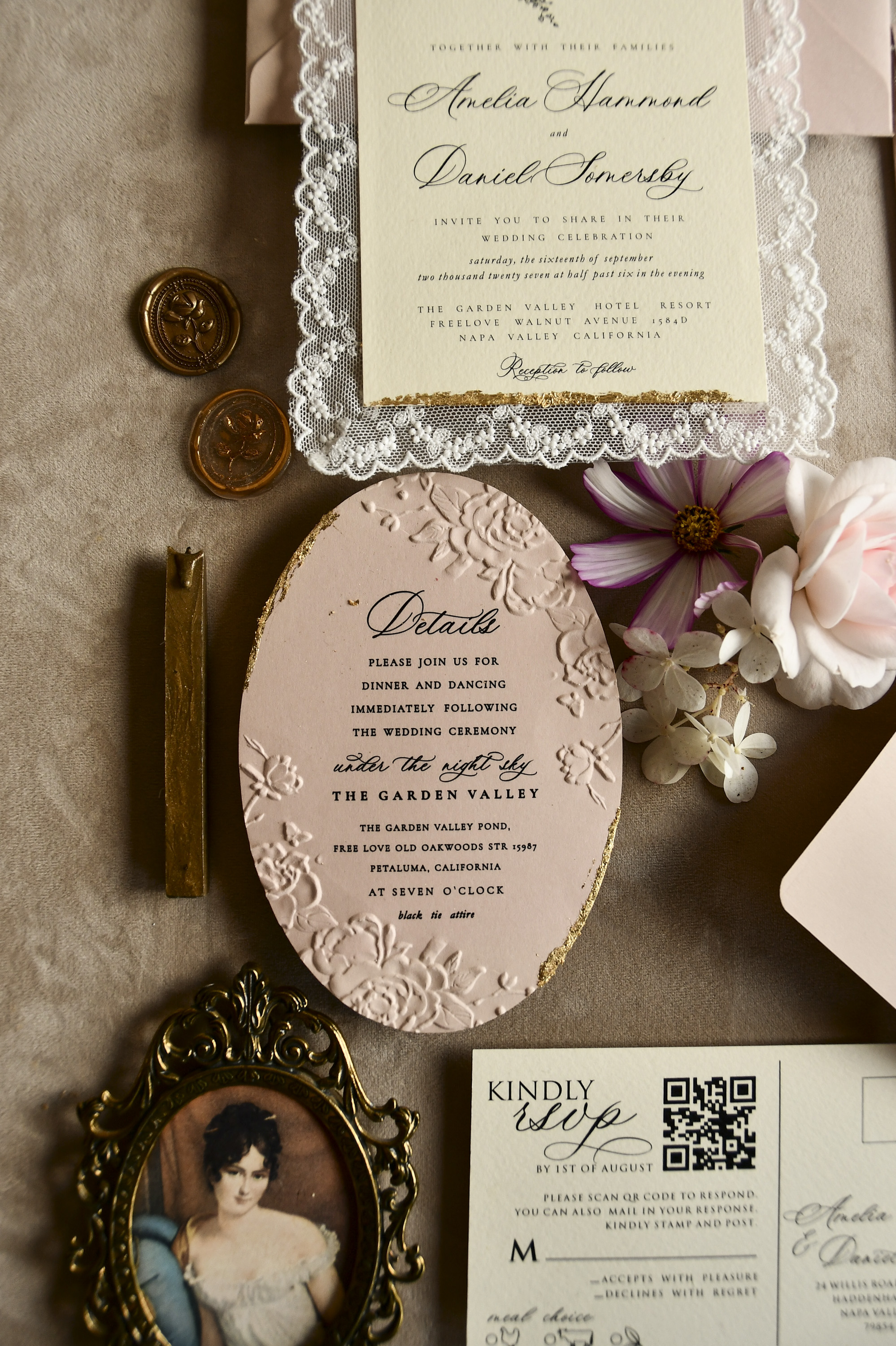
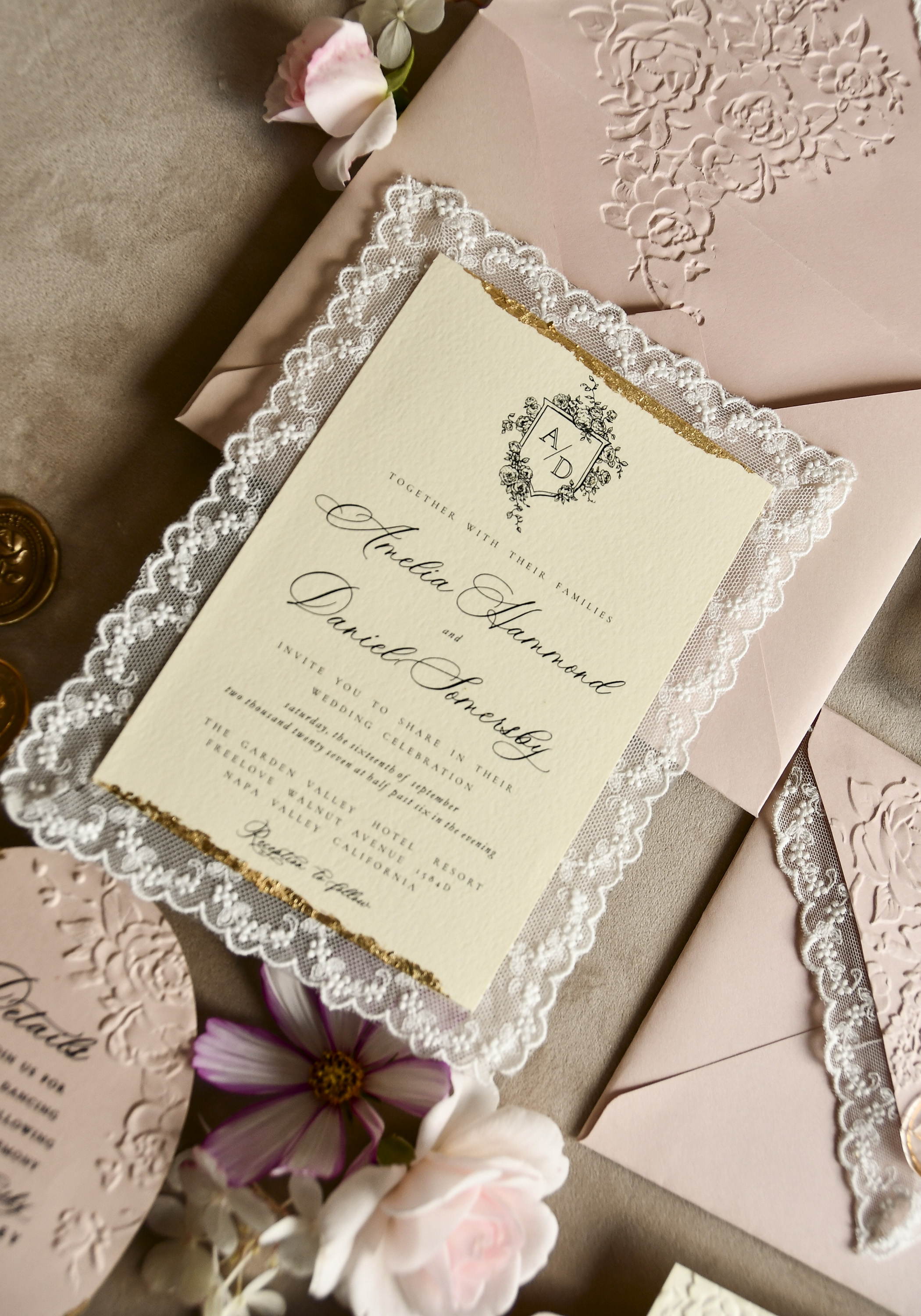
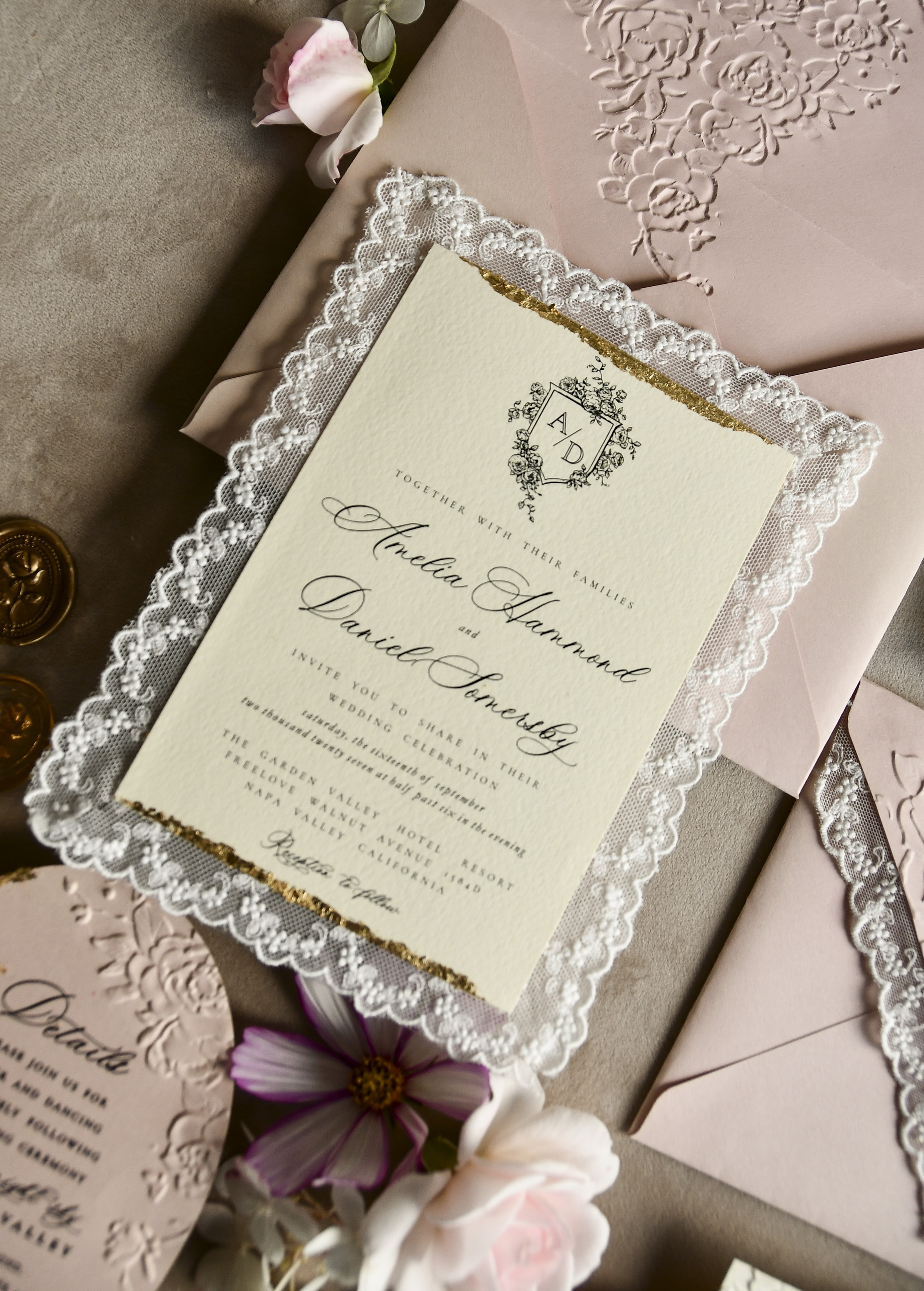
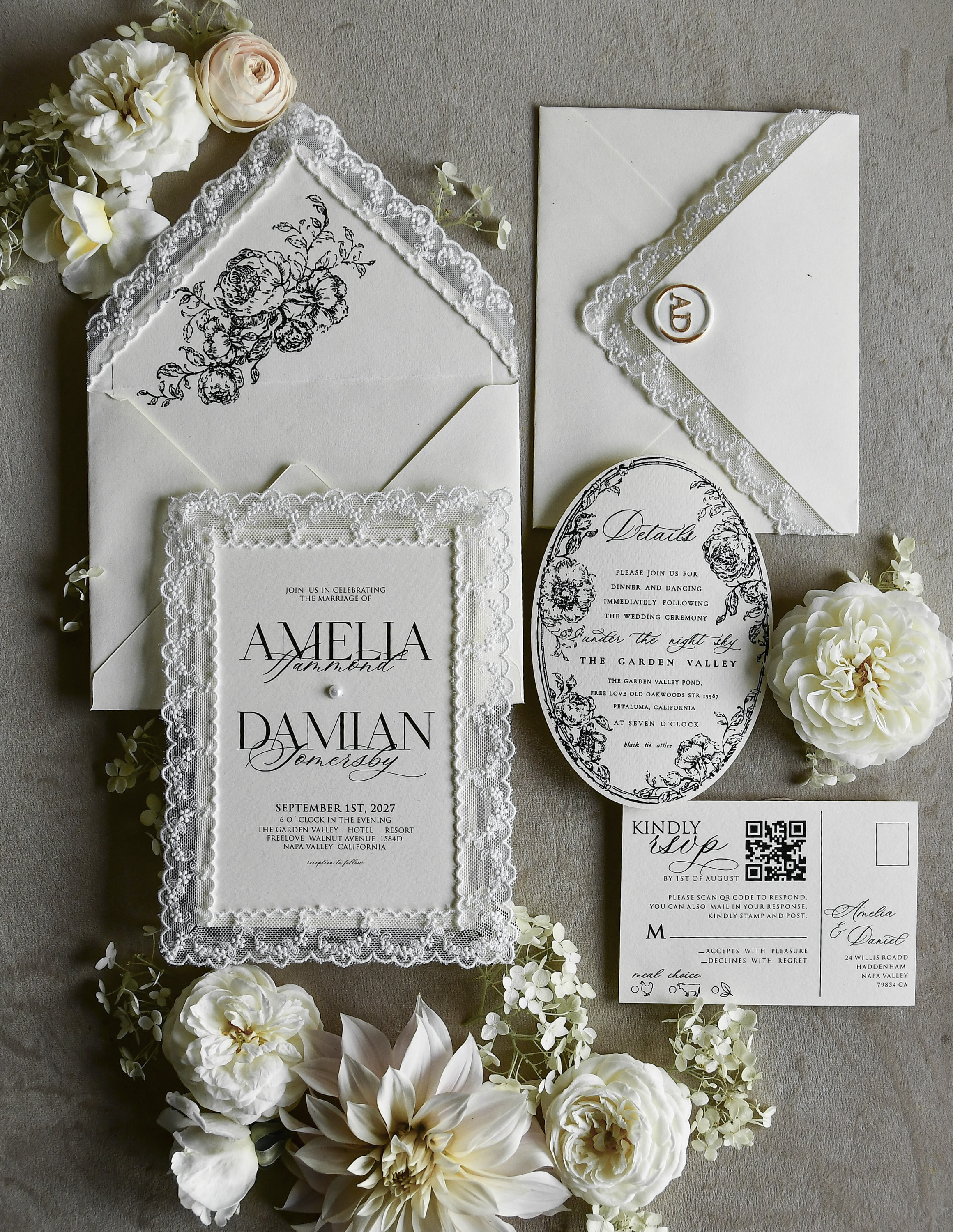
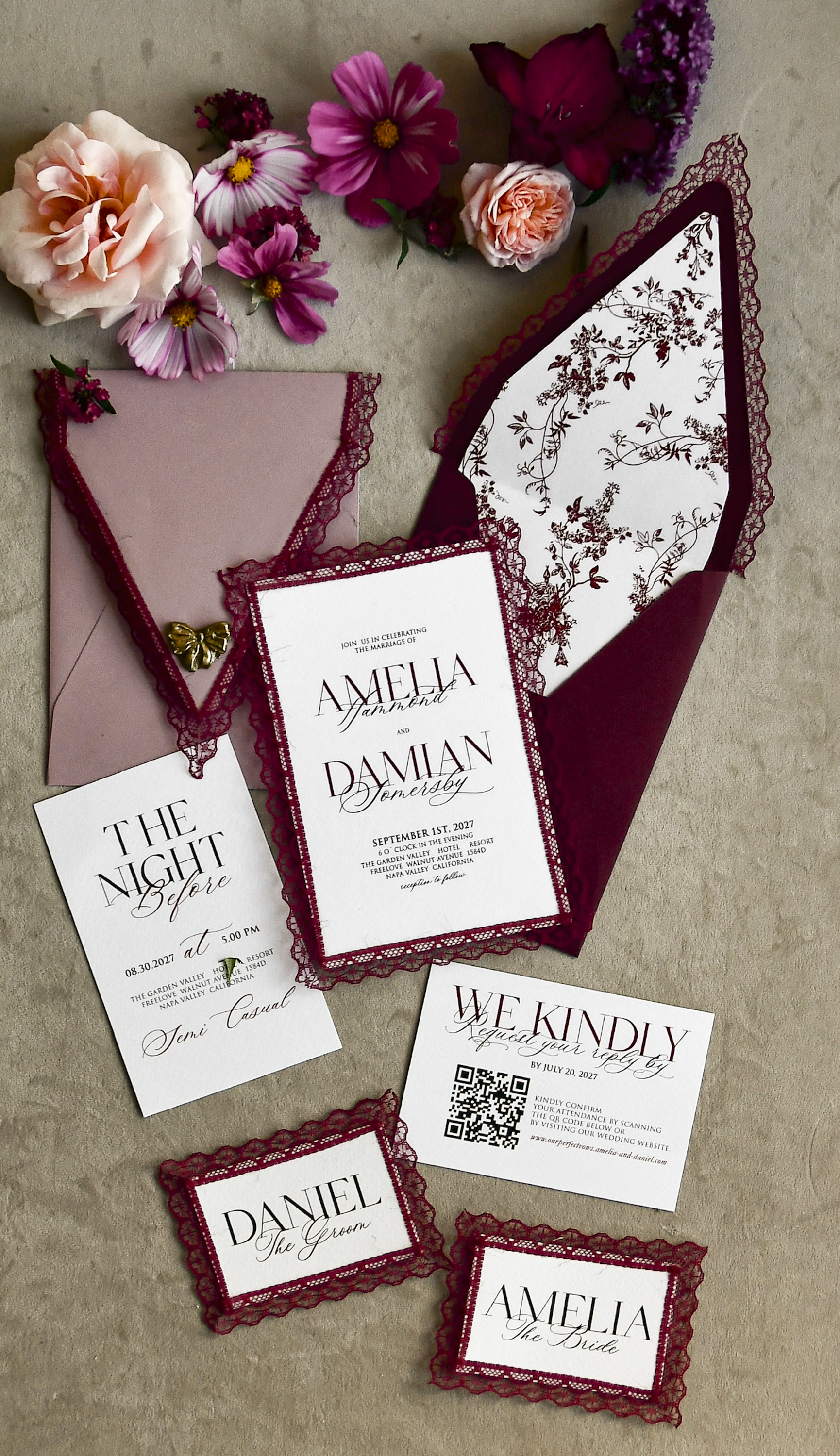
If you're working with a design like our 01/laceembos/z vintage lace wedding invitation, the elegant styling suits guests of any age beautifully, and the classic format gives you plenty of room for proper addressing.
A Practical Timeline for Getting Children's Invitations Right
Addressing invitations for a guest list that includes children takes a little extra planning. Here's a simple timeline to keep you on track:
- 8–10 weeks before the wedding: Finalize your guest list and flag every child on it. Note their ages and whether they have a role in the ceremony.
- 6–8 weeks before: Confirm addresses for any children who may live at a different address than the primary invitee.
- 6 weeks before: Mail invitations. Standard etiquette calls for sending invites 6–8 weeks out; go 8–12 weeks if you have many out-of-town guests.
Taking the time to address each child's invitation thoughtfully — whether it's tucked inside a parent's envelope or sent on its own — is a small gesture that families genuinely notice and appreciate.
One Final Tip: When in Doubt, Ask
If you're unsure whether a child is old enough to warrant their own invitation, or if family dynamics make the situation complicated, it's perfectly fine to ask a close family member discreetly. Parents are usually happy to give you guidance, and they'll appreciate that you put thought into it.
The goal is always the same: make every guest — young or old — feel genuinely welcomed. A well-addressed invitation, like our 01/laceembos/z lace wedding invitation, sets that tone from the very first moment your guests open the mailbox.
Frequently Asked Questions
Yes, it's a lovely gesture to send young wedding party members their own invitation regardless of age. It makes them feel special and builds excitement for their big role. Address it to them by name and mail it to their home address.
If some children are under 13 and one is 13 or older, you can send the older child their own invitation while listing the younger ones on the inner envelope of the parents' invite. It's a small extra step that goes a long way in making the teen feel recognized.
Yes — once a guest is 18, they are considered an adult and should receive their own invitation. Simply address it to them at the family home address with their name on the outer envelope.
Not at all — for children under 13, listing their names on the inner envelope of their parents' invitation is the standard, accepted etiquette. It clearly communicates they are invited without requiring a separate mailing.
Use 'Miss' for girls of any age, 'Master' for boys under 13, and simply the first and last name (or 'Mr.') for teenage boys 13 and older. When in doubt, first and last name with no honorific is always a safe and modern choice.
It's better practice to keep the addressing separate — the parents on their own envelope and the child on theirs, if they're old enough. Combining everyone on one outer envelope can look cluttered and may cause confusion about who the primary invitee is.
See This Design Up Close
You May Also Like
More Wedding Planning Guides
- → Mailed Card or Website Link? How to Handle RSVPs the Modern Way
- → Wedding Invitation Delivery: When to Mail and When to Hand Them Off
- → Navigating a Wedding Guest List When Your Fiancé Wants to Leave Your Family Out
- → Wedding Invitation Wording: Every Essential Detail Couples Need to Include
- → When Your Divorced Parents Can't Be in the Same Room: A Wedding Planning Guide
- → Adults-Only Weddings: Is Leaving Kids Off the List Actually Rude?
- → Wedding Invitation Addressing: Names, Titles, and Every Tricky Situation Solved
- → How to Decide Who Gets a Plus One at Your Wedding
- → Wedding Invitations: How to Count What You Actually Need
- → Yes, You Can Invite Ceremony-Only Guests — Here's How to Do It Gracefully
- → Extra Wedding Guests: Who Pays and How to Handle It Gracefully
- → Big Wedding or Better Wedding: How to Choose What Truly Matters
- → Your Wedding, Your Guest List: The Honest Truth About Inviting Cousins
- → Uninvited Extras: How to Handle Guests Who Bring Someone You Didn't Invite
- → Plus-One or No? How to Decide If Single Guests Can Bring a Date
- → How to Embrace a Small Wedding and Make It Unforgettable
- → Where Do Divorced Parents Sit at Your Wedding? Here's What Actually Works
- → To Invite or Not to Invite: Navigating the Ex Question for Your Wedding Guest List
- → Stepparents and Your Wedding Guest List: Making the Right Call
- → Setting Plus-One Boundaries Without Losing Sleep (or Friends)
- → Should Work Friends Come to Your Wedding? A No-Stress Guide to Inviting Colleagues
- → Guests Who Don't RSVP: Your Step-by-Step Plan
- → Save the Date vs. Wedding Invitation: Two Very Different Jobs, One Beautiful Paper Trail
- → When Someone Asks Why They Weren't Invited: Your Honest, Kind Playbook
- → To Call or Not to Call: Tracking Down Guests With Missing RSVPs
- → When the Guest List Must Shrink: The Right People to Remove First
- → Digital Wedding Invitations: When They Work and When to Think Twice
- → How to Handle the Parent Friend Dilemma on Your Wedding Guest List
- → Your Wedding Invitation Deadline: When the Window Officially Closes
- → Uninvited Plus-Ones and Tag-Alongs: How to Keep Your Guest List Intact
- → When Family Feuds Threaten Your Wedding Plans: A Practical Peacekeeper's Guide
- → Inviting an Estranged Brother or Sister: Finding Clarity Before You Seal the Envelope
- → Cousins, Invites, and Hard Choices: A Practical Guest List Guide