
Extra Wedding Guests: Who Pays and How to Handle It Gracefully

One of the most common—and most awkward—wedding planning conversations involves the guest list. Someone's parents want to add a few cousins. A future in-law slips in a handful of old friends. Suddenly your intimate 80-person dinner is creeping toward 120. So who actually pays when extra guests get added? The short answer: whoever adds them. But the full picture is a little more nuanced, and knowing how to navigate it will save you real money and real stress.
The Basic Rule: You Add Them, You Pay for Them
Wedding etiquette is pretty clear on this point. If a parent, in-law, or anyone else requests that additional guests be invited, the financial responsibility for those guests falls on the person making the request—not the couple. That means the per-head catering cost, the extra place settings, the additional favors, and yes, even the extra wedding invitations all become that person's expense to cover.
In practice, this conversation goes smoothest when it happens before the guest list is finalized. Set a firm number early, communicate it to both families, and make clear that additions beyond that number require a direct contribution to the budget. This isn't rude—it's responsible planning.
When Parents Are Helping Pay for the Wedding
If parents are contributing financially to the wedding, they often feel entitled to invite more guests—and to a degree, that's fair. A good rule of thumb: proportional input equals proportional guest count. If your partner's parents are covering 25% of the budget, it's reasonable for them to control roughly 25% of the guest list.
The key is to agree on these numbers in writing (even just a simple email) before invitations go out. Verbal agreements about guest lists have a way of expanding quietly. If a parent adds guests beyond their agreed allotment, gently but firmly remind them of the original agreement—and that additional guests mean additional costs they'll need to cover directly.
How Extra Guests Affect Your Stationery Budget
Couples often overlook stationery when calculating the per-guest cost, but it adds up fast. Each additional household typically needs an invitation suite, an envelope, and postage. If you're ordering from a stationer, adding guests after your initial order almost always costs more per piece because you lose quantity pricing.
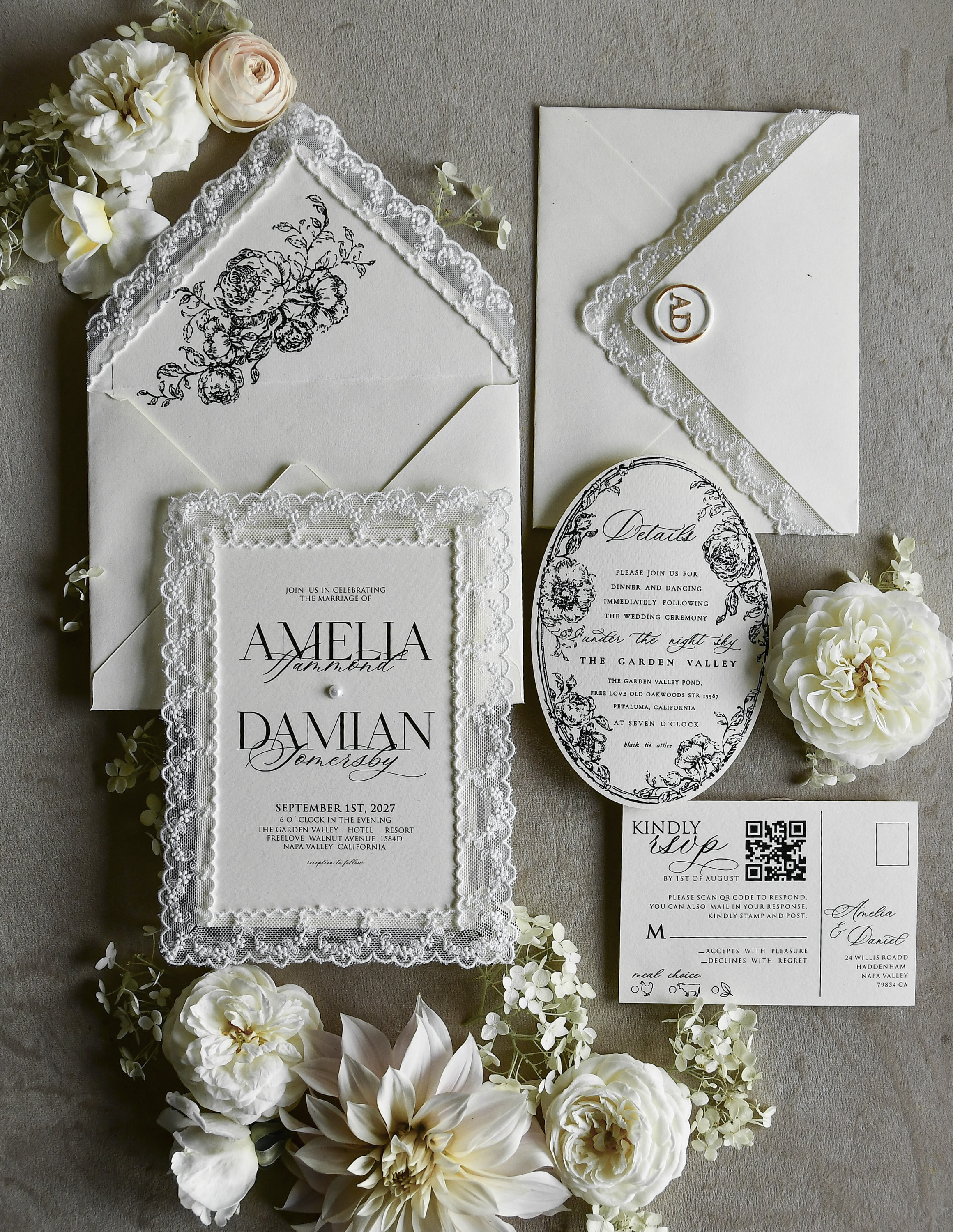
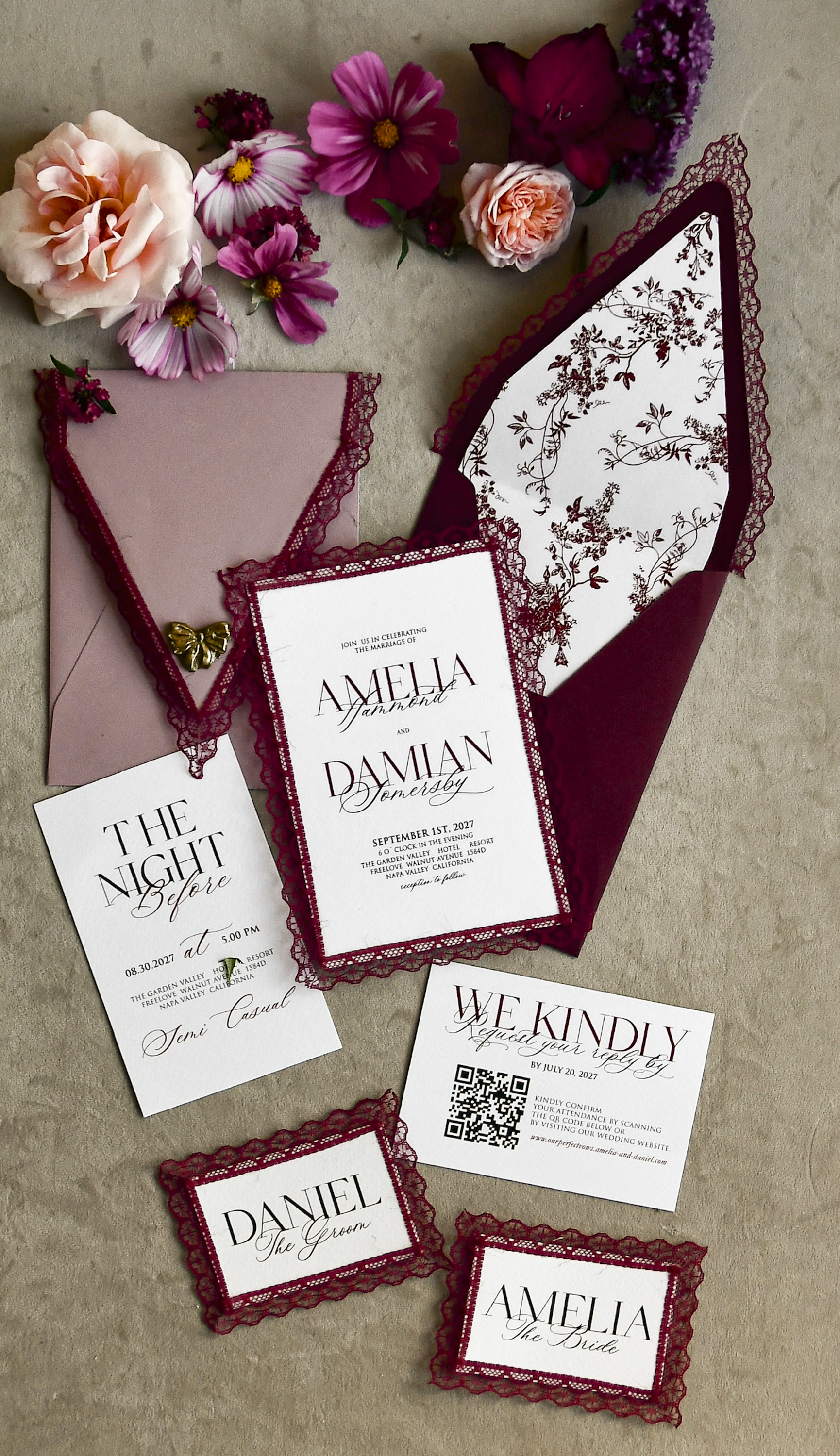
This is one reason it pays to order a small buffer—usually 10–15 extra invitations—when you place your first order. If you're using a design like our 01/laceembos/z vintage lace wedding invitation, starting from $9.00 per invitation, those reorder costs can feel significant when you're adding 20 unexpected guests at the last minute. Lock in your guest list, then order. And if parents are adding guests, factor invitation costs into what they owe.
Practical Scripts for the Conversation
Knowing what to say makes all the difference. Here are a few real-world scenarios and how to handle them:
- In-laws add 10 people after the list is set: "We'd love to include them! Our venue charges $95 per person, so the additional cost would be $950. Would you be able to contribute that toward the catering?"
- A parent insists on inviting work colleagues: "We're keeping our list tight to stay within budget. If you'd like to add them, we'd ask that you cover the per-head cost and their invitation printing."
- A sibling wants to bring an unexpected plus-one: "We're not offering plus-ones for unmarried guests, but if this is important to you, we'd need you to cover the extra plate."
Keep the tone warm and matter-of-fact. You're not punishing anyone—you're simply being transparent about how wedding budgets work.
What to Do When No One Wants to Pay
Sometimes families push back on contributing for extra guests. In that case, you have two real options: absorb the cost yourself or hold the line on the guest list. There's no obligation to invite people you cannot afford to host. A smaller, beautifully executed celebration is always better than an overextended one that strains your finances and your relationships.
If you do absorb the cost, make a conscious decision to do so without resentment. If you hold the line, do it kindly but firmly: "We wish we could include everyone, but we've reached our venue capacity." Venue capacity is a graceful, neutral reason that's hard to argue with—even if it isn't the whole story.

Frequently Asked Questions
Not at all—it's actually the etiquette-correct approach. Whoever requests additional guests is responsible for the costs associated with them, including catering, stationery, and favors. Frame it as a practical conversation rather than a confrontation and most people will understand.
The average cost per wedding guest in the US ranges from $75 to $150 or more, depending on your venue and catering style. Don't forget to factor in stationery, favors, and any seat or table rental costs on top of the food and drink per-head charge.
At that point, you're well within your rights to say the list is closed due to venue capacity. If you do accommodate the request, the person asking should cover both the per-head catering cost and any additional invitation printing fees.
Yes—ordering 10 to 15 extra invitations with your initial order is smart planning. Reordering a small quantity later almost always costs more per piece, so a small buffer saves money and stress if the guest list shifts slightly.
Yes, absolutely. If a guest's plus-one wasn't part of your original headcount, they carry the same per-person cost as any other addition. Decide on your plus-one policy early and communicate it clearly on your wedding website or invitation.
Be transparent and consistent from the very beginning—share your total guest count cap with both families at the same time. When everyone hears the same rules simultaneously, it feels fair rather than targeted, and it's much easier to hold the line later.
See This Design Up Close
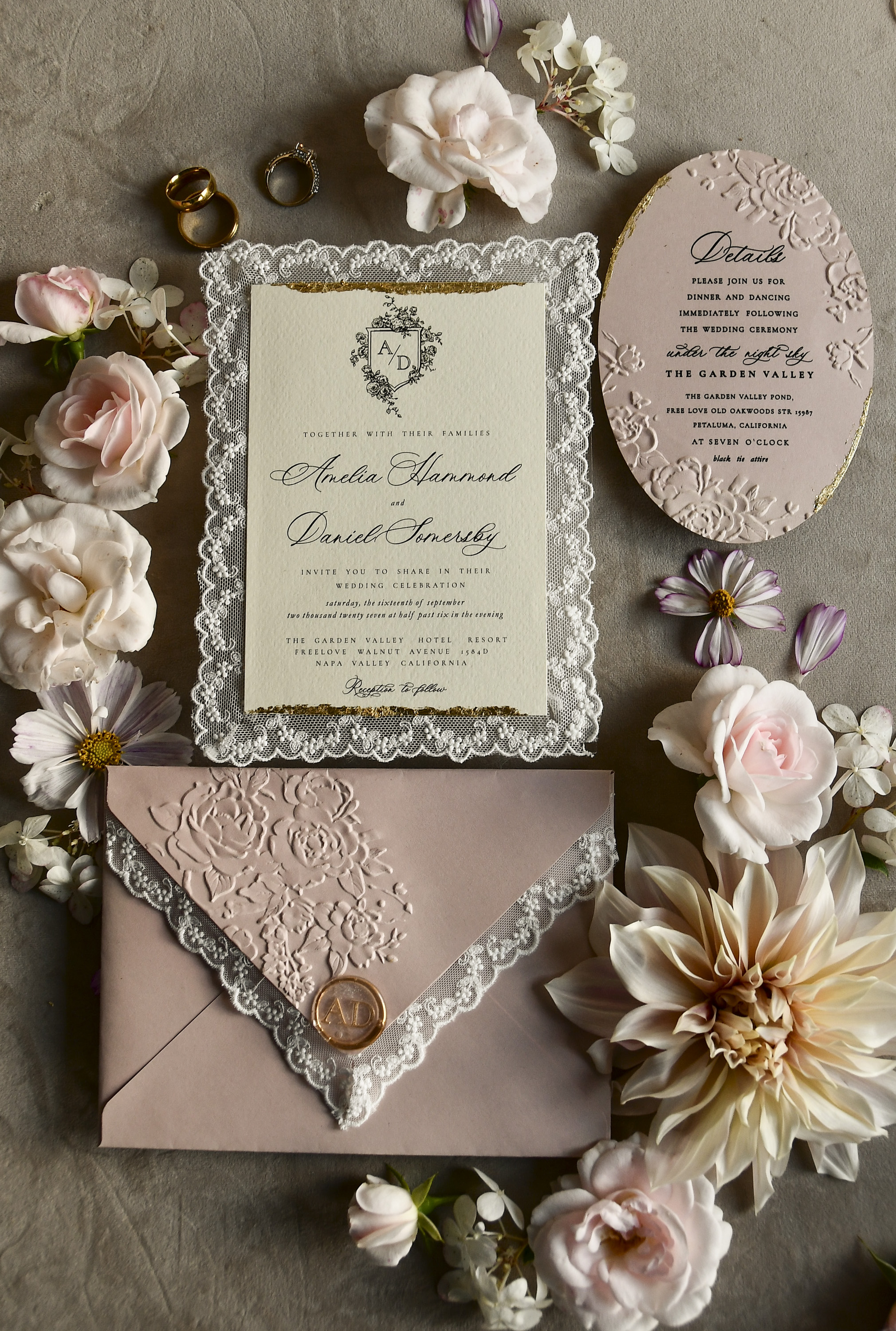






















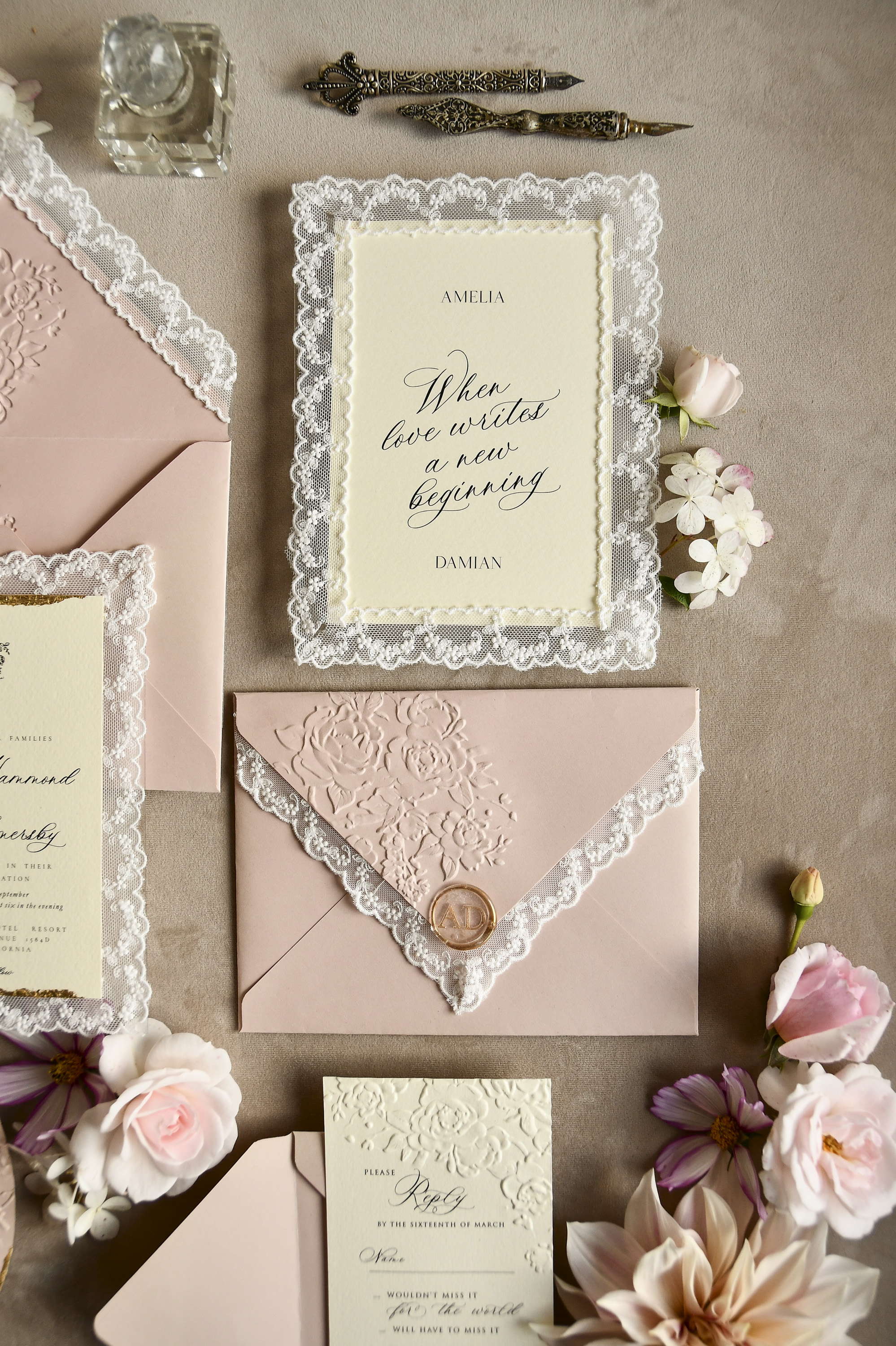
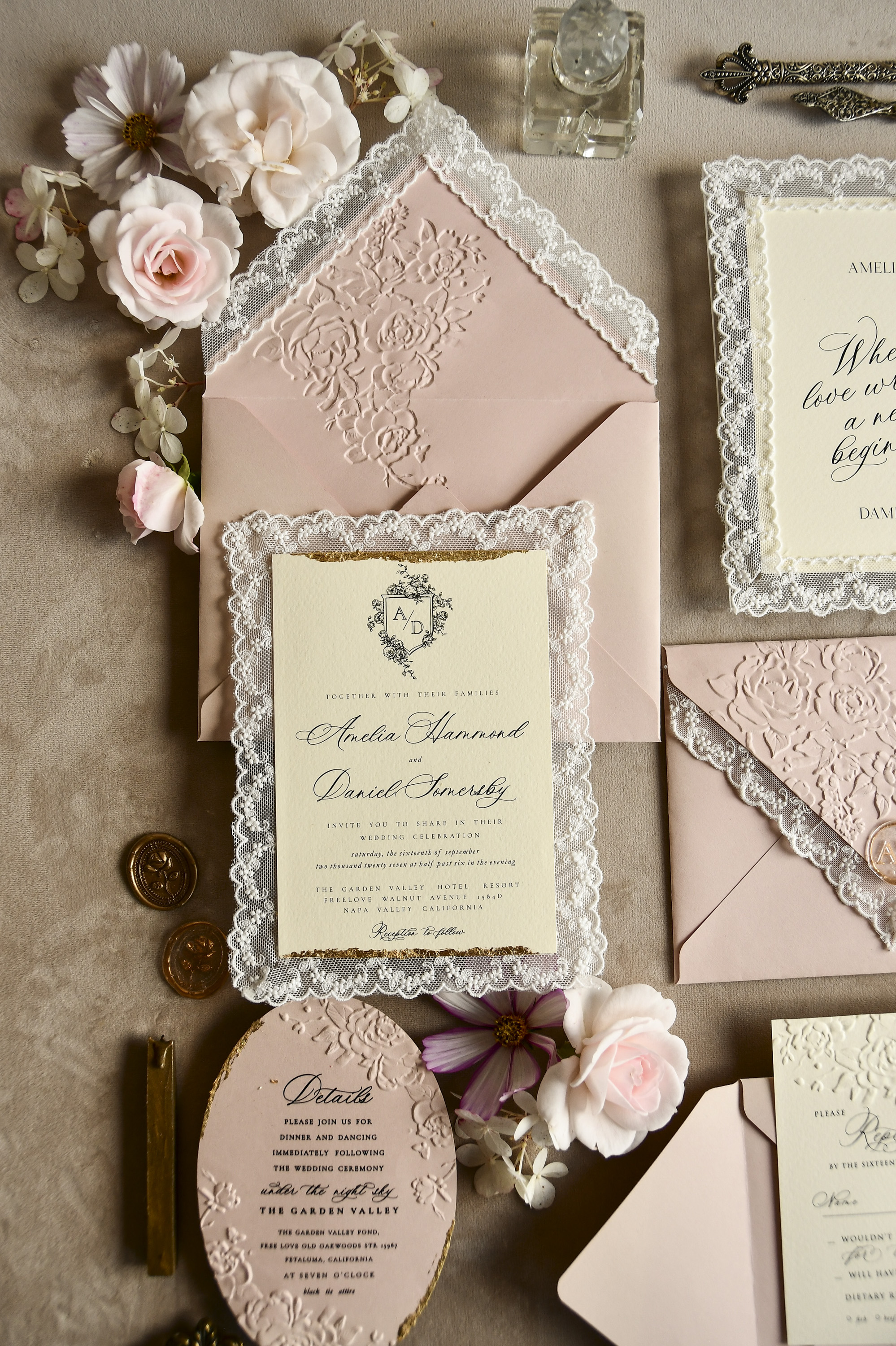



You May Also Like


More Wedding Planning Guides
- → When to Address a Wedding Invitation Directly to a Child
- → Mailed Card or Website Link? How to Handle RSVPs the Modern Way
- → Wedding Invitation Delivery: When to Mail and When to Hand Them Off
- → Navigating a Wedding Guest List When Your Fiancé Wants to Leave Your Family Out
- → Wedding Invitation Wording: Every Essential Detail Couples Need to Include
- → When Your Divorced Parents Can't Be in the Same Room: A Wedding Planning Guide
- → Adults-Only Weddings: Is Leaving Kids Off the List Actually Rude?
- → Wedding Invitation Addressing: Names, Titles, and Every Tricky Situation Solved
- → How to Decide Who Gets a Plus One at Your Wedding
- → Wedding Invitations: How to Count What You Actually Need
- → Yes, You Can Invite Ceremony-Only Guests — Here's How to Do It Gracefully
- → Big Wedding or Better Wedding: How to Choose What Truly Matters
- → Your Wedding, Your Guest List: The Honest Truth About Inviting Cousins
- → Uninvited Extras: How to Handle Guests Who Bring Someone You Didn't Invite
- → Plus-One or No? How to Decide If Single Guests Can Bring a Date
- → How to Embrace a Small Wedding and Make It Unforgettable
- → Where Do Divorced Parents Sit at Your Wedding? Here's What Actually Works
- → To Invite or Not to Invite: Navigating the Ex Question for Your Wedding Guest List
- → Stepparents and Your Wedding Guest List: Making the Right Call
- → Setting Plus-One Boundaries Without Losing Sleep (or Friends)
- → Should Work Friends Come to Your Wedding? A No-Stress Guide to Inviting Colleagues
- → Guests Who Don't RSVP: Your Step-by-Step Plan
- → Save the Date vs. Wedding Invitation: Two Very Different Jobs, One Beautiful Paper Trail
- → When Someone Asks Why They Weren't Invited: Your Honest, Kind Playbook
- → To Call or Not to Call: Tracking Down Guests With Missing RSVPs
- → When the Guest List Must Shrink: The Right People to Remove First
- → Digital Wedding Invitations: When They Work and When to Think Twice
- → How to Handle the Parent Friend Dilemma on Your Wedding Guest List
- → Your Wedding Invitation Deadline: When the Window Officially Closes
- → Uninvited Plus-Ones and Tag-Alongs: How to Keep Your Guest List Intact
- → When Family Feuds Threaten Your Wedding Plans: A Practical Peacekeeper's Guide
- → Inviting an Estranged Brother or Sister: Finding Clarity Before You Seal the Envelope
- → Cousins, Invites, and Hard Choices: A Practical Guest List Guide