
Navigating a Wedding Guest List When Your Fiancé Wants to Leave Your Family Out
Few wedding planning conversations cut deeper than this one: your fiancé doesn't want your family at the wedding. Whether it's one difficult relative or your entire side, this situation sits at the intersection of love, loyalty, and some very real logistical decisions. Before you spiral, know this — you're not alone, and there are constructive ways forward. Here's how to approach it with honesty, compassion, and a clear head.
Understand What's Really Behind the Request
Before reacting, get curious. There's almost always a specific reason your fiancé feels this way, and understanding it is the first step toward a resolution. Common motivations include:
- Past conflict or tension — A strained history with a parent, sibling, or extended family member that your fiancé worries will affect the day.
- Desire for a smaller, more intimate wedding — Sometimes "I don't want your family there" is actually "I want a micro-wedding with only 10 people total."
- Budget constraints — Each guest adds cost. If finances are tight, your fiancé may be making hard cuts across both sides.
- Anxiety or trauma — Family gatherings can be genuinely overwhelming for some people, especially those with complicated family backgrounds of their own.
Ask open-ended questions: "Can you help me understand what's driving this for you?" Listen without immediately defending your family. You need the full picture before you can problem-solve together.
Be Honest About What Your Family Means to You
Once you understand your fiancé's perspective, share yours — clearly and without guilt. If having your mother, sister, or close cousins present is non-negotiable for you, say so directly. Use "I" statements to keep the conversation from becoming an argument:
- "I feel like I can't fully celebrate without my mom there."
- "Having my siblings witness our vows is something I've always imagined."
- "I'm worried I'll resent this decision later, and I want us to talk through it now."
This isn't about winning. It's about making sure your fiancé truly understands the emotional weight of what they're asking. A wedding is a one-time event — the guest list matters in ways that last a lifetime in memory and in family relationships.
Look for Compromises That Honor Both of You
Most guest list conflicts have a middle ground. Consider these practical compromises:
- Separate the problematic person from the group. If your fiancé objects to one specific family member — say, a parent with a history of causing scenes — discuss excluding just that individual rather than your whole family.
- Host a second celebration. Have a small, private ceremony with only your fiancé's preferred guests, then throw a larger reception or celebration-of-marriage party where your family can attend and feel included.
- Set clear behavioral expectations. If the concern is drama, agree on a plan: a trusted friend manages seating, a family member acts as a point of contact, or certain topics are simply off-limits for the day.
- Create a tiered guest list. Divide guests into "must-have" and "if budget/venue allows" tiers. This gives both of you a structured way to negotiate without it feeling personal.
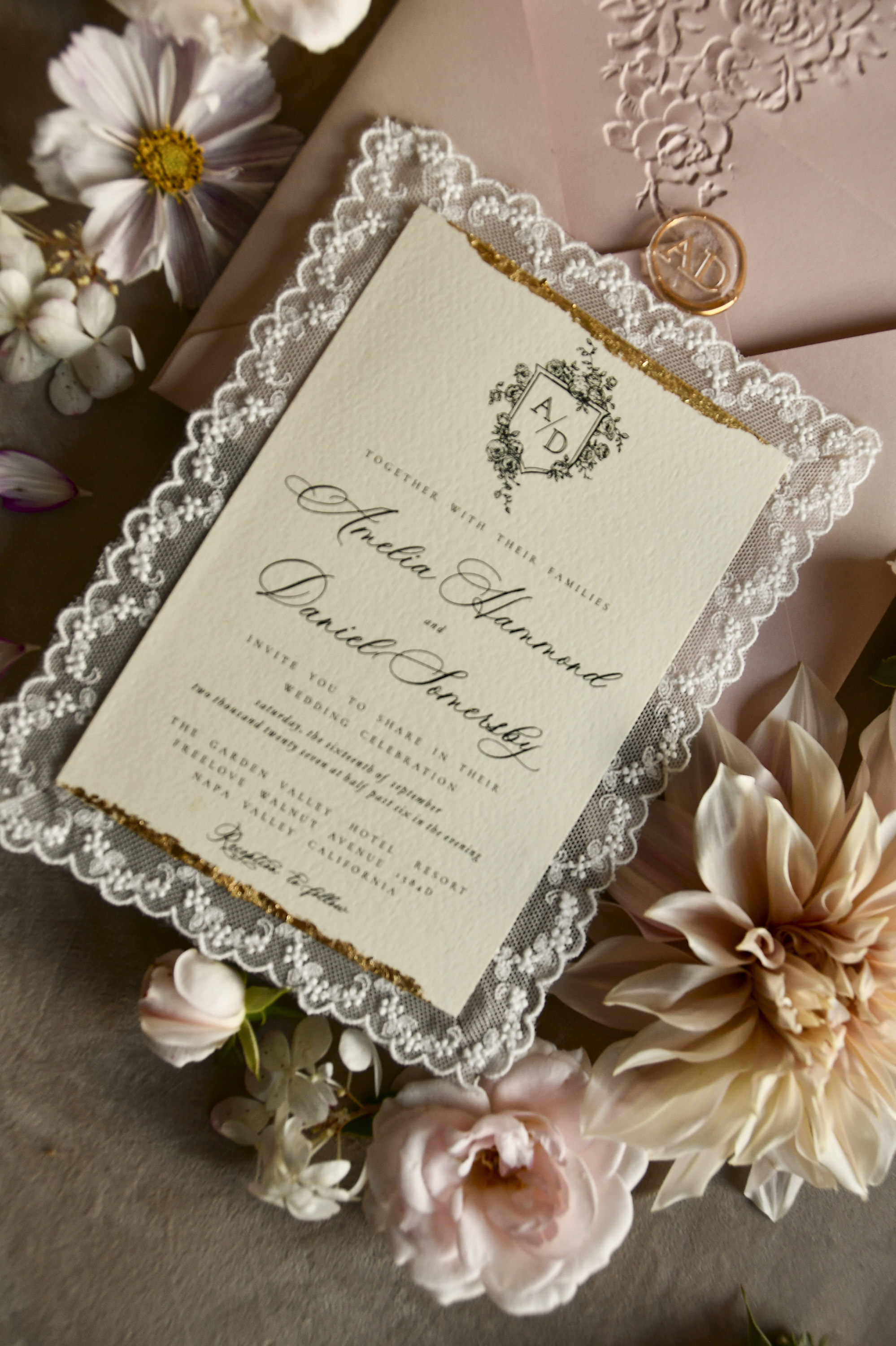
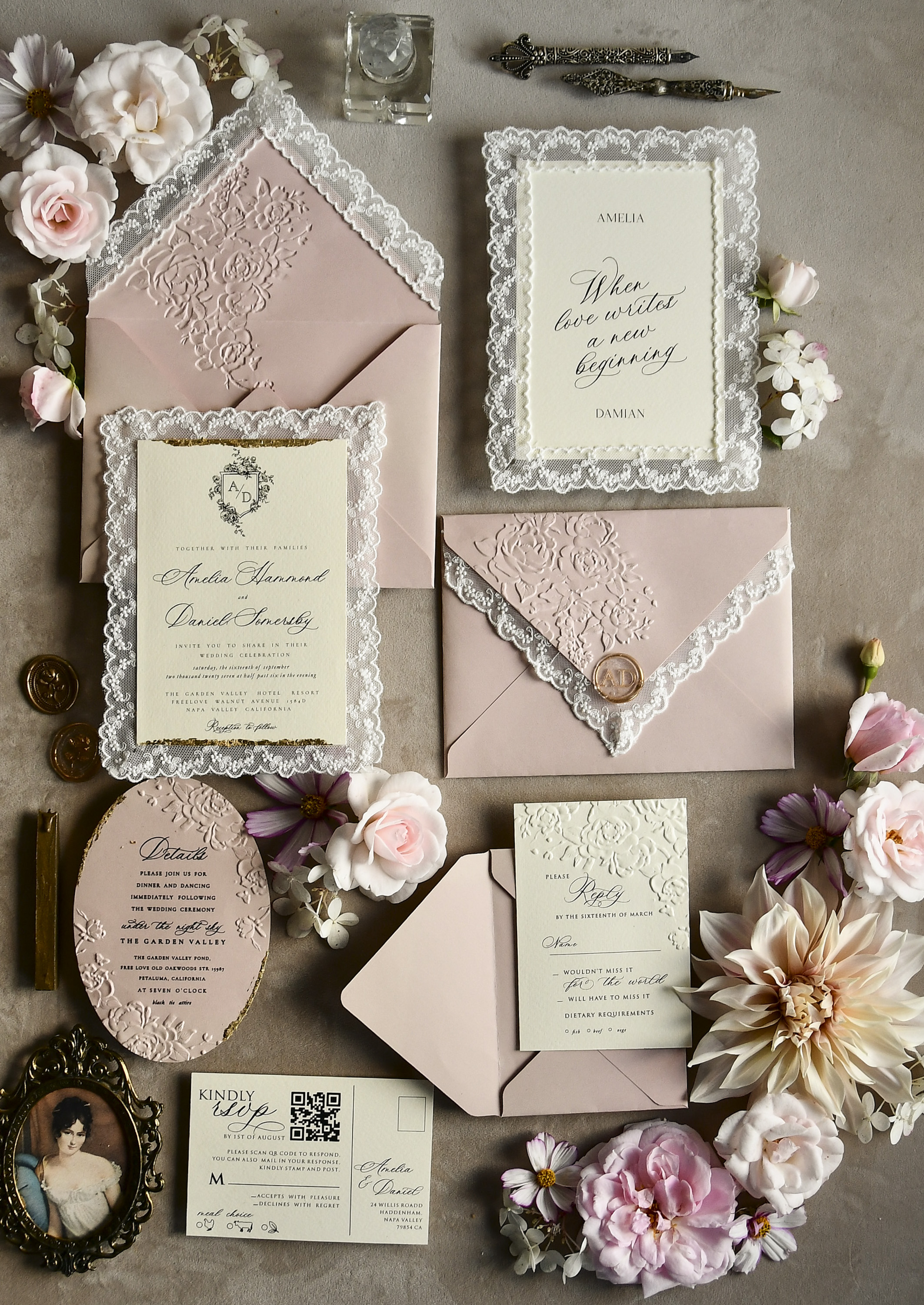
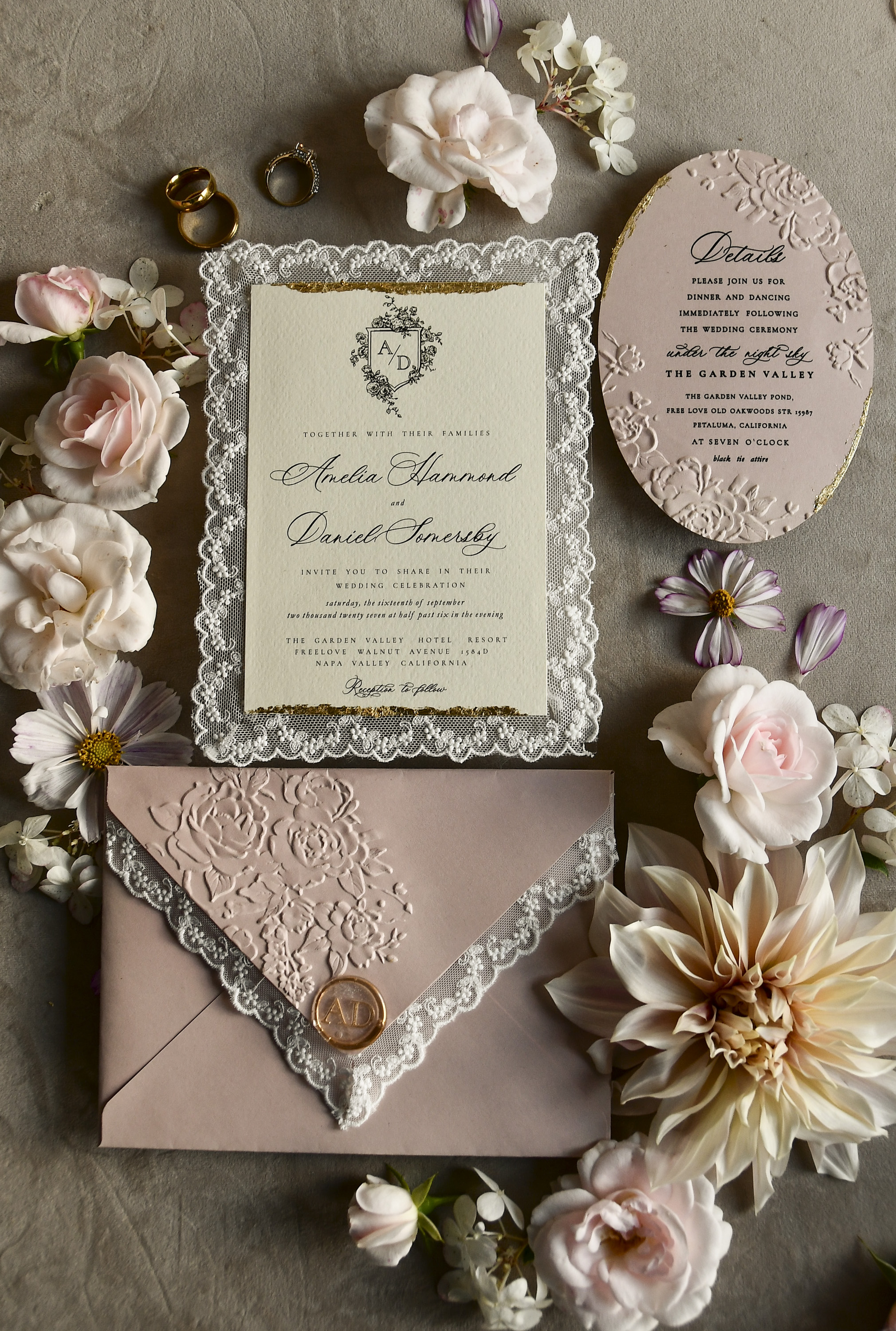
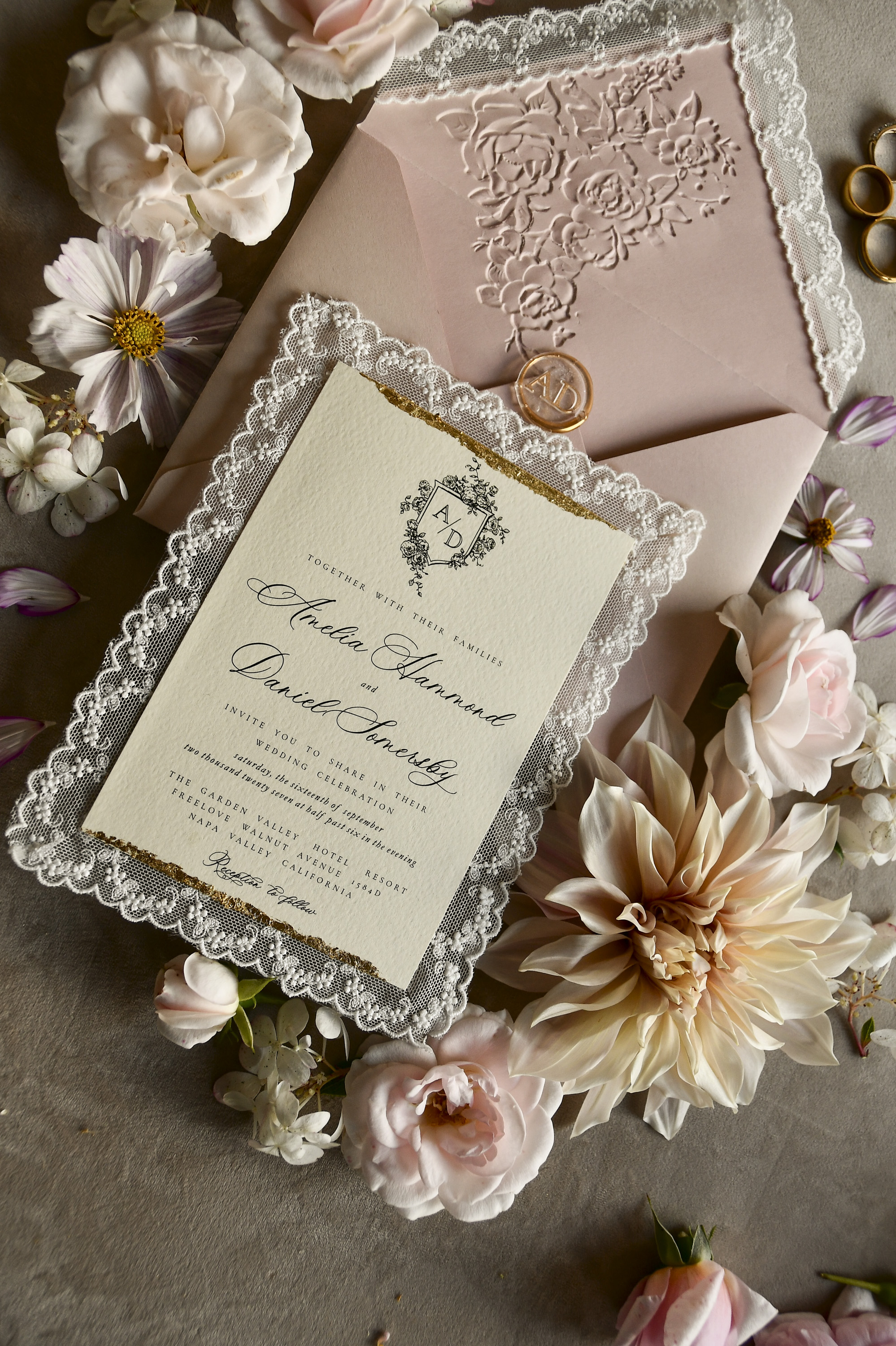
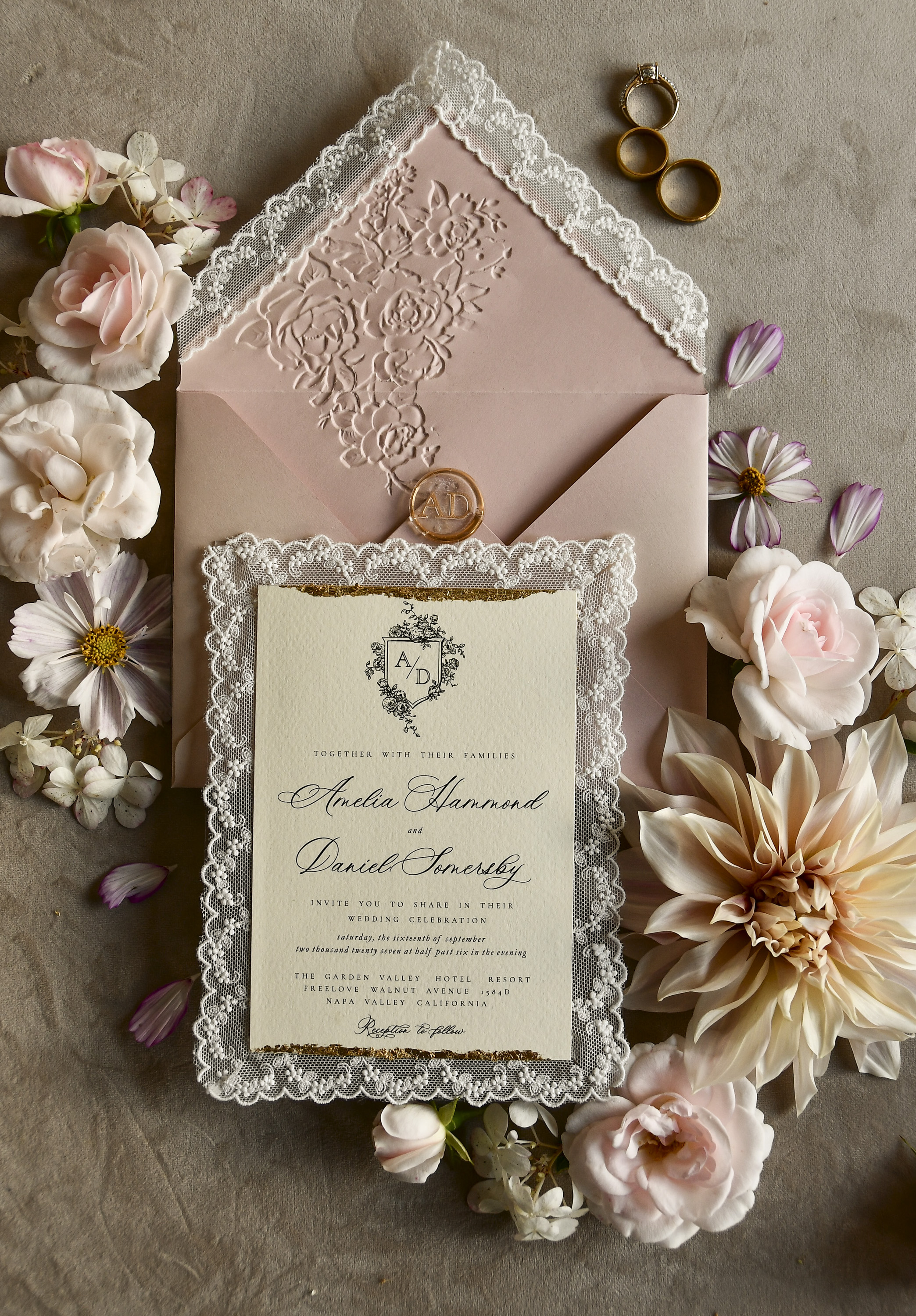
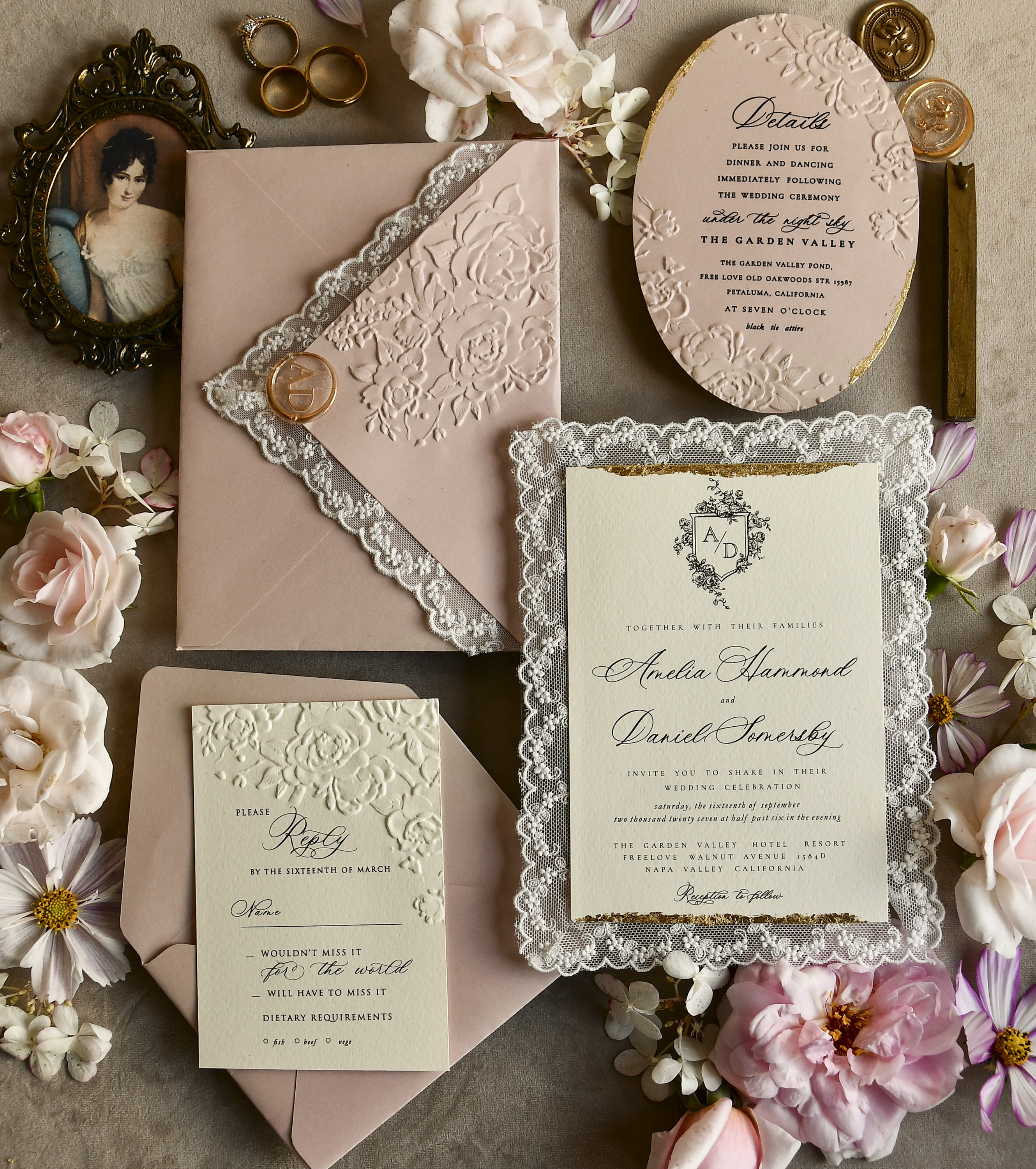
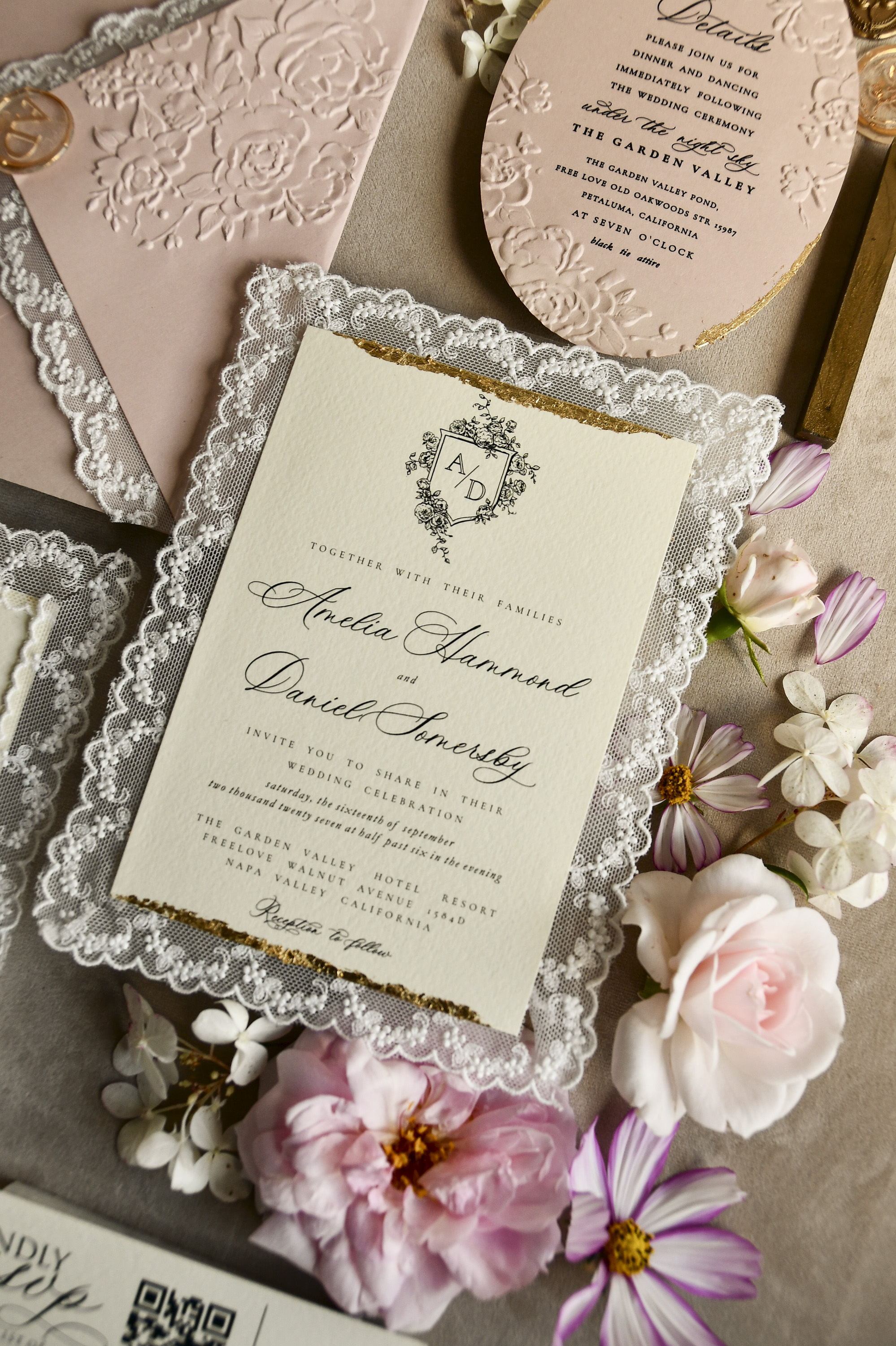
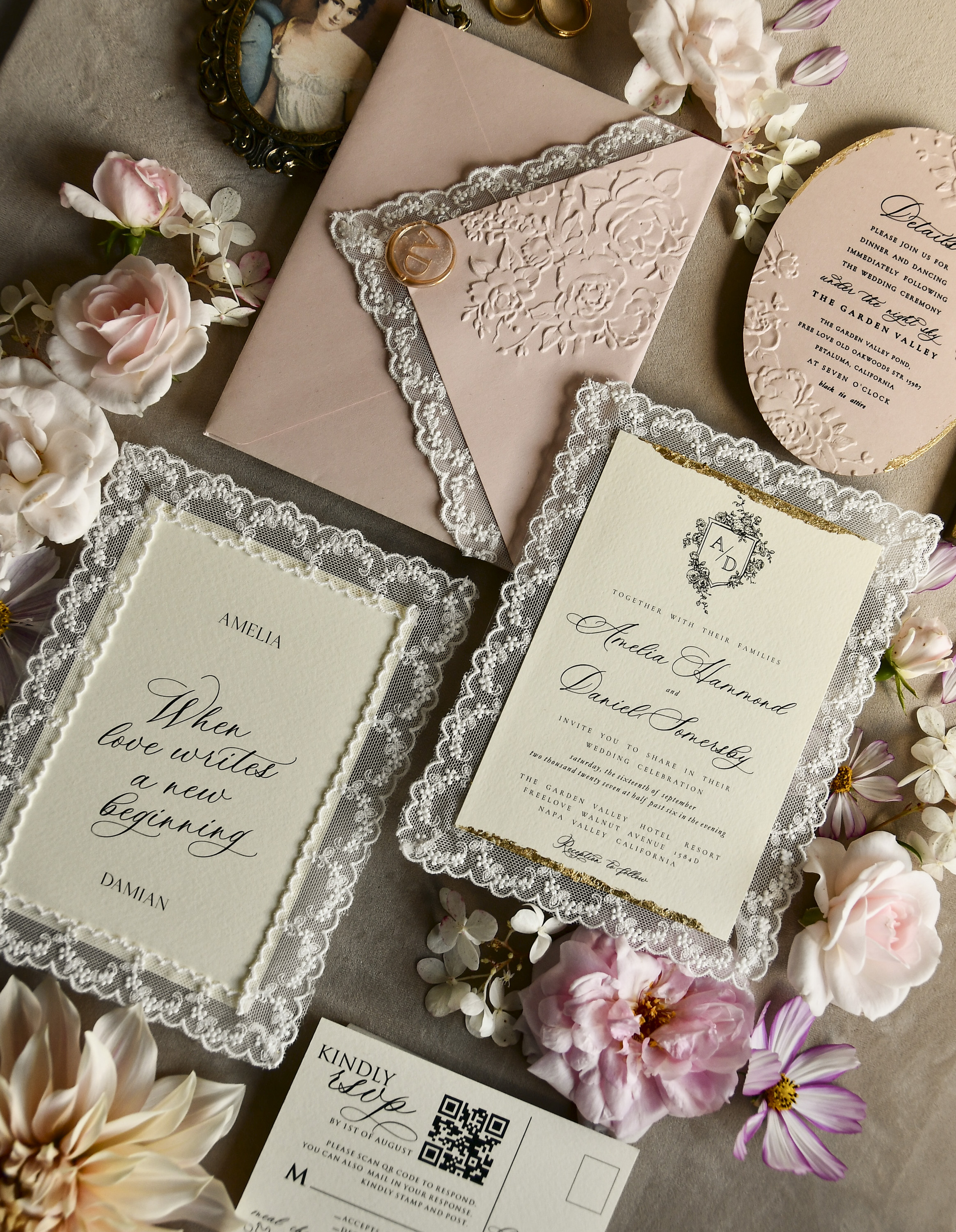
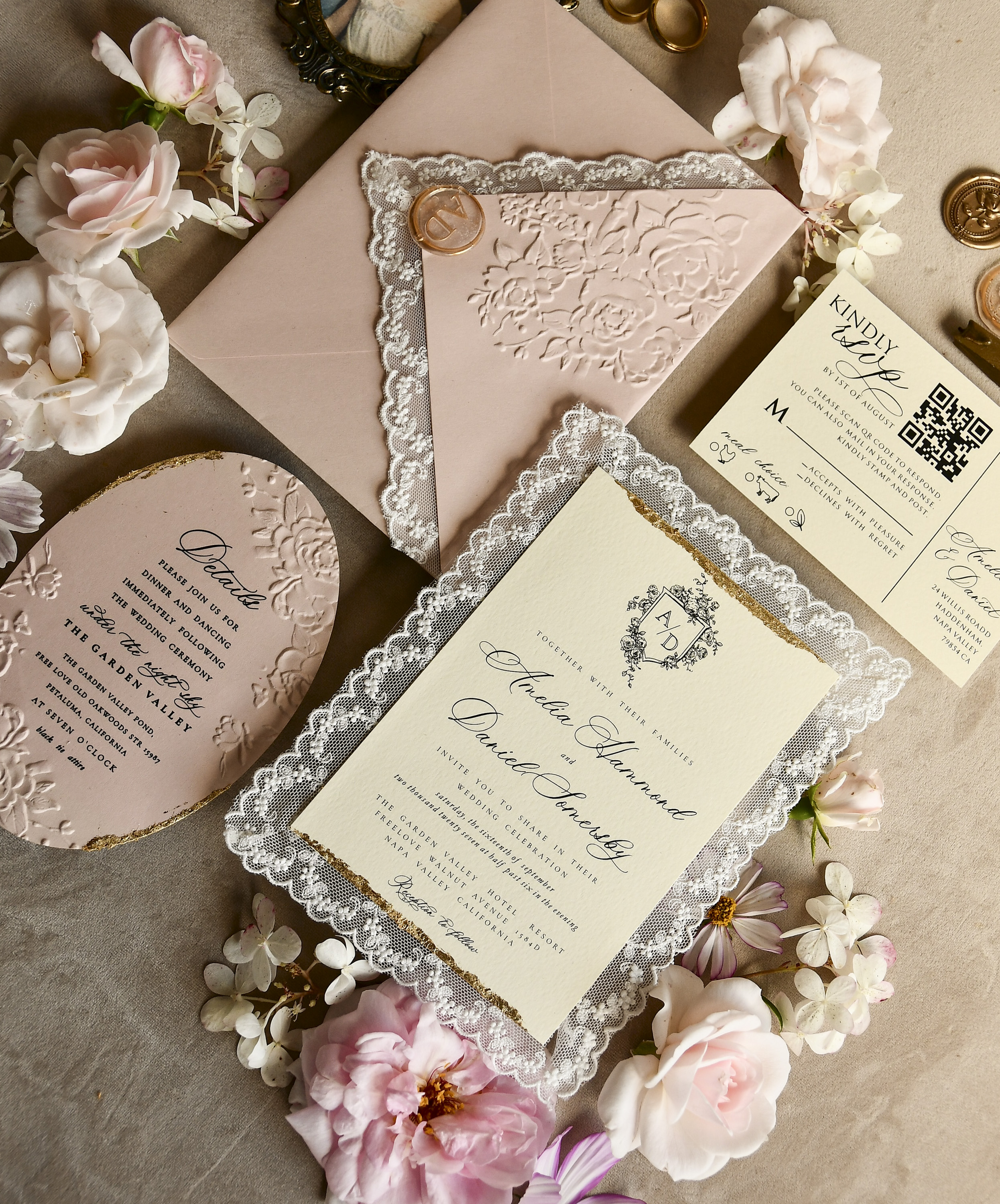
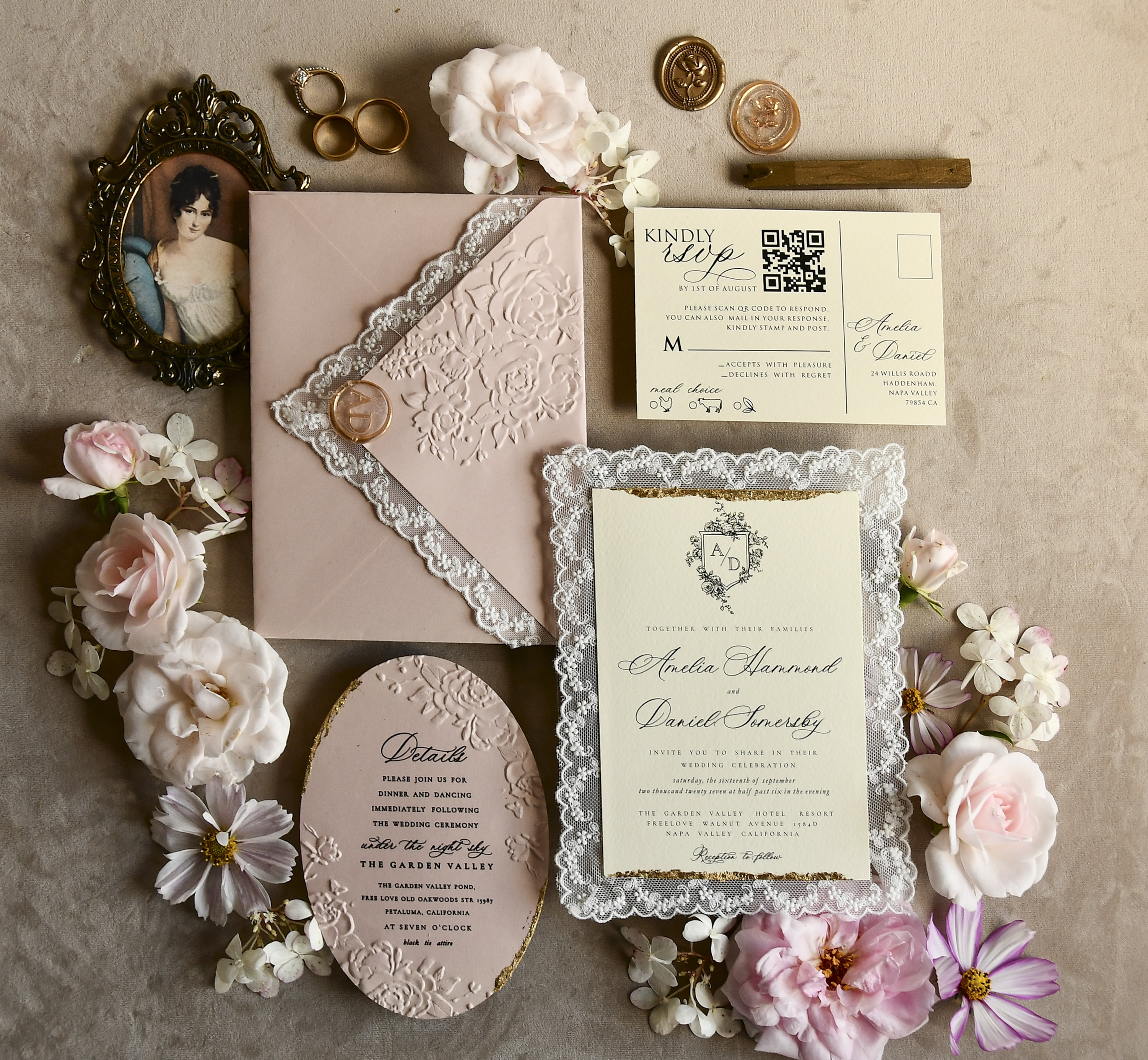
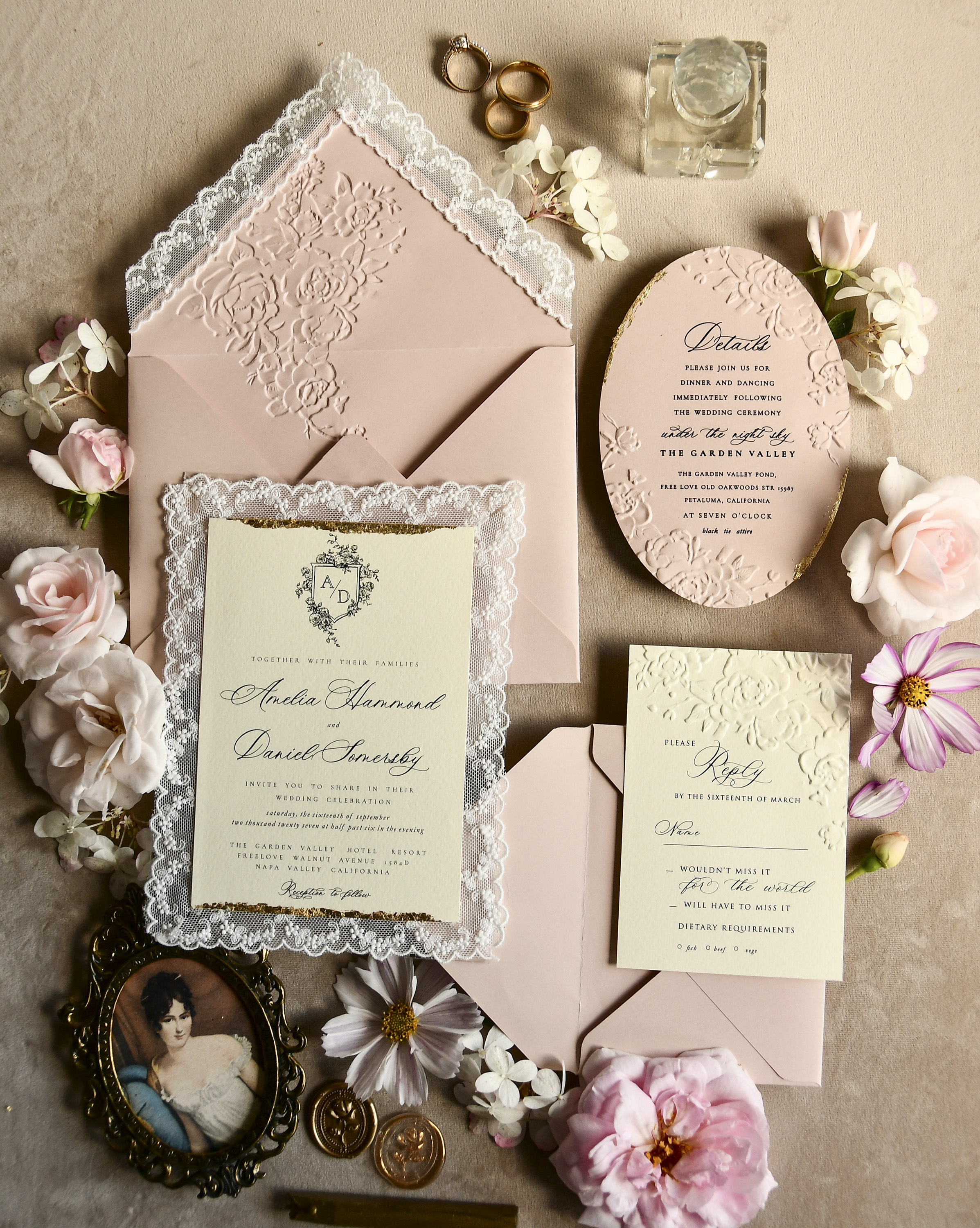
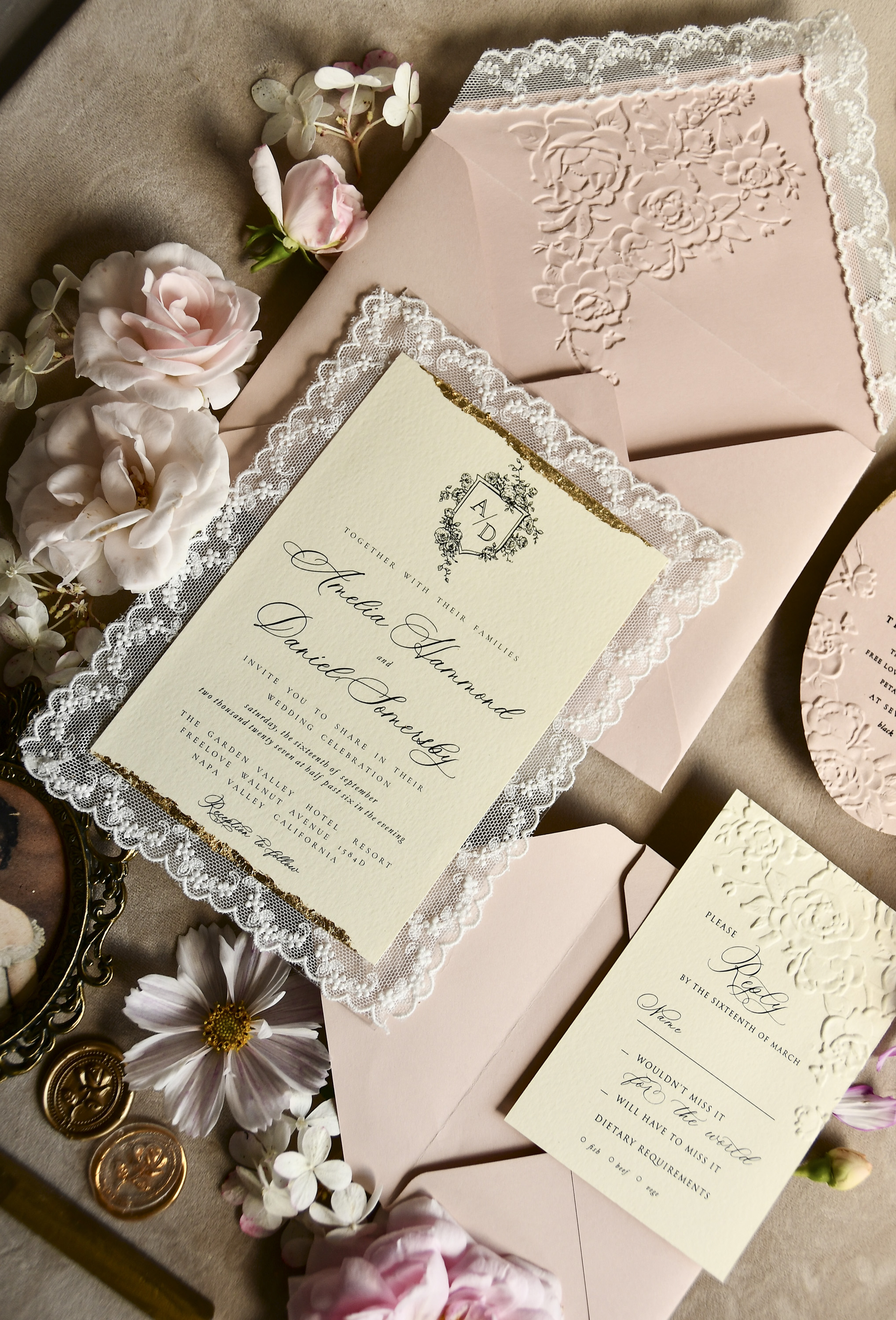
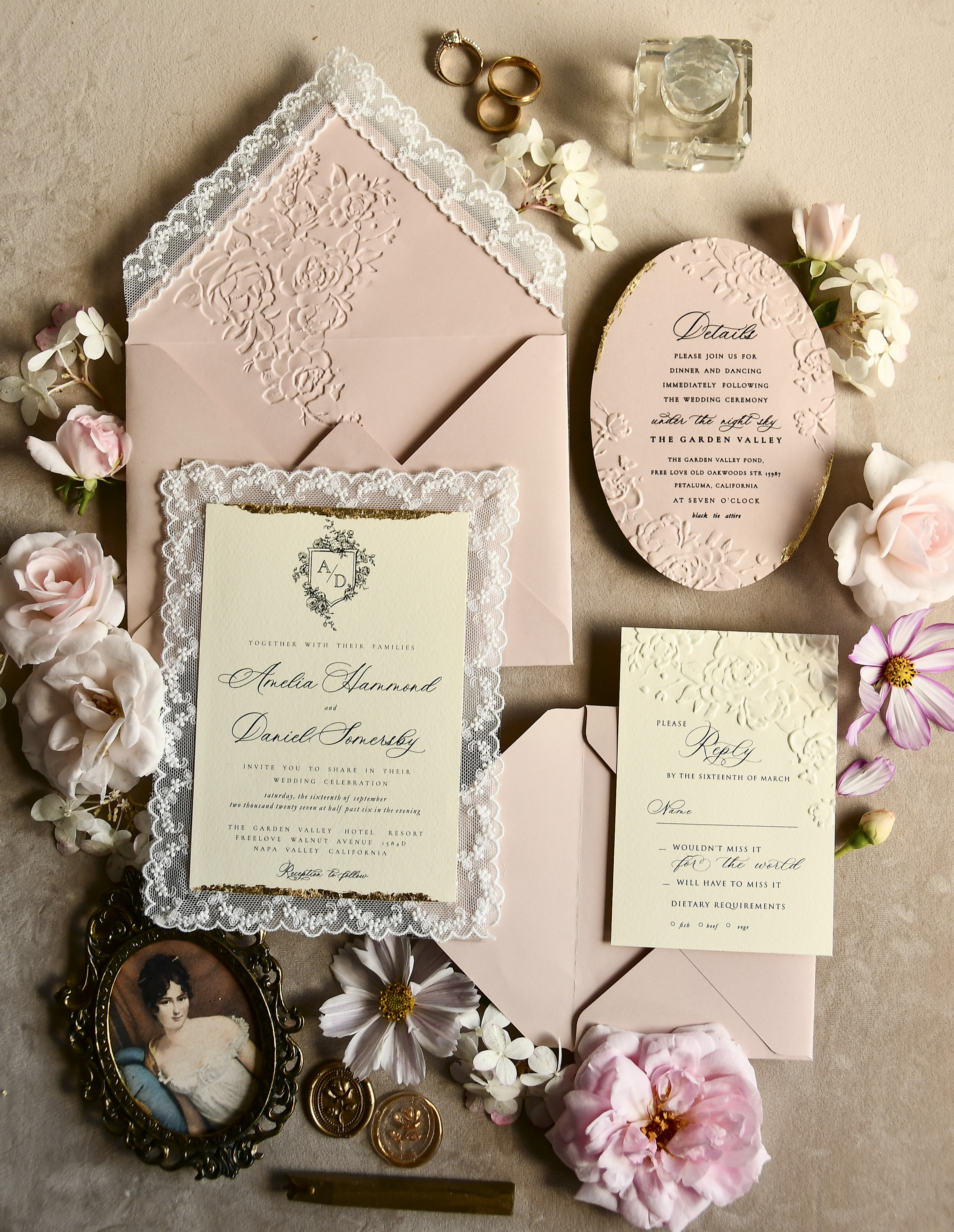
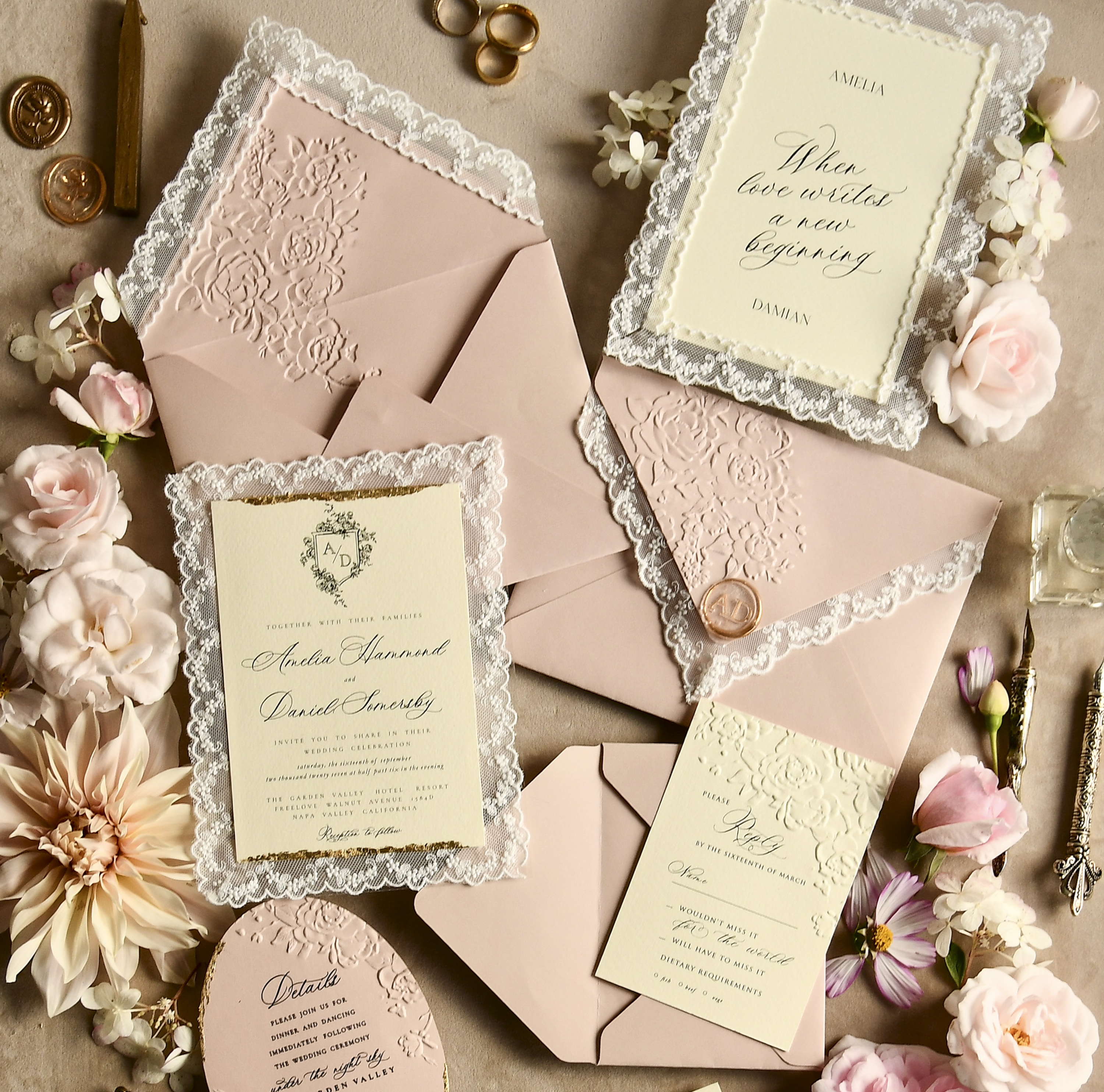
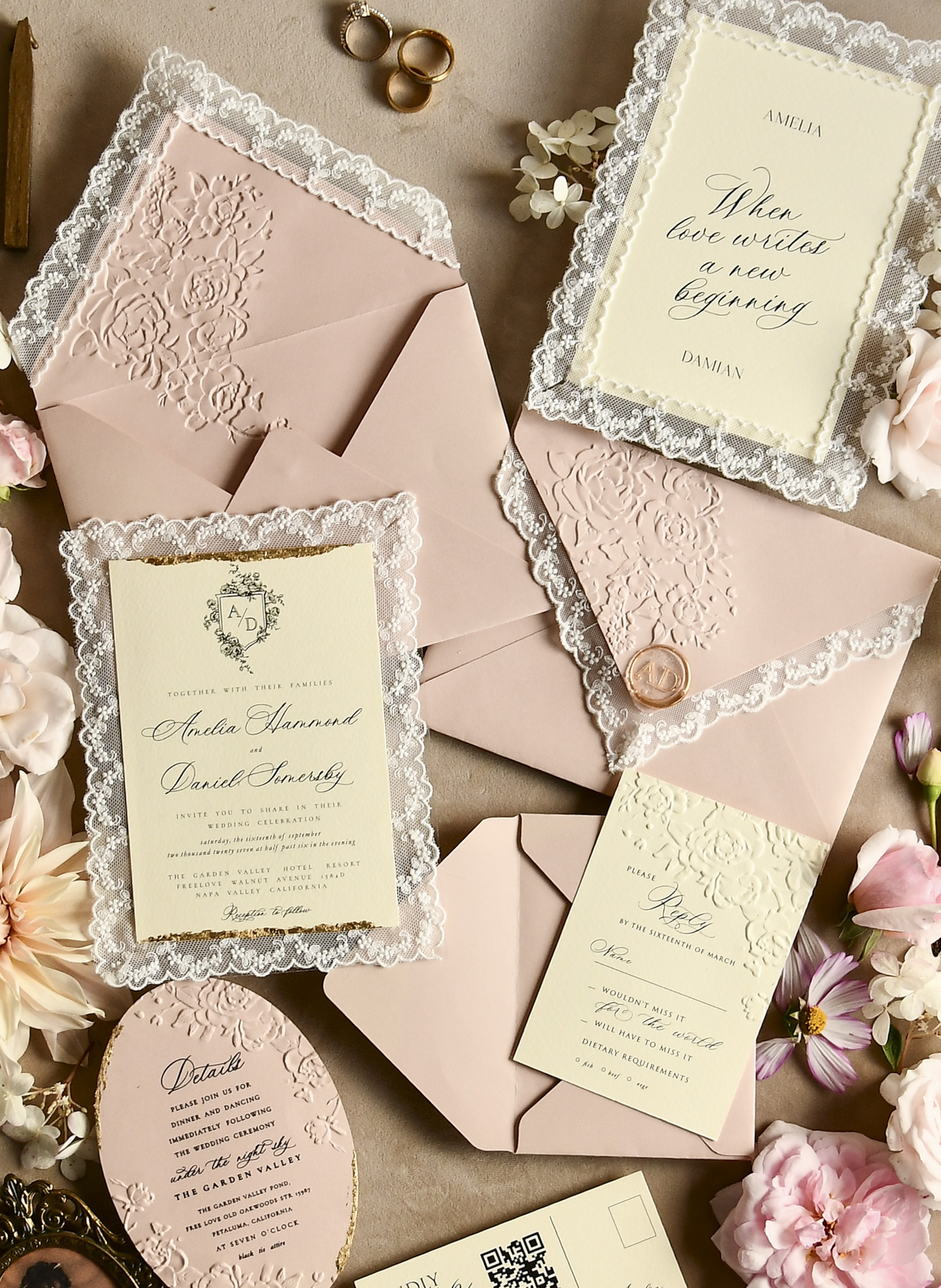
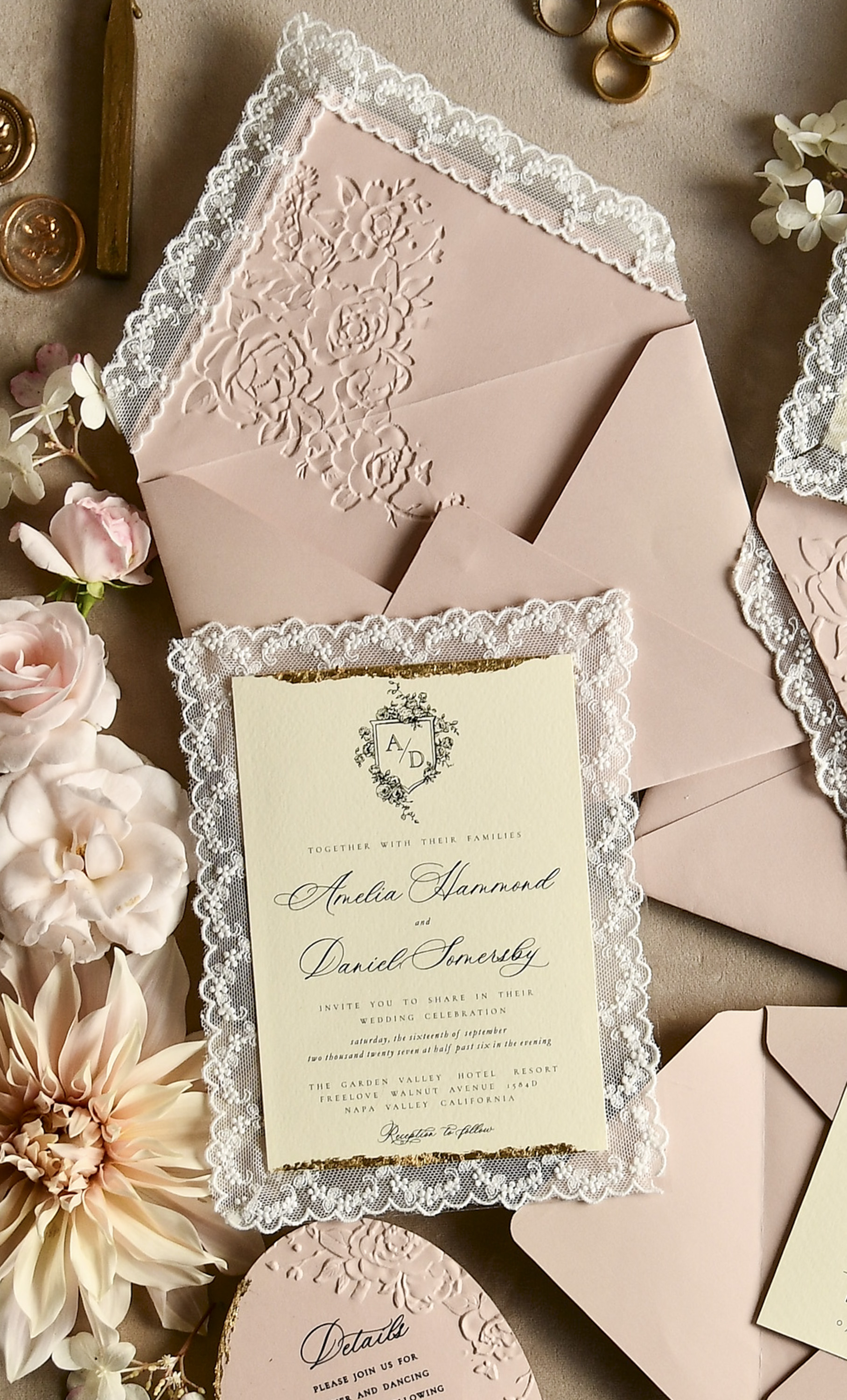
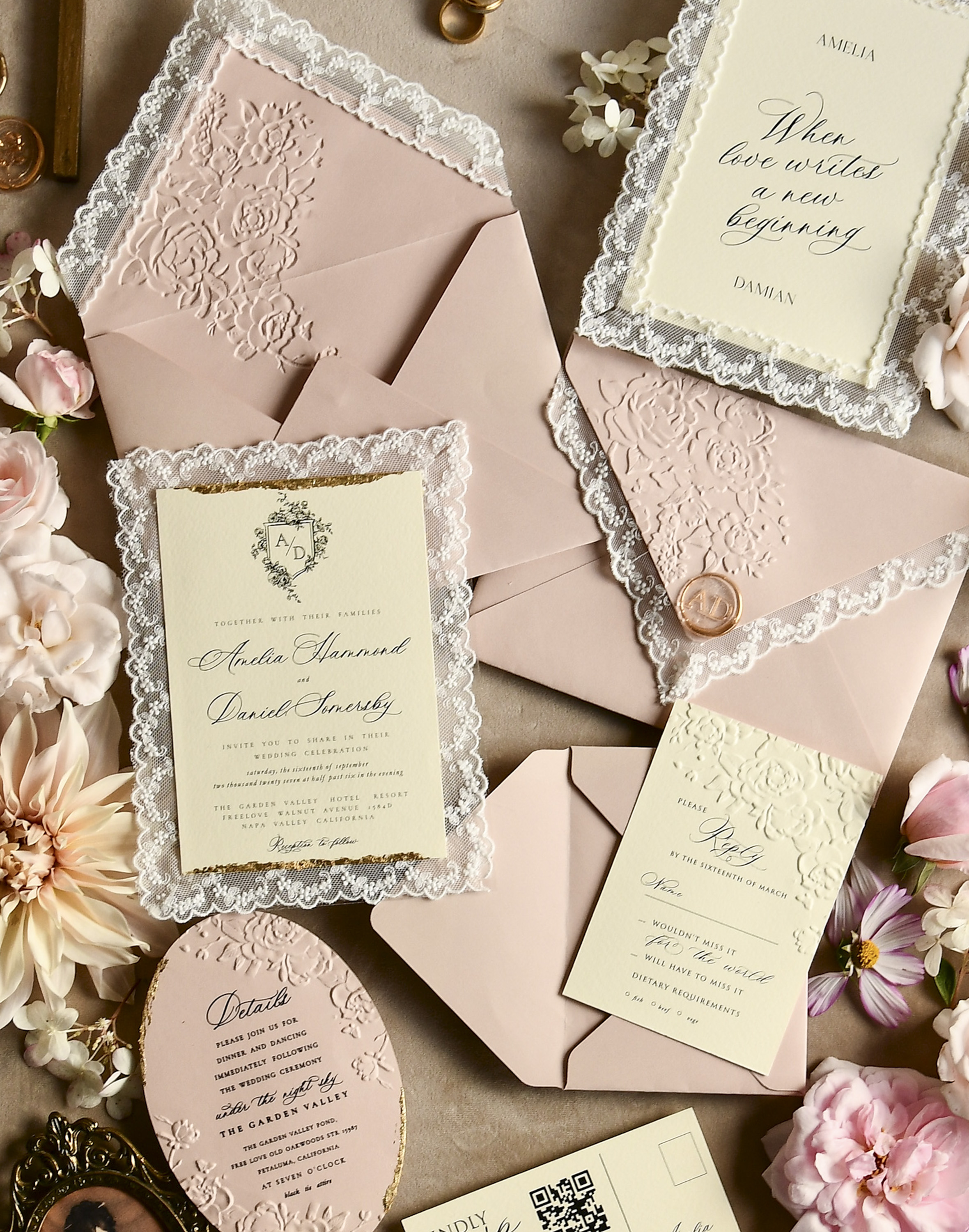
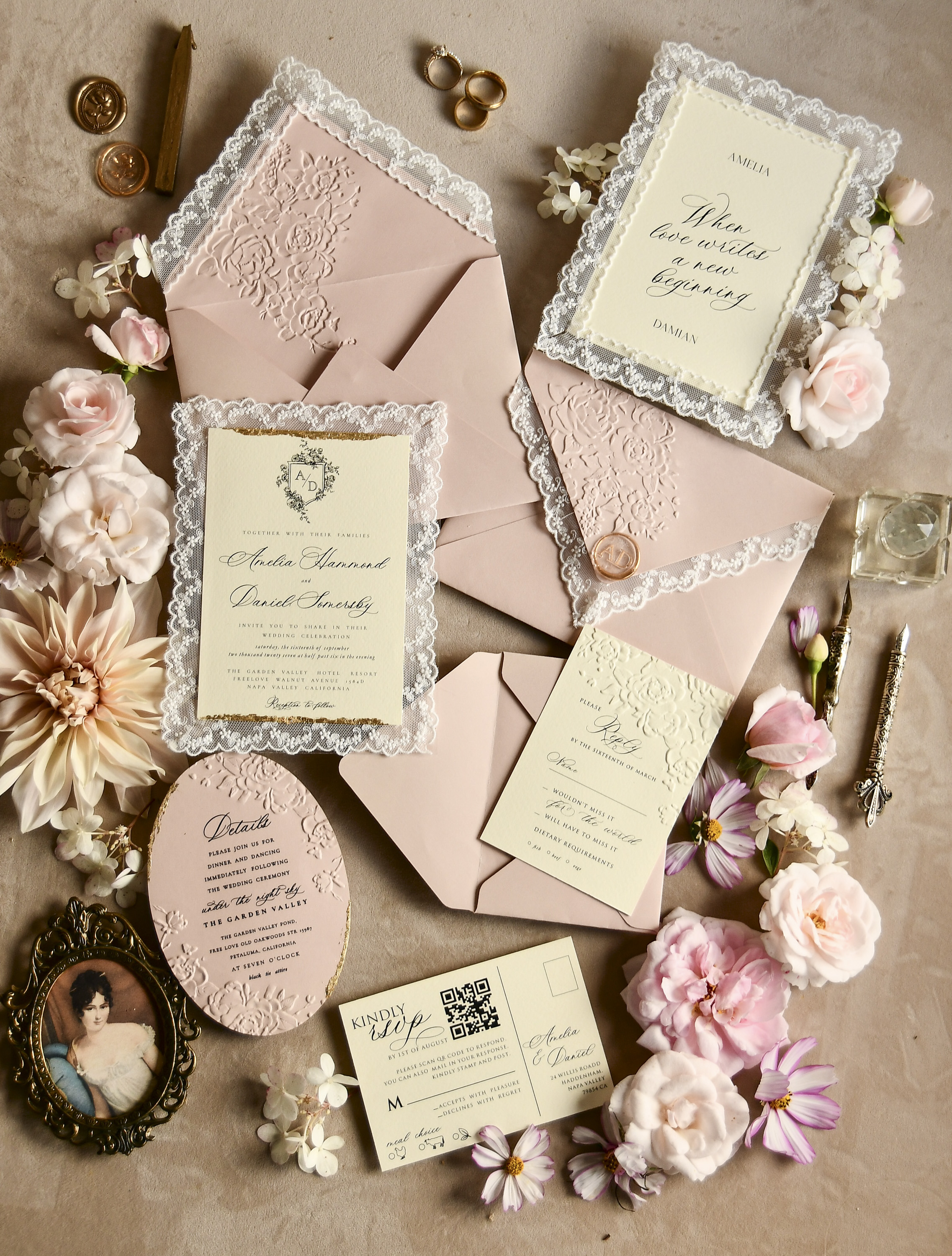
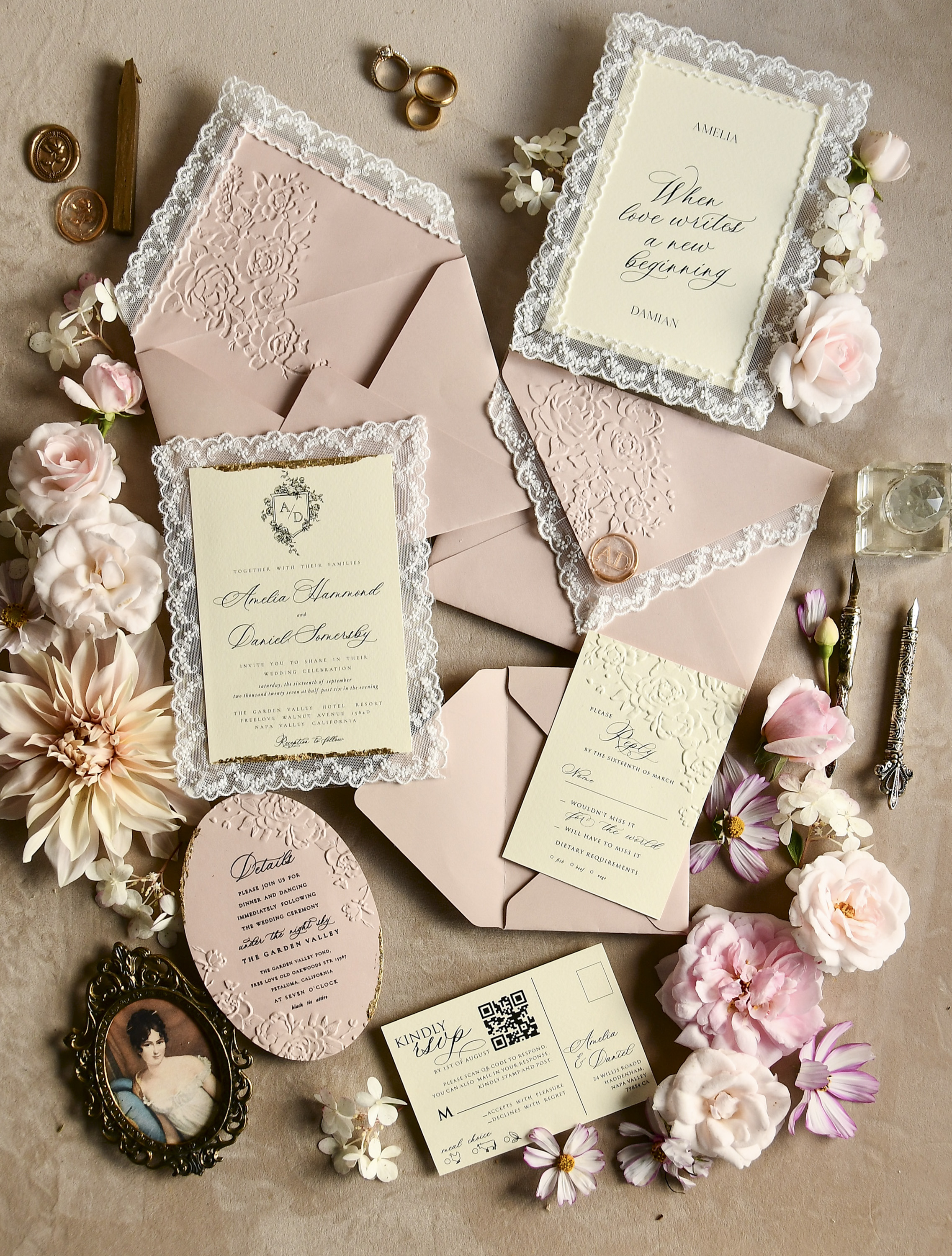
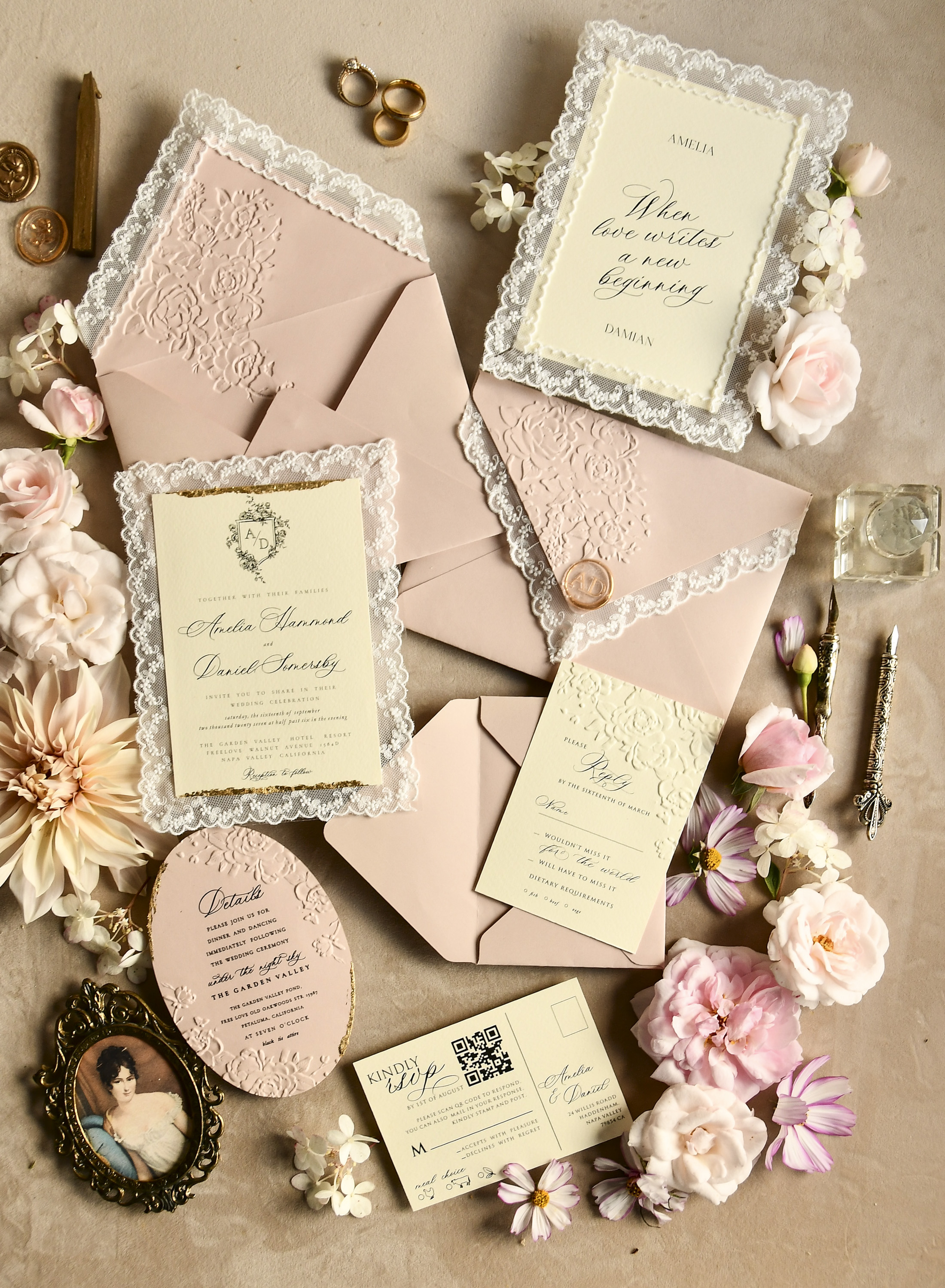
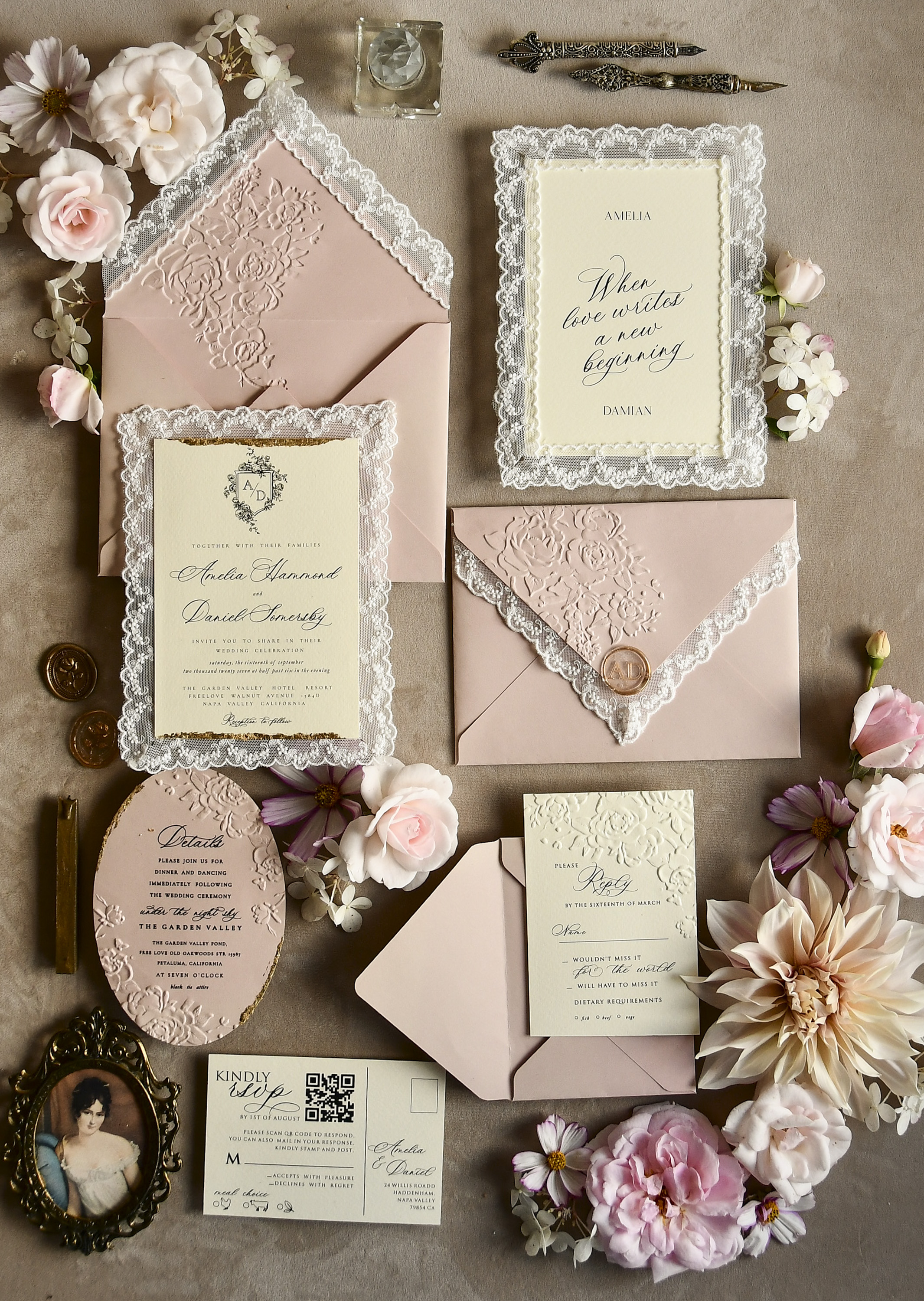
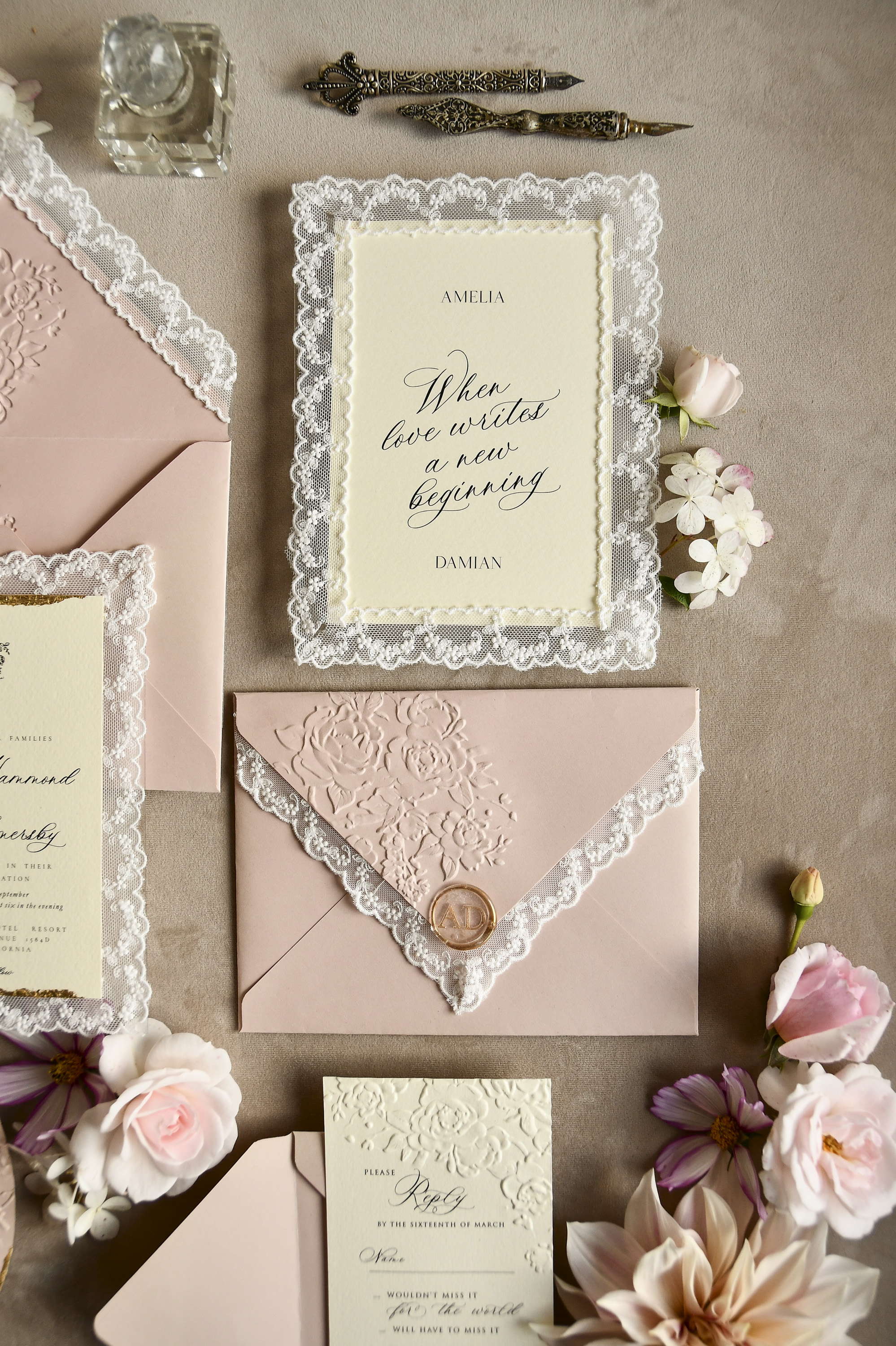
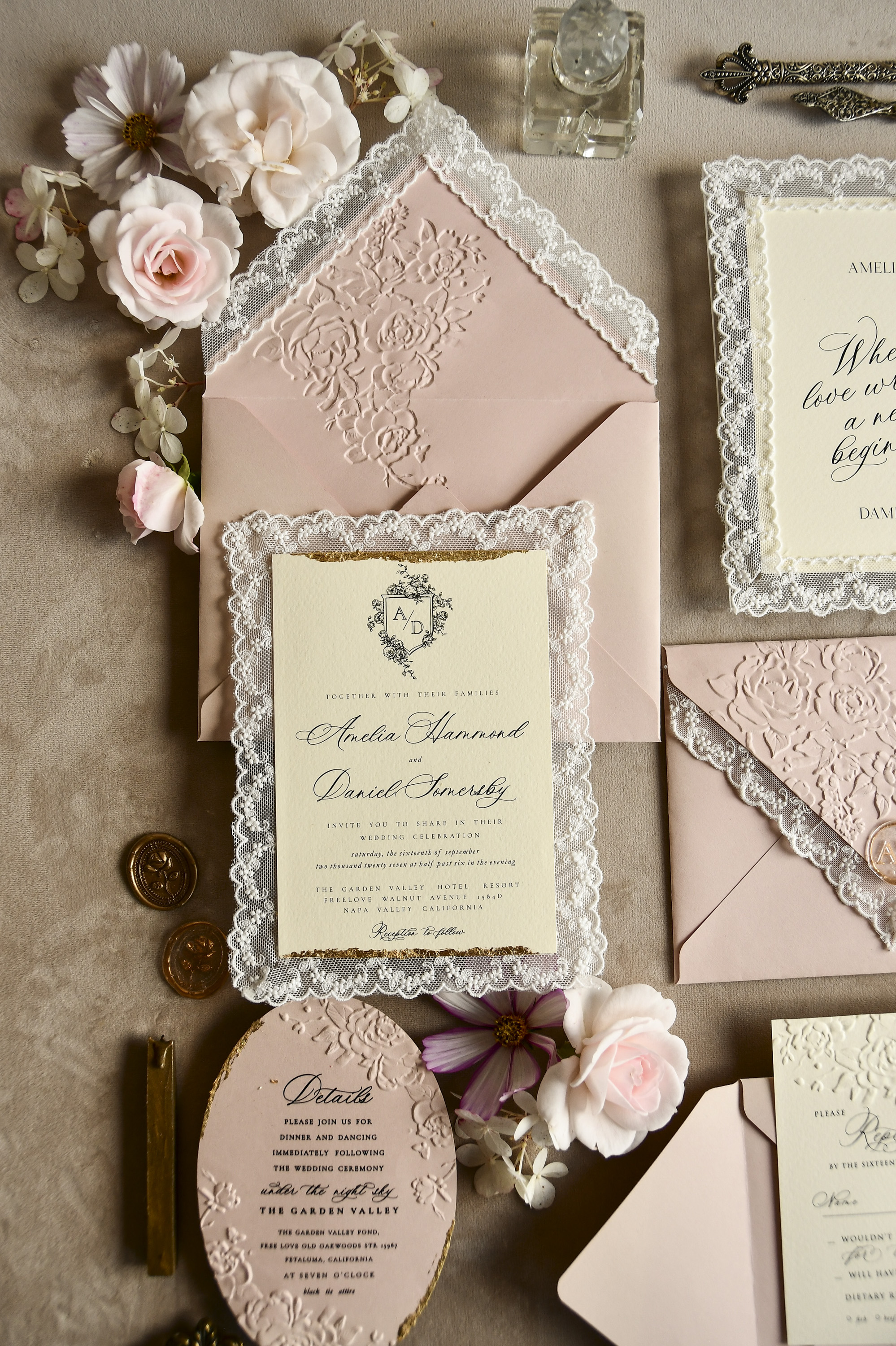
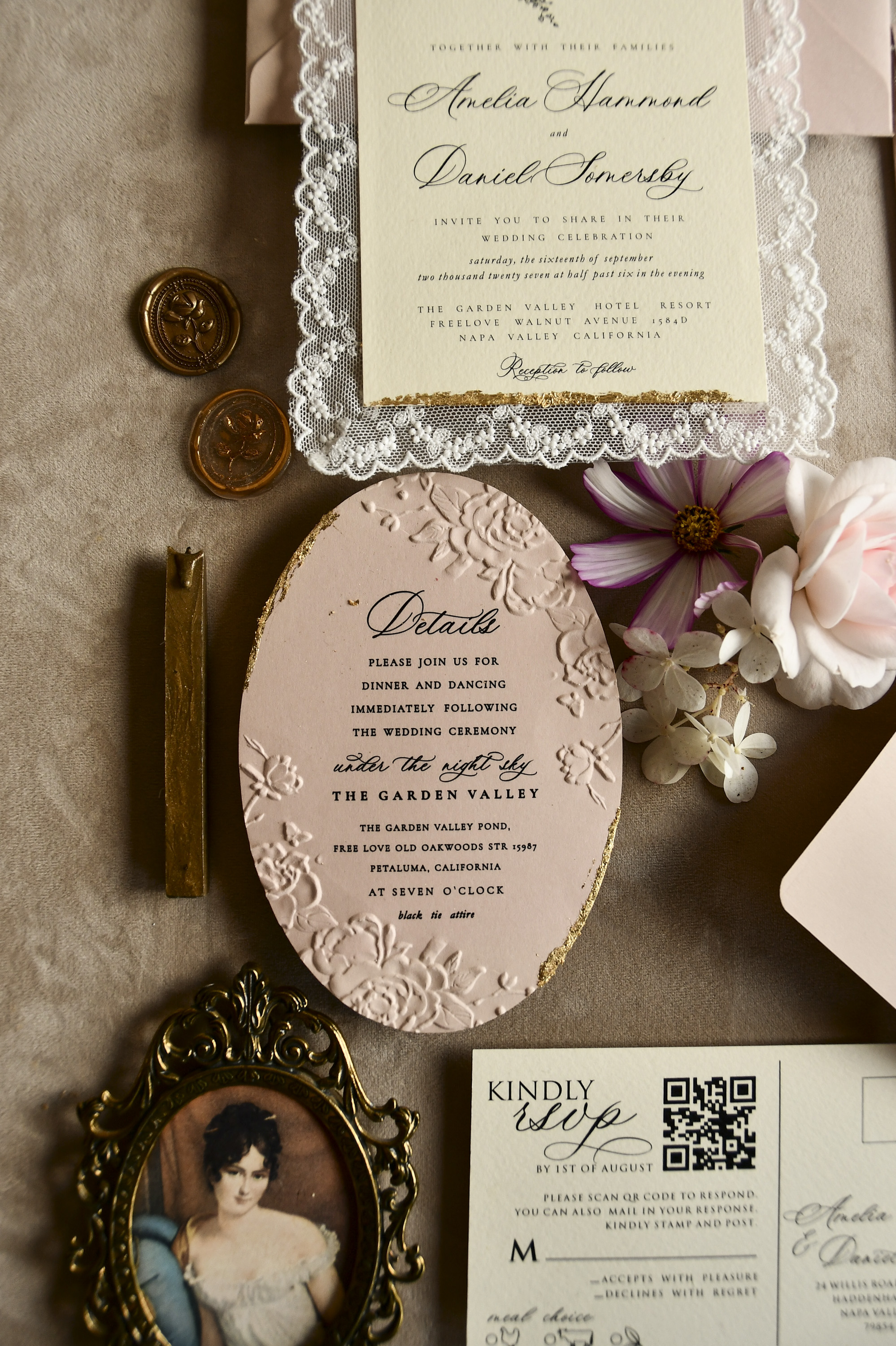
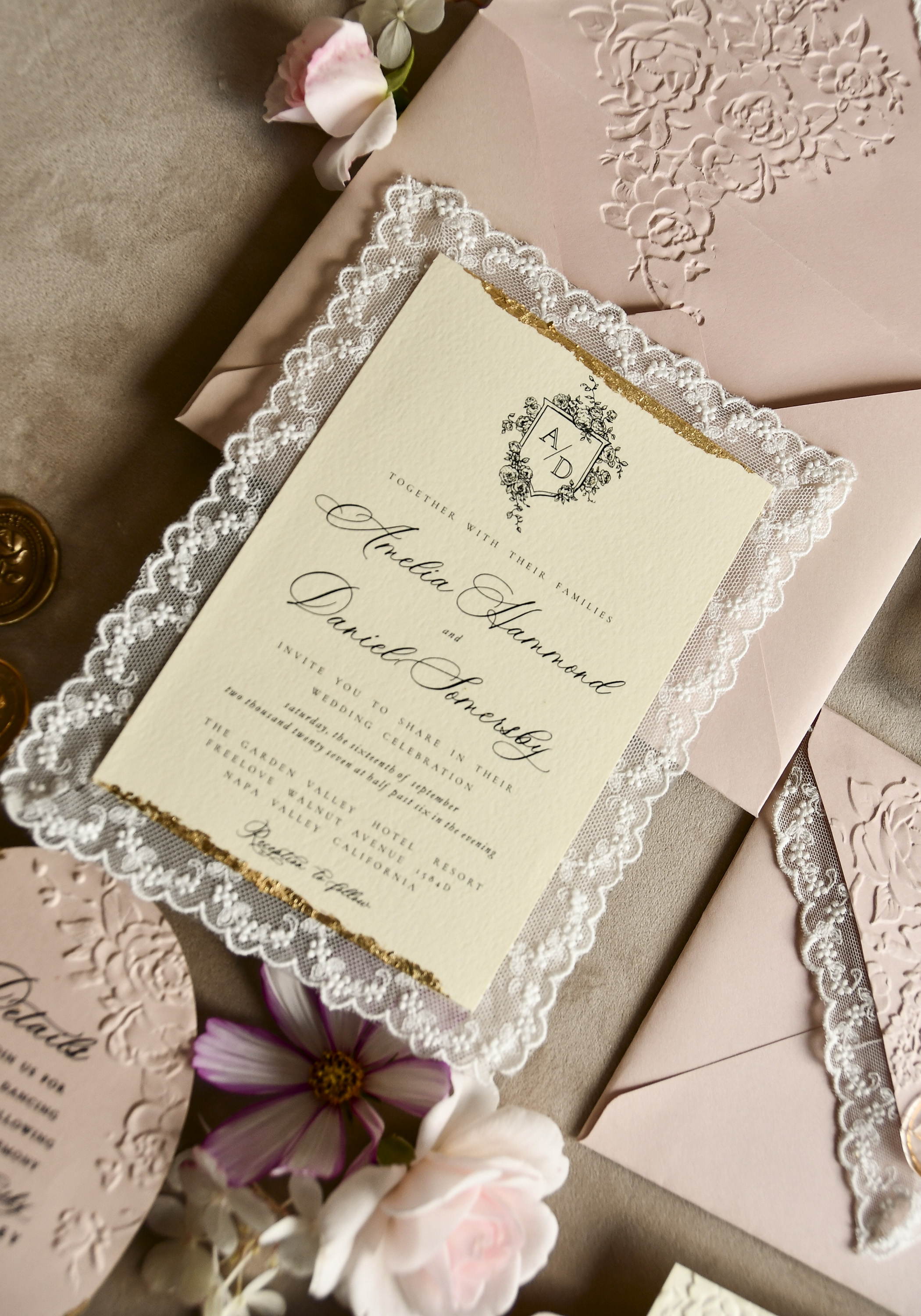
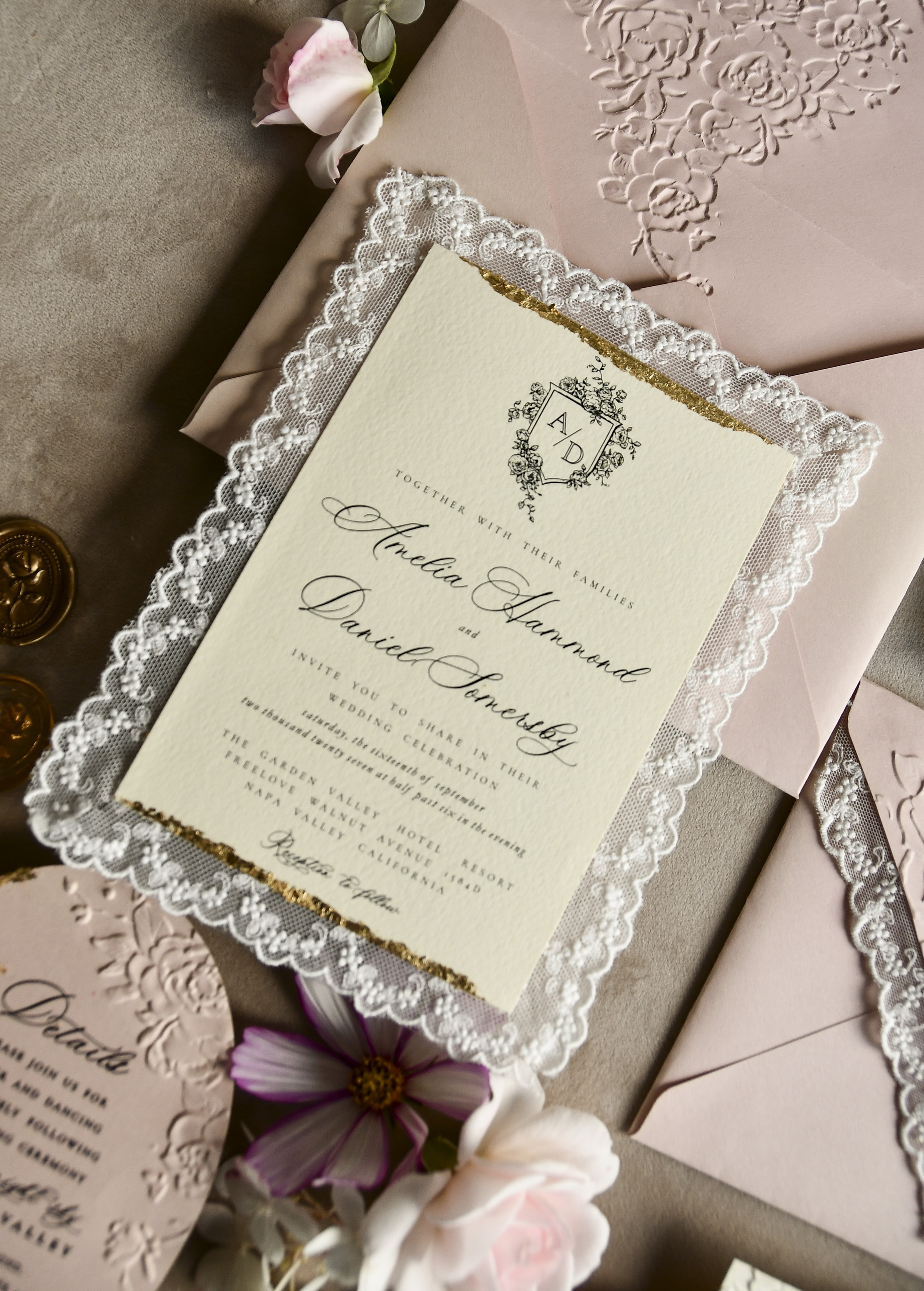
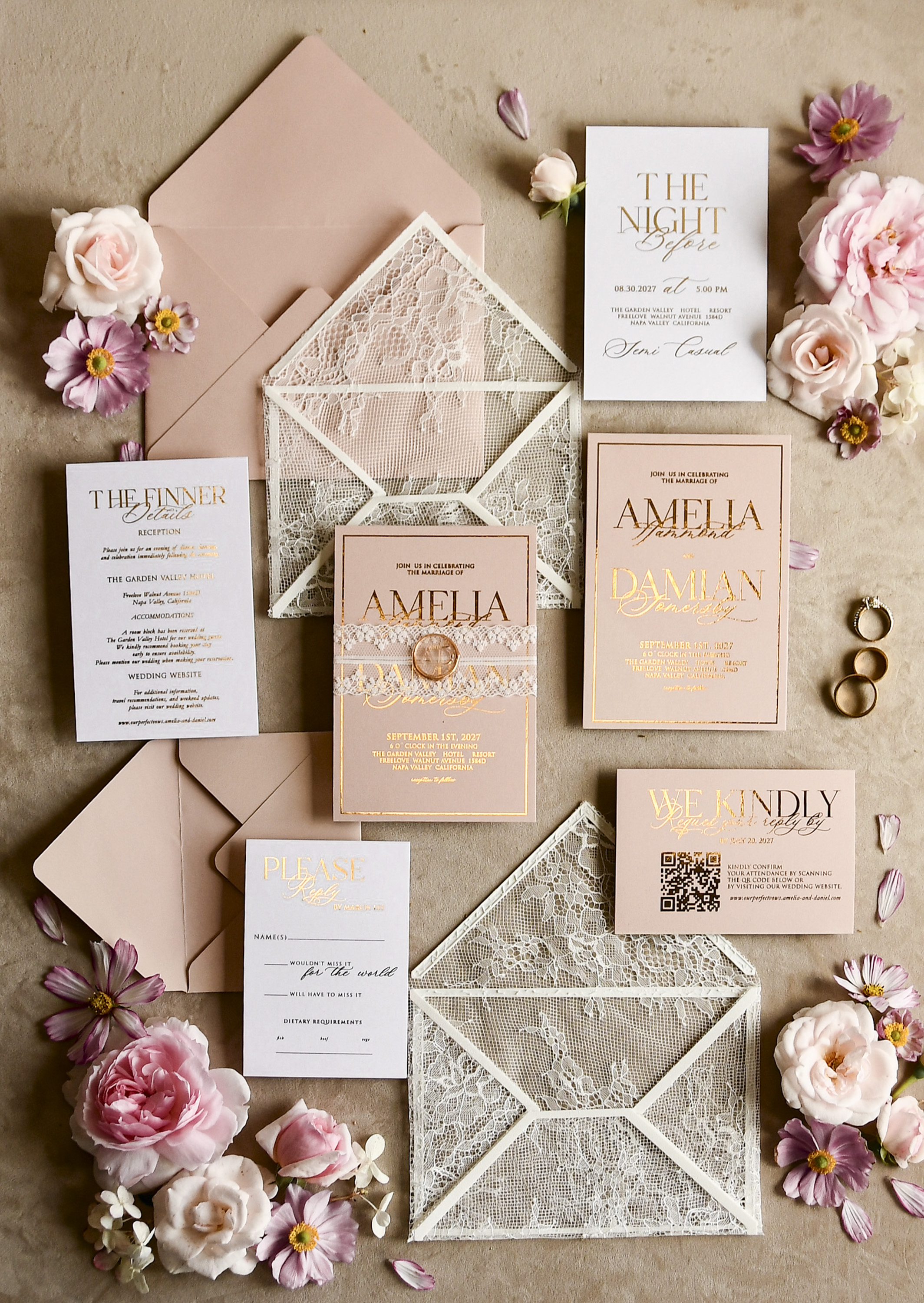
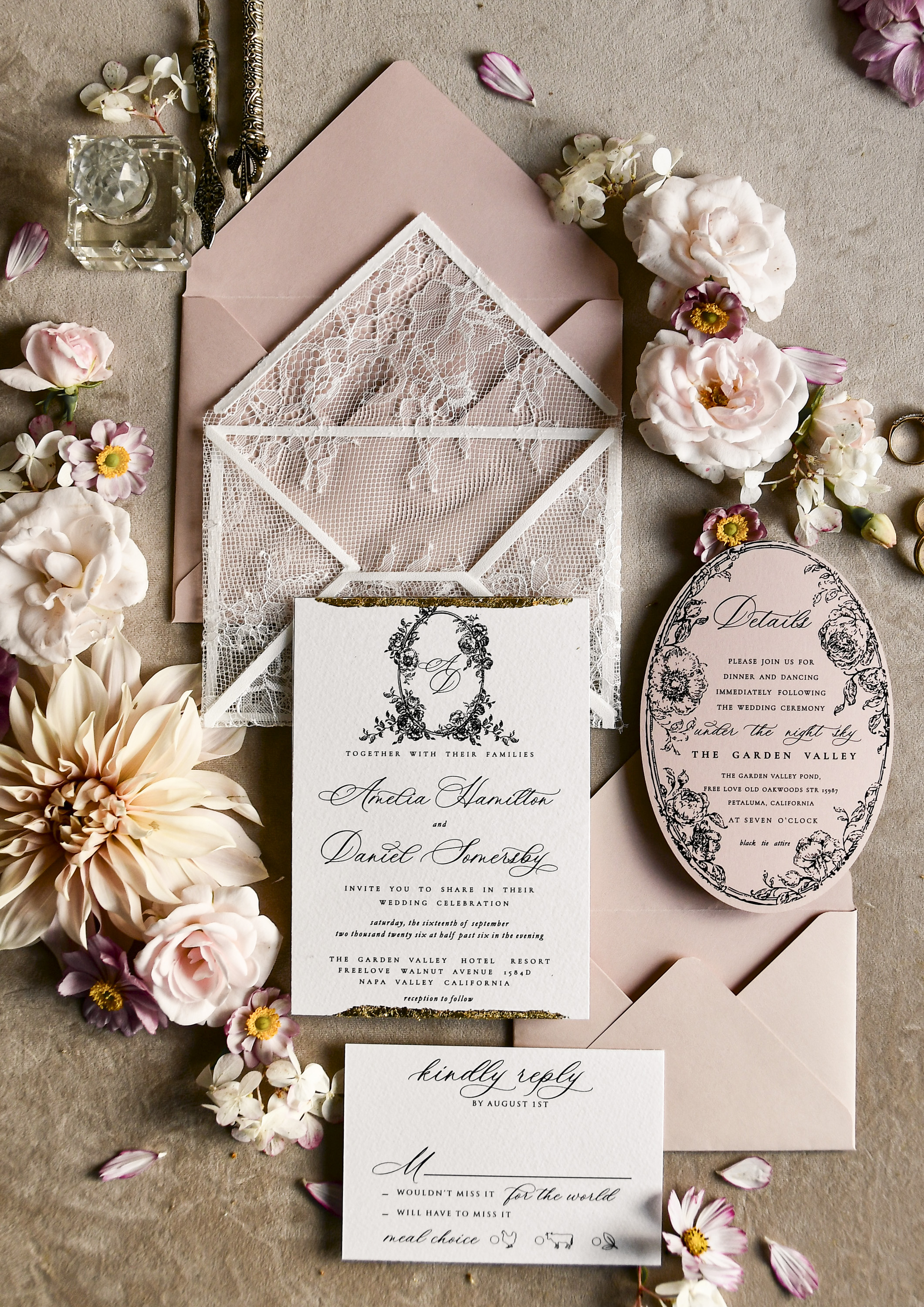
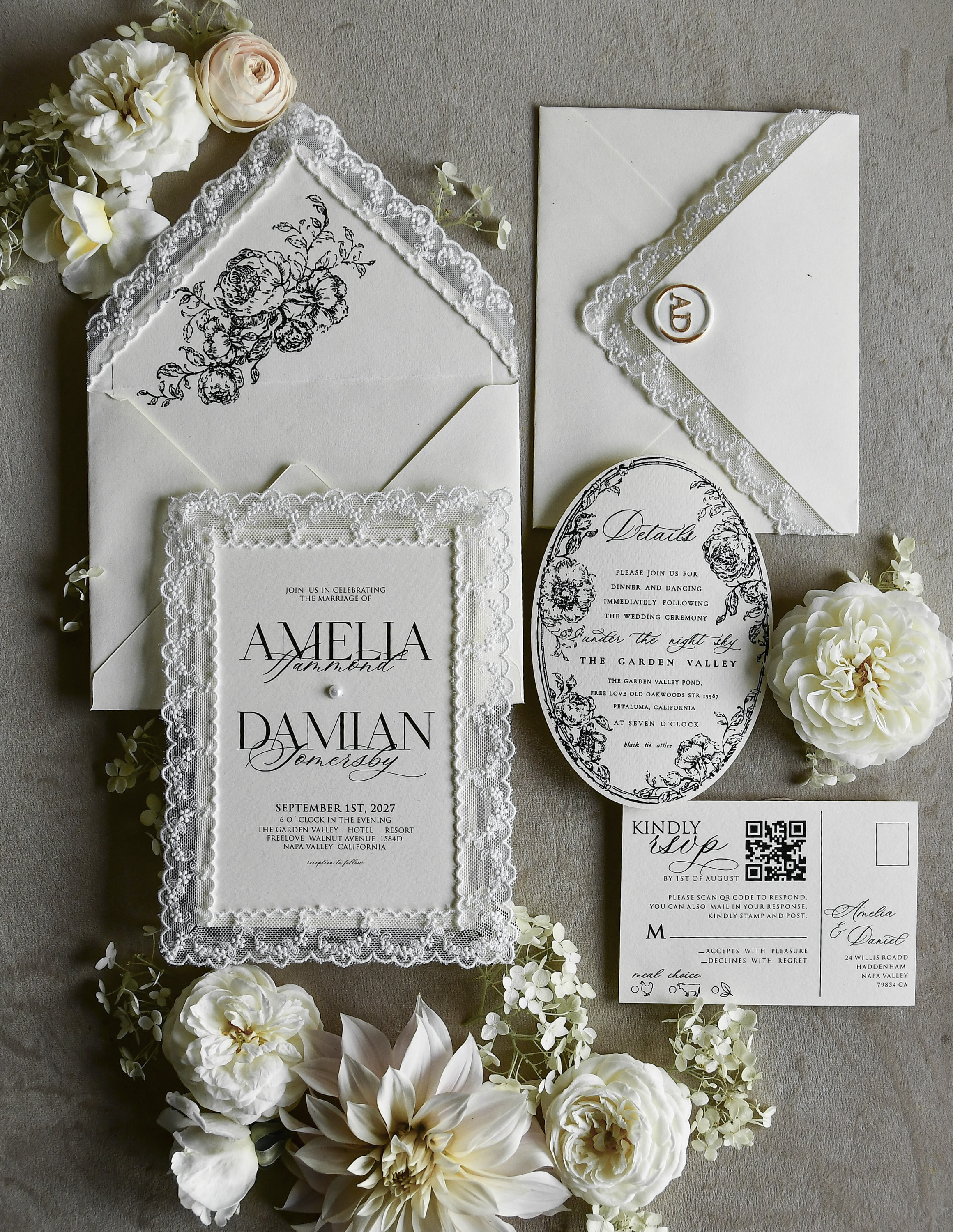
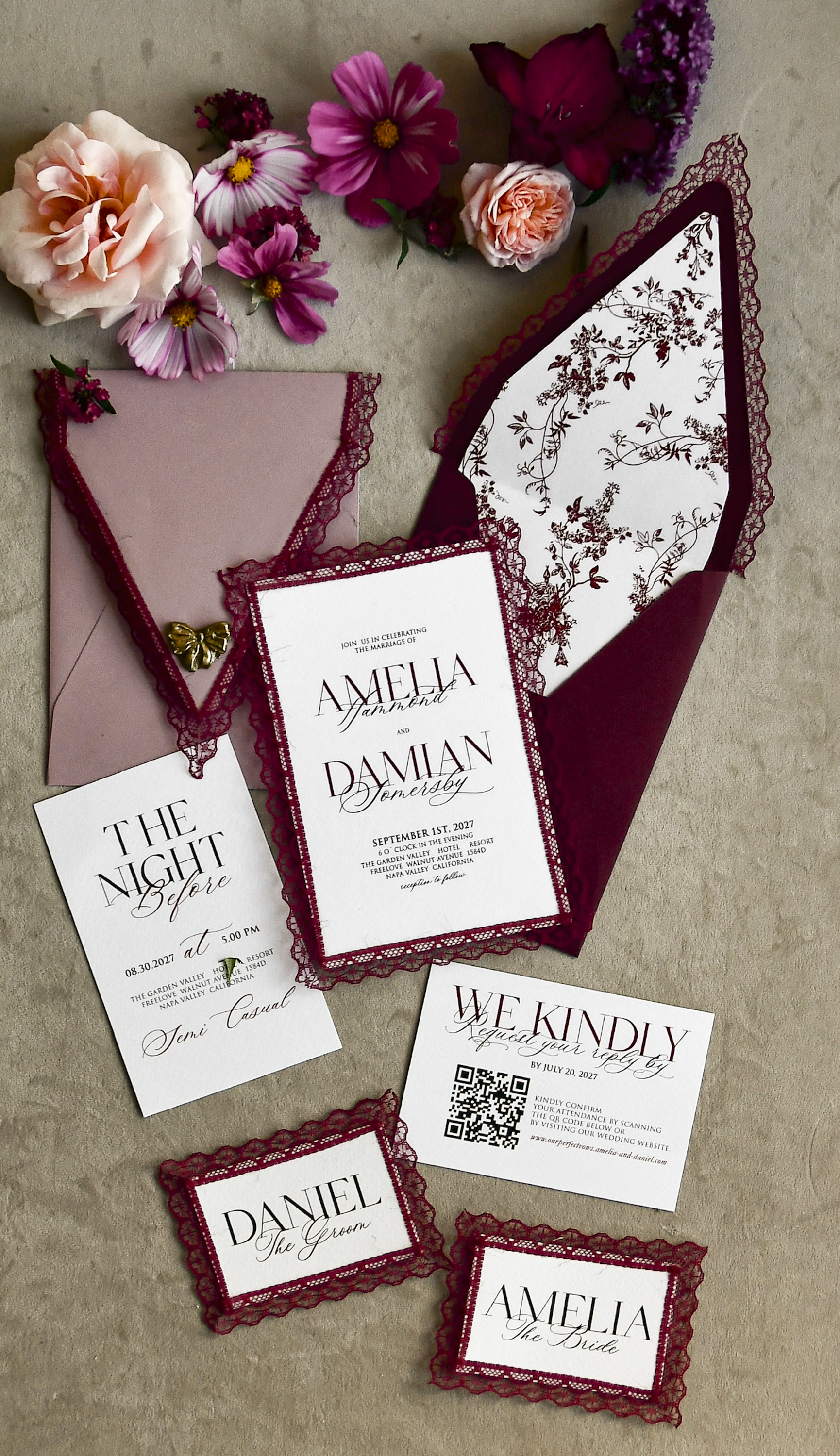
When you're ready to finalize who's invited, sending beautiful, thoughtful invitations sets a warm tone from the start. Our 01/laceembos/z vintage lace wedding invitations are a lovely choice for an intimate or rustic-style celebration — they signal elegance and intentionality no matter the guest count.
Know When to Bring in Outside Help
If you've had multiple conversations and still can't reach common ground, consider pre-marital counseling. This isn't a sign that your relationship is in trouble — it's a sign that you're both taking the marriage seriously enough to work through hard things before the wedding day arrives.
A counselor can help you both:
- Identify whether this is a boundary issue, a communication issue, or a deeper values conflict
- Develop tools for navigating family relationships long after the wedding is over
- Ensure that one partner isn't making a unilateral decision that leaves the other feeling erased
Remember: how you two handle this disagreement is a preview of how you'll handle conflict in marriage. Working through it thoughtfully — rather than one person simply capitulating — is genuinely good practice.
Protect Your Relationships on Both Sides
Whatever you decide, be thoughtful about how you communicate the outcome to your family. If certain relatives won't be invited, you don't owe them a detailed explanation, but you do owe them kindness. A private phone call is far better than letting them find out through social media or a forwarded invitation list.
Keep in mind that your fiancé will become part of your family after the wedding. Decisions made now — especially ones that feel dismissive or punitive toward your relatives — can create wounds that take years to heal. The goal isn't just to get through the wedding day; it's to start your marriage with as much goodwill as possible on all sides.
If you do land on a guest list you both feel good about, celebrate that win. Thoughtful touches like our 01/laceembos/z lace-embossed invitations help set a gracious, welcoming tone right from the moment guests open the envelope.
Frequently Asked Questions
Absolutely — guest list disagreements are one of the most common sources of wedding planning conflict. Differing family dynamics, budgets, and visions for the day all contribute. The key is approaching it as a team problem to solve, not a battle to win.
This is worth taking seriously. If a family member has a history of abusive, disruptive, or harmful behavior, your fiancé's concern is legitimate and deserves honest discussion. Consider whether that individual's presence is truly essential, and prioritize creating a safe environment for both of you on your wedding day.
No — and doing so would likely cause serious damage to trust at a critical time in your relationship. Any decision about the guest list needs to be made together and transparently. Surprises on the wedding day are not the answer.
That's a serious red flag worth examining carefully. A healthy partnership doesn't ask you to sever ties with your family as a condition of marriage. If you feel genuinely coerced, pre-marital counseling or a trusted advisor can help you assess the situation clearly.
Be honest but brief — you don't need to explain every detail. A personal phone call or handwritten note acknowledging that the wedding is very small goes a long way. Avoid letting them find out secondhand, which tends to hurt more than the exclusion itself.
Eloping can be a genuinely beautiful solution for couples who find the guest list negotiations too painful or divisive. Just make sure both of you are choosing it freely and enthusiastically — not as a default because the conflict felt too hard to resolve.
See This Design Up Close




You May Also Like
More Wedding Planning Guides
- → When to Address a Wedding Invitation Directly to a Child
- → Mailed Card or Website Link? How to Handle RSVPs the Modern Way
- → Wedding Invitation Delivery: When to Mail and When to Hand Them Off
- → Wedding Invitation Wording: Every Essential Detail Couples Need to Include
- → When Your Divorced Parents Can't Be in the Same Room: A Wedding Planning Guide
- → Adults-Only Weddings: Is Leaving Kids Off the List Actually Rude?
- → Wedding Invitation Addressing: Names, Titles, and Every Tricky Situation Solved
- → How to Decide Who Gets a Plus One at Your Wedding
- → Wedding Invitations: How to Count What You Actually Need
- → Yes, You Can Invite Ceremony-Only Guests — Here's How to Do It Gracefully
- → Extra Wedding Guests: Who Pays and How to Handle It Gracefully
- → Big Wedding or Better Wedding: How to Choose What Truly Matters
- → Your Wedding, Your Guest List: The Honest Truth About Inviting Cousins
- → Uninvited Extras: How to Handle Guests Who Bring Someone You Didn't Invite
- → Plus-One or No? How to Decide If Single Guests Can Bring a Date
- → How to Embrace a Small Wedding and Make It Unforgettable
- → Where Do Divorced Parents Sit at Your Wedding? Here's What Actually Works
- → To Invite or Not to Invite: Navigating the Ex Question for Your Wedding Guest List
- → Stepparents and Your Wedding Guest List: Making the Right Call
- → Setting Plus-One Boundaries Without Losing Sleep (or Friends)
- → Should Work Friends Come to Your Wedding? A No-Stress Guide to Inviting Colleagues
- → Guests Who Don't RSVP: Your Step-by-Step Plan
- → Save the Date vs. Wedding Invitation: Two Very Different Jobs, One Beautiful Paper Trail
- → When Someone Asks Why They Weren't Invited: Your Honest, Kind Playbook
- → To Call or Not to Call: Tracking Down Guests With Missing RSVPs
- → When the Guest List Must Shrink: The Right People to Remove First
- → Digital Wedding Invitations: When They Work and When to Think Twice
- → How to Handle the Parent Friend Dilemma on Your Wedding Guest List
- → Your Wedding Invitation Deadline: When the Window Officially Closes
- → Uninvited Plus-Ones and Tag-Alongs: How to Keep Your Guest List Intact
- → When Family Feuds Threaten Your Wedding Plans: A Practical Peacekeeper's Guide
- → Inviting an Estranged Brother or Sister: Finding Clarity Before You Seal the Envelope
- → Cousins, Invites, and Hard Choices: A Practical Guest List Guide