
How to Handle the Parent Friend Dilemma on Your Wedding Guest List
You've sat down to build your guest list and everything is going smoothly — until your mom hands you a Post-it note with fourteen names on it, none of whom you've ever met. Sound familiar? The question of whether (and how many) parental friends to include is one of the most common wedding planning friction points couples face. The good news: with a clear system and a little diplomacy, you can find a solution that respects everyone's relationships without blowing your budget or your headcount.
Understand Why It Matters to Them
Before you push back, take a moment to consider your parents' perspective. For many parents — especially those contributing financially to the wedding — this event is also a milestone in their social lives. They want to celebrate with the people who watched them raise you, and in some cultural traditions, a wedding is explicitly a community gathering, not just a party for the couple's inner circle.
Acknowledging this doesn't mean surrendering your guest list. It means you're negotiating from a place of empathy rather than frustration, which makes the whole conversation go a lot smoother.
Set a Hard Number Early — Before Anyone Asks
The single most effective move you can make is to establish total guest count limits before anyone submits names. Once a number is on the table, every addition becomes a trade-off, not an automatic yes.
A common approach is the equal-split rule: divide the total guest count into thirds — one third for the couple, one third for your family, one third for your partner's family. If your venue holds 120 people and you and your partner take 40 spots, each set of parents gets 40 spots to divide however they choose between relatives and friends.
Be explicit: "Mom and Dad, you have 15 invitations to use however you'd like. That includes Aunt Carol and your book club friends." When the limit is framed as a gift of autonomy rather than a restriction, parents often feel respected rather than dismissed.
Create a Tiered List to Stay Flexible
Even with firm numbers, unexpected declines happen — typically 10–20% of invited guests won't be able to attend. Build an A-list (everyone who gets an invitation immediately) and a B-list (people you'd genuinely love to have if space opens up). Parental friends who didn't make the initial cut can live on the B-list, and you can release those invitations as regrets come in.
Timing matters here: send your first wave of invitations 8–10 weeks before the wedding. That gives you a 2–3 week window to send B-list invitations early enough that recipients don't feel like afterthoughts.
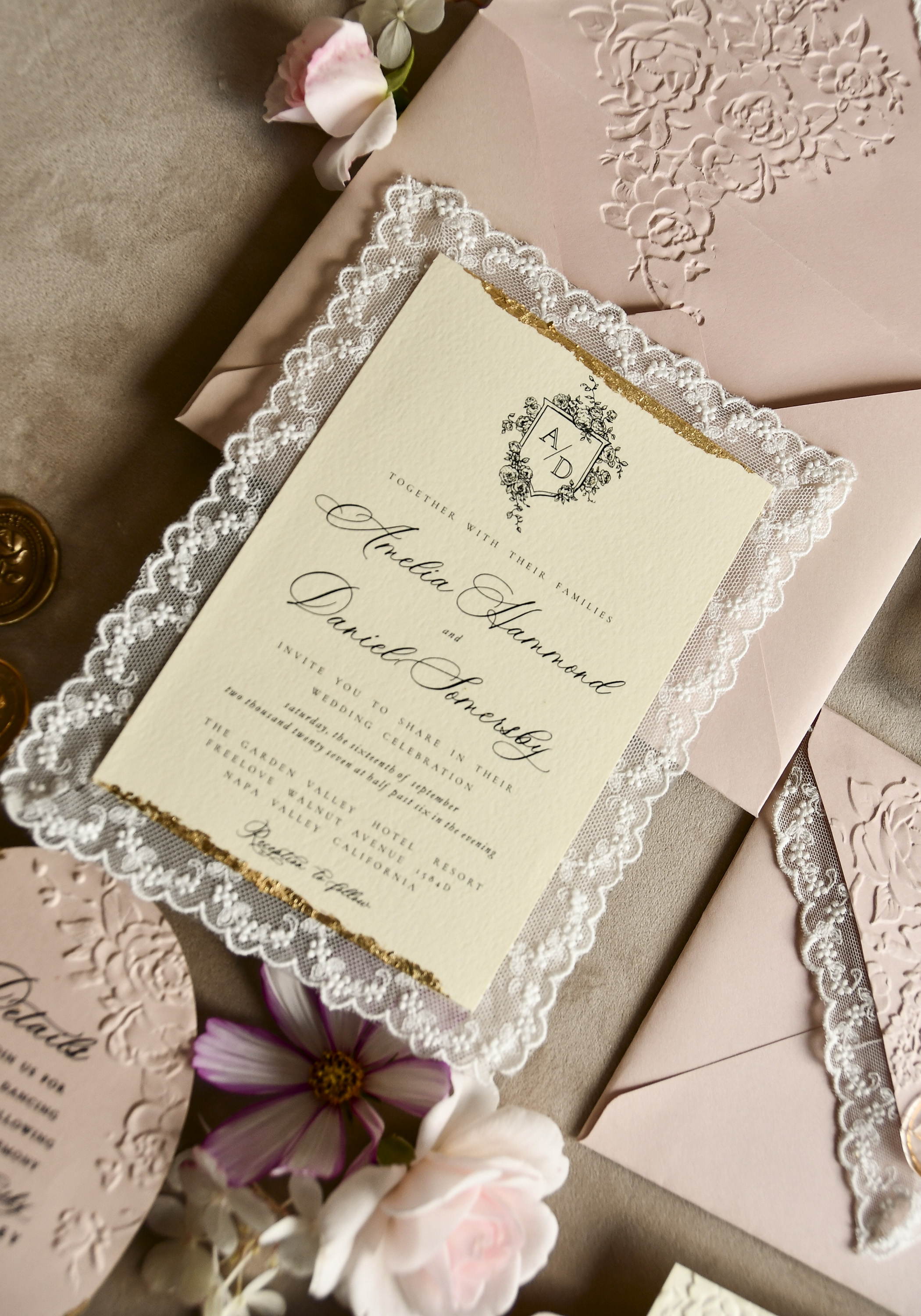
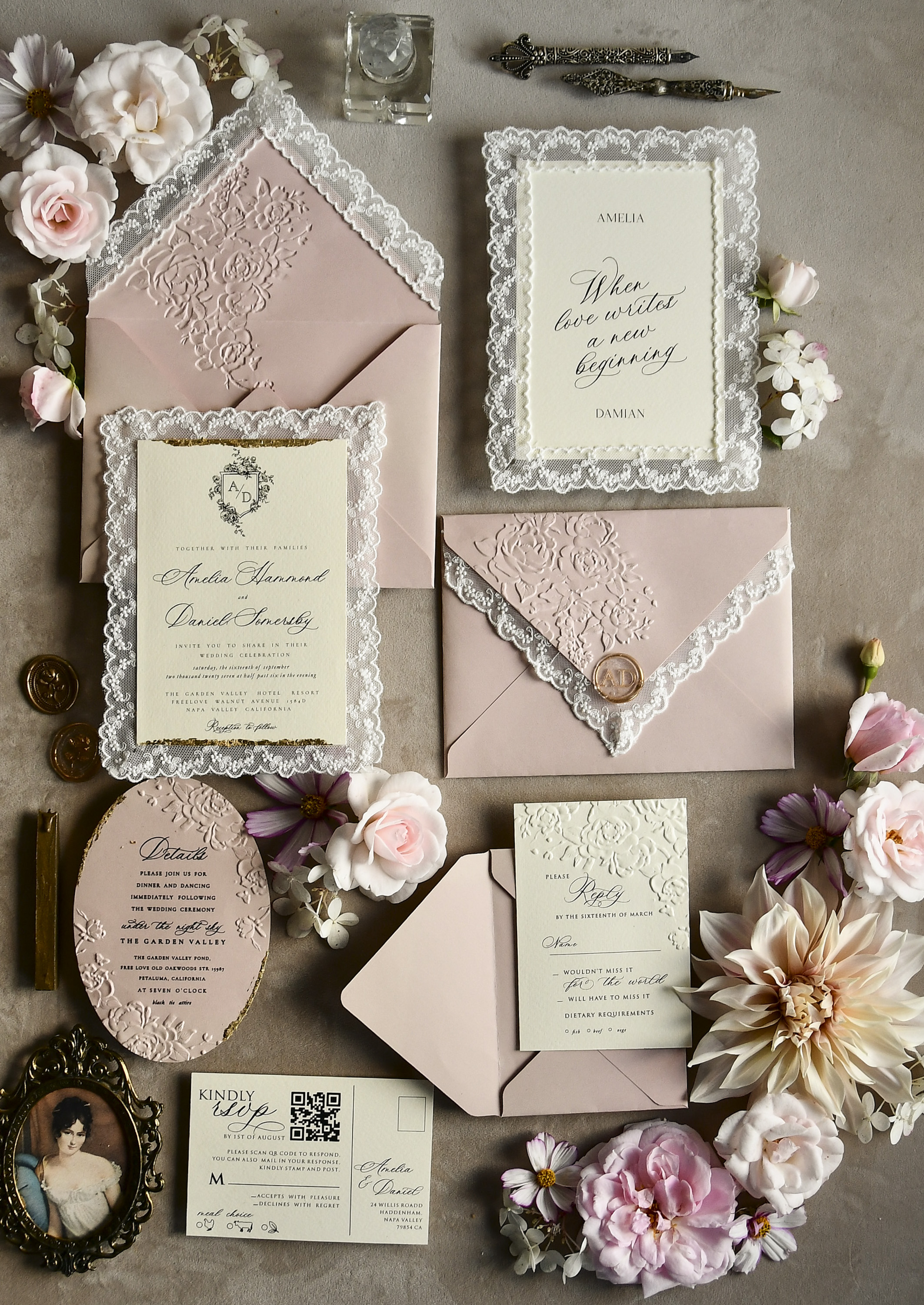
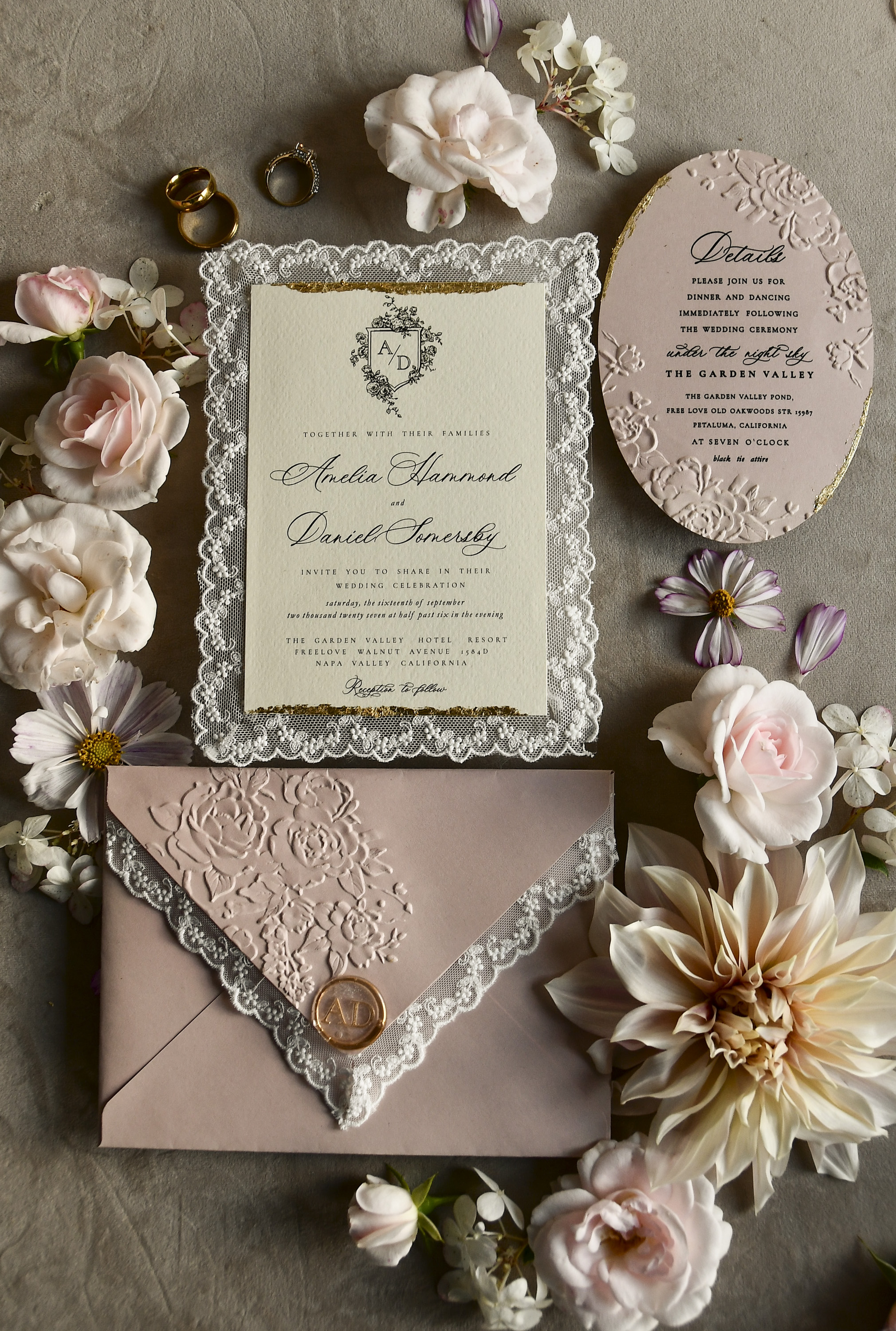
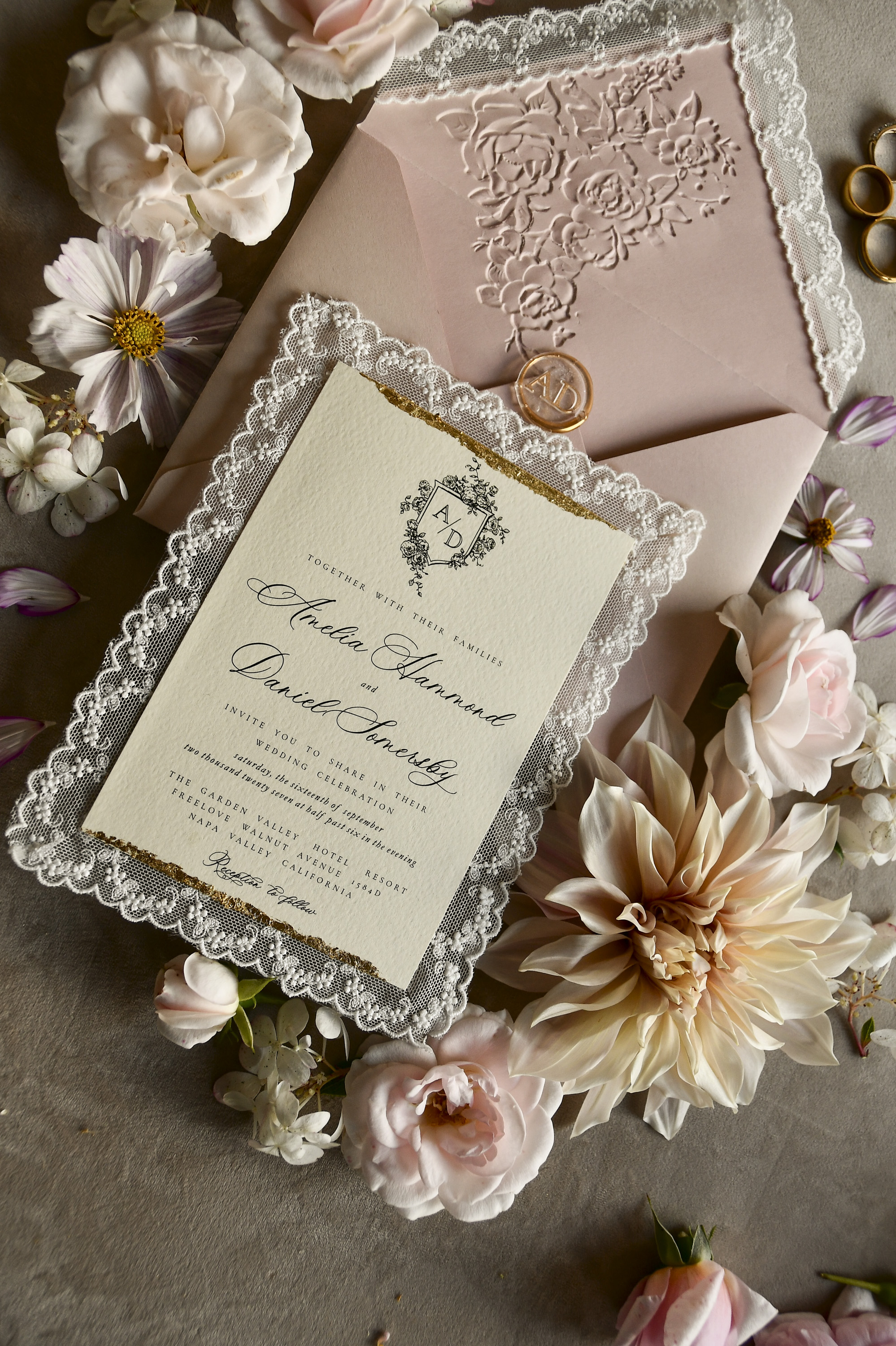
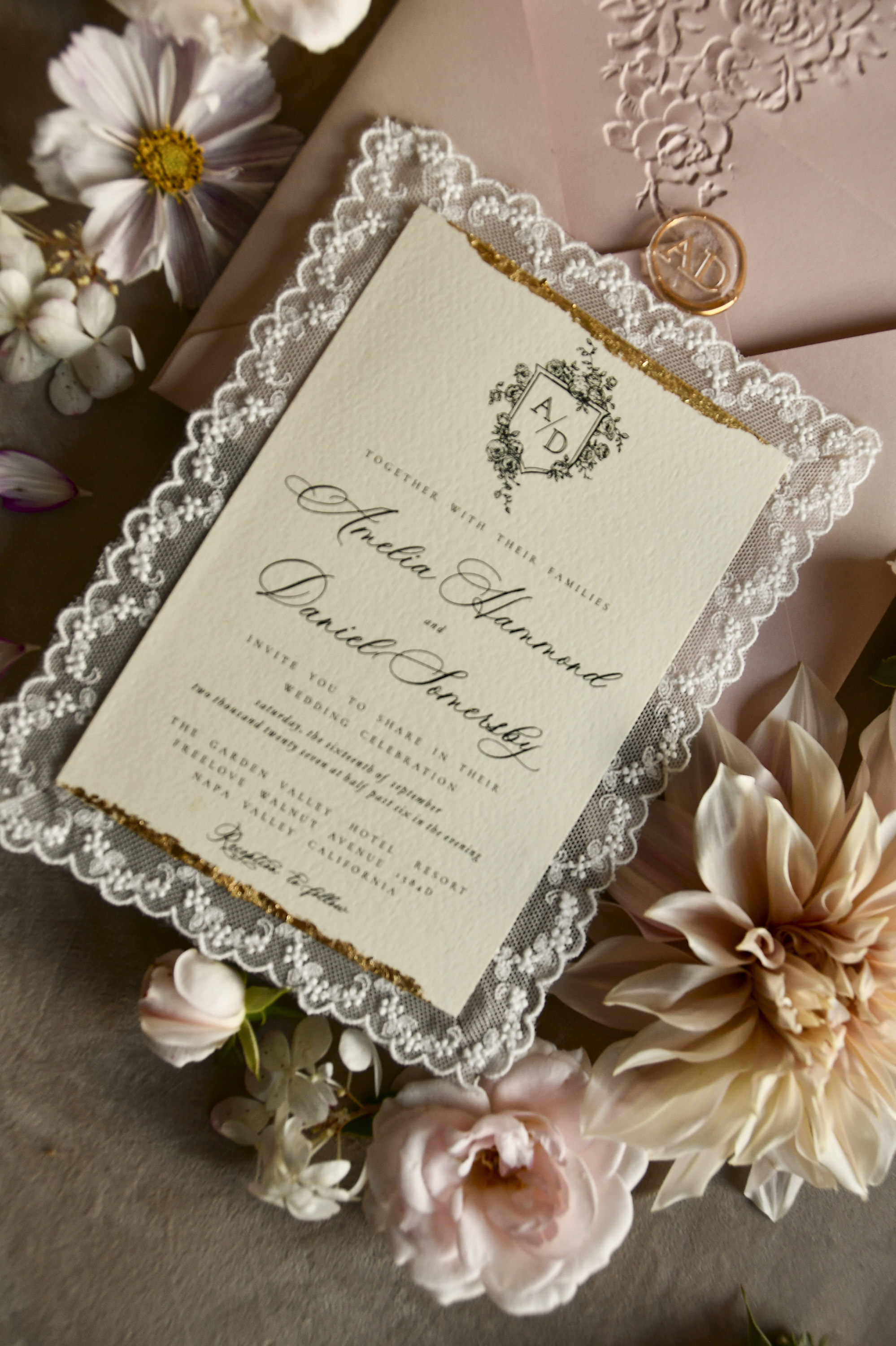
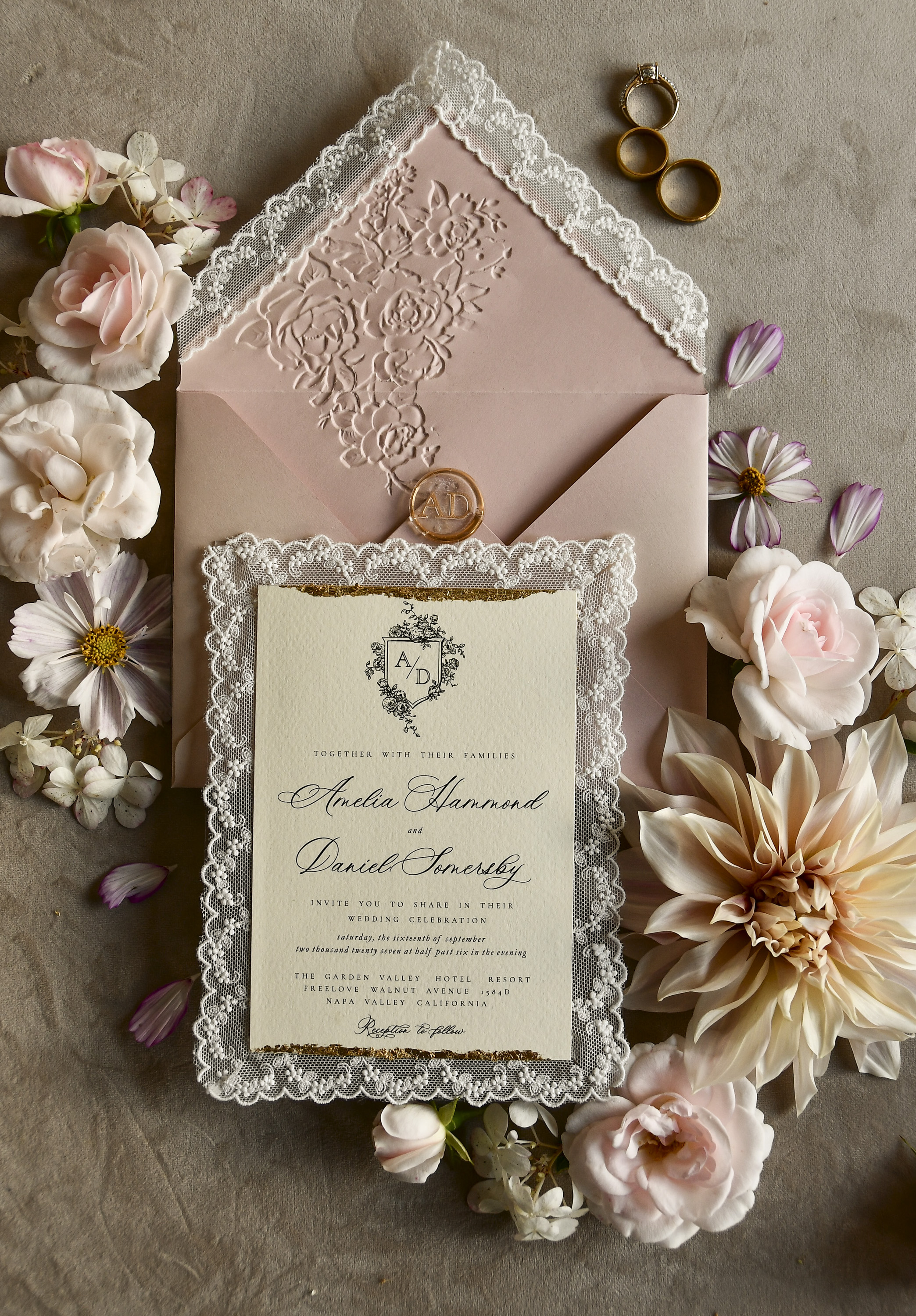
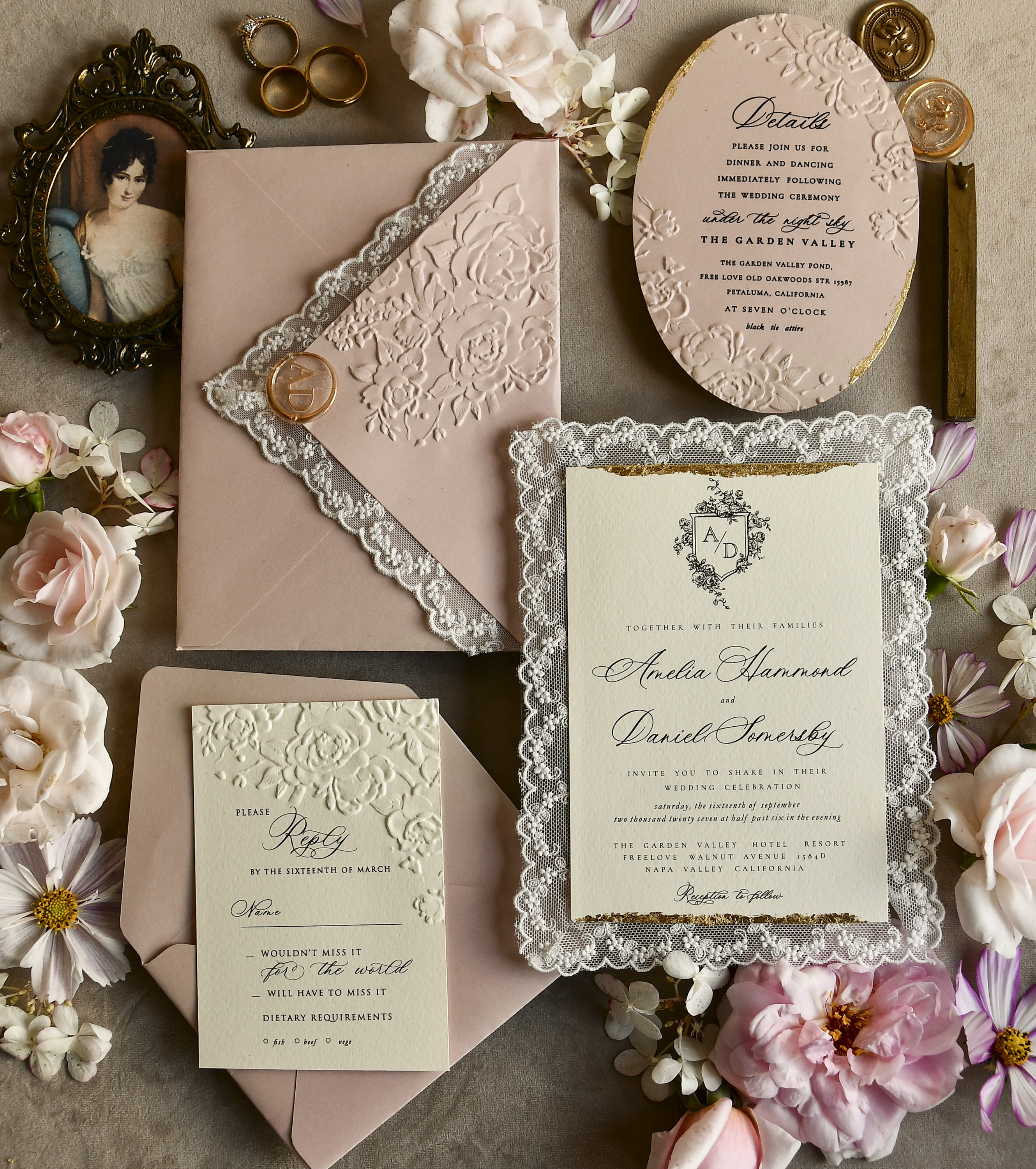
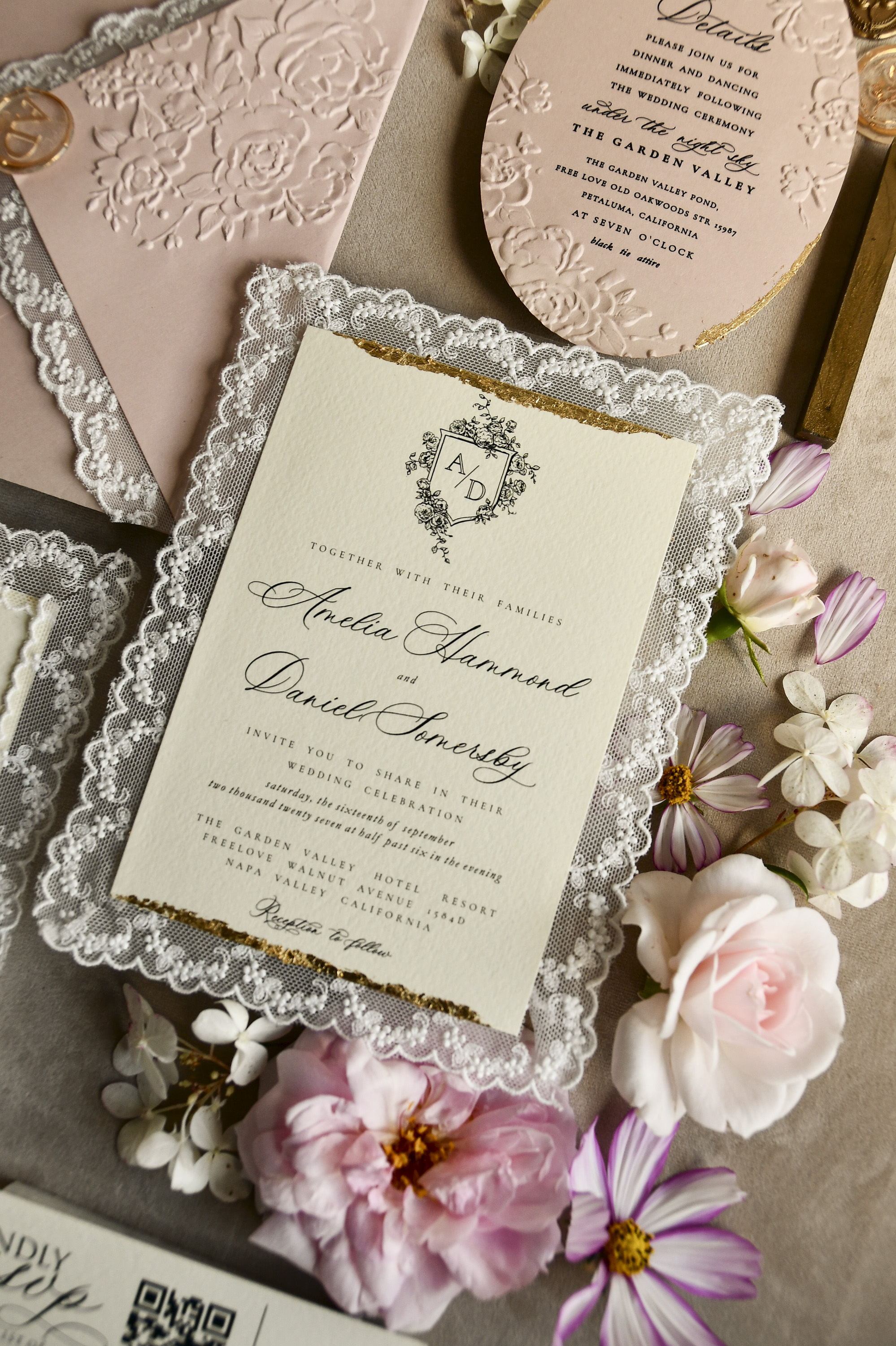
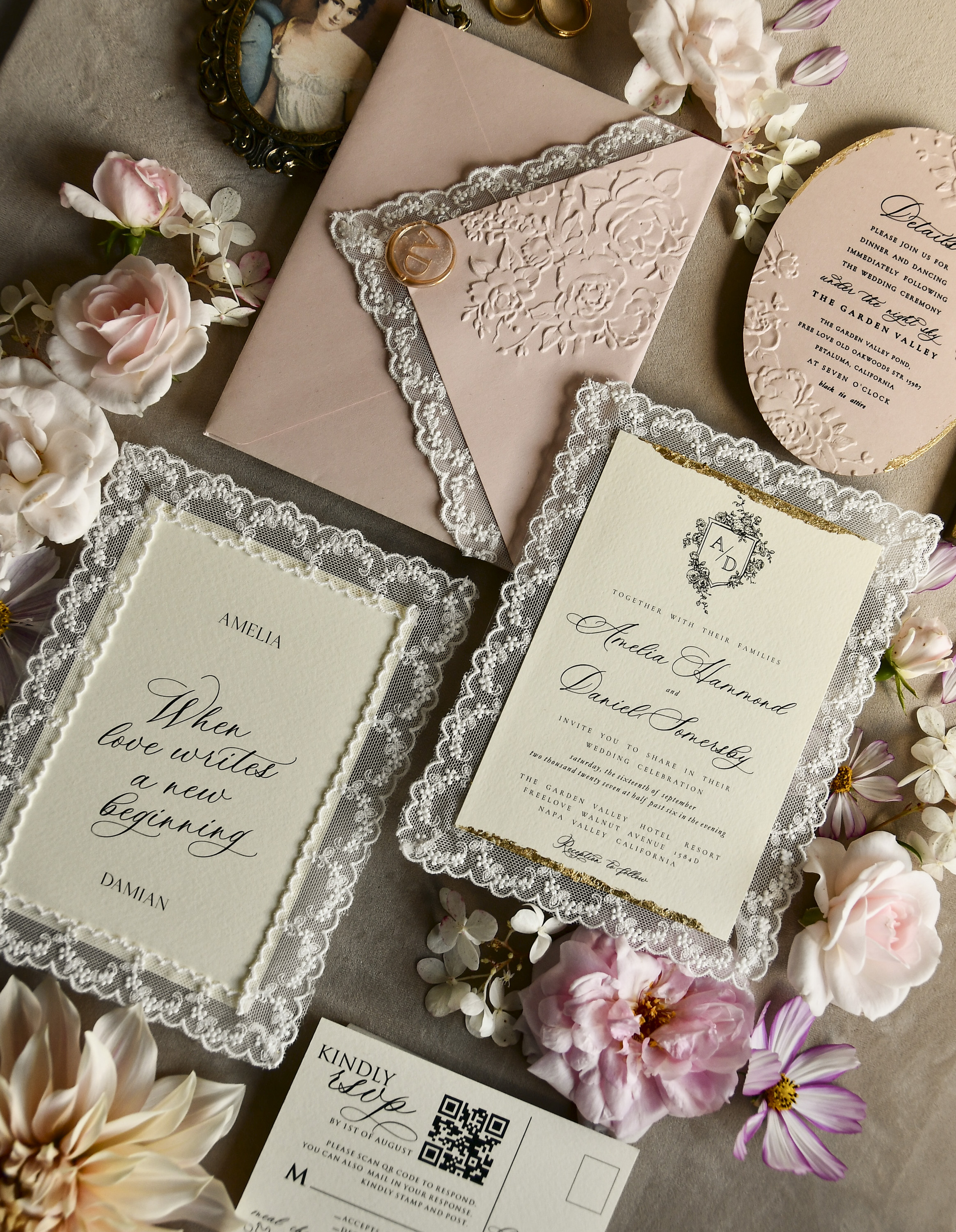
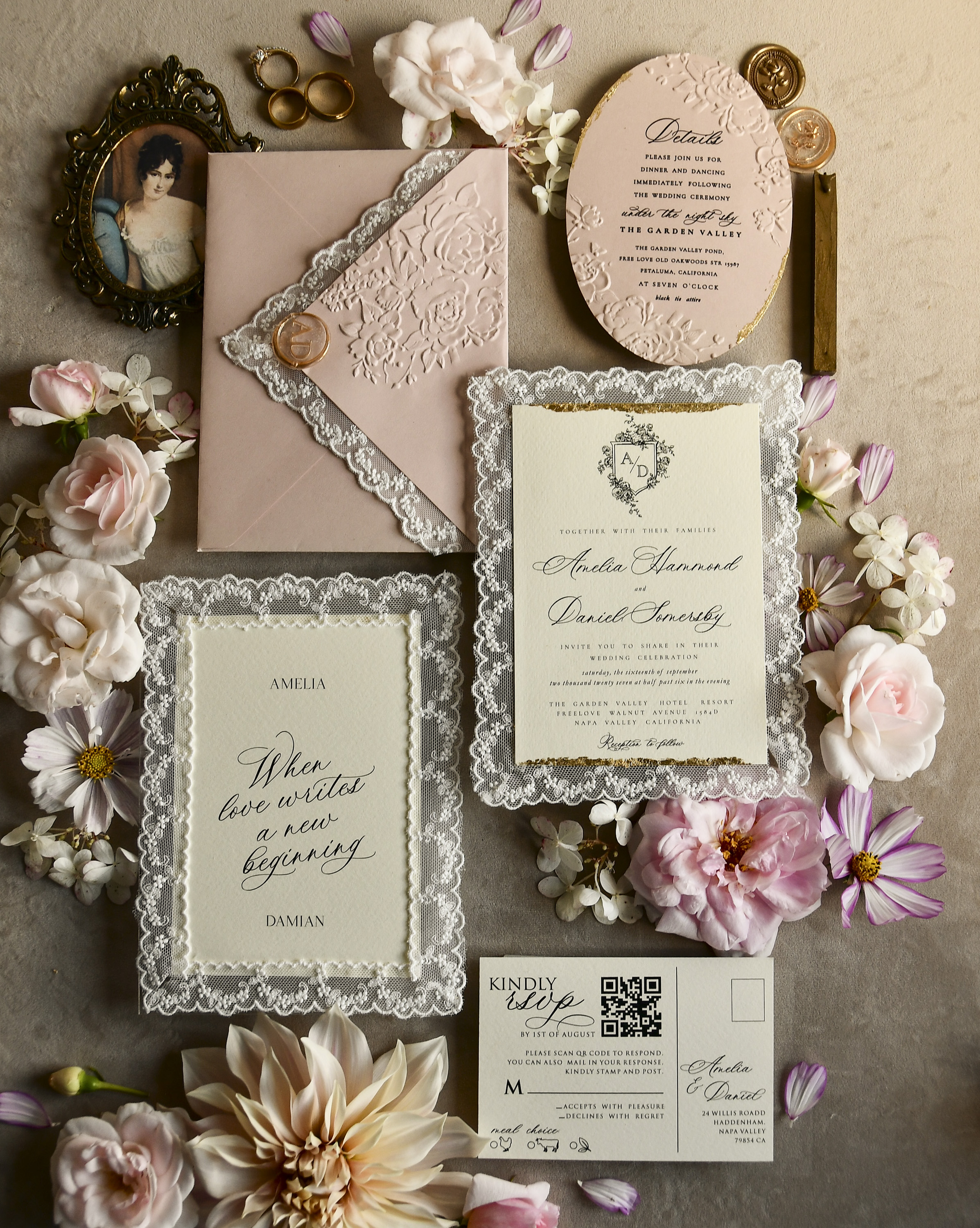
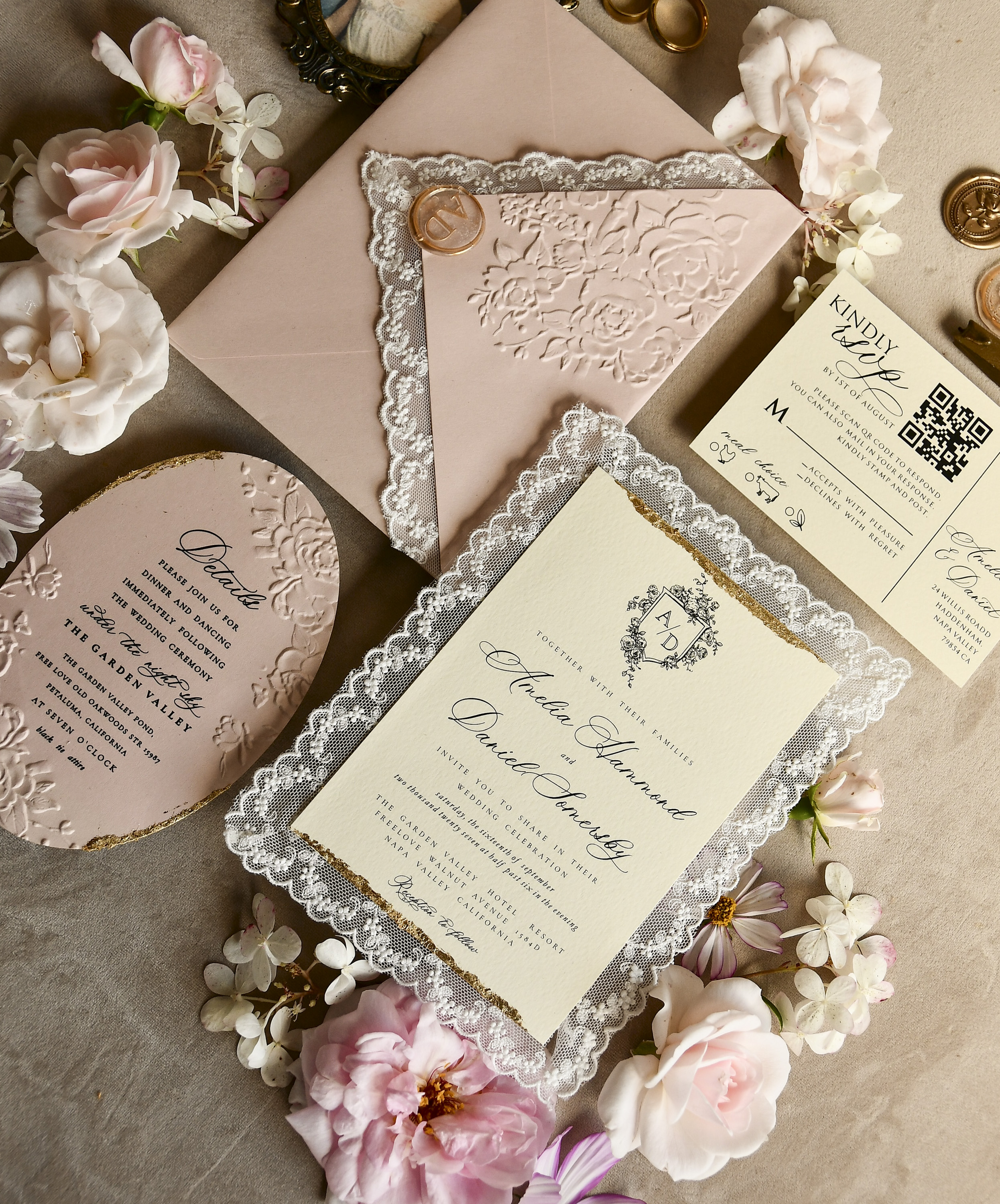
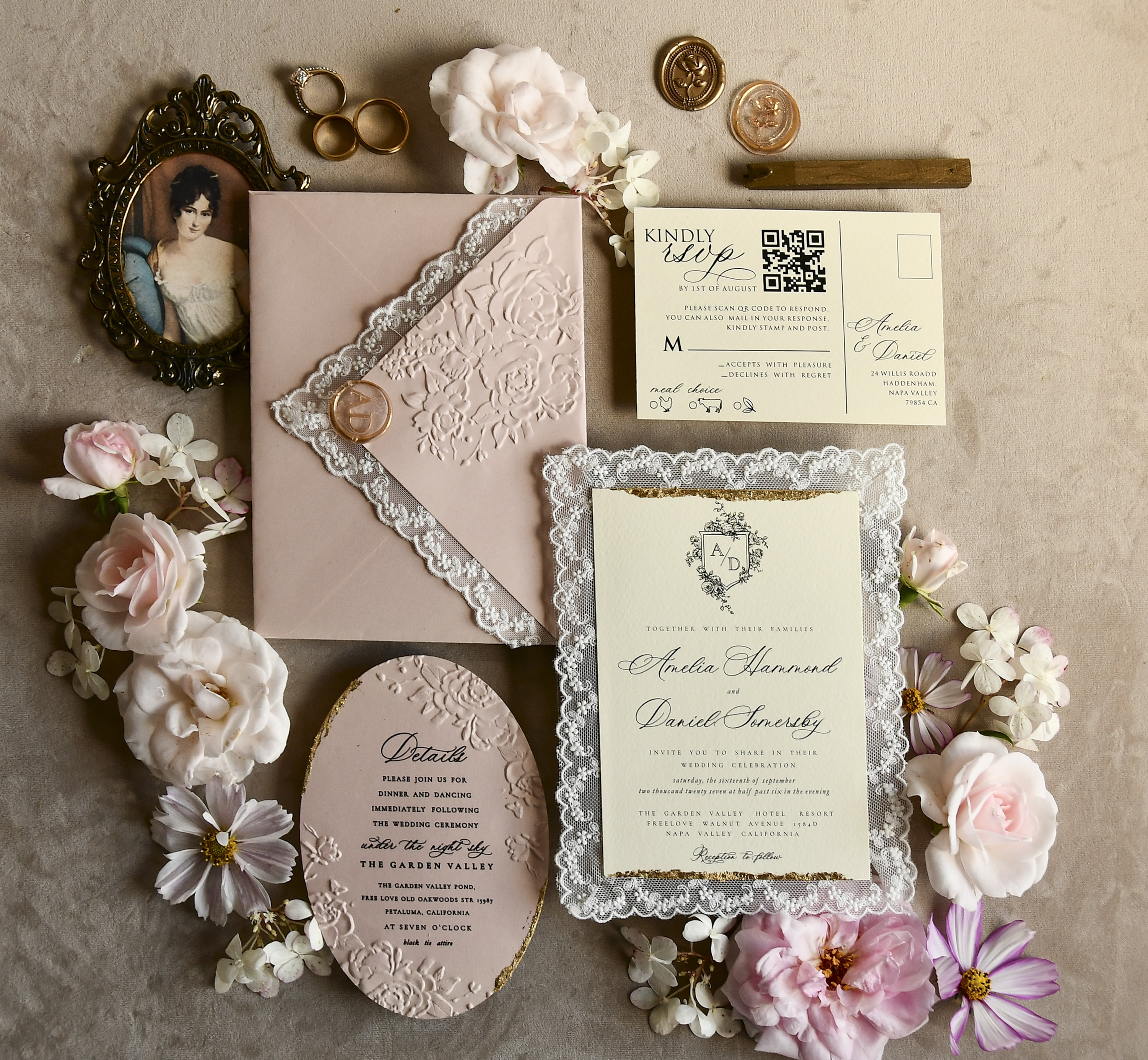
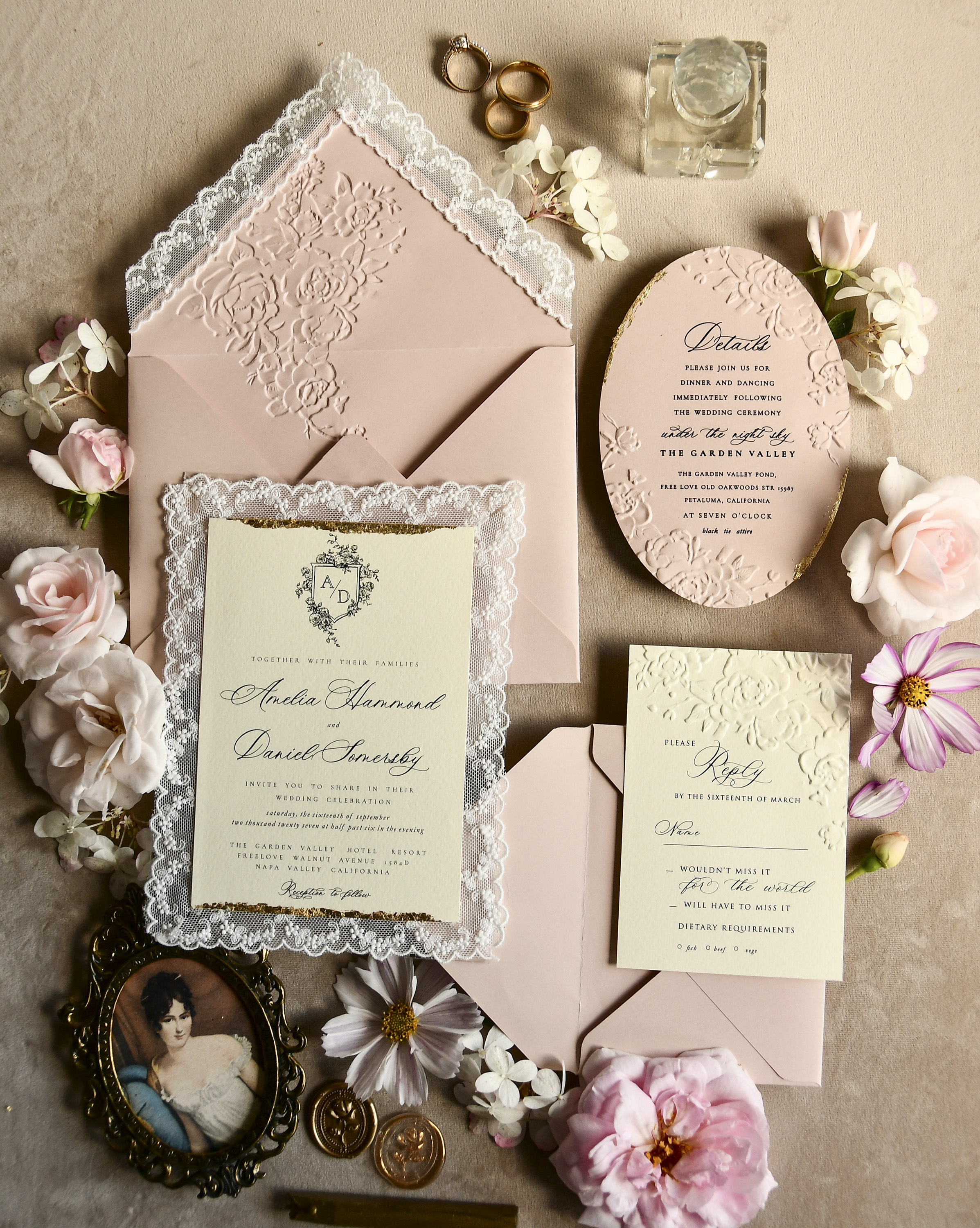
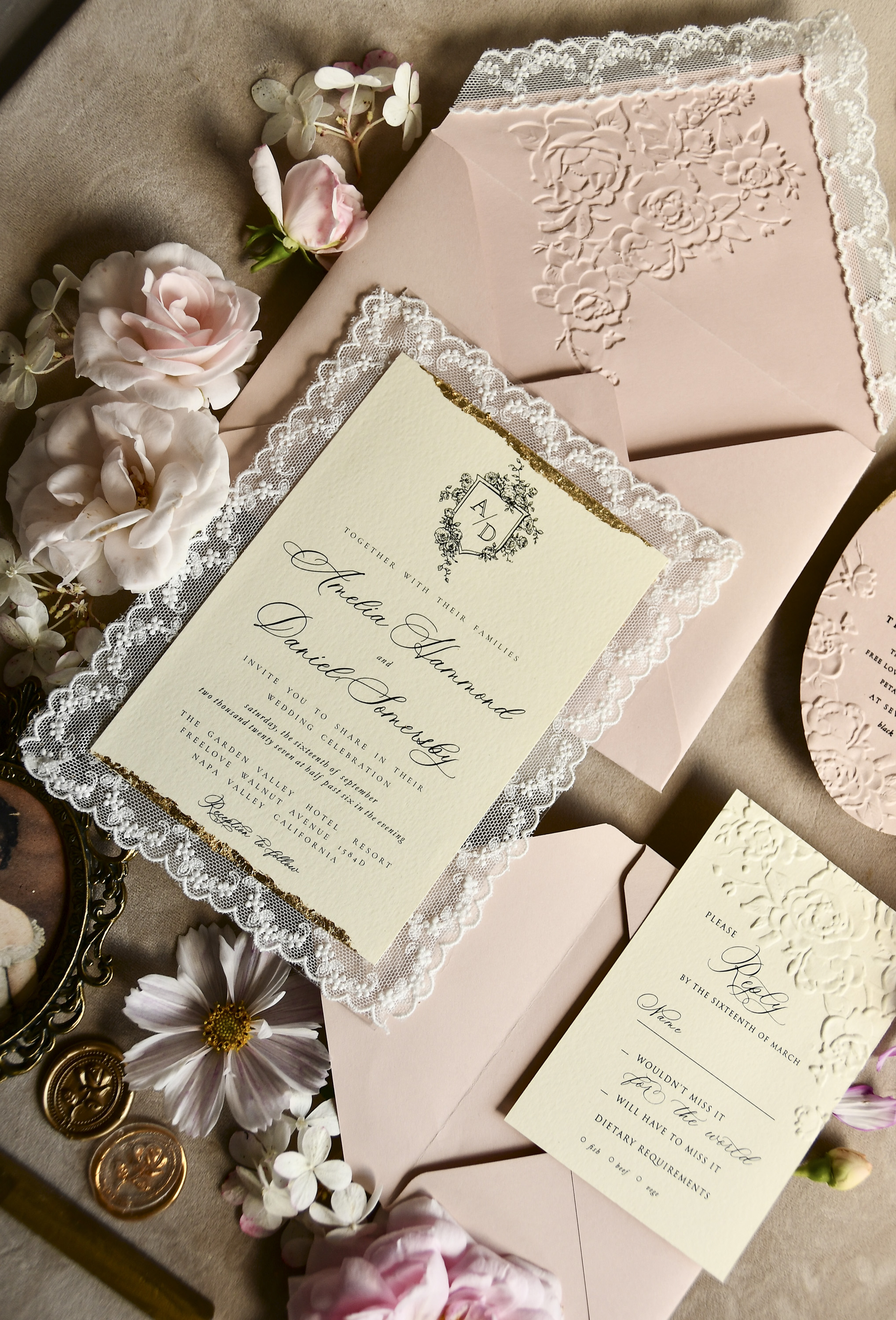
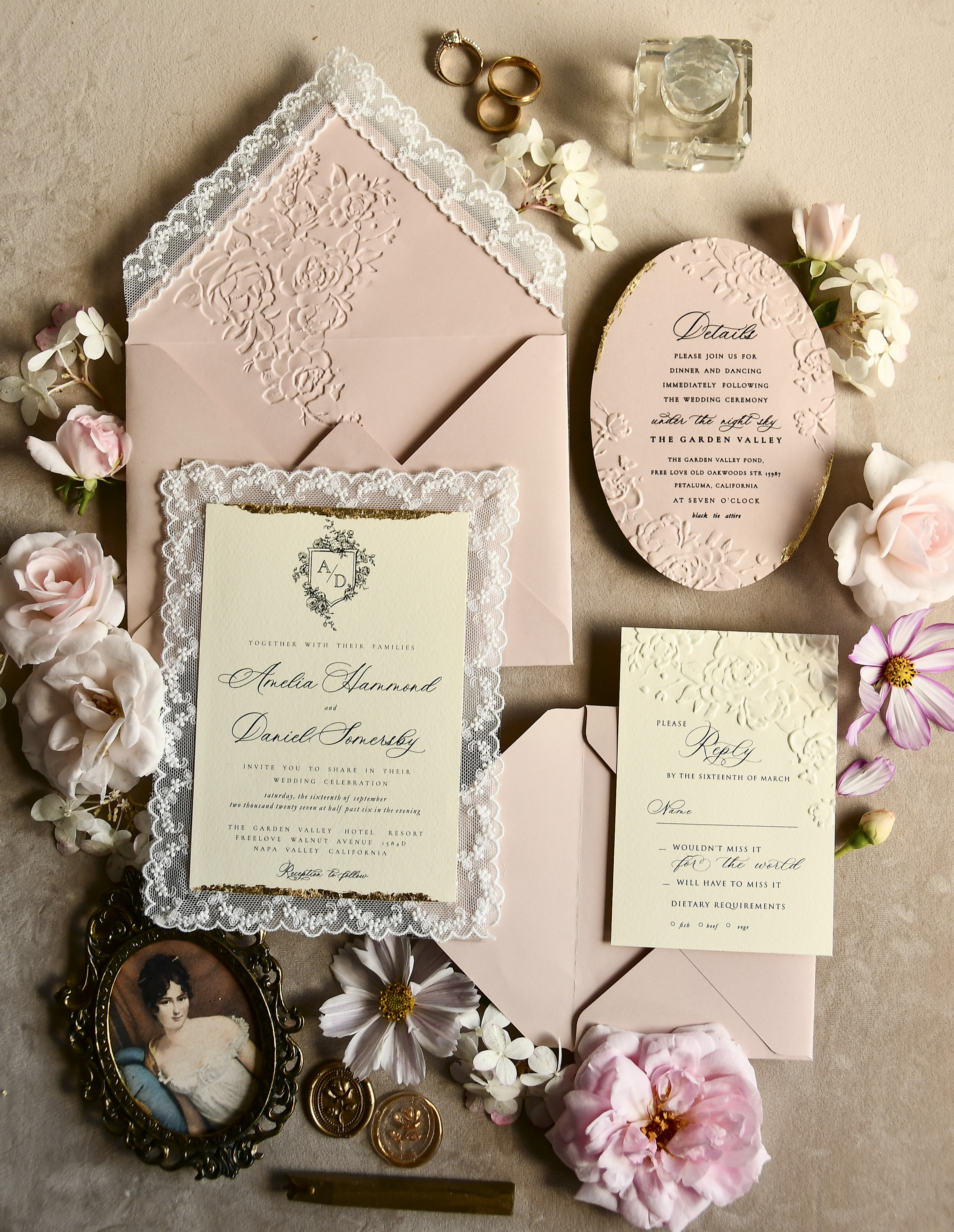
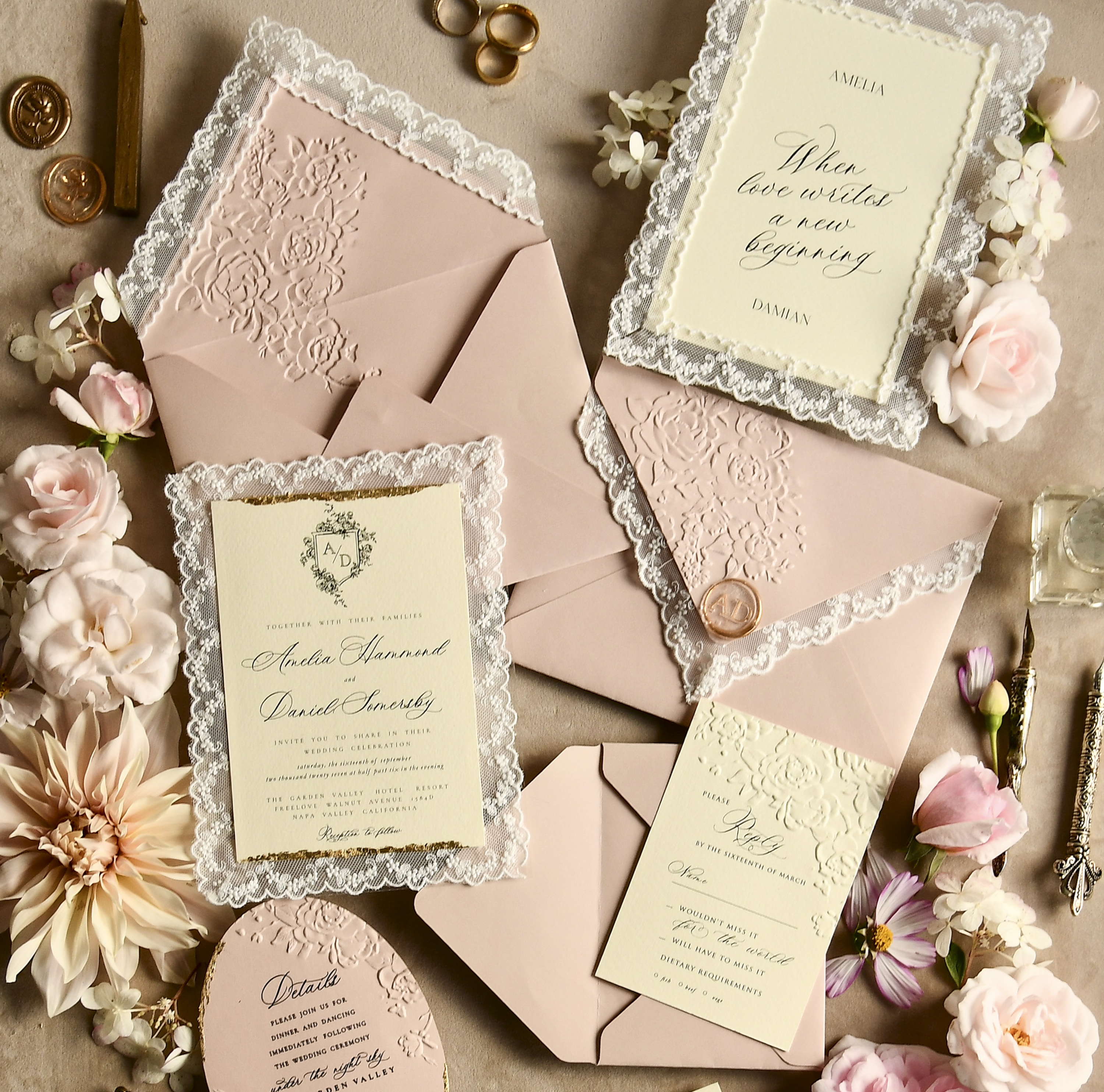
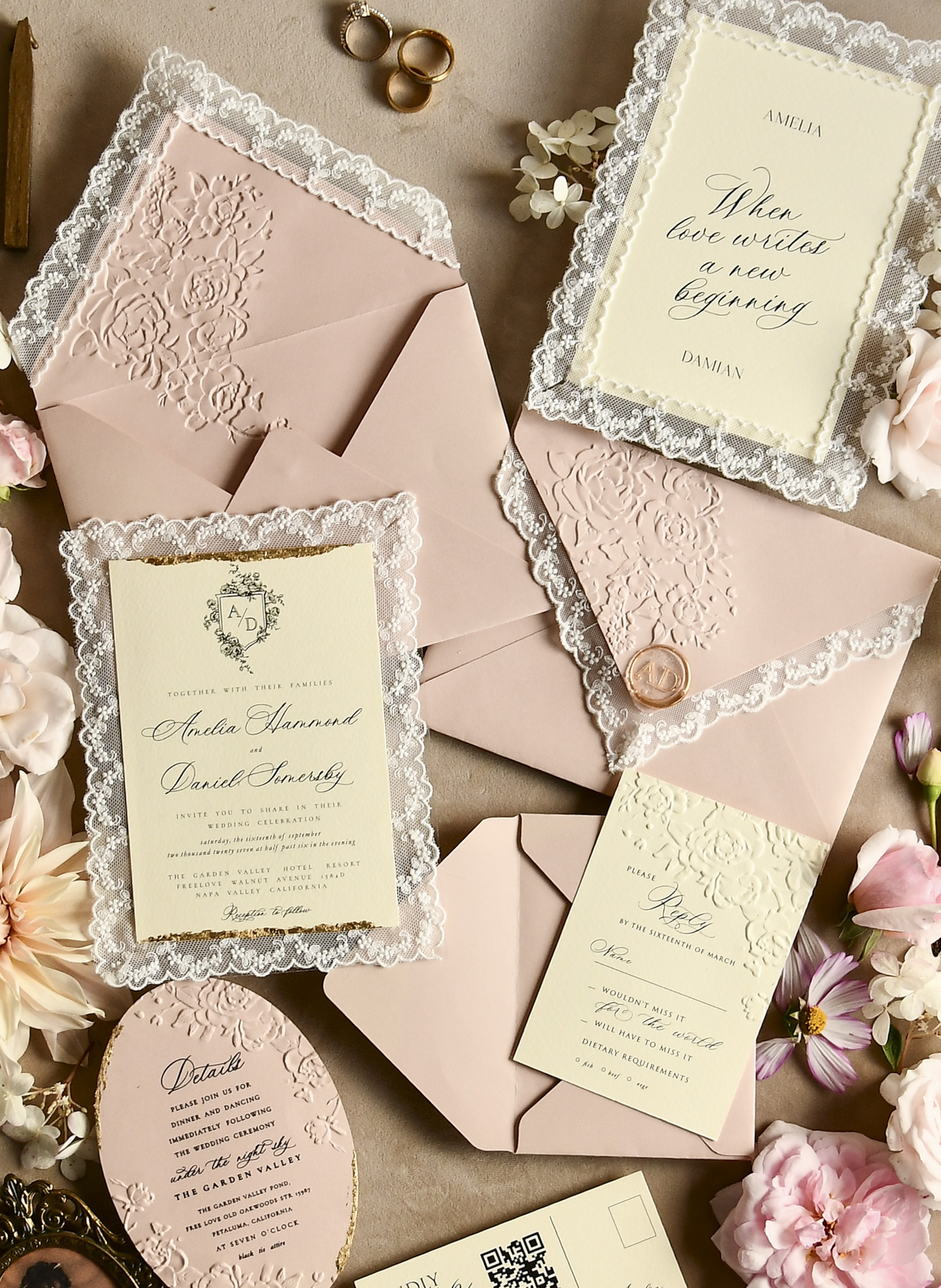
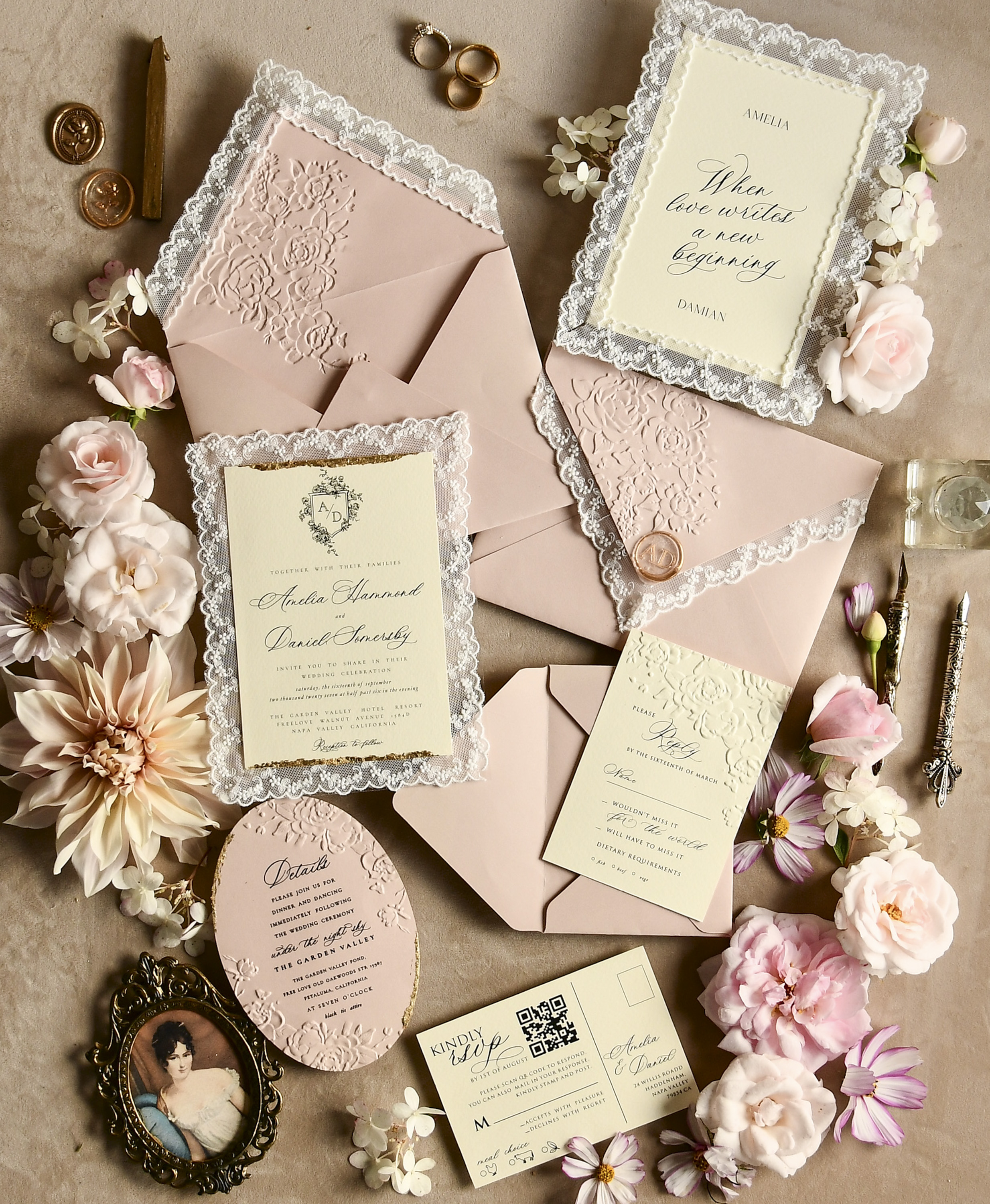
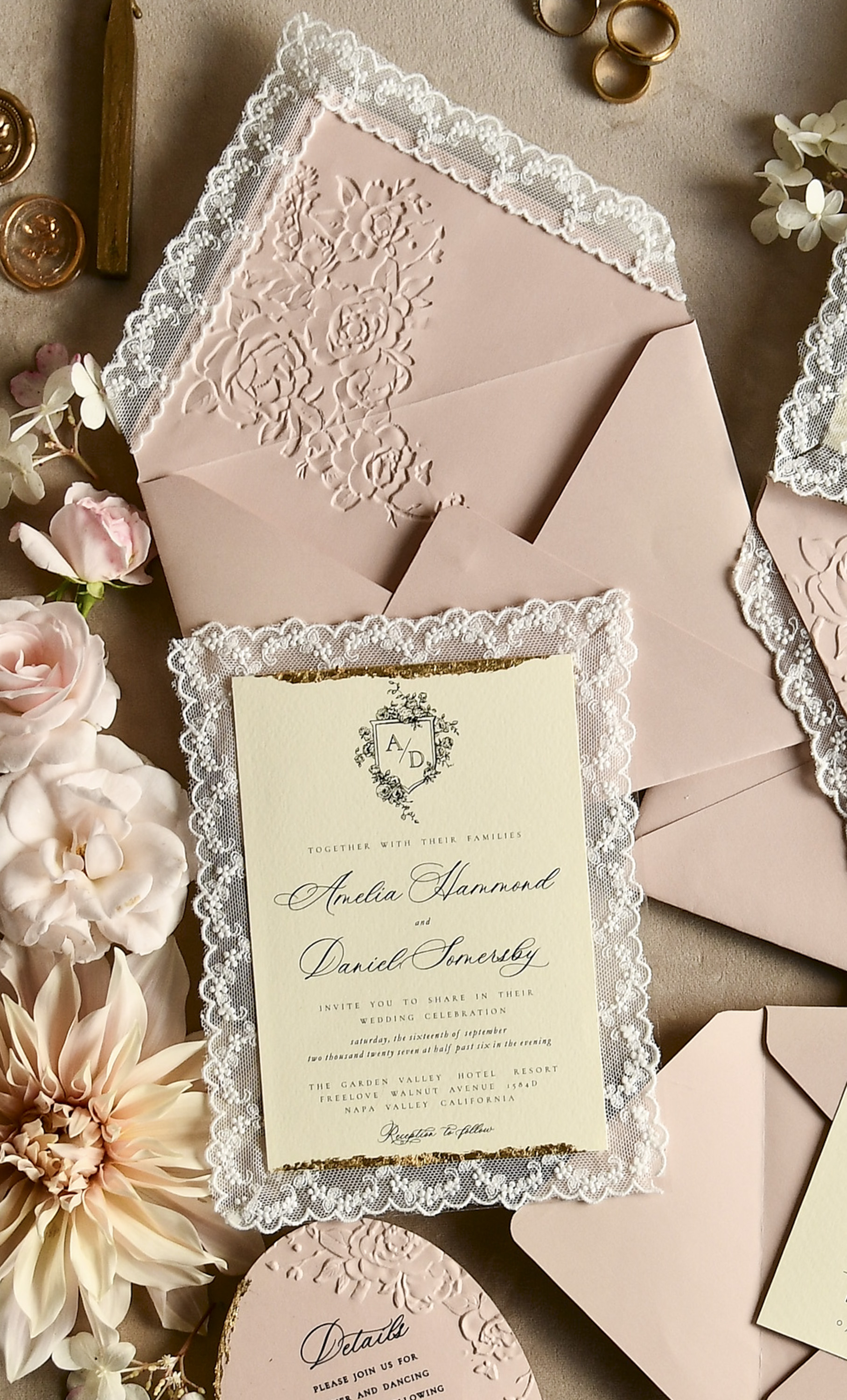
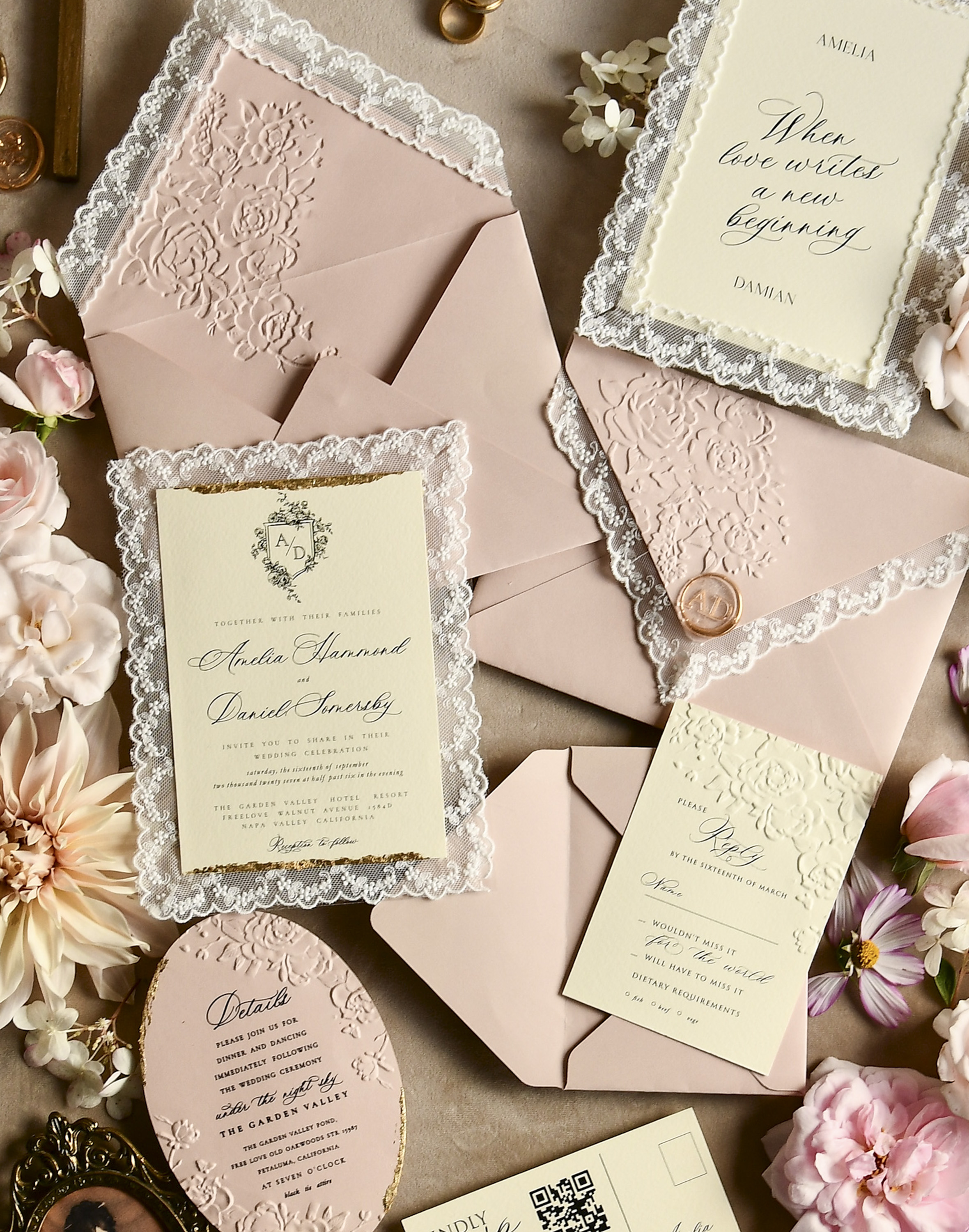
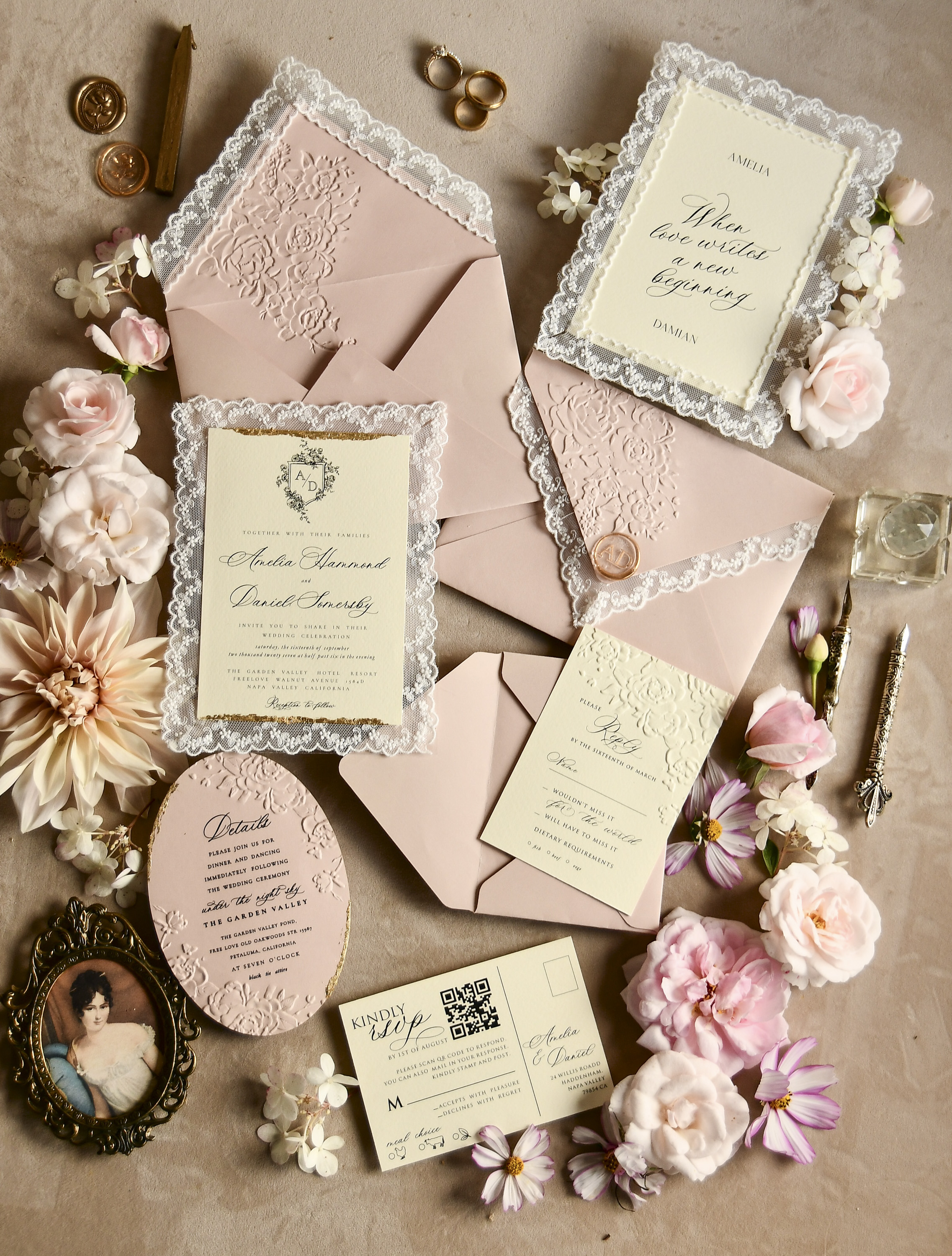
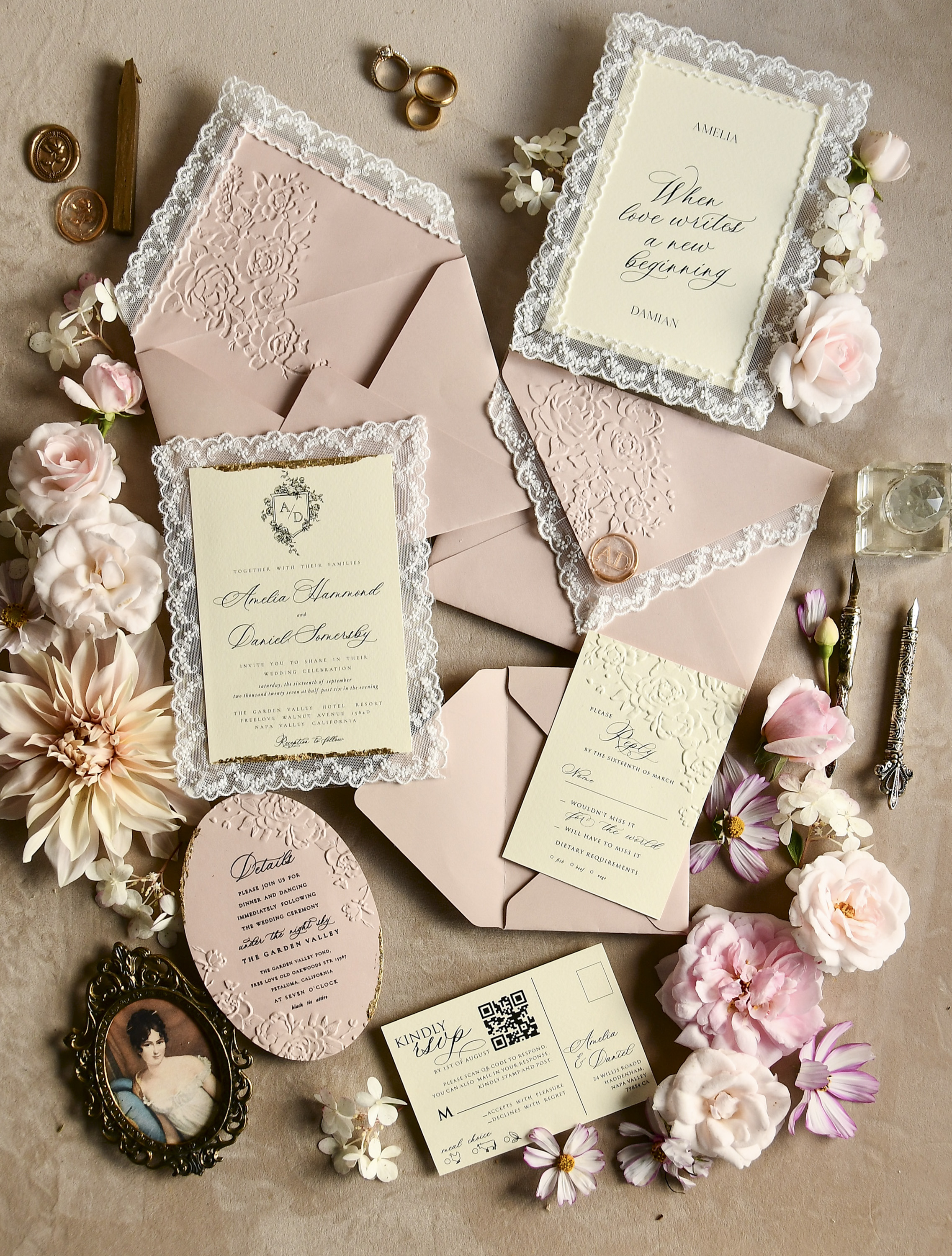
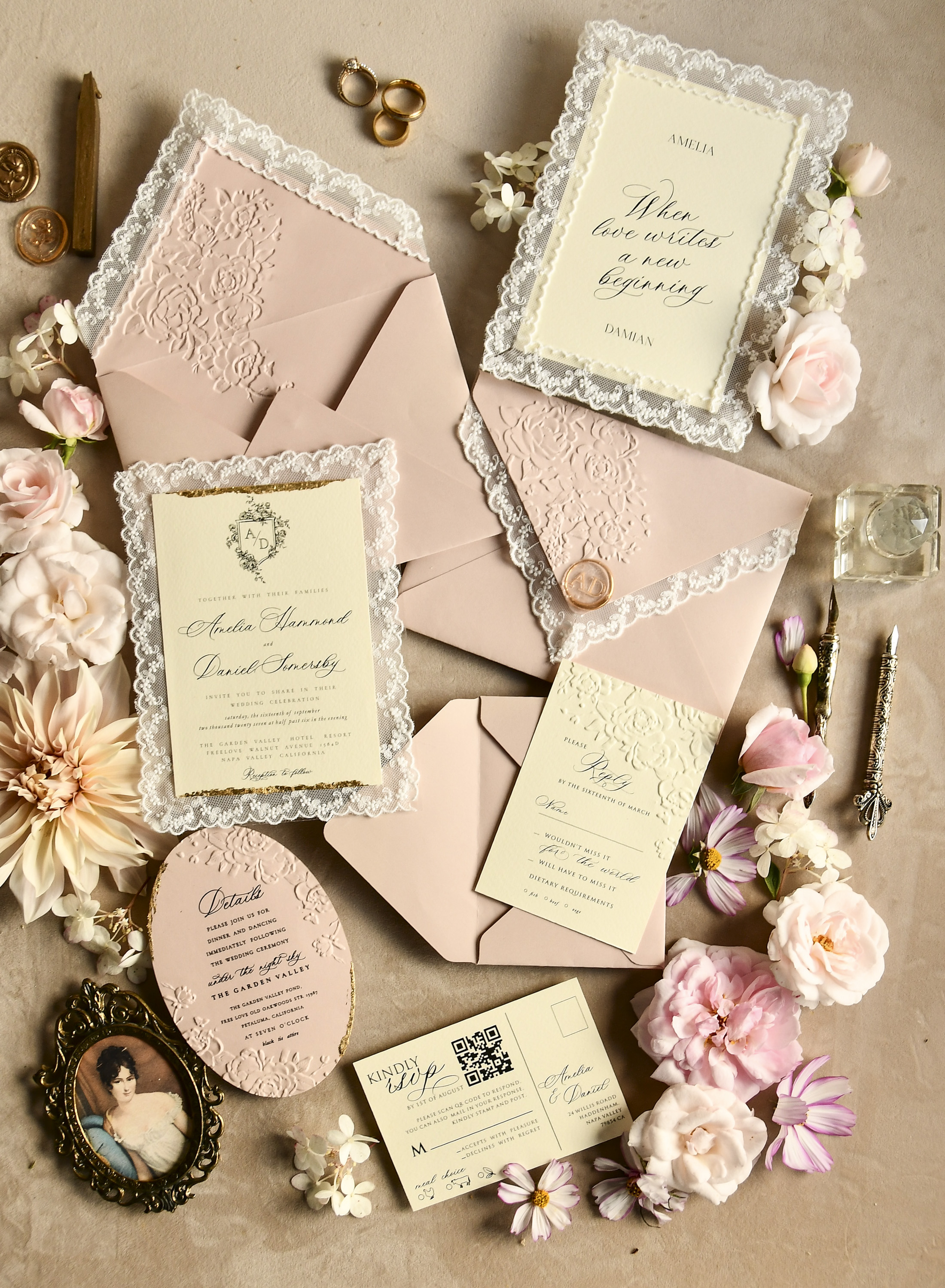
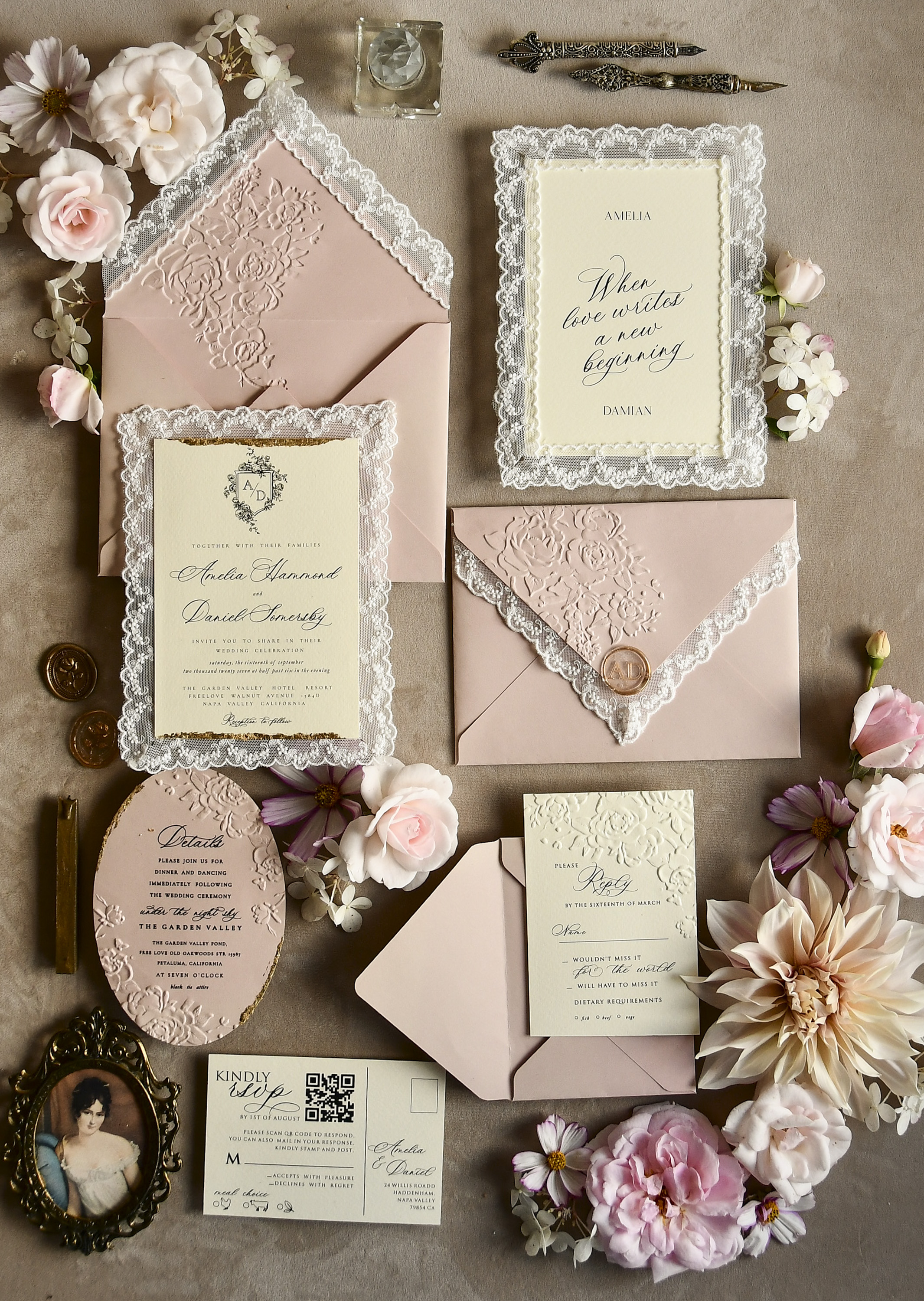
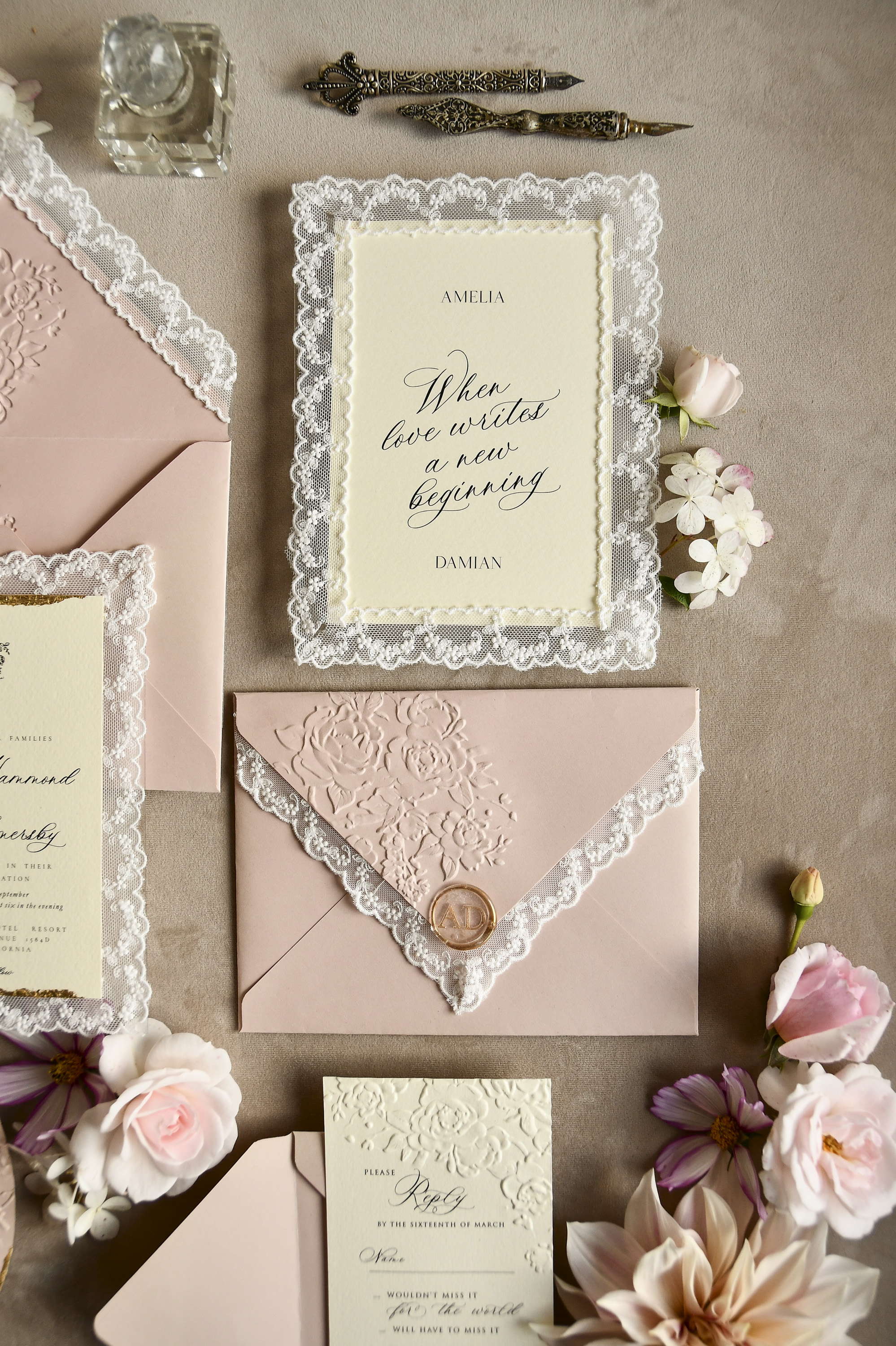
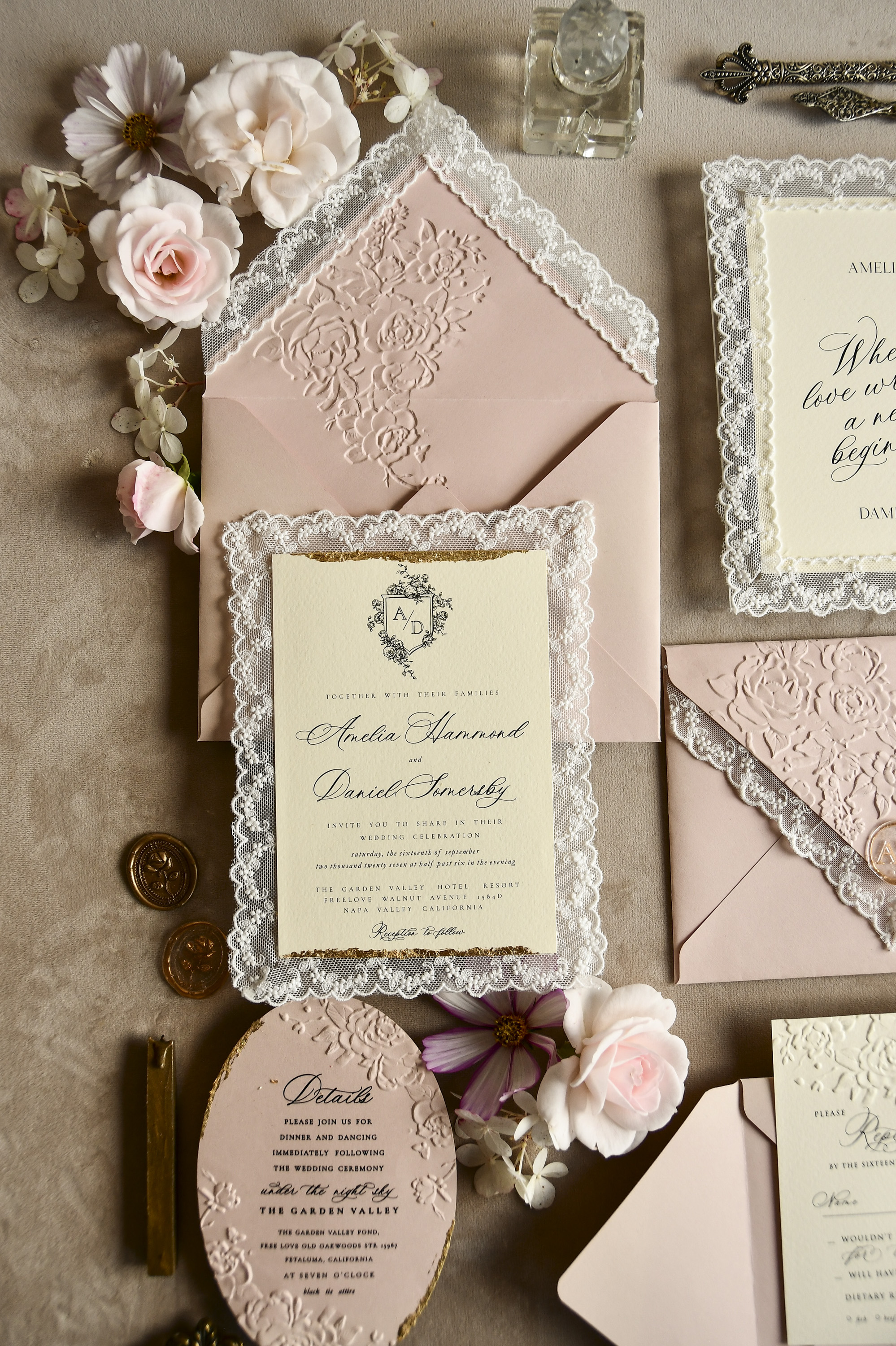
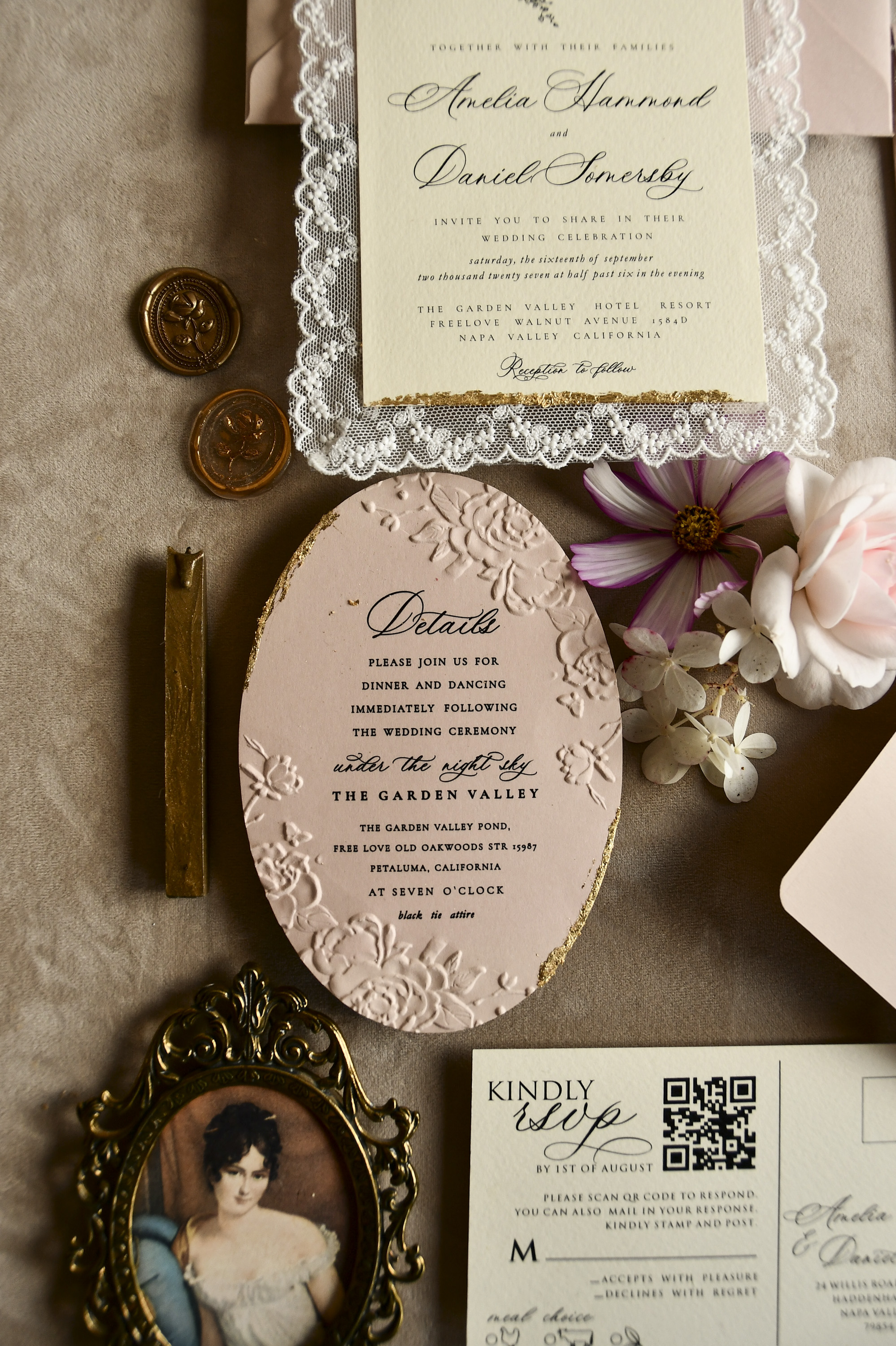
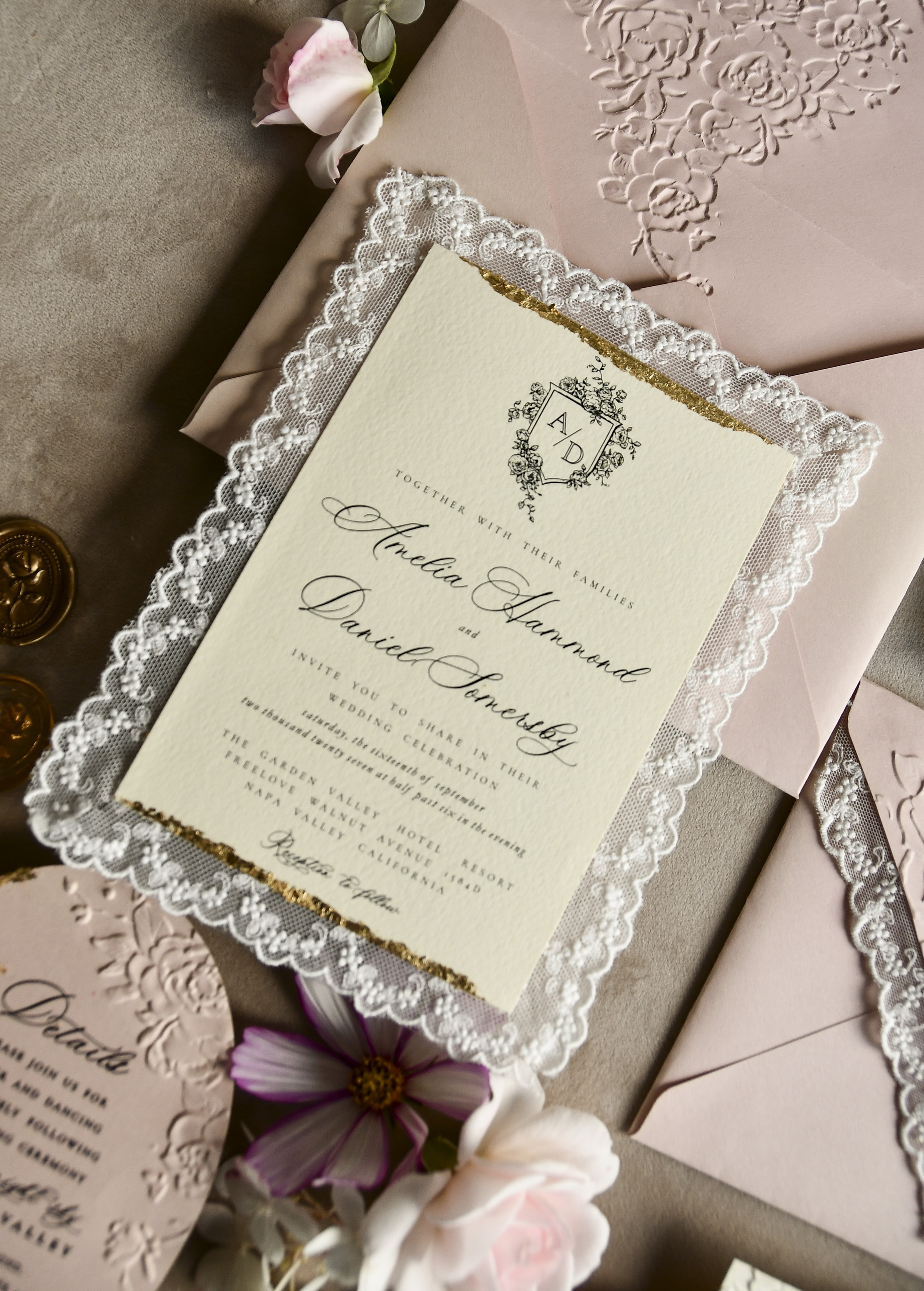
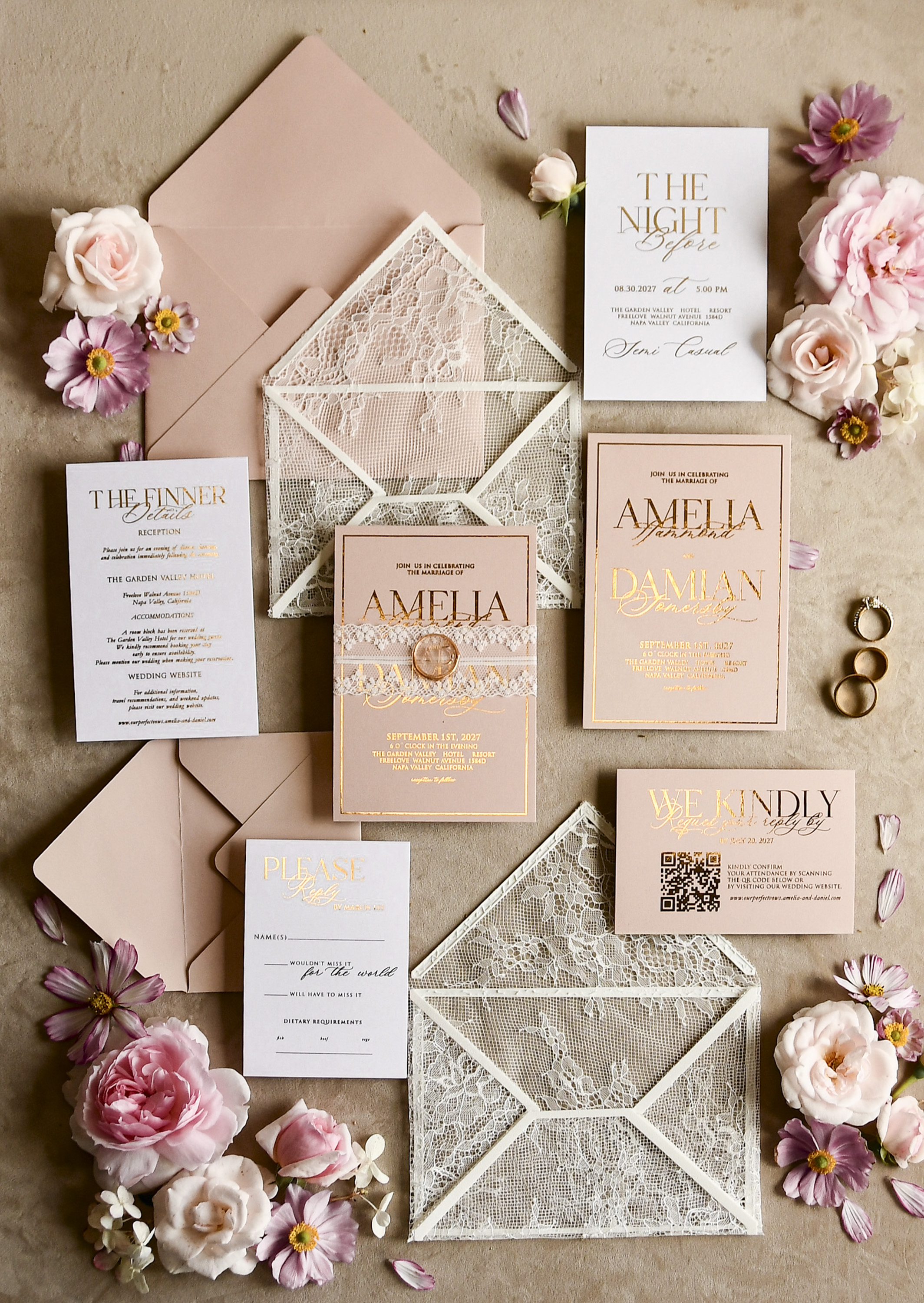
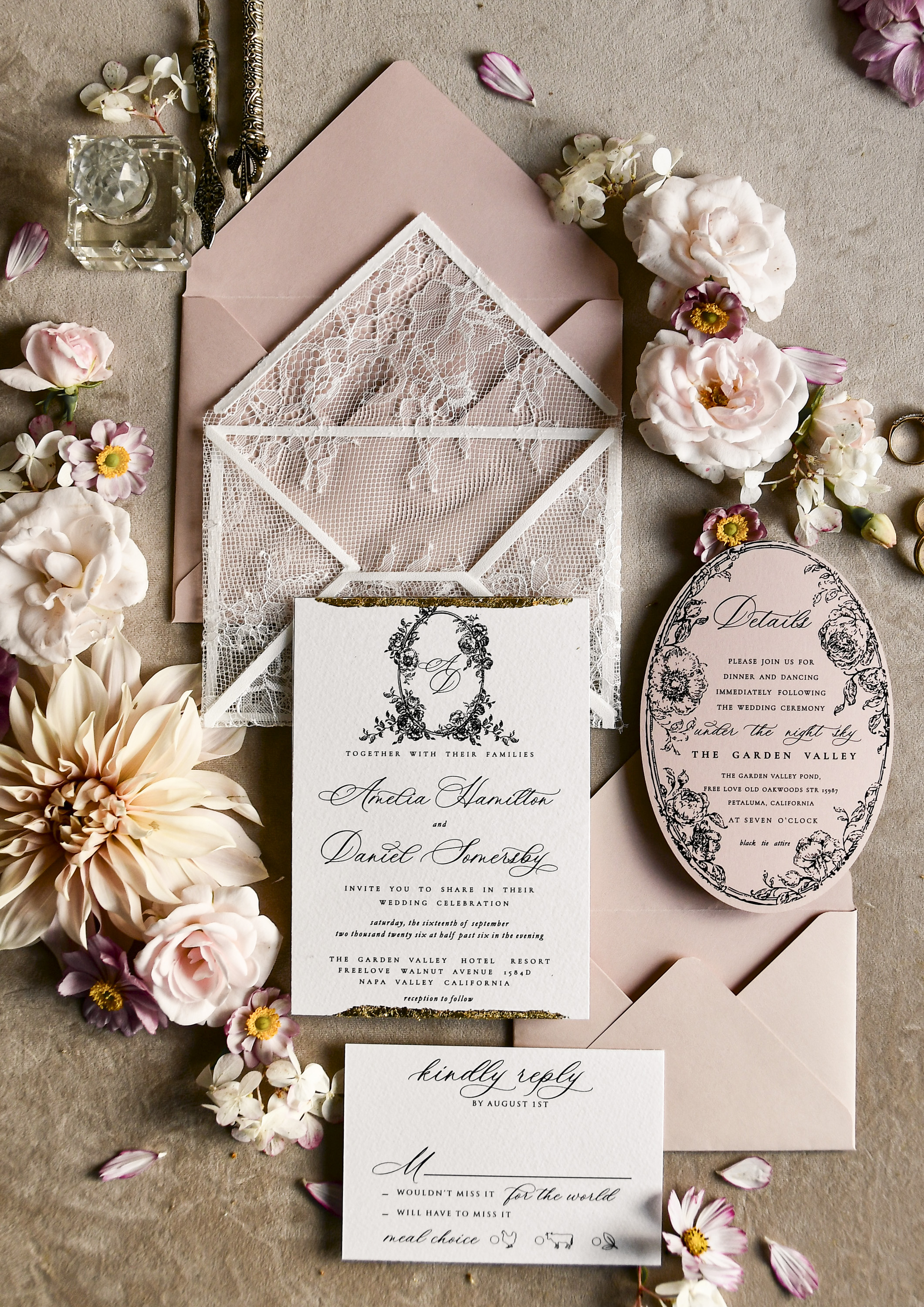
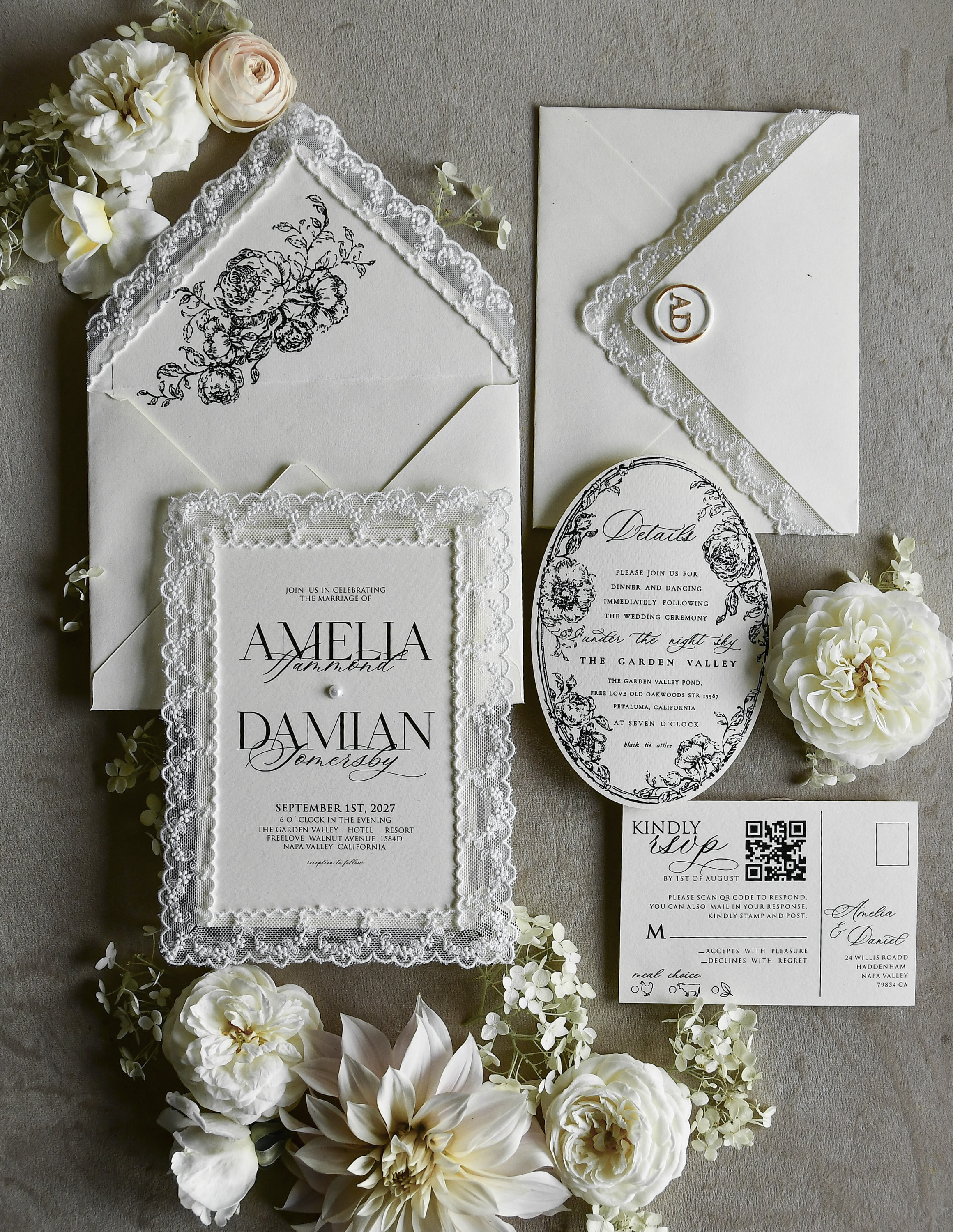
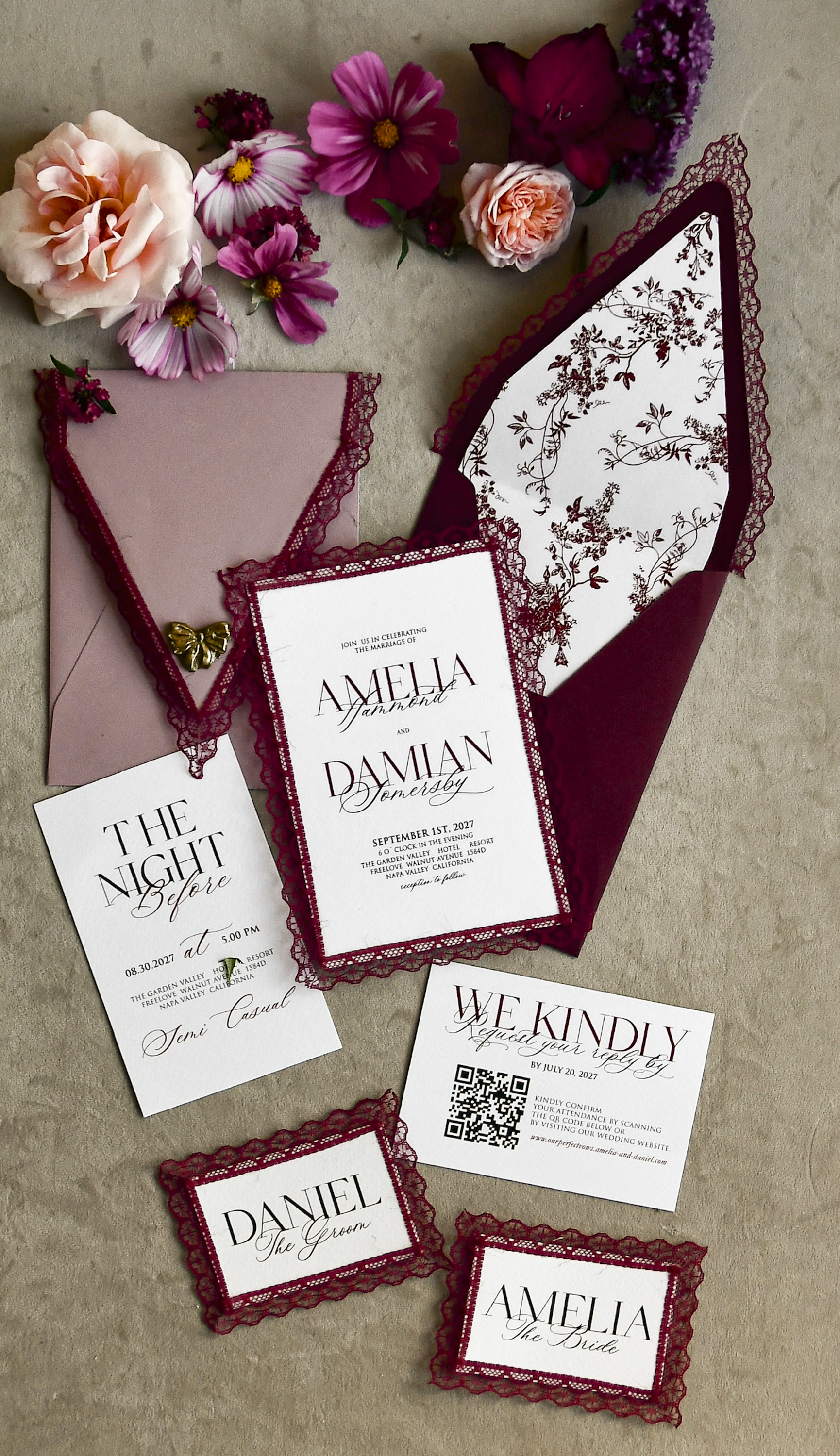
If you're using a classic, elegant design like the 01/laceembos/z vintage lace invitation from Margo&Bees, ordering a small buffer of extra invitations at the start is easy and cost-effective — so you're ready to mail that second wave without delay.
Know When to Compromise and When to Hold Firm
There are situations where giving a little ground is genuinely worth it:
- Parents are paying a significant portion of the wedding costs. If they're funding the event, some degree of input on the guest list is reasonable — just agree on the ratio upfront.
- The friends are close, longtime family connections. Your parents' best friends of 30 years occupy a different category than a neighbor they met two years ago.
- Your venue has flexibility. If you booked a space for 150 and you're currently at 110, adding five parental friends costs you nothing.
On the other hand, hold firm when adding names would push you over your venue's capacity, stretch your catering budget into uncomfortable territory, or mean cutting people who are genuinely close to you and your partner. "We simply don't have the space" is a complete and kind sentence.
Put It in Writing (Gently)
Once you've agreed on numbers, send each set of parents a simple note confirming their allotment and the deadline for submitting names. Something like: "We'd love to have your guest list of up to 12 people by March 1st so we can get invitations out on time."
This removes ambiguity and gives you a paper trail if names start creeping up later. Speaking of invitations — if your wedding has a romantic, timeless aesthetic, the 01/laceembos/z lace embossed invitation pairs beautifully with both formal and rustic celebrations and starts at just $9.00, making it easy to order a few extras for that B-list wave without stress.
Frequently Asked Questions
Be direct but warm: let them know you have a firm venue capacity and a set number of spots per family. Framing it as "you have X invitations to use however you'd like" gives them ownership without opening the door to unlimited additions.
Contributing financially does come with some reasonable expectation of input, but it shouldn't mean unlimited additions. Agree on a specific number upfront — say, one extra guest per $500 contributed — so the arrangement feels fair and transparent to everyone.
Use the equal-split rule: both sets of parents get the same allotment, regardless of who is contributing financially or who has a larger social circle. Consistency is the fairest policy and prevents resentment on both sides.
No — as long as they receive their invitation at least 6 weeks before the wedding, guests rarely know they were on a secondary list. What feels rude is a last-minute invitation sent two weeks out, so move quickly when declines come in.
Refer back to the agreed number and deadline with empathy: "We locked in the final count with the venue last week, so we're not able to add anyone at this point." Having that deadline in writing makes this conversation much easier.
Acknowledge their feelings genuinely — this is an emotional milestone for them too. Then redirect to what they do control: their specific allotment, seating arrangements for their guests, and any pre-wedding events like a rehearsal dinner where the list can be more flexible.
See This Design Up Close


You May Also Like
More Wedding Planning Guides
- → When to Address a Wedding Invitation Directly to a Child
- → Mailed Card or Website Link? How to Handle RSVPs the Modern Way
- → Wedding Invitation Delivery: When to Mail and When to Hand Them Off
- → Navigating a Wedding Guest List When Your Fiancé Wants to Leave Your Family Out
- → Wedding Invitation Wording: Every Essential Detail Couples Need to Include
- → When Your Divorced Parents Can't Be in the Same Room: A Wedding Planning Guide
- → Adults-Only Weddings: Is Leaving Kids Off the List Actually Rude?
- → Wedding Invitation Addressing: Names, Titles, and Every Tricky Situation Solved
- → How to Decide Who Gets a Plus One at Your Wedding
- → Wedding Invitations: How to Count What You Actually Need
- → Yes, You Can Invite Ceremony-Only Guests — Here's How to Do It Gracefully
- → Extra Wedding Guests: Who Pays and How to Handle It Gracefully
- → Big Wedding or Better Wedding: How to Choose What Truly Matters
- → Your Wedding, Your Guest List: The Honest Truth About Inviting Cousins
- → Uninvited Extras: How to Handle Guests Who Bring Someone You Didn't Invite
- → Plus-One or No? How to Decide If Single Guests Can Bring a Date
- → How to Embrace a Small Wedding and Make It Unforgettable
- → Where Do Divorced Parents Sit at Your Wedding? Here's What Actually Works
- → To Invite or Not to Invite: Navigating the Ex Question for Your Wedding Guest List
- → Stepparents and Your Wedding Guest List: Making the Right Call
- → Setting Plus-One Boundaries Without Losing Sleep (or Friends)
- → Should Work Friends Come to Your Wedding? A No-Stress Guide to Inviting Colleagues
- → Guests Who Don't RSVP: Your Step-by-Step Plan
- → Save the Date vs. Wedding Invitation: Two Very Different Jobs, One Beautiful Paper Trail
- → When Someone Asks Why They Weren't Invited: Your Honest, Kind Playbook
- → To Call or Not to Call: Tracking Down Guests With Missing RSVPs
- → When the Guest List Must Shrink: The Right People to Remove First
- → Digital Wedding Invitations: When They Work and When to Think Twice
- → Your Wedding Invitation Deadline: When the Window Officially Closes
- → Uninvited Plus-Ones and Tag-Alongs: How to Keep Your Guest List Intact
- → When Family Feuds Threaten Your Wedding Plans: A Practical Peacekeeper's Guide
- → Inviting an Estranged Brother or Sister: Finding Clarity Before You Seal the Envelope
- → Cousins, Invites, and Hard Choices: A Practical Guest List Guide