
How to Decide Who Gets a Plus One at Your Wedding
The plus-one question trips up nearly every couple during wedding planning. Say yes to everyone and your guest list balloons overnight. Say no across the board and you risk hurt feelings. The truth is, there's no single rule that works for every wedding — but there are clear, consistent guidelines that make the decision feel fair to you and your guests. Here's how to think it through.
Start With a Firm Budget and Venue Cap
Before you decide who gets a plus one, you need two numbers: your per-head catering cost and your venue's maximum capacity. Every plus one is a real person with a real seat, a real plate, and a real price tag. If your venue holds 120 and catering runs $150 per person, adding 20 unexpected plus ones costs $3,000 and may push you over fire-code limits.
Set your total guest count first, then carve out how many slots you can realistically offer as plus ones. Working backward from a hard number keeps emotions out of it and gives you a defensible answer when relatives push back.
The Four Categories That Almost Always Get a Plus One
Once your budget is set, apply these categories consistently. Consistency is the key word — if you make an exception for one cousin, you'll need to make it for all of them.
- Married, engaged, or cohabiting partners: Anyone in a committed, live-in relationship should always receive a plus one. Inviting someone without their live-in partner is considered a social slight in nearly every etiquette tradition.
- Long-distance guests: If someone is traveling more than a few hours to celebrate with you, offering a plus one is a meaningful gesture of hospitality.
- Wedding party members: Bridesmaids, groomspeople, and other attendants are doing real work for you. Extending a plus one is a standard way to honor that.
- Anyone who will know very few other guests: If a close friend from college will be surrounded entirely by your family and partner's coworkers, a plus one helps them feel comfortable rather than stranded.
When It's Okay to Skip the Plus One
Not every single guest needs an automatic plus one, and setting a clear policy here protects your budget without seeming unkind.
- Casual or newer friendships: If you haven't met someone's partner or they've only been dating a few months, it's perfectly acceptable to invite that guest solo.
- Guests who know the crowd well: A cousin who grew up alongside your other cousins will have plenty of people to talk to without a date.
- Younger guests: College-age guests or young adults in your family are often fine attending solo, especially if there's a group of peers their age present.
The golden rule: apply whatever policy you choose uniformly within each category. If coworkers don't get plus ones, that applies to every coworker — including your manager.
How to Communicate Your Decision Gracefully
How you word your invitations matters just as much as the decision itself. Address each envelope precisely — a solo invitation goes to "Ms. Jane Smith" only, while a plus-one invitation reads "Ms. Jane Smith and Guest." This removes ambiguity and prevents awkward assumptions.
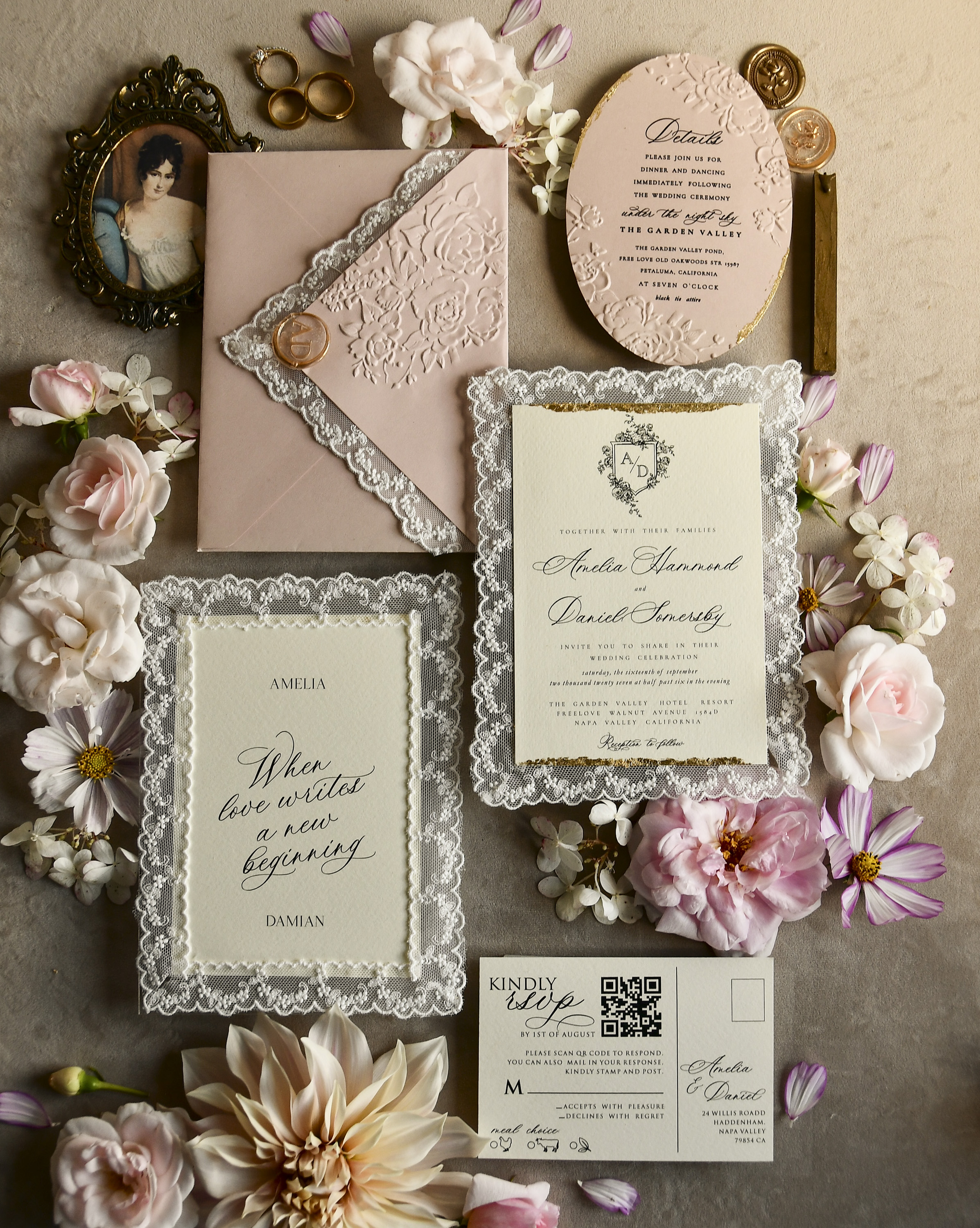
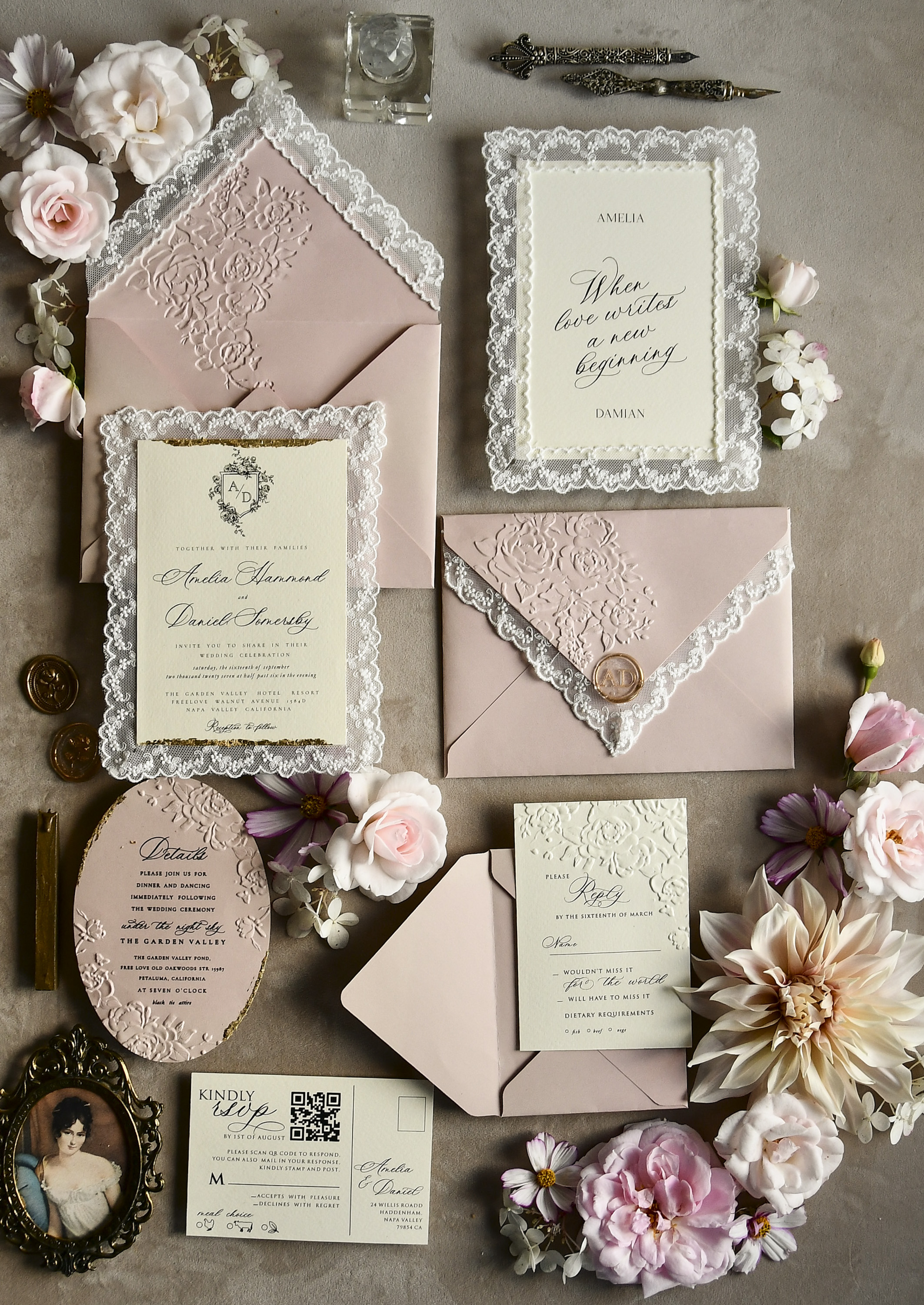
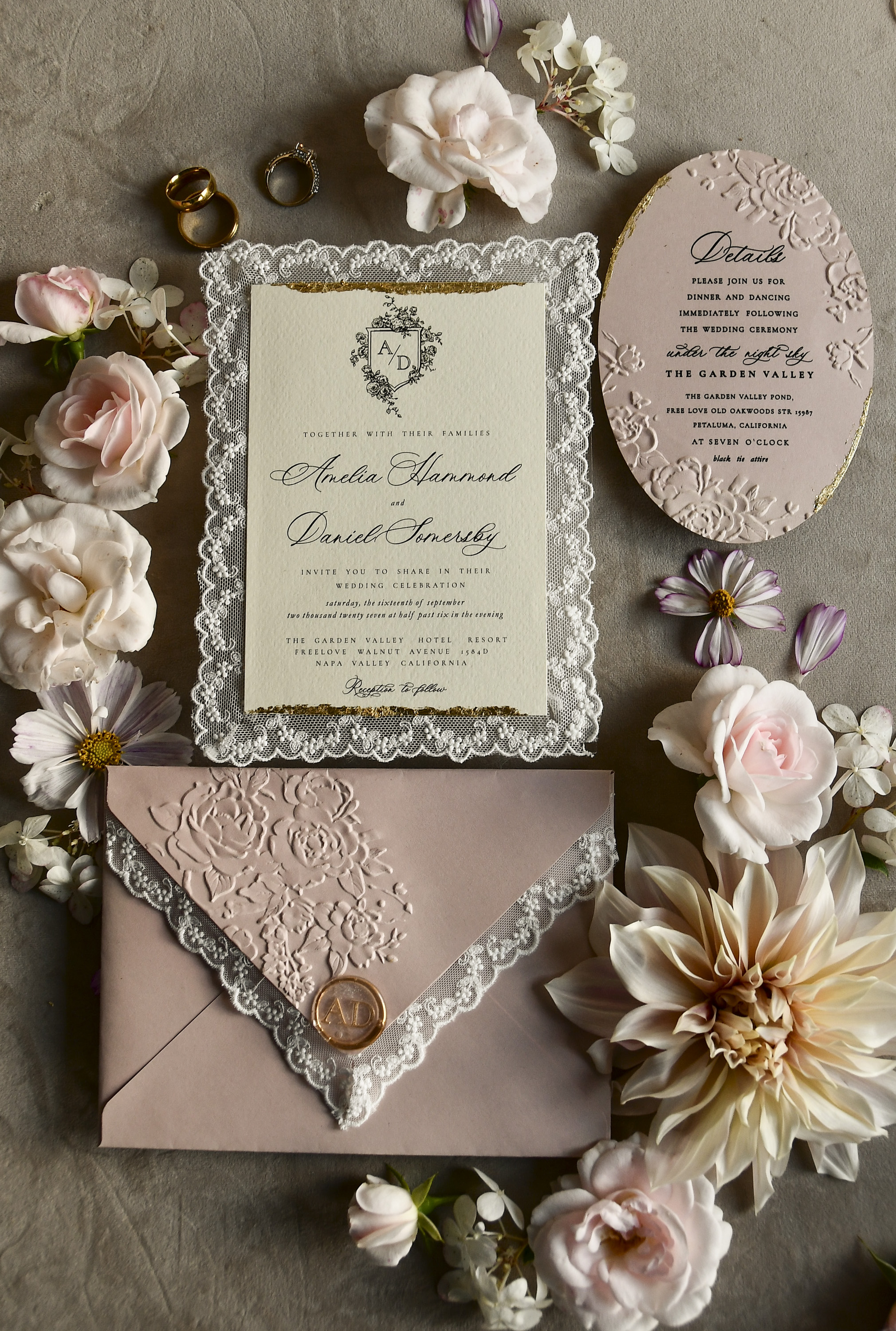
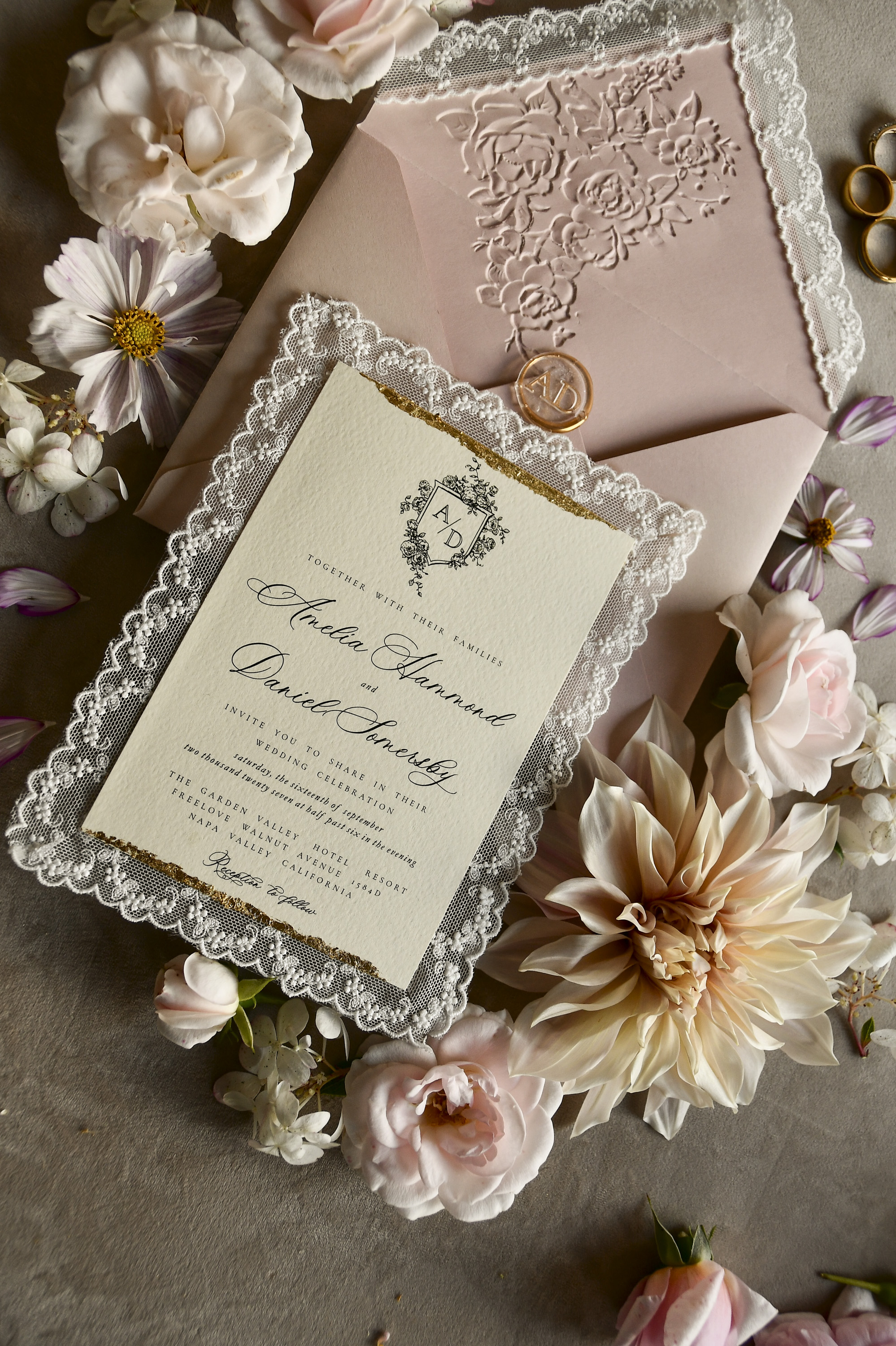
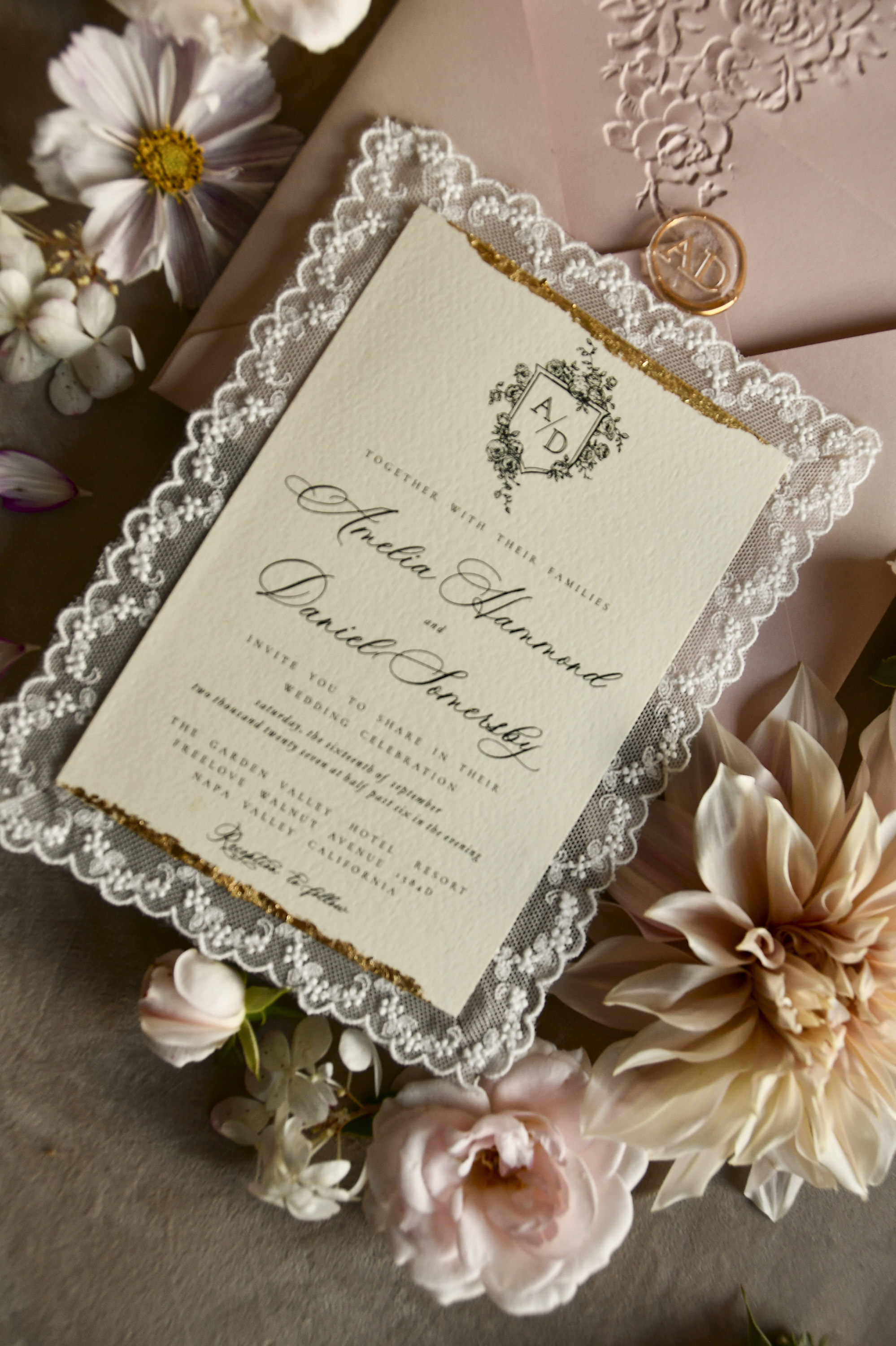
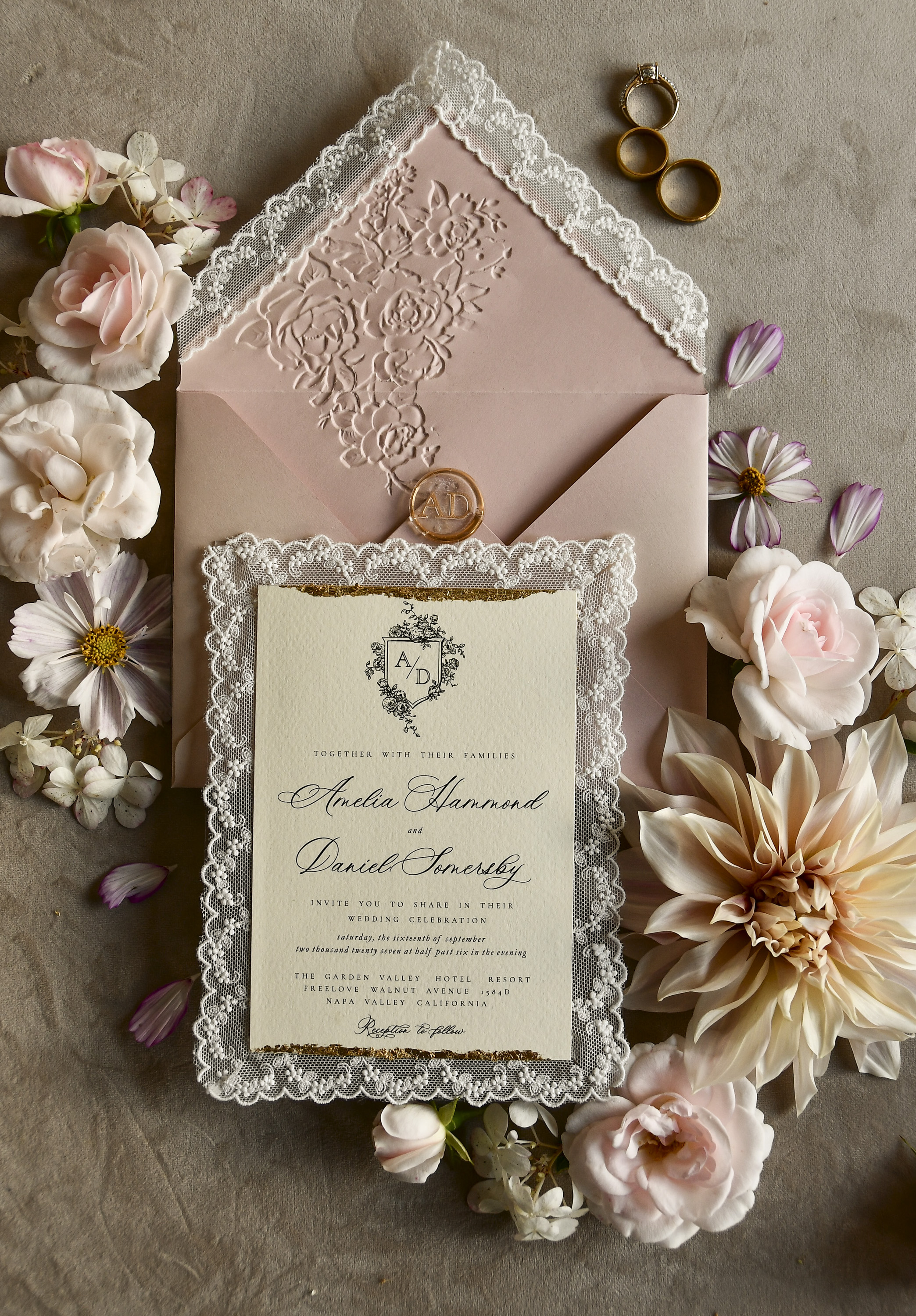
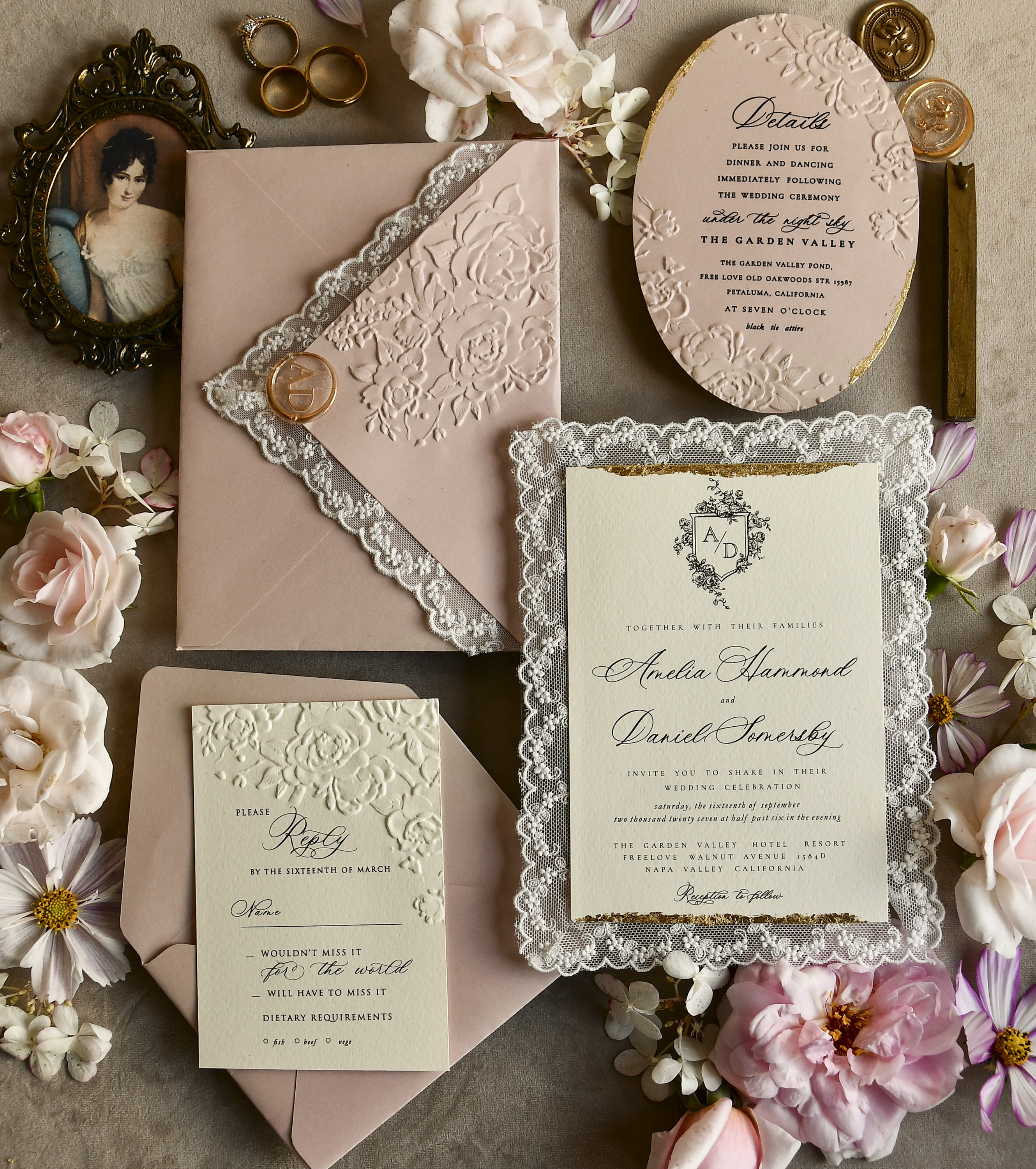
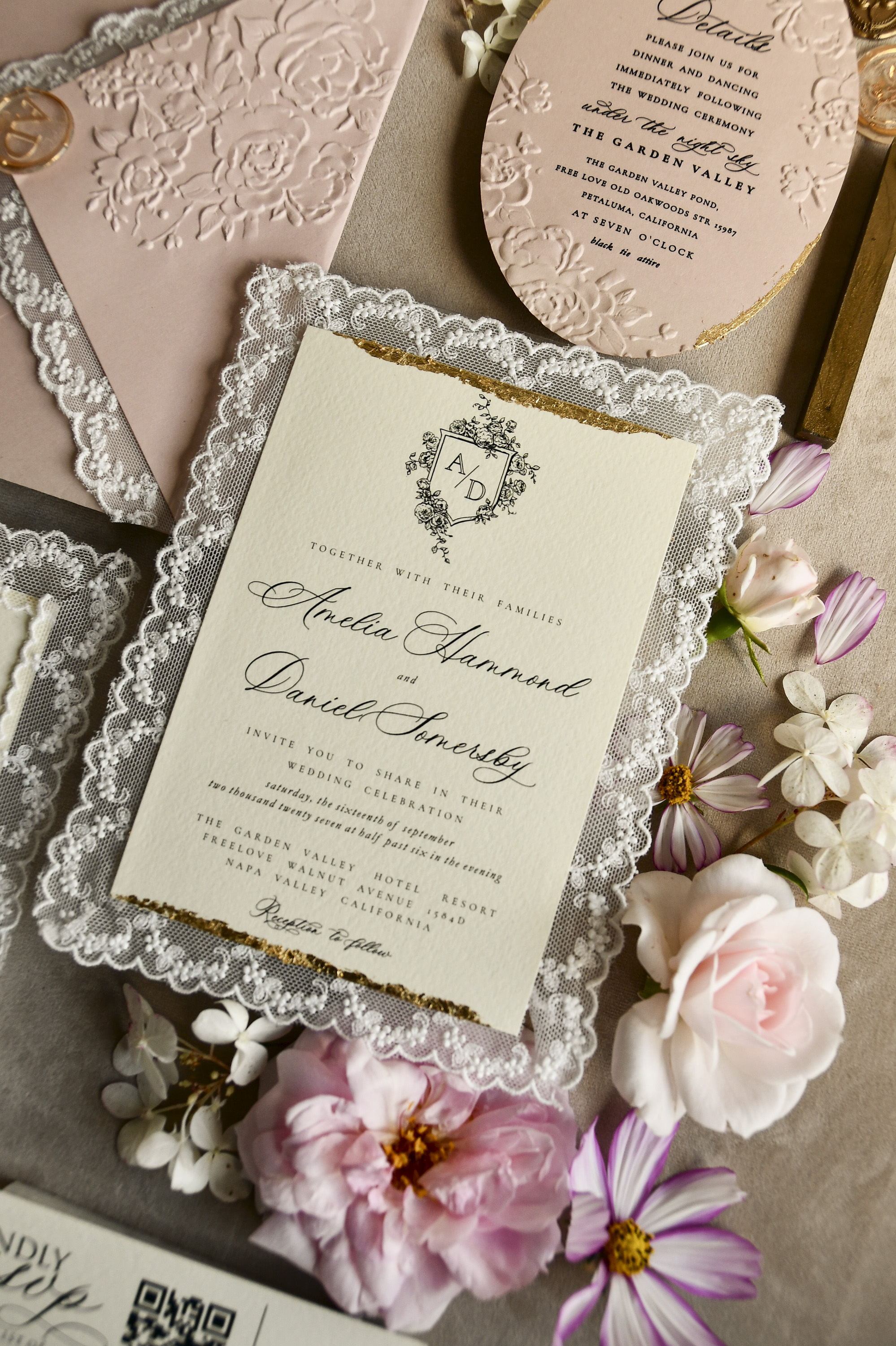
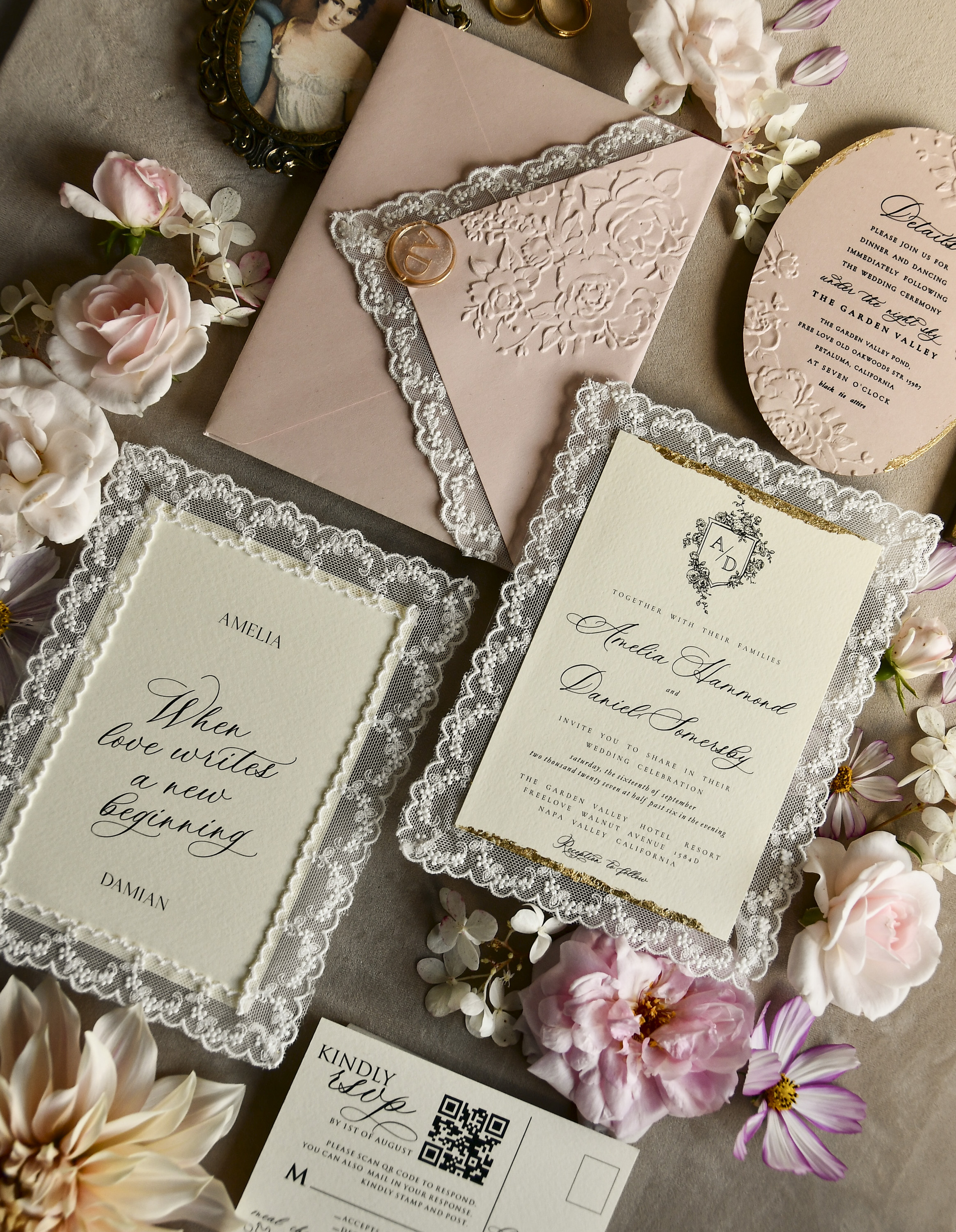
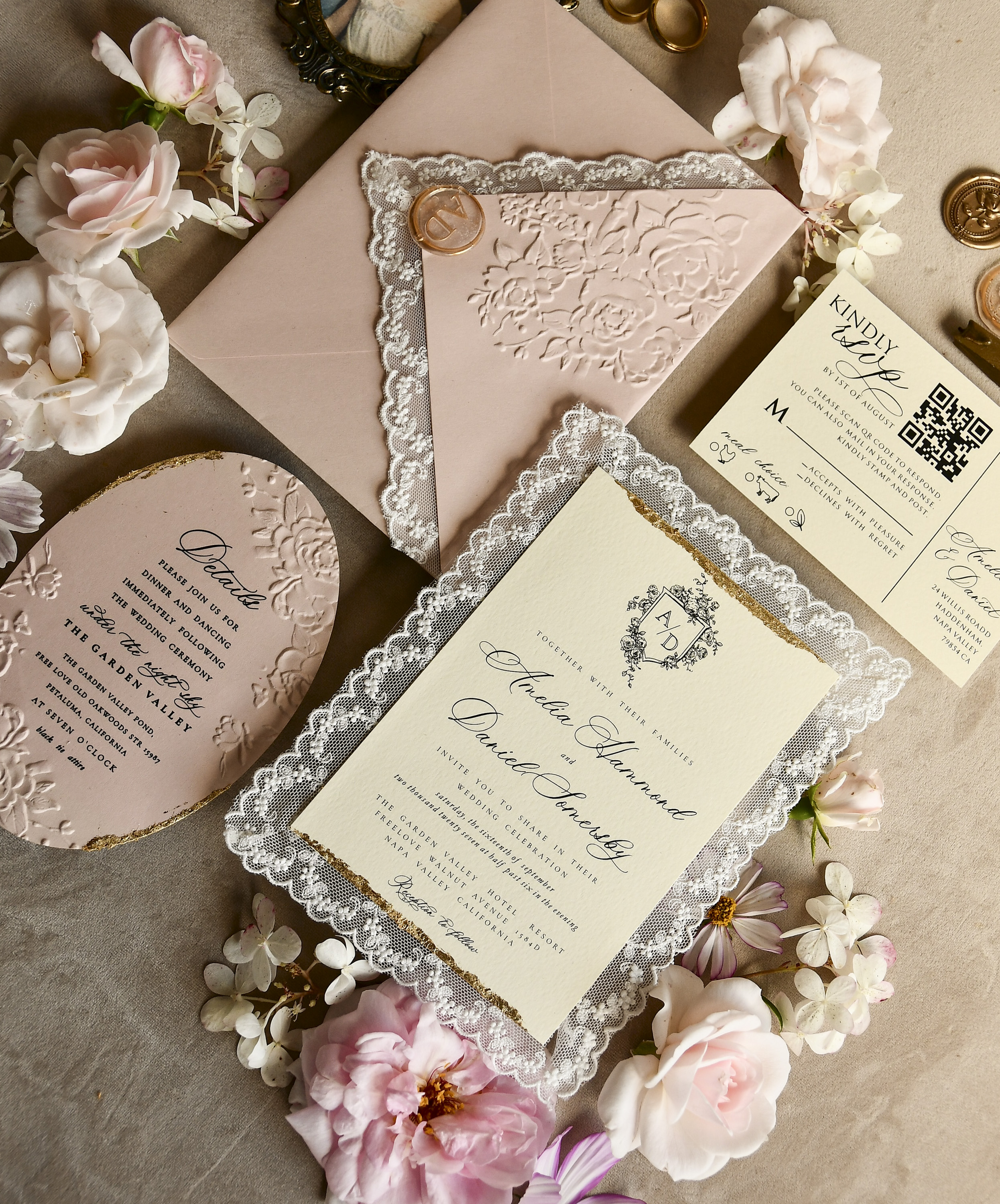
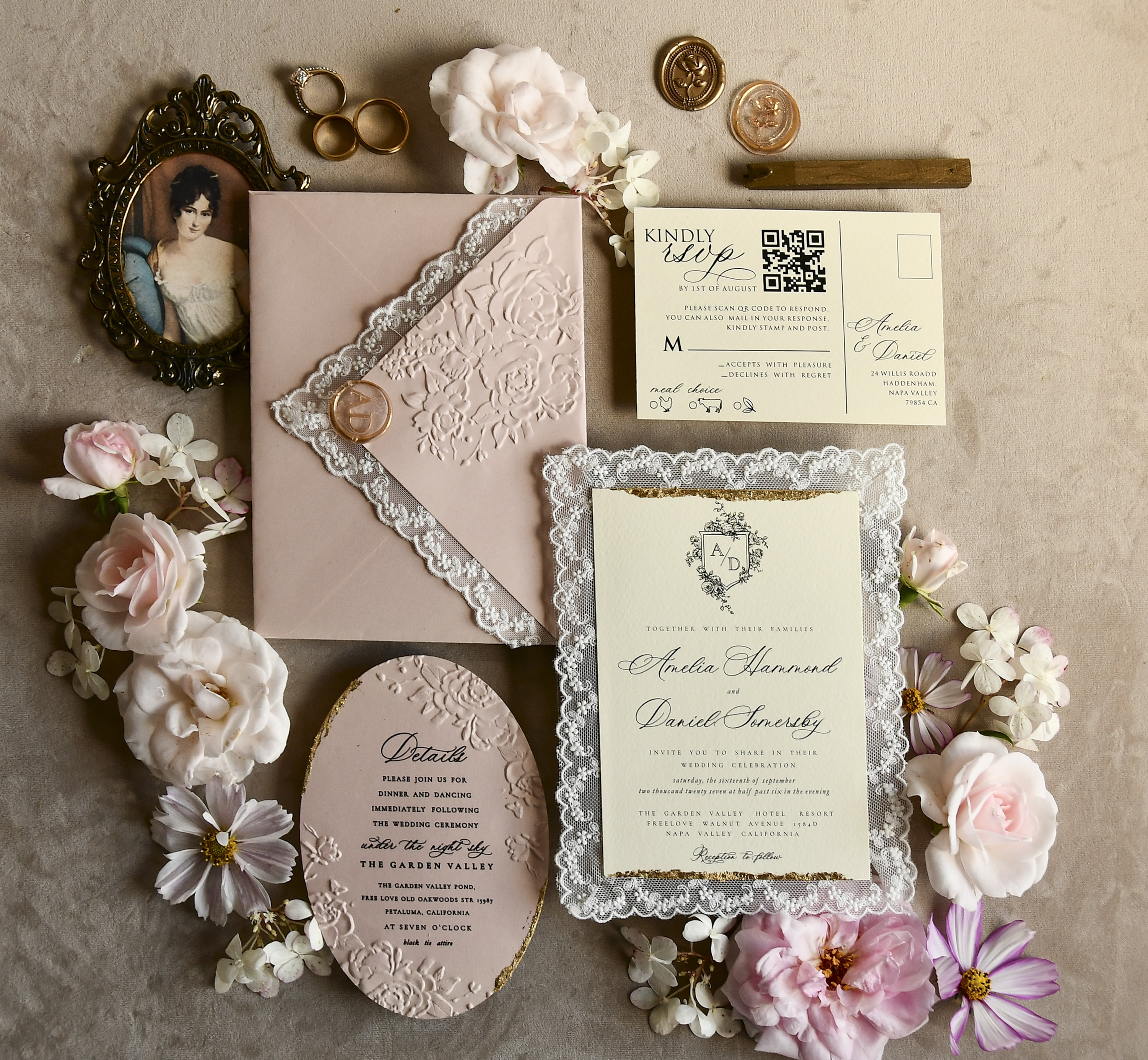
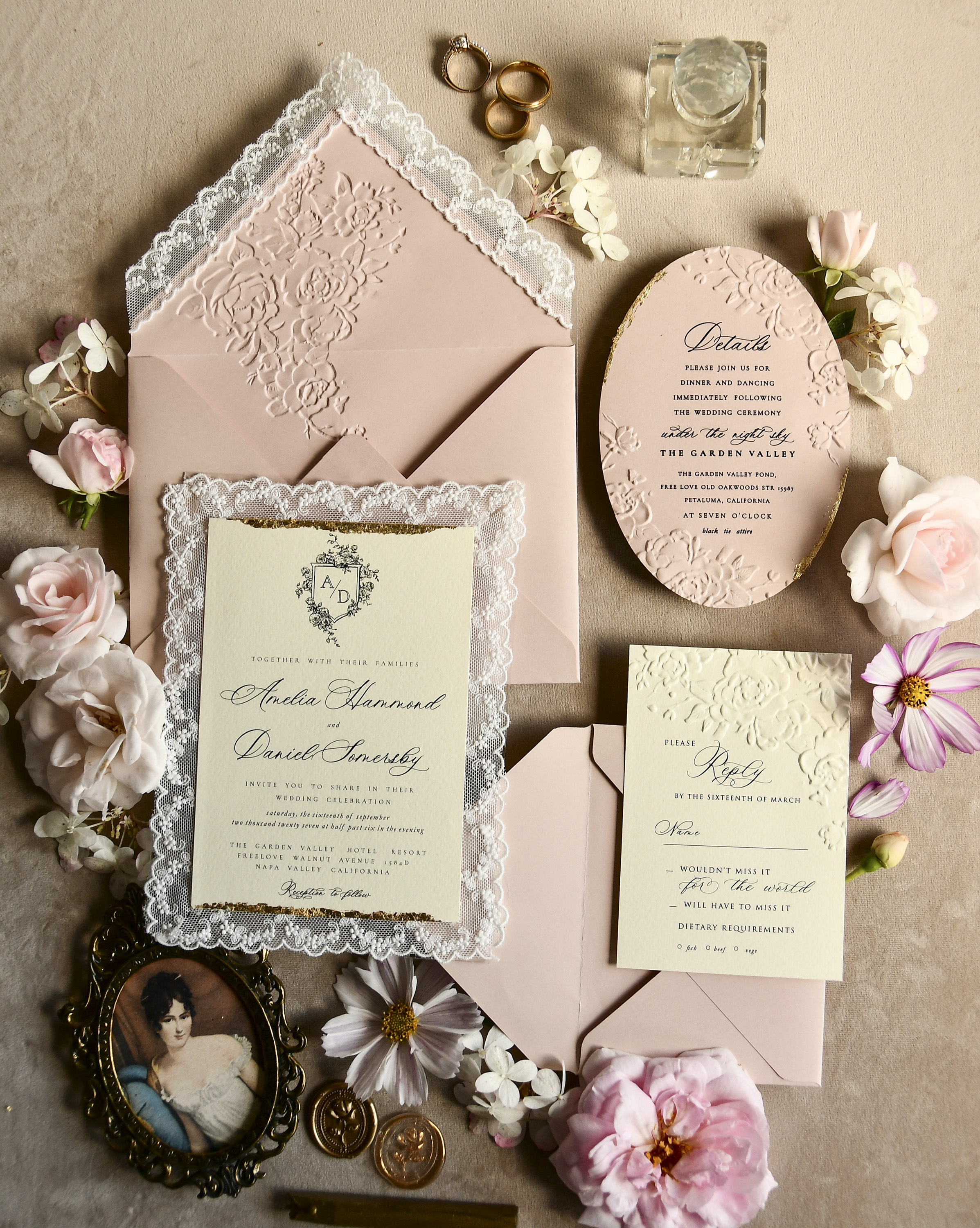
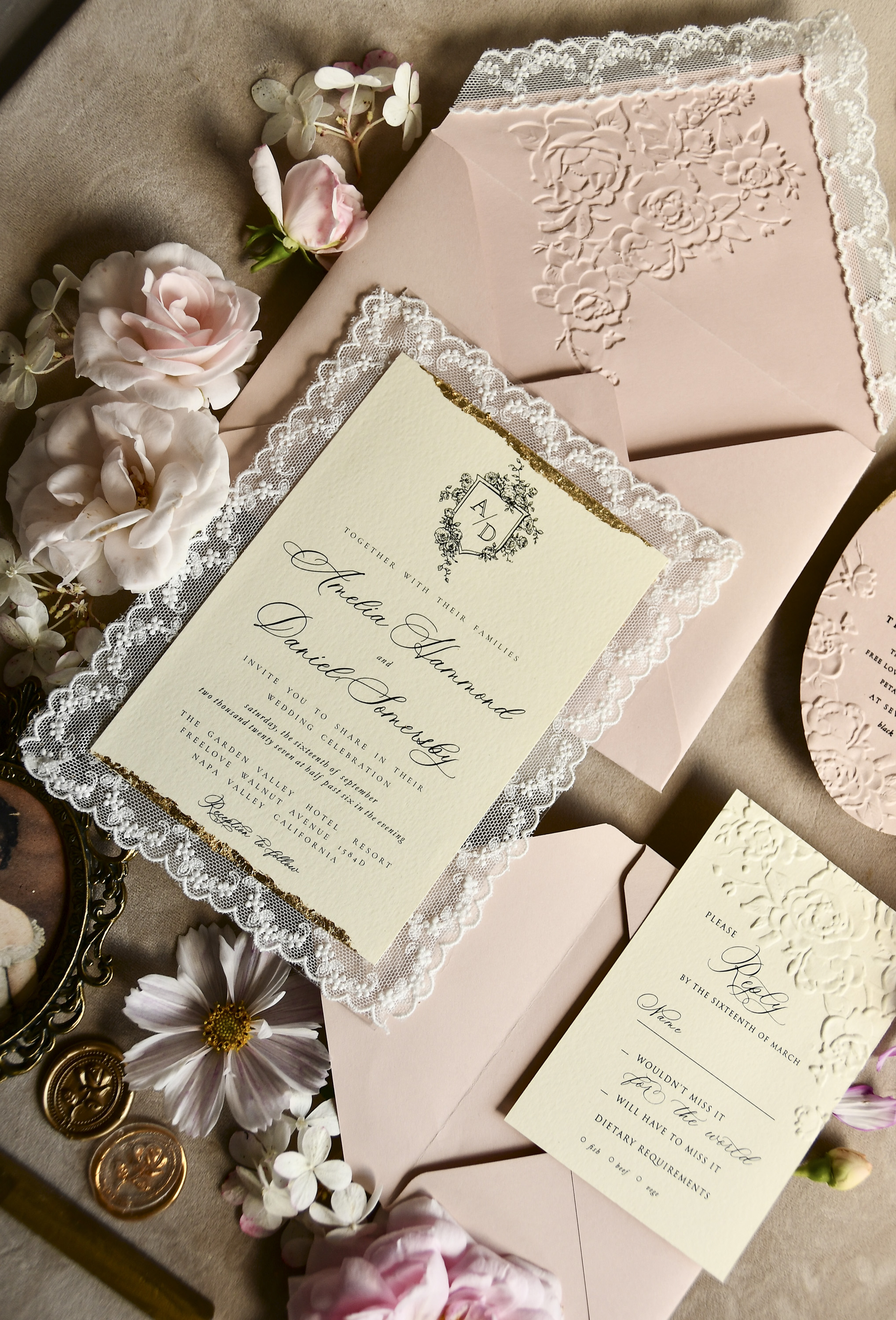
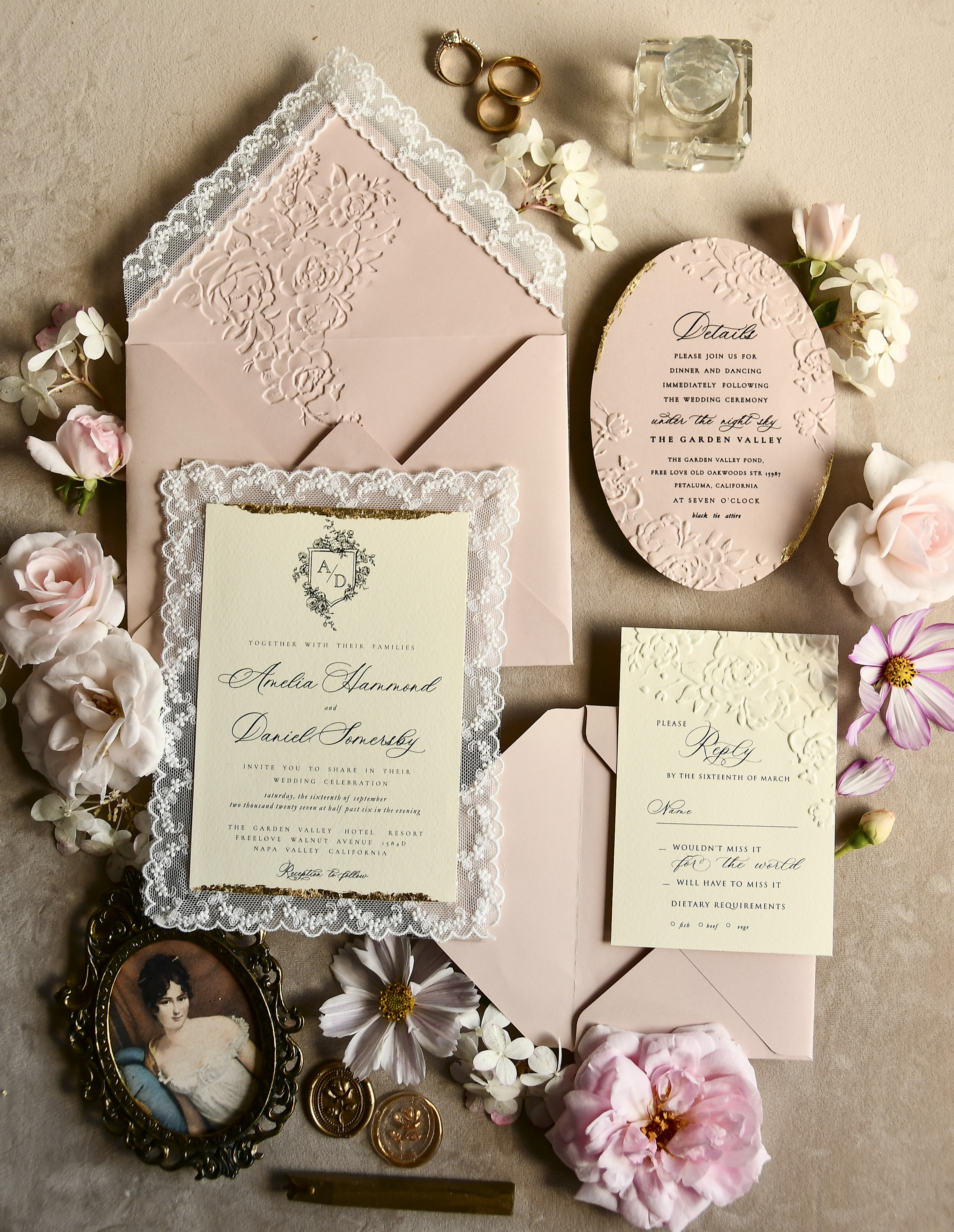
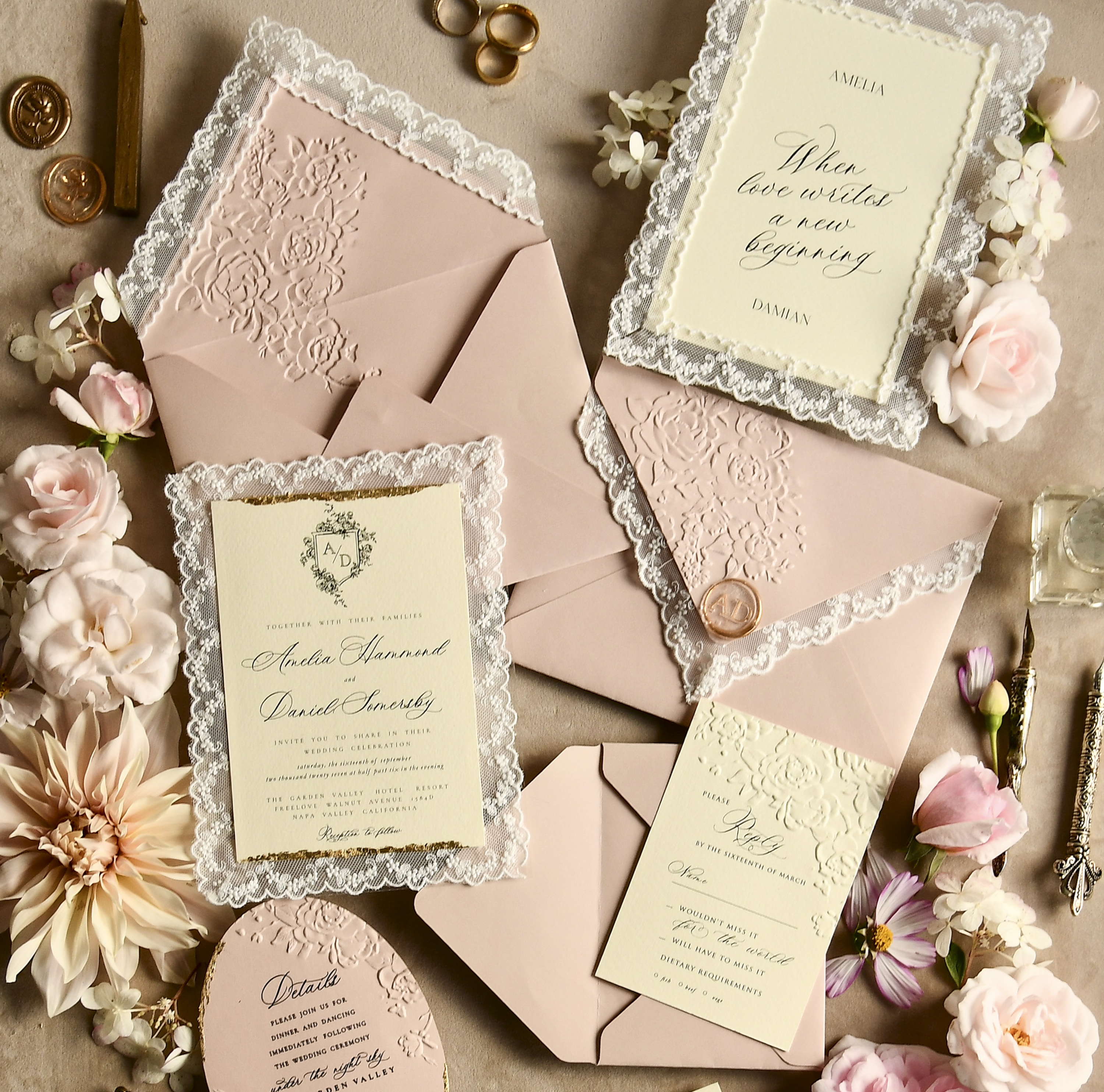
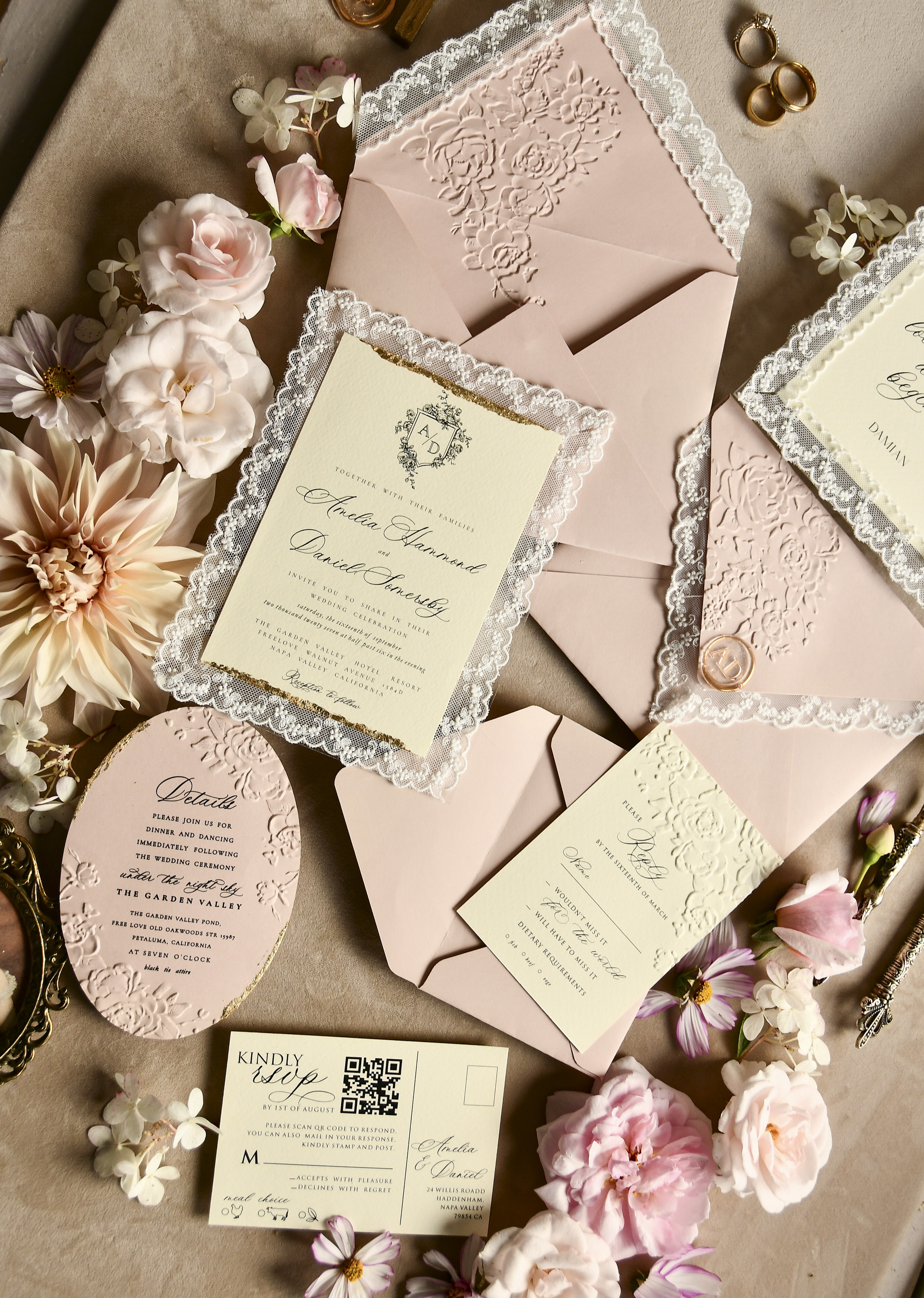
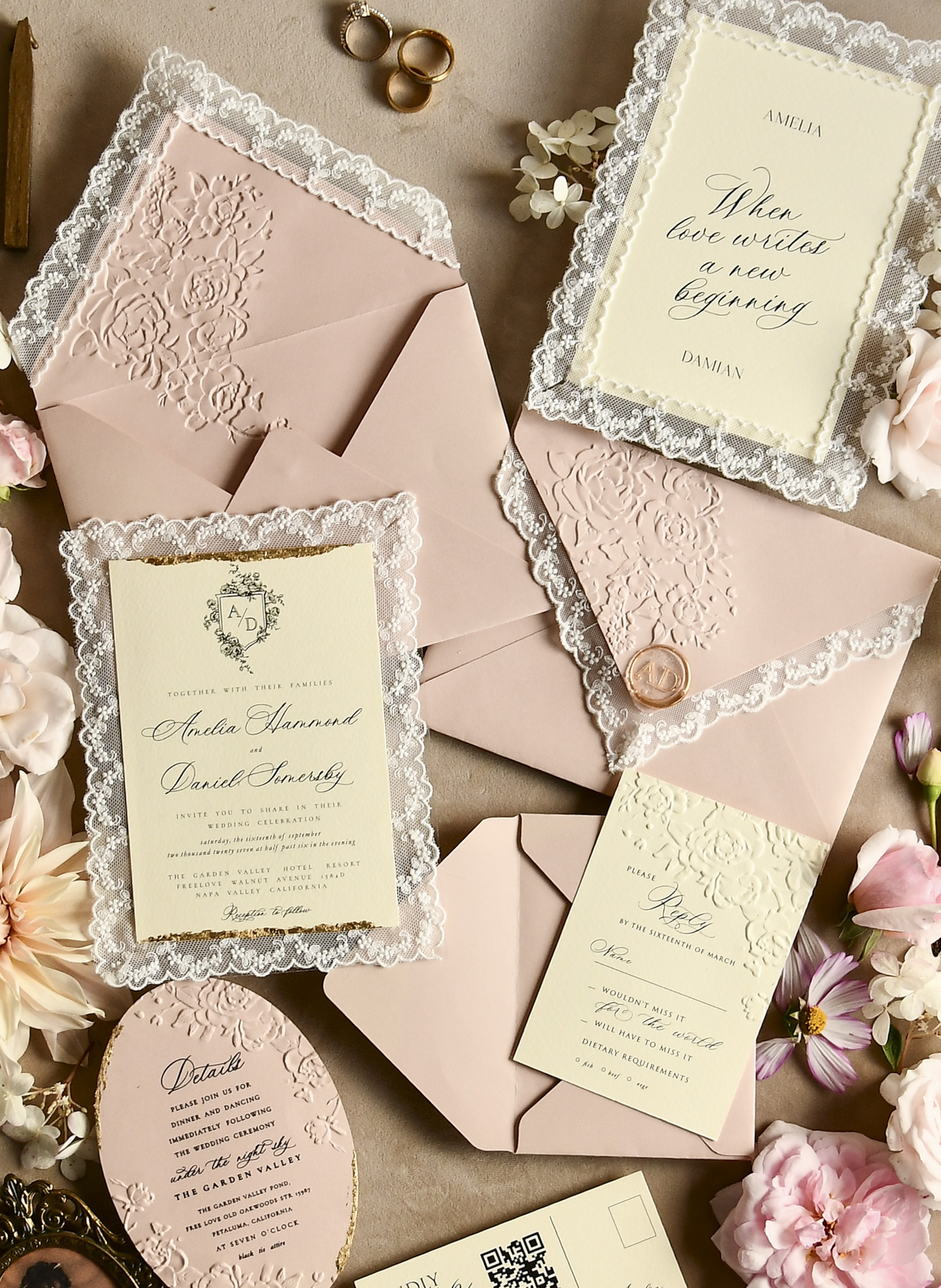
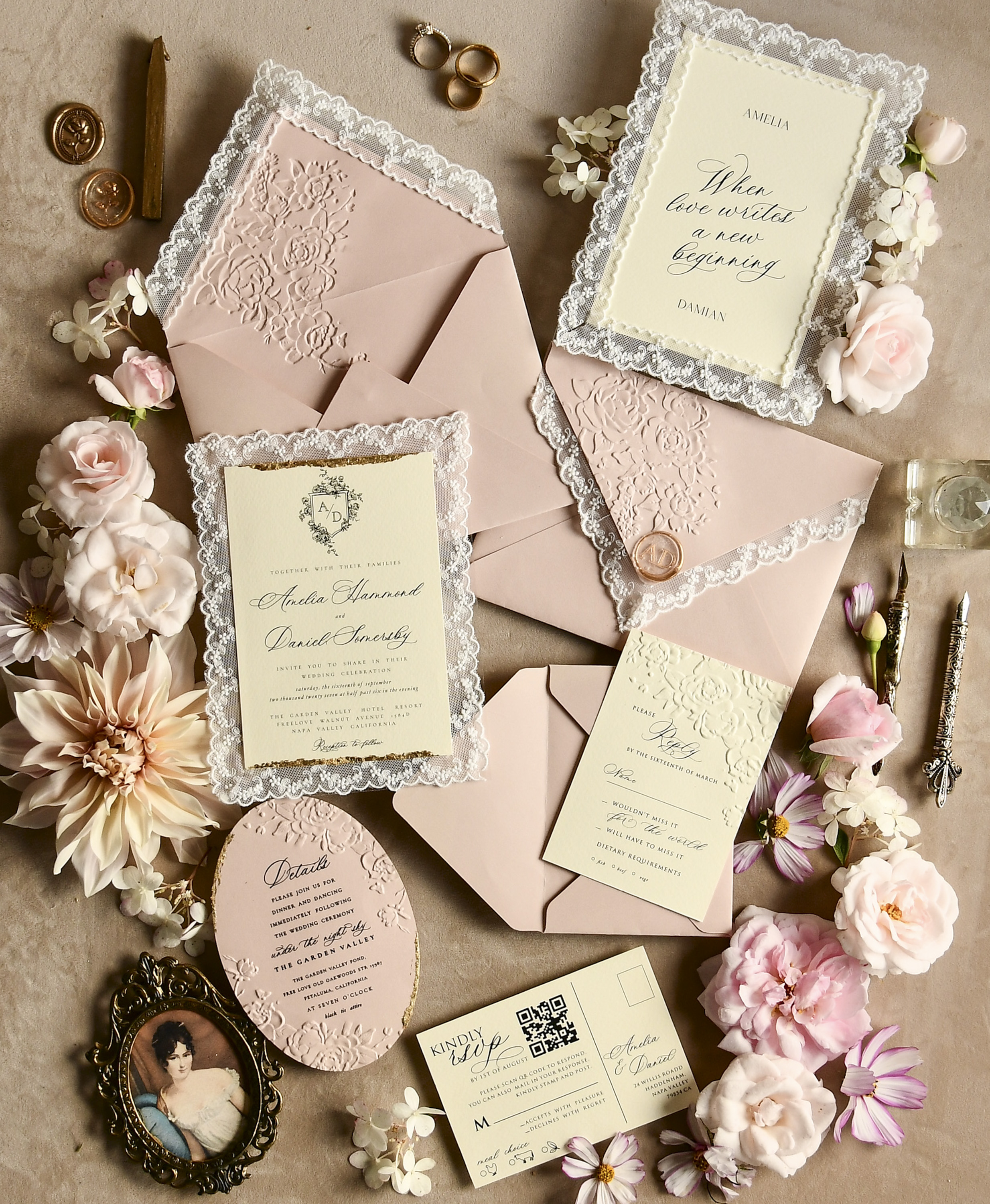
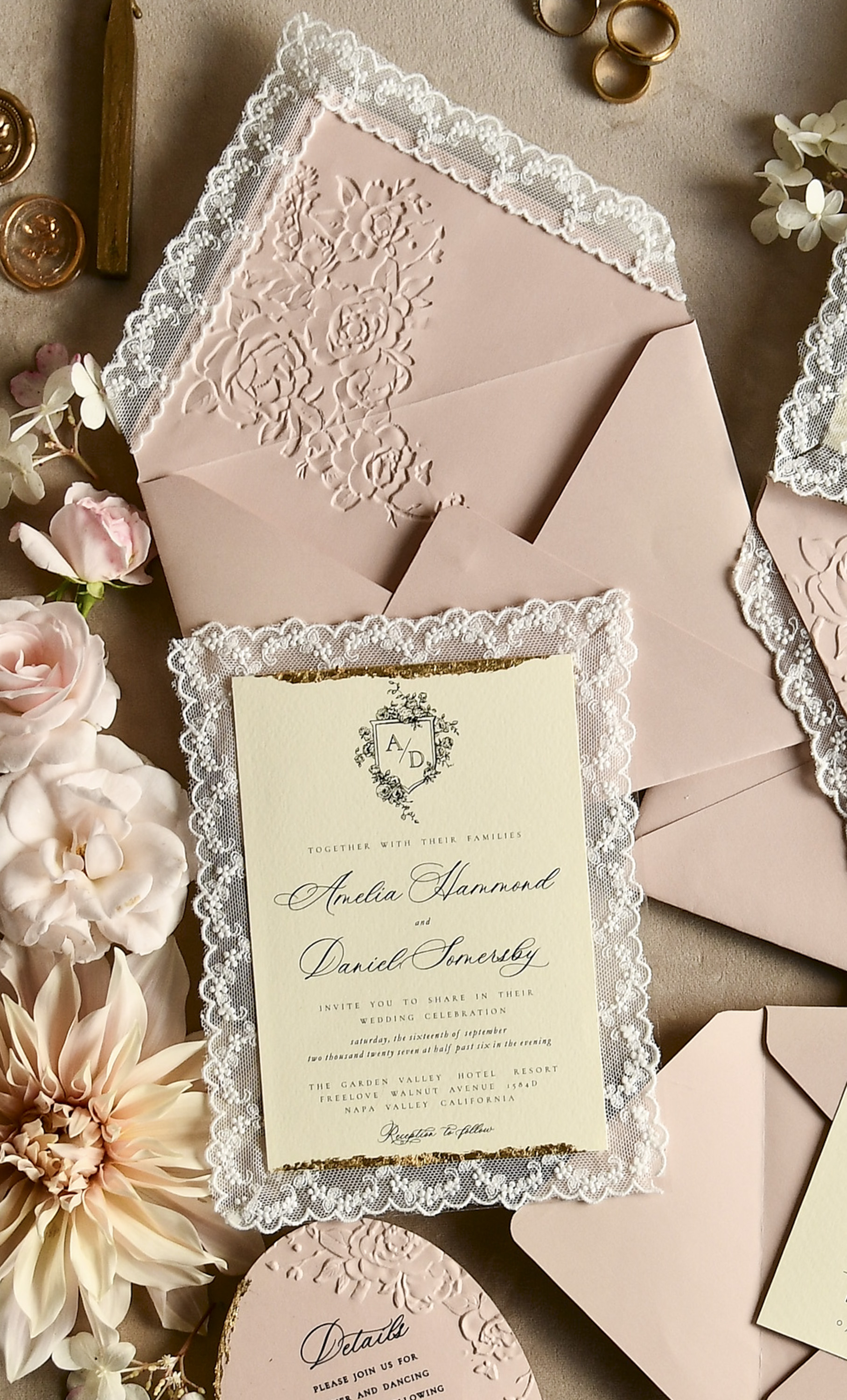
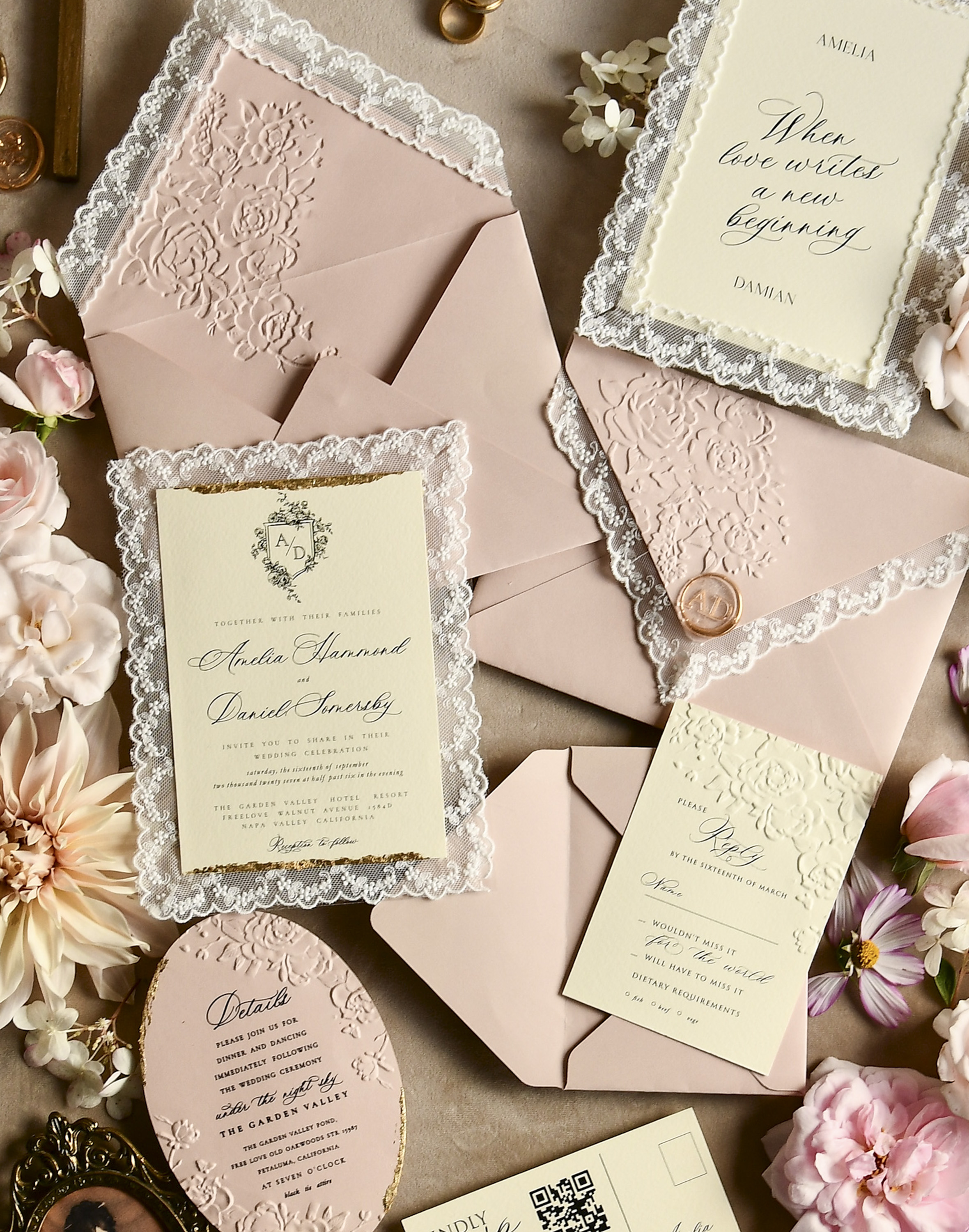
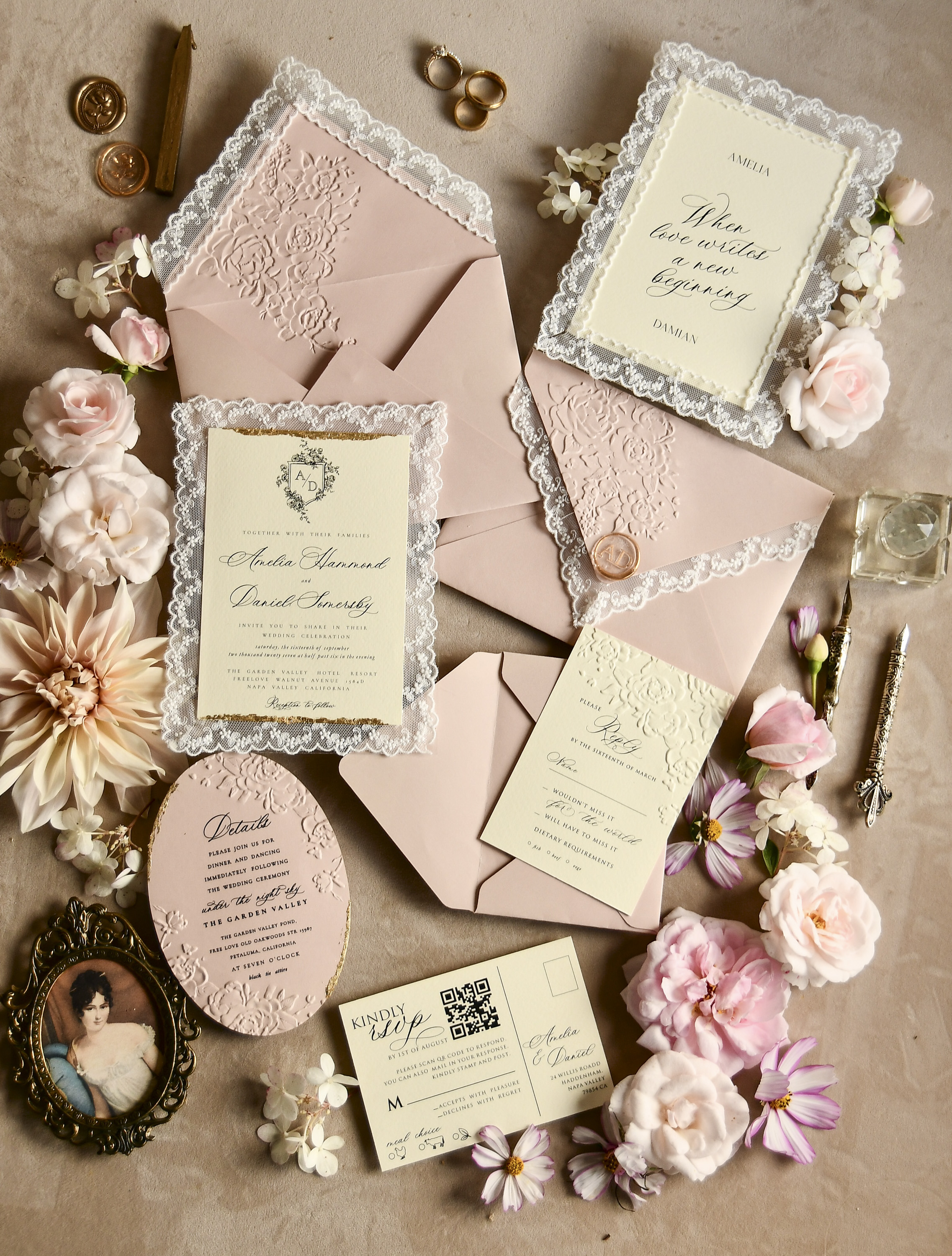
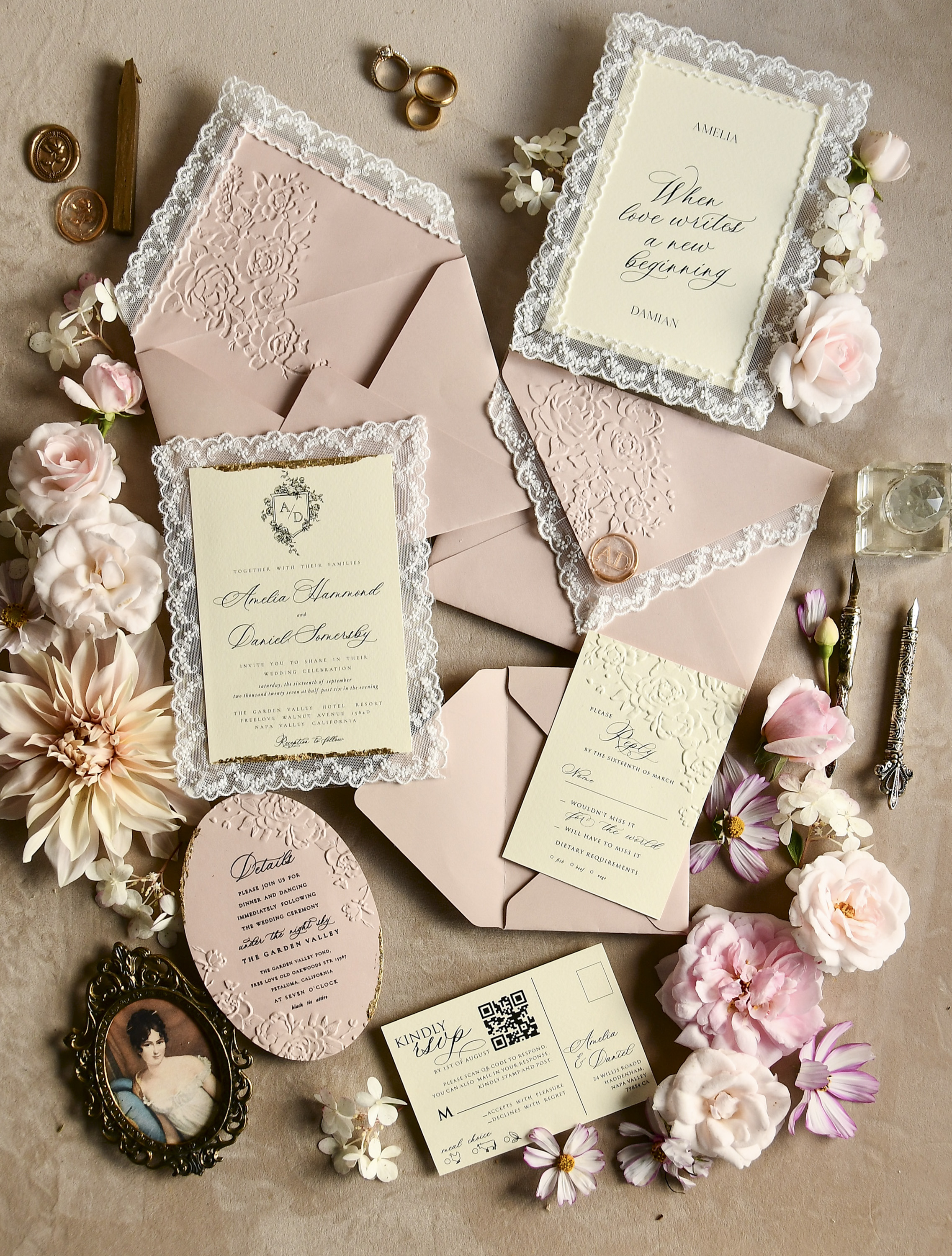
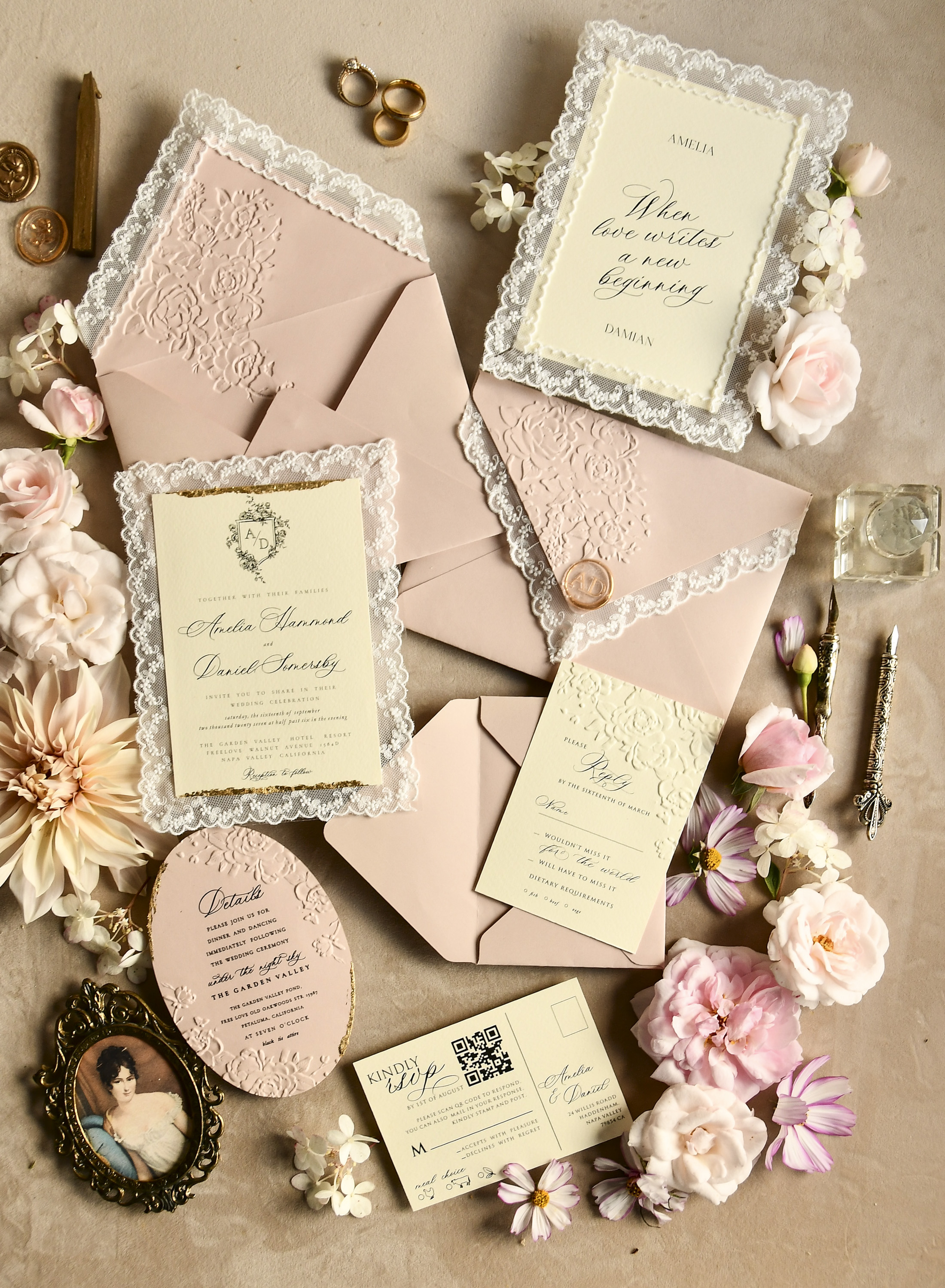
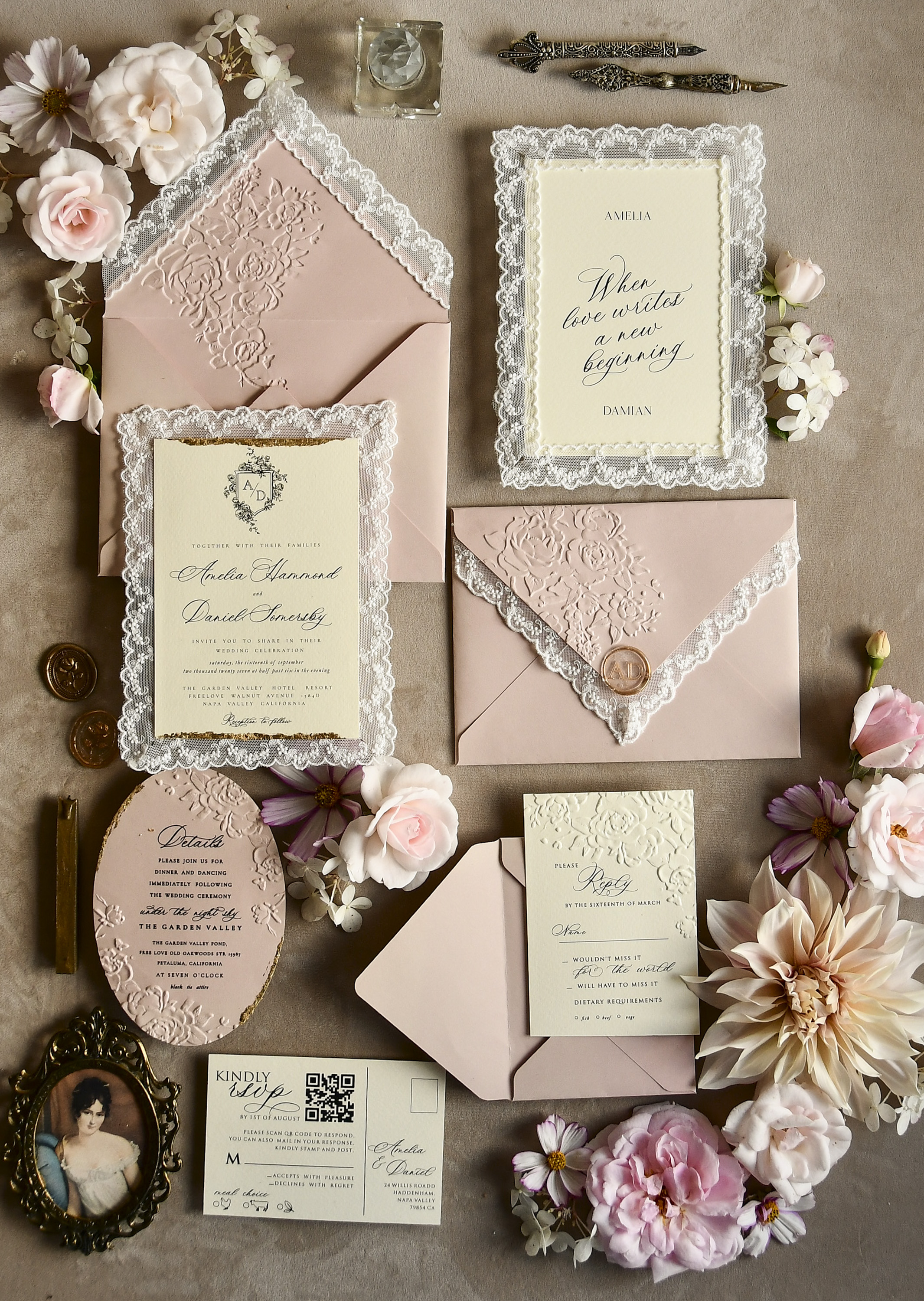
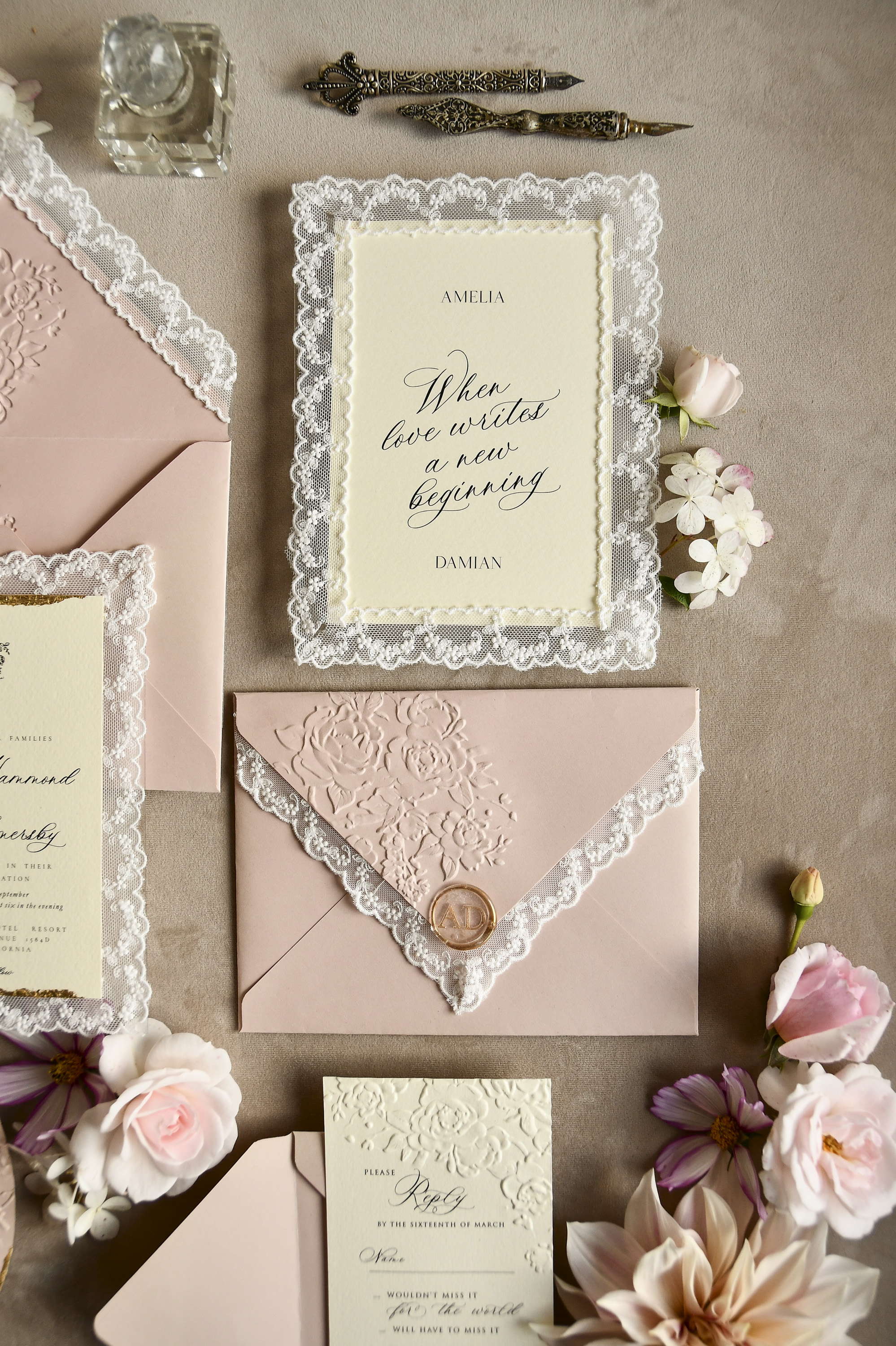
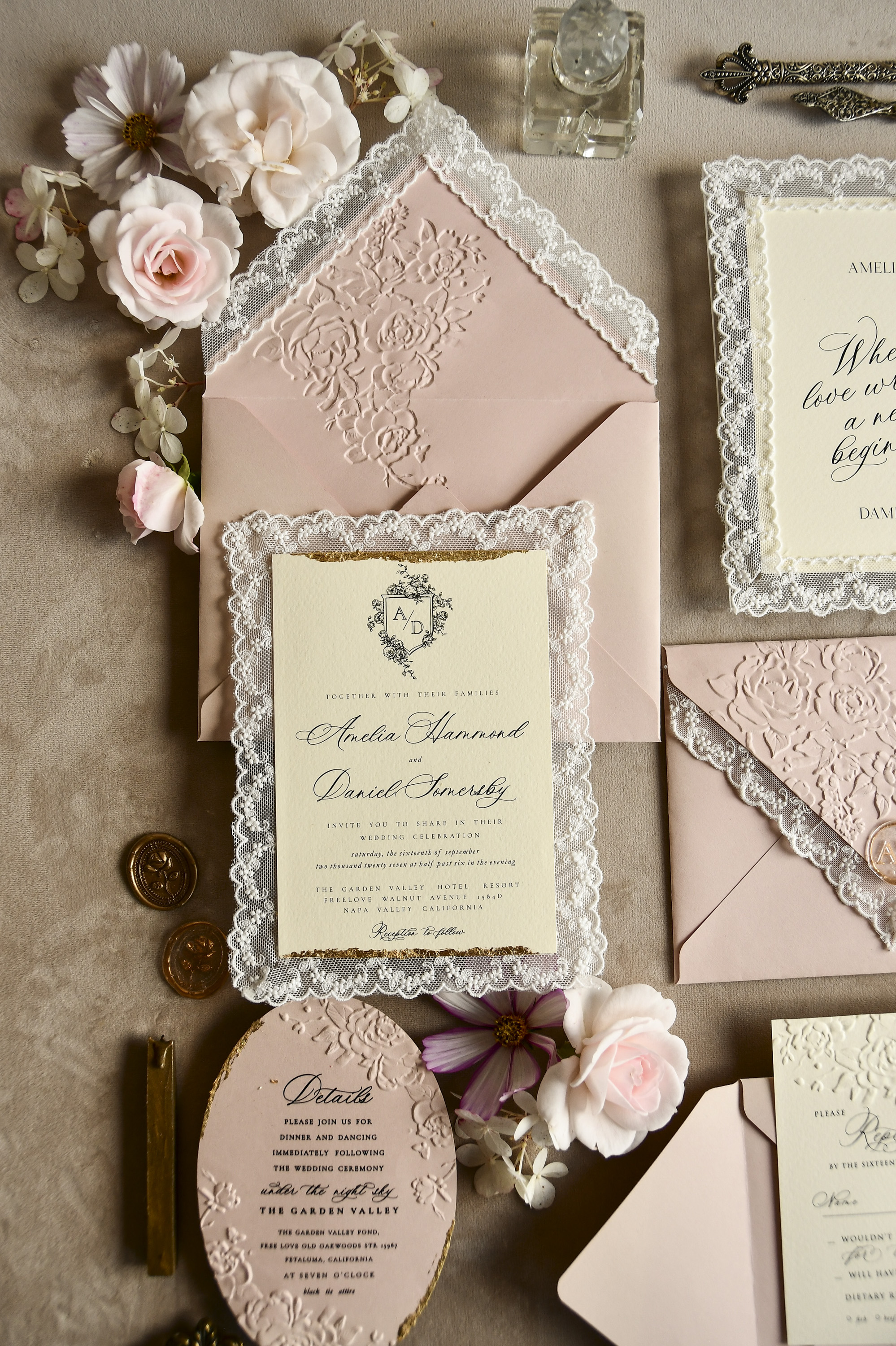
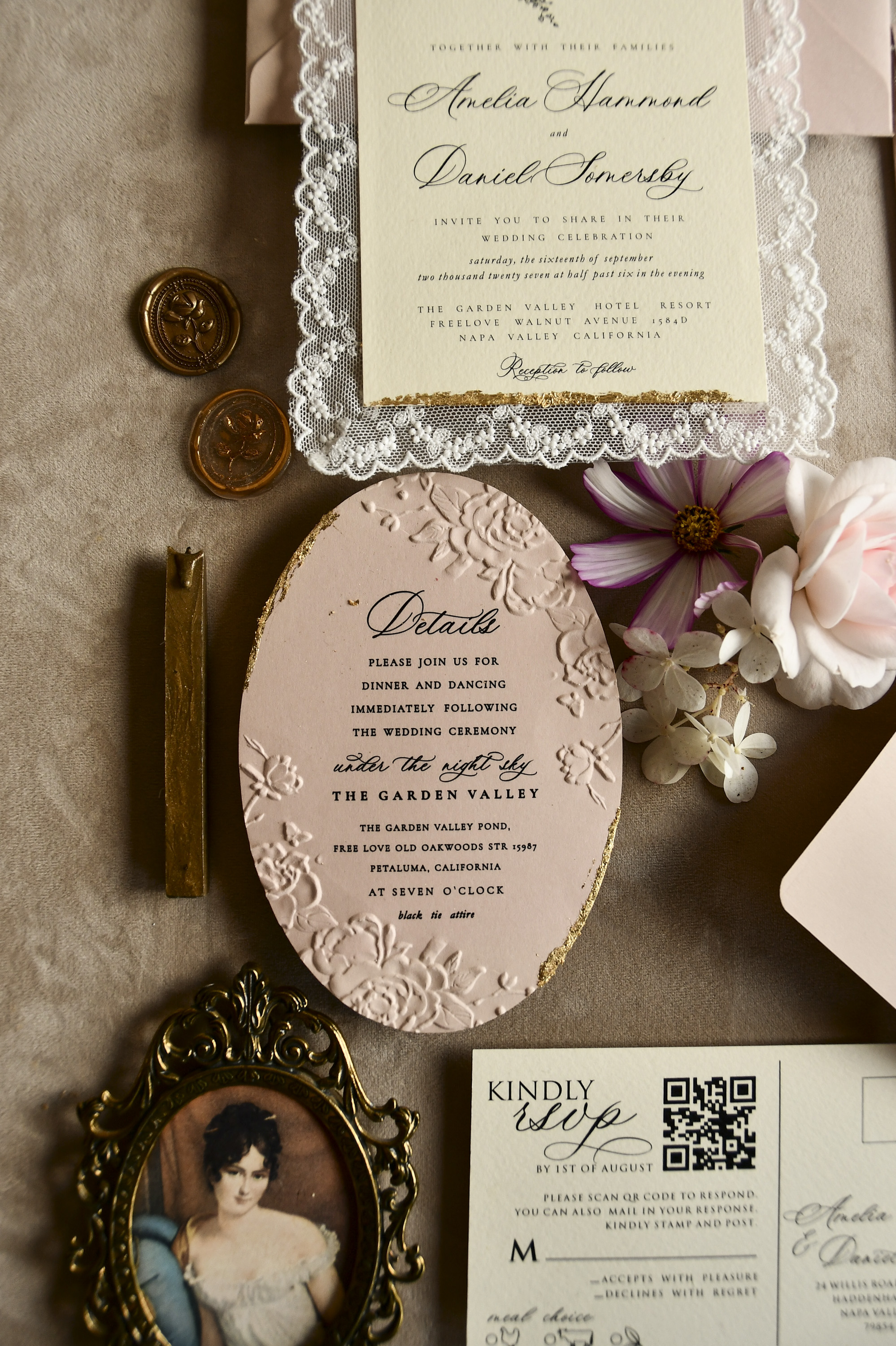
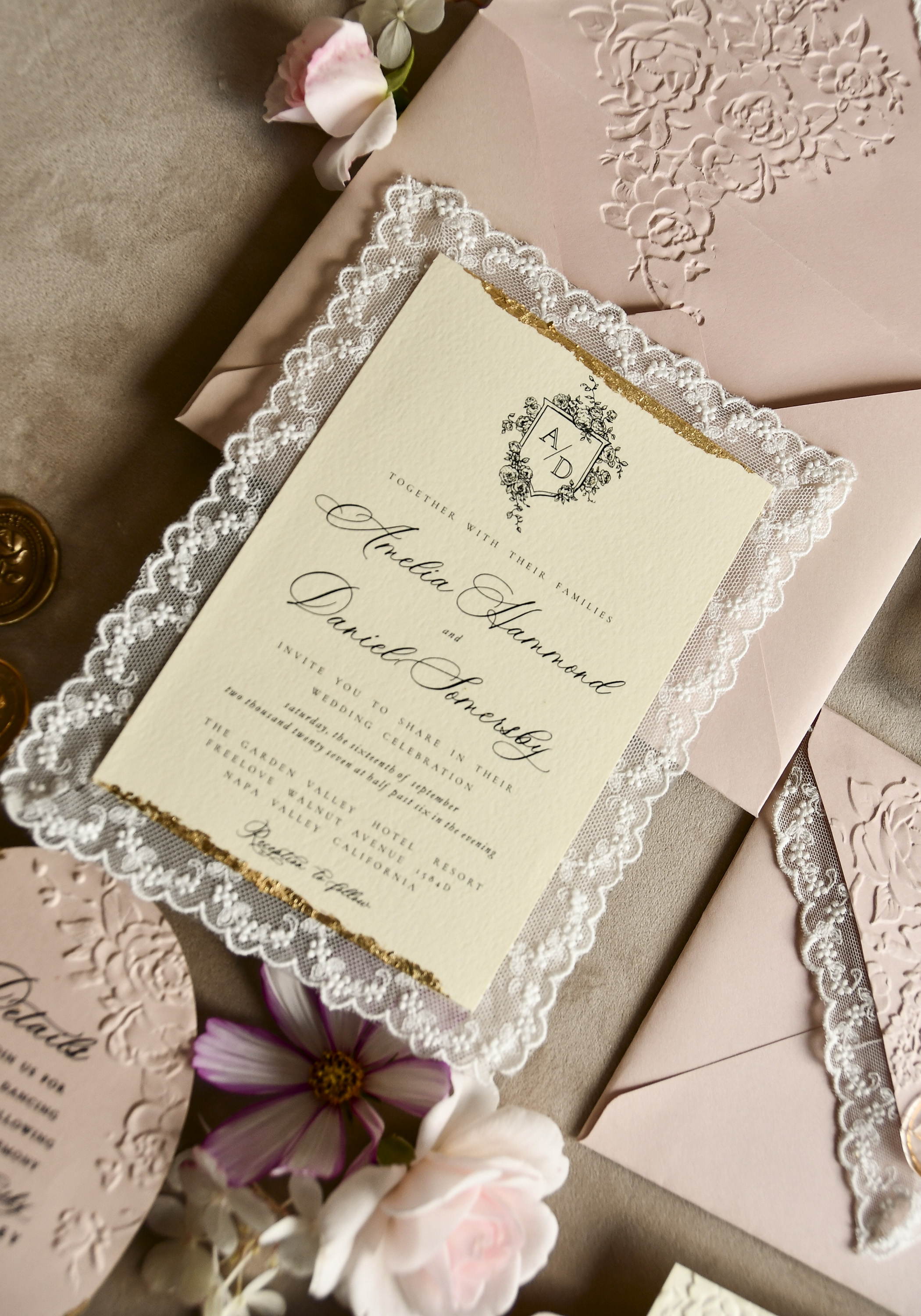
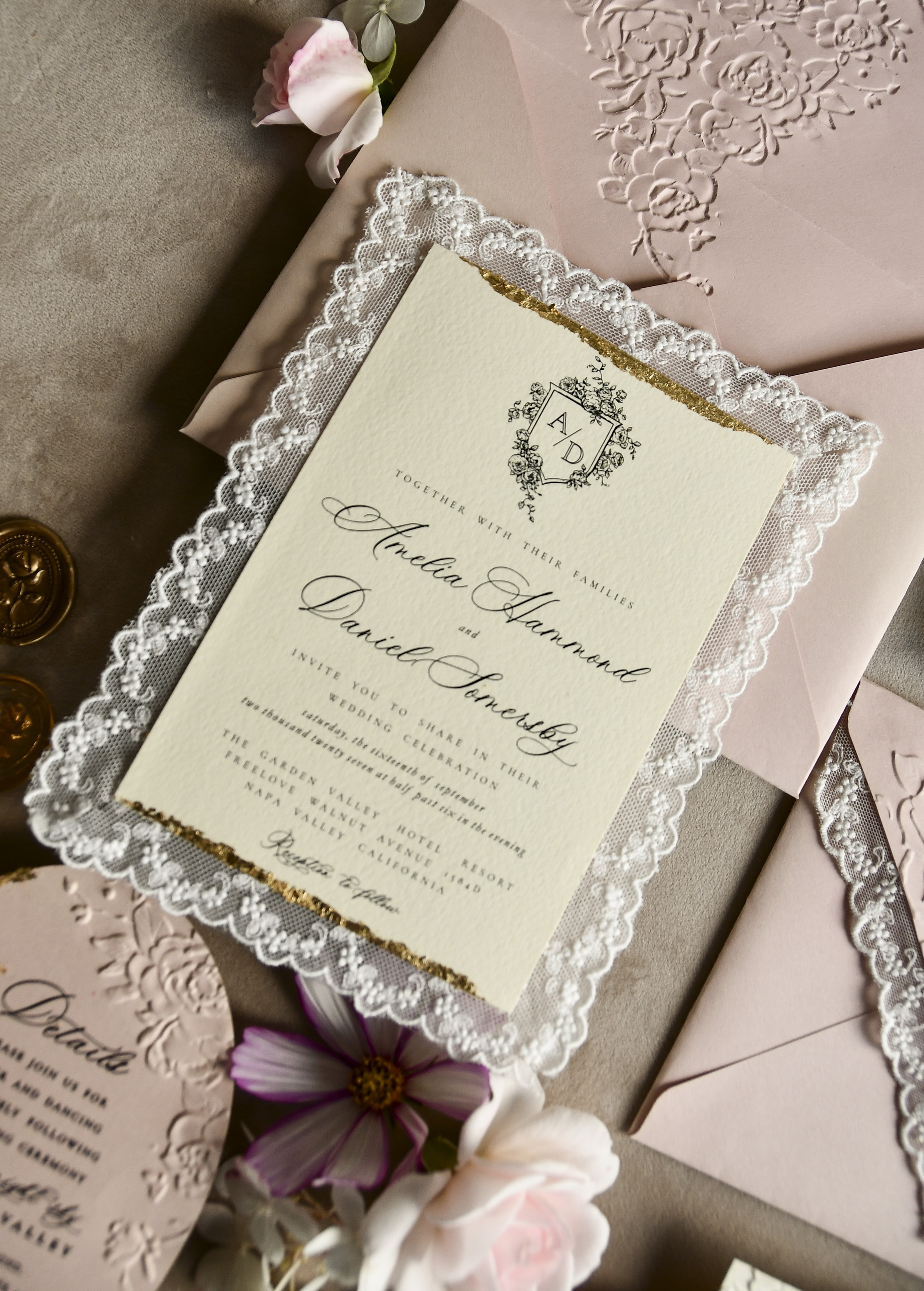
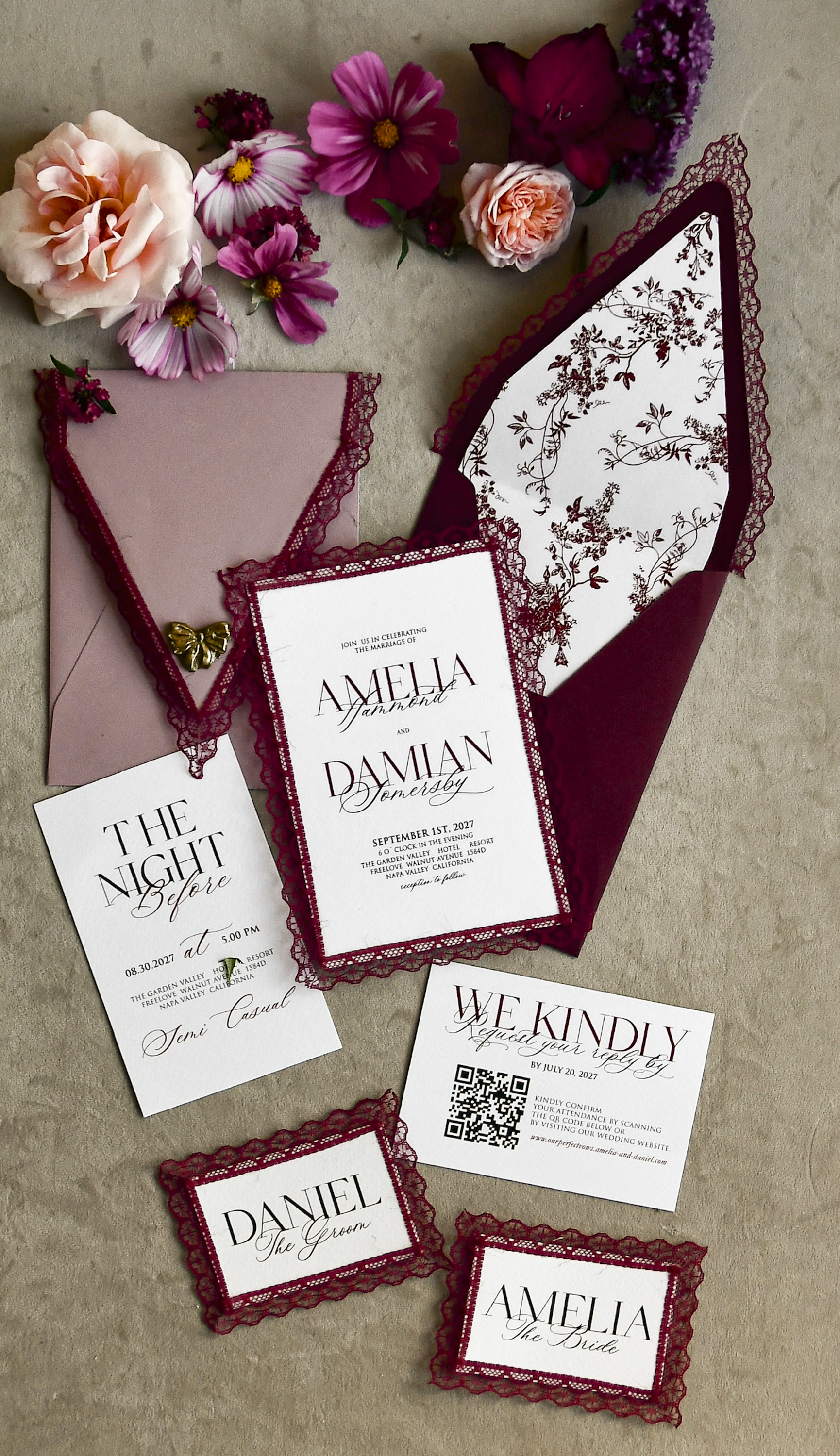
If you're working with a vintage or romantic aesthetic, our 01/laceembos/z wedding invitations make it easy to set a beautiful, formal tone right from the start — guests who receive a carefully addressed envelope tend to read it more carefully, which means fewer "can I bring someone?" texts later.
When guests ask directly, a warm, honest answer works best: "We're keeping our guest list really tight because of our venue size, so we weren't able to extend plus ones to everyone — I hope you understand!" Most people do. The ones who don't will get over it.
A Few Final Tips to Keep It Fair
Before you seal your envelopes, run through this quick checklist:
- Have you applied the same standard to both sides of the family?
- Have you checked with your partner about any guests you may have overlooked?
- Are all cohabiting partners included, even if you've never met them?
- Does your RSVP card have a clear "number of guests attending" line so you can catch any misunderstandings early?
If you're ordering stationery like the 01/laceembos/z suite, this is also a good moment to confirm your envelope quantities — you'll need one per household, not one per guest, which can save you money on postage and printing.
Frequently Asked Questions
No — plus ones are a courtesy, not a requirement. It's completely acceptable to limit plus ones to guests in serious, committed relationships or those who won't know many other attendees. Apply whatever rule you choose consistently across all guest categories.
A common benchmark is couples who are engaged, married, or living together. Some couples also extend it to relationships of six months or longer. The key is to pick a definition and stick to it for every guest in the same situation.
It's standard etiquette to offer plus ones to all members of your wedding party, since they're contributing significant time and often money to your day. If budget is very tight, have a private conversation with your wedding party early so there are no surprises.
Address it promptly and kindly — the longer you wait, the harder the conversation gets. Explain your venue or budget constraints briefly and sincerely. Most guests will understand once they know the reason isn't personal.
This is risky territory. If coworkers compare notes — and they will — inconsistency can create real friction. Either extend plus ones to all coworkers in the same tier (close work friends vs. general colleagues) or none of them.
Always indicate plus-one status directly on the invitation envelope and RSVP card. Writing 'and Guest' on the envelope is the clearest signal, and it prevents uncomfortable conversations where a guest has to ask whether they can bring someone.
See This Design Up Close

You May Also Like
More Wedding Planning Guides
- → When to Address a Wedding Invitation Directly to a Child
- → Mailed Card or Website Link? How to Handle RSVPs the Modern Way
- → Wedding Invitation Delivery: When to Mail and When to Hand Them Off
- → Navigating a Wedding Guest List When Your Fiancé Wants to Leave Your Family Out
- → Wedding Invitation Wording: Every Essential Detail Couples Need to Include
- → When Your Divorced Parents Can't Be in the Same Room: A Wedding Planning Guide
- → Adults-Only Weddings: Is Leaving Kids Off the List Actually Rude?
- → Wedding Invitation Addressing: Names, Titles, and Every Tricky Situation Solved
- → Wedding Invitations: How to Count What You Actually Need
- → Yes, You Can Invite Ceremony-Only Guests — Here's How to Do It Gracefully
- → Extra Wedding Guests: Who Pays and How to Handle It Gracefully
- → Big Wedding or Better Wedding: How to Choose What Truly Matters
- → Your Wedding, Your Guest List: The Honest Truth About Inviting Cousins
- → Uninvited Extras: How to Handle Guests Who Bring Someone You Didn't Invite
- → Plus-One or No? How to Decide If Single Guests Can Bring a Date
- → How to Embrace a Small Wedding and Make It Unforgettable
- → Where Do Divorced Parents Sit at Your Wedding? Here's What Actually Works
- → To Invite or Not to Invite: Navigating the Ex Question for Your Wedding Guest List
- → Stepparents and Your Wedding Guest List: Making the Right Call
- → Setting Plus-One Boundaries Without Losing Sleep (or Friends)
- → Should Work Friends Come to Your Wedding? A No-Stress Guide to Inviting Colleagues
- → Guests Who Don't RSVP: Your Step-by-Step Plan
- → Save the Date vs. Wedding Invitation: Two Very Different Jobs, One Beautiful Paper Trail
- → When Someone Asks Why They Weren't Invited: Your Honest, Kind Playbook
- → To Call or Not to Call: Tracking Down Guests With Missing RSVPs
- → When the Guest List Must Shrink: The Right People to Remove First
- → Digital Wedding Invitations: When They Work and When to Think Twice
- → How to Handle the Parent Friend Dilemma on Your Wedding Guest List
- → Your Wedding Invitation Deadline: When the Window Officially Closes
- → Uninvited Plus-Ones and Tag-Alongs: How to Keep Your Guest List Intact
- → When Family Feuds Threaten Your Wedding Plans: A Practical Peacekeeper's Guide
- → Inviting an Estranged Brother or Sister: Finding Clarity Before You Seal the Envelope
- → Cousins, Invites, and Hard Choices: A Practical Guest List Guide