
Plus-One or No? How to Decide If Single Guests Can Bring a Date

The plus-one question is one of the trickiest decisions you'll make while planning your wedding. Should every single guest get to bring a date? Only some of them? None at all? There's no universal right answer, but there is a smart, fair way to think it through — and a graceful way to communicate your choice so no one feels slighted.
Why the Plus-One Decision Matters More Than You Think
Every plus-one you add means another seat, another plate, another favor, and another name on your seating chart. At an average US wedding cost of $200–$300 per head, inviting 10 extra dates can add $2,000–$3,000 to your budget overnight. Beyond money, it affects the intimacy and atmosphere of your celebration. A wedding of 80 close friends and family feels very different from a 110-person event where a quarter of the room are strangers to you.
That said, your guests' comfort matters too. Asking someone to travel across the country, sit through a multi-hour event, and navigate a reception where they know almost no one — solo — can feel isolating. The goal is to find the balance that works for your guest list and budget.
A Consistent Rule Is Your Best Friend
The single most important piece of etiquette advice here: be consistent. Giving some single guests a plus-one while denying others — without a clear, logical reason — is the fastest way to hurt feelings. Couples who handle this best usually pick one of these approaches and stick to it across the board:
- Everyone gets a plus-one. Simple, generous, and no one feels singled out. Best for couples with a flexible budget and a large venue.
- No plus-ones for anyone (or only for engaged/married couples). Totally acceptable, especially for intimate weddings. If your venue holds 60 people, this is a reasonable and widely understood boundary.
- Plus-ones for guests who won't know many other people. For example, a coworker from out of town who knows no one else on your list. This is a thoughtful exception — just apply it quietly and consistently.
- Plus-ones based on relationship length. Some couples extend plus-ones only to single guests who have been in a relationship for six months or longer. This is reasonable, though it does require a bit of intel-gathering.
Whatever rule you choose, apply it the same way to every comparable guest. Your college roommate and your cousin in the same situation should receive the same invitation.
How to Communicate Your Decision Clearly and Kindly
The invitation itself does the heavy lifting here. Address each envelope precisely: if a guest is not receiving a plus-one, address it only to them by name. If they are receiving one, write "[Name] and Guest" on the envelope and include that on the inner envelope or RSVP card as well.
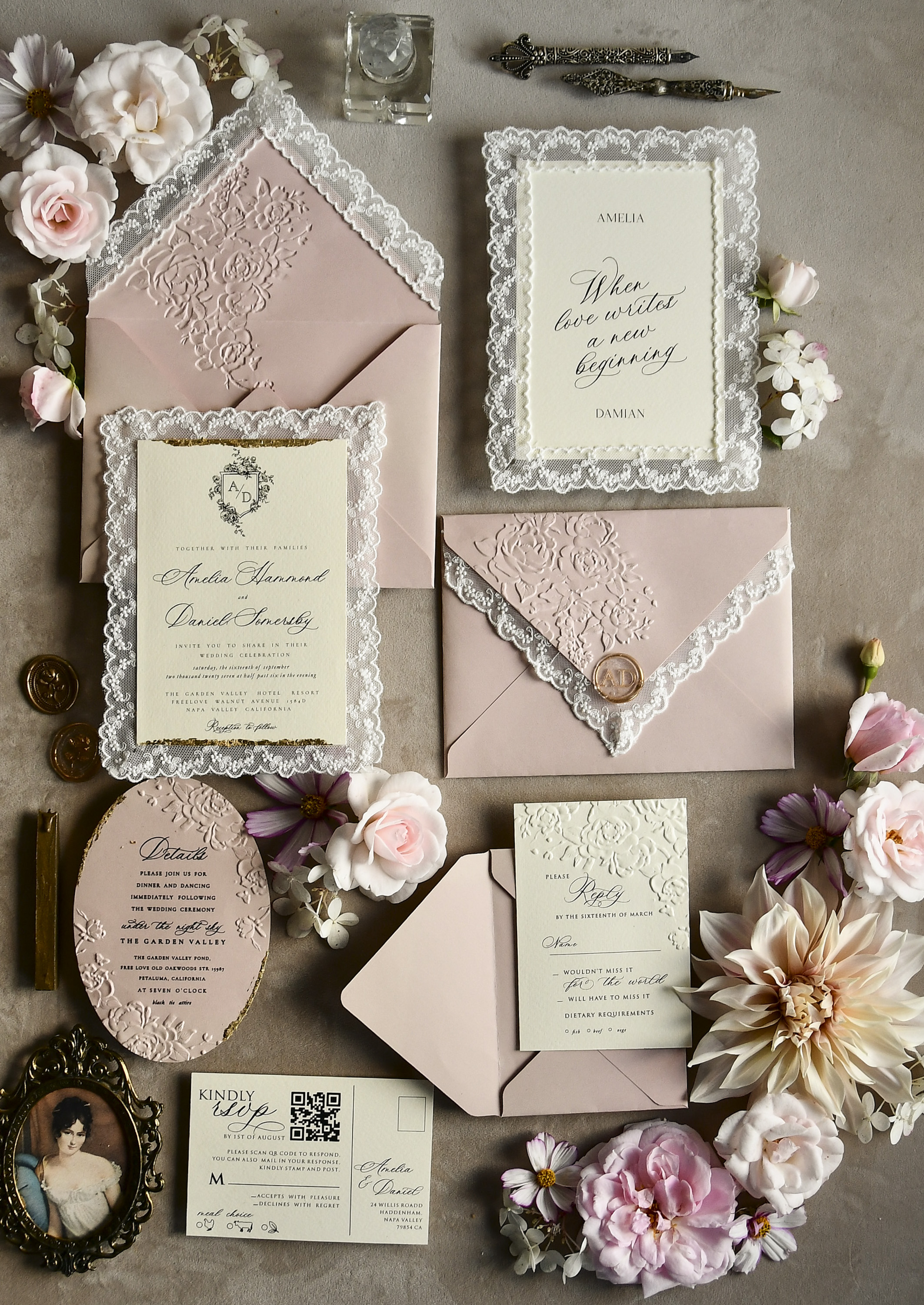
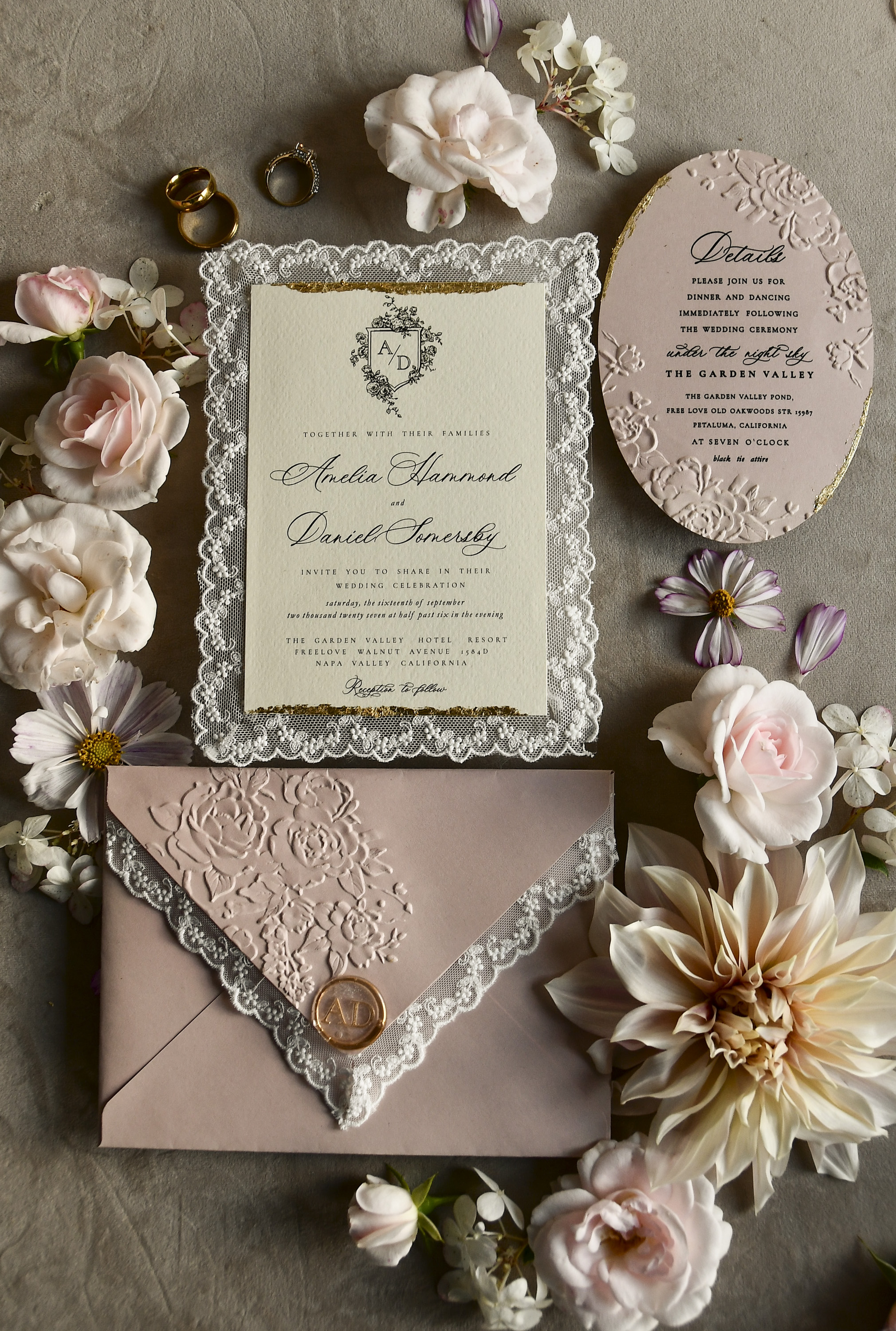
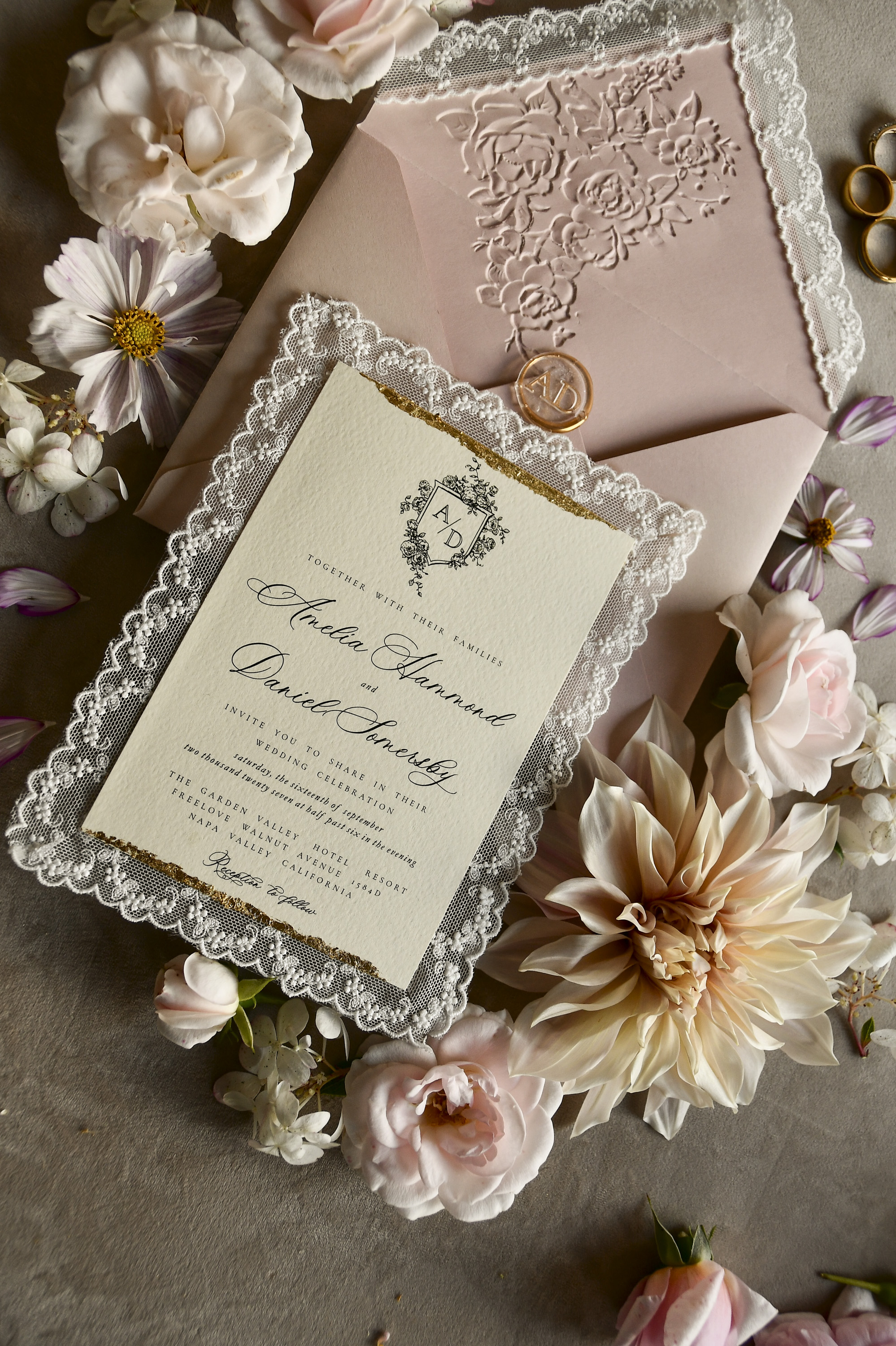
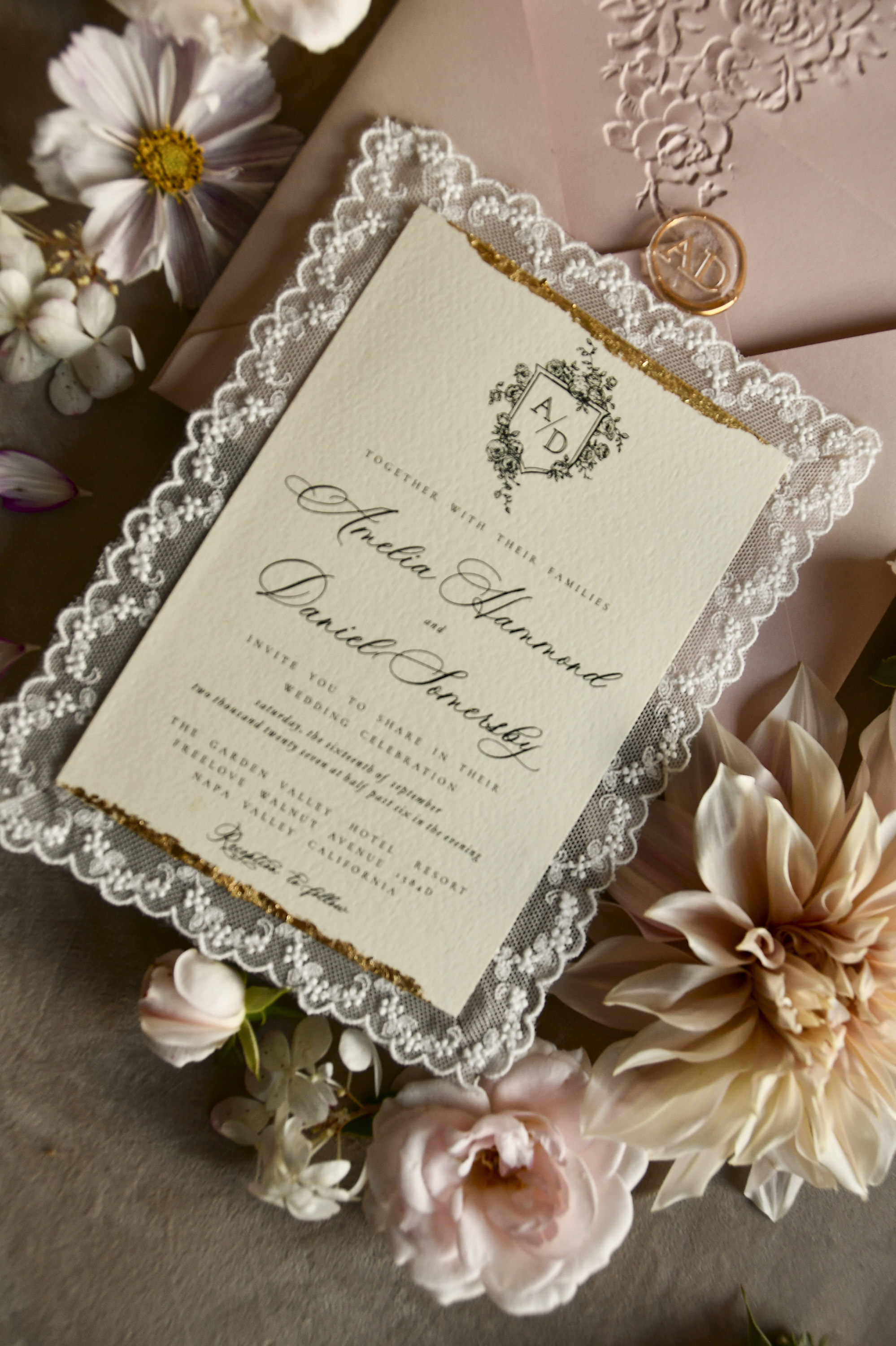
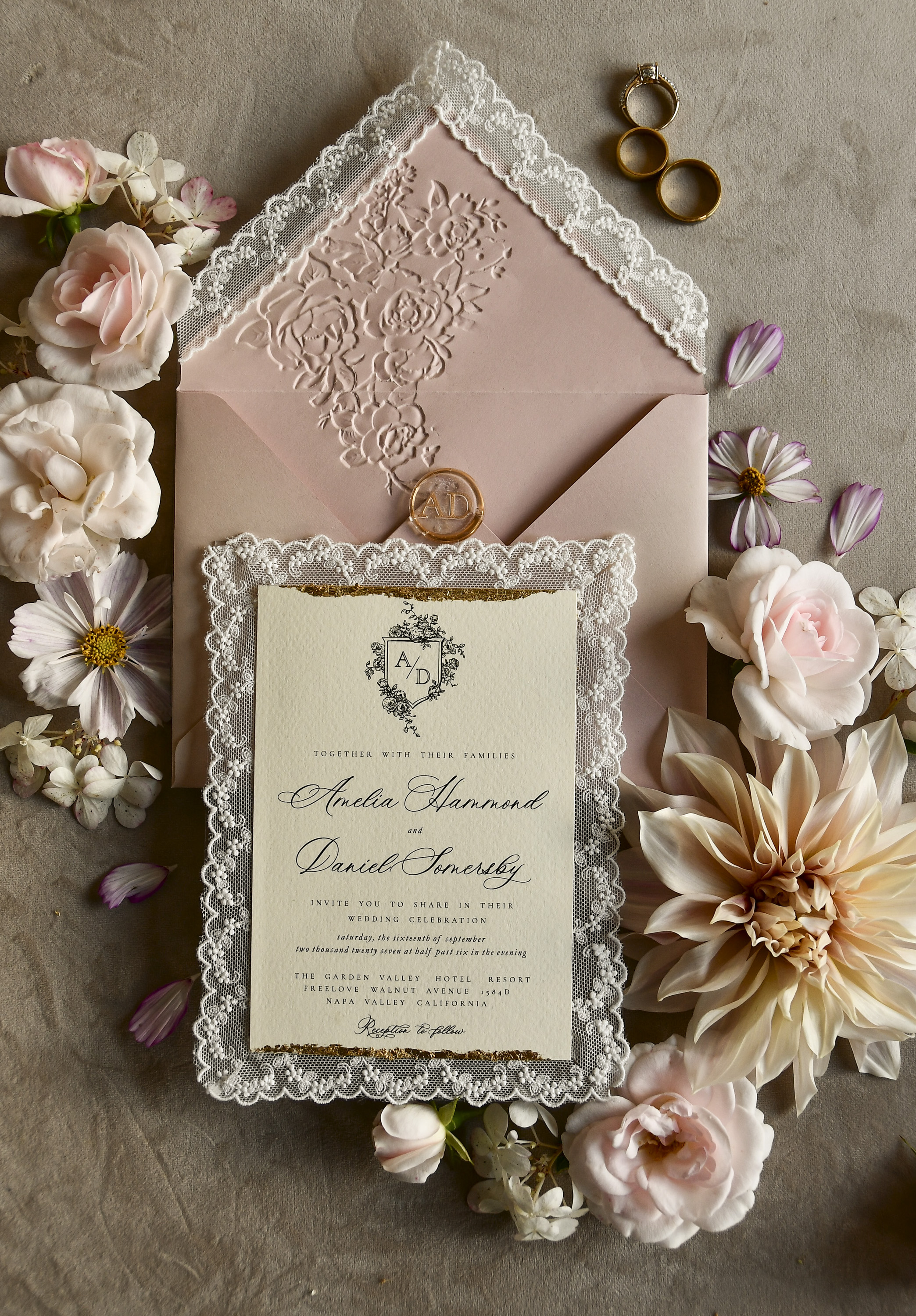
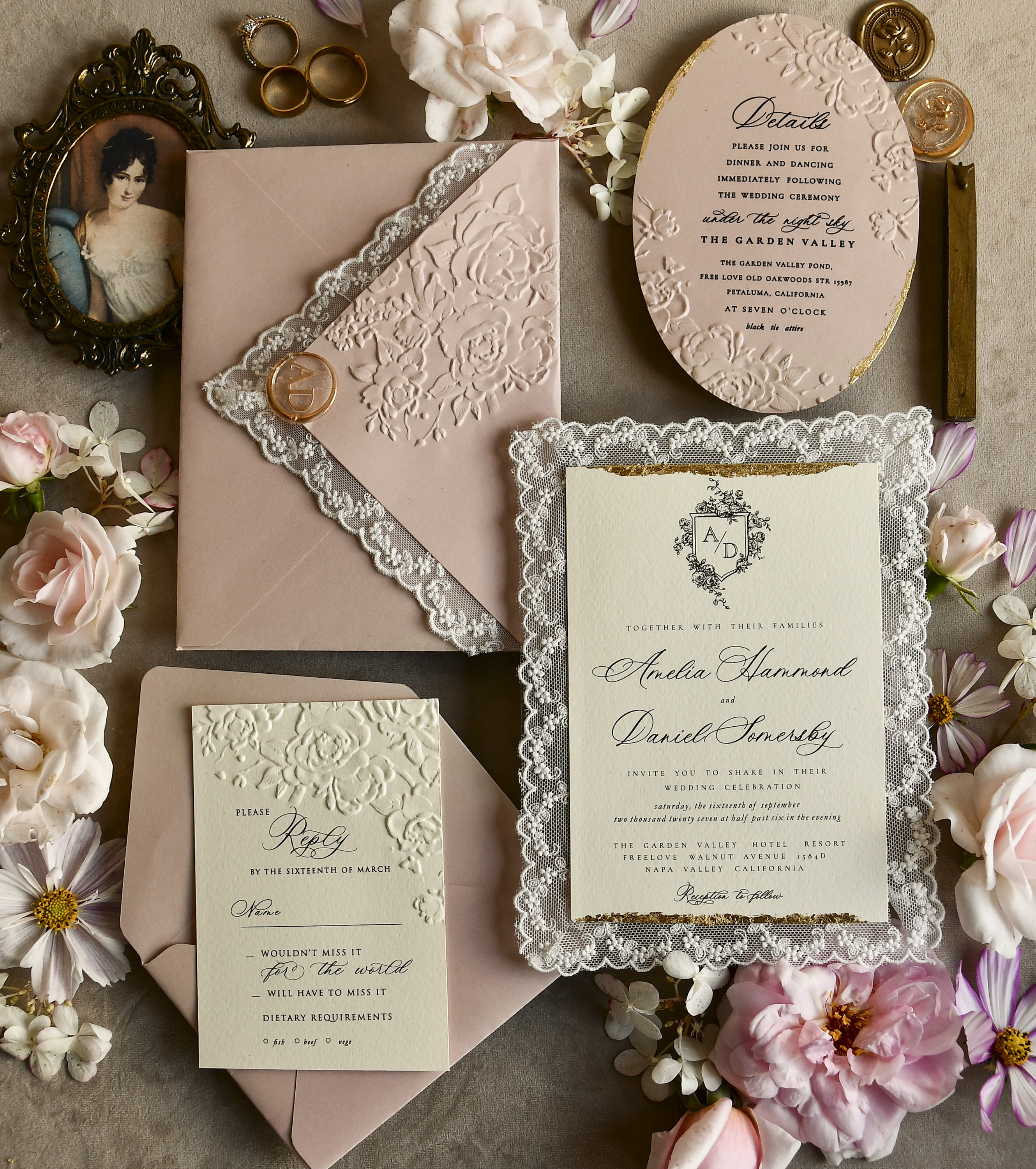
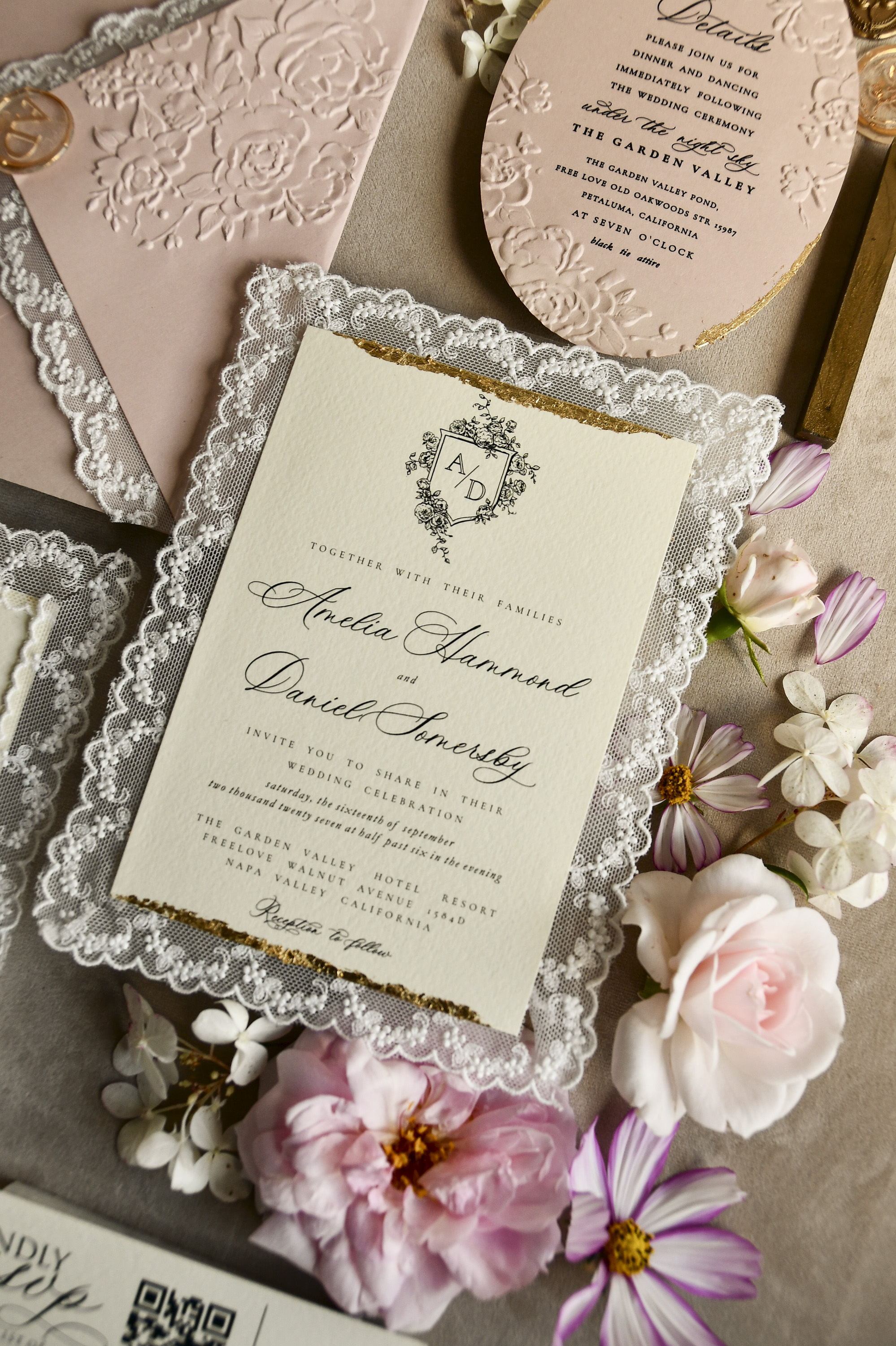
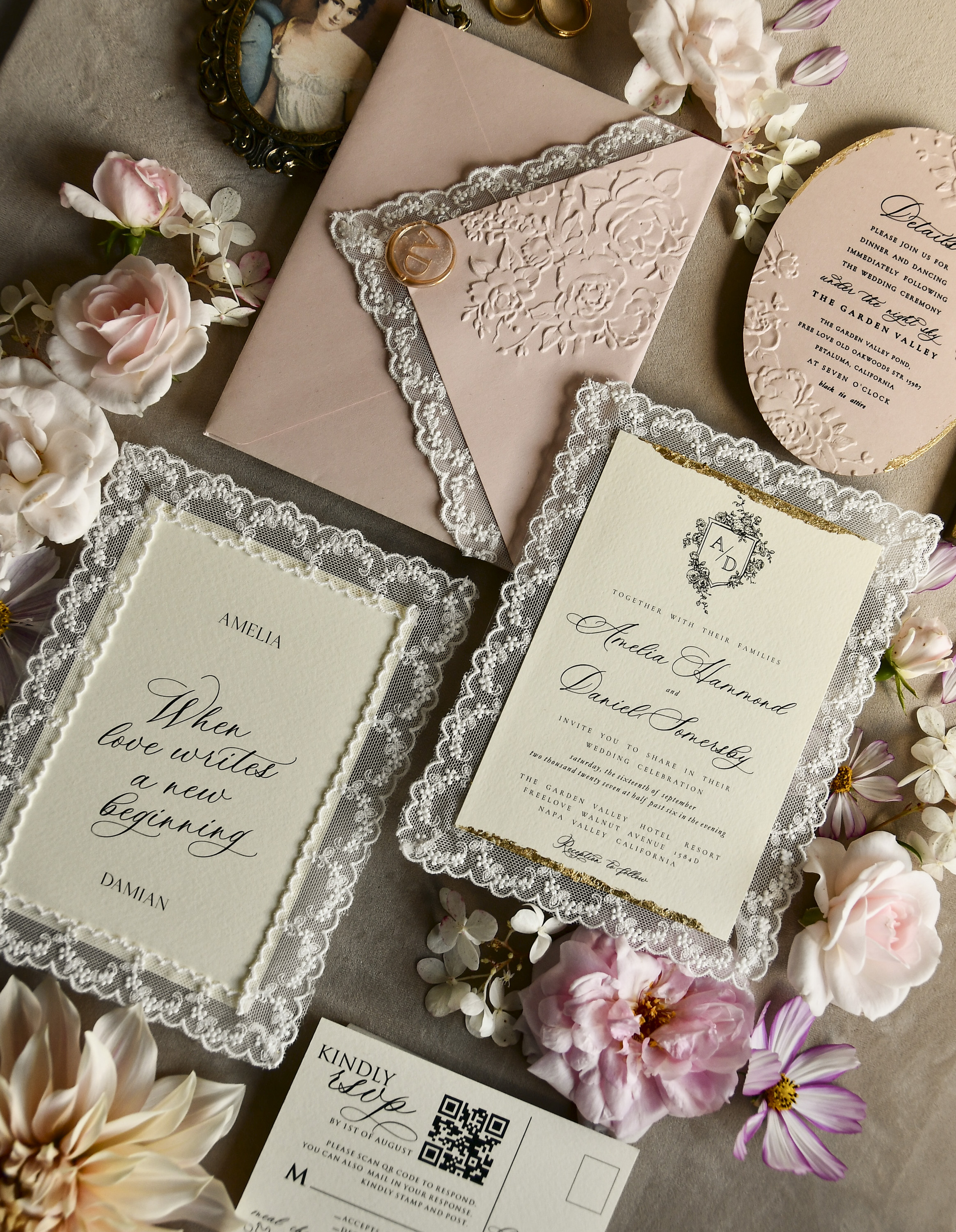
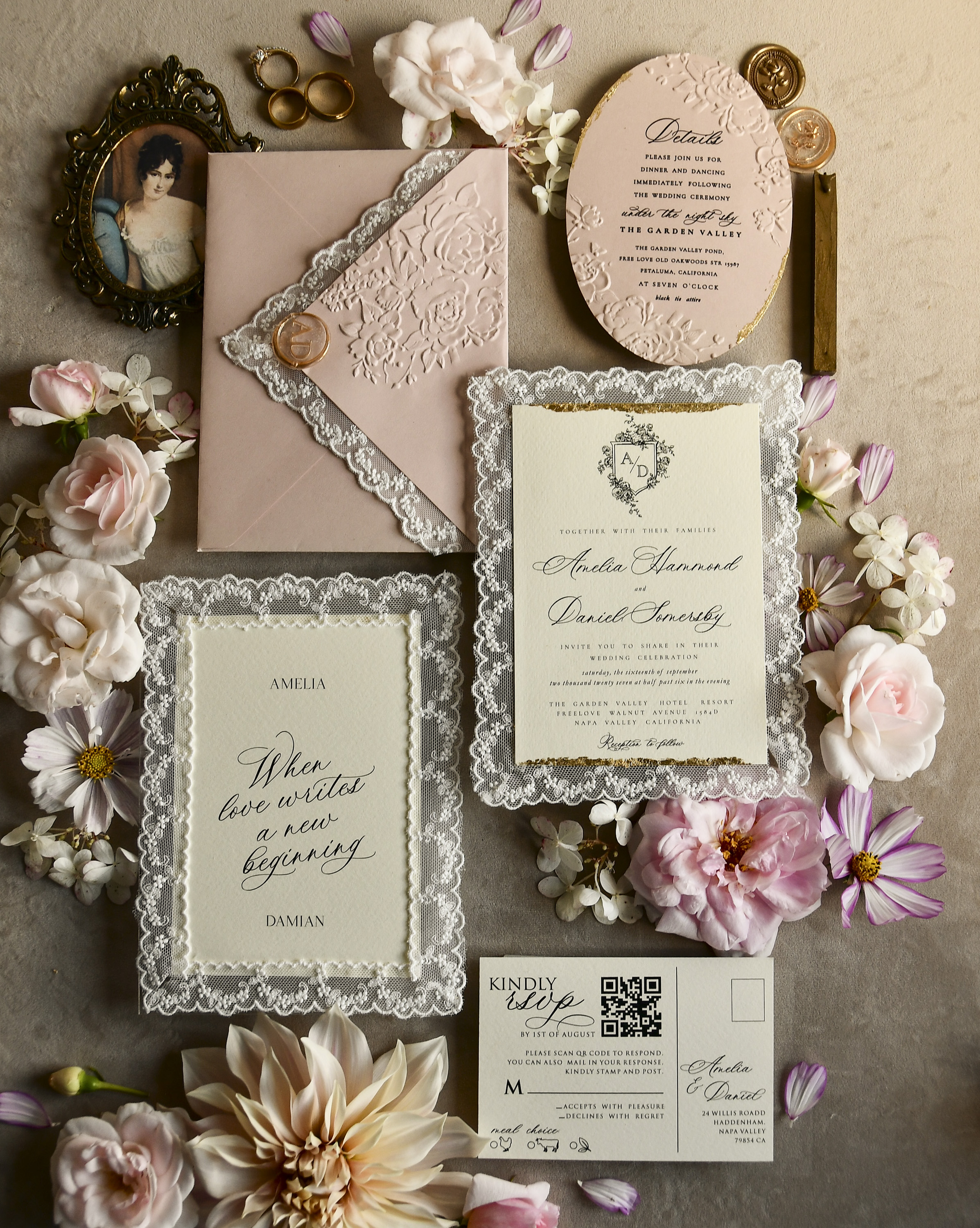
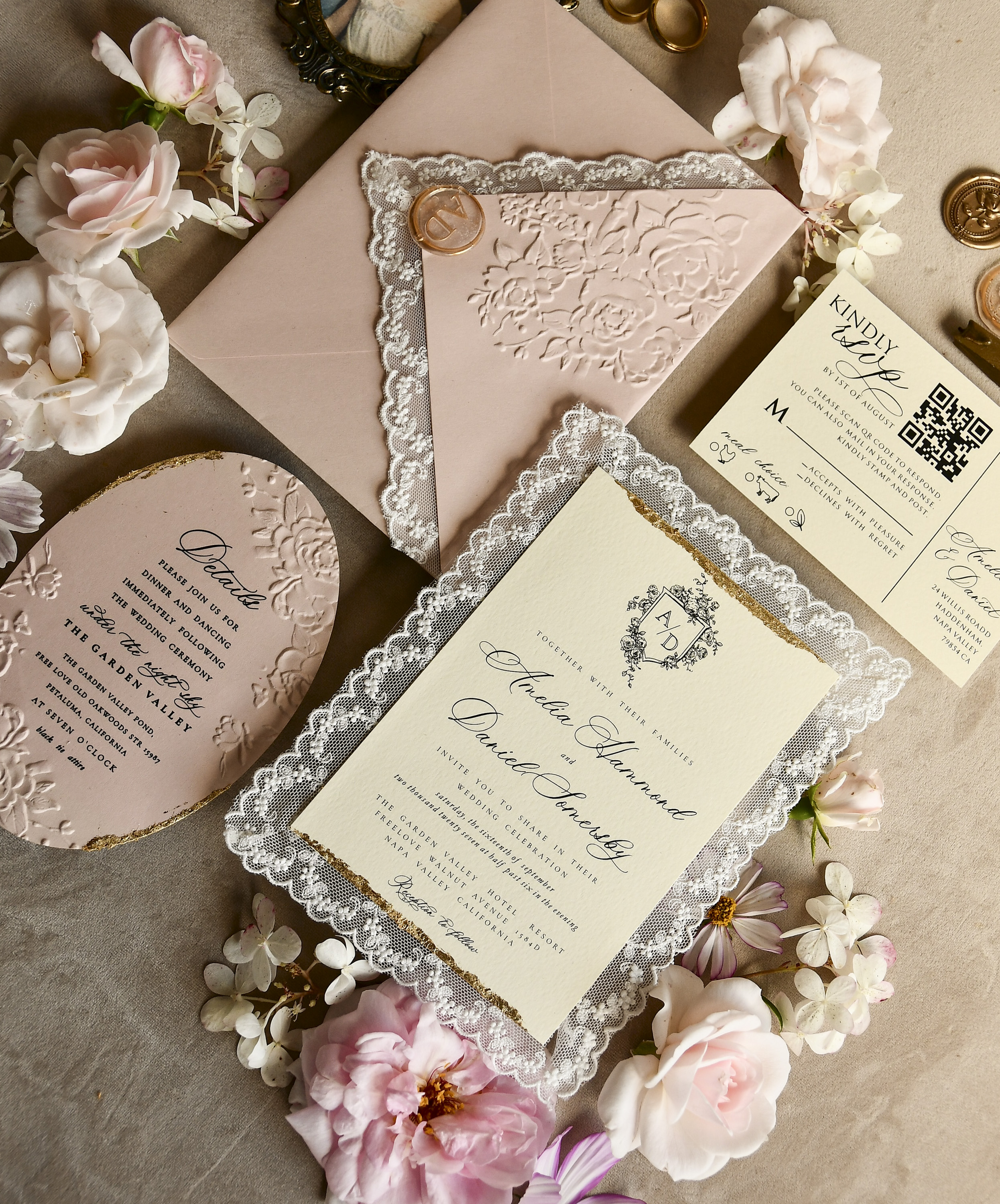
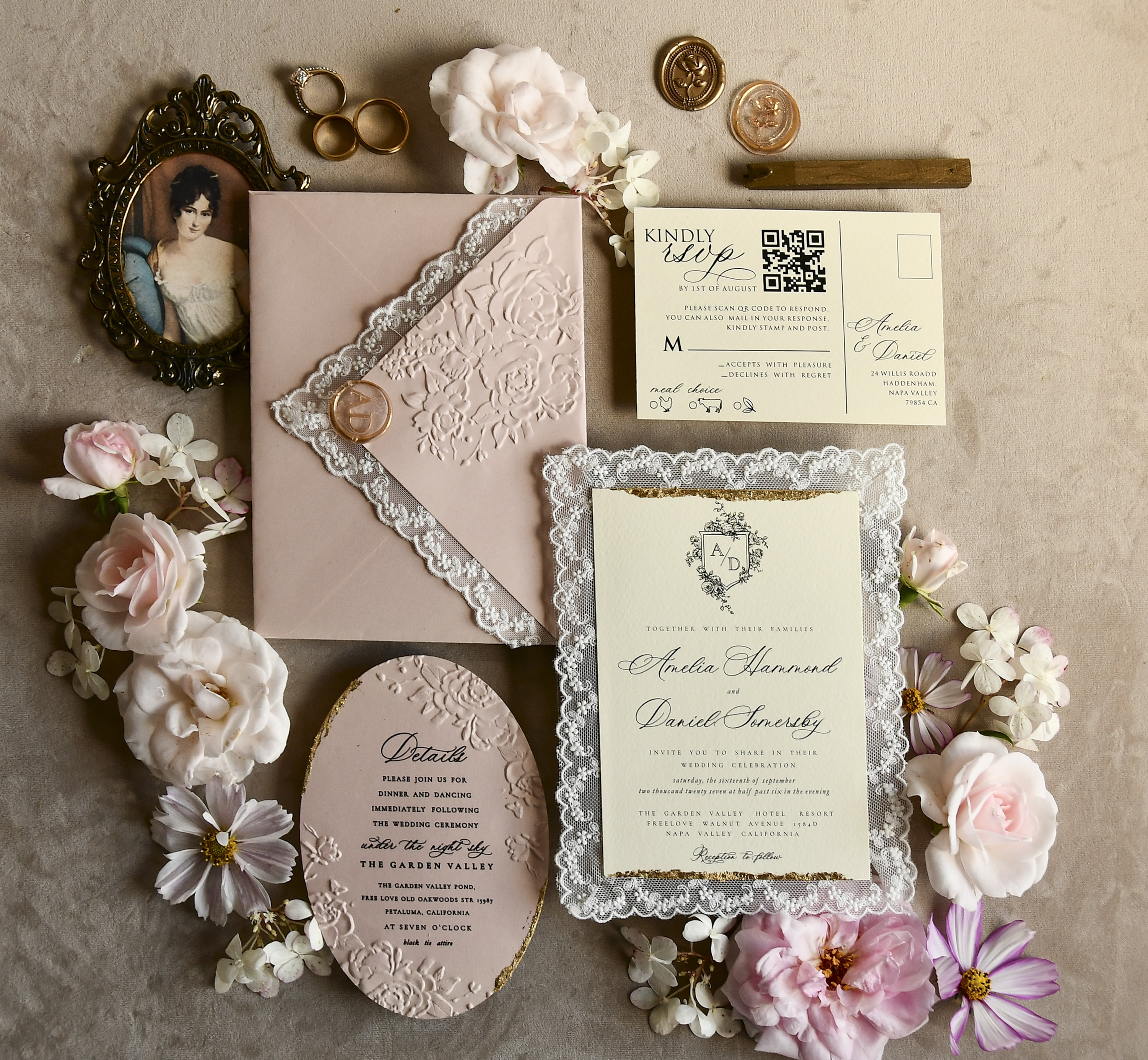
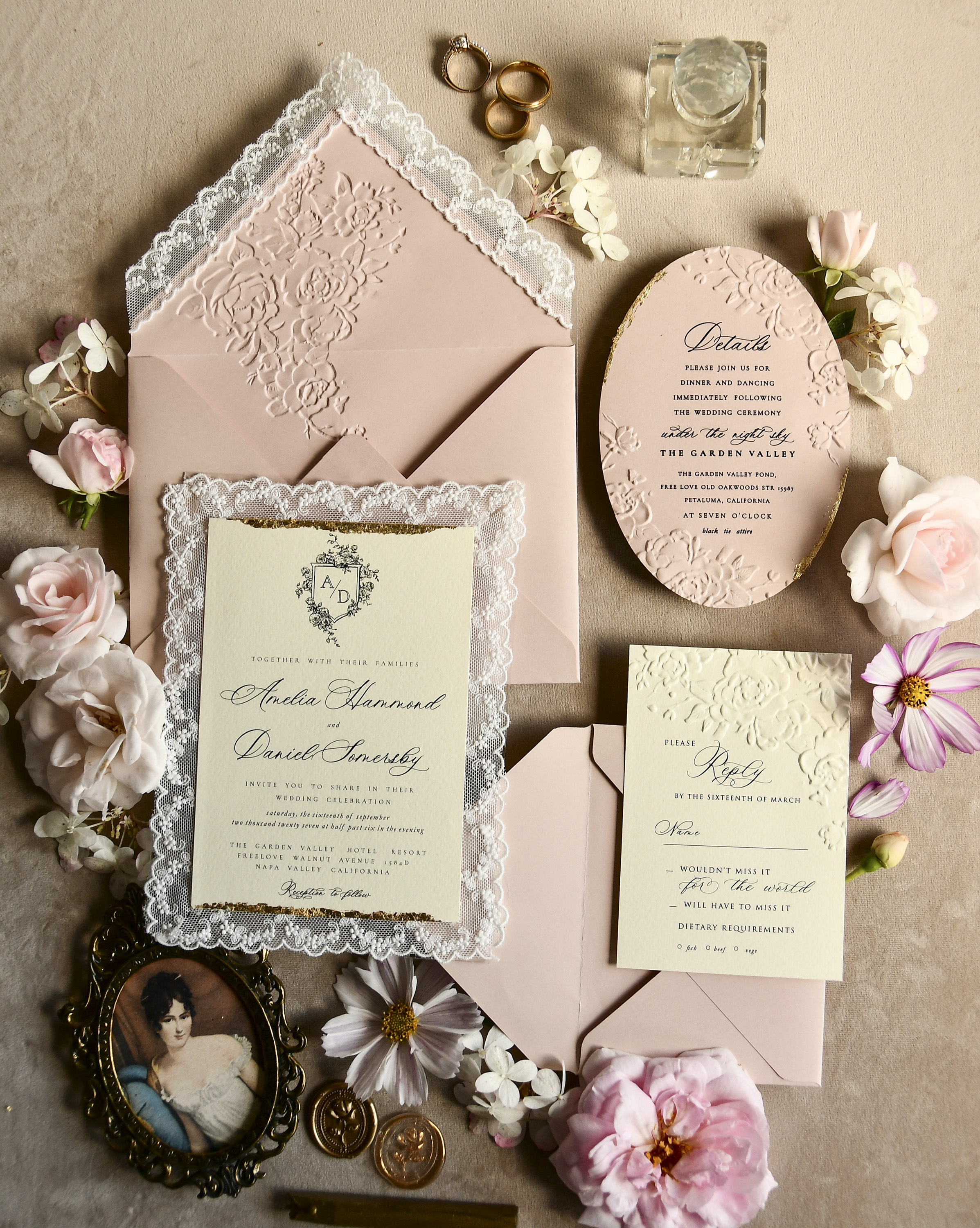
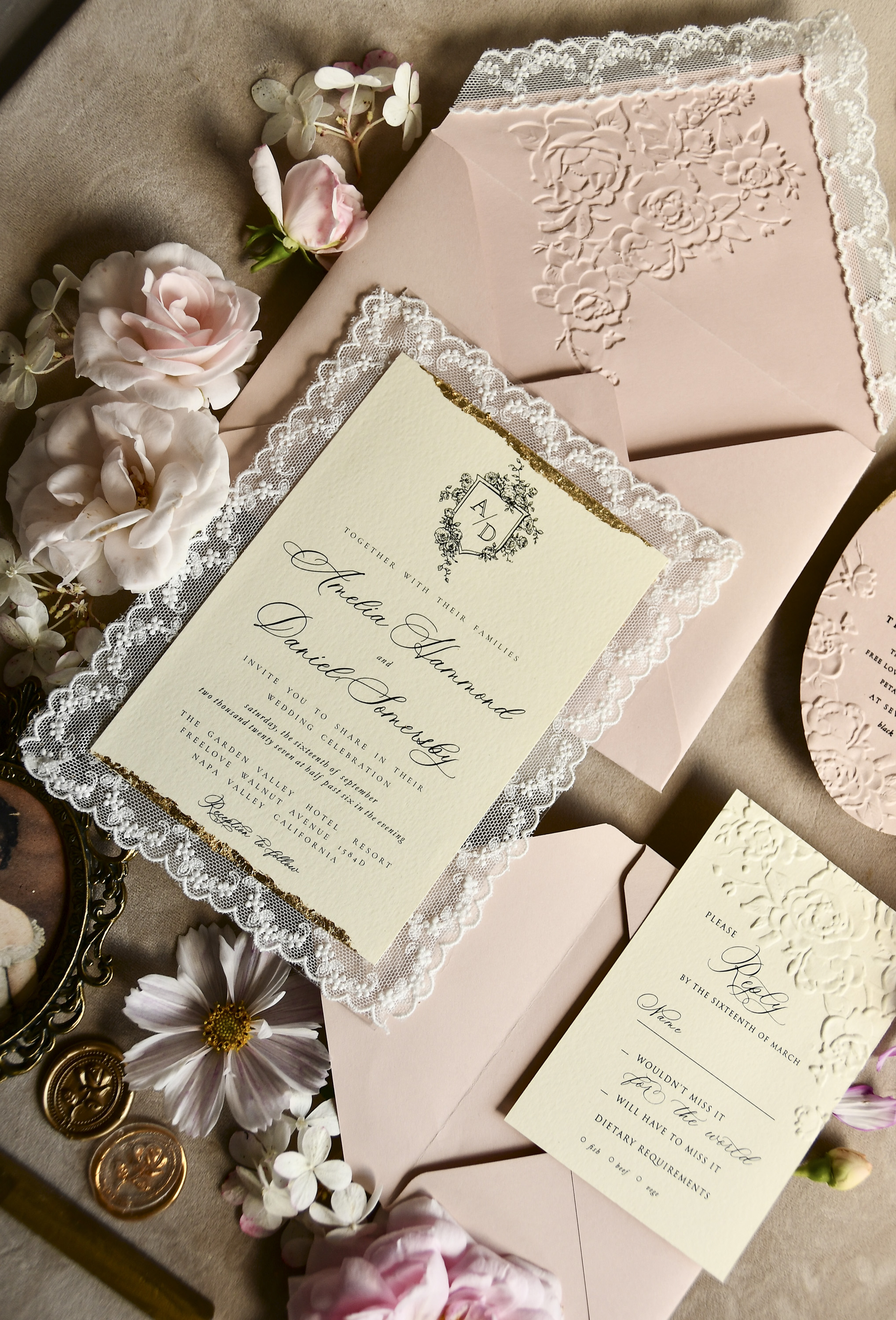
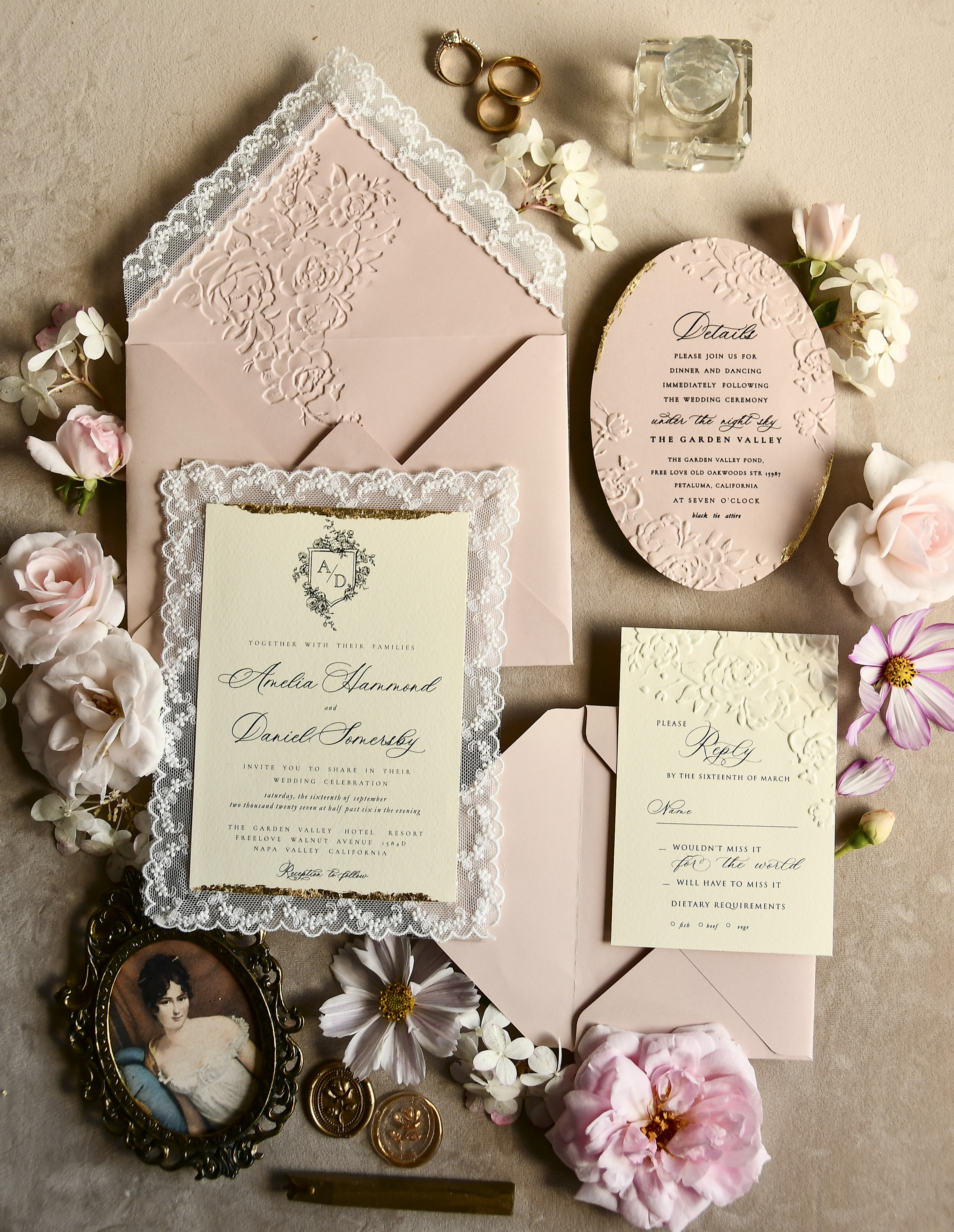
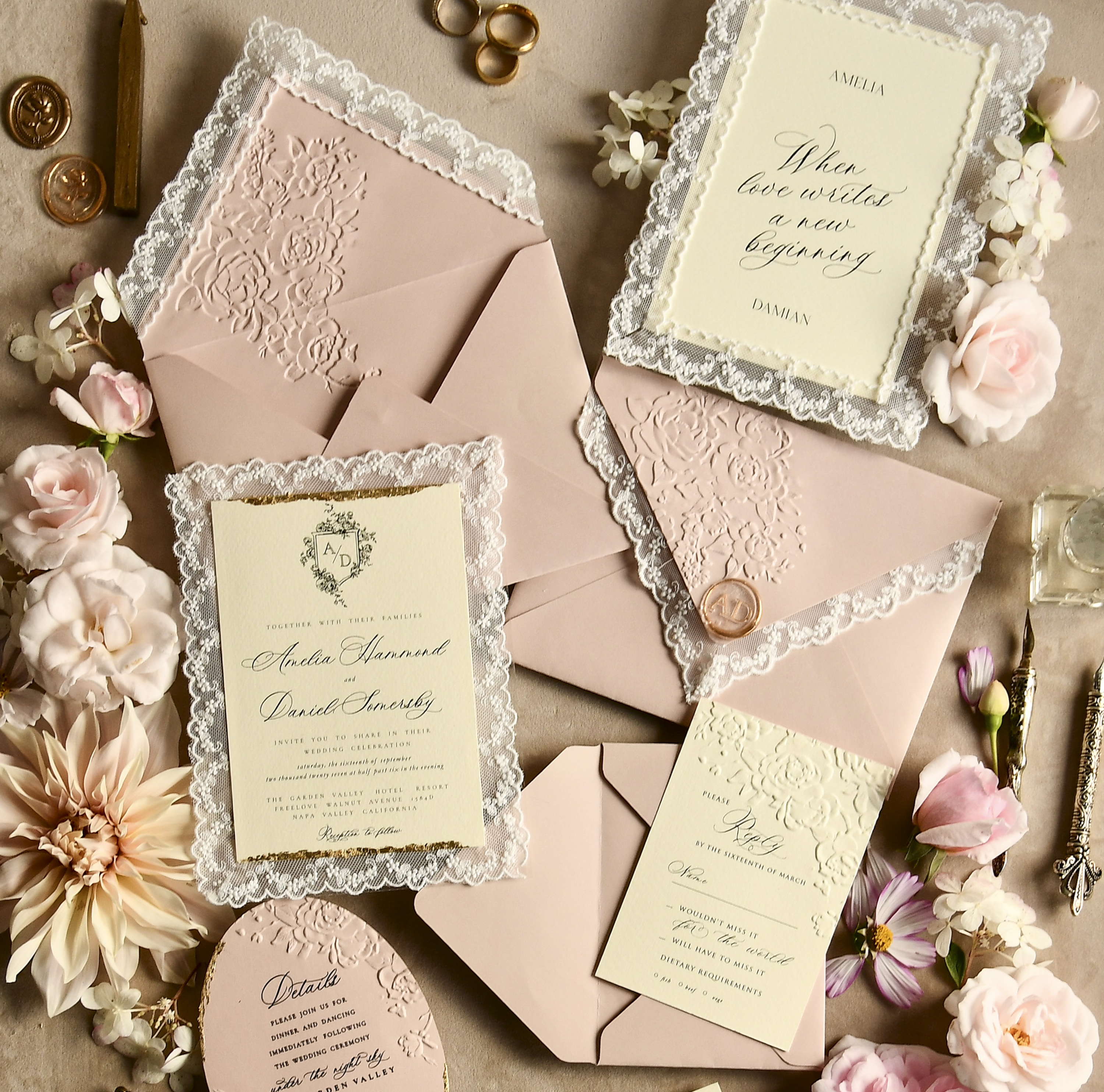
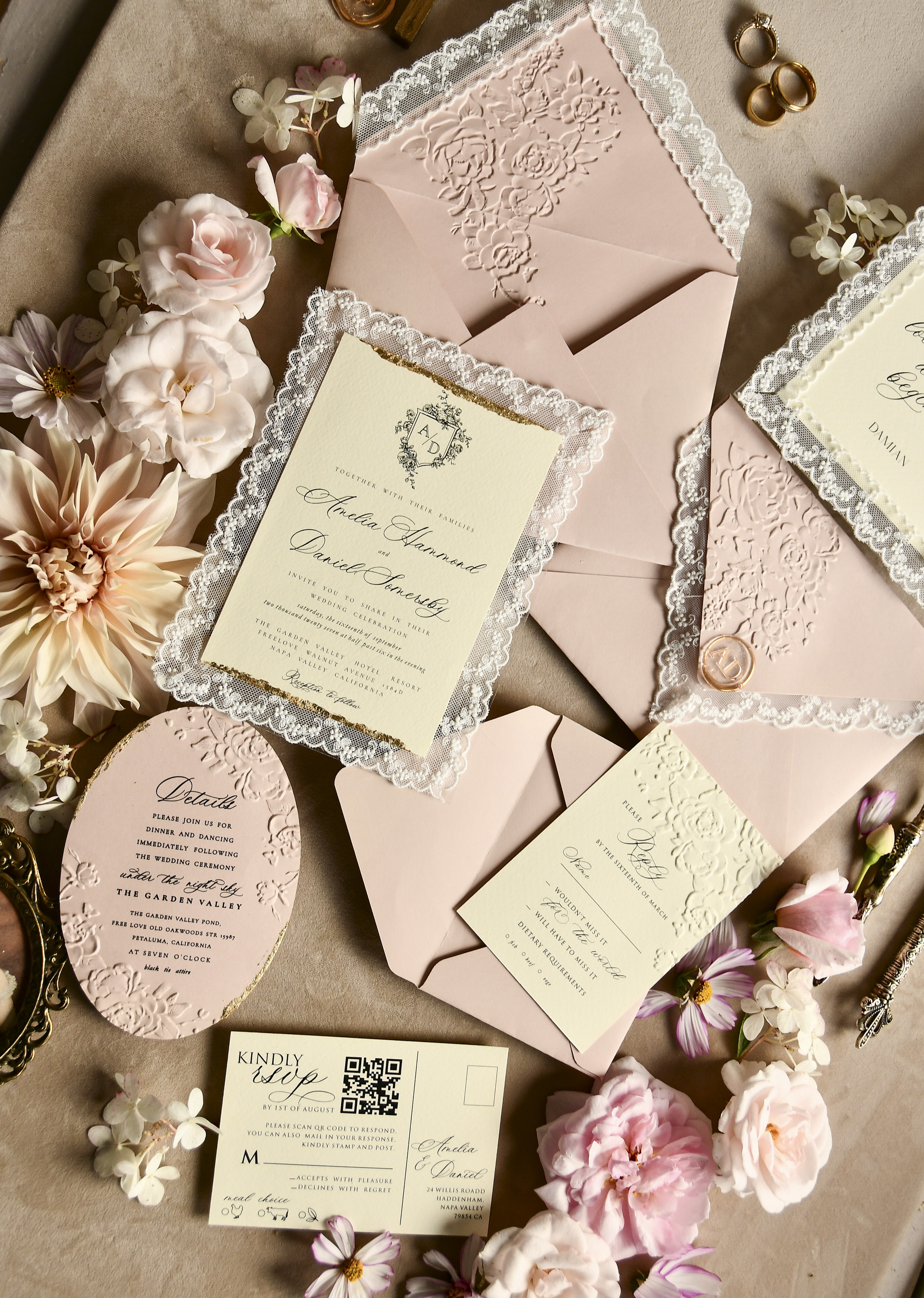
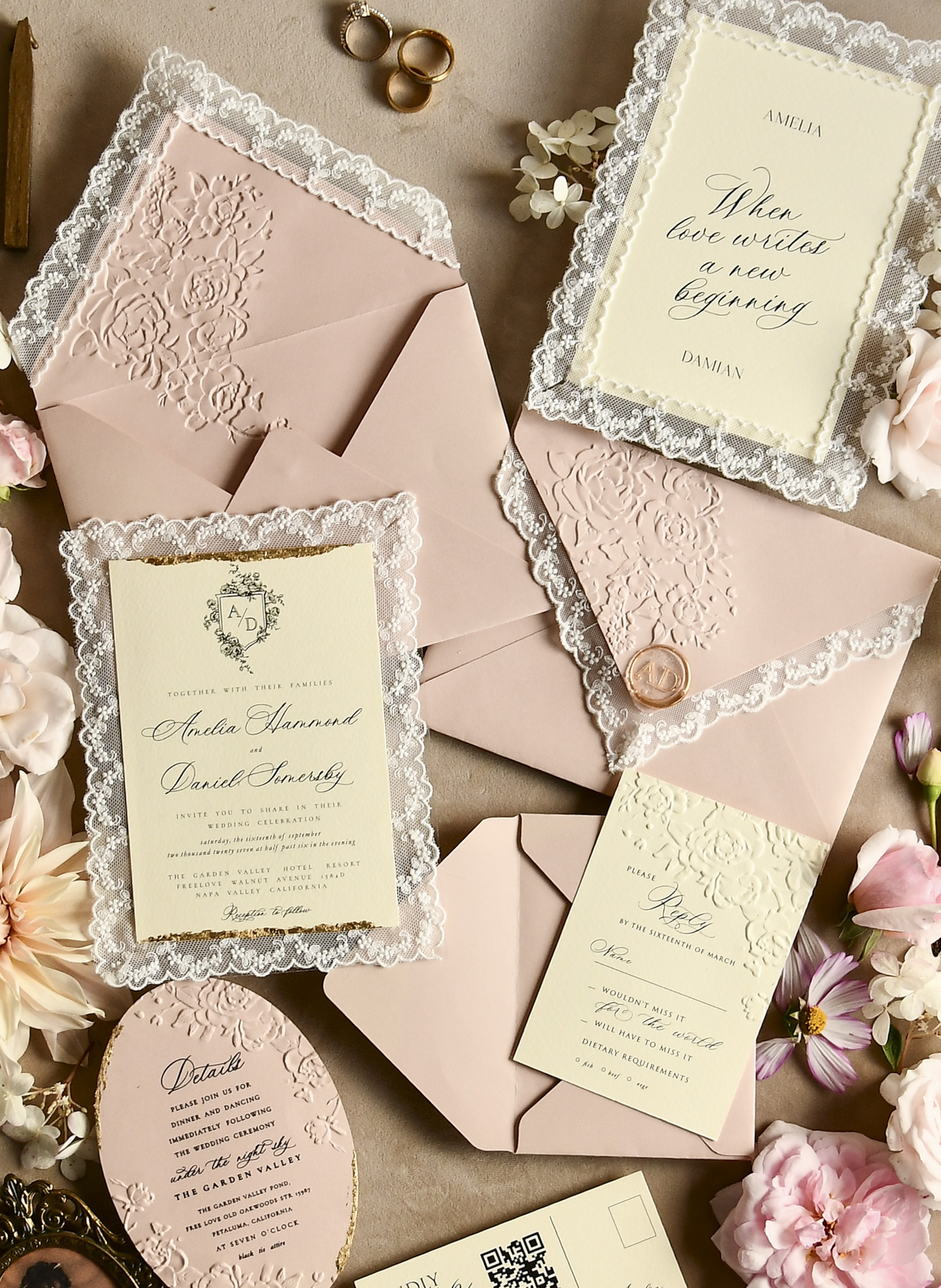
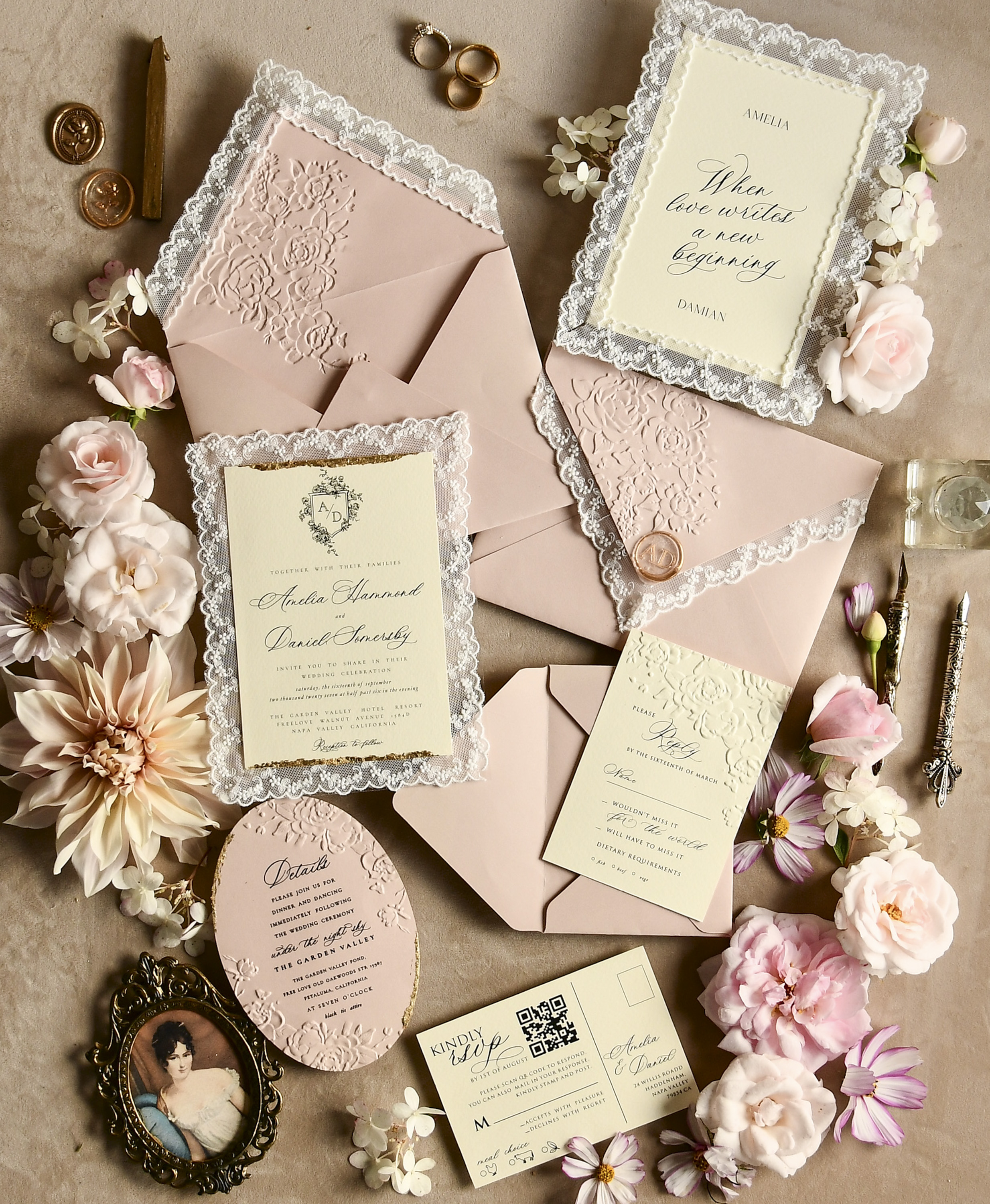
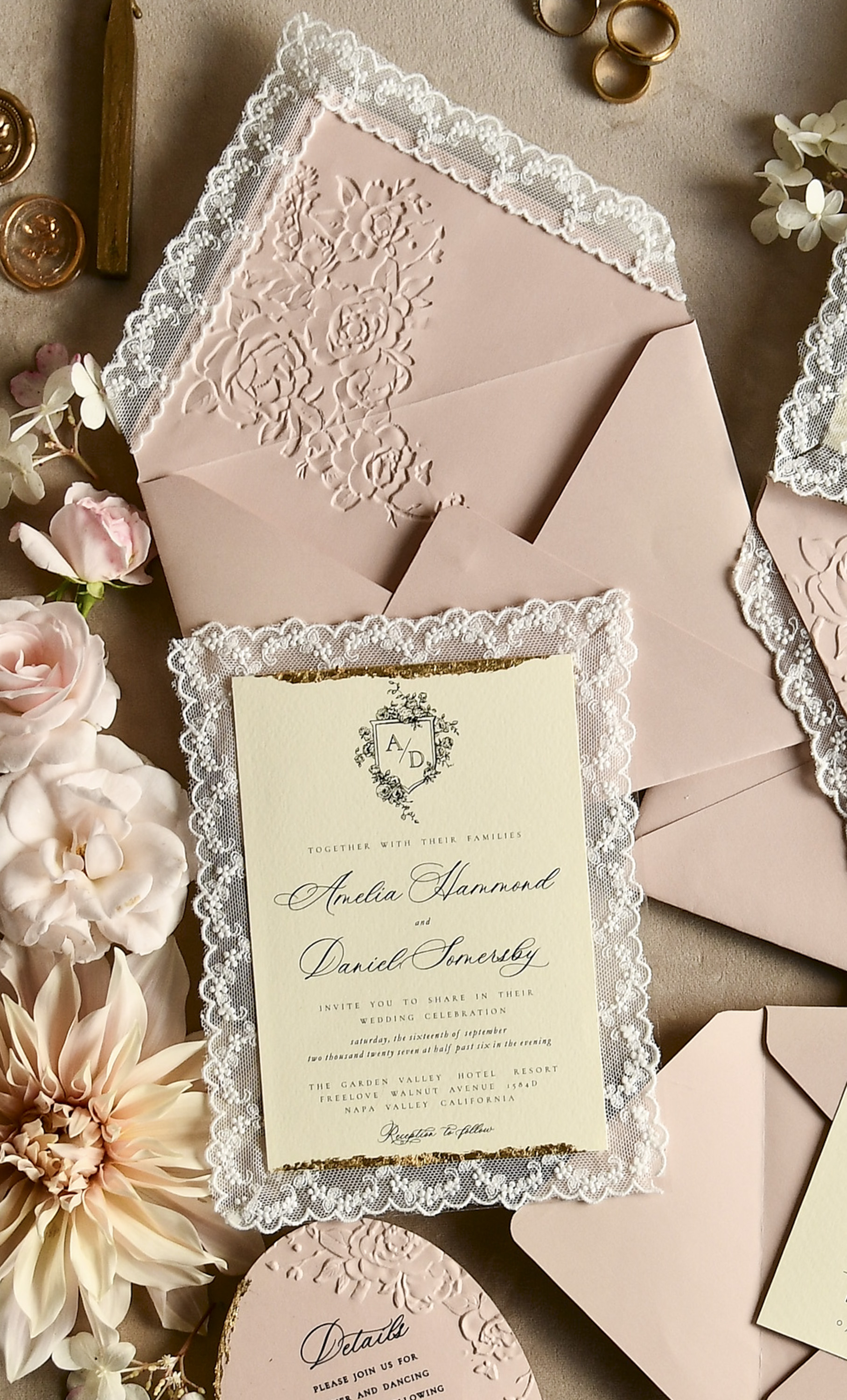
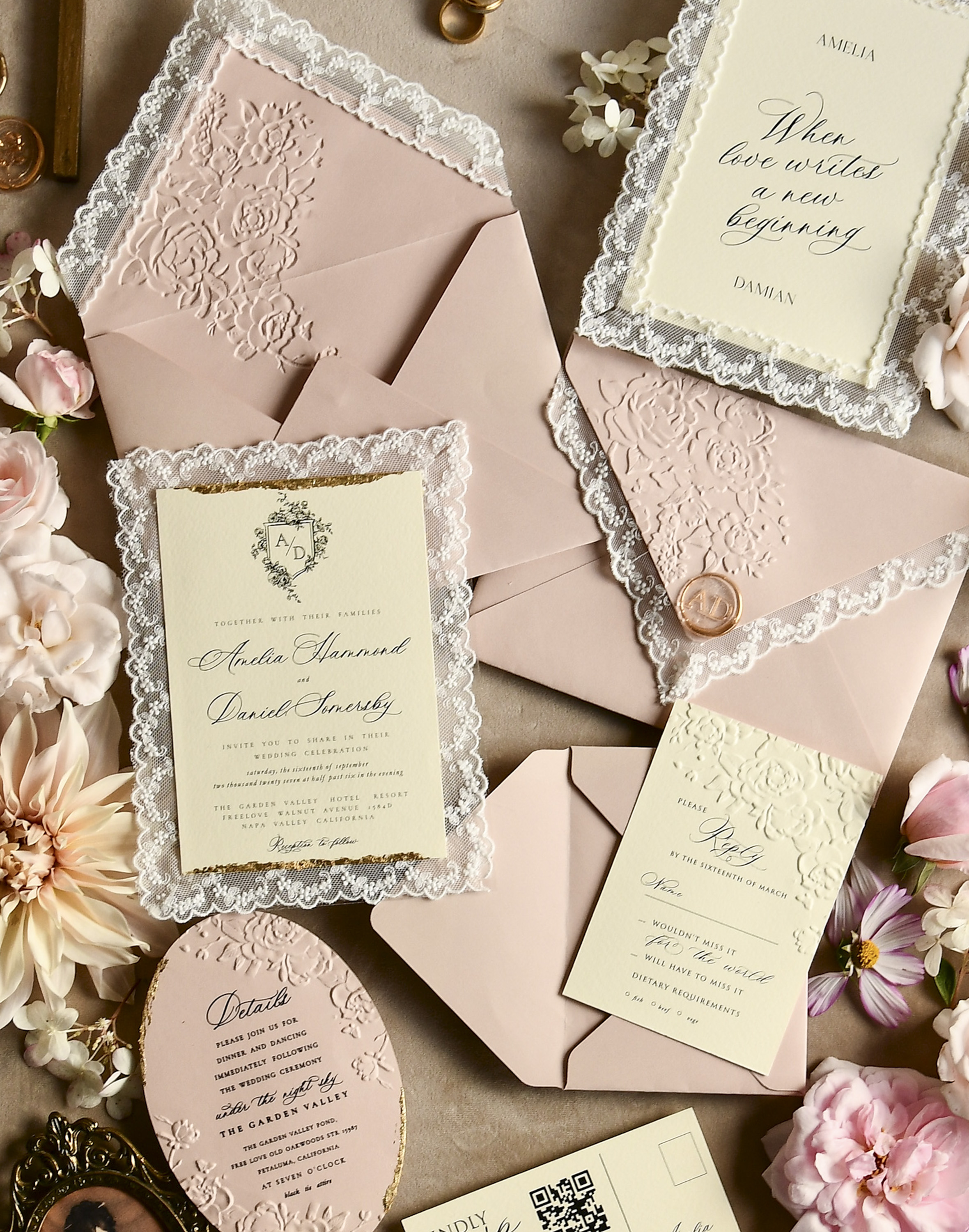
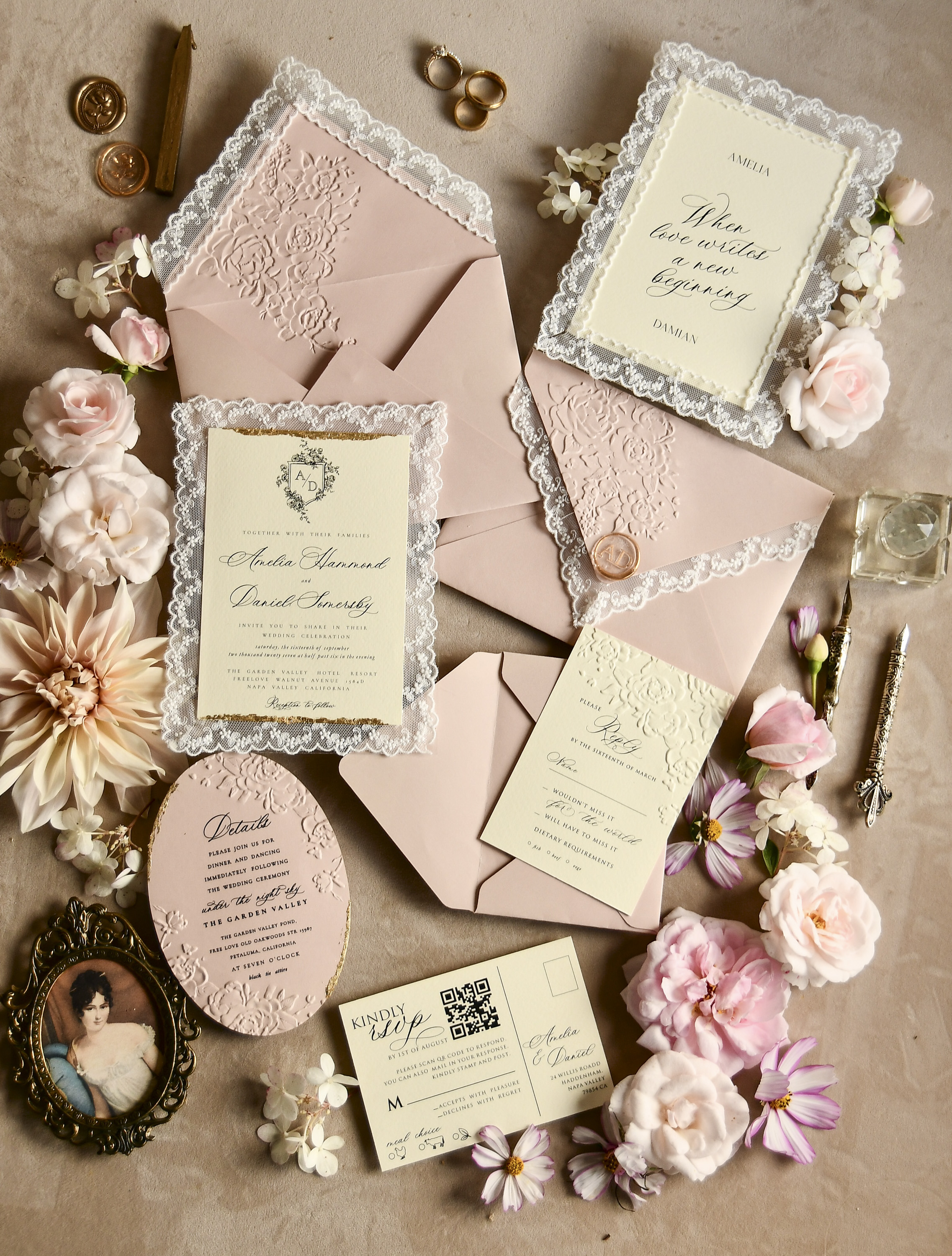
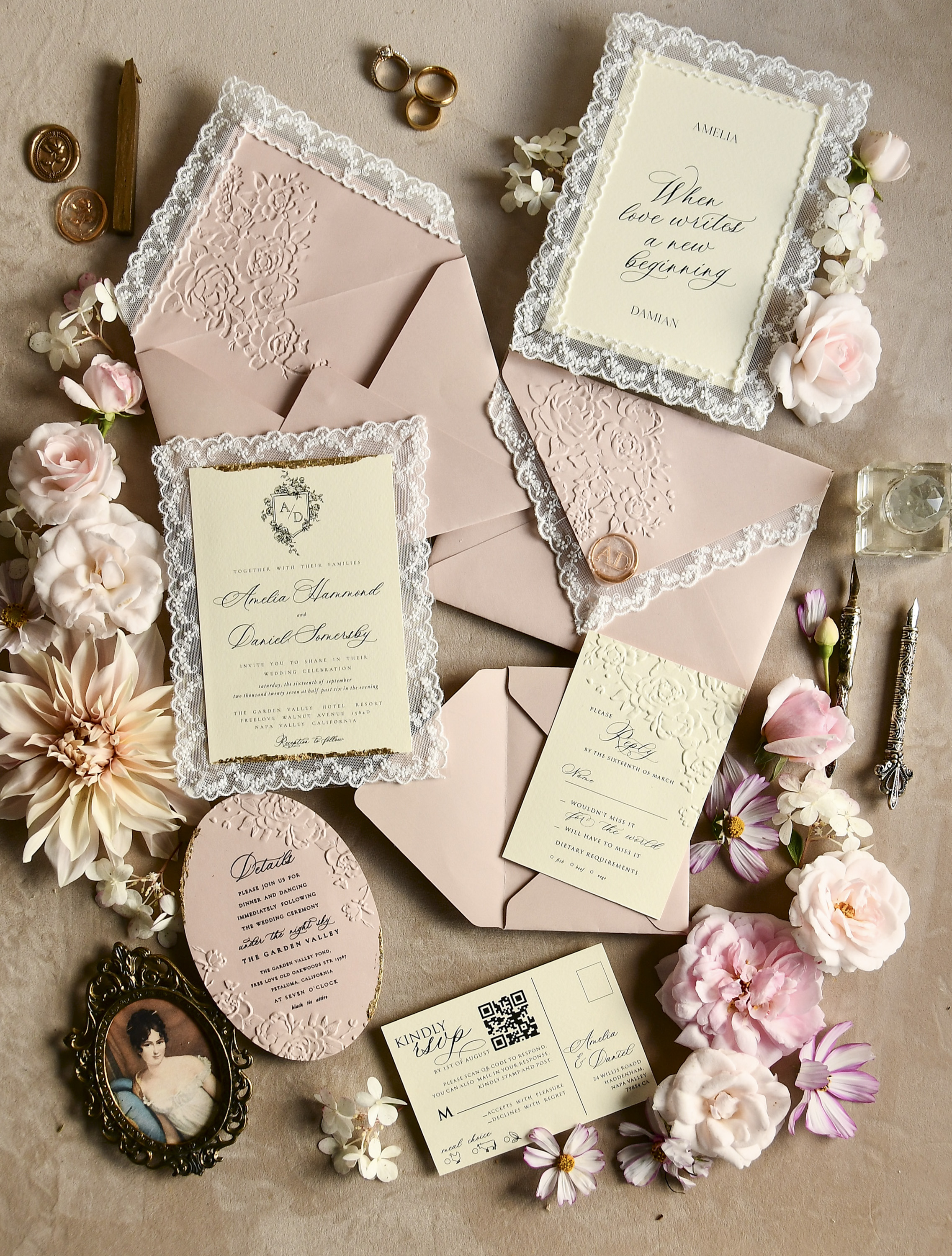
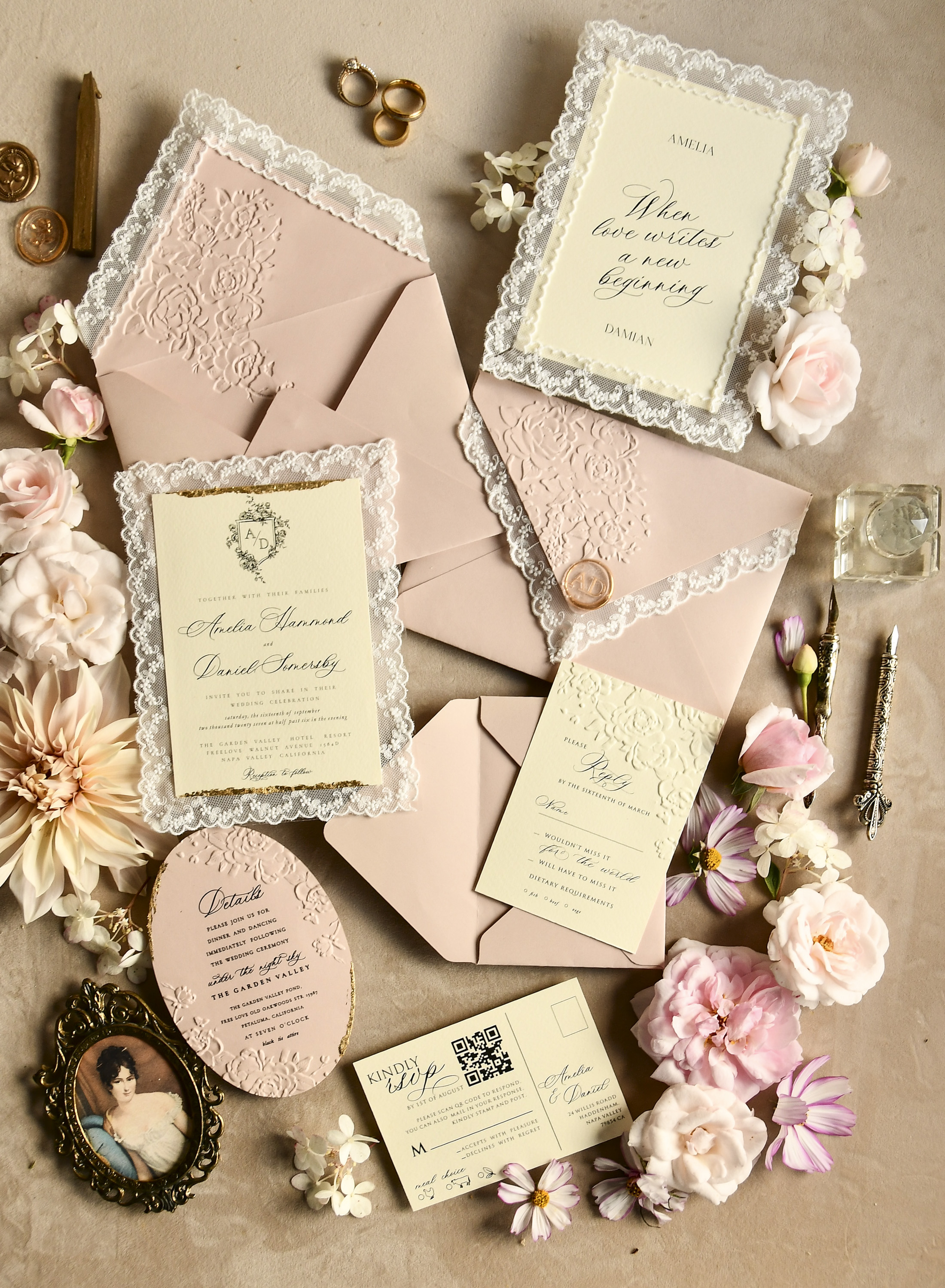
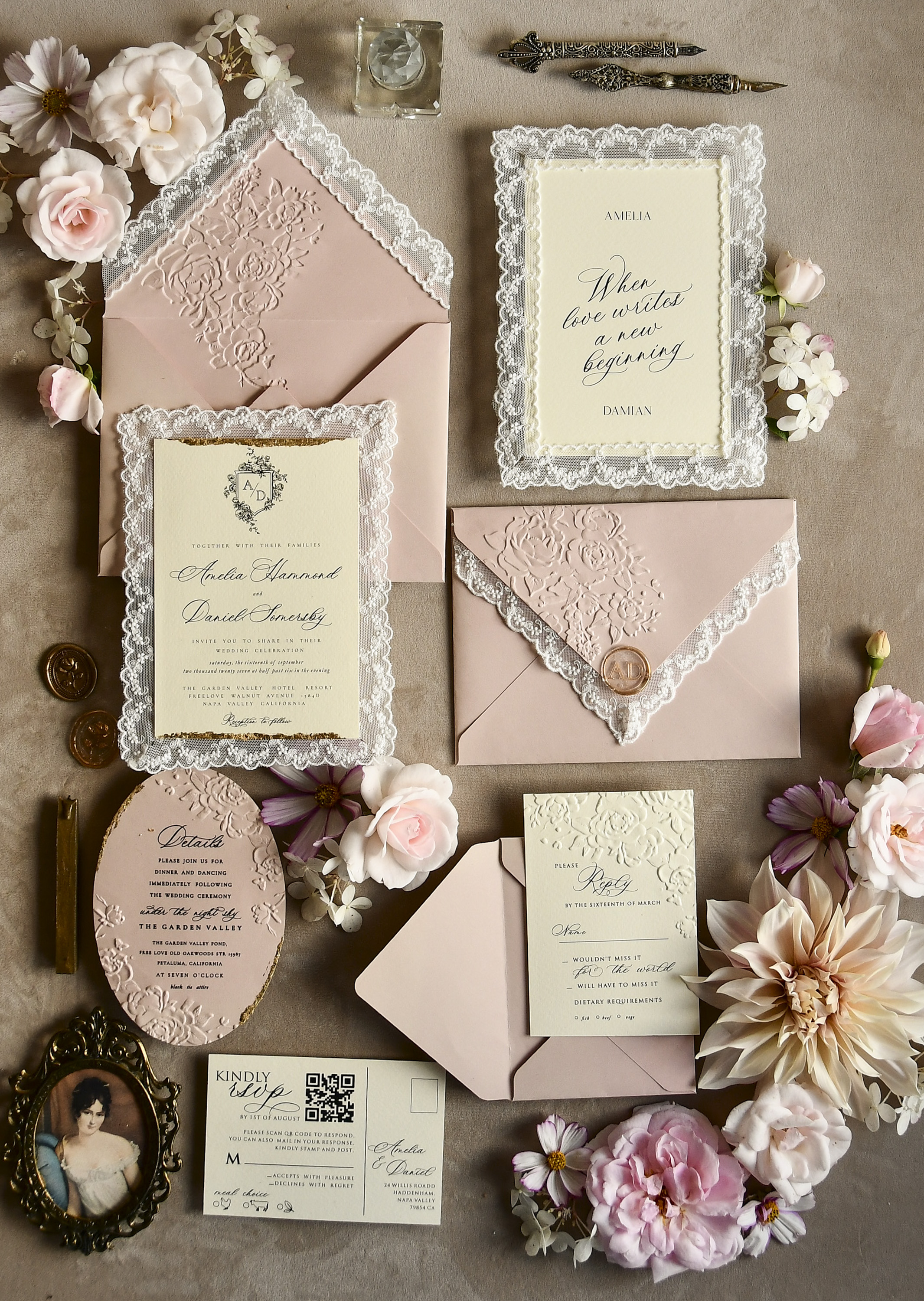
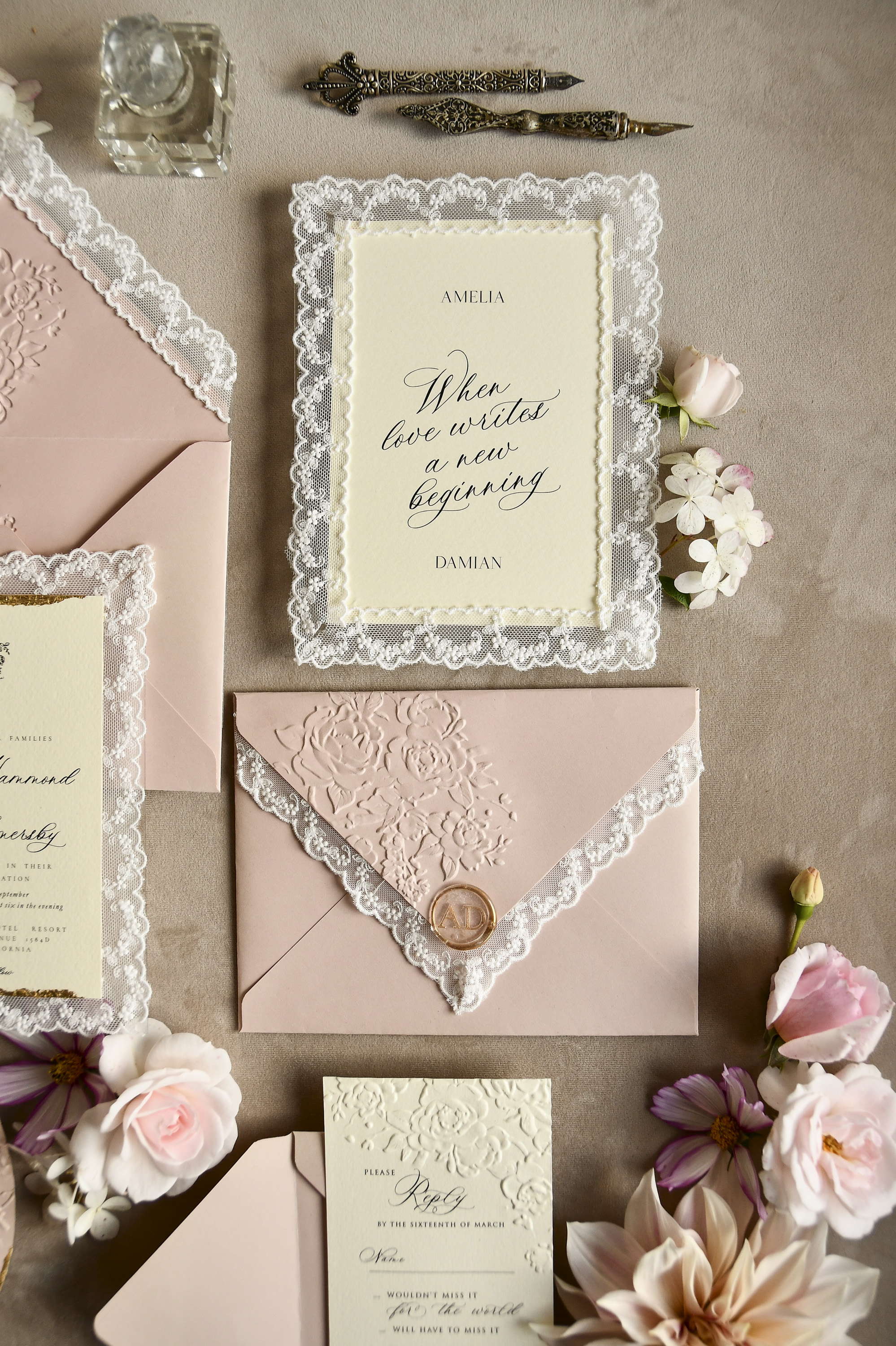
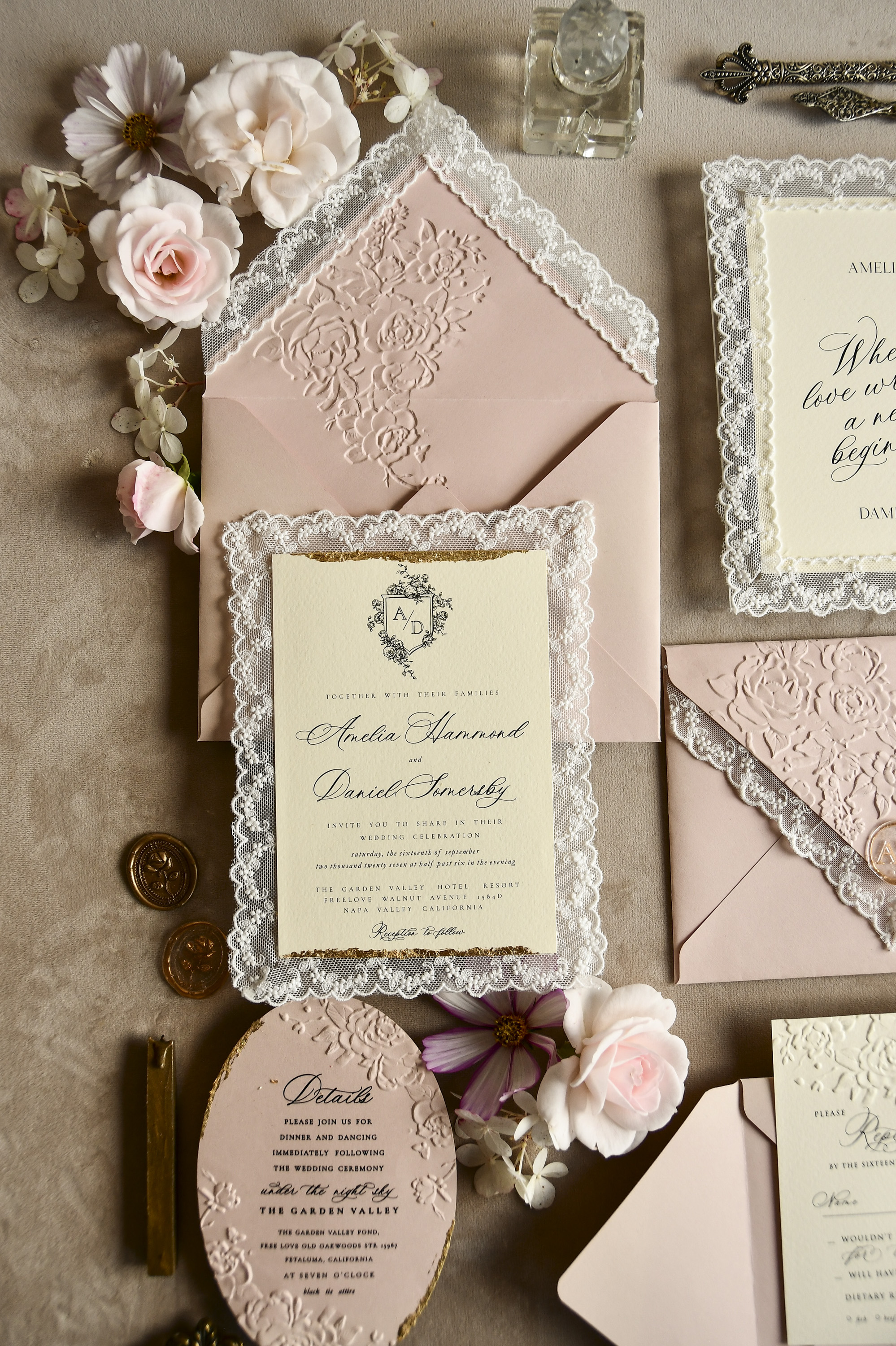
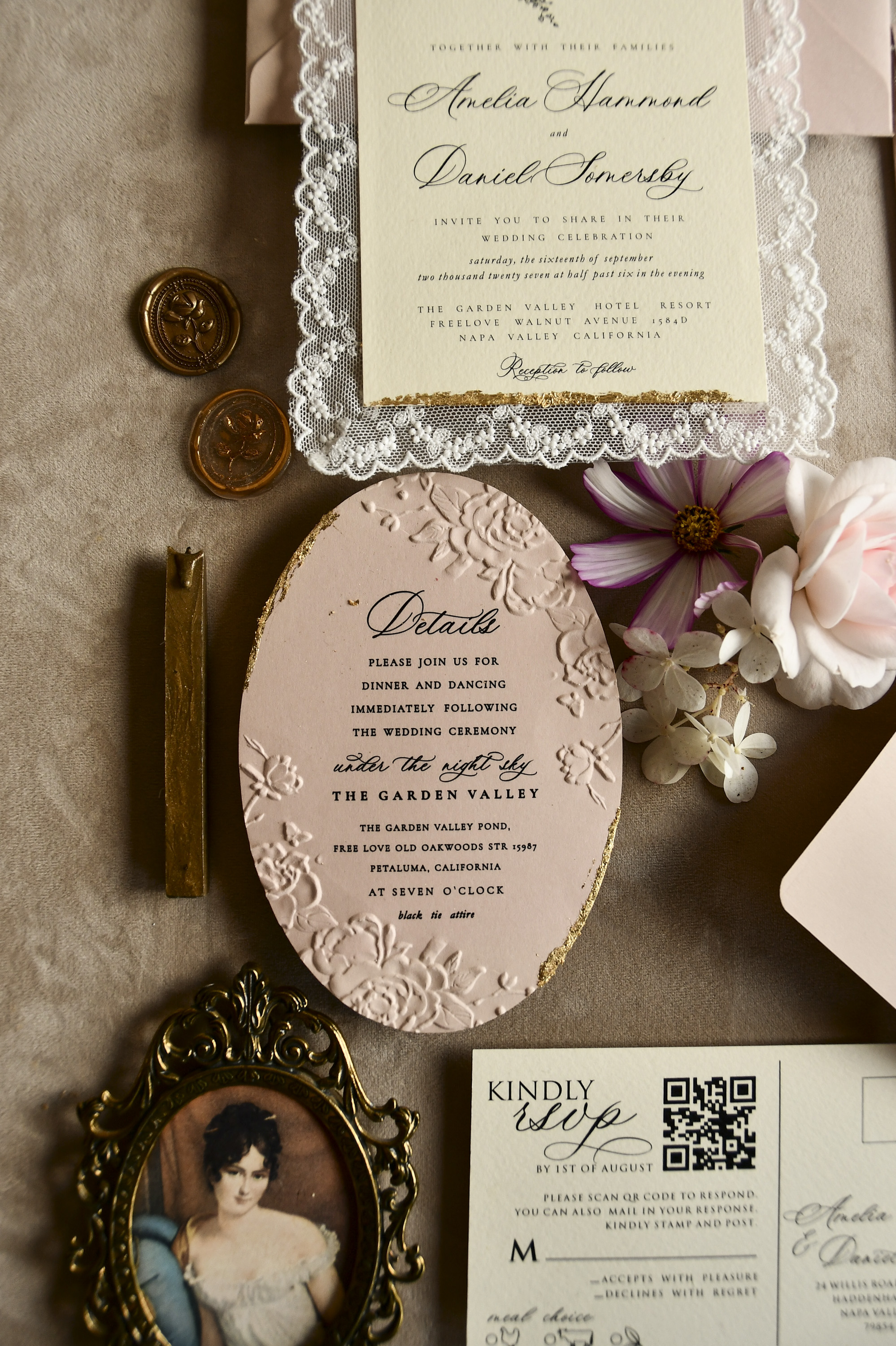
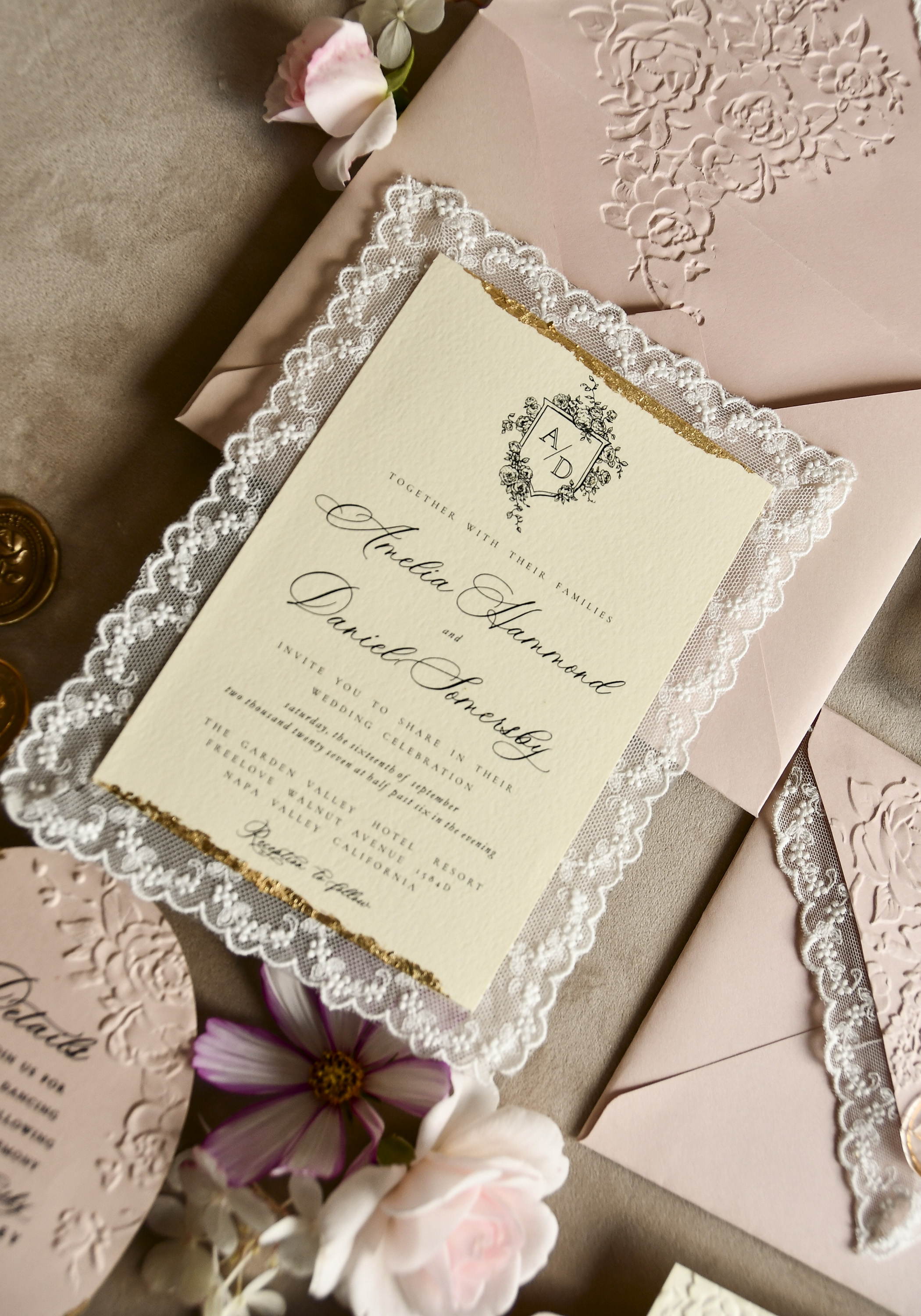
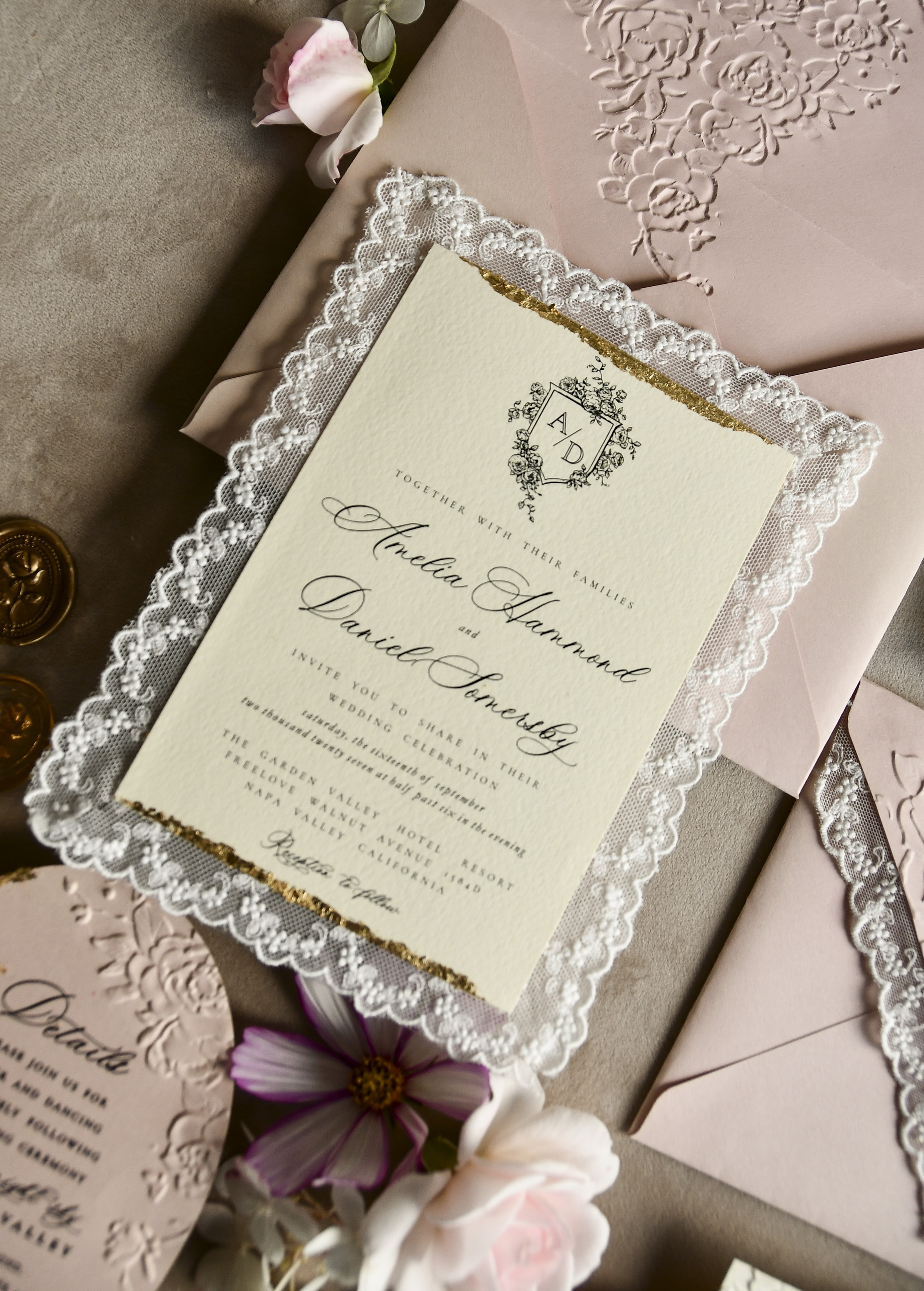
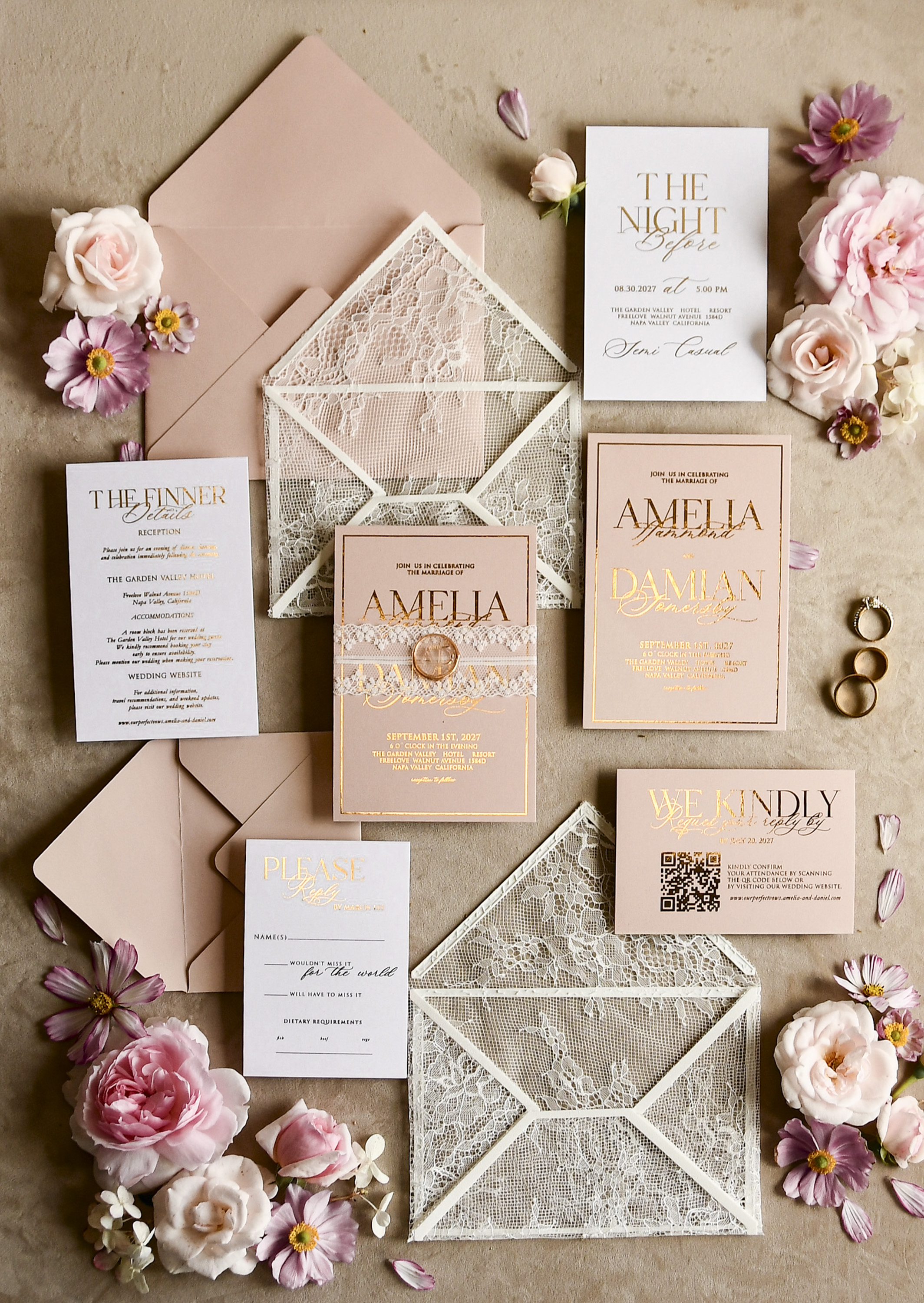
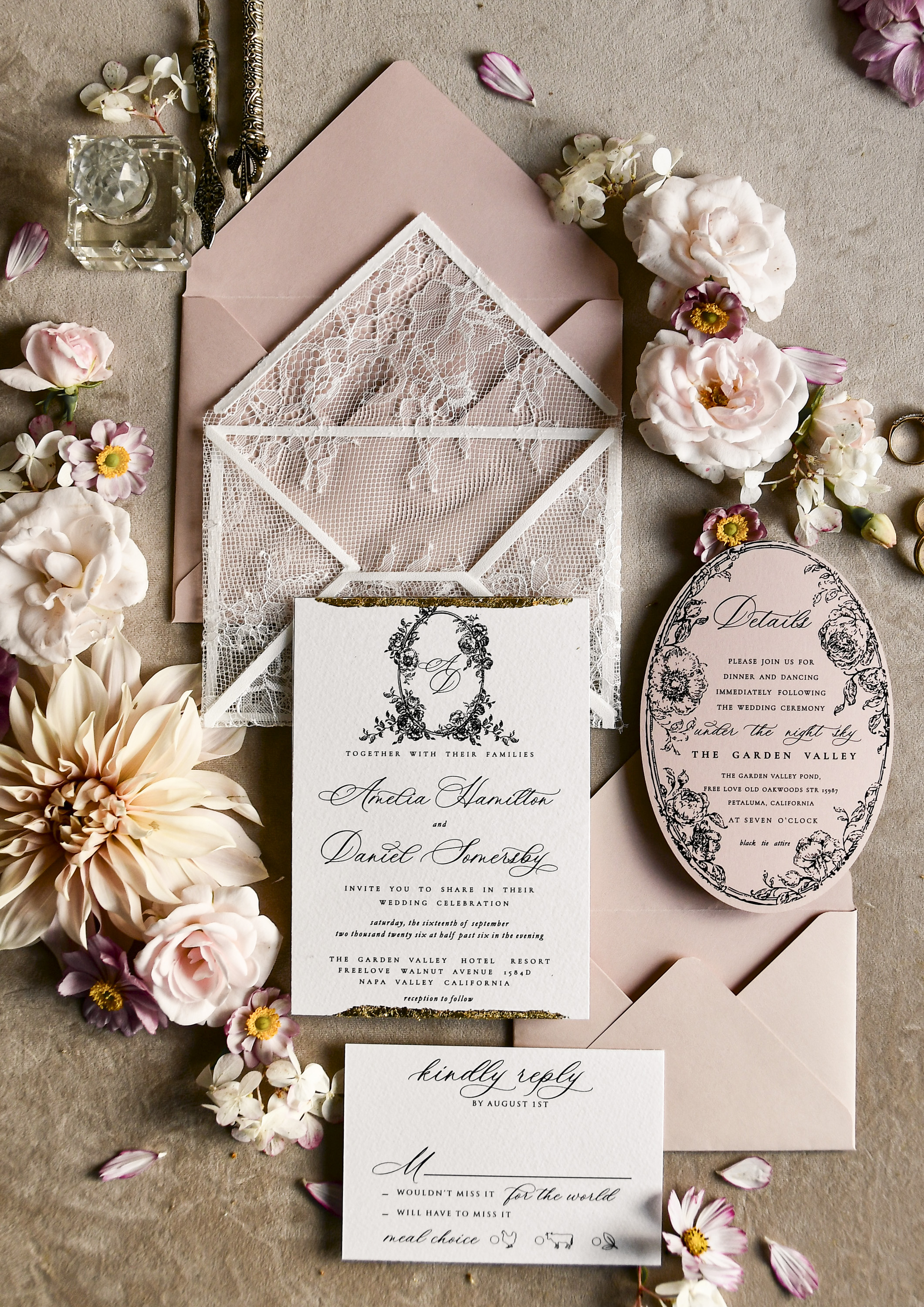
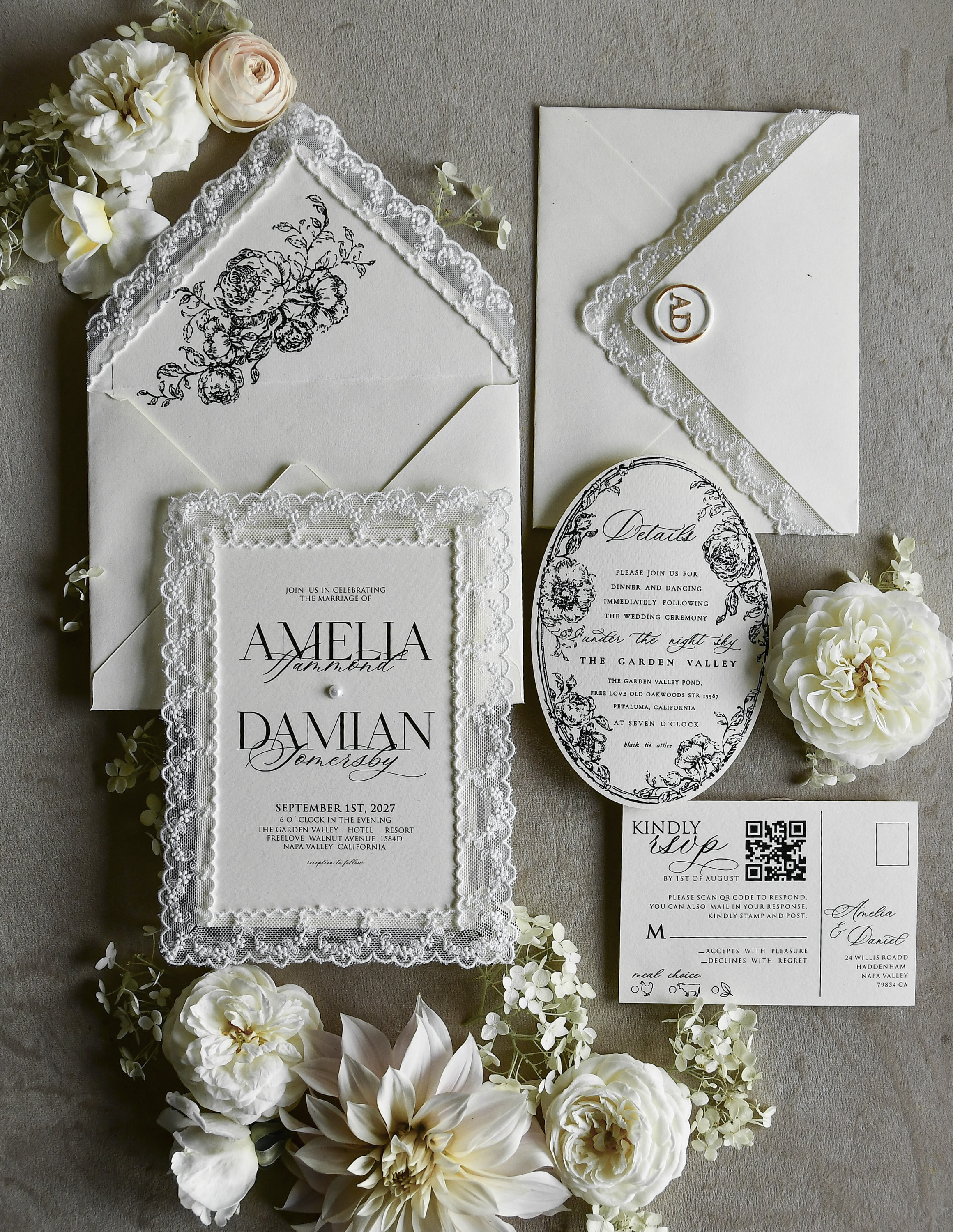
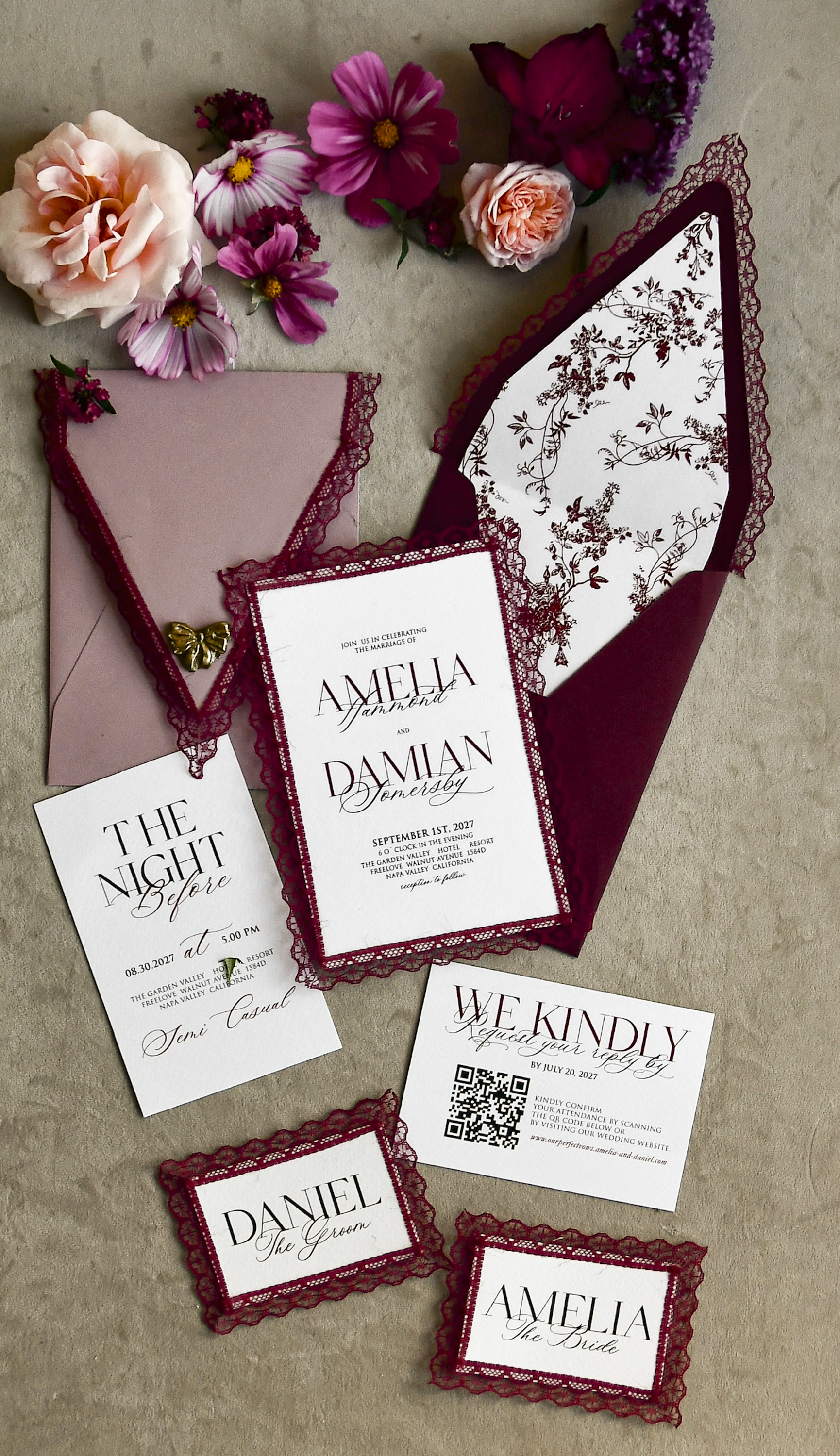
This is where thoughtful stationery makes a real difference. A beautifully designed invitation suite — like the 01/laceembos/z vintage lace collection from Margo&Bees — sets a warm, welcoming tone that softens even a "solo only" invitation. When the envelope arrives looking polished and intentional, guests understand this was a considered, curated event — not a slight.
Your RSVP card should include a clear "Number of Guests Attending" line or pre-fill names so there's no ambiguity. If you're worried about guests assuming they have a plus-one, a quick personal call or text to close friends before invitations go out can prevent awkward conversations later.
Timing: When to Make the Call and Send Invitations
Lock in your plus-one policy before you finalize your guest list — ideally 9–12 months before your wedding date. Here's a simple timeline to follow:
- 9–12 months out: Determine your venue capacity and per-head budget. Decide on your plus-one rule.
- 6–8 months out: Finalize your guest list with plus-ones accounted for. Order your invitations — allow 2–3 weeks for printing and assembly.
- 6–8 weeks before the wedding: Mail invitations. Request RSVPs 3–4 weeks before your date.
Changing your policy after invitations are sent is a headache you don't need. Make the call early, commit to it, and let your stationery — like the elegant detailing in the 01/laceembos/z lace invitation suite — deliver the news beautifully.
What to Say If a Guest Asks for a Plus-One You Can't Offer
It happens. A guest calls and asks if they can bring someone. Keep it warm and honest: "We're working with a strict venue capacity, so we weren't able to extend plus-ones — but we absolutely can't wait to celebrate with you!" Most people will understand. You don't need to over-explain or apologize excessively. A venue limit is a real, practical constraint, and the vast majority of guests respect it when it's communicated kindly and consistently.
Frequently Asked Questions
No — it's completely acceptable, especially when venue size or budget is a genuine constraint. The key is applying your rule consistently so no one single guest feels singled out compared to another in the same situation.
You are not obligated to. A common guideline is to extend plus-ones to guests in relationships of six months or longer, but this is entirely your call. If you do make exceptions, apply the same standard to all guests in similar situations.
Address the envelope only to that guest by name — do not write "and Guest." On the RSVP card, pre-fill their name or include a line that specifies the number of seats reserved, such as "We have reserved 1 seat in your honor."
Reach out promptly and politely: let them know you only have one seat reserved for them due to venue capacity. Most guests will understand — just address it quickly before your headcount is submitted to the caterer.
Many couples do extend plus-ones to all bridal party members as a courtesy, since they've invested significant time and money in your day. It's a generous gesture but not a strict rule — especially if your bridal party is large.
Yes, this is a reasonable and widely accepted exception. Guests traveling a long distance who won't know many people at the reception may genuinely benefit from having a companion. Just be consistent — if one out-of-town single guest gets a plus-one, all comparable out-of-town single guests should too.
See This Design Up Close
You May Also Like
More Wedding Planning Guides
- → When to Address a Wedding Invitation Directly to a Child
- → Mailed Card or Website Link? How to Handle RSVPs the Modern Way
- → Wedding Invitation Delivery: When to Mail and When to Hand Them Off
- → Navigating a Wedding Guest List When Your Fiancé Wants to Leave Your Family Out
- → Wedding Invitation Wording: Every Essential Detail Couples Need to Include
- → When Your Divorced Parents Can't Be in the Same Room: A Wedding Planning Guide
- → Adults-Only Weddings: Is Leaving Kids Off the List Actually Rude?
- → Wedding Invitation Addressing: Names, Titles, and Every Tricky Situation Solved
- → How to Decide Who Gets a Plus One at Your Wedding
- → Wedding Invitations: How to Count What You Actually Need
- → Yes, You Can Invite Ceremony-Only Guests — Here's How to Do It Gracefully
- → Extra Wedding Guests: Who Pays and How to Handle It Gracefully
- → Big Wedding or Better Wedding: How to Choose What Truly Matters
- → Your Wedding, Your Guest List: The Honest Truth About Inviting Cousins
- → Uninvited Extras: How to Handle Guests Who Bring Someone You Didn't Invite
- → How to Embrace a Small Wedding and Make It Unforgettable
- → Where Do Divorced Parents Sit at Your Wedding? Here's What Actually Works
- → To Invite or Not to Invite: Navigating the Ex Question for Your Wedding Guest List
- → Stepparents and Your Wedding Guest List: Making the Right Call
- → Setting Plus-One Boundaries Without Losing Sleep (or Friends)
- → Should Work Friends Come to Your Wedding? A No-Stress Guide to Inviting Colleagues
- → Guests Who Don't RSVP: Your Step-by-Step Plan
- → Save the Date vs. Wedding Invitation: Two Very Different Jobs, One Beautiful Paper Trail
- → When Someone Asks Why They Weren't Invited: Your Honest, Kind Playbook
- → To Call or Not to Call: Tracking Down Guests With Missing RSVPs
- → When the Guest List Must Shrink: The Right People to Remove First
- → Digital Wedding Invitations: When They Work and When to Think Twice
- → How to Handle the Parent Friend Dilemma on Your Wedding Guest List
- → Your Wedding Invitation Deadline: When the Window Officially Closes
- → Uninvited Plus-Ones and Tag-Alongs: How to Keep Your Guest List Intact
- → When Family Feuds Threaten Your Wedding Plans: A Practical Peacekeeper's Guide
- → Inviting an Estranged Brother or Sister: Finding Clarity Before You Seal the Envelope
- → Cousins, Invites, and Hard Choices: A Practical Guest List Guide