
To Call or Not to Call: Tracking Down Guests With Missing RSVPs

You sent beautiful invitations, the RSVP deadline has come and gone, and a handful of guests are still radio silent. It's one of the most common — and most frustrating — parts of wedding planning. So should you actually pick up the phone and call them? The short answer is yes, but timing and approach matter a lot. Here's exactly how to handle it without losing your cool or your seating chart.
Give the Deadline a Few Days of Grace First
Before you start dialing, wait two to three days past your RSVP deadline. Life gets busy, mail gets delayed, and some guests genuinely lose track of time. A small buffer separates the forgetful from the truly non-responsive. If you set your deadline strategically — at least three weeks before the wedding — you'll have enough runway to chase people down without panicking your caterer.
While you're waiting, scan your inbox and text messages. Some guests will have responded informally without realizing you needed a formal headcount. Make a clean list of who is truly unaccounted for before you start reaching out.
Yes, You Should Follow Up — Here's How
Once the grace period passes, it's completely appropriate to contact non-responding guests directly. The most effective approach:
- Text or email first. A quick, friendly message removes the awkwardness of a cold call and gives guests a low-pressure way to respond. Something like: "Hey! We're finalizing our headcount for the wedding and just wanted to check — will you be able to join us?" Keep it warm and brief.
- Call if you don't hear back within 48 hours. A two-minute phone call is perfectly appropriate at this stage. You don't owe anyone an apology for following up on a response they were supposed to send weeks ago.
- Delegate when it helps. If reaching out to your future in-laws' cousins feels awkward, ask your partner or a future in-law to handle those calls. Split the list and divide the work.
Avoid passive-aggressive wording or guilt-tripping. A warm, matter-of-fact tone gets better results and keeps relationships intact.
What to Say When You Actually Reach Them
Keep the conversation simple and give people an easy out. Try: "We'd love to have you there, but we completely understand if things have changed — we just need to know either way for our final count." This removes the shame of a "no" and makes it easier for guests to be honest with you.
If a guest says they're coming, confirm the number of people in their party immediately and note any meal choices or dietary needs. If they say they can't make it, thank them graciously — you'll still want that relationship after the wedding is over. And if you simply cannot reach someone after two attempts across different channels, it is reasonable to mark them as a "no" for planning purposes and move on.
Protect Your Planning Timeline
Your final headcount affects your caterer, your venue's room setup, your seating chart, and your rental order. Most vendors need confirmed numbers seven to ten days before the wedding. That's why chasing RSVPs isn't optional — it's a logistical necessity.
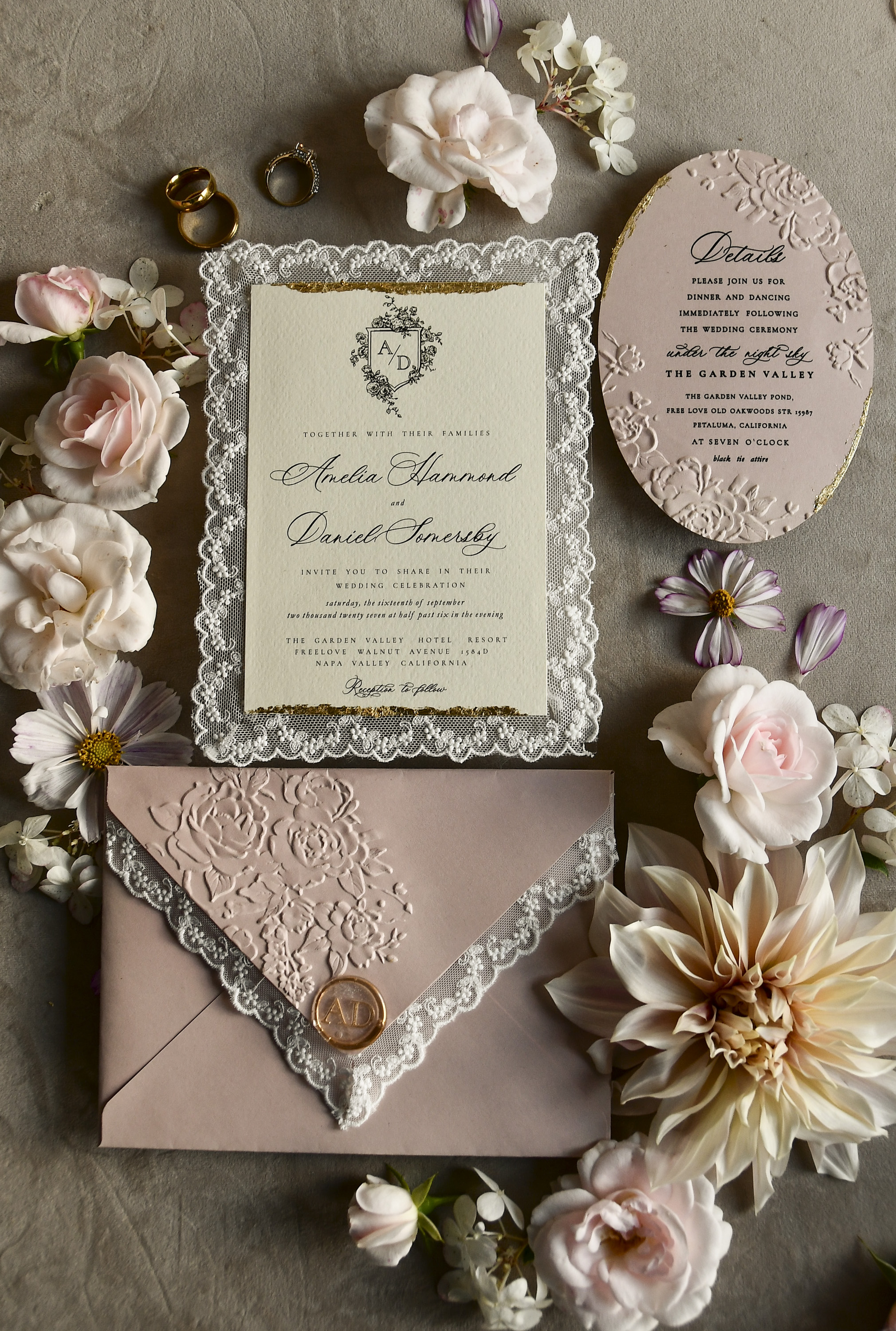
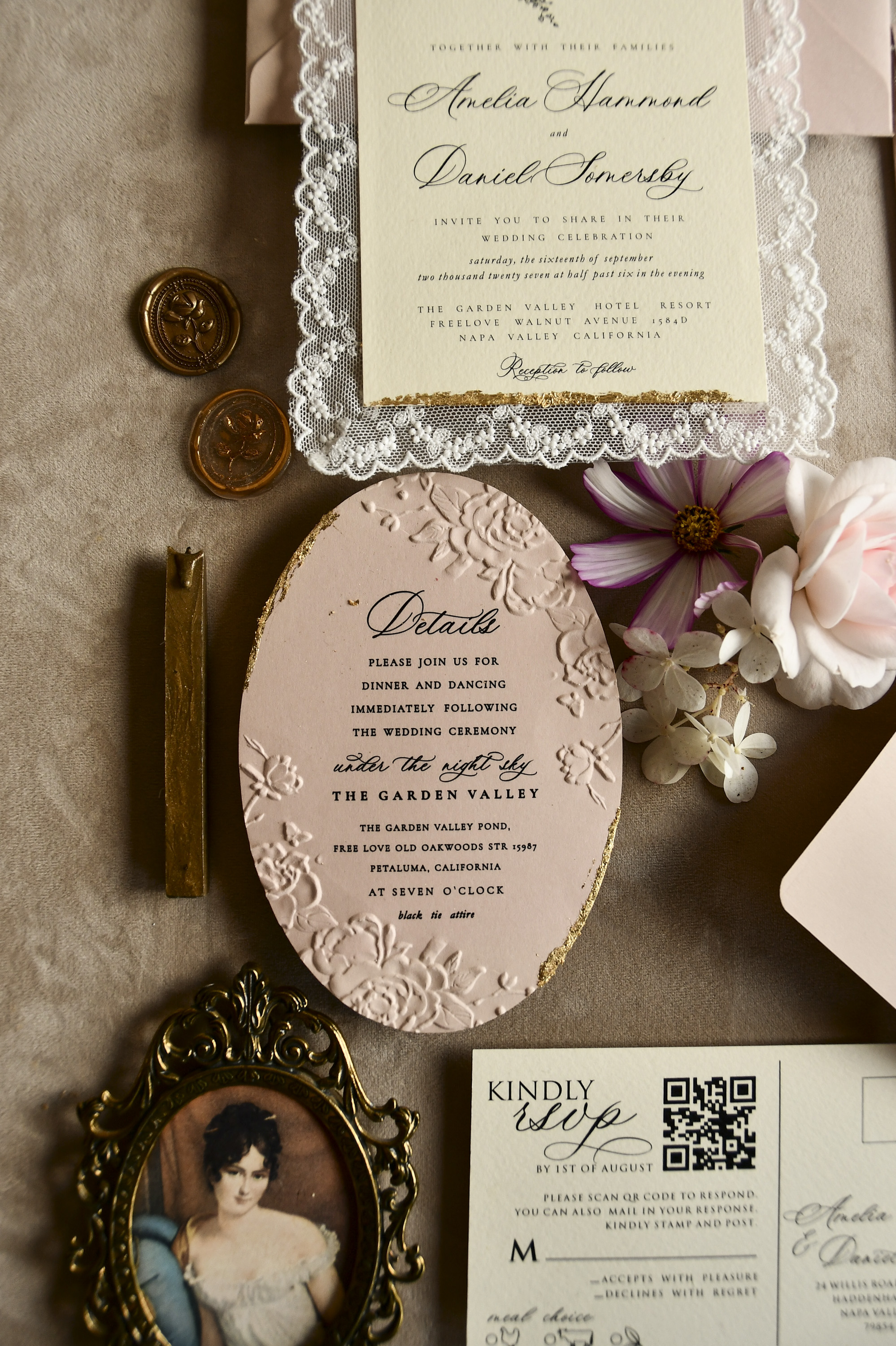
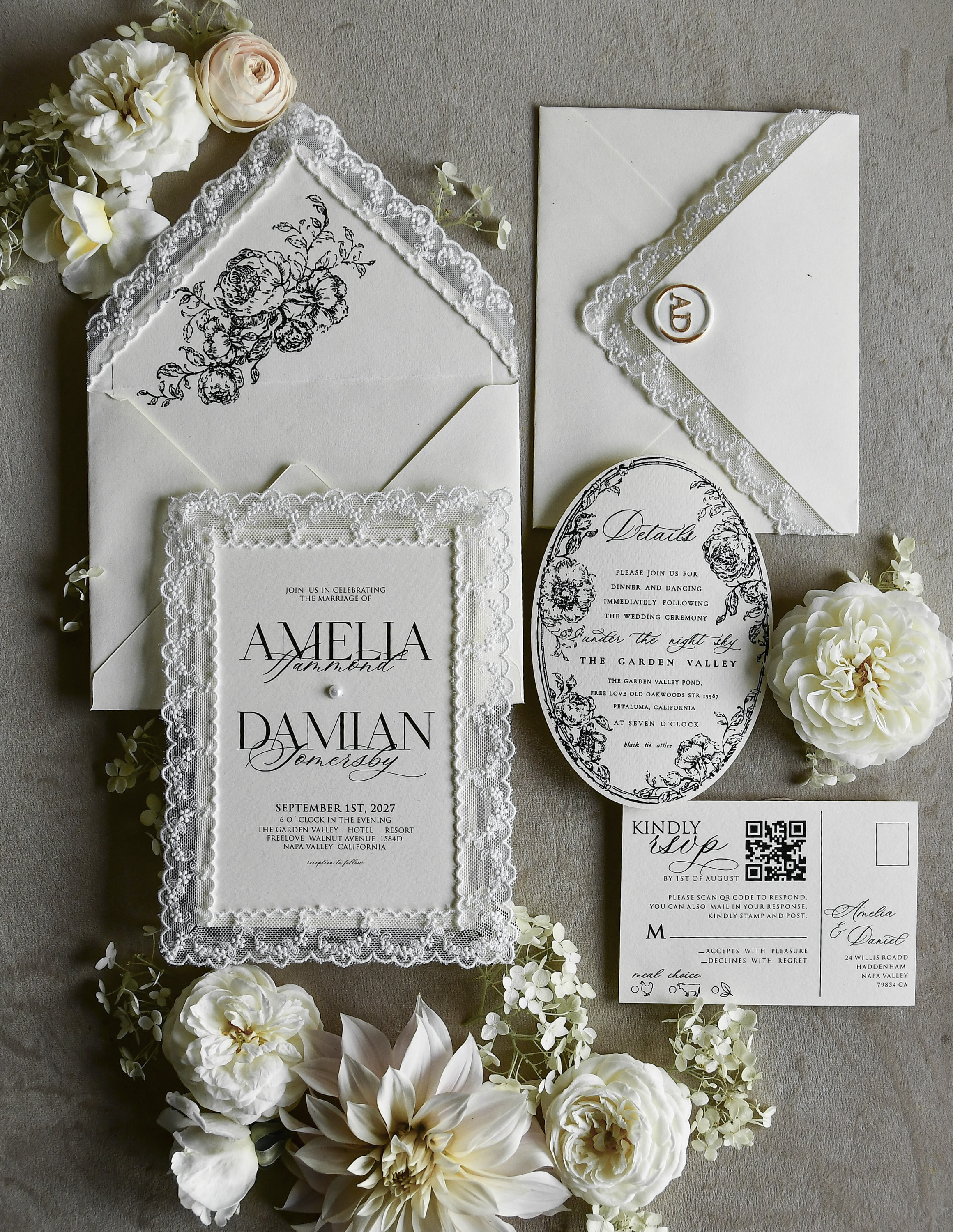
If you're using a classic printed invitation suite like the 01/laceembos/z from Margo & Bees' vintage and rustic lace collection, consider including a clearly worded RSVP card with a firm deadline printed right on it. A visible deadline in guests' hands — rather than buried in an email — dramatically improves response rates from the start. The clearer your invitation suite, the fewer follow-up calls you'll need to make.
Once you've closed the loop on missing responses, update your master list immediately and pass final numbers to your vendors. Don't wait until every last guest is confirmed — set a hard internal cutoff and stick to it.
When to Stop Chasing and Make a Decision
After two follow-up attempts with no response, you have done your due diligence. Count that guest as a "no," adjust your numbers, and move forward. It is not your responsibility to manage someone else's inability to RSVP. Some couples choose to leave one or two buffer seats in case a non-responder shows up anyway — this is a personal call based on your venue flexibility and budget.
If a ghost-RSVP guest does show up on your wedding day, have a plan ready. Let your coordinator or a trusted point-person know how to handle walk-ins graciously so you don't have to deal with seating scrambles on the day itself. A little preparation now means you can enjoy your reception without distraction.

Frequently Asked Questions
Give it two to three days after your stated deadline before reaching out. This accounts for mail delays and last-minute submissions without cutting into your planning timeline.
Not at all — it's actually considerate. You need an accurate headcount for your caterer and venue, and a quick, friendly call is far less awkward than leaving a seat empty or running short on meals.
Let your venue and caterer know as soon as possible — most can accommodate small additions up to a week out, though it may come with an extra charge. Always ask about their policy when you book.
Start with a text or email since it's lower pressure and gives guests time to respond on their own terms. If you don't hear back within 48 hours, a short phone call is completely appropriate.
Absolutely. Split the list with your partner or ask a parent to reach out to their own guests. It's often easier and less awkward for people to respond to someone they're closer to.
After two genuine attempts through different channels, mark them as a "no" for planning purposes. You've done your part — it's not fair to hold your headcount hostage waiting for someone who isn't responding.
See This Design Up Close


























You May Also Like



More Wedding Planning Guides
- → When to Address a Wedding Invitation Directly to a Child
- → Mailed Card or Website Link? How to Handle RSVPs the Modern Way
- → Wedding Invitation Delivery: When to Mail and When to Hand Them Off
- → Navigating a Wedding Guest List When Your Fiancé Wants to Leave Your Family Out
- → Wedding Invitation Wording: Every Essential Detail Couples Need to Include
- → When Your Divorced Parents Can't Be in the Same Room: A Wedding Planning Guide
- → Adults-Only Weddings: Is Leaving Kids Off the List Actually Rude?
- → Wedding Invitation Addressing: Names, Titles, and Every Tricky Situation Solved
- → How to Decide Who Gets a Plus One at Your Wedding
- → Wedding Invitations: How to Count What You Actually Need
- → Yes, You Can Invite Ceremony-Only Guests — Here's How to Do It Gracefully
- → Extra Wedding Guests: Who Pays and How to Handle It Gracefully
- → Big Wedding or Better Wedding: How to Choose What Truly Matters
- → Your Wedding, Your Guest List: The Honest Truth About Inviting Cousins
- → Uninvited Extras: How to Handle Guests Who Bring Someone You Didn't Invite
- → Plus-One or No? How to Decide If Single Guests Can Bring a Date
- → How to Embrace a Small Wedding and Make It Unforgettable
- → Where Do Divorced Parents Sit at Your Wedding? Here's What Actually Works
- → To Invite or Not to Invite: Navigating the Ex Question for Your Wedding Guest List
- → Stepparents and Your Wedding Guest List: Making the Right Call
- → Setting Plus-One Boundaries Without Losing Sleep (or Friends)
- → Should Work Friends Come to Your Wedding? A No-Stress Guide to Inviting Colleagues
- → Guests Who Don't RSVP: Your Step-by-Step Plan
- → Save the Date vs. Wedding Invitation: Two Very Different Jobs, One Beautiful Paper Trail
- → When Someone Asks Why They Weren't Invited: Your Honest, Kind Playbook
- → When the Guest List Must Shrink: The Right People to Remove First
- → Digital Wedding Invitations: When They Work and When to Think Twice
- → How to Handle the Parent Friend Dilemma on Your Wedding Guest List
- → Your Wedding Invitation Deadline: When the Window Officially Closes
- → Uninvited Plus-Ones and Tag-Alongs: How to Keep Your Guest List Intact
- → When Family Feuds Threaten Your Wedding Plans: A Practical Peacekeeper's Guide
- → Inviting an Estranged Brother or Sister: Finding Clarity Before You Seal the Envelope
- → Cousins, Invites, and Hard Choices: A Practical Guest List Guide