
Wedding Invitation Delivery: When to Mail and When to Hand Them Off
You've spent weeks perfecting your wedding invitations — choosing the paper, the wording, the envelope liner — and now comes a question couples don't always think about until the last minute: should you mail them or hand-deliver them? The honest answer is that most couples end up doing both, and knowing when to do each can save you money, stress, and a few awkward moments. Here's everything you need to know to make the right call.
The Case for Mailing Your Wedding Invitations
For the majority of your guest list, mailing is the clear winner. It's consistent, trackable, and gives every guest the same formal, exciting experience of finding an invitation in their mailbox. Mailing is especially practical when your guests are spread across multiple cities or states — which is the reality for most modern weddings.
A few things to keep in mind when mailing:
- Send 6–8 weeks before the wedding for local and domestic guests, and 10–12 weeks out if you have international guests or a destination wedding.
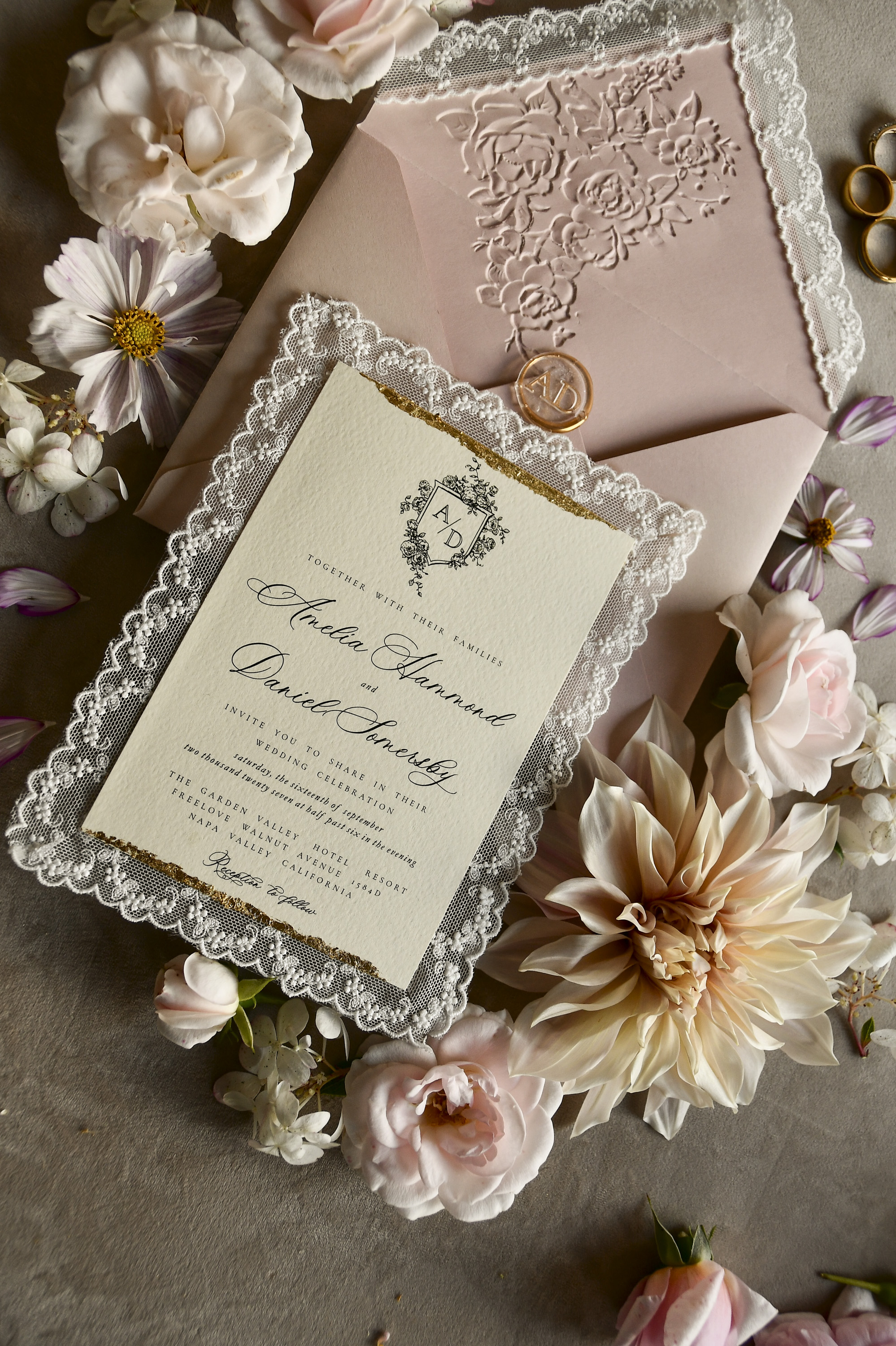
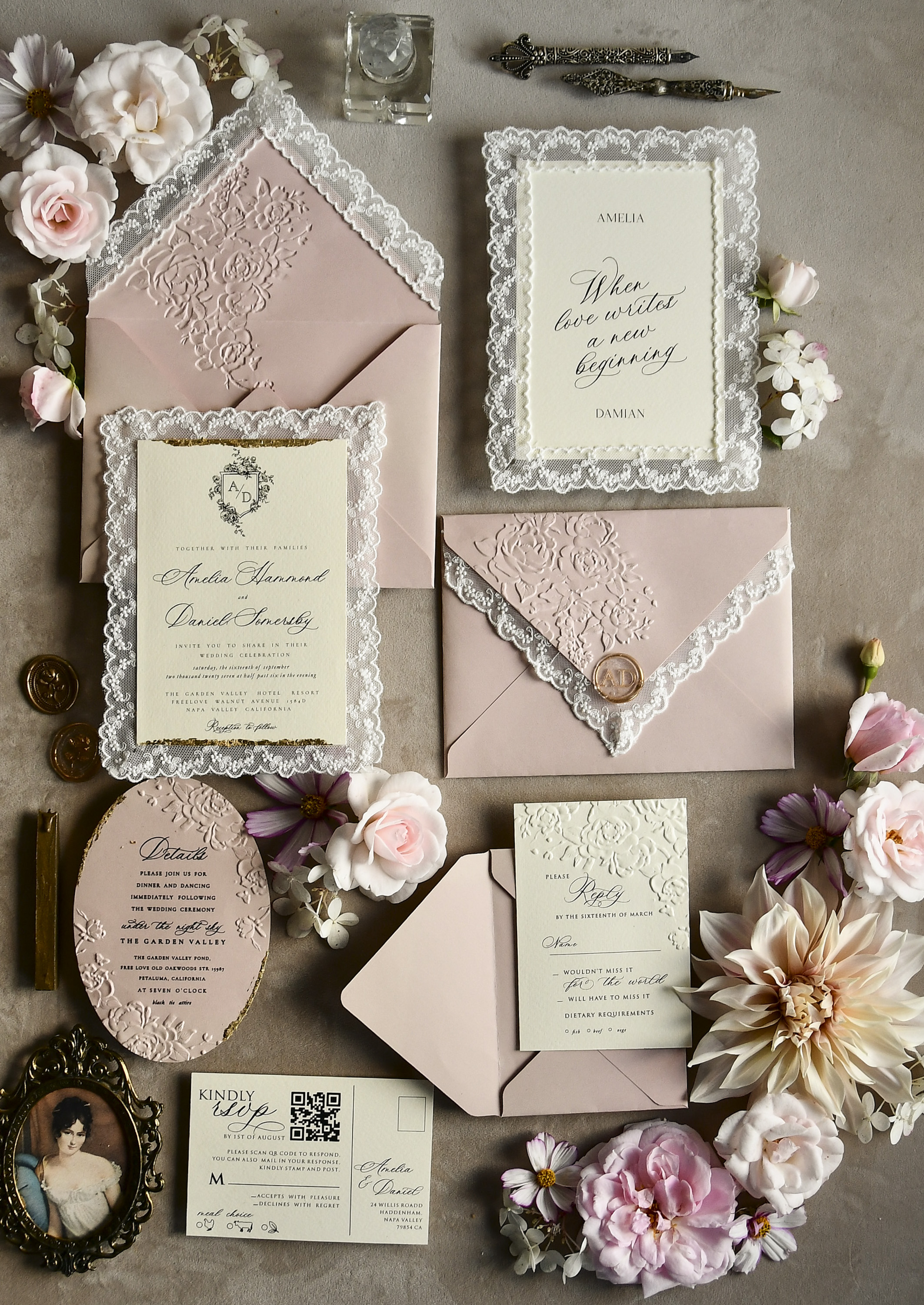
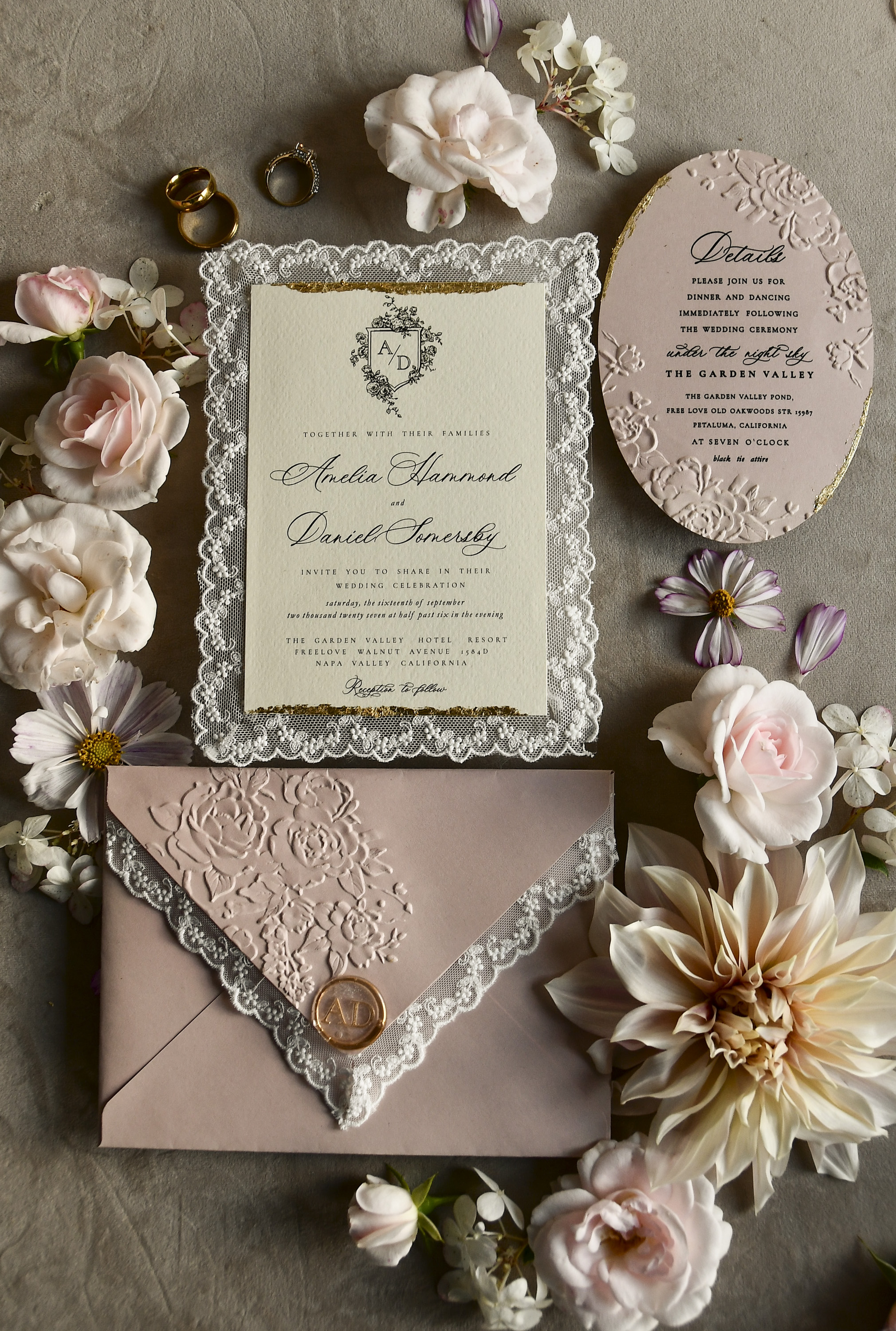
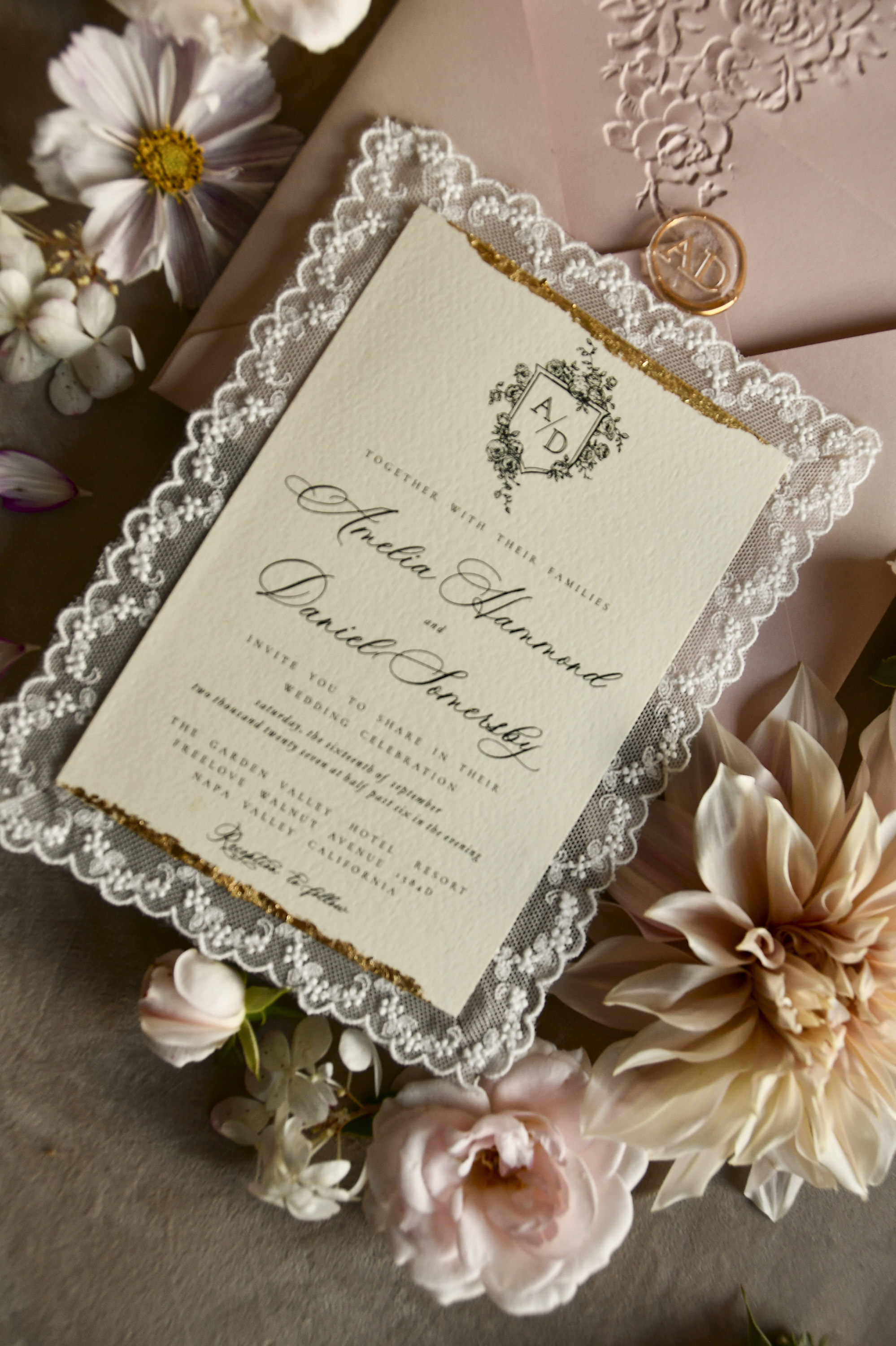
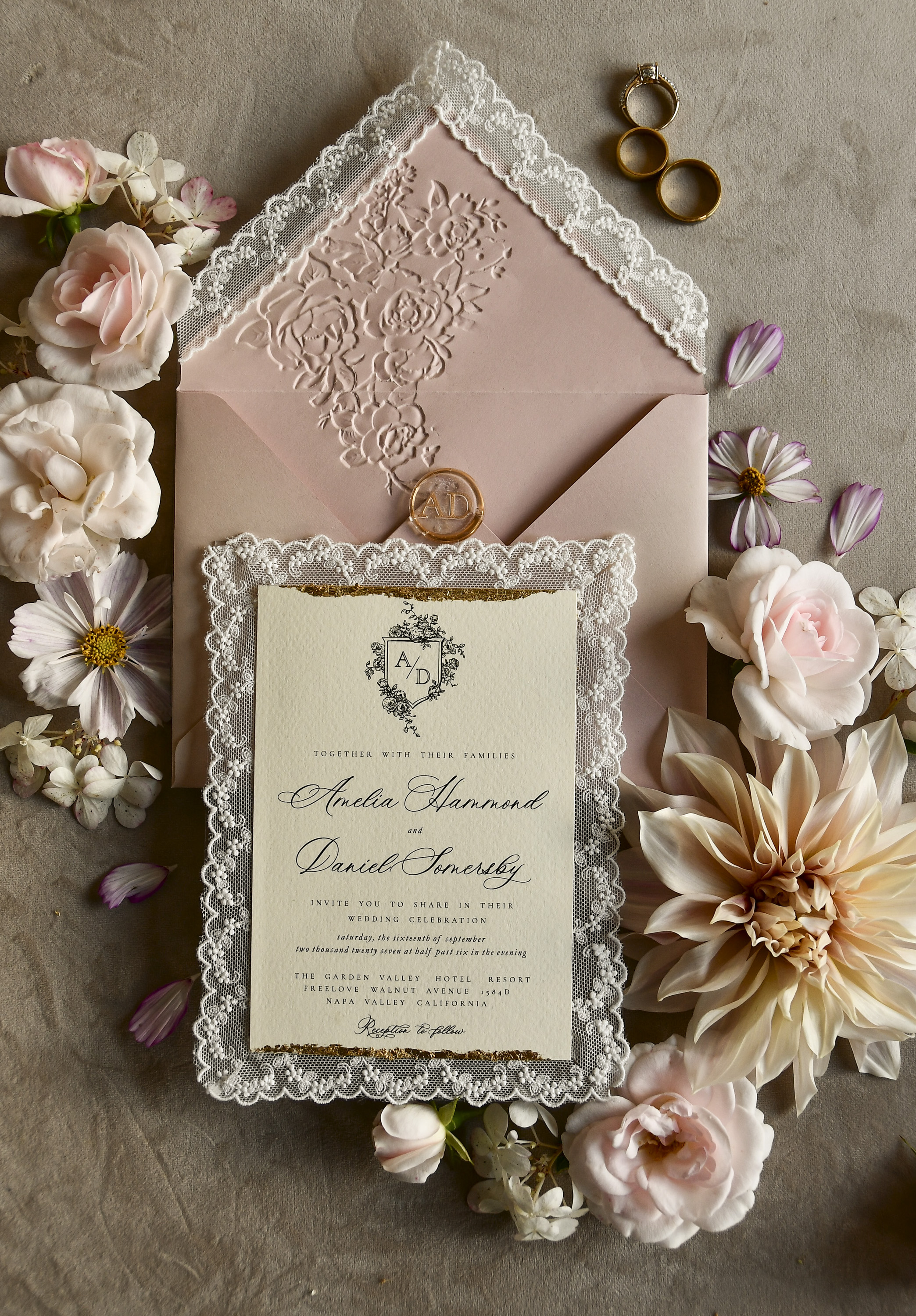
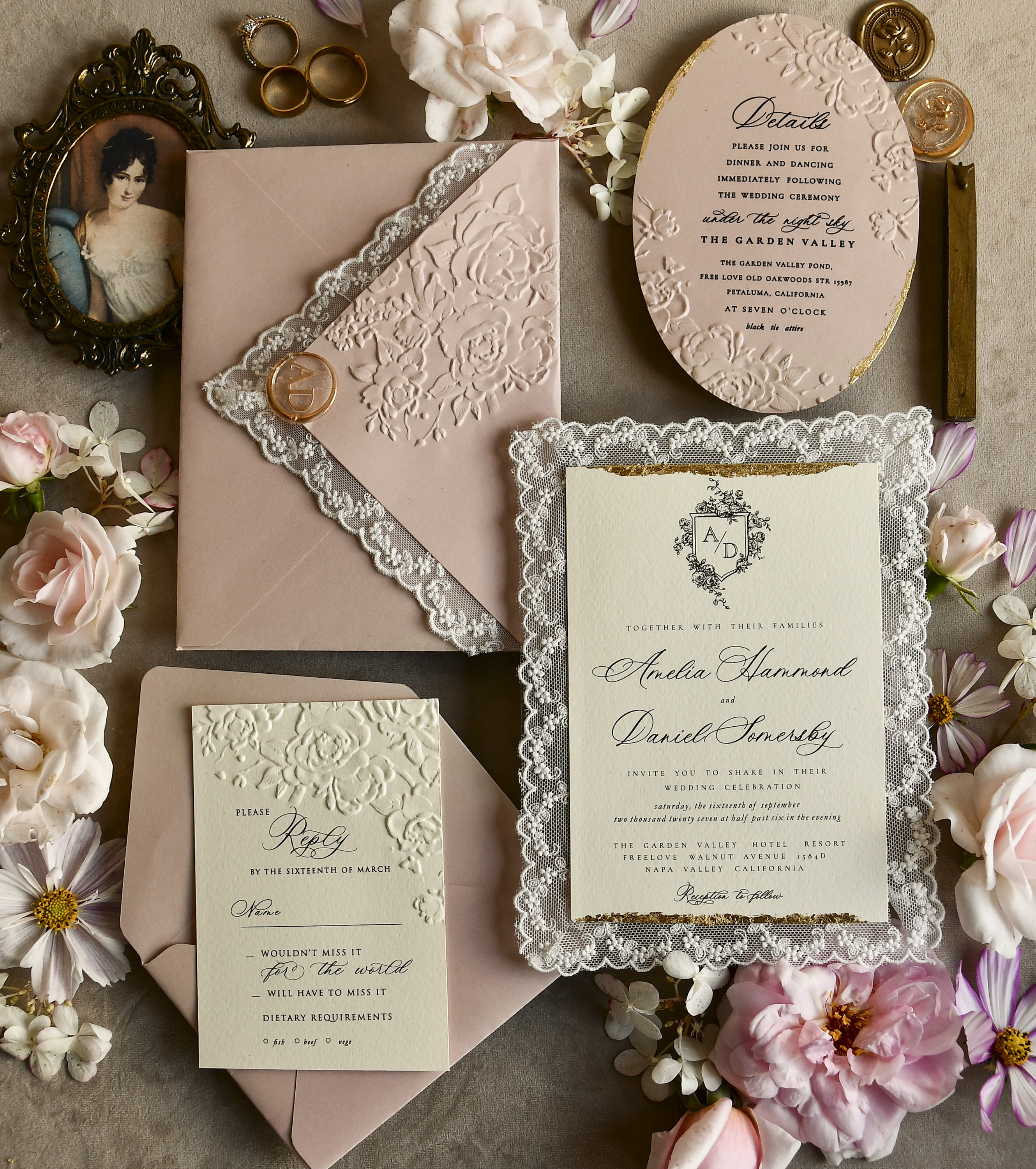
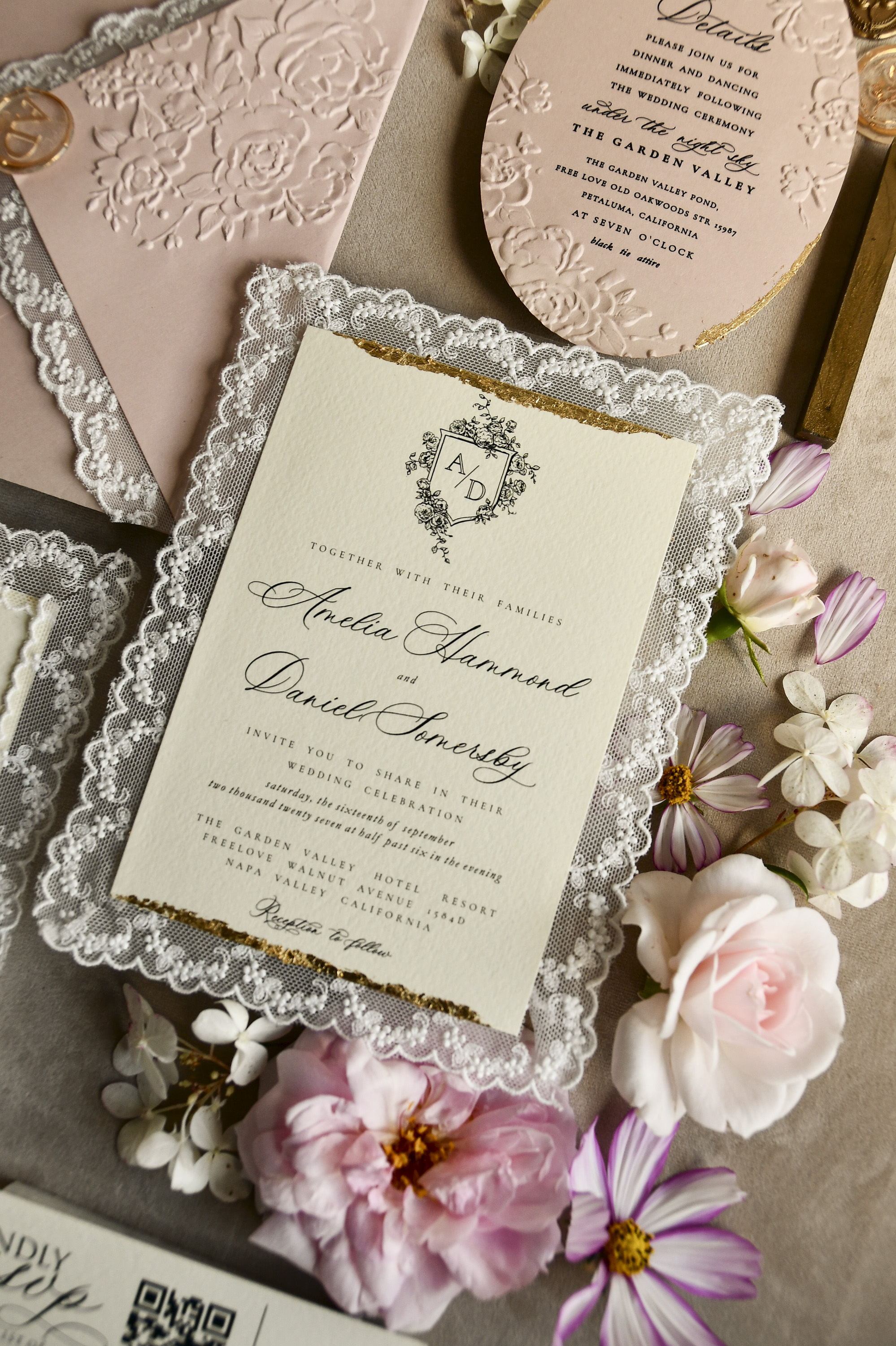
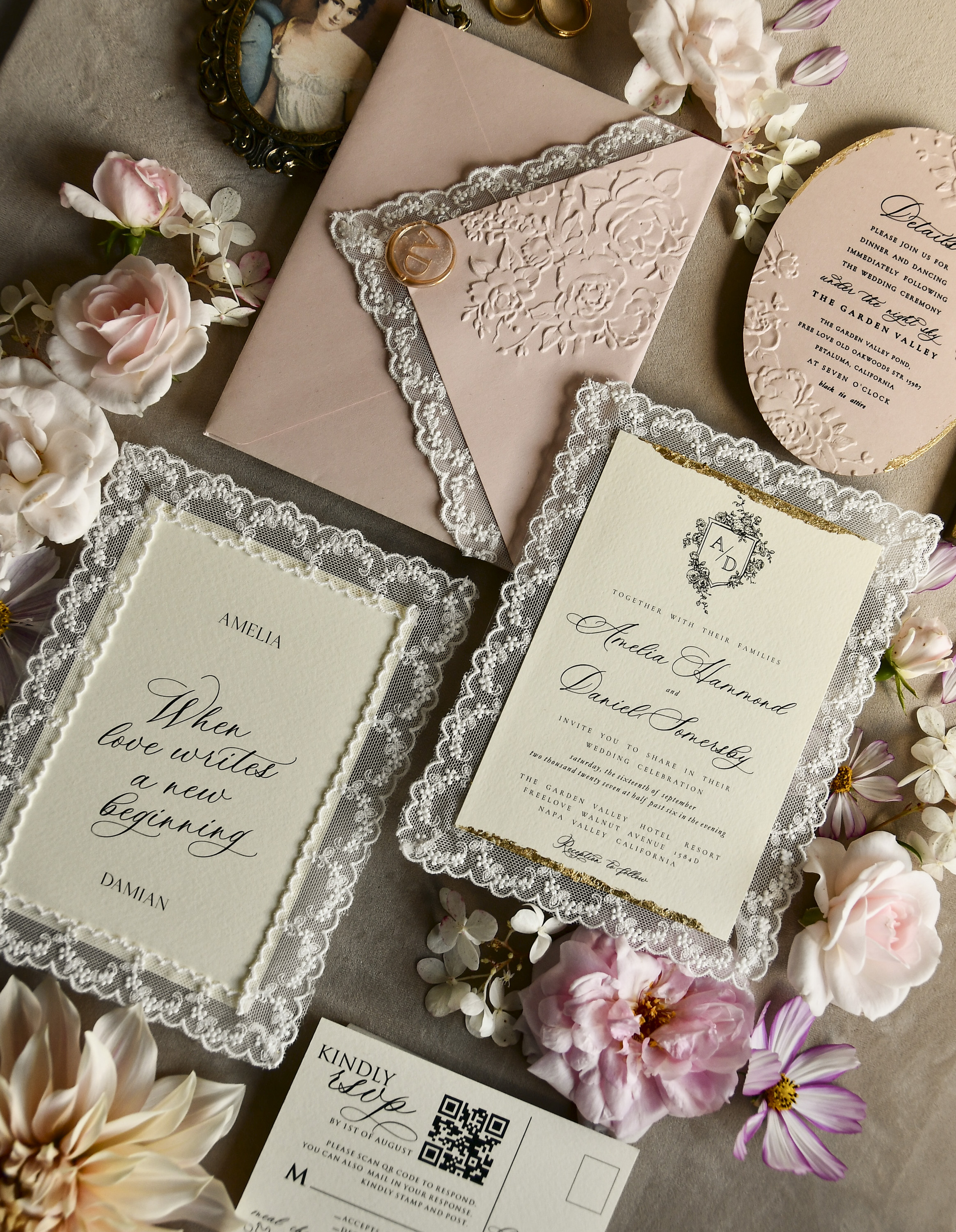
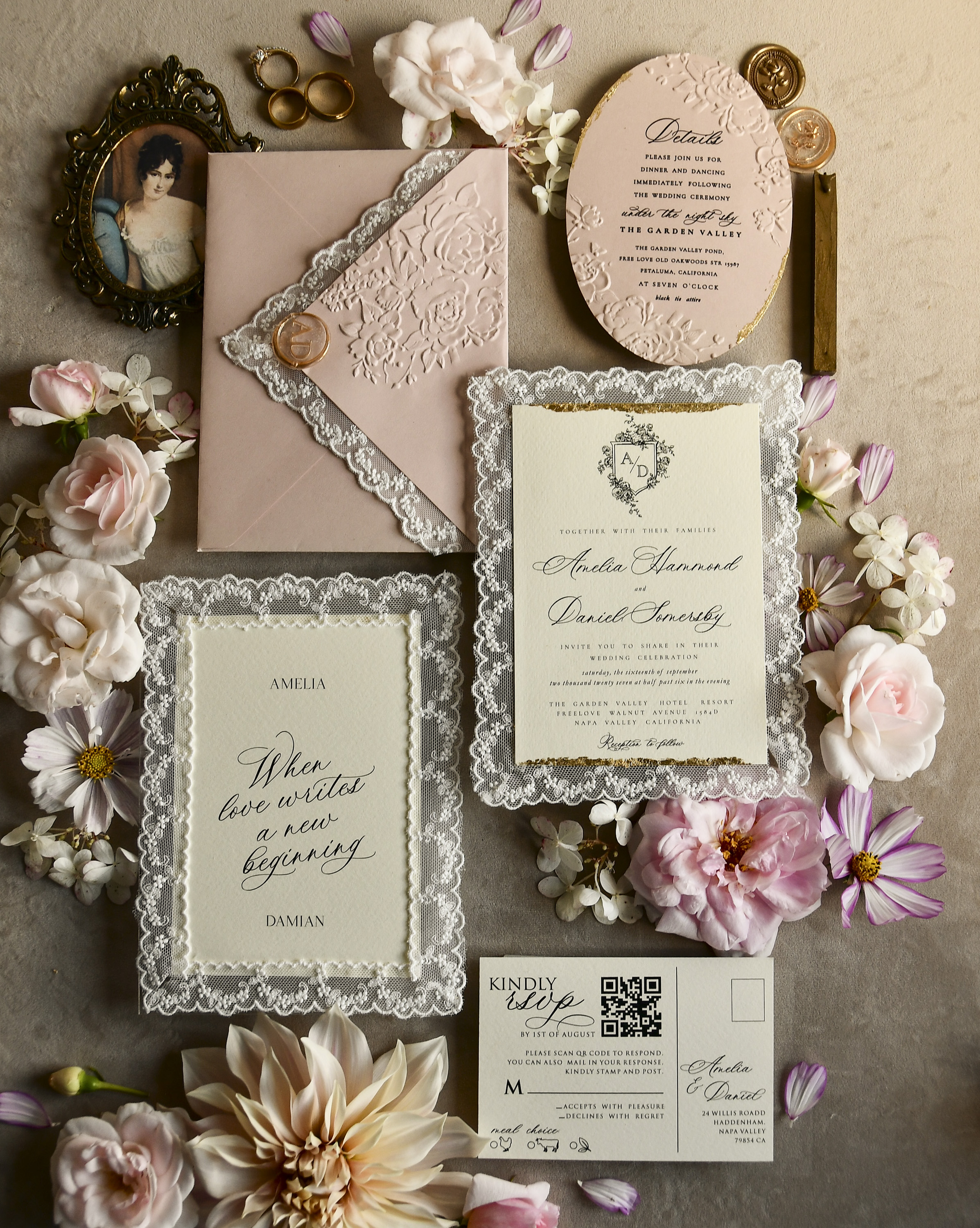
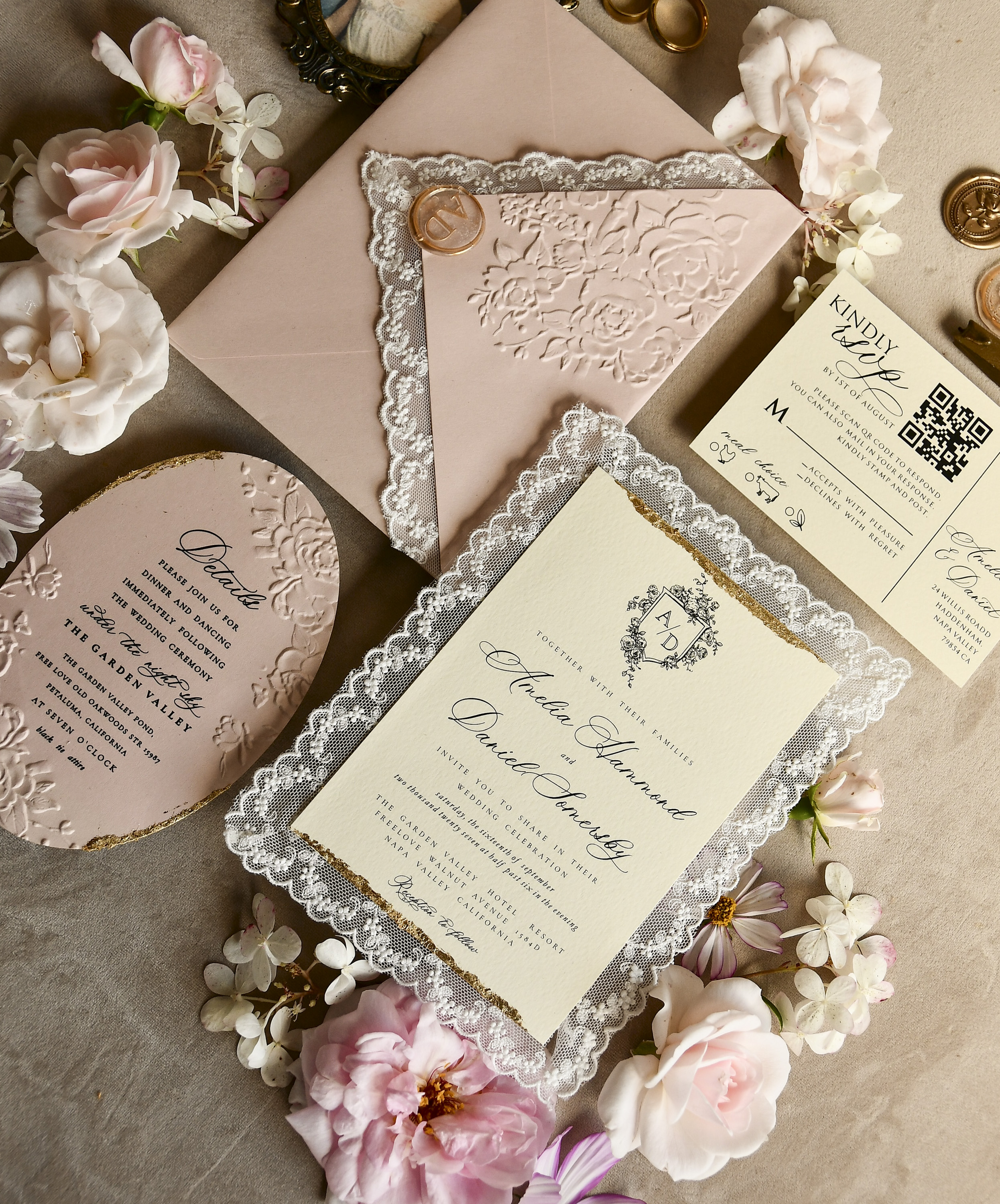
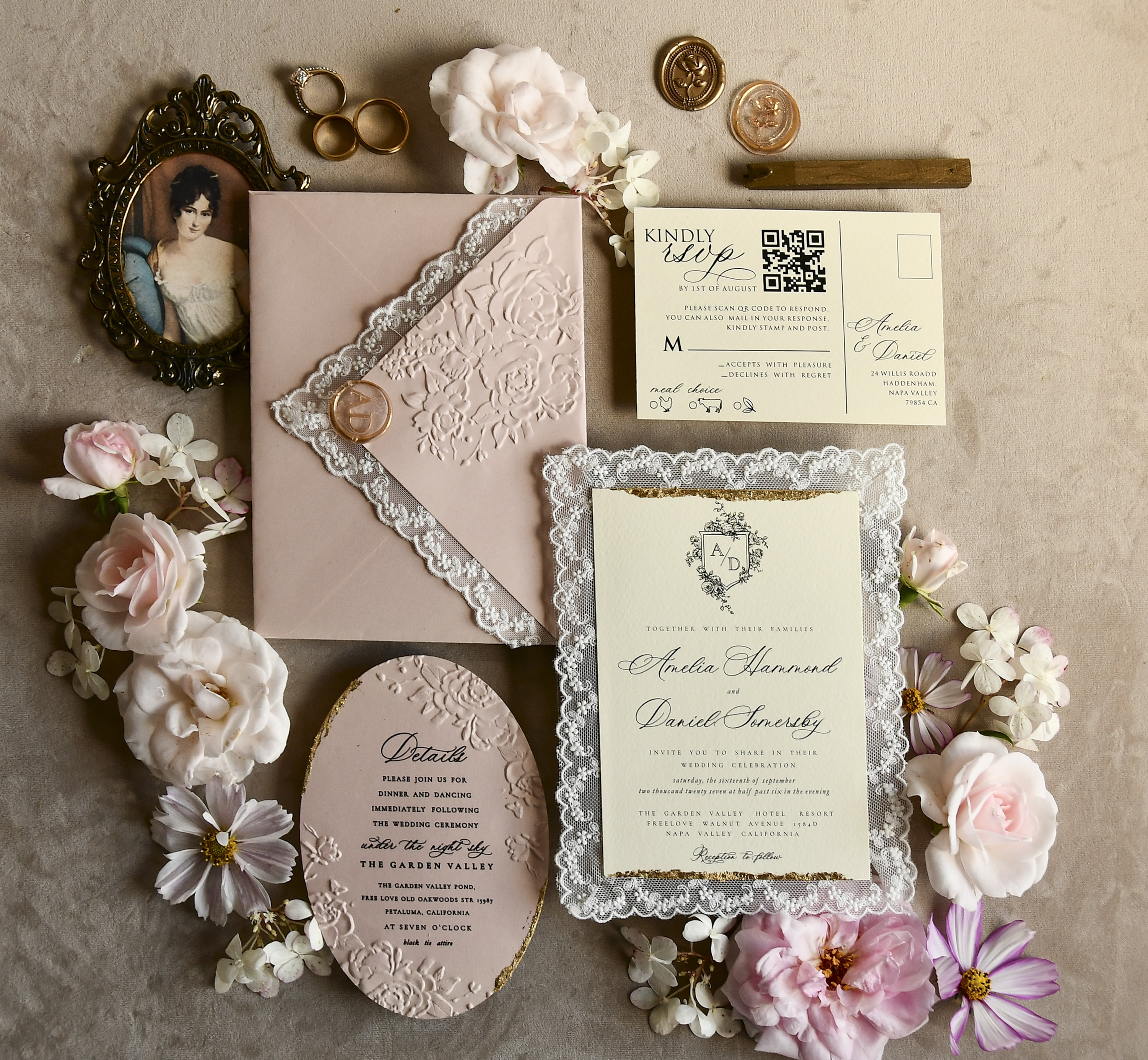
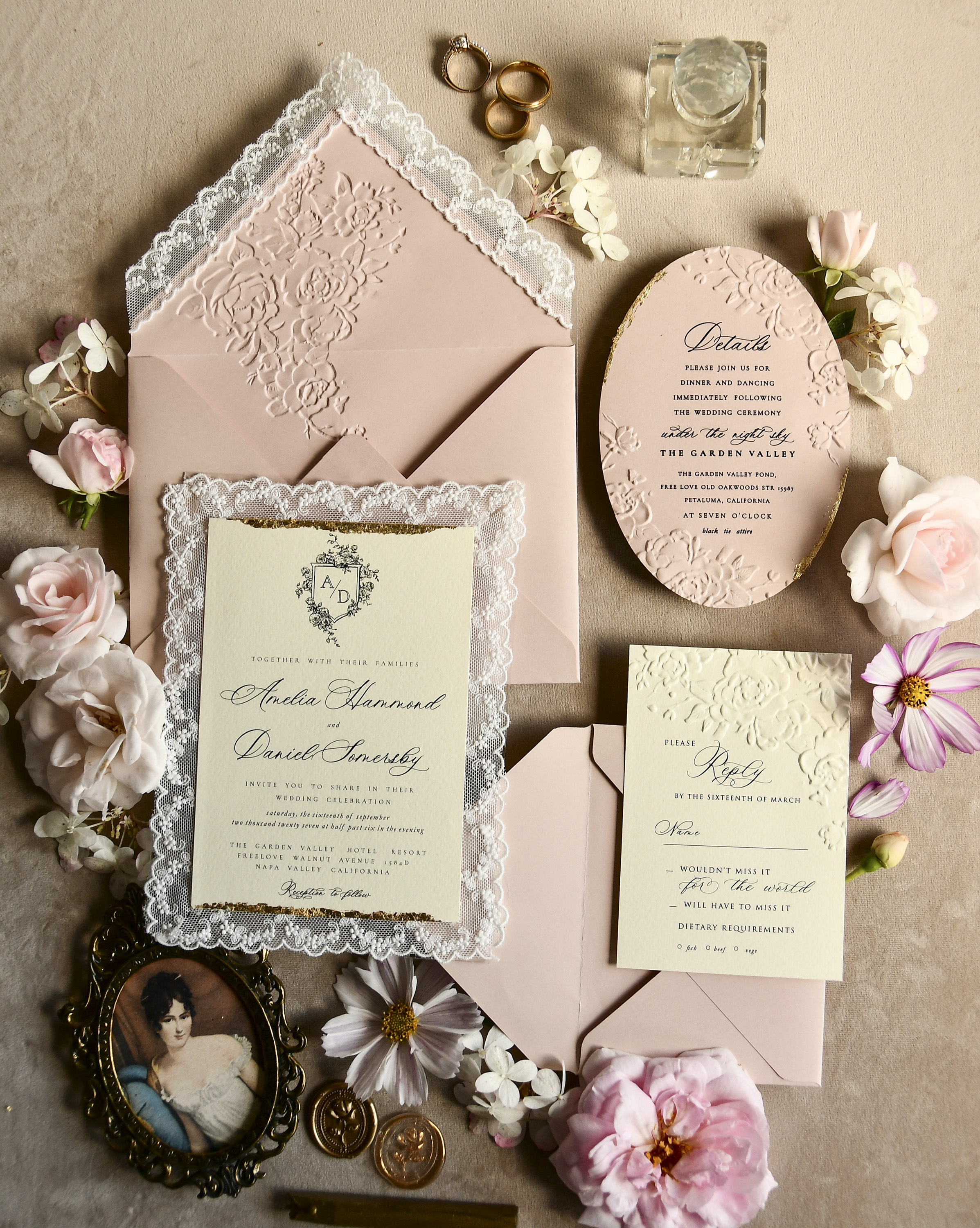
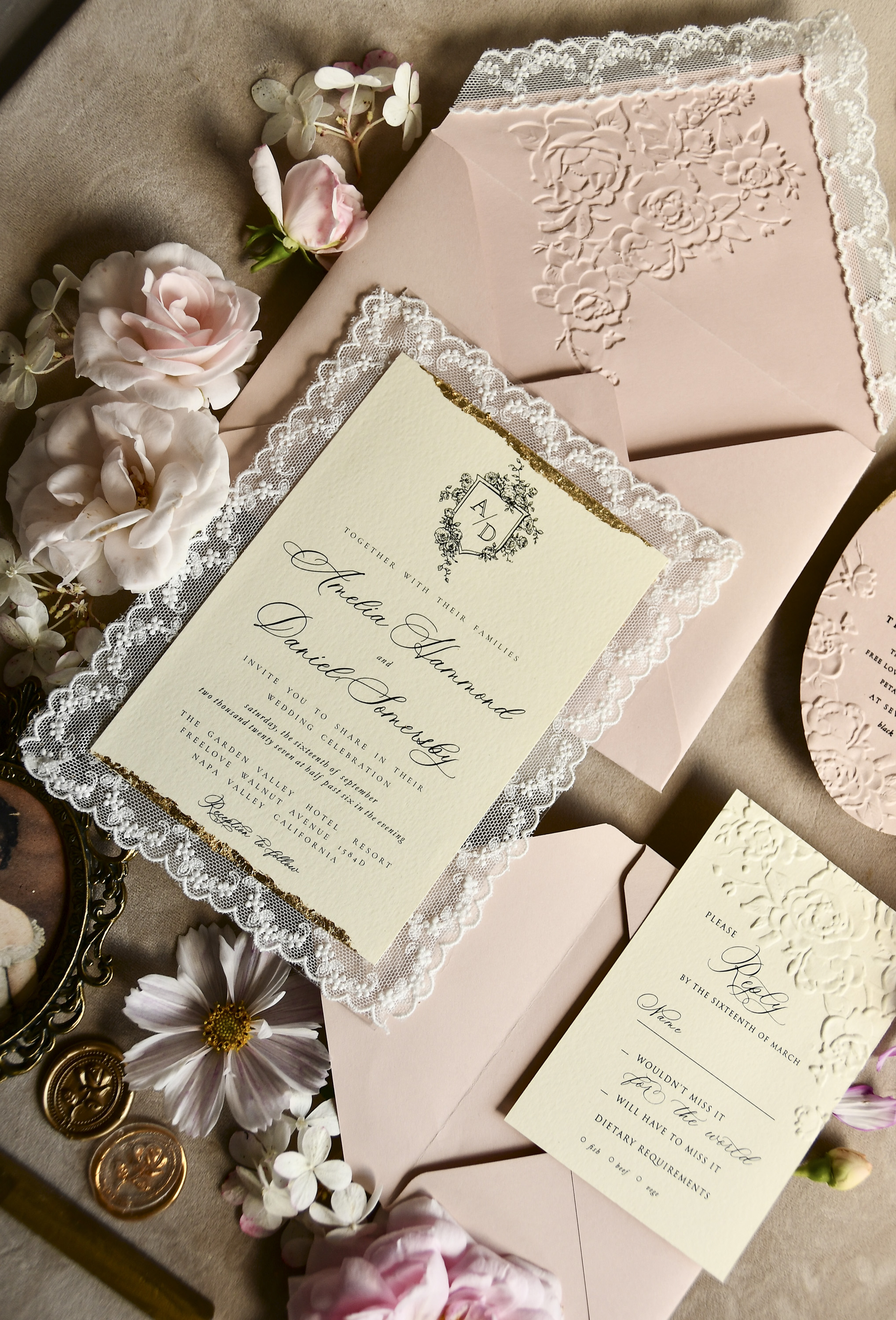
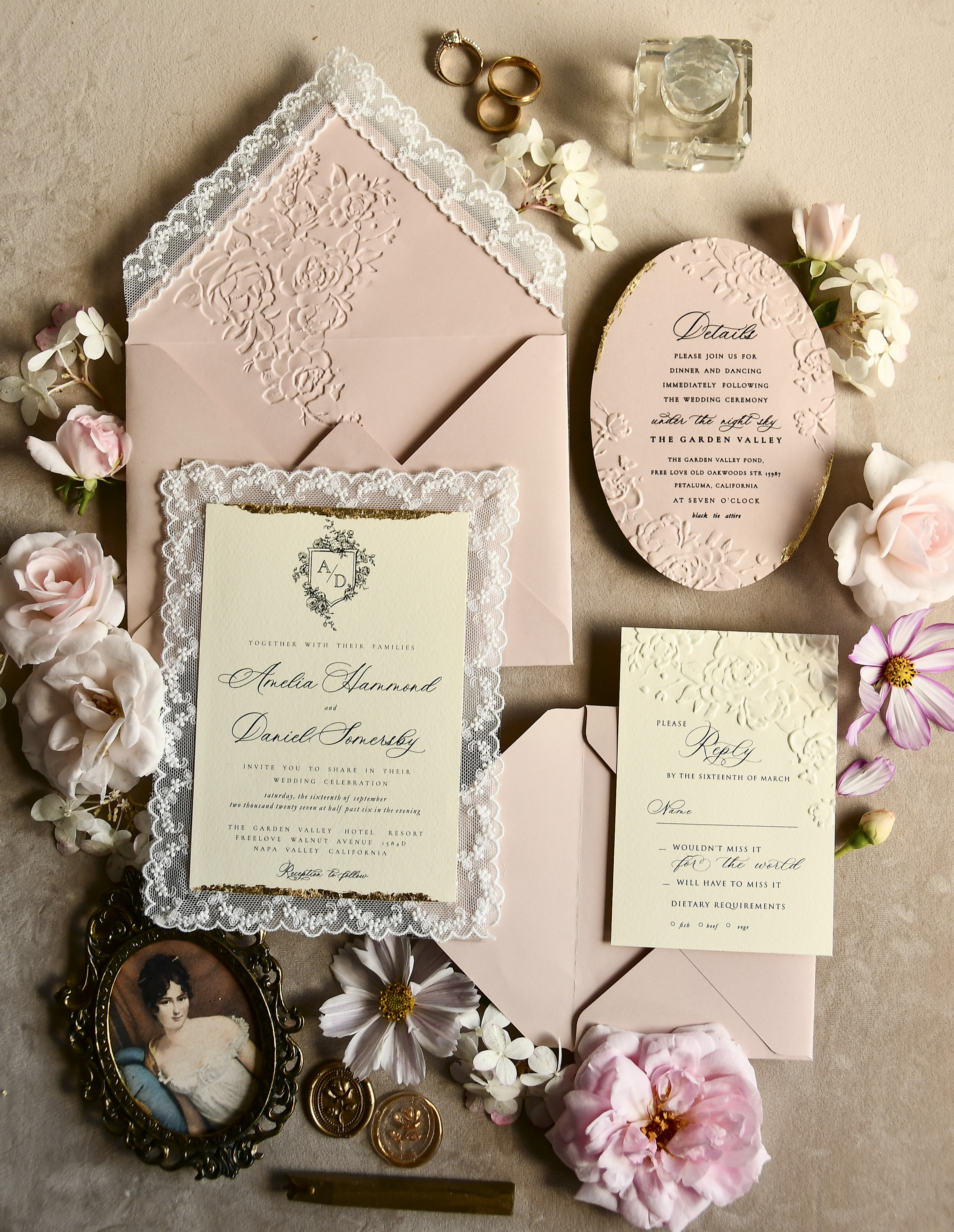
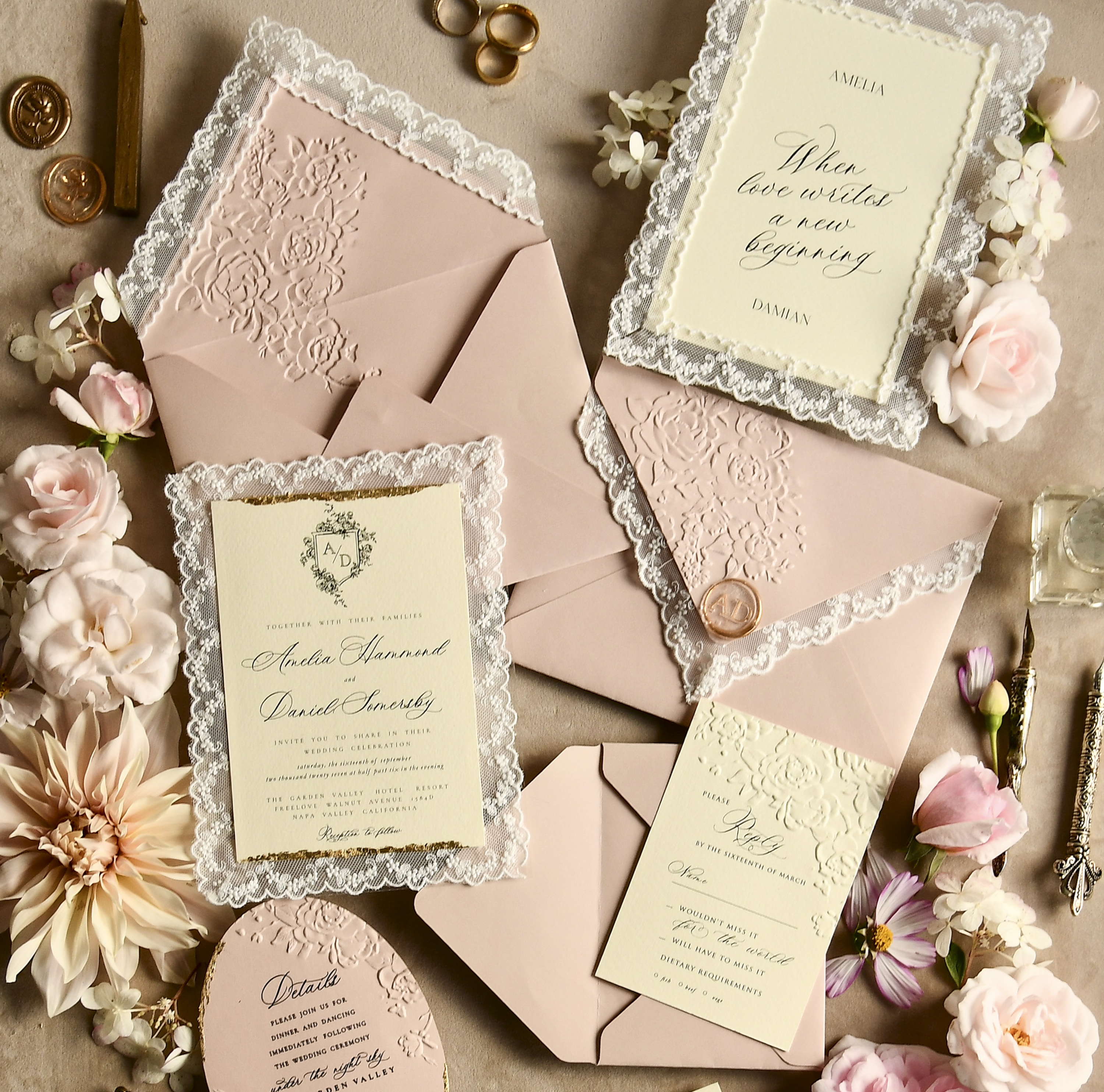
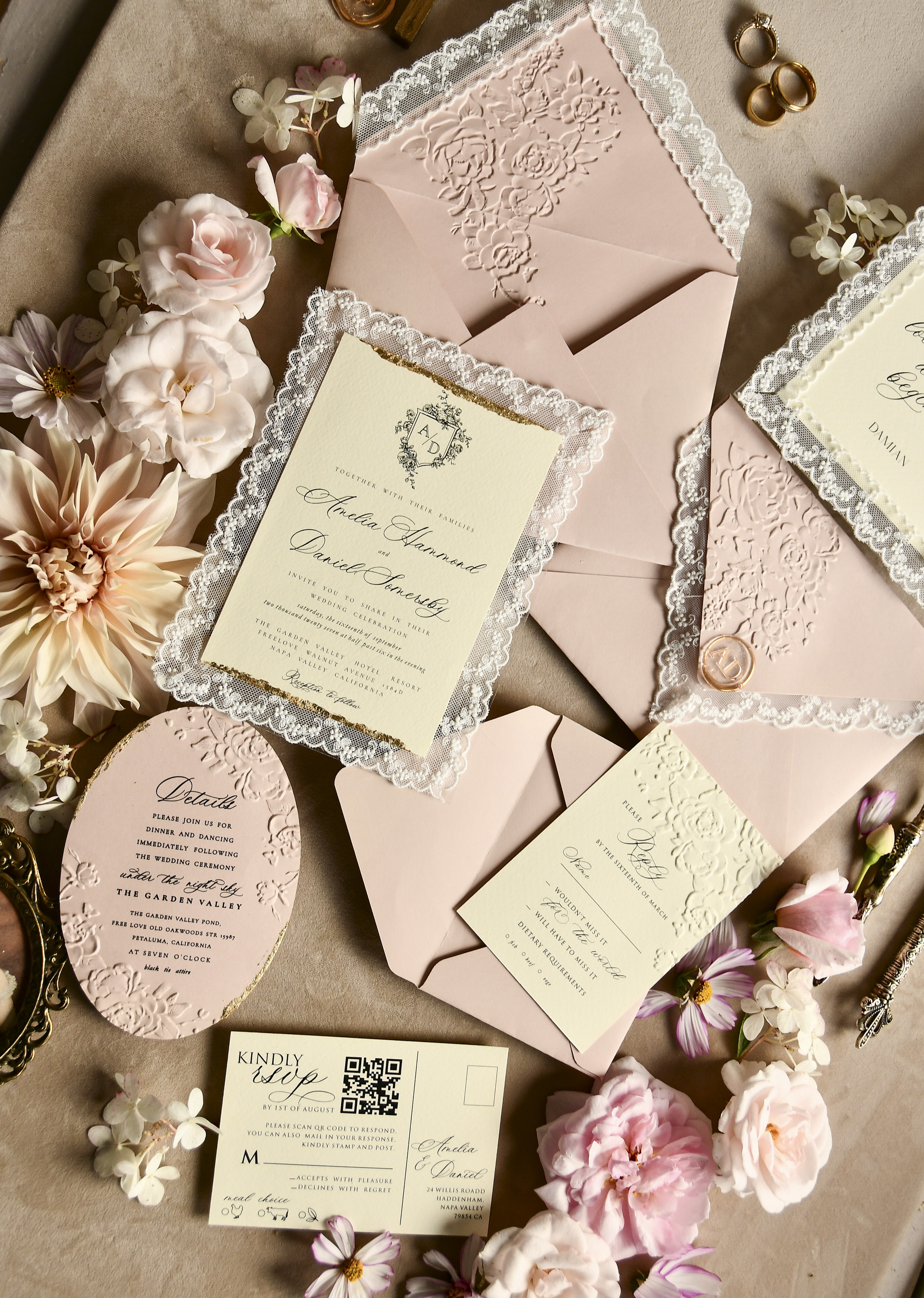
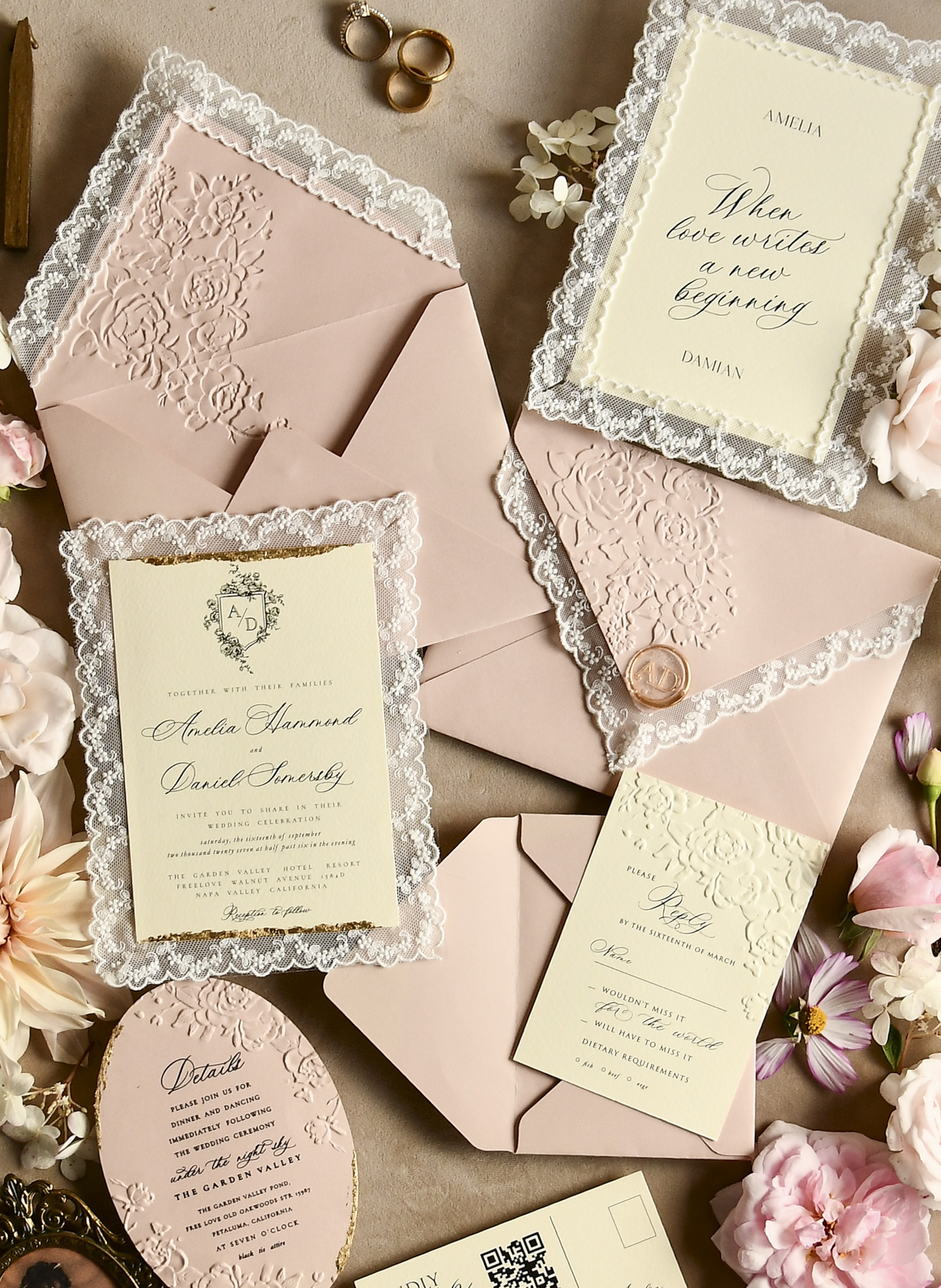
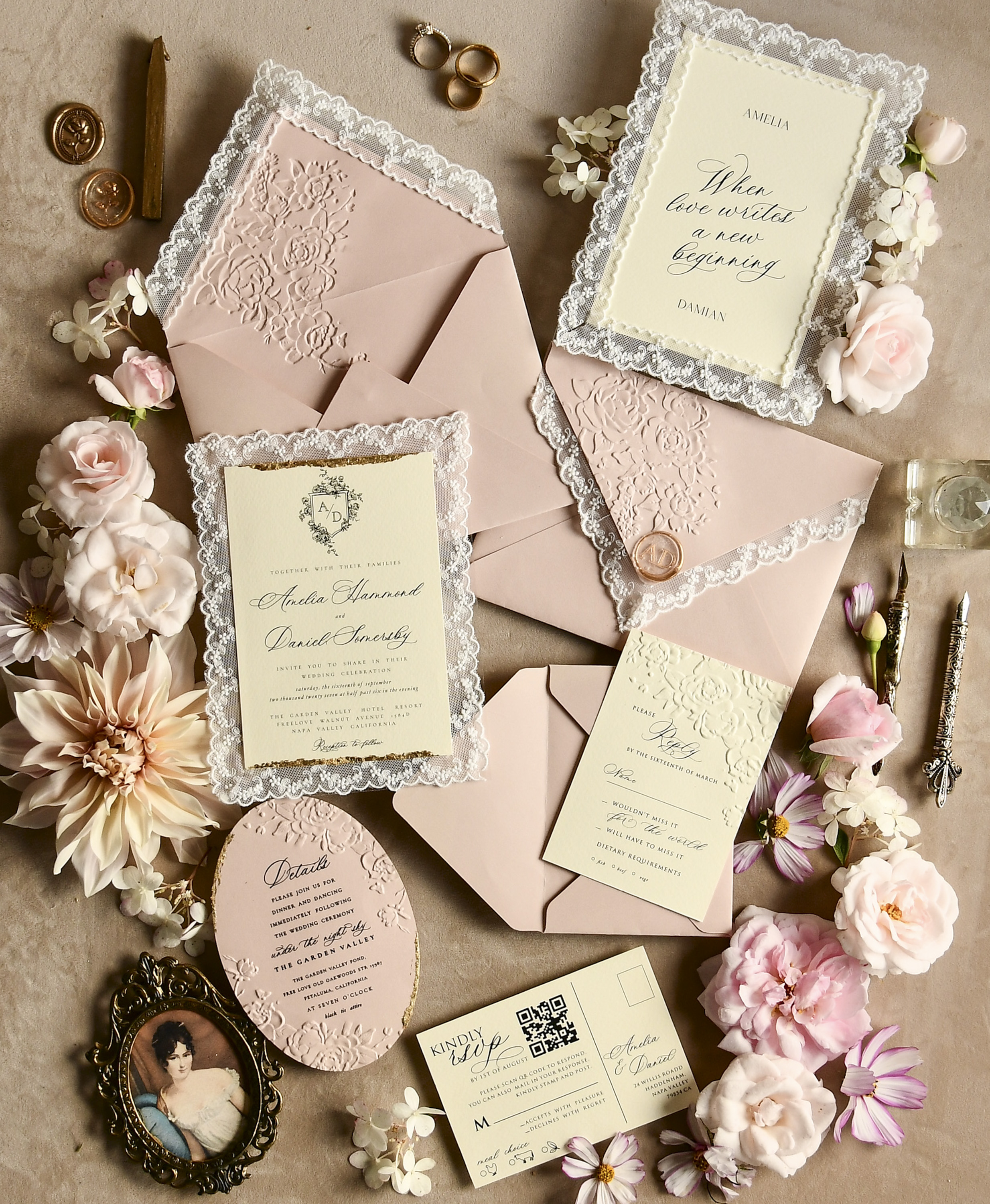
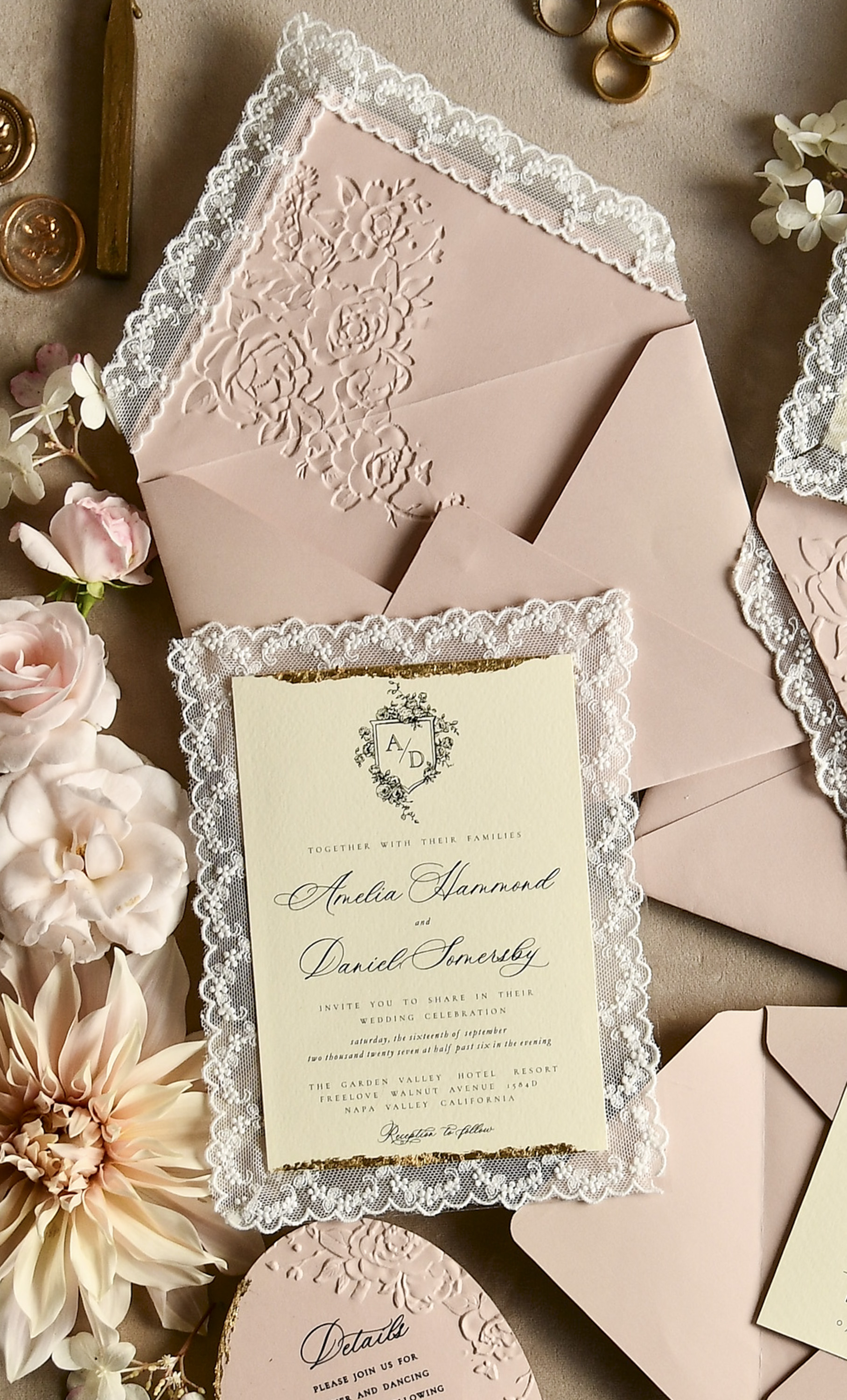
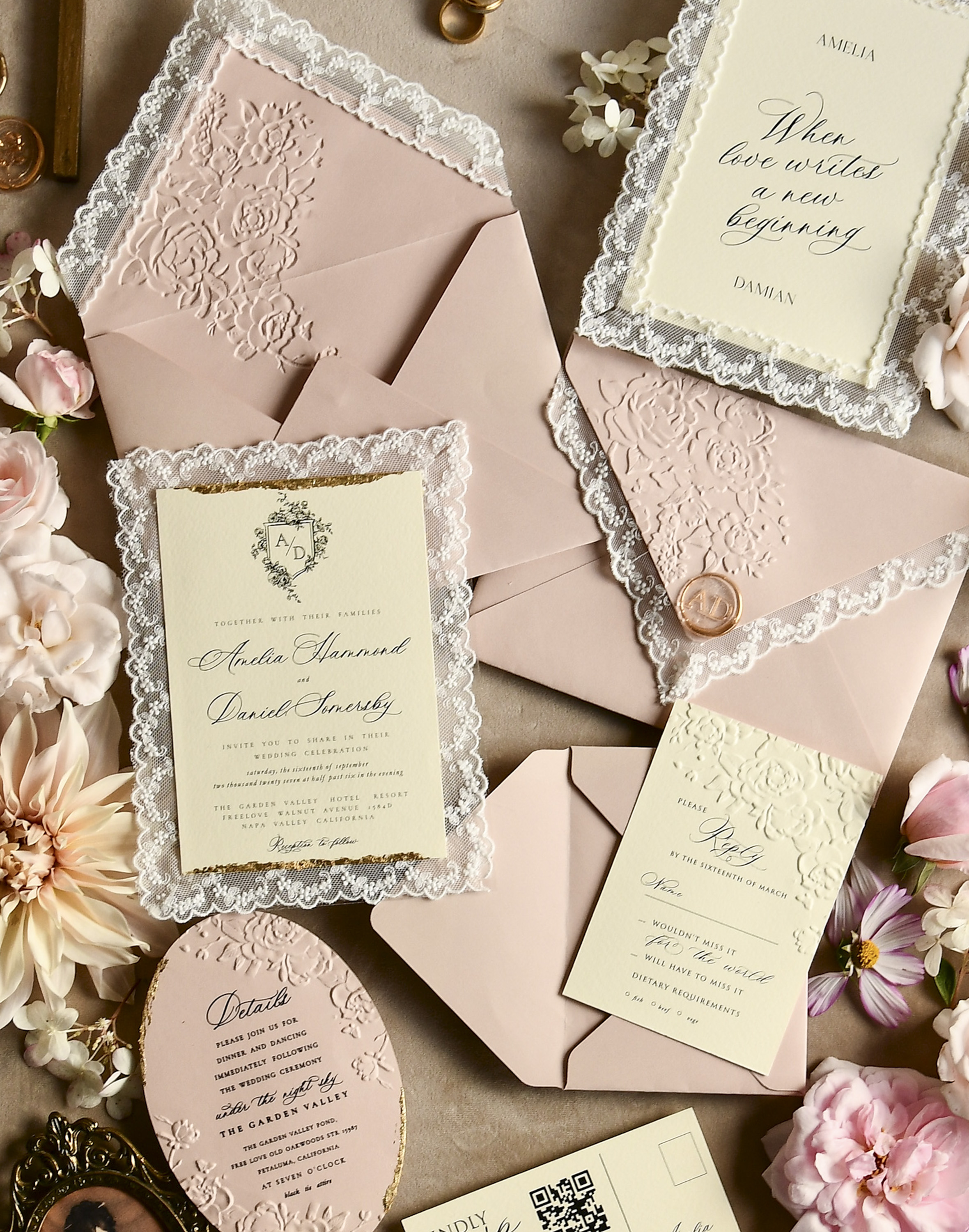
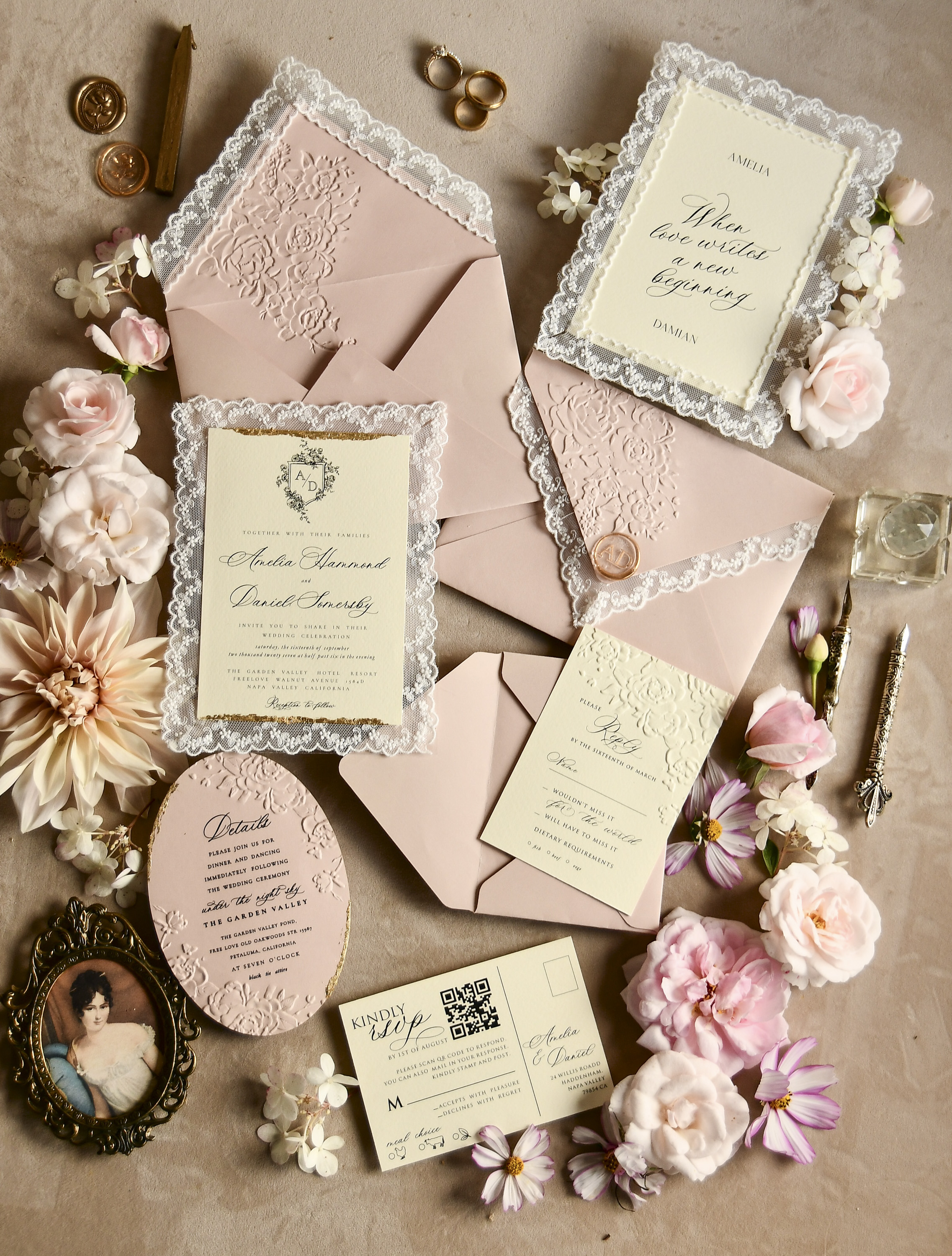
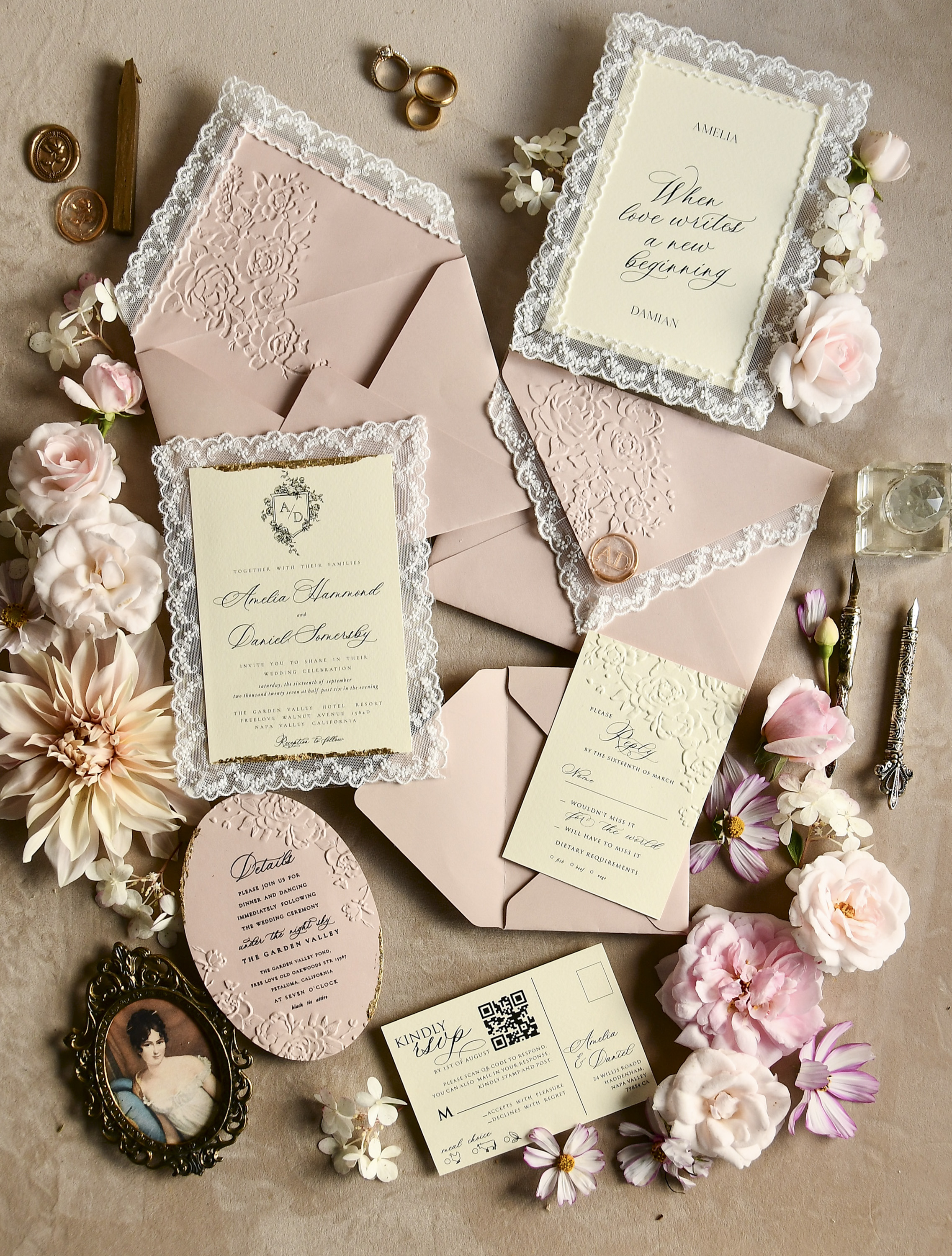
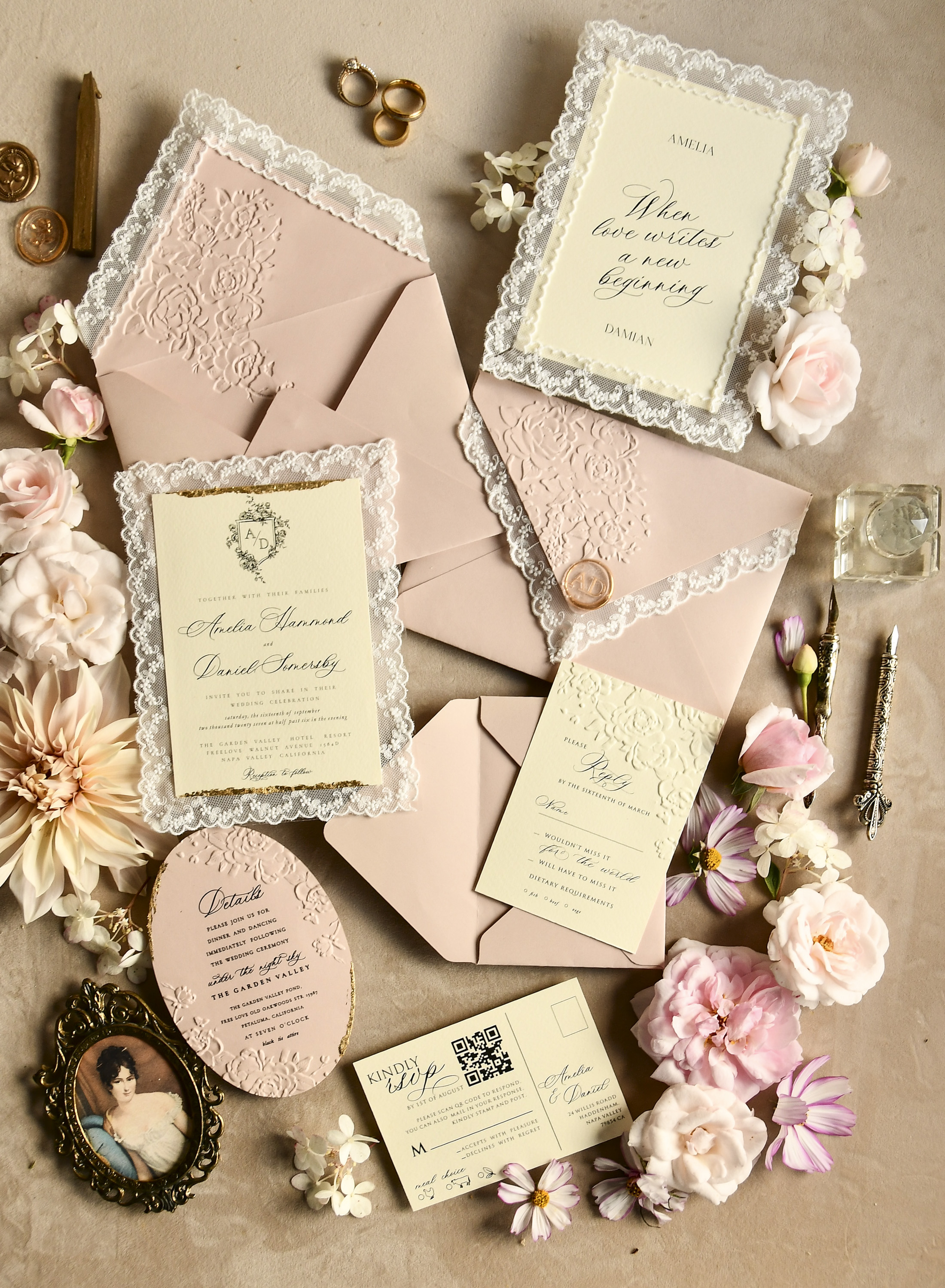
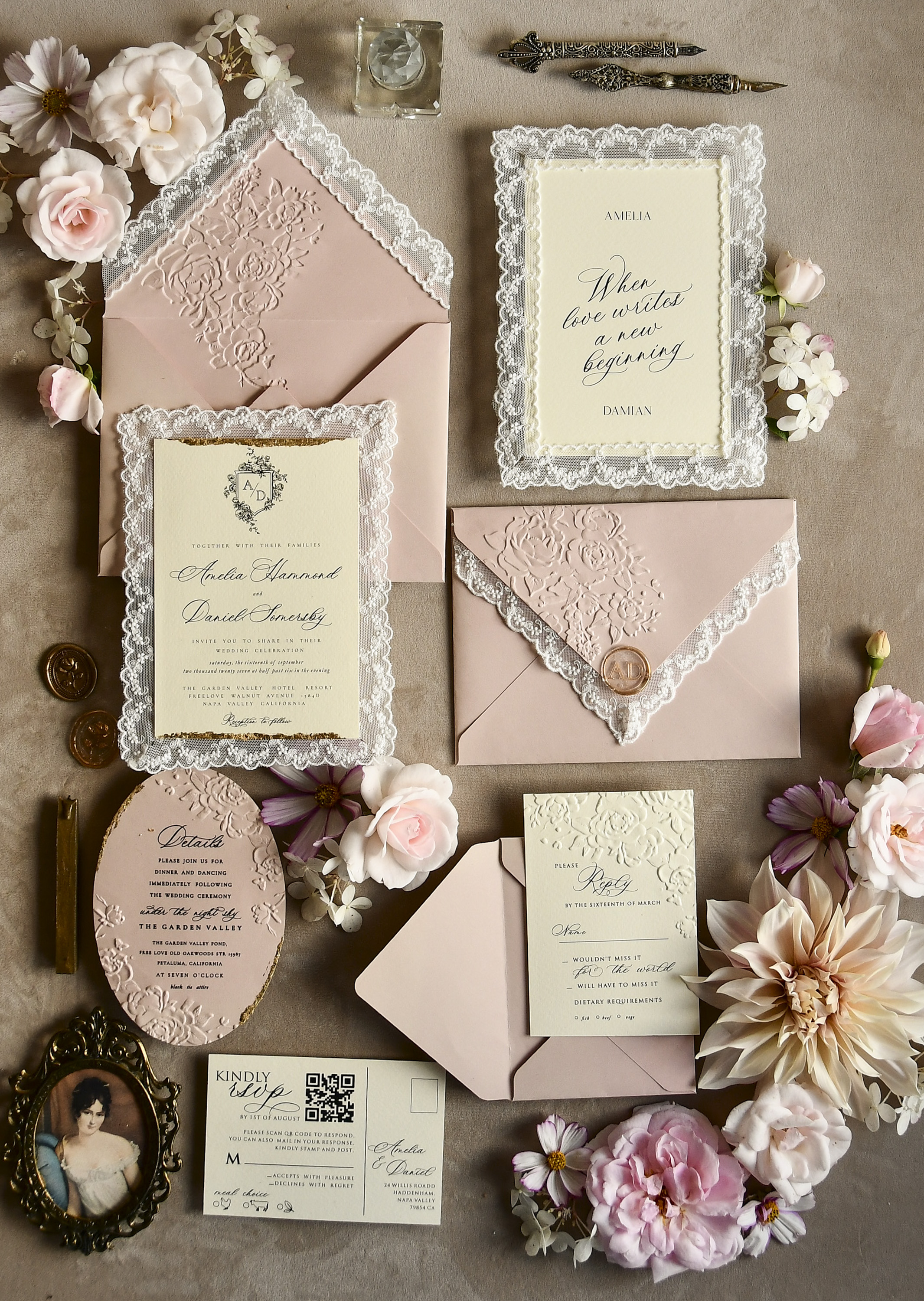
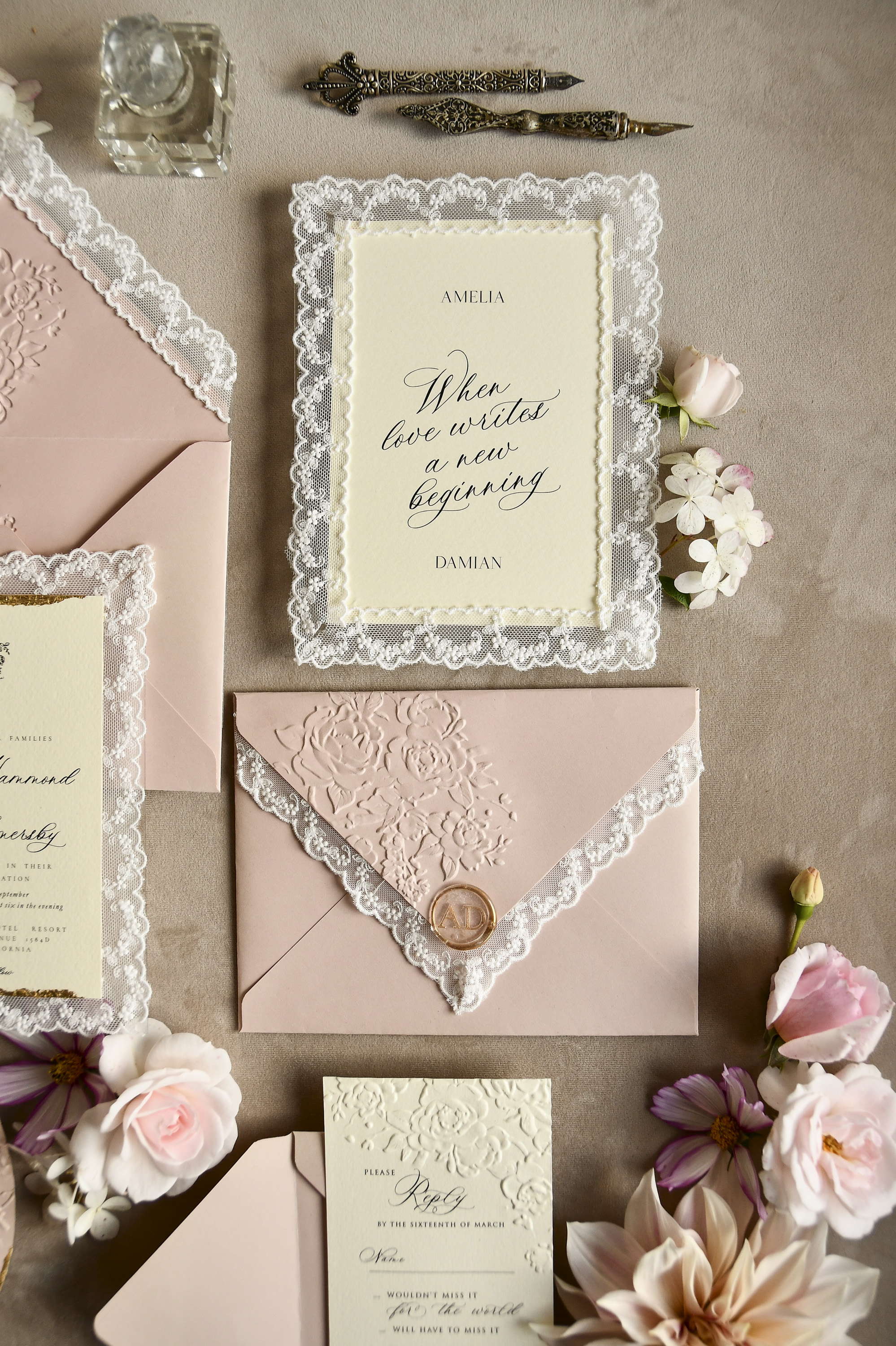
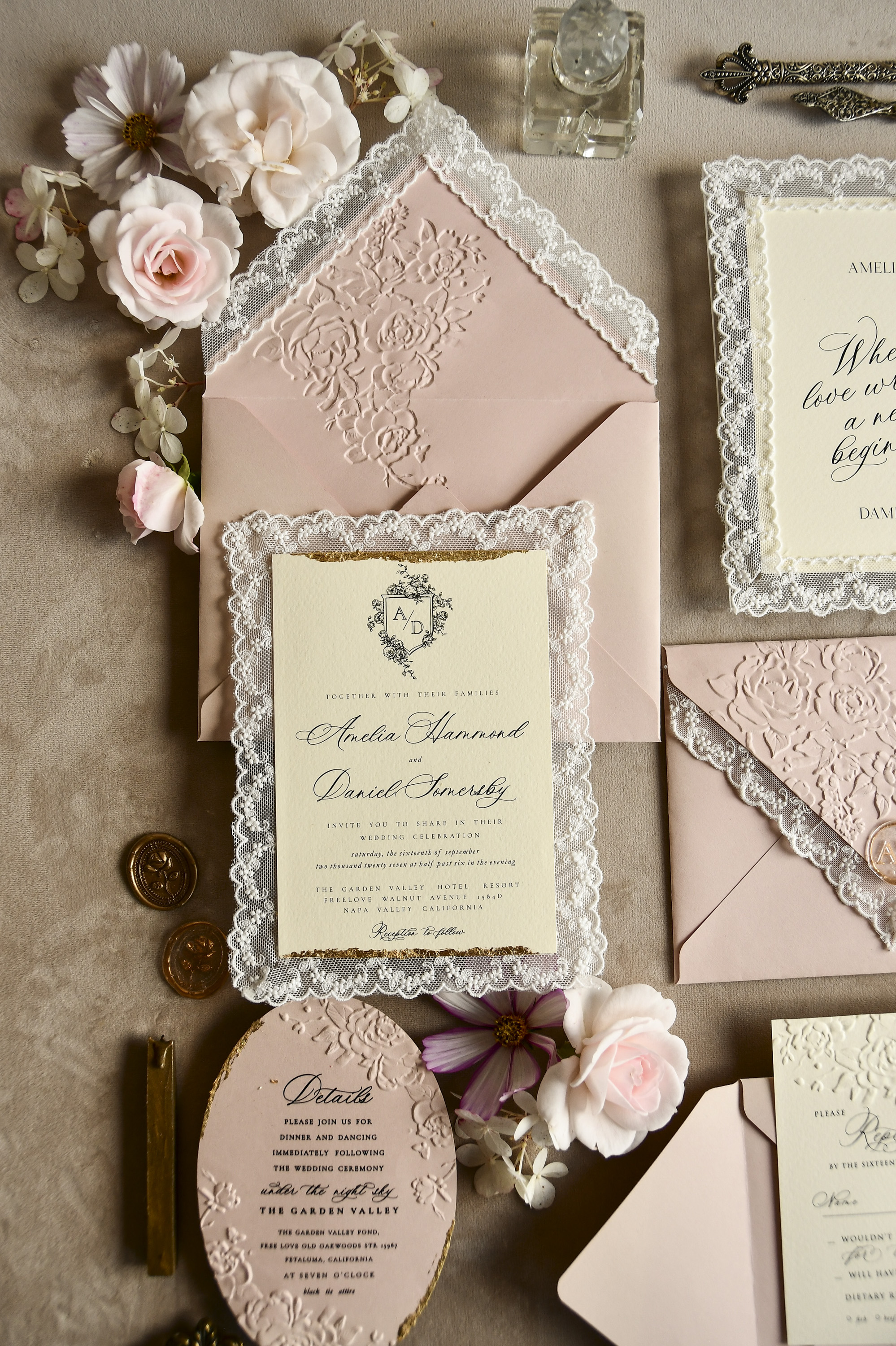
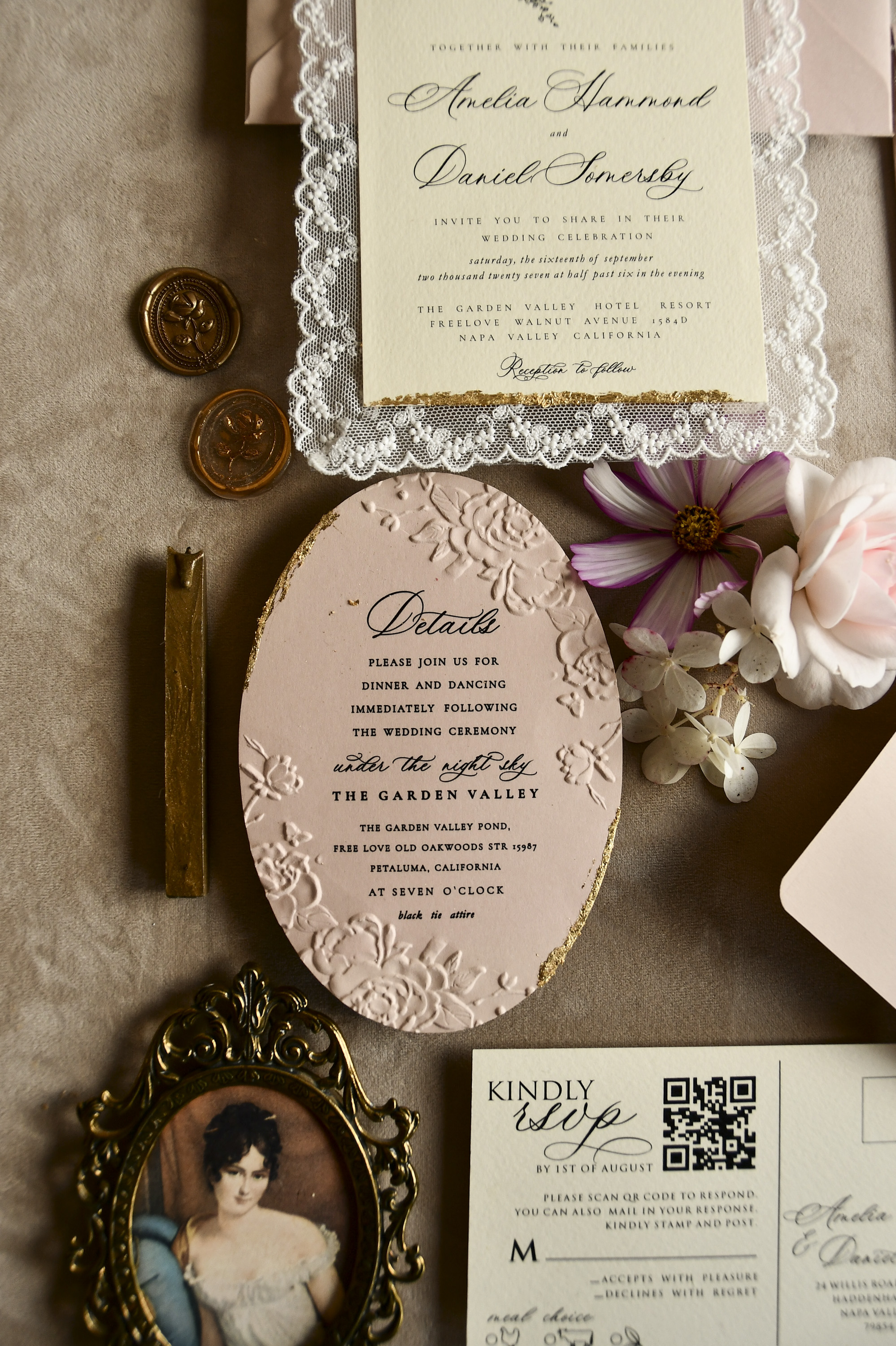
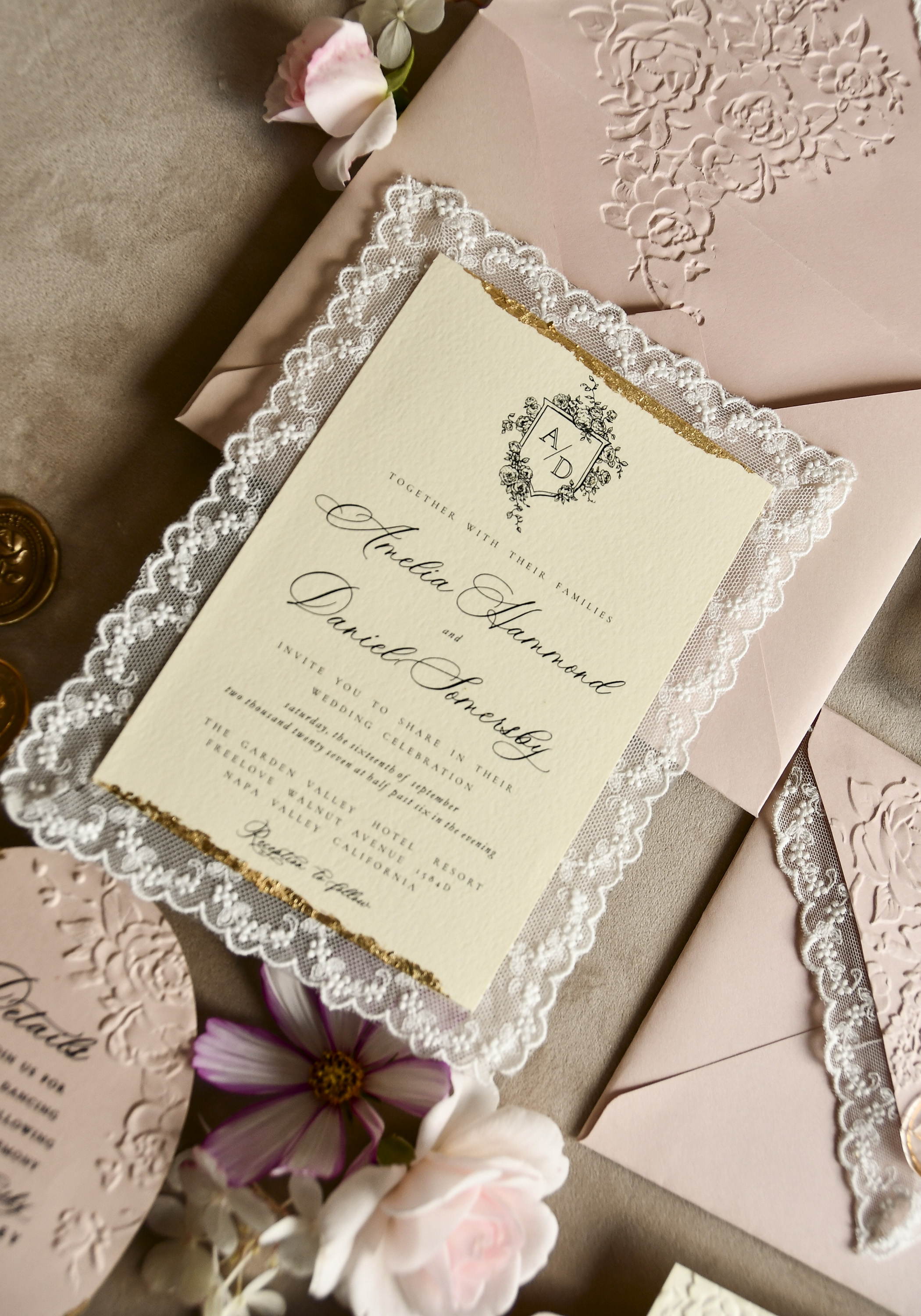
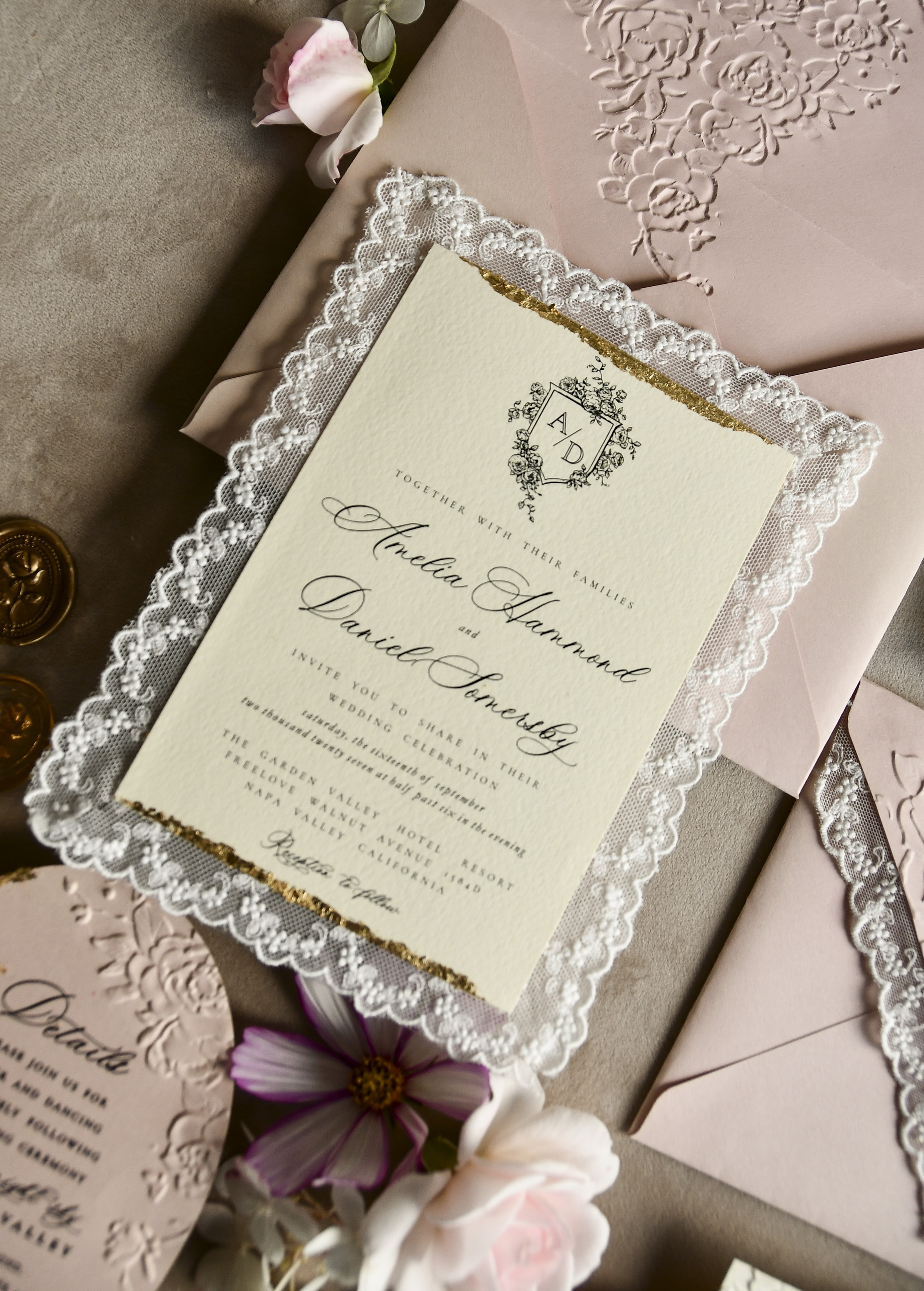
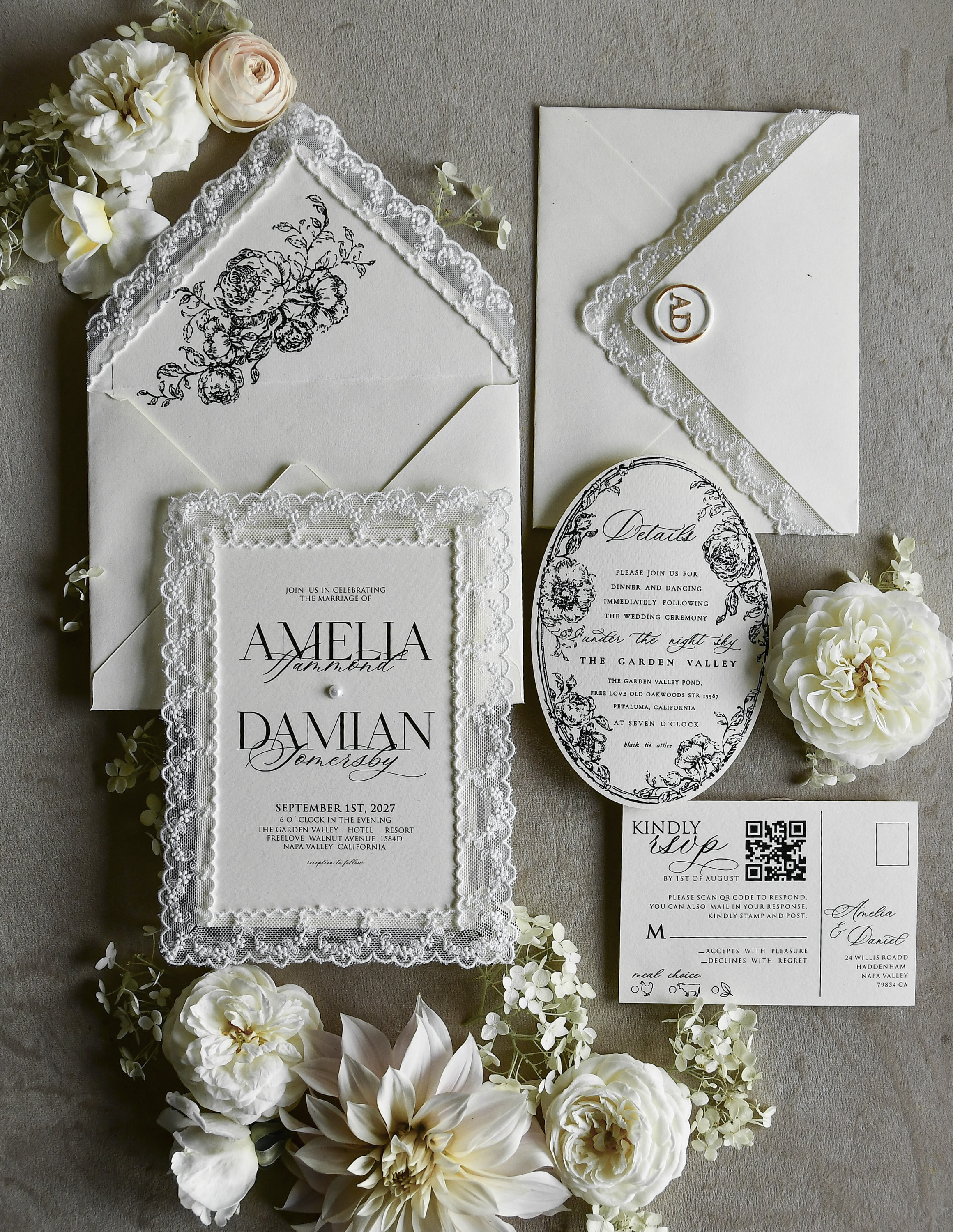
- Get your invitations hand-canceled at the post office. This means a postal worker stamps each envelope by hand instead of running it through a machine, which prevents damage to embossed or delicate designs — important if you've chosen something like the vintage lace embossed style from Margo&Bees' 01/laceembos/z collection, where the texture and detail deserve to arrive intact.
- Weigh your full invitation suite before buying stamps. An assembled invitation with RSVP card, envelope liner, and tissue paper can easily exceed one ounce and require extra postage. Visit your post office with a complete mock-up before you buy stamps in bulk.
- Request a return address on the outer envelope so undeliverable invitations come back to you rather than disappearing.
When Hand Delivery Actually Makes Sense
Hand-delivering invitations isn't just a time-saver in certain situations — it can also be a genuinely thoughtful gesture. There are specific scenarios where skipping the mailbox is the smarter (and sweeter) choice:
- Local family and close friends you see regularly. If you're having Sunday dinner at your parents' house anyway, bringing their invitation in person adds a personal touch without any extra logistics.
- Elderly relatives who may not check their mail frequently or who would love the chance to open the envelope with you right there.
- Guests in the same workplace or neighborhood where you can deliver a small batch in one trip.
- Fragile or oversized invitations that you're worried might get bent or damaged in transit, even with hand-canceling.
The key etiquette rule: if you hand-deliver to some guests but mail to others, that's completely fine — just make sure no one feels like an afterthought. Don't hand someone a loose invitation without an envelope; always present it sealed and addressed as you would mail it.
The Hybrid Approach Most Couples Use
In practice, the most common strategy is a hybrid: mail the bulk of your invitations and hand-deliver a small group of 5–20 to people you'll naturally see in the weeks leading up to your send date. This is efficient and keeps the experience feeling personal for everyone.
A simple way to organize this:
- Sort your guest list into two groups — mail and hand-deliver — before you address envelopes.
- Address and assemble all invitations the same way, so hand-delivered ones look identical to mailed ones.
- Set a firm deadline for completing hand deliveries (at least 2 weeks before your RSVP date) so you're not chasing people down later.
Pro tip: Don't promise yourself you'll hand-deliver more than you realistically can. Life gets busy during wedding planning. If your hand-deliver list starts growing beyond 20–25 people, it's worth asking a trusted bridesmaid or family member to help.
Postage, Protection, and Presentation Tips
Whether you're mailing or delivering by hand, presentation matters. Your invitation is the first physical piece of your wedding that guests will touch, and it sets the tone for everything that follows. Here's how to protect that impression:
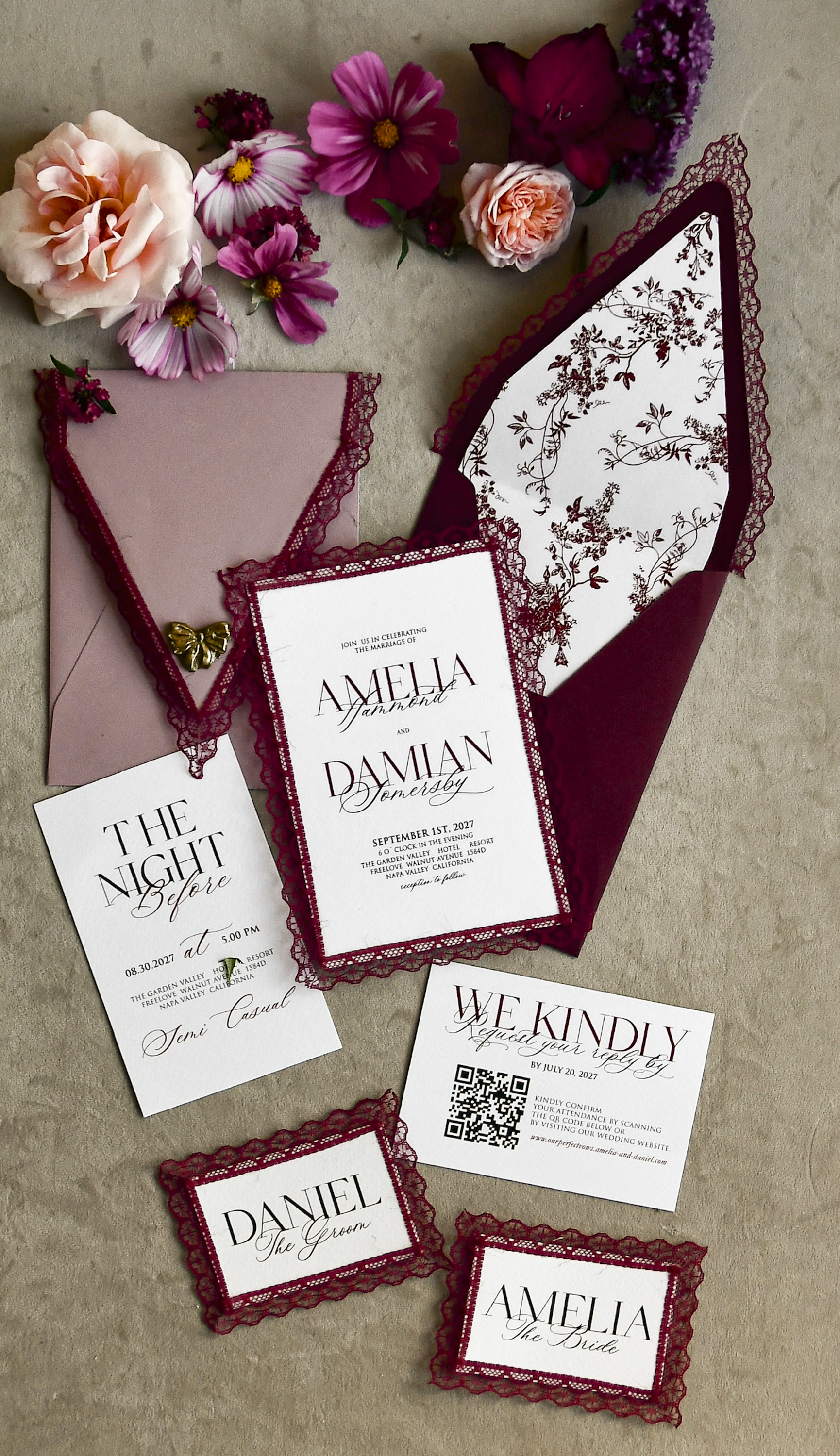
- Use a sturdy outer envelope and consider a vellum wrap or belly band to keep everything neatly together inside.
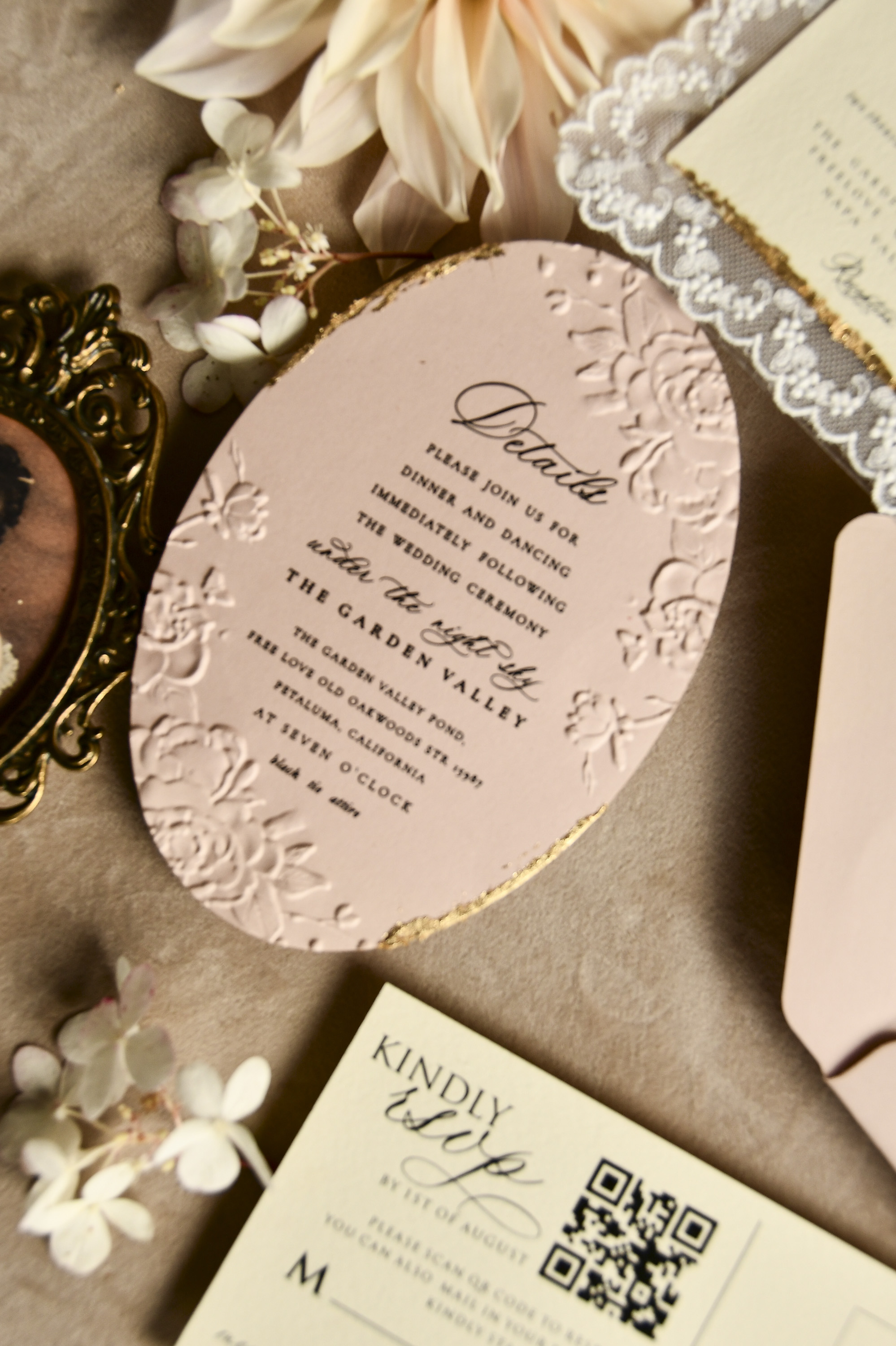
- For embossed or textured designs — like the rustic lace detailing in the 01/laceembos/z suite, starting from $9.00 — place a piece of tissue paper between layers to prevent scuffing during transit.
- Check USPS guidelines on non-machinable surcharges. Square envelopes, envelopes with clasps, or anything over a quarter inch thick will cost more to mail.
- Send a test invitation to yourself before dropping the full batch at the post office. This is the single best way to catch damage, smearing, or postage issues before it's too late.
Frequently Asked Questions
For domestic guests, aim to mail 6–8 weeks before your wedding date. If you have international guests or are hosting a destination wedding, send 10–12 weeks out to give everyone time to make travel arrangements.
Not at all — as long as every invitation is properly assembled, sealed, and addressed. The etiquette issue arises only if hand-delivered invitations look noticeably less formal or rushed compared to mailed ones, so keep presentation consistent across the board.
You don't need special stamps, but you do need the correct postage. Weigh your fully assembled invitation suite at the post office before purchasing stamps, since heavier or non-standard-sized envelopes often require additional postage beyond a standard Forever stamp.
Hand-canceling means a postal worker manually stamps each envelope to cancel the postage, rather than running it through automated machinery. It's highly recommended for embossed, delicate, or wax-sealed invitations because machines can crush or scuff them.
Yes, this is very common and completely acceptable. Guests rarely compare notes on how their invitation arrived — what matters is that everyone receives one with enough lead time and that each invitation looks equally polished and intentional.
Always print a return address on your outer envelope so undeliverable mail comes back to you. If a guest mentions they never received their invitation, simply send a replacement or follow up with a phone call — it happens, and most guests are understanding.
See This Design Up Close
You May Also Like
More Wedding Planning Guides
- → When to Address a Wedding Invitation Directly to a Child
- → Mailed Card or Website Link? How to Handle RSVPs the Modern Way
- → Navigating a Wedding Guest List When Your Fiancé Wants to Leave Your Family Out
- → Wedding Invitation Wording: Every Essential Detail Couples Need to Include
- → When Your Divorced Parents Can't Be in the Same Room: A Wedding Planning Guide
- → Adults-Only Weddings: Is Leaving Kids Off the List Actually Rude?
- → Wedding Invitation Addressing: Names, Titles, and Every Tricky Situation Solved
- → How to Decide Who Gets a Plus One at Your Wedding
- → Wedding Invitations: How to Count What You Actually Need
- → Yes, You Can Invite Ceremony-Only Guests — Here's How to Do It Gracefully
- → Extra Wedding Guests: Who Pays and How to Handle It Gracefully
- → Big Wedding or Better Wedding: How to Choose What Truly Matters
- → Your Wedding, Your Guest List: The Honest Truth About Inviting Cousins
- → Uninvited Extras: How to Handle Guests Who Bring Someone You Didn't Invite
- → Plus-One or No? How to Decide If Single Guests Can Bring a Date
- → How to Embrace a Small Wedding and Make It Unforgettable
- → Where Do Divorced Parents Sit at Your Wedding? Here's What Actually Works
- → To Invite or Not to Invite: Navigating the Ex Question for Your Wedding Guest List
- → Stepparents and Your Wedding Guest List: Making the Right Call
- → Setting Plus-One Boundaries Without Losing Sleep (or Friends)
- → Should Work Friends Come to Your Wedding? A No-Stress Guide to Inviting Colleagues
- → Guests Who Don't RSVP: Your Step-by-Step Plan
- → Save the Date vs. Wedding Invitation: Two Very Different Jobs, One Beautiful Paper Trail
- → When Someone Asks Why They Weren't Invited: Your Honest, Kind Playbook
- → To Call or Not to Call: Tracking Down Guests With Missing RSVPs
- → When the Guest List Must Shrink: The Right People to Remove First
- → Digital Wedding Invitations: When They Work and When to Think Twice
- → How to Handle the Parent Friend Dilemma on Your Wedding Guest List
- → Your Wedding Invitation Deadline: When the Window Officially Closes
- → Uninvited Plus-Ones and Tag-Alongs: How to Keep Your Guest List Intact
- → When Family Feuds Threaten Your Wedding Plans: A Practical Peacekeeper's Guide
- → Inviting an Estranged Brother or Sister: Finding Clarity Before You Seal the Envelope
- → Cousins, Invites, and Hard Choices: A Practical Guest List Guide