
The Graceful Way to Let Guests Know Your Wedding Is Adults Only
Choosing an adults-only wedding is a completely valid decision — whether your venue has a strict capacity, your reception runs late into the night, or you simply want a more sophisticated atmosphere. The tricky part? Letting guests know without causing offense. The good news is that clear, warm communication on your invitations and wedding website does most of the heavy lifting for you.
Start With the Invitation Itself
Your wedding invitation is the single most important place to set the adults-only expectation. The most time-honored method is to address the envelope precisely — list only the names of the invited guests, not "The Smith Family" or "John Smith & Family." When guests see "Mr. and Mrs. John Smith" rather than a family address, the message is implicit and graceful.
If you want to be more explicit, a line on your details card or RSVP card works beautifully. Try phrasing like:
- "We have reserved ___ seat(s) in your honor." (fill in the number on each card)
- "Due to venue capacity, we are hosting an adults-only celebration."
- "We kindly ask that this be an adults-only evening."
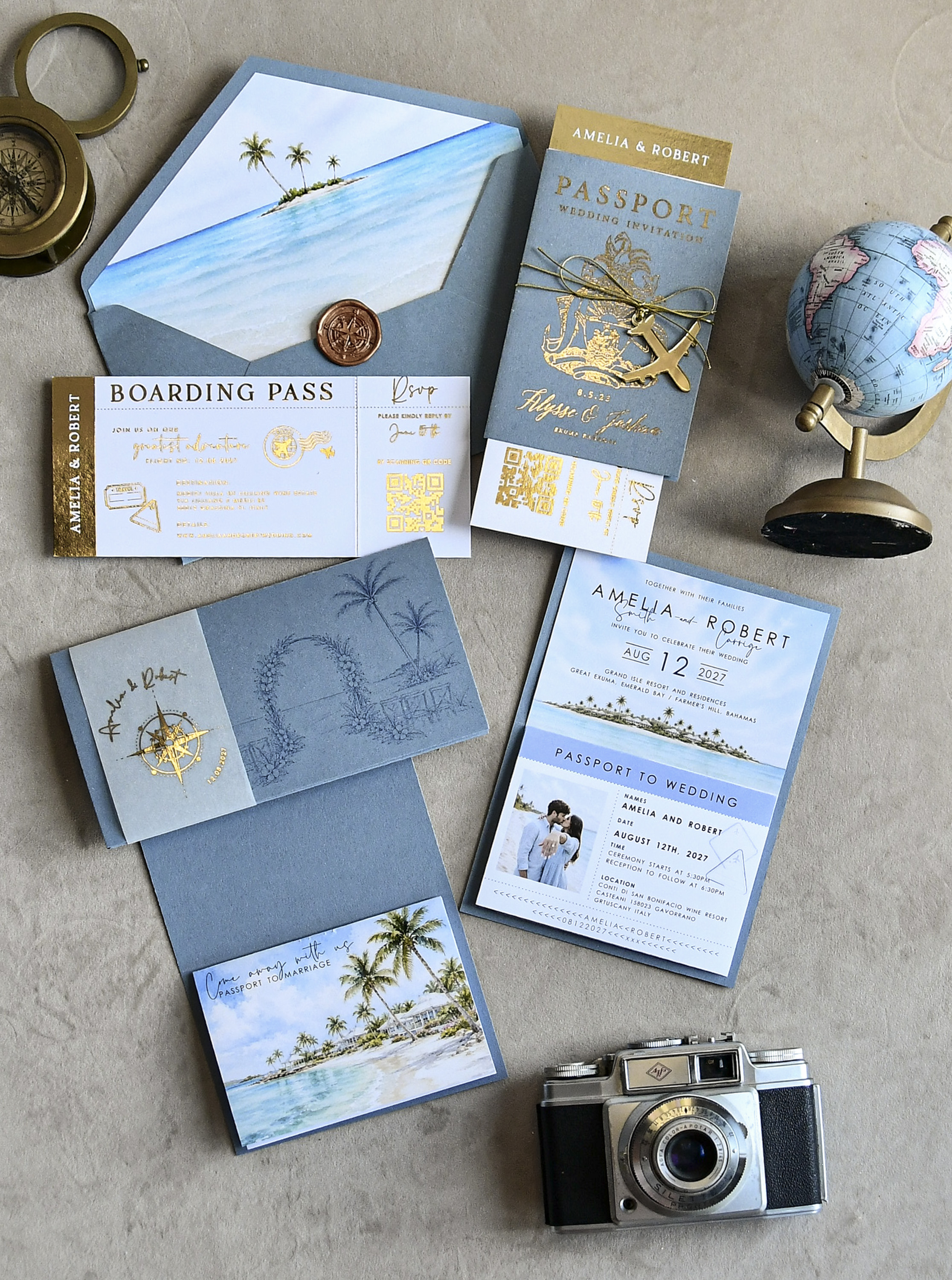
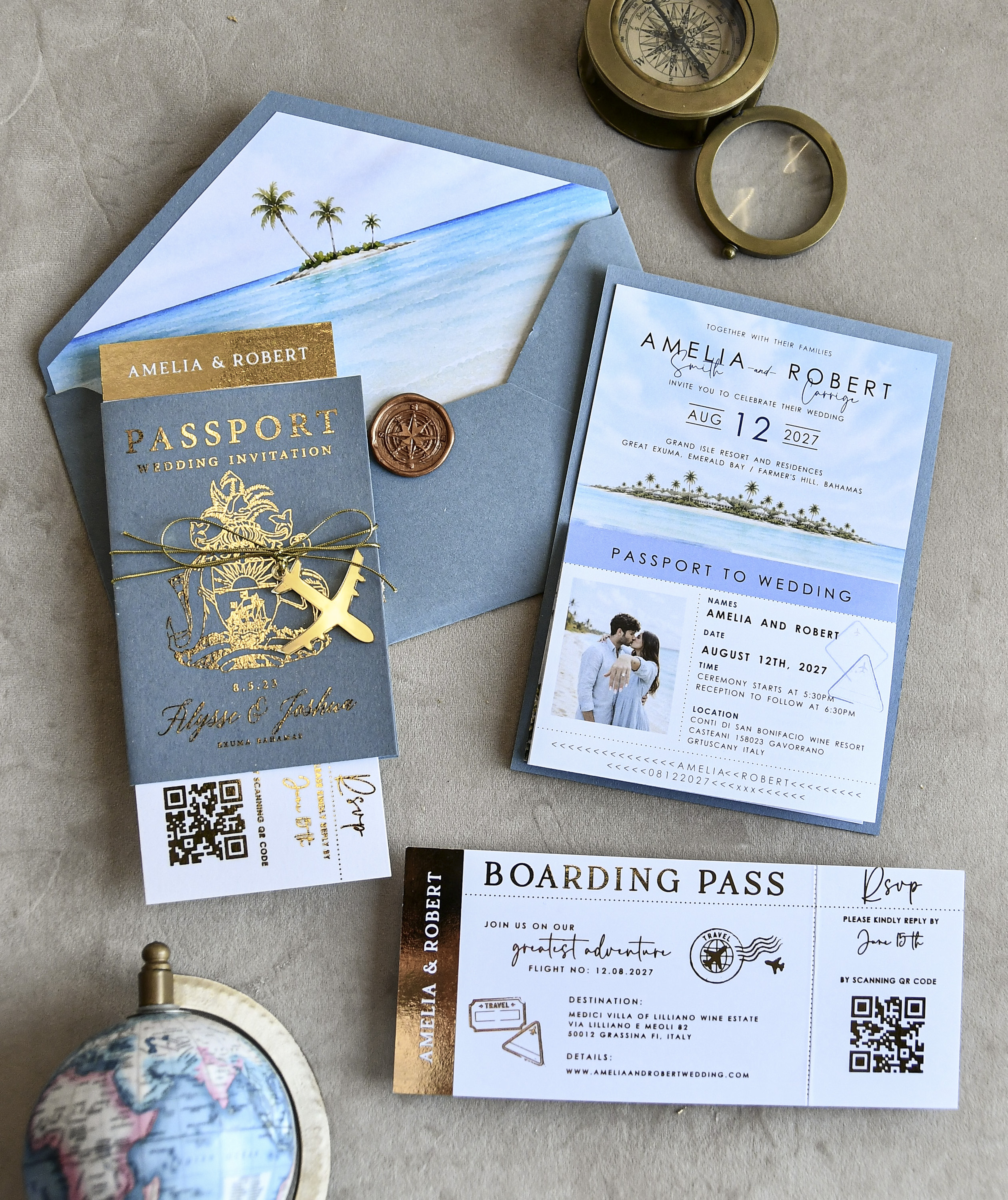
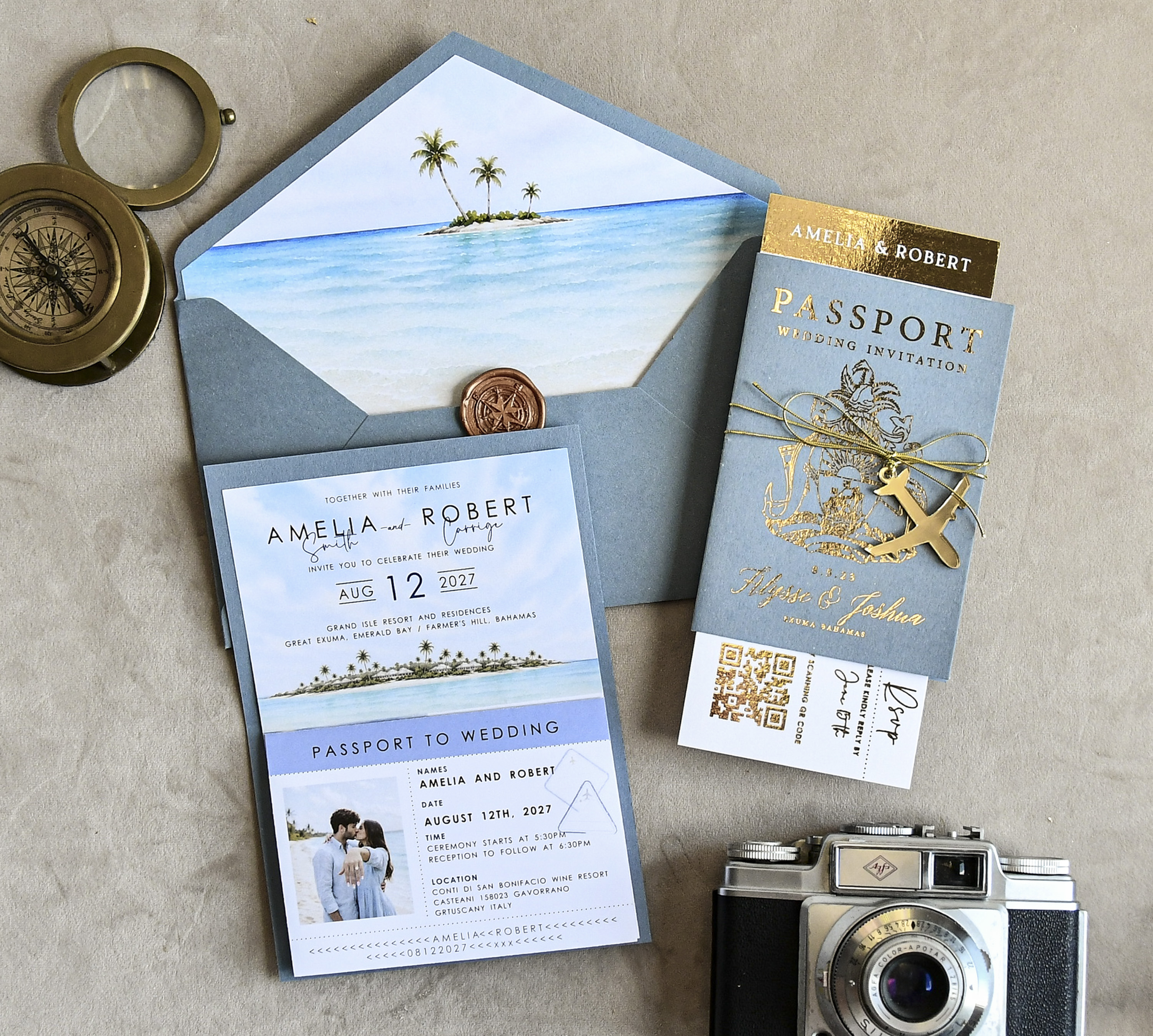
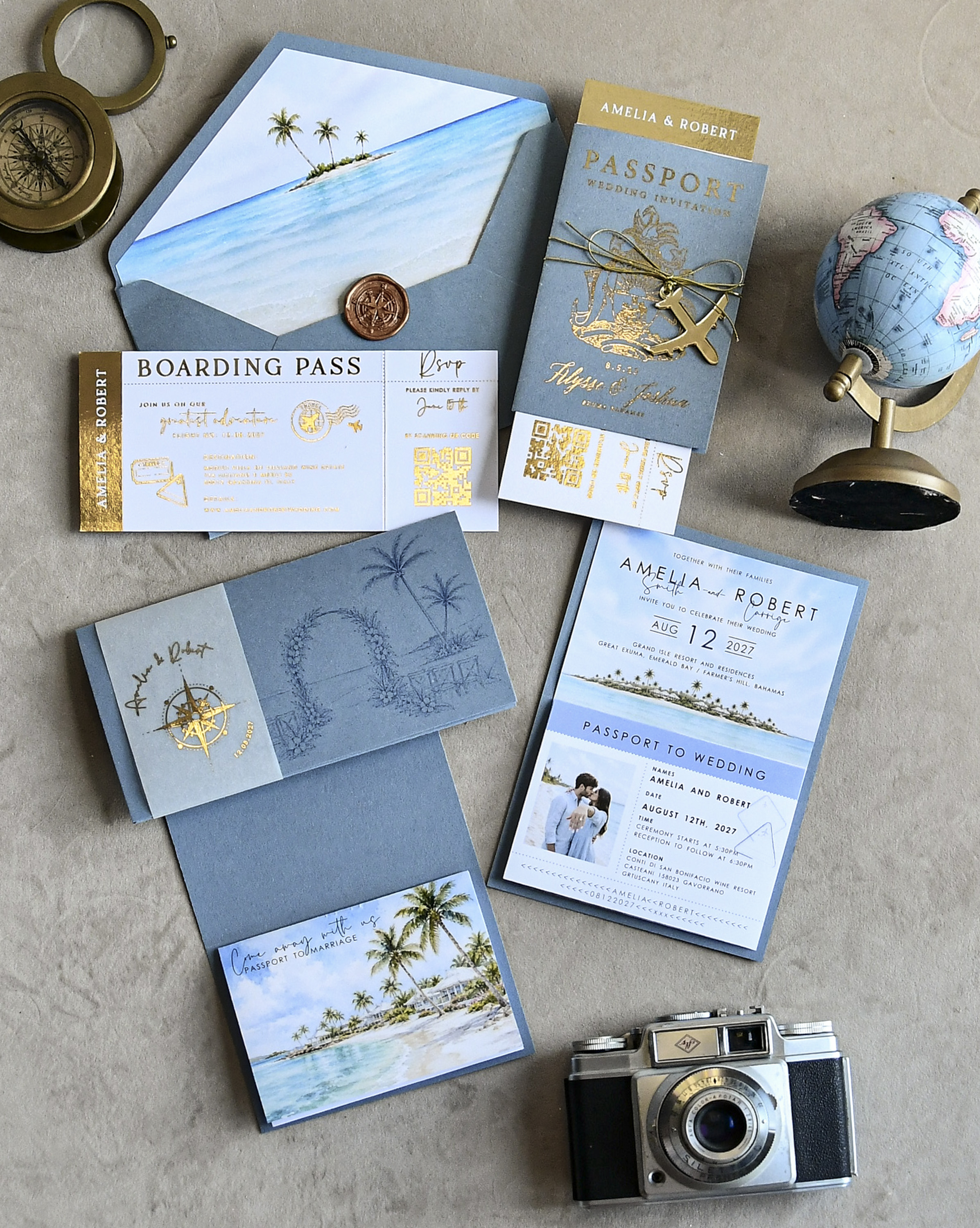
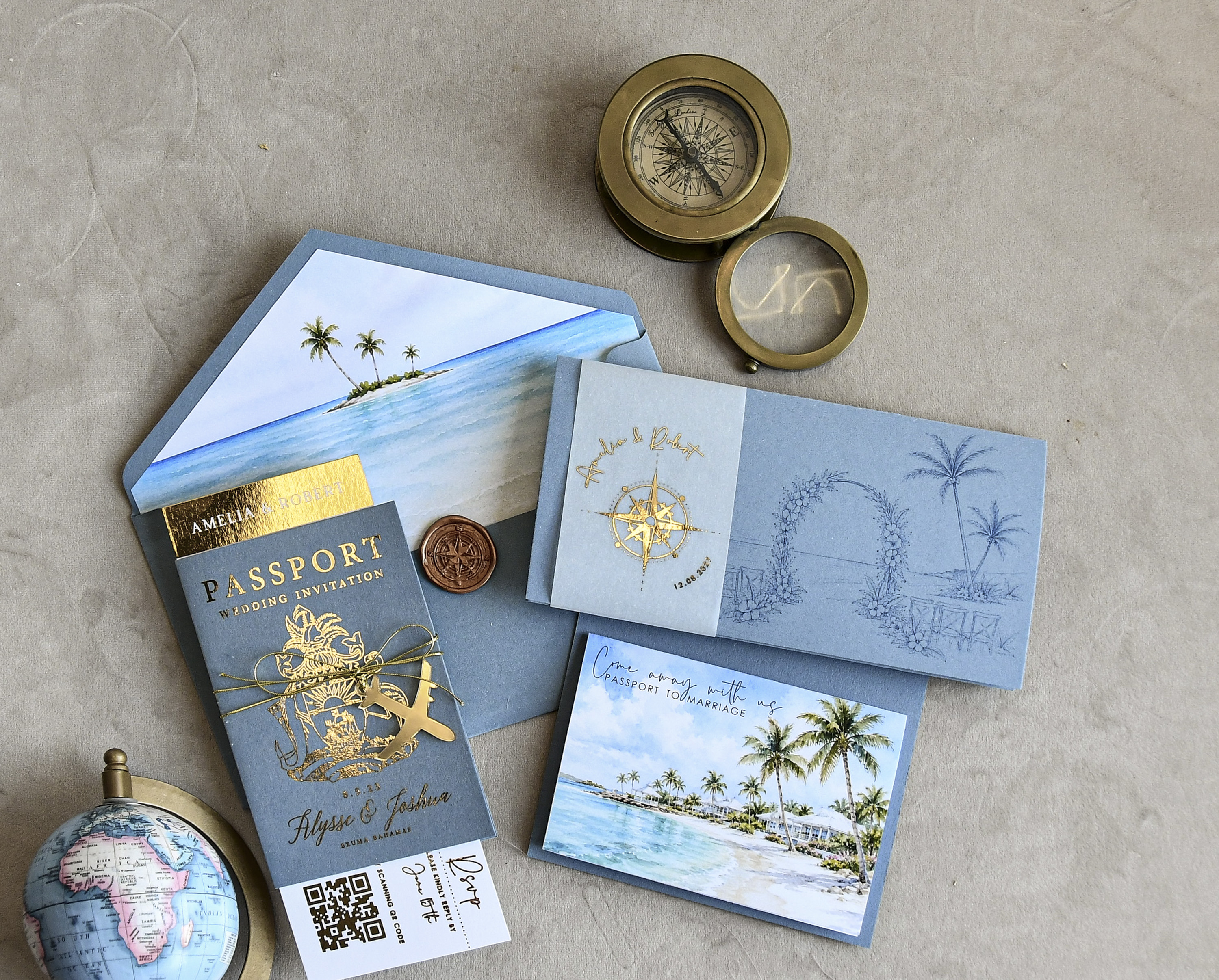
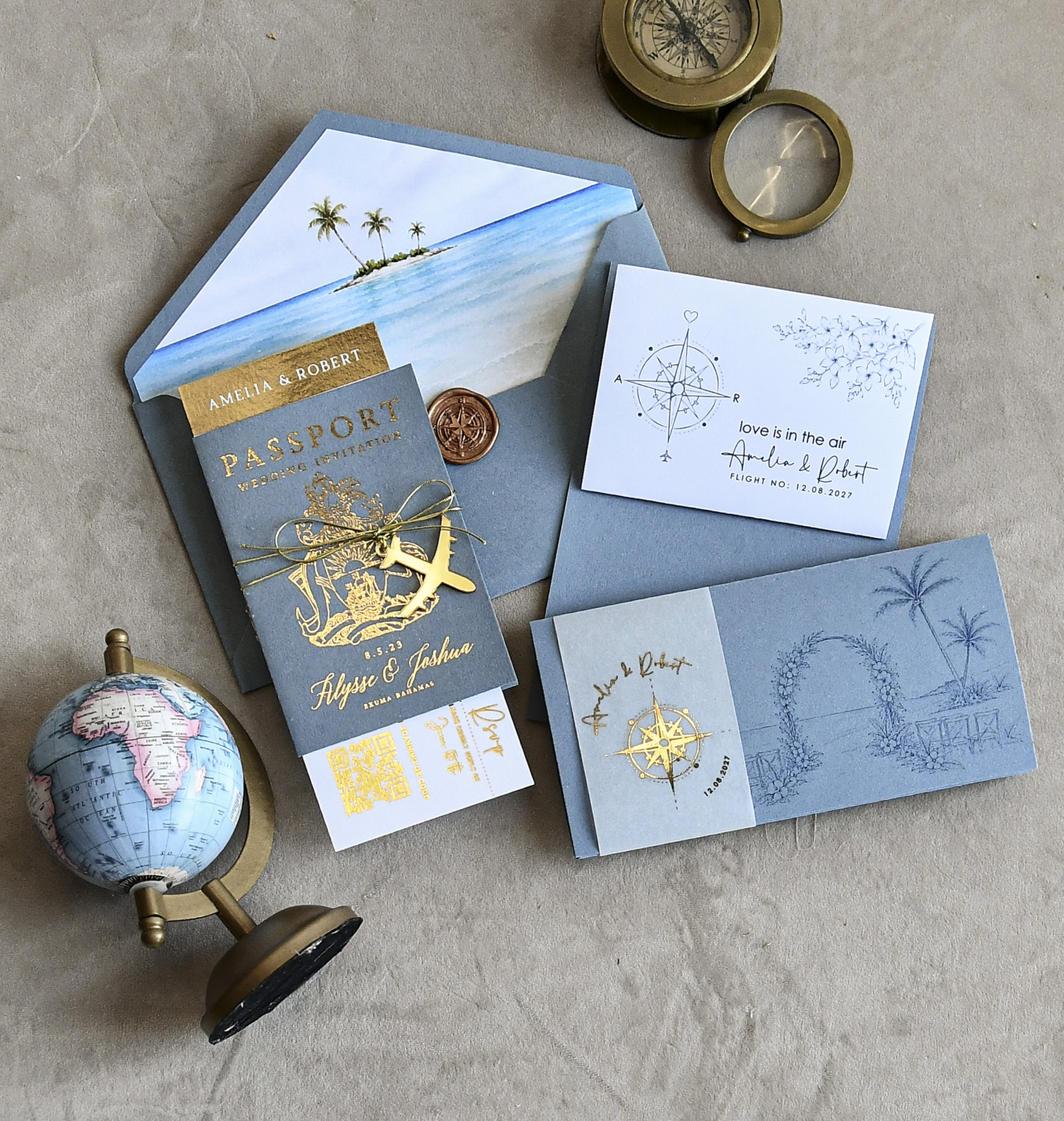
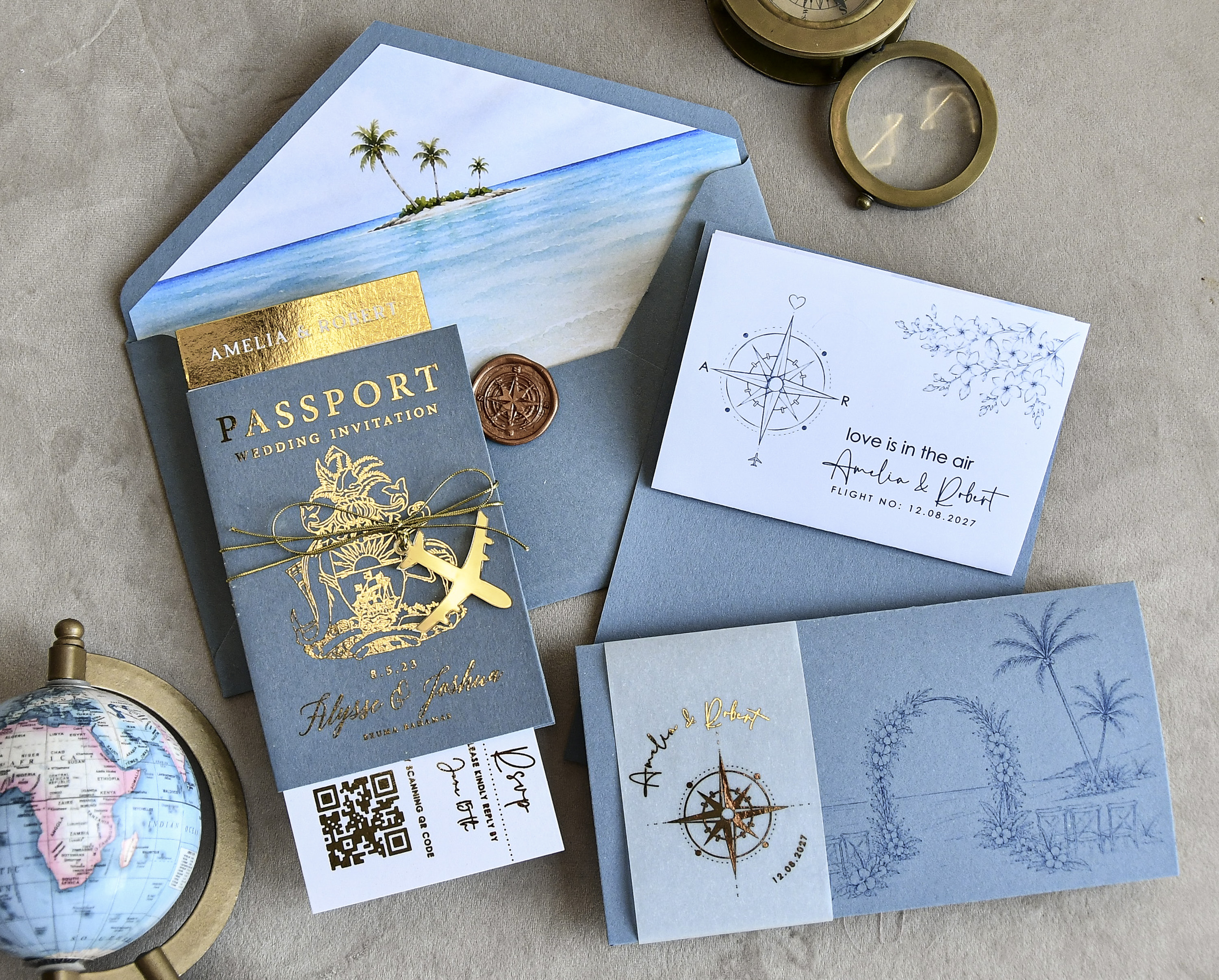
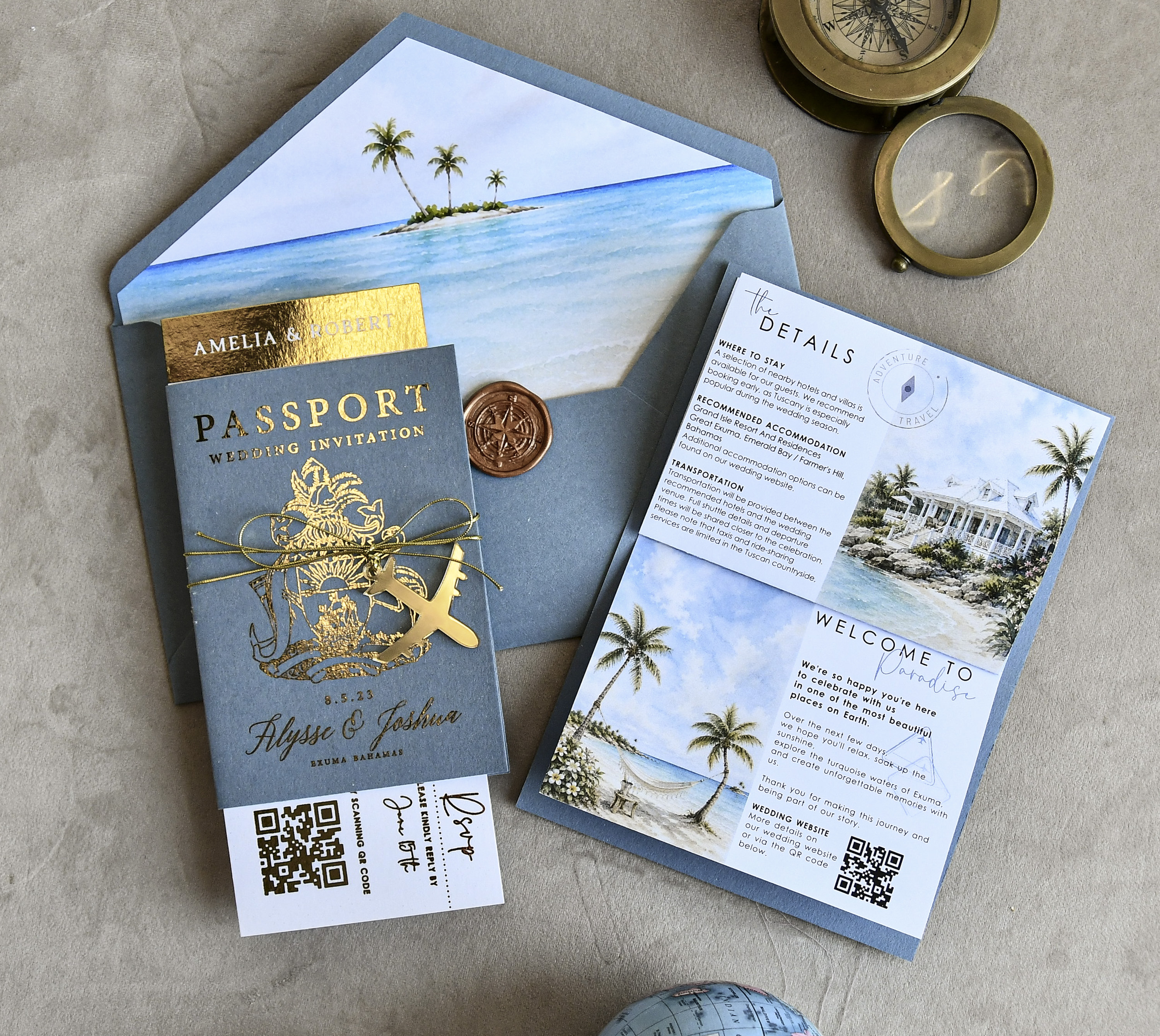
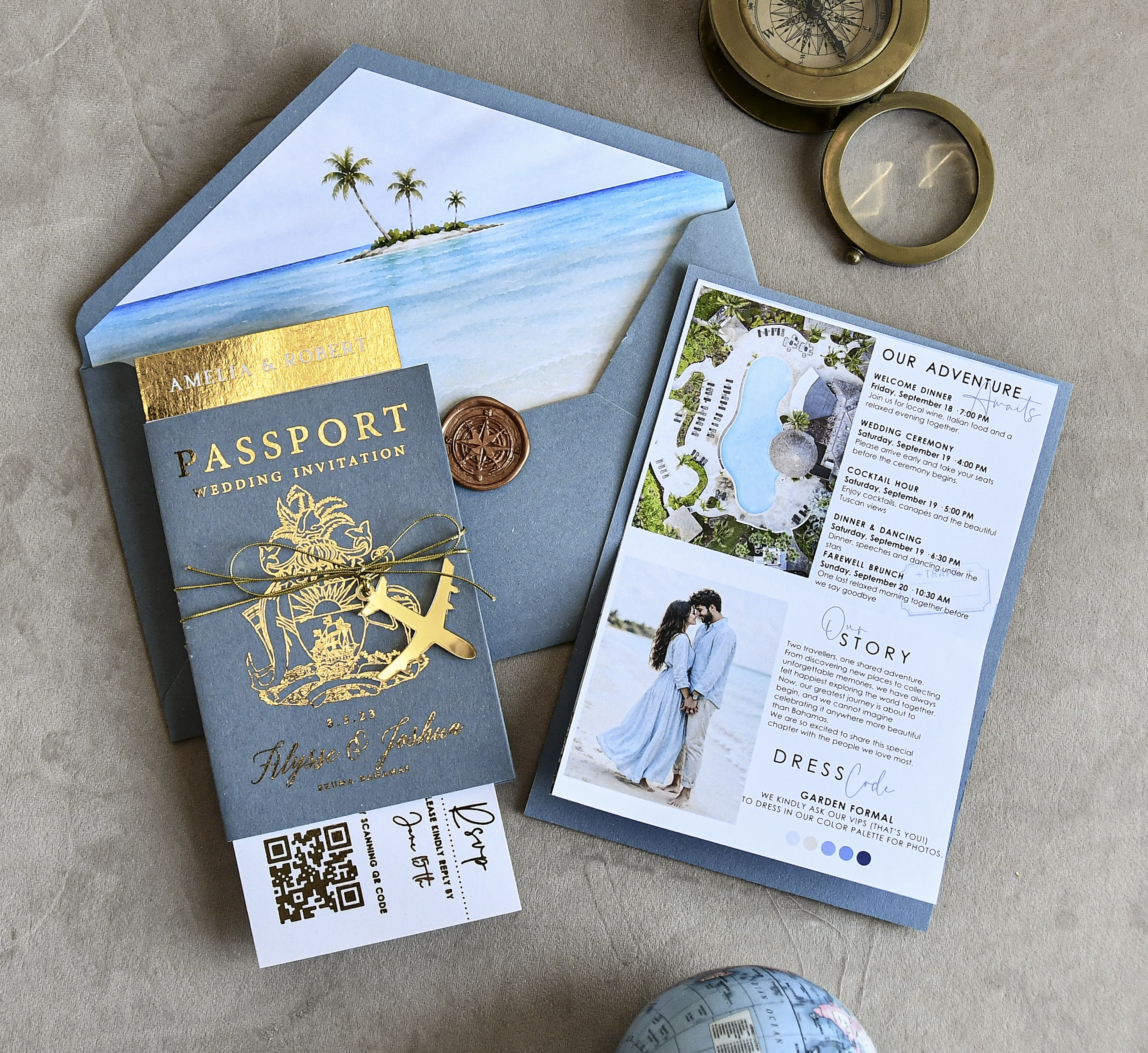
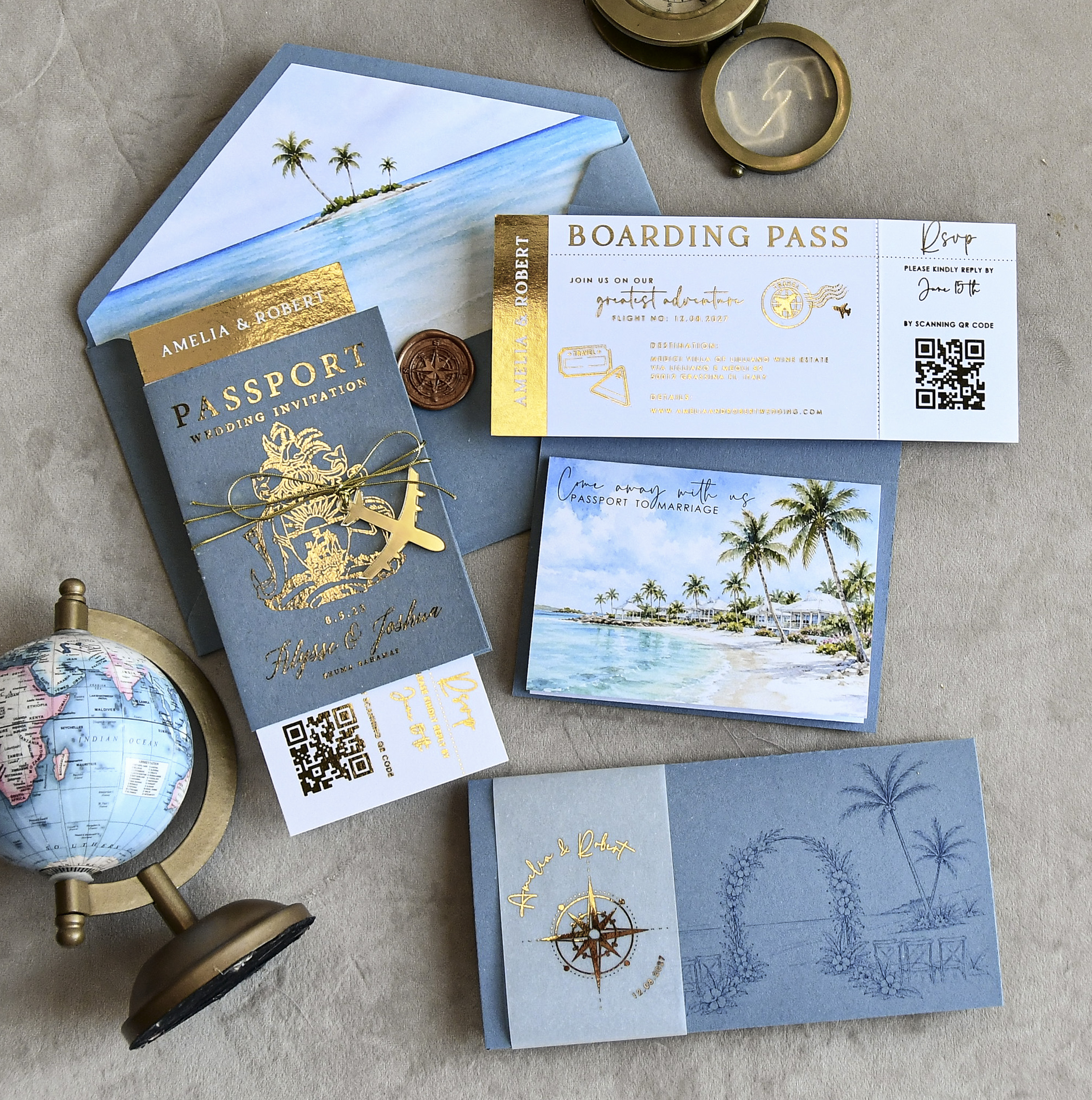
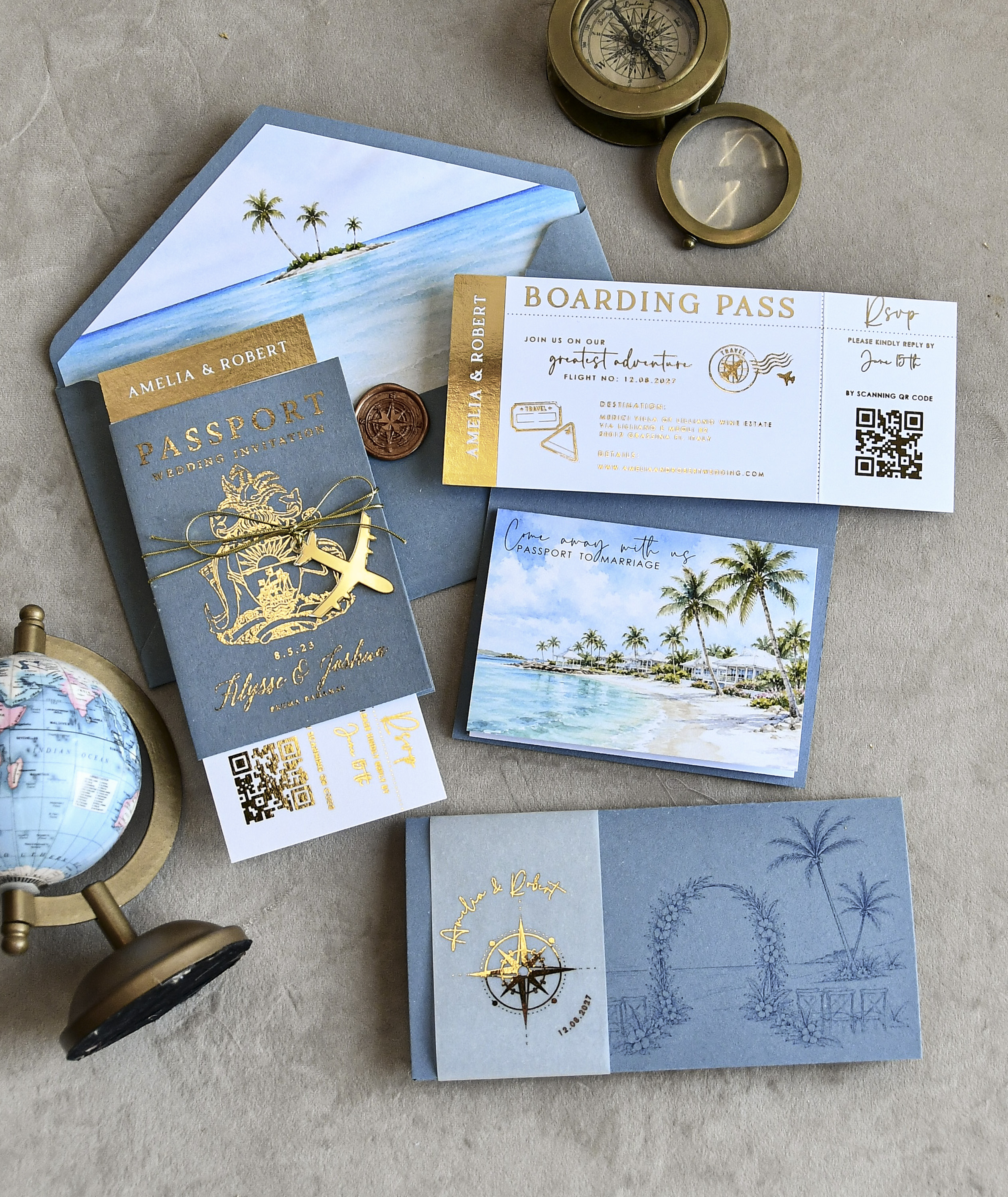
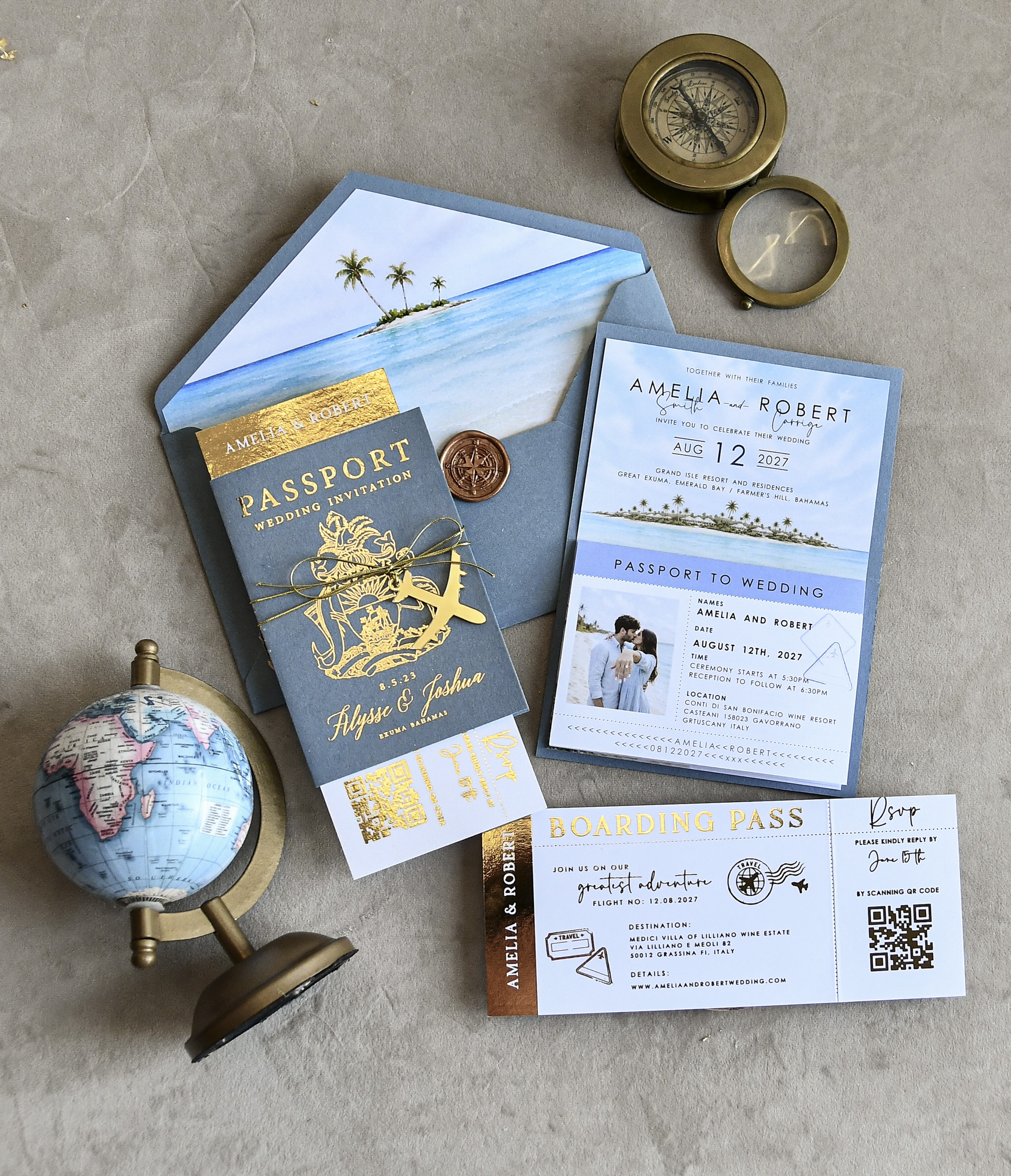
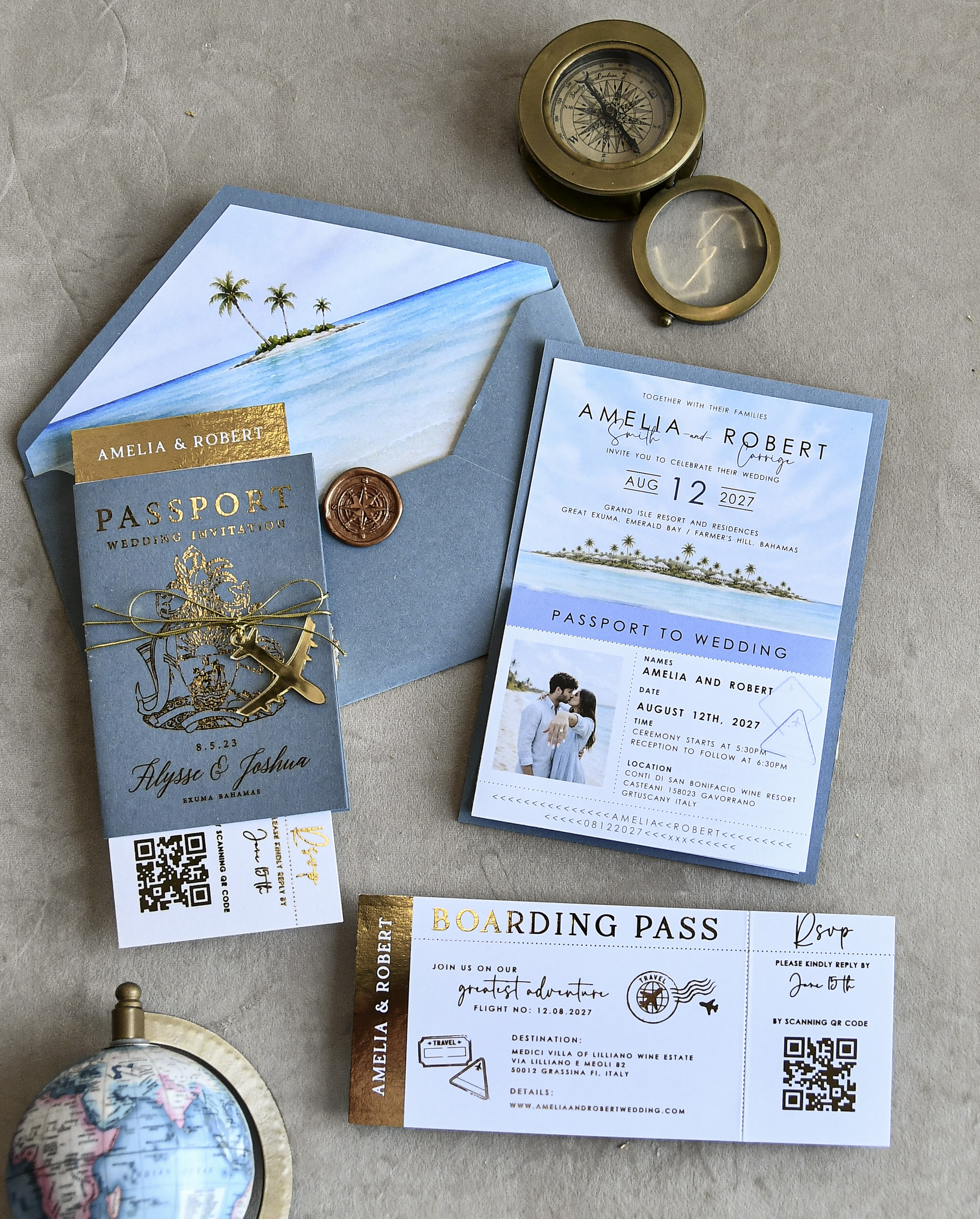
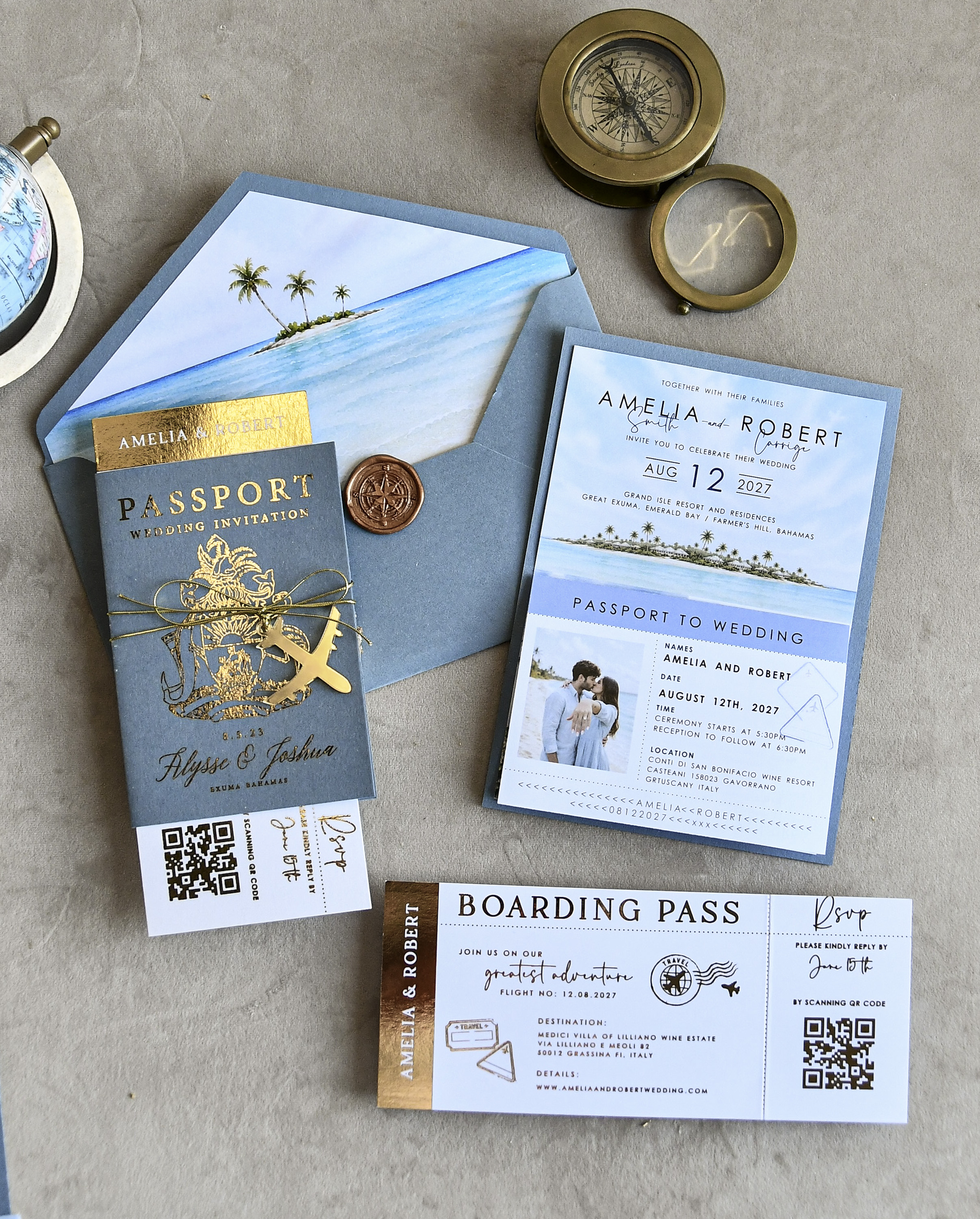
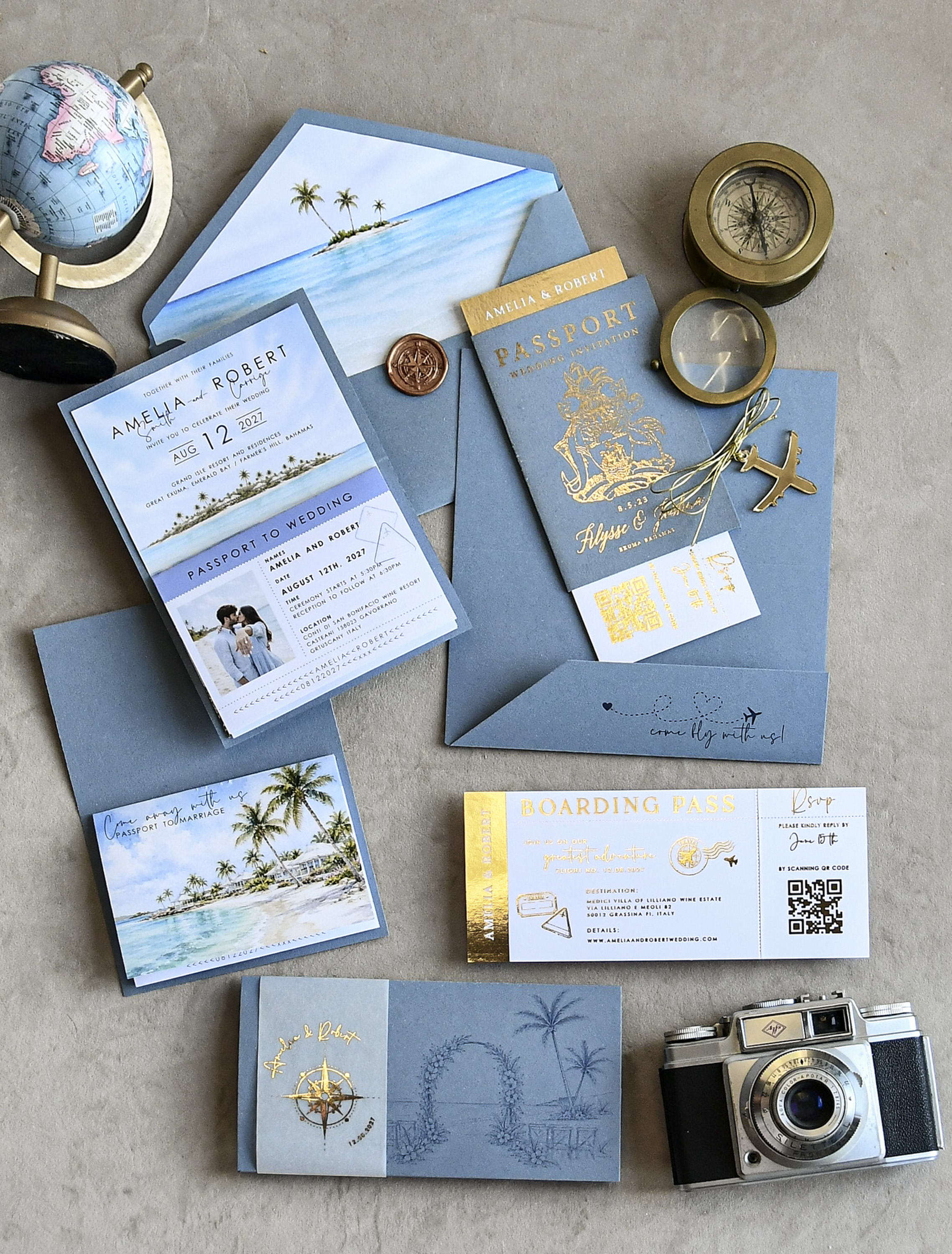
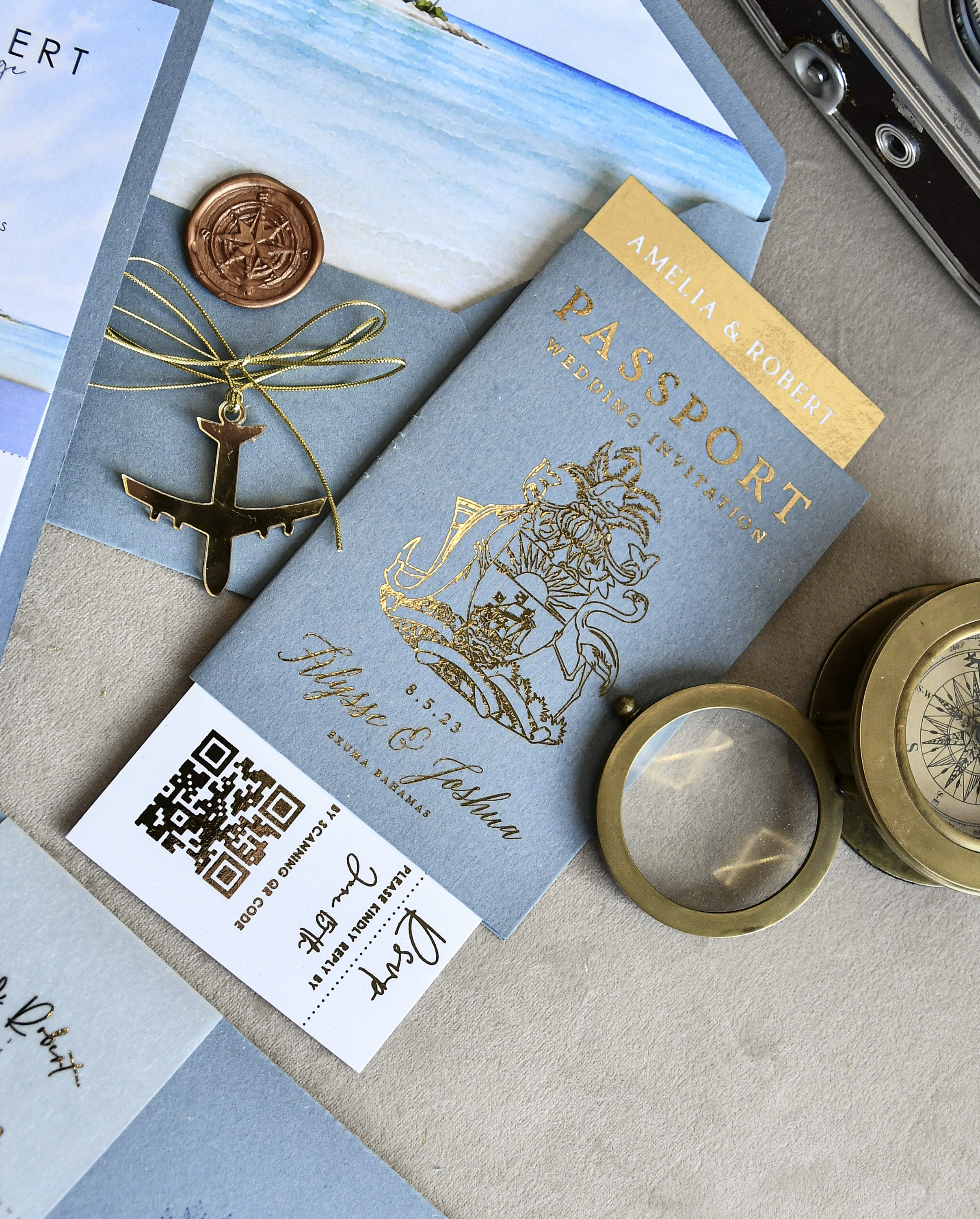
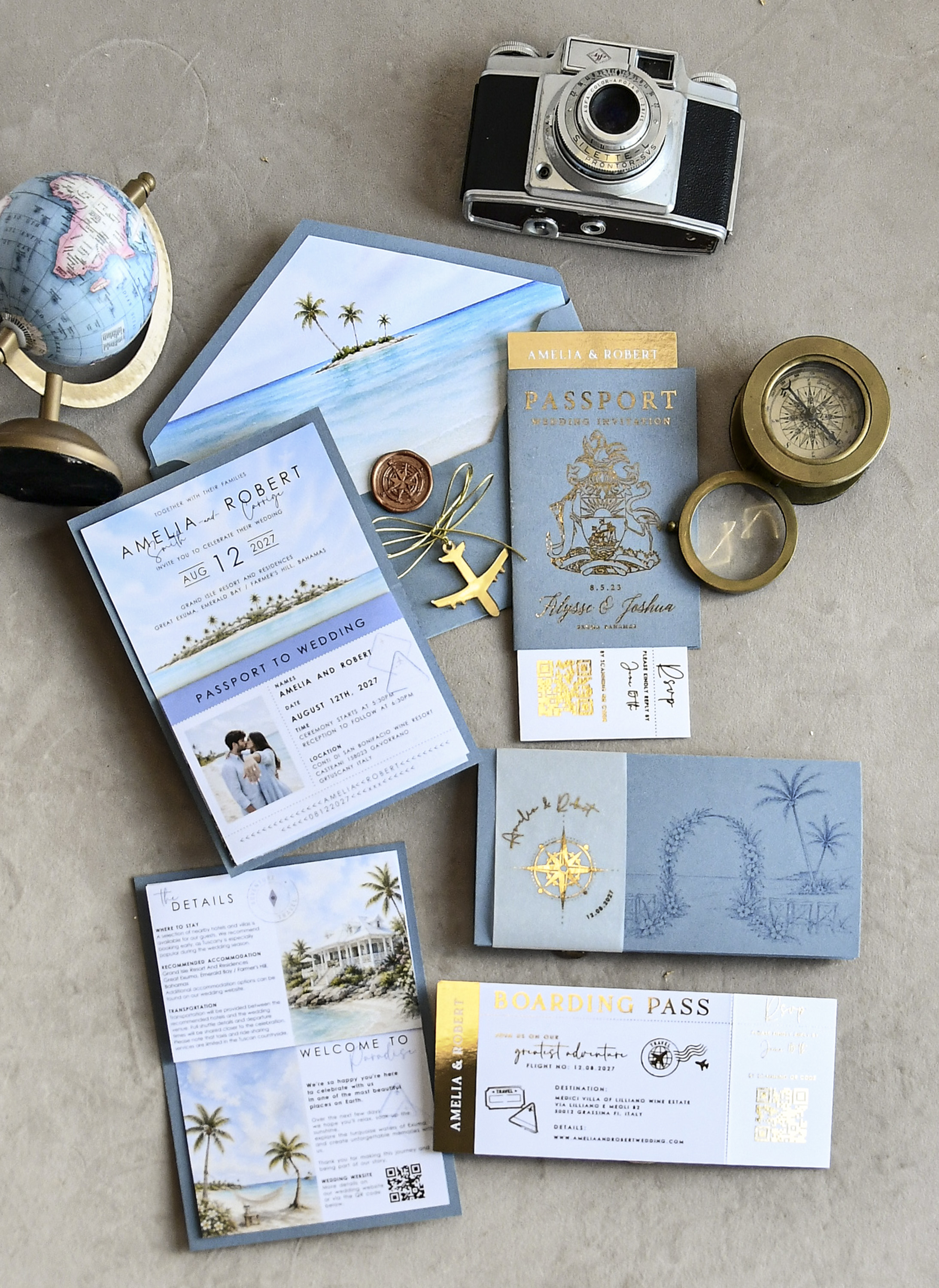
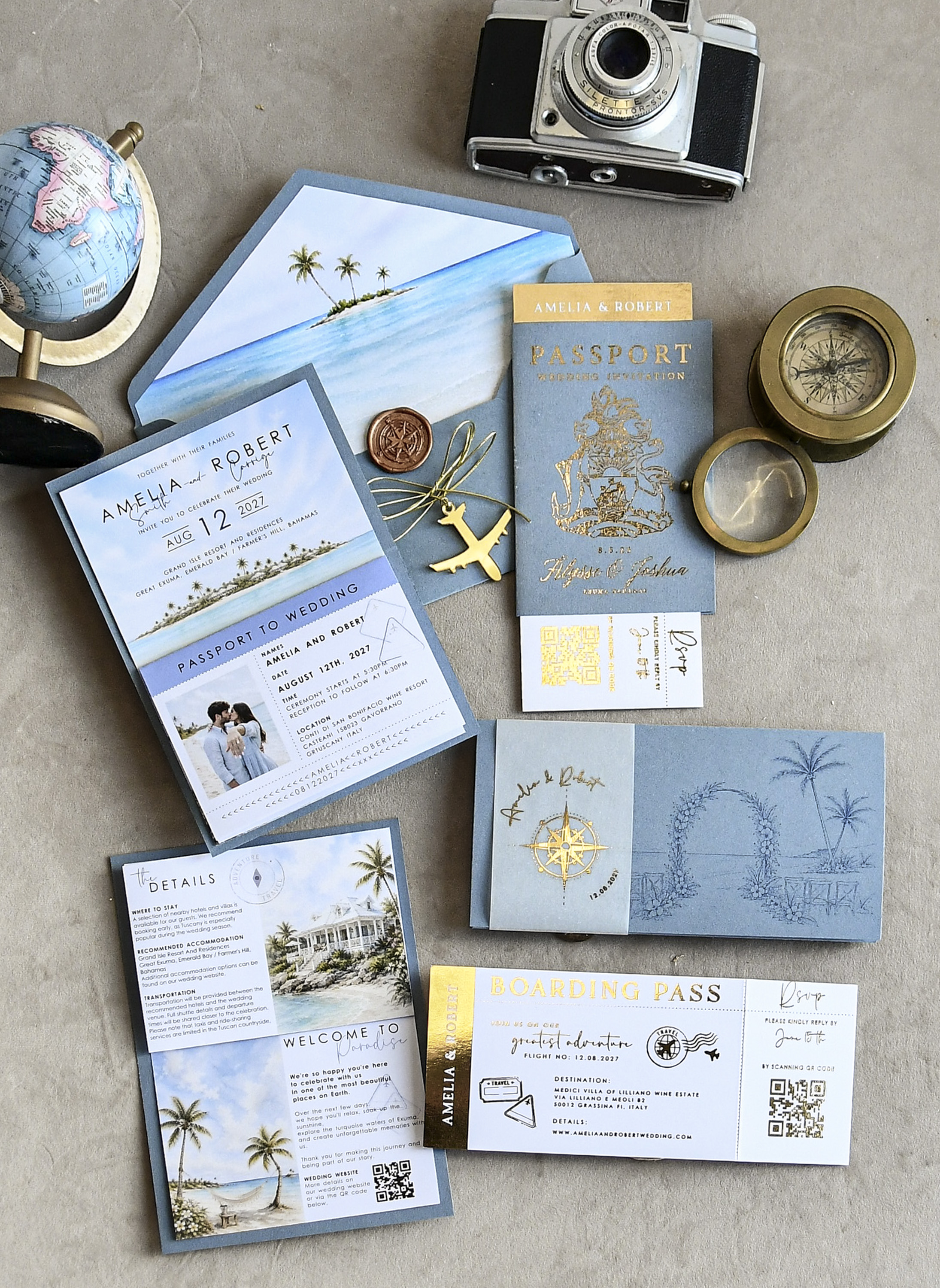
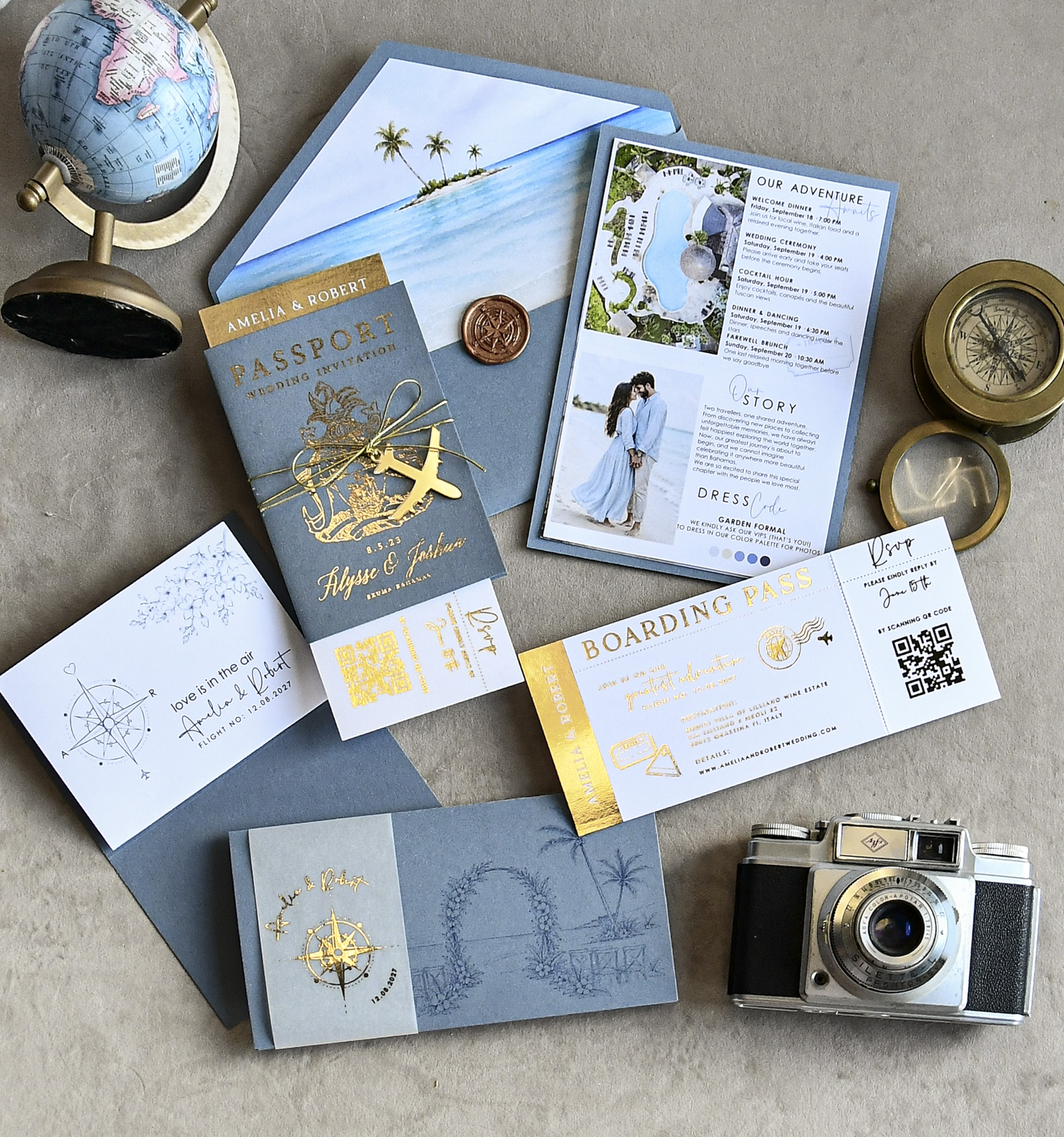
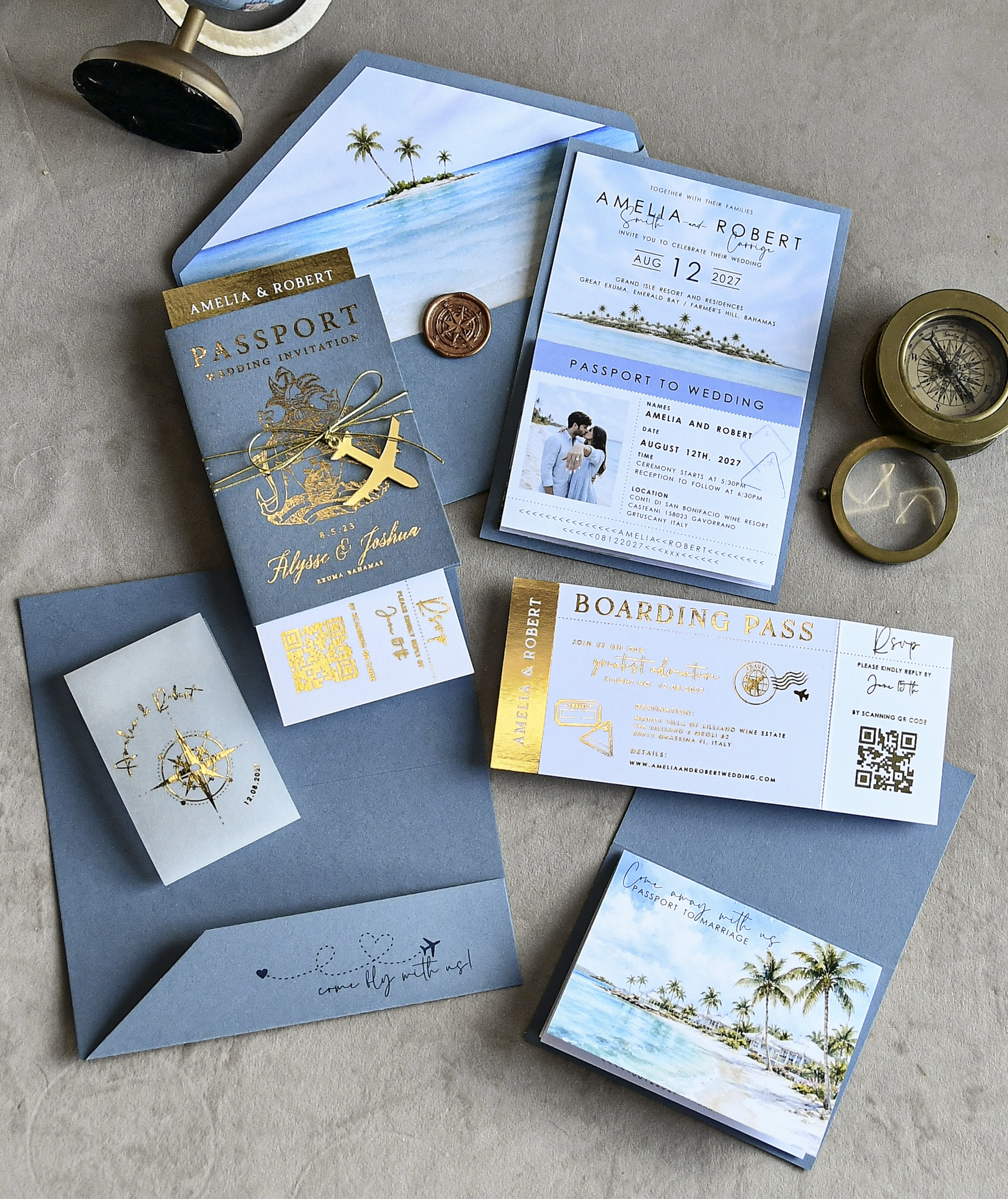
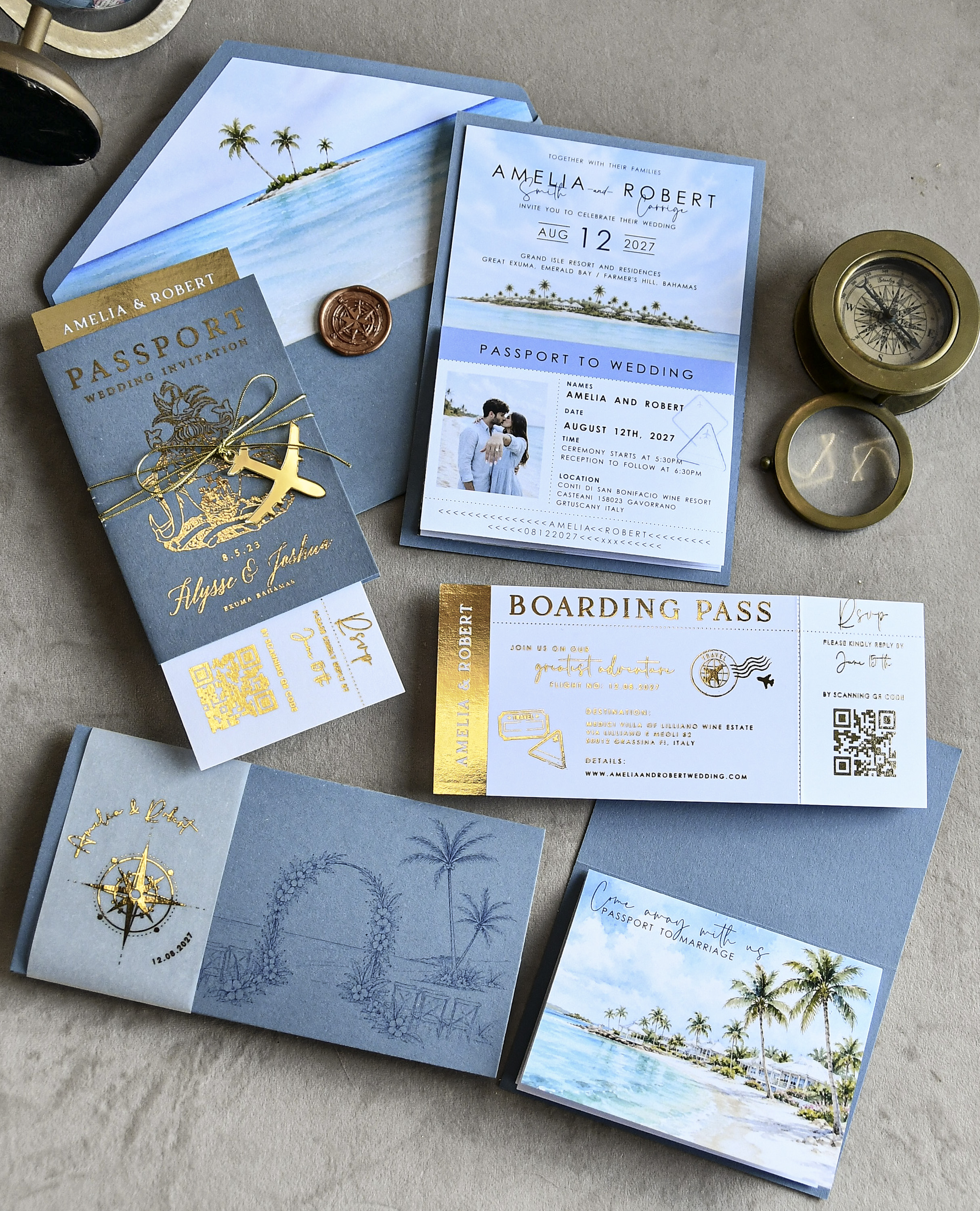
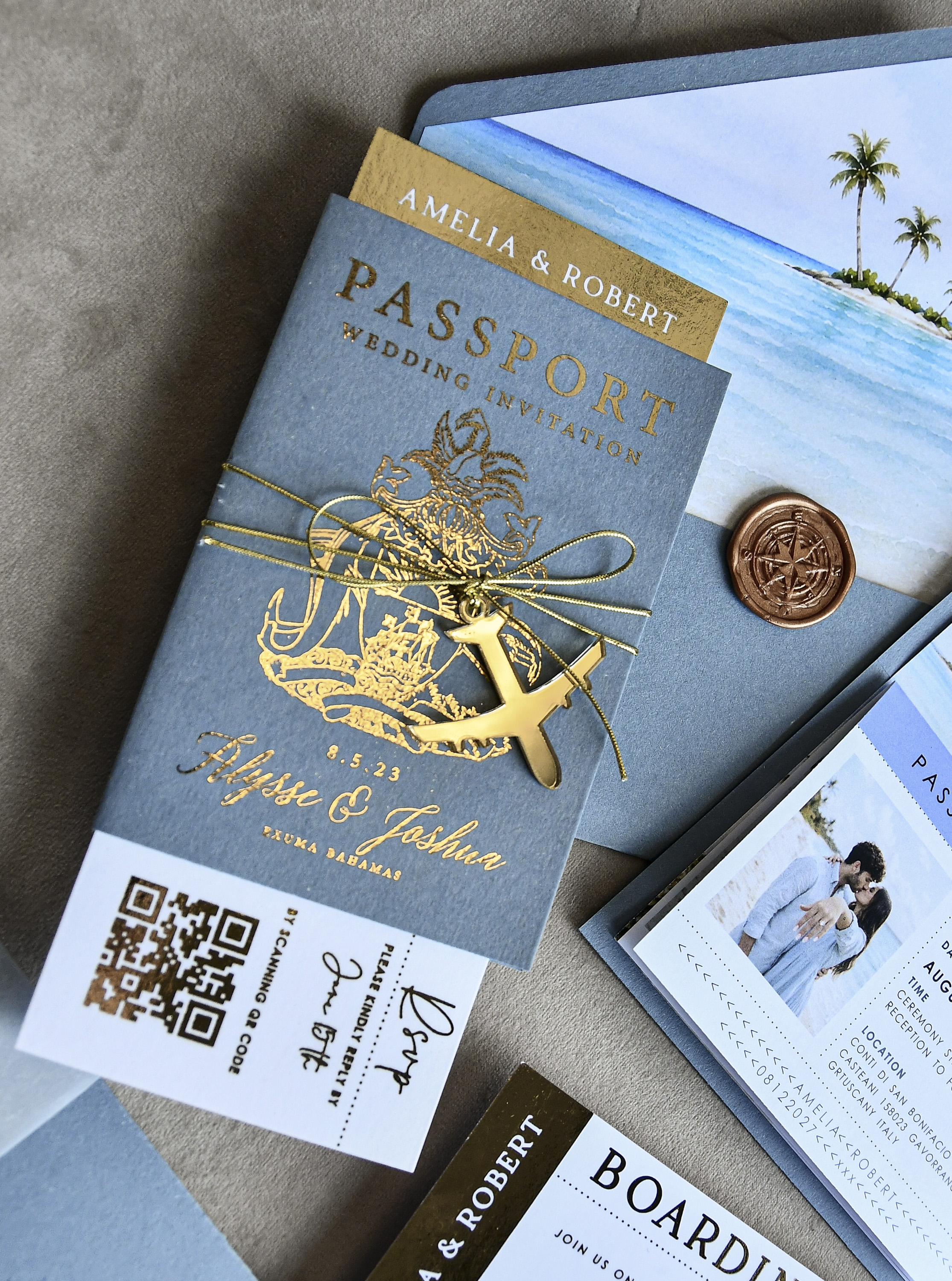
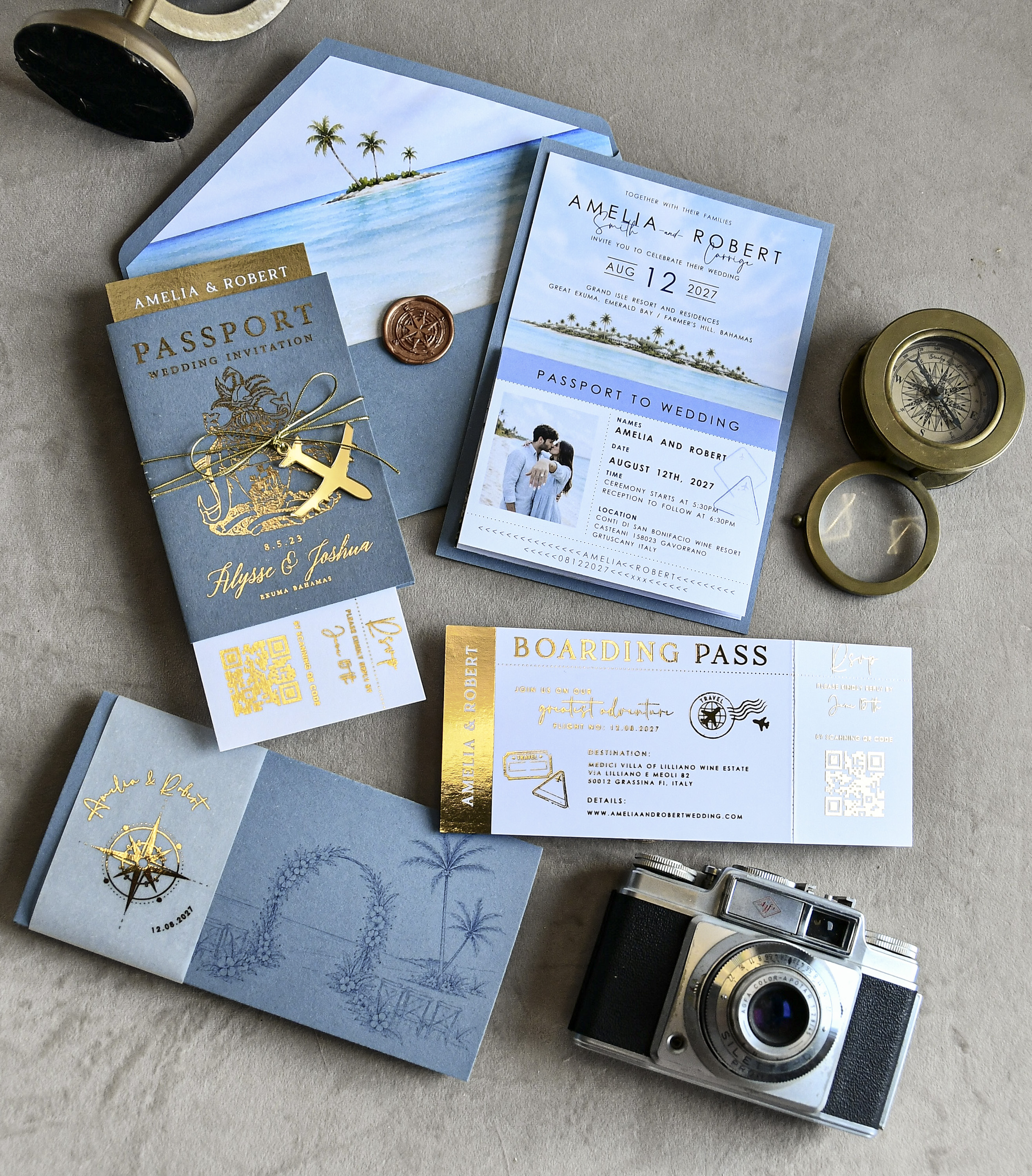
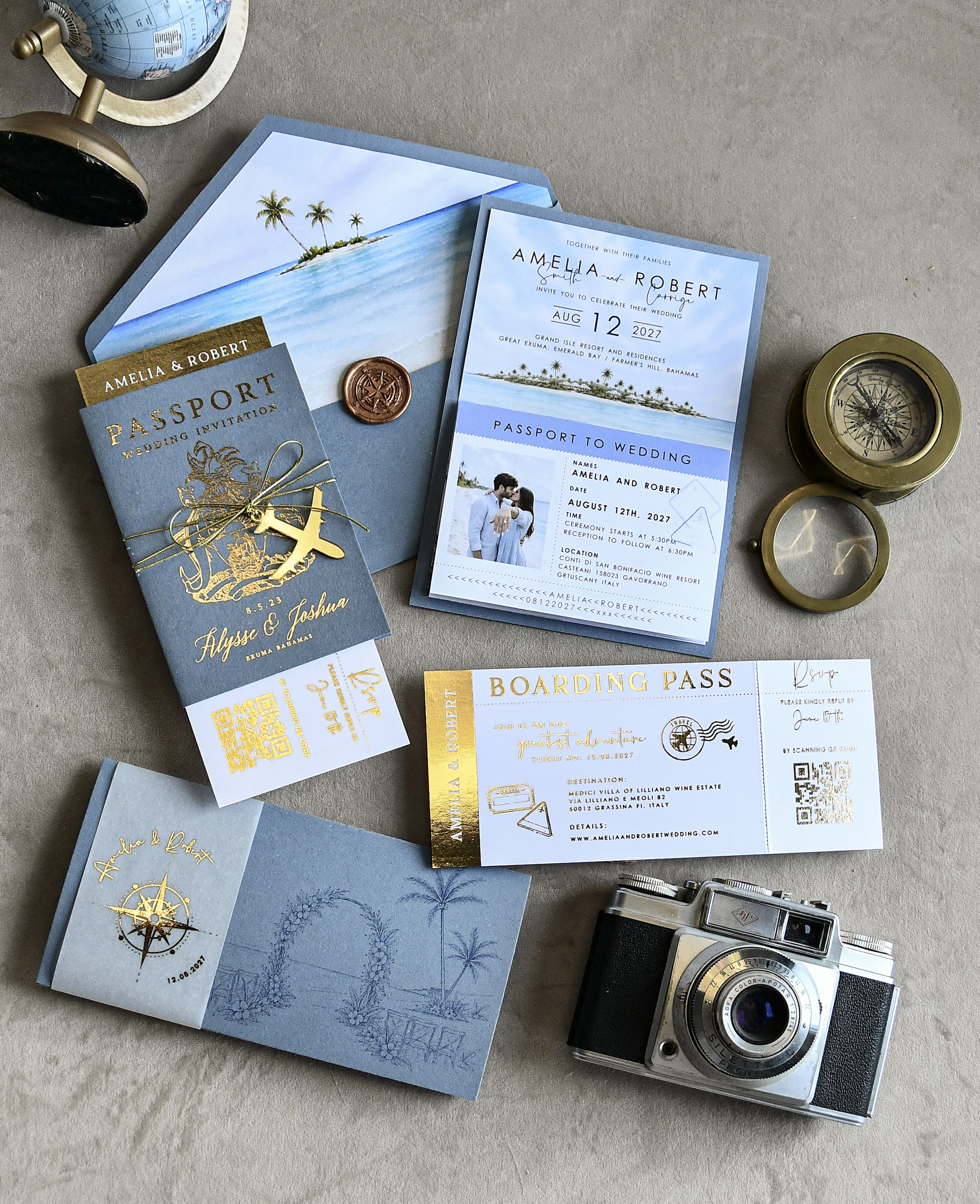
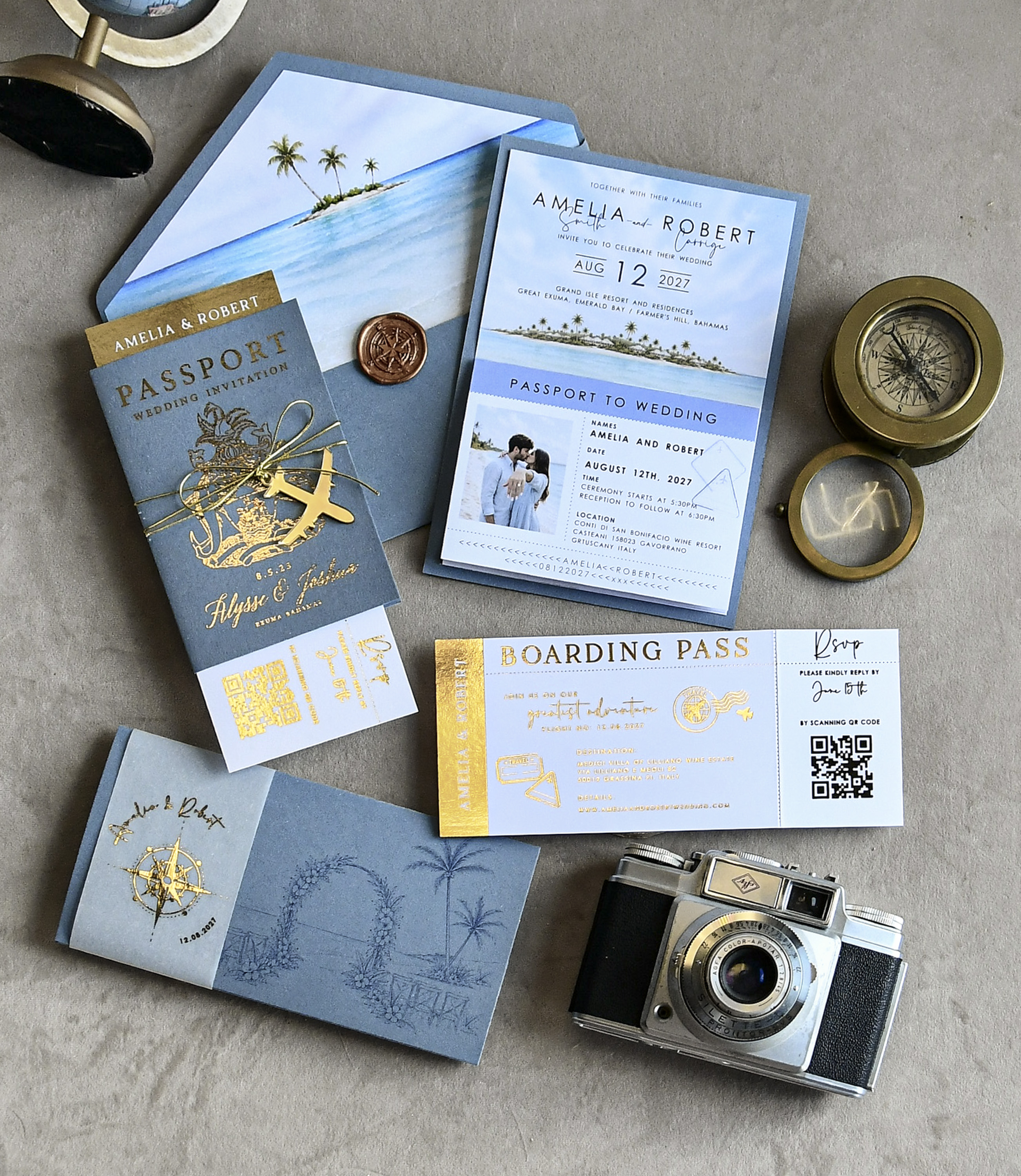
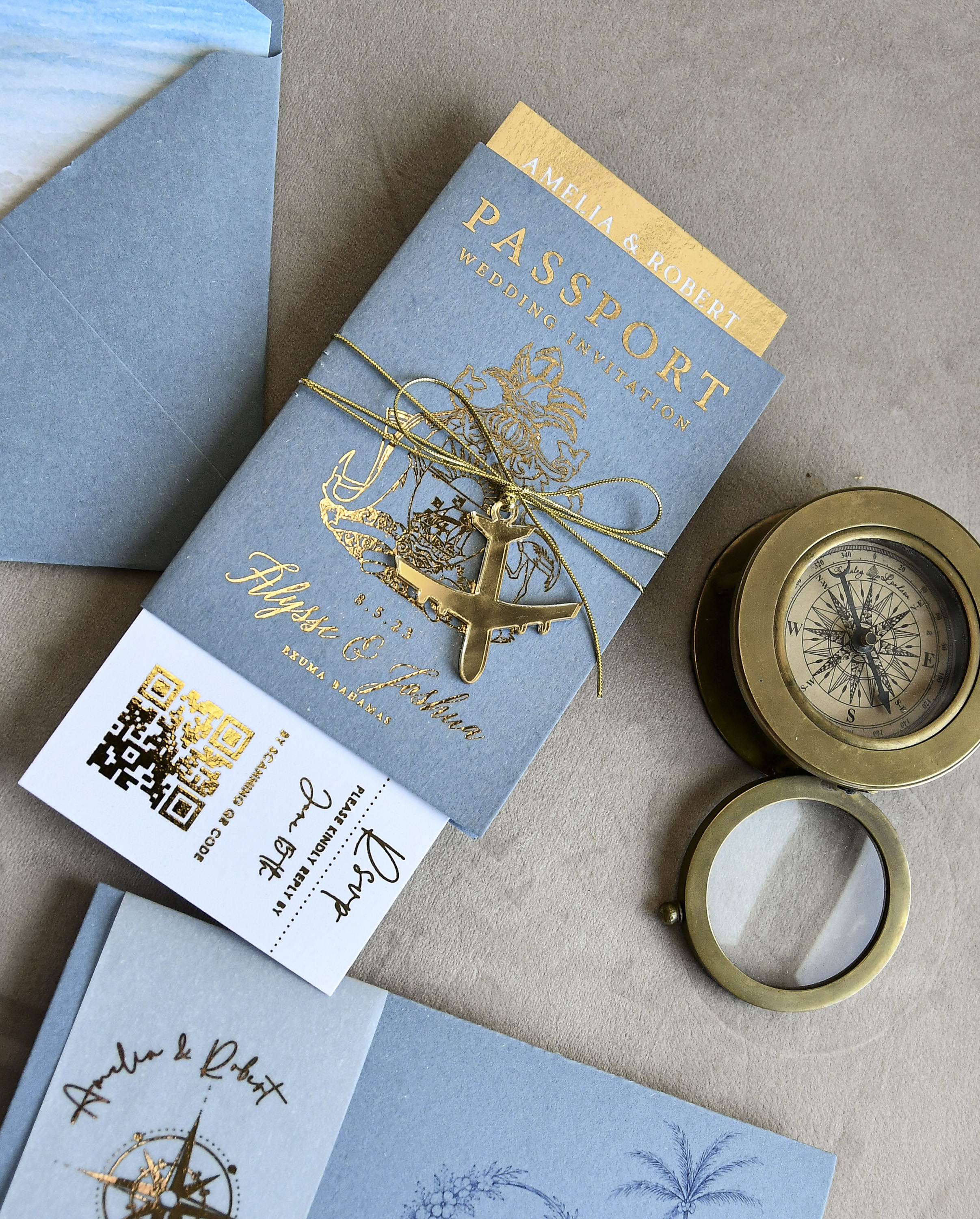
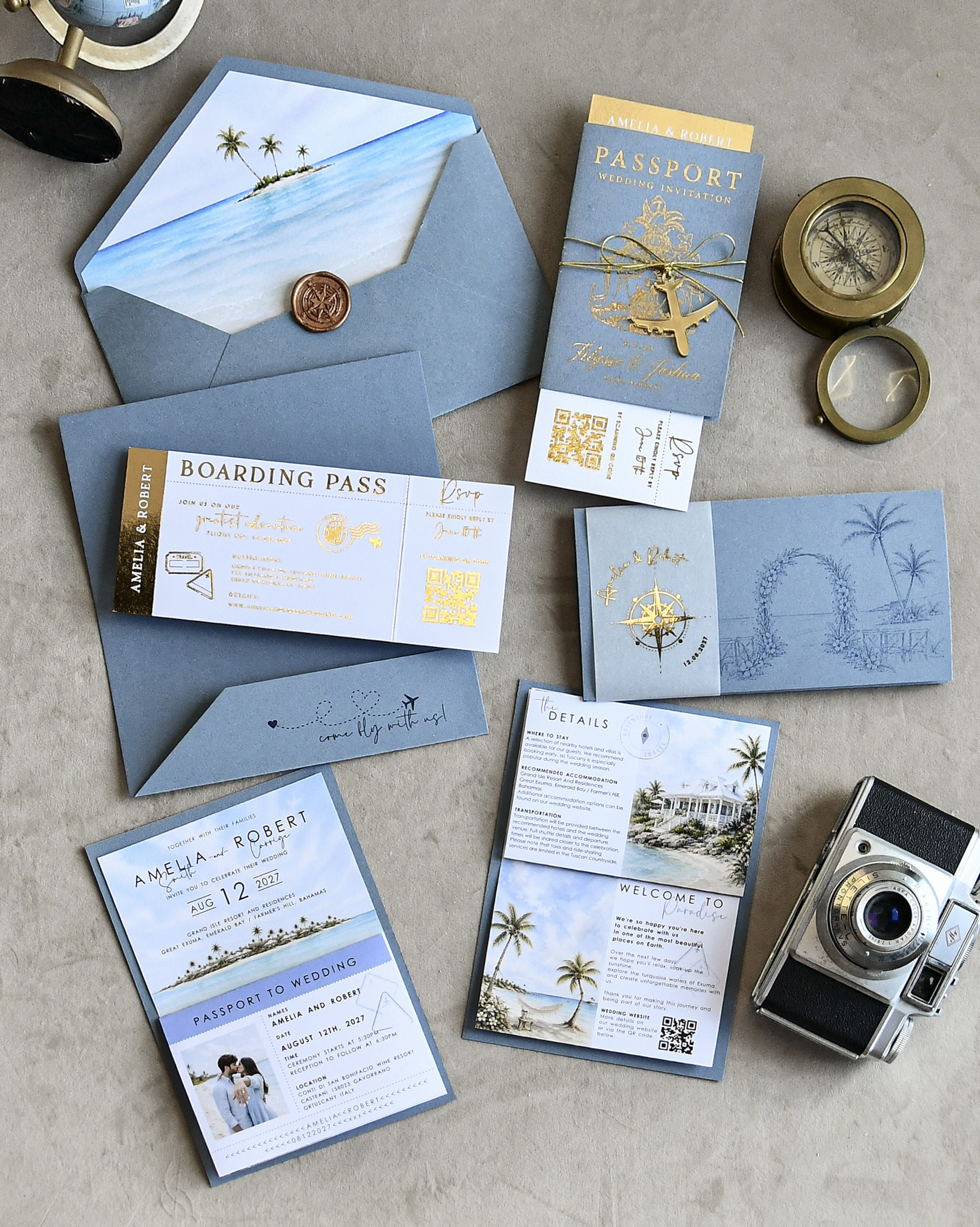
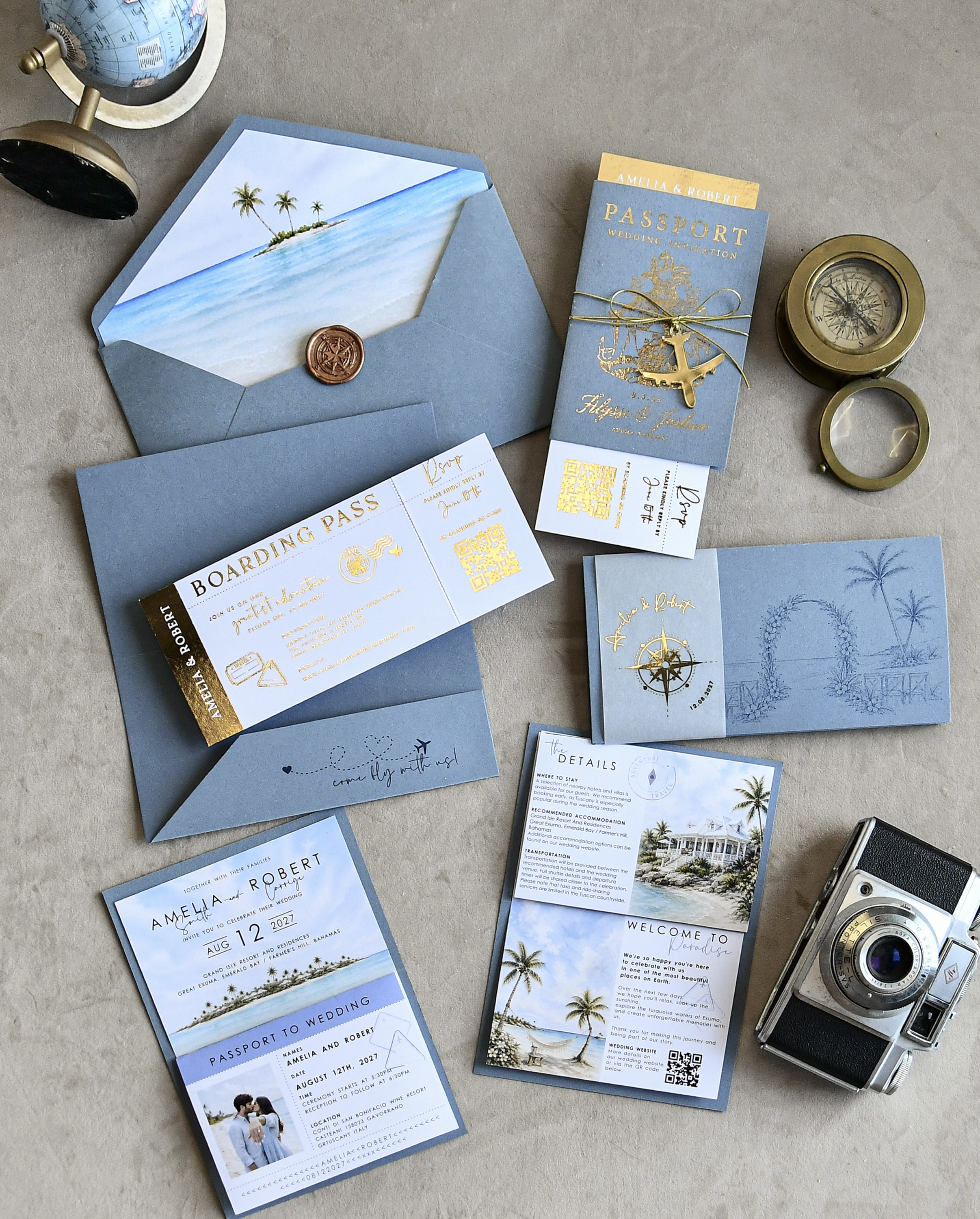
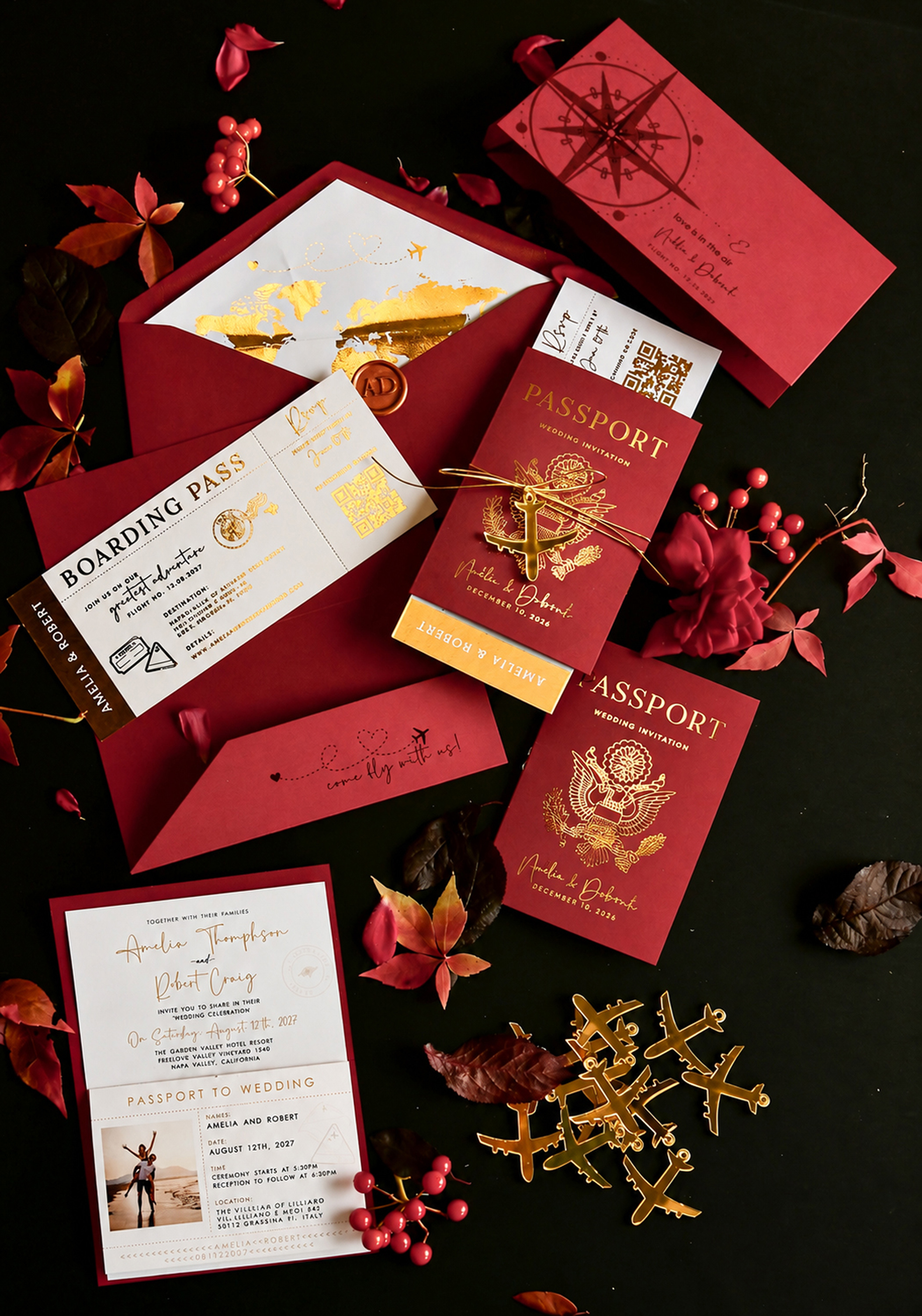
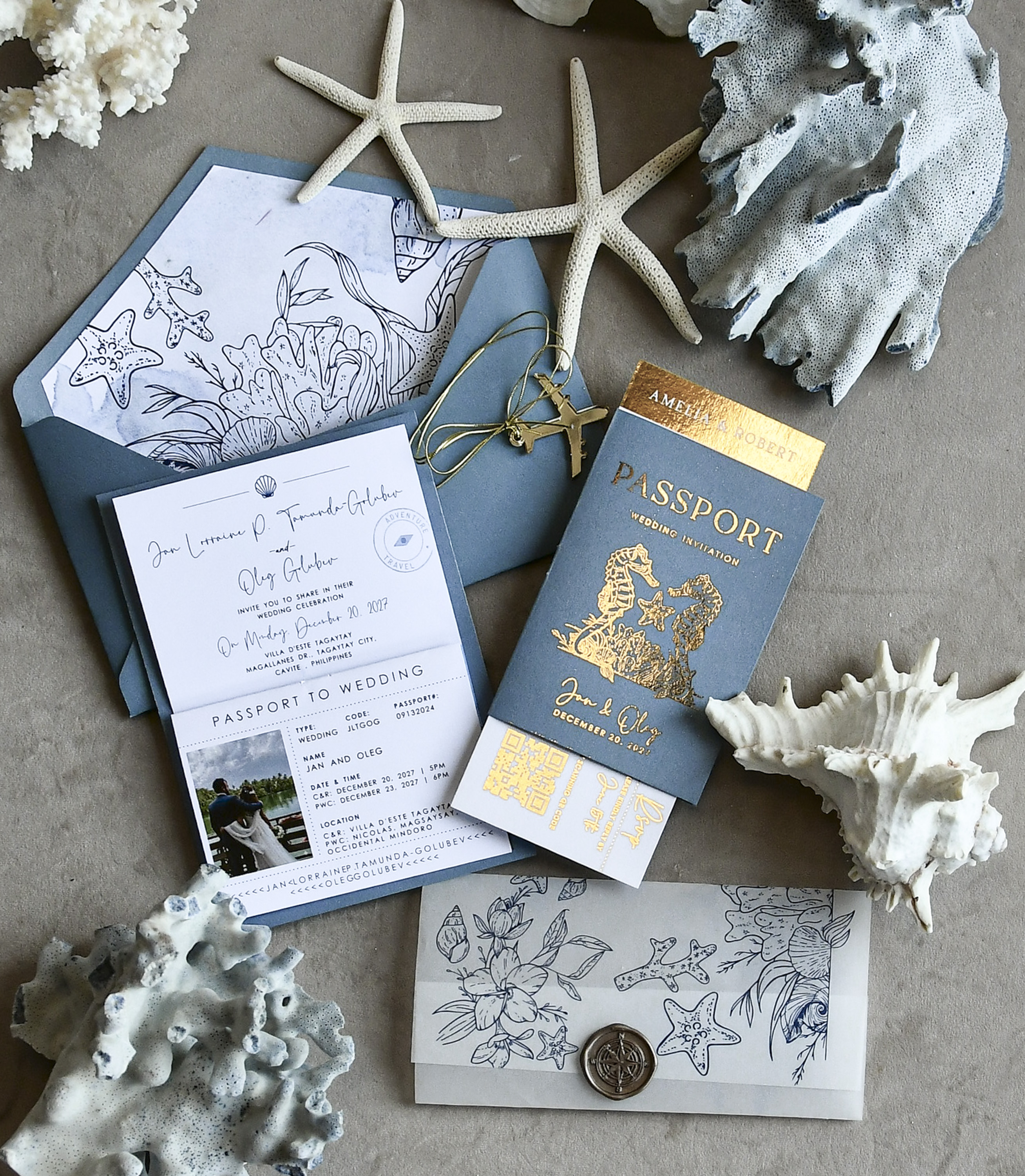
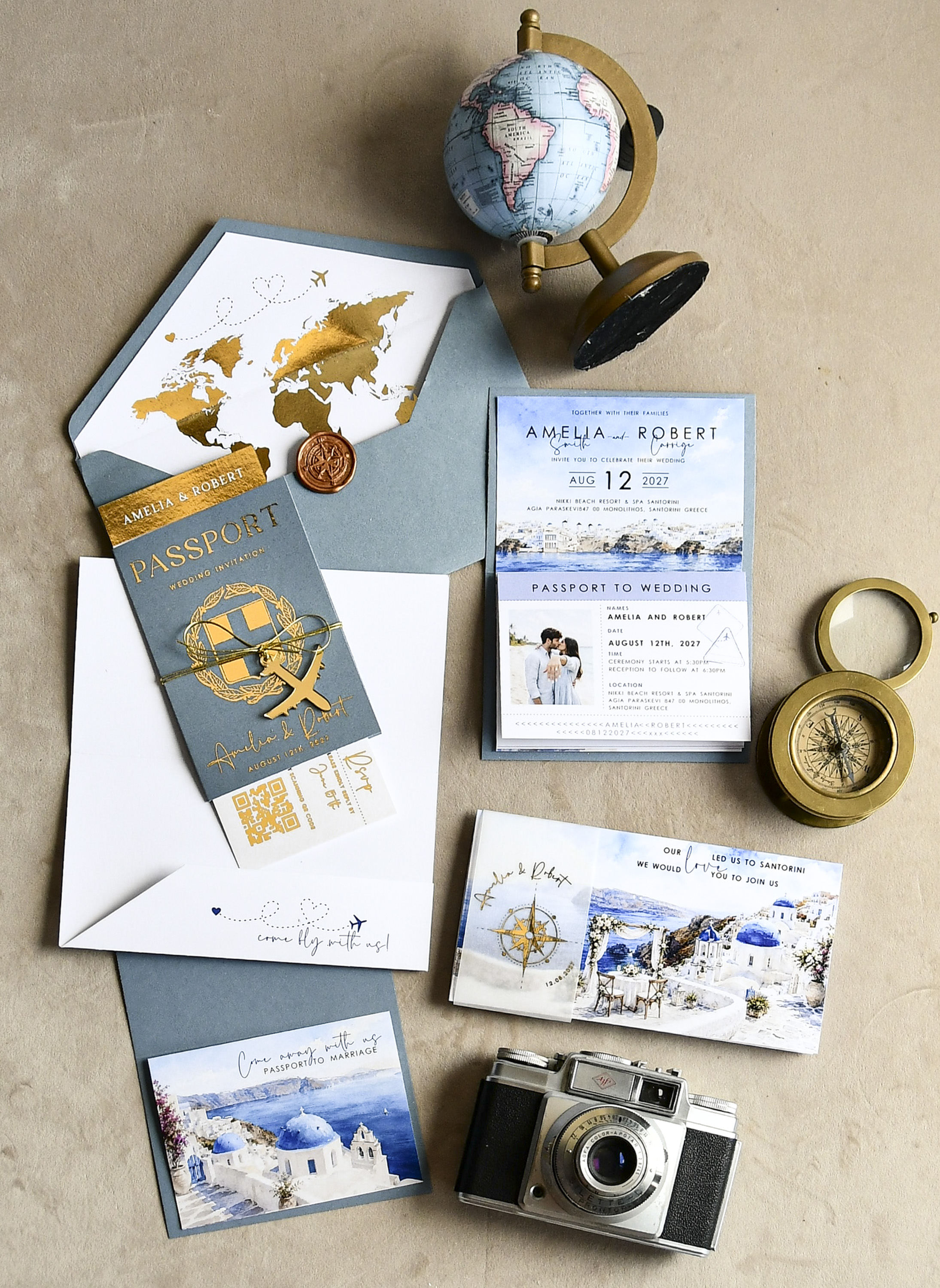
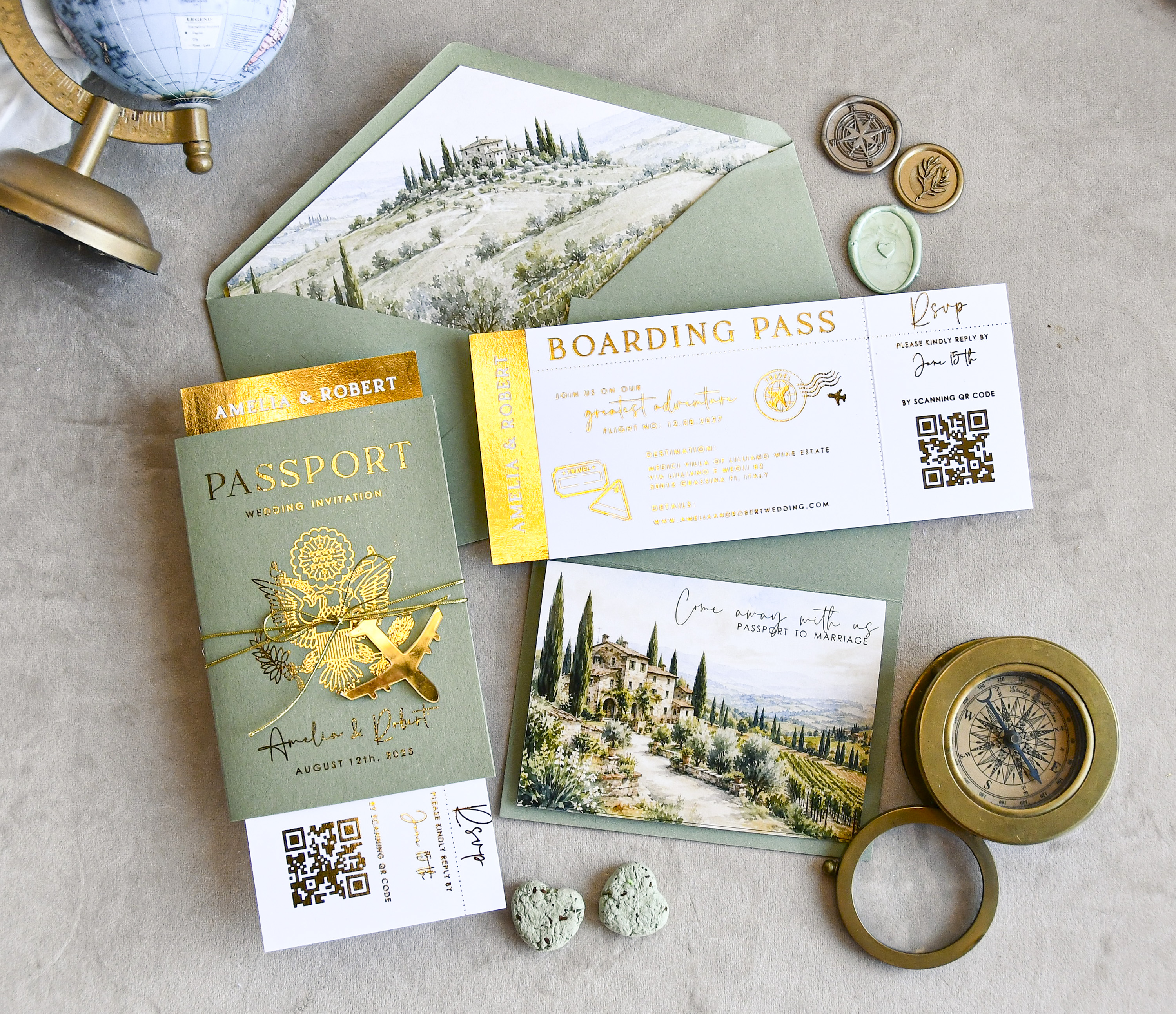
A destination or beach wedding invitation — like a stylish passport-style design from our 02/passDest/z collection — naturally sets an elevated, grown-up tone that pairs perfectly with adults-only wording on the enclosure card.
Use Your Wedding Website to Reinforce the Message
Your wedding website is the ideal place to go into a little more detail without crowding the invitation itself. Add a dedicated FAQ section and include a question like "Are children invited?" Answer it warmly and directly:
"We love your little ones, but we've chosen to keep our celebration adults only so everyone can relax and enjoy the evening. We hope this gives you a chance for a fun night out!"
Framing it as a gift to parents — a rare adults-only night — softens the message considerably. Include the website link on your invitation suite so guests know exactly where to find details.
Timing Matters: When to Communicate the Policy
The earlier you communicate, the more time parents have to arrange childcare. Here's a practical timeline:
- Save-the-dates (6–12 months out): You don't need to spell out the policy here, but addressing them to adults only plants the first seed.
- Invitations (8–10 weeks out for local, 12 weeks for destination): This is where your adults-only wording should appear clearly.
- Wedding website (ongoing): Keep the FAQ updated so guests can check at any time.
- Word of mouth (as needed): Ask parents in your immediate circle — siblings, close friends — to help spread the word informally.
For destination weddings especially, early notice is critical. Guests traveling from out of town need time to arrange care for their children, so don't wait until the formal invitation to hint at the policy.
Handling Pushback and Awkward Conversations
Even with perfect communication, some guests may push back or ask for exceptions. Here's how to handle it gracefully:
- Stay consistent. If you make one exception, word travels fast and you may find yourself fielding many more requests. A gentle but firm "We're keeping it adults only across the board" protects you.
- Acknowledge their situation. Say something like, "We completely understand it's a big ask, and we hope you're still able to join us."
- Offer resources if you can. Some couples include a list of local babysitting services or nanny agencies on their wedding website — a thoughtful touch that shows you've thought about the inconvenience.
- Don't over-explain. You don't owe anyone a lengthy justification. A warm, brief response is enough.
The key is to communicate with empathy while holding the boundary kindly. Most guests, once they understand it's a blanket policy and not personal, will respect it.
What About Nursing Infants or Flower Girls?
Many couples choose to make exceptions for nursing babies or for children who are part of the ceremony (flower girls, ring bearers) while still keeping the reception adults only. If that's your plan, be specific in your communication:
- Mention it directly to the parents involved — don't put it in the invitation wording, as it can confuse other guests.
- You might note on your website: "Children in the wedding party are welcome for the ceremony; the reception will be adults only."
Being clear about these nuances prevents misunderstandings on the wedding day itself.
Frequently Asked Questions
You can, but it's often more elegant to communicate it through addressed envelopes, a note on the details card, or your RSVP card. A line like 'We have reserved ___ seats in your honor' is clear without feeling harsh.
Not at all — it's a completely acceptable choice and very common. As long as you communicate early and warmly, most guests will understand and appreciate the heads-up so they can arrange childcare in time.
Reach out personally, by phone if possible, and gently clarify: 'We're so glad you can make it! Just a quick note — we're keeping the celebration adults only, so we'll have your two seats reserved.' Kindness and directness together work best.
No explanation is required. A simple, warm statement is enough. If guests ask, you can mention venue capacity or the late evening timing, but you're never obligated to justify your decision.
Add an FAQ entry with a question like 'Are children invited?' and answer warmly: 'We've chosen an adults-only celebration and can't wait to share the evening with you.' Framing it positively keeps the tone friendly.
Yes, this is a popular compromise — especially for flower girls and ring bearers. Communicate this clearly to the parents involved and note it on your wedding website so other guests aren't confused about the policy.
See This Design Up Close

You May Also Like
More Wedding Planning Guides
- → Kids at Your Wedding: Should You Hire a Babysitter or Full Entertainment?
- → The Right Time to Chase Down Missing RSVPs (And How to Do It Gracefully)
- → Wedding Guest List Dilemma: Should Your Boss and Coworkers Make the Cut?
- → When Guests RSVP Yes But Never Arrive: What to Do Before, During, and After
- → Planning Your Wedding When Your Divorced Parents Can't Stand Each Other
- → Navigating Wedding Invitations When a Sibling Relationship Is Complicated
- → Your Guest List, Your Rules: Navigating In-Law Friend Invites
- → Big Guest List vs. Better Wedding Experience: Which Should You Prioritize?
- → Save the Date Cards vs. Wedding Invitations: Know the Difference Before You Order
- → Extra Wedding Guests: Who Picks Up the Tab?
- → No RSVP? Here's Exactly How to Handle It
- → What to Say When Someone Asks Why They Didn't Make the Guest List
- → Plus-Ones for Single Guests: Making the Right Call for Your Wedding
- → How to Kindly Let Someone Know They Didn't Make the Guest List
- → My Fiancé Wants to Exclude My Family From the Wedding: Now What?
- → Should You Give Teenage Guests a Plus One at Your Wedding?
- → Adults-Only or Family-Friendly? How to Make the Right Call on Kids at Your Wedding
- → When Guests Bring Unexpected Plus-Ones: What to Do Before and After the Wedding
- → How Late Is Too Late for Wedding Invitations? A Realistic Timeline
- → Aunt Has a New Husband: Here's How to Handle the Invitation
- → The RSVP No-Show: Should You Actually Call Guests Who Never Responded?
- → Wedding Invitations: Mail Them or Hand Deliver? Here's How to Decide
- → What to Do When a Relative Says They Won't Come If Someone Else Is Invited
- → Extra Names on Your RSVP Card: What to Do When Guests Add Themselves
- → Your Guest List, Your Call: How to Handle Mom's Must-Invite Requests
- → Yes, You Can Say No to a Plus One — Here's How to Do It Right
- → Adults-Only Weddings: Are You Being Rude by Leaving Kids Off the Guest List?
- → How to Handle Seating for Divorced Parents at Your Wedding
- → Uninvited Plus-Ones and Tag-Alongs: How to Keep Your Guest List Intact
- → When Family Feuds Threaten Your Wedding Plans: A Practical Peacekeeper's Guide
- → Inviting an Estranged Brother or Sister: Finding Clarity Before You Seal the Envelope
- → Cousins, Invites, and Hard Choices: A Practical Guest List Guide