
Your Guest List, Your Rules: Navigating In-Law Friend Invites

You've been dreaming about your wedding guest list, and somewhere between your college roommates and your favorite cousins, your future in-laws hand you a list of thirty people you've never met. Sound familiar? The question of whether you have to invite your in-laws' friends is one of the most common — and most loaded — guest list dilemmas engaged couples face. The short answer: no, you are not obligated. But the longer answer involves a little strategy, a lot of honest conversation, and a clear sense of what your wedding actually means to you.
There Is No Etiquette Rule That Requires It
Let's get this out of the way first: traditional wedding etiquette does not require you to invite your in-laws' social circle. Your guest list should reflect the people who are genuinely part of your lives as a couple. Long-standing etiquette guides like Emily Post focus on mutual relationships — people who know and care about both families — not acquaintances your future in-laws want to impress or feel socially obligated to include.
That said, etiquette and family dynamics are two very different things. What's technically correct and what keeps the peace at Thanksgiving are not always the same. Knowing you have no formal obligation is empowering, but it's just the starting point of the conversation.
When It Makes Sense to Say Yes
There are real situations where including some of your in-laws' friends is worth considering:
- They're contributing financially. If your partner's parents are paying for a significant portion of the wedding, it's reasonable to give them some input on the guest list. A common guideline is that whoever is funding a third of the wedding gets a third of the invites.
- The friendship is long and deep. If your future mother-in-law's college best friend has been like a second aunt to your partner, that's a meaningful relationship — not just a social obligation.
- Your venue has room. If you're planning a large celebration and have genuine flexibility in your headcount, accommodating a handful of your in-laws' close friends is a generous gesture that costs you little.
- It matters deeply to your partner. Your partner grew up with these people around. If including a few of them brings your partner and their parents real joy, that's worth weighing seriously.
How to Set Boundaries Without Starting a Family Feud
If you've decided to limit or decline the in-laws' friend list, the key is to have a calm, united front with your partner before anyone else is involved. Here's how to handle the conversation:
- Agree on your total headcount first. Once you have a firm number, it's much easier to explain that there simply isn't room — and it doesn't feel personal.
- Use the same rule for both families. If your parents aren't getting a long list of their friends either, make that clear. Consistency is your best friend here.
- Offer a meaningful alternative. Suggest that your in-laws host a separate celebration — a dinner, a brunch, or a casual party — where they can share the joy with their wider circle. Many couples find this actually becomes a beloved tradition.
- Let your partner lead the conversation. It's almost always better for your partner to talk to their own parents. You can be supportive, but this is their family relationship to navigate.
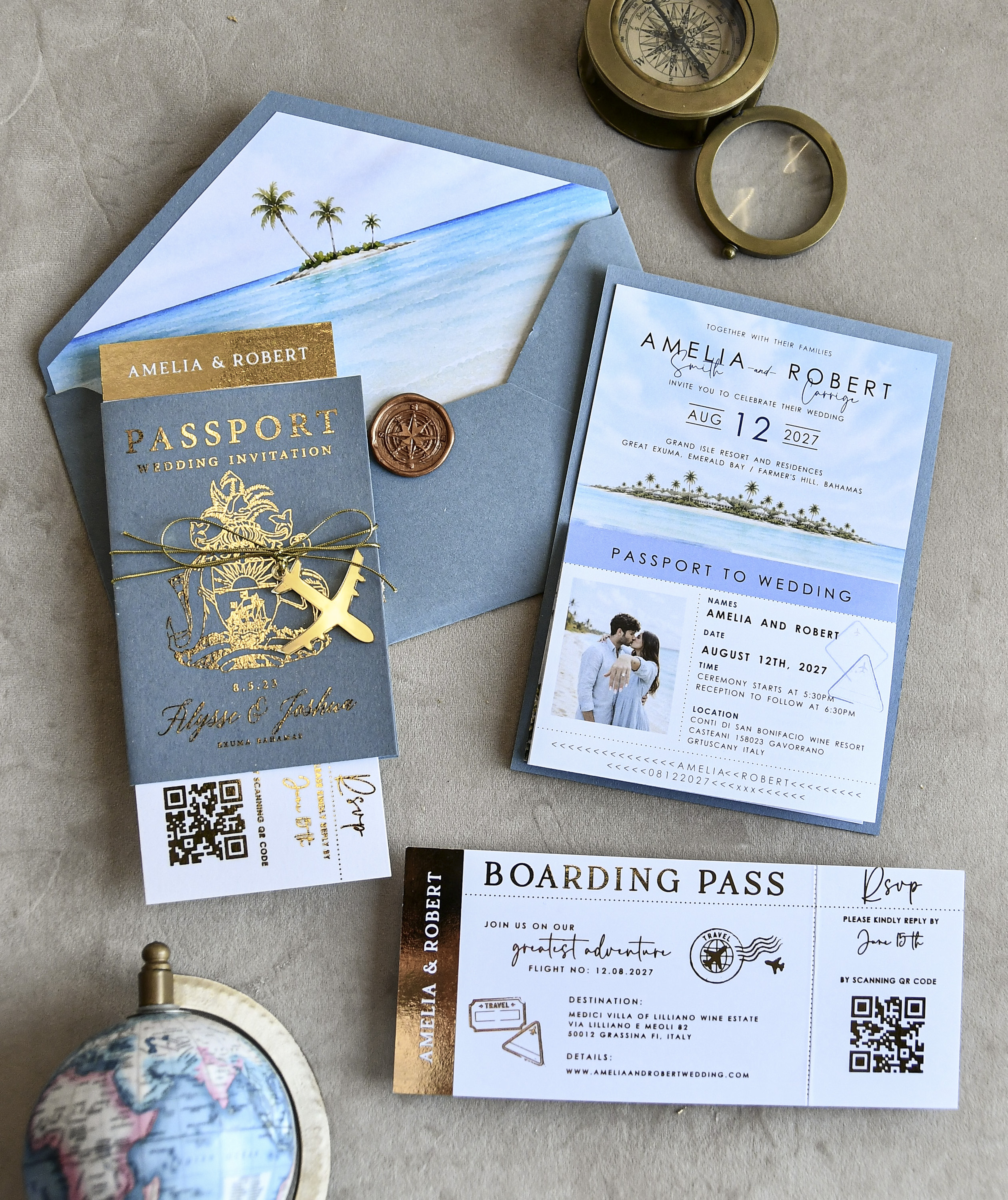
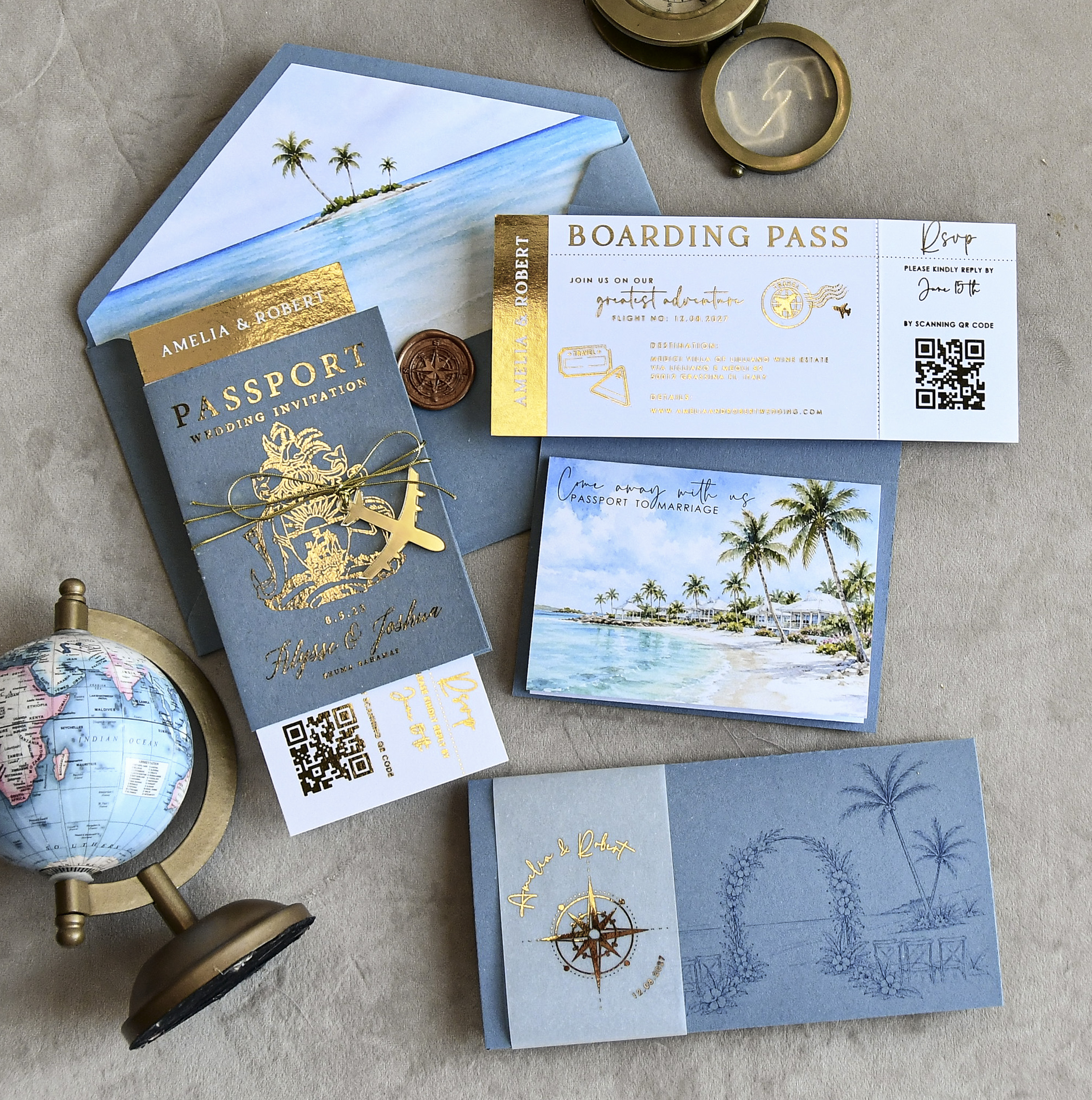
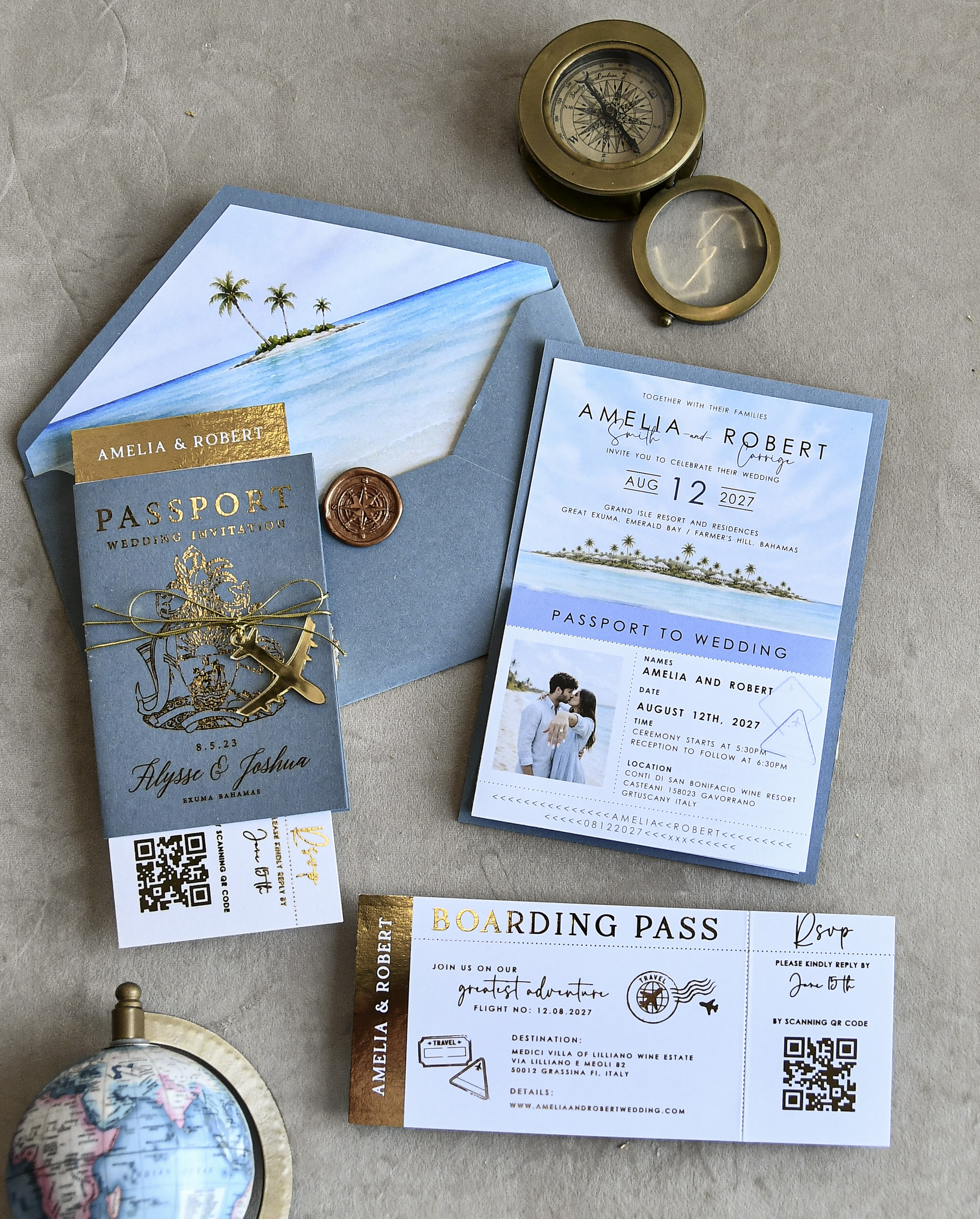
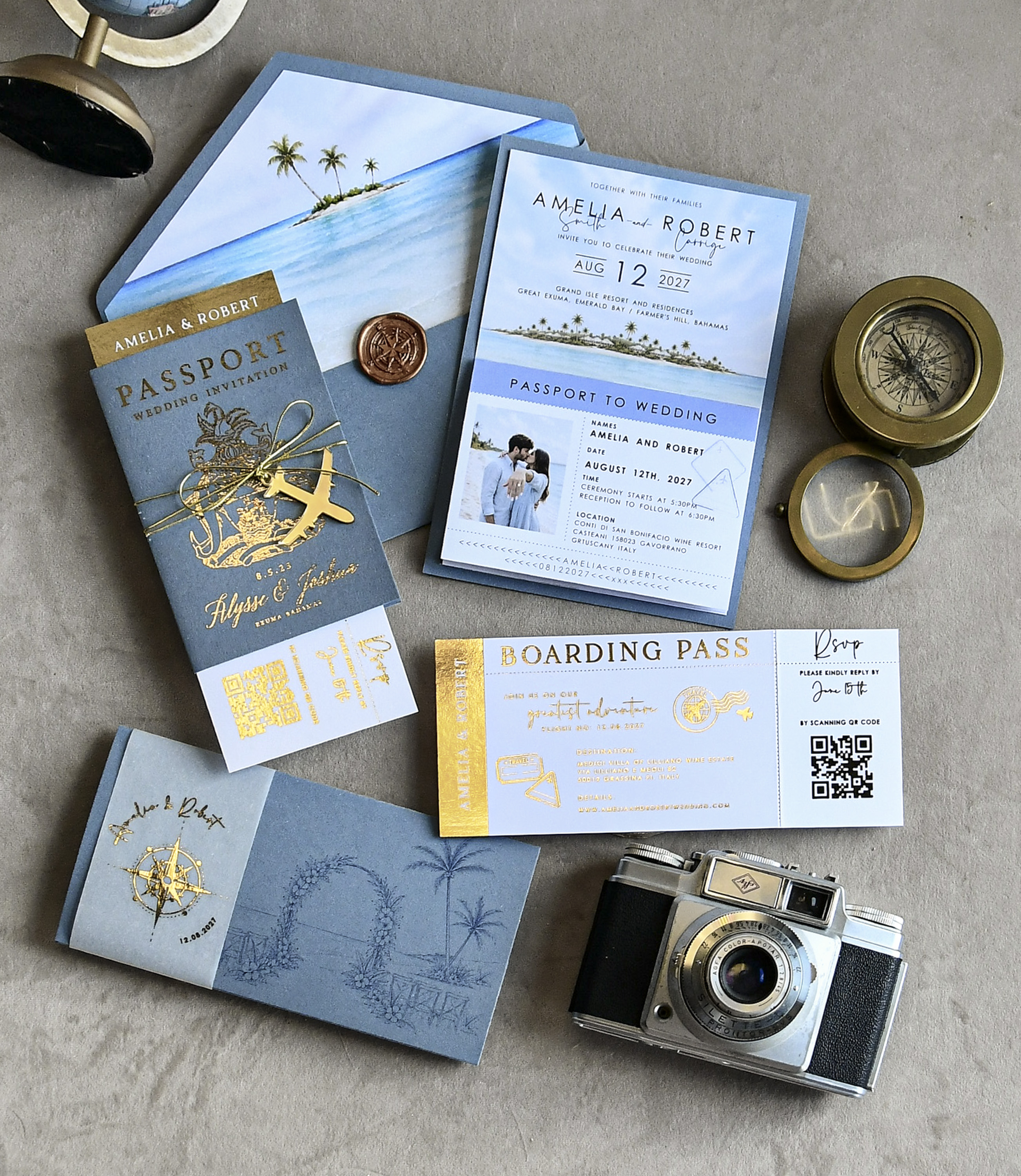
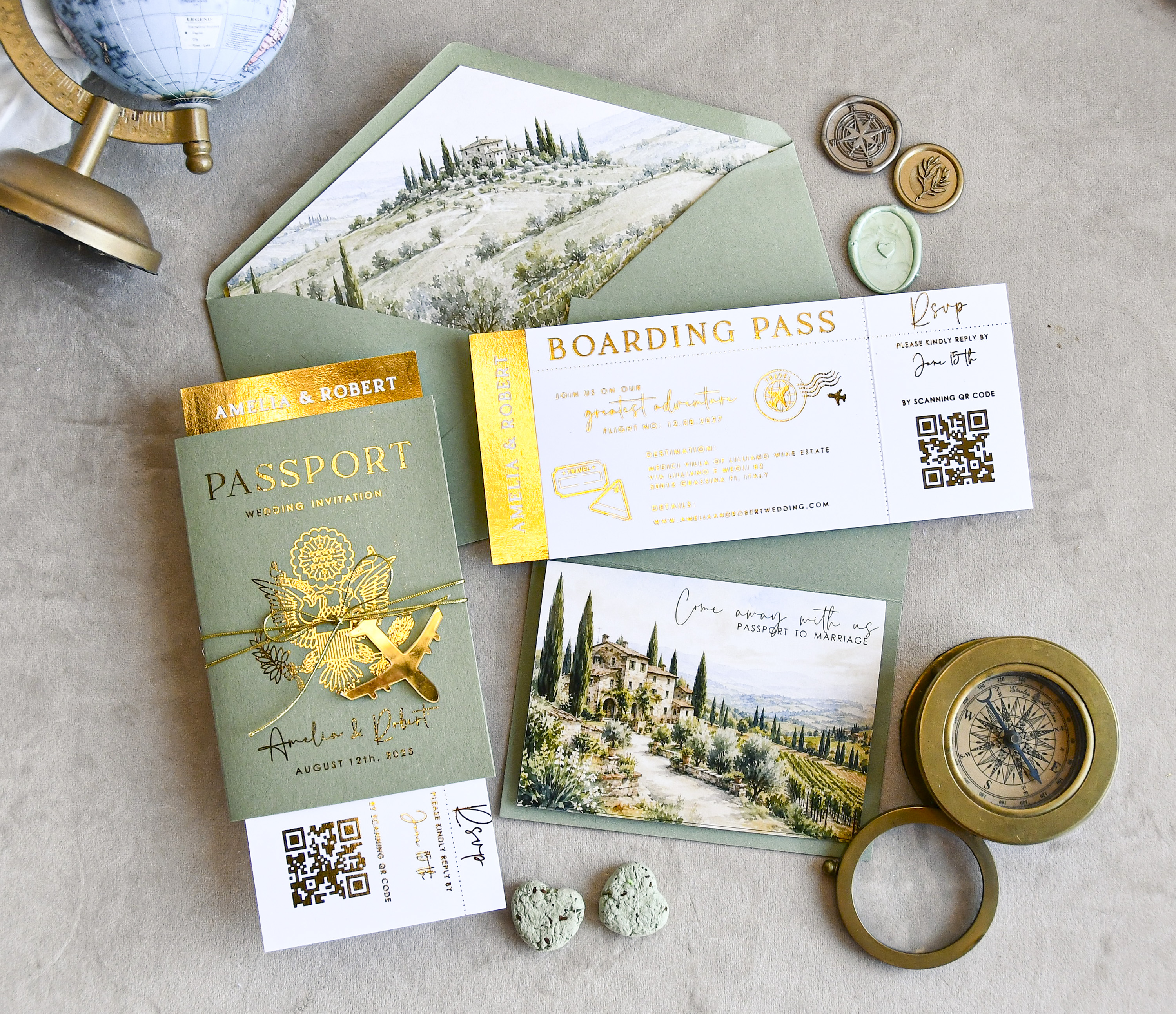
Whatever you decide, make sure your invitations reflect the warmth and intention behind your choices. A beautifully designed invite — like the destination-inspired 02/passDest/z passport to love beach wedding invitation — sets a tone of celebration that reminds guests this is a joyful occasion, not a political one.
Practical Timelines and Guest List Tips
Getting ahead of guest list conflicts early saves a lot of stress later. Here's a simple timeline to follow:
- 12+ months out: Have the initial guest list conversation with both sets of parents. Be upfront about your approximate headcount from the start.
- 9-10 months out: Finalize your A-list (must-invites) and, if applicable, a B-list for if people decline.
- 8 months out: Lock the list and stop accepting additions. This is the point where a firm but kind "we've already finalized our guest count" becomes your go-to phrase.
One more tip: never promise anyone they'll be invited until the list is truly final. Vague reassurances to your in-laws — "we'll see what we can do" — almost always come back to create awkward situations when the formal invitations go out.
Frequently Asked Questions
If they're contributing financially, it's fair to give them some proportional say in the guest list. A widely accepted guideline is that each party funding roughly a third of the wedding gets about a third of the guest spots. Have this conversation openly before any money changes hands.
Frame it around your venue capacity and overall headcount, not personal preferences. Saying "we're keeping it to 80 guests and both families are working within the same limits" feels fair and impersonal rather than a rejection of their social circle.
It can create awkwardness if those friends are part of the same social group and will inevitably find out. If you're going to include some, try to invite a natural, complete group — like all members of a book club or all longtime neighbors — rather than cherry-picking.
Absolutely, and this is actually a lovely solution. An engagement party, a post-wedding brunch, or a casual celebration gives your in-laws a chance to share the joy with their wider circle without stretching your wedding budget or venue. Many couples find this alternative becomes a highlight of their wedding season.
This is really a conversation between the two of you before it becomes a conversation with your families. Try to understand why it matters to your partner — whether it's about honoring their parents or their own childhood memories — and find a compromise you can both stand behind as a united couple.
Wedding announcements sent after the ceremony are a traditional and gracious way to share your news with people who weren't on the guest list. They signal warmth and inclusion without implying an invitation was expected, and they're especially appropriate for your in-laws' long-standing friends.
See This Design Up Close
























You May Also Like



More Wedding Planning Guides
- → Kids at Your Wedding: Should You Hire a Babysitter or Full Entertainment?
- → The Right Time to Chase Down Missing RSVPs (And How to Do It Gracefully)
- → The Graceful Way to Let Guests Know Your Wedding Is Adults Only
- → Wedding Guest List Dilemma: Should Your Boss and Coworkers Make the Cut?
- → When Guests RSVP Yes But Never Arrive: What to Do Before, During, and After
- → Planning Your Wedding When Your Divorced Parents Can't Stand Each Other
- → Navigating Wedding Invitations When a Sibling Relationship Is Complicated
- → Big Guest List vs. Better Wedding Experience: Which Should You Prioritize?
- → Save the Date Cards vs. Wedding Invitations: Know the Difference Before You Order
- → Extra Wedding Guests: Who Picks Up the Tab?
- → No RSVP? Here's Exactly How to Handle It
- → What to Say When Someone Asks Why They Didn't Make the Guest List
- → Plus-Ones for Single Guests: Making the Right Call for Your Wedding
- → How to Kindly Let Someone Know They Didn't Make the Guest List
- → My Fiancé Wants to Exclude My Family From the Wedding: Now What?
- → Should You Give Teenage Guests a Plus One at Your Wedding?
- → Adults-Only or Family-Friendly? How to Make the Right Call on Kids at Your Wedding
- → When Guests Bring Unexpected Plus-Ones: What to Do Before and After the Wedding
- → How Late Is Too Late for Wedding Invitations? A Realistic Timeline
- → Aunt Has a New Husband: Here's How to Handle the Invitation
- → The RSVP No-Show: Should You Actually Call Guests Who Never Responded?
- → Wedding Invitations: Mail Them or Hand Deliver? Here's How to Decide
- → What to Do When a Relative Says They Won't Come If Someone Else Is Invited
- → Extra Names on Your RSVP Card: What to Do When Guests Add Themselves
- → Your Guest List, Your Call: How to Handle Mom's Must-Invite Requests
- → Yes, You Can Say No to a Plus One — Here's How to Do It Right
- → Adults-Only Weddings: Are You Being Rude by Leaving Kids Off the Guest List?
- → How to Handle Seating for Divorced Parents at Your Wedding
- → Uninvited Plus-Ones and Tag-Alongs: How to Keep Your Guest List Intact
- → When Family Feuds Threaten Your Wedding Plans: A Practical Peacekeeper's Guide
- → Inviting an Estranged Brother or Sister: Finding Clarity Before You Seal the Envelope
- → Cousins, Invites, and Hard Choices: A Practical Guest List Guide