
How to Kindly Let Someone Know They Didn't Make the Guest List

One of the hardest parts of wedding planning isn't choosing a venue or picking a color palette — it's navigating the guest list. Budgets, venue capacities, and family dynamics mean that almost every couple has to deliver some uncomfortable news: you're not invited. The good news? With the right approach, you can handle this conversation with grace, keep relationships intact, and move forward without guilt.
Why This Conversation Is So Common (and So Hard)
Guest lists are almost always constrained by budget or venue size. A venue that holds 80 people forces real choices, and the ripple effects can surprise you — a college friend you haven't seen in years, a coworker who assumed they'd be included, or a distant cousin who heard through the family grapevine. The discomfort is real, but so is the reality: you simply cannot invite everyone. Acknowledging that tension — rather than pretending it doesn't exist — is the first step toward handling it well.
Set a Rule and Stick to It
The most defensible position you can take is a consistent policy. When you have a clear rule, you're not making a personal judgment about someone's worth — you're applying a standard equally. Common rules include:
- Only people we've seen in the last two years
- No work colleagues
- Immediate family and close friends only — no plus-ones for single guests
- Adults only, no children outside of the wedding party
Having a rule gives you something honest to say and makes the conversation feel less personal. It also protects you if the news travels — and it will travel.
How to Actually Have the Conversation
If someone directly asks whether they're invited, don't dodge it. A vague non-answer usually hurts more than an honest one. Here's a simple framework:
- Acknowledge the relationship. Start by affirming that you value them. "You mean a lot to me" goes a long way.
- Be honest about the constraint. "We're keeping the wedding very small — under 60 people — and we had to make some really tough calls."
- Don't over-explain or apologize excessively. One genuine apology is enough. Repeating it signals guilt and can make the other person feel worse.
- Offer something forward-looking if it's genuine. "We'd love to celebrate with you afterward" — but only say this if you mean it and will follow through.
If the conversation happens over text or a call, keep it brief and warm. You don't owe anyone a detailed justification, but you do owe them honesty and kindness.
What to Avoid Saying
A few phrases tend to backfire and should be avoided:
- "It's just a small wedding" — if they later hear you had 150 guests, this will sting.
- "We wish we could invite everyone" — it sounds like a form letter and feels dismissive.
- "You'll be there in spirit" — this lands as condescending rather than comforting.
- Lying about the date or venue — people find out, and the damage to the relationship is far worse than the original omission.
Honesty, delivered gently, is always better than a story that unravels later.
Protecting Your Peace Before and After
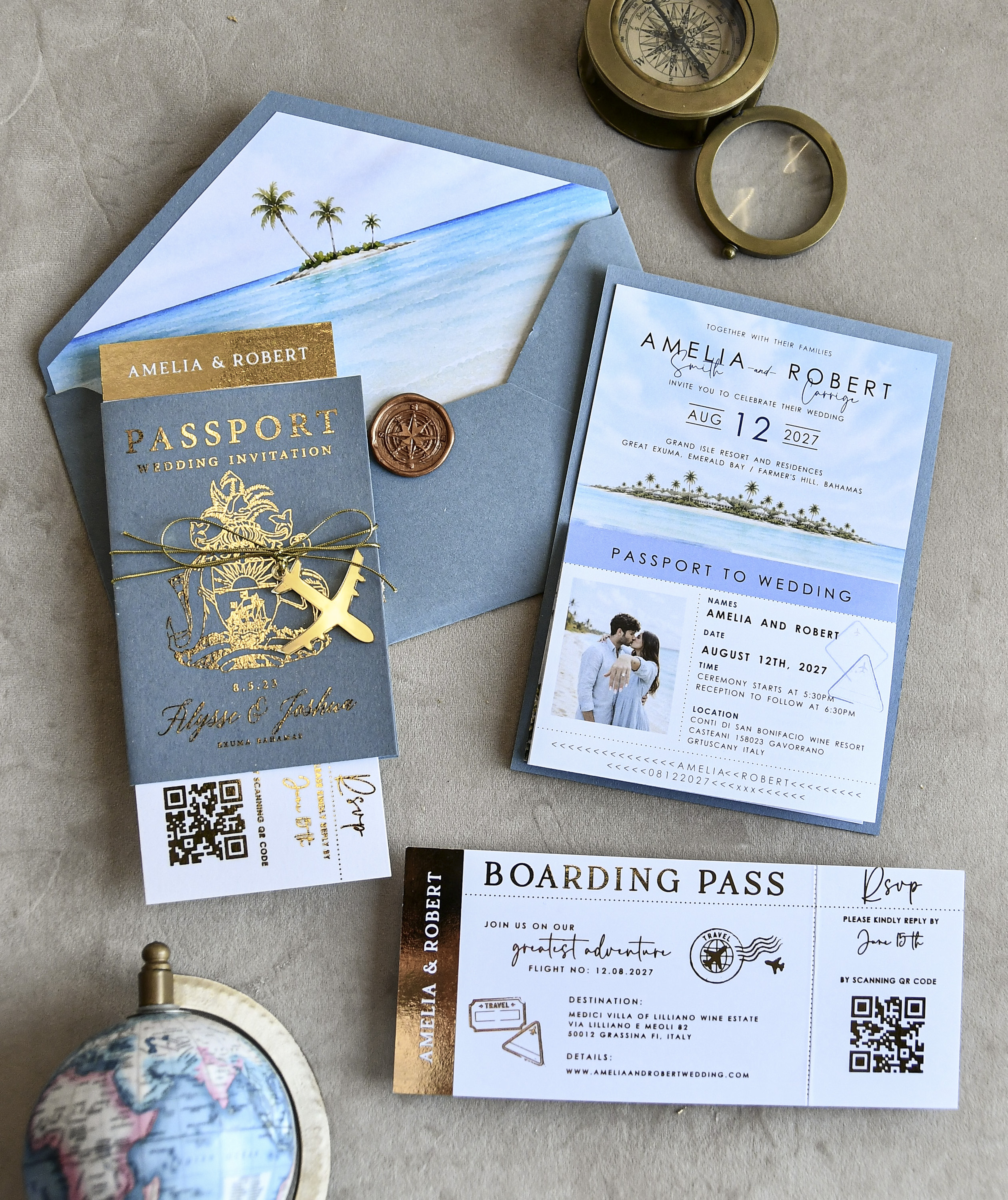
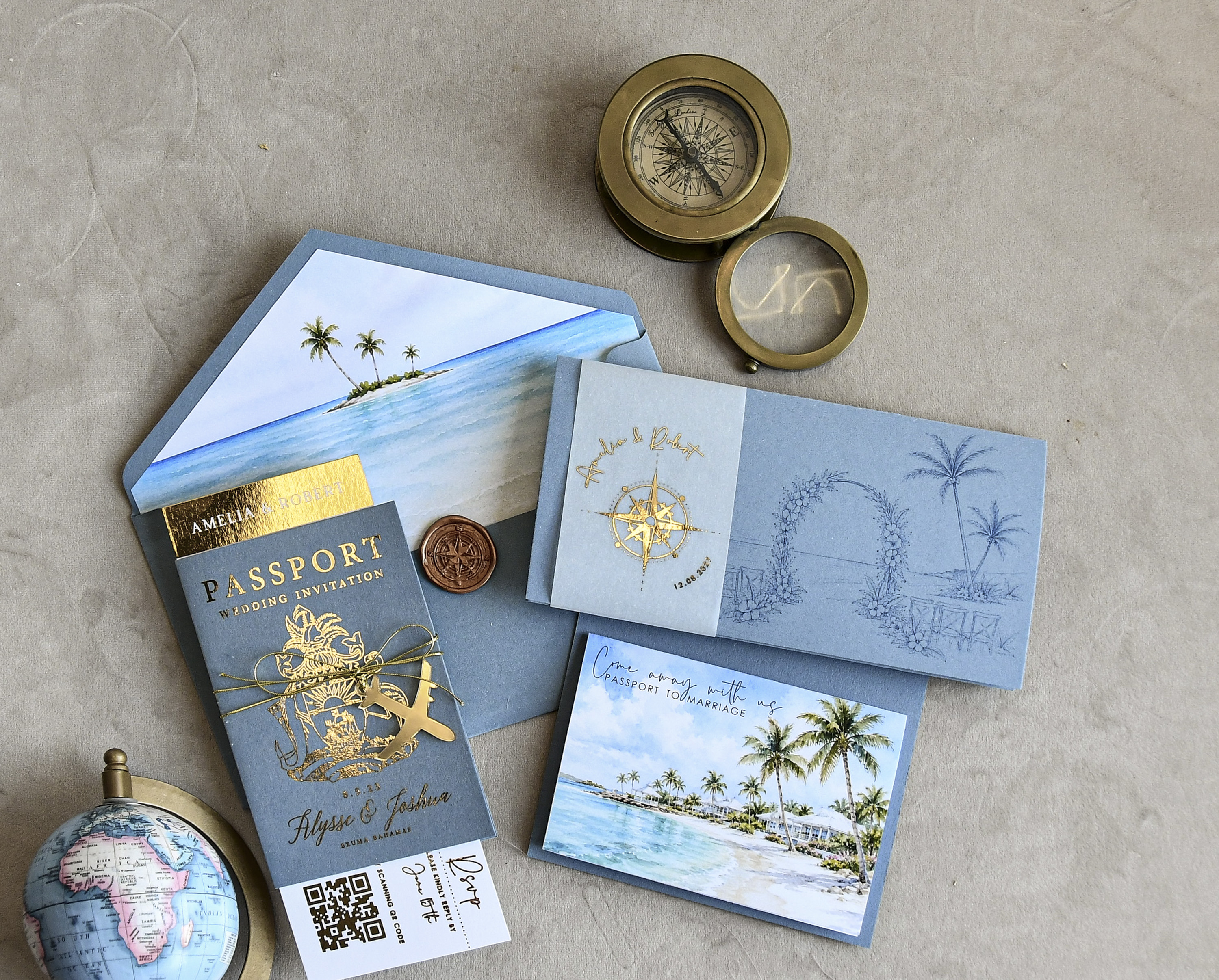
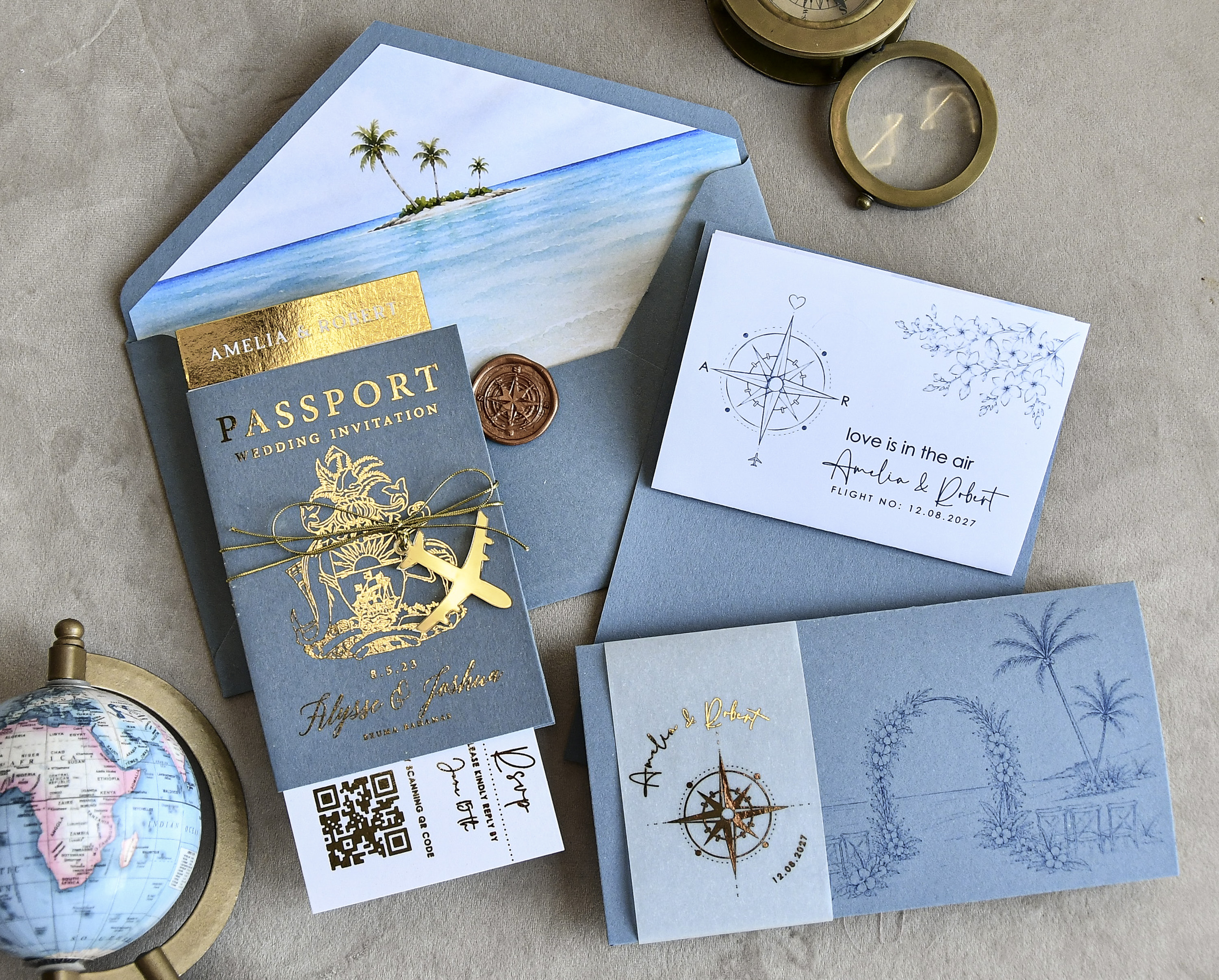
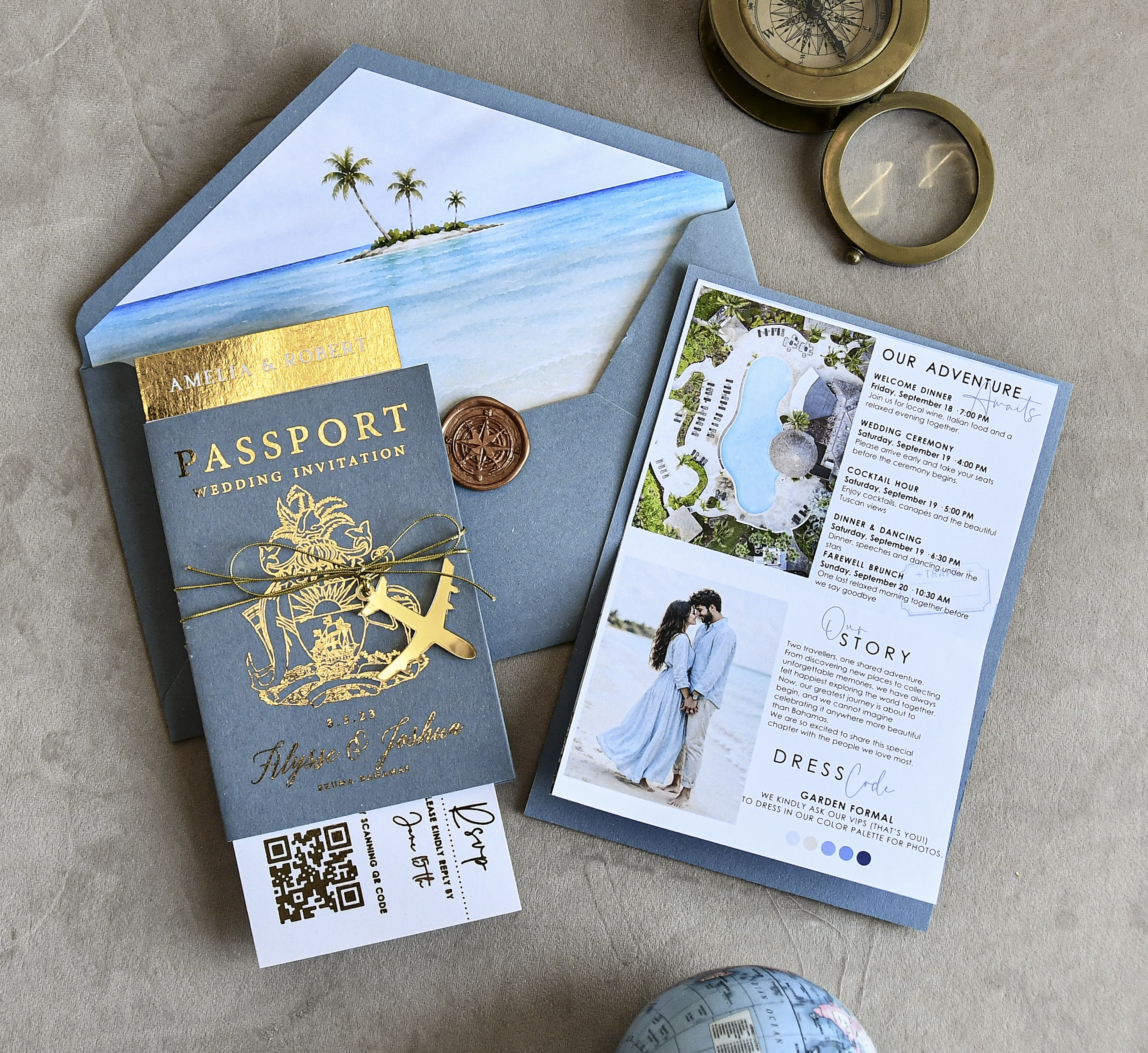
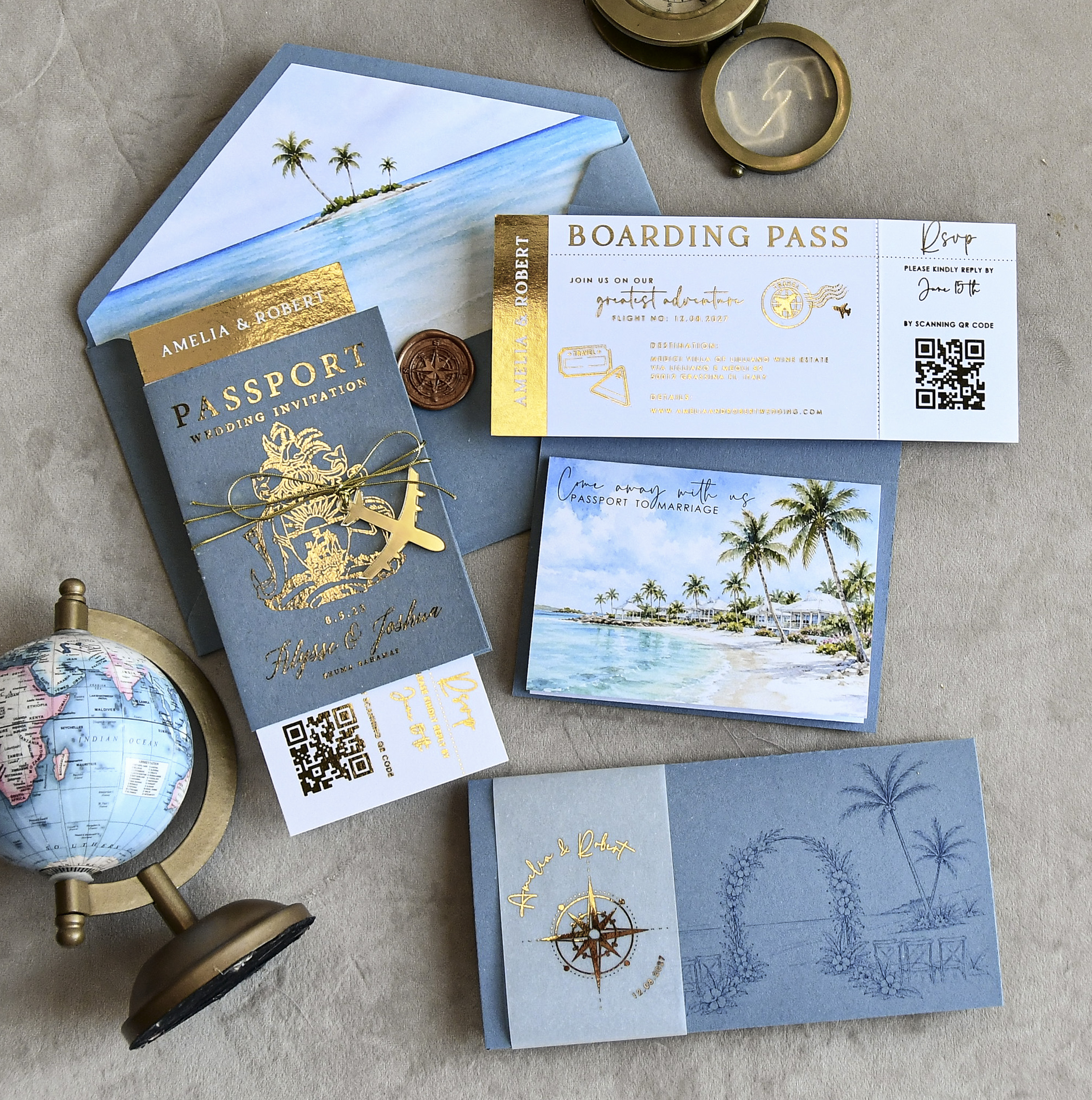
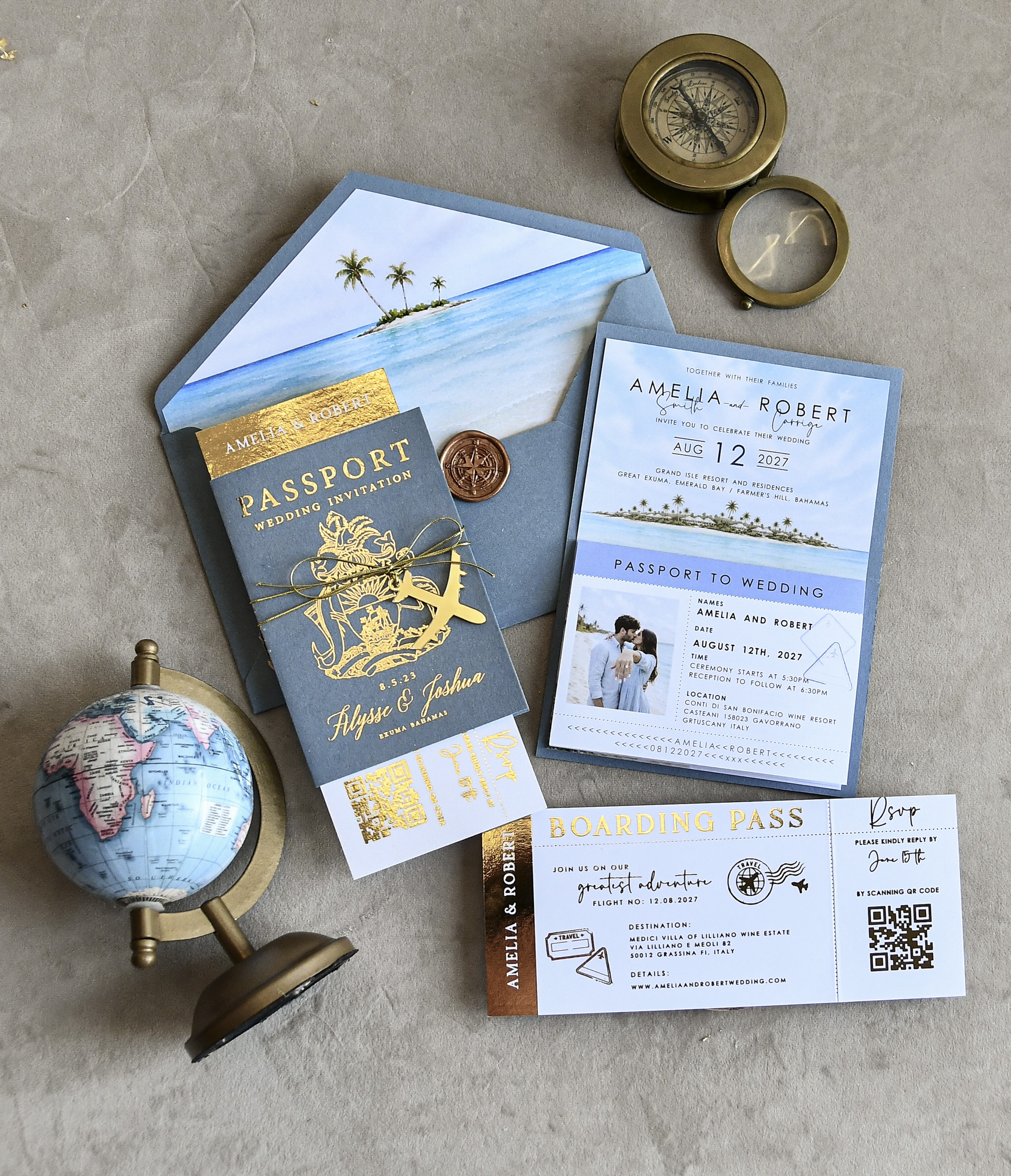
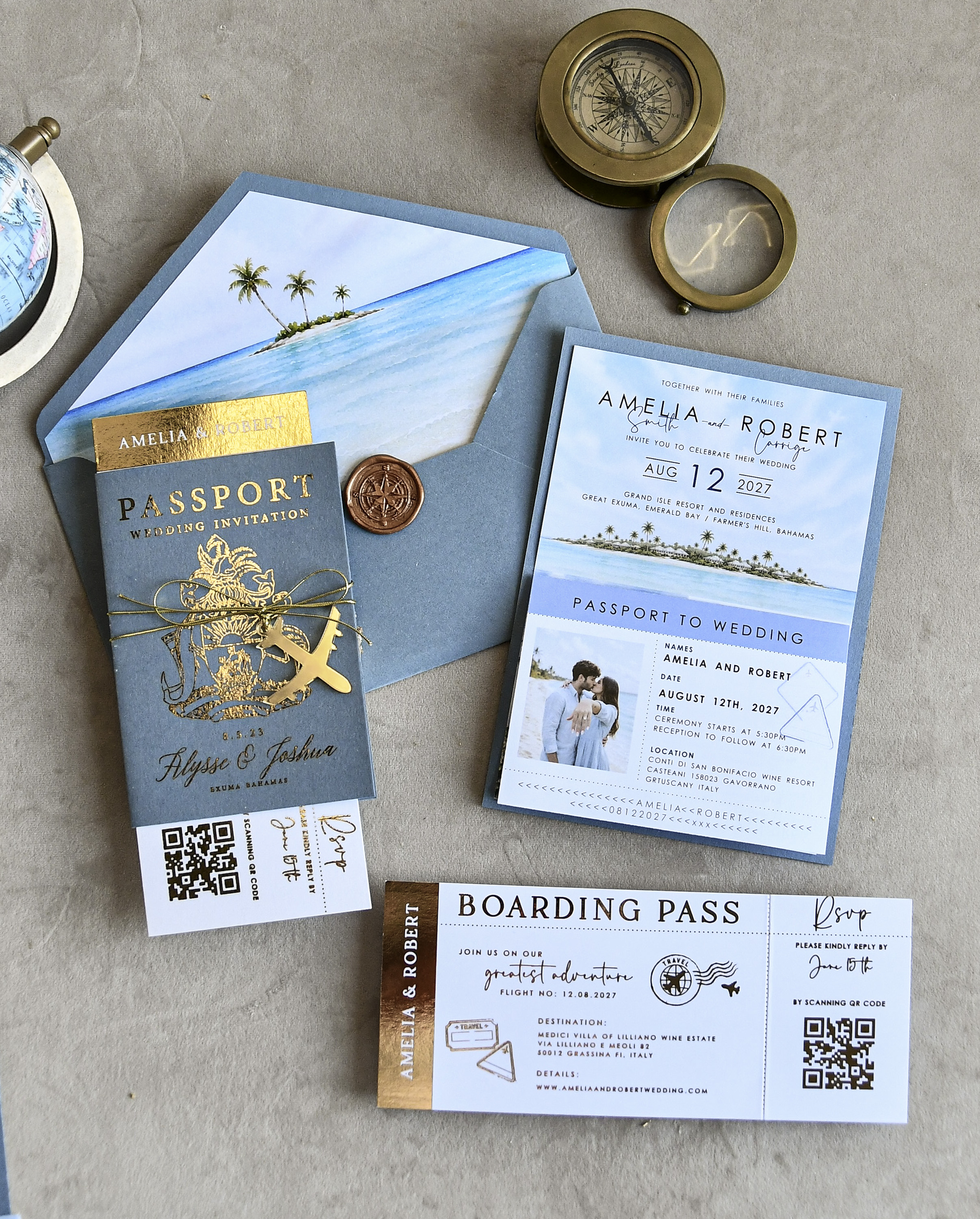
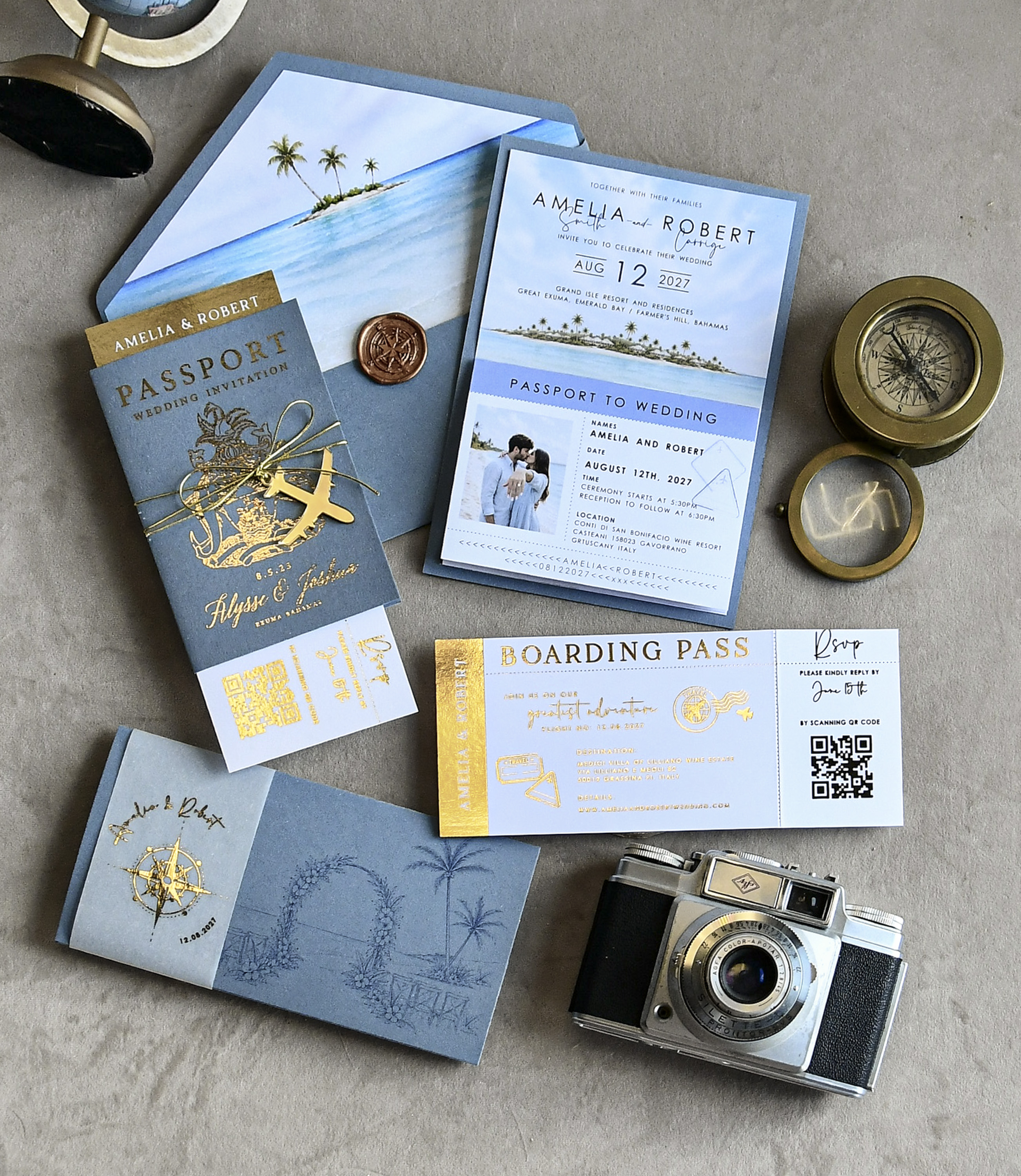
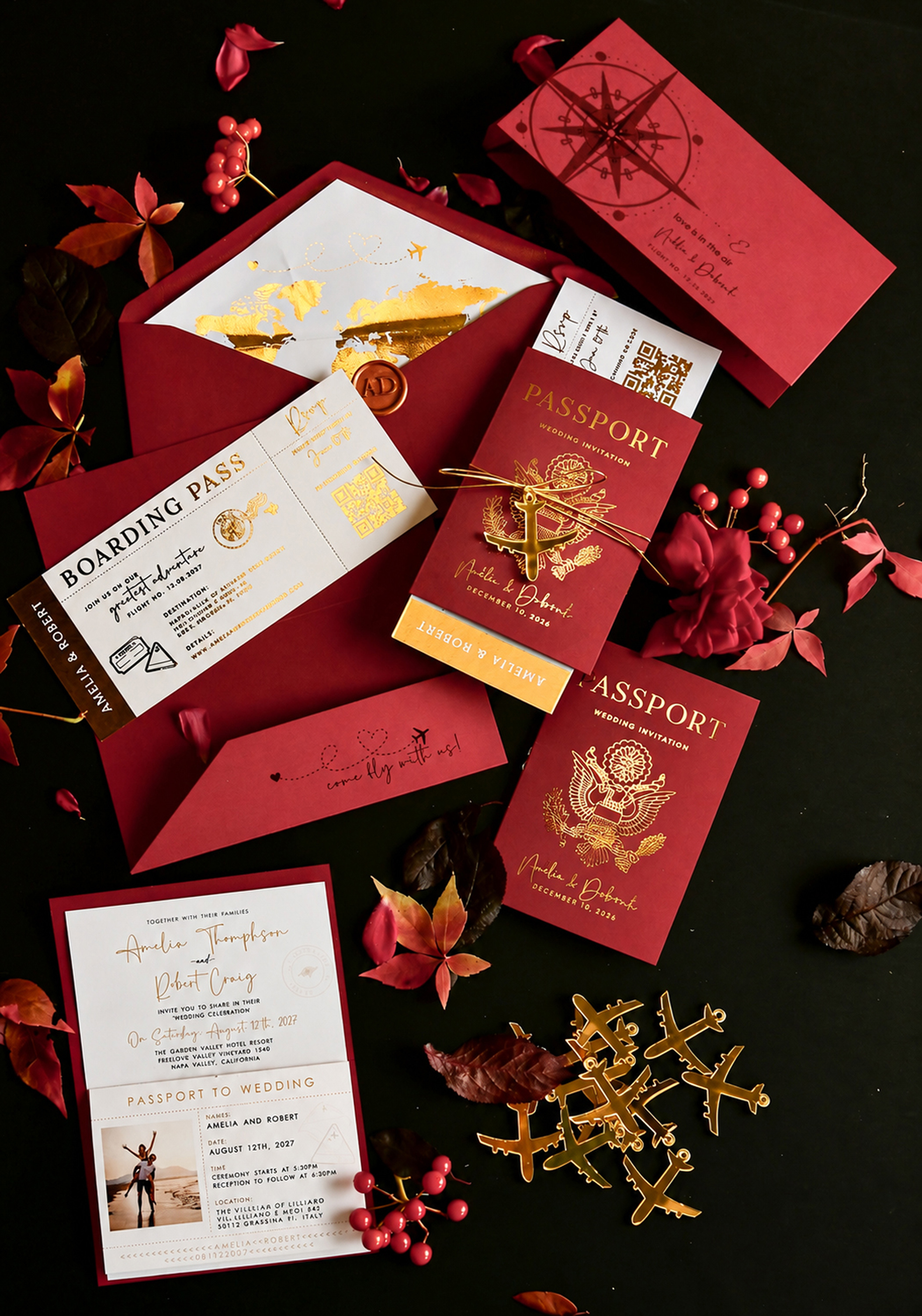
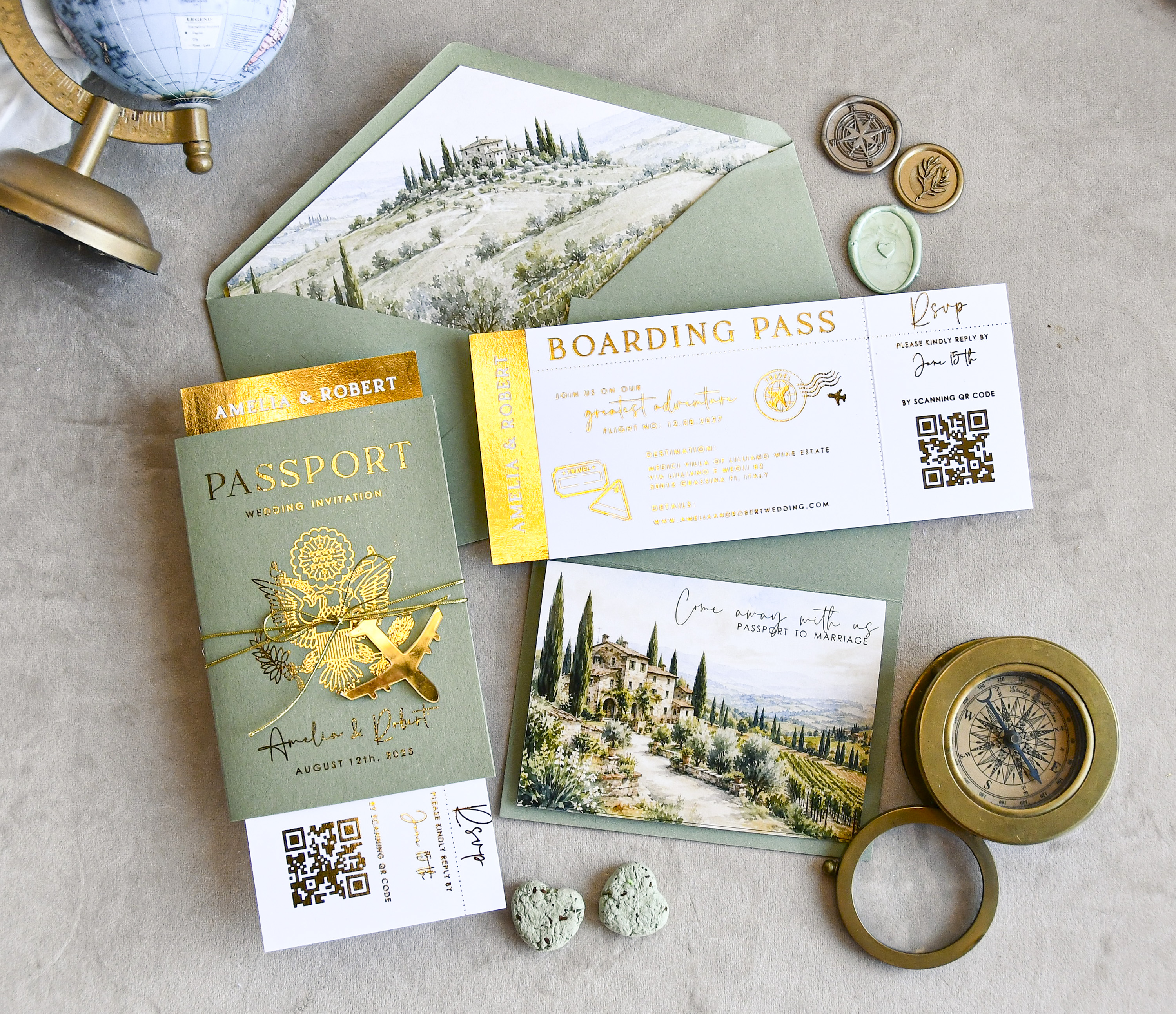
Ask your wedding party and close family to keep details off social media until after invitations go out. This reduces the chance that uninvited guests find out through a post before you've had a chance to talk to them. Speaking of invitations — when you do send them, thoughtful design matters. Our 02/passDest/z passport-style beach wedding invitations are a beautiful way to set the tone for your celebration and make invited guests feel genuinely excited from the moment they open the envelope.
After the wedding, consider hosting a casual get-together — a backyard party, a dinner out — where you can celebrate with the wider circle who didn't make the formal guest list. It's a genuine gesture that shows the relationship matters even if the seat count didn't allow for it.
Frequently Asked Questions
Stay calm and return to your honest constraint — venue size, budget, or your consistent rule. Apologize once, sincerely, and don't be defensive. Most people, given a little time, will understand even if they're initially hurt.
If there's any real chance they expect an invitation — a close coworker, a longtime friend, a family member — it's kinder to say something before they notice the omission. Silence can feel like rejection without explanation, which often hurts more.
Hold your boundary kindly but firmly: "We've had to make really hard choices to stay within our venue's limit, and we can't make exceptions without opening the door to others." Offering to celebrate separately can help ease family tension.
Generally, no. Inviting someone out of obligation — especially if it strains your budget or tips your venue capacity — creates resentment and can affect the energy of your day. A brief honest conversation now is better than a long day of regret.
Yes, this is a recognized and accepted approach, especially for larger families. Be clear and upfront about it on the invitation so guests know exactly what they're being included in and there's no confusion on the day.
This is very common and worth discussing early. Try to agree on a rough split — even 60/40 — and communicate that to both families so expectations are set. Framing it as a shared constraint rather than favoritism usually helps keep the peace.
See This Design Up Close




















You May Also Like


More Wedding Planning Guides
- → Kids at Your Wedding: Should You Hire a Babysitter or Full Entertainment?
- → The Right Time to Chase Down Missing RSVPs (And How to Do It Gracefully)
- → The Graceful Way to Let Guests Know Your Wedding Is Adults Only
- → Wedding Guest List Dilemma: Should Your Boss and Coworkers Make the Cut?
- → When Guests RSVP Yes But Never Arrive: What to Do Before, During, and After
- → Planning Your Wedding When Your Divorced Parents Can't Stand Each Other
- → Navigating Wedding Invitations When a Sibling Relationship Is Complicated
- → Your Guest List, Your Rules: Navigating In-Law Friend Invites
- → Big Guest List vs. Better Wedding Experience: Which Should You Prioritize?
- → Save the Date Cards vs. Wedding Invitations: Know the Difference Before You Order
- → Extra Wedding Guests: Who Picks Up the Tab?
- → No RSVP? Here's Exactly How to Handle It
- → What to Say When Someone Asks Why They Didn't Make the Guest List
- → Plus-Ones for Single Guests: Making the Right Call for Your Wedding
- → My Fiancé Wants to Exclude My Family From the Wedding: Now What?
- → Should You Give Teenage Guests a Plus One at Your Wedding?
- → Adults-Only or Family-Friendly? How to Make the Right Call on Kids at Your Wedding
- → When Guests Bring Unexpected Plus-Ones: What to Do Before and After the Wedding
- → How Late Is Too Late for Wedding Invitations? A Realistic Timeline
- → Aunt Has a New Husband: Here's How to Handle the Invitation
- → The RSVP No-Show: Should You Actually Call Guests Who Never Responded?
- → Wedding Invitations: Mail Them or Hand Deliver? Here's How to Decide
- → What to Do When a Relative Says They Won't Come If Someone Else Is Invited
- → Extra Names on Your RSVP Card: What to Do When Guests Add Themselves
- → Your Guest List, Your Call: How to Handle Mom's Must-Invite Requests
- → Yes, You Can Say No to a Plus One — Here's How to Do It Right
- → Adults-Only Weddings: Are You Being Rude by Leaving Kids Off the Guest List?
- → How to Handle Seating for Divorced Parents at Your Wedding
- → Uninvited Plus-Ones and Tag-Alongs: How to Keep Your Guest List Intact
- → When Family Feuds Threaten Your Wedding Plans: A Practical Peacekeeper's Guide
- → Inviting an Estranged Brother or Sister: Finding Clarity Before You Seal the Envelope
- → Cousins, Invites, and Hard Choices: A Practical Guest List Guide