
Big Guest List vs. Better Wedding Experience: Which Should You Prioritize?
One of the first budget battles nearly every engaged couple faces is deceptively simple: do you stretch the guest list to include everyone you've ever met, or do you keep it intimate and pour that money into an unforgettable experience? There's no universal right answer, but there is a smarter way to think through it — and this guide will walk you through exactly that.
Why Guest Count Is the Single Biggest Budget Driver
Before you can make a confident decision, you need to understand one hard truth: every guest you add costs real money. In the US, the average per-head cost at a wedding — including catering, cake, rentals, favors, and stationery — typically runs between $150 and $300 per person, sometimes more in major metro areas. That means inviting 50 extra guests can quietly consume $7,500 to $15,000 of your budget before you've upgraded a single thing.
That same money could pay for a better venue, a live band instead of a DJ, a premium photographer, a honeymoon upgrade, or a destination celebration that guests will talk about for years. When you frame it that way, the trade-off becomes much clearer.
What Research and Real Couples Actually Say
Couples who have already been through this decision consistently report the same thing: they remember the quality of the day far more than the headcount. A dinner party of 40 close friends with incredible food, a stunning venue, and a great band almost always outranks a 200-person ballroom where the couple barely had time to eat their own meal.
That said, cultural and family expectations are real. In many communities — South Asian, Latin, Middle Eastern, and others — a large guest list carries deep social and family significance. If a smaller wedding would create lasting tension with the people you love most, that emotional cost is worth factoring in honestly. The goal is your ideal wedding, not someone else's definition of it.
A Practical Framework for Making the Call
Try this simple exercise before you finalize anything:
- Set your total budget first. Know your hard number before you build a guest list, not after.
- List your non-negotiables. Write down the three to five elements that would make you feel the day was truly special — a specific venue, a photographer whose work you love, a destination setting, live music. Price those out.
- Work backwards. Subtract your non-negotiables from your total budget. What's left is your per-head allowance. Divide it by your realistic per-guest cost to find your maximum comfortable guest count.
- Apply the "one-year test." For every name on the B-list, ask: will I care that this person was there when I look back in one year? Five years? If the answer is no, cut the invite.
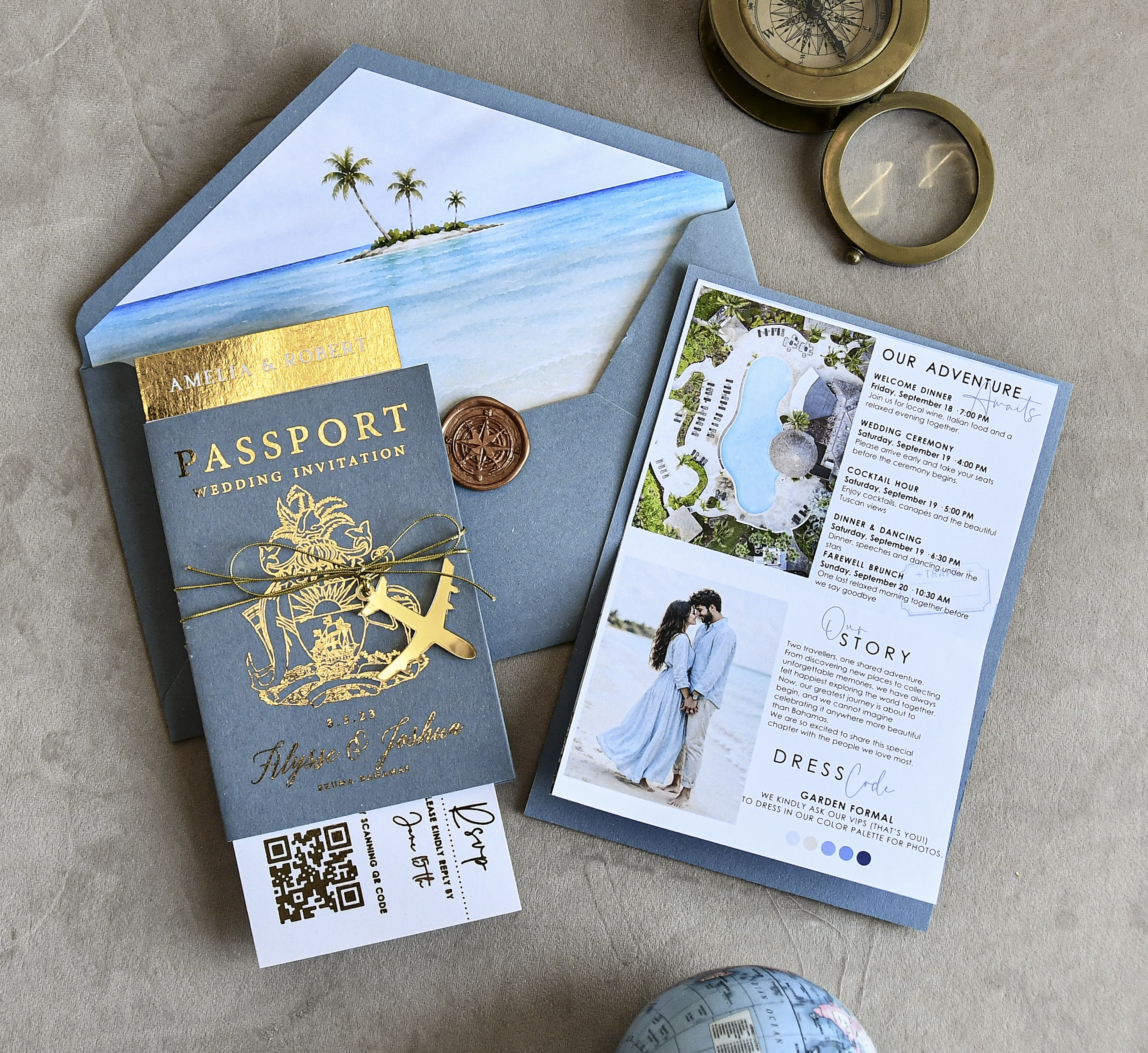
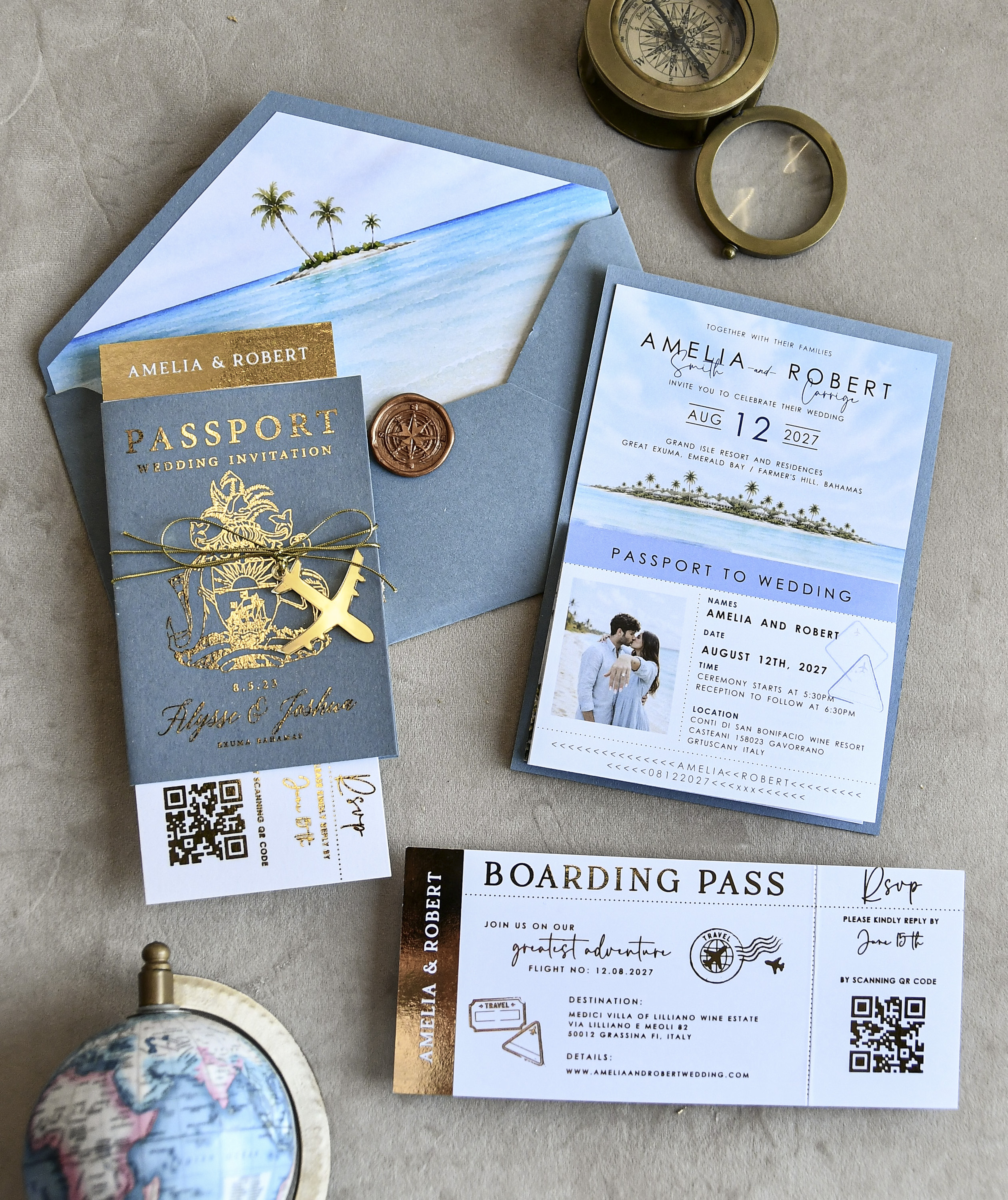
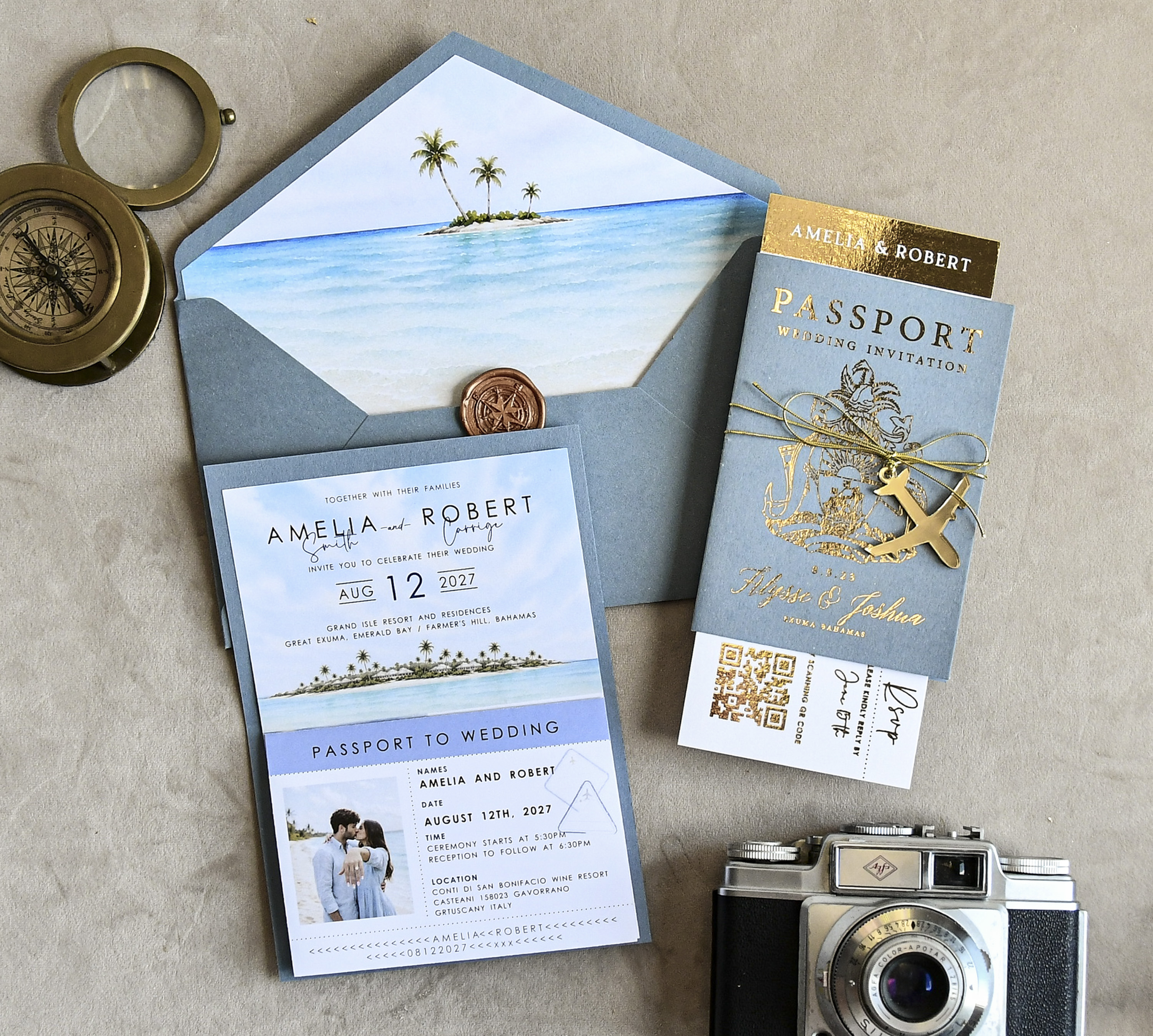
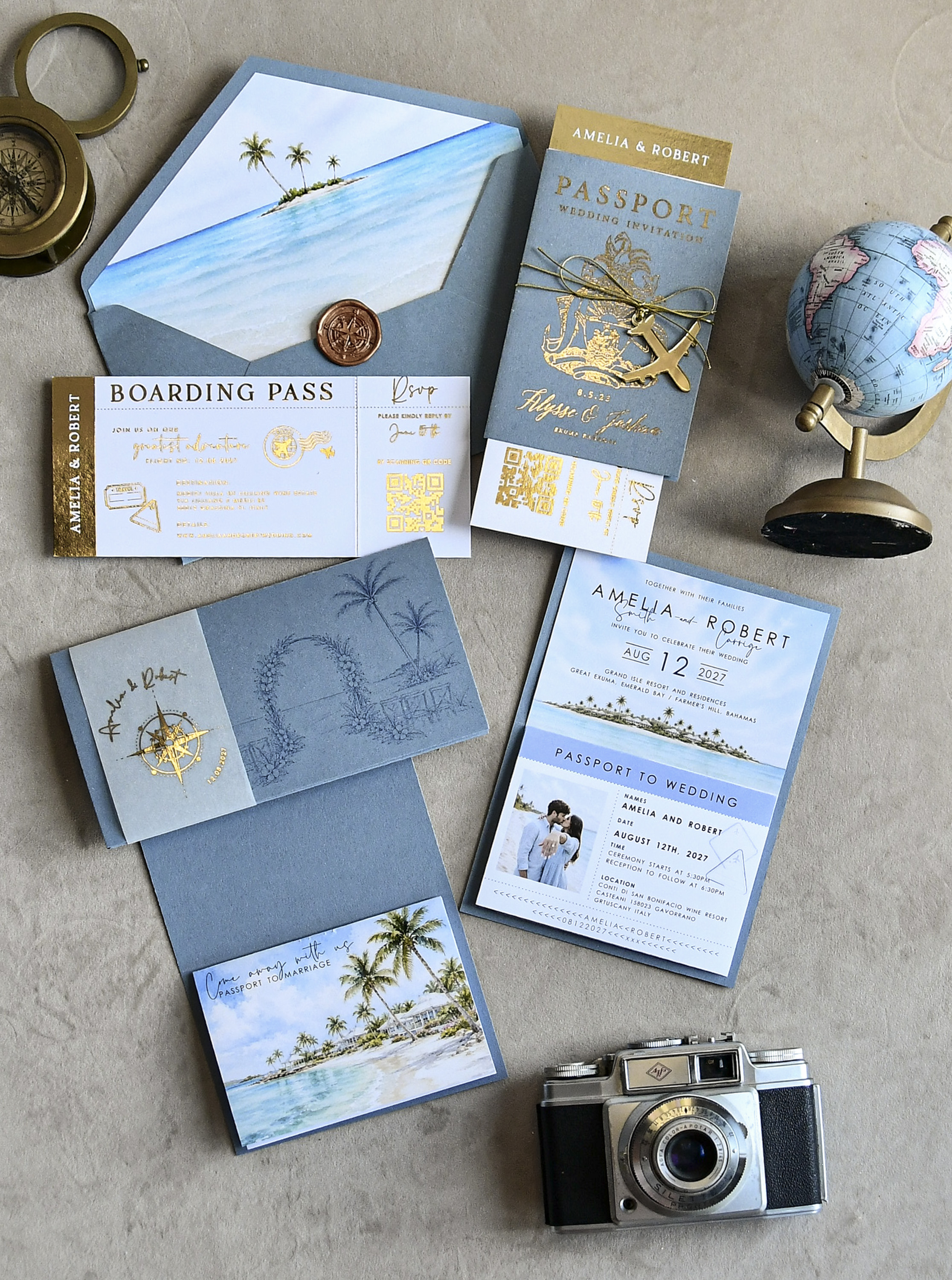
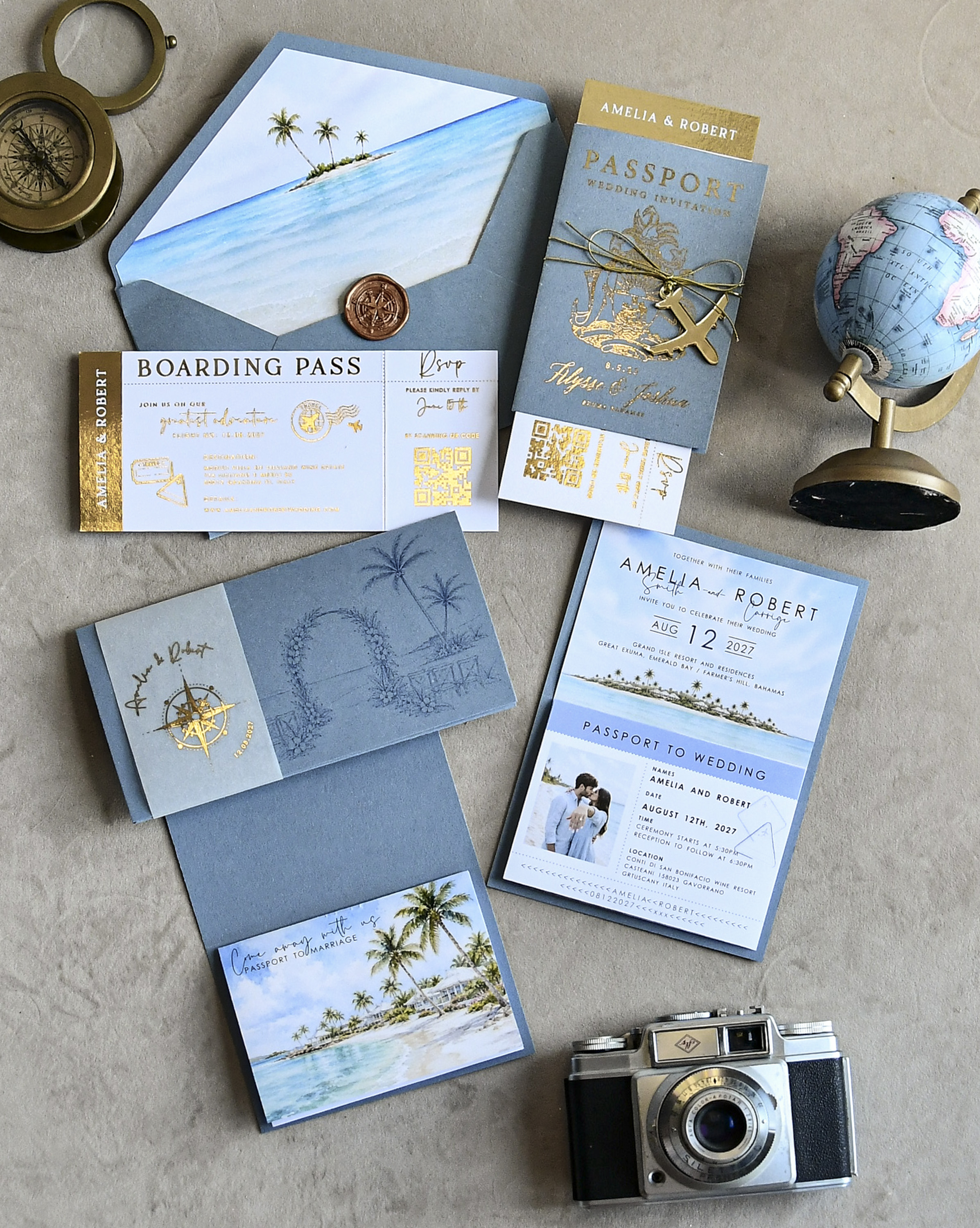
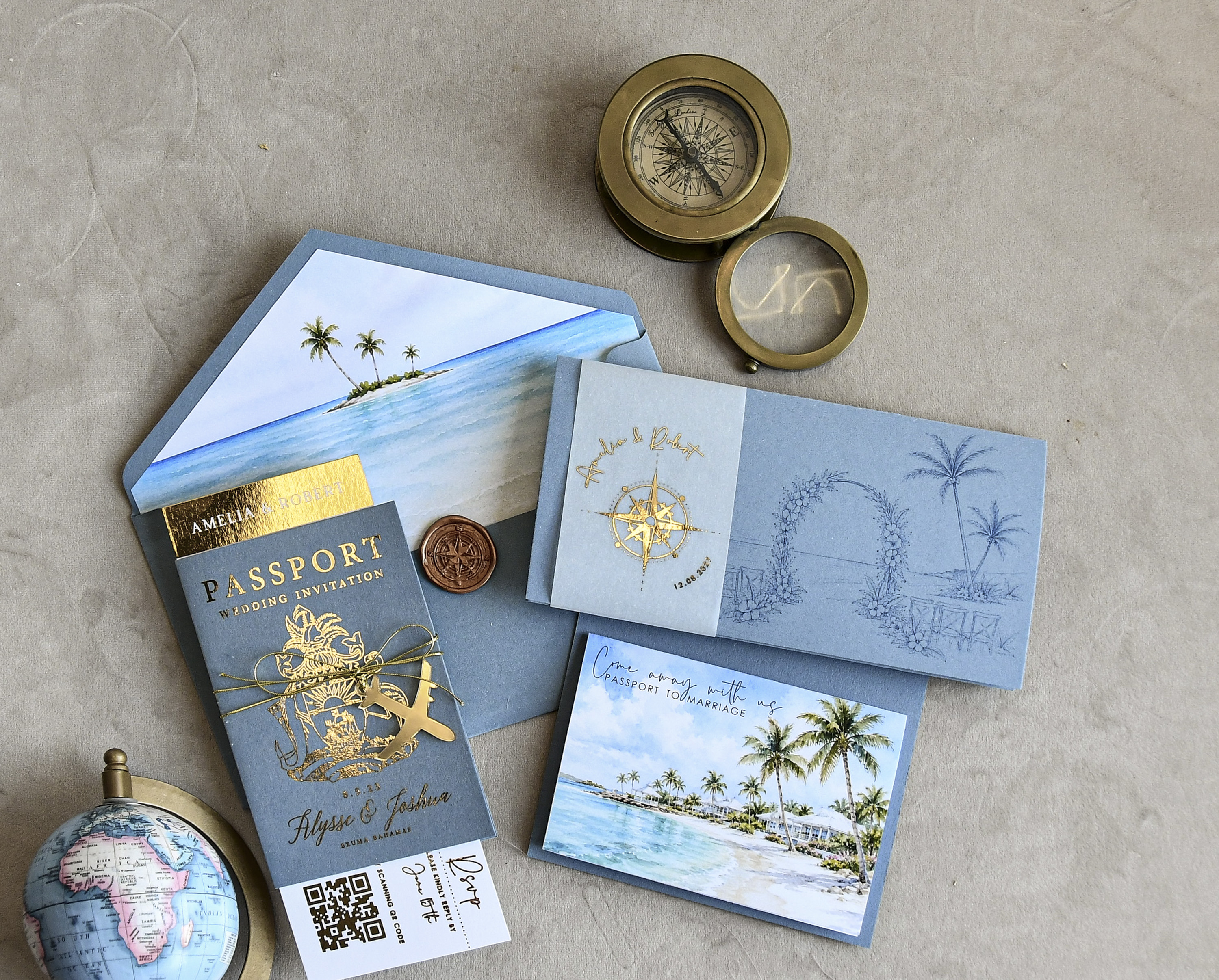
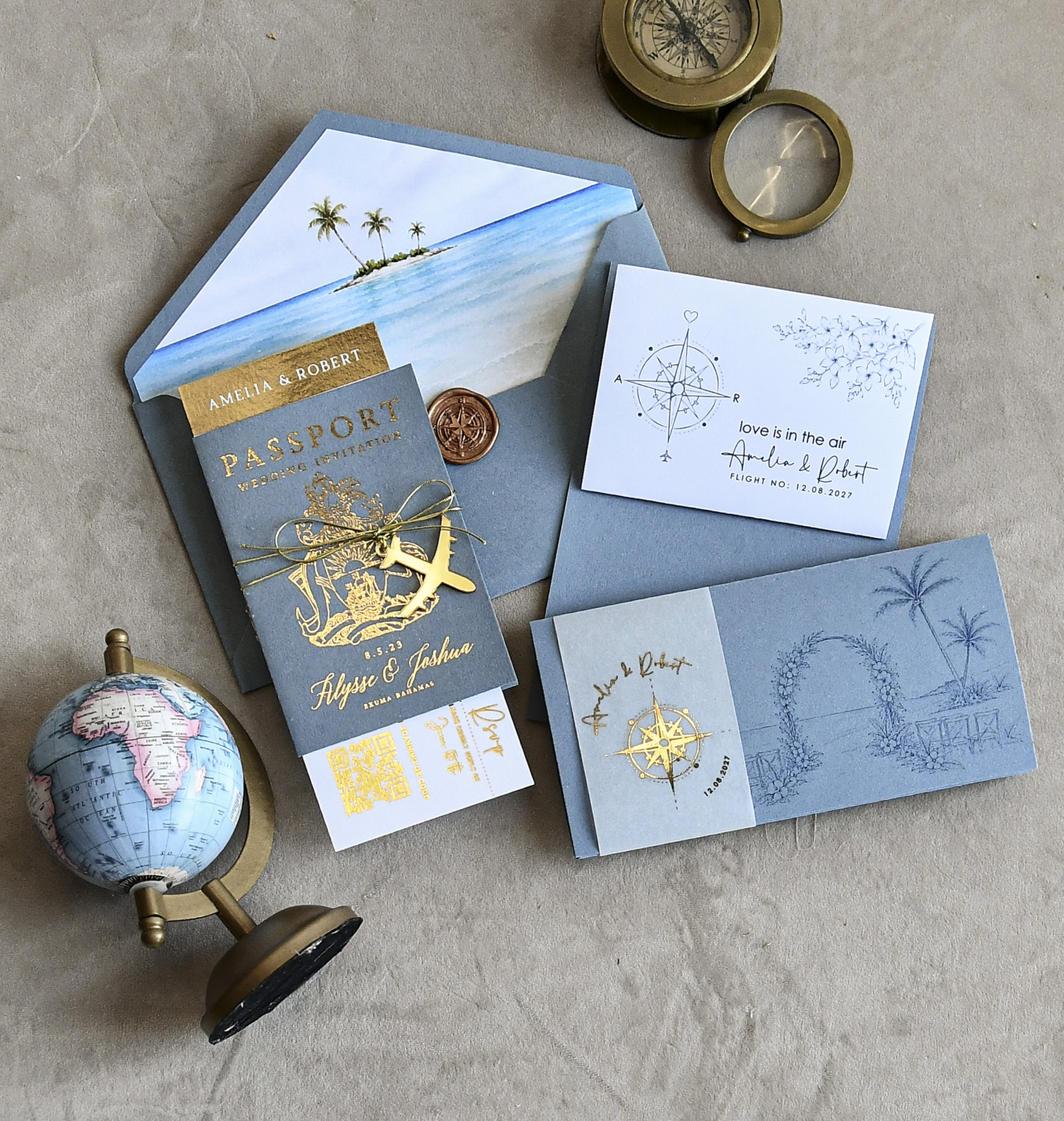
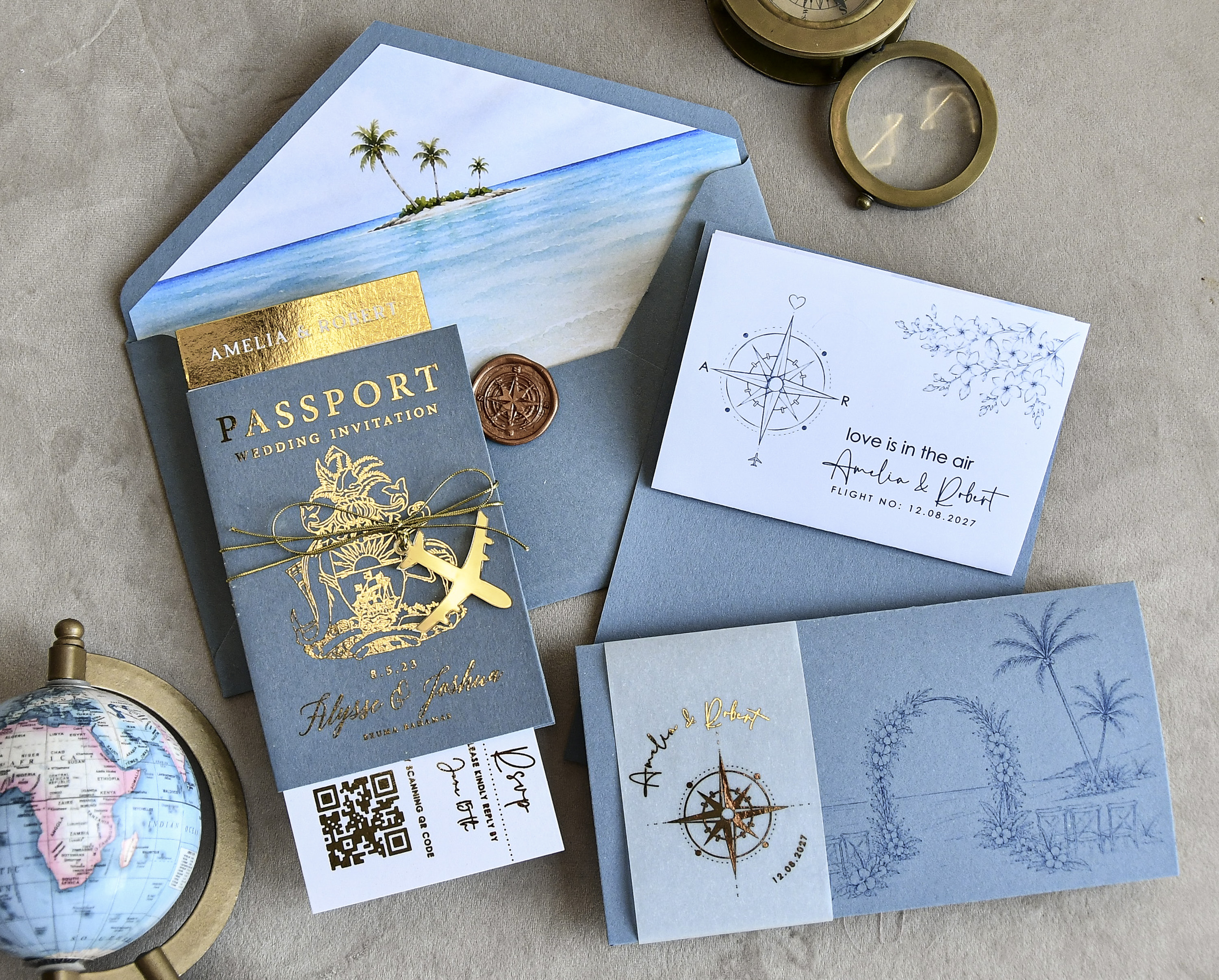
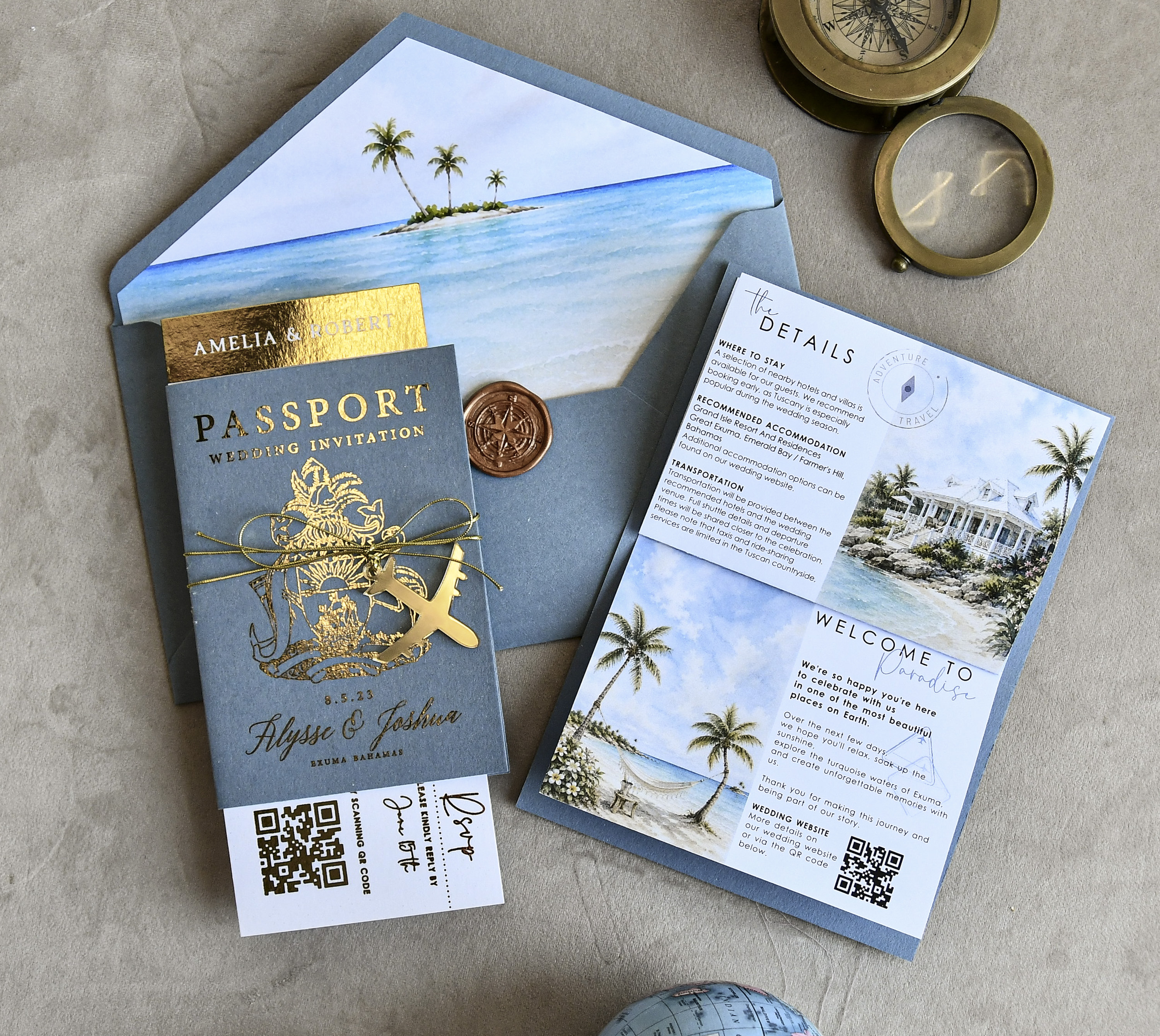
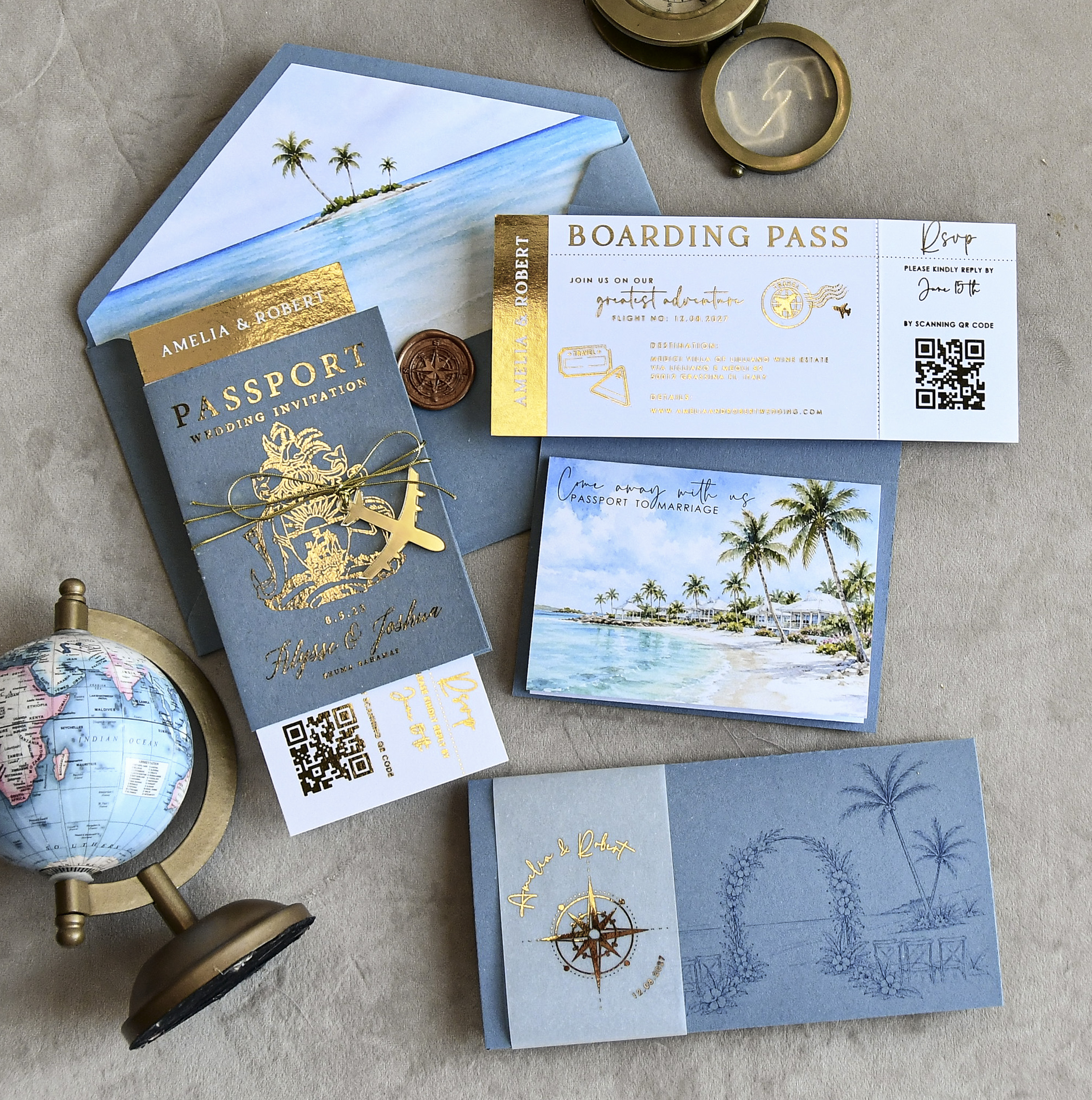
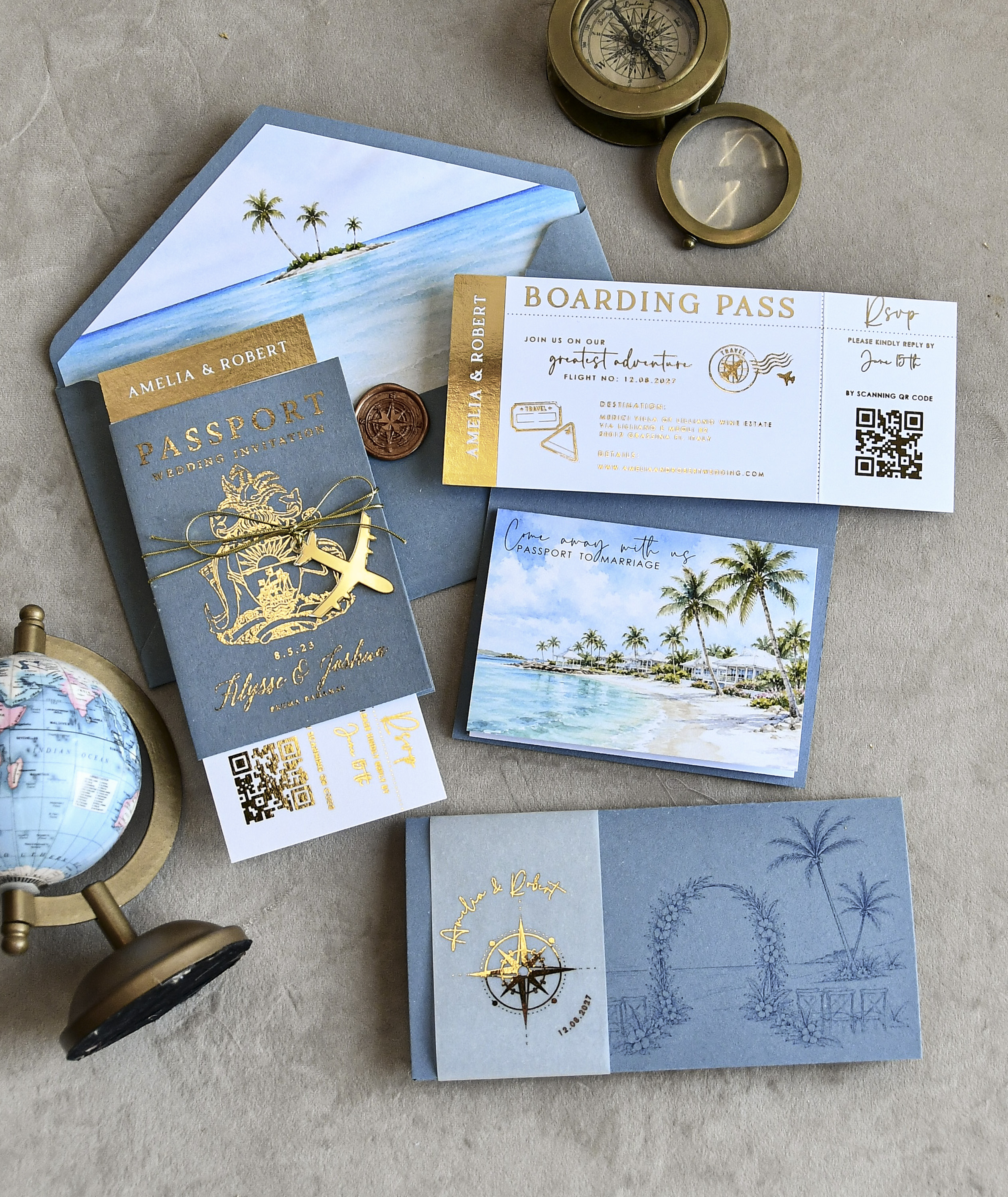
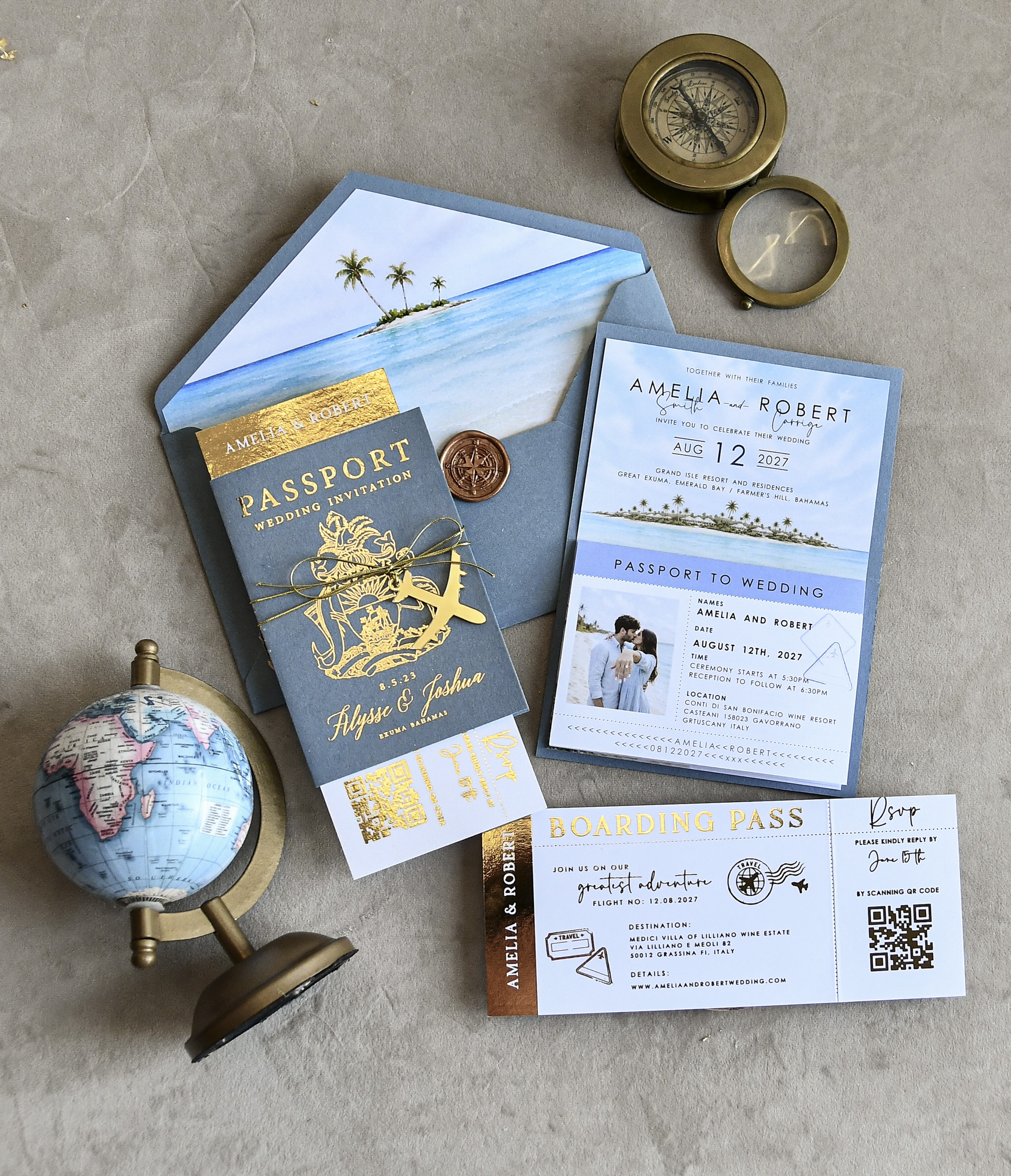
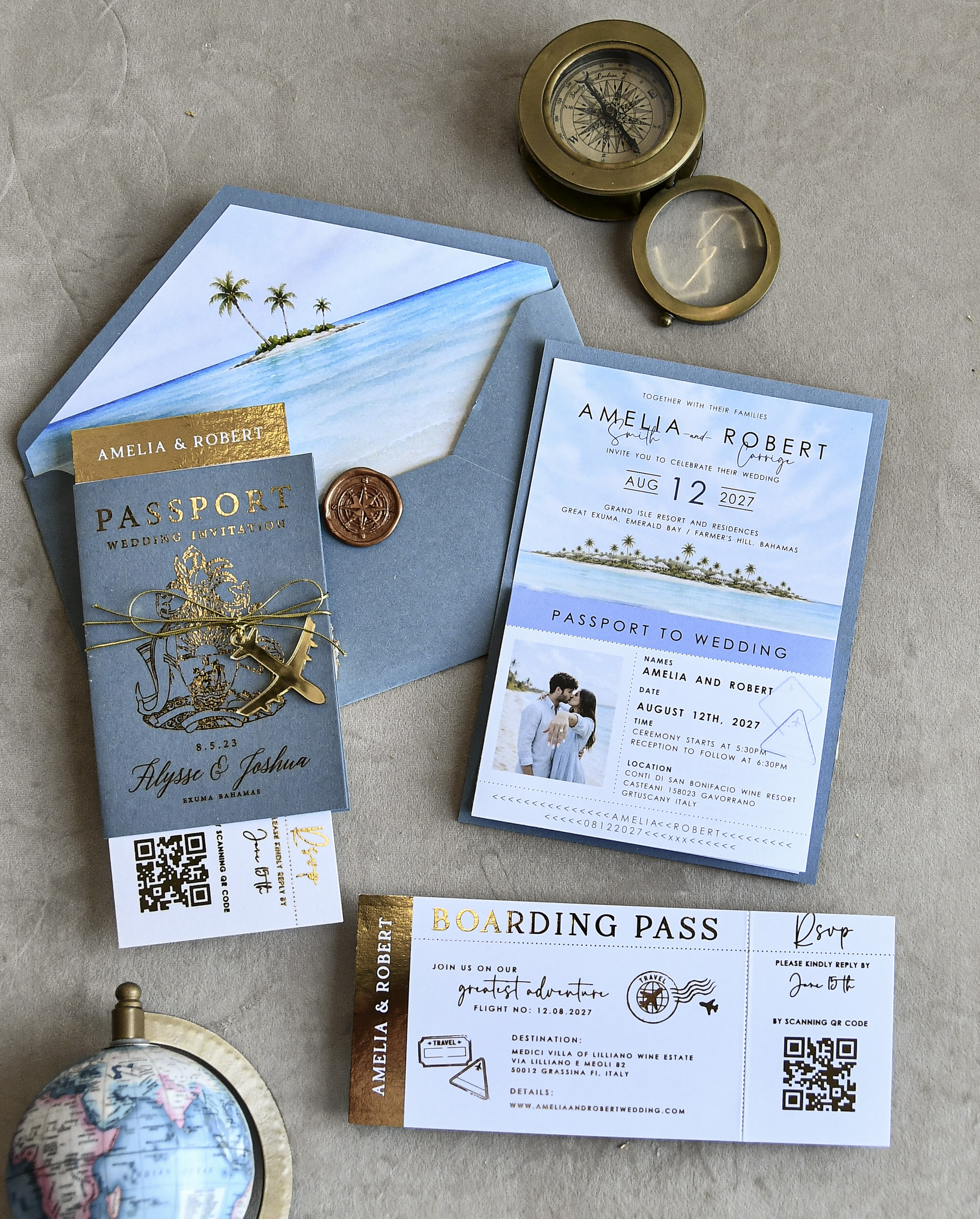
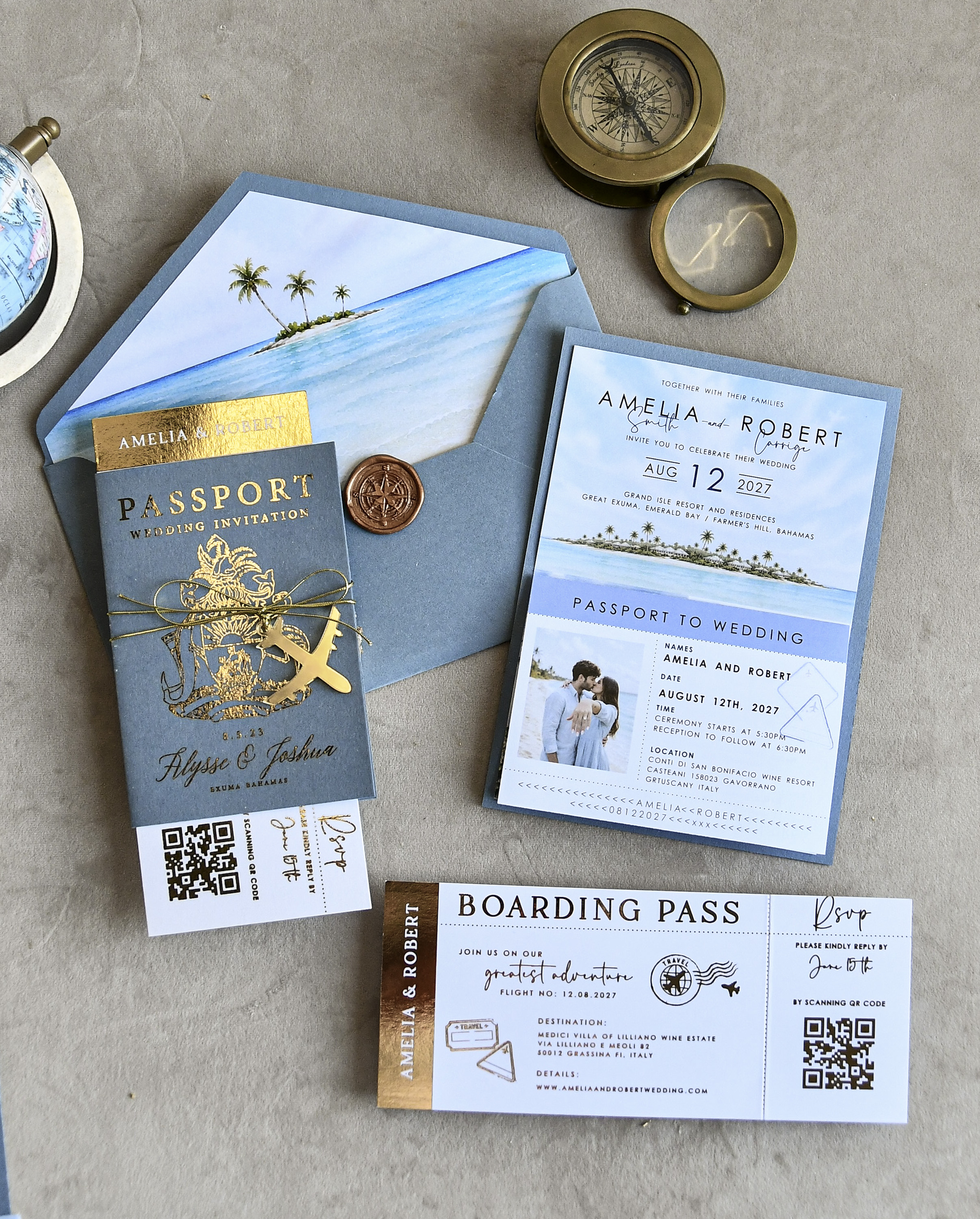
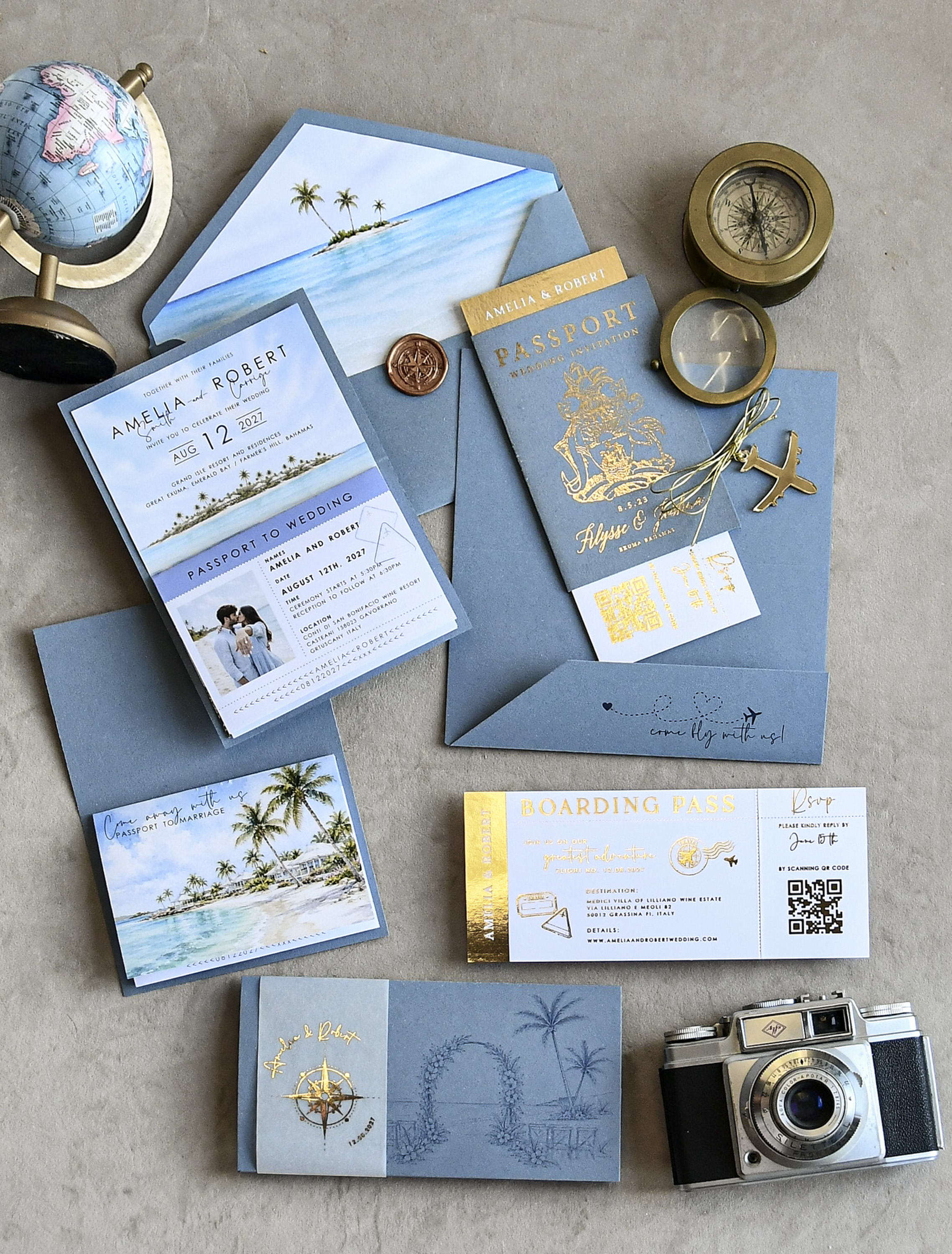
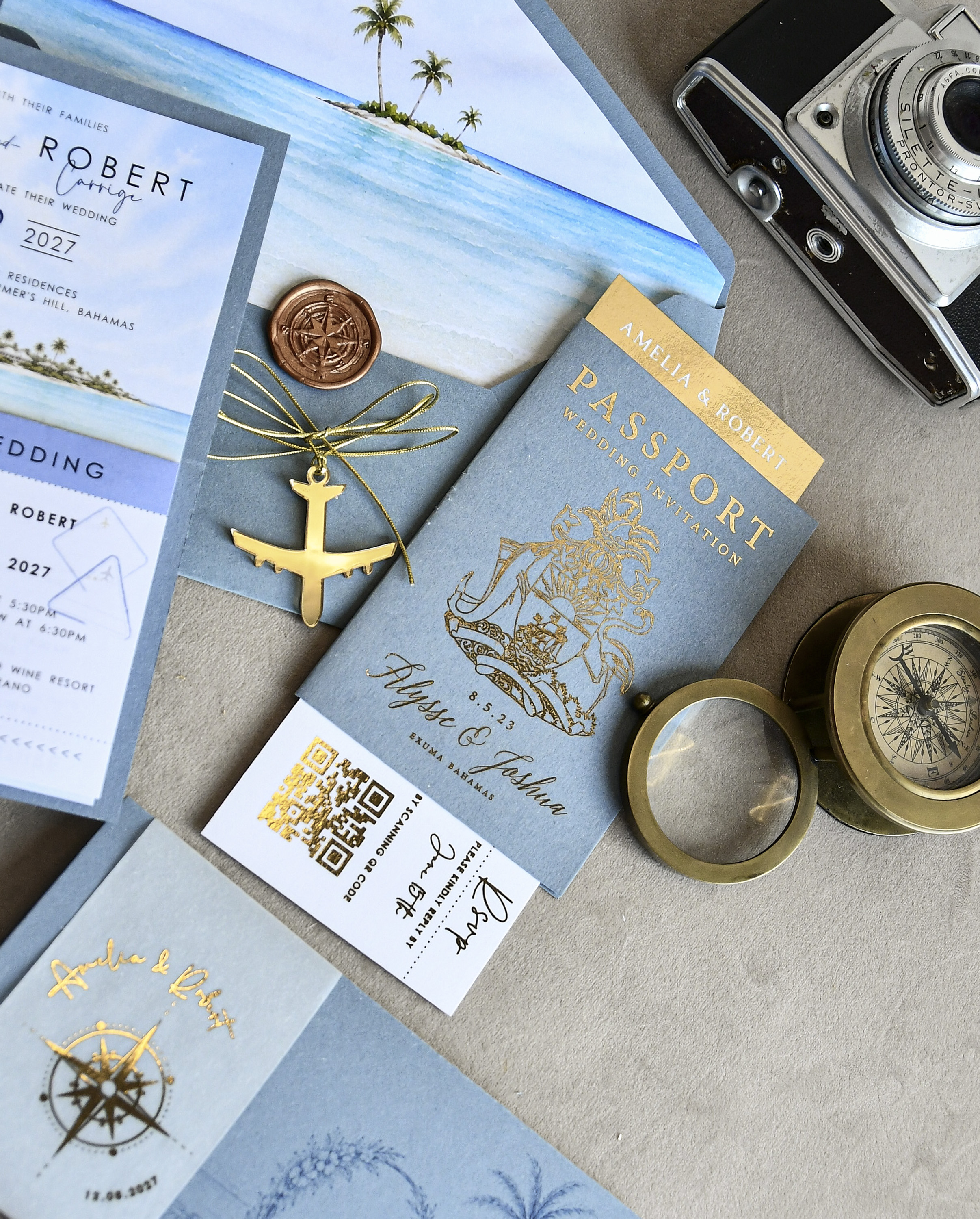
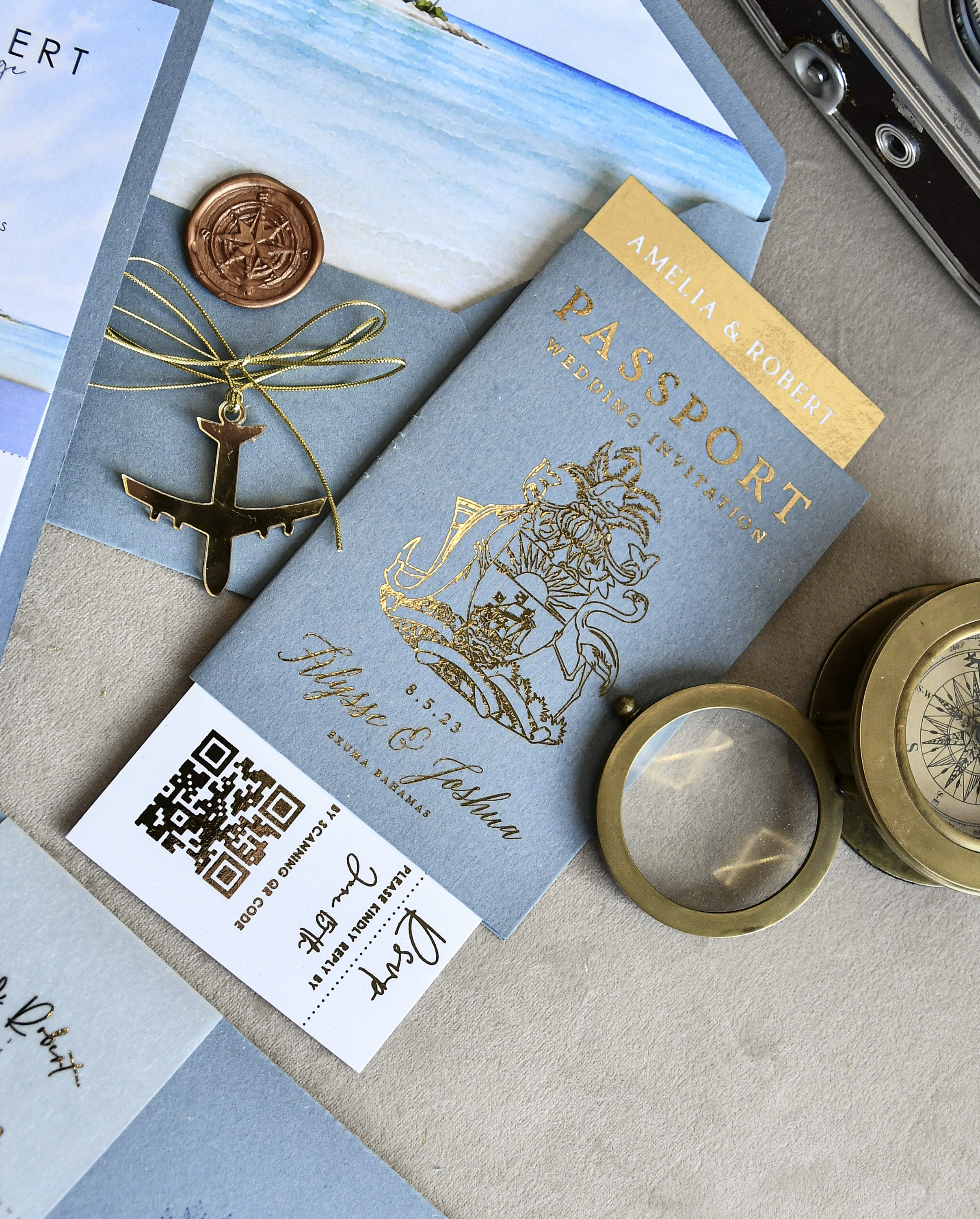
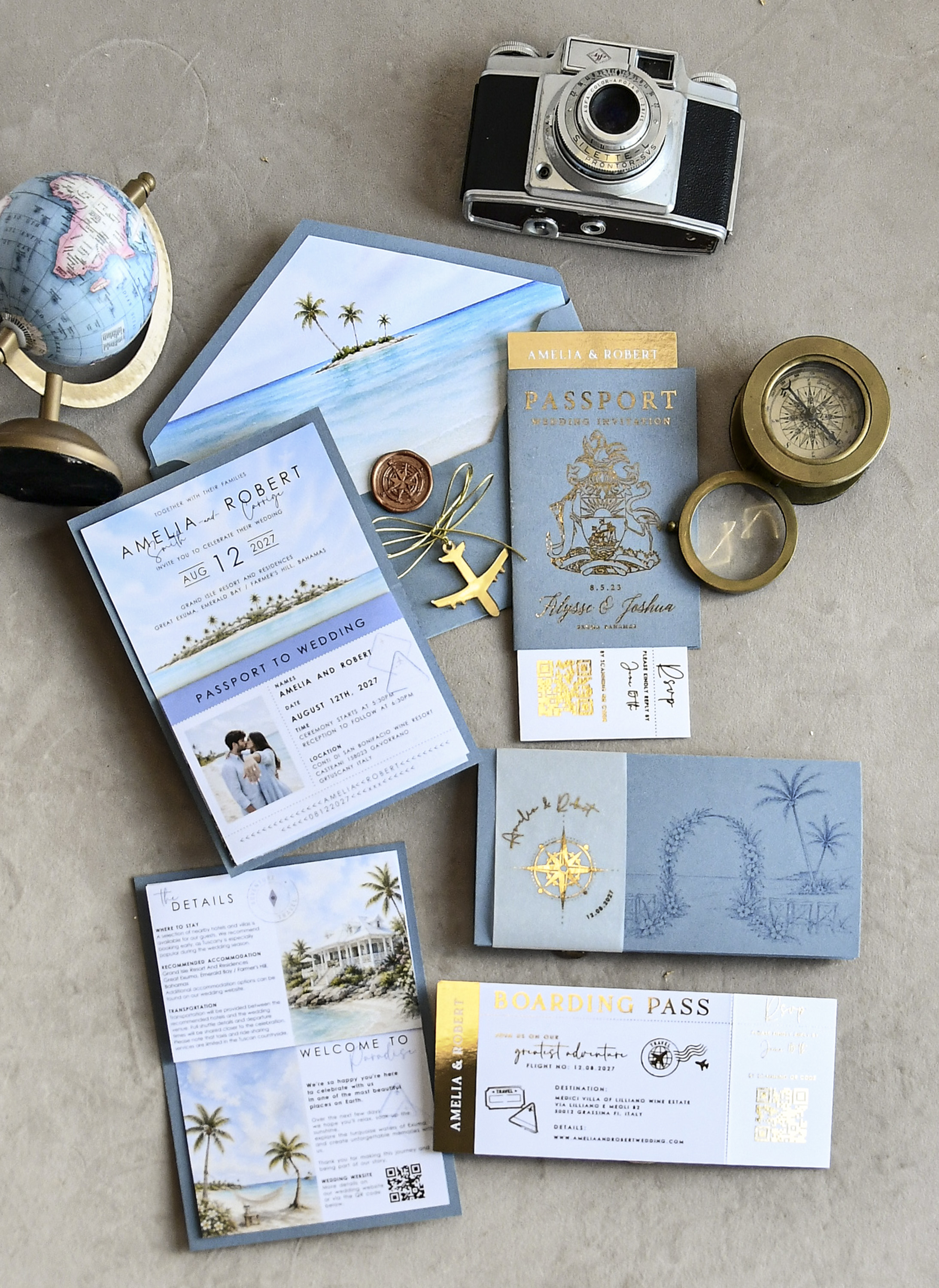
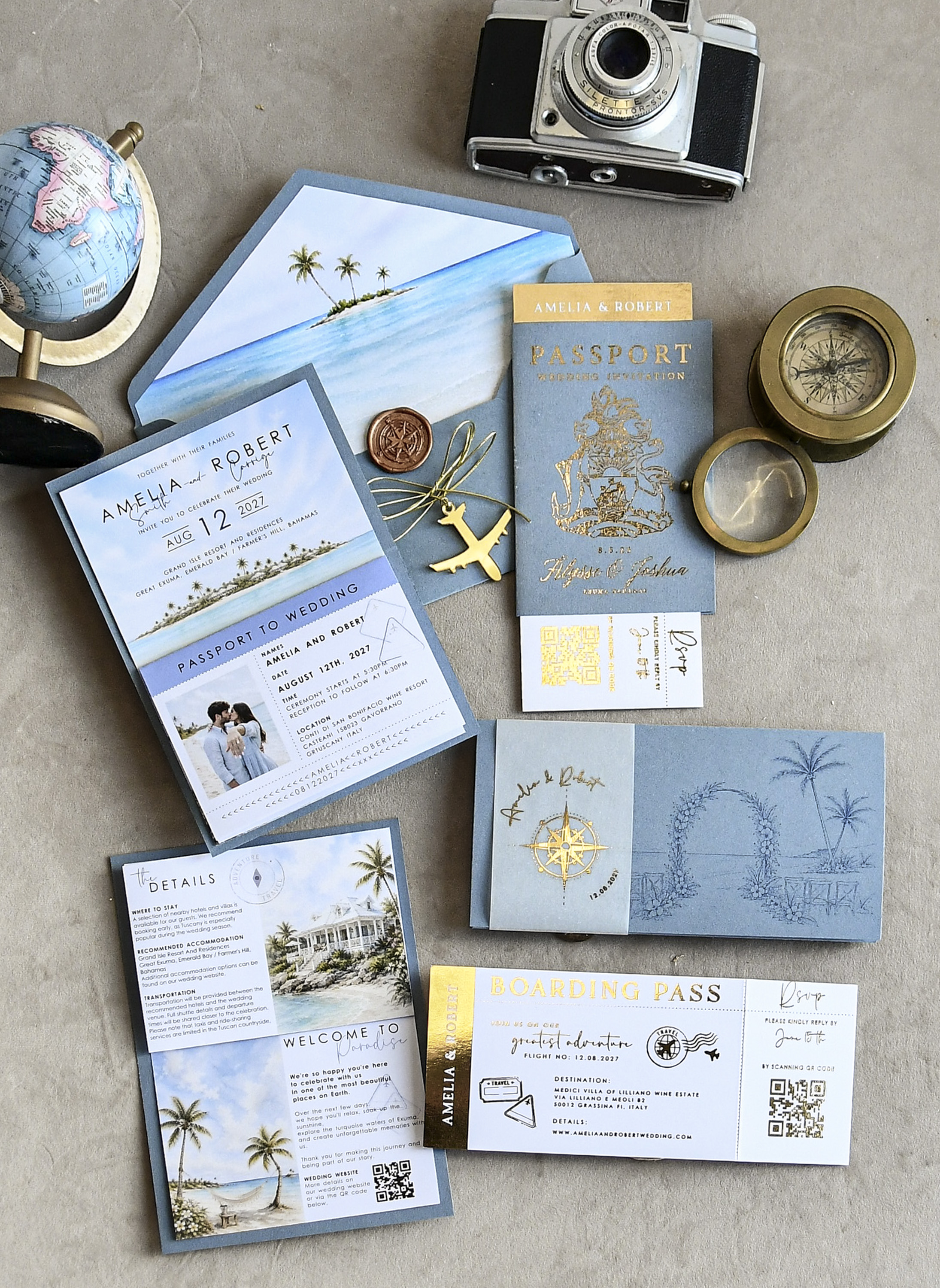
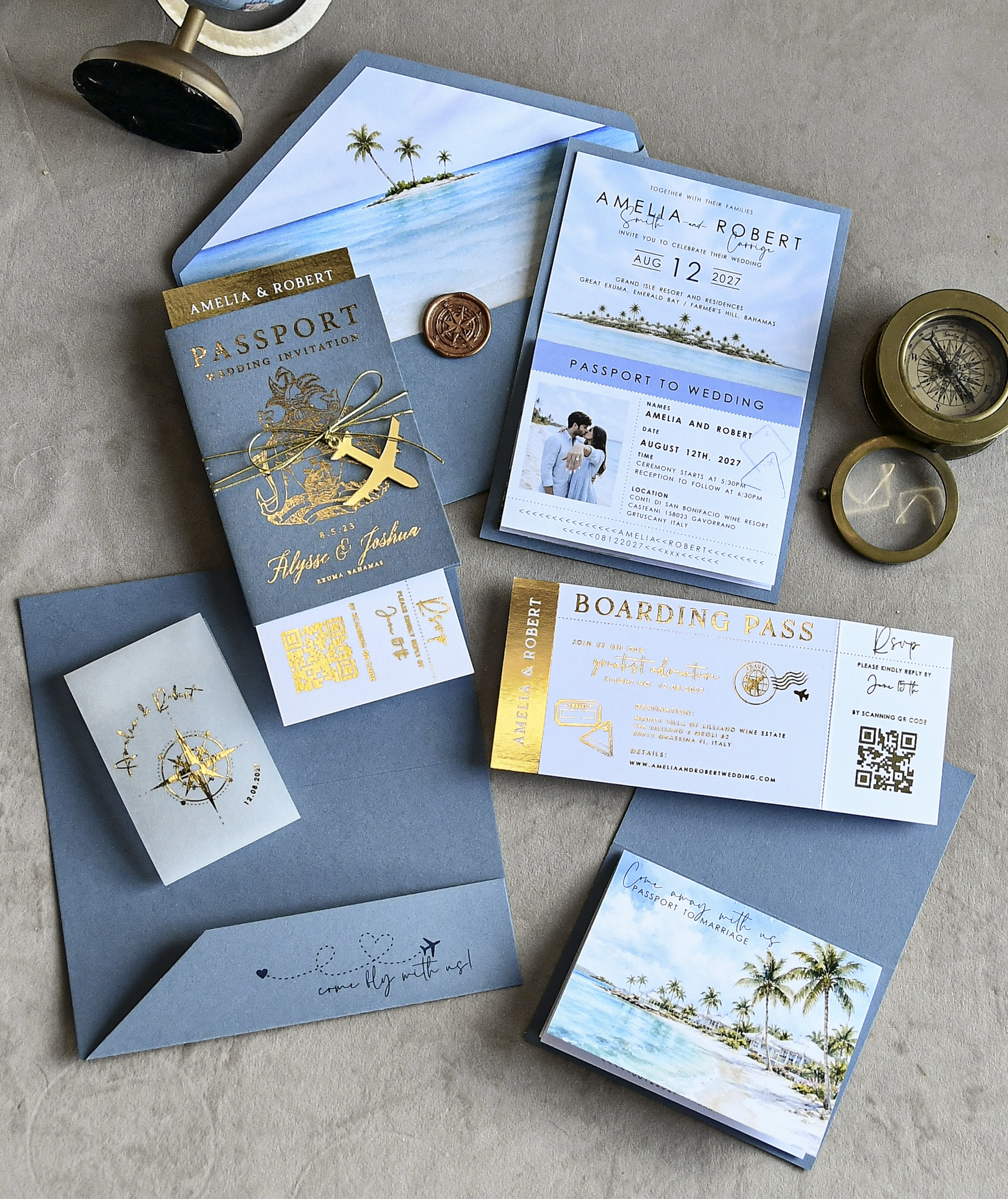
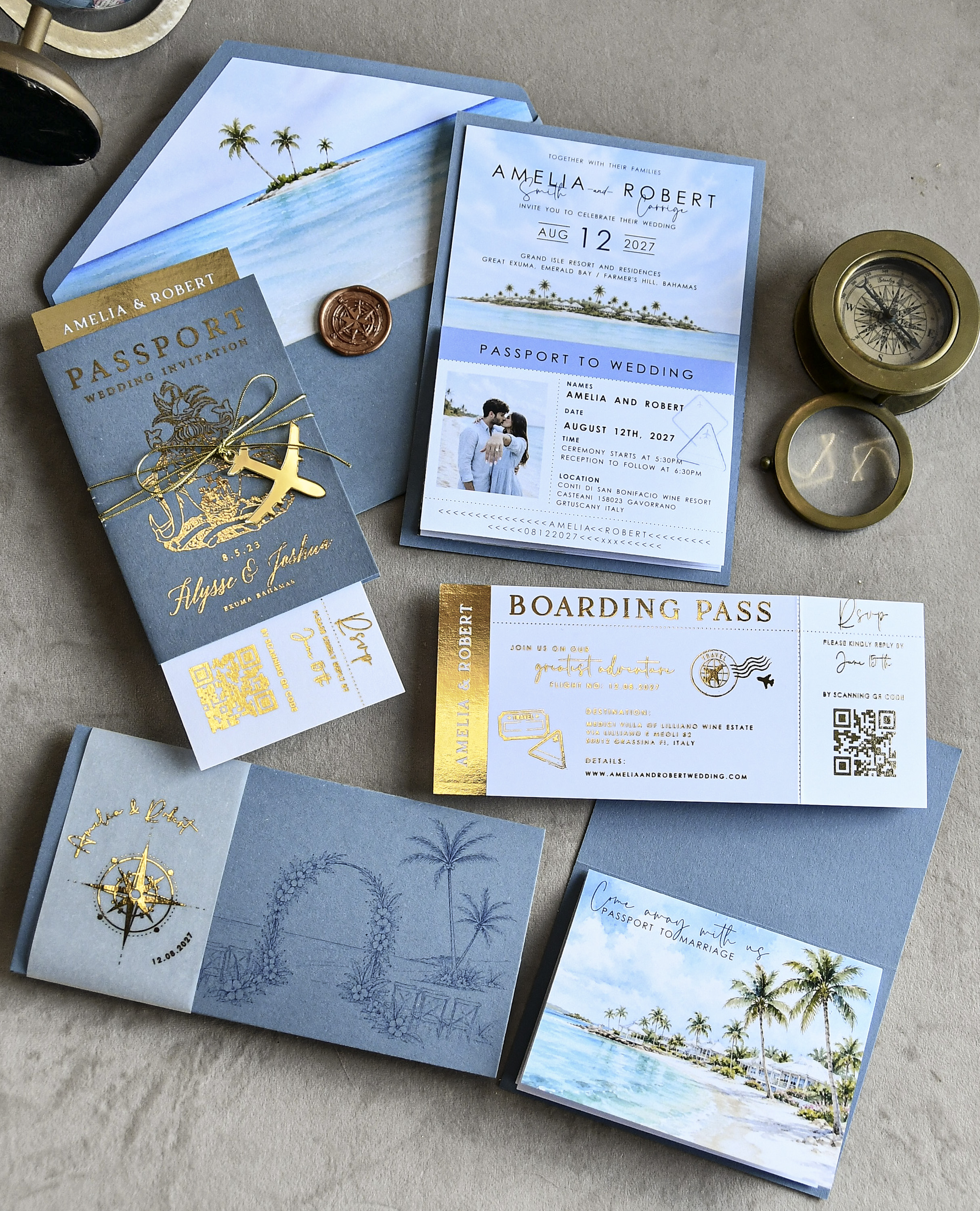
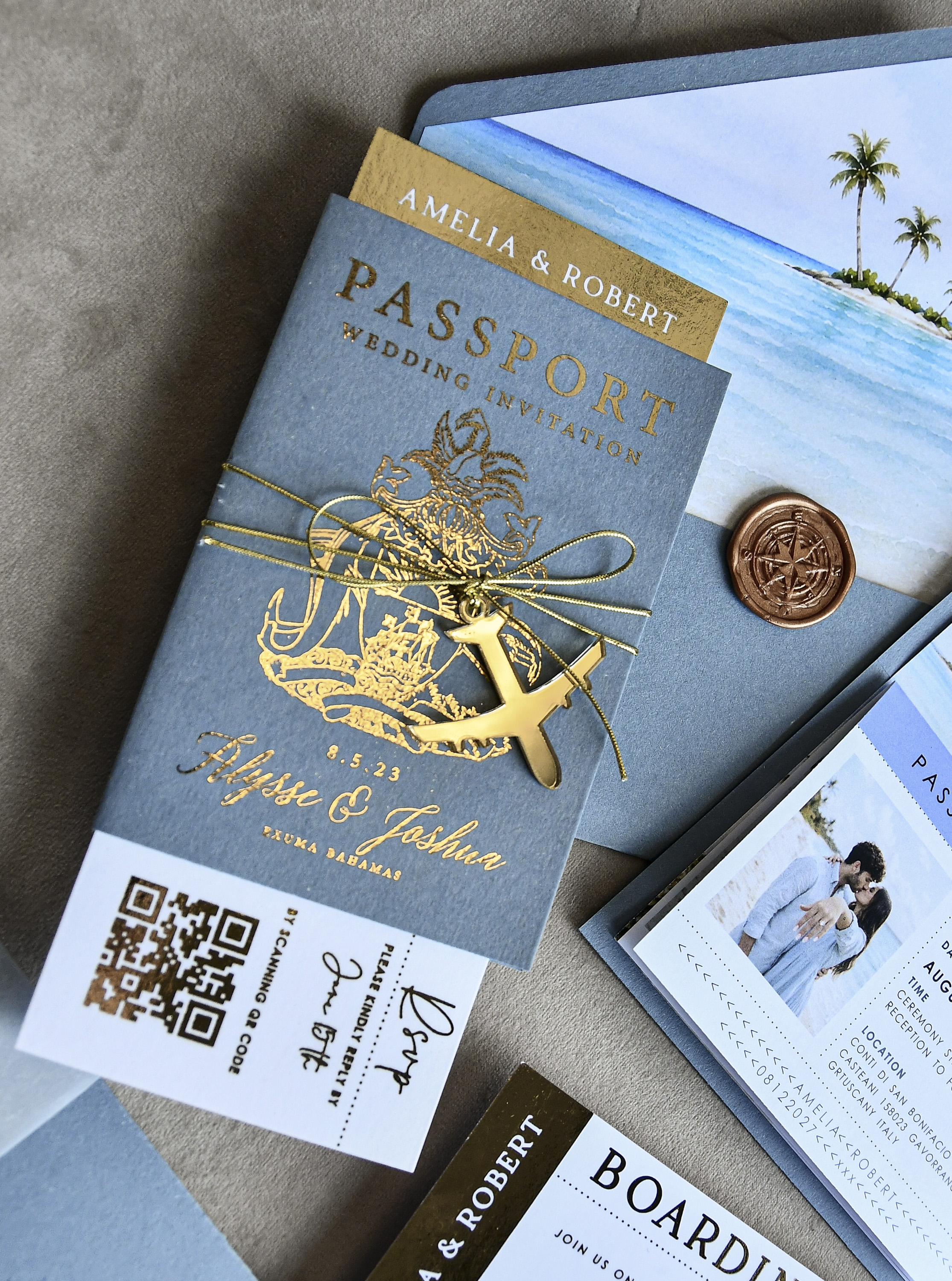
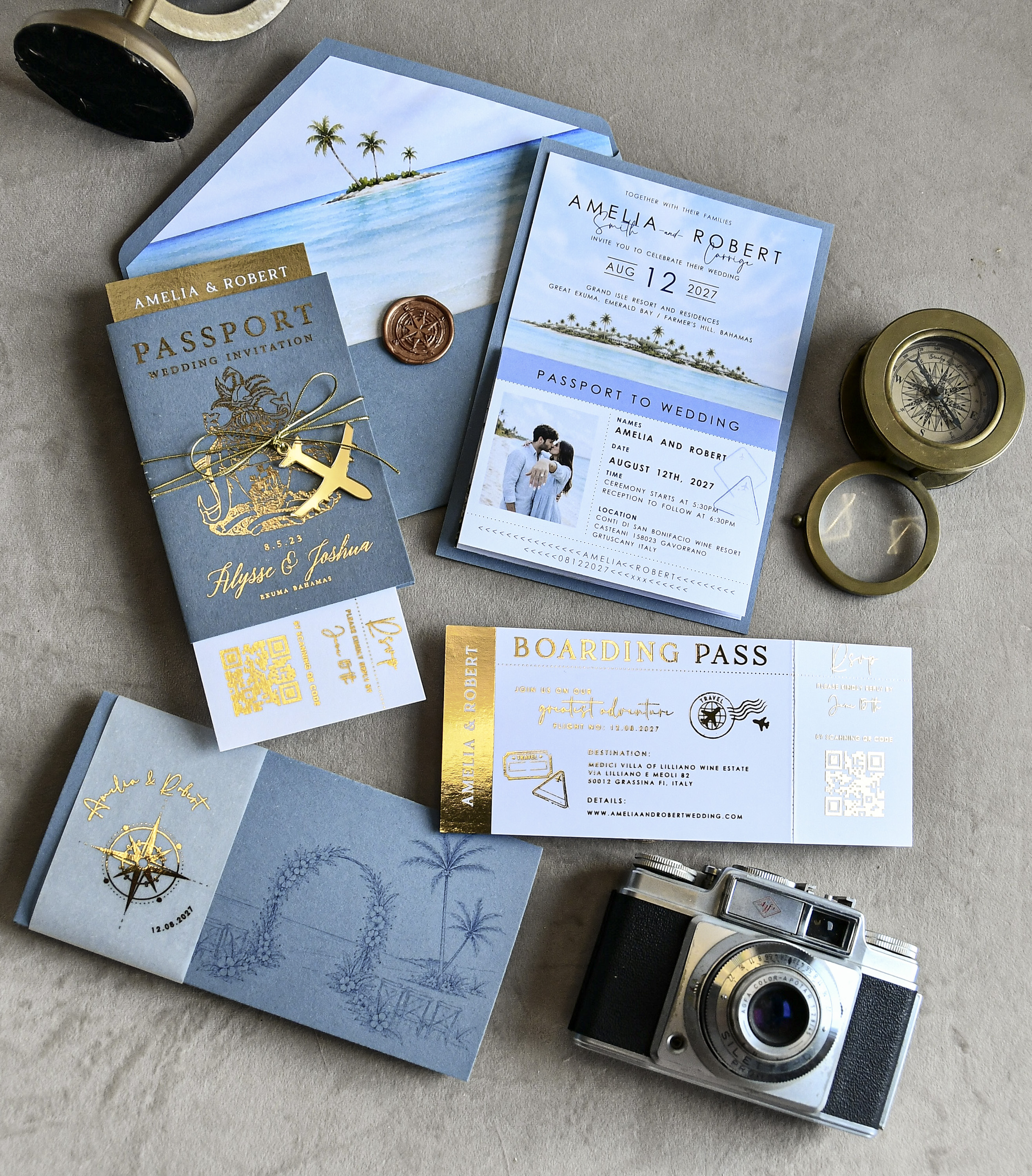
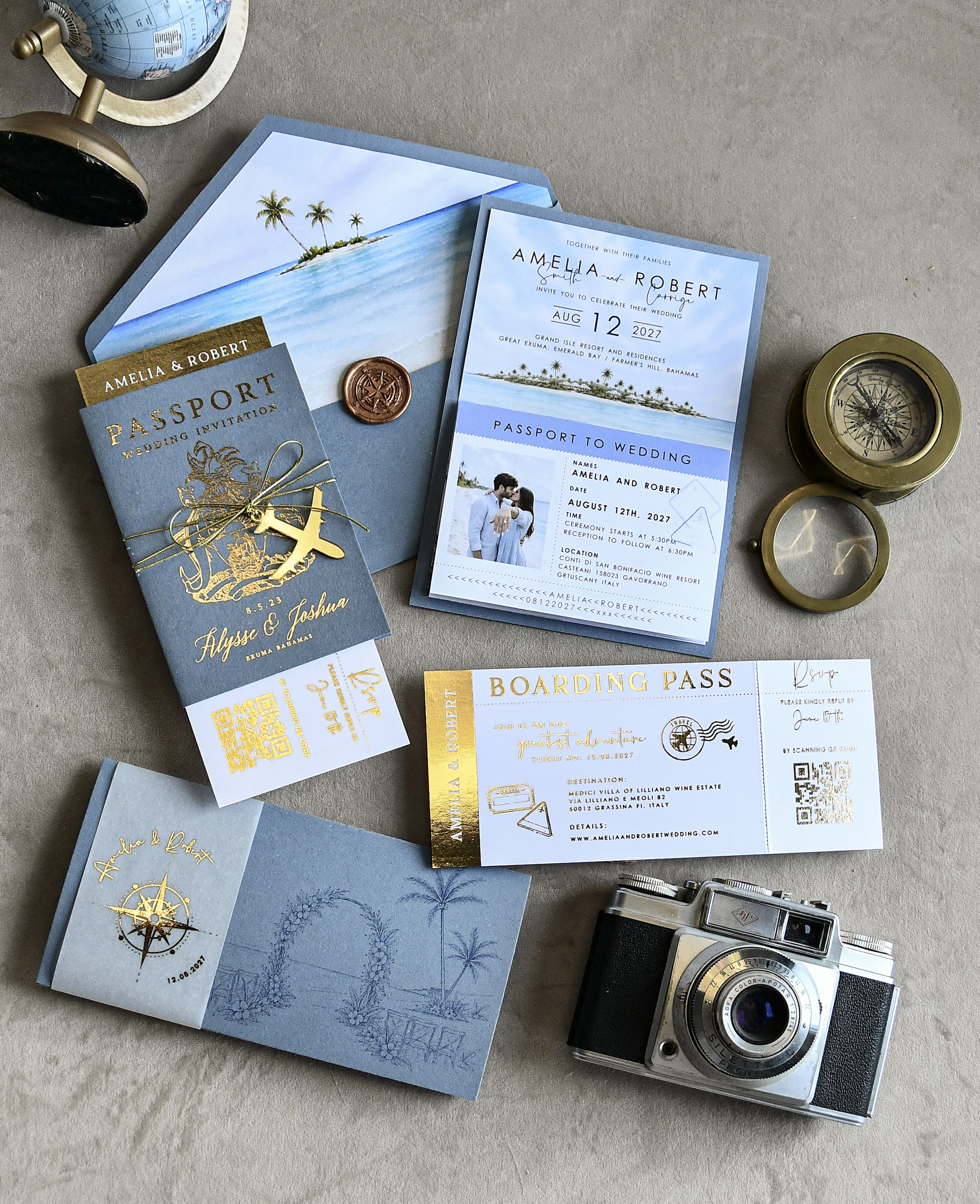
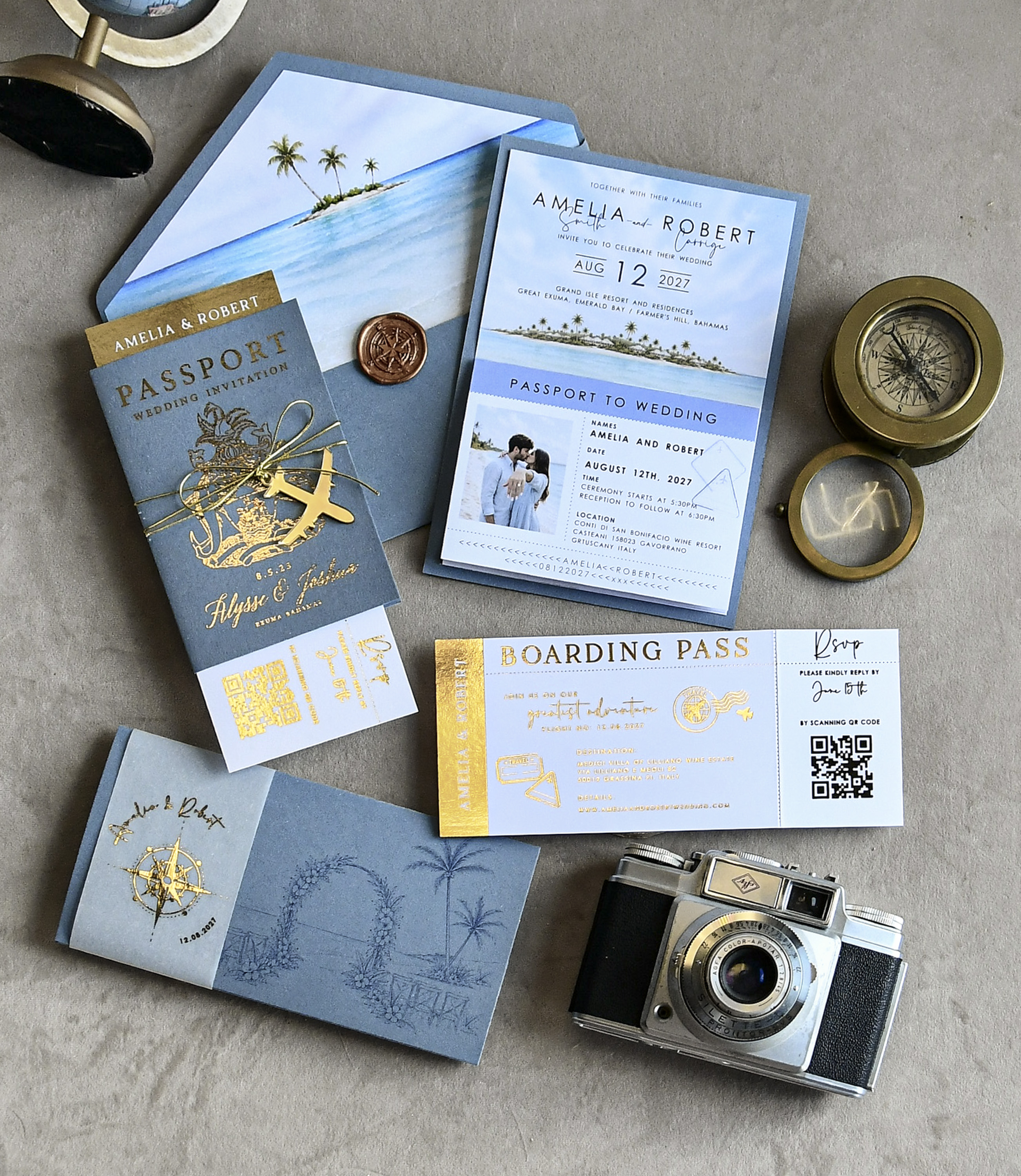
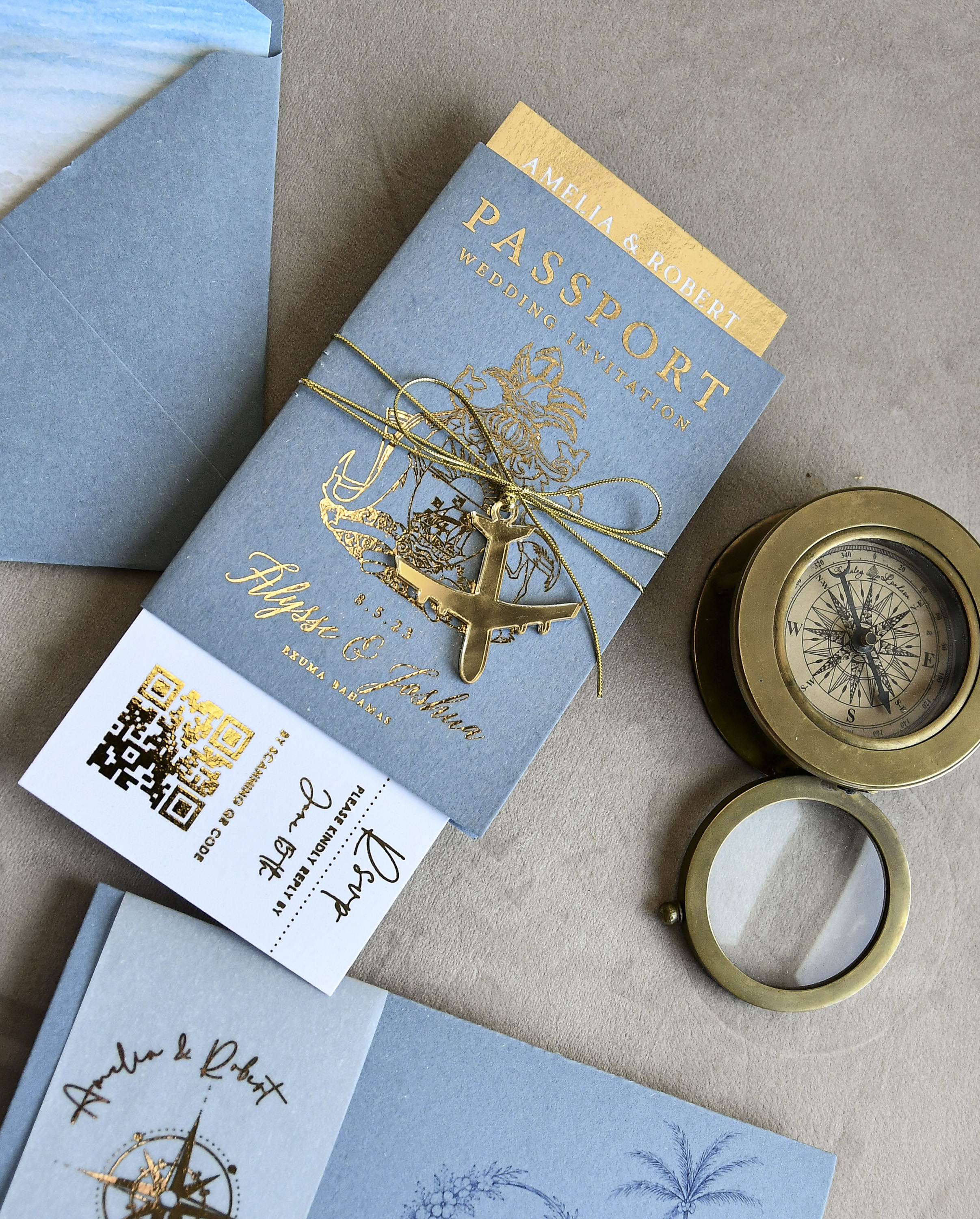
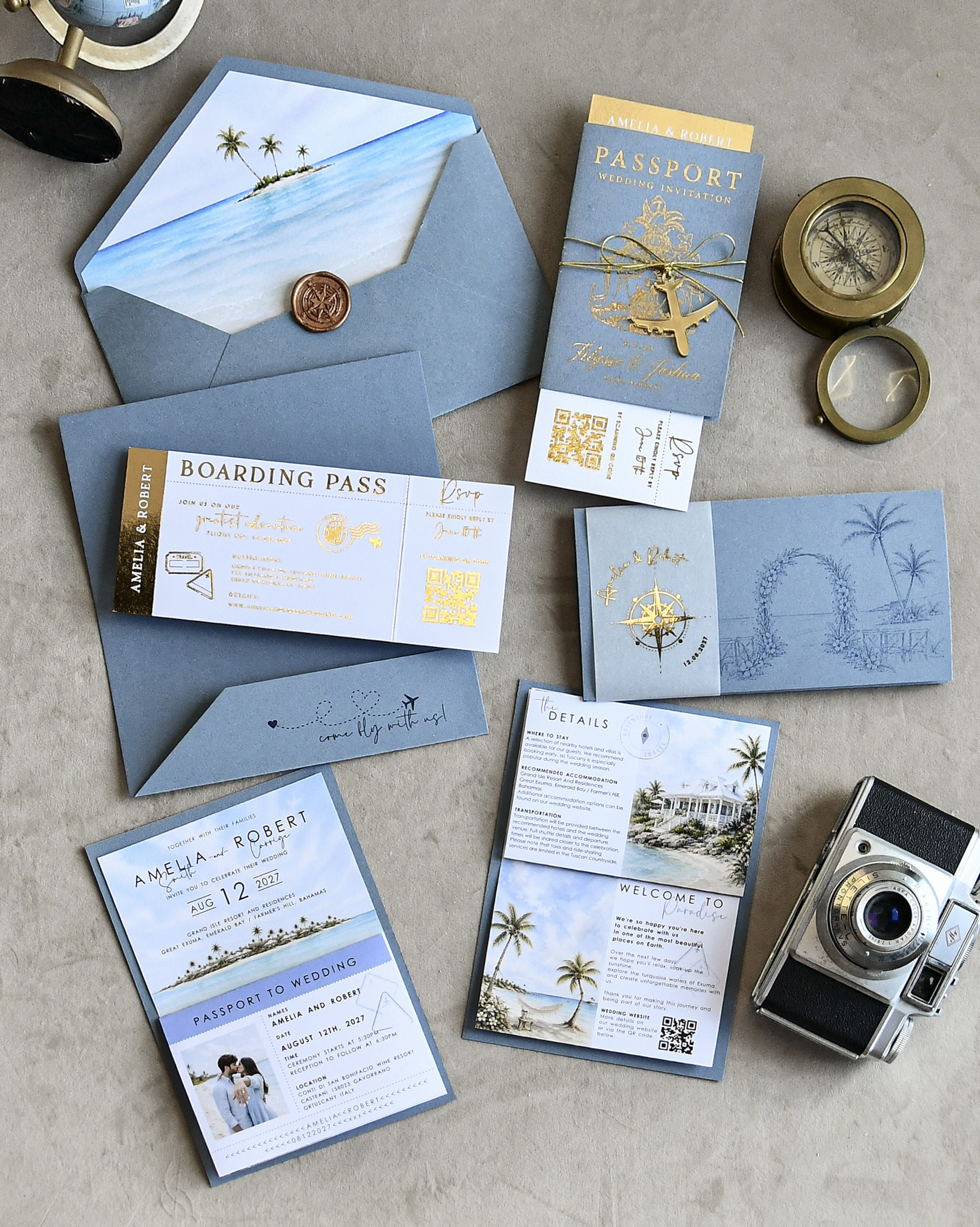
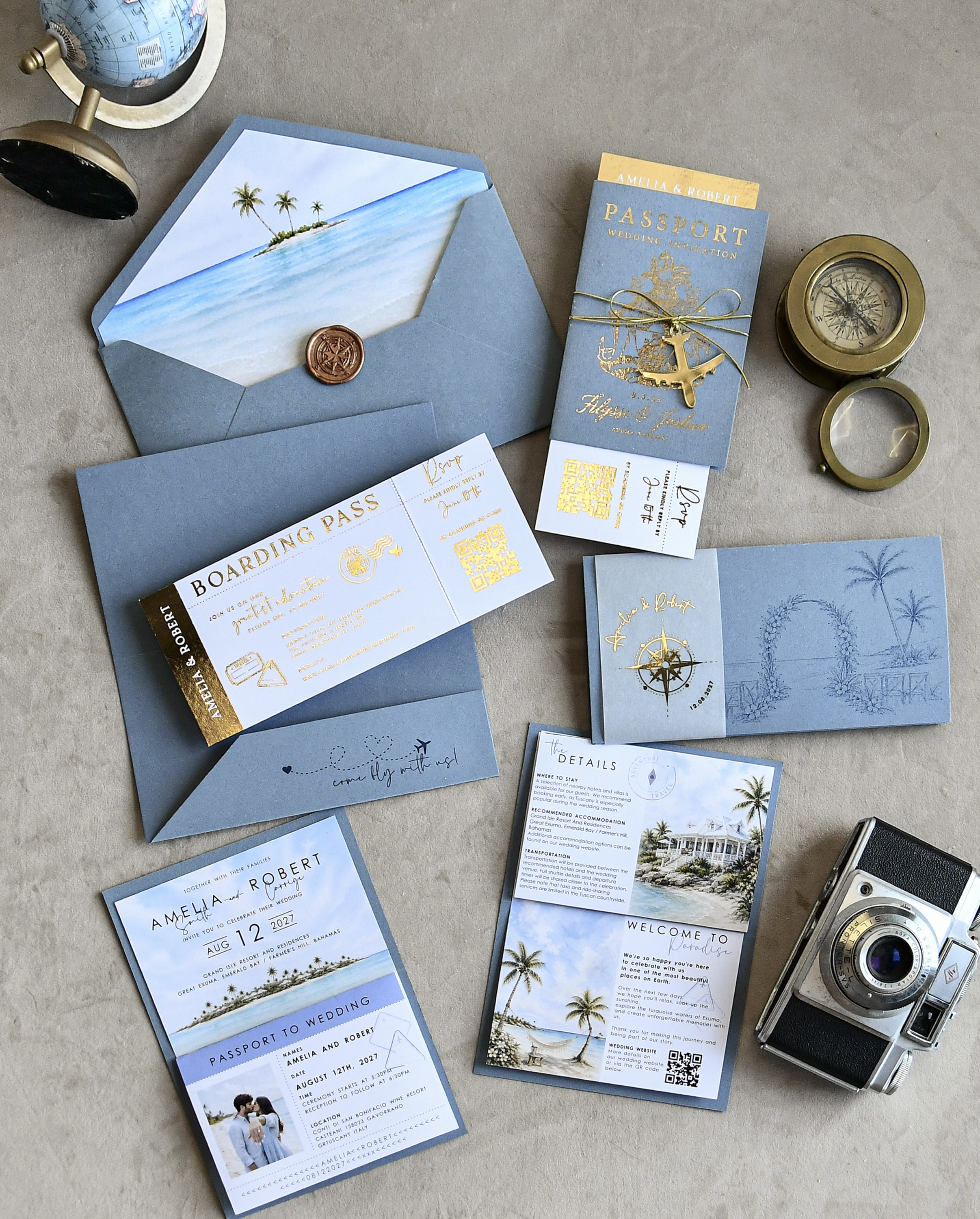
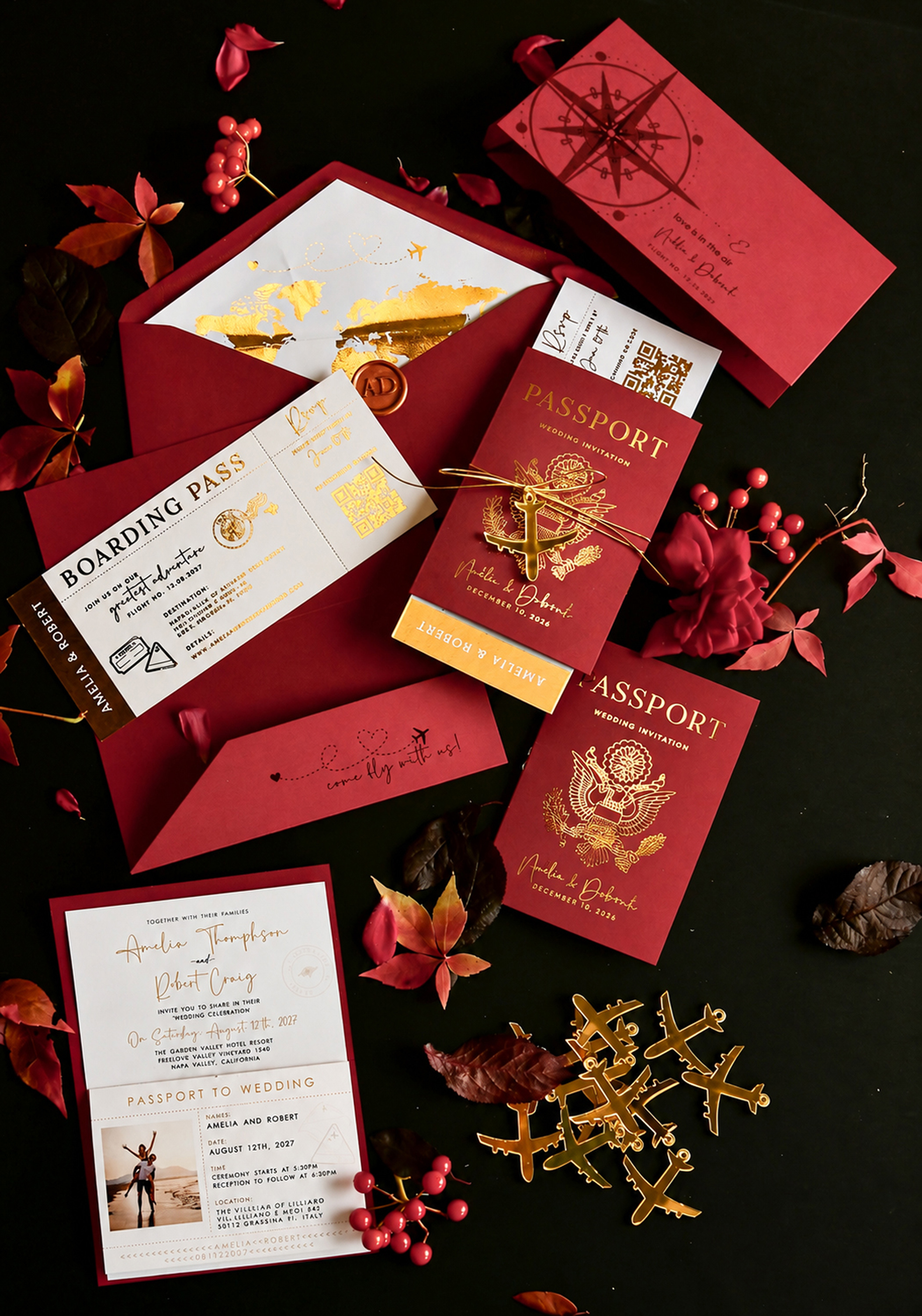
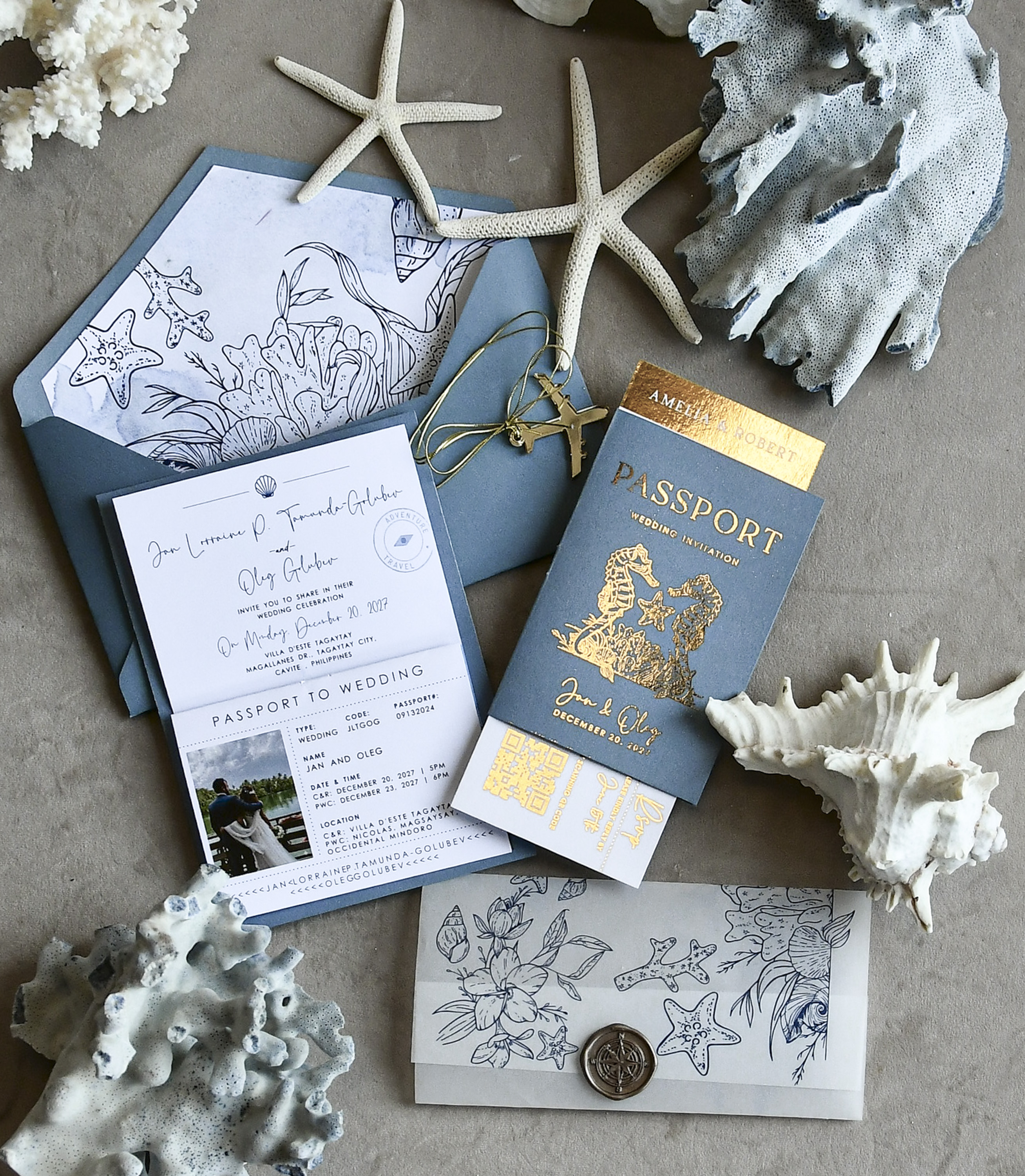
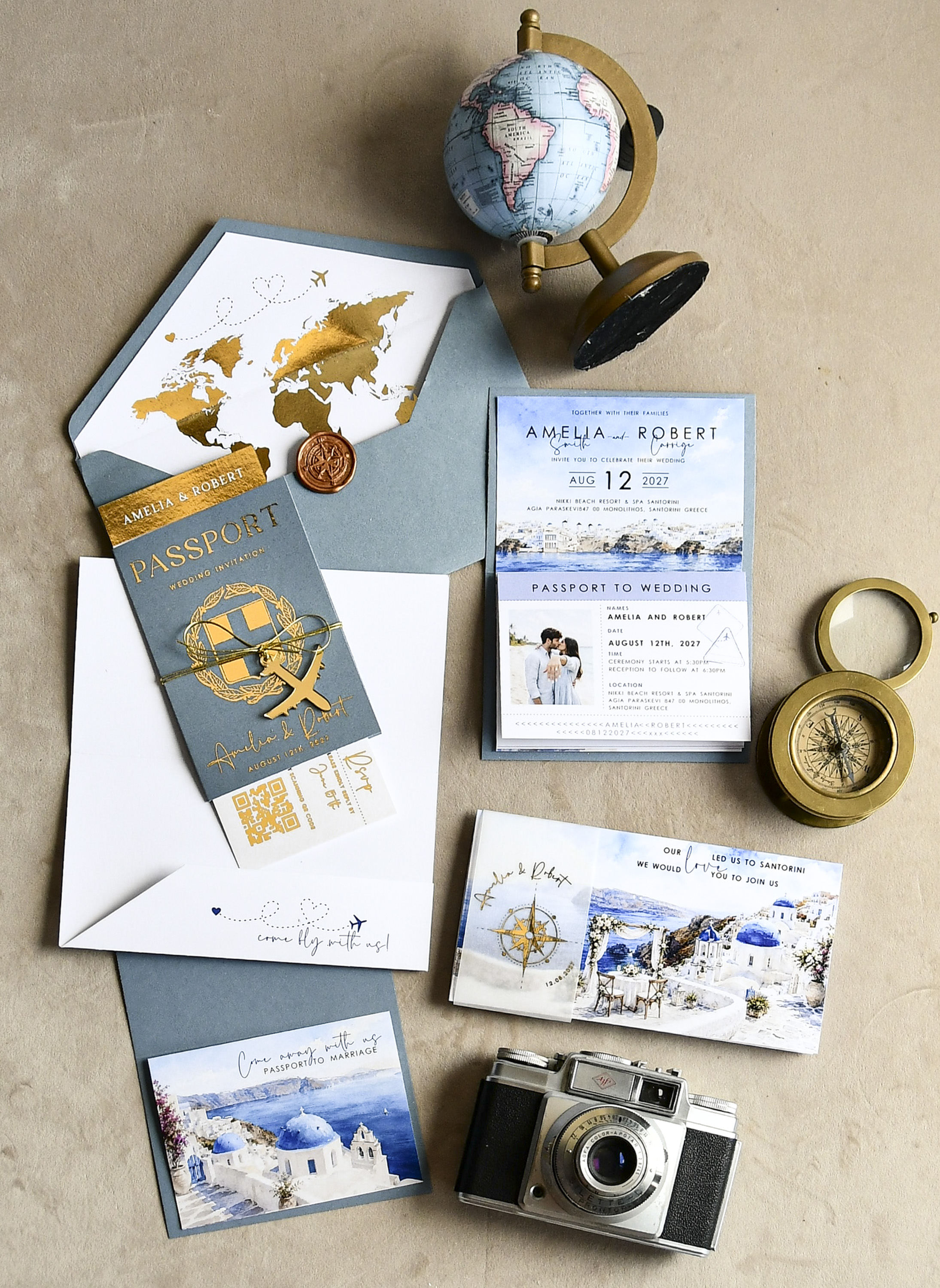
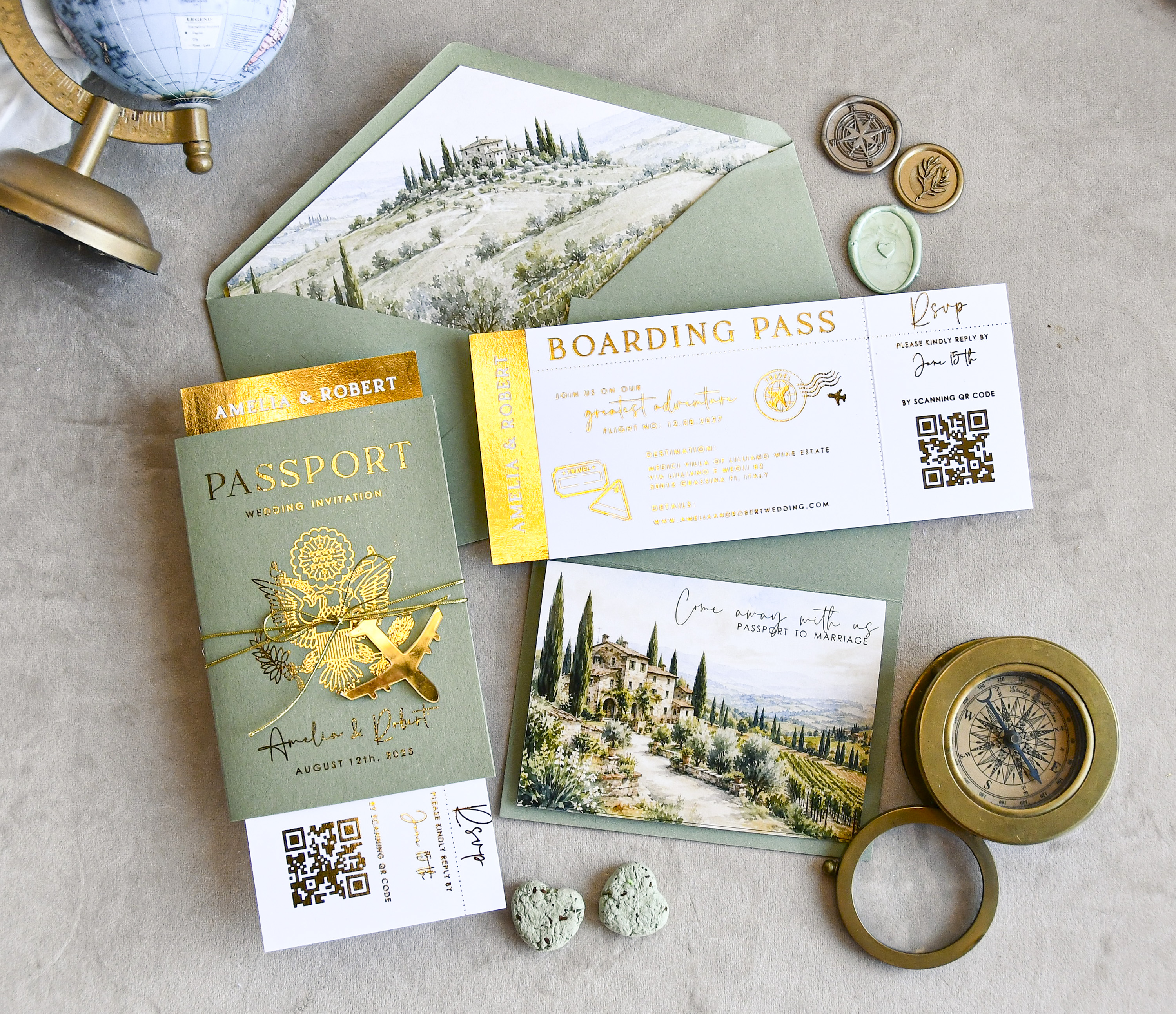
For couples planning a beach or destination celebration, keeping the list tight almost always wins. A beautifully designed set of our passport-style beach wedding invites — like the 02/passDest/z — sets the tone immediately and signals to guests that this is a curated, meaningful event, not a mass gathering.
When a Larger Guest List Does Make Sense
There are genuine scenarios where a bigger guest list is the right call:
- Your venue cost is fixed regardless of headcount. If you're using a family property or a flat-fee venue, adding guests has a lower marginal cost.
- Family dynamics require it. If cutting certain relatives would cause serious, lasting damage to relationships that matter to you, a larger list may be worth the trade-off.
- Your budget is genuinely large enough. If you can comfortably afford 150+ guests without sacrificing the experience elements you care about, there's no reason to artificially limit the list.
- Community celebration is the point. Some couples genuinely love a big, joyful gathering and don't prioritize a fine-dining experience. That's completely valid.
The key is making the decision intentionally, not by default because you felt obligated to invite everyone in your contacts list.
How to Communicate Your Decision Gracefully
If you're keeping your wedding intimate, own it with confidence. You don't owe anyone an apology for a smaller guest list. A few etiquette tips:
- Be consistent — if you're not inviting coworkers, don't invite any coworkers. Exceptions create hurt feelings.
- Don't discuss the wedding in detail with people who aren't invited. Quiet discretion is kindness.
- Consider a casual post-wedding celebration or backyard party for extended circles who weren't included in the ceremony. It's an affordable, low-pressure way to celebrate with more people without blowing your wedding budget.
- Your invitations set the tone. A beautifully crafted invitation — like the destination-inspired 02/passDest/z starting at just $8.00 — communicates thoughtfulness and intention, which helps guests feel genuinely honored to be included.
Frequently Asked Questions
Most US couples spend between $150 and $300 per guest when you factor in catering, rentals, cake, favors, and stationery. In high-cost cities like New York or San Francisco, that number can exceed $400 per person. Use this figure to reality-check your guest list against your actual budget.
Have an honest conversation early, ideally before any invitations go out, and frame it around budget math rather than personal preference. If parents are contributing financially and want to expand the list, it's reasonable to ask them to cover the per-head cost of their additional guests.
Not at all — intimate weddings are increasingly common and widely respected. The key is being consistent in who you invite and being discreet about the event with people who aren't on the list. A thoughtfully designed invitation goes a long way in making guests feel genuinely special.
Most destination and beach weddings work best with 20 to 75 guests. Travel and logistics make larger groups harder to coordinate, and the intimate setting is part of what makes destination weddings so memorable. A smaller list also means you can invest more in each guest's experience.
A tiered list is a common and practical strategy — you send invitations to your A-list first and invite B-list guests as regrets come in. Just make sure B-list invitations go out early enough that recipients don't realize they were a backup option, which can feel hurtful.
For a local wedding, send invitations six to eight weeks before the date. For a destination or beach wedding, eight to twelve weeks is standard, giving guests enough time to arrange travel and accommodations. Save-the-dates should go out six to twelve months in advance for destination events.
See This Design Up Close

You May Also Like
More Wedding Planning Guides
- → Kids at Your Wedding: Should You Hire a Babysitter or Full Entertainment?
- → The Right Time to Chase Down Missing RSVPs (And How to Do It Gracefully)
- → The Graceful Way to Let Guests Know Your Wedding Is Adults Only
- → Wedding Guest List Dilemma: Should Your Boss and Coworkers Make the Cut?
- → When Guests RSVP Yes But Never Arrive: What to Do Before, During, and After
- → Planning Your Wedding When Your Divorced Parents Can't Stand Each Other
- → Navigating Wedding Invitations When a Sibling Relationship Is Complicated
- → Your Guest List, Your Rules: Navigating In-Law Friend Invites
- → Save the Date Cards vs. Wedding Invitations: Know the Difference Before You Order
- → Extra Wedding Guests: Who Picks Up the Tab?
- → No RSVP? Here's Exactly How to Handle It
- → What to Say When Someone Asks Why They Didn't Make the Guest List
- → Plus-Ones for Single Guests: Making the Right Call for Your Wedding
- → How to Kindly Let Someone Know They Didn't Make the Guest List
- → My Fiancé Wants to Exclude My Family From the Wedding: Now What?
- → Should You Give Teenage Guests a Plus One at Your Wedding?
- → Adults-Only or Family-Friendly? How to Make the Right Call on Kids at Your Wedding
- → When Guests Bring Unexpected Plus-Ones: What to Do Before and After the Wedding
- → How Late Is Too Late for Wedding Invitations? A Realistic Timeline
- → Aunt Has a New Husband: Here's How to Handle the Invitation
- → The RSVP No-Show: Should You Actually Call Guests Who Never Responded?
- → Wedding Invitations: Mail Them or Hand Deliver? Here's How to Decide
- → What to Do When a Relative Says They Won't Come If Someone Else Is Invited
- → Extra Names on Your RSVP Card: What to Do When Guests Add Themselves
- → Your Guest List, Your Call: How to Handle Mom's Must-Invite Requests
- → Yes, You Can Say No to a Plus One — Here's How to Do It Right
- → Adults-Only Weddings: Are You Being Rude by Leaving Kids Off the Guest List?
- → How to Handle Seating for Divorced Parents at Your Wedding
- → Uninvited Plus-Ones and Tag-Alongs: How to Keep Your Guest List Intact
- → When Family Feuds Threaten Your Wedding Plans: A Practical Peacekeeper's Guide
- → Inviting an Estranged Brother or Sister: Finding Clarity Before You Seal the Envelope
- → Cousins, Invites, and Hard Choices: A Practical Guest List Guide