
My Fiancé Wants to Exclude My Family From the Wedding: Now What?

Few wedding conversations are harder than this one. You're excited to celebrate with the people who raised you, and your fiancé is asking you to leave them off the guest list entirely. Whether the reason is conflict, estrangement, cost, or a desire for an intimate ceremony, this situation puts you squarely between the person you're choosing and the family you came from. It's painful — and it's also more common than couples admit. Here's how to approach it honestly and protect both your relationship and your own needs.
Understand the 'Why' Before You React
Before you push back or give in, get specific about your fiancé's reasoning. There's a meaningful difference between "I'm uncomfortable around your parents because of past conflict" and "I don't want any family there — let's elope." The first is a boundary rooted in a specific relationship dynamic; the second is a vision for the kind of wedding you're having.
Ask open questions without defensiveness: What happened that makes you feel this way? Is this about one person, or my whole family? Is there anything that would change how you feel? Listening first gives you real information to work with and shows your fiancé you're taking their concerns seriously — which makes them more likely to extend you the same respect.
Know the Difference Between a Preference and a Deal-Breaker
Your fiancé gets a voice in the guest list. They do not get veto power over your relationship with your own family. Those are two different things, and it's important to name that distinction clearly in your own mind before you negotiate.
Ask yourself honestly: Is having my parents (or siblings, or whoever is in question) at my wedding something I would deeply regret missing? If the answer is yes, that's a non-negotiable for you — and it's okay to say so. A healthy partnership means both people's core needs matter. If your fiancé's position is absolute and leaves no room for your needs, that's a conversation about your relationship, not just your wedding.
- Preference: "I'd rather keep it to 30 people total." — Negotiable.
- Boundary: "I'm not comfortable being in the same room as your father after what happened." — Deserves a real solution.
- Control: "I just don't want your family there." — Requires deeper conversation.
Look for Creative Compromises That Honor Both of You
If the disagreement is about specific family members rather than family as a whole, there may be middle-ground options worth exploring:
- A private ceremony, larger celebration later. Some couples have a small legal ceremony with a limited guest list, then host a separate celebration dinner or party that includes extended family. Everyone feels included without forcing an uncomfortable dynamic on your wedding day.
- Assigned roles, not seat assignments. If your fiancé is uncomfortable but willing, consider limiting certain family members to a ceremony-only invitation rather than the full reception.
- Couples counseling before the wedding. A therapist can help you both navigate family conflict in a structured, neutral space — especially if the tension involves real past harm.
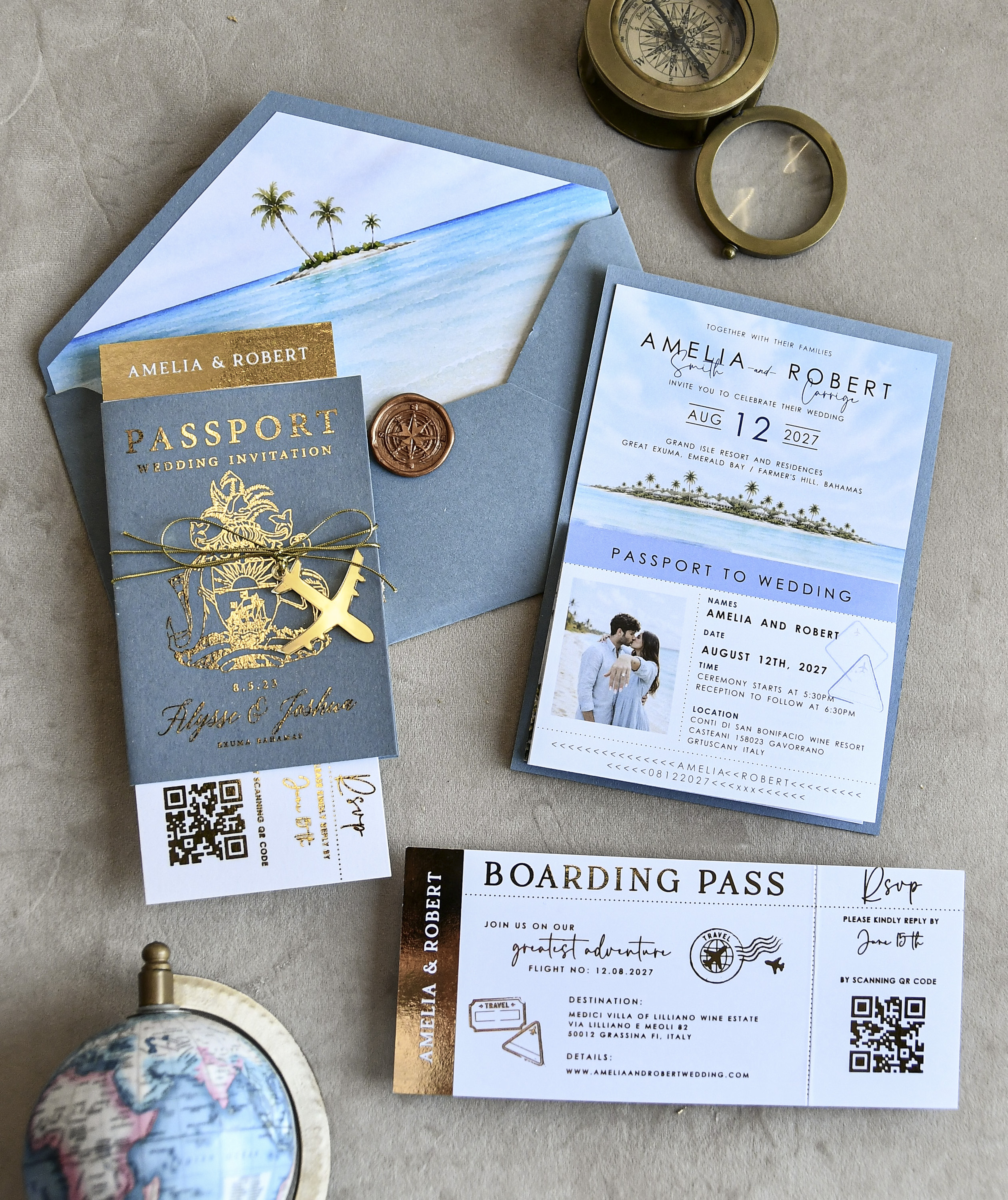
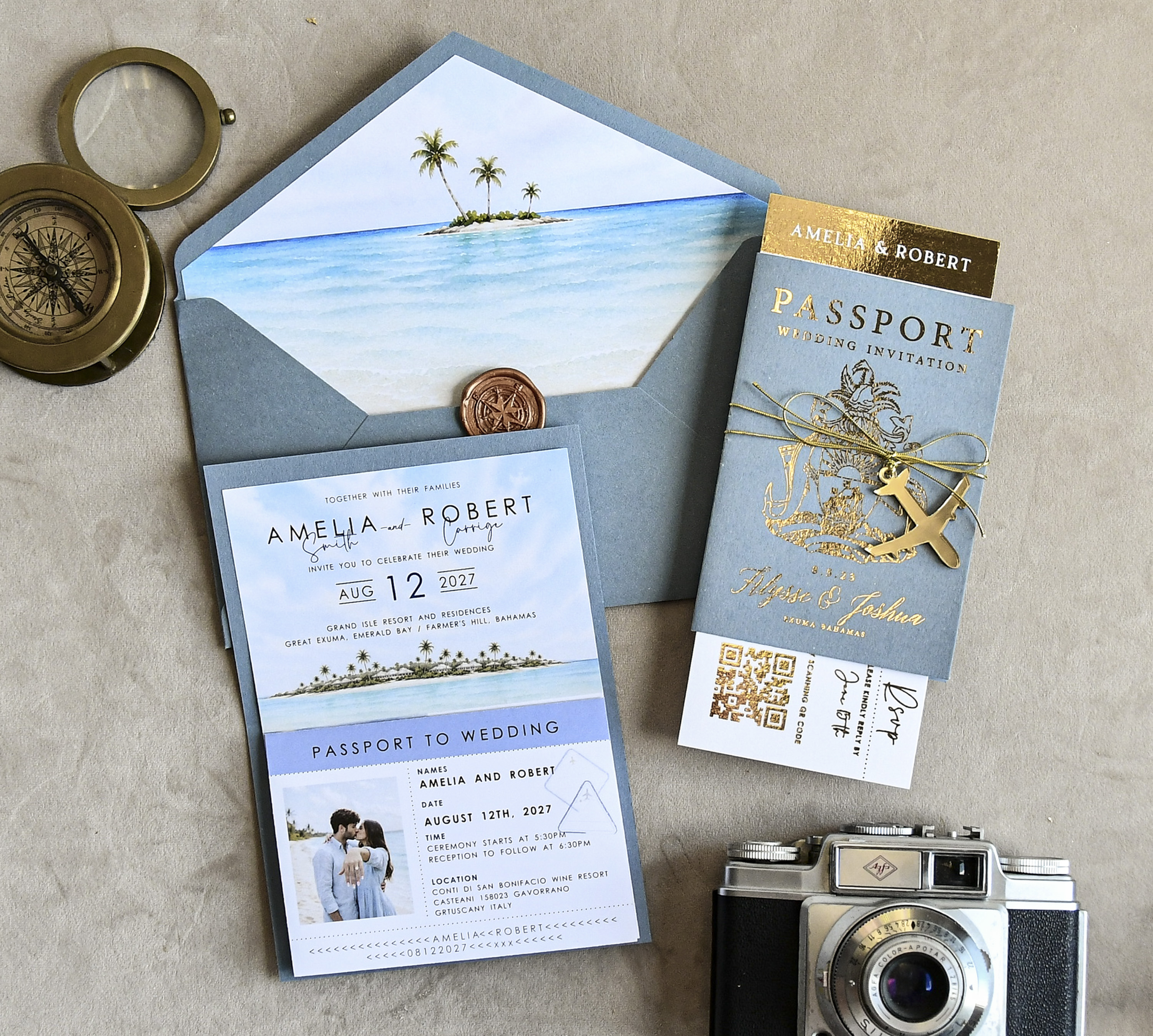
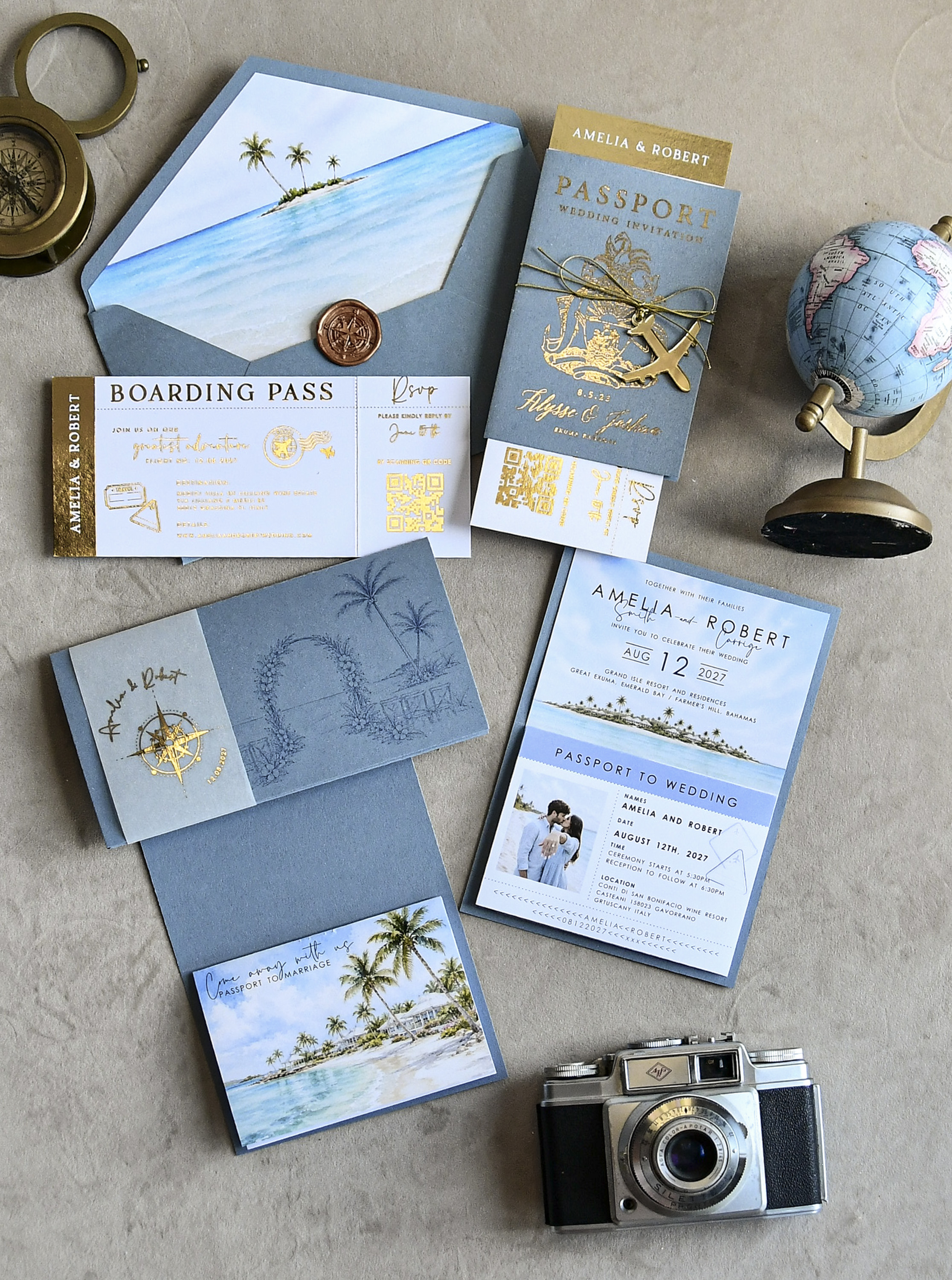
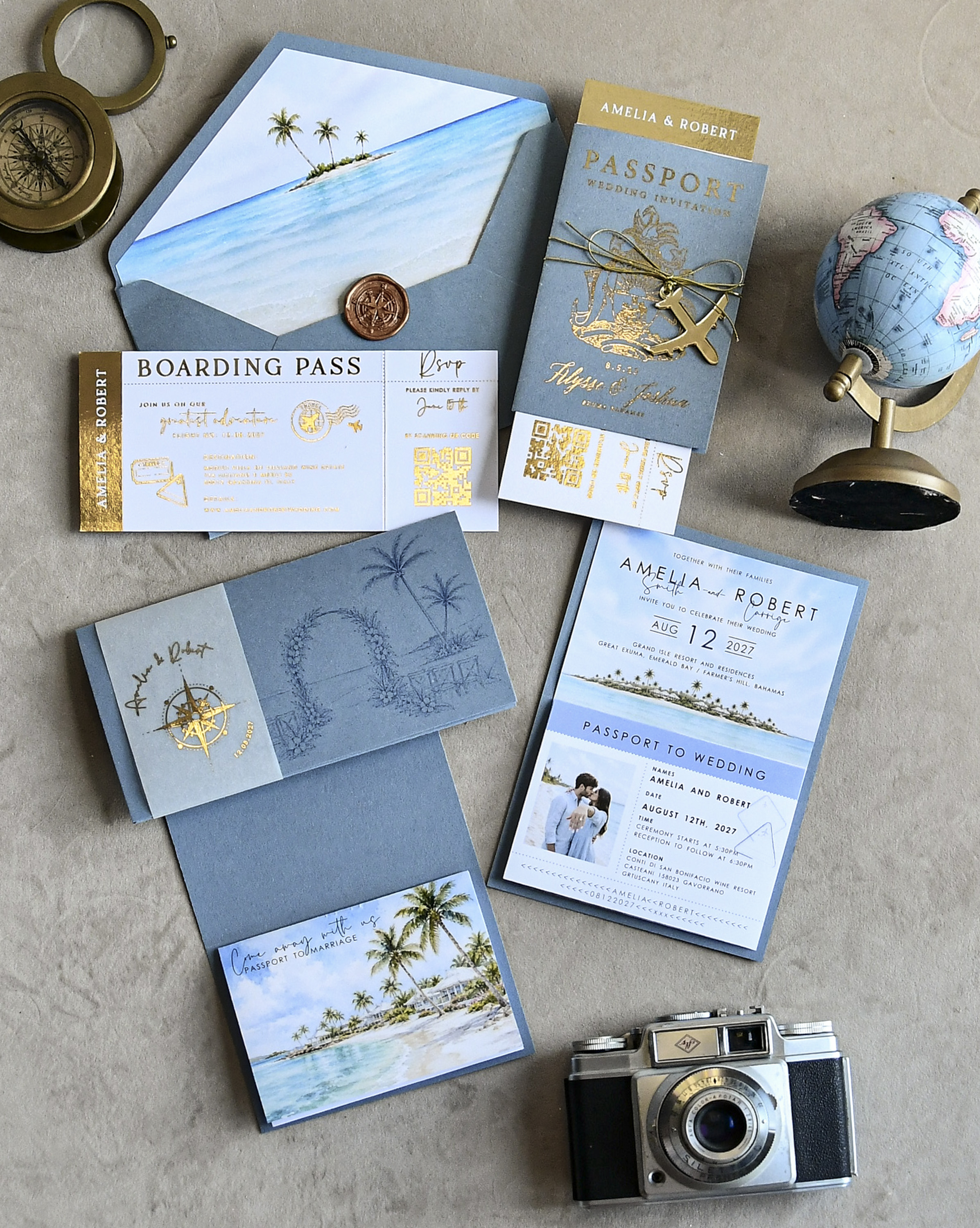
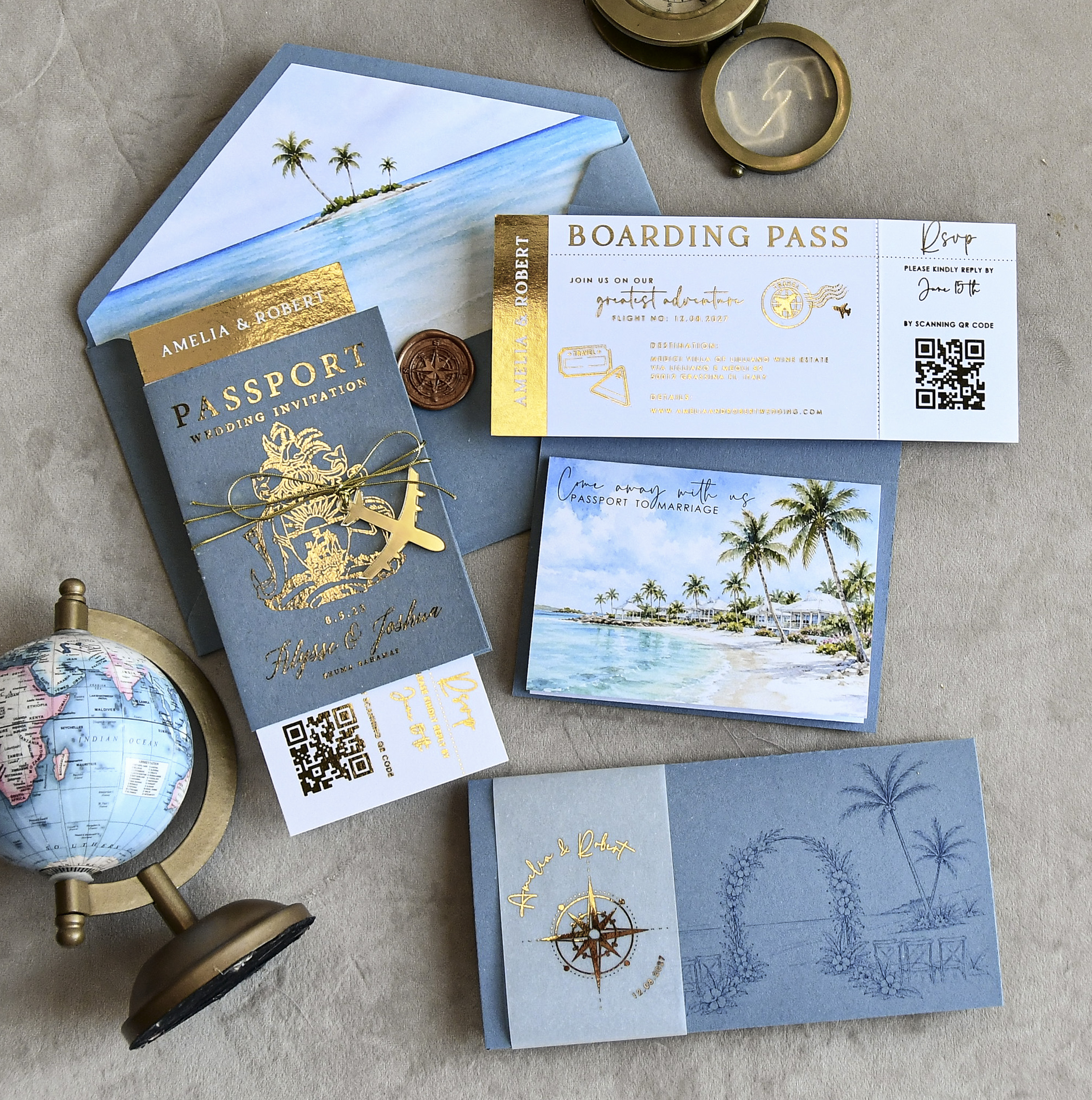
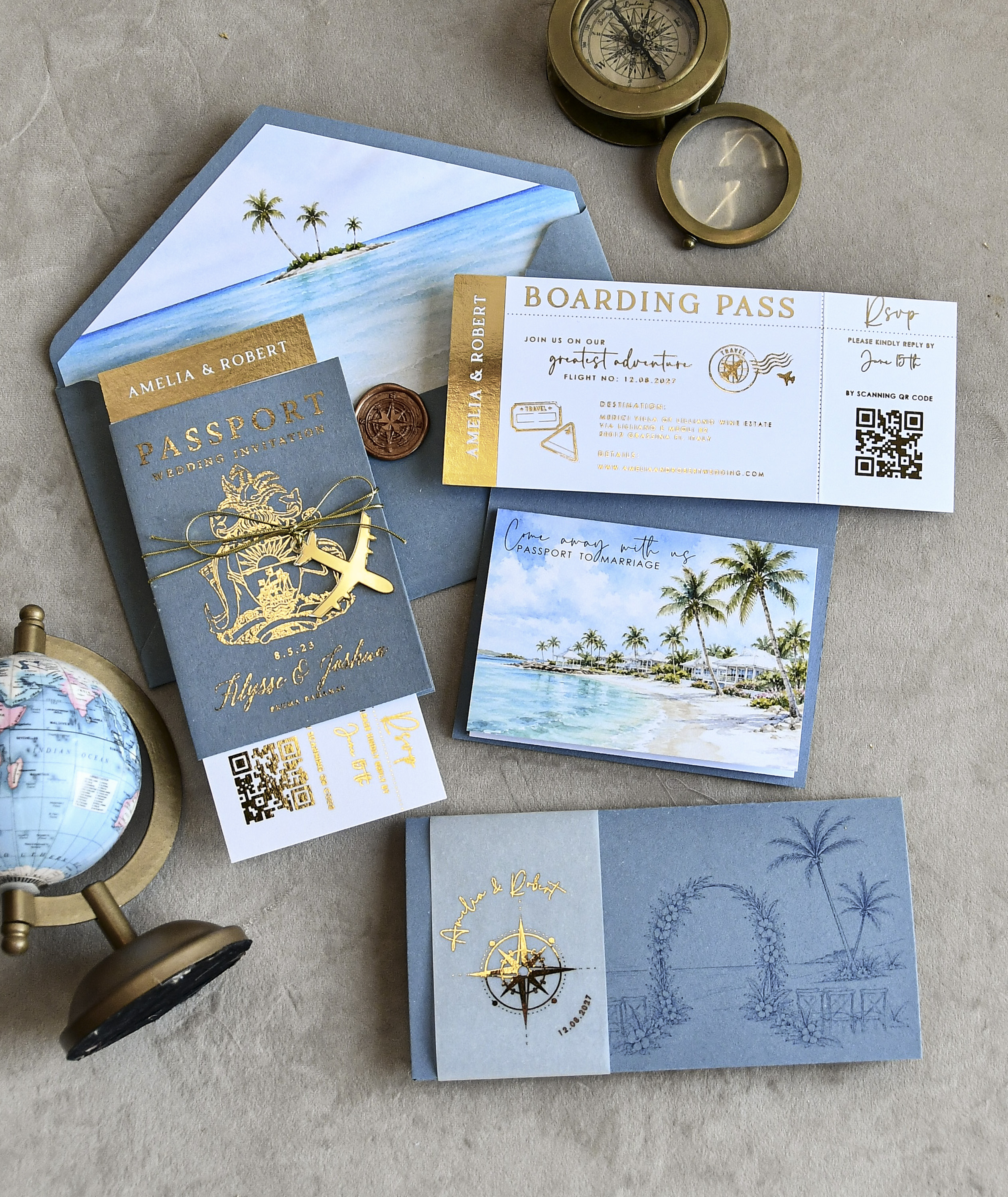
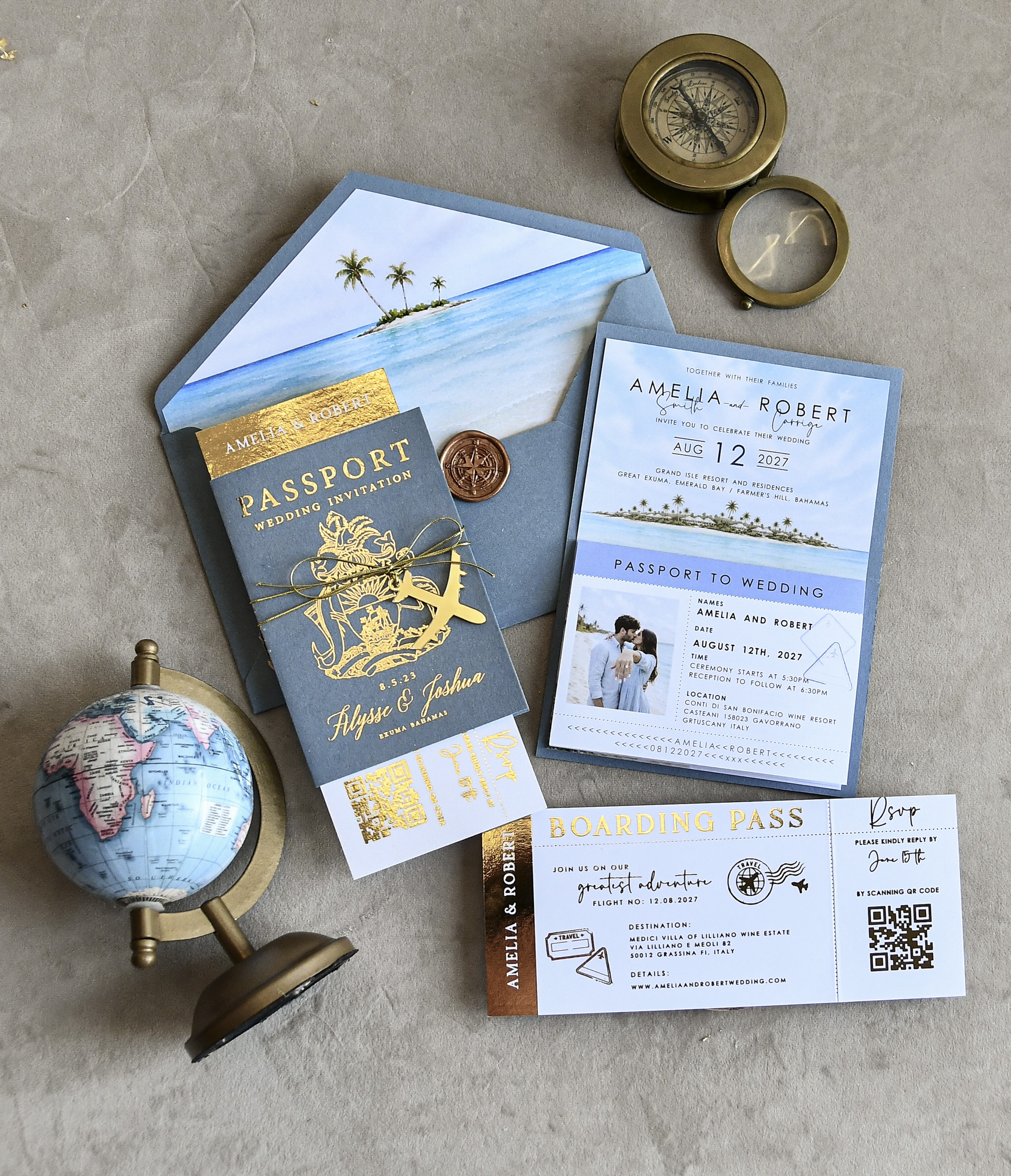
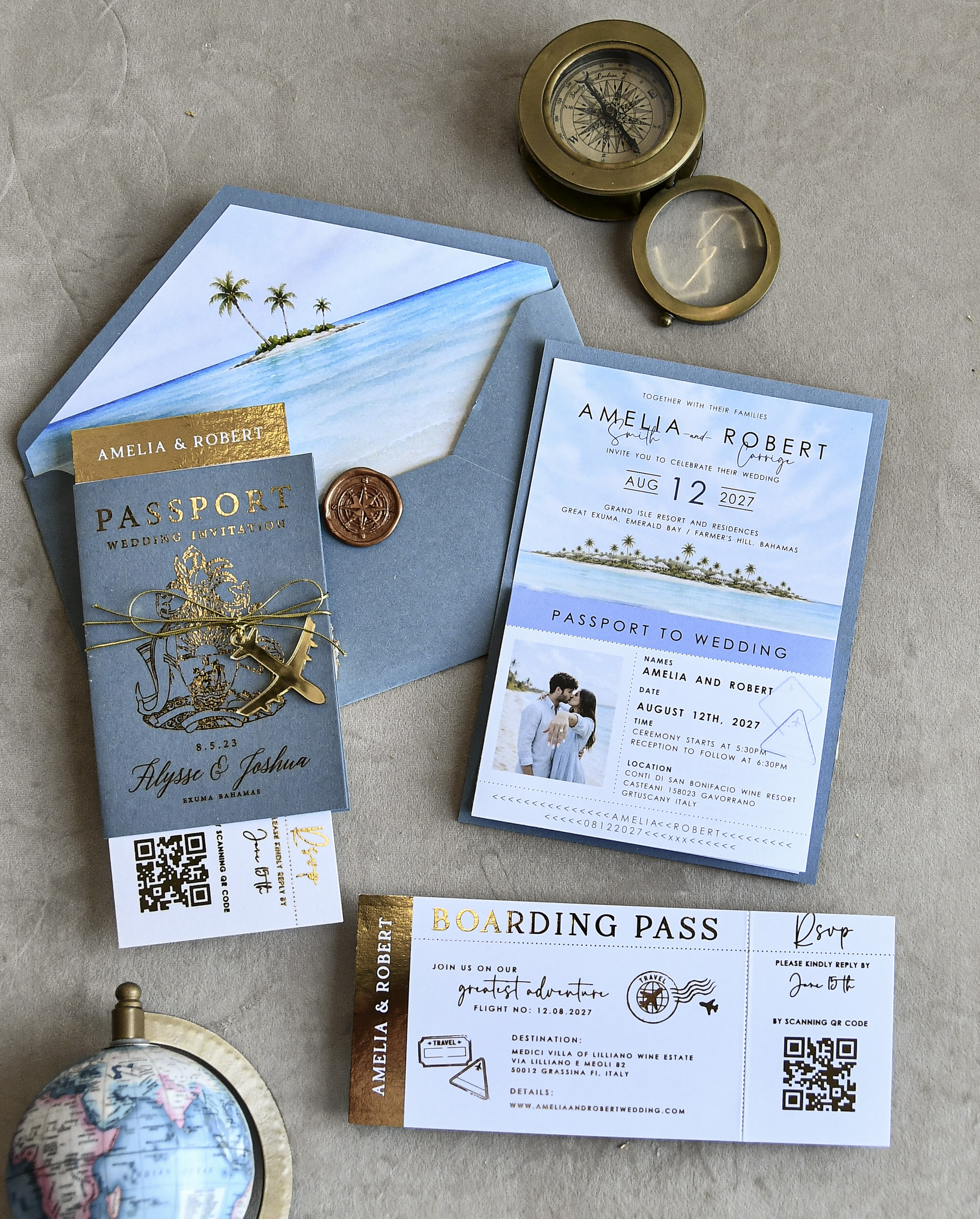
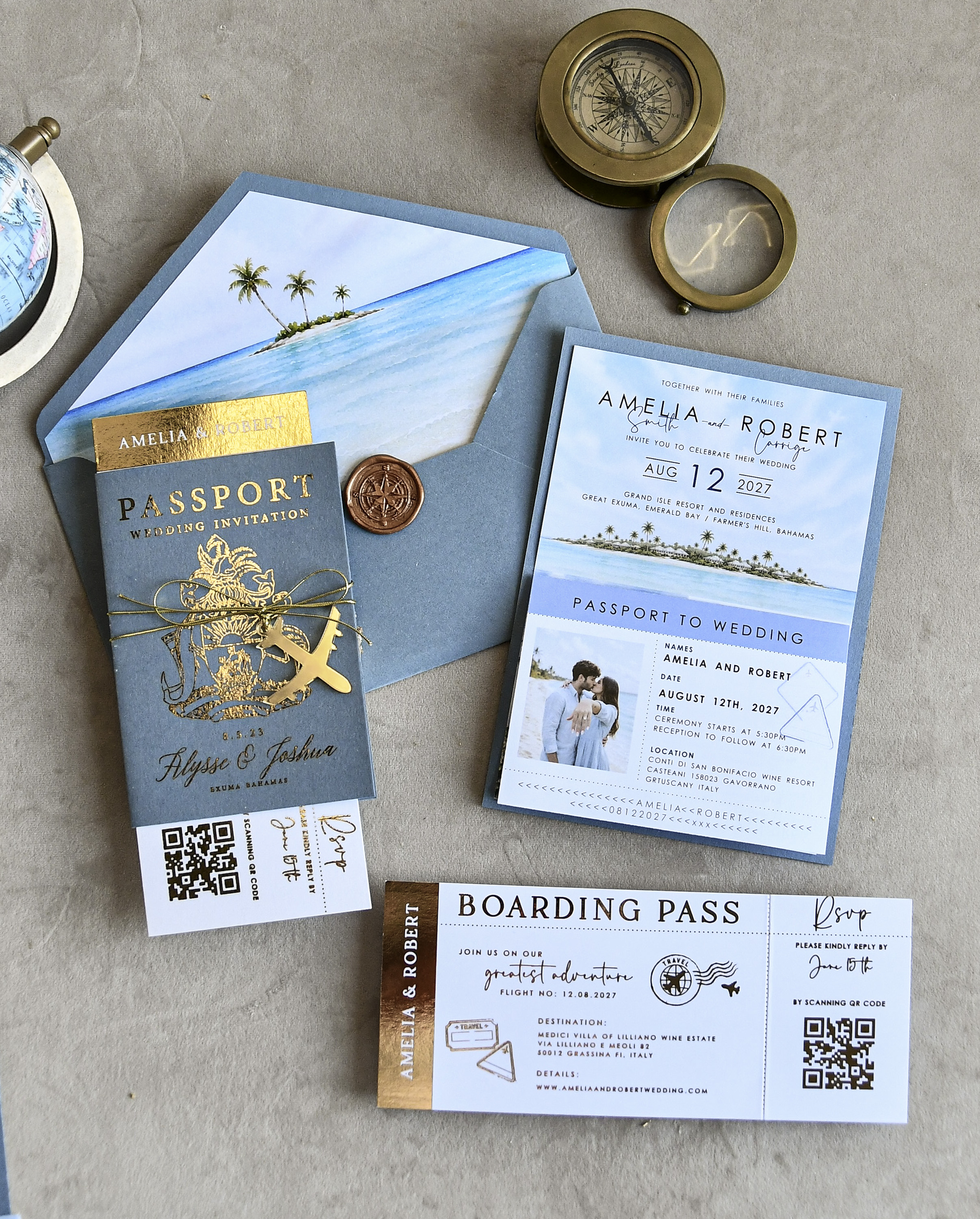
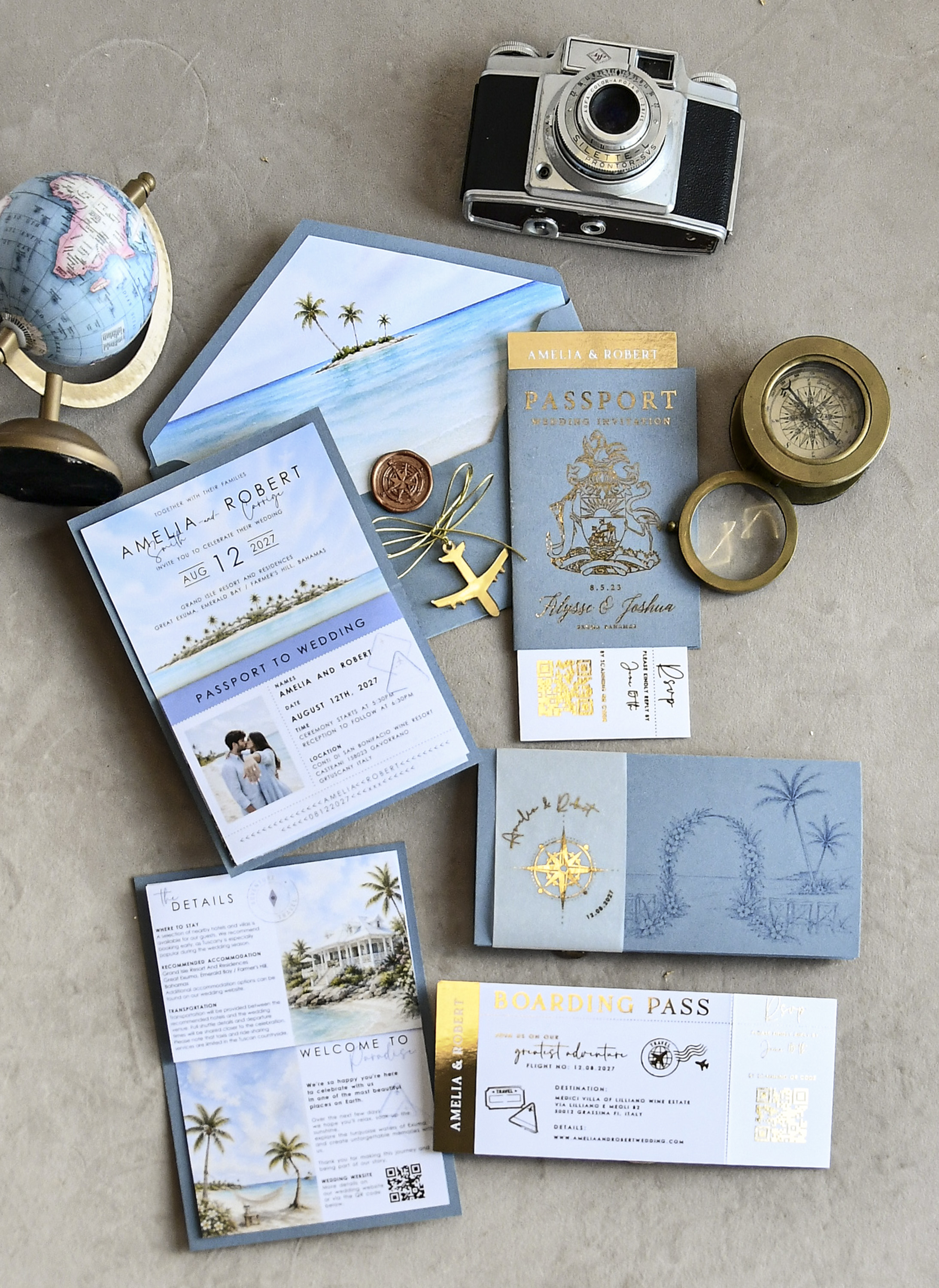
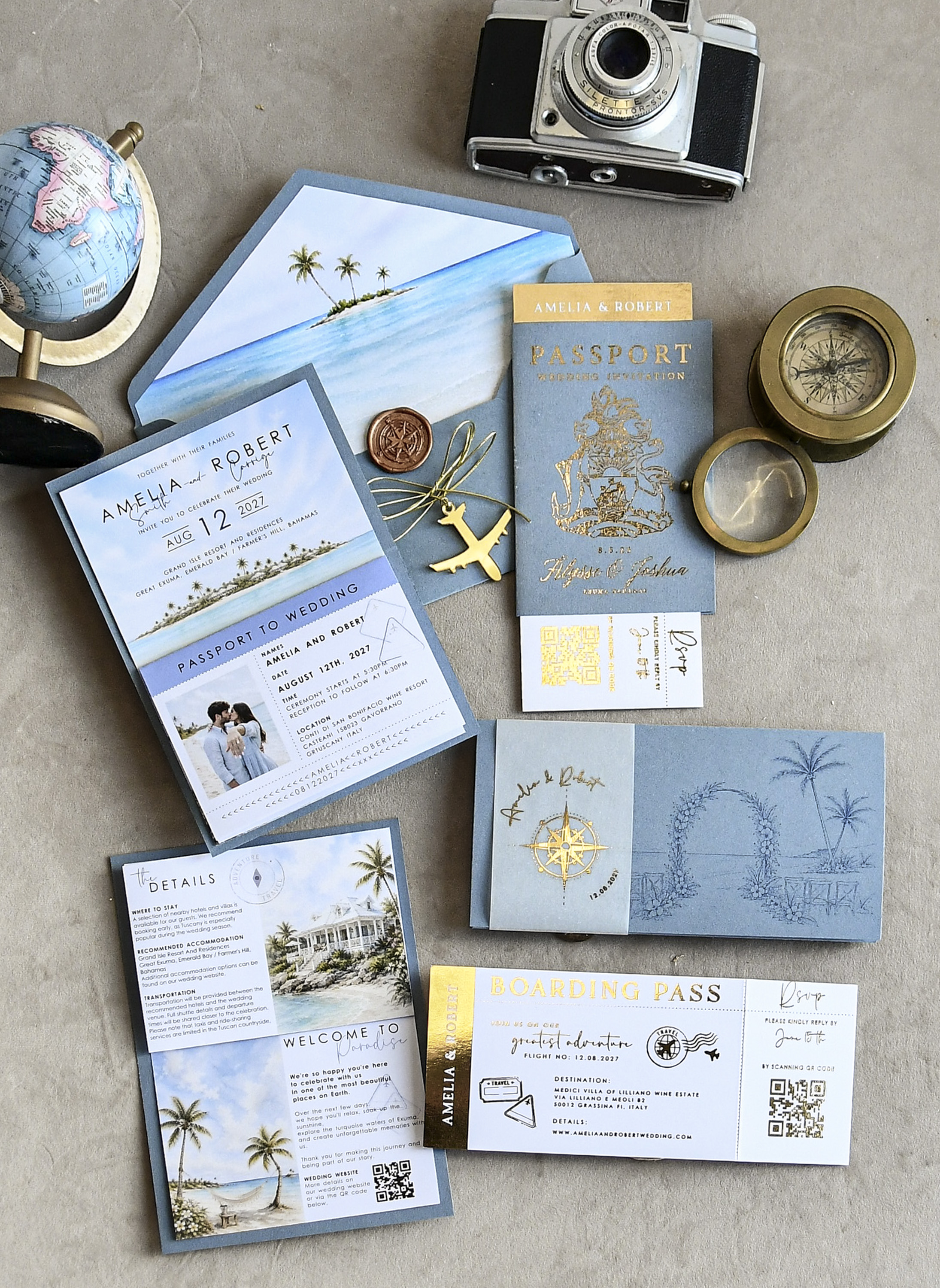
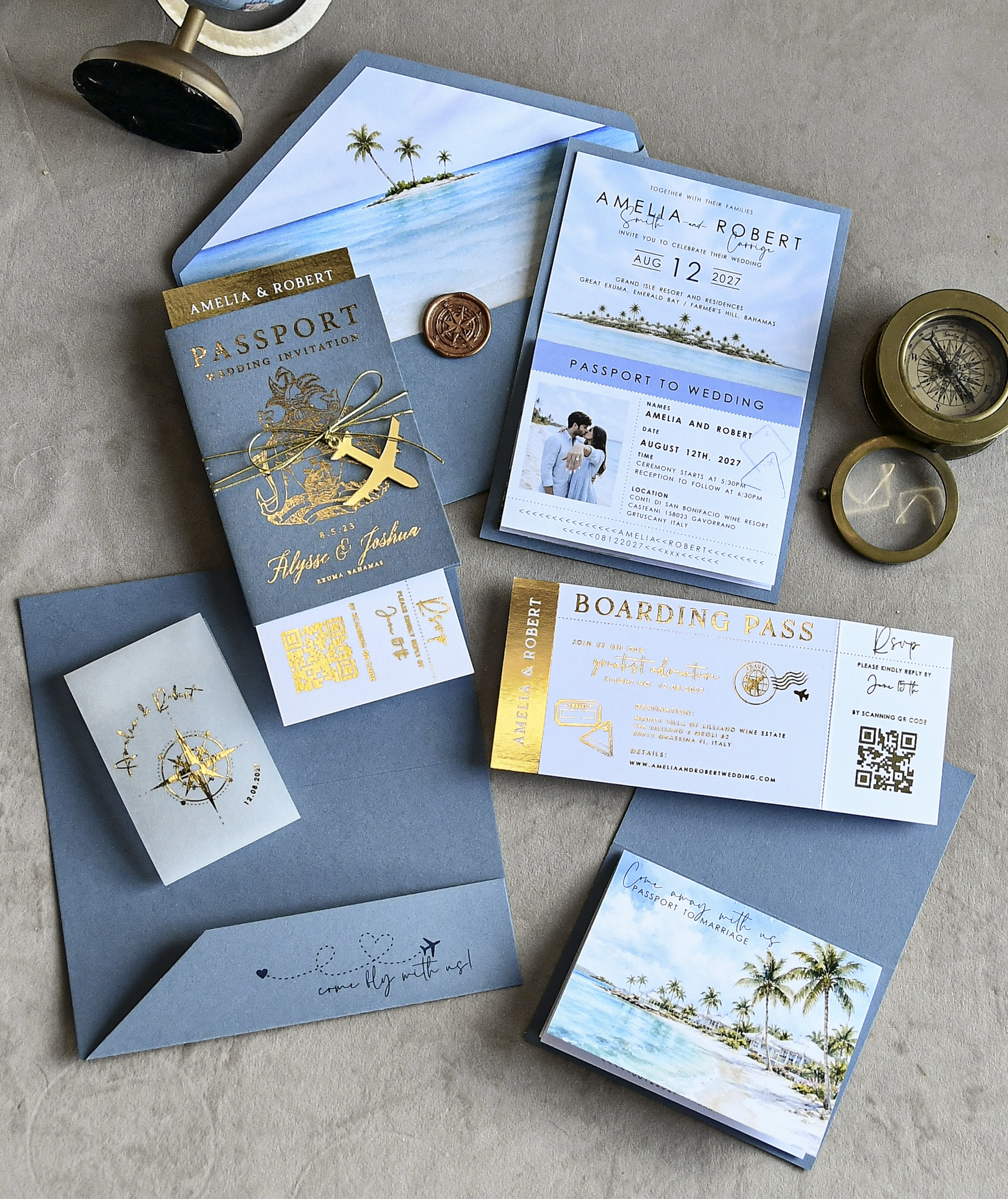
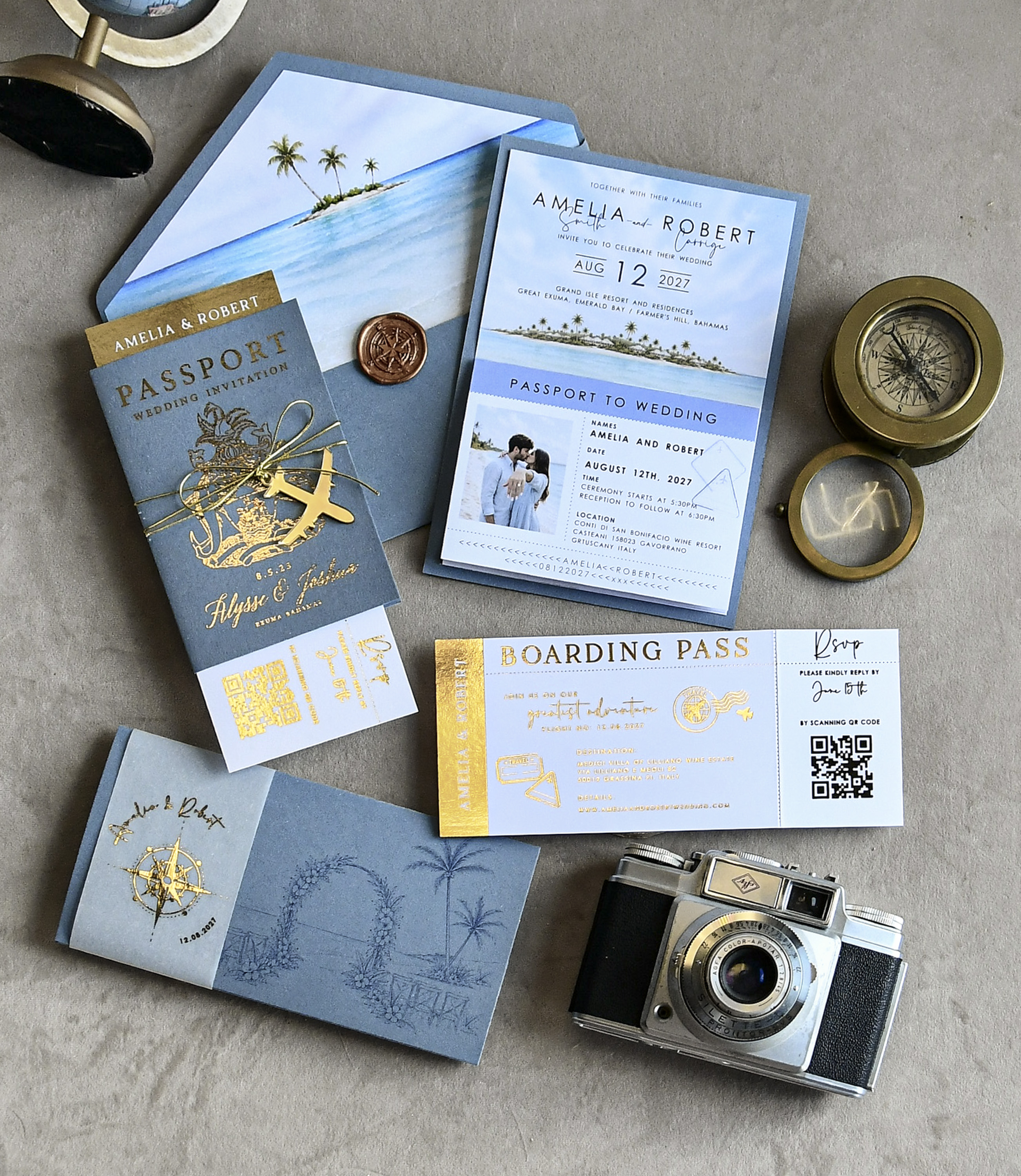
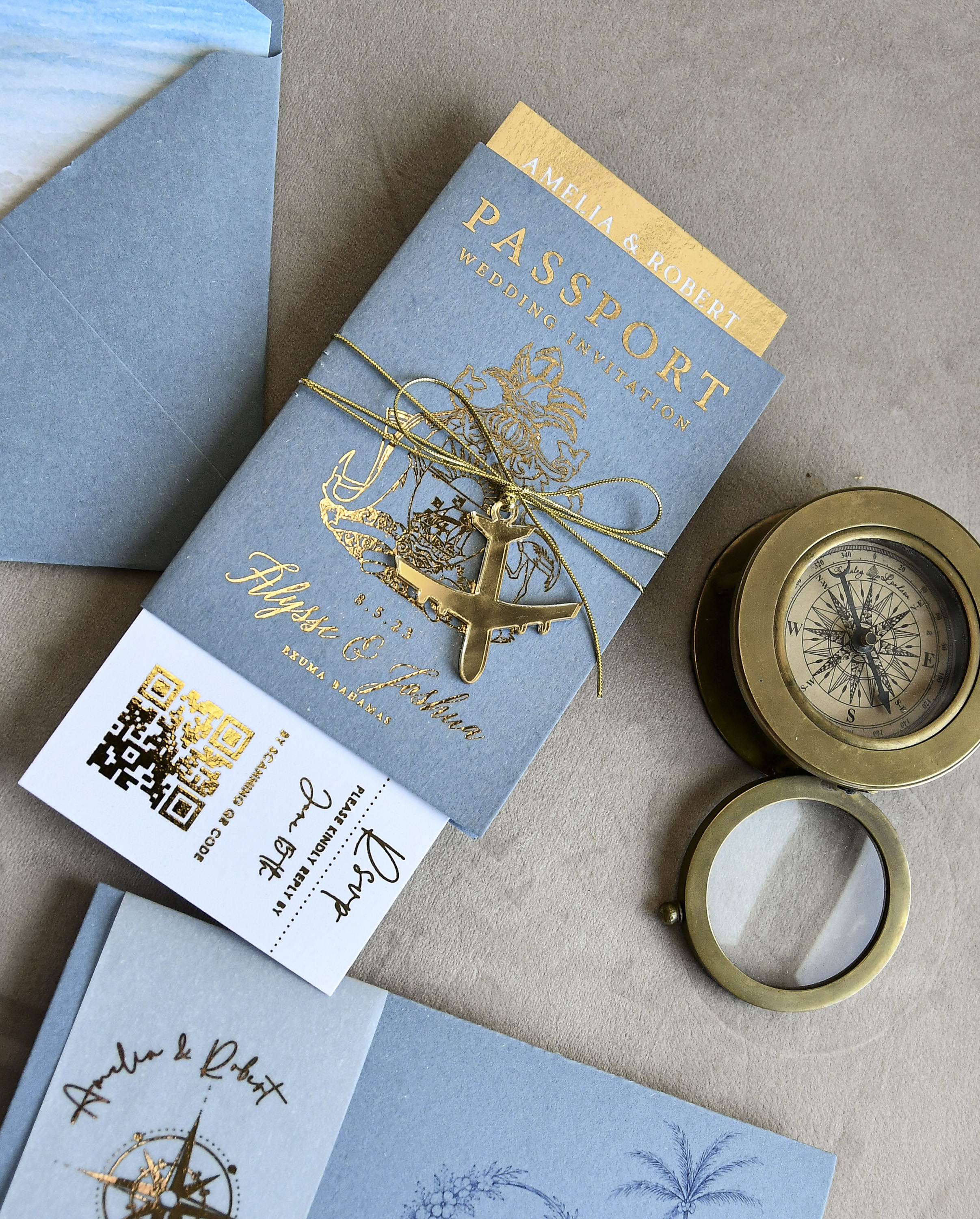
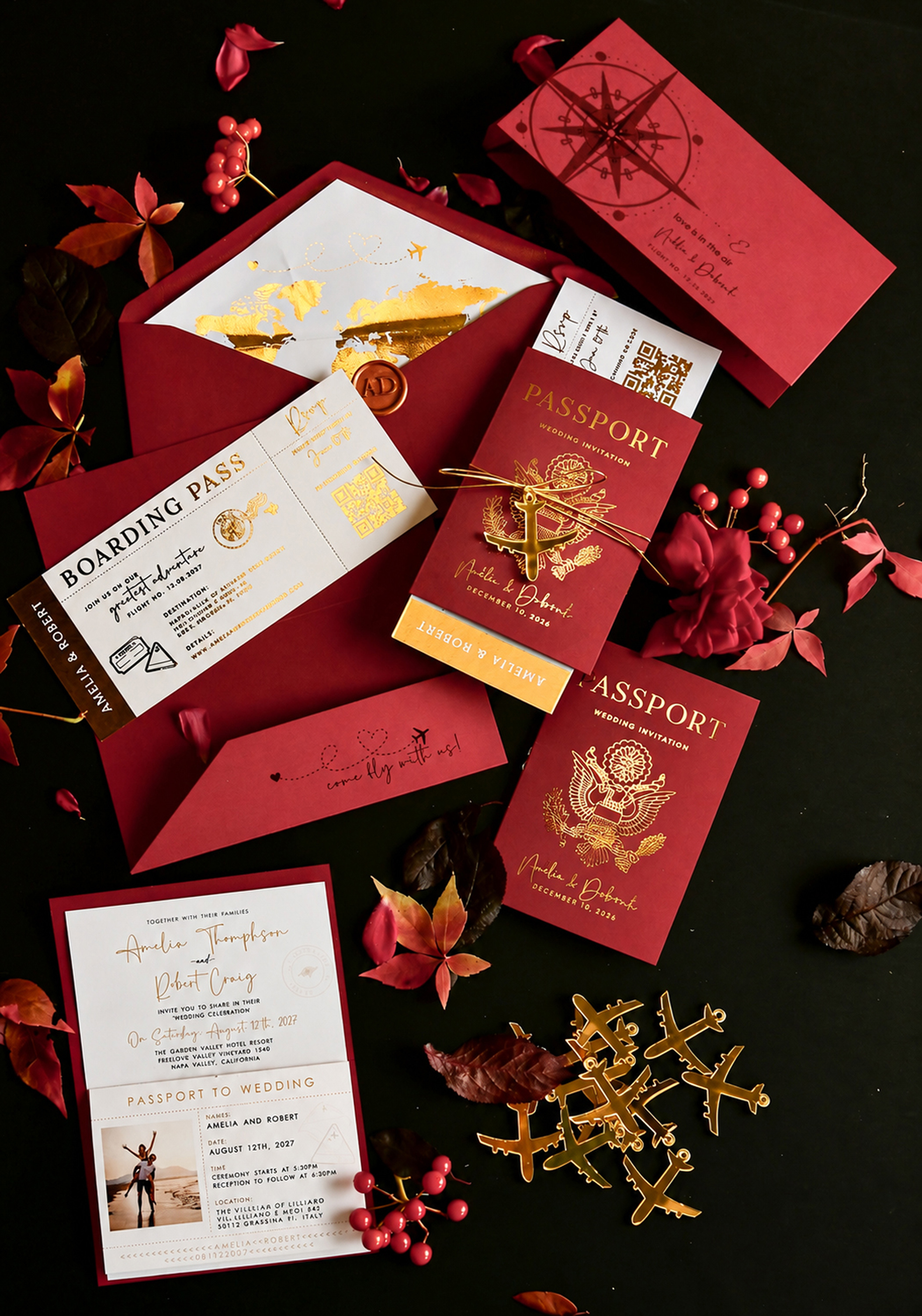
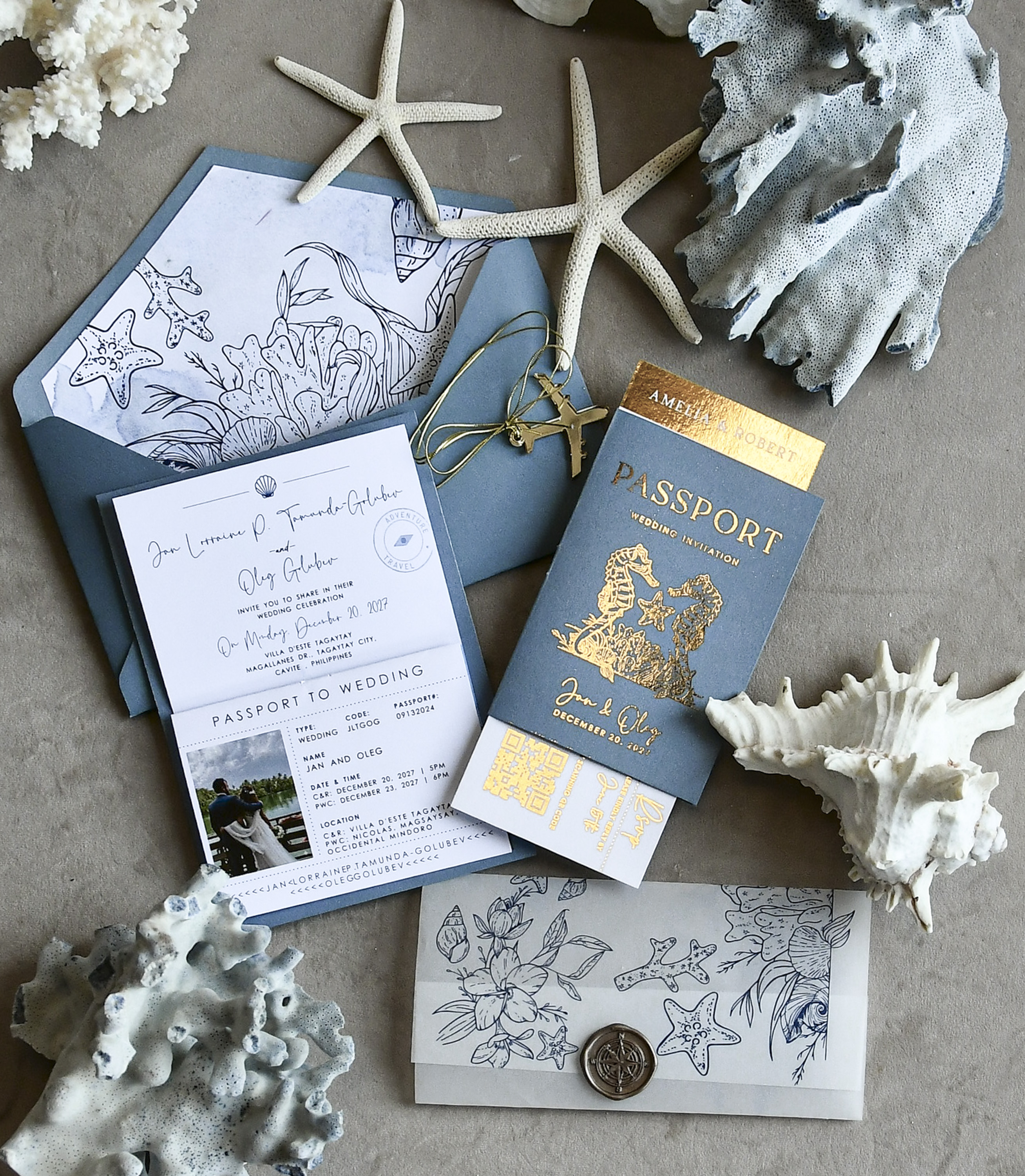
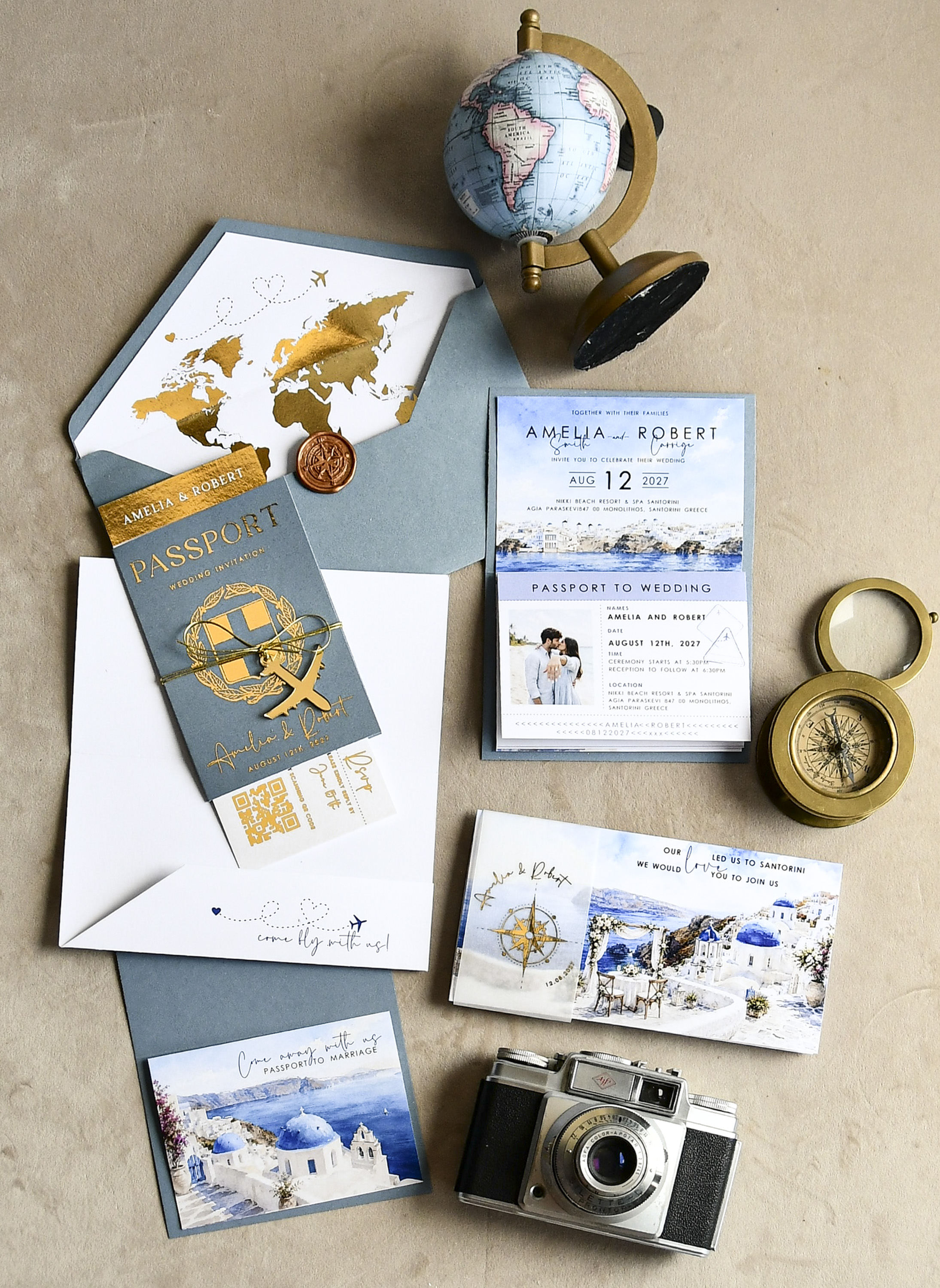
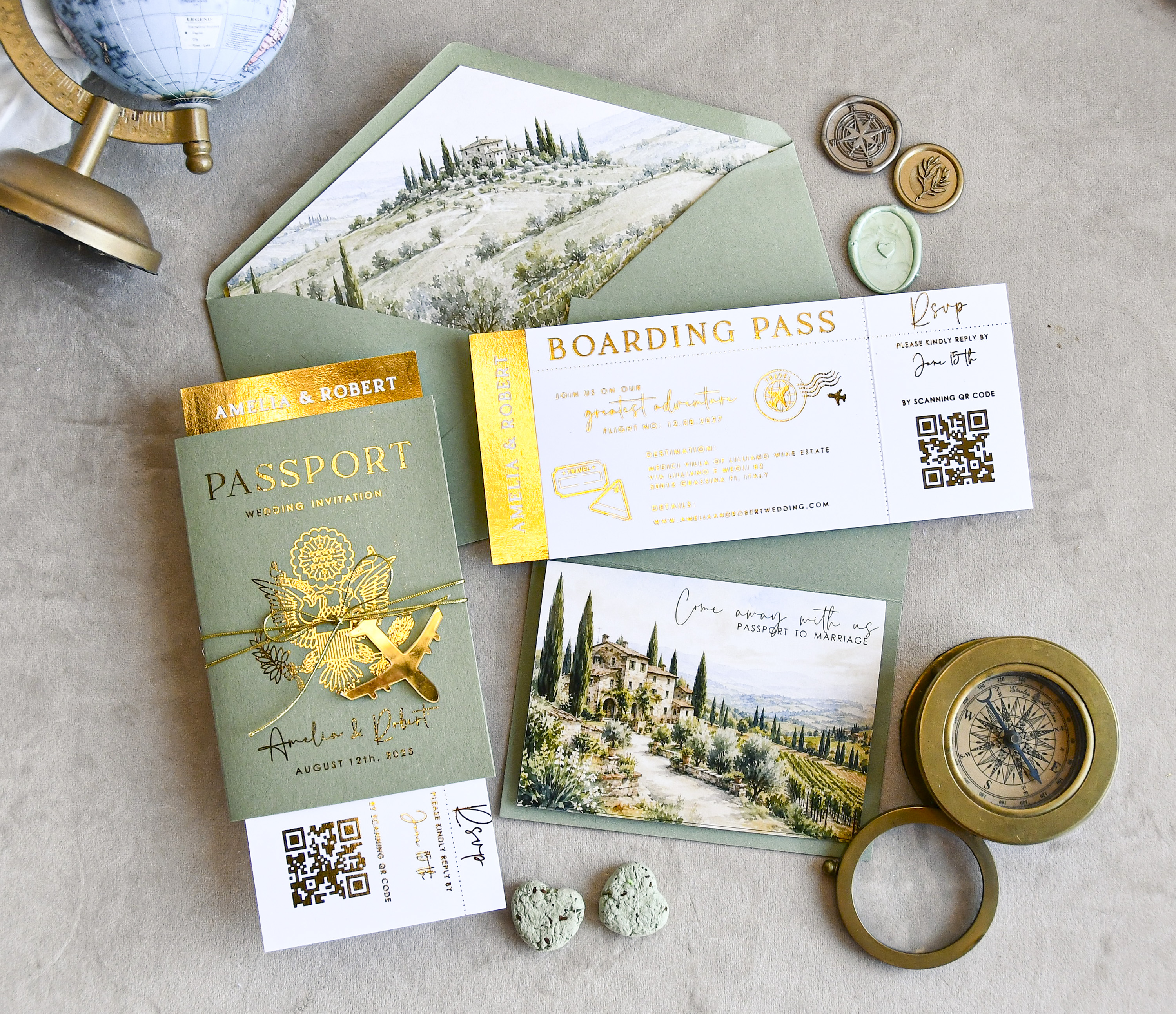
- A destination wedding format. Hosting a beach or destination wedding naturally limits attendance based on travel logistics. Couples who choose a passport-themed invitation suite like the Passport to Love beach wedding invites by Margo&Bees often find that a destination format creates a built-in, graceful way to keep the guest list intimate without anyone feeling personally singled out.
Have the Hard Conversation — and Set a Timeline
Avoiding this decision doesn't make it easier; it just compresses your timeline and raises the emotional stakes. Pick a calm moment — not during another argument — and agree to discuss it with a specific goal: We need to make a guest list decision by [date] so we can move forward with planning.
Use "I" statements to keep the conversation from becoming an attack: "I feel like I can't fully celebrate without my mom there" lands differently than "You're being unreasonable about my family." Come prepared with what you need, what you're willing to flex on, and what the consequences might be if you can't find common ground. That last part is hard to say out loud, but it's important information for both of you.
Once you've landed on a guest list you both can genuinely accept, you can move forward with the fun parts — like choosing stationery that sets the right tone for your celebration.
Protect Your Family Relationships Along the Way
Whatever you decide about the wedding, be thoughtful about how you communicate with your family. You don't owe them every detail of your fiancé's objections, but you do owe them honesty about whether they'll be included. A vague "we're keeping it very small" is kinder than silence — and far kinder than a last-minute uninvitation.
If your family won't be at the wedding, consider how you'll mark the occasion with them in another way: a dinner before the date, a video call during the celebration, or a separate gathering afterward. These gestures matter. They signal that your relationship with your family hasn't disappeared just because your guest list did.
Frequently Asked Questions
Yes, it's one of the most common sources of wedding planning conflict. Family dynamics, past conflicts, and different ideas about who "should" be there create real tension for many couples. The key is addressing it early and honestly rather than letting resentment build.
No — both partners have equal say in the wedding, and one person cannot unilaterally ban the other's family. However, if you can't reach a mutual agreement, that's a significant compatibility issue worth addressing with a couples counselor before you marry.
That deserves to be taken seriously. If your family has genuinely hurt your fiancé, their discomfort is valid and the solution may require more than compromise — it may require accountability and healing. A therapist can help you navigate this before the wedding.
Be honest, kind, and brief. You don't need to share every detail of the disagreement, but you should tell them directly rather than letting them find out another way. A simple "we're still working through our guest list and I wanted to be honest with you" opens the door without oversharing.
Sometimes, yes. A destination wedding or intimate elopement gives couples a neutral reason for a small guest list that doesn't feel personal. It shifts the conversation from "you're excluded" to "we chose a format that only fits a few people."
If you've tried communicating and compromising and still can't find common ground on something this fundamental, it's worth pausing and asking whether you're both ready to get married. Premarital counseling is a healthy, practical step — not a sign that something is wrong.
See This Design Up Close
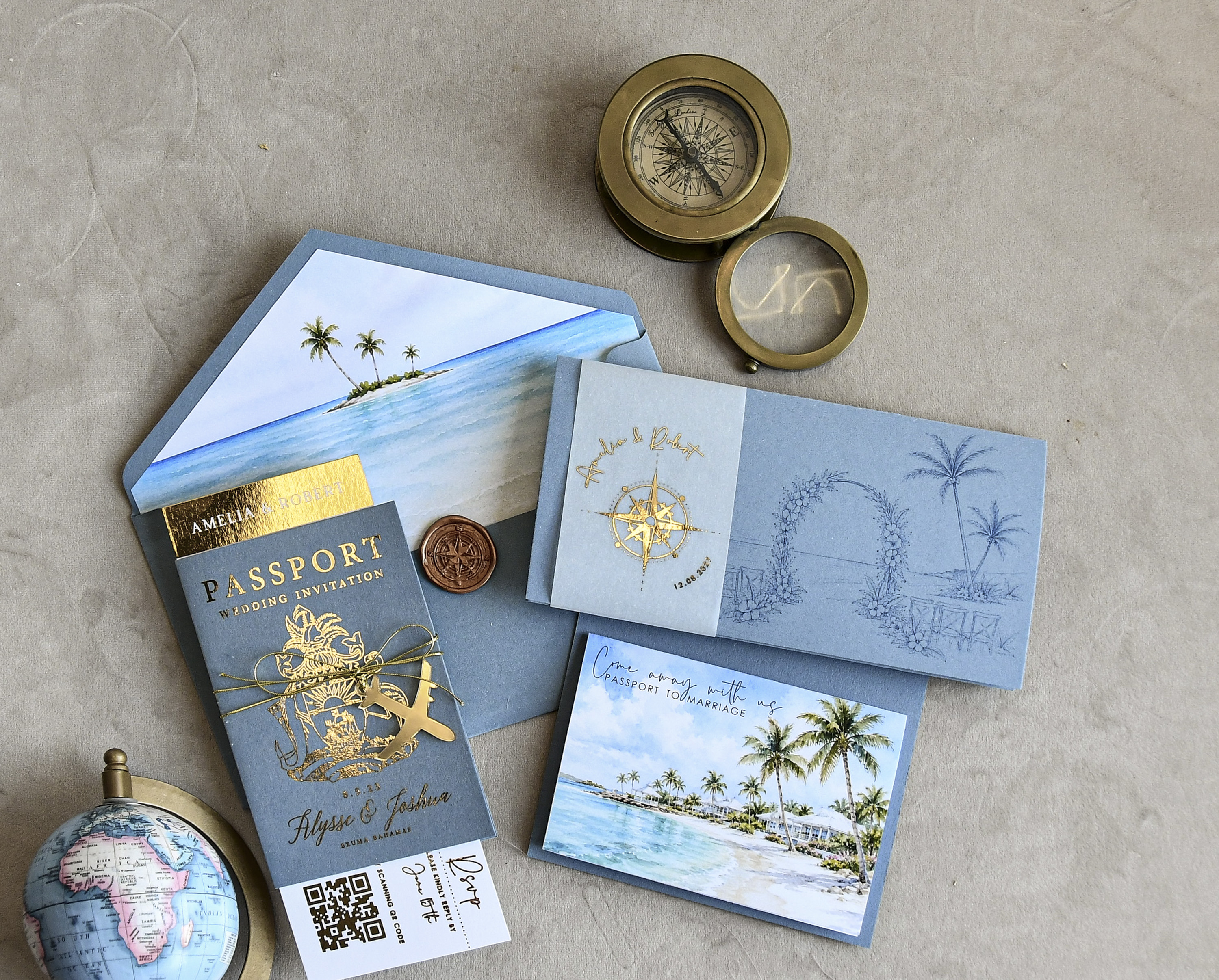

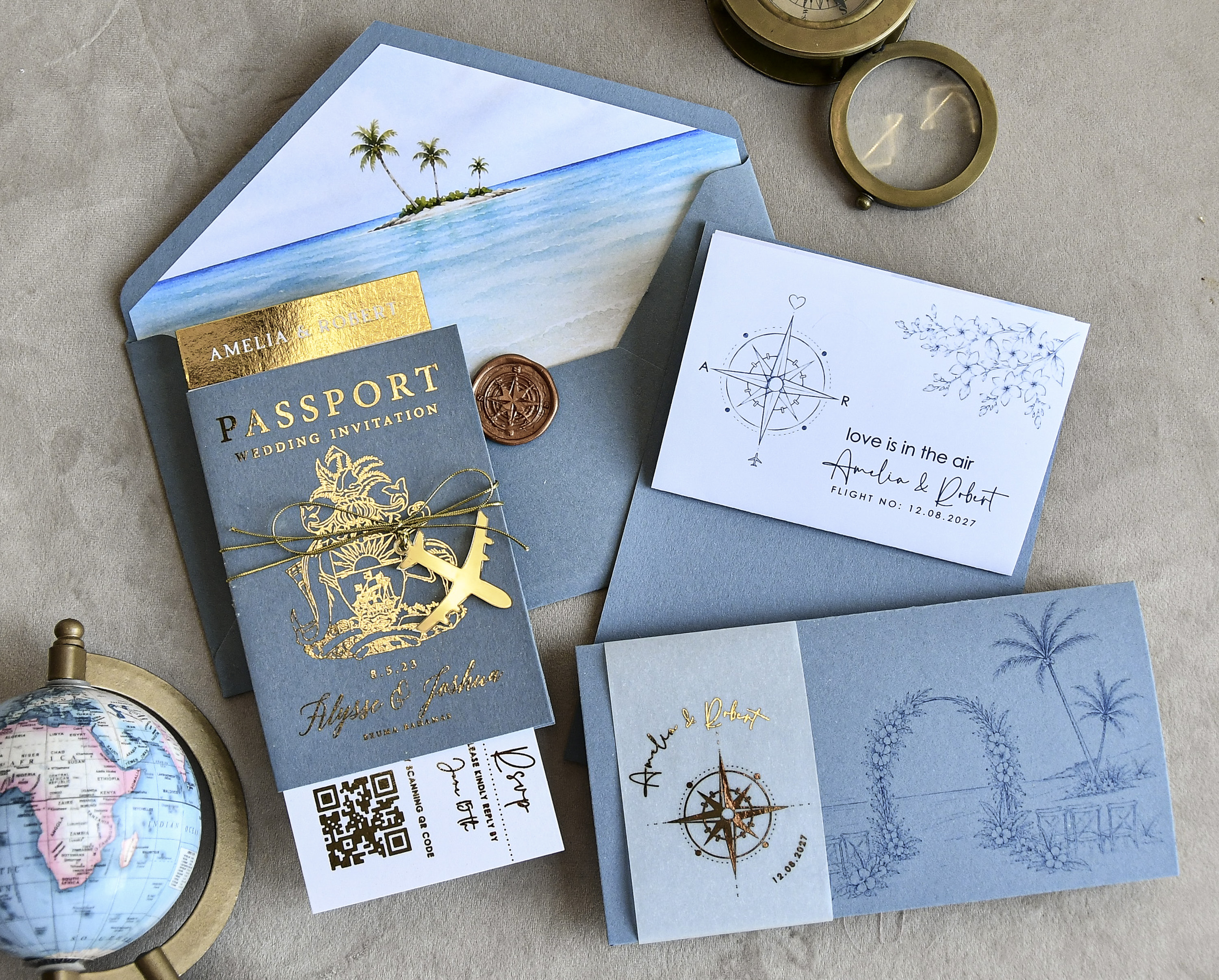
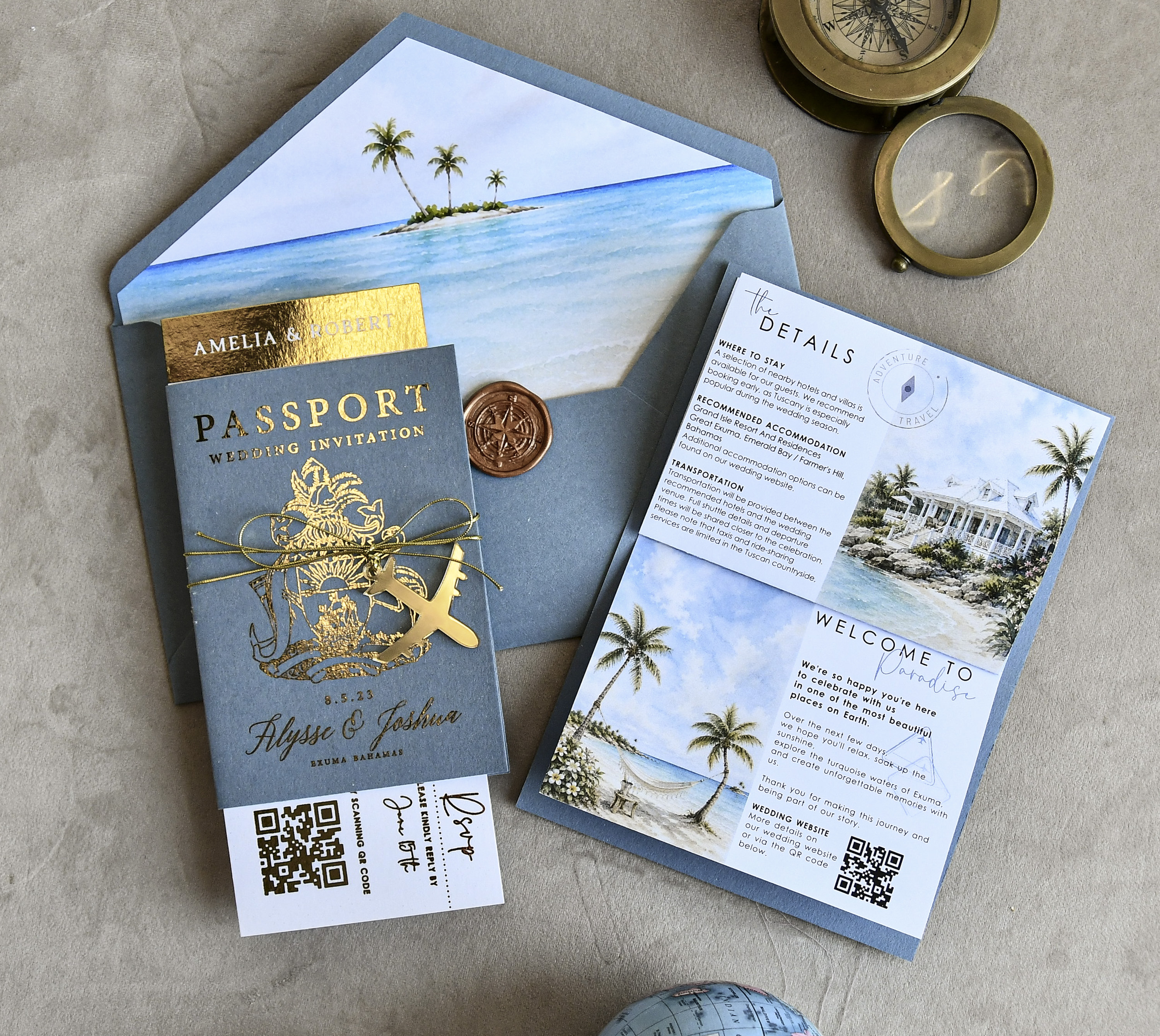
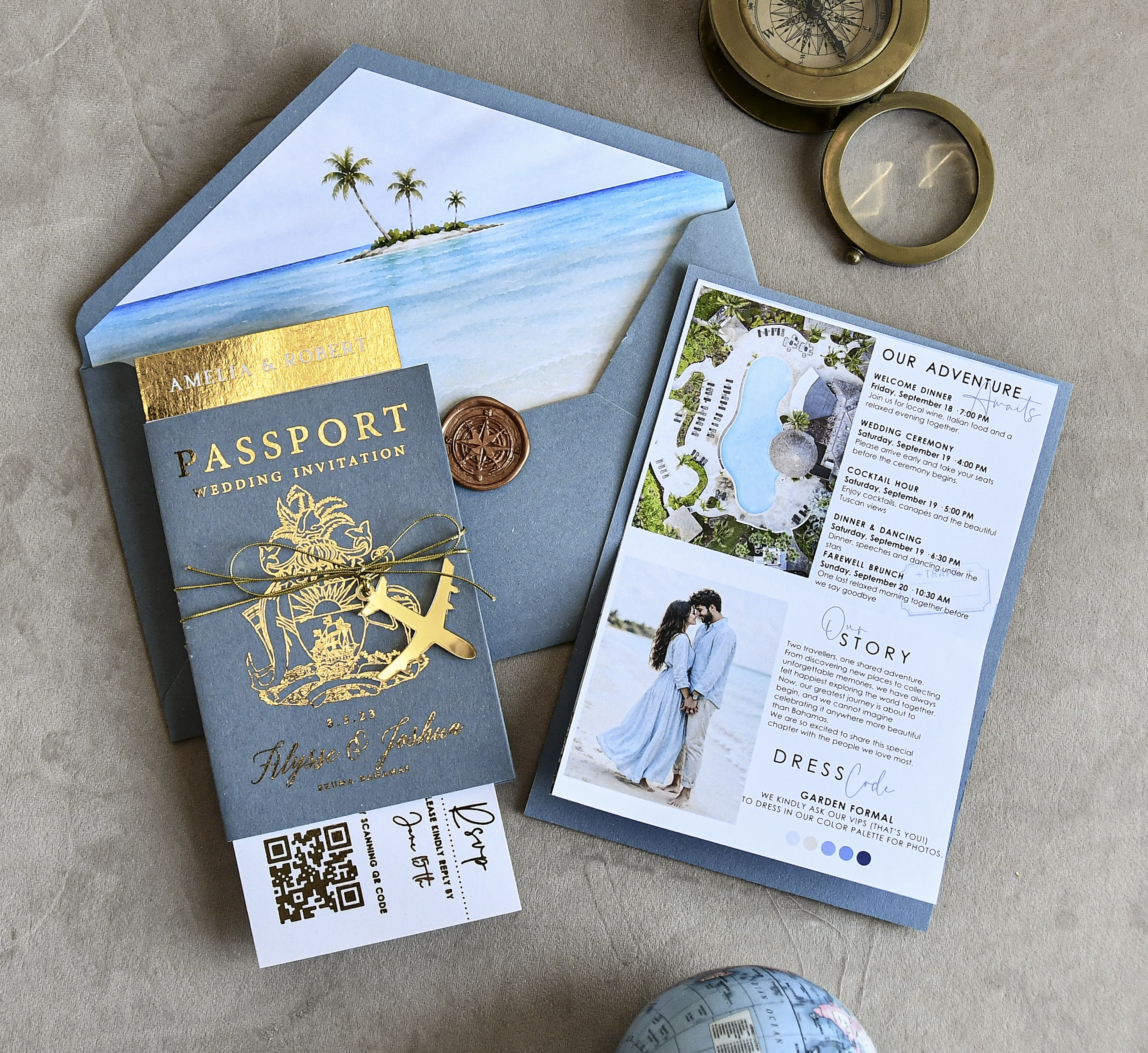



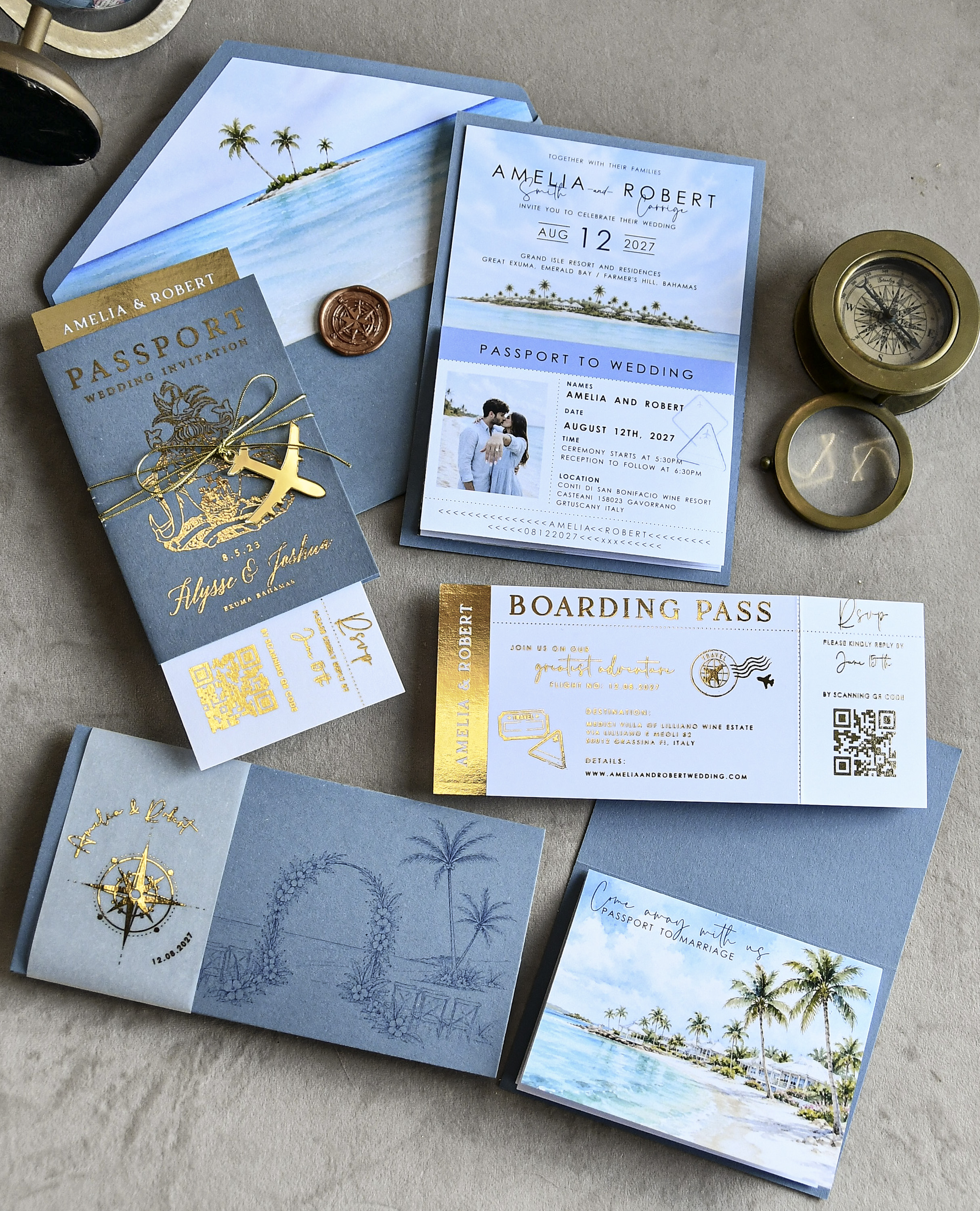
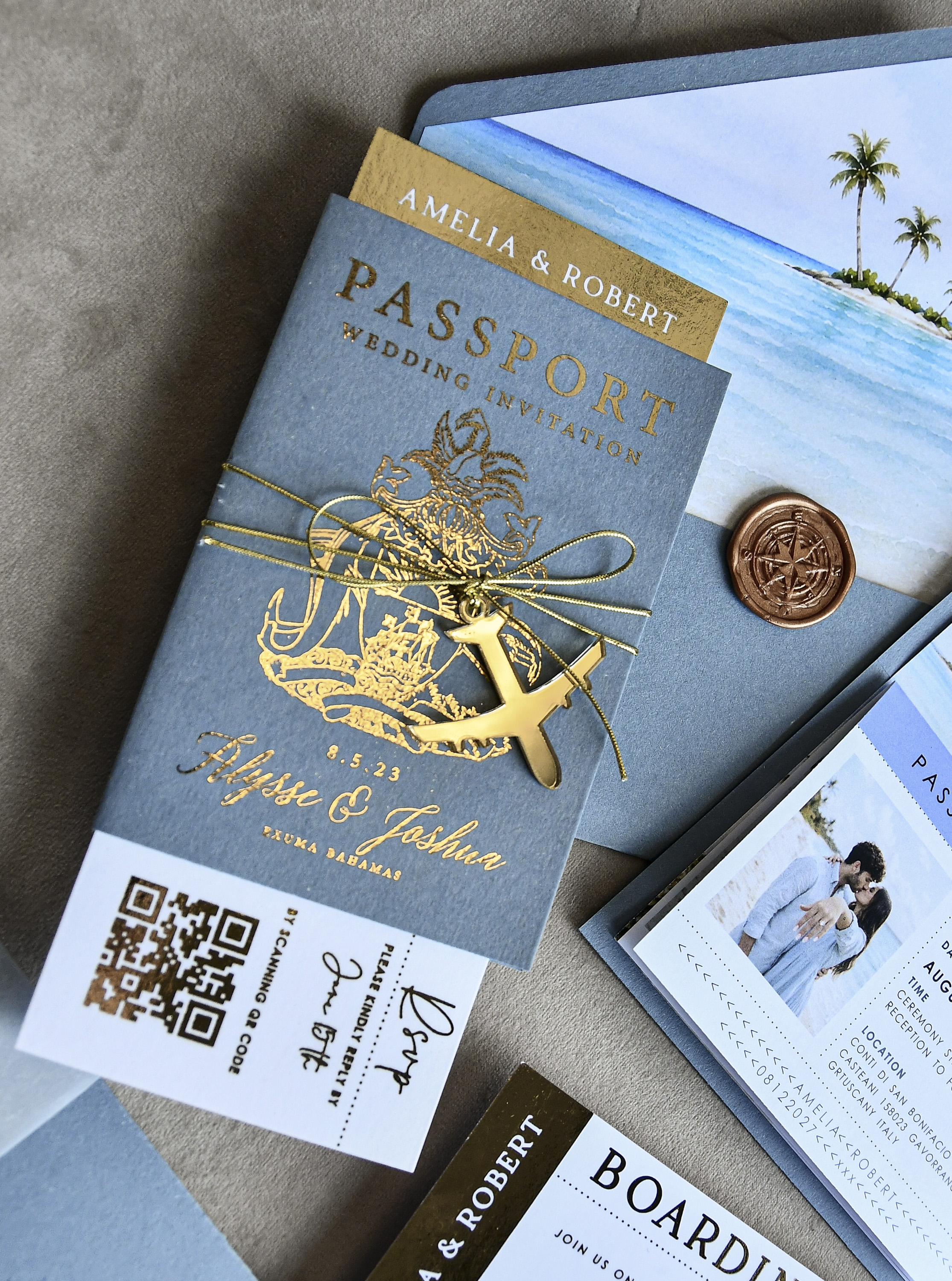
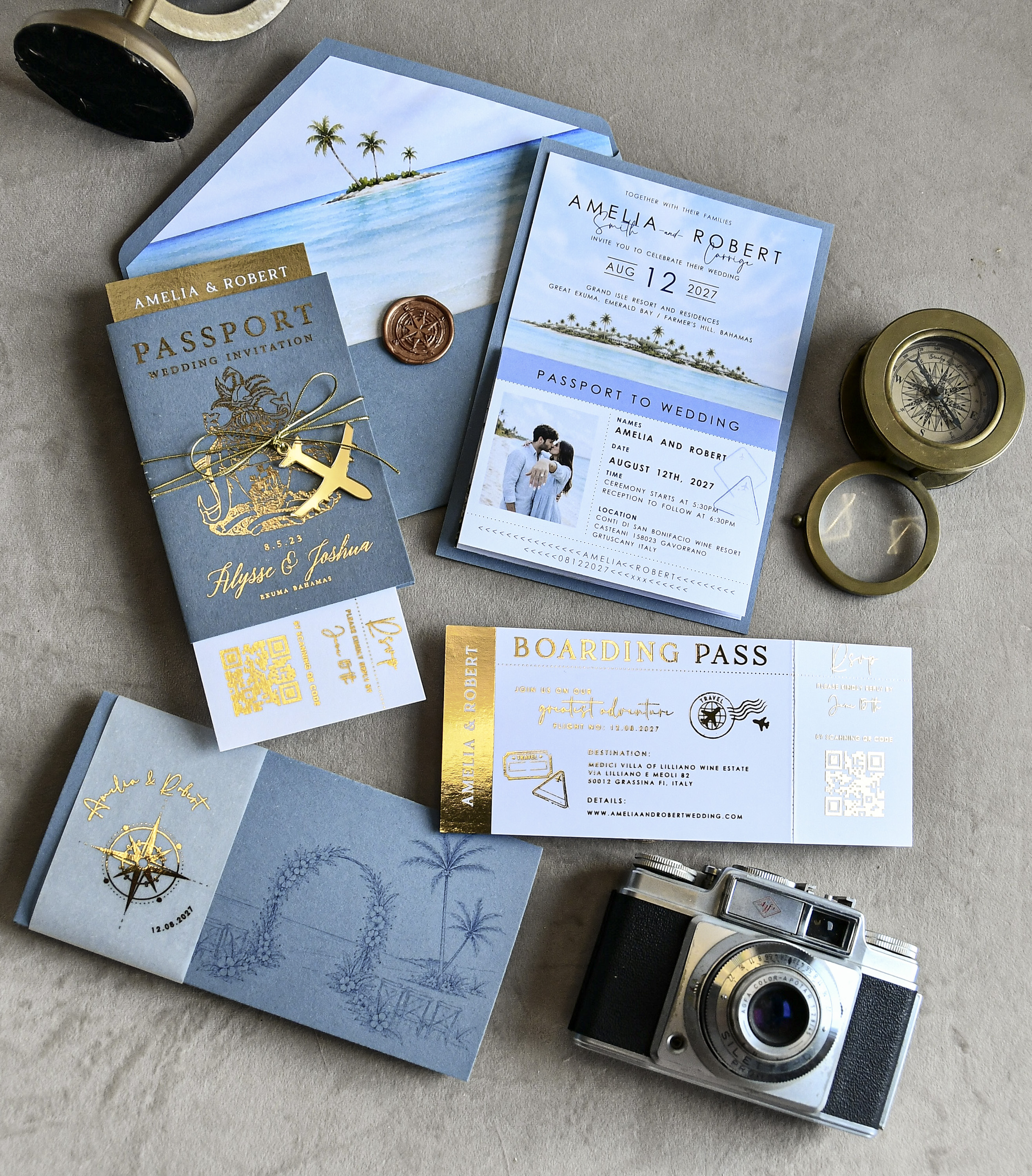
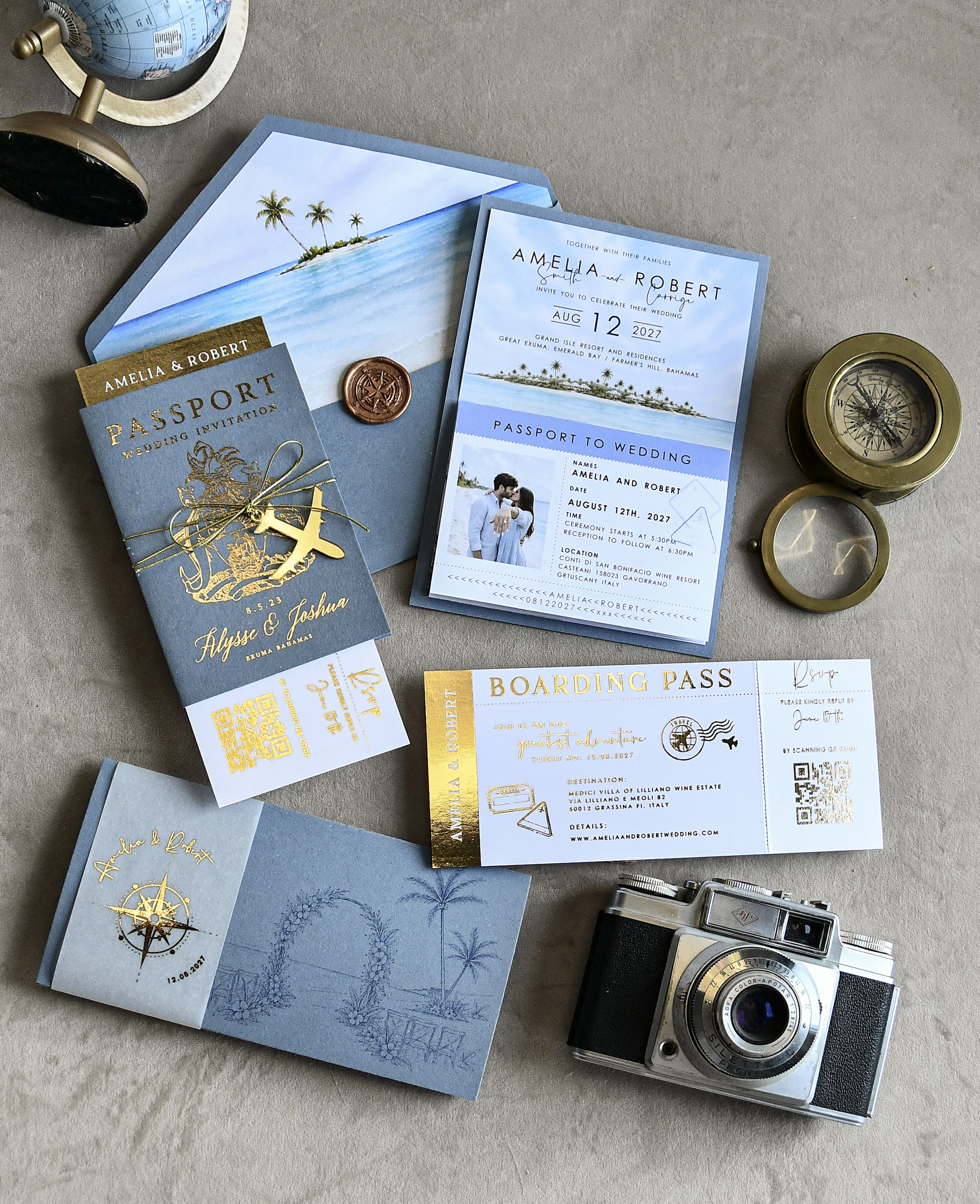


You May Also Like
More Wedding Planning Guides
- → Kids at Your Wedding: Should You Hire a Babysitter or Full Entertainment?
- → The Right Time to Chase Down Missing RSVPs (And How to Do It Gracefully)
- → The Graceful Way to Let Guests Know Your Wedding Is Adults Only
- → Wedding Guest List Dilemma: Should Your Boss and Coworkers Make the Cut?
- → When Guests RSVP Yes But Never Arrive: What to Do Before, During, and After
- → Planning Your Wedding When Your Divorced Parents Can't Stand Each Other
- → Navigating Wedding Invitations When a Sibling Relationship Is Complicated
- → Your Guest List, Your Rules: Navigating In-Law Friend Invites
- → Big Guest List vs. Better Wedding Experience: Which Should You Prioritize?
- → Save the Date Cards vs. Wedding Invitations: Know the Difference Before You Order
- → Extra Wedding Guests: Who Picks Up the Tab?
- → No RSVP? Here's Exactly How to Handle It
- → What to Say When Someone Asks Why They Didn't Make the Guest List
- → Plus-Ones for Single Guests: Making the Right Call for Your Wedding
- → How to Kindly Let Someone Know They Didn't Make the Guest List
- → Should You Give Teenage Guests a Plus One at Your Wedding?
- → Adults-Only or Family-Friendly? How to Make the Right Call on Kids at Your Wedding
- → When Guests Bring Unexpected Plus-Ones: What to Do Before and After the Wedding
- → How Late Is Too Late for Wedding Invitations? A Realistic Timeline
- → Aunt Has a New Husband: Here's How to Handle the Invitation
- → The RSVP No-Show: Should You Actually Call Guests Who Never Responded?
- → Wedding Invitations: Mail Them or Hand Deliver? Here's How to Decide
- → What to Do When a Relative Says They Won't Come If Someone Else Is Invited
- → Extra Names on Your RSVP Card: What to Do When Guests Add Themselves
- → Your Guest List, Your Call: How to Handle Mom's Must-Invite Requests
- → Yes, You Can Say No to a Plus One — Here's How to Do It Right
- → Adults-Only Weddings: Are You Being Rude by Leaving Kids Off the Guest List?
- → How to Handle Seating for Divorced Parents at Your Wedding
- → Uninvited Plus-Ones and Tag-Alongs: How to Keep Your Guest List Intact
- → When Family Feuds Threaten Your Wedding Plans: A Practical Peacekeeper's Guide
- → Inviting an Estranged Brother or Sister: Finding Clarity Before You Seal the Envelope
- → Cousins, Invites, and Hard Choices: A Practical Guest List Guide