
No RSVP? Here's Exactly How to Handle It
You carefully chose your invitations, mailed them on time, and set a clear RSVP deadline — and still, a handful of guests have gone completely silent. You're not alone. Missing RSVPs are one of the most common (and most stressful) parts of wedding planning. The good news: there's a straightforward way to handle it without losing your mind or your deposit.
Why Guests Miss the RSVP Deadline
Before you take it personally, understand that most non-responses are not intentional. Life gets busy, people procrastinate, and physical mail sometimes gets buried under a pile of bills. A few common reasons include:
- They forgot: The invitation arrived weeks ago and the deadline slipped their mind.
- They're unsure: Travel plans, work schedules, or family conflicts have them in limbo.
- They assumed you knew: Close family members sometimes think a verbal "yes" counts as an RSVP.
- The card got lost: Return mail does occasionally go missing, especially if a stamp was forgotten.
Knowing the real reason helps you respond with patience rather than frustration — and makes the follow-up conversation much easier.
Build a Follow-Up Timeline Before Your Deadline Even Hits
The best time to plan your RSVP chase is before you even send your invitations. Here's a timeline that works for most couples:
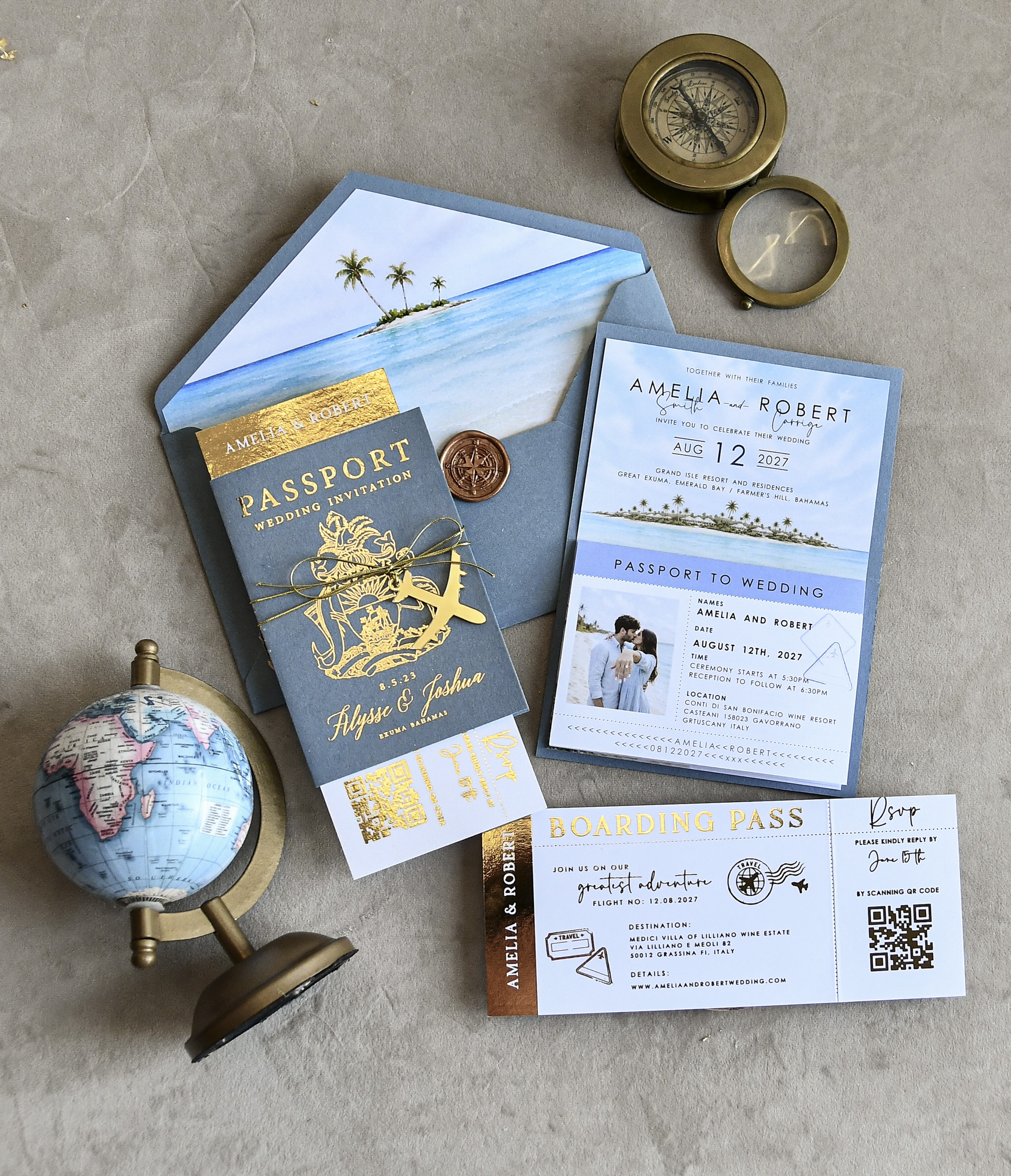
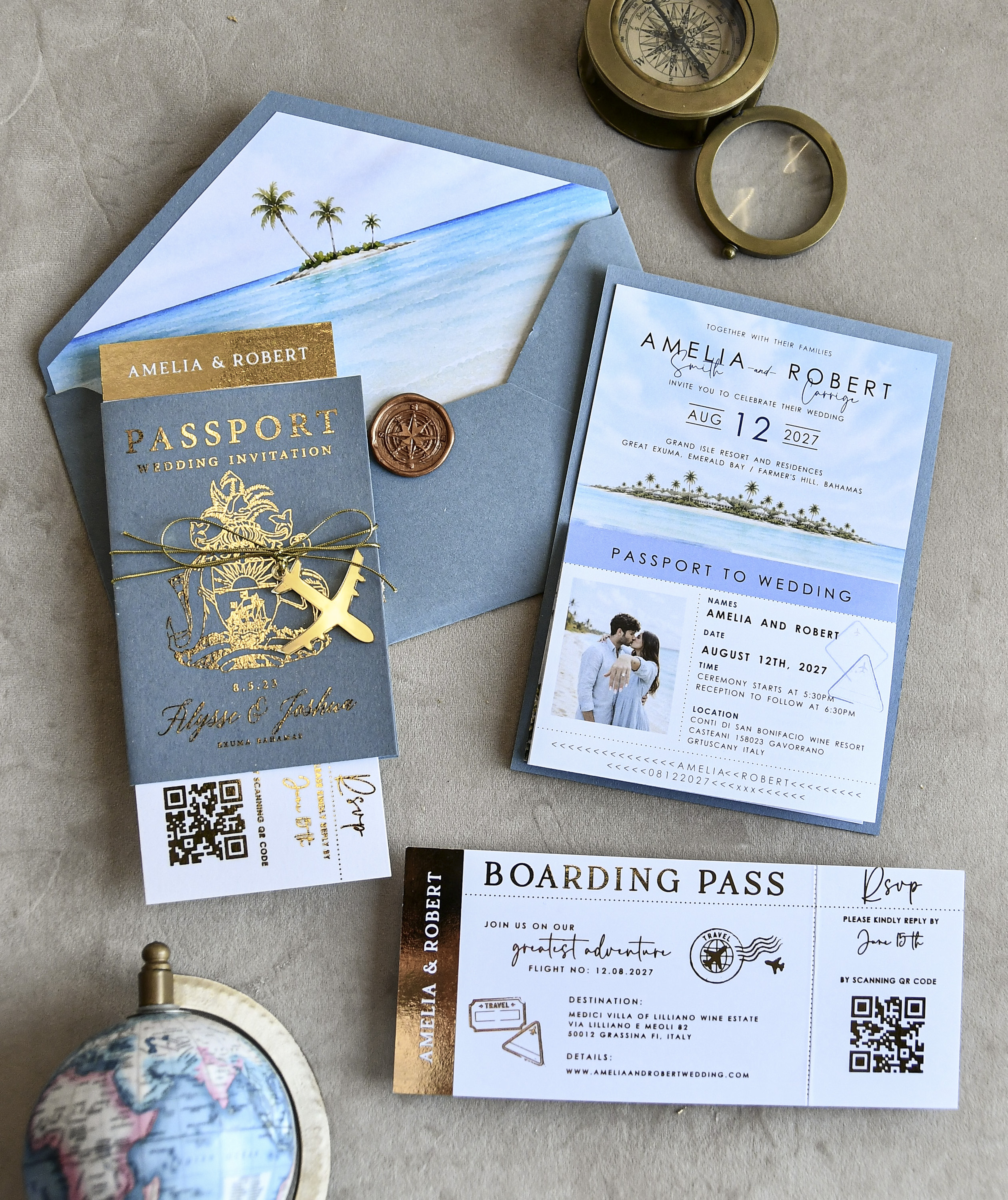
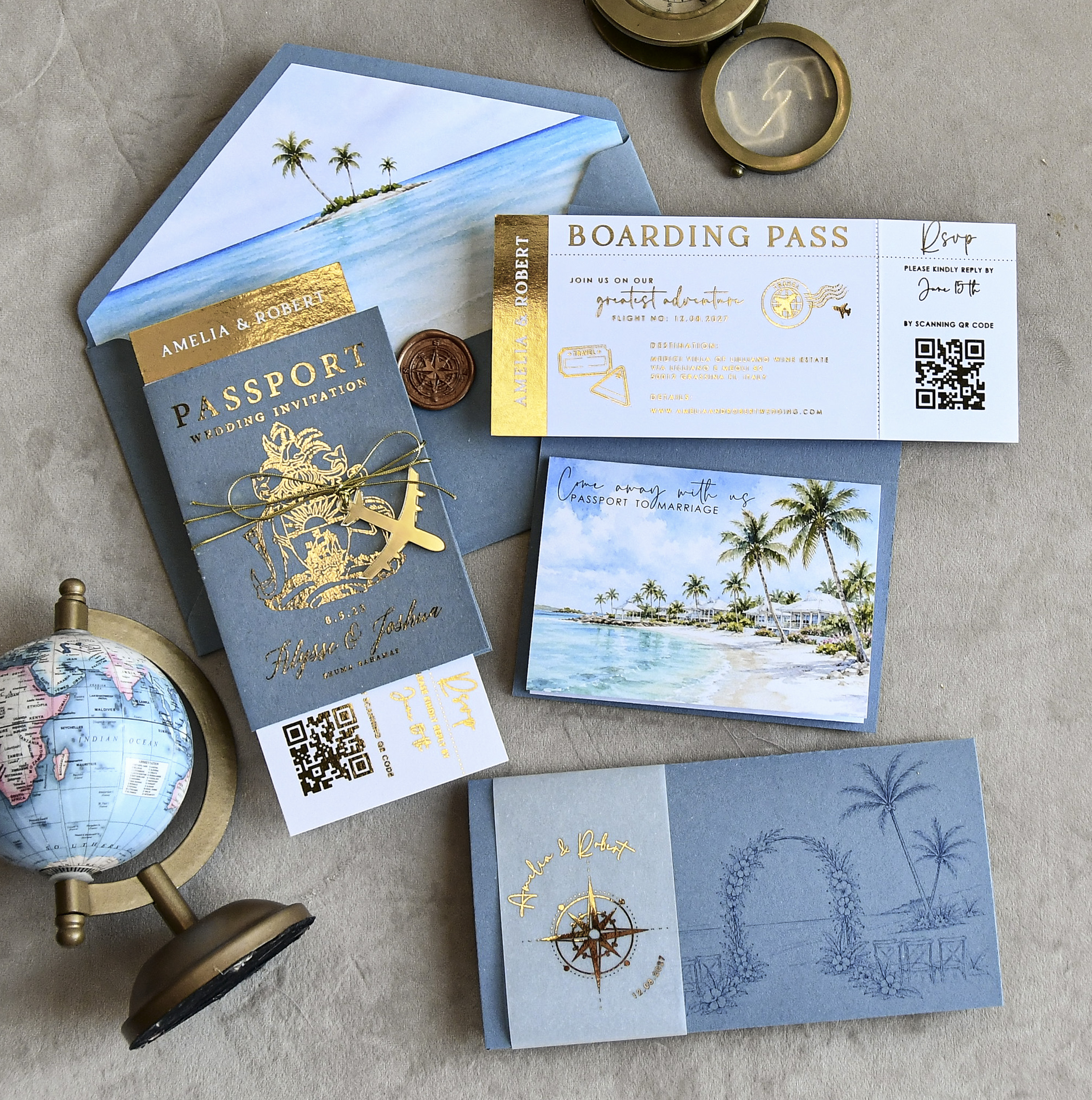
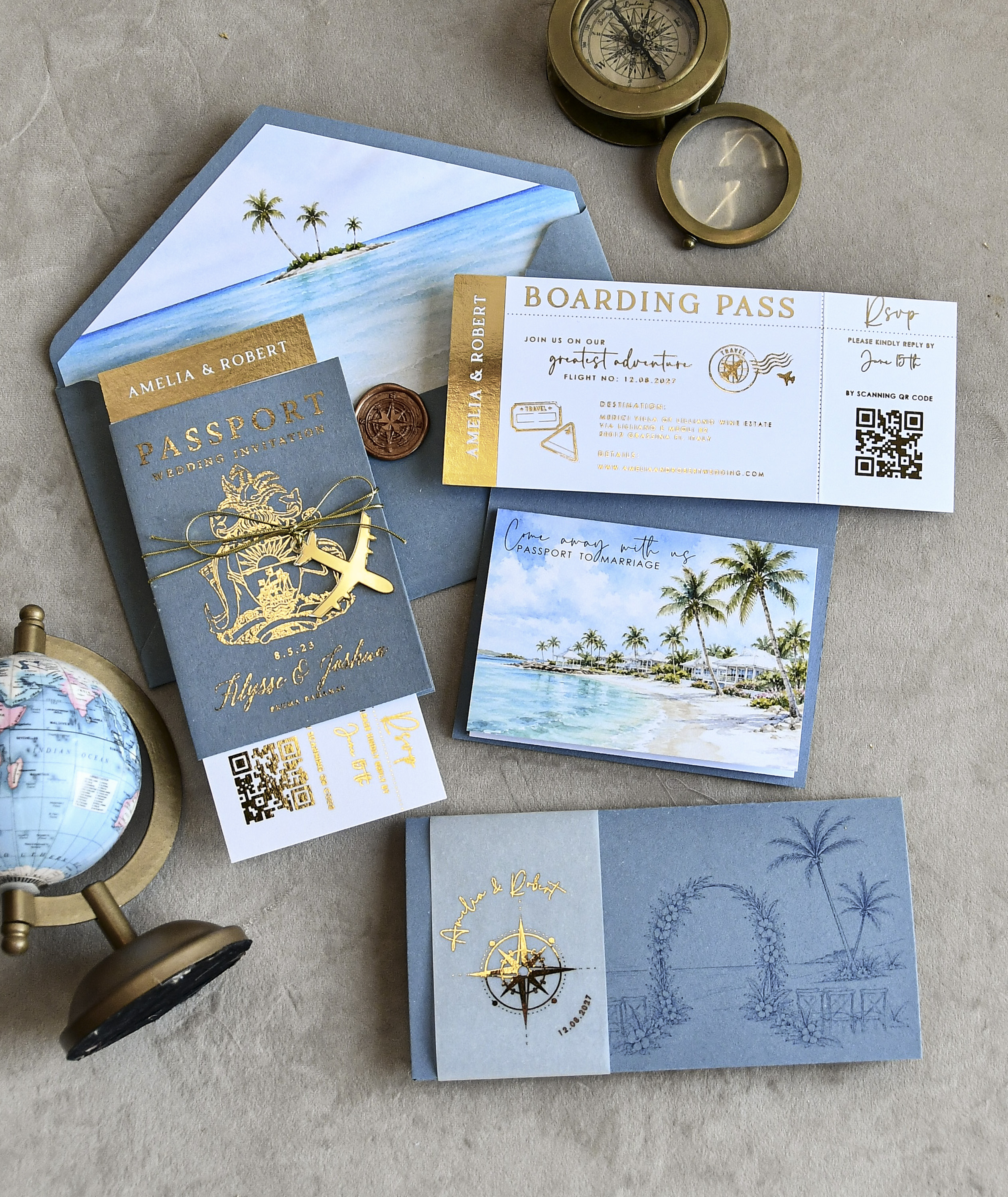
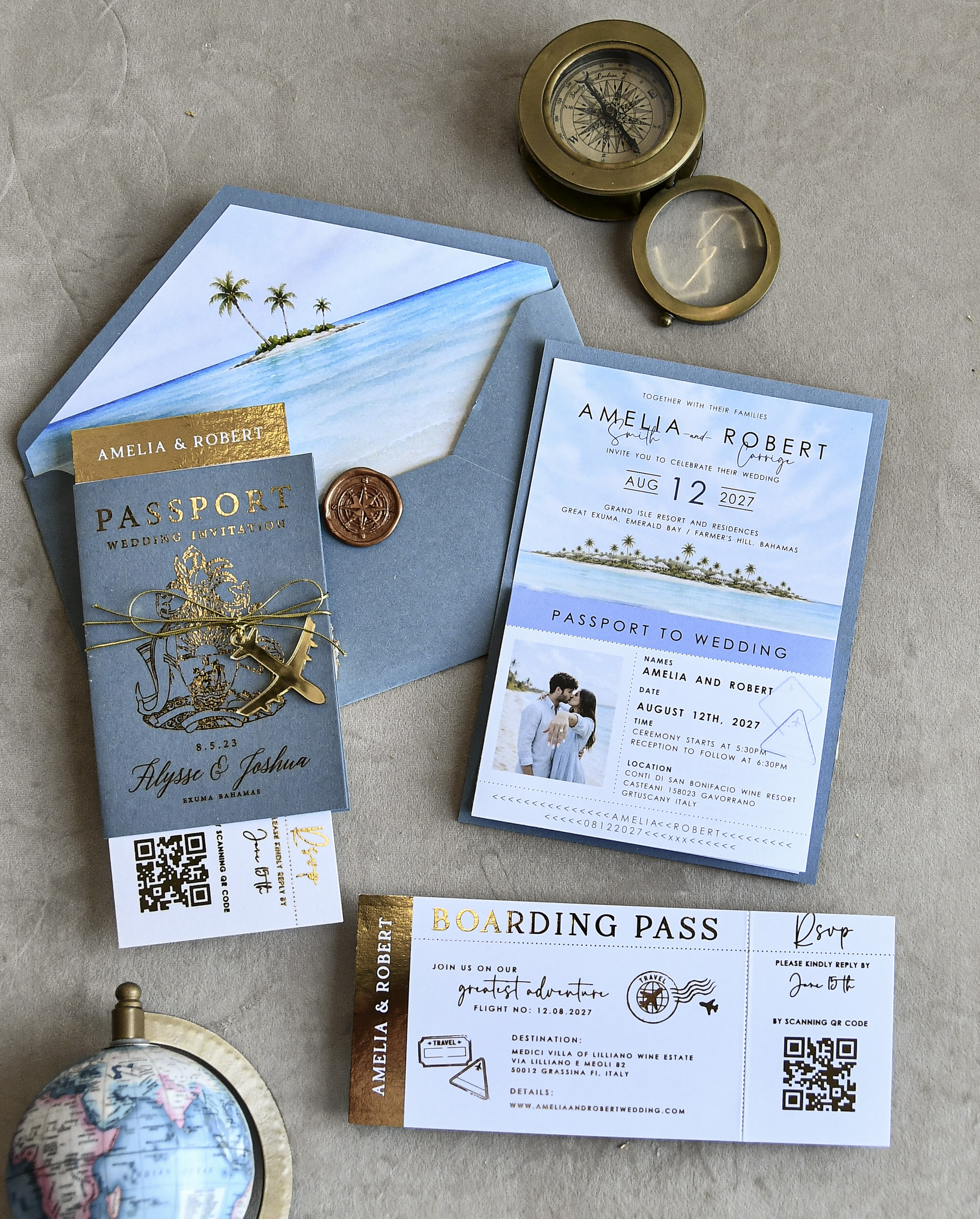
- Send invitations 8–10 weeks before the wedding. For destination weddings — like those paired with a passport-style invite such as the 02/passDest/z beach wedding invitation — give guests 10–12 weeks so they can arrange travel.
- Set your RSVP deadline 3–4 weeks before the wedding. This gives your caterer and venue enough time to finalize numbers.
- Send a gentle reminder 1 week before the deadline. A quick text or email — not a formal note — works perfectly here.
- Follow up by phone the week after the deadline for anyone still unaccounted for. Keep it brief and friendly: "Hey, we just want to make sure we have your spot reserved!"
Having this plan written down means you won't feel caught off guard when the deadline passes with missing responses.
How to Actually Follow Up Without Awkwardness
The follow-up doesn't have to be uncomfortable. Assign the task strategically: have each partner reach out to their own family and friends. This keeps things personal and avoids any perceived rudeness.
For your message, keep it light and assume the best:
- "Hi! We're finalizing our headcount for the wedding and just want to make sure we have you down. Are you able to make it?"
Avoid guilt-tripping language or mentioning the per-head cost — even if you're thinking it. Text and phone calls tend to get faster responses than email for this kind of nudge. If someone is truly unreachable after two attempts, it's reasonable to mark them as not attending and move on.
For large guest lists, a shared spreadsheet split between both partners makes tracking responses much easier. Color-code it: green for yes, red for no, yellow for no response.
Setting a Hard Cutoff and Protecting Your Budget
Once you've done your follow-up, you need a hard internal deadline — usually 1–2 weeks before your venue's final headcount is due. Anyone who hasn't responded by that date gets counted as a "no" for planning purposes.
This protects you from over-ordering food, paying for empty seats, or scrambling with seating charts the night before the wedding. It also gives you a small buffer to add last-minute confirmed guests if your venue allows it.
Be prepared: some guests who said nothing will show up anyway. Keep 2–3 "buffer" seats in your floor plan if your budget allows, especially for close family tables. And if someone RSVP'd yes but goes silent afterward, a quick confirmation text two weeks out is completely appropriate — it's not nagging, it's logistics.
The 02/passDest/z passport-style invitations are a great choice for destination or beach weddings precisely because their novelty tends to generate faster responses — guests get excited and reply sooner. But no matter how beautiful your invitation, a follow-up system is always your safety net.
Frequently Asked Questions
Send a gentle reminder about one week before your RSVP deadline — this catches procrastinators before the date passes. After the deadline, follow up directly by text or phone within a few days for anyone still unaccounted for.
Not at all — a brief, friendly call is completely acceptable and often the most effective approach. Keep the tone light and frame it as a logistics question rather than a complaint.
Politely explain that you need a definite answer for your caterer and venue by a specific date. If they still can't commit, count them as a "no" for planning purposes — you can always add them back if they confirm later.
After a reasonable follow-up attempt, count them as not attending for your final headcount. It's much easier to add a seat than to pay for a meal that goes uneaten.
Most caterers and venues require a final guest count 1–2 weeks before the wedding, though some ask for it up to 3 weeks out. Confirm this number when you book your venue so you can set your RSVP deadline accordingly.
Yes — phrases like "kindly reply by [date] so we can reserve your seat" add a warm sense of urgency without feeling pushy. For destination weddings especially, noting that early responses help with travel coordination also tends to speed things up.
See This Design Up Close
























You May Also Like




More Wedding Planning Guides
- → Kids at Your Wedding: Should You Hire a Babysitter or Full Entertainment?
- → The Right Time to Chase Down Missing RSVPs (And How to Do It Gracefully)
- → The Graceful Way to Let Guests Know Your Wedding Is Adults Only
- → Wedding Guest List Dilemma: Should Your Boss and Coworkers Make the Cut?
- → When Guests RSVP Yes But Never Arrive: What to Do Before, During, and After
- → Planning Your Wedding When Your Divorced Parents Can't Stand Each Other
- → Navigating Wedding Invitations When a Sibling Relationship Is Complicated
- → Your Guest List, Your Rules: Navigating In-Law Friend Invites
- → Big Guest List vs. Better Wedding Experience: Which Should You Prioritize?
- → Save the Date Cards vs. Wedding Invitations: Know the Difference Before You Order
- → Extra Wedding Guests: Who Picks Up the Tab?
- → What to Say When Someone Asks Why They Didn't Make the Guest List
- → Plus-Ones for Single Guests: Making the Right Call for Your Wedding
- → How to Kindly Let Someone Know They Didn't Make the Guest List
- → My Fiancé Wants to Exclude My Family From the Wedding: Now What?
- → Should You Give Teenage Guests a Plus One at Your Wedding?
- → Adults-Only or Family-Friendly? How to Make the Right Call on Kids at Your Wedding
- → When Guests Bring Unexpected Plus-Ones: What to Do Before and After the Wedding
- → How Late Is Too Late for Wedding Invitations? A Realistic Timeline
- → Aunt Has a New Husband: Here's How to Handle the Invitation
- → The RSVP No-Show: Should You Actually Call Guests Who Never Responded?
- → Wedding Invitations: Mail Them or Hand Deliver? Here's How to Decide
- → What to Do When a Relative Says They Won't Come If Someone Else Is Invited
- → Extra Names on Your RSVP Card: What to Do When Guests Add Themselves
- → Your Guest List, Your Call: How to Handle Mom's Must-Invite Requests
- → Yes, You Can Say No to a Plus One — Here's How to Do It Right
- → Adults-Only Weddings: Are You Being Rude by Leaving Kids Off the Guest List?
- → How to Handle Seating for Divorced Parents at Your Wedding
- → Uninvited Plus-Ones and Tag-Alongs: How to Keep Your Guest List Intact
- → When Family Feuds Threaten Your Wedding Plans: A Practical Peacekeeper's Guide
- → Inviting an Estranged Brother or Sister: Finding Clarity Before You Seal the Envelope
- → Cousins, Invites, and Hard Choices: A Practical Guest List Guide