
Should You Give Teenage Guests a Plus One at Your Wedding?

You've agonized over the adult plus-one list, and now someone asks: what about the teenagers? It's one of those wedding guest list questions that feels small but can quietly create family tension if you handle it inconsistently. The short answer is that most teenagers do not need a plus one — but there are a few meaningful exceptions worth knowing before you seal those invitations.
The General Rule: Teens Usually Don't Need a Date
Unlike adults who may feel awkward attending a wedding solo, teenagers are almost always attending with their family. They arrive with parents, sit with relatives, and have a built-in social group at the table. Giving every teen a plus one adds cost, complicates seating, and can bring unfamiliar faces into an intimate celebration.
The standard etiquette is simple: if a teenager is coming as part of a family unit, they do not need a separate guest. This applies to most teens between the ages of 13 and 17, especially when they'll be seated with parents or other relatives they know well.
When It Does Make Sense to Offer a Teen a Plus One
There are real situations where extending a plus one to a teenager is the kind, thoughtful move:
- They're attending without their parents. If a 17-year-old niece is flying in alone or arriving separately from her family, having a friend beside her makes the experience far more comfortable.
- They're in a serious relationship. A teenager who has been dating someone for a year or more — especially if that person is already known to the family — deserves the same consideration you'd give an adult in a long-term relationship.
- They're a key member of the wedding party. A teen bridesmaid or groomsman who is playing an active role in your day may appreciate having a familiar friend in attendance.
- They won't know anyone else their age. If your guest list skews heavily adult and one teenager is coming, offering them a companion prevents them from spending the entire reception glued to their phone in the corner.
How to Handle It on the Invitation
Clarity on the invitation prevents awkward phone calls later. When addressing your envelopes, be explicit about who is invited. If a teen is not receiving a plus one, address the envelope to the parents only and list the children by name on the inner envelope or on the RSVP card. For example: Mr. and Mrs. Garcia, Olivia and Jake — no ambiguity, no assumed extras.
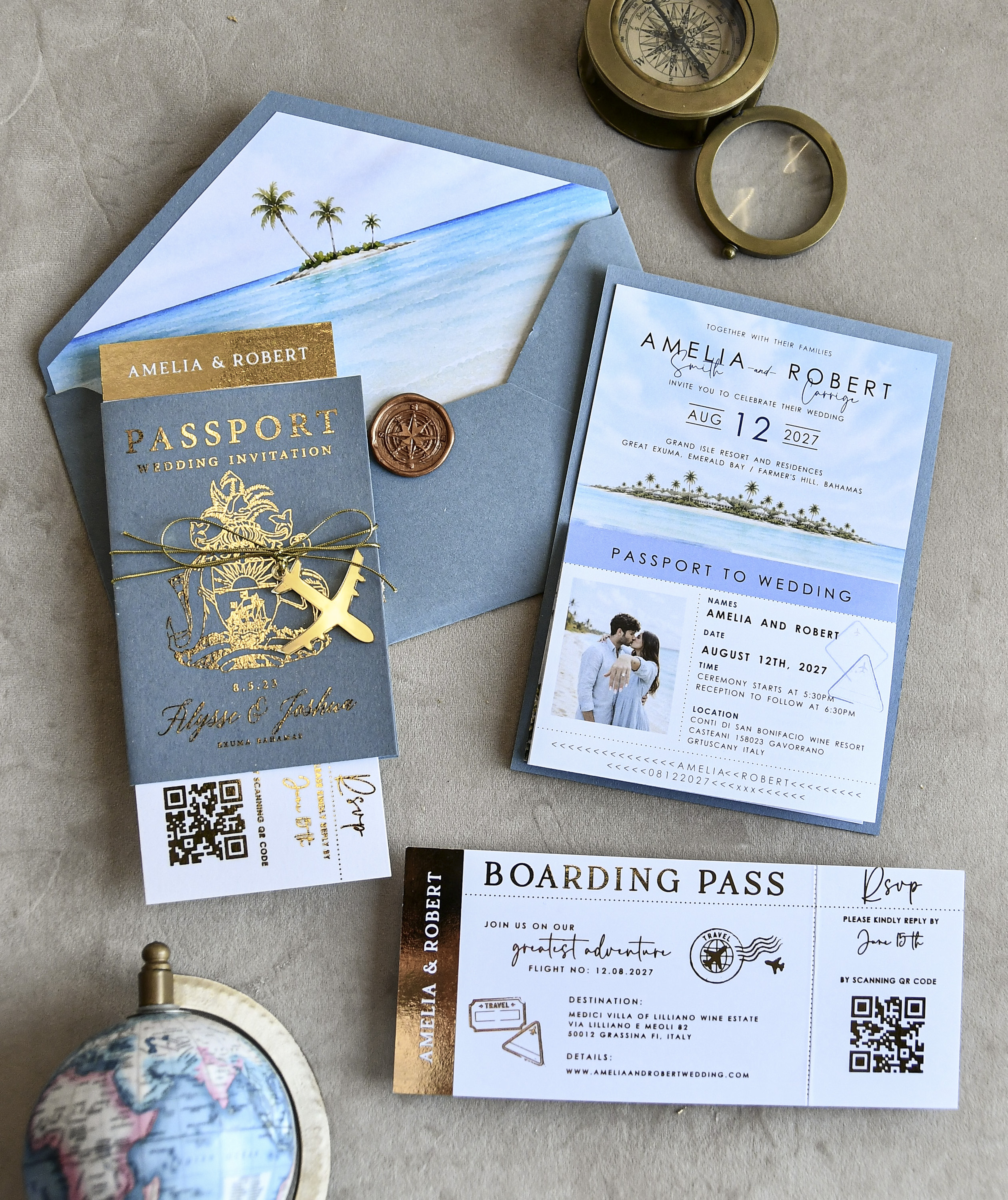
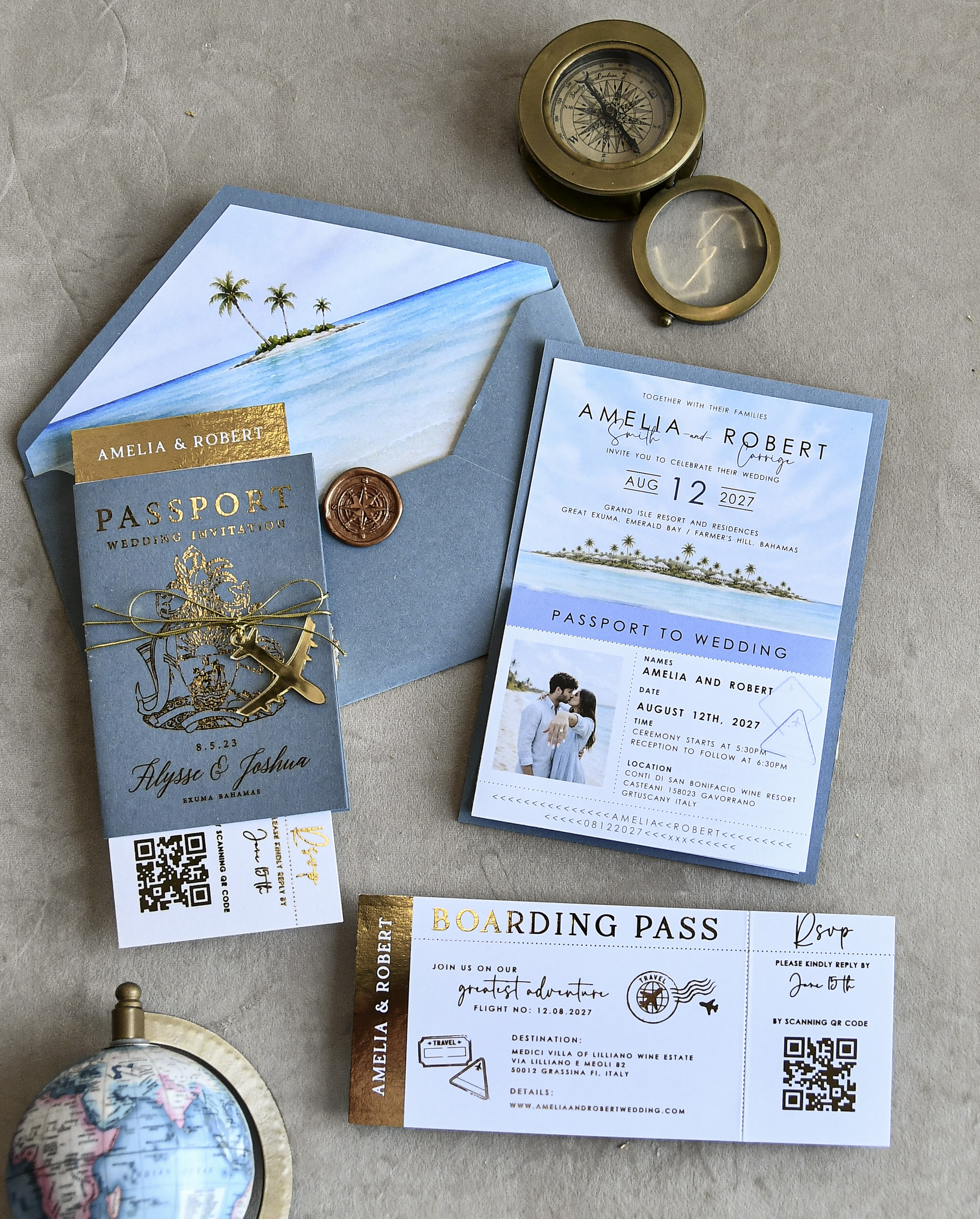
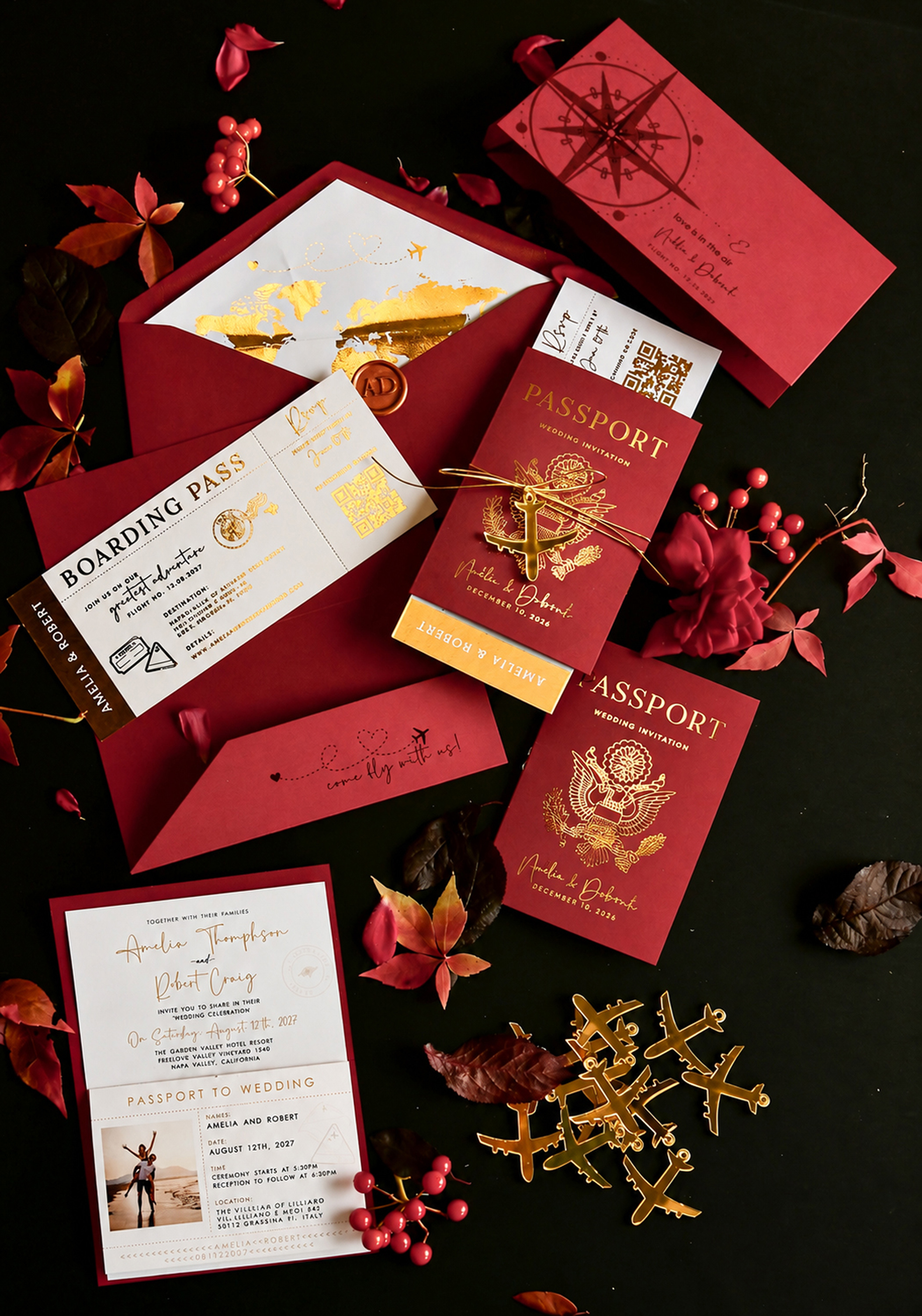
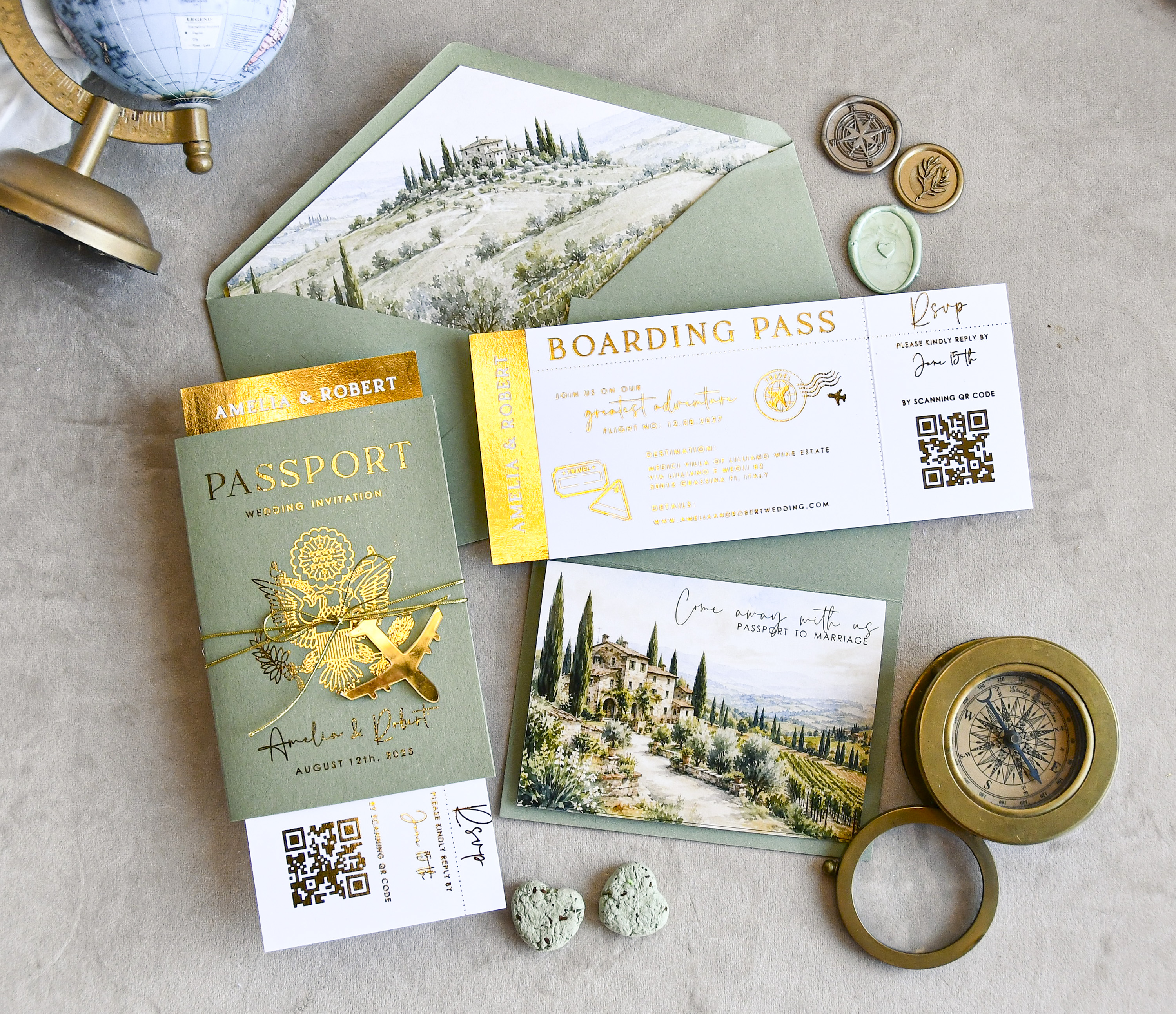
If you are extending a plus one to a specific teenager, address it directly: Olivia Garcia and Guest. This signals clearly that she's welcome to bring someone without leaving it open to interpretation. Our 02/passDest/z passport-style wedding invitations are a great format for this — the inner booklet pages give you plenty of room to list each invited guest by name, so nothing gets lost in translation.
Be Consistent to Avoid Family Drama
Whatever policy you land on, apply it consistently across all families. If you give your college-bound 17-year-old cousin a plus one, be prepared to do the same for your fiancé's teenage sibling in a similar situation. Inconsistency is where hurt feelings start.
A good rule of thumb: set an age threshold (many couples use 18 or 21 for automatic plus ones) and then make individual exceptions based on relationship status or circumstances — not family favoritism. If you need to explain your reasoning to a parent who asks, keep it simple: "We're giving plus ones to guests who are attending without family or who are in a serious relationship." That's reasonable and hard to argue with.
What to Do If a Teen Asks Anyway
Sometimes a teenager — or their parent on their behalf — will ask if they can bring a friend even though no plus one was offered. It happens. You have a few options:
- Say yes if your venue and budget allow it. One extra teenager is unlikely to break the bank, and it keeps the peace.
- Explain kindly and hold the line. A simple "We're keeping the guest list really tight, but we'd love to have you there" is perfectly acceptable.
- Offer an alternative. If the teen is worried about being bored, let them know there will be other young guests, a photo booth, a dance floor, or a kids' activity area — something that reframes the experience positively.
The key is responding quickly and warmly so no one feels singled out or dismissed.
Frequently Asked Questions
Most couples set the threshold at 18 or 21, aligning with the transition to adulthood. Guests under that age are typically assumed to be attending with family unless circumstances suggest otherwise.
If the relationship is serious and the partner is already known to your family, it's a kind gesture to include them. Treat the situation the way you would for an adult in a committed relationship rather than applying a strict age rule.
Yes — listing children by name on the inner envelope or RSVP card removes any guesswork about who is invited. It also prevents parents from assuming they can bring additional kids who weren't included.
Being in the wedding party doesn't automatically entitle a teen to a plus one, but it's a reasonable exception to make if they'll be heavily involved in the day. Use your judgment based on their age, maturity, and whether they'll otherwise know many guests.
Not at all — it's the standard expectation for most teen guests attending with their family. As long as you're consistent across all families and address the invitation clearly, no one should take offense.
Yes, and it's actually a good idea to ask parents to confirm the guest's name when they RSVP so you can prepare the seating chart and place cards accurately. Add a line to your RSVP card that says "Guest name: ___" to capture this information upfront.
See This Design Up Close


























You May Also Like


More Wedding Planning Guides
- → Kids at Your Wedding: Should You Hire a Babysitter or Full Entertainment?
- → The Right Time to Chase Down Missing RSVPs (And How to Do It Gracefully)
- → The Graceful Way to Let Guests Know Your Wedding Is Adults Only
- → Wedding Guest List Dilemma: Should Your Boss and Coworkers Make the Cut?
- → When Guests RSVP Yes But Never Arrive: What to Do Before, During, and After
- → Planning Your Wedding When Your Divorced Parents Can't Stand Each Other
- → Navigating Wedding Invitations When a Sibling Relationship Is Complicated
- → Your Guest List, Your Rules: Navigating In-Law Friend Invites
- → Big Guest List vs. Better Wedding Experience: Which Should You Prioritize?
- → Save the Date Cards vs. Wedding Invitations: Know the Difference Before You Order
- → Extra Wedding Guests: Who Picks Up the Tab?
- → No RSVP? Here's Exactly How to Handle It
- → What to Say When Someone Asks Why They Didn't Make the Guest List
- → Plus-Ones for Single Guests: Making the Right Call for Your Wedding
- → How to Kindly Let Someone Know They Didn't Make the Guest List
- → My Fiancé Wants to Exclude My Family From the Wedding: Now What?
- → Adults-Only or Family-Friendly? How to Make the Right Call on Kids at Your Wedding
- → When Guests Bring Unexpected Plus-Ones: What to Do Before and After the Wedding
- → How Late Is Too Late for Wedding Invitations? A Realistic Timeline
- → Aunt Has a New Husband: Here's How to Handle the Invitation
- → The RSVP No-Show: Should You Actually Call Guests Who Never Responded?
- → Wedding Invitations: Mail Them or Hand Deliver? Here's How to Decide
- → What to Do When a Relative Says They Won't Come If Someone Else Is Invited
- → Extra Names on Your RSVP Card: What to Do When Guests Add Themselves
- → Your Guest List, Your Call: How to Handle Mom's Must-Invite Requests
- → Yes, You Can Say No to a Plus One — Here's How to Do It Right
- → Adults-Only Weddings: Are You Being Rude by Leaving Kids Off the Guest List?
- → How to Handle Seating for Divorced Parents at Your Wedding
- → Uninvited Plus-Ones and Tag-Alongs: How to Keep Your Guest List Intact
- → When Family Feuds Threaten Your Wedding Plans: A Practical Peacekeeper's Guide
- → Inviting an Estranged Brother or Sister: Finding Clarity Before You Seal the Envelope
- → Cousins, Invites, and Hard Choices: A Practical Guest List Guide