
Your Guest List, Your Call: How to Handle Mom's Must-Invite Requests
Few wedding planning conversations get as tense as the guest list debate — especially when Mom hands you a list of names you barely recognize. Cousins you haven't seen in fifteen years, her book club friends, your dad's old coworker: suddenly your intimate celebration is looking like a company picnic. So should you just say yes to keep the peace? The honest answer is: it depends — and there's a thoughtful way to work through it.
Understand Why Mom Is Asking
Before you push back, take a moment to understand the motivation. For many parents, a wedding is a deeply social milestone — a chance to celebrate with their community and share this moment with people who've watched you grow up. Your mom may feel that not inviting certain people reflects badly on the family or damages relationships she's spent decades building.
That doesn't mean she's right, but it does mean the conversation deserves more than a flat "no." Ask her: Why is this person important to you? Sometimes the answer will genuinely move you. Other times, it'll confirm that this is more about her comfort than your connection to the guest.
The Golden Rule: Who's Paying Gets More Say
Here's the practical truth that most etiquette experts agree on: financial contribution typically comes with some input on the guest list. If your mom and dad are covering a significant portion of the wedding costs, it's reasonable — and gracious — to give them a set number of invitations to allocate as they see fit.
A common approach is to divide the guest list into thirds: one-third for the couple, one-third for the bride's family, one-third for the groom's family. Set a firm number for each party upfront so expectations are clear before anyone starts writing names. If your parents aren't contributing financially, you have every right to hold the list as your own — kindly, but firmly.
How to Say No Without Starting a War
If you decide a guest isn't right for your wedding, here's how to decline gracefully:
- Lead with empathy: "I know Aunt Carol means a lot to you, and I completely understand why you'd want her there."
- Explain your reasoning simply: "We're keeping the wedding to close family and friends we see regularly — we just don't have the space to expand beyond that."
- Offer an alternative: Could that person be included in a post-wedding brunch, an engagement party, or a holiday gathering instead? This can take the sting out of the exclusion.
- Hold the line kindly: You don't need to justify yourself repeatedly. Say it once, say it warmly, and don't re-open the debate every time it comes up.
Avoid vague answers like "we'll see" — they give false hope and make the eventual "no" feel like a betrayal.
When Saying Yes Actually Makes Sense
Sometimes, after thinking it through, inviting your mom's person is genuinely the right call. Consider saying yes if:
- The person is truly significant in your family's life, even if not in yours personally.
- You have room in your venue and budget without sacrificing other priorities.
- The relationship fallout from excluding them would genuinely harm your family long-term.
- Your mom is contributing meaningfully to the wedding and this is her one big ask.
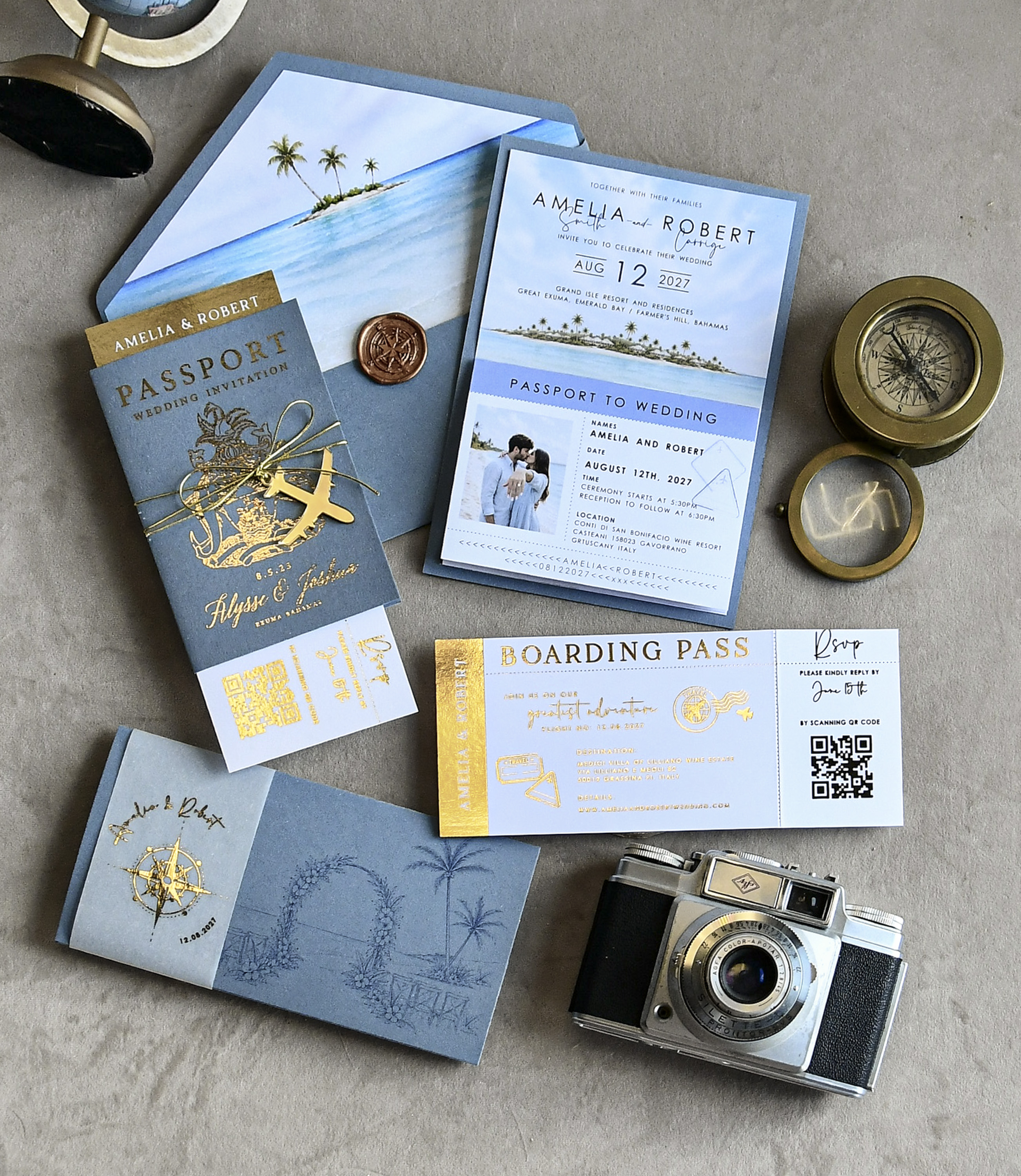
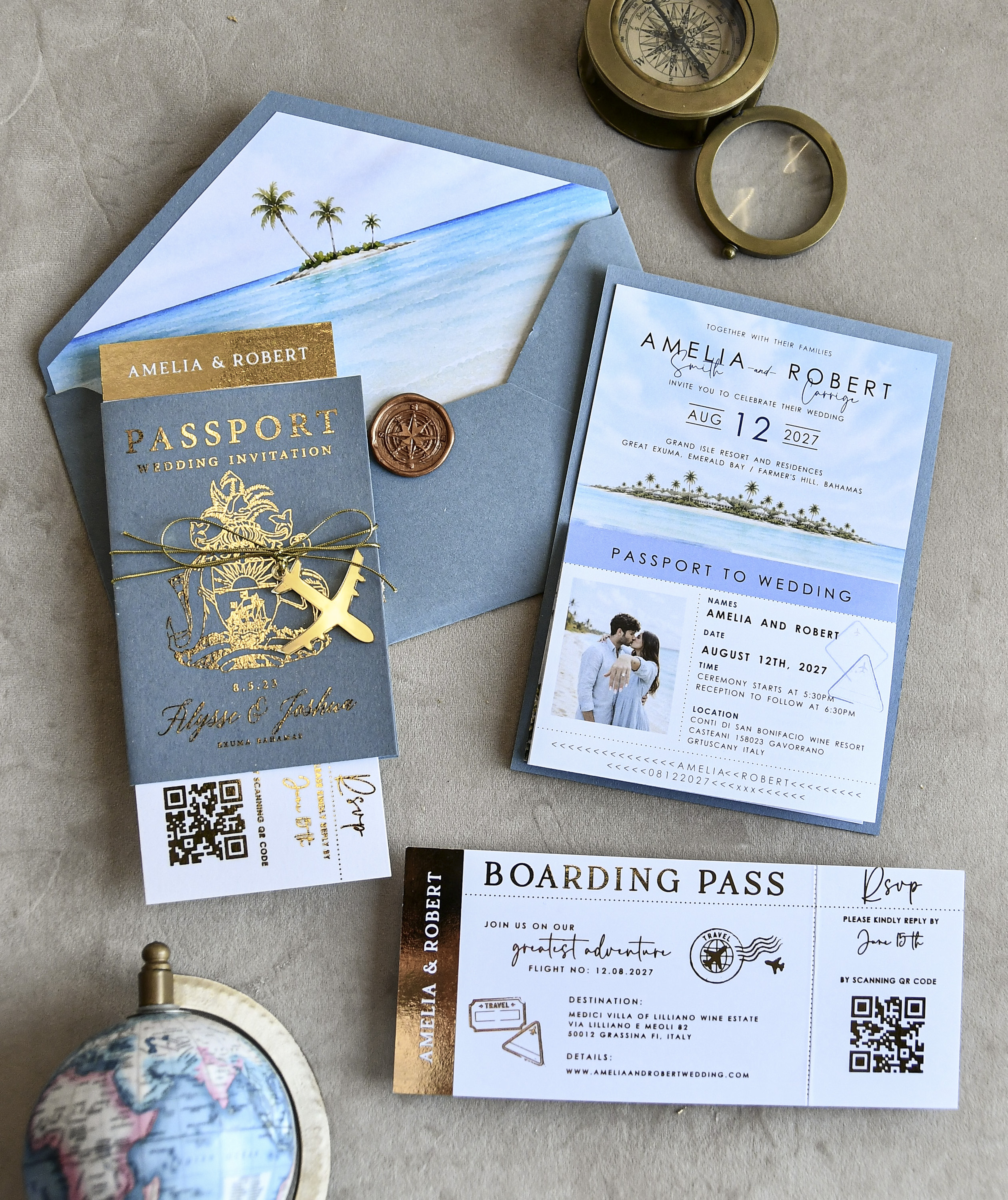
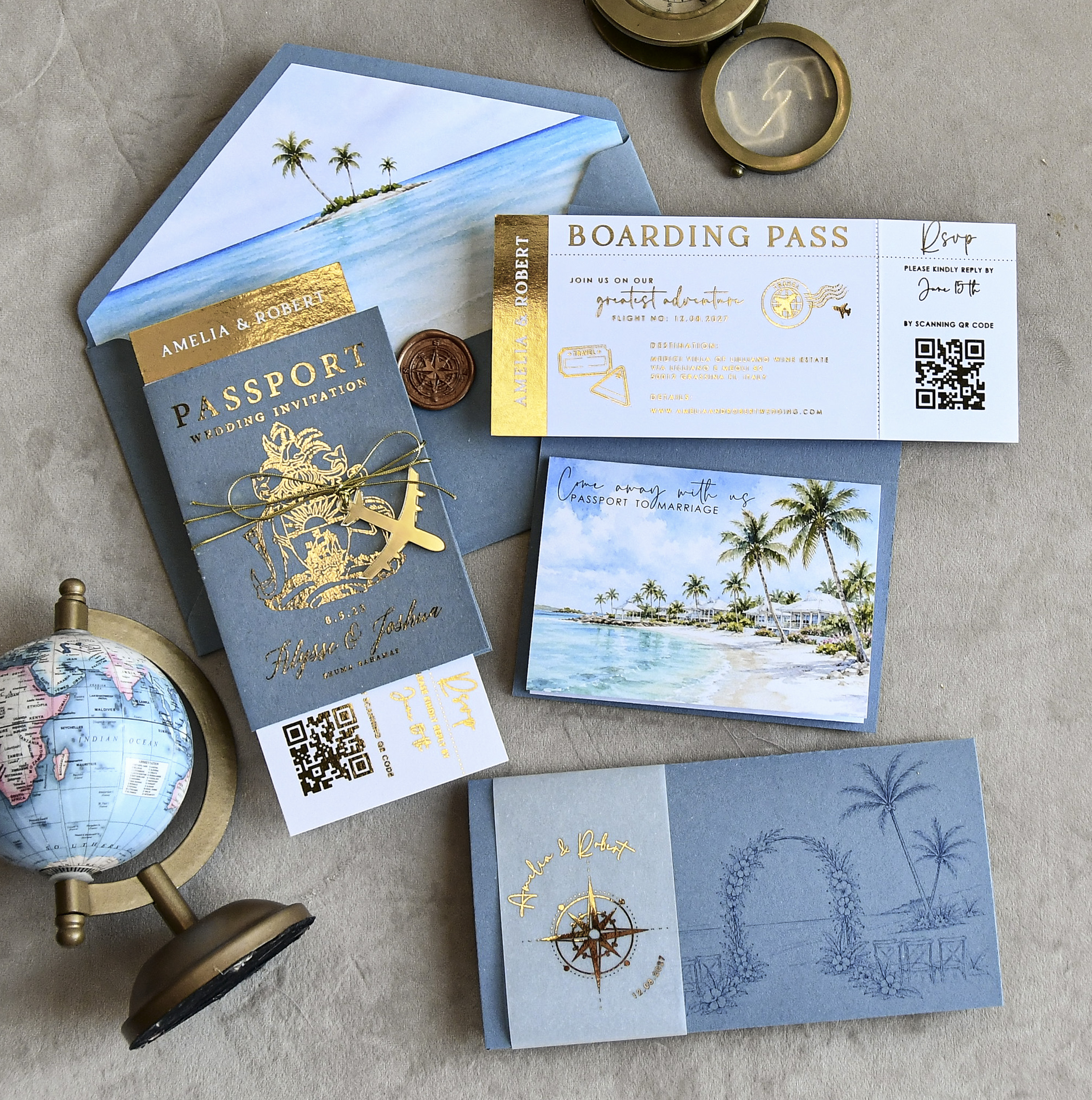
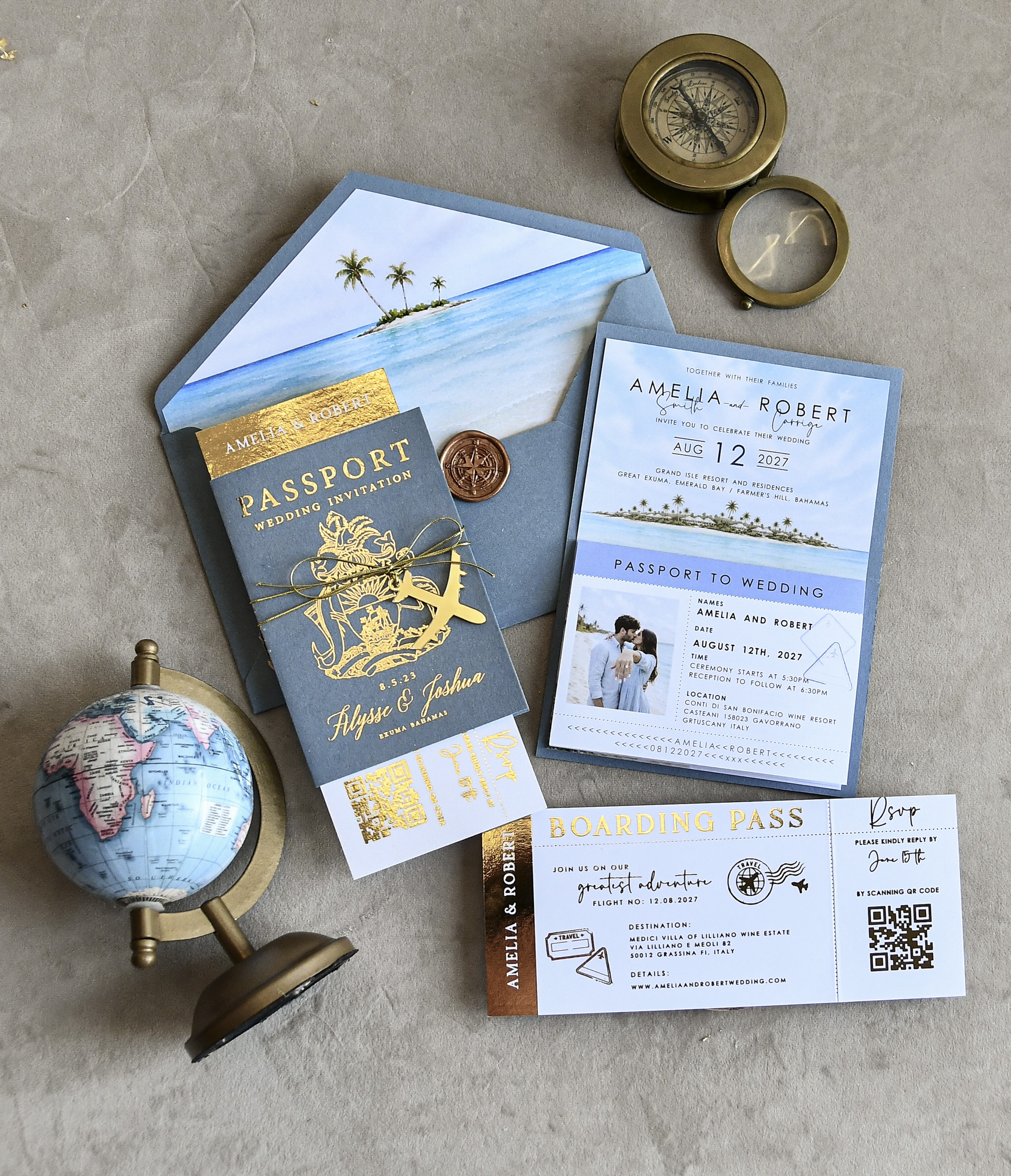
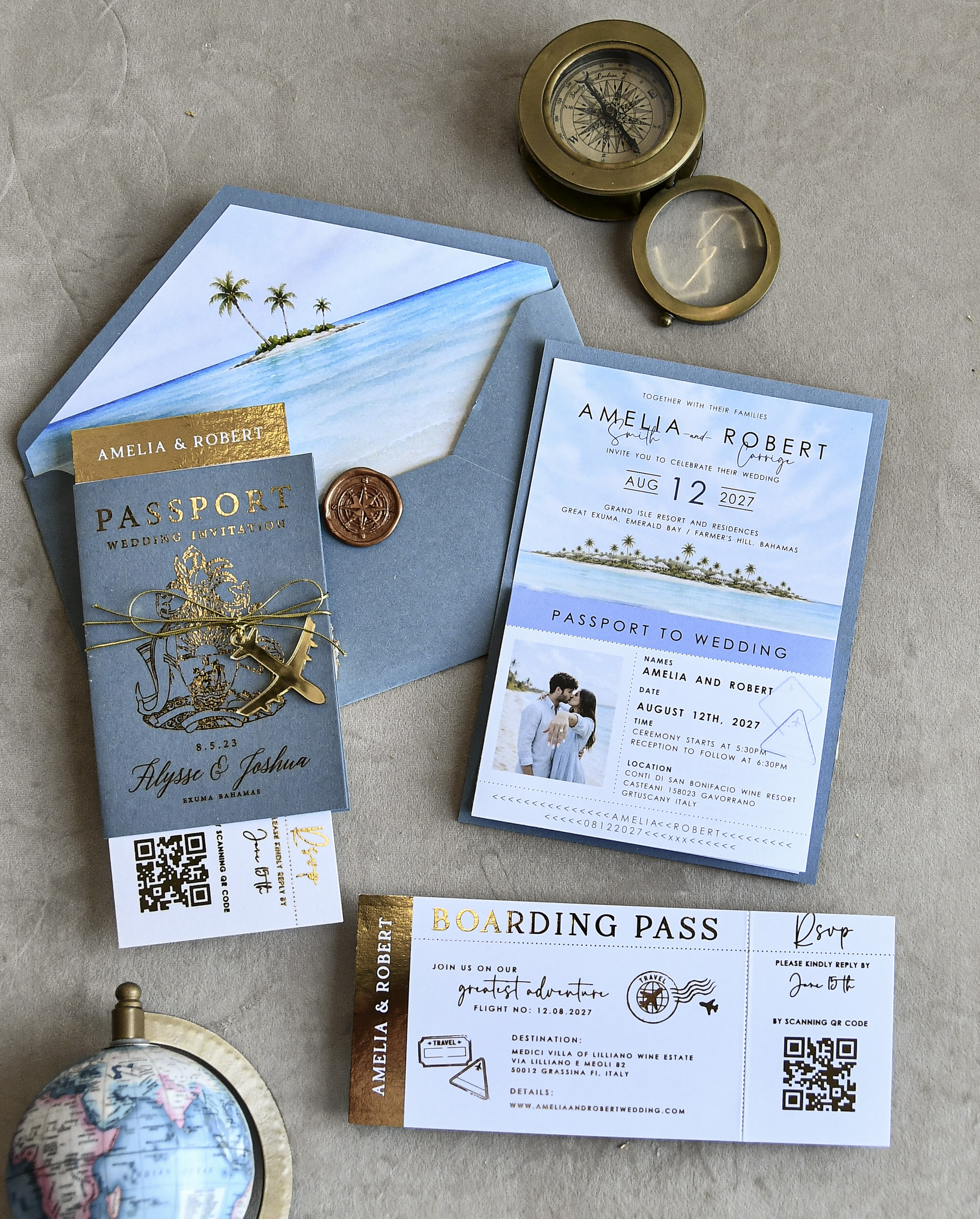
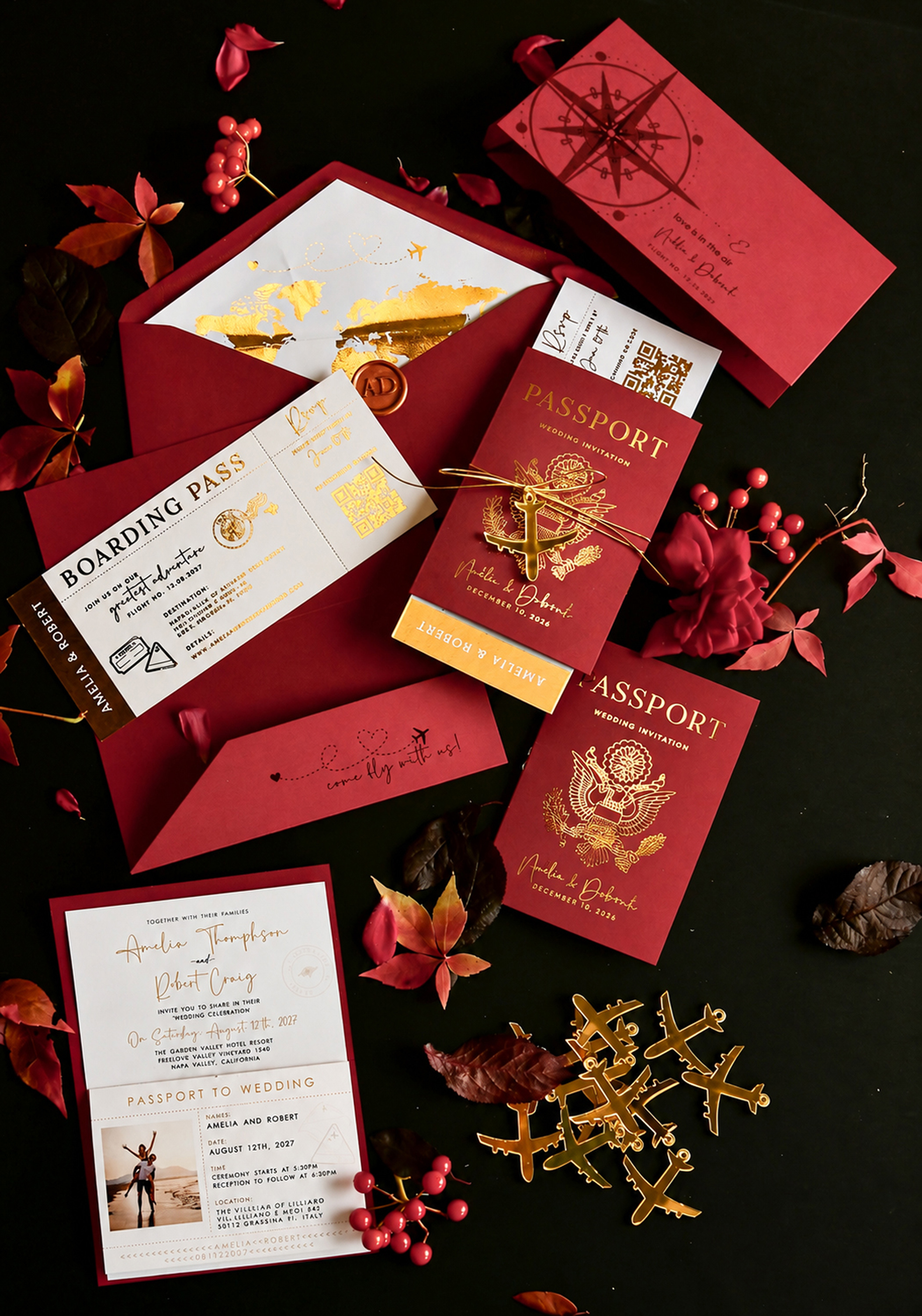
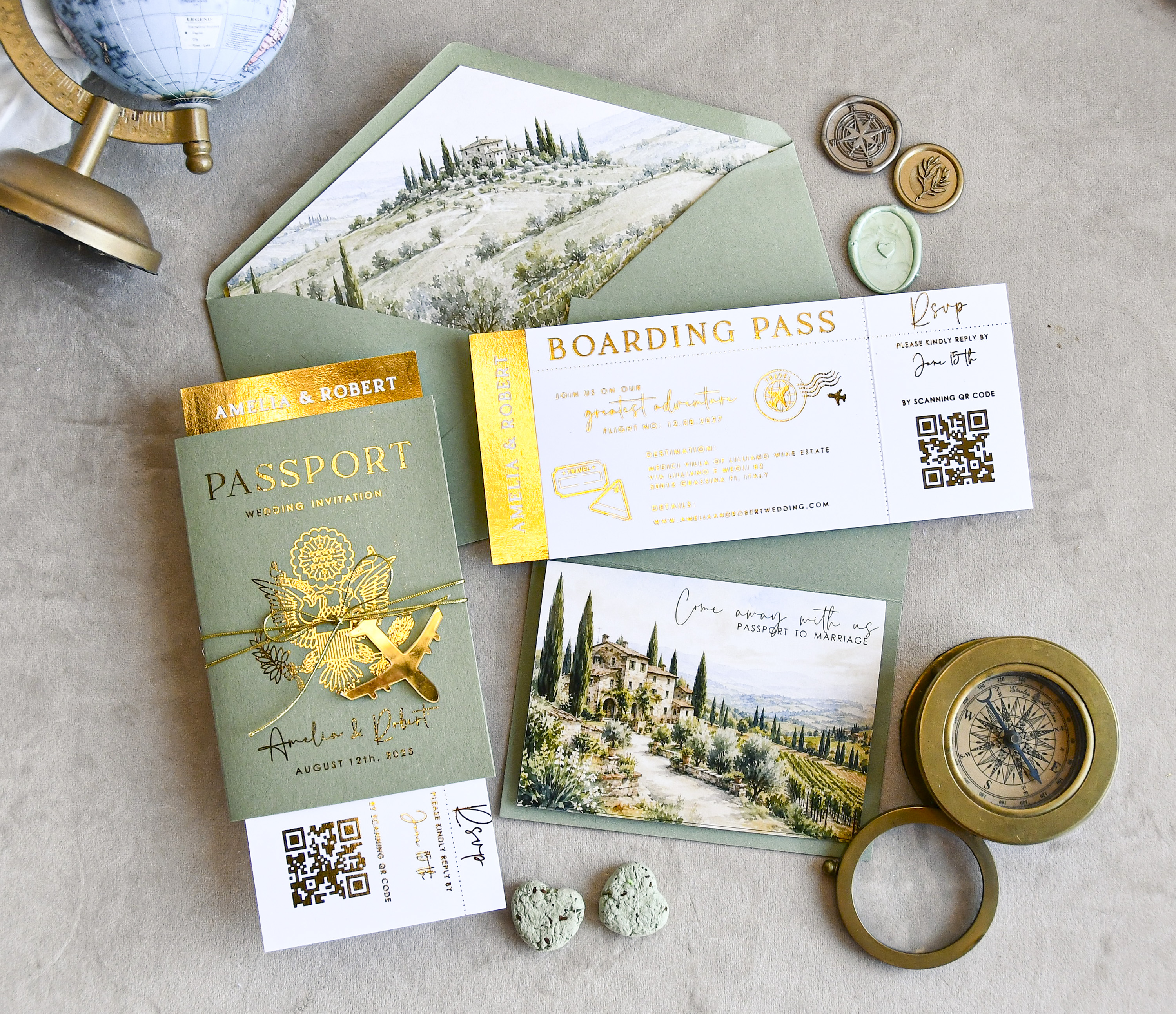
If you do say yes, commit to it gracefully. Order that extra invite — our 02/passDest/z passport-style beach wedding invitation makes even a slightly expanded guest list feel intentional and festive — and welcome that guest warmly on the day. A generous spirit goes a long way.
Protect the Guest List Before It Grows Out of Control
The easiest way to avoid this conflict is to get ahead of it. Early in your planning, sit down with both sets of parents and agree on total guest count and each family's allocation. Put it in writing if needed. Once everyone knows the number is fixed, individual additions become a much harder sell — because adding one person means cutting another.
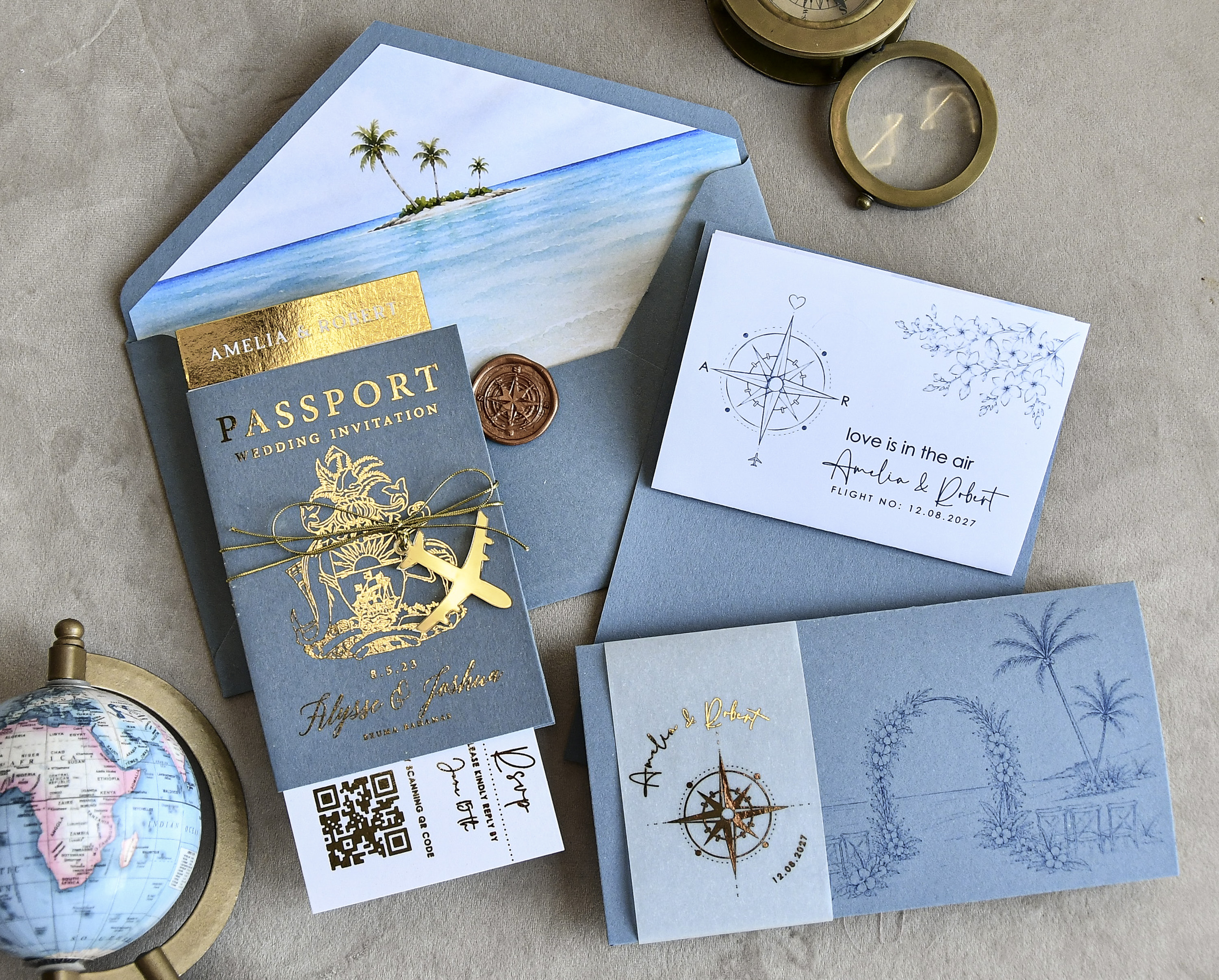
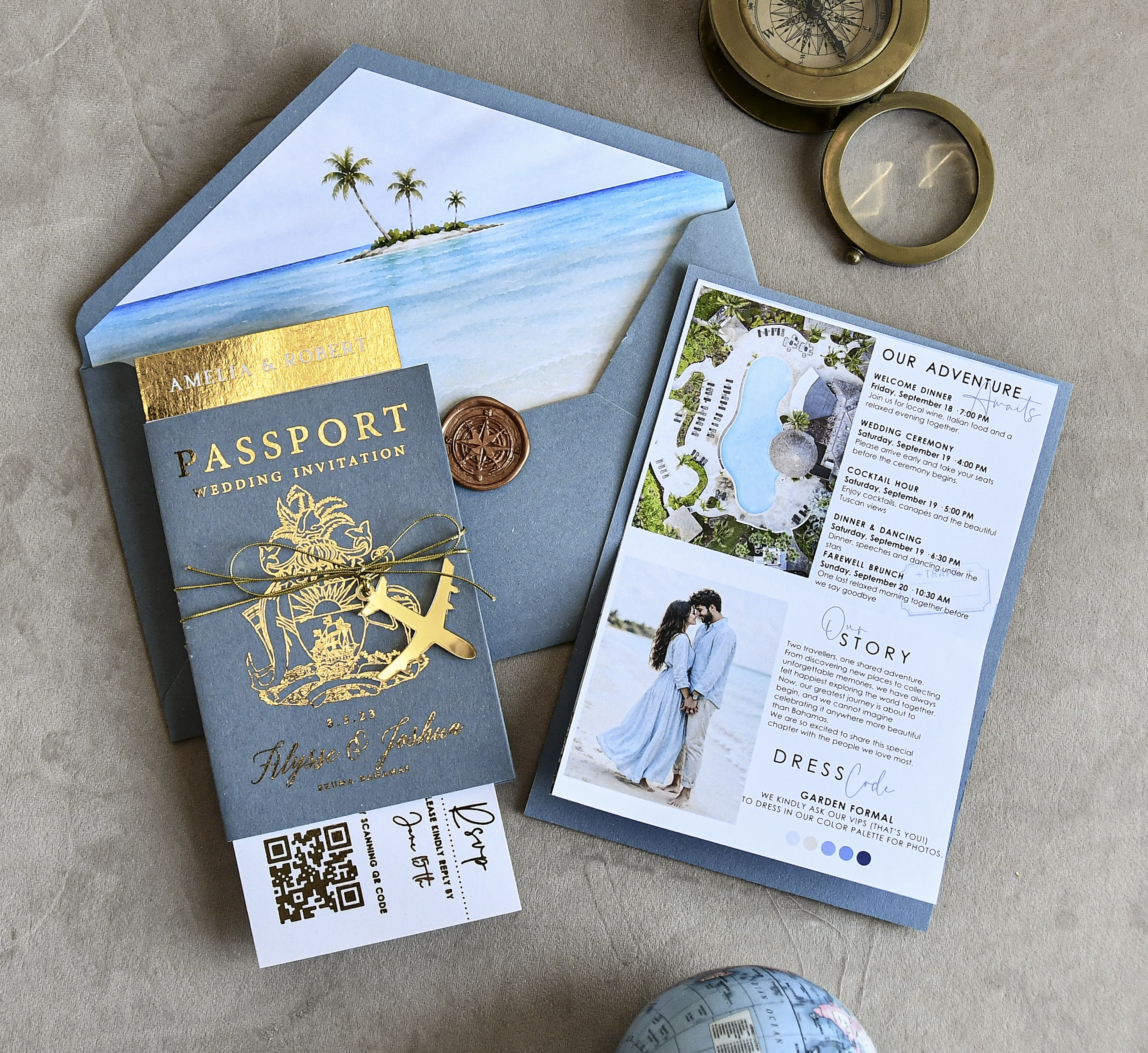
Send your invitations early enough that you have time to manage any last-minute pressure. A polished, complete invitation suite — like a destination-inspired design from our passport to love collection — also signals that the guest list is finalized and the event is fully planned, which tends to discourage late additions.
Frequently Asked Questions
Stay calm and don't negotiate under pressure. Let her know you hear her feelings, but that the guest list decision is final. Giving in to threats sets a precedent that makes every future wedding decision harder.
Not necessarily — reciprocal obligation is a courtesy, not a rule. If your venue or budget is genuinely limited, it's acceptable to explain that you're keeping the wedding small. Most reasonable people will understand.
This is awkward but fixable. Ask your mom to handle the correction herself, since she made the commitment — it's her relationship to manage. If that's not possible, a brief, kind note from you explaining a change in plans is appropriate.
Only if your parents are contributing to the wedding and this is part of their agreed-upon guest allocation. If you're funding the event yourselves, there's no obligation to include people who are essentially strangers to you.
A common guideline is to split the list evenly between the couple, the bride's family, and the groom's family. Adjust based on who is contributing financially and what your venue capacity allows — just set the numbers before anyone starts making promises.
You generally don't need to proactively tell people they weren't invited — simply don't send an invitation. If someone asks directly, a simple "we kept the wedding very small" is a complete and kind answer.
See This Design Up Close






















You May Also Like


More Wedding Planning Guides
- → Kids at Your Wedding: Should You Hire a Babysitter or Full Entertainment?
- → The Right Time to Chase Down Missing RSVPs (And How to Do It Gracefully)
- → The Graceful Way to Let Guests Know Your Wedding Is Adults Only
- → Wedding Guest List Dilemma: Should Your Boss and Coworkers Make the Cut?
- → When Guests RSVP Yes But Never Arrive: What to Do Before, During, and After
- → Planning Your Wedding When Your Divorced Parents Can't Stand Each Other
- → Navigating Wedding Invitations When a Sibling Relationship Is Complicated
- → Your Guest List, Your Rules: Navigating In-Law Friend Invites
- → Big Guest List vs. Better Wedding Experience: Which Should You Prioritize?
- → Save the Date Cards vs. Wedding Invitations: Know the Difference Before You Order
- → Extra Wedding Guests: Who Picks Up the Tab?
- → No RSVP? Here's Exactly How to Handle It
- → What to Say When Someone Asks Why They Didn't Make the Guest List
- → Plus-Ones for Single Guests: Making the Right Call for Your Wedding
- → How to Kindly Let Someone Know They Didn't Make the Guest List
- → My Fiancé Wants to Exclude My Family From the Wedding: Now What?
- → Should You Give Teenage Guests a Plus One at Your Wedding?
- → Adults-Only or Family-Friendly? How to Make the Right Call on Kids at Your Wedding
- → When Guests Bring Unexpected Plus-Ones: What to Do Before and After the Wedding
- → How Late Is Too Late for Wedding Invitations? A Realistic Timeline
- → Aunt Has a New Husband: Here's How to Handle the Invitation
- → The RSVP No-Show: Should You Actually Call Guests Who Never Responded?
- → Wedding Invitations: Mail Them or Hand Deliver? Here's How to Decide
- → What to Do When a Relative Says They Won't Come If Someone Else Is Invited
- → Extra Names on Your RSVP Card: What to Do When Guests Add Themselves
- → Yes, You Can Say No to a Plus One — Here's How to Do It Right
- → Adults-Only Weddings: Are You Being Rude by Leaving Kids Off the Guest List?
- → How to Handle Seating for Divorced Parents at Your Wedding
- → Uninvited Plus-Ones and Tag-Alongs: How to Keep Your Guest List Intact
- → When Family Feuds Threaten Your Wedding Plans: A Practical Peacekeeper's Guide
- → Inviting an Estranged Brother or Sister: Finding Clarity Before You Seal the Envelope
- → Cousins, Invites, and Hard Choices: A Practical Guest List Guide