
What to Do When a Relative Says They Won't Come If Someone Else Is Invited

Few things can rattle a newly engaged couple quite like a relative announcing, "If they're invited, I'm not coming." Whether it's a long-standing family feud, a difficult divorce situation, or old grudges that never healed, this kind of ultimatum puts you in an incredibly uncomfortable position. The good news: you have more control over this situation than it feels like right now, and there's a thoughtful path forward that protects both your relationship and your wedding day vision.
Understand What's Really Being Asked of You
Before you react, take a breath and recognize the dynamic at play. When a relative issues an ultimatum about your guest list, they are essentially asking you to choose sides — and to let their conflict with another person override your wishes on one of the most important days of your life. That's a significant ask, and it's worth naming it clearly in your own mind before you respond.
This doesn't mean the relative is a bad person. Family histories are complicated. But understanding that their conflict is not your conflict to solve is the first step toward handling this with confidence. You didn't cause the rift between them, and you are not responsible for resolving it by the time your wedding rolls around.
Have a Calm, Private Conversation First
Reach out to the relative privately — a phone call or in-person conversation is far better than a text exchange for something this sensitive. Acknowledge their feelings genuinely: "I know your history with [person] is painful, and I understand this is hard for you." Then be honest and kind about where you stand.
You might say something like: "We love you and we want you there. We've also made the decision to invite [person], and we hope you'll still choose to come and celebrate with us." Avoid apologizing for your guest list — you have nothing to apologize for. What you're offering is empathy, not negotiation.
In many cases, once a relative feels genuinely heard rather than dismissed, the ultimatum softens. They may grumble but ultimately show up. People often make emotional statements in the heat of the moment that don't reflect their final decision.
Know Where Your Boundaries Are — and Hold Them
It's worth discussing with your partner in advance: are there any circumstances under which you'd actually reconsider the guest list? If the answer is no — and for most couples, it should be — then you need to be consistent in every conversation you have. Caving to one person's ultimatum almost always creates a ripple effect, inviting others to try the same tactic.
If the relative doubles down, the kindest and most honest response is: "We hope you'll change your mind, but we understand if you feel you can't be there. The invitation will remain open." Then leave it there. Don't chase them, don't keep relitigating it, and don't let it consume your engagement period.
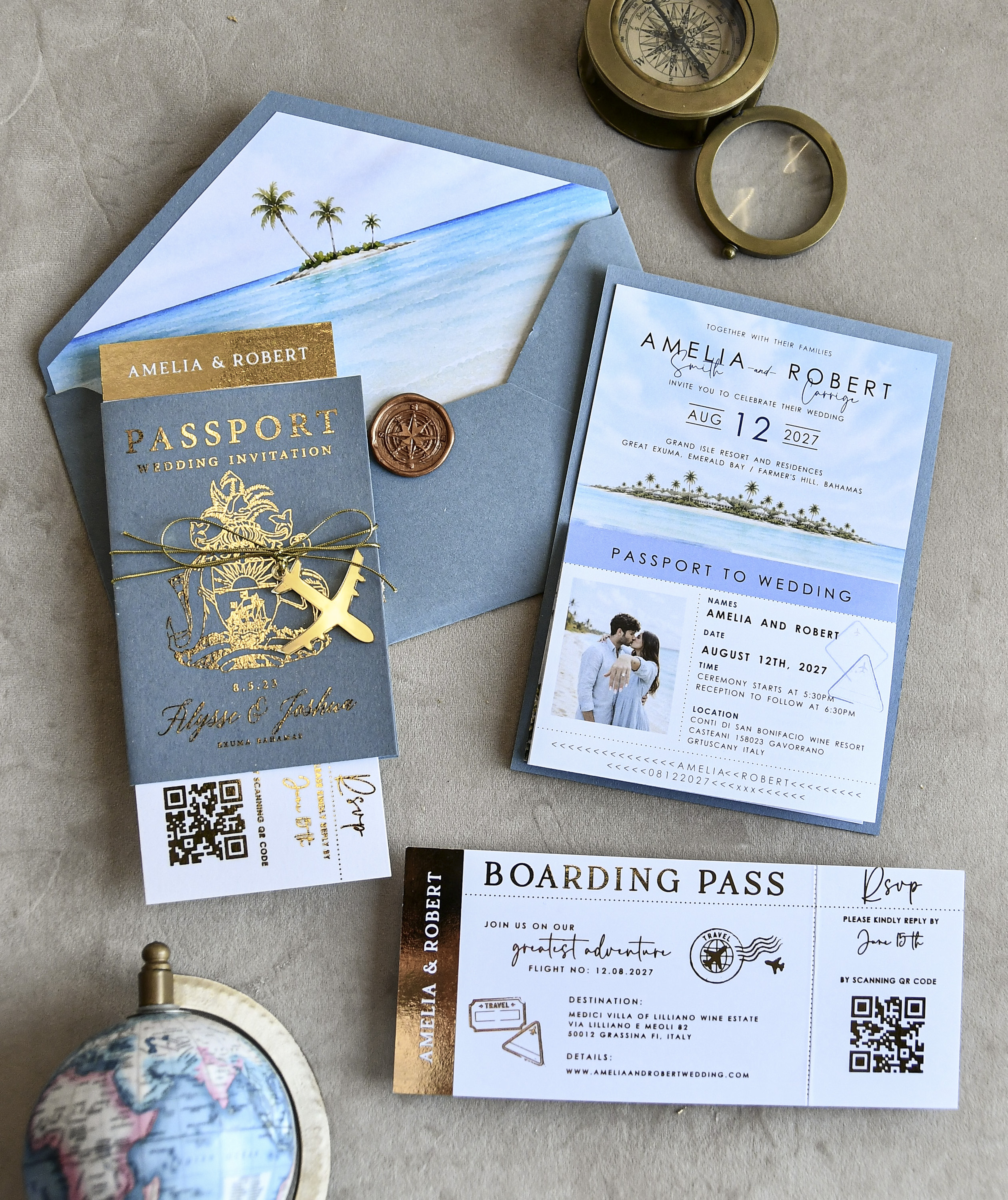
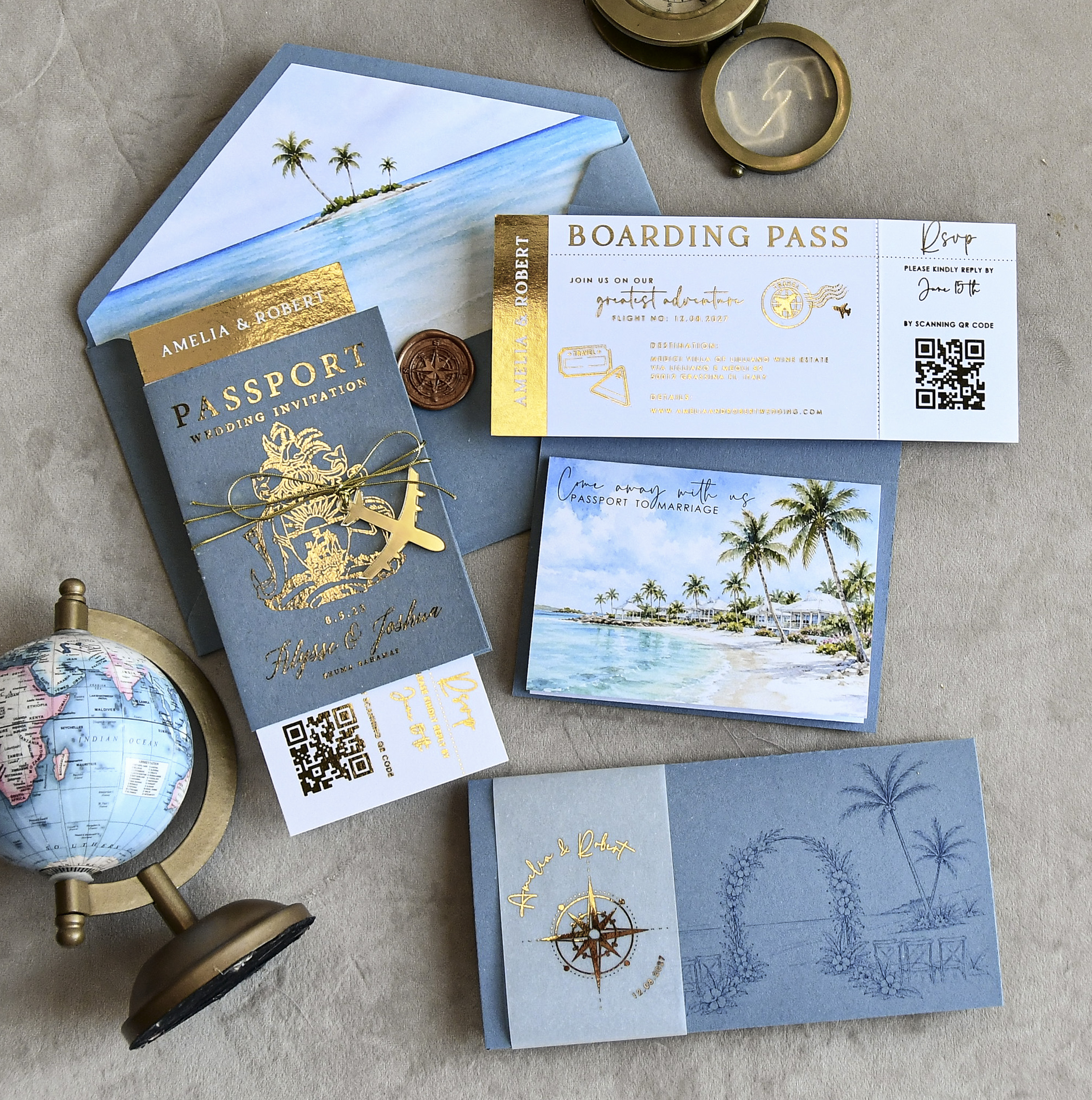
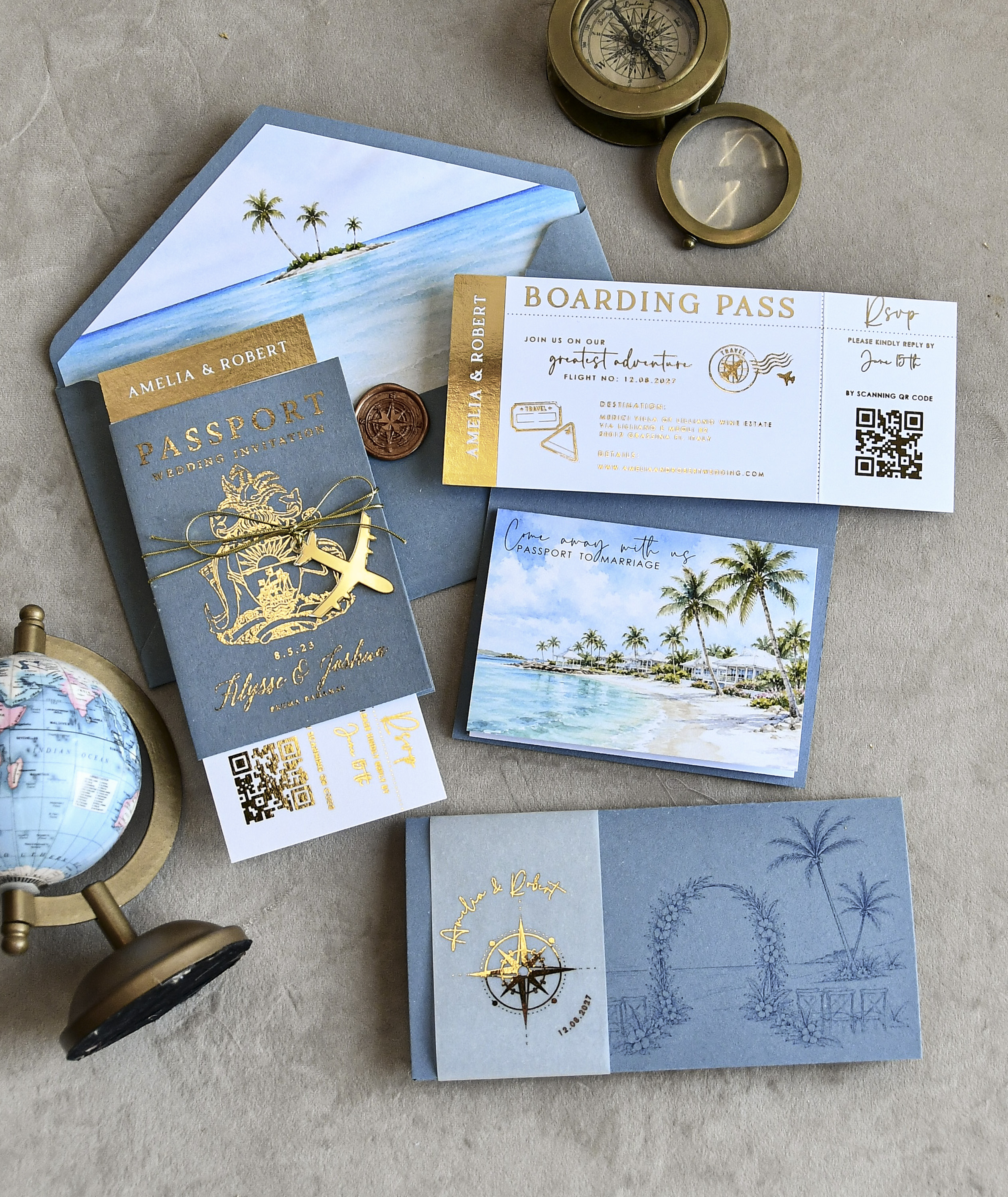
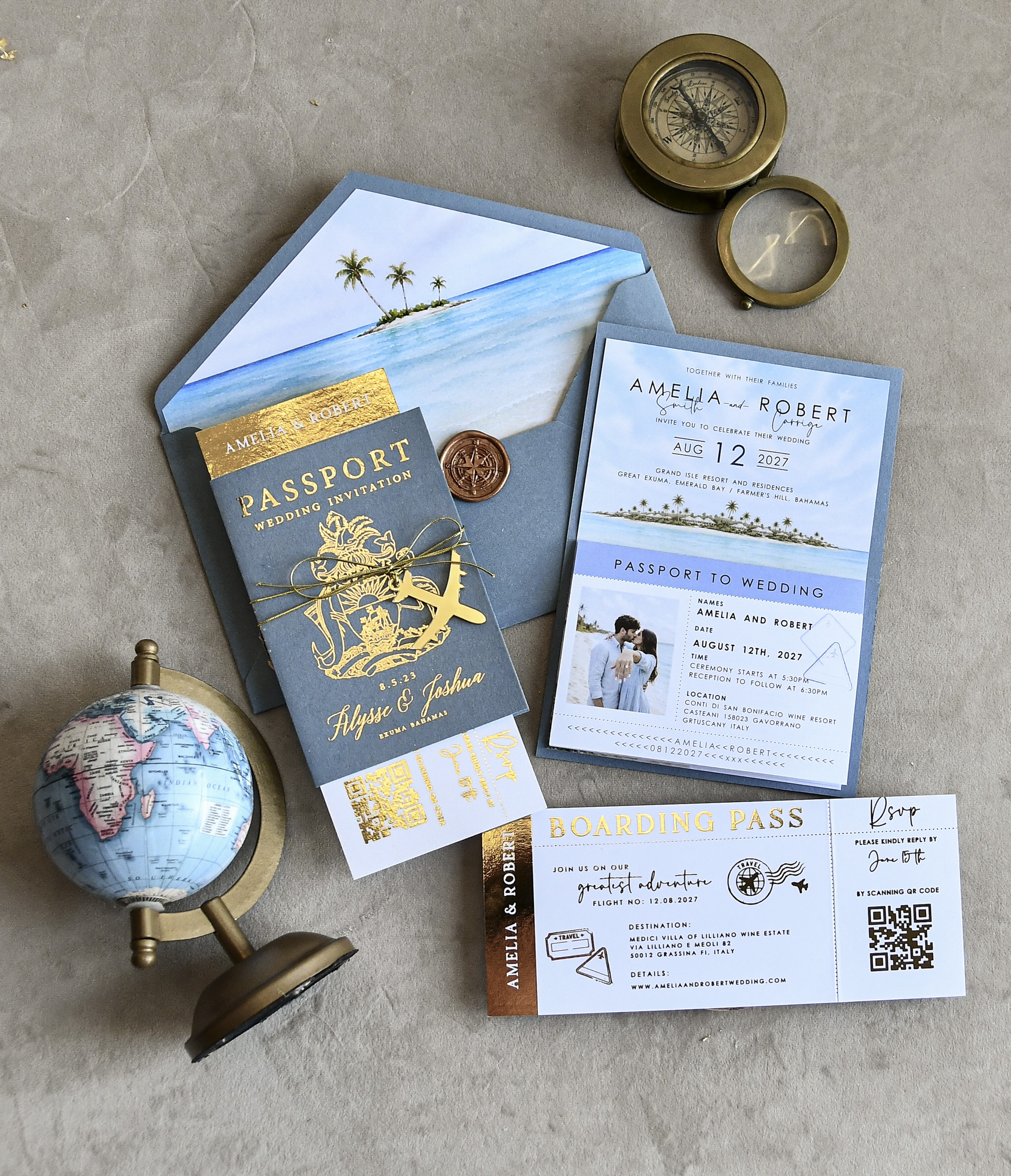
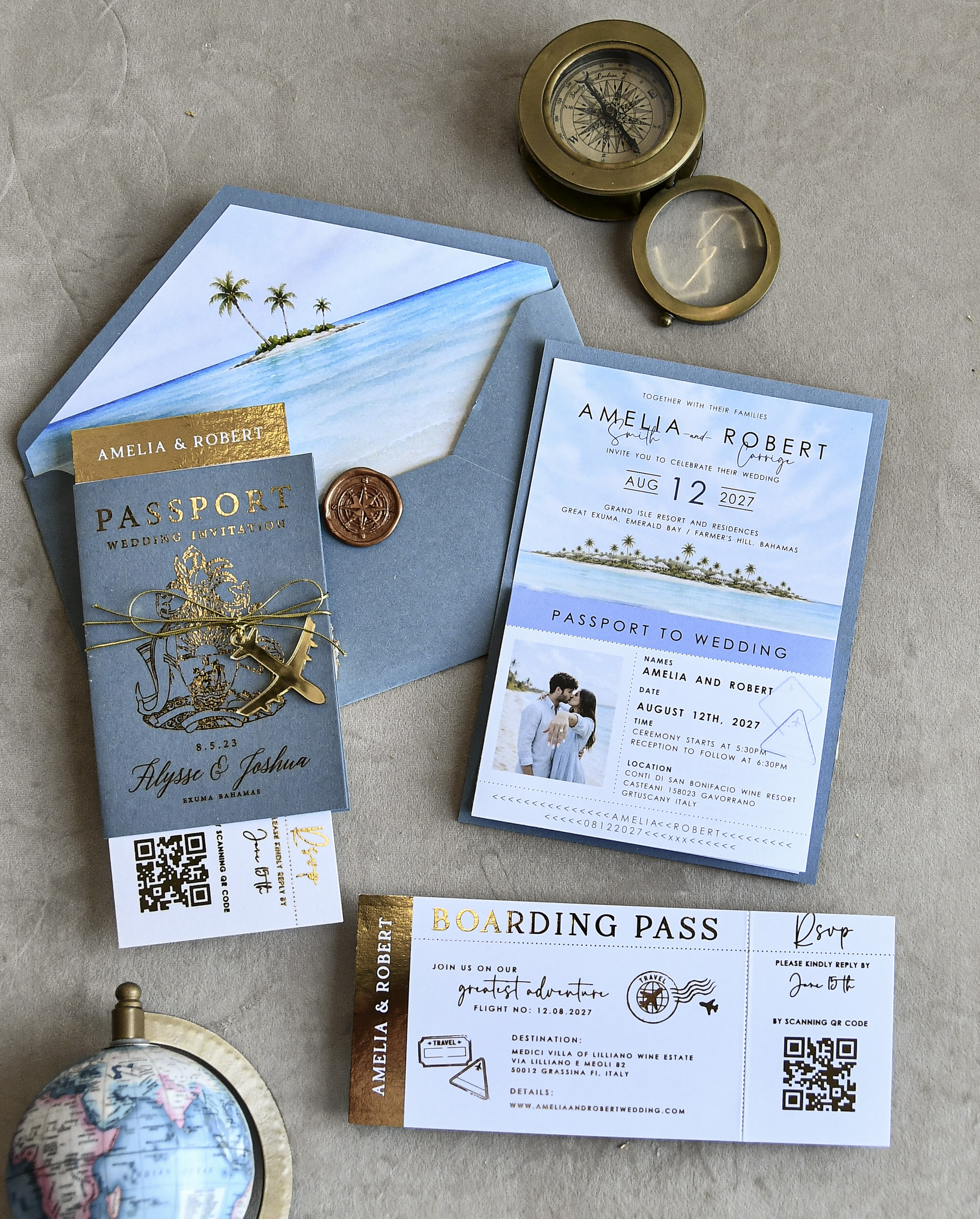
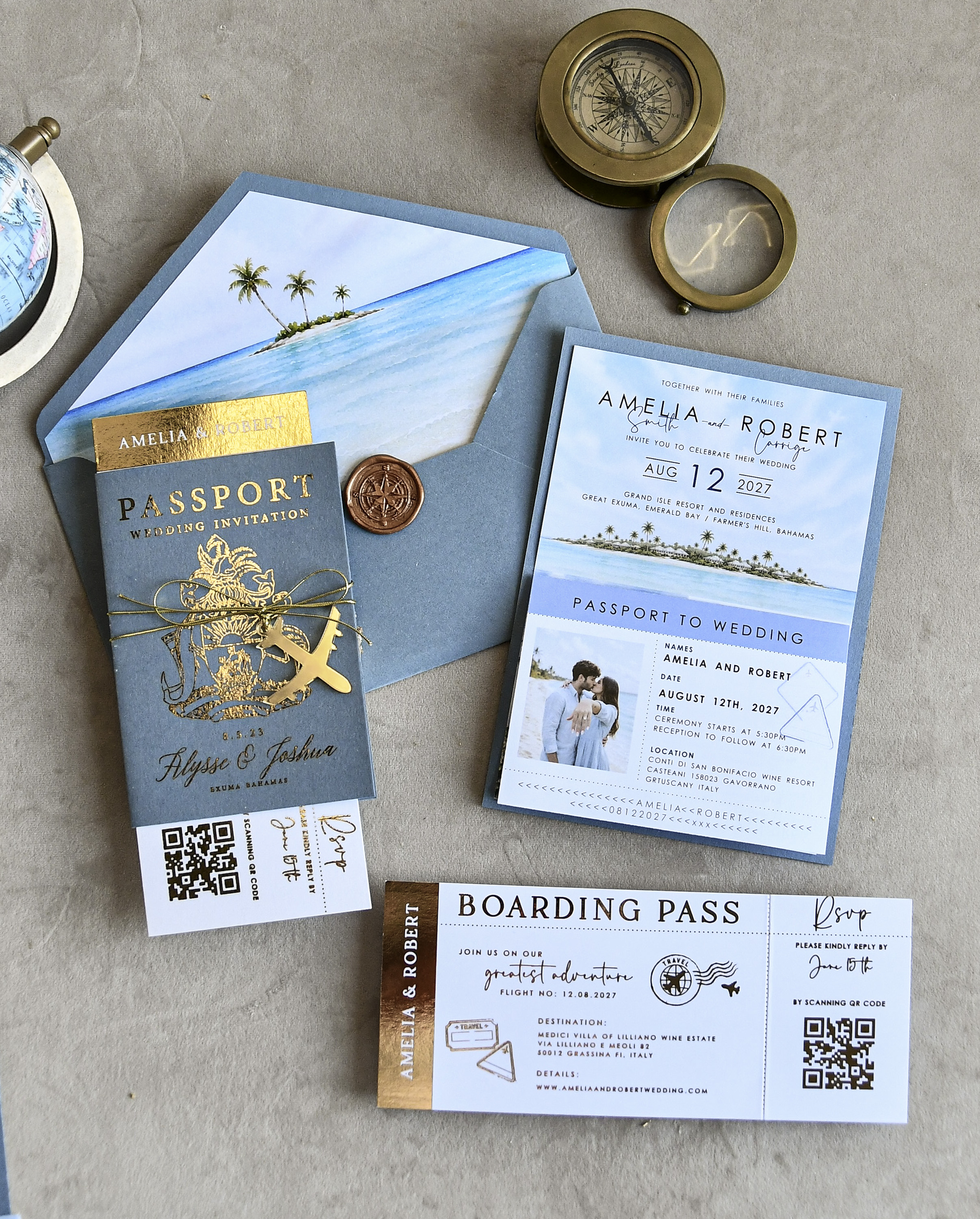
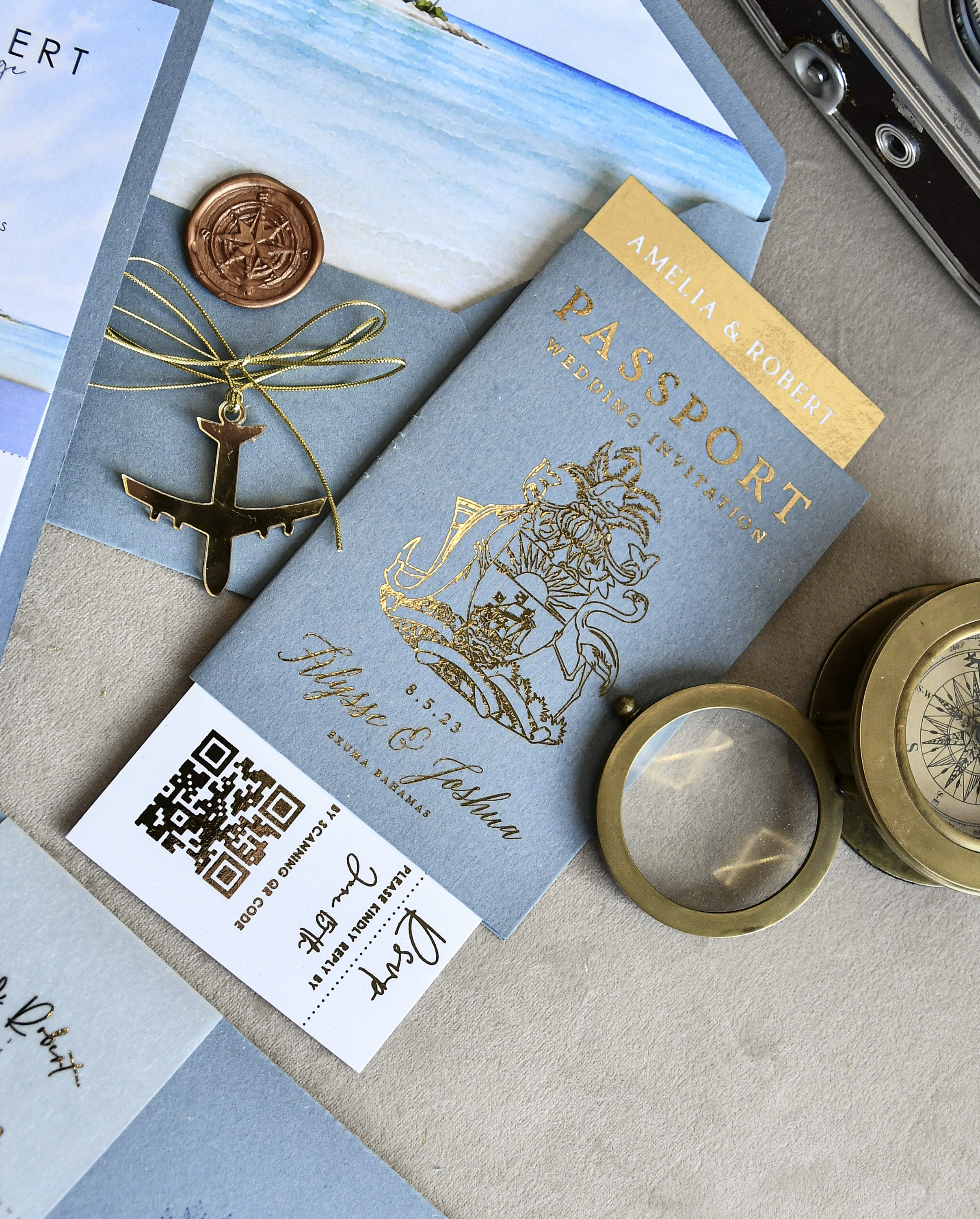
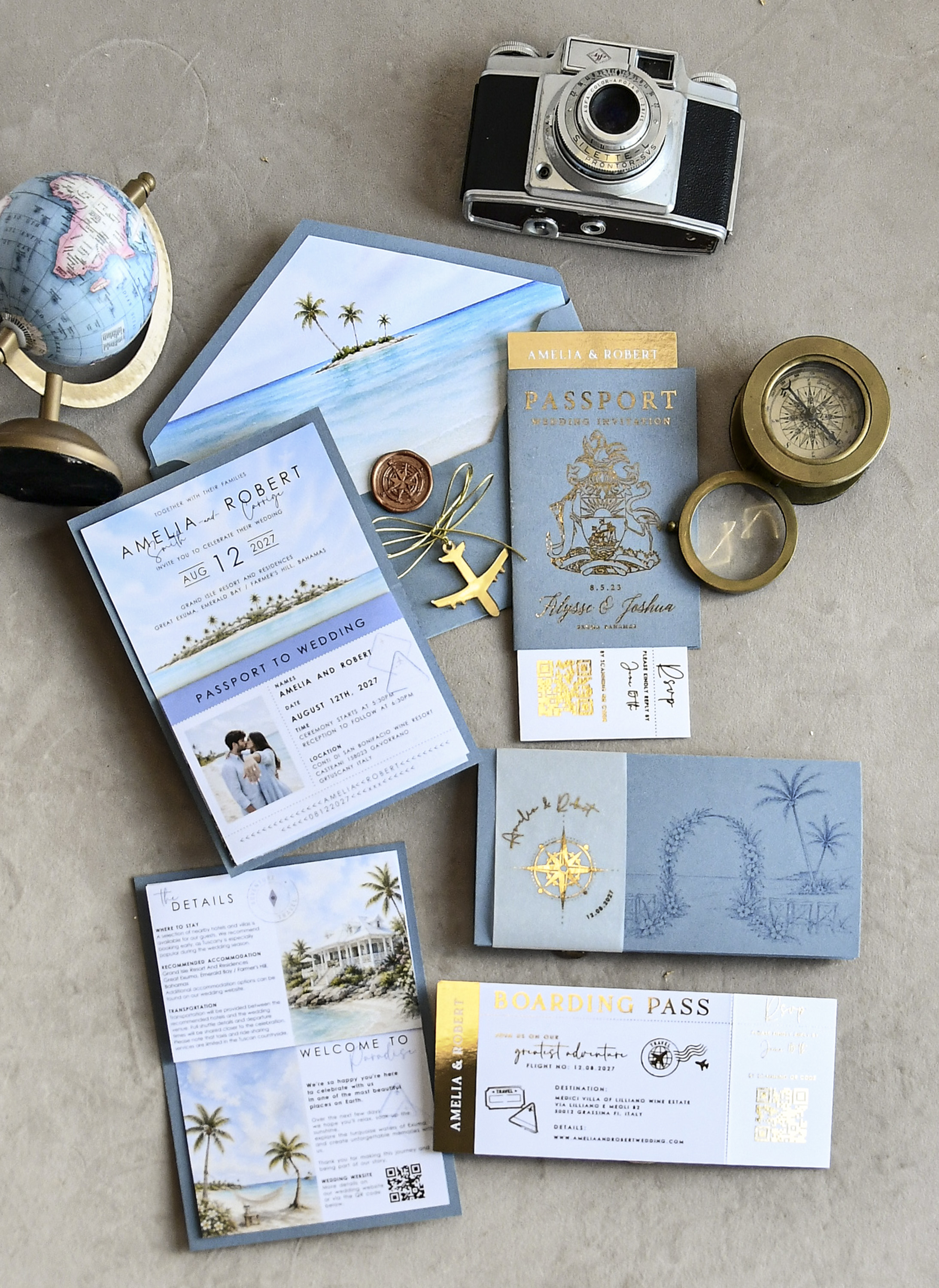
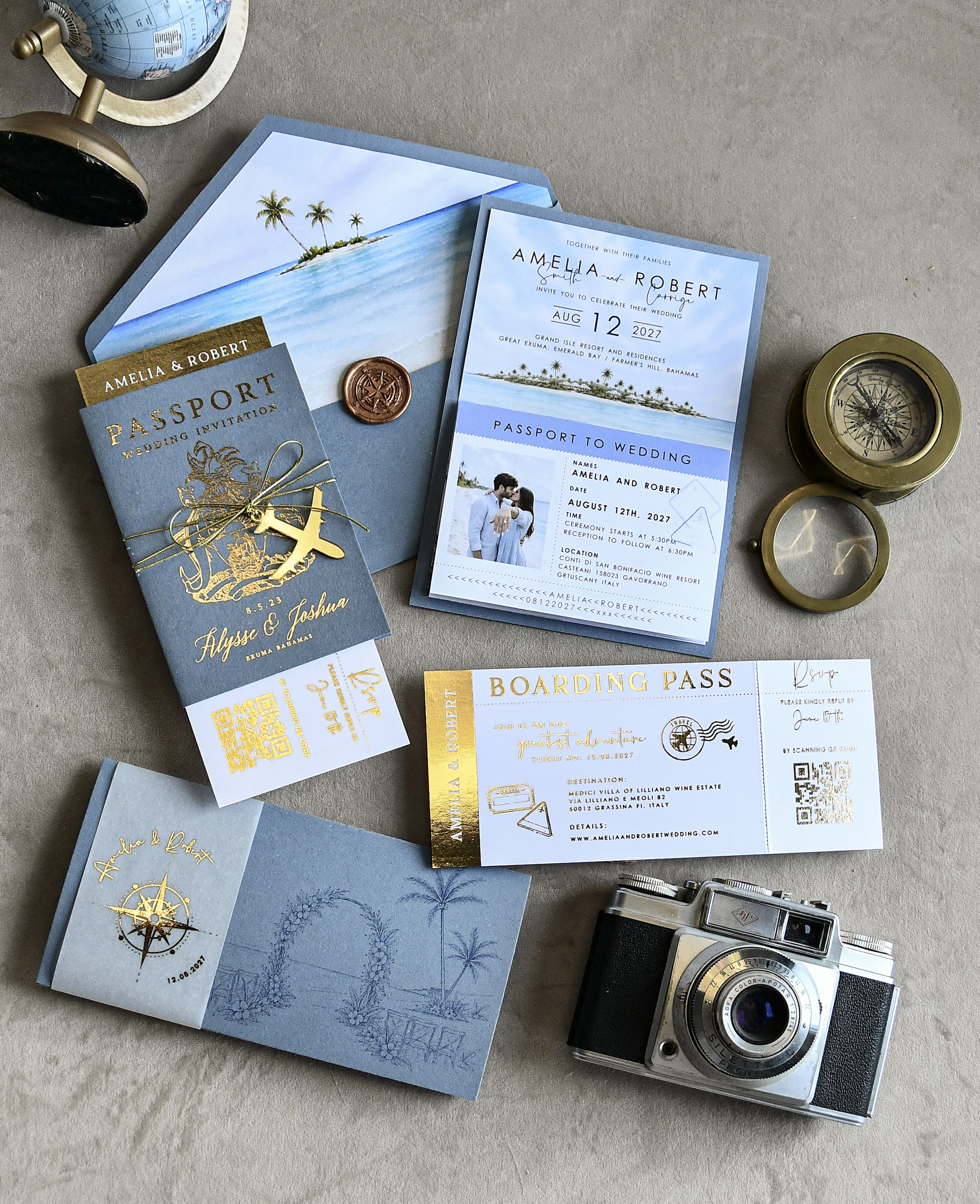
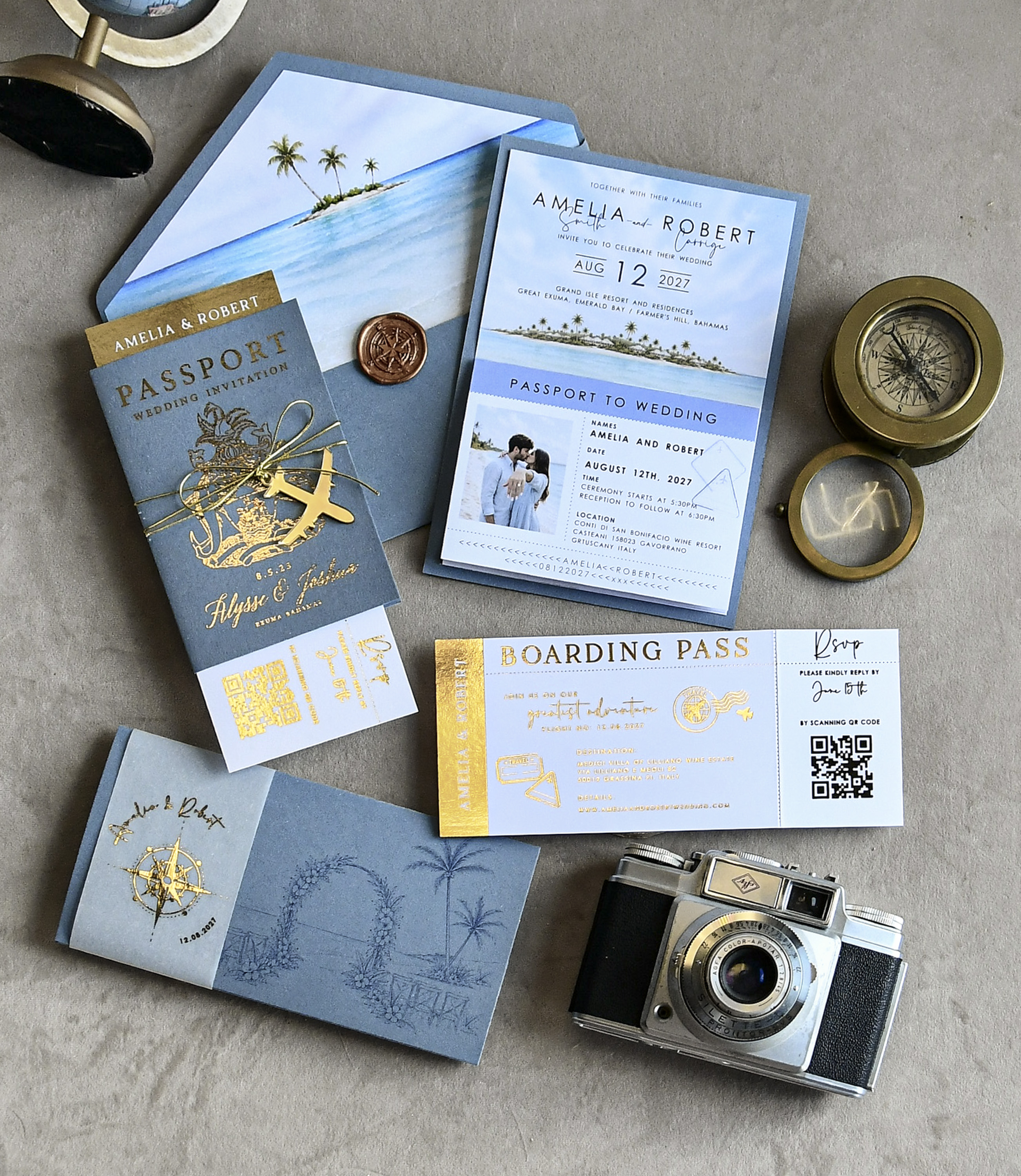
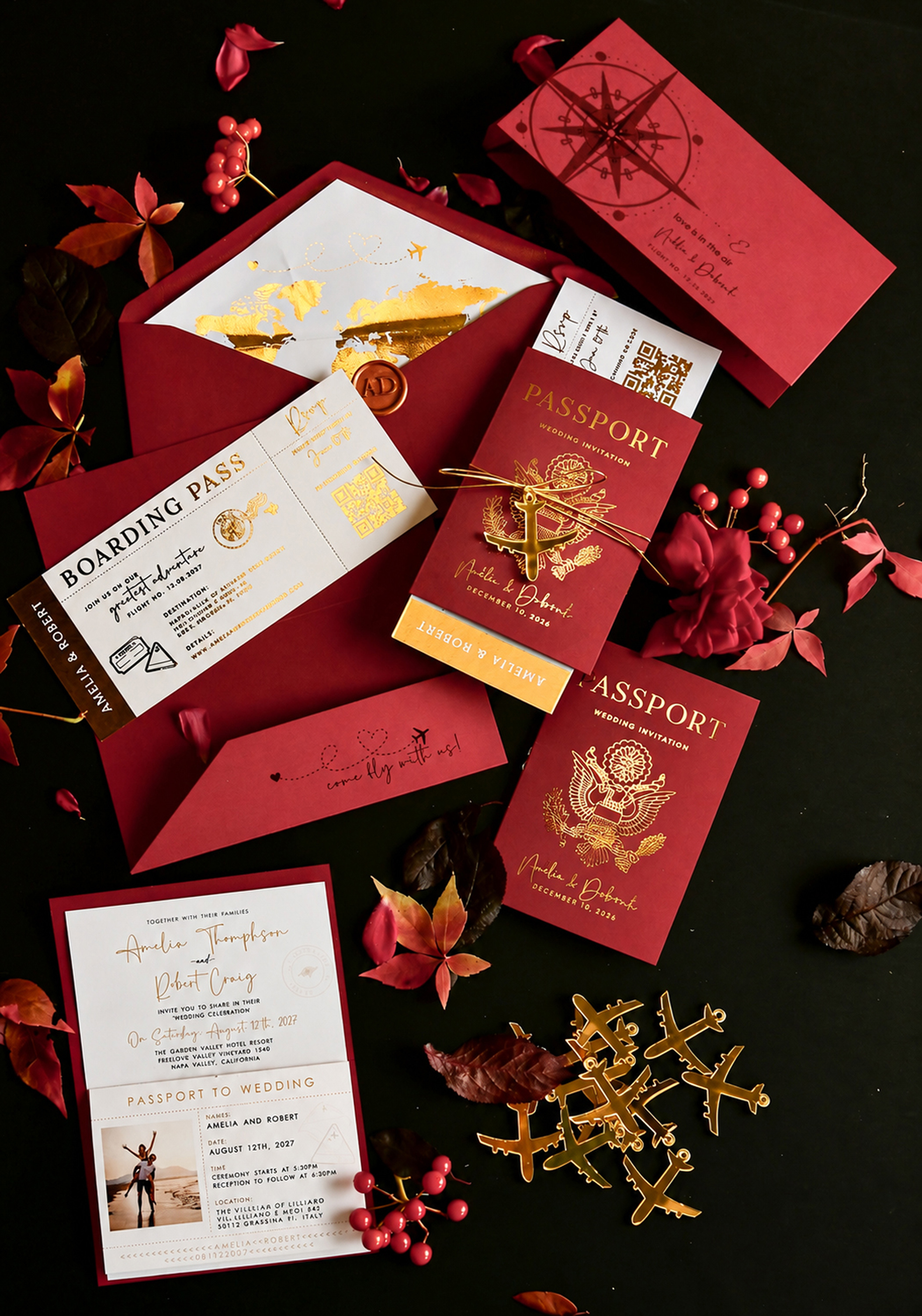
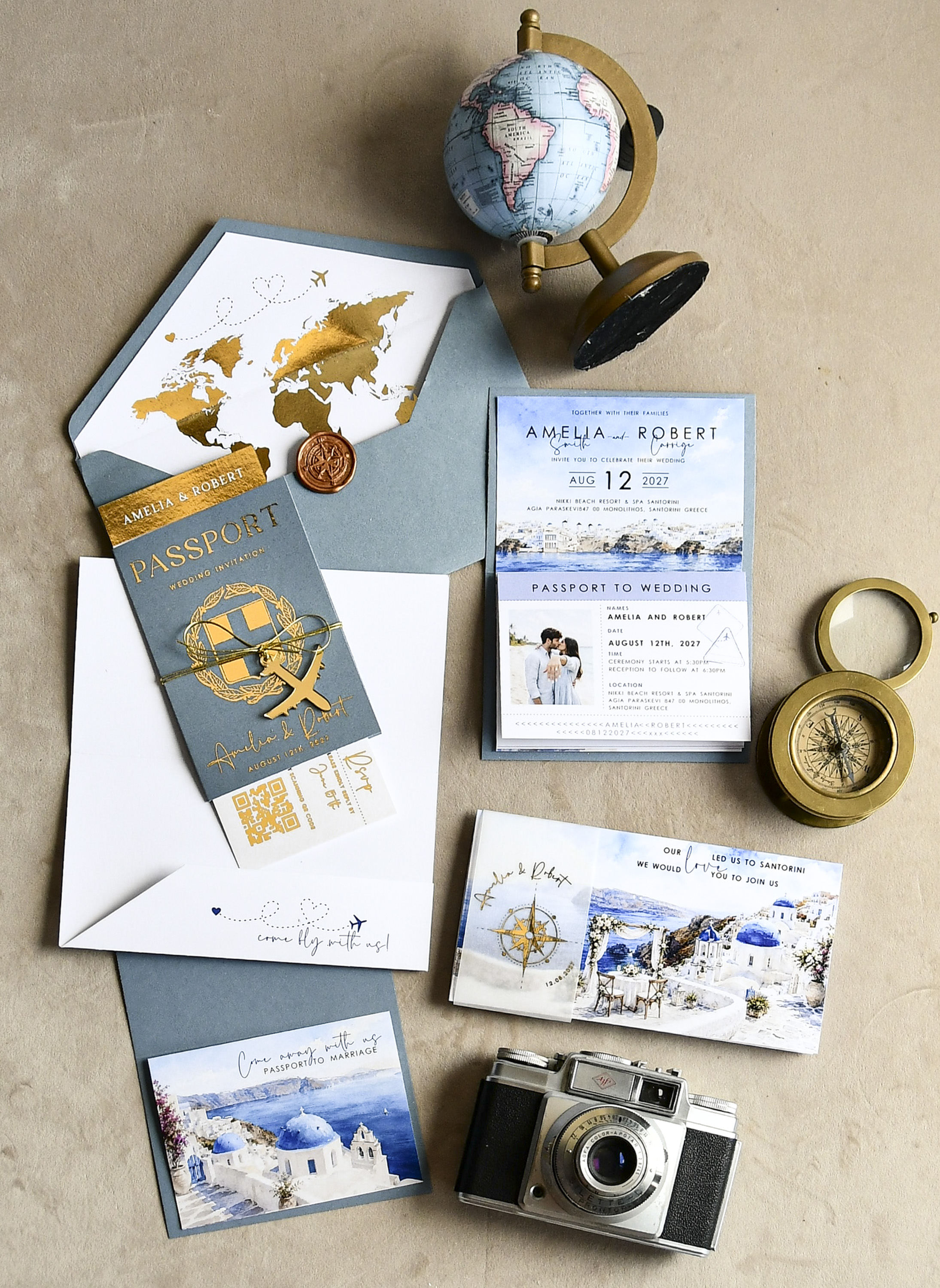
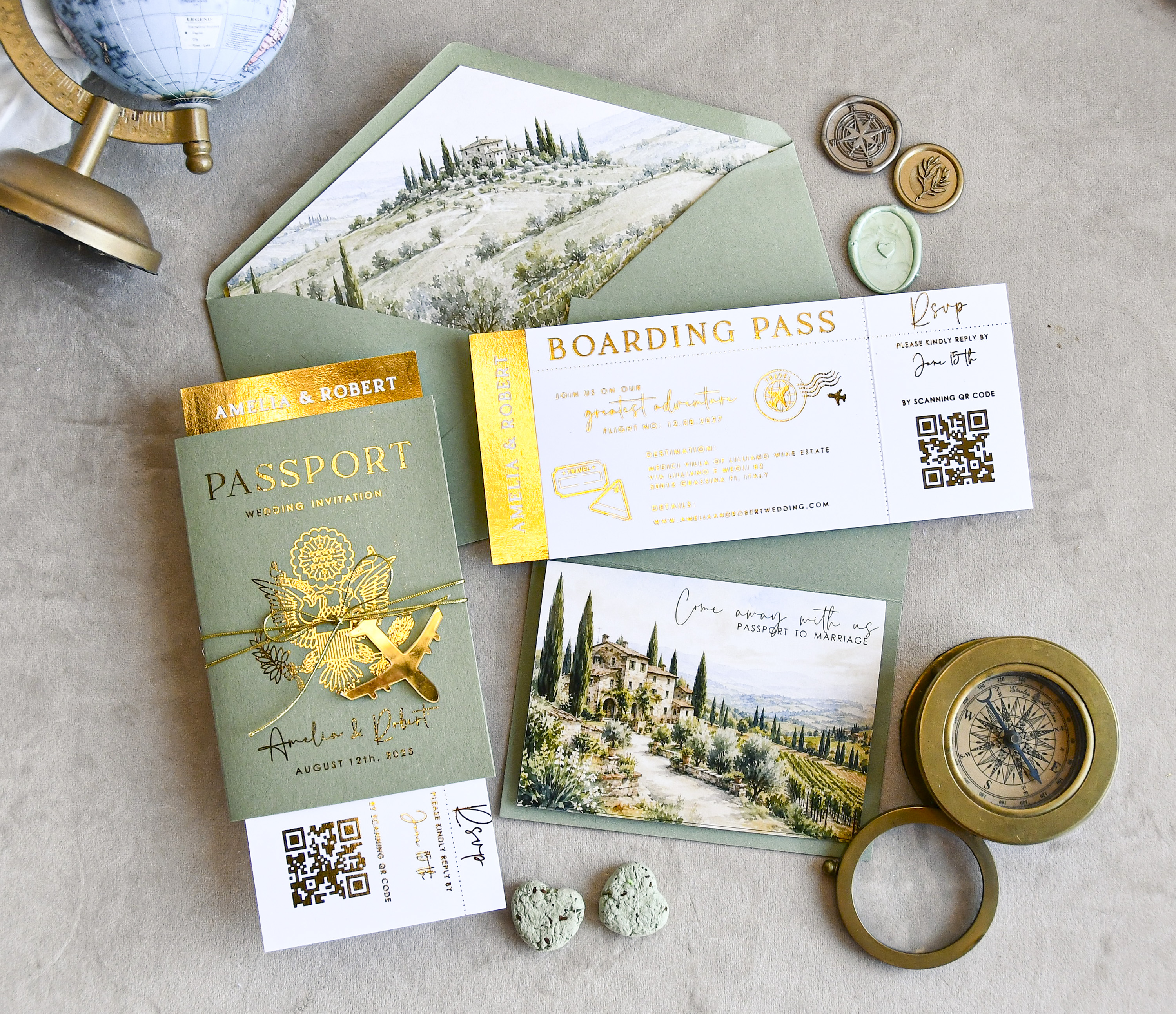
Keeping the invitation open — perhaps reinforced by a beautiful, tangible invite like our passport-style beach wedding invitations — signals goodwill without surrendering your decision. A physical invitation in hand sometimes changes the emotional calculus for people who are being stubborn.
Manage the Day-Of Logistics If Both Do Attend
If both parties ultimately come to your wedding, a little advance planning goes a long way toward keeping the peace. Consider these practical steps:
- Seat them apart at the ceremony and reception — opposite sides of the aisle, different tables, ideally with a buffer of other guests between them.
- Brief a trusted point person (a sibling, close friend, or your wedding coordinator) about the situation so they can gently redirect if tension flares.
- Keep cocktail hour mingling in mind — this is when unstructured socializing happens. Your point person can subtly steer people if needed.
- Don't over-explain the seating to other guests. Most people won't notice unless you draw attention to it.
Weddings have a way of softening even old grudges when everyone is focused on celebrating love. It happens more often than you'd expect.
If They Truly Don't Come, Give Yourself Permission to Grieve That — and Move On
Sometimes a relative follows through on the threat. It hurts, and it's okay to feel that disappointment. But try to reframe it: a person who would miss your wedding over a grudge that isn't yours to carry has made a choice about their own priorities. That says something about them, not about you or your marriage.
After the wedding, if you'd like to preserve the relationship, you can reach out warmly and share photos or a small memento from the day. Keep the door open without relitigating the decision. Many estranged relatives come around once the moment has passed and they see they missed something meaningful. Your graciousness in that follow-up will matter far more than winning the argument ever could.
Frequently Asked Questions
In almost all cases, no. Removing a guest you genuinely want there in response to an ultimatum sets a precedent that pressure works, and it can damage your relationship with the uninvited person permanently. Hold your guest list decisions based on who you want to celebrate with, not who is applying the most pressure.
The closer the relationship, the more important it is to have a heartfelt, private conversation — but the core principle doesn't change. Express love, acknowledge feelings, and be clear about your decision. Parents and close relatives are usually more likely to ultimately attend once they've had time to process their feelings.
Generally, no — unless you think there's a real risk of a confrontation at the wedding that they should be prepared for. Sharing the drama unnecessarily can make them feel guilty for being invited, which isn't fair to them.
Keep your response consistent and brief: "We've made our guest list thoughtfully and we're not revisiting it — we hope everyone will come celebrate with us." Repeat as needed without elaborating, and redirect conversations back to positive wedding topics.
You can gently make this request, framed as a gift to you rather than a demand. Something like, "All I ask is that you both agree to set this aside for one day for our sake," can land well. Just don't make it a condition of the invitation or it becomes its own form of pressure.
The timing doesn't change your options, but it does raise the stakes emotionally. Stay calm, have the same honest conversation, and don't scramble to rearrange things. Last-minute pressure is often a final attempt to get a reaction — responding with steadiness usually deflates it quickly.
See This Design Up Close


















You May Also Like

More Wedding Planning Guides
- → Kids at Your Wedding: Should You Hire a Babysitter or Full Entertainment?
- → The Right Time to Chase Down Missing RSVPs (And How to Do It Gracefully)
- → The Graceful Way to Let Guests Know Your Wedding Is Adults Only
- → Wedding Guest List Dilemma: Should Your Boss and Coworkers Make the Cut?
- → When Guests RSVP Yes But Never Arrive: What to Do Before, During, and After
- → Planning Your Wedding When Your Divorced Parents Can't Stand Each Other
- → Navigating Wedding Invitations When a Sibling Relationship Is Complicated
- → Your Guest List, Your Rules: Navigating In-Law Friend Invites
- → Big Guest List vs. Better Wedding Experience: Which Should You Prioritize?
- → Save the Date Cards vs. Wedding Invitations: Know the Difference Before You Order
- → Extra Wedding Guests: Who Picks Up the Tab?
- → No RSVP? Here's Exactly How to Handle It
- → What to Say When Someone Asks Why They Didn't Make the Guest List
- → Plus-Ones for Single Guests: Making the Right Call for Your Wedding
- → How to Kindly Let Someone Know They Didn't Make the Guest List
- → My Fiancé Wants to Exclude My Family From the Wedding: Now What?
- → Should You Give Teenage Guests a Plus One at Your Wedding?
- → Adults-Only or Family-Friendly? How to Make the Right Call on Kids at Your Wedding
- → When Guests Bring Unexpected Plus-Ones: What to Do Before and After the Wedding
- → How Late Is Too Late for Wedding Invitations? A Realistic Timeline
- → Aunt Has a New Husband: Here's How to Handle the Invitation
- → The RSVP No-Show: Should You Actually Call Guests Who Never Responded?
- → Wedding Invitations: Mail Them or Hand Deliver? Here's How to Decide
- → Extra Names on Your RSVP Card: What to Do When Guests Add Themselves
- → Your Guest List, Your Call: How to Handle Mom's Must-Invite Requests
- → Yes, You Can Say No to a Plus One — Here's How to Do It Right
- → Adults-Only Weddings: Are You Being Rude by Leaving Kids Off the Guest List?
- → How to Handle Seating for Divorced Parents at Your Wedding
- → Uninvited Plus-Ones and Tag-Alongs: How to Keep Your Guest List Intact
- → When Family Feuds Threaten Your Wedding Plans: A Practical Peacekeeper's Guide
- → Inviting an Estranged Brother or Sister: Finding Clarity Before You Seal the Envelope
- → Cousins, Invites, and Hard Choices: A Practical Guest List Guide