
Navigating Wedding Invitations When a Sibling Relationship Is Complicated
Few wedding decisions carry as much emotional weight as whether to invite a sibling you're no longer close to — or completely estranged from. There's no universal right answer, but there is a thoughtful process you can follow to make a choice you'll feel at peace with, long after the cake is cut and the flowers have wilted. Here's how to think it through.
Start by Defining the Estrangement
Not all estrangements look the same. There's a big difference between a sibling you drifted apart from after a move, one you had a falling-out with over a specific conflict, and one who has caused genuine harm — through abuse, addiction, or repeated toxic behavior. Before you make any decision, get honest with yourself about which category your situation falls into.
- Drifted apart: You rarely talk but there's no active hostility. Inviting them is usually low-risk and can even be a warm gesture of reconnection.
- Past conflict: There was a fight or rupture, but things have cooled. Consider whether enough time has passed and whether you can genuinely be comfortable seeing them on your wedding day.
- Ongoing toxicity or harm: If their presence would create anxiety, drama, or safety concerns, your wellbeing — and your partner's — takes priority.
Being clear about the nature of the estrangement helps you make a decision rooted in reality rather than guilt or obligation.
Consider the Ripple Effects on Your Guest List
Inviting or not inviting an estranged sibling rarely exists in a vacuum. Think about how your choice affects other family members — especially parents, who may feel caught in the middle.
Ask yourself these practical questions:
- Will other siblings or relatives feel they need to take sides?
- Would your parents be devastated if this sibling wasn't there, and is that something you can manage?
- If you invite them, do you also need to invite their spouse or children — people you may have even less of a relationship with?
It can help to have a private conversation with your parents before sending any invitations, so they hear your reasoning from you directly rather than being blindsided. You don't owe anyone an explanation, but a heads-up can prevent family fallout later.
The Etiquette of Inviting — or Not Inviting — a Sibling
Traditional wedding etiquette says that immediate family — parents and siblings — are typically invited as a baseline. But etiquette is a guide, not a law, and modern couples are increasingly putting emotional safety and authentic celebration first.
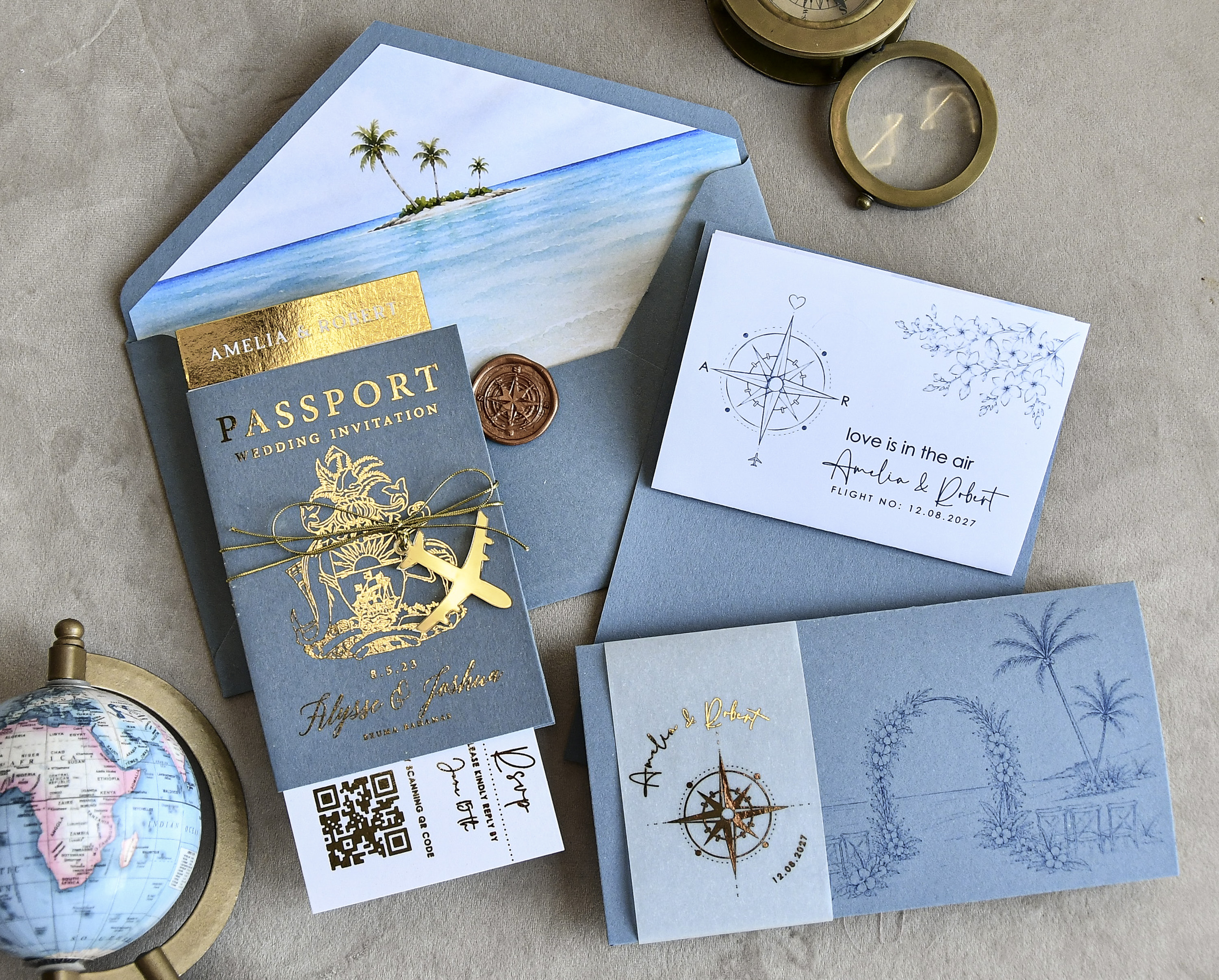
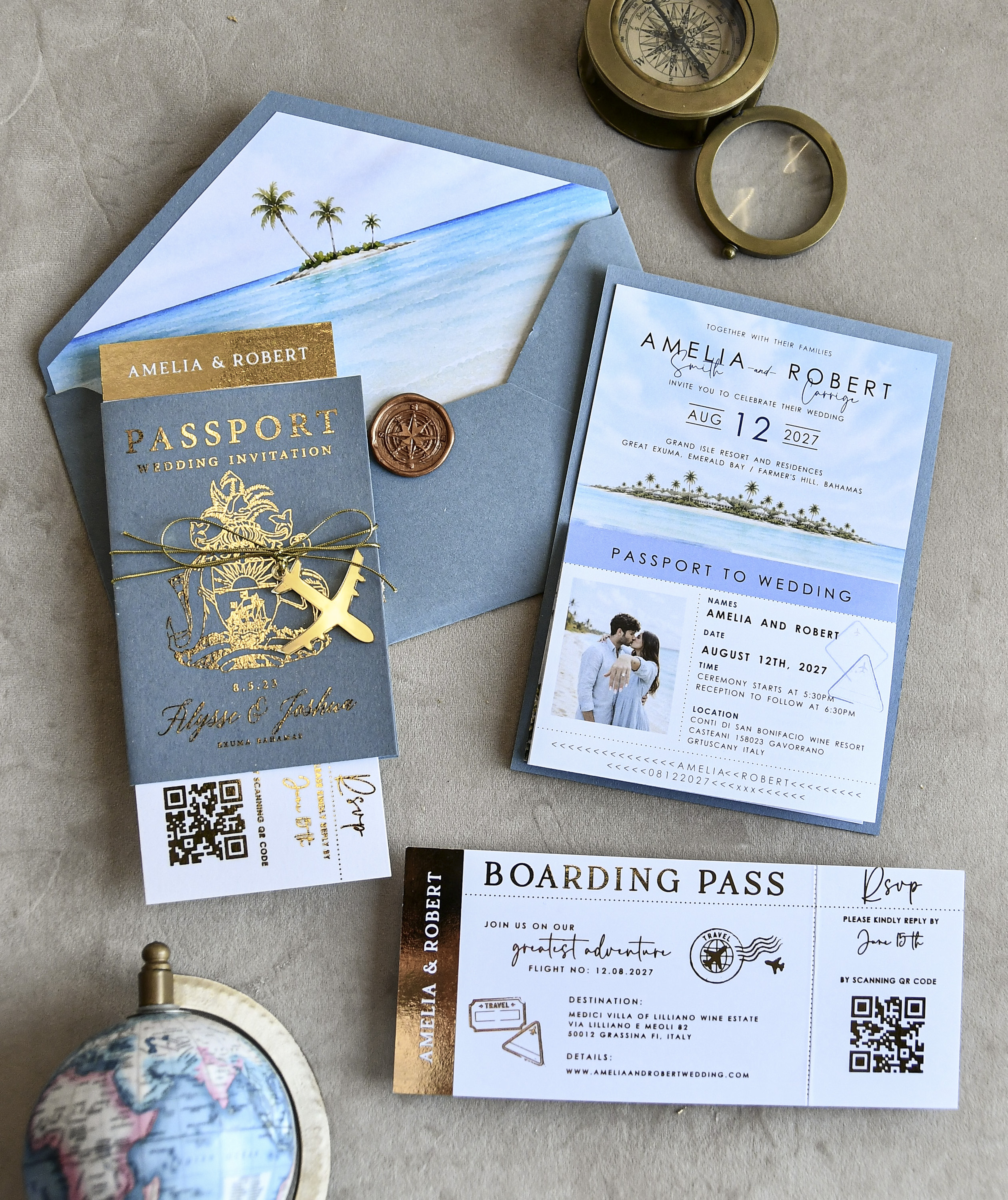
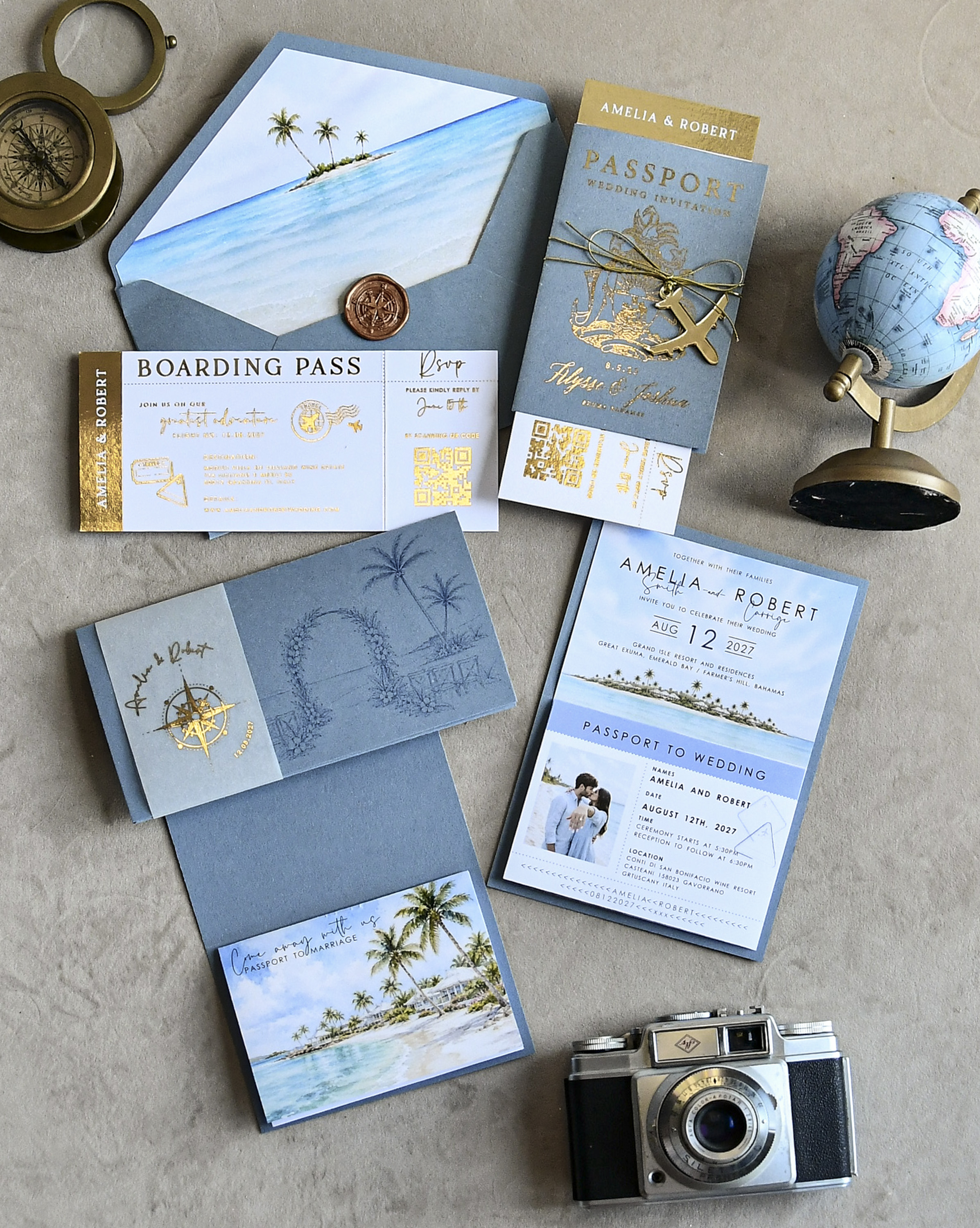
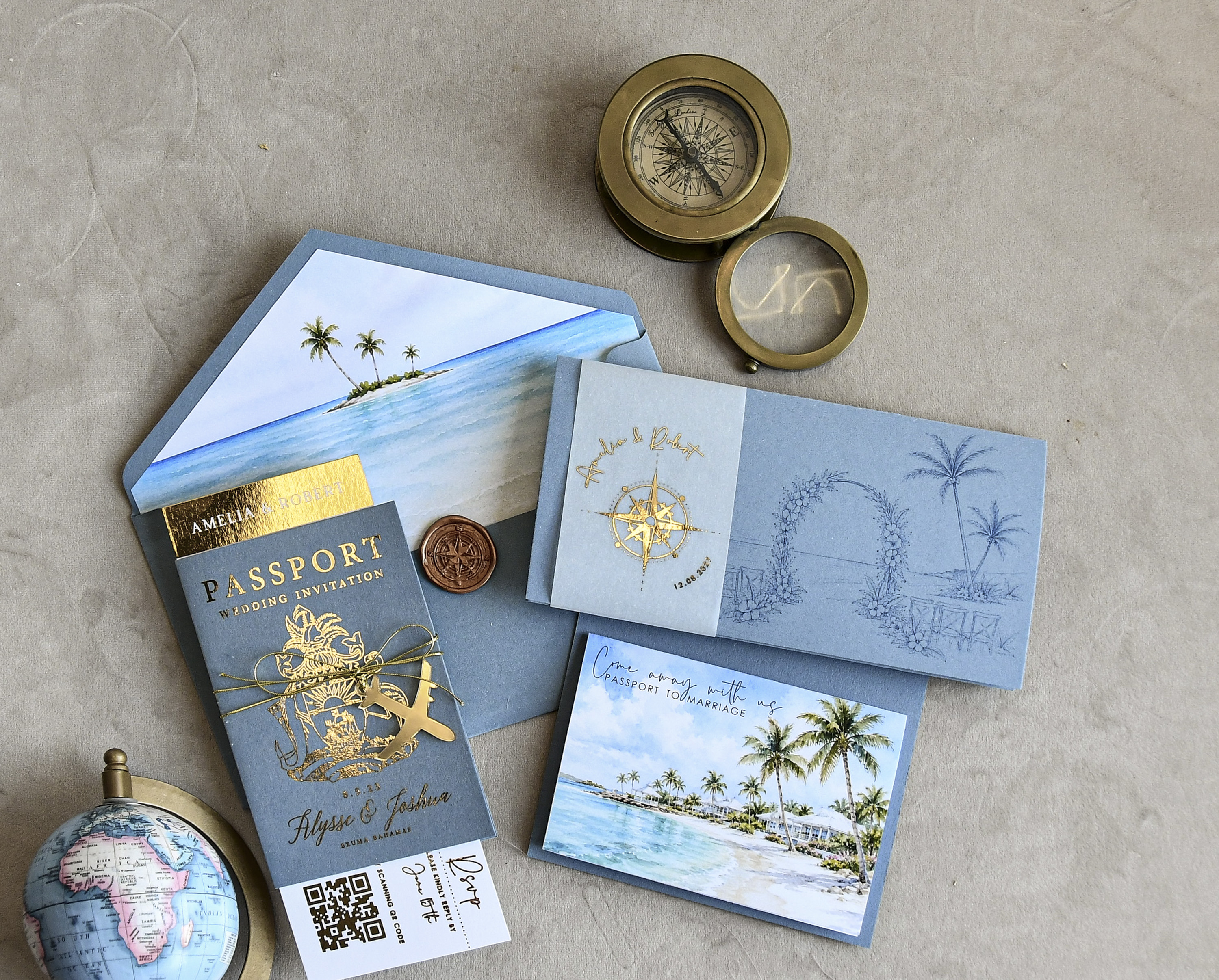
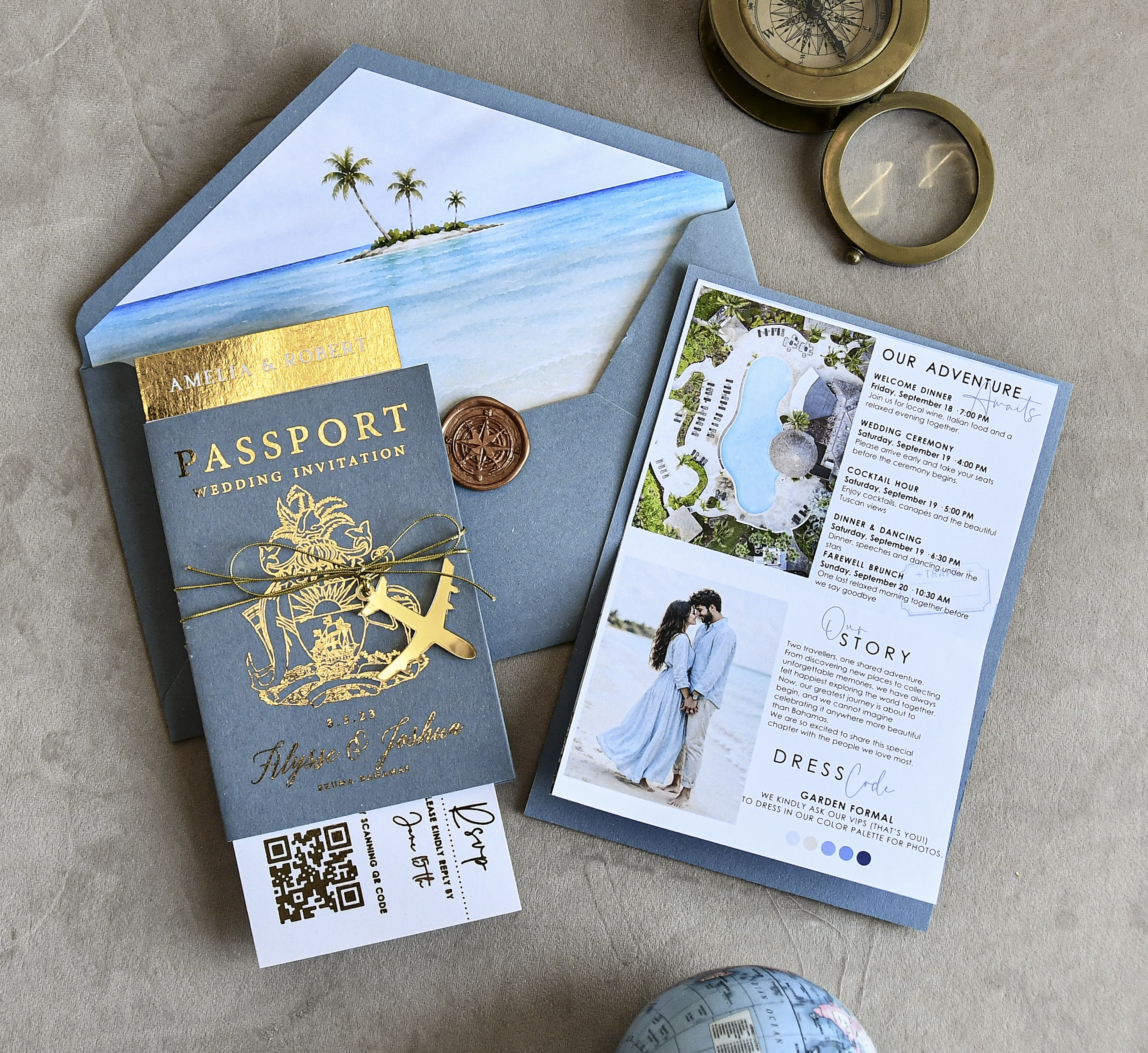
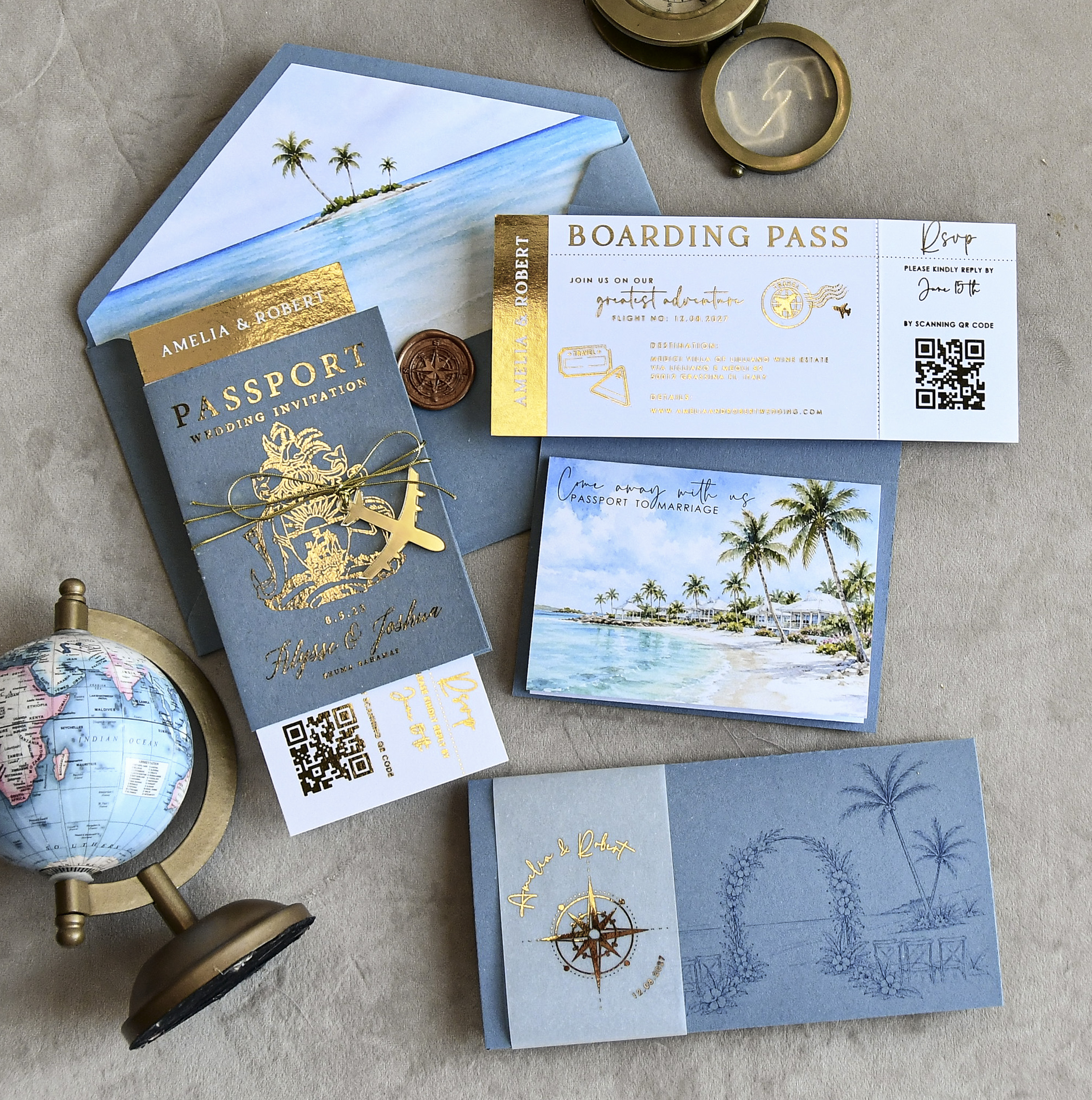
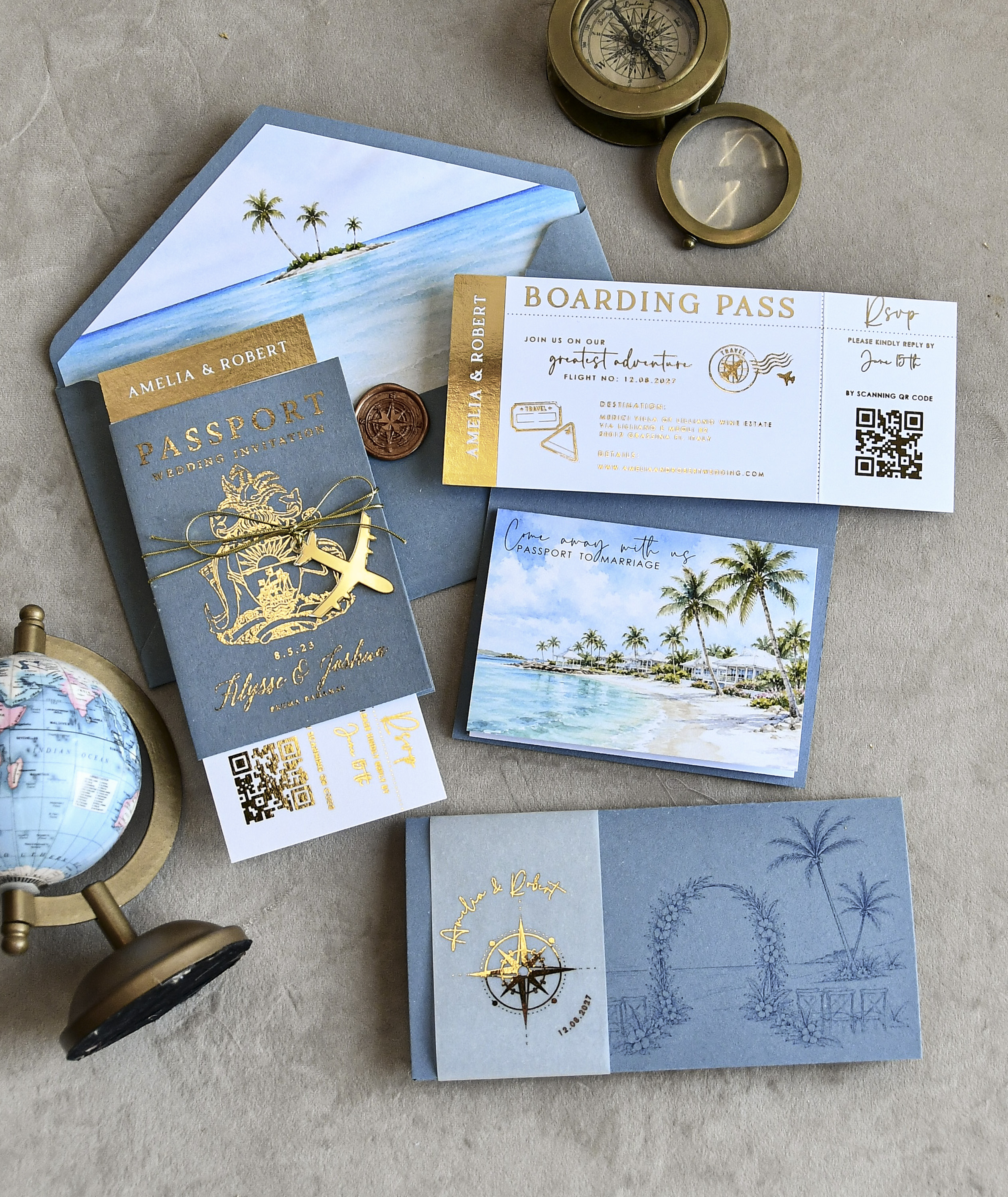
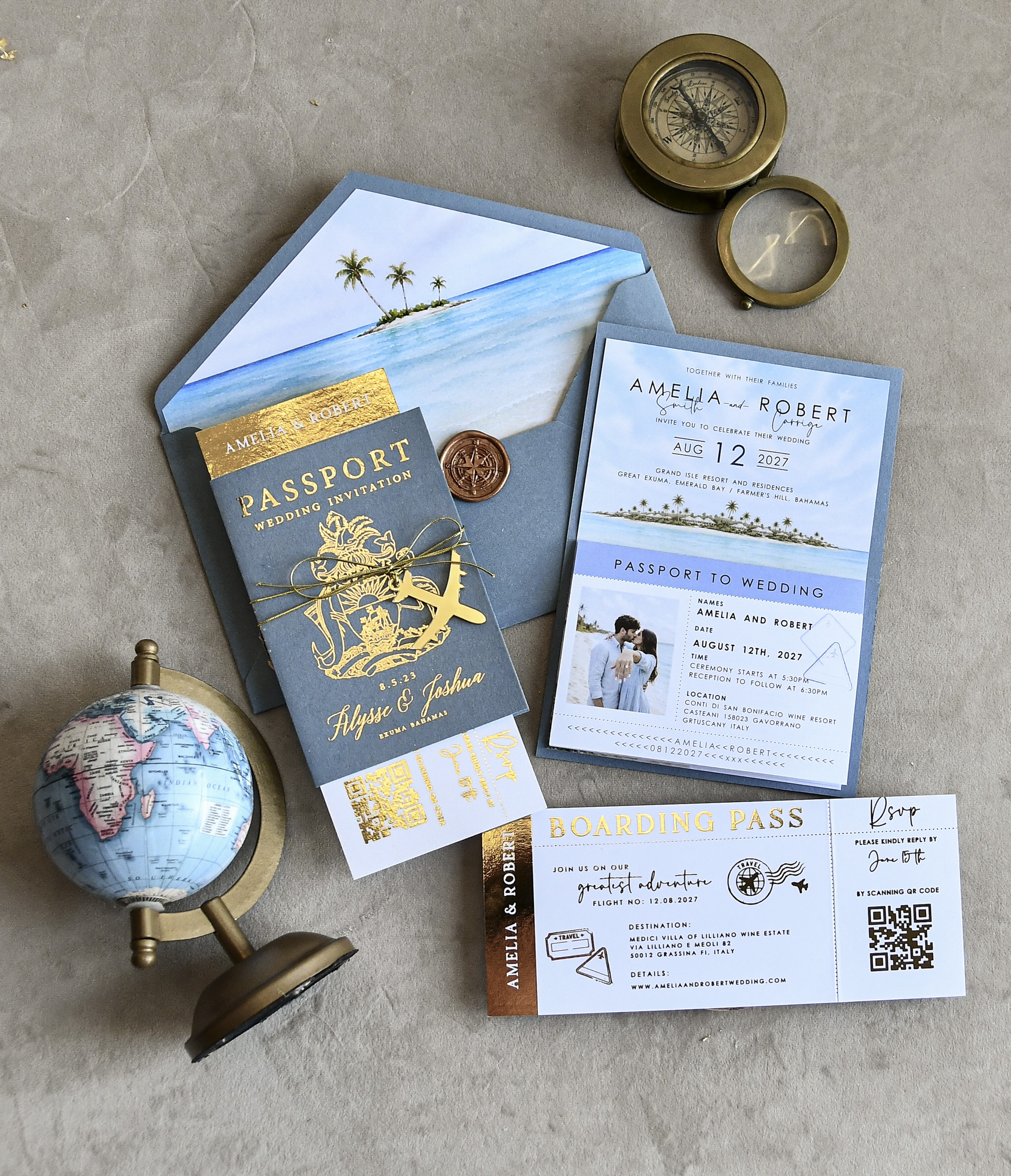
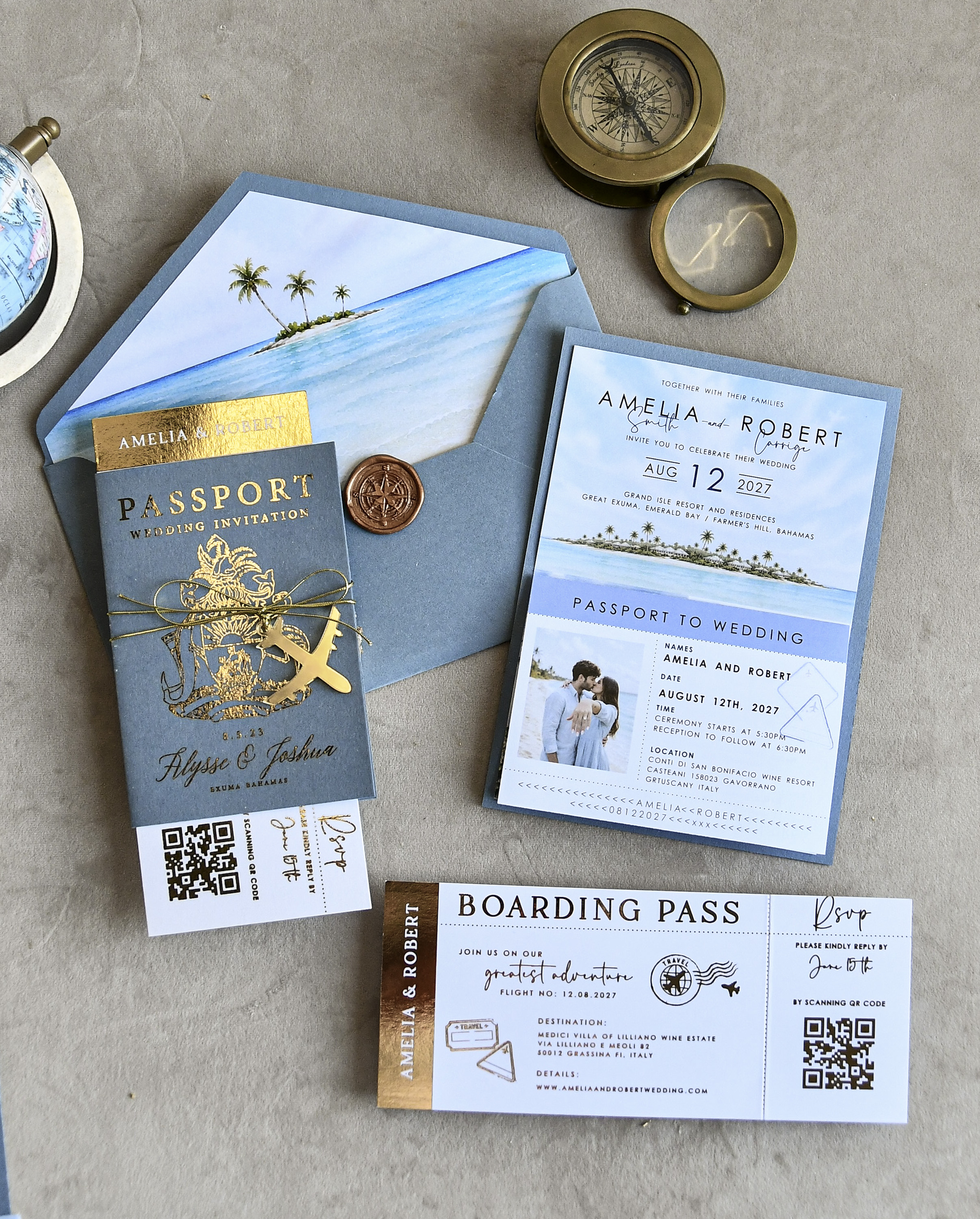
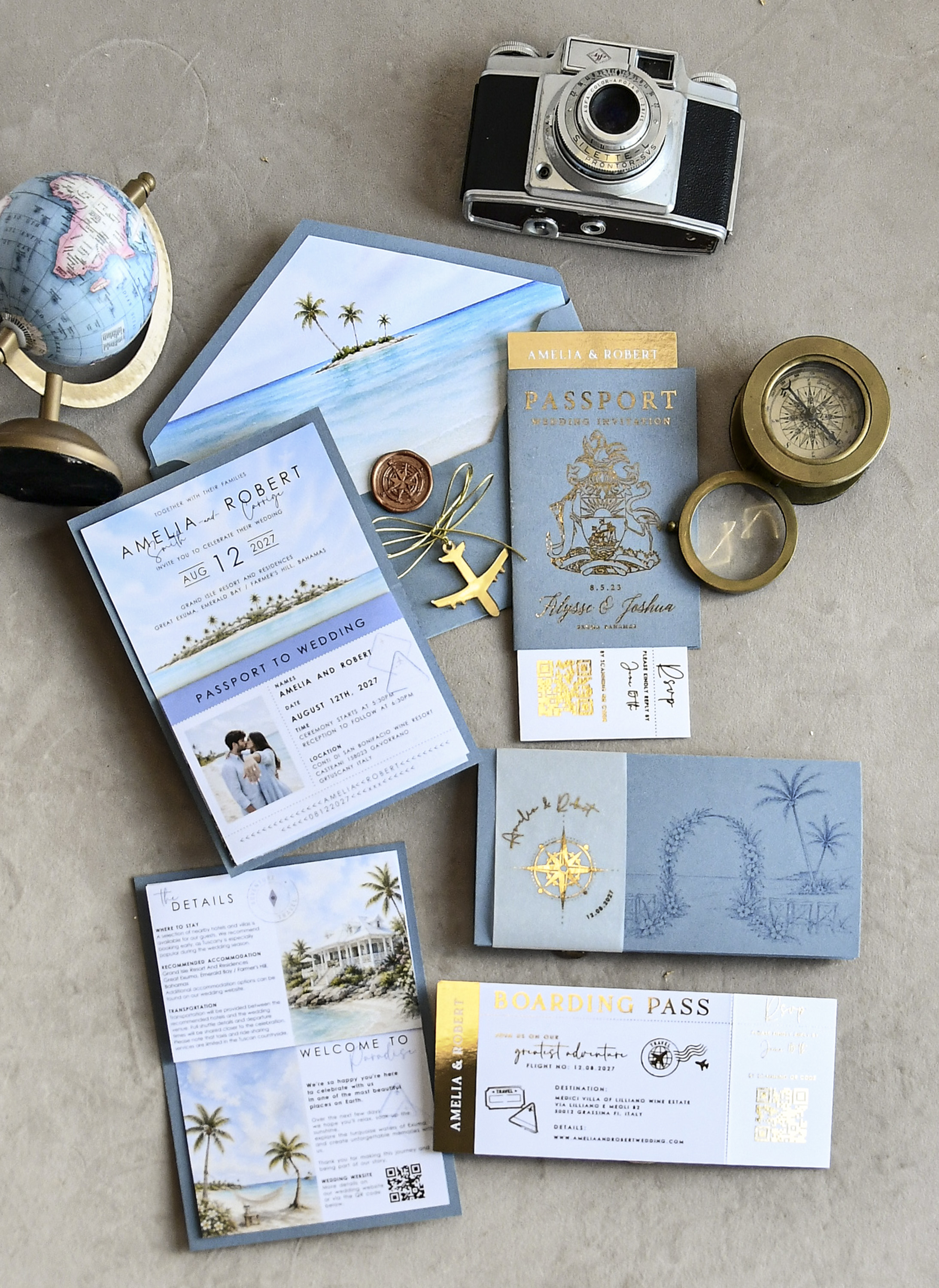
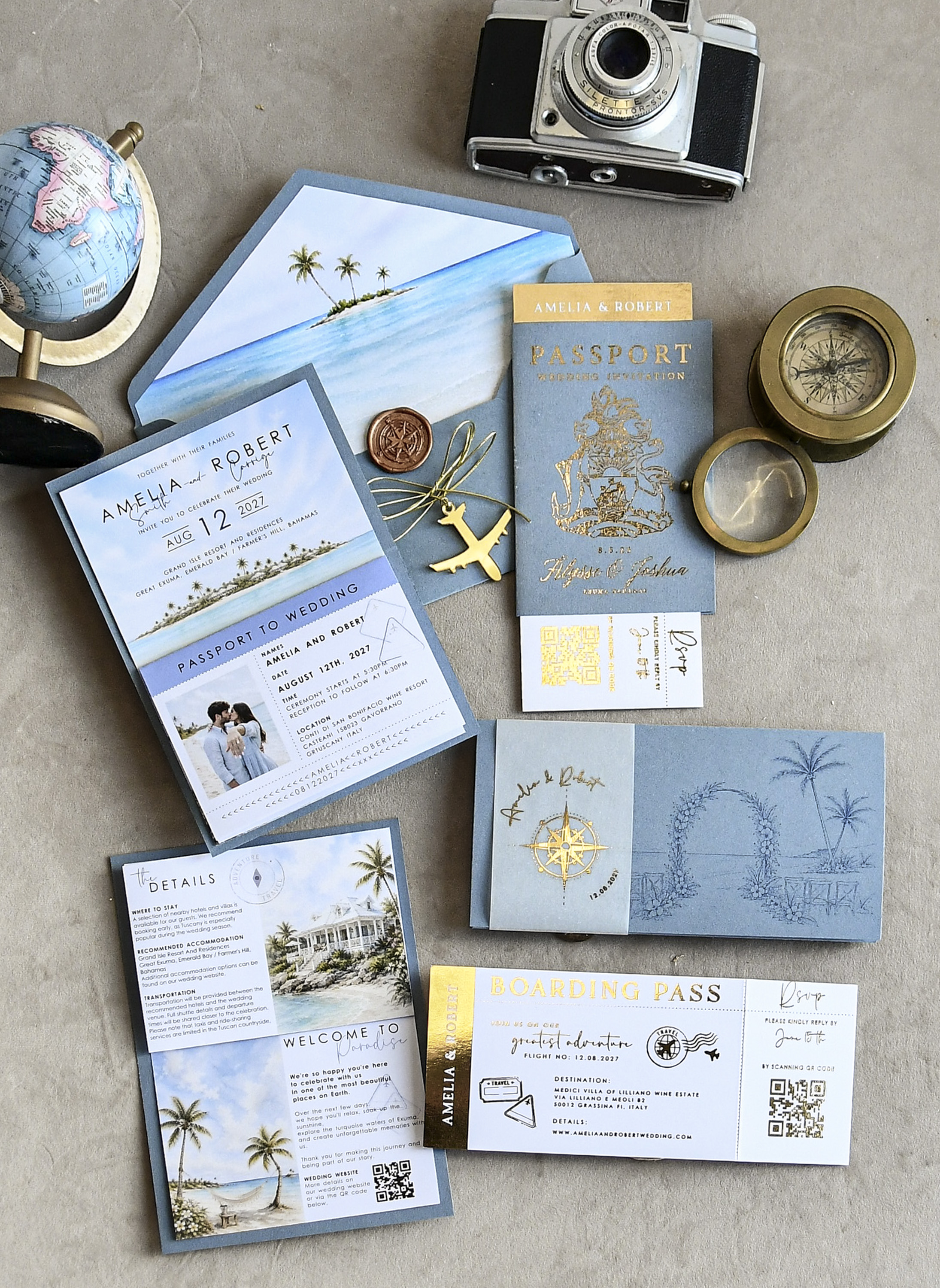
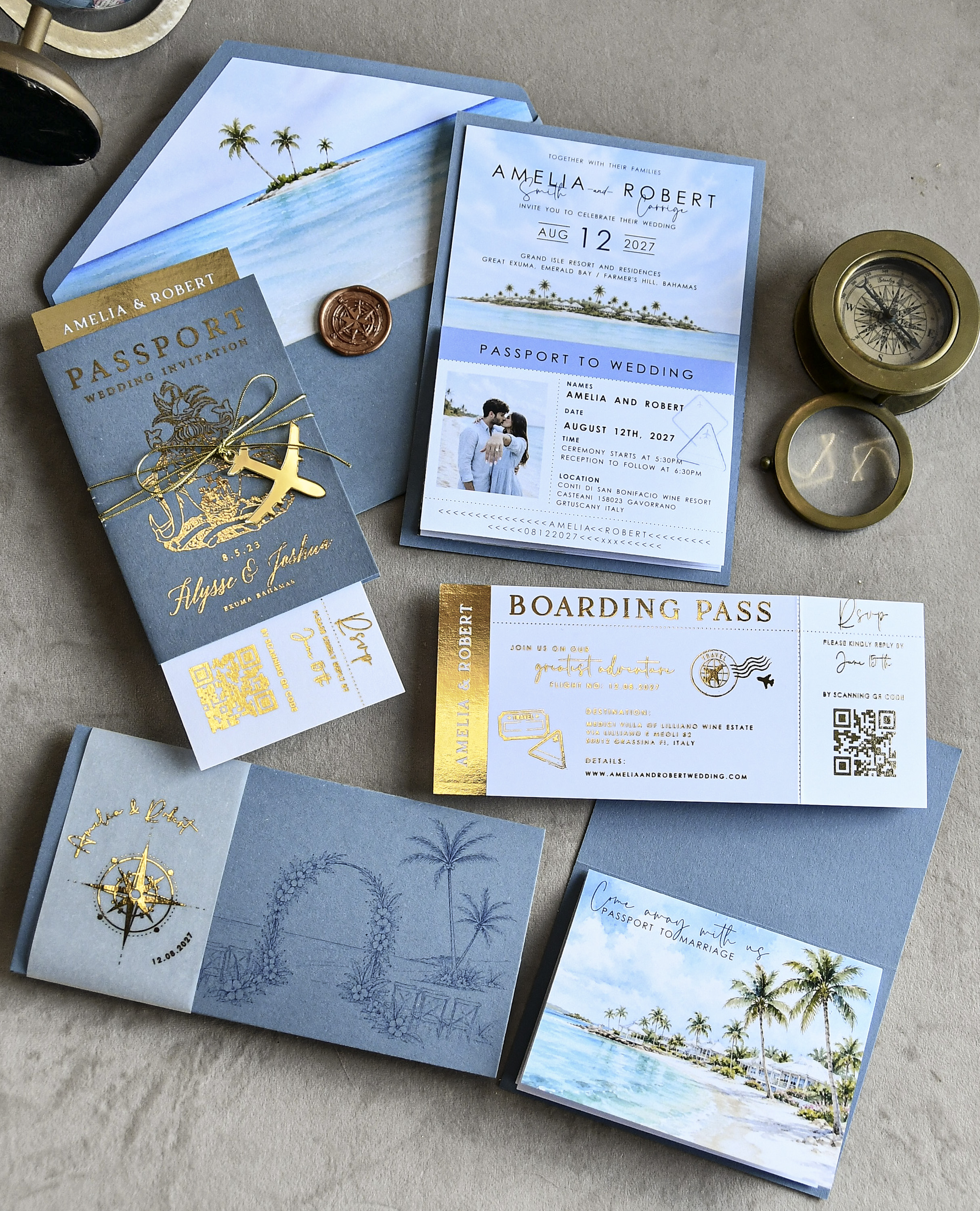
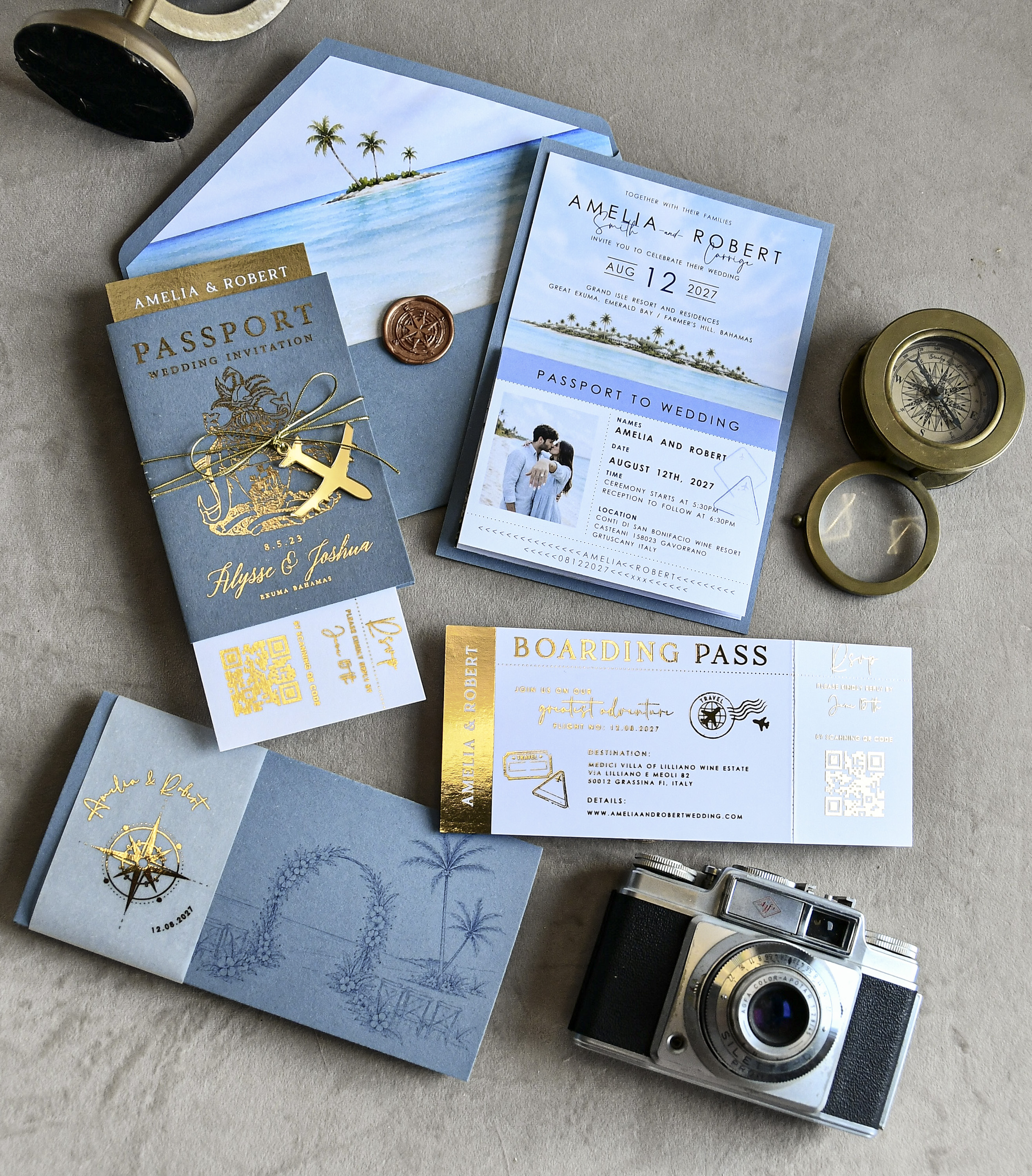
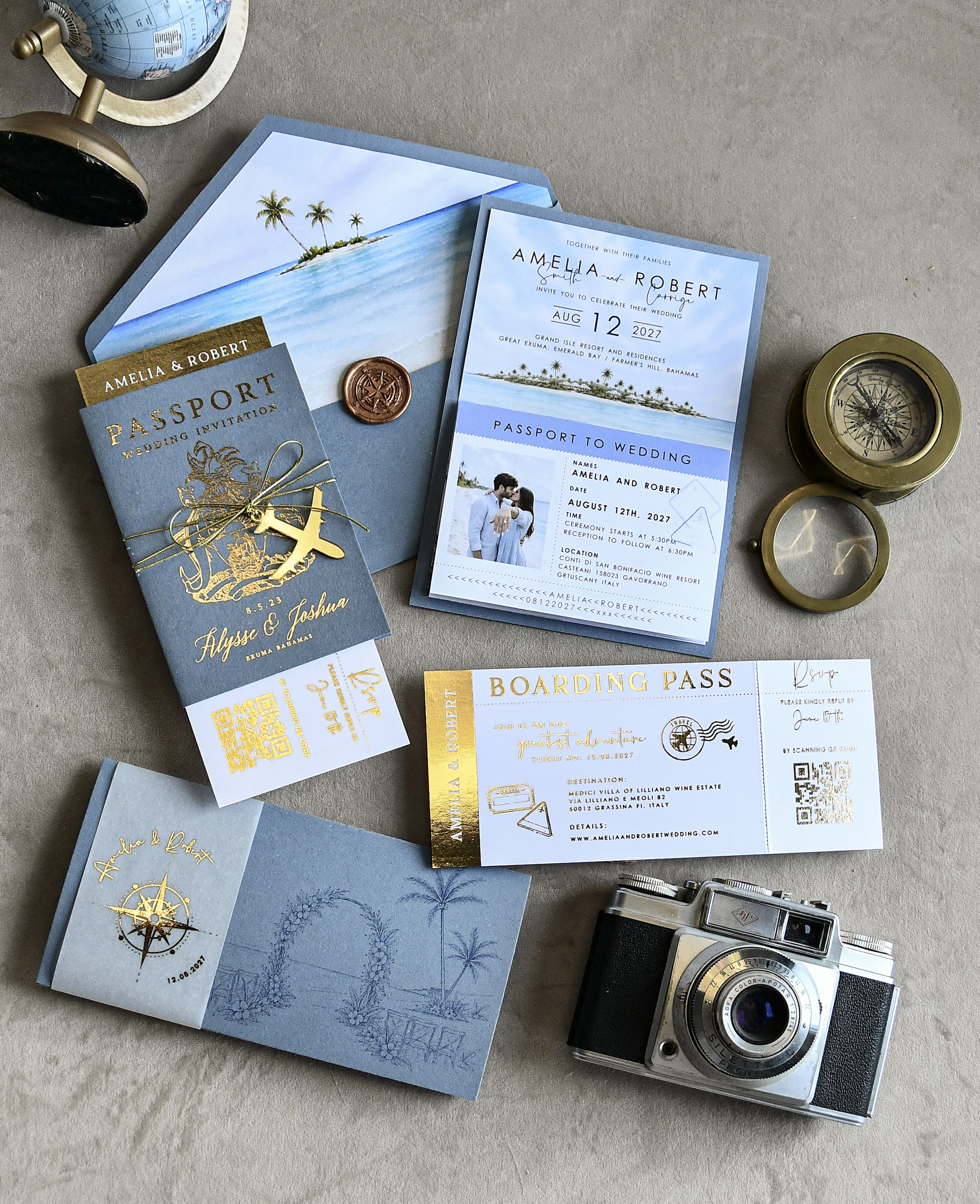
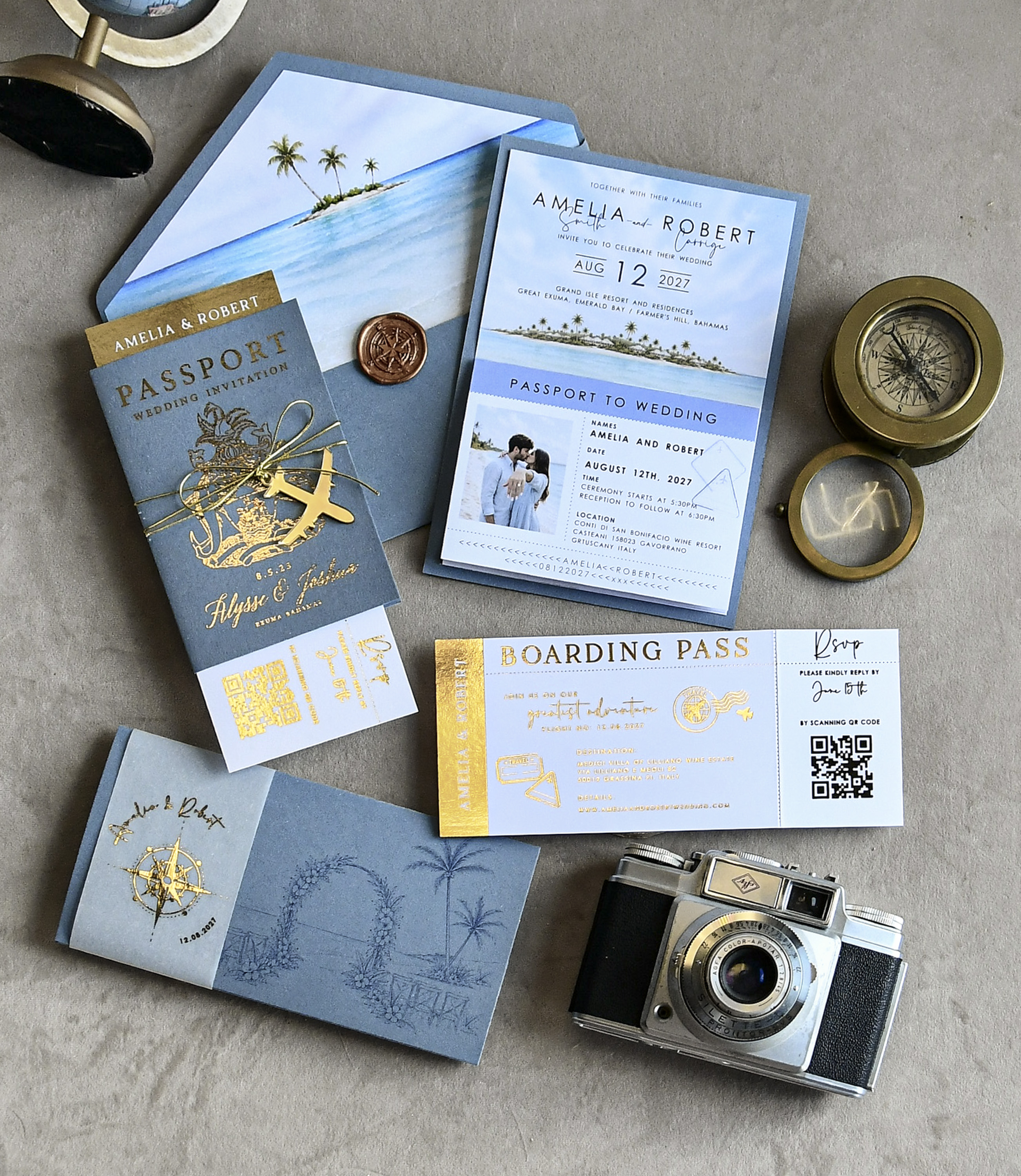
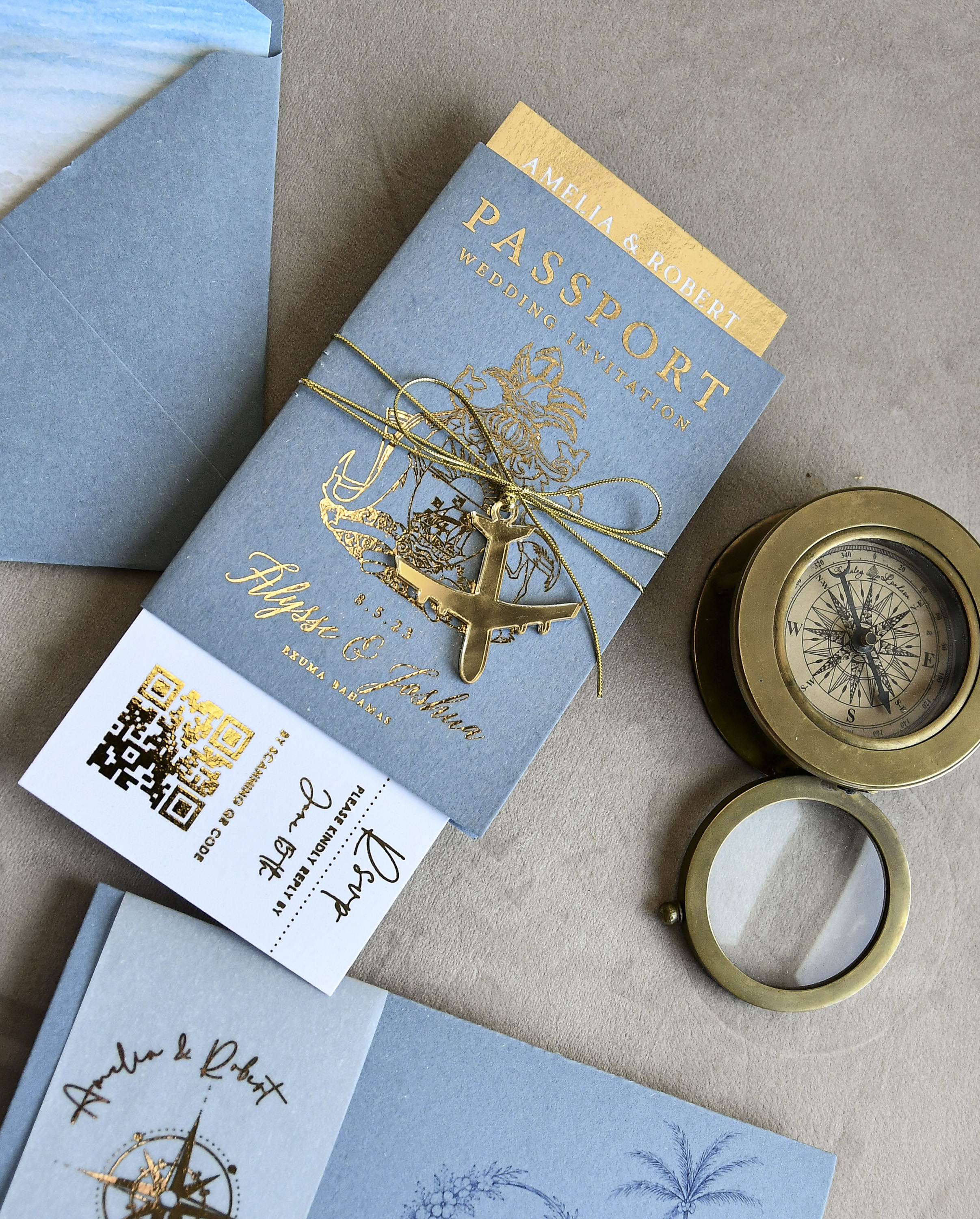
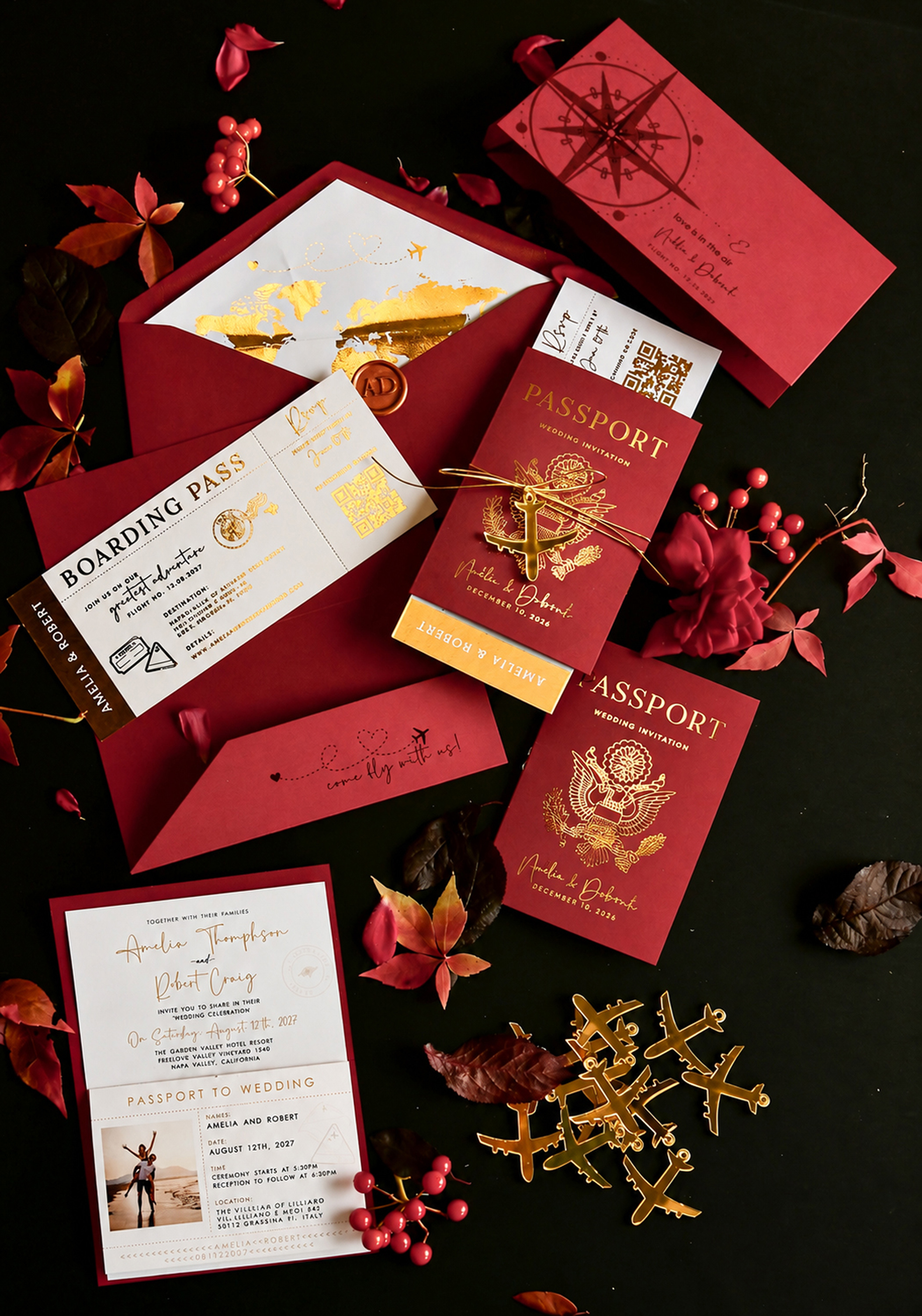
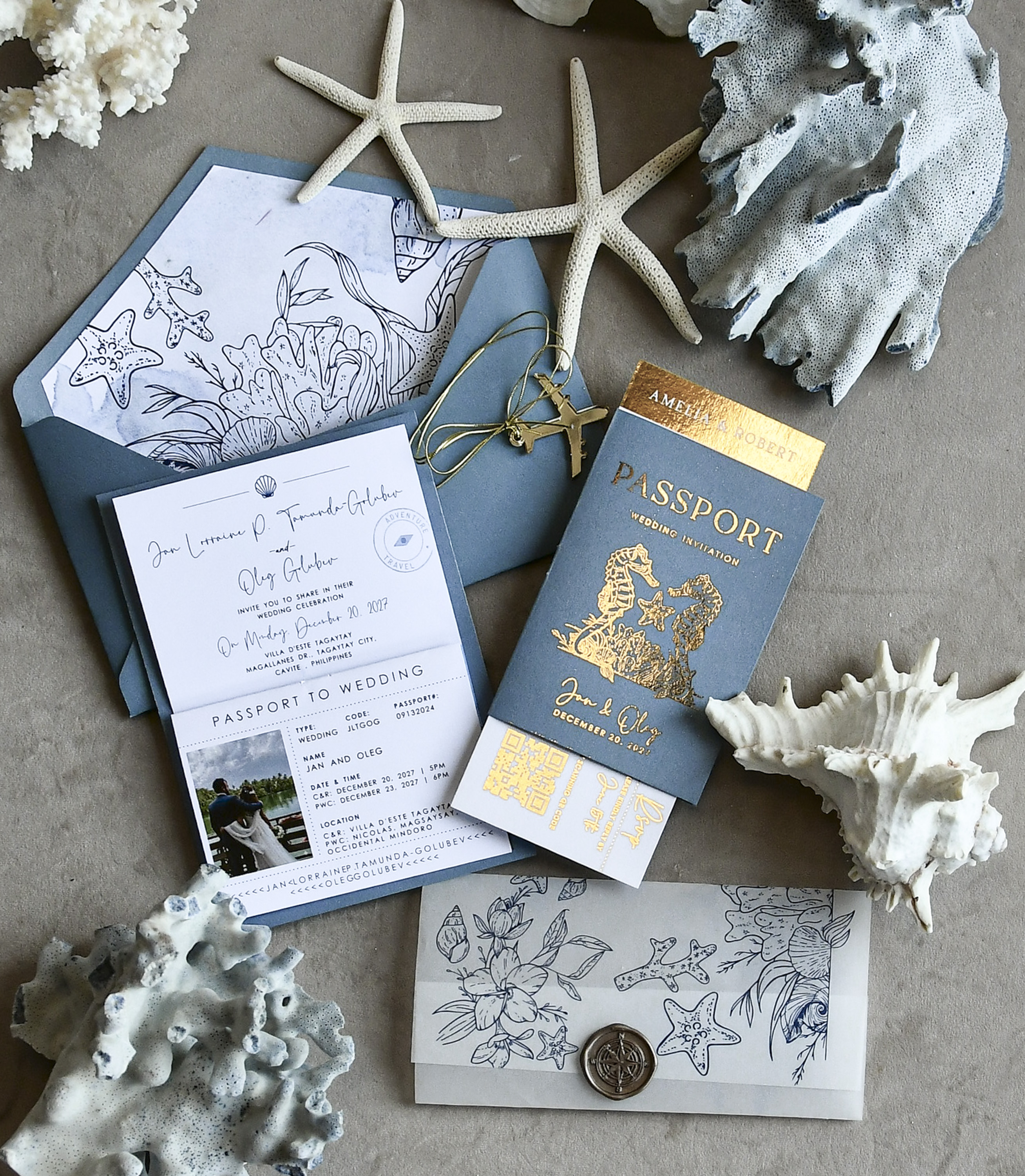
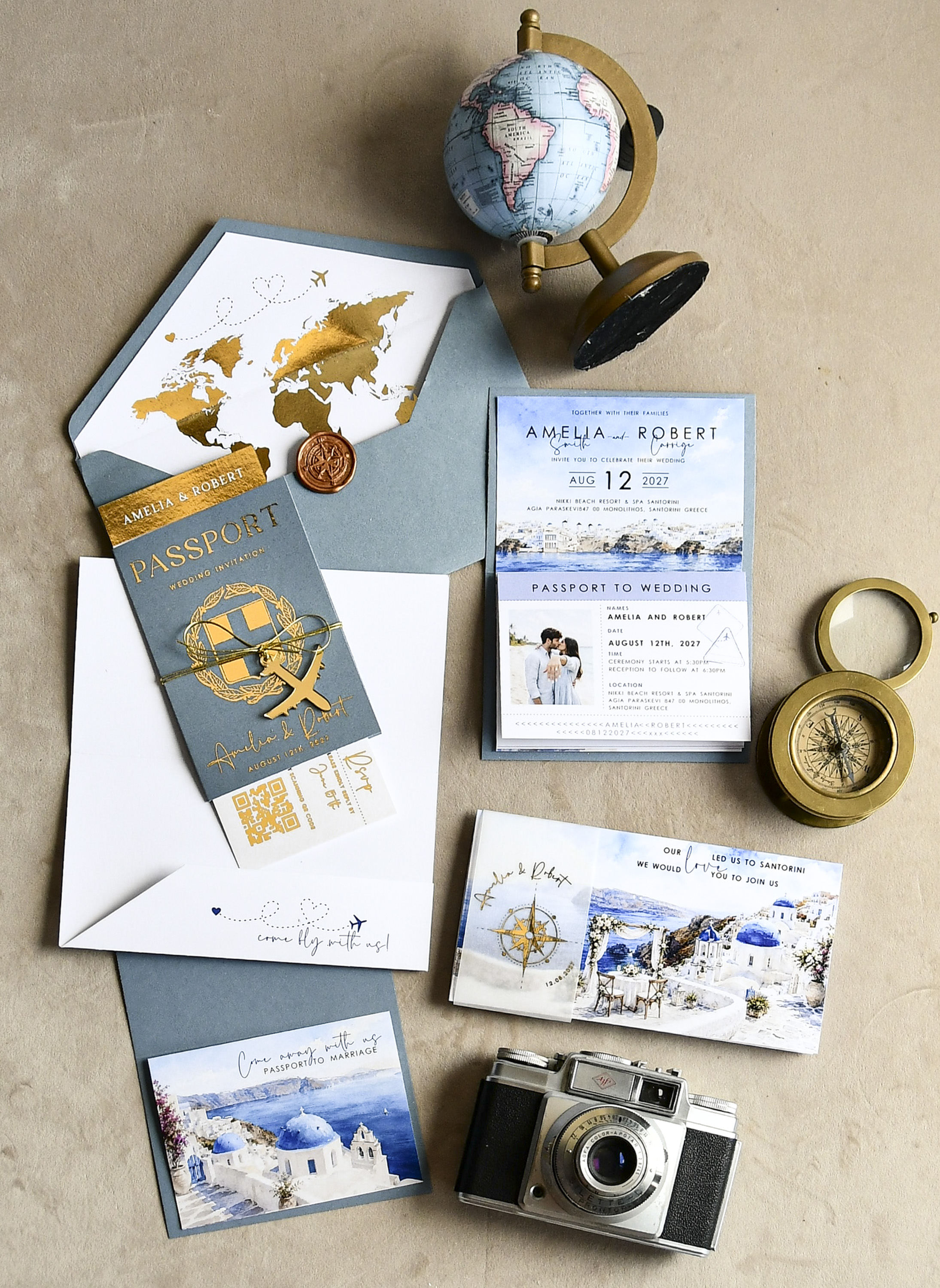
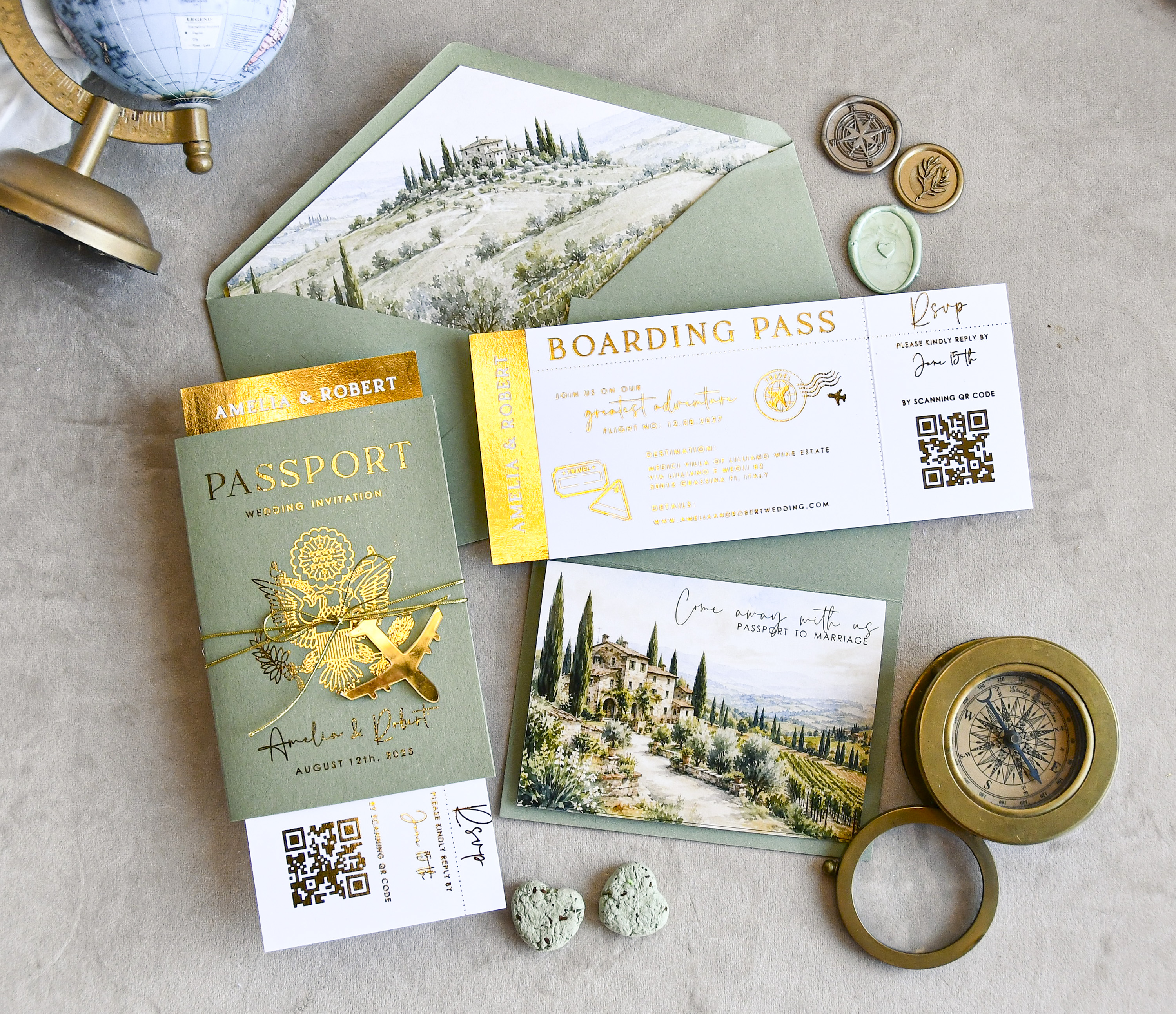
If you decide to invite them, send the invitation just as you would anyone else's. A beautiful, thoughtfully designed invitation — like a passport-style beach wedding invite from our 02/passDest/z collection — signals warmth and a fresh start without you having to say a word. Let the invitation do the talking.
If you decide not to invite them, you are not required to explain yourself in writing. However, if there's any chance they'll hear about the wedding through mutual family or social media, a brief, kind phone call or message ahead of time is the considerate move. Keep it simple: "We're keeping the wedding very small/intimate, and I wanted you to hear it from me directly."
Protecting Your Wedding Day Energy
Here's the truth no etiquette book will tell you: your wedding day is one of the few days in your adult life that is genuinely, completely about you and your partner. You deserve to be fully present for it — not managing someone else's emotions or bracing for an awkward moment during cocktail hour.
If inviting your estranged sibling means you'll spend the morning of your wedding anxious, or that your partner will feel uncomfortable, that matters enormously. Talk to your partner openly about how they feel. Their comfort is just as valid as your family history.
On the flip side, some couples find that not inviting a sibling creates its own kind of weight — a lingering "what if" or guilt that surfaces in photos and memories. Only you know which outcome you can live with more easily.
Whatever you decide, once the invitations — including your stunning destination-style cards from the 02/passDest/z line — are sent, commit to your choice and redirect your energy toward celebrating the love you're building.
When You're Still Unsure: A Simple Decision Framework
If you've read this far and still feel stuck, try this quick gut-check:
- Imagine them in the room: Does the image bring you warmth, anxiety, or dread? Trust that instinct.
- Fast-forward ten years: Will you regret not having them there, or will you be relieved you protected your peace?
- Talk to a neutral party: A therapist, counselor, or trusted friend who isn't in the family can offer perspective without an agenda.
There is no perfect answer — only the one that aligns most honestly with who you are, what you value, and the kind of day you want to remember.
Frequently Asked Questions
There's no rule that requires you to invite any specific person, including a sibling. While traditional etiquette does include immediate family as a default, your emotional safety and the tone of your celebration are valid reasons to make a different choice. Many couples today prioritize a peaceful, joyful day over obligation.
Have the conversation in private, before invitations go out, and keep your explanation brief and calm. You might say, "I've thought about this carefully, and for our peace of mind, we've decided not to include [name]." You don't owe a detailed justification, but giving your parents a heads-up shows respect for their feelings.
If there's a real chance they'll see posts or hear from mutual family, it's kinder to reach out briefly before the wedding rather than let them find out secondhand. A short, neutral message is enough — you're not reopening the relationship, just being decent about the situation.
Sometimes, yes — a wedding can be a natural, low-pressure point of reconnection, especially for siblings who drifted apart rather than had a serious falling-out. However, don't invite someone solely hoping it will fix things; the wedding day itself is rarely the right venue for deep reconciliation.
Absolutely. Your partner is becoming your family too, and their comfort on your wedding day matters just as much as yours. Have an open, honest conversation — their perspective might also help you see the situation more clearly.
If you're genuinely worried about disruptive behavior, consider assigning a trusted friend or family member to gently manage the situation if needed. You can also speak with your venue coordinator in advance. Some couples choose to have a quiet conversation with the sibling beforehand, setting expectations about the day.
See This Design Up Close













You May Also Like
More Wedding Planning Guides
- → Kids at Your Wedding: Should You Hire a Babysitter or Full Entertainment?
- → The Right Time to Chase Down Missing RSVPs (And How to Do It Gracefully)
- → The Graceful Way to Let Guests Know Your Wedding Is Adults Only
- → Wedding Guest List Dilemma: Should Your Boss and Coworkers Make the Cut?
- → When Guests RSVP Yes But Never Arrive: What to Do Before, During, and After
- → Planning Your Wedding When Your Divorced Parents Can't Stand Each Other
- → Your Guest List, Your Rules: Navigating In-Law Friend Invites
- → Big Guest List vs. Better Wedding Experience: Which Should You Prioritize?
- → Save the Date Cards vs. Wedding Invitations: Know the Difference Before You Order
- → Extra Wedding Guests: Who Picks Up the Tab?
- → No RSVP? Here's Exactly How to Handle It
- → What to Say When Someone Asks Why They Didn't Make the Guest List
- → Plus-Ones for Single Guests: Making the Right Call for Your Wedding
- → How to Kindly Let Someone Know They Didn't Make the Guest List
- → My Fiancé Wants to Exclude My Family From the Wedding: Now What?
- → Should You Give Teenage Guests a Plus One at Your Wedding?
- → Adults-Only or Family-Friendly? How to Make the Right Call on Kids at Your Wedding
- → When Guests Bring Unexpected Plus-Ones: What to Do Before and After the Wedding
- → How Late Is Too Late for Wedding Invitations? A Realistic Timeline
- → Aunt Has a New Husband: Here's How to Handle the Invitation
- → The RSVP No-Show: Should You Actually Call Guests Who Never Responded?
- → Wedding Invitations: Mail Them or Hand Deliver? Here's How to Decide
- → What to Do When a Relative Says They Won't Come If Someone Else Is Invited
- → Extra Names on Your RSVP Card: What to Do When Guests Add Themselves
- → Your Guest List, Your Call: How to Handle Mom's Must-Invite Requests
- → Yes, You Can Say No to a Plus One — Here's How to Do It Right
- → Adults-Only Weddings: Are You Being Rude by Leaving Kids Off the Guest List?
- → How to Handle Seating for Divorced Parents at Your Wedding
- → Uninvited Plus-Ones and Tag-Alongs: How to Keep Your Guest List Intact
- → When Family Feuds Threaten Your Wedding Plans: A Practical Peacekeeper's Guide
- → Inviting an Estranged Brother or Sister: Finding Clarity Before You Seal the Envelope
- → Cousins, Invites, and Hard Choices: A Practical Guest List Guide