
Planning Your Wedding When Your Divorced Parents Can't Stand Each Other

You're engaged, you're excited, and then reality sets in: your divorced parents cannot be in the same room without tension thick enough to cut with a cake knife. You're not alone. Millions of couples navigate this exact situation every year, and with the right strategies, you can have a beautiful, joyful wedding without becoming a full-time family therapist. Here's how to handle it with grace — and protect your sanity in the process.
Have the Honest Conversation Early
The worst thing you can do is hope the problem resolves itself by the wedding day. It won't. As soon as you're engaged, have a direct, private conversation with each parent separately. Be clear about your expectations: this day is about you and your partner, and you need both parents to commit to being civil — not best friends, just civil.
Keep the tone loving but firm. Try something like: "I love you and I want you there. I need to know you can be respectful of [other parent] for one day. Can you promise me that?" Getting a verbal commitment early gives you something to refer back to if things get rocky later in the planning process.
Use Your Seating Chart and Ceremony Layout as Your Secret Weapon
Smart logistics are your best friend. Strategic placement can prevent 90% of uncomfortable run-ins before they happen. Here's how to think through it:
- Ceremony seating: Traditionally, divorced parents sit on the same side but in different rows. If the animosity is severe, consider seating one parent on the groom's side and one on the bride's side — it's unconventional but increasingly common and completely acceptable.
- Reception tables: Place each parent at a separate table with their own support system — their partner, close friends, or family members who love them. Put distance between the tables.
- Cocktail hour: Brief your wedding coordinator or a trusted friend to gently steer parents toward different parts of the venue during cocktail hour.
- Grand entrance: If both parents are escorting you down the aisle, choreograph it clearly in advance so there's no awkward hovering.
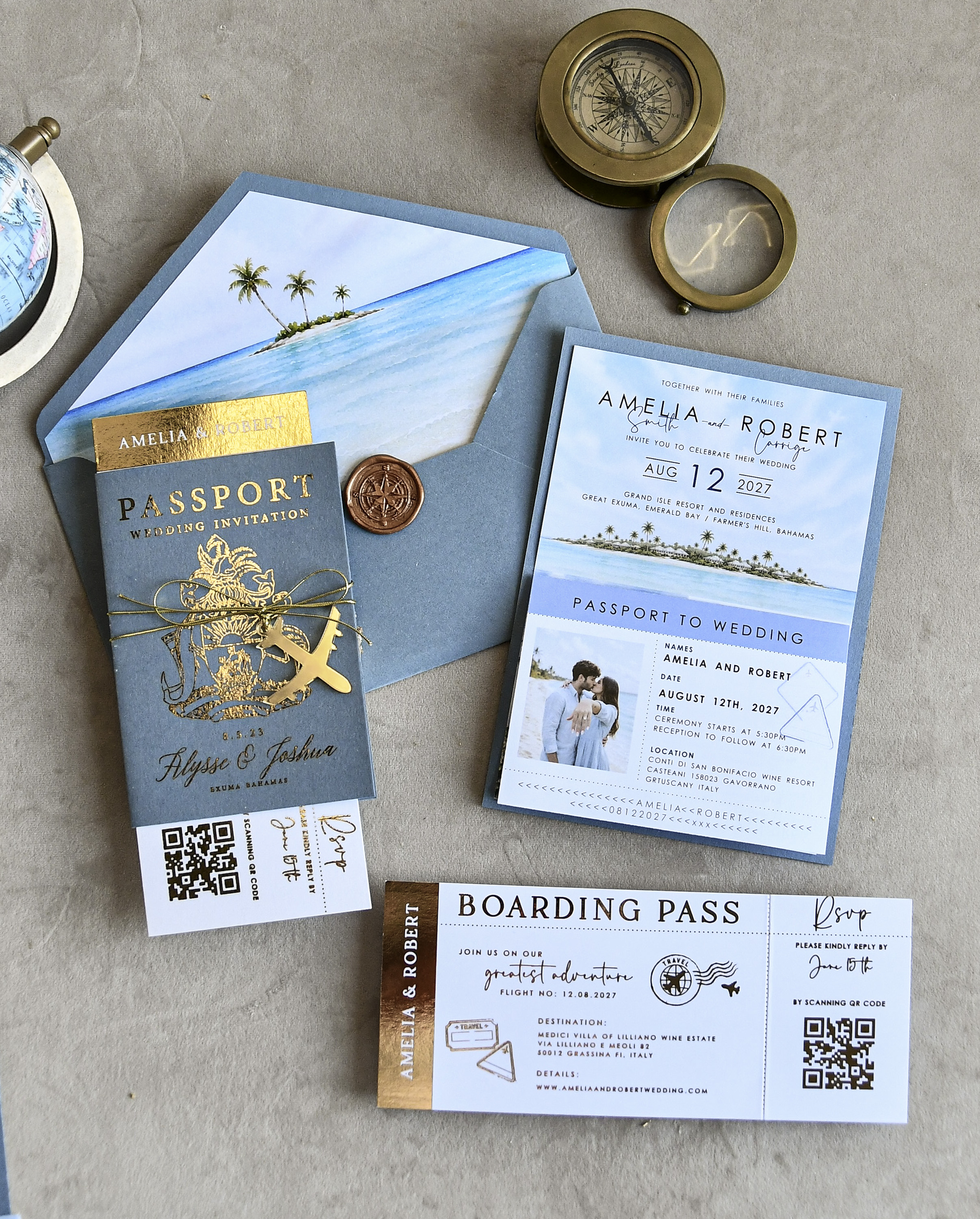
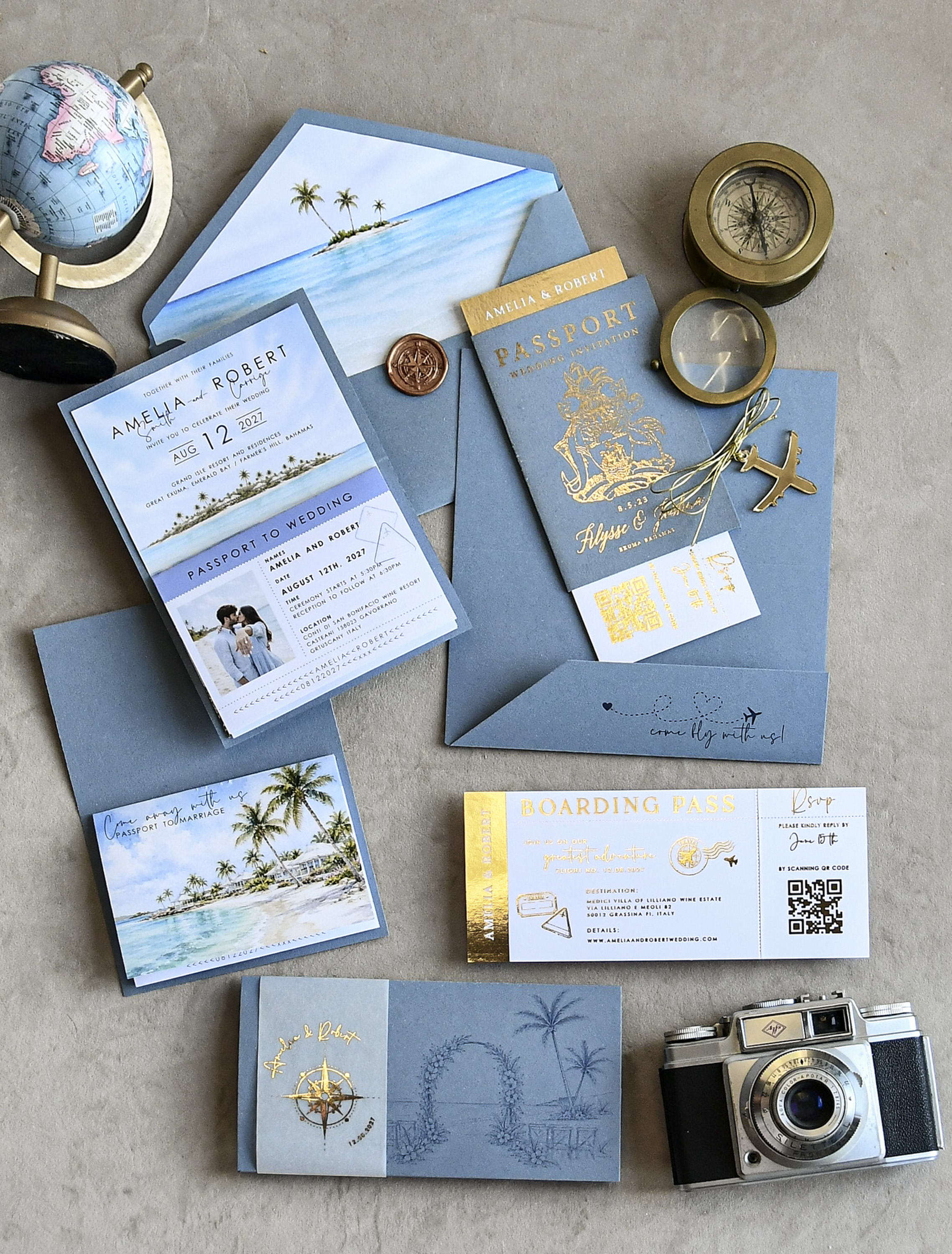
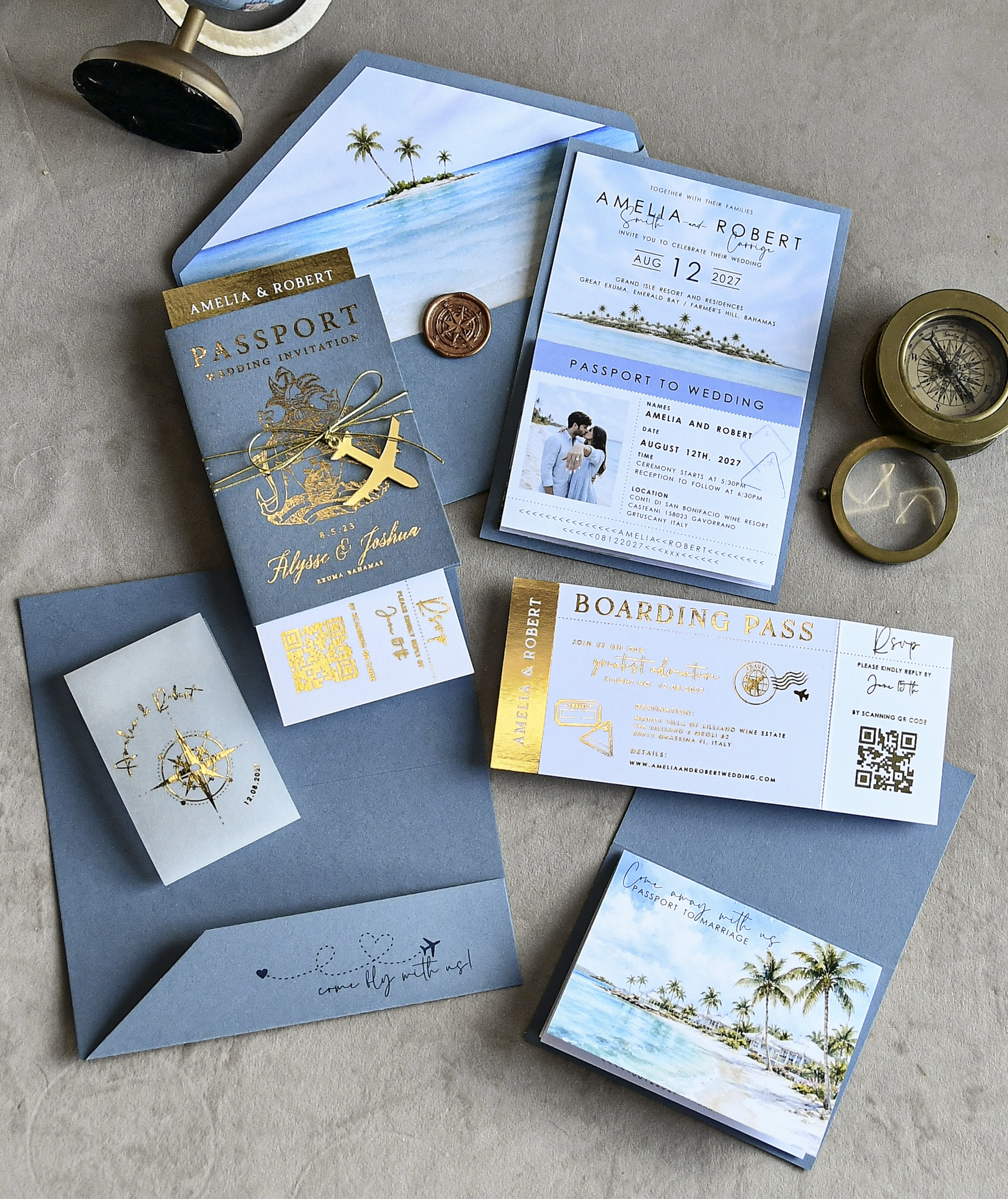
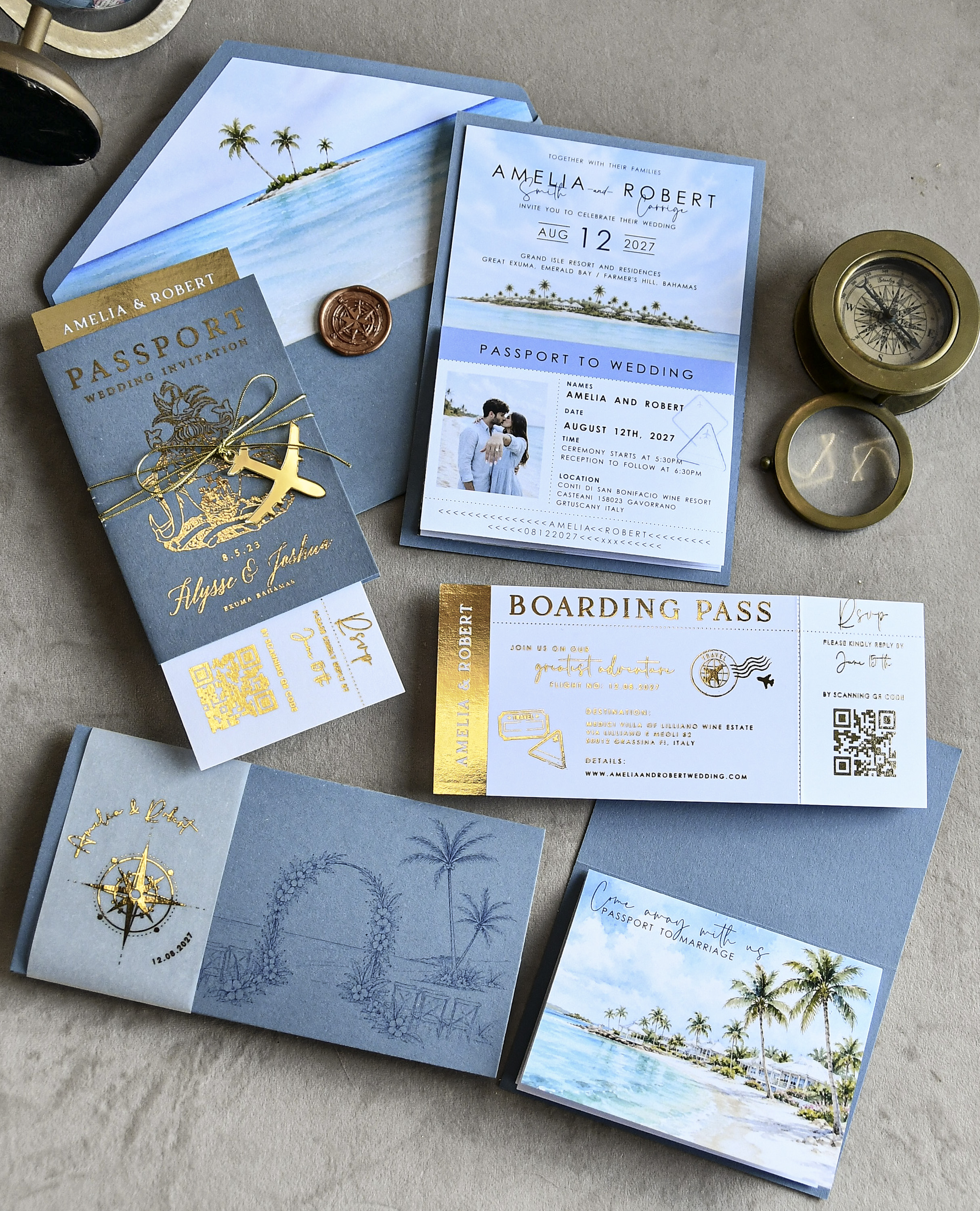
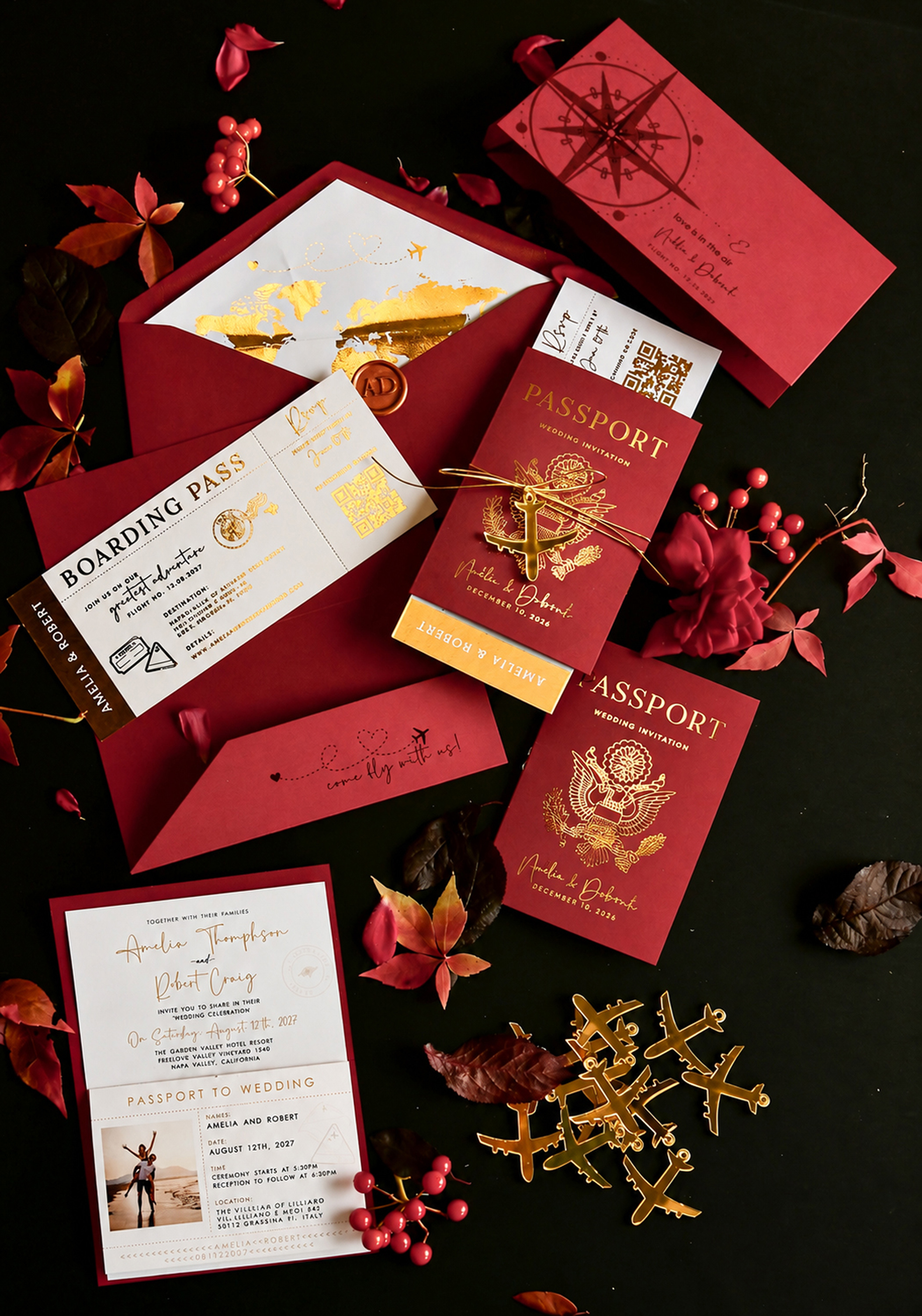
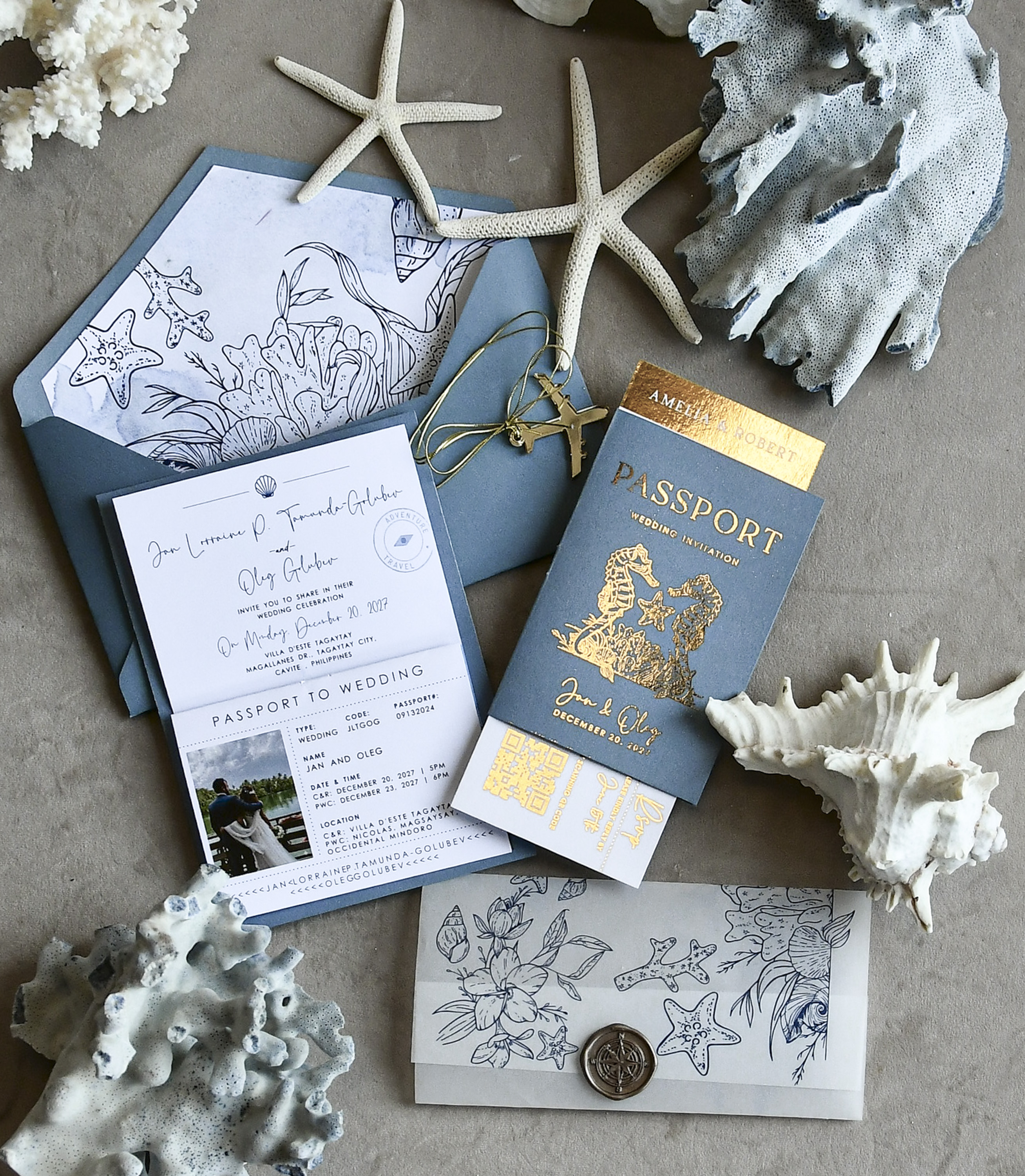
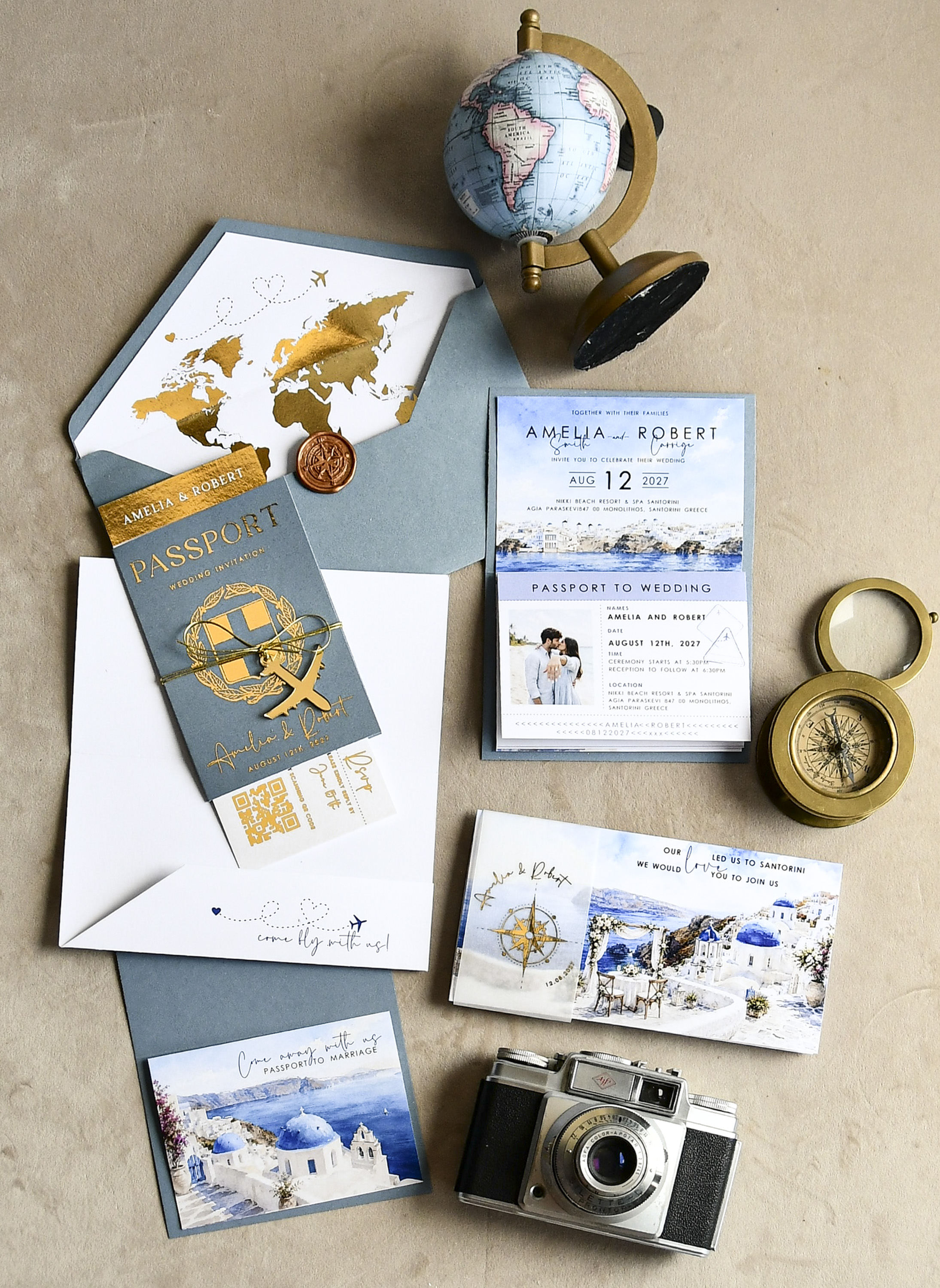
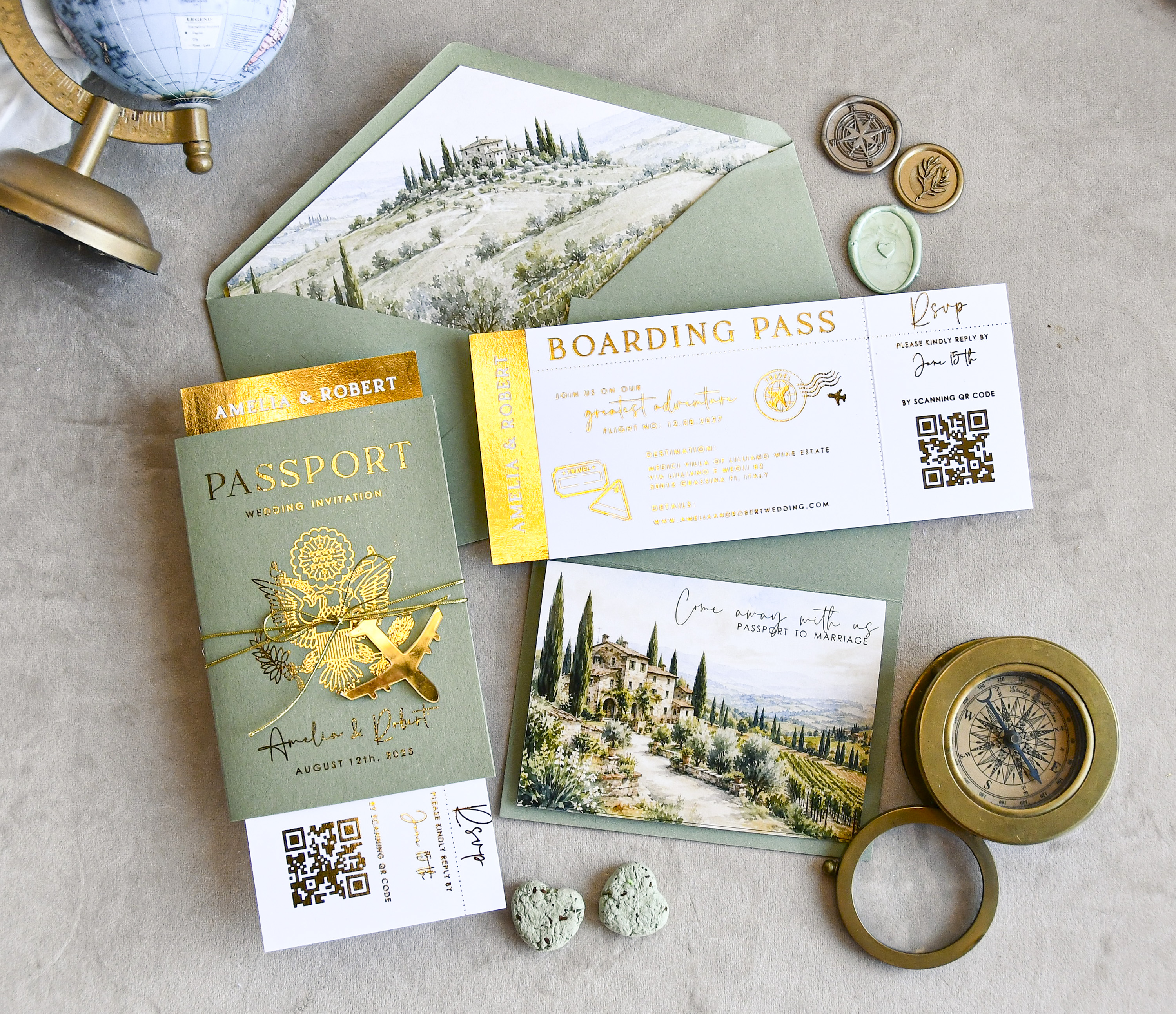
If you're planning a destination or beach wedding and using something like a passport-style invitation suite, you can even use the RSVP process to collect meal preferences and seating notes — a natural way to start organizing logistics early.
Divide Responsibilities So Neither Parent Feels Sidelined
A huge source of tension between divorced parents at weddings is feeling replaced, ignored, or less important than the other. You can defuse a lot of this by giving each parent a distinct, meaningful role.
- Ask one parent to handle a specific vendor relationship (like coordinating with the florist).
- Give the other a ceremonial role, like doing a reading or lighting a unity candle.
- If one parent is contributing financially, be careful not to let that translate into more decision-making power — that imbalance breeds resentment.
When each parent feels seen and valued independently, they're far less likely to compete with or antagonize the other.
Set Clear Boundaries Around Photos and Toasts
Two flashpoints that couples often overlook: the photo session and the toasts. Both can turn uncomfortable fast.
Photos: You do not need a photo with both divorced parents together unless you want one. Talk to your photographer in advance and build a shot list that includes separate family portraits. If you do want a photo with both parents, schedule it early, keep it brief, and have your photographer move things along quickly.
Toasts: If both parents want to speak, give them each a time limit and a heads-up about expectations. A simple guideline: "Please keep it to two to three minutes and focus on [partner] and me — not family history." If you're genuinely worried one parent will say something inappropriate, it's okay to politely ask them not to toast, or to have a trusted MC ready to cut the mic if needed.
Give Yourself Permission to Protect Your Peace
Here's the truth no one tells you: you cannot control your parents, but you can control your response. If you've done the prep work — the conversations, the seating, the logistics — and something still goes sideways on the day, let it go. One awkward moment does not define your wedding.
Consider designating a point person (a sibling, a trusted friend, or your wedding coordinator) whose job is to handle any parent-related fires so you don't have to. Brief this person thoroughly before the day. Their only job is to redirect, de-escalate, and keep drama away from you.
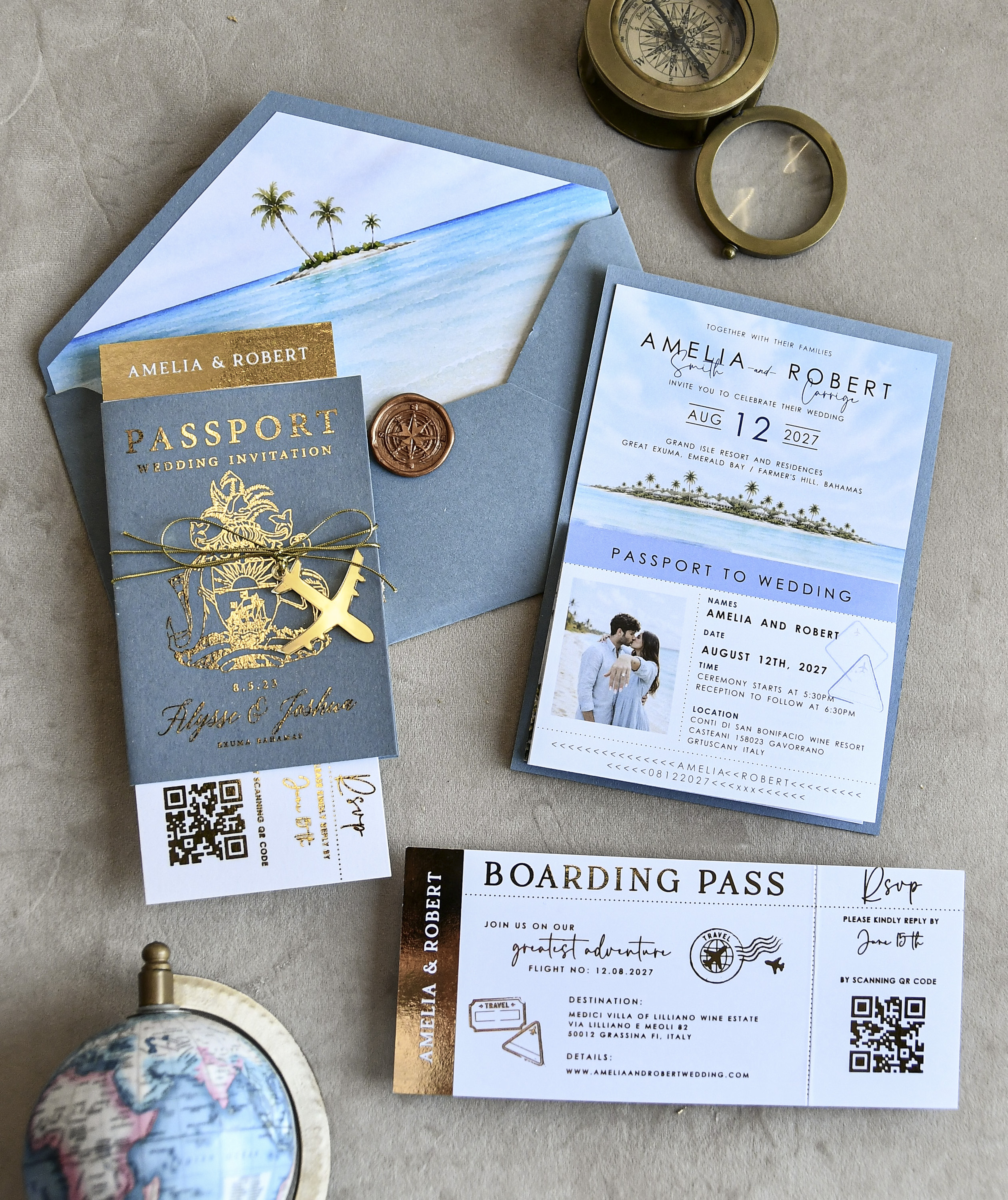
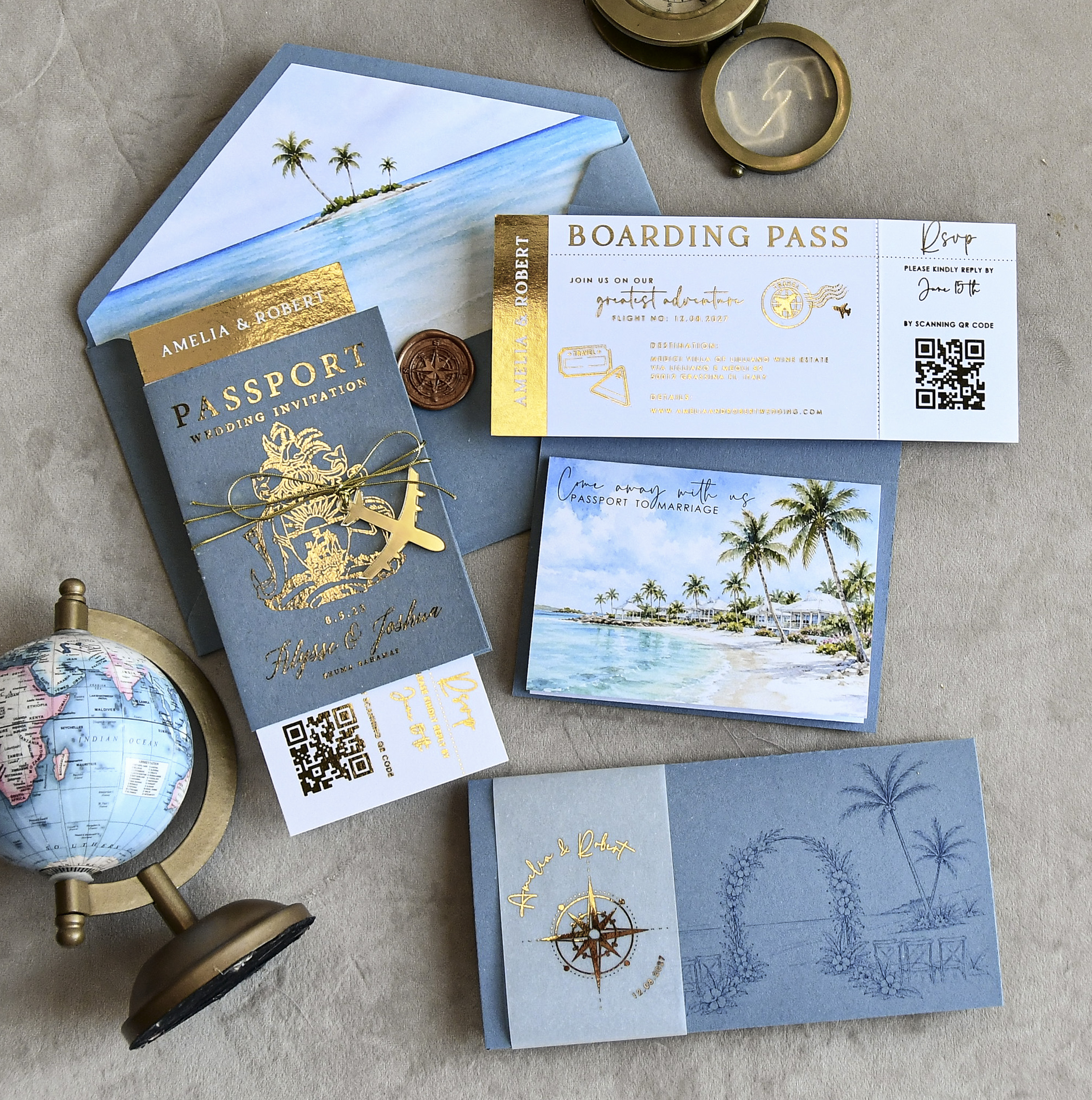
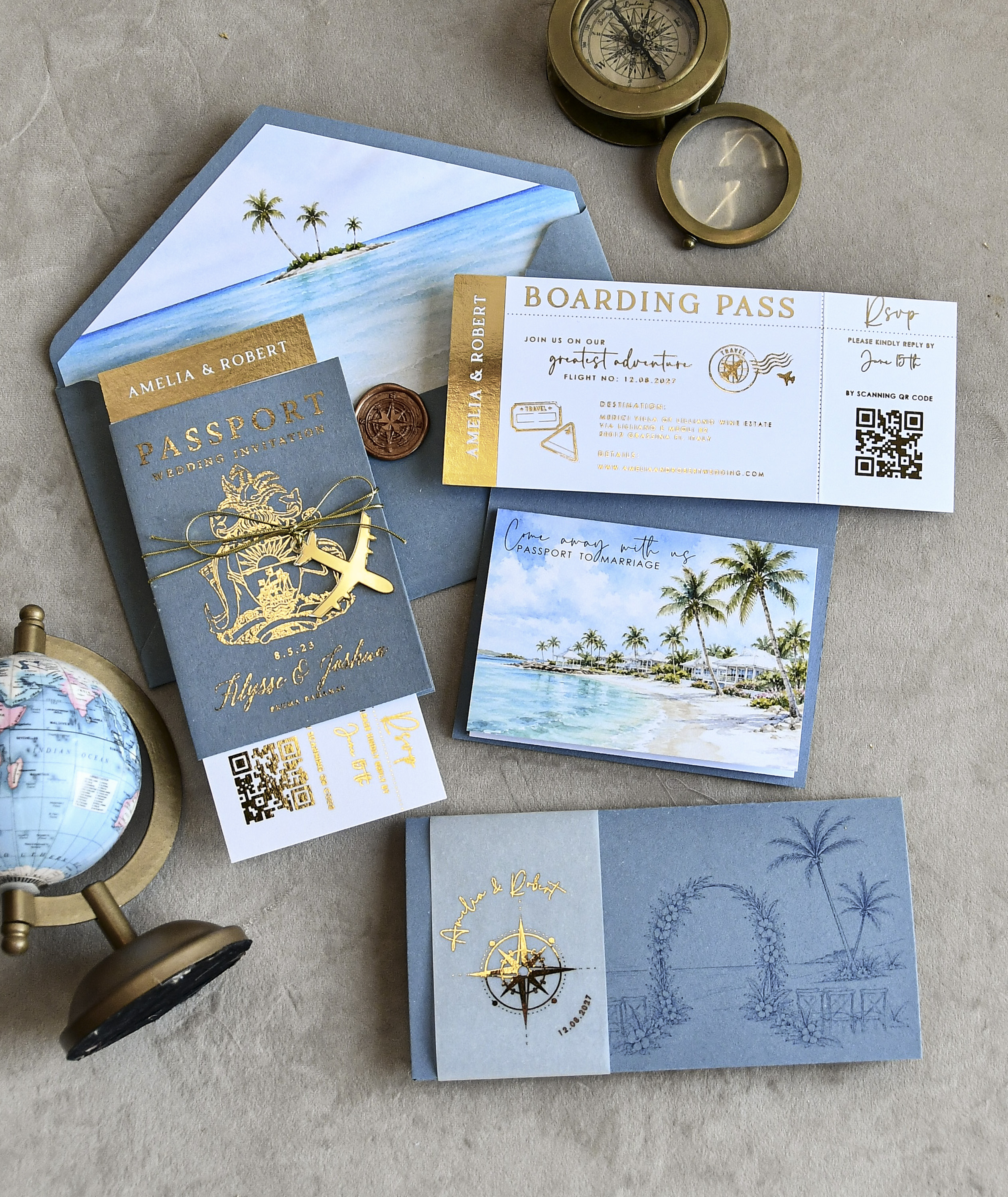
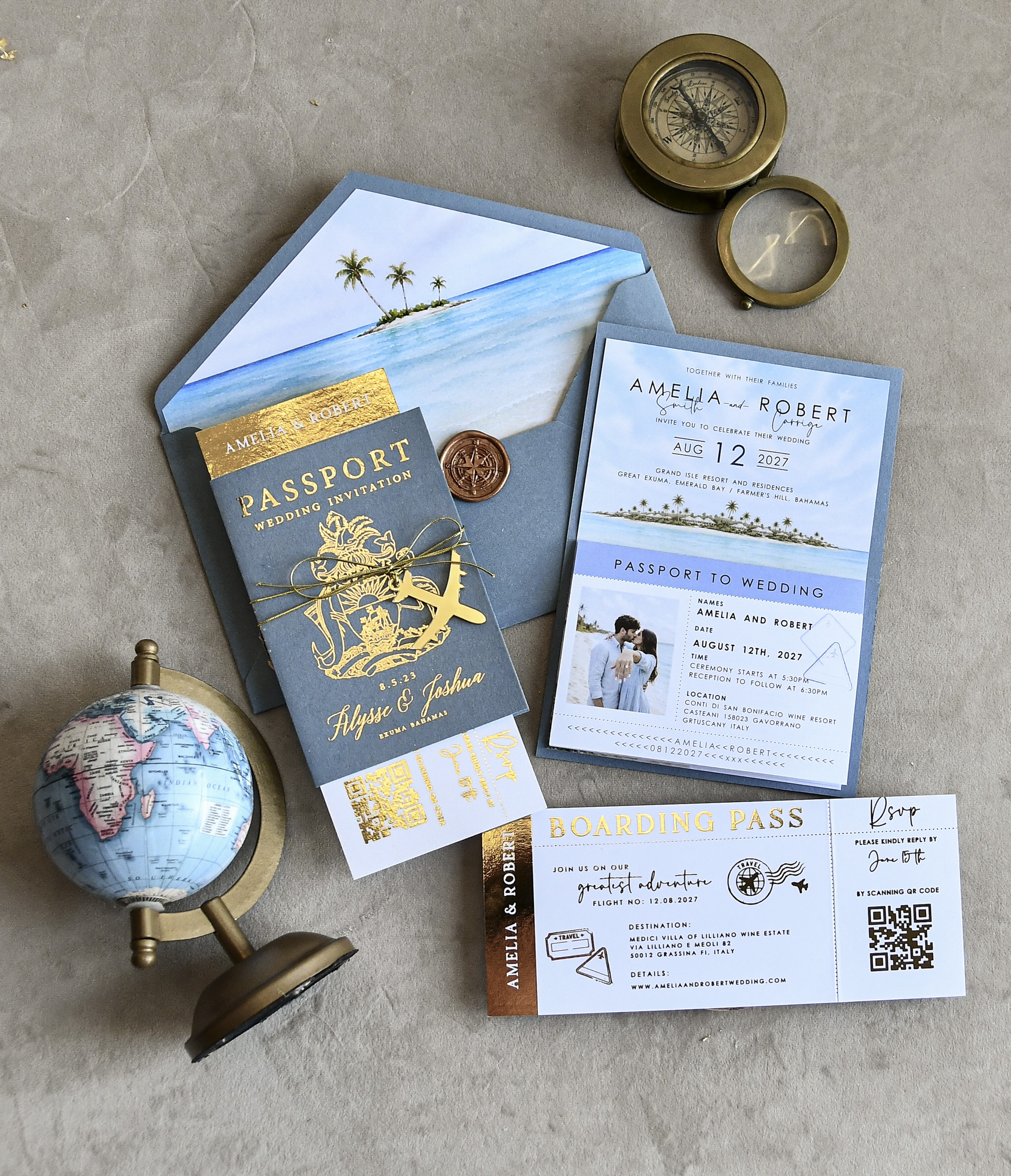
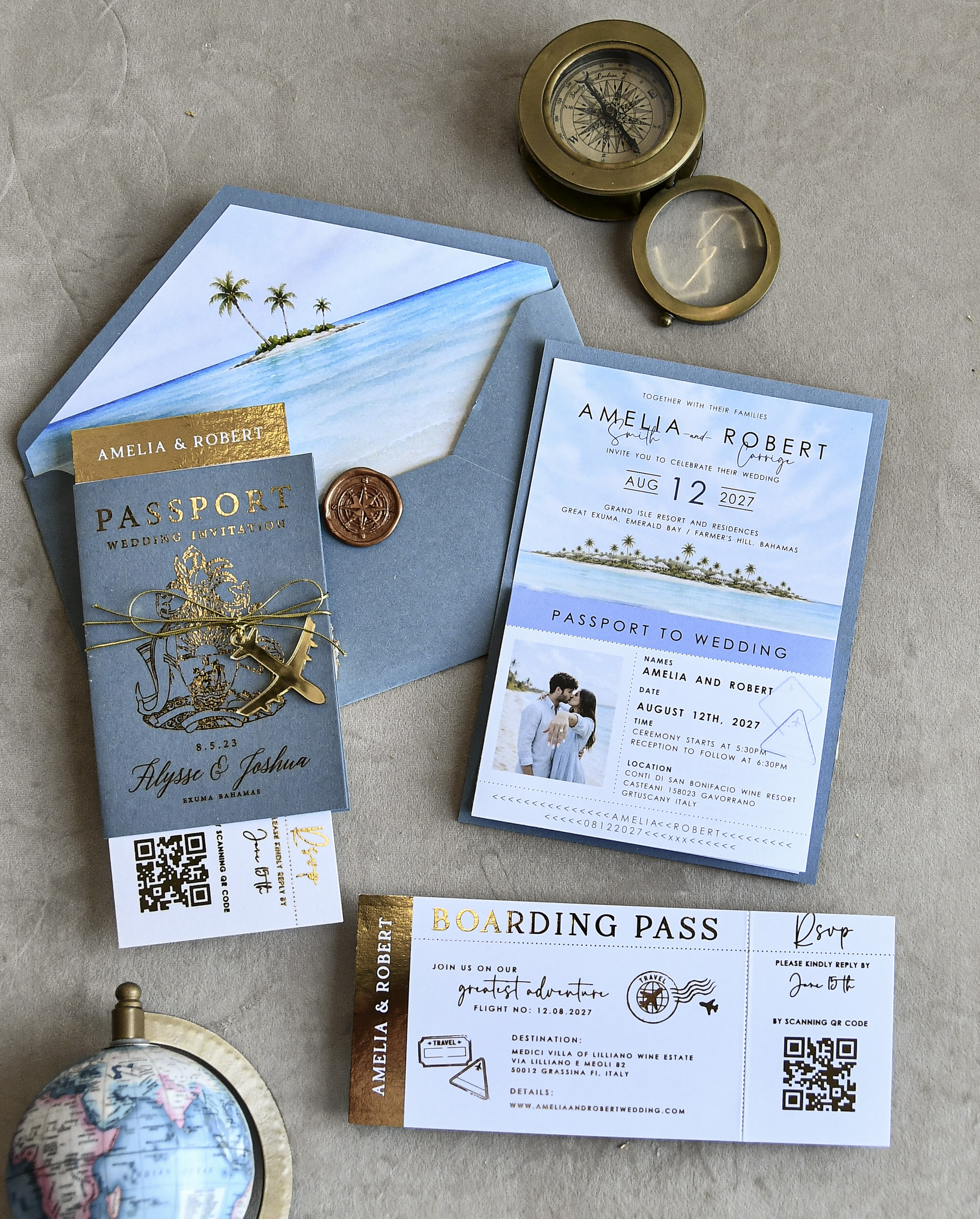
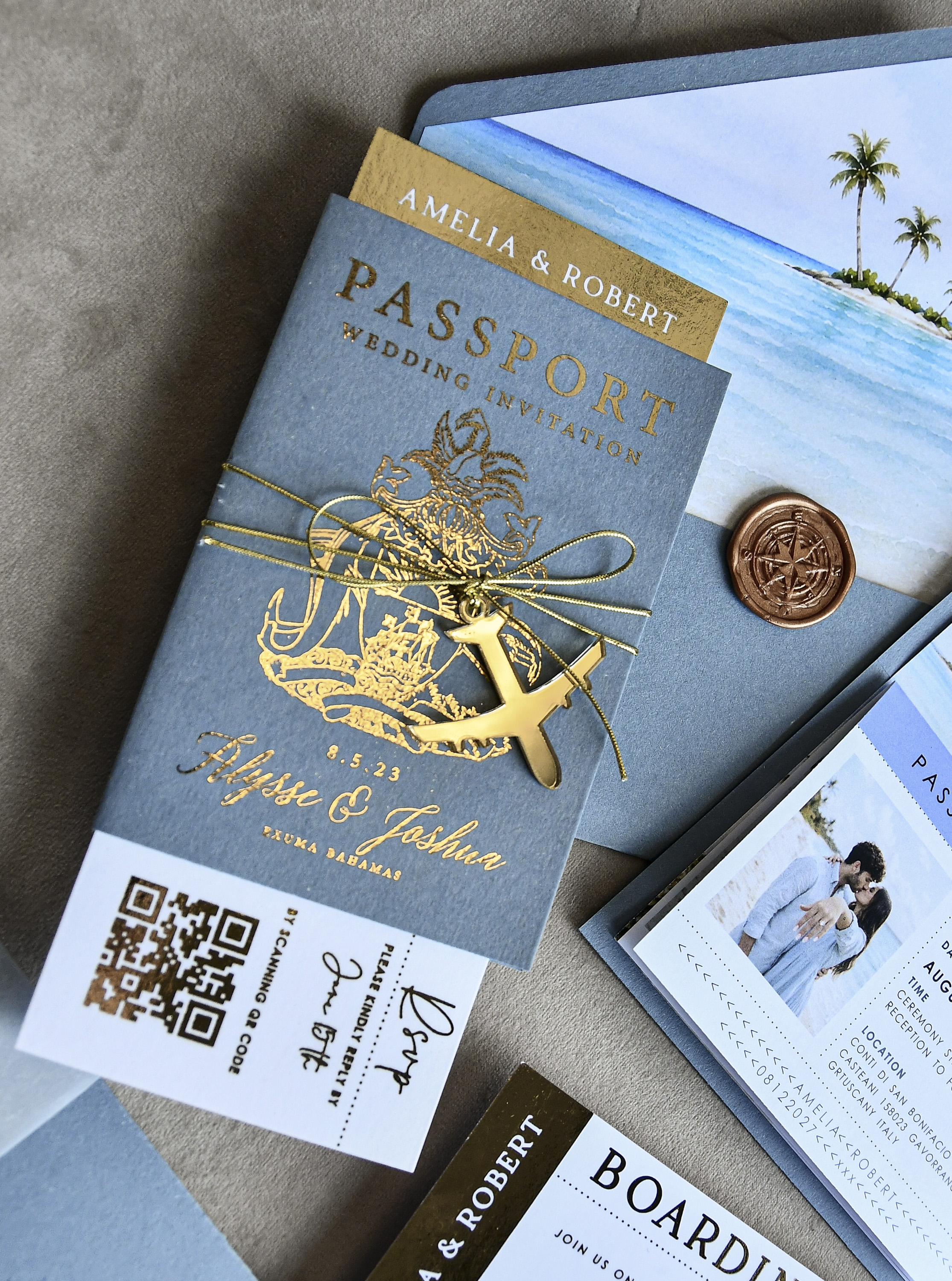
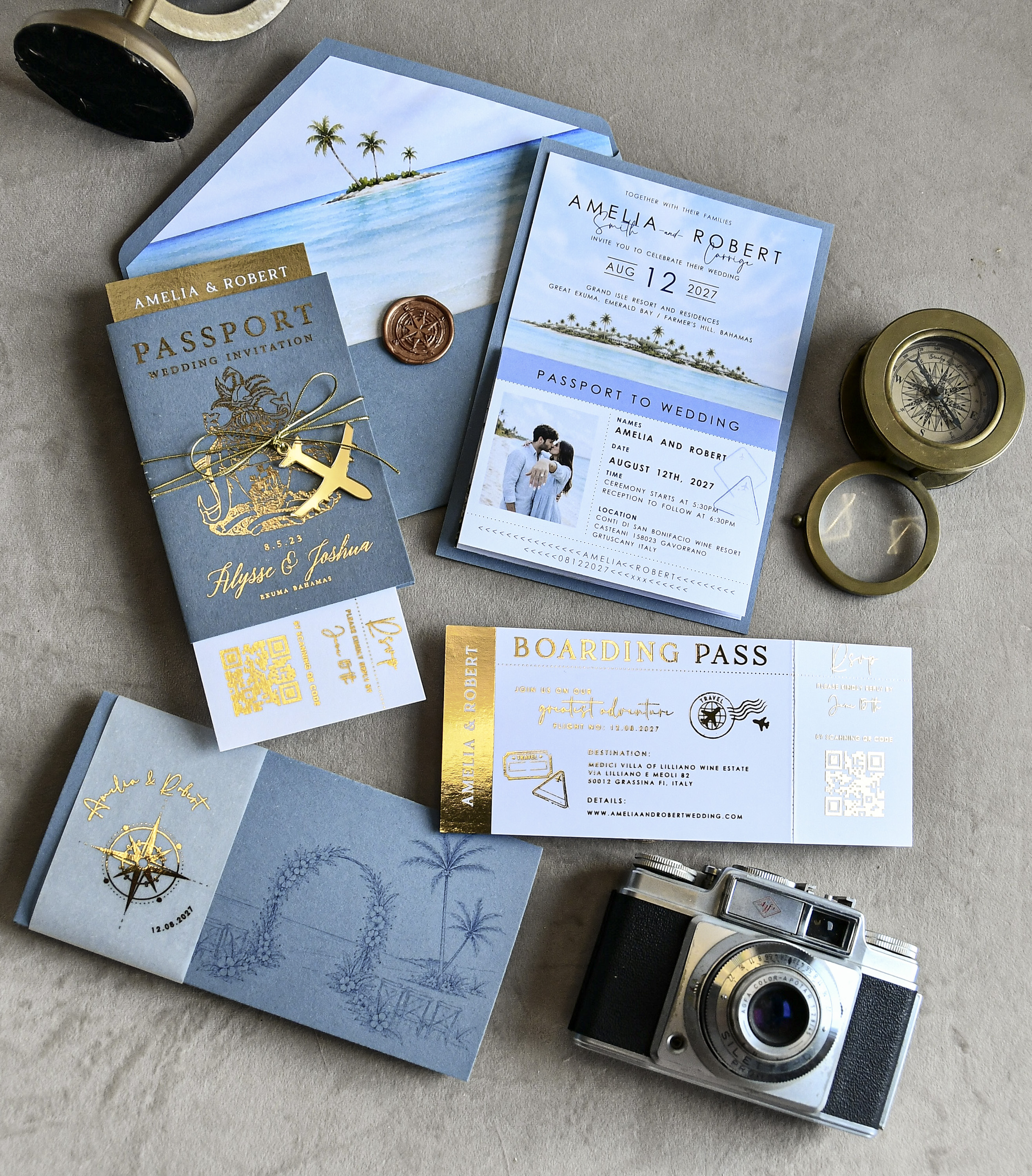
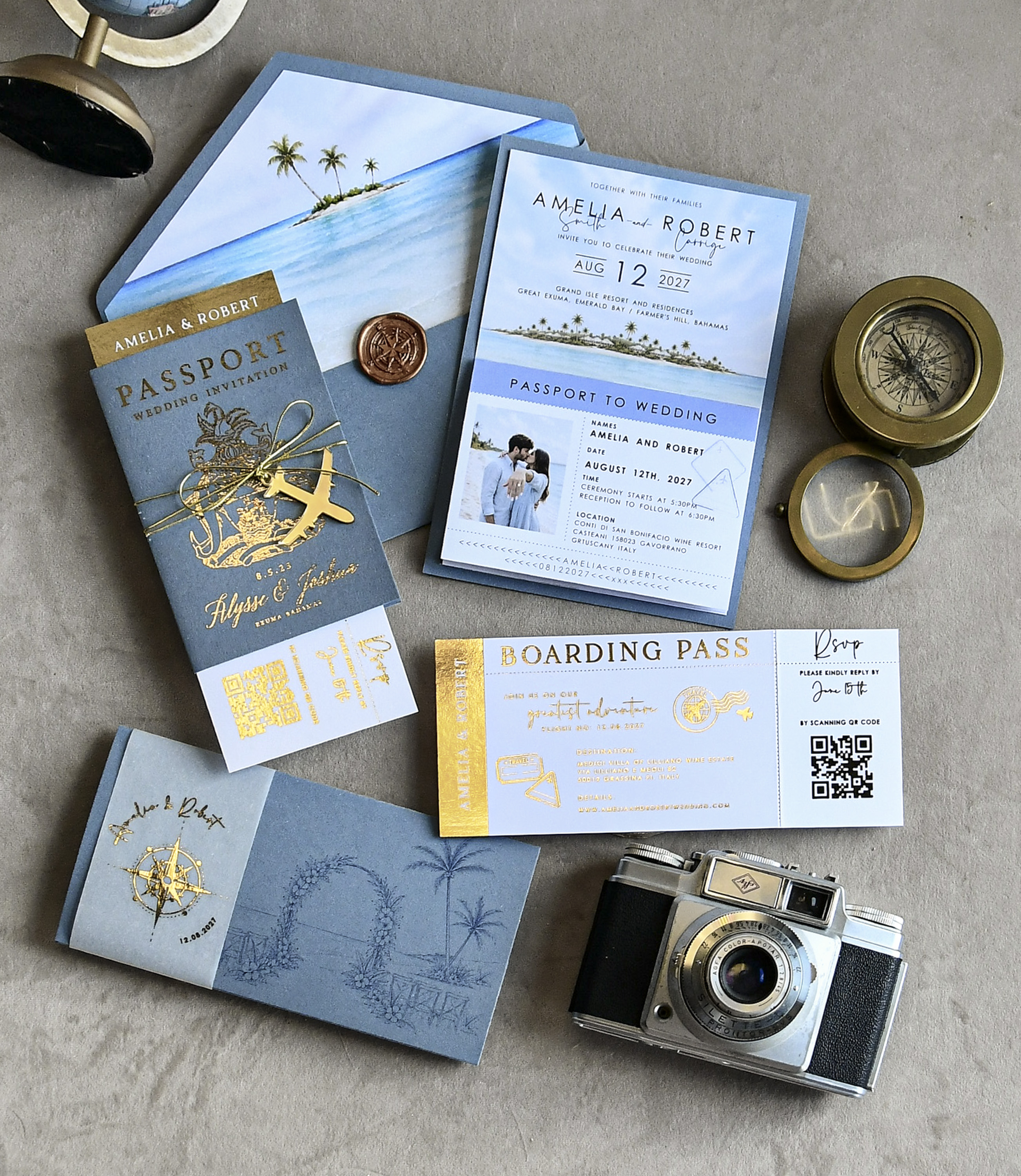
Your wedding stationery sets the tone long before guests arrive — and a cohesive, beautiful suite like the passport-inspired beach wedding invitations from Margo & Bees signals to everyone that this is a joyful, intentional celebration. Start the day on the right note, and let the logistics do the heavy lifting.
Frequently Asked Questions
In almost all cases, yes — excluding a parent entirely causes deep and lasting hurt, and the fallout often outlives the wedding drama you were trying to avoid. The rare exception is if a parent is abusive or estranged, in which case your safety and wellbeing come first.
No — divorced parents should each have their own line on the invitation, reflecting that they are two separate households. If a parent has remarried, their new spouse can be included on the same line with them.
Many couples choose to be escorted by both parents together, which can actually be a touching symbol of unity. Alternatively, one parent can walk you to the midpoint and the other takes over, or you can simply choose one parent and explain your decision privately and lovingly to the other.
Establish a firm rule from the start: all wedding communication goes through you, not between parents. Never put them in the same planning meeting or group text — keep all conversations separate and parallel.
This is a sensitive request and should only be made if the new partner's presence would genuinely cause serious disruption — for example, if the divorce was recent and wounds are still raw. Otherwise, excluding a long-term partner or spouse can cause more offense than the original conflict.
Stay calm and don't negotiate with ultimatums. Calmly let that parent know that both parents are invited, you love them both, and you hope they'll choose to be there. Ultimately, an adult who skips their child's wedding over an ex is making their own choice — and that is not your responsibility to fix.
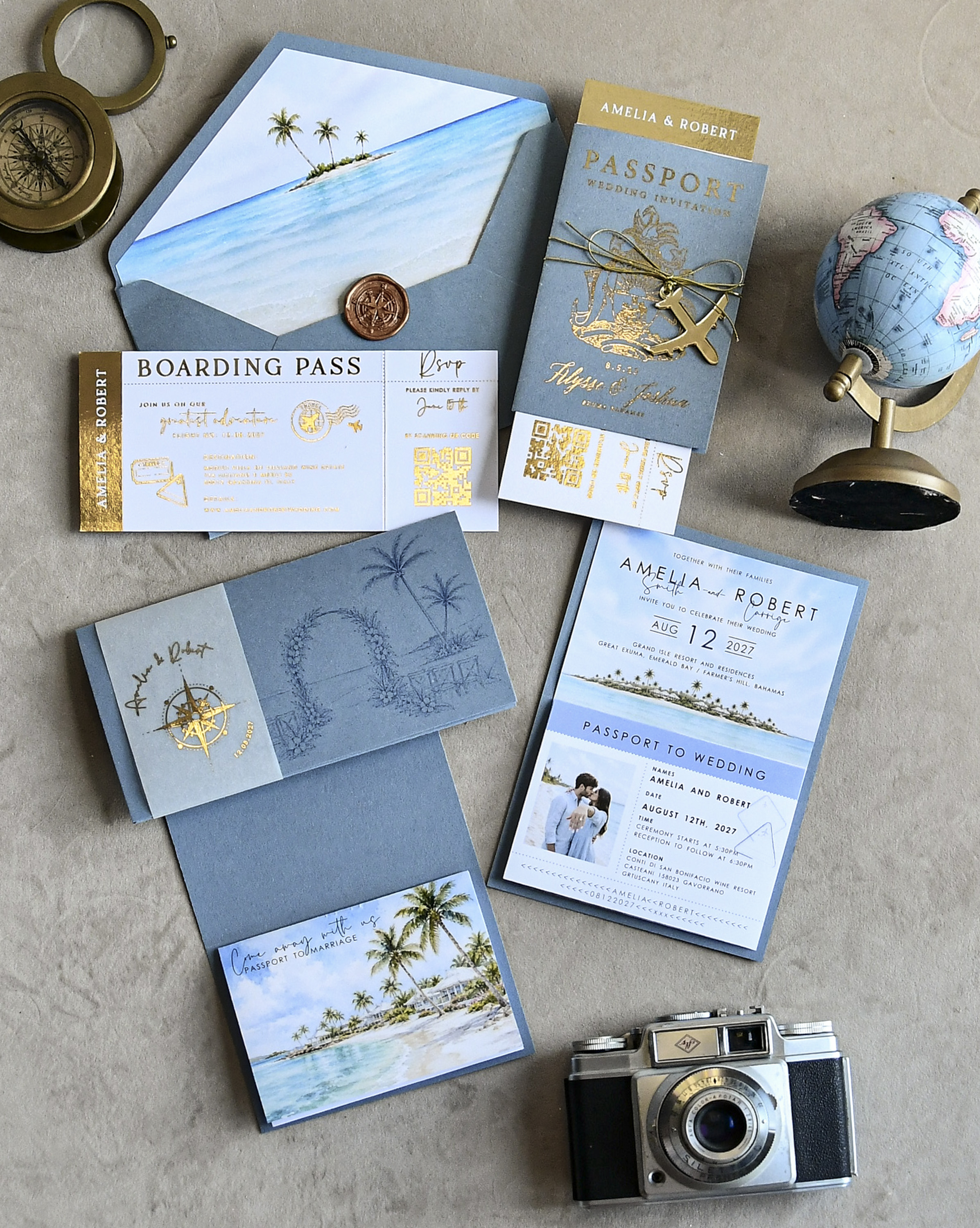
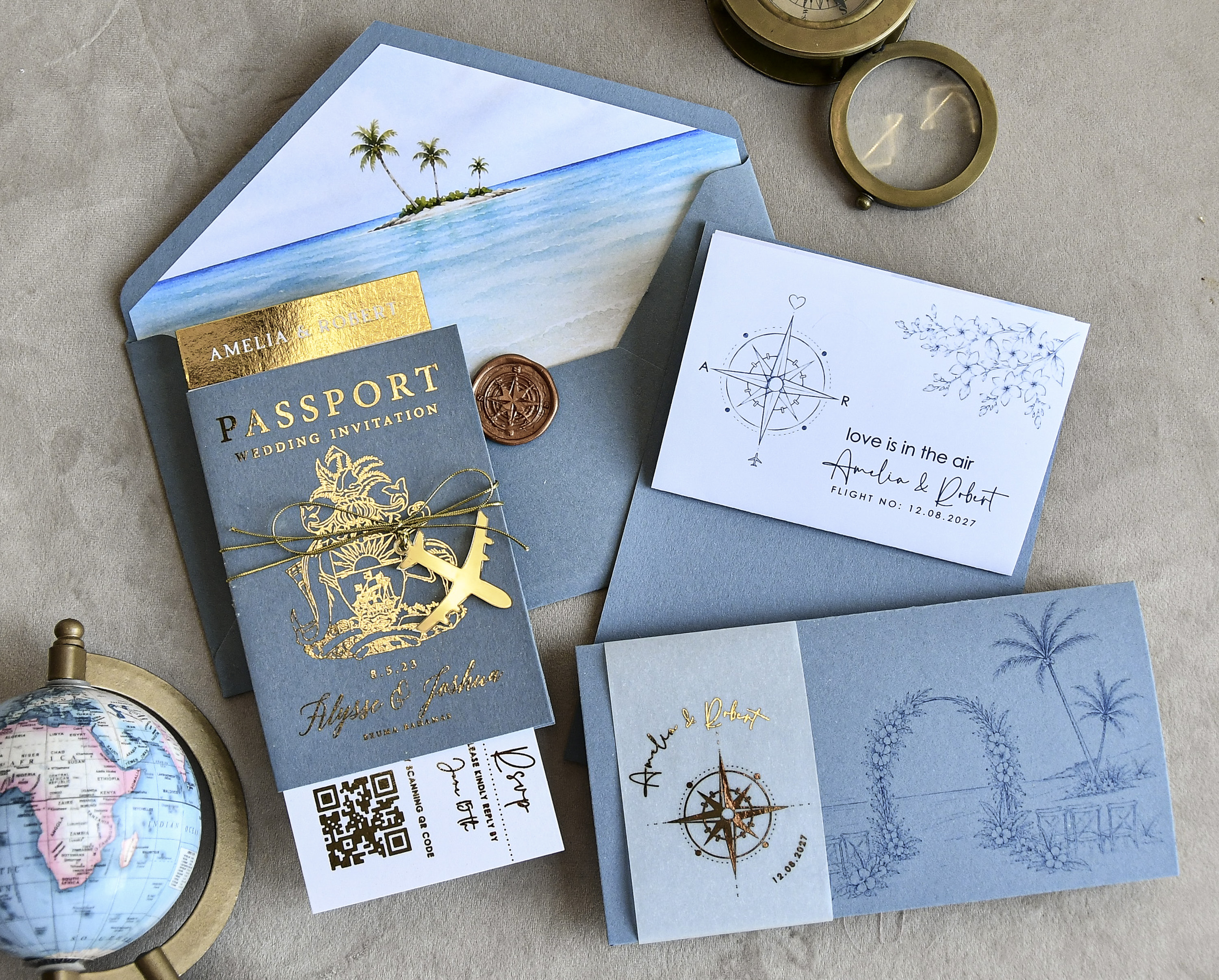
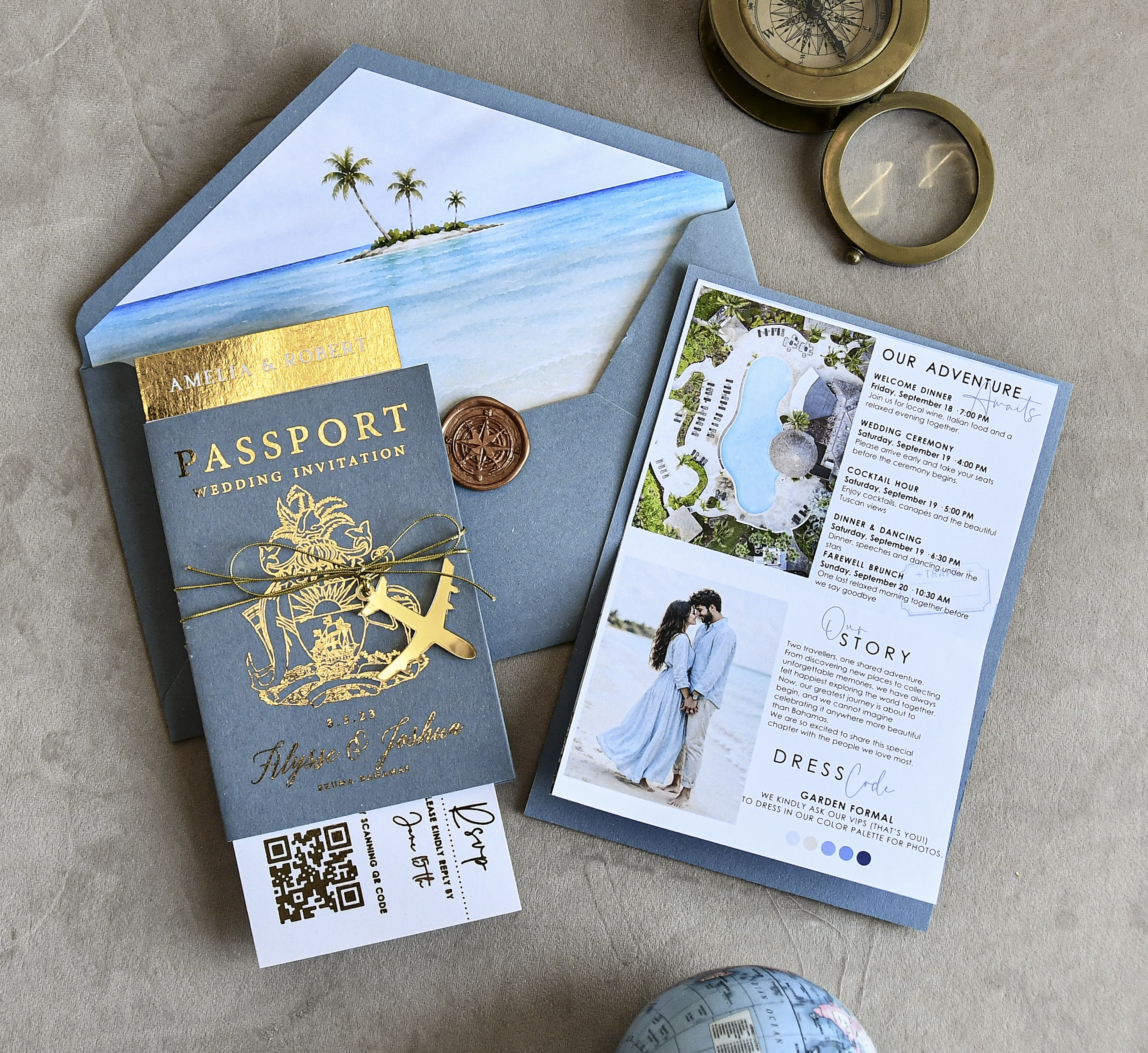
See This Design Up Close













You May Also Like
More Wedding Planning Guides
- → Kids at Your Wedding: Should You Hire a Babysitter or Full Entertainment?
- → The Right Time to Chase Down Missing RSVPs (And How to Do It Gracefully)
- → The Graceful Way to Let Guests Know Your Wedding Is Adults Only
- → Wedding Guest List Dilemma: Should Your Boss and Coworkers Make the Cut?
- → When Guests RSVP Yes But Never Arrive: What to Do Before, During, and After
- → Navigating Wedding Invitations When a Sibling Relationship Is Complicated
- → Your Guest List, Your Rules: Navigating In-Law Friend Invites
- → Big Guest List vs. Better Wedding Experience: Which Should You Prioritize?
- → Save the Date Cards vs. Wedding Invitations: Know the Difference Before You Order
- → Extra Wedding Guests: Who Picks Up the Tab?
- → No RSVP? Here's Exactly How to Handle It
- → What to Say When Someone Asks Why They Didn't Make the Guest List
- → Plus-Ones for Single Guests: Making the Right Call for Your Wedding
- → How to Kindly Let Someone Know They Didn't Make the Guest List
- → My Fiancé Wants to Exclude My Family From the Wedding: Now What?
- → Should You Give Teenage Guests a Plus One at Your Wedding?
- → Adults-Only or Family-Friendly? How to Make the Right Call on Kids at Your Wedding
- → When Guests Bring Unexpected Plus-Ones: What to Do Before and After the Wedding
- → How Late Is Too Late for Wedding Invitations? A Realistic Timeline
- → Aunt Has a New Husband: Here's How to Handle the Invitation
- → The RSVP No-Show: Should You Actually Call Guests Who Never Responded?
- → Wedding Invitations: Mail Them or Hand Deliver? Here's How to Decide
- → What to Do When a Relative Says They Won't Come If Someone Else Is Invited
- → Extra Names on Your RSVP Card: What to Do When Guests Add Themselves
- → Your Guest List, Your Call: How to Handle Mom's Must-Invite Requests
- → Yes, You Can Say No to a Plus One — Here's How to Do It Right
- → Adults-Only Weddings: Are You Being Rude by Leaving Kids Off the Guest List?
- → How to Handle Seating for Divorced Parents at Your Wedding
- → Uninvited Plus-Ones and Tag-Alongs: How to Keep Your Guest List Intact
- → When Family Feuds Threaten Your Wedding Plans: A Practical Peacekeeper's Guide
- → Inviting an Estranged Brother or Sister: Finding Clarity Before You Seal the Envelope
- → Cousins, Invites, and Hard Choices: A Practical Guest List Guide