
Aunt Has a New Husband: Here's How to Handle the Invitation
Family dynamics shift, and weddings have a way of surfacing every one of them. If your aunt recently remarried, you may be wondering whether her new husband automatically earns a seat at your reception — or whether it's okay to invite her solo. The short answer: in most cases, yes, you should invite her spouse. But the full picture depends on a few key factors, and knowing them will help you make a confident, drama-free decision.
The General Rule: Married Couples Come as a Unit
Standard wedding etiquette is clear on this one: if a guest is married, their spouse receives an invitation too. This applies whether the marriage happened 20 years ago or 20 months ago. Your aunt and her new husband are a legally recognized couple, and excluding him without a compelling reason can come across as a slight — not just to him, but to her as well.
Think of it this way: you're not just inviting individuals to your wedding, you're inviting the relationships in your life as they exist right now. Your aunt's current life includes this person, and honoring that reflects well on you as a host.
When It Gets Complicated: Timing and Relationships
Of course, real life isn't always textbook-simple. Here are a few scenarios where you might genuinely wrestle with the decision:
- They married very recently: If your aunt remarried within the last few months and you've never met her husband, it can feel strange to hand him a formal invitation. Even so, etiquette still leans toward including him — a wedding is actually a wonderful place to meet new family members.
- Your family has a complicated history with the divorce: If her previous marriage ended badly and other family members are still tender about it, that's understandable — but it's not a reason to exclude her current husband. His presence is separate from any past conflict.
- You have a strict guest count: Venue or budget limits are a legitimate constraint. If you're keeping the wedding extremely small (think: immediate family only), a consistent rule applied across all guests is fair and defensible. Just make sure you're applying it evenly.
How to Address the Invitation Correctly
Once you've decided to include him — great! Now make sure the invitation itself reflects that. Addressing it properly signals that he is genuinely welcome, not an afterthought.
- Use both full names on the outer envelope: Mr. and Mrs. David and Susan Hartley, or Susan Hartley and David Hartley.
- If your aunt kept her previous last name, address it accordingly: Susan Monroe and David Hartley.
- On the inner envelope (if you're using one), you can use first names: Susan and David.
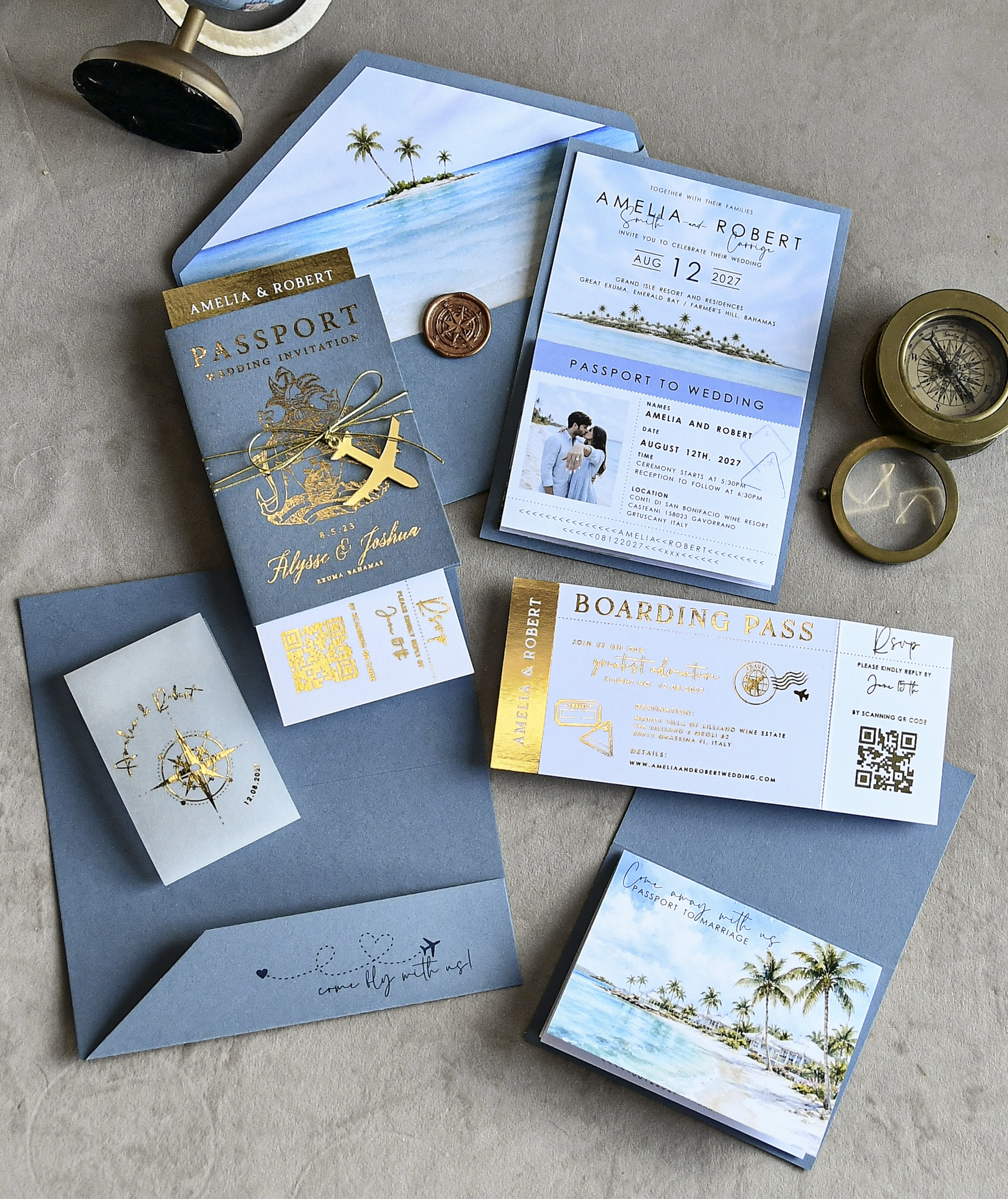
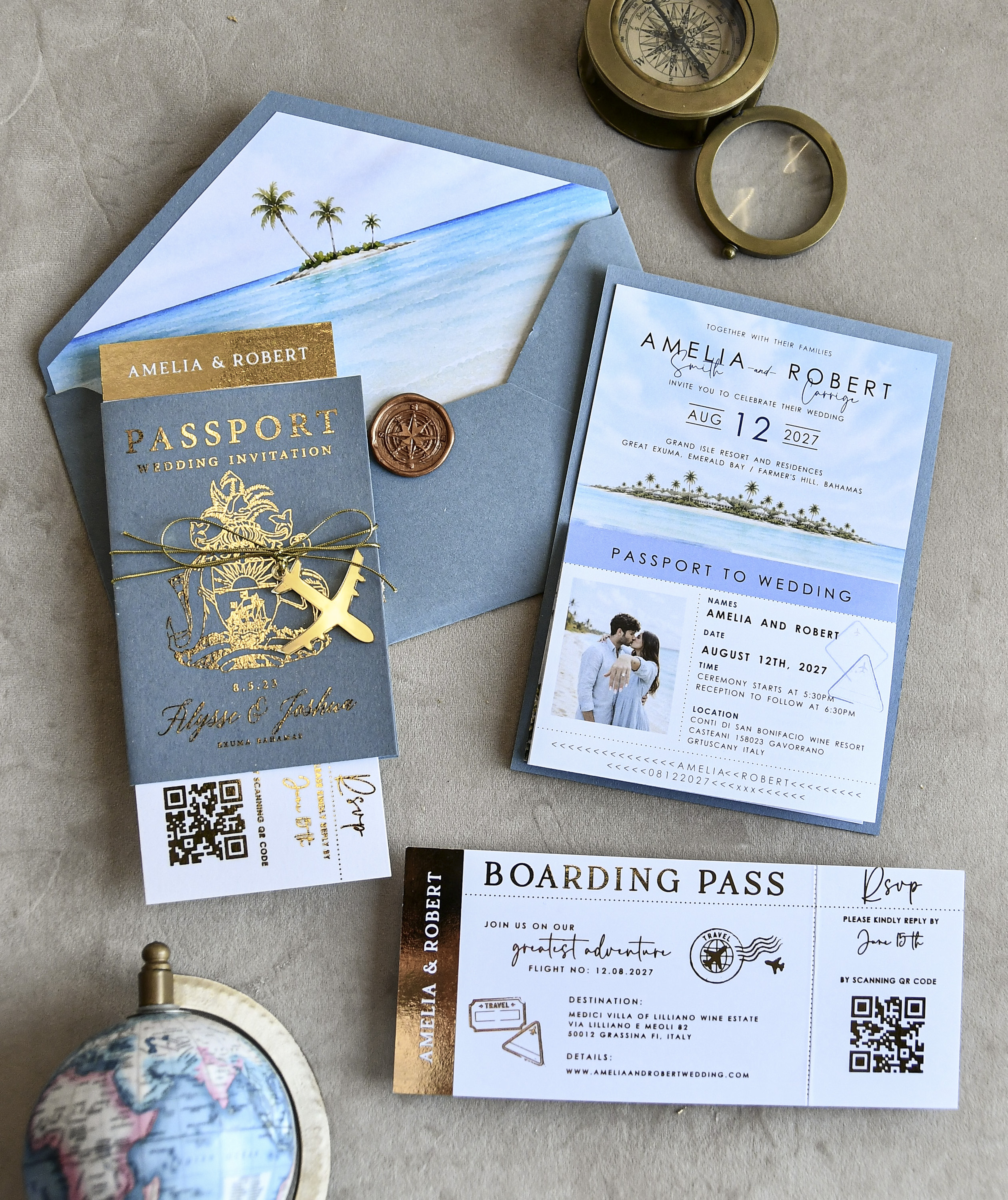
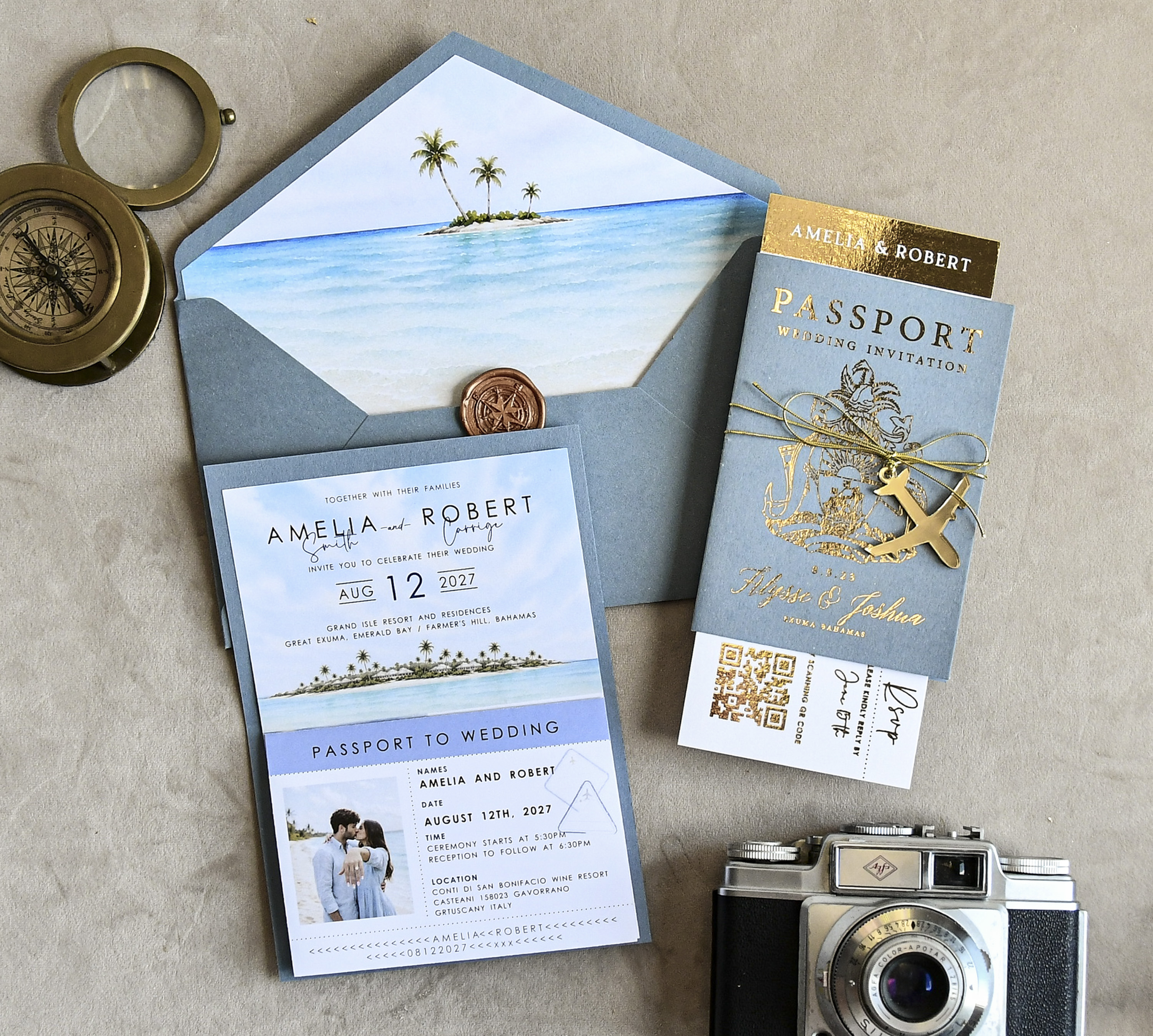
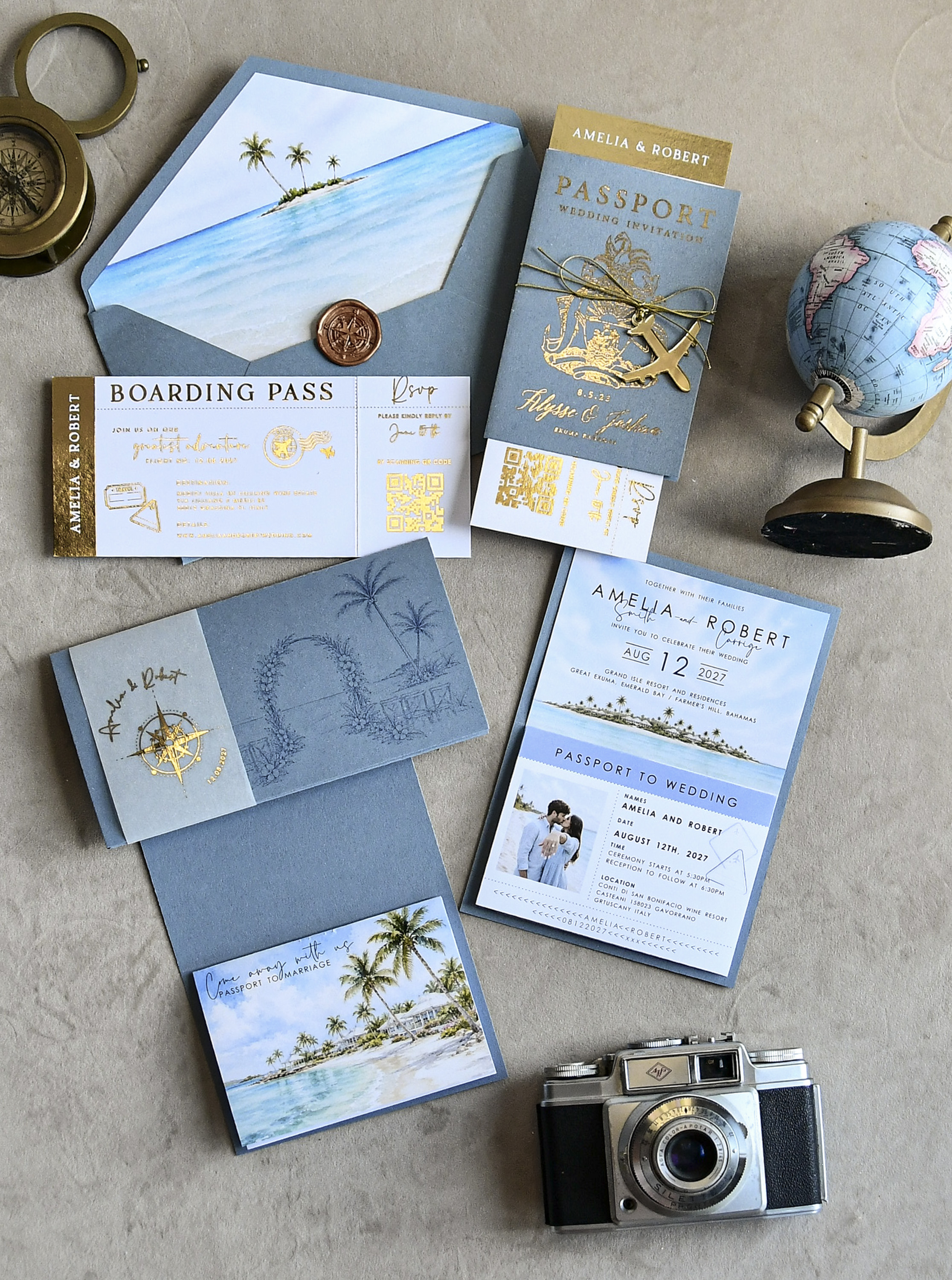
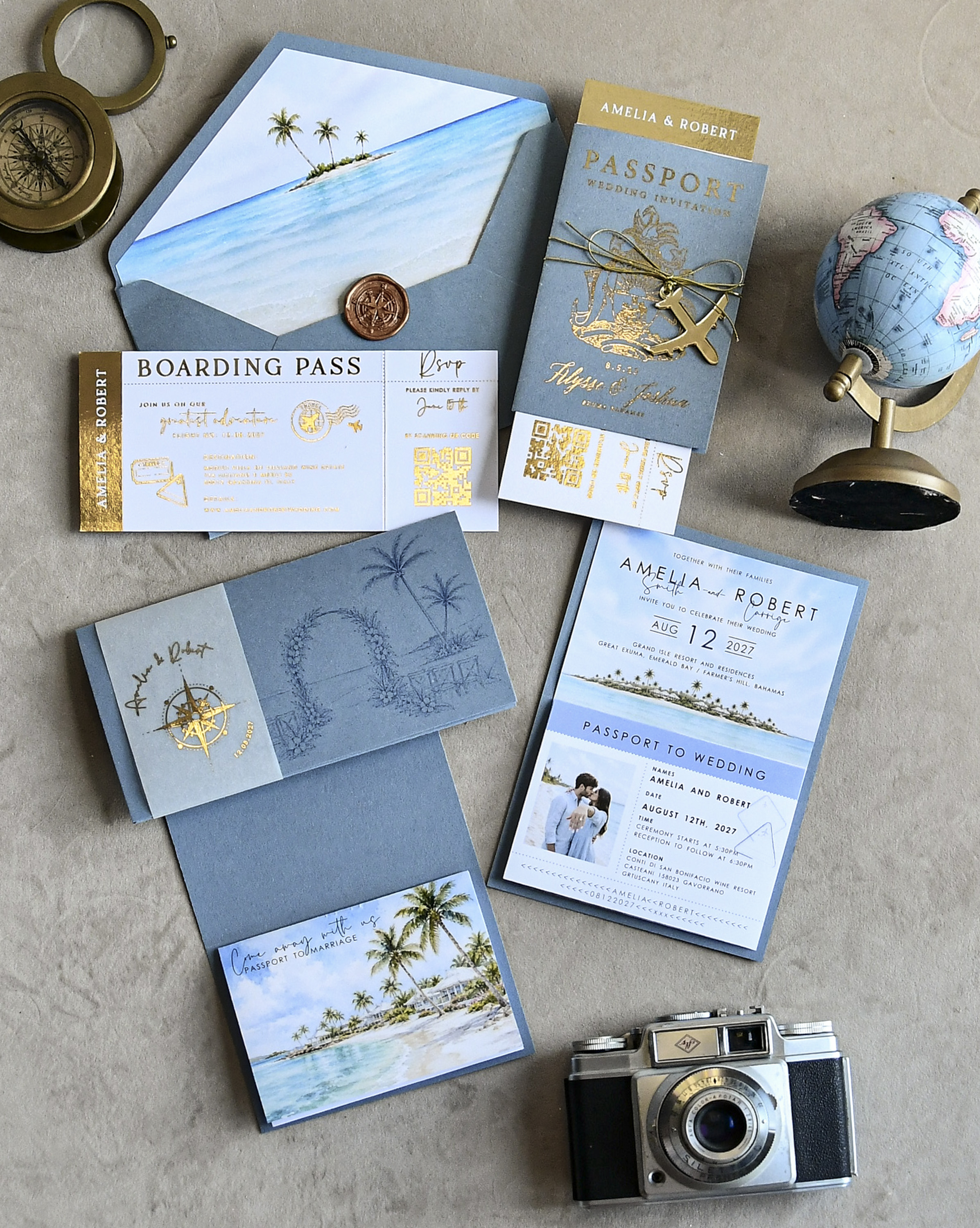
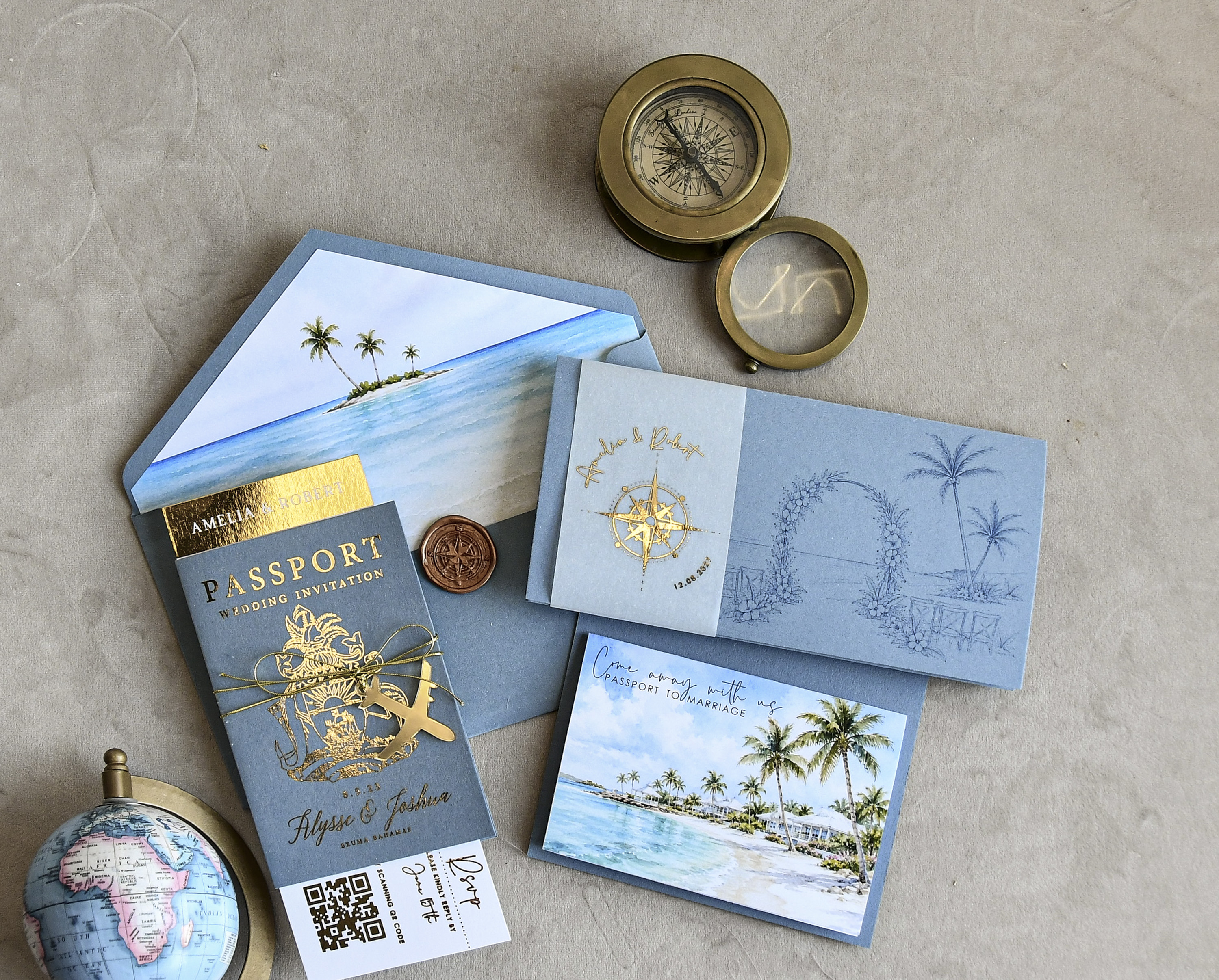
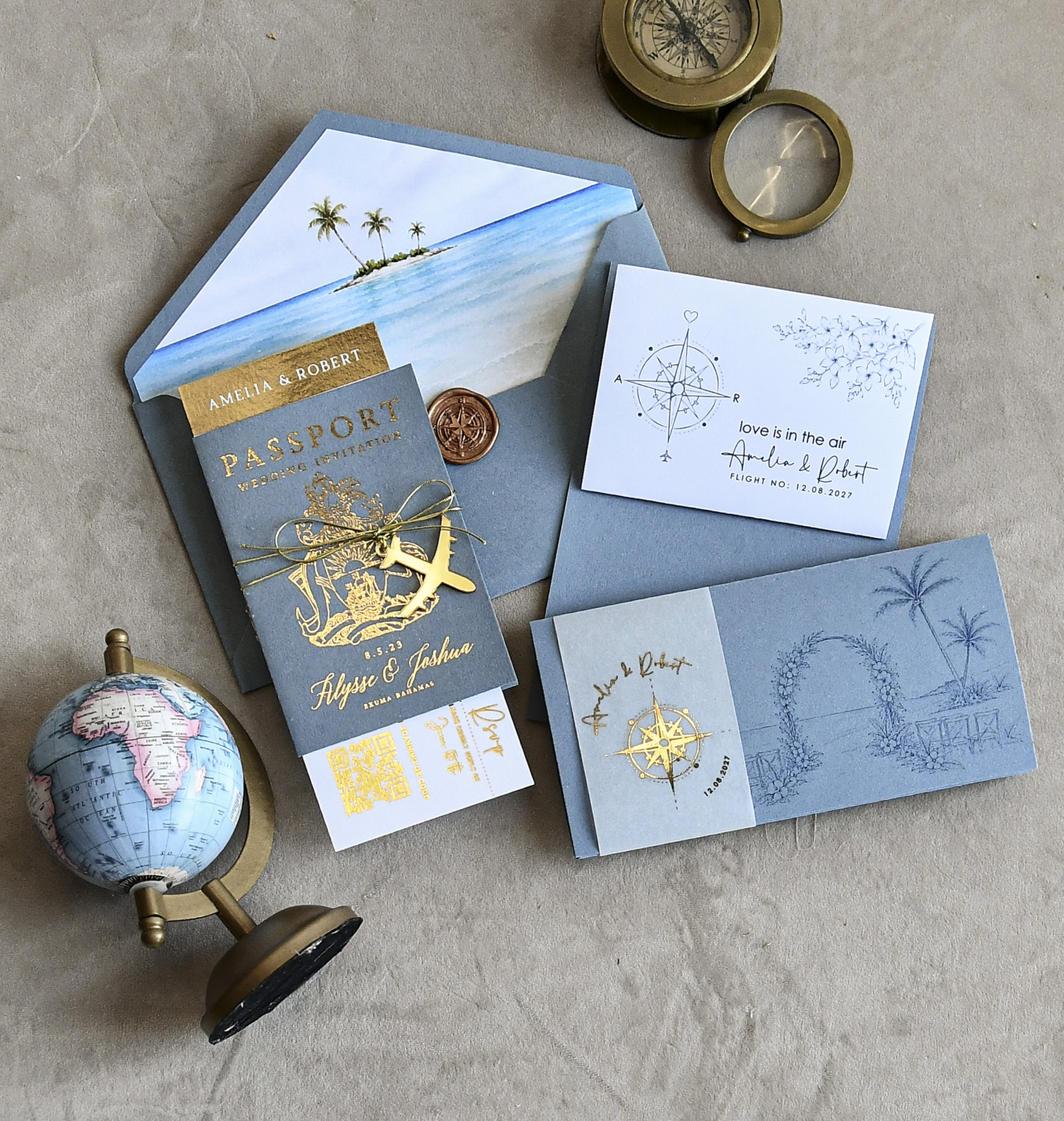
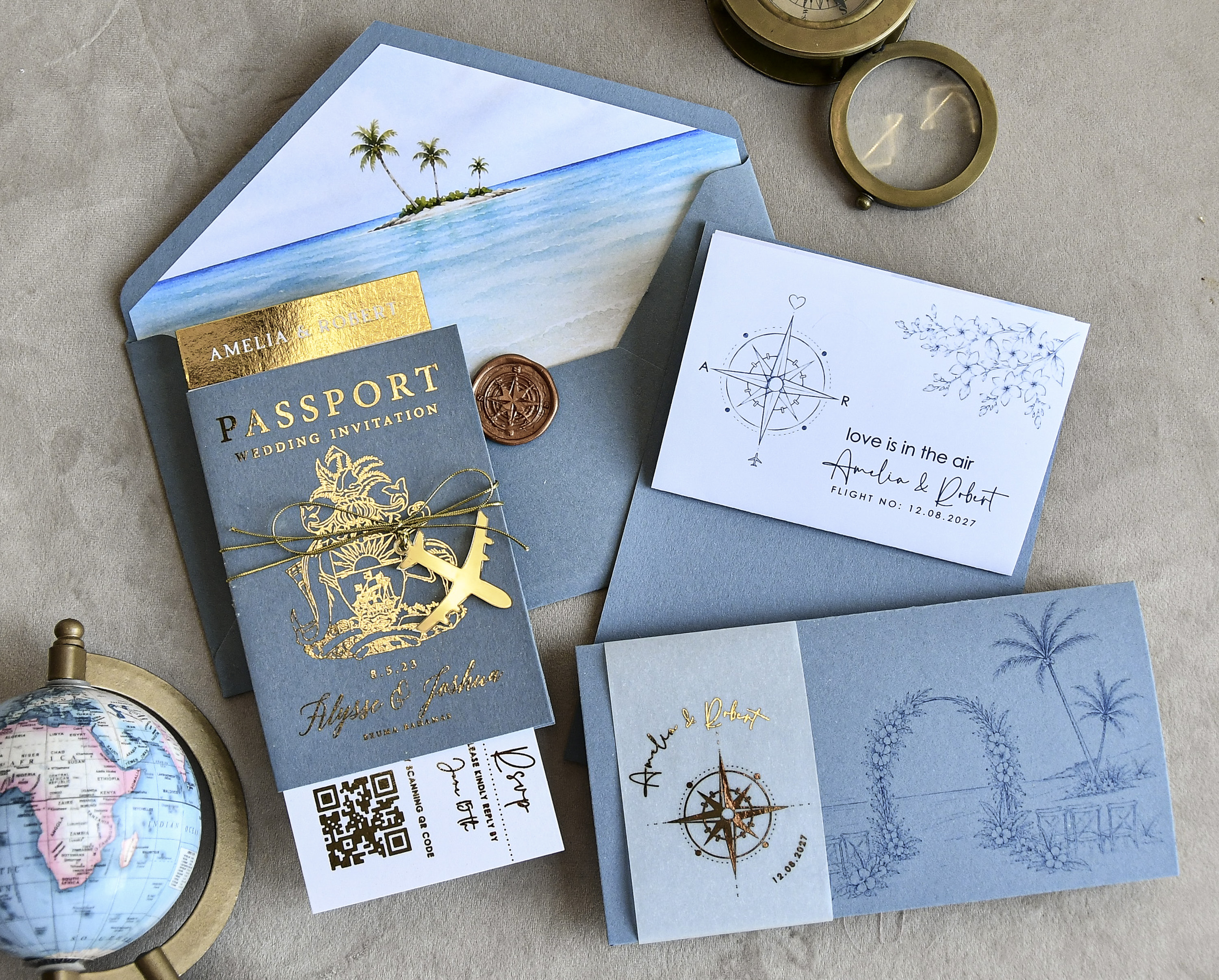
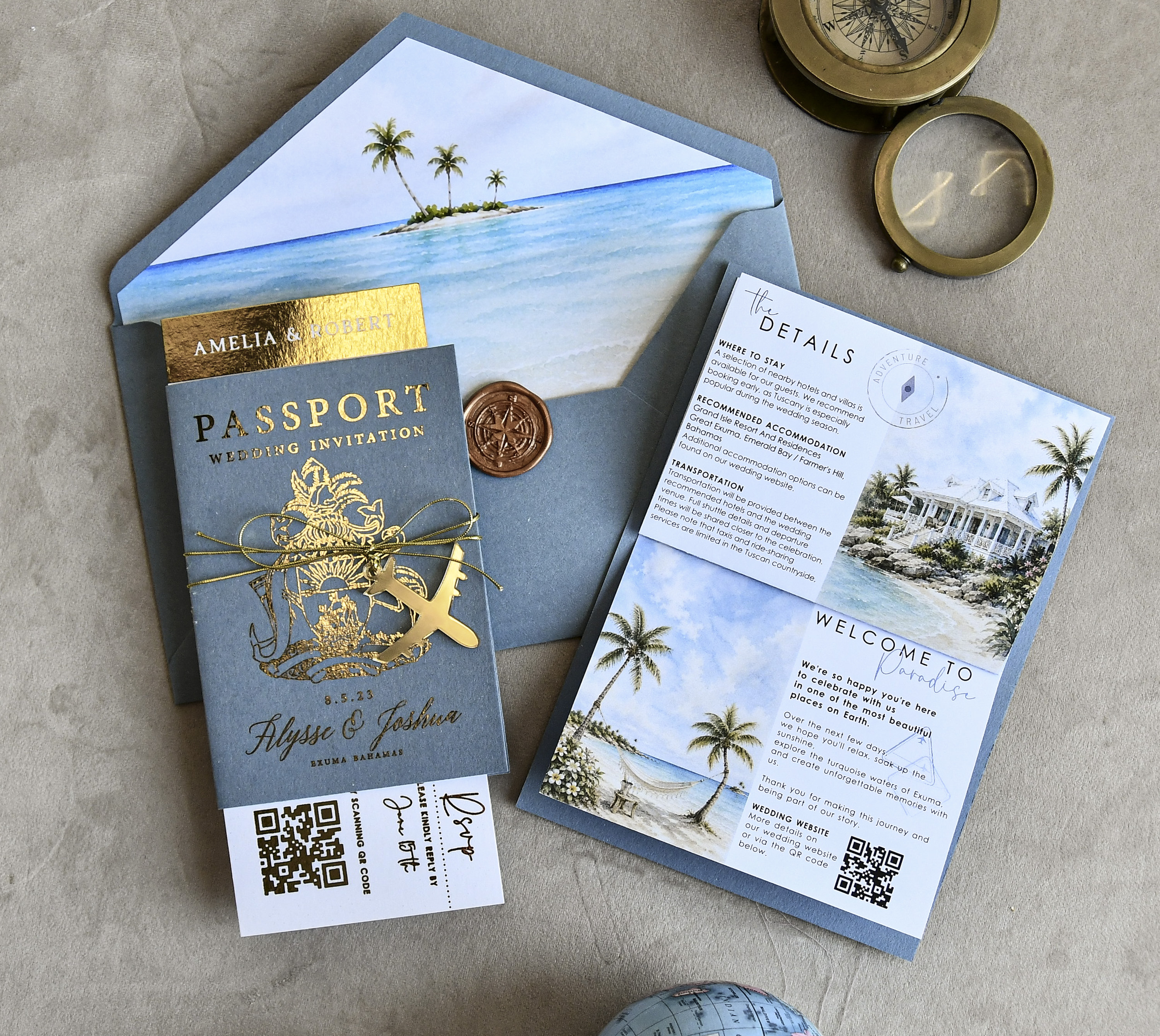
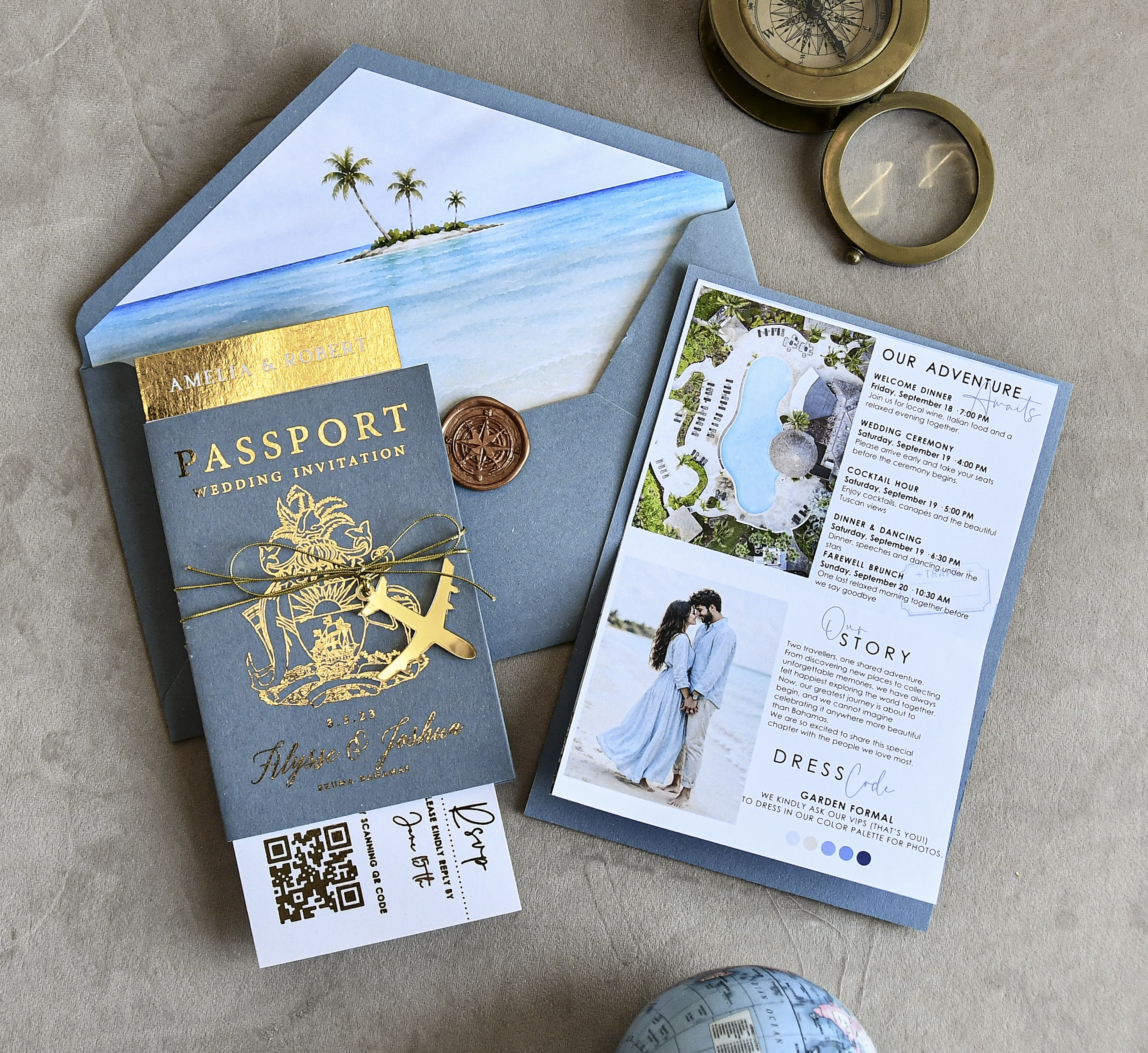
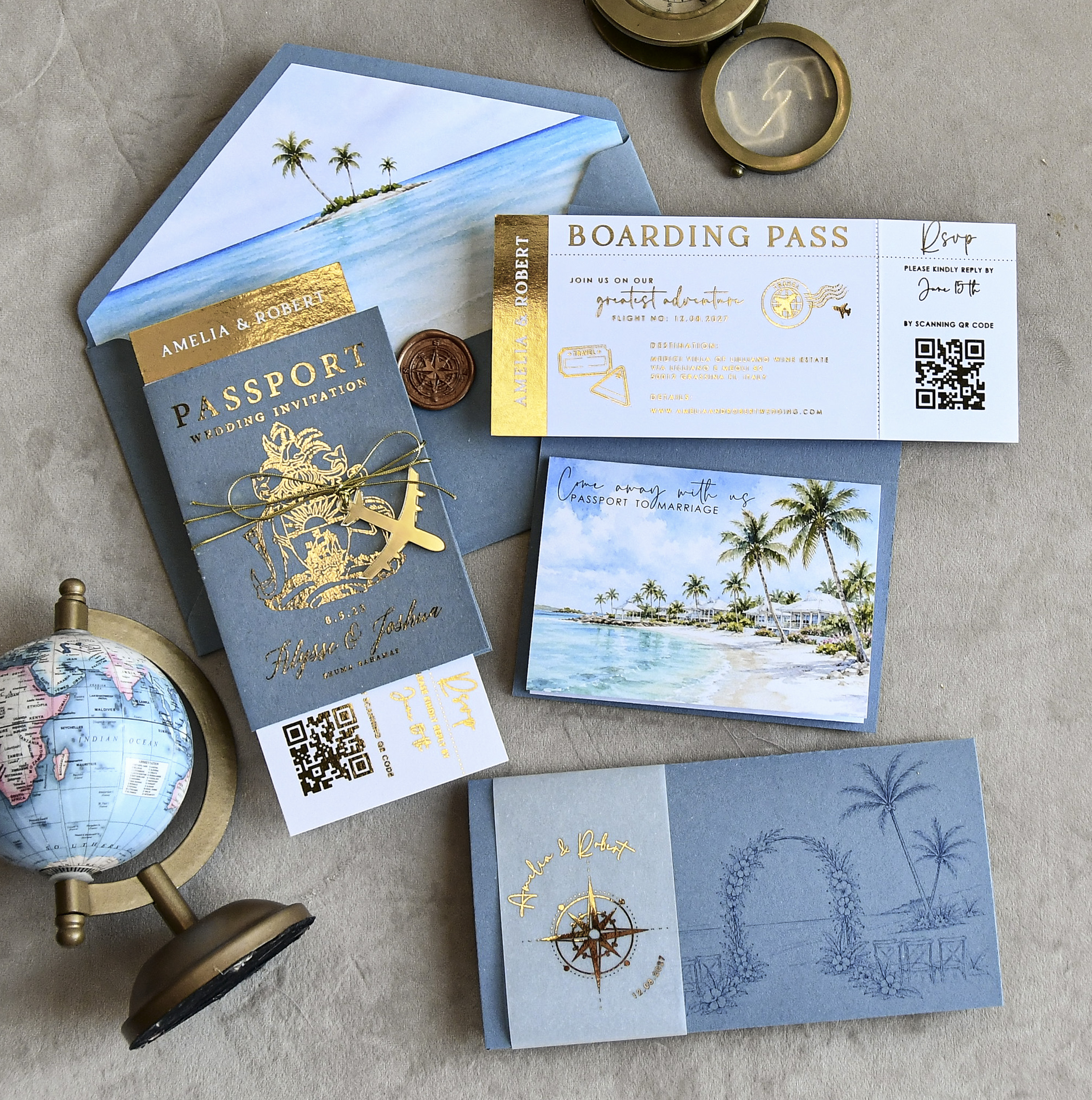
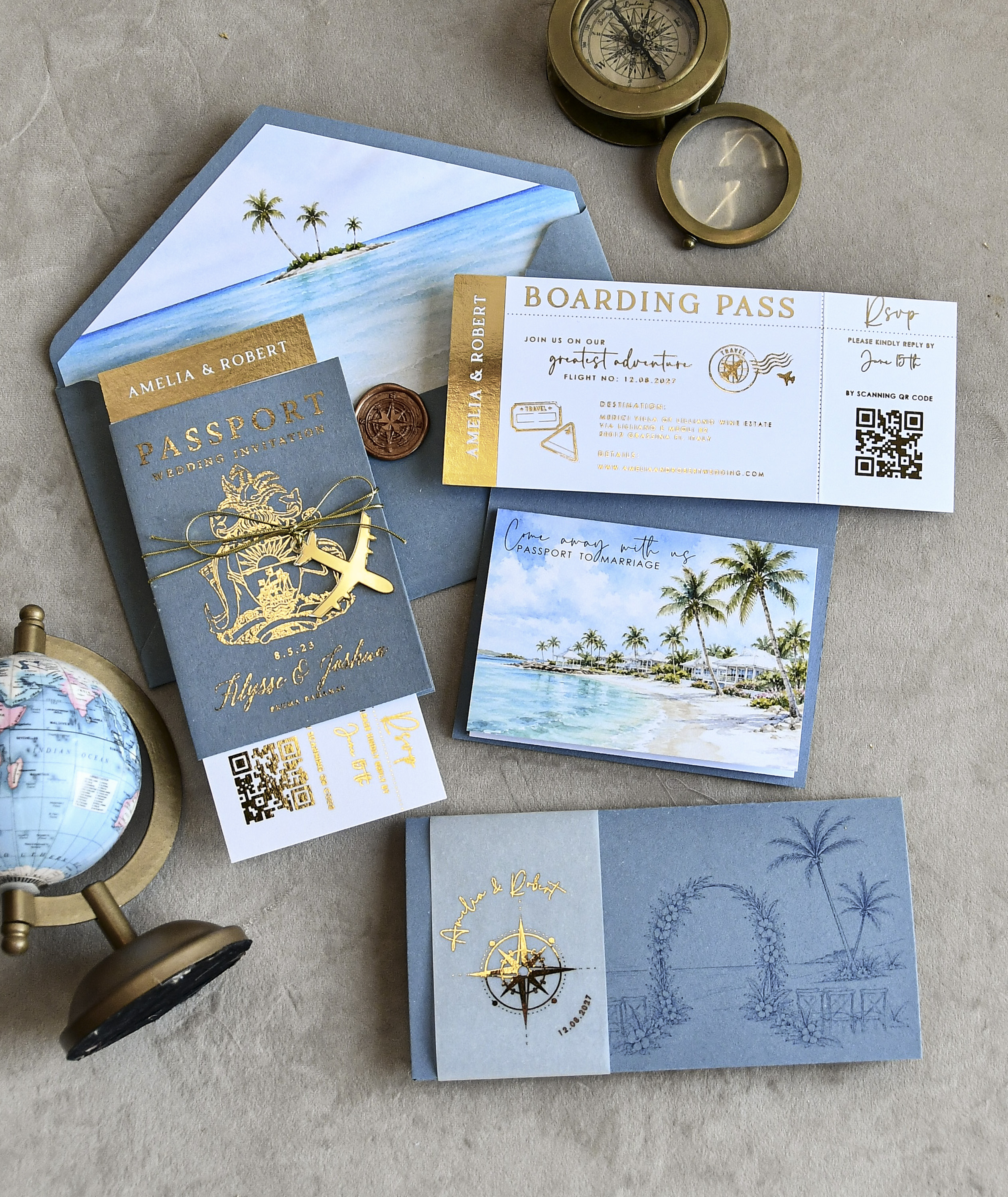
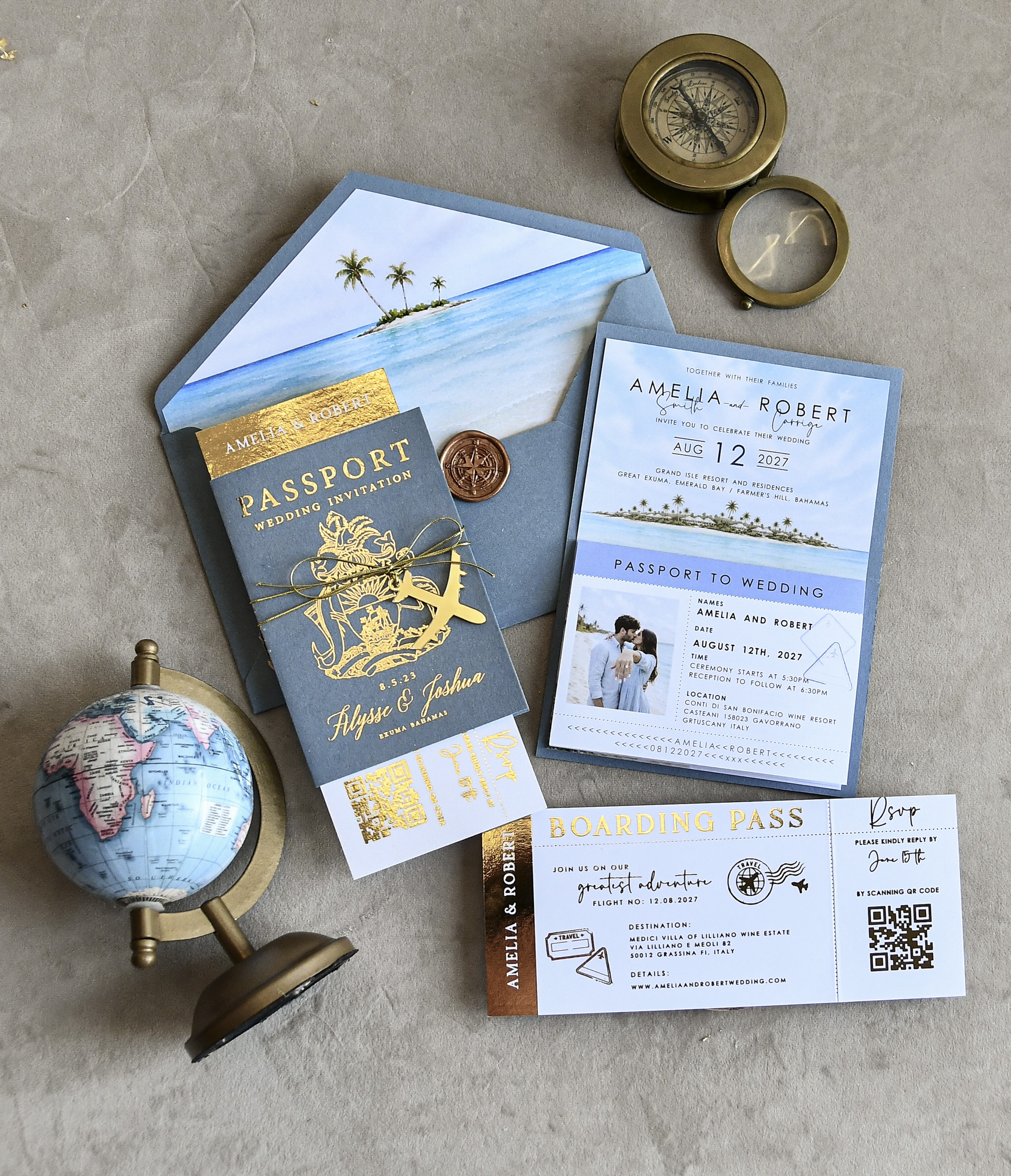
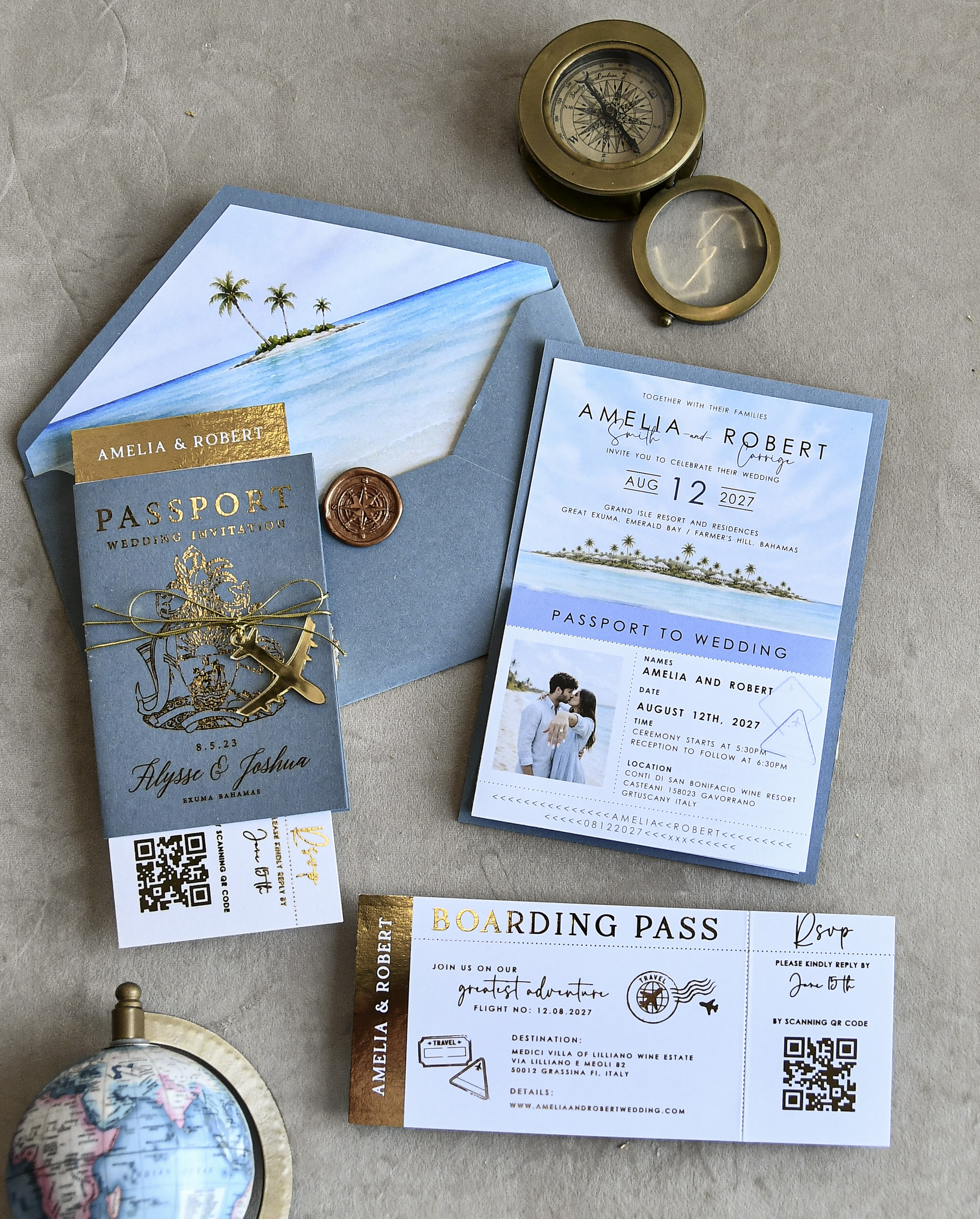
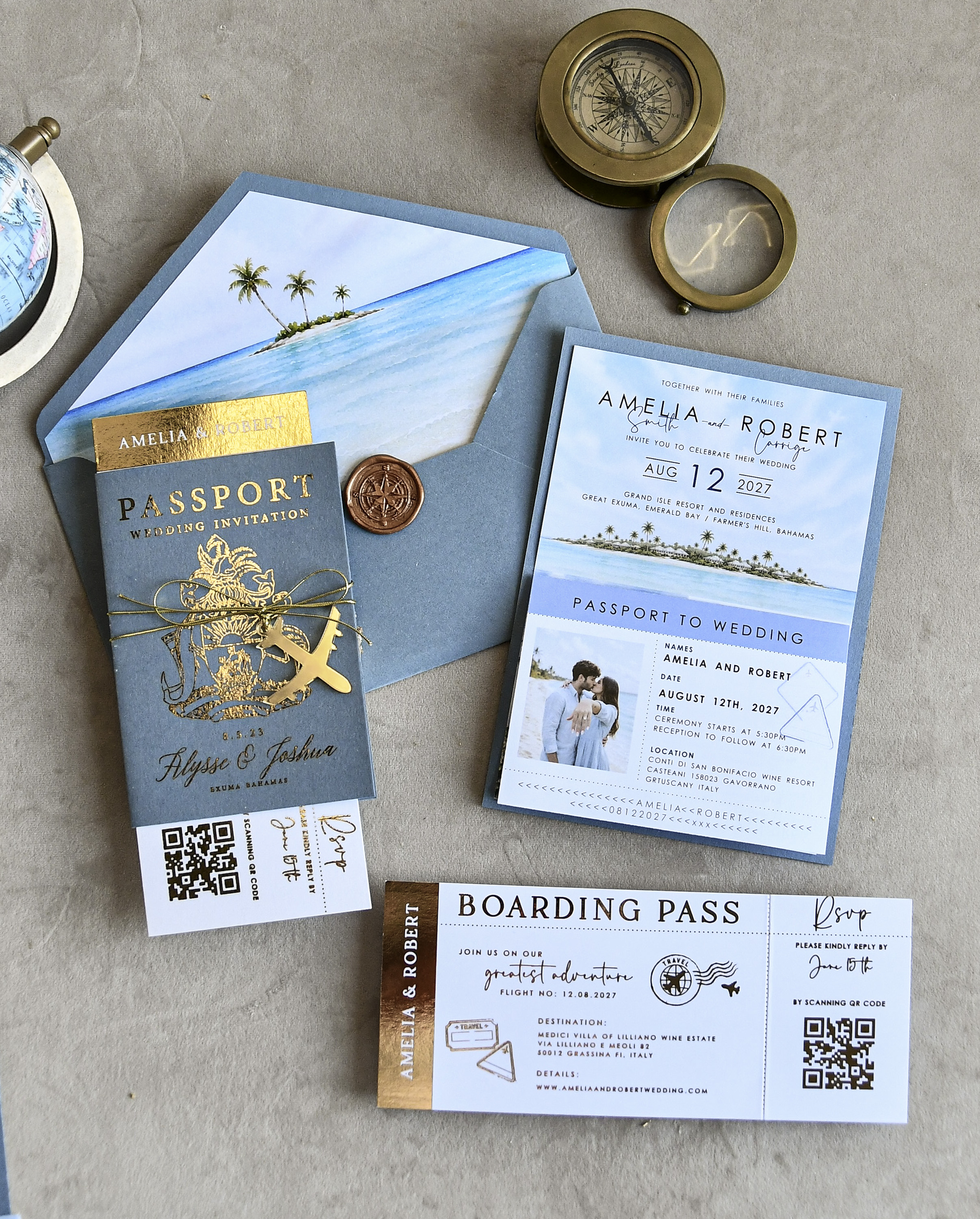
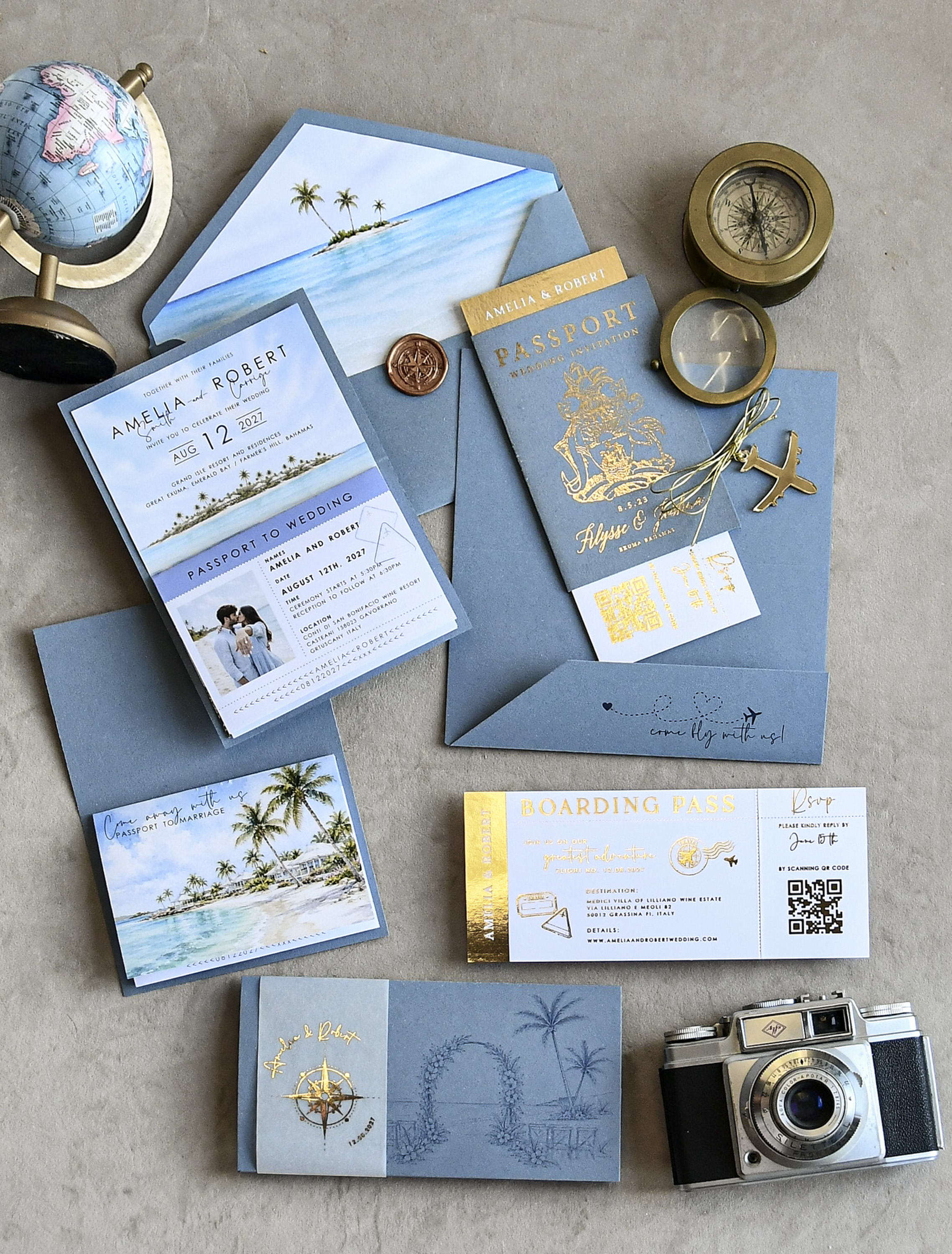
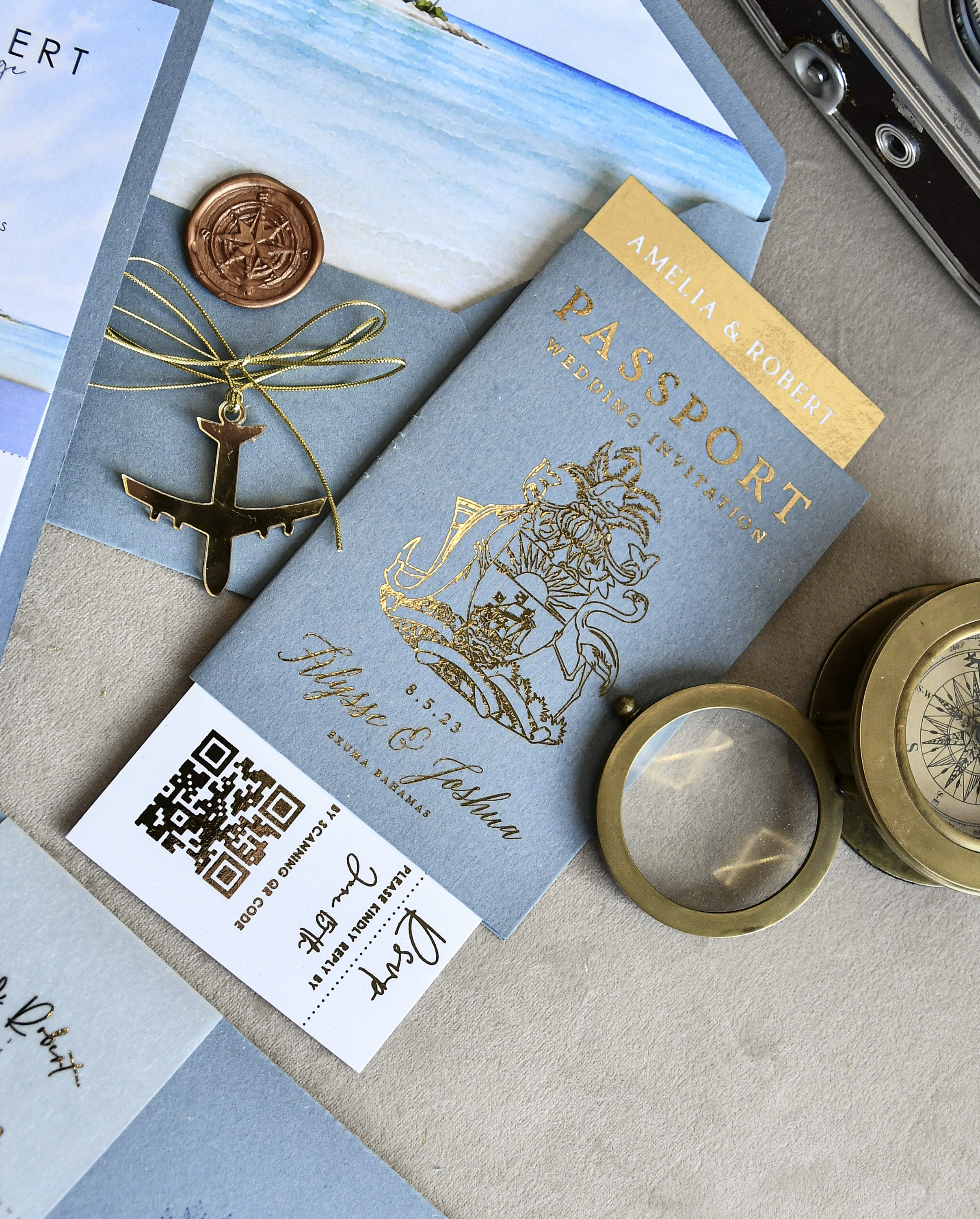
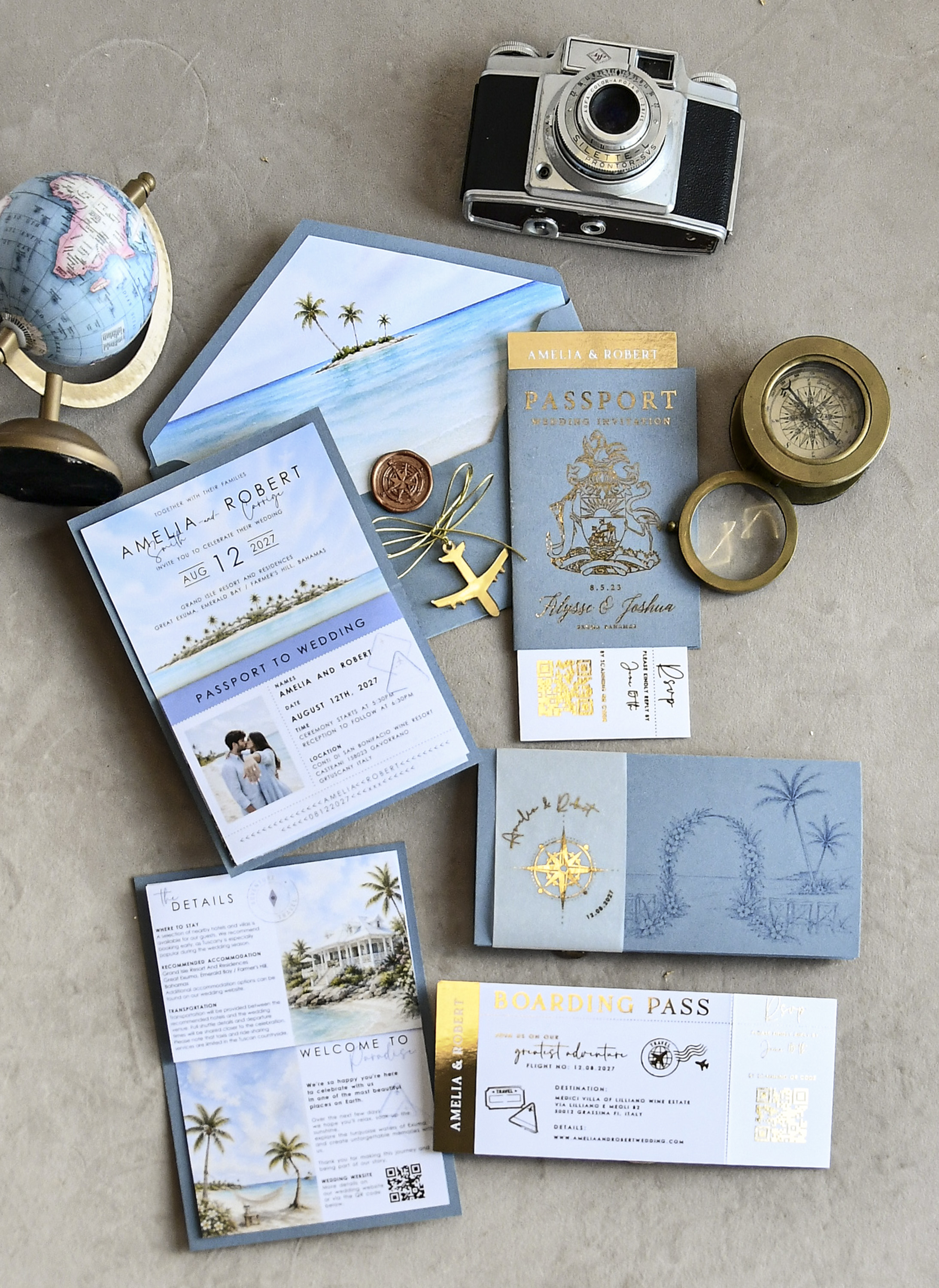
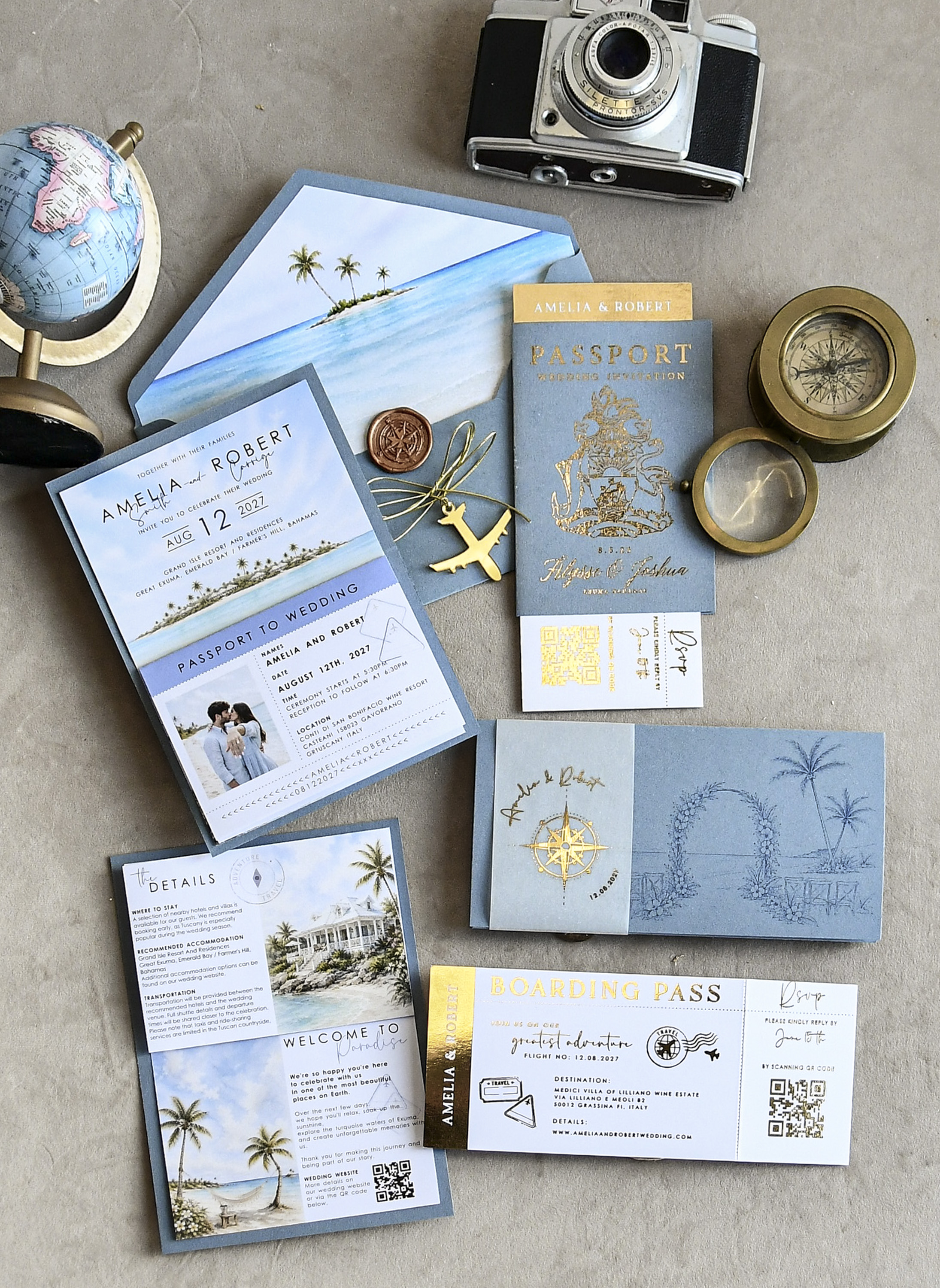
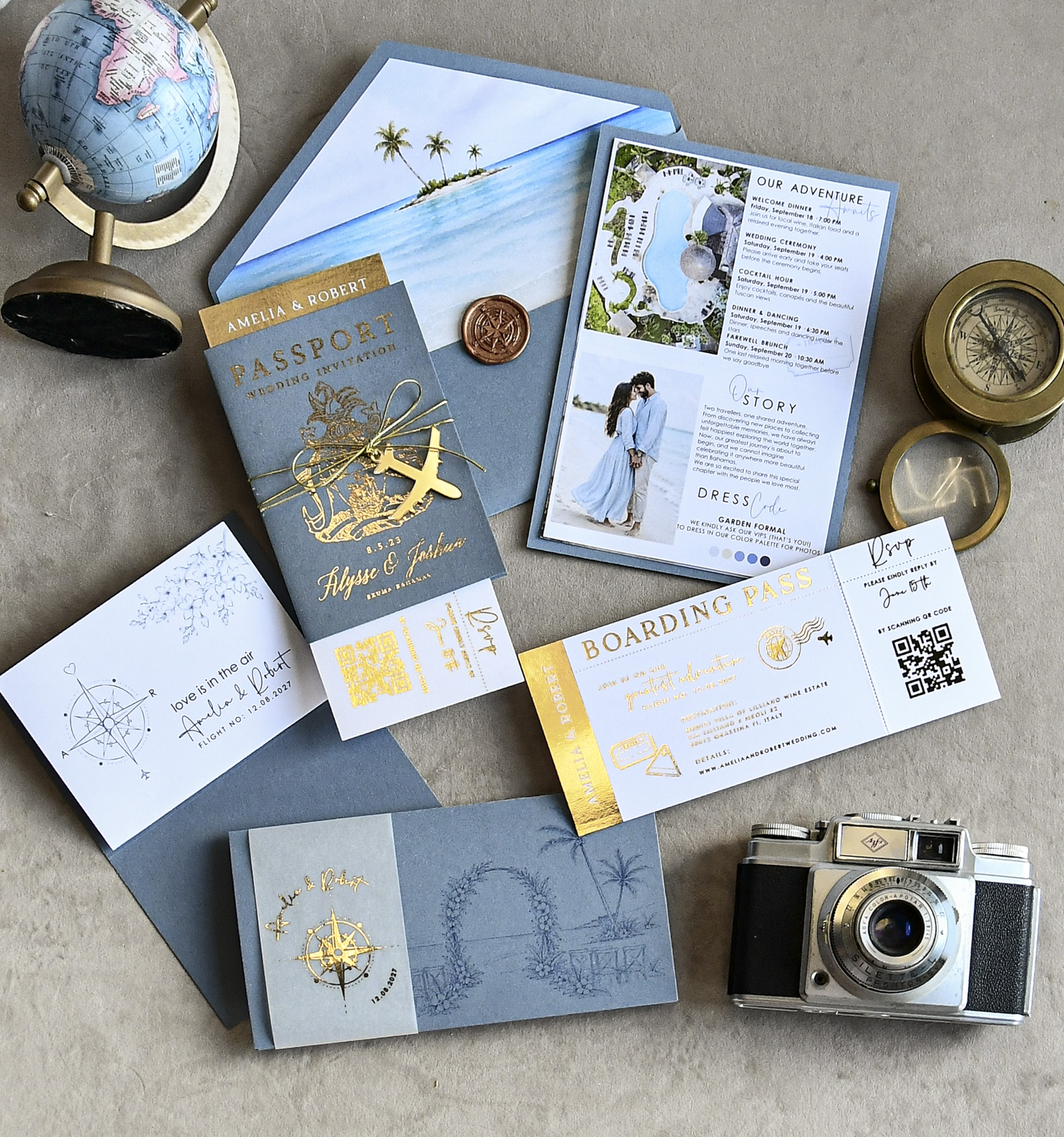
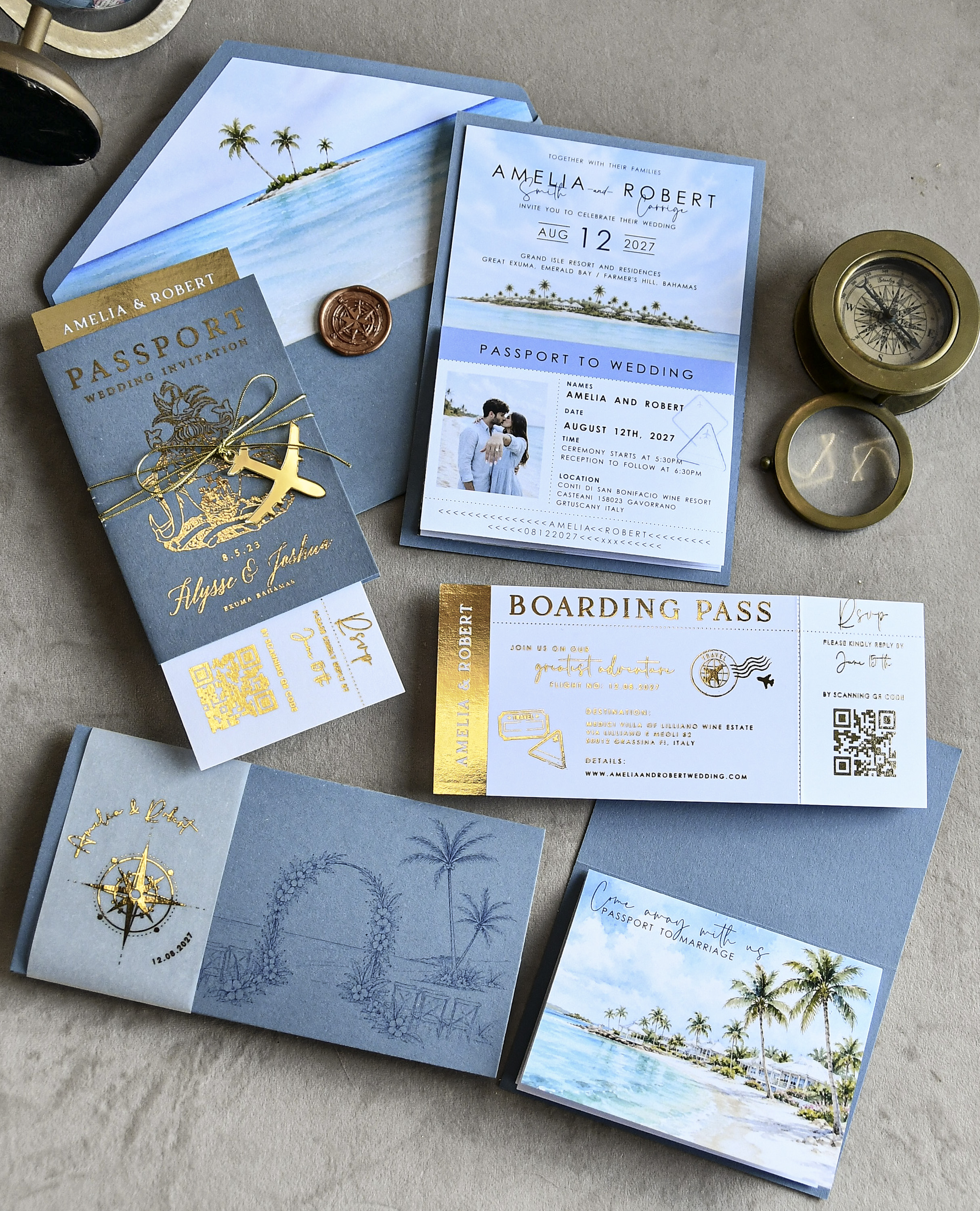
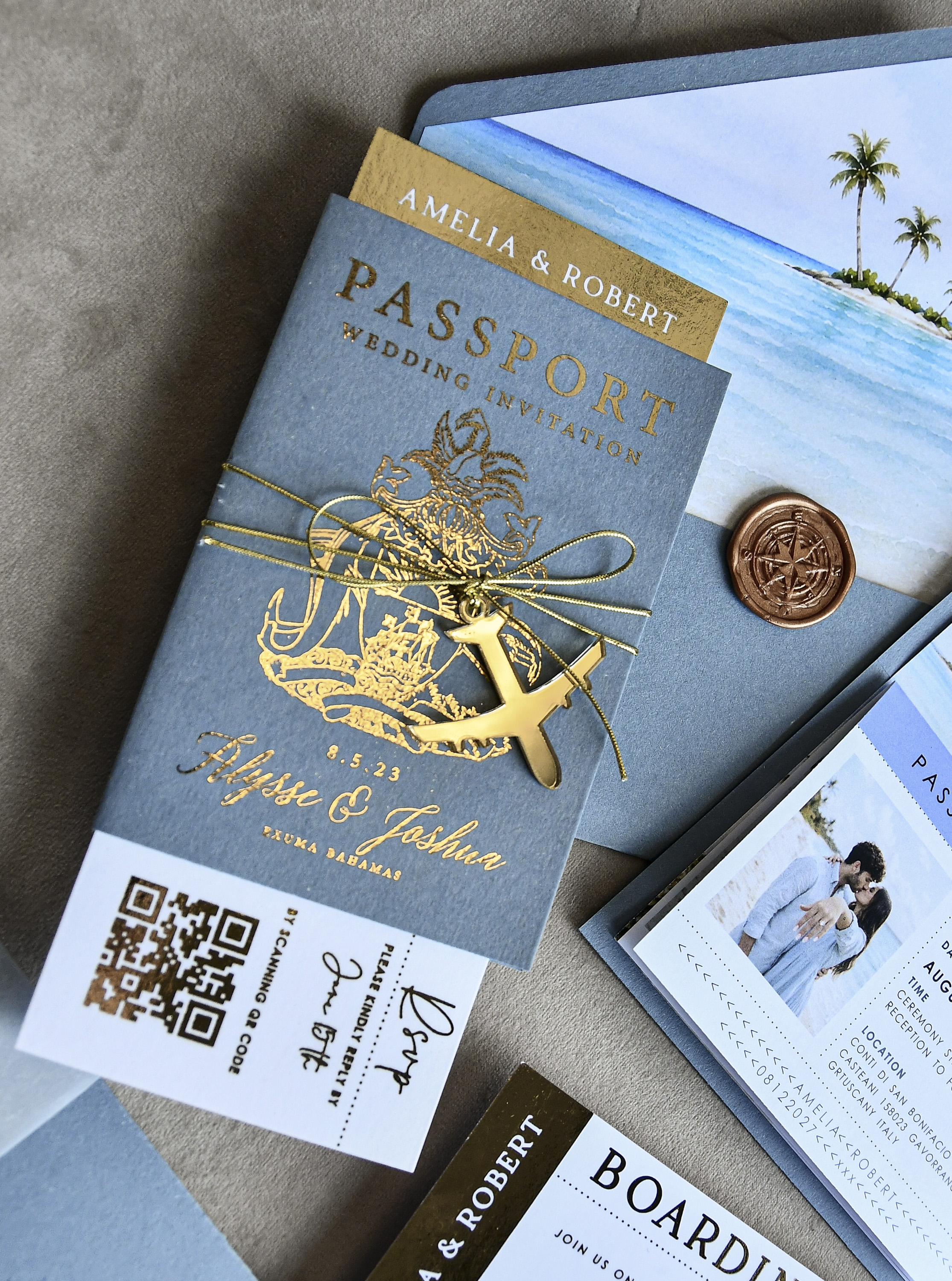
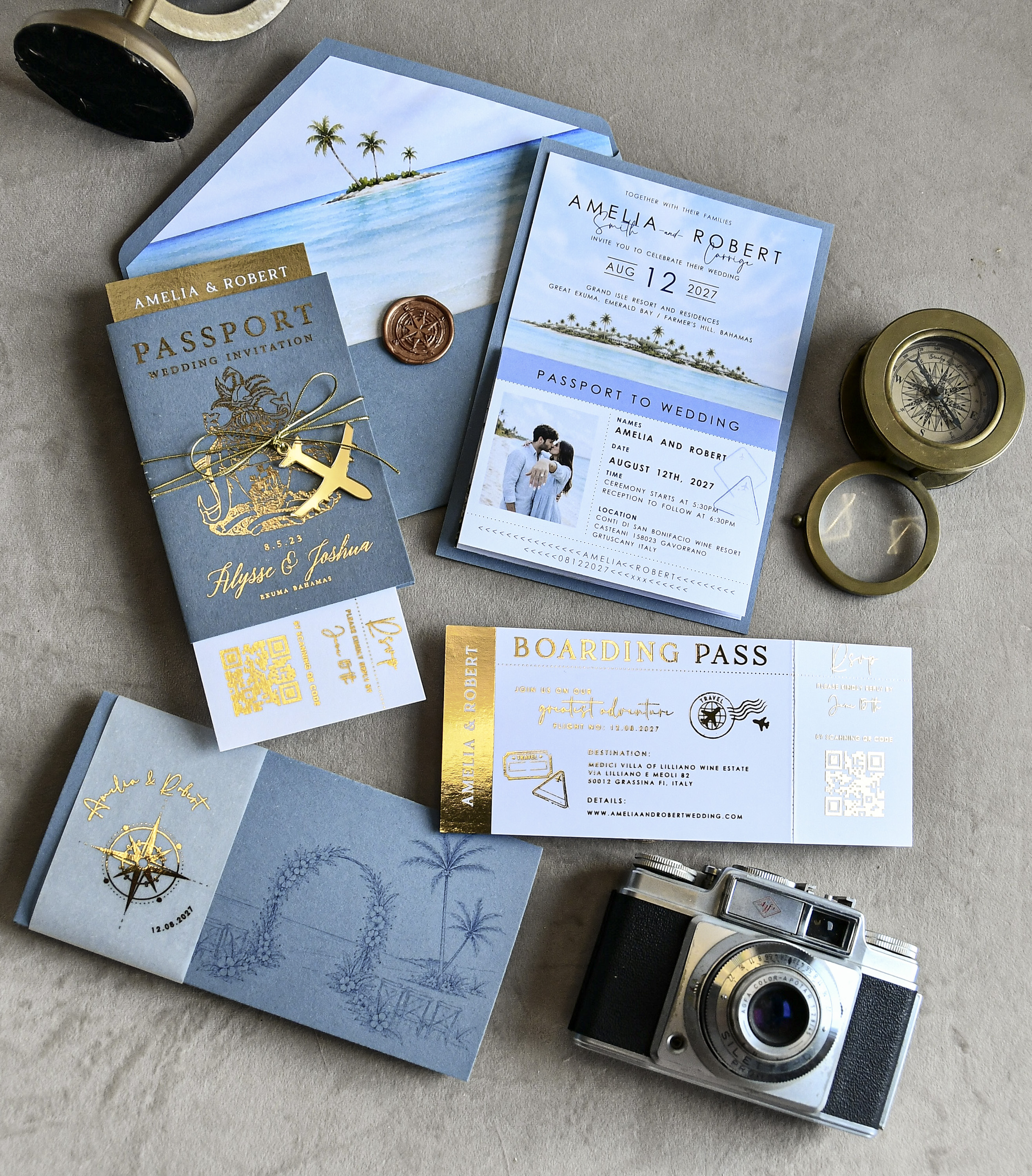
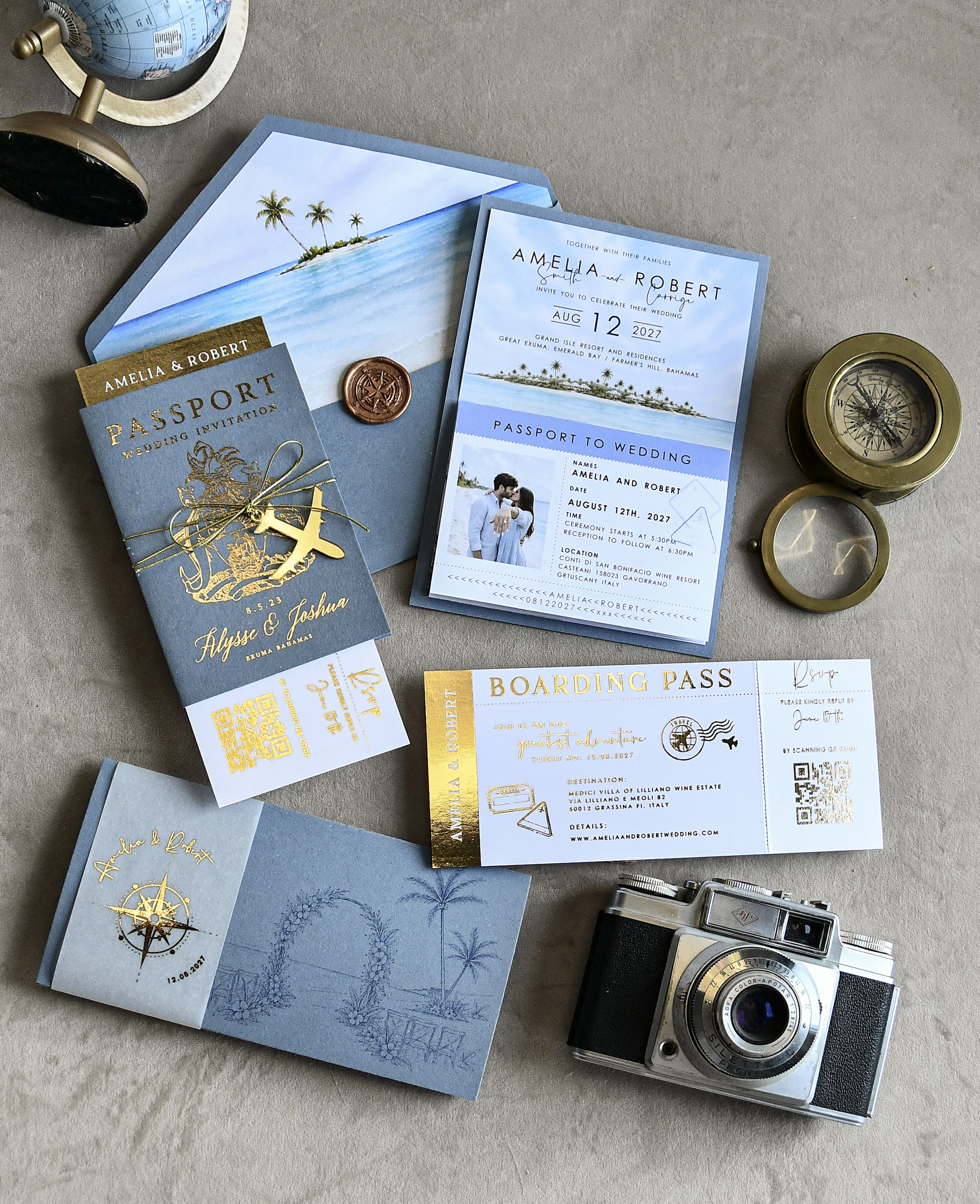
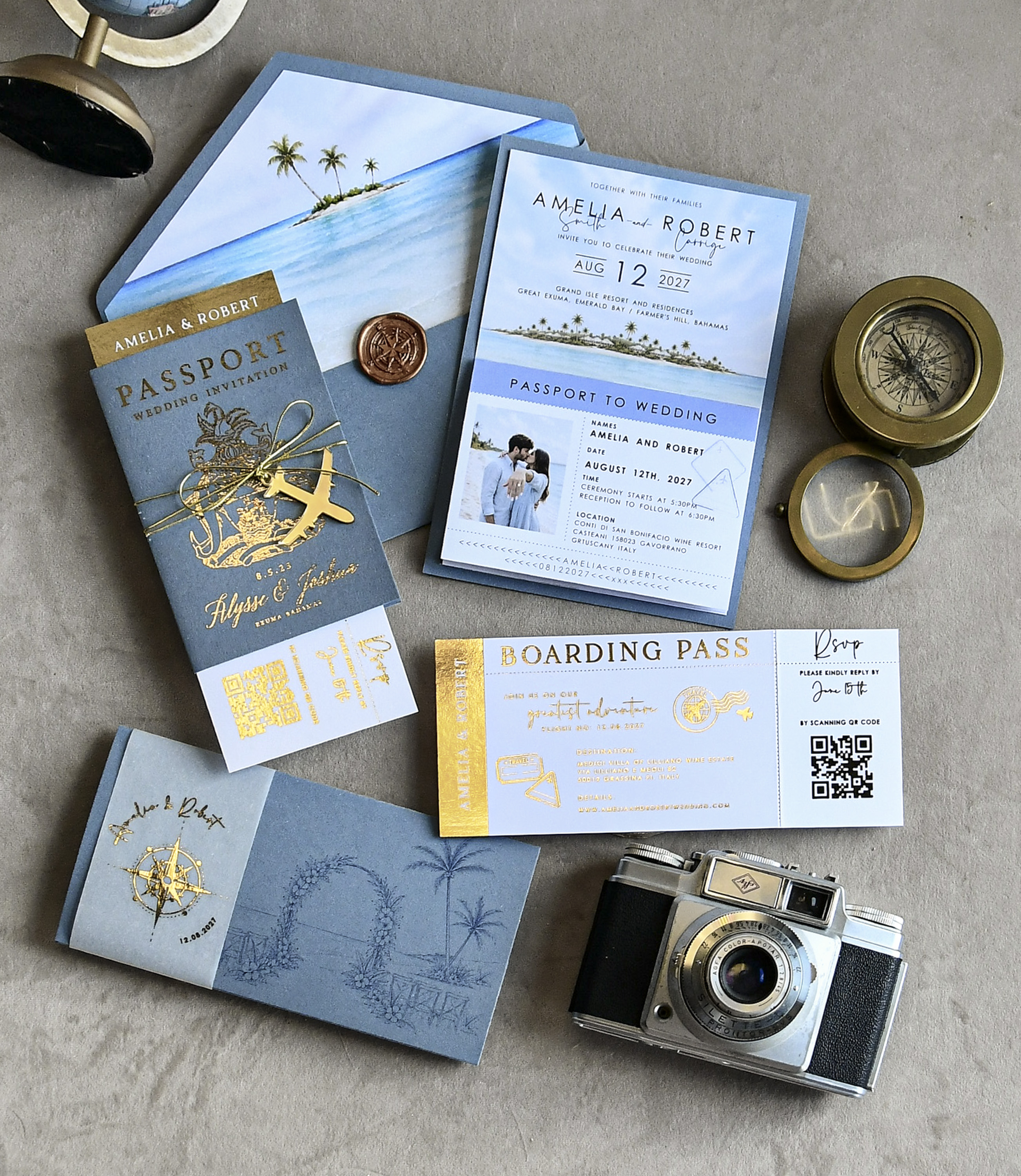
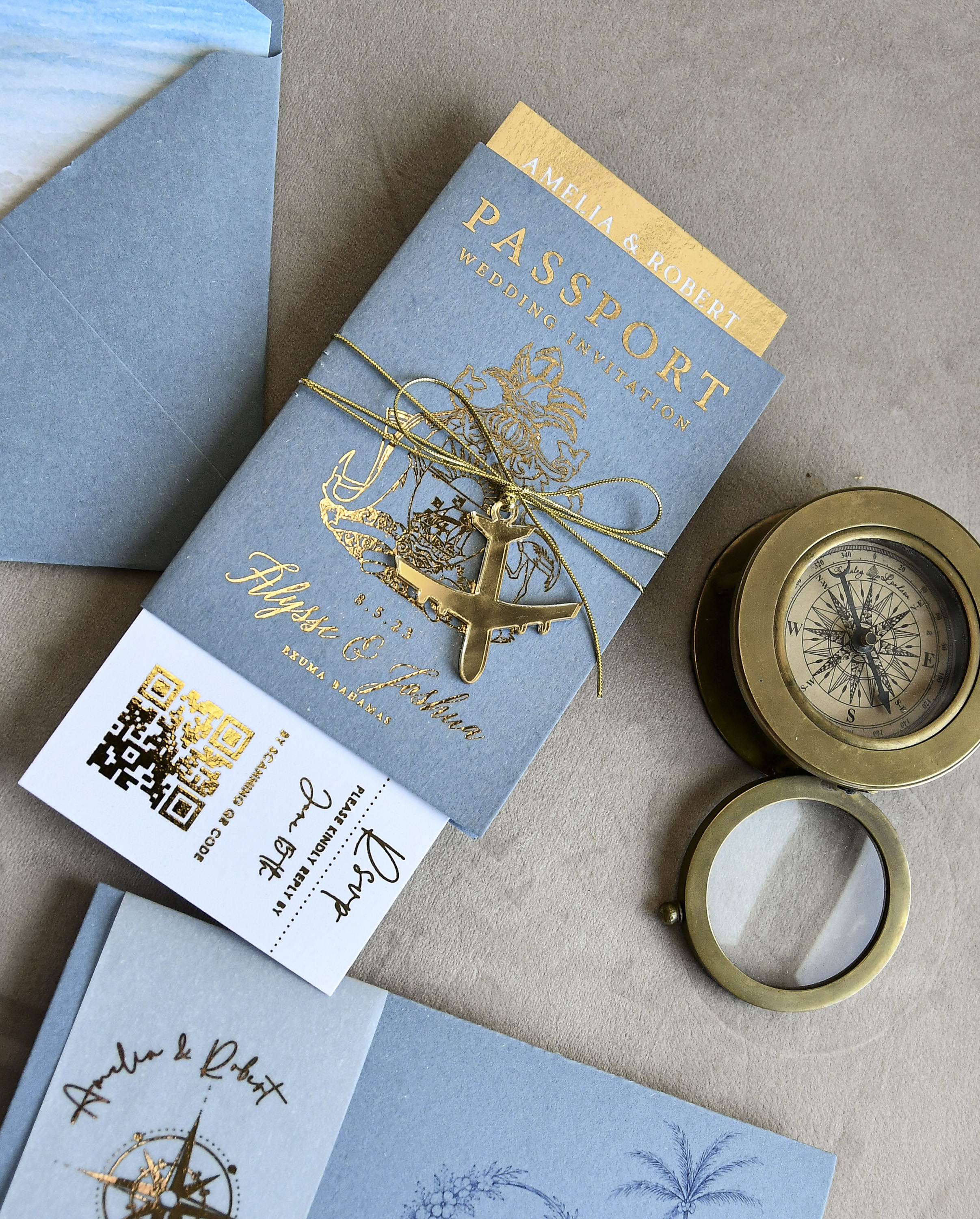
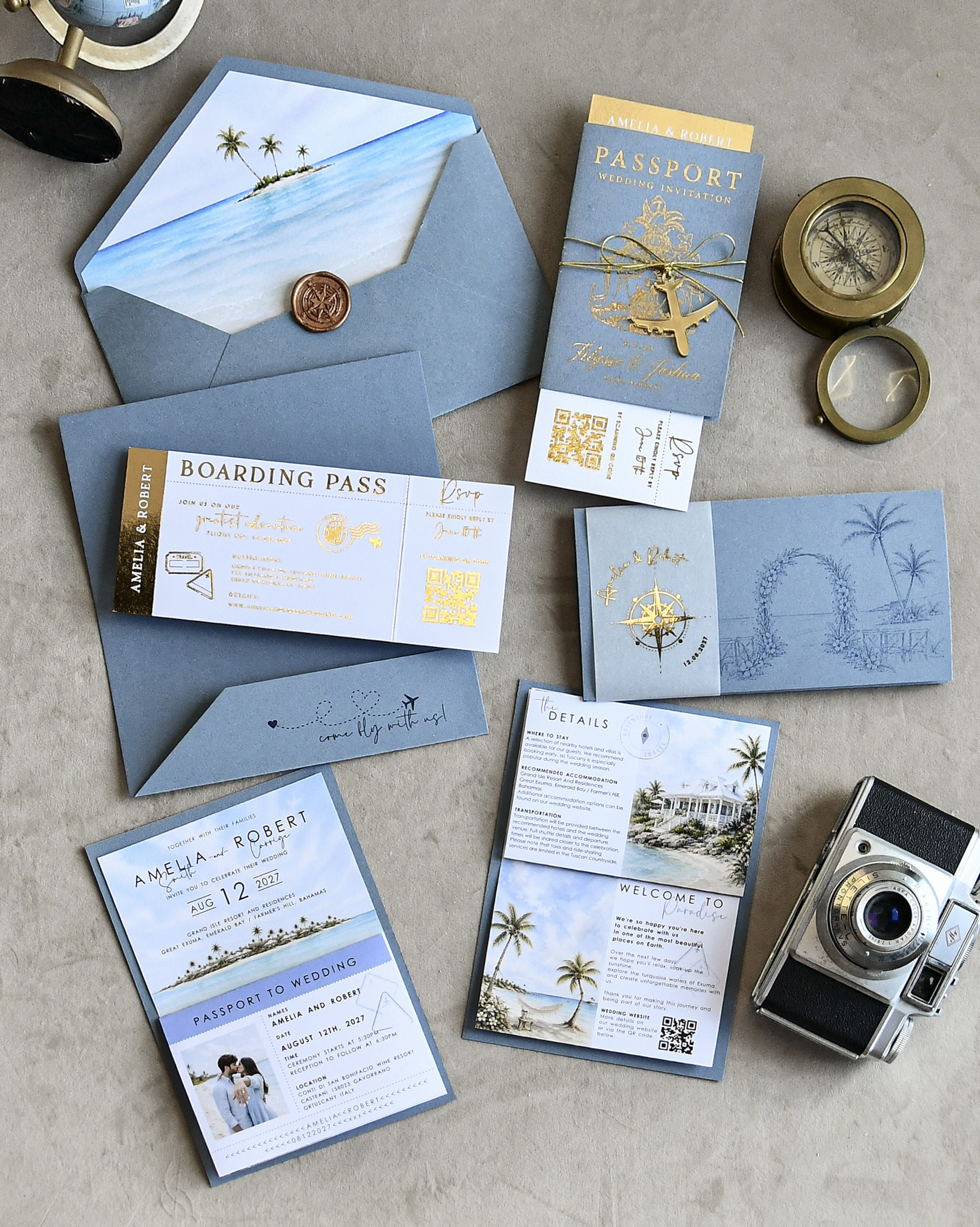
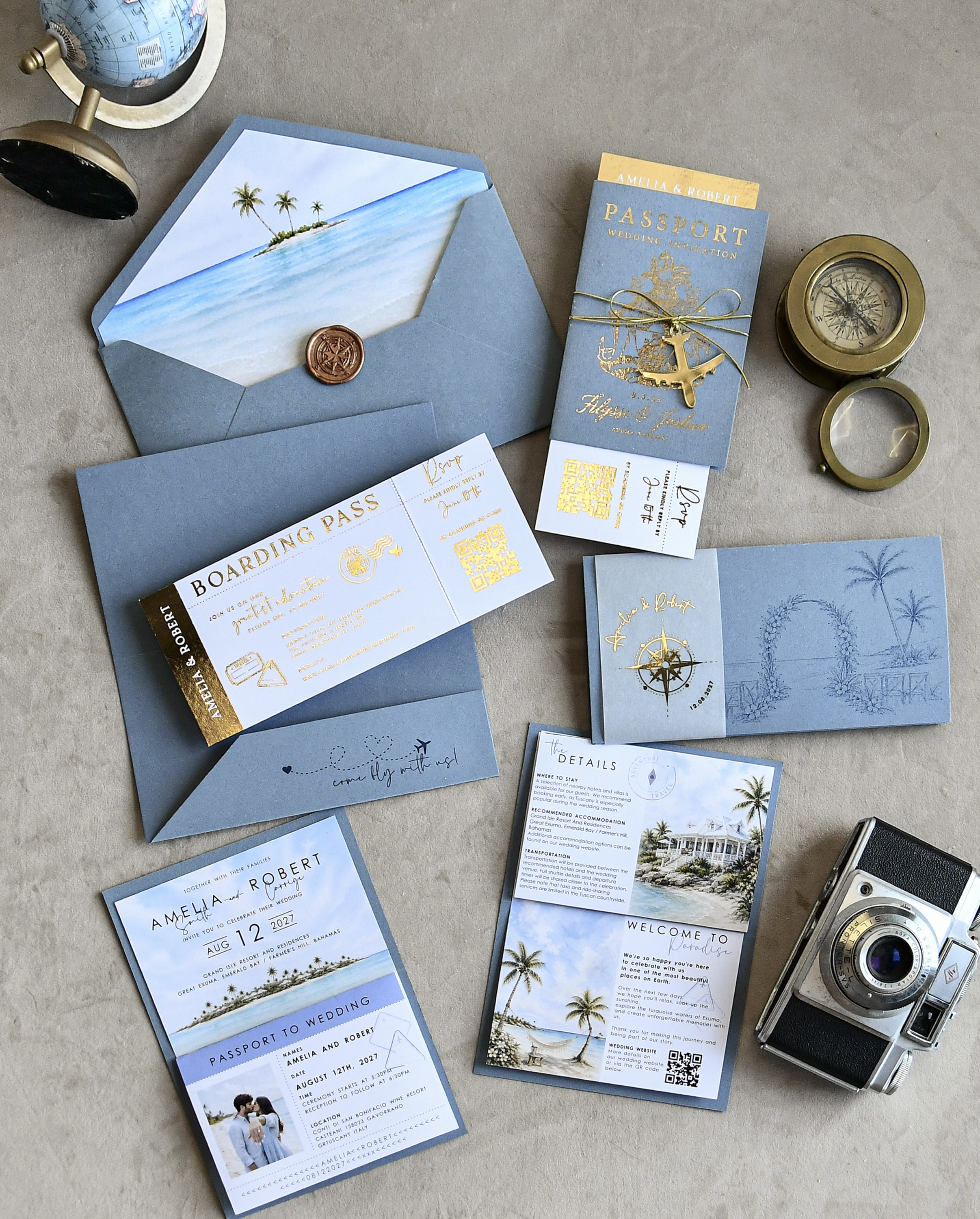
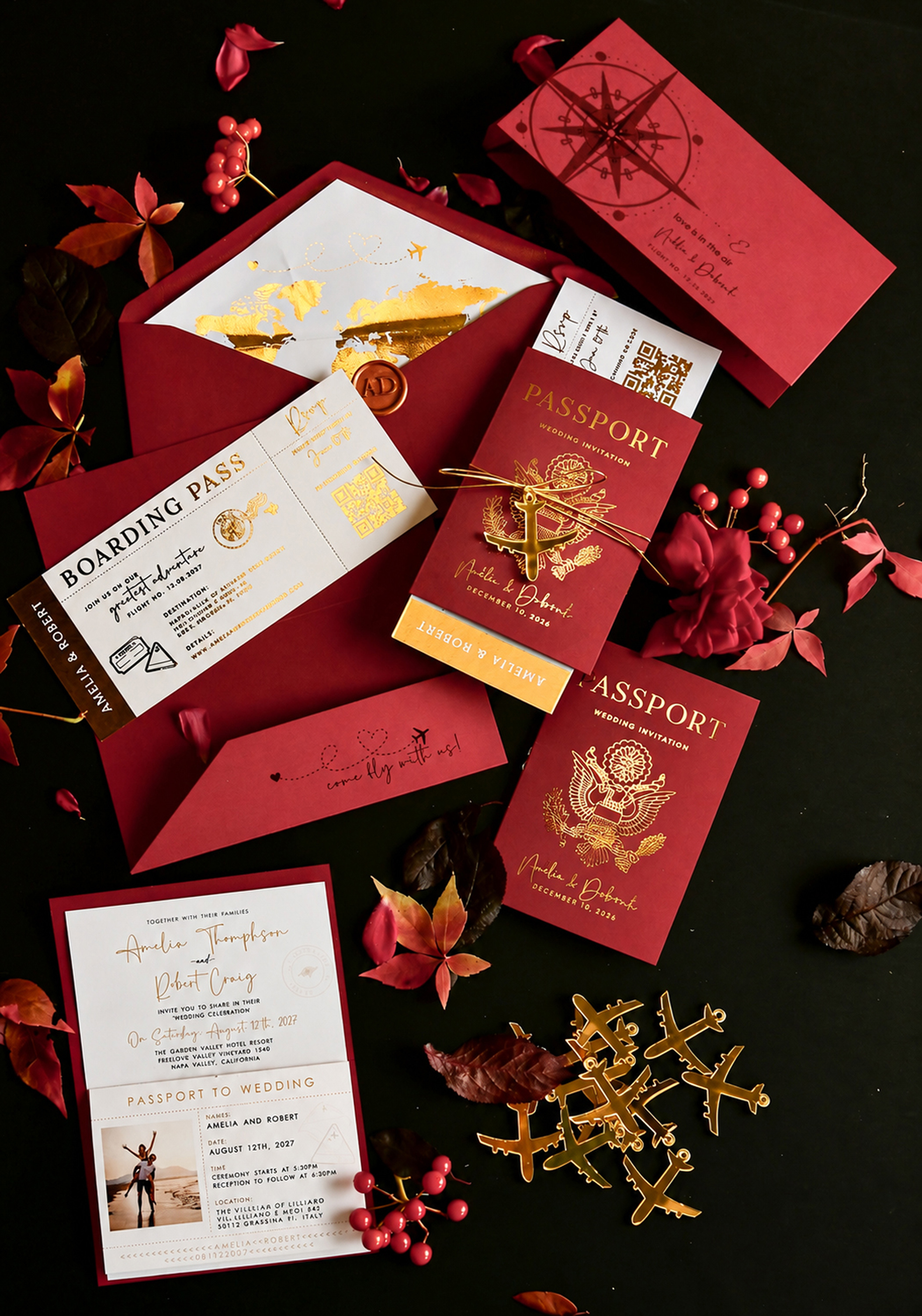
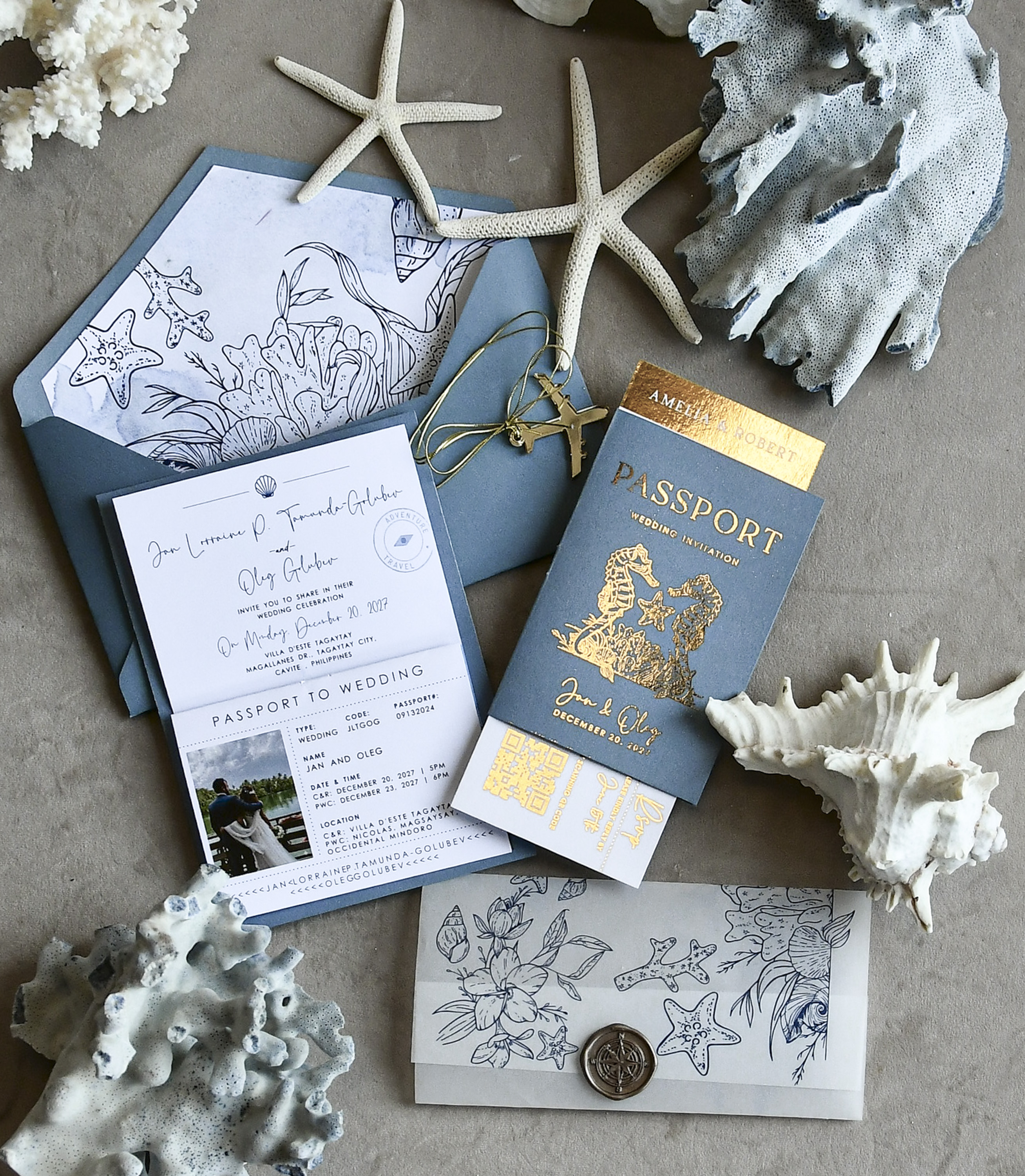
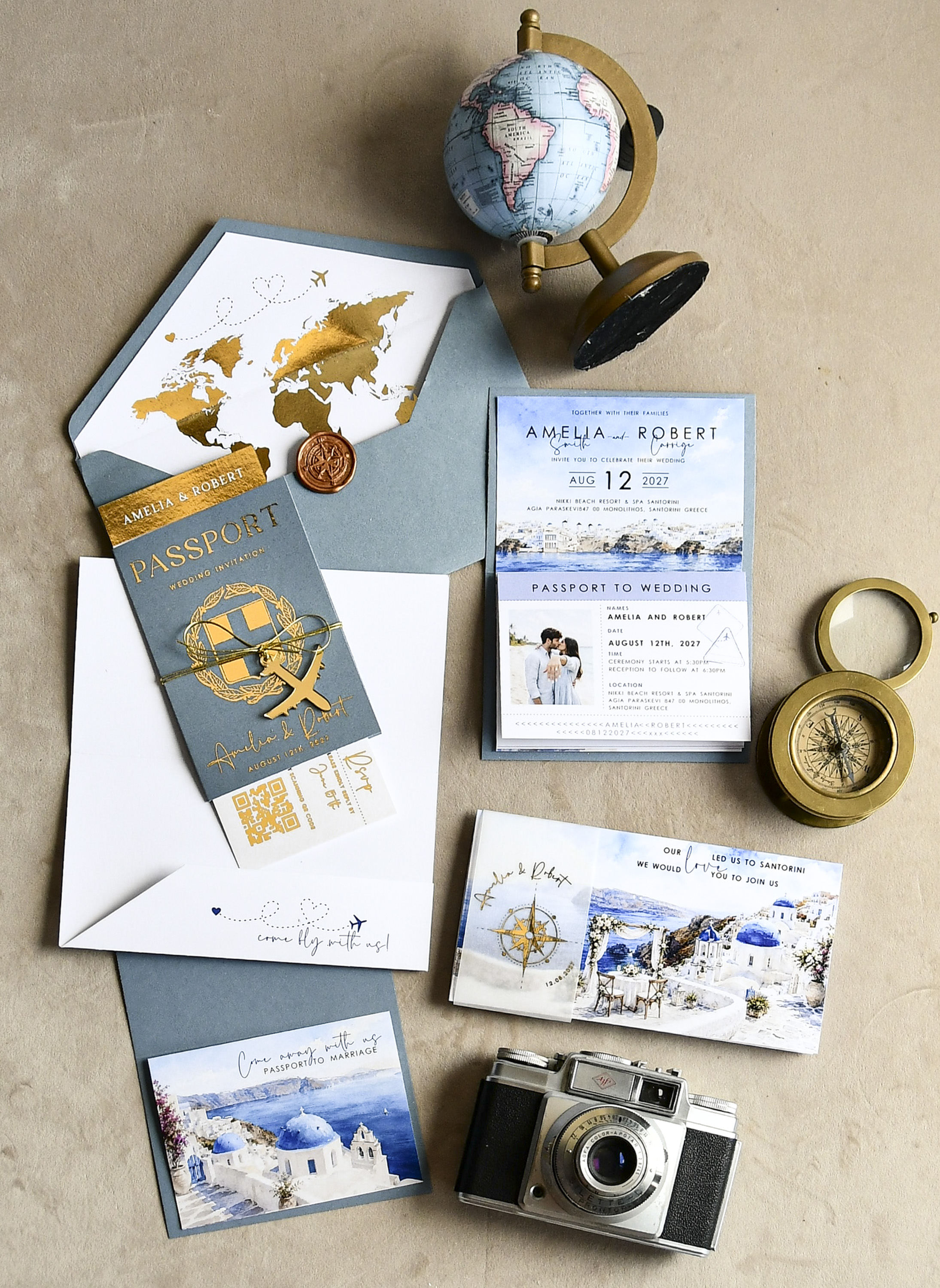
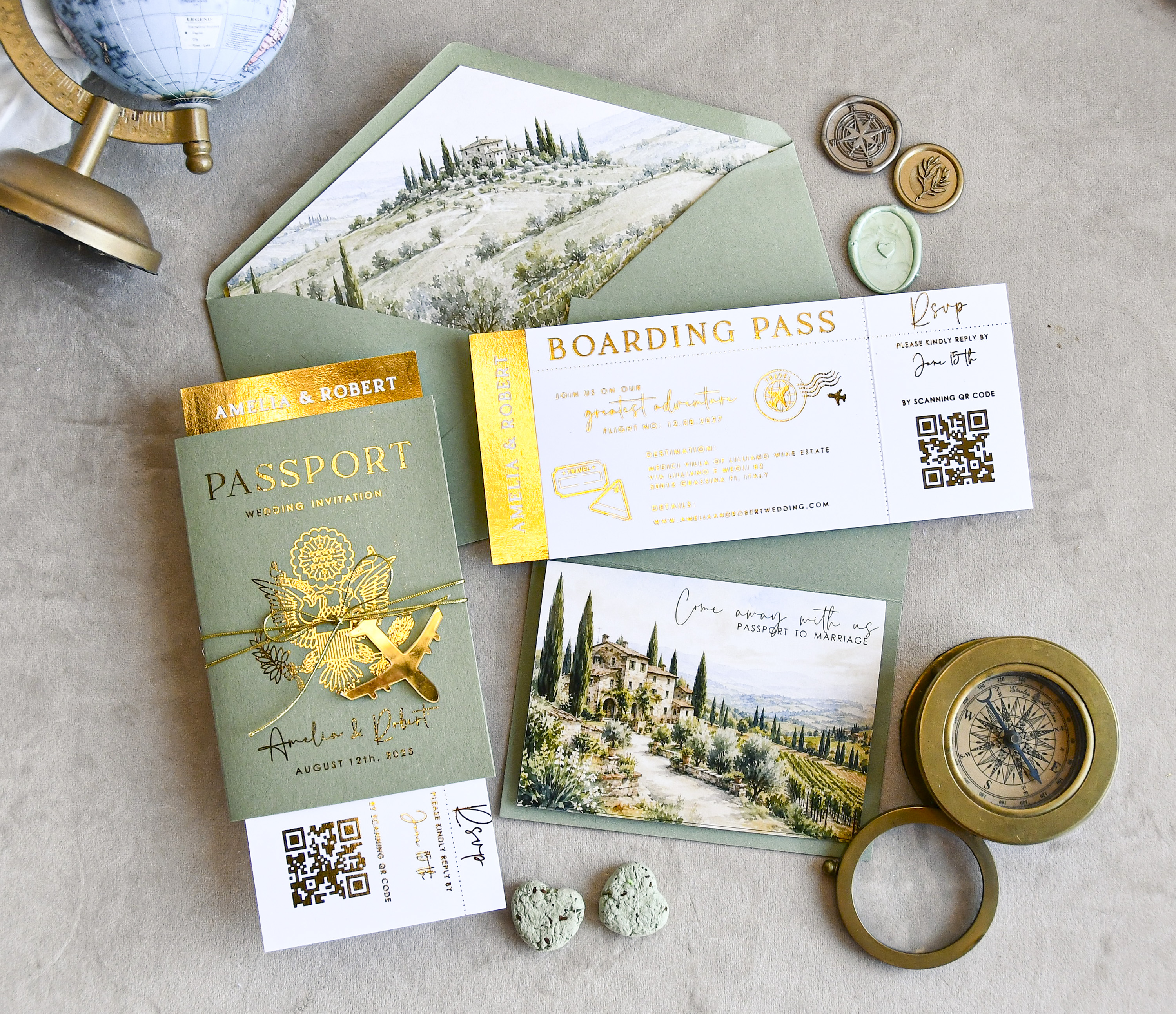
If you're sending a destination-style suite — like a passport invitation from our beach wedding collection — make sure both names appear clearly on the outer envelope so neither guest feels like a plus-one afterthought. Small details like this go a long way in making new family members feel genuinely included from the start.
Having the Conversation If You Choose Not to Invite Him
If your circumstances truly require you to leave him off the list — say, you're having a ceremony of 20 people and only including parents and siblings — be proactive and honest with your aunt. Don't let her find out through the grapevine or assume it was an oversight.
A simple, warm phone call works best: "Aunt Lisa, we're keeping the wedding to immediate family only because of our venue size. I want you to know we'd love to celebrate with you and David at a dinner after we're back." Offering an alternative gathering, even a casual one, softens the situation considerably and shows you value the relationship.
Whatever you do, avoid the trap of inviting some spouses and not others at the same family tier — inconsistency is where real hurt feelings live.
The Bottom Line
Inviting your aunt's new husband is almost always the right call. It respects your aunt, acknowledges her marriage as valid and meaningful, and sets a gracious tone for your new family dynamic going forward. Your wedding day is a celebration of love — extending that spirit to the people your loved ones have chosen is a beautiful way to start your marriage.
When you're ready to address and send your invitations, our passport-to-love beach wedding invites make it easy to create a suite that feels warm, personal, and polished — the perfect first impression for every guest on your list, old family and new.
Frequently Asked Questions
Yes, etiquette still applies regardless of how long they've been married. A wedding is actually a lovely opportunity to welcome new family members into your circle, even if you haven't had much time to get to know him yet.
That's not a reason to exclude him — in fact, your wedding can be a meaningful first meeting. Simply invite him warmly and consider introducing yourself when you greet them at the reception.
Inviting a married guest without their spouse is generally considered a breach of etiquette and can cause real offense. The only exception is a very intimate, strictly immediate-family-only event where the rule applies to every guest consistently.
Write both full names on the outer envelope, such as 'Susan Monroe and David Hartley.' This makes it clear both are invited and avoids any assumption that one name covers both guests.
That's a family dynamic issue, not a guest list issue. It wouldn't be fair to exclude him based on others' feelings, and doing so could seriously damage your relationship with your aunt. A gentle heads-up to concerned relatives that he will be attending is usually enough to set expectations.
Yes, in most cases seating them with your aunt's immediate family group is the most natural and welcoming choice. If there are specific tensions, a separate table nearby — but still among family — can work as a thoughtful compromise.
See This Design Up Close

You May Also Like
More Wedding Planning Guides
- → Kids at Your Wedding: Should You Hire a Babysitter or Full Entertainment?
- → The Right Time to Chase Down Missing RSVPs (And How to Do It Gracefully)
- → The Graceful Way to Let Guests Know Your Wedding Is Adults Only
- → Wedding Guest List Dilemma: Should Your Boss and Coworkers Make the Cut?
- → When Guests RSVP Yes But Never Arrive: What to Do Before, During, and After
- → Planning Your Wedding When Your Divorced Parents Can't Stand Each Other
- → Navigating Wedding Invitations When a Sibling Relationship Is Complicated
- → Your Guest List, Your Rules: Navigating In-Law Friend Invites
- → Big Guest List vs. Better Wedding Experience: Which Should You Prioritize?
- → Save the Date Cards vs. Wedding Invitations: Know the Difference Before You Order
- → Extra Wedding Guests: Who Picks Up the Tab?
- → No RSVP? Here's Exactly How to Handle It
- → What to Say When Someone Asks Why They Didn't Make the Guest List
- → Plus-Ones for Single Guests: Making the Right Call for Your Wedding
- → How to Kindly Let Someone Know They Didn't Make the Guest List
- → My Fiancé Wants to Exclude My Family From the Wedding: Now What?
- → Should You Give Teenage Guests a Plus One at Your Wedding?
- → Adults-Only or Family-Friendly? How to Make the Right Call on Kids at Your Wedding
- → When Guests Bring Unexpected Plus-Ones: What to Do Before and After the Wedding
- → How Late Is Too Late for Wedding Invitations? A Realistic Timeline
- → The RSVP No-Show: Should You Actually Call Guests Who Never Responded?
- → Wedding Invitations: Mail Them or Hand Deliver? Here's How to Decide
- → What to Do When a Relative Says They Won't Come If Someone Else Is Invited
- → Extra Names on Your RSVP Card: What to Do When Guests Add Themselves
- → Your Guest List, Your Call: How to Handle Mom's Must-Invite Requests
- → Yes, You Can Say No to a Plus One — Here's How to Do It Right
- → Adults-Only Weddings: Are You Being Rude by Leaving Kids Off the Guest List?
- → How to Handle Seating for Divorced Parents at Your Wedding
- → Uninvited Plus-Ones and Tag-Alongs: How to Keep Your Guest List Intact
- → When Family Feuds Threaten Your Wedding Plans: A Practical Peacekeeper's Guide
- → Inviting an Estranged Brother or Sister: Finding Clarity Before You Seal the Envelope
- → Cousins, Invites, and Hard Choices: A Practical Guest List Guide